

✍️ Eva Lakeman, Jana Vondráčková & Chloe Lovatt
Wherever you live, utility costs can be a pain in the backside. Looking at your energy bill can make you seriously consider living in a cave. But before you live among the bats, there are ways you can reduce the costs of that hefty energy bill in the Netherlands.
Here are 14 real things you can do in the Netherlands to cut down that energy bill (so you can have a bit more cash to spend on important things, like poffertjes 😉).
This post might have affiliate links that help us write the articles you love, at no extra cost to you. Read our statement.
1. Turn down your heating at night
Did you know that by turning down the heating to 15 degrees at night, you could save up to €100 a year? You can be snug in bed and sleep happily knowing you’re saving cash! 💤

Even turning down the heating at night by just one degree can save you up to 7% on your yearly energy bill in the Netherlands — those extra pennies can go towards pints in the pub.
Tip! If you have underfloor heating, turn your thermostat down by just two degrees overnight. Otherwise, you’ll spend more money heating it in the morning. 😉
2. Switch energy providers regularly
Switching energy providers may actually help you save money in the long run.
In the Netherlands, you can choose between fixed and variable energy rates.
Variable rates typically change every six months, on January 1 and July 1. Whereas, with fixed rates, the energy price remains the same for the entire duration of your contract.

While variable rates are great when energy prices are decreasing, total energy costs are usually lower with a fixed-rate contract.
Soaring energy prices due to geopolitical conflict have made fixed contracts the more attractive option.
READ MORE | To switch or not to switch: here’s how changing energy contracts can save you money
A one-year contract with fixed rates is often the cheapest option, as it allows you to sniff out the best deal every year and potentially get a discount. 🔍
3. Choose a green energy provider
What’s better than just saving money? Saving the planet! Green energy is an increasingly popular (and affordable) option for Dutch consumers.
READ MORE | Renewable energy in the Netherlands: everything you need to know
With the Dutch government heavily subsidising green energy, it will often cost you less than grey energy — a.k.a any energy that isn’t green.
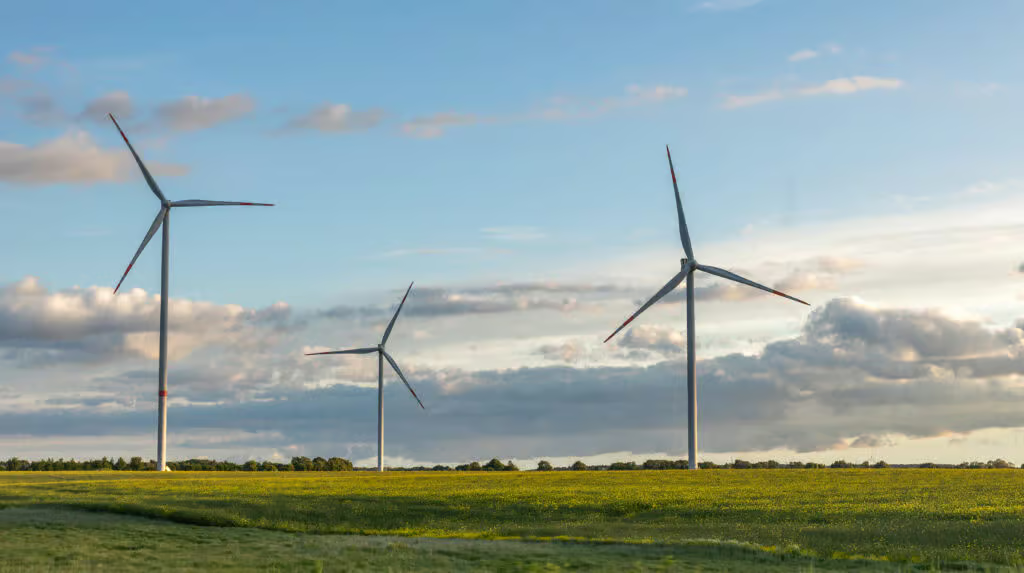
Many Dutch green energy providers also offer discounts and promotional packages to make switching from grey to green energy smooth and easy.
You can think of it as a win for the environment — and your bank balance. 💪
Green energy providers on the Dutch market include:
4. Make use of reduced night rates
What is the easiest way to save money on your Dutch utility costs? Use power at night.
Electricity in the Netherlands is cheaper during “off-peak hours” — at night, during the weekend, and on public holidays.

This means that it’s smarter to do your laundry on a Sunday instead of Monday, turn on the dishwasher before you go to sleep, and charge laptops and smartphones overnight.
READ MORE | Gas, electricity, water and more: ultimate guide to utilities in the Netherlands
Check with your energy provider to find your province’s exact times! For example, in Amsterdam, off-peak hours are between 11 PM and 7 AM on weekdays.
User beware! You’ll need a smart metre that automatically switches between the two rates. Old metres means every hour is a peak hour.
Wondering what a smart metre is? Great question. 👇
5. Invest in a smart metre
Dutchies pride themselves on being smart, which includes tracking their energy usage.
A smart metre tracks exactly how much energy you use, meaning you only pay for your consumption. 🤔
The Dutch government is also making it more expensive for those who don’t have a smart metre.
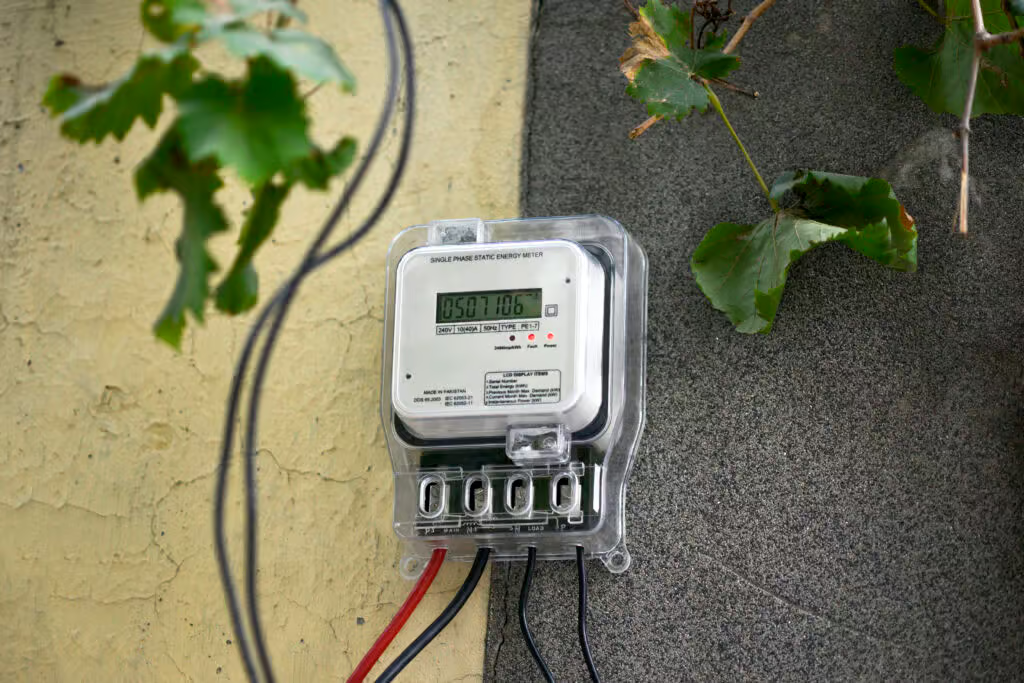
Since July 2021, anyone with an old energy metre in the Netherlands is charged the same rate both night and day. Meaning, they can’t benefit from the reduced night tariff.
If you switch to a smart energy metre, you can keep getting those sweet discounts and only pay for the power you actually use! 💰
6. Get a Dutch app to control your appliances
Several energy suppliers in the Netherlands have their own apps, especially if they provide one of those smart metres we mentioned earlier.
However, many useful energy-tracking apps are not connected to a specific provider.
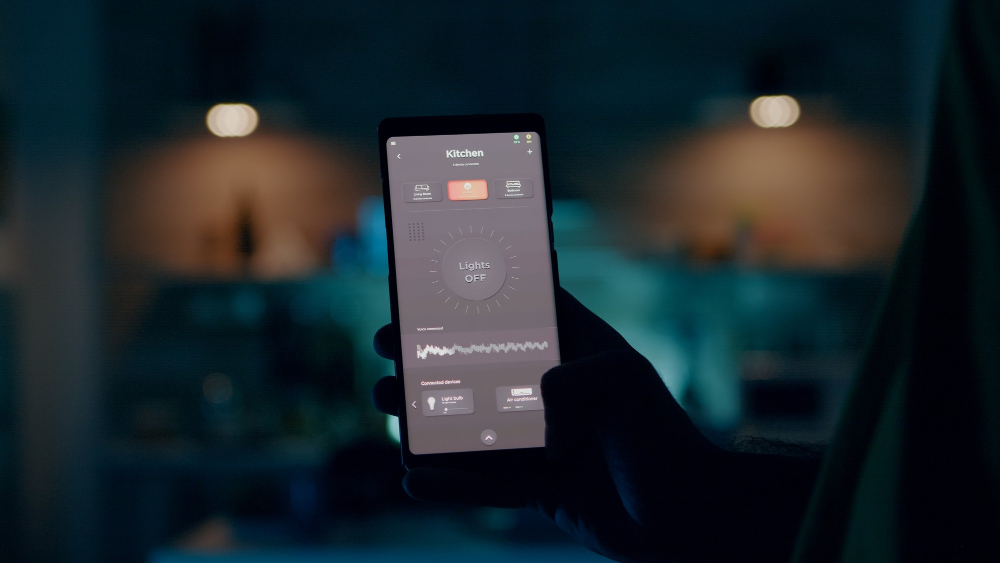
EnergyFlip lets you compare your energy usage to that of other households and will even notify you when your energy contract is due to expire.
Meanwhile, the UMeter app lets you know your energy consumption and gives you insight into the yield of your solar panels — a great choice if you’re going green!
7. Install solar panels
You might not think so (because of how rarely the sun comes out), but solar panels are a double win for your wallet and carbon footprint. All thanks to the Dutch net metering system.
READ MORE | Solar panels in the Netherlands: the ultimate guide
It’s pretty simple: if your solar panels generate more energy than you use as a household, you can send the excess energy to the public grid.
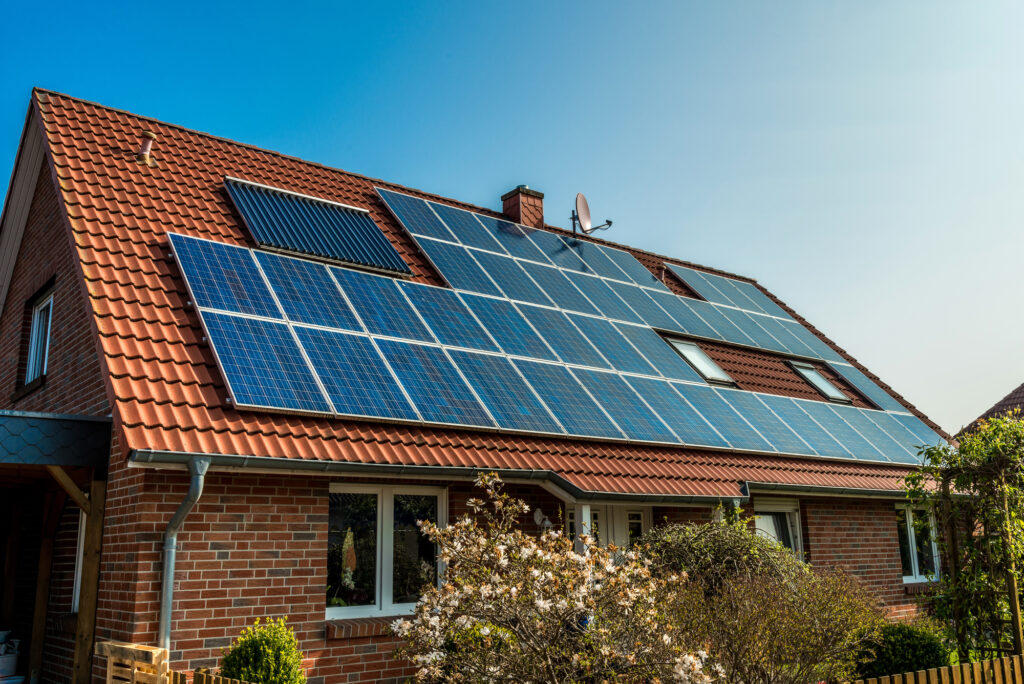
Further, you can get a partial tax refund for generating your own sustainable electricity!
8. Make sure your house is properly insulated
The Netherlands is known for its gorgeous canal-facing houses. While these are beautiful, they were most likely built before modern-day insulation was invented.
READ MORE | 9 things that can go wrong in your Dutch house
If you own a house in the Netherlands, it’s worth investing in insulating it properly.
This may seem like a high cost upfront, but you will reap the rewards in years to come when your heating isn’t (literally) going out the window. 🔨
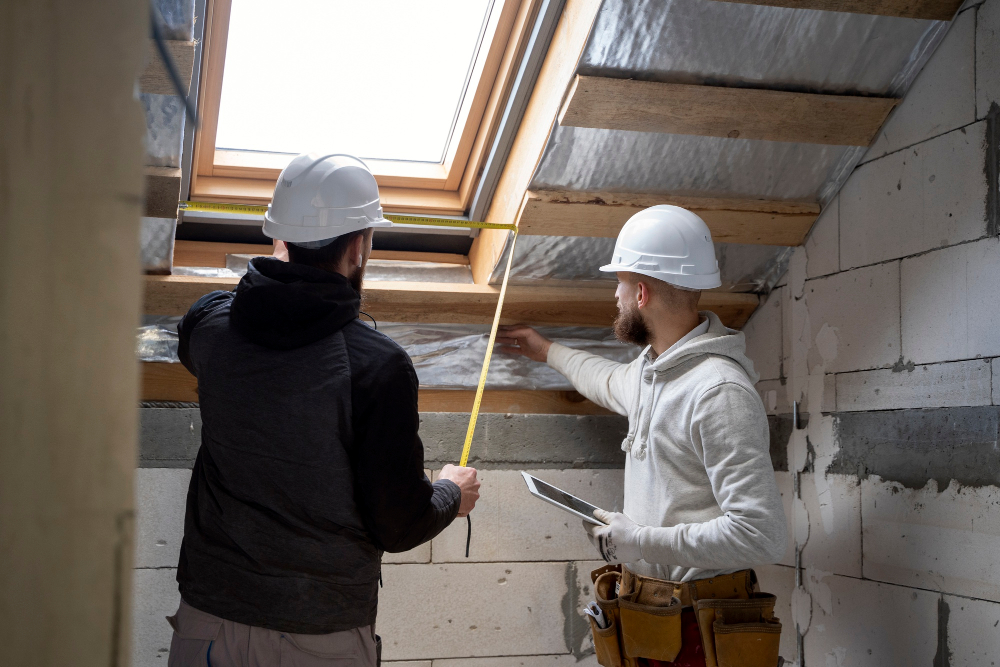
Talk to your landlord if you’re renting and think your home could be more energy efficient.
However, if they refuse to help, there are some cheap tricks you can try if you can’t afford a complete revamp.
Try sealing drafty windows with self-adhesive draft tape, but make sure you have good ventilation. This prevents you from heating a humid house (which soaks up more energy).
9. Change out old devices
Household appliances are like cars: the newer the model, the more energy-efficient it is. ⚡
Household items made before the year 2000 are like your dad’s old Jeep — greedy guzzlers.
Getting a newer fridge or switching from a gas stove to an induction hob will require much less energy.
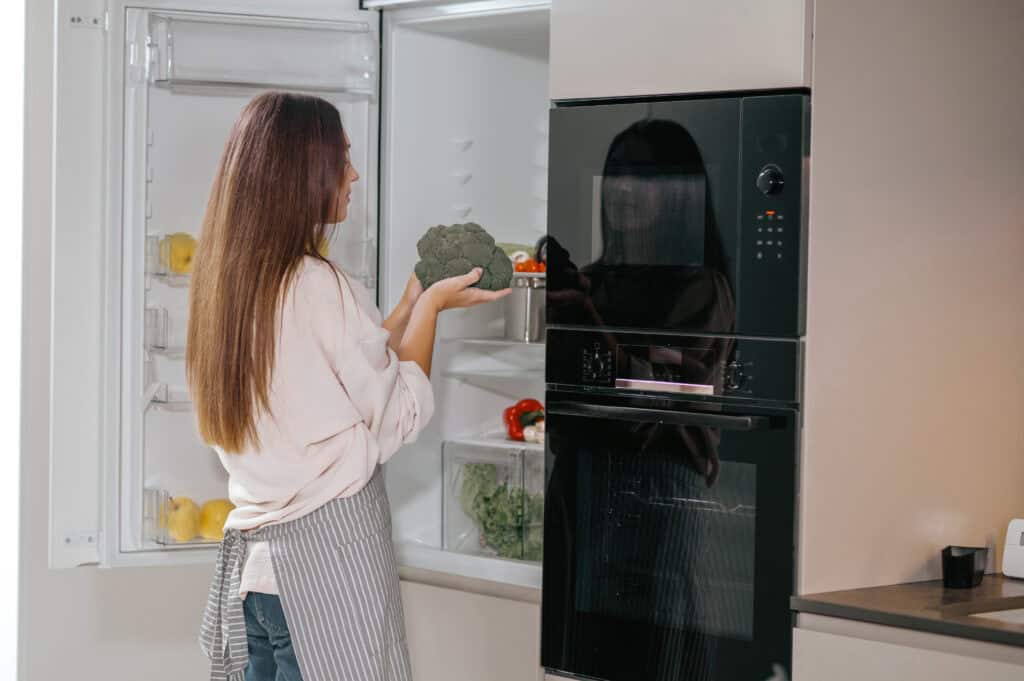
Not sure which models are the most efficient? Look out for the EU energy label. You’ll probably recognise the colour-coded list of energy efficiency.
This ranks from A to G (dark green A+++ is the most efficient, G being the least efficient).
10. Take a shorter shower
We’re all guilty of standing in the shower for longer than we need to, but to save on your energy bill, you’ll need to have a splash-and-dash mentality. 🚿

Experts warn that if you shower for longer than 10 minutes, you might as well be having a bath.
While showers are great places to develop new ideas, your shower routine will be more economical if you turn the tap off sooner.
And, if you want to go one step further, try having a cold shower a few times a week to avoid the extra heating costs. PS: A cold shower is also the best cure for a nasty hangover!
11. Switch your gas stove to an electric one
Compared to the US, electricity in the Netherlands is cheaper than gas.
And, with the threat of gas supplies being turned off, it might be worth investing in an electric stove.
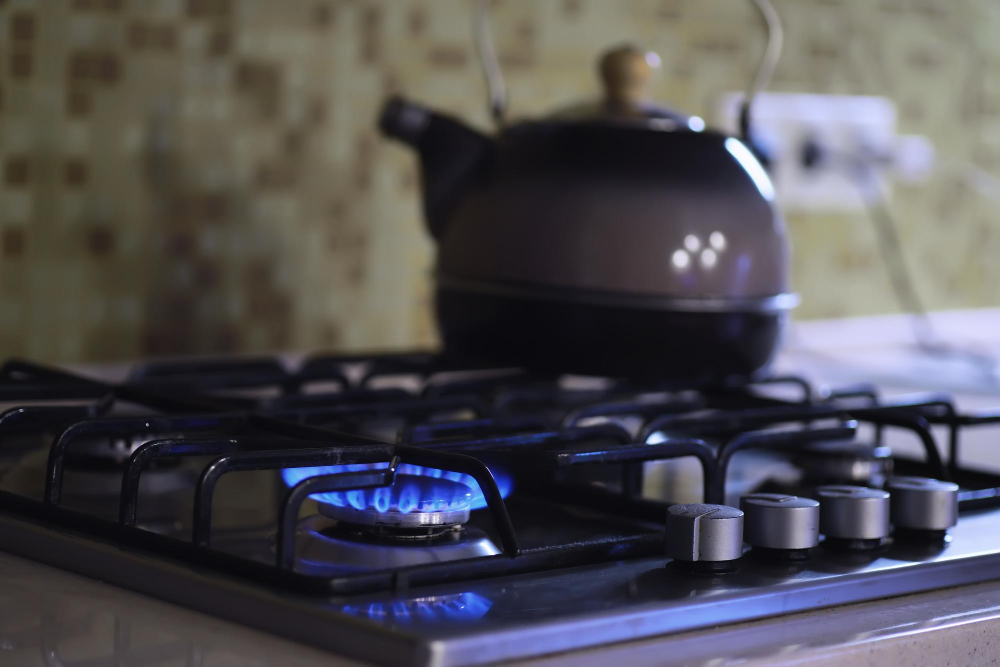
It costs €1.15 to cook rice on a gas stove compared to €0.08 on an electric stove.
Not only will they save your cents from being spent, but you’ll also be doing a good deed for the environment. 🌲
12. Air dry your clothes
Using one less appliance will make a world of difference. Skip out on the tumble-drying and invest in a humble clothing stand.
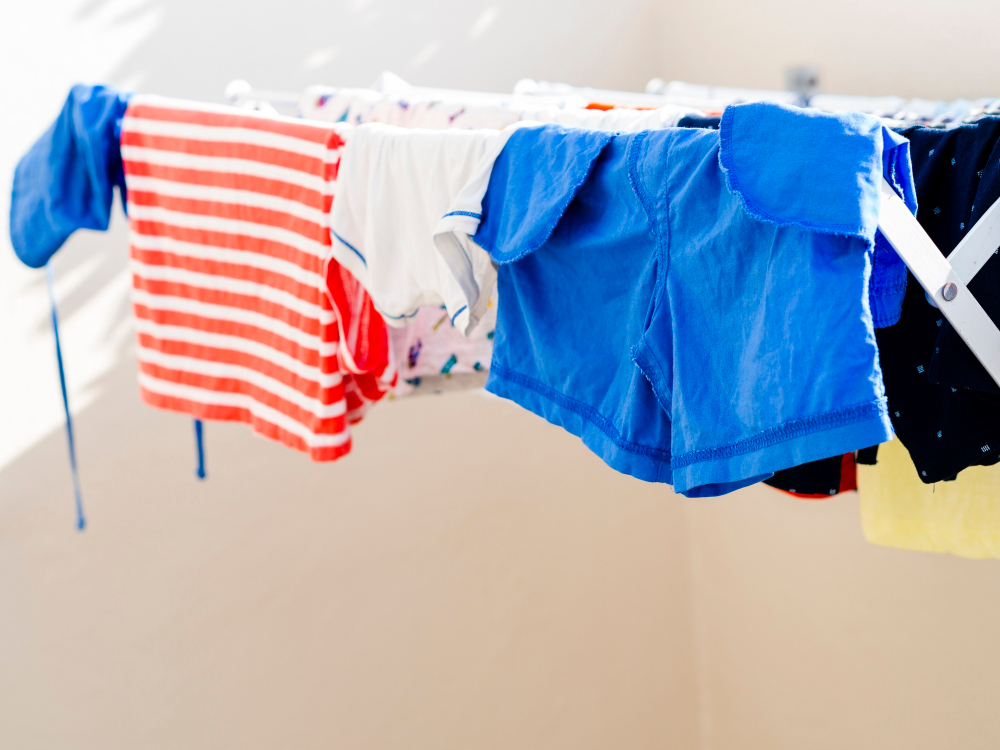
Benefits, benefits, benefits. Not only will you save costs, but airdrying is also more eco-friendly, reduces creases, and lengthens the life span of your clothes!
READ MORE | Why does it rain so much in the Netherlands?
Of course, this might take much longer since it rains in the Netherlands for nine months of the year. ☔
13. Layer up
On the topic of clothes — wear more of ’em.
READ MORE | How to survive the Dutch winter: weather, clothing, and more
It’s cheaper to head down to your local Action and fill your cart with fleece blankets, fuzzy socks, and electric heaters than to sell your kidney to pay an exorbitant energy bill.

Moreover, your wind-down time in the evenings could surely use some more cosiness. Add a warm cup of chocomel to your routine, and you’d have made the best out of a bitter winter.
14. Use your devices wisely
Smart metres, smartphones, smartwatches: the world is full of small smart devices that can do much of the hard work for you.
But sometimes, we need to be smart, too — especially regarding how we use our household appliances and electronic devices.
READ MORE | Setting up internet in the Netherlands: the complete guide
So here are a few things you can do to cut your Dutch energy costs even further, according to the Dutch National Institute for Budget Information:
- Use LED lighting instead of incandescent and halogen lamps, as they are up to 85% more efficient.
- Turn off appliances you’re not using — this can save you up to €100 per year.
- When you’re done charging your phone and laptop, don’t leave the charger in the socket.
- Favour an electric kettle over the stove when boiling water. Don’t boil more water than you need — this saves energy AND water.
- Defrost food from the freezer in your fridge instead of the microwave. The cold that’s being released will be used for cooling, making the refrigerator use less energy.
These handy tips will change the way you think about your energy bill: from something you dread, to something that shows you how much money you managed to save.
Do you know of any more handy tips to save money on your energy bill? Tell us in the comments below!
I read somewhere before that it is the responsibility of the grid operators to switch to smart meters. Is that true or is it the responsibility of the homeowners/renters/landlord themselves?
Hey Andrea, great question! As far as we are aware, it is the responsibility of the person paying the energy bill to switch to a smart meter, but these are available to be installed for free by your grid operator. For more information, I would check with your grid operator. I hope this helps 🙂
The usual way is that the grid operator announces the replacement of your old meters with the new smart meters. You can apply for one, but your operator decides when they will change the meters.
It’s also interesting to know that you can refuse to have a smart meter. Some people with solar panels on their houses refused to do so, because the old electricity meter can turn backwards which automatically lowers your bill. So you get full price for every KWH you deliver back to the grid. In 2023 if you have a smart meter with solarpanels you’ll get less money for the electricity you’re deliver back to the grid than you pay for the electricity you get from the grid. So you’ll pay 50 cents per KWH but only receive 25 cents per KWH.
How do you properly heat a 3 story home with the thermostat on the ground floor? We can’t seem to get the first floor warm enough. While the ground floor is too hot.
You can control the heat by turning the radiator valves to half open on the radiators on the ground floor so they get less hot water. It takes longer for the ground floor to warm up so the second floor will get warmer.
Additionally you might consider venting your central heating, because your problem might be caused by air in the radiators on the second floor.
Alternatively you can ask a firm to install thermostatic radiator valves. If the room temperature rises above a value set on the sensor head, the thermostatic radiator valve shuts off automatically; when the temperature drops below the defined value, it opens again. This gives you a cost effective way to regulate the temperature per room independent from the main thermostat.
Keep in mind that in the Netherlands most houses have a central heating system where the upper floors do not get as warm as the ground floor, because you don’t need a warm bedroom. If you’re cold when you’re lying in bed you just cover yourself with some more blankets.
You can buy wireless nest tetmostar
If you only need cool water make sure the hot water intake is completely off. Every time you let the hot water faucet run even a little bit the water heater turns on, wasting electricity or gas.
Another suggestion is the Zerofy app which recently became available in the Netherlands: lots of ways to help you save on household energy bills: https://apps.apple.com/app/apple-store/id1624230094?pt=124606874&ct=zerofylanding&mt=8
I turn off the heater in the bathroom. I got one of those 700w mini plug in heater. I turn it on just before I enter the shower so that there’s a little warmth when I step out. Then turn it off immediately after I get dressed.