Now it may be time to take out our spring jackets and finally enjoy a bit of sunshine, because “spring is coming,” according to Buienradar meteorologist Martijn Dorrestein on RTL Nieuws.
Sunny Sunday
On Saturday, we can expect temperatures around 15 degrees — but Sunday will undoubtedly be the star of the week. Temperatures are supposed to reach as high as 17 degrees in the south of the Netherlands, and around 15 degrees in cities such as Amsterdam, Rotterdam and Utrecht.
This also means that the Code Red weather warning has come to an end. Buienradar confirmed this great news in a tweet:
Next to warmer temperatures, we can also look forward to a bit of sunshine. “The sun will already peek out on Saturday, and Sunday will be full of sunshine. The winter is over,” adds Dorrestein.
Are you looking forward to finally getting some vitamin D? Let us know in the comments below!
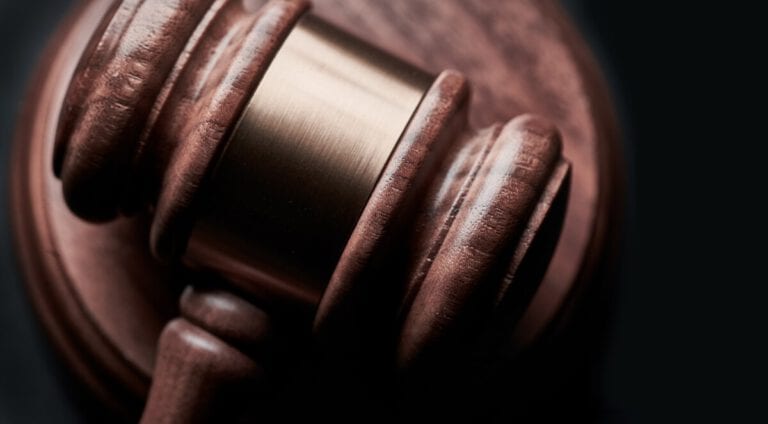
Royal Dutch Shell has finally been held accountable for the damage the oil company has caused to multiple Nigerian villages over the past years. The Dutch higher court ruled in favour of the Nigerian plaintiffs, ruling that the Dutch company had breached its duty of care. Chuka walks us through why this is so much more than a win in the court.
In the few years I spent as a child in Nigeria’s Delta state, one thing that was often talked about by elders was the fact that the region was rich in oil. The collection of riverine states in the South-South and Niger Delta region had for centuries been popular for their fishing, farming, irrigation methods, authentic and tasty fish delicacies, and their colorful water carnivals. Water was their kin, their goddesses were usually water spirits, and fishing and farming were how they put food on their table.
Most of this changed when oil was discovered and the Dutch multinational, Shell, permanently moved in. It was a case of a rich and well-connected bully moving into their victim’s home and constantly making life unbearable for them.
Oil spills ruin livelihoods
Almost 20 years ago, four farmers from the Niger Delta lost everything due to the oil pollution from Shell. Their agricultural land became unusable, their drinking water was often filled with crude oil, fish disappeared from the rivers, and as a result, they could no longer put food on the table for their families.
They also had no more income to send their children to school. They became desperate because they had no money to buy bottled drinking water. And even more desperate, when it turned out that the oil spill was making them sick and there was no money to go to the hospital.
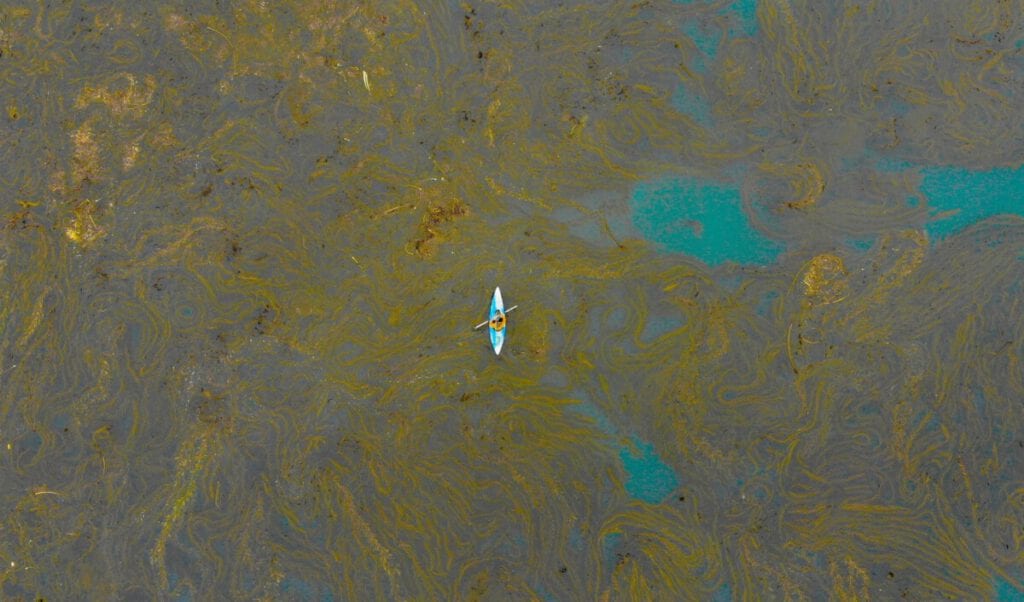
The destruction caused by this Dutch company didn’t end there. In 2005 a leak occurred in an underground pipeline in the community of Oruma. It took eleven days for the hole in the pipe to be closed. An area the size of ten football fields had been destroyed.
Shell’s negligence has resulted in multiple oil spills. Image: Riley/Unsplash.
In another region, Goi, 24,000 liters of crude oil had just leaked the year before. Shell remediated the areas, but the farmers received no compensation.
For decades, millions of inhabitants of the Niger Delta have been living with the consequences of large-scale oil pollution. Every year 16,000 babies die as a result of pollution, and life expectancy in the region is 10 years lower than in the rest of Nigeria.
Not just a court ruling — also a warning
Niger Deltans are still currently celebrating the court win. To win against Shell — one of the most powerful and richest companies in the world — is no small feat.
Eric Dooh from Goi, one of the four Nigerian plaintiffs said: “Finally there is some justice for the Nigerian people suffering the consequences of Shell’s oil spillages. It is a bittersweet victory, since two of the plaintiffs, including my father, did not live to see the end of this trial. But this verdict brings hope for the future of the people in the Niger delta.”
“After years of litigation there is finally justice for many of my clients, only the case in Ikot Ada Udo is still ongoing. Not only is Shell liable for the oil spill and my clients will get what they are entitled to, but this case also shows that European companies must be made to behave responsibly abroad,” Channa Samkalden, the lawyer representing the Nigerian farmers and Milieudefensie says.
“This is fantastic news for the affected farmers. It is enormous that Shell has to compensate for the damage. This is also a warning for all Dutch transnational corporations involved in injustice and human rights violations worldwide. Victims of environmental pollution, land grabbing, or exploitation now have a better chance to win a legal battle against the companies involved. People in developing countries are no longer without rights in the face of transnational corporations,” said Donald Pols, director of Milieudefensie/Friends of the Earth Netherlands.
Shell was well aware of the risks but did not care
The verdict, in this case, is very important because, for the first time in history, a Dutch multinational is held responsible for the damages it wreaked on people abroad. History can bear testament to how much the Dutch government and the multinationals they have aided — profited from — love to run away from taking responsibility for their atrocities.
A case in point being the Dutch East India Company (VOC). Presently, the court has ruled that Shell knew their pipelines were badly maintained and that oil theft was common in the region. They also knew that some areas were difficult to reach. Still, Shell did nothing to limit those risks. And when oil spillage occurred, cleanup was never done immediately, and in most cases not done at all. Sometimes, it took days, weeks, and even months before any kind of cleanup was done.
Why did it take 13 years?
The court case took 13 years because attorneys had to spend most of the time discussing proceedings in court, and having to scale hurdles thrown at them by Shell. It also took years for Milieudefensie to gain access to some of Shell’s important documents. These were necessary to prove that Shell’s head office was responsible for its subsidiary. And most importantly, they opened the floor for the case to be heard in a Dutch court.
Another factor in the length of the case was that the Nigerian plaintiffs had no money to support their families, let alone focus on the case. One must have food to eat before they can fight for justice.
The Netherlands needs to do more
As someone of Nigerian descent, with family in Nigeria, especially in the Niger Delta region, I celebrated this win against Shell as if I had won the lottery. For some, however, victory came too late. Two of the plaintiffs died a few years ago. 13 years is a long time, especially in the Niger Delta, where people have a short life due to the effects of oil pollution.
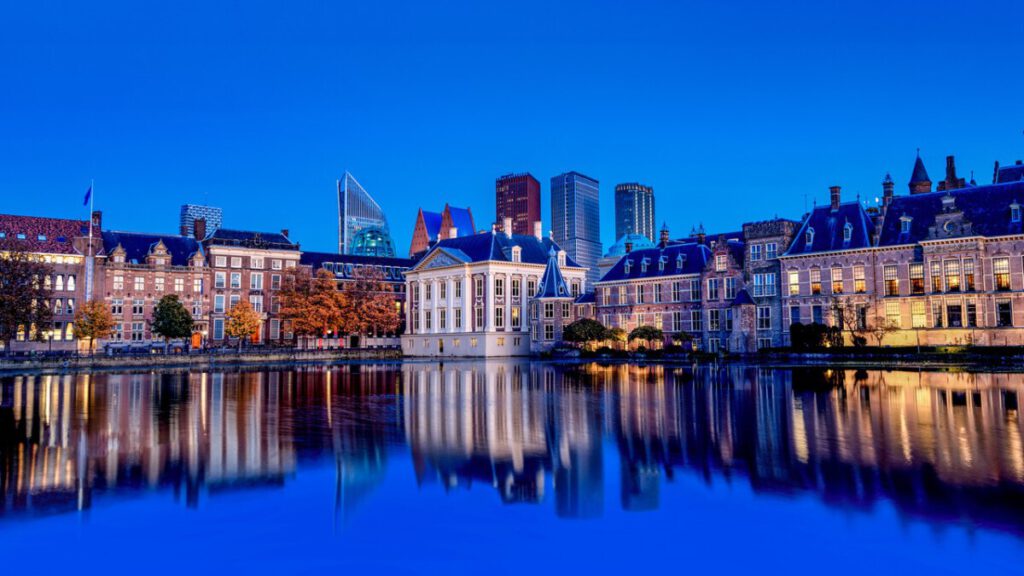
The Dutch government should do more. Image: AVC Photo Studio/Pexels.
While this is certainly a victory, no victim should have to wait such a long time for justice. It is high time that the Dutch government and the European Union came up with better laws. Laws that force companies to behave (sustainably and respectfully) beyond national borders.
No action by Shell yet
When oil was discovered in the Niger Delta, there were lots of mixed feelings. Some called it a “blessing” and said it would bring wealth, growth, and development to the region. Others argued that it would open the doors for greedy and powerful multinationals to come into the region and destroy it.
The pessimists probably never foresaw a scenario where their own (corrupt) government would help these multinationals in destroying the region’s wildlife, nature, and people. Despite decades of promises, projects, reports, and other lawsuits, the Niger Delta remains heavily polluted. Oil leaks are the order of the day. The cleaning operations that the Nigerian government, Shell, and others have spoken of have still not started after more than 10 years of so-called preparations.
Oil pipeline sabotages sometimes appear to have been caused by Shell employees, according to a report by Milieudefensie/Friends of the Earth Nigeria. The corrupt nature of Nigerian politicians who are often bribed by Shell has also not helped in any way.
Tight (er) rules for (European) companies
It shouldn’t cost a marathon effort and 1.5 million euros to get compensation from Shell for 4 farmers from Nigeria. That’s just unacceptable and it’s why we need better laws so that European companies such as Shell can be held responsible for what they do abroad.
There must be a duty of care so that companies actively prevent damage throughout the (production) chain. There needs to be transparency so that everyone can see exactly what is happening outside of our borders. People who are victims of European companies must have access to justice in Europe. This should be a given, considering how the Netherlands and European Union like to pride themselves as a beacon of liberty, freedom, and justice.
Organizations like Milieudefensie should be supported and encouraged in their work and fight for these victims of injustice. They are currently also conducting a climate lawsuit against Shell.
Much more damage
In addition, Amnesty International and some widows of nine murdered Nigerian men have taken Shell to court. In 1995, nine men (The Ogoni Nine — Ken Saro-Wiwa, Saturday Dobee, Nordu Eawo, Daniel Gbooko, Paul Levera, Felix Nuate, Baribor Bera, Barinem Kiobel, and John Kpuine) of the Ogoni tribe were murdered by the Nigerian military dictatorship for demonstrating against Shell’s oil pollution on their lands.
Their court case at the time, which was a sham, featured witnesses bribed by Shell to testify against Ken Saro-Wiwa and others — a charge that Shell has always denied. In the twenty-five years that have followed, there have been unrelenting campaigns to hold Shell accountable for its crimes.
Not one Shell executive has grown a conscience or become repentant enough to recognize that it’s never too late to try and heal the wounds, and have the corporate courage to apologize and compensate the countless people that their lives have been destroyed. Instead, Shell executives sit every day in their blood-soaked boardrooms and spend millions hiring fancy public relations experts to try and rebrand their image. Reminds you a little bit of the Dutch government and its attitude to its colonial and slavery past, doesn’t it?
More than just a court case win
While compensation from Shell will never bring back those that have died, the verdict from the Dutch appeals court is hopeful, because it means that Dutch (and European) companies that ignore human rights and environmental regulations abroad can no longer do so with impunity.
They now run the risk of not only being brought to justice but also being convicted. This is mainly due to the unrelenting efforts of the brave Niger Deltans, brilliant lawyers in Nigeria, and the good folks at Milieudefensie who worked tirelessly in often difficult circumstances to get justice for those victims who couldn’t stand up to a Dutch bully on their own. This gives hope for the entire region and far beyond.
The verdict was more than just a win in a court for a bunch of farmers, it was also a win for the Ogoni nine, for the Niger Delta, and all other victims of injustice at the hands of powerful multinationals whose cut-throat methods of chasing profit, and unfettered capitalism leaves nothing but death and destruction in its wake.
I hope this is not the end. I hope Shell continues to be held responsible and made to pay for all of its atrocities in Nigeria, and other parts of the world. I hope this is the beginning of the end for unfettered and unsustainable capitalism, not just in Africa, but all over the world. I hope.
What are your thoughts on the Shell verdict? Tell us your thoughts in the comments below.
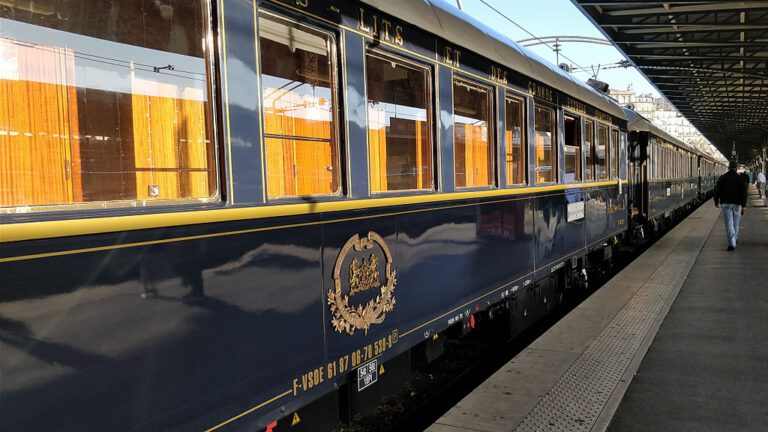
The legendary Orient Express is coming to the Netherlands this summer.
Have you ever wanted to soak up the atmosphere of the world’s most legendary train and experience the place where Hercule Poirot solved one of his famous crimes? This may be your chance.
The train is scheduled to leave Amsterdam Centraal on June 24, 2021, taking passengers on a two-day journey through Brussels, Paris and all the way to Venice.
Why Amsterdam?
The train owner, Belmond, selected the Venice of the North as a start location for this year’s trip. Not only because Amsterdam is an iconic European city, but also because the subsequent journey offers picturesque views.
“This is the first time regular travelers can board the train in Amsterdam. We have been to the city once before as a private charter,” a spokesperson for Belmond told the Treinreiziger.
If you’re keen to join this magical journey, well — you better start saving up now. The ticket for two people for the two-day trip costs €6000.
Traveling in times of corona?
It almost seems surreal to be planning an adventurous train journey when the coronavirus is still tormenting the continent. However Belmond assures potential travelers that the journey is safe. The Orient Express is planned to start running this May.
Will you be booking your ticket for the Orient Express journey? Tell us in the comments below!
All GGD test locations and vaccination centres will be closed this morning until at least 12 PM.
Yesterday, the KNMI declared a code red weather warning for the Netherlands. Due to rainfall, conditions on Dutch roads and footpaths are expected to be too slippery for people to commute to the centres.
The GGDs made the decision to close test locations and vaccination centres directly after the KNMI announced the weather warning last night. “If you have an appointment for a test or vaccination on Monday morning, do not come to the location,” a spokesperson announced.
Thousands to be rescheduled
The brief closure this morning will affect thousands of people across the Netherlands. According to the GGD, they expect that more than 10,000 appointments will need to be rescheduled.
“We take about 25,000 to 30,000 corona tests every day and vaccinate about 25,000 people every day. At least half of all those appointments will fall through”, a spokesperson tells RTL Nieuws.
To reopen per region
The GGD has said that those with an appointment later today should keep an eye on their website for more up-to-date information. Each region will determine for itself when it should reopen after noon today.
According to the KNMI, it could take until the afternoon before weather conditions are safe again.
Do you think test locations and vaccination centres should be closed? Tell us your thoughts in the comments below!
The KNMI has issued a Code Red weather warning for the entire country, as the roads in the Netherlands are expected to become treacherously slippery this coming Monday.
Especially local roads will become slippery due to snow residues and freezing rain. Code Red applies to the entire country, starting at 3 AM for the Dutch provinces of North Holland, South Holland and Zeeland, reports the NOS.
From 5 AM onwards, the weather alert applies also for the Wadden Islands, Friesland, Flevoland, Utrecht, Gelderland and Noord Brabant. For the provinces of Groningen, Drenthe, Overijssel and Limburg, the warning comes into effect at 7 AM.
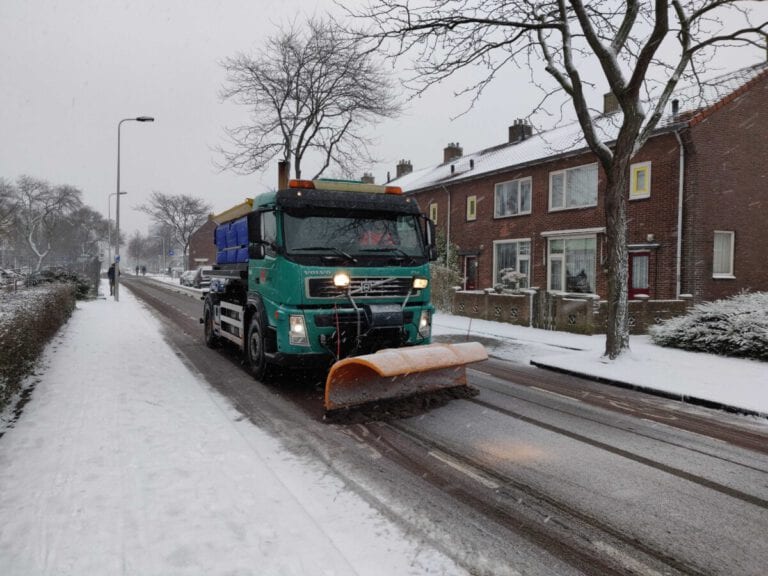
Rijkswaterstaat — the Dutch roads authority — announced that over 500 gritters are prepared to combat the slippery roads. However ice is much more difficult to deal with than snow, they add.
In the previous week, Rijkswaterstaat used tens of millions of kilos of salt to deal with slippery roads. Nonetheless, many roads were still difficult to pass and numerous accidents occurred.
Gone are the days of natural ice skating
Sadly, this means that it’s time for ice skating lovers to say goodbye to natural ice. With the temperatures steadily rising, many municipalities are warning its residents that the ice is no longer safe to skate on.
On Wednesday, temperatures are expected to climb up to 10 degrees. On the weekend, they may climb as high as 15 degrees.
Are you looking forward to these warmer days? Or will you miss the sight of frozen lakes and canals? Tell us in the comments below!
Are you moving to the Netherlands and want to bring your dog, cat, or other pet with you? Or have you already settled into a Dutch house — and now want to make it a home with a furry friend?
Either way, we totally get it! But first, there are a few things that you’ll need to know about having pets in the Netherlands. Let’s jump in!
Bringing your pet to the Netherlands
If you need to get your pet to the Netherlands, bad news: there’s a lot you need to consider. But don’t stress, we’ll break it down one by one.
Your pet (including dogs, cats and ferrets) must be vaccinated against rabies at least 21 days prior to the departure date and no longer than one year. Afterwards, your pet will probably be required to take a blood test to confirm the vaccination.
Do keep in mind that this blood test would mean that you would have to wait for additional months (three in most situations). So it is safer to start as early as possible in order to prevent yourself from rushing last minute.
To find out if your dog will require the vaccination, check out the government website to find a list of countries where rabies is controlled.
Identification card
All of the pets in the Netherlands (or coming to in this case) must have proper identification. Therefore, you are required to have an electronic microchip implanted in your pet.
Each microchip has an issue number that gives access to all details stored in a European database. This makes it easier for authorities to identify pets and their owners (readable tattoos are no longer accepted since July 2011).
Let’s talk travel
If you are thinking about flying, then choosing the right airline company for your pet is very important. Consider these questions:
Which airline allows a pet in cabins, or does your pet have to fly in the cargo?
What are the regulations about the carrier size for your pet?
What are the company rules for the size and the weight of your pet?
How much will it cost?
These questions are a must to know before you make your journey to the Netherlands. With many airline companies, one passenger means one pet if you would like to keep your pet with you in the cabin.
However, you can fly more pets if you want to if they fly in the cargo hold. There are also special carriers designed for air travel that fits the rules and gives your pet the most comfort while flying.
If you intend to bring your pet to the Netherlands (or to any EU country for that matter) from your home country to the Netherlands, it is important to follow the required procedures. Therefore, every pet owner must present their pet’s passport.
Your pet’s passport is both a certificate of health and proof that your pet is protected against rabies and other diseases that are required by the Dutch government. As it is a time-consuming process, for absolute beginners, it is safe to start at least six to nine months before your pet’s arrival to the Netherlands.
The passport should have the following info:
name of the owner (photo is not necessary),
your veterinarian’s confirmation about the rabies certificate. All pets should be vaccinated at least 21 days prior to the departure date and the date of vaccination must be clearly stated,
your pet’s microchip number, and
other info about your pet such as weight, colour, breed, sex, name.
Note that the above applies to cats, dogs and ferrets. For other animals (except for rabbits, fish and hares) a health certificate from a recognised vet in the country of departure should be presented.
Having a dog in the Netherlands
Who doesn’t love a good doggo? We all know dogs are special, but they are well-regulated in the Netherlands.
Annual dog tax
If you have one or more dogs, be aware that having a pet in the Netherlands means that most cities will charge an annual dog tax (hondenbelasting).
The price for this is determined by the number of dogs you have. It usually varies from area to area.
Apart from dogs, no other animals (such as cats) require registration of tax (yay for Oreo the cat)!
You also have to register your dog with your local municipality (gemeente) and the Dutch Tax Administration (Belastingdienst) upon arrival. The declaration with your municipality has to be done within the first 14 days.
Where can you walk your dog?
The Netherlands is generally pretty open about walking dogs in public spaces, but they’re only allowed off-lead in designated areas. Check the signs, or go to your local municipalities website to find where dogs are allowed off-lead in your area.
Dogs are also allowed on beaches except during the summer months. There are some beaches where animals are allowed on a leash early in the morning or in the late evening.
Last but not least; wherever you go with your dog, you must always clean up after. There are fines for those who don’t.
Owning a cat in the Netherlands
Compared to owning a dog, having a cat is a walk in the park. Cats are very popular in the Netherlands where houses are small (and rat problems plague many cities).
If you’re bringing your cat in from abroad you’ll need a pet passport and a vaccination certificate. Once they’re here they’ll be saying miauw (meow) in no time!
Veterinary services in the Netherlands
Just like choosing a doctor for yourself, deciding on the right veterinarian is also an important step when having a pet in the Netherlands. If you don’t quite know where to start, you can ask neighbours or friends for a recommendation, or search for dierenarts (veterinarian) or dierenartspraktijk (veterinarian practice) on Google.
Is there an emergency?
In case of an emergency, you can contact animal hospitals, emergency clinics, or an animal ambulance (yes, they exist).
When and where to get care for your Dutch pet
If Fido isn’t feeling well, you’ve got options to get them taken care of. Find some of the most useful phone numbers below.
Animal hospitals and emergency in Amsterdam
Spoedkliniek (night and weekend emergency clinic) (Not a drop-in clinic, call first)
Phone: 020 694 4766
What to do if your pet goes missing in the Netherlands
Is Mr. Mittens nowhere to be seen? Should Sir Paws-A-Lot have been back from his daily walkabout by now?
Whether it is having a pet in the Netherlands or anywhere else in the world, missing a pet is one of the scariest things that an owner can think of. Here’s what to do.
Use the power of social media
In this day and age, most of us are blessed with one or more social media accounts. In situations like these, using those tools might be crucial. Put the word out about your missing pet online.
Look for local Facebook groups for missing pets or spread the word on your Twitter account. Maybe ask your vet to share it on their social media accounts. Who knows? Maybe someone who comes across your beloved pet might recognise it from your share. Every little bit helps!
It can be a terrible feeling to have your pet go missing in the Netherlands. Image: Marina Pershina/Pixabay
Check with your neighbours
Sometimes going old school is the best. Start by asking your neighbours and other local businesses to keep an eye out. Maybe your furry friend is hanging out in your neighbour’s attic or your local shop’s basement.
You might also consider making flyers to hang around your neighbour. Make sure the photo is clear and easy to spot. It is also smart to mention any special features your pet has.
Call local animal shelters
In case the previous tips won’t help. Then maybe it’s time for you to reach out to a few organisations such as animal shelters. They usually have a good database and might be where your pet was taken after being found.
Seek professional help: Amivedi
Stichting Amivedi Nederland is the Netherlands’ official website for the registration of lost domestic animals. It’s a good place to turn for information about shelters. Be aware that if you don’t speak Dutch, you might find it hard to communicate, so asking a Dutchie for help might be a good idea.
Their website is a platform where users can post information about animals they’ve found or create a listing for their lost pets.
Having a pet is awesome (having a pet in the Netherlands is even better) and they are a member of your family, so go and give your pet a hug. Oh, and don’t forget to adopt – don’t shop kids!
Editor’s Note: This article was originally published in August 2018, and was fully updated in February 2021 for your reading pleasure.
Feature Image: Free-Photos/Pixabay
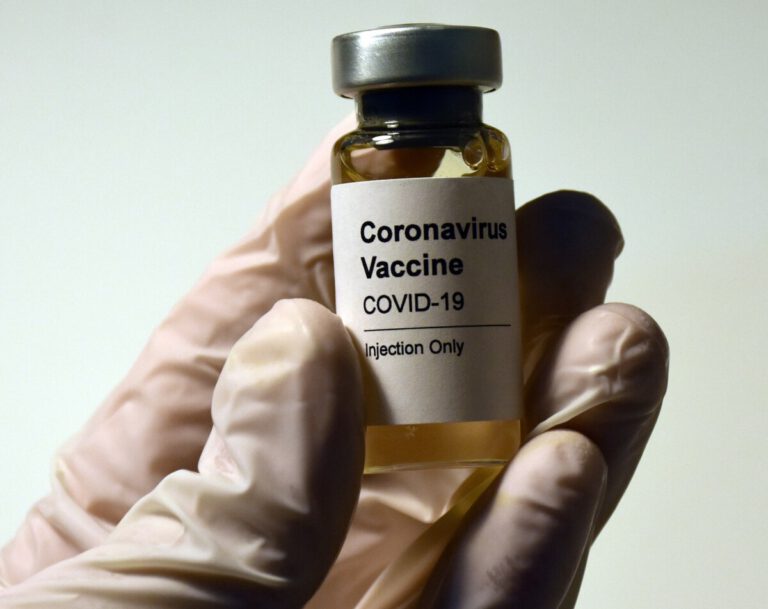
The Netherlands’ vaccination program is slowly gaining momentum, with the administration of the AstraZeneca vaccine starting today. Meanwhile, people with morbid obesity have seen their position in line change, they will now be amongst the first group of people to receive shots.
The first injection of the AstraZeneca vaccine — the third brand of vaccine in the Netherlands after Pfizer and Moderna — was given in The Hague today, reports RTL Nieuws.
Who’s first?
In line with the Dutch vaccination strategy, care workers, those between the ages of 60 and 64, and people between the ages of 18 and 60 with a serious medical condition, will be the first group to be vaccinated.
However, in the Dutch province of Zeeland, people with morbid obesity will now be able to get their shot from next week onwards, RTL nieuws reports. This will be a nationwide strategy. After Zeeland, the vaccine will become available to GP practices in Noord-Brabant and Limburg.
People with serious lung conditions or living with Down syndrome are also part of the first group that will be vaccinated from the middle of February onwards.
Low on stock
The number of available vaccines is, however, limited. It may take until March for every general practice in the country to be stocked with vaccines.
In March, people over 60 with limited mobility, as well as those between 18 and 60 with underlying medical conditions, are expected to get access to their vaccines.
Adults aged between 18 and 60 with no underlying medical condition are the last group to start the vaccination process. This is currently planned to begin in May through September.
Lagging behind the rest of the world
The Netherlands needs to rapidly raise its vaccination capacities. To date, the country has only managed to vaccinate 460,000 people.
Meanwhile, in the UK one in five residents has already gotten the vaccine. The US is starting to distribute vaccines to pharmacies. Israel remains the world leader in distributed vaccinations, with 40% of the population already having received the first dose.
What do you think? Should the Netherlands increase its vaccination capacities? Let us know in the comments below!
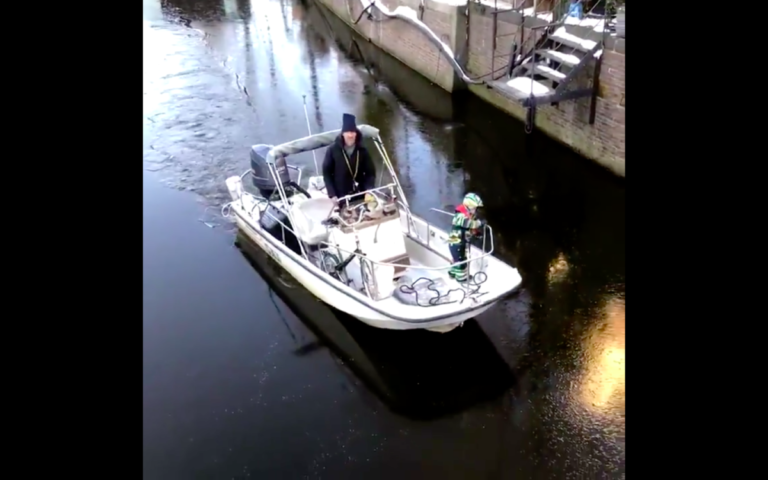
What better way to wake up in the morning than to the sound of ice cracking? Drama on the Amsterdam canals as a man decides to drive his boat along the Prinsengracht.
RTL Nieuws reports that the sailor broke a thin layer of ice along the canal while attempting to move his boat out of the city to avoid it freezing over. This move did not make him popular amongst skating fans.
With the weather getting even colder, many Dutchies were looking forward to a weekend of skating. Earlier this week the municipality banned sailing on number of canals to allow ice to build up as part of a set of measures known as the IJsnota. The measures also included the locks being closed.
Een ongelofelijke teringlijer heeft zojuist de #Prinsengracht kapot gevaren vanaf de #Brouwersgracht.
Ik ga het spoor volgen.
Passers by were not too happy as you can see from this tweet. The Dutch police were called to the scene and issued the sailor a fine. Goes to show how seriously the Dutch take ice skating!
Photographer Thomas Schlijper caught an exclusive interview with the infamous sailor. According to Schlijper, the man realised his mistake as soon as he heard the ice cracking. The poor guy is deeply ashamed being a keen skater himself.
Have you seen anything strange happening on the ice? Let us know in the comments below!
Feature Image: screenshot of image circulating on social media.
Authorities in the Netherlands fear that the country’s naturally occurring ice skating rinks may have to be closed this weekend due to overcrowding.
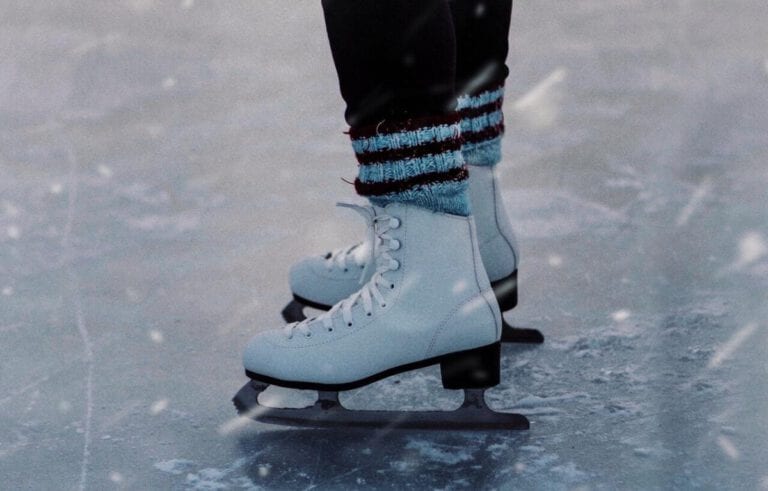
As the canals freeze over, people across the Netherlands are flocking to buy skates and head to the nearest makeshift ice rink.
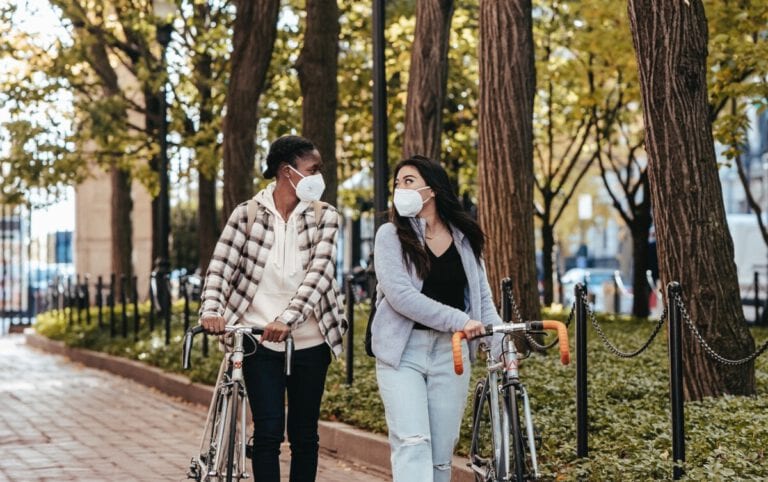
While this would be perfectly fine in normal times, Dutch mayors fear that overcrowding at these rinks will lead to further cases of coronavirus in their region. The Dutch BOA Bond and the Police Union, ACP, have expressed their worries to De Telegraaf.
Crowds need to keep apart
Gerrit van de Kamp, chairman of the ACP police union, tells the Telegraaf that if people can maintain a safe distance from one another, no intervention will be necessary.
However, he believes it is likely that municipal enforcement officers (BOAs), police officers and traffic officials will have to intervene. “I estimate that this will happen in many places,” he says.
Mayors will also have to intervene
What exactly this intervention will look like, is uncertain for now. However, during the spring, Dutch mayors had to close roads to popular walking spots in order to prevent overcrowding.
Ruud Kuin, chairman of the BOA Bond, believes mayors will have to take similar measures again this weekend. If this happens, it is likely that roads and car parks near the ice rinks will be closed off to the public.
Do you think the ice rinks should be closed? Tell us your thoughts in the comments below!
It’s quite easy to view the Dutch language as an ugly duckling. One that will, helaas, never become a beautiful swan.
But while choking on your G’s and forming sentences in an order seemingly devised by Yoda on a gap year are unavoidable realities, beyond that there are genuine glimpses of charisma. For example, the Dutch are very creative with their slang and the creation of new words.
Ton den Boon from taalbank.nl has been listing the influx of new words that have come directly from the coronavirus crisis, creating a coronawoordenboek of over seven hundred words. Luckily for us, a lot of them are also brilliant.
So here are 20 new words for you to digest, and try out on the native Dutchies in your life.
On socialising during corona
Datrelatie
(de) a relationship where two or more people regularly borrelen on social media (e.g. Skype) because they cannot socialise in person.
Huidhonger
(de) a need for physical touch, especially felt by those alone in self-isolation and quarantine (though “skin hunger” is unbelievably creepy).
Drive-byverjaardag
(de) a birthday during the coronavirus crisis where a visit in person is not allowed so family and friends do a “drive-by” at the person’s house or job.
E-peritieven
to have an aperitif with those you are in virtual contact with (i.e. via Skype).
Raamdez-vous
(het) a meeting where its participants are on opposing sides of the window.
Dating during Corona
Cockdown
(de) a condition where a man has a low libido due to lockdown.
Contactloos daten
dating via an app where the explicit intention is to not come into physical contact with each other.
Quarantinderen
the use of Tinder during quarantine, when you are unable to meet in person. (Past tense: quarantinderde, gequarantinderd)
On Government matters during Corona
Coronacratie
(de) a society in which the government does everything possible, including imposing coercive measures on individuals and organizations, to combat a corona epidemic.
Jip-en-janneke-economie
(de) a transparent, small-scale economy that revolves around vital professions and (small) family businesses instead of complex companies and multinationals.
Twitterviroloog
(de) the layman who writes critically on Twitter about the measures advised by real virologists and experts.
Outside self-isolation
Coronachoreografie
(de) the evasive ‘dance’ movement that people make when they pass each other in a public space during times when the anderhalvemeter rule applies.
Coronahufter
(de)(let op: rude!)visitor to a supermarket or shop that does not adhere to the shopping protocol in times of corona.See also: coronalul
Covidioot
(de)someone who, out of sheer stupidity, breaks the rules designed to stop or slow the spread of corona.
Hamsterschaamte
(de)the sense of shame that someone gets when they do a relatively large amount of shopping in a crisis situation, due to the feeling that others suspect them to be a hoarder.
Lichaamscondoom
(het) a hazmat suit/full-body PPE.
Inside self-isolation
Coronabuikje
(het) the bulging tummy that results from lack of movement during corona quarantine.
Coronakapsel
(het) the messy haircut of someone who has not been able to go to the hairdresser for a while due to corona measures and has therefore attempted it all by themselves (or with the help of their partner, for example) with scissors, hair clippers and hair dye.
Locktail
(de) alcoholic cocktail consumed during lockdown (see also:quarantini).
Onthamsteren
to make culinary use of the long-storage food items that you have already had in your house for a while (past tenses: onthamsterde, onthamsterd).
Many, many more
This list, of course, just scratches the surface, but it is easy to overlook just how much of a strong influence that world events have on languages and the words that we use. They will, most likely, disappear from our collective consciousness as fast as they have appeared, for without the context of coronavirus when else would they be used?
As for the Dutch language, it has been suggested that, as with German, the formation of new words is made easier through the use of compound words. More or less ninety percent of the terms found in the coronawoordenboek are the result of two words joined together.
However, the question is: is it really a corona-inspired Dutch phenomenon, or have you noticed a similar trend in other languages? Tell us your thoughts in the comments below!
Feature Image: Charlotte May/Pexels
Editor’s Note: This article was originally published in May 2020, but was fully updated in February 2021 for your reading pleasure.