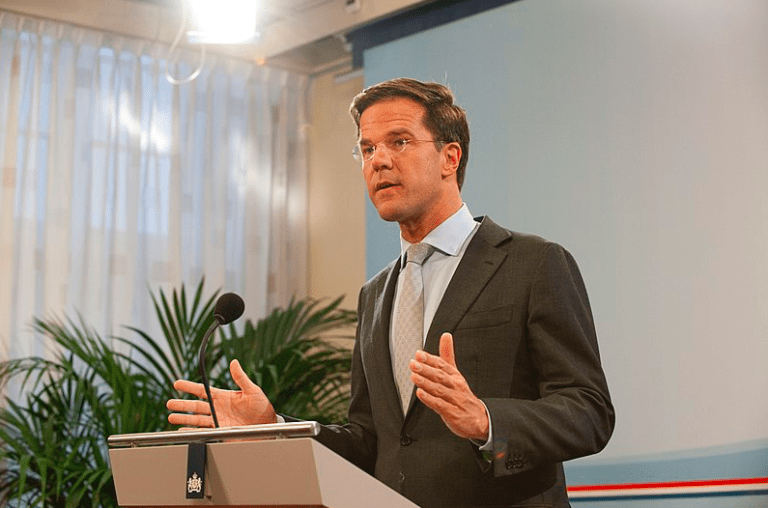
Dutch Prime Minister Mark Rutte has offered an apology to Holocaust survivors for the Netherlands’ passive role in the genocide during World War II, NOS reports.
In a speech at the National Holocaust Remembrance in Amsterdam, Rutte said that the Dutch government at the time had failed as a “guardian of justice and security” in the war. He said he wanted to apologise for the Dutch government’s actions (or lack of action) now, while the last Holocaust survivors were still living.
Rutte’s apology was a long time coming
But Rutte has long refused to make such a statement before. As far back as 2012, there were calls for the government to apologise to survivors of the Holocaust for the Dutch government’s role in it- calls mainly brought forward by the PVV. But at that time, Rutte chose to toe the line set by the de Kok cabinet of 2000, which only apologised for the way Holocaust survivors were treated after the war came to an end.
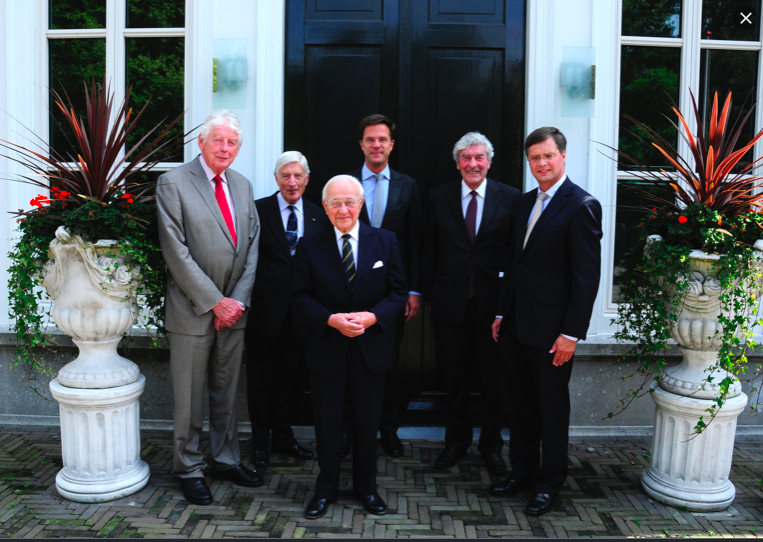
Former Prime Ministers Kok, Van Agt, De Jong, Lubbers and Balkenende with Prime Minister Rutte of the Netherlands. Image: Wikimedia Commons
Today is the 75th anniversary of the liberation of Auschwitz
The apology comes as we reach the 75th anniversary of the liberation of Auschwitz by the Russian army today. An estimated 1.1 million people died in the camp during the war, and it has become the ultimate symbol for the suffering of those targeted by the Nazi government.
“Too little protection. Too little help.”
When it comes to the Netherlands’ role in the Holocaust, Rutte admitted that it had been “… too little. Too little protection. Too little help. Too little recognition.” He praised those who had been willing to stand up to the Nazis and protect the Jews, homosexuals, Jehova’s Witnesses, disabled people, and others targeted by the regime. But, all in all, he said, there were “too many” Dutch officials who simply did the bidding of the occupying regime.
The Netherlands has placed a lot of emphasis on remembering the Holocaust in recent years, including through the construction of a new monument for Holocaust victims.
What are your thoughts on Rutte’s apology? Let us know in the comments below.
Figures released by Eurostat show that the Netherlands used the least renewable energy in the entirety of the European Union in 2018, RTL Nieuws reports. The Netherlands derived only 7.4 percent of its energy from renewable sources that year.
The Netherlands barely reached the half-way point to its renewable energy goal for 2018
That number is miles away from what it should be: in 2018, the Netherlands was supposed to have gotten 14 percent of its energy from renewables. Yes, you read that correctly: the Netherlands was barely half-way to its goal for 2018.
The EU as a whole looks set to succeed, luckily
The good news is that the European Union as a whole looks set to achieve its 2020 target of getting 20 percent of its power from renewables: in 2018, the collective figure was 18 percent. It shouldn’t be too much trouble to get the last two percent done by 2020.
Sweden gets the majority of its power from renewable energy- 54 percent, the highest percentage in the whole of the European Union. They have already well exceeded their 2020 target, which was 49 percent.
The Netherlands has fallen in the ranking since 2017
The figures of 2018 present an even grimmer picture of the Netherlands’ energy consumption than those of 2017, when the Netherlands came second to last, followed by Luxembourg. In 2018, though, Luxembourg pulled its socks up and hit 9 percent- admittedly a paltry figure still, but better than the Netherlands.
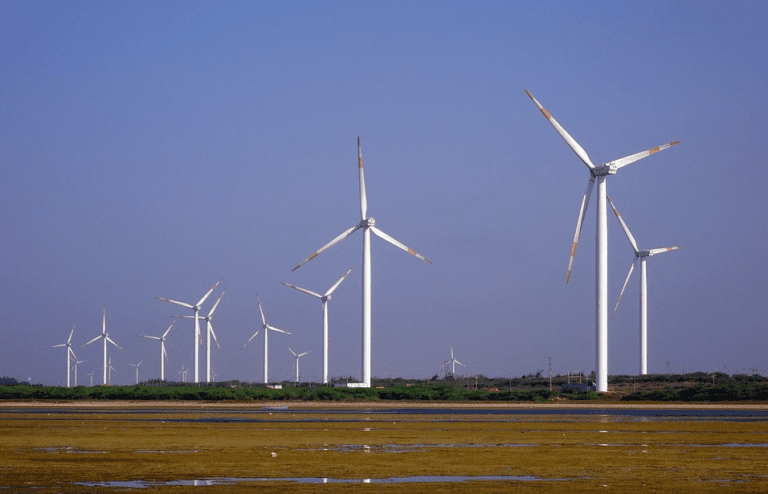
The Netherlands: famous for windmills no more
In a country that is famous for its windmills and blustery days, this figure is pretty embarrassing. The Netherlands also has huge potential for tidal energy, so it is not as though we have no option but to rely on fossil fuels.
Households can choose renewable energy
Usually, in environmental debates, there is the caveat that the individual consumer cannot change much without government action. But, in this case, things are different, and you as the consumer do have quite a bit of power. Most of the time, in the Netherlands, you can choose the energy company that supplies your house with power. Two of them- vandebron.nl and greenchoice.nl– draw their energy from renewables.
The Netherlands does well on other sustainability related issues
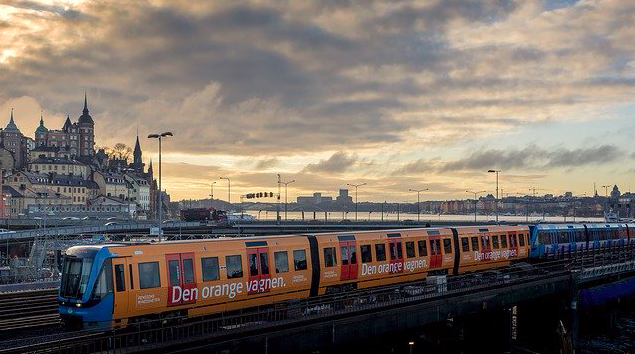
The leaders of five Northern European countries are meeting in Brussels, to talk about beginning research into a faster train link from the Netherlands, through Germany, and up into Scandinavia, which might, according to NL Times, result in an overnight train between the cities.
You’d be right to note that these plans, if they can even be called such, sound pretty flimsy. But nonetheless, some details of the proposed overnight train are available, and we always get excited about overnight trains here at DutchReview, so we couldn’t resist sharing them with you.
Five cities pushing for better train links
The original rumours of this meeting came from Dagblad van het Noorden, which was privy to internal emails between the negotiating parties. The five cities that are the driving force behind this railway link are Amsterdam, Hamburg, Copenhagen, Stockholm and Helsinki, who are ambitiously calling themselves the “big five”, according to Sikkom.
EU lags behind Asia when it comes to train connections
We’ll forgive the cringe factor if they do actually get an overnight train going, though. The European Union wants to improve its rail network, lagging, as it does, well behind Asian countries. And as the environmental costs of flying become more and more apparent, it becomes equally clear that it is trains, and not airlines, that will be taking us on our future international trips.
Groningen is also a strong advocate for this new line
Fast trains are essential when we need to cover long distances, and this potential new plan takes that into account. The new Lely line in the north of the Netherlands will be a high speed track, which is why the municipality of Groningen is especially advocating for this train link with Scandinavia.
Would you choose this over a flight from the Netherlands to Scandinavia? Let us know your thoughts in the comments below.
A convicted torturer and suspected murderer has cut his ankle bracelet and made a run for it, the National Public Prosecutor’s Office says.
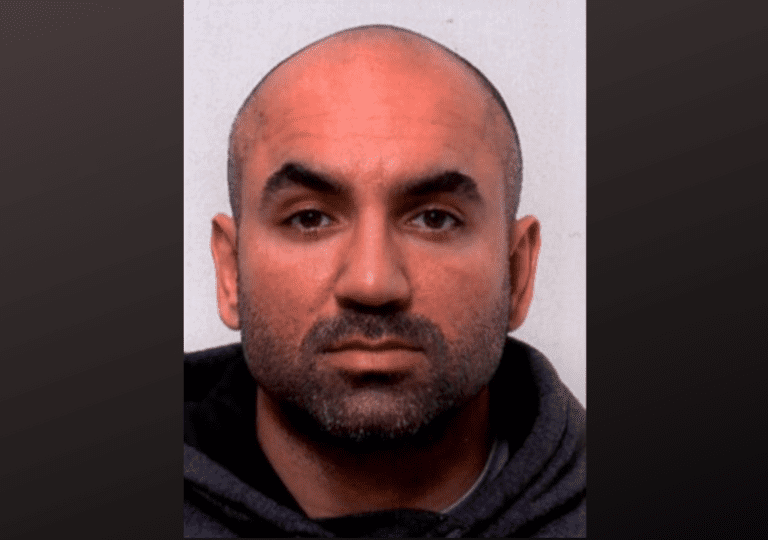
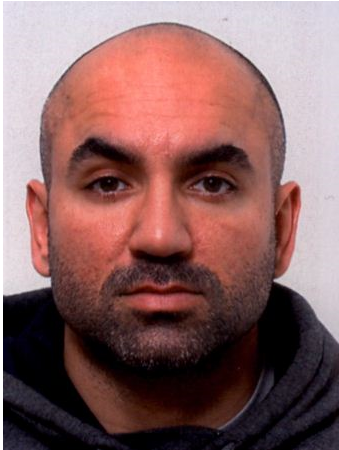
Cor Pijnen was enjoying a conditional release after serving two-thirds of his sentence for attempted murder. However, on Tuesday evening the ankle bracelet was no longer detectable. Police suspect it has been cut off his ankle. Pijnen is nicknamed ‘The Eel’ because he has managed to escape on multiple occasions.
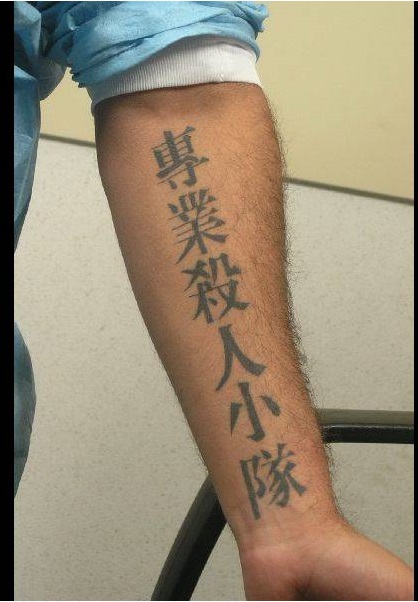
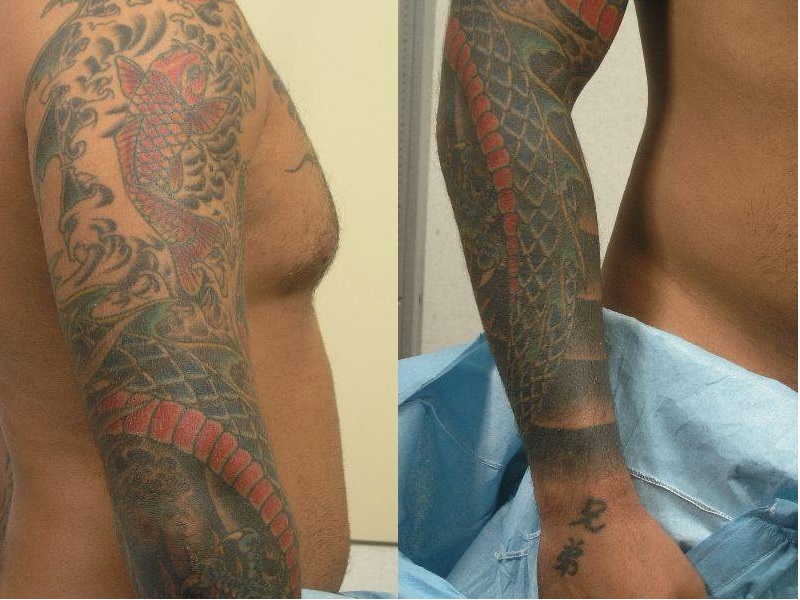
The 36-year-old is also suspected of the torture and murder of Onno Kuut in 2009. He’s part of a group referred to as the Tattoo-killers because of the identical tattoos of Chinese characters they have on their backs. A judge has previously referred to the group as professional murderers.
A specialised police investigation team has been deployed to track down the fugitive. He was last spotted in Schiedam on Tuesday, January 21.
Have you seen Pijnen?
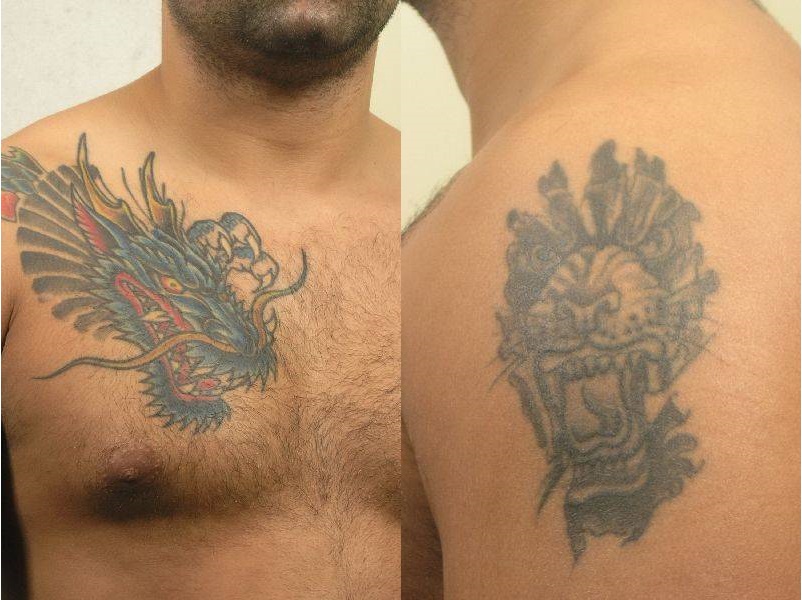
Pijnen is 1.75 metres tall, with a slender build. His most discerning feature is the striking tattoos placed all over his body, in particular, Chinese characters on his back and arm and a dragon on his chest. He may be using an alias.
Police warn that Pijnen could be armed and dangerous. If you spot him do not approach, but call 112. If you know where he is staying call the tracking service on 0800-6070.
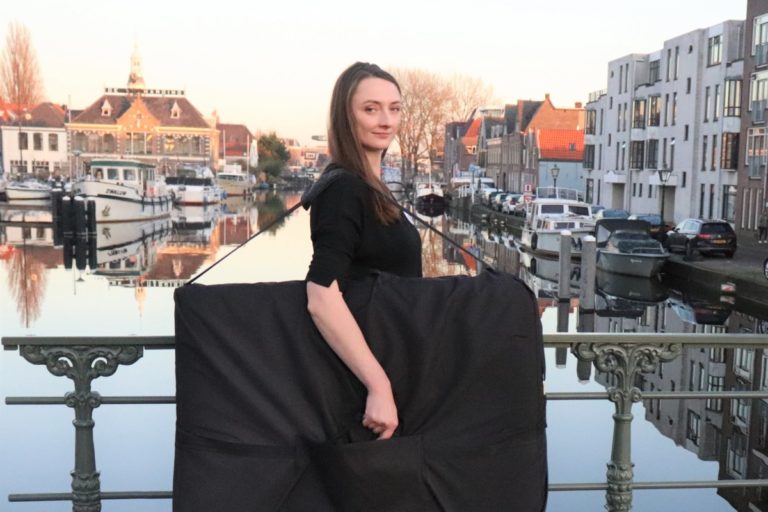
Are you feeling achey in this cold weather? Have you spent way too much time hunched over your phone recently? Recently, we had the chance to interview Alexandra, the owner of AlexMassage. She does mobile massage in Leiden and its surrounding towns, and we knew immediately we had to let you know all about her business, about how getting a massage at home works, and of course, about the best parts of her job.
“Carrying a massage table up those dutch stairs saves me from going to the gym”
Who is Alexandra? The expat behind AlexMassage
We figured you might want to know a bit more about the face behind AlexMassage, so let’s introduce Alexandra. She arrived in the Netherlands ten years ago to pursue a one year masters in English Literature, and never left. Probably not an unfamiliar story for most of you expats and internationals reading this. She also did a second master in Contemporary Dance Studies at Utrecht University, and as part of that she was able to live in India for six months.
“I believe we need to balance the human body and I see massages through the lens of rebalancing.”
There, she learned about Ayurvedic medicine, and studied under an Ayurvedic doctor. For those of you who don’t know, Ayurveda is an ancient Hindu medicine, which focuses on balance and natural remedies for general complaints. This has really influenced Alexandra’s practice, and she says it helped her to understand the body in a new way as well. That’s something she has incorporated into her massage: “I believe we need to balance the human body and I see massages through the lens of rebalancing. Some people need more energy and others need to release energy… the principle of rebalancing what has fallen out of balance on an individual level is really important. It comes with practice and is difficult.”
Before making her massage business a full-time occupation, Alexandra taught at the American School and freelanced as dance producer at Korzo theatre, while massaging as a hobby on the weekends and evenings. She has also done a bunch of travelling, having lived in four different countries, and traveled through over forty: working as a divemaster, or with horses, doing dance research, getting another sailing qualification, or just backpacking for adventure.
When she’s not massaging she’s busy hanging around theaters in The Hague, or windsurfing if weather permits. Currently she’s learning to play the Indian sitar. You’ll definitely find something interesting in common to strike a friendly easy-going chat with Alexandra as she’s setting up her massage gear for you.
Mobile massage in Leiden: how it all began
So, how did this mobile massage business begin? It all came down to fed-up flatmates, hilariously. Alexandra massaged friends, and then they told their friends, and soon she was almost running a massage business from her student housing. Her flatmates got a bit uncomfortable living inside a massage salon- “My flatmates weren’t the happiest!”- and so Alexandra developed the idea of driving to each client’s house and giving them the massage there. She is the first and only mobile massage business in Leiden, and best of all, the business grew organically over time, through word of mouth mostly. Not only did Alexandra create the business, she also created the demand for something completely new to Leiden: massage at home.
Image: Ivaylo Kirov/Supplied.
Mobile massage in Leiden: why getting a massage at home can be the best thing ever
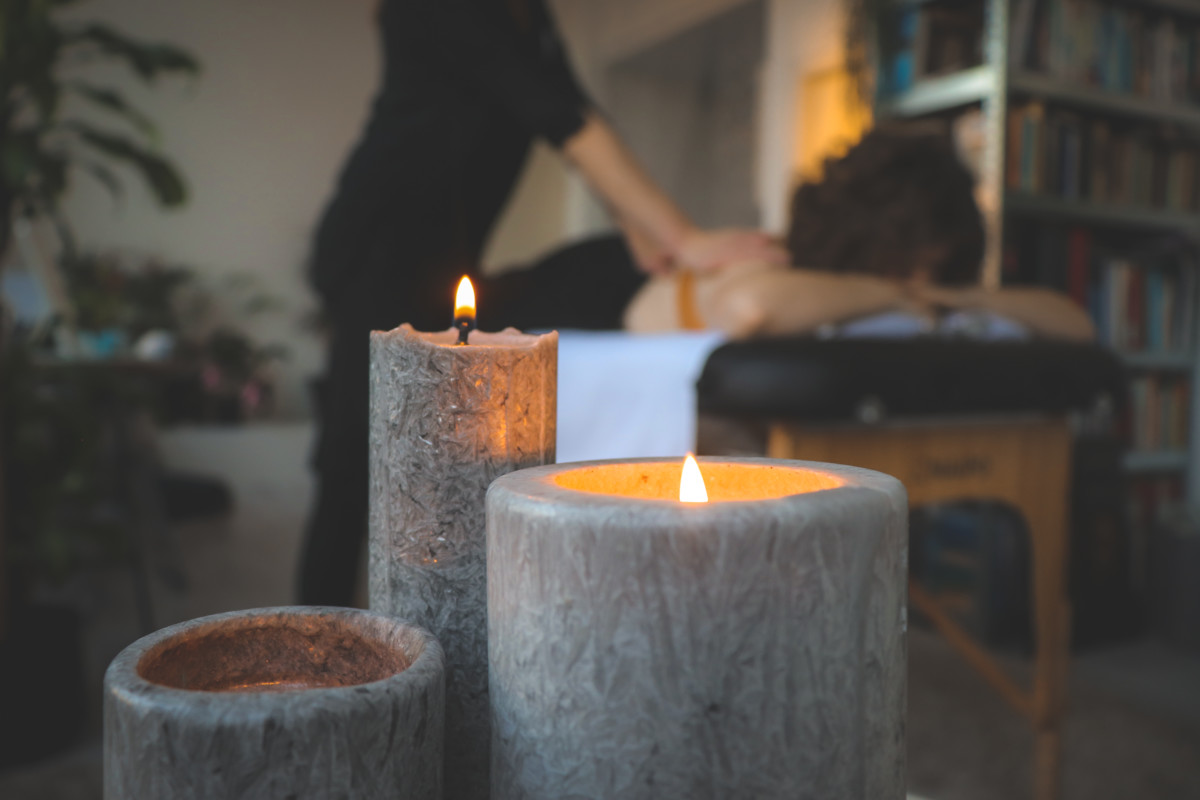
One of the things Alexandra explained to us was why massage at home can be so much nicer and more effective than going to a salon. First of all, you’ll feel much more comfortable and relaxed because you’ll be in your own home, which just feels that bit more private and cozy. You can play your own music and set the lights or candles, as well. And, most crucially in the cold Dutch winters, you don’t have to go outside straightaway after your massage! No biking through the rain for you: instead, you can melt onto your couch, and stay in that post-massage bliss for as long as you want. Alexandra believes that physical and mental comfort is paramount to deep relaxation.Your own home is the perfect environment for the sustainable well being you can experience through this deep relaxation.
Image: Ivaylo Kirov/Supplied
Another obvious benefit is the amount of time you can save. Even if you live relatively close to a massage salon, you’ll still waste at least half an hour going to and from the building. But when a masseuse comes to your house, the only time you need to take out of your day is the amount of time you are getting the massage for.
Image: Ivaylo Kirov/Supplied.
There were two other benefits Alexandra mentioned to us, which struck me as not so obvious. First of all, you know exactly where the money you’re paying for the massage is going- straight into that massage. It’s not paying rent for a salon, it’s just for the experience itself.
Furthermore, a massage at home is really suited to people who might work from home, or perhaps stay at home with their children. Alexandra has clients who have massages while their babies are sleeping, for example. And if you work from home, you can get a massage at any point in the day- what a perfect way to have an extended lunch break, right?
Image: Ivaylo Kirov/Supplied.
Mobile massage in Leiden: how does home massage work?
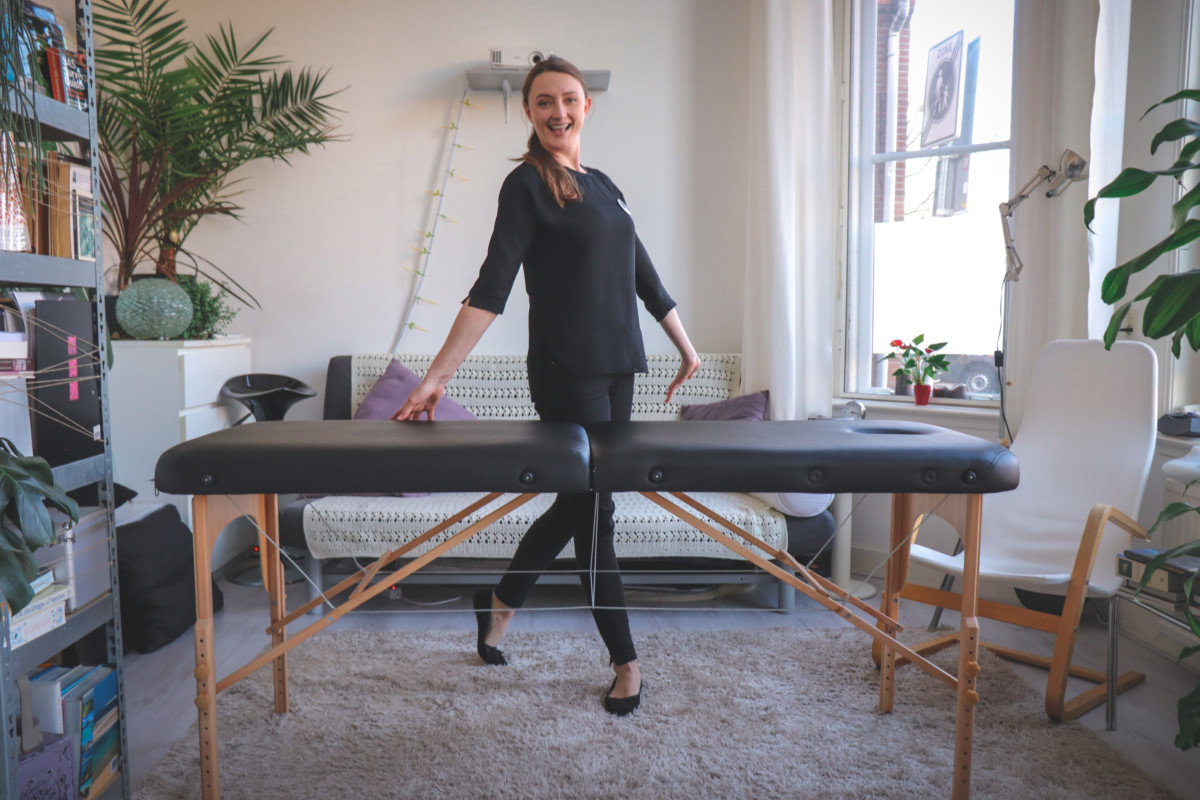
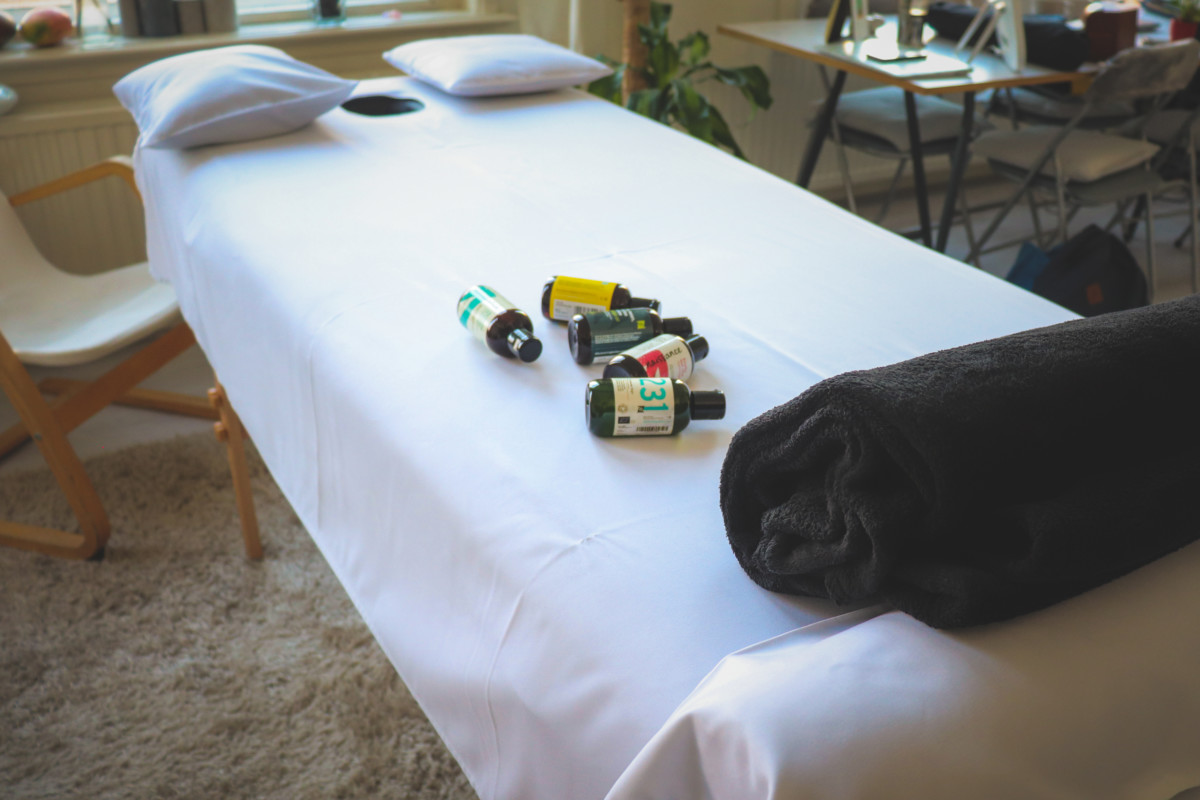
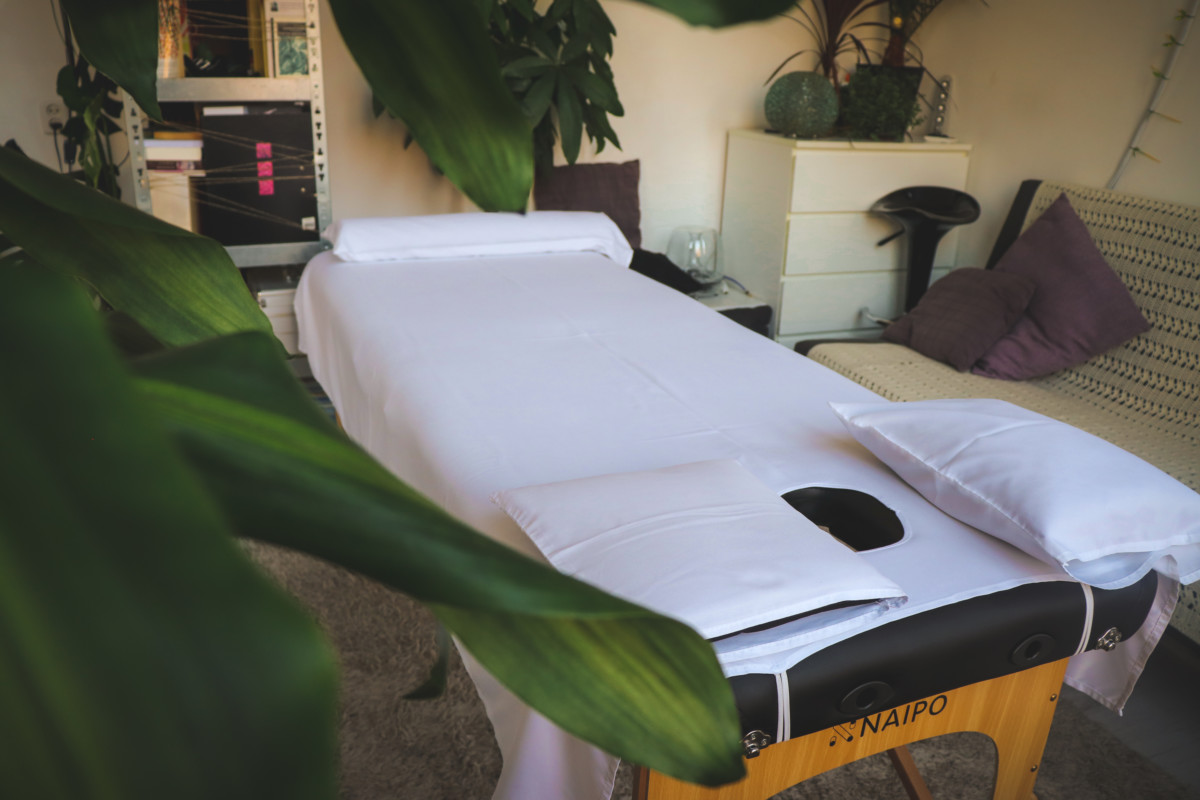
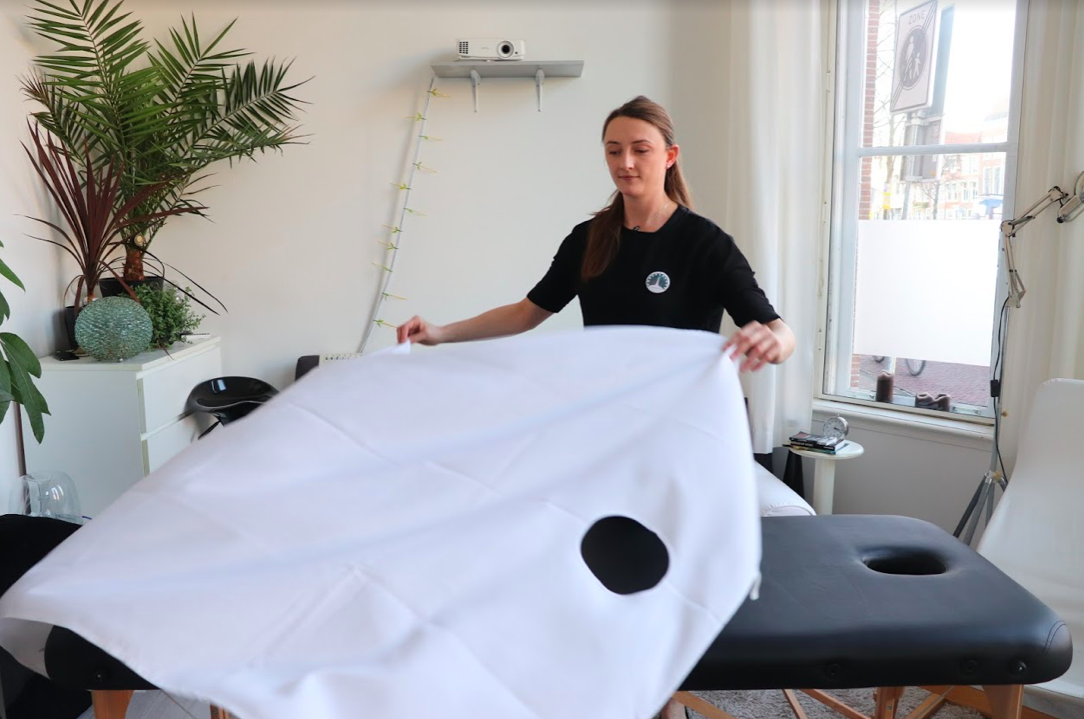
You probably have questions about how home massage works, given that it’s a good deal less common than getting a massage at a salon. We asked Alexandra to explain exactly how it works, so we can let you in on the details. First of all, massage beds: obviously, you don’t need to have your own. Alexandra always has two with her in her car, and she’ll bring one into your house and set it up. This only takes five minutes (we can confirm, we’ve seen her do it). Alexandra also has her own sheets and towels and pillows, so you don’t need to worry about any of that either. And you can choose from her selection of oils as well, to make the experience even more custom. And for those who wonder about her getting up all that gear up the narrowest winding Dutch stairs, she says it actually saves her time – because she doesn’t have to go to the gym!
Image: Ivaylo Kirov/Supplied
“People initially tell me what they want and where the tension is. But then I confirm this with my hands whilst asking them about their lifestyle to try and assess where the imbalance has come from.”
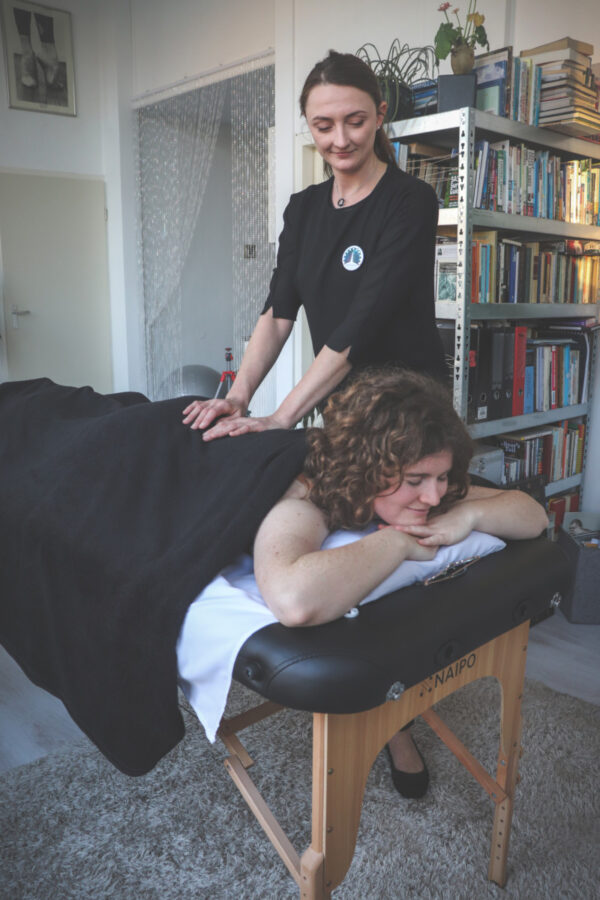
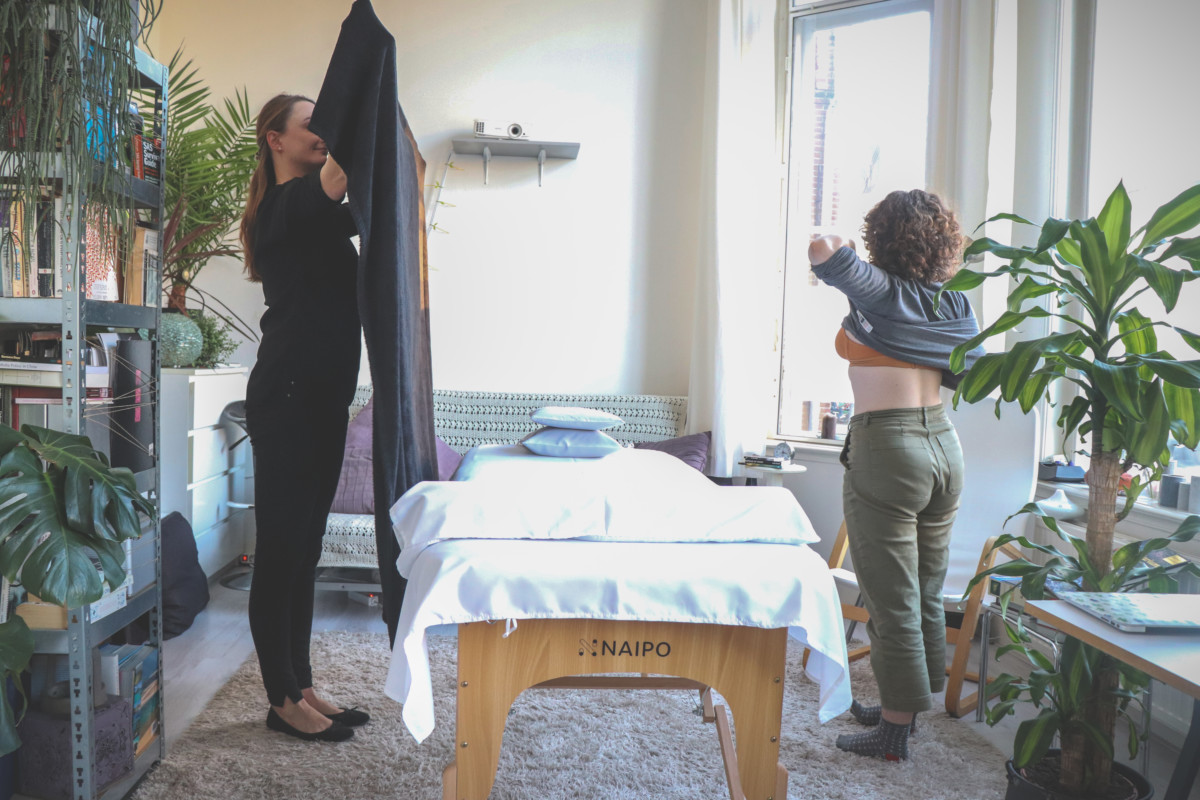
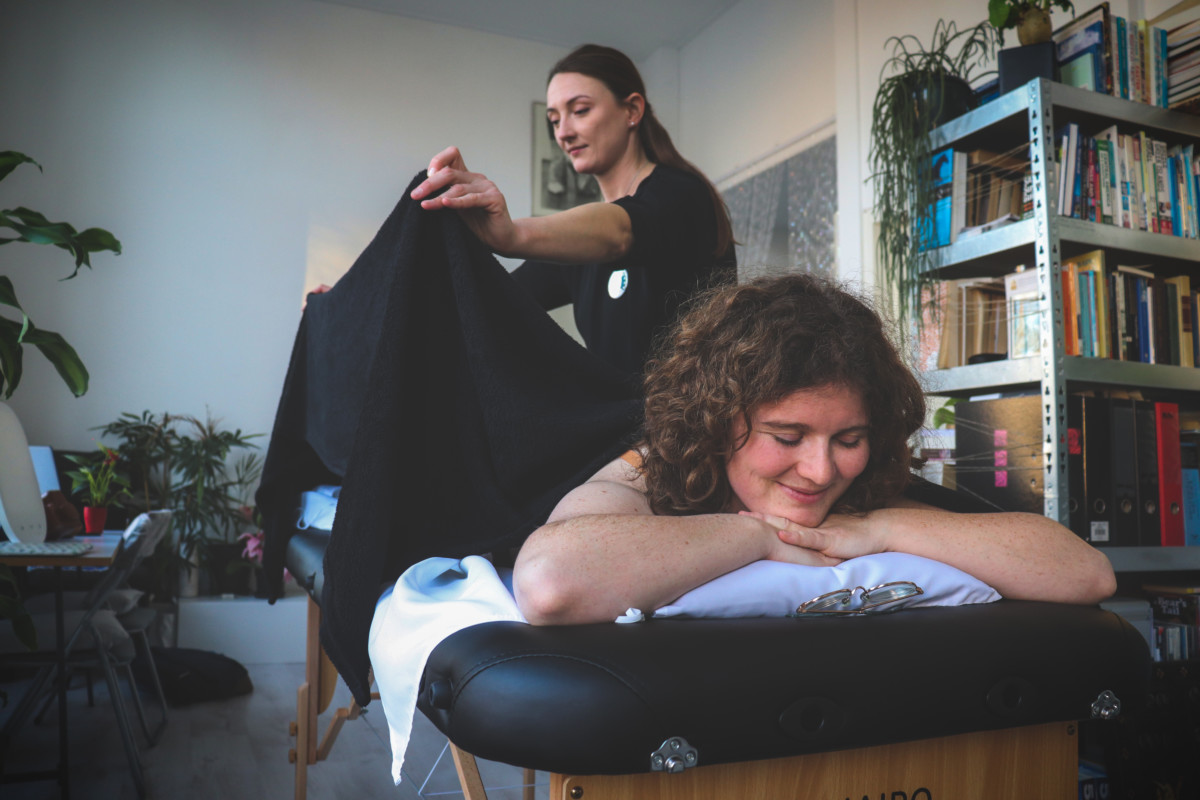
Then, the massage truly begins. Alexandra creates a makeshift curtain from the blanket so you can undress in privacy. She covers you with the blanket, leaving only the massaged area exposed, while you lie there comfortably cushioned with extra pillows. You can tell her where it hurts, if you’re feeling pain, or just that you want a massage for relaxation. Then Alexandra will begin the massage, and she’ll be able to feel where there is tension in your body. There is always a lot of communication between her and the person getting the massage in the first session, as she figures out what works for the customer. Feedback is always really welcome, she says. “People initially tell me what they want and where the tension is. But then I confirm this with my hands whilst asking them about their lifestyle to try and assess where the imbalance has come from.”
Image: Ivaylo Kirov/Supplied
The nitty-gritty of mobile massage in Leiden
Now, we’re getting to the good stuff. Alexandra is available to do massages seven days a week, til 8pm each day. So, if you’re working from home, you can get one in the middle of the day, but if you’re out at work from 9 to 5, you can still enjoy a relaxing massage anyway. Alexandra does a variety of massages: she can do pre and post natal massages, massages purely for relaxation, or massages to help you out with a specific complaint. She’s also certified in sports massage and lymphatic drainage massage. In all her work she uses an integrative approach, meaning that she draws from all her techniques to deliver customized treatment for every individual.
Image: Ivaylo Kirov/Supplied
As Alexandra is based in Leiden, she delivers massages for people who live nearby: Leiden itself, as well as Katwijk, Leiderdorp, Leidschendam, Oegstgeest, Rijnsburg, Sassenheim, Voorhout, Voorschoten, Warmond, Wassenaar. For places such as Noordwijk Voorburg, Zoetermeer, or Alphen aan den Rijn there is a €15 delivery charge.
And as for pricing, a 60 minute massage costs €60; a 90 minute massage costs €80, and she does a special deal for couples, where both get a 45 minute massage, for €100. For our readers there’s also €10 discount off your first session – just copy the code AMLDR2020 into your booking request.
Why home massage with Alexandra is particularly suited to expats
Life as an expat can be difficult, we all know that. From the sometimes upsetting directness of Dutchies to making new friends to getting used to a new system, there’s a lot to deal with, especially in the beginning. It can be really helpful to take some time for yourself when you’re going through this: and there’s no better way to relax than to get a massage, we all know that.
Image: Ivaylo Kirov/Supplied.
A massage can give you space to unload all your problems, and with Alexandra, there’s the added benefit that she is also an expat, so she’ll really understand how it feels.
Finally, most massage salons in the Netherlands work in Dutch- which of course makes sense. But as an expat, it’s not always easy to communicate or feel relaxed around all those weird g-sounds. Also, trying to figure out lots of websites in Dutch to find a suitable massage salon might be a bit daunting on top of the daily hustle and bustle of expat life. So the fact that Alexandra works in English and has her website and social media in English creates that extra level of connection you want from your massage therapist.
Running AlexMassage: the best parts of mobile massage in Leiden
We asked Alexandra if she had any stories of people for whom regular massages really made a difference- and she absolutely did. One of her regular clients is an expat who moved to the Netherlands to do her PhD. As is unfortunately very common among PhD students, she struggled with depression and burnout and felt like she would not be able to finish what she started in the Netherlands. She tried lots of things before coming to Alexandra. Around the time of her first massage, she started taking a more holistic view of her wellbeing- eating well, exercise, meeting friends more often. That, in combination with massages, really set her up to do well in the final stretches of her PhD.
But there were other benefits too: Alexandra’s client found that she always had great ideas while having a massage- many of us experience this while we’re taking a shower, but it was during a massage that it happened for this client. Within a year, she had finished her PhD and had also launched a successful start up company, bringing her great ideas to life.
For Alexandra, these sorts of success stories are the best parts of her job. And people are always delighted to see her, she admits shyly- after all, their massage has arrived! Most of all, though, Alexandra really feels like she’s helping people in a very practical way, and that’s really fulfilling for her.
If you want to find out more about Alexandra and Alexmassage, check out her website here! You can also make an appointment with her by Facebook or Instagram.
Have you ever had a massage at home before? Let us know how it was in the comments below.
According to forecasts from the Economic Institute for Construction (EIB), the Netherlands will not be able to build enough homes to avoid shortage until after 2021. So if you’ve been looking for a house, you may have to stick out the wait a little longer, RTL Nieuws reports.
The housing shortage, on the surface, is caused by the fact that not enough homes are being built. In order to avoid shortage, the Netherlands needs 75,000 new homes to come onto the market each year, because this is the rate at which the number of households in the country is growing.
Number of houses built each year will drop
In 2019, the number of new homes built was 63,000: this year, it will drop even further to a mere 60,000. And in 2021, it will dip again, with only 55,000 homes expected to be built then.
Hard times ahead for house hunters
After 2021, the shortage is expected to ease off a bit, with the 75,000 target expected to be hit by then. But in the meantime, those looking for a home will have a much harder time.
Why is there a shortage?
Why has this shortage taken place? There are a couple of reasons. Fewer building permits are being issued, as a result of stricter environmental regulations, which aim to mitigate the nitrogen crisis. Then there is the mere problem of time: from the moment a building permit is issued, it takes about two years for a house to be ready.
What are your experiences with the housing crisis in the Netherlands? Let us know in the comments below.
February is likely to be free of serious snowfall, predictions show. This winter has been milder than usual with no significant signs of snow at all. According to Nu.nl, this will remain the same in the next five weeks. However, the first frost of this winter season was recorded in South Limburg when it was -5.4 degrees Celsius.
The last time it was freezing was on January 31, 2019. So it’s been a long time since we’ve had snow in the Netherlands. “For the time being, we have not been relieved of the western airflow. Disruptions from the ocean continue to come our way and that is not what you need for a prolonged cold winter period, for that the wind has to come from the east, preferably in combination with a high-pressure area”, says Raymond Klaassen from Weerplaza to Nu.nl.
However, there were recorded freezing temperatures before with -4.1 degrees in Heino and Hupsel on December 28 and -4.9 degrees on January 1 in Hupsel. There were more cases but they all showed only a slight frost (0 to -5 degrees).
…but that’s not likely to mean snow in the rest of the country this winter
We have reason to worry about this as the temperatures are not cool enough for it to snow. The temperature maps show red spots where it has to be blue this winter. “We call it too hot a blob or bubble. Blue spots are needed for low temperatures.”
He concludes that we might get snow on some days but we are not going to see a “consistent build-up to a prolonged cold winter situation”.
How disappointed are you that there’s no snow yet this winter season? Let us know in the comments below!
It’s not every day we get to publish a picture of two pandas doing the dirty, but today is a special occasion. After two years of trying, Ouwehands Zoo has successfully convinced their two pandas that they’re ready to go all the way.
Cue fireworks, an angel chorus, and maybe an earthquake. Why is it a big deal? Well, in the words of the pandas’ caretakers, “pandas make it difficult for us to prevent them from extinction.”
That’s right – these two mammals doing it like they do on the Discovery Channel may have just experienced the miracle of reproduction and helping avoid extinction. That means possible tiny baby pandas (or as the Dutch would say, pandaatjes, even the name is adorable!) At last count, there were only 1864 giant pandas left in the world.
Geen Blue Monday in Ouwehands Dierenpark! Zaterdag 18 januari heeft namelijk de eerste paring tussen reuzenpanda’s Wu…
The zookeepers had to consult with Chinese experts after the female, Wu Wen, showed signs of fertility. Female pandas are only fertile for a few days of the year, so the zoo had to act fast. It’s a good thing they did: turns out Wu Wen was only in the mood for half a day.
Zookeepers knew this because of regular hormonal testing and watching out for some physical signs. “When she is in heat, she starts producing certain sounds, raises her tail to offer herself to a male, swells her vulva and becomes redder and starts masturbating,” explains the head of the Animals department at Ouwehands Zoo, José Kok to RTL Nieuws.
No panda porn
Luckily, male Xing Ya rose to the occasion. After years of training, involving urine being exchanged (for real), letting the pandas run in each other’s homes, and training Xing Ya to stand on his hind-legs for, um, physics, the two pandas finally met in person. And the rest, as they say, is history.
Xing Ya didn’t need much encouragement, not even requiring panda porn (yes, that’s a real thing). “Last year we did make the male hear sounds of males fighting for a female to stimulate testosterone levels,” said Kok.
Will we be seeing pandaatjes in the near future?
Sad news: we won’t know for sure for a long time. While humans have two possible results in a pregnancy test, pandas are sneaky and operate within a grey area.
“A female panda can fake a pregnancy. She then behaves like a pregnant panda, there is a change in her hormones, but she doesn’t like it,” says Mathieu Goedefroy from the Belgian zoo Pairi Daiza where a panda baby was born last year.
“You never know if a giant panda is pregnant until she gives birth.” While a pandas pregnancy lasts for three to four months, the egg only develops into a baby in the last three weeks. “That’s why baby pandas are always those pink worms,” says Goedefroy.
How excited are you that these two pandas experienced the miracle of making love? Let us know in the comments below!
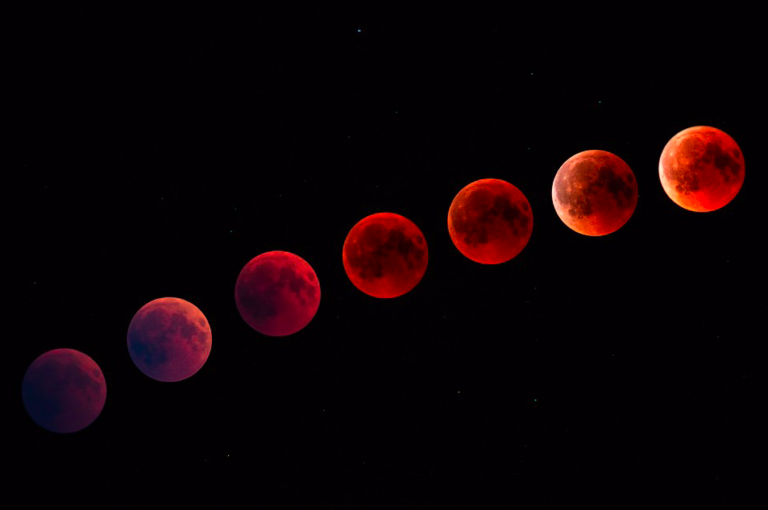
Have you ever felt like you’ve been missing something mysterious and beautiful in your life? We’re not talking about bitterballen here, but in fact another spherical object: the moon. Or more specifically, we’re providing you with a guide to the lunar events of 2020- blood moons and eclipses- as well as meteor showers.
Space is fascinating and we all love to see what on earth (if you pardon the pun) is going on up there. Well here’s a list of what we can expect to see this year from down here on Earth.
Be sure to check the weather just beforehand and go somewhere dark to be able to witness them properly!
Here goes:
January
3-5th: Shooting stars- visible from the Netherlands.
10th: A penumbral eclipse (this means there will be a shadow over the moon, but it will still be visible) – can seen from the Netherlands
February
9th: A supermanen (full and close moon) seen from the Netherlands.
March
9th: supermoon (full and close moon): visible from the Netherlands
April
8th: supermoon (full and close moon): visible from the Netherlands
22nd and 23rd: shooting stars: visible from the Netherlands)
May
18th: A blue moon (basically another full moon – it doesn’t turn blue sadly), seen from the Netherlands.
June
5th: A penumbral eclipse (this means there will be a shadow over the moon, but it will still be visible) – can seen from the Netherlands
July
5th: A penumbral eclipse (this means there will be a shadow over the moon, but it will still be visible) – can seen from the Netherlands
August
13th: A meteor shower – Perseids, visible from the Netherlands.
October
8th: A meteor shower – Draconids, visible from the Netherlands.
November
30th: A penumbral eclipse (this means there will be a shadow over the moon, but it will still be visible) – can seen from the Netherlands
December
14th: A meteor shower – Geminids, visible from the Netherlands.
26th: A partial eclipse – however this cannot be seen from the Netherlands, so if you’re out of here, you’re in luck.
Tips on how to see them all these awesome events
Try to get to somewhere with minimal light pollution- in cities or even towns you won’t have any hope of getting the full effect of these events. Also, get there early! Your eyes need time to adjust to the darkness. Finally, be sure to bring a camera with you- especially if it’s a rarer event, it’ll be worth having a physical memory of the beautiful meteor shower you witnessed.
As you can see, there is plenty to witness this year in the Netherlands. It’s the year of the moon, so we can expect to see some great sights this year.
Will you be looking out for any of these? Let us know in the comments!
Editor’s Note: This article was originally published on 20 January 2019 but was updated for your reading pleasure on 21 January 2020.
We know. It’s cold, it’s windy, it’s rainy in the Netherlands right now. We also know you love the Holland – but there’s nothing wrong with a temporary sea change! But it’s even better if you can do a holiday the Dutch way: extra-cheap.
One of the best things about the Netherlands is its central location – and that a plethora of budget airlines and bus services keep you well connected to the rest of Europe.
So here you go: pack a budget lunch of bread and leverworst, and roll your carry-on alongside your bike to your local transport hub. These are the top four destinations for a mini holiday on a budget from the Netherlands!
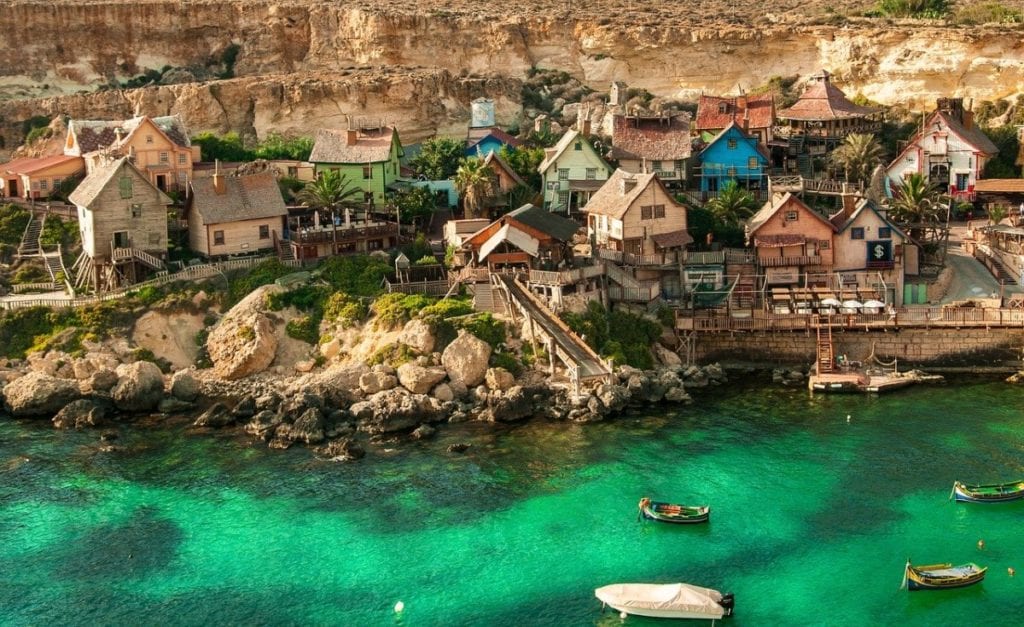
Craving clear blue skies? Hop on a flight to Malta, one of the more undiscovered tourist spots of Europe. If you’re seeking incredible historical temples and churches, spooky underwater caves, and markets, museums, and incredible islands, Malta is the place for you.
This Mediterranean archipelago has three main islands: Malta, Gozo, and Comino. Never fear, any island is a safe bet for stunningly blue seas and an all-around relaxing time. Gorge yourself on the freshest seafood, take in the views from the Upper Barrakka Gardens, or go diving in the shipwreck of HMS Maori, sunken by the Germans in WWII.
How to get there: RyanAir currently have direct flights from Maastricht for just 53 euros return – bargain!
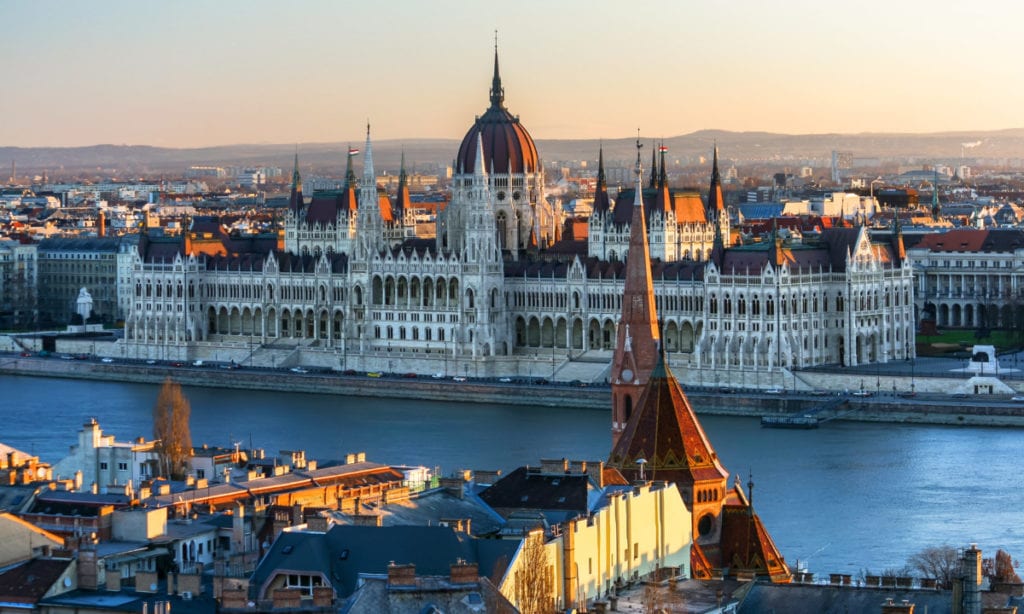
Budapest might just be one of the most breathtaking cities of Europe. Not only is it blessed with absolutely incredible architecture, a place to promenade along the Danube, and mouthwatering wine and food, but you can literally go to this city just to take a bath: grand Art-Nouveau style thermal baths that is.
This city is the perfect blend of fascinating history and incredible new design. You can spend hours trawling independent design shops with a minimalist, contemporary style, a stark contrast to the historical city outside. Also a plus: Hungarians are ridiculously fun to hang out with.
How to get there: WizzAir fly direct from Eindhoven with flights from just 72 euros return.
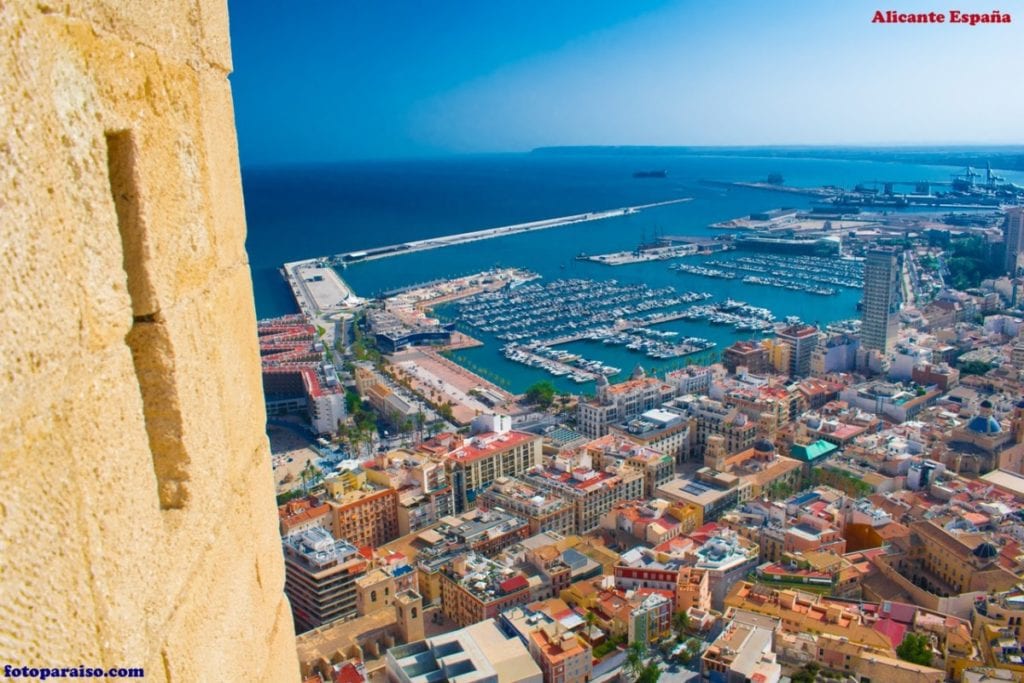
It’s not the cheapest option on the list, but it sure is cheaper than the Netherlands! You also have a bunch of options: would you prefer to visit the port city of Malaga, famous for its resorts and yellow-sand? How about Mediterranean Valencia, which effortlessly blends unique science and jaw-dropping beaches?
Perhaps flamenco-dancing in Seville is enough to seduce you, or the cobblestones and azulene waters of Alicante in Spain’s south-east? No matter your choice (and there are many!) head to the land of tapas, cervezas, and sangria for a mouthwatering, sun-filled trip from the Netherlands.
How to get there: Return flights to Malaga start from just 95 euros, and other cities follow closely.
Rolling hills of Romania
Can you say no to experiencing this? Image: Lauren Parnell Marino.
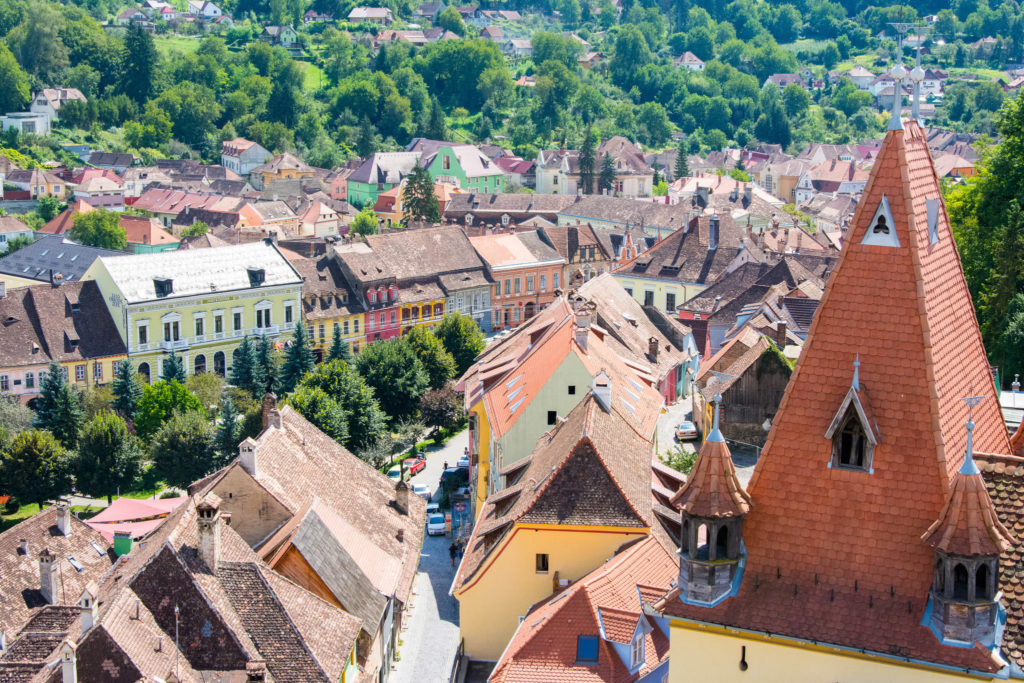
“I want to suck your winter blues away!” said a lesser-known cousin of Dracula. That’s right, next on our list is glorious Romania, known for its medieval towns, twisting roads, and the forested region of Transylvania. The capital of Romania, Bucharest, is a vibrant city, overlooked by the Palace of Parliament, built during the Communist era by the dictator Nicolae Ceaușescu, now the largest administrative building in the world.
But there’s so much more to Romania than its stunning capital. Rent a car and travel the twisting mountain roads of the Transfăgărășan, supposedly the world’s best mountain road according to Top Gear. See Brasov, a medieval walled town bursting with designers and great food. Stroll the colorful streets of Sighisoara, or indulge in the nightlife of Cluj-Napoca!
How to get there: you’re in luck! WizzAir have flights departing from Eindhoven to Timisoara from just 88 euros, return! BONUS: Romania is cheap as chips.
Picture-perfect Portugal
Portugal is anything but basic for your holiday. Image: Samantha Dixon
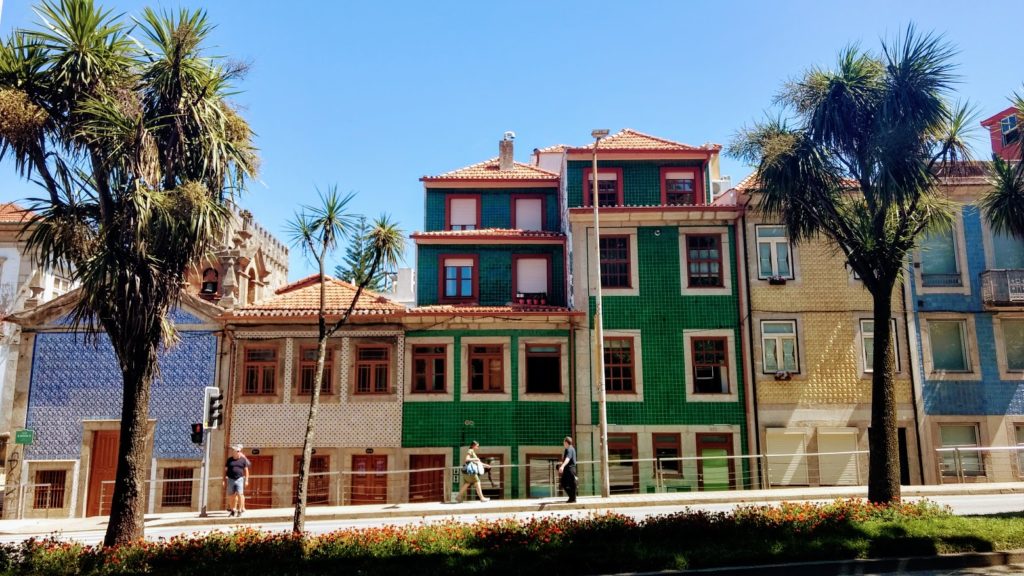
Perfect if you’re looking for something just a bit warmer than the Netherlands, Portugal is a seaside sensation. While a little bit more expensive than other countries that made the list, Portugal is vibrant, colourful, and energetic. And the Portuguese? They are the BEST.
The capital of Lisbon features beautiful architecture, excellent shopping, and the famous yellow trams. But go further! Travel north to Porto – any city that invents alcoholic beverages is a pretty good city for a holiday in my books. In Porto, walk the high bridges across stunning blue rivers, wander the docks, and get day-drunk on the best port wine around.
Venture out of the mainstream cities of Portugal during the day to find breathtaking beaches, the water dotted with surfers, or, wander the city streets, lit with colourful lanterns, at night. Portuguese people are vibrant, lively, and welcoming, so make it your goal to meet some locals!
How to get there: Keep an eye out for cheap flights! RyanAir currently has them from just 104 euros, but Vueling and Transavia can get you there too.
Captivating Czechia
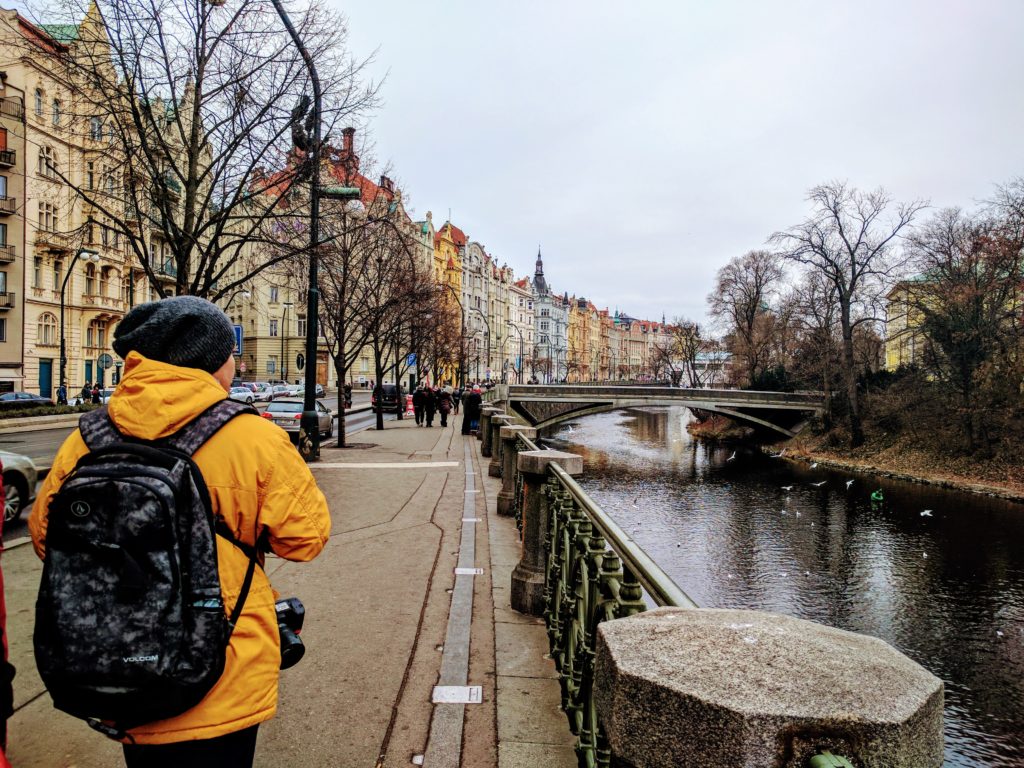
Wear REALLY good shoes in Prague, this is a city for walkers. Image: Samantha Dixon
Known until recently as the Czech Republic, Czechia will surprise you with its modern architecture combined with old-world charm. The capital of Prague is the place to be – indulge in long walks along the riverbanks, spire sightseeing, and the ultimate Czech street food, fried goat cheese.
Lonely Planet compares Prague to Paris, and it’s undoubtedly true. This is a city of romance, but also of great beer. Even better, is the food in bars and restaurants is incredibly cheap – this is a country you can gain some kilos because it all tastes amazing and it’s ridiculously cheap. A real food lovers dream city!
But there’s more to Czechia. Check out the views from Prague’s TV tower, listen to the buskers at the John Lennon Wall, and try hot chocolates that will ruin all other hot chocolates. A quick train ride will take you to Kutna Hora, a delightfully misty town directly out of a novel, and home to a church furnished and decorated with over 40,000 peoples bones.
How to get there: hop on a bus and take a (long) nap – FlixBus and RegioJet get you there from 47 euros!
Picturesque Poland
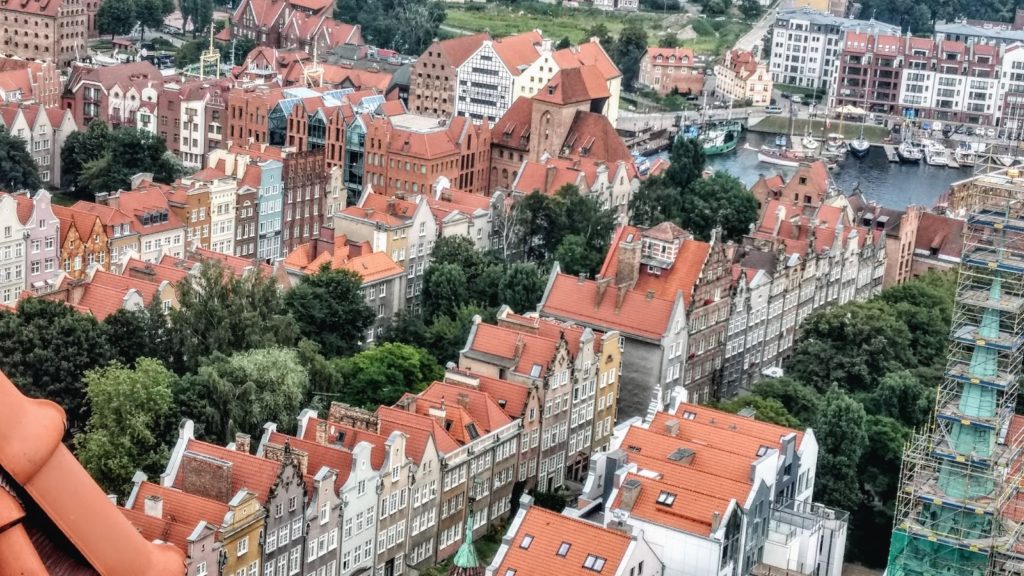
Let’s play a game: dollhouses or real houses? Image: Samantha Dixon
What comes to mind when you think of Poland? It’s had an undoubtedly long history. But what should come to mind? Amazing culture, preserved historical artifacts, and ridiculously gorgeous cities.
Poland is huge! But it has some great key cities that should not be missed in your lifetime and is the perfect break from your Holland home. Better yet, while Poland is home to the eighth largest economy in the EU, it’s still ridiculously cheap. It’s also insanely easy to travel around this country thanks to various cheap bus services that are surprisingly comfortable.
Poland is beautiful, but the food is even better. Eat out at a ‘bar mleczny’, a milk bar that carries over from poor economic times, but today offers great, home-style meals at unbelievable prices. Then, once you are refueled, get out and explore the toy-box houses of the coastal city Gdansk, the medieval walls of Krakow, or the modernized Warsaw, almost completely rebuilt after heavy bombing in WWII. Poland is rich with history and culture, make the Polish giggle with your interpretations of their complex language (one of the hardest to learn in the world), and take delight in this storybook of a country.
How to get there: flights from Groningen start from just 41 euros!
What great cheap holiday breaks did we miss? Tell us your top picks for time away from NL, or even for a Dutch Staycation in the comments!
Editor’s Note: This piece was published in February 2018 but was fully updated in January 2020 for your reading pleasure. Feature Image: Ross Parmly/Unsplash