Home Blog Page 575

Weekly update: coronavirus continues to decline at a snail’s pace

0

Coronavirus cases in the Netherlands have decreased again only slightly, according to new figures from the RIVM. While it may be a step in the right directions, it’s not the decline we’d all like to see.

Over the past week, the number of new coronavirus cases has decreased from 36.931 to 33,949.

Hospitalisations are also down from the previous week’s 1291 nursing ward admissions and 193 ICU cases. This week, there were 1007 and 183, respectively.

Over the past week, 406 people have died from coronavirus-related complications. The week prior the were 422 deaths.

Some major developments have happened over the past week regarding coronavirus in the Netherlands, with changes in testing and wearing face masks, as well as some promising new antibody research. But even with these positive developments, some experts say we may need to settle in for the long-haul of this second wave.

Testing without symptoms

Starting today, testing is now possible even without symptoms present, as long as you’ve been in close contact with a person infected with the virus. For example, if you receive a notification via the GGD’s contact tracing program or the CoronaMelder app.

Mask mandate in effect

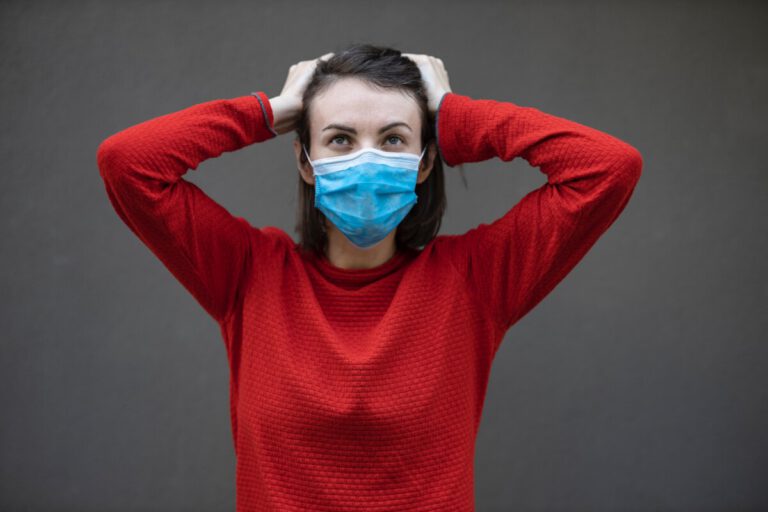
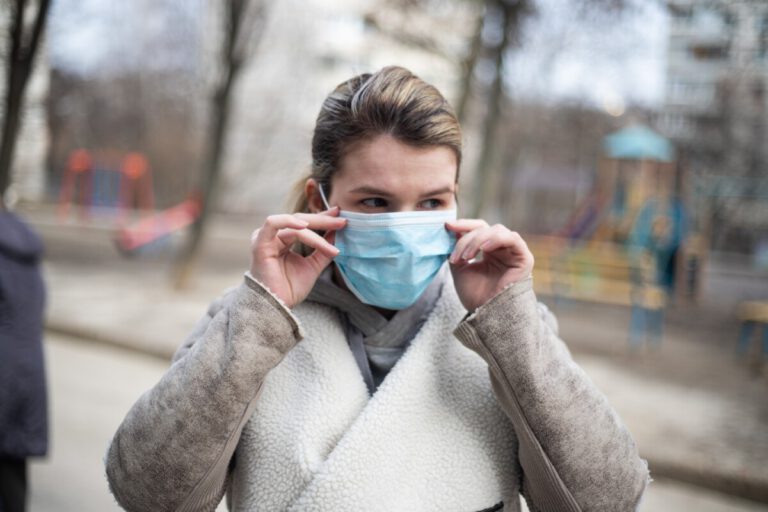
Also going into effect today is the new mask mandate, requiring people throughout the country to wear a mask in all indoor public spaces. Those found without may be subject to a €95 fine.

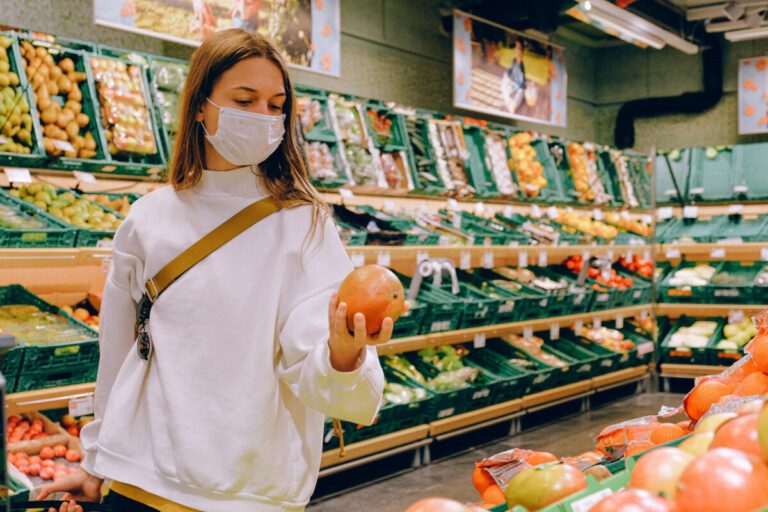
Several major Dutch retailers have said that although their employees will be wearing masks, they won’t be enforcing the rule with their shoppers. The retail chains wish to avoid potentially-dangerous confrontations, although they do expect patrons to follow the mandate.

Some retailers, such as Kruidvat and Albert Heijn, indicate that the majority of their customers have already been wearing masks, and they have no reason to believe that will change.

An enduring second wave

Representatives from the RIVM, Jaap van Dissel and Jacco Wallinga, along with Minister of Health Hugo de Jonge, have all indicated that the current second wave of coronavirus may last longer than we’d all hope.

According to De Jonge, to bring infections down to a level that allows for relaxation of measures, “You have to assume that it will really take longer than mid-January.” The health minister adds, “The fastest way to get rid of the measures is to stick to the measures.”

In a separate conversation, Van Dissel and Wallinga made a similar statement, saying that citizens need to take more “co-ownership of the problem of coronavirus spread.” The two RIVM experts say it’s “very realistic” that it may not be until March that we see coronavirus levels back down to a “watchful” level.

New antibody research

A new study from RIVM has found that our bodies are better at producing antibodies against the virus than previously thought. Coronavirus antibodies are stronger and last longer than earlier studies had shown. Over 90% of people infected with the virus still had antibodies in the system six months after infections.

Remdesivir use in hospitals

Although the WHO has issued advice against the use of the virus inhibitor remdesivir in coronavirus patients, Dutch hospitals will continue to use the drug.

A Dutch foundation that specialises in the use of antibiotics in the Netherlands (SWAB) and the Federation of Medical Specialists (FMS) refer to the WHO’s advice as a “weak, conditional recommendation” that adopts “a global perspective, taking into account, among other things, the proportional representation of other countries.”

SWAB and FMS have observed positive effects from the drug without harmful side effects and see no reason to discontinue use.

To stay up-to-date with coronavirus news in the Netherlands, follow DutchReview on Facebook.

Feature Image: Evg Culture/Pexels

The Netherlands’ first vegan supermarket is coming to Amsterdam

0

Vegan Fresco, the Netherlands’ first vegan supermarket, is coming to Amsterdam in January. 

It’s a sustainably designed supermarket selling only plant-based products, according to Het Parool, and people are excited about it.

An eager response

“The messages we receive are really bizarrely positive,” says owner James Fresco. “It turns out people want this.”

Fresco’s team distributed 20,000 surveys in the neighbourhoods around the supermarket’s location on Jan Evertsenstraat. Results showed that 56.4% of respondents would be interested in shopping at the supermarket, while 40.1 percent might want to shop there.

Preparing for opening

Fresco has been involved in startups for the past decade, recently shifting his focus to the food industry. His new venture into plant-based products he sees as his “life’s work.”

Vegan Fresco, located directly opposite the Albert Heijn, is currently under construction and expected to open mid-January. They will sell products from all over Europe.

In the meantime, Fresco is working on a crowdfunding campaign and collecting insight and wishes from future visitors. “Together, we’ll create a beautiful store.”

Will you shop at Vegan Fresco? Would you like to see more of these supermarkets in the Netherlands? Tell us your thoughts in the comments!

Feature Image: Karolina Grabowska/Pexels 

Dear Dutchies, meet a new friend — personal space!

Coming to a North European country, I had certain preconceptions about the ways and habits of the people here: hyper-organized (check), sport-obsessed (check), crazy tall (check!), and socially reserved? Well…

Obviously, it’s corona times, so personal space is far more important than usual. Dutchies are advised to keep 1.5m from each other — but honestly, that often doesn’t happen despite the RIVM’s guidelines. So it’s definitely worth looking at the cultural background of this phenomenon.


One thing I was not ready for is the complete lack of personal space in the Netherlands! And here I thought that I was finally among people who despised physical vicinity to strangers as much as I do…

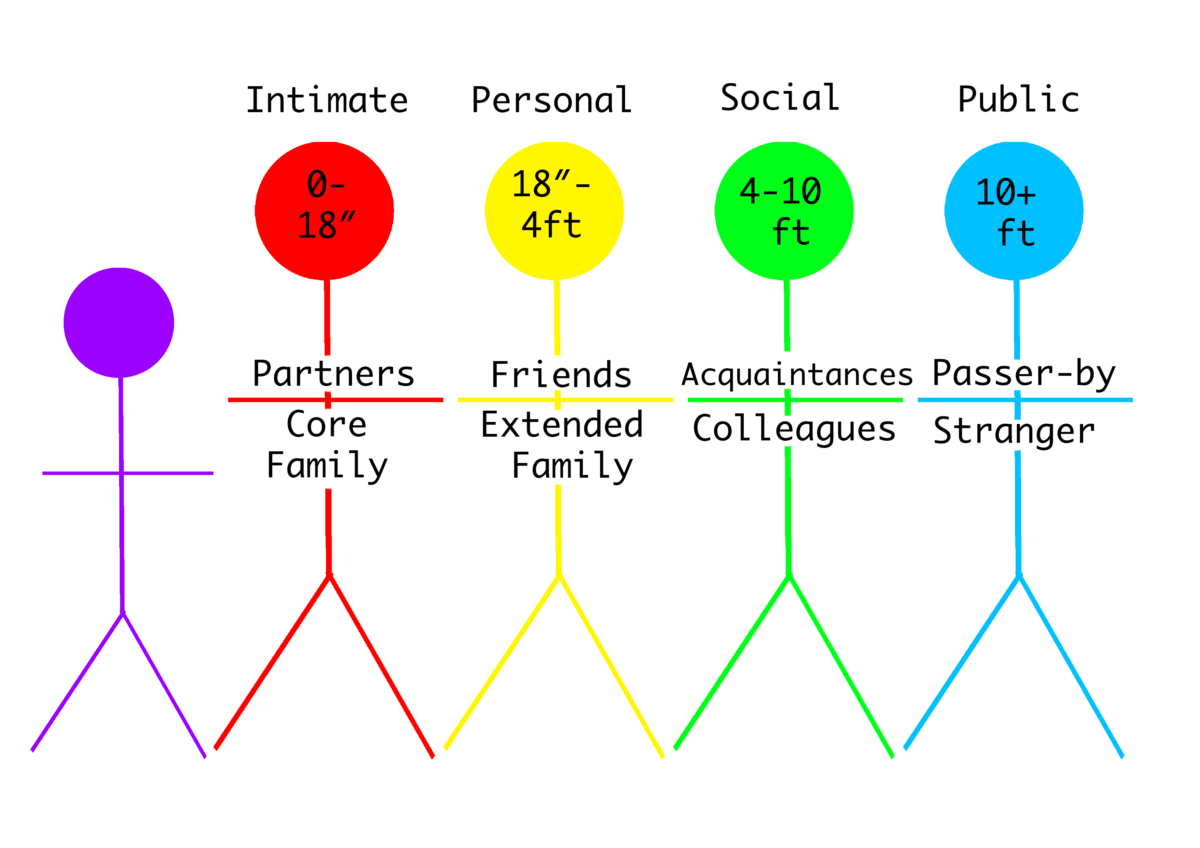
Now before I dive into the most common occurrences of the Dutch lack of personal space, I am sure there are plenty of Dutchies who know the dangers of coming too close to another unwilling human, but on average the personal space diameter is down at least 50% compared to the Italian one. We Italians (or Latinos, or any southern culture really) are touchy, yes, but only with people we feel close to.

Image: Natbrock Alicia Tom/Wikimedia Commons/CC3.0

Personal space in the Netherlands: in a queue

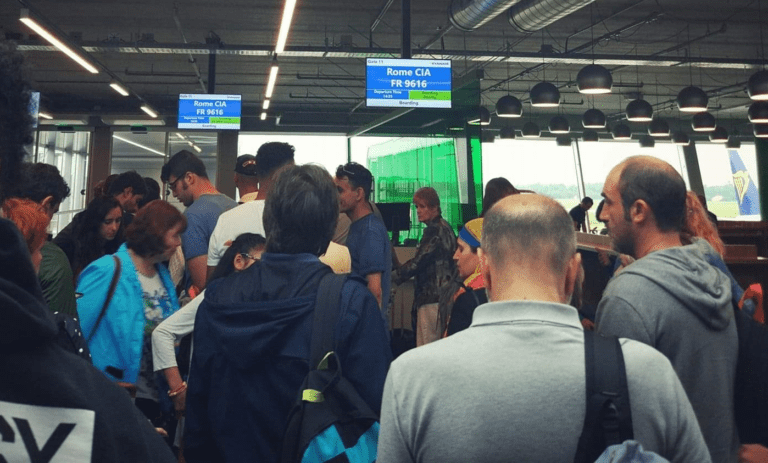
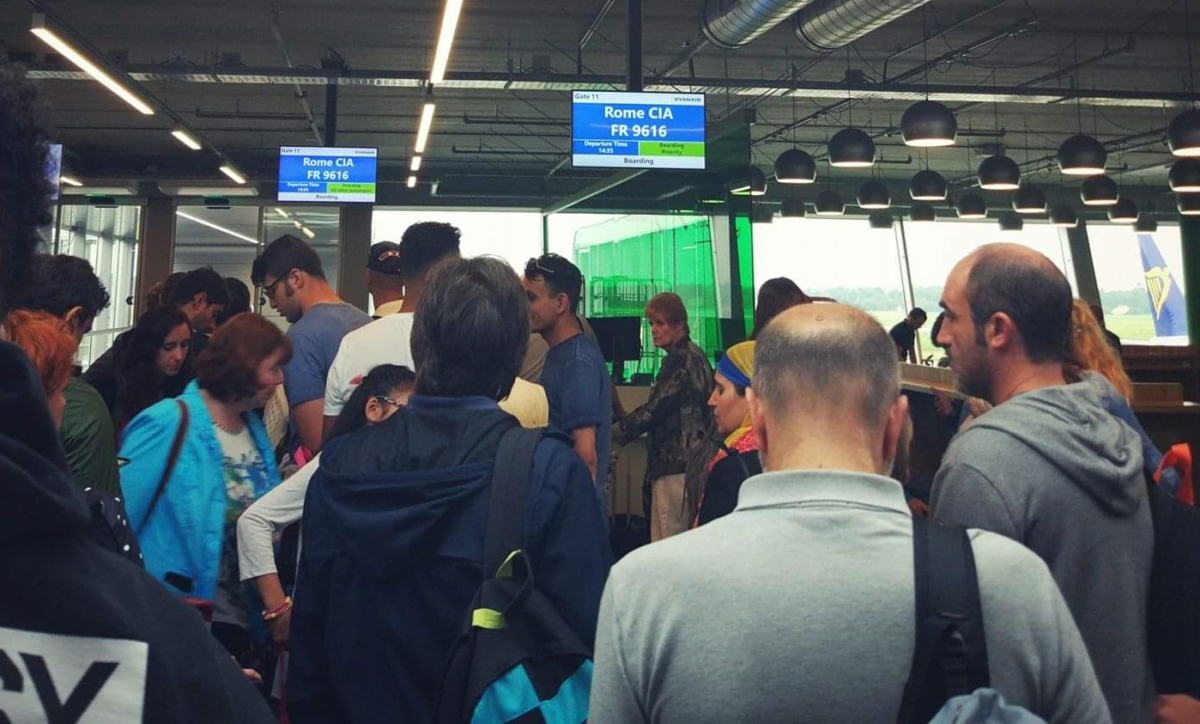
You would think Dutchies were good at making a line, but you’ll be confronted with the harsh reality that they are not. Whether at the supermarket, at the exit of the train station or at the airport gate, you’ll see a mass of people swarming around and ignoring the fact that I WAS BEFORE YOU!

Dutch and Personal Space
Who considers this a queue?? Image: Aurora Signorazzi/Supplied

I suspect this has to do with a couple of things: first of all, they don’t get mad if somebody is quicker than them and cuts the line. So they assume you won’t get mad either (wrong).

Secondly, they stand really really close to you (if you’re short like me, you might feel threatened by their sheer size), so it feels like they might cut alongside you at any moment. No customary personal queue space is granted, acknowledging your spot in the line and the intention to respect it.

Personal space in the Netherlands: in an elevator

Once you step into the elevator, you might want to place yourself in the far corner so that you don’t have to face strangers’ yawns, smoke smells or just unwanted vicinity; Dutch people don’t mentally divide the available space equally so that everyone has their own. Instead, they just step in and stay where they are, regardless of the fact that another human is 10 cm away from them and the lift is otherwise empty.

I know, how crazy is that?!

Personal space in the Netherlands: chatter on public transport

When on public transport, I generally like minding my own business, reading, listening to music etc. An effective way to convey this intention is to put on headphones, face the window and basically get absorbed by the activity.

In the Netherlands, this might be disturbed by the frequent person sitting (very) close to you despite the empty wagon and the occasional Chatter who taps your shoulder to start a conversation.

The first type can be spotted frequently in the wild train lands. Anthropologists are puzzled by his/her behaviour and have not yet found what might cause it. The leading hypothesis is that the human in question is cold and needs outer sources of heat to survive.

The second specimen is however quite rare (luckily), usually in need of emotional closeness rather than a physical one; despite the evident discomfort of its targets, and unaware of its own risk, the Chatter will start by using a ploy (often travelling info) and will keep on ignoring your need for personal space (and personal time) until you relocate.

Hopefully, your next destination is home, where you can keep on being an introvert with the need of personal space of a Yeti!

What about personal space when dating? Check this out.

Did you also experience an utter disregard a difference in the perception of personal space in the Netherlands? Let us know in the comments!

Feature Image: Aurora Signorazzi/Supplied
Editor’s note: This article was originally published in November 2018 and was updated in December 2020 for your reading pleasure.

Testing without symptoms now possible in the Netherlands

0

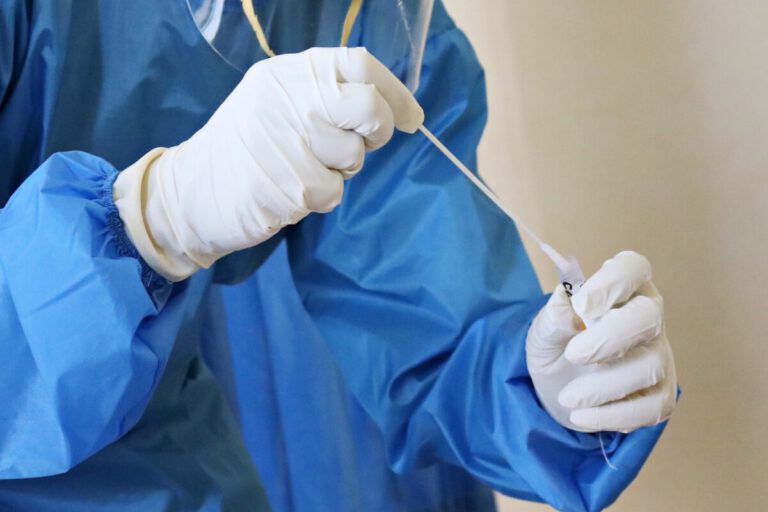
Beginning today, you can get tested for coronavirus even without symptoms if you’ve been in close contact with someone who has tested positive.

Previously in the Netherlands, coronavirus-related complaints have been necessary to receive a test.

Now, if you realise you’ve been in close contact due to the GGD’s source and contact tracing or notification via the CoronaMelder app, for example, you will be able to receive a test.

Five days from contact

According to Minister of Health Hugo de Jonge, testing without complaints should be done five days from the time of contact. The days between should be spent in quarantine.


For all of your other coronavirus testing questions, check out our guide, Your top 10 coronavirus testing questions in the Netherlands, answered.

To stay up-to-date with coronavirus news in the Netherlands, follow DutchReview on Facebook.

Feature Image: Mufid Majnun/Pexels 

Shell taken to court for insufficient action against climate change

2

Today Shell goes to court in The Hague for not doing enough to combat climate change. Milieudefensie and six other civil society organizations initiated the lawsuit and are joined by 17,000 citizens.

Milieudefensie says Shell is producing an unacceptable amount of CO2 emissions from burning oil and gas, and that these emissions should be reduced by 45% by 2030 compared to 1990, reports NOS.

This will be the first time that an oil and gas company is taken to court over climate change. International interest is high, and Milieudefensie plan to take more large oil companies to court should this lawsuit end in their favour.

“Careless and Unfounded”

Shell reacted to the lawsuit on their website, explaining that they too want cleaner energy and are already taking steps to reduce their emissions to zero by 2050. They have plans to start selling sustainable energy, biofuels and hydrogen. Shell sees the lawsuit as “careless and unfounded”.

But Milieudefensie has called Shell’s promises empty. Currently, Shell invests tens of billions of euros, around 95% of all expenditures, on oil and gas. “If you do not embrace the Paris Climate Agreement,” said Donald Pols of Milieudefensie, “then you strangle it.”

But according to Shell, it is up to governments to establish clear goals for changing the behaviour of consumers and companies.

Paris Climate Agreement

Up until now, it has mainly been governments who were taken to court over climate change. This is because the 200 governments who signed the Paris Climate Agreement in 2015 can be legally held responsible for failing to meet its standards.

On the other hand, Shell is a private company that was not a part of the Paris Climate Agreement, so the question is whether they can be held accountable for not following its requirements.

Milieudefensie believe that they should, because otherwise achieving climate goals will be impossible. They explain that Shell is one of the ten largest emitters in the world. “On its own, Shell emits twice as much CO2 as the Netherlands.”

The organisation recognize that they are fighting a global giant. “It feels a bit like David against Goliath, but we feel supported by many: Shell is richer and more powerful than some countries, but it is constantly avoiding its responsibility to solve the climate crisis. That is no longer possible…climate does not wait.”

Are you happy to see Shell going to court over climate change? Share your thoughts in the comments below.

Feature Image: Kent Smith/Photographic Services/Shell International Limited

#GivingTuesday: 5 Dutch-based NGOs to support

The dust has settled on another Black Friday, one of the best and busiest periods for offshore bank accounts, and a chance for savvy savers to scale back costs.

But if it’s feeling a little vacuous after this train wreck of a year then don’t worry as today is #GivingTuesday (December 1, 2020), and thus a well-timed opportunity to show support to Dutch-based NGOs.

This year has been uncompromisingly brutal in a myriad of ways. It has, more than ever, shone a light on domestic and international inequality and injustice, the importance of our mental health, and the fragility of all societies and real job security.

Beyond that, think of the whole spectrum of human rights abuses that have (frequently and increasingly) occurred, the worsening refugee crisis, the shocking abuses of democracy, the acceleration of environmental damage.

Luckily, the Netherlands is home to a number of NGOs tirelessly doing wonderful, essential work to fight back and protect those that need it most. But, of course, they need our help.

So if you want to give something extra, even if it’s just a little, then here are five worthy, Dutch-based organisations to inspire you this #GivingTuesday.

But first, what is #GivingTuesday?

Rather than re-inventing the wheel, here is how GivingTuesday describe themselves:

“GivingTuesday was created in 2012 as a simple idea: a day that encourages people to do good. Over the past seven years, it has grown into a global movement that inspires hundreds of millions of people to give, collaborate, and celebrate generosity.

“Whether it’s making someone smile, helping a neighbor or stranger out, showing up for an issue or people we care about, or giving some of what we have to those who need our help, every act of generosity counts and everyone has something to give.”

The Dutch have their own version that uses the hashtag #WatDoeJij. The idea is that people can sign up their cause and the website works as a platform to advertise them. They are placed on an interactive map with all the necessary, important information.

This article lists broader, more internationally recognised organisations, but don’t forget to check out the map for the worthy causes in your local area. The more the better.

5 NGOs to get inspired on GivingTuesday

CARE Nederland

CARE Nederland is a humanitarian organisation with expertise in Climate Change and Resilience, Governance and Stability, Humanitarian Emergencies, and Women’s Economic Empowerment. If you make a #GivingTuesday gift donation, it will be matched three-fold to send emergency aid to the more than 360,000 malnourished children in Yemen.

👨‍💻 Website: carenederland.org
📍 Based in: Den Haag

Amnesty International

Amnesty International fight human rights abuses worldwide, striving for justice, changing oppressive laws, and freeing those jailed for voicing their opinion. This time every year is the world’s biggest human rights event called the Write for Rights campaign, where millions of individuals write letters, sign petitions and organise events for the cause.

👨‍💻 Website: amnesty.org/www.amnesty.nl
📍 Based in: Amsterdam

UNICEF Nederland

What they do: UNICEF works in over 190 countries and territories to save children’s lives, defend their rights, and help them fulfil their potential. They focus on a broad range of aspects such as child protection and inclusion, research, education, female empowerment, and the reduction of poverty through social policy.

👨‍💻 Website: unicef.nl / www.unicef.org
📍 Based in: Den Haag

Stitching Vluchteling

Stitching Vluchteling provide immediate assistance to refugees and displaced persons worldwide (currently some 79.5 million people). This includes shelter, medical care, relief supplies, food, clean drinking water and sanitation.

The ongoing #500kinderen campaign is attempting to persuade Dutch MPs to allow immediate shelter for 500 refugee children (in place of just 100) from the Mória refugee camp on the Greek island of Lesbos. It was described as ‘the worst refugee camp on earth’.

👨‍💻 Website: vluchteling.nl
📍 Based in: Den Haag

Fair Wear

An organisation fighting for ethical fashion, which they believe is about fundamental rights. Fair Wear work with their 140+ member brands to find a fairer way to make clothes, working directly with factories, trade unions, NGOs and governments.

The NGO lends expertise to companies of all sizes, audit (based upon their Fair Wear Code of Labour Practices) and give training (the Workplace Education Programme) to factories, and promote complete transparency.

👨‍💻 Website: fairwear.org
📍 Based in: Amsterdam

Donating is just one way of helping

This article was inspired by #GivingTuesday, but of course, this is an all-year-round issue. So many NGOs are in dire need of support as an increasing number of people are in dire need of immediate help.

However, many of us may not be in a position to offer financial donations, and if we are it may not be sizeable at all. But financial donations are just one way of helping.

If you can’t make a monetary donation, consider instead:

  • signing up to NGO newsletters,
  • following them on social media and sharing or commenting on their posts
  • signing up to events,
  • learning about issues and other cultures,
  • listening closely,
  • spreading the news,
  • volunteering if you have the time,
  • writing petitions,
  • staying up-to-date.

There are countless ways of offering support and to join the fray. Get others involved, too.

And remember: for all the desperately heart-breaking events happening in the world, there are always people on the front-line fighting to protect others, to offer life-saving assistance, and to push for justice and equality.

Let’s give them the support they deserve.

Have a happy #GivingTuesday, and let us know if you’ve joined in and how!

Are you taking part in #GivingTuesday this year? Tell us in the comments below!

Feature Image: Puwadon Sang-ngern/Pexels

Major Dutch retailers confirm they won’t force shoppers to wear face masks

0

From December 1, face masks will be mandatory in all public spaces around the Netherlands, including in shops. But although the Dutch Retail Council (RND) has confirmed that all employees will be wearing masks, they will not be fighting with customers to do the same, reports NU.

Retail chains HEMA, Albert Heijn and Kruidvat, among others, have expressed their desire to avoid violent confrontations between staff and customers.

A spokesperson for Albert Heijn said that they will not be forcefully removing customers either. “We can already see that things are going well. We have no reason to assume that it will suddenly be different from Tuesday.”

But although retail workers will not be forcing customers to wear masks, they will still be recommending it. Different chains may choose to refuse customers with no mouth masks, as HEMA has indicated they will do.

“It is mandatory for our staff and we request it from the customers,” a spokesperson for HEMA said. “The staff may talk to the people, refuse them or call someone in like a boa. We don’t want it to end in a brawl, that benefits nobody.”

Representatives of Kruidvat claim that 80-90% of their customers are already wearing face masks and that all of their staff have been doing so “from the start”. “Maybe this is the last push for that last group of customers.”

Full face shields

While retail employees will be allowed to wear the plastic full-face shields so that they don’t have to wear a face mask for eight hours, RND is urging the public to wear face masks in stores unless unavoidable. Again, they won’t be enforcing this, but they will certainly be recommending it.

In regards to Albert Hijn, customers will need to prove that they have a medical reason for not wearing a face mask. A personal shopper can also be arranged in this case.

It is unclear as to whether employees will need to wear a face mask if they are behind a plexiglass screen.

Feature Image: Anna Shvets/Pexels

The healthiest city in the Netherlands, revealed

0

Of all the major cities in the Netherlands, Groningen has been voted the healthiest, according to research agency Arcadis.

Meanwhile, Rotterdam and Zaanstad (northwest of Amsterdam) are tied for the least healthy.

Arcadis took a look at 20 municipalities to measure health, based on a 2016 study by the RIVM that defined the characteristics of a healthy city.

The main research question was how the physical environment affects the overall health of the city. This was assessed by looking at five areas: mobility, outdoor space, natural environment, built environment, and community.

While Groningen takes the cake, next in line is Nijmegen, followed by Maastricht. Most in need of improvement are Zaanstad and Rotterdam, with Tilburg in hot pursuit.

Here’s how the cities ranked:

1. Groningen
2. Nijmegen
3. Maastricht
4. Almere
5. Amersfoort
5. Apeldoorn
7. Emmen
8. Terneuzen
9. Breda
9. Haarlem
9. Leeuwarden
12. Utrecht
13. Eindhoven
14. Arnhem
14. Den Haag
16. Enschede
17. Amsterdam
18. Tilburg
19. Rotterdam
19. Zaanstad

What’s so great about Groningen?

The study shows that Groningen has “a rich past when it comes to health.” The natural and built environments have supported residents through the plague, smallpox, and cholera pandemics, using the physical environment to prevent suffering. In 1872, for example, the “Handbook for Public Health Regulations” was created, which “formed the impetus for a healthier city.”

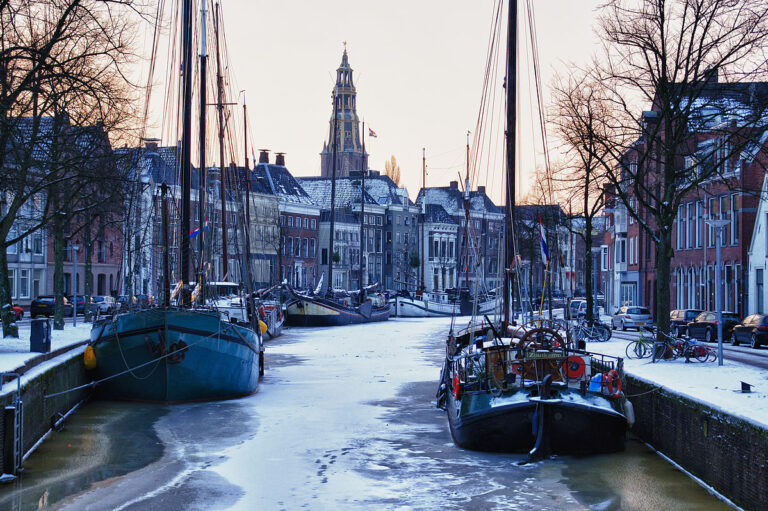
Over the decades, city plans have been prioritising the quality of life for residents when making important decisions regarding the physical design of the city. This has been shown through many examples, such as the closing off of the city centre to cars, and the promotion of bicycle use — in which Groningen is the leader in the Netherlands.

Further, Groningen’s “Healthy Aging Vision” includes a range of priorities that shine throughout the city. From loads of accessible green spaces, access to healthy food, and a focus on climate change and air quality, it’s no big surprise that the city is at the top of the list when it comes to health.

Overall national health is high

John Boon of Arcadis emphasises that “Globally, our cities score well when it comes to health.” He points to the high life expectancy and the number of years people live in good health in the Netherlands.

Boon says that because the municipalities are large and varied, there is a challenge in arranging the built environment in a way that benefits the wellbeing of the residents.

Plans must take into account whether cities are growing or shrinking, as well as factors such as the income and education of neighbourhoods, and work in cooperation with the residents to make the environment healthier. Arcadis finds that “The main conclusion is that good policy matters!”

Are you surprised by how any of the cities rank on this list? Tell us what you think in the comments below!

Feature Image: Bert Kaufmann/Wikipedia Commons/CC2.0

Dutch temperatures plummet in first frost of the year

As the Netherlands perches on the cusp of winter, (so long, autumn!), a drop in temperature has appeared almost right on cue. 

If you found yourself reaching for the thermostat a little more often over the weekend, you weren’t alone. The weather in the Netherlands has reached freezing temperatures for the first time since the end of March.

The southeast and east of the country were particularly hard-hit, with the mercury dropping below -5 degrees.

In response, the KNMI (Royal Netherlands Meteorological Institute) issued a warning this morning of slipperiness. Motorists are urged to be alert, particularly on bridges and viaducts.

Chilly today

Today, the west and north will be cloudy with a light drizzle, but the sun may appear in the east and southeast this morning.

Enjoy it, because by the afternoon the whole Netherlands will be under cloud cover, the rain will start to enter from the west, and then a southerly wind will start to blow. Brrr!

Winter begins tomorrow

Tomorrow, December 1, marks the start of the meteorological winter — and boy is it coming in strong. Temperatures will reach 8 to 10 degrees tomorrow, and that’s the hottest we can expect this week.

Bring an umbrella in the morning, but we may see some sun break through every now and then.

Wednesday and Thursday forecast

Settle in for a steaming cup of gluhwein coffee on Wednesday and Thursday morning because it will be mostly cloudy outside.

Temperatures won’t be excessively cold on these days with 6-8 degrees, and a little rain is expected on Thursday.

Sinterklaas will wear his winter coat

Friday and Saturday will really mark the cold season. An easterly wind will send a chill directly into the Netherlands, so temperatures will top out at just five degrees during the day. Nighttime may see us drop below zero.

While the weather services are predicting some precipitation, there’s only a small chance it will be wet snow — instead, rain, rain, rain is likely. Surprise, surprise!

Are you looking forward to winter in the Netherlands? Tell us in the comments below!

Feature Image: Guillermo Casales/Unsplash

Second wave in the Netherlands may last through March, says RIVM

0

The RIVM has lost optimism for an early end to the second wave of coronavirus in the Netherlands. Jaap van Dissel, head of infectious disease control, and Jacco Wallinga, responsible for the calculation modelling, say we may well be riding this wave through March, in an interview with the NOS.

The RIVM representatives say the government cannot solely be responsible for containing the spread of the virus, and that citizens should take more of “a co-ownership of the problem of coronavirus spread.”

Wallinga says it is “very realistic” that it will be March by the time we see virus levels back down at the “watchful” level. “Last time we looked at mid-January, with fairly large uncertainty. It could also be December or even March.” He continues, “Now that has all been pushed back, but the uncertainty is also greater.”

“Sense of urgency is diminishing”

Van Dissel explains that the decline is happening so slowly in part due to people’s reluctance to work from home. “It is busier on the road than it was in March. Ultimately, this translates into the number of contacts that partly determines how many infections there are.”

“You also get the feeling that as soon as favourable messages are reported, people’s sense of urgency diminishes,” says Van Dissel, pointing out the busy shopping streets and groups of people walking around in public.

When asked whether the autumn holidays may have been a factor in the initial decline in new infections, Wallinga replies that it is indeed possible. “It coincided, so it is very difficult to distinguish the effect of the lockdown and what the effect of the autumn holidays was.” He says that in general, holidays are associated with fewer infections because “children do not go to school and people are no longer at work.”

“Italian lockdown”

The NOS inquires as to whether a two-week “Italian lockdown” would help, meaning people would only be allowed to go outside for necessary shopping.

“In general, that’s a very good idea,” says Wallinga. “If everyone stays at home for two weeks, you will get rid of a lot of infectious diseases.” But he continues that it’s “very heavy” and the economic and psychological costs are high.

Spreading through schools

Wallinga isn’t certain whether schools are a major factor in the high rates of infection, although he notes that the group with the most infections is now 15 to 20-year-olds. “That could be the older high school students.”

The RIVM has seen a decline in infections among the 24-year-olds, which may be attributed to the closure of the restaurant industry. But Wallinga says that closing schools may not have the same transparent effect.

“With people in their twenties, we had a clear idea where most infections took place.” Wallinga says it’s also clear for some other age groups. For example, with 50 to 60-year-olds, “We clearly know where they contracted infections: either in their own home or at work.”

Van Dissel adds that in tracking the virus, only 8.5% of infections can be traced back to schools as the source, though there is still much uncertainly around the exact locations of transmission. Among school-aged children, “the question is whether they don’t visit each other elsewhere,” says Van Dissel.

“But of course we have always consciously said that we would prefer to see schools open because they have a very important function,” Van Dissel explains. “And that we as a society should want to prefer that to other measures.”

Mass testing

Both experts are reluctant against mass testing. While widespread testing in Slovakia may have had positive results, Wallinga says it was likely also attributed to additional rigorous measures.

Van Dissel adds that groups were also widely tested in Luxembourg and they now have some of the highest infection rates in Europe. “…you have to integrate it into a whole package of measures and you have to think carefully about how often you want to perform those tests.”

Wallinga emphasises that “in itself, testing is not a control.”

What do you think of experts’ opinions of the spread of coronavirus in the Netherlands? Are stricter measures needed? Tell us in the comments below.

Feature Image: engin akyurt/Unsplash