Dutch scientists are pleased with the latest developments in American drug company Pfizer’s coronavirus vaccine. They anticipate that it will be made available in the Netherlands by the end of the first quarter of next year, reports NOS.
To much of the world’s delight, Pfizer announced yesterday that they’ve developed a vaccine that’s effective in 90% of coronavirus cases, with limited side effects.
Cautious optimism in the Netherlands
But while Pfizer’s CEO is speaking of “a great day for science and humanity,” some virologists in the Netherlands are not quite ready to pop the champagne cork. “That’s a bit strong,” says Anke Huckriede, professor of vaccinology at the University of Groningen. “But it’s certainly good news.”
Cecile van Els, professor of vaccinology at Utrecht University says the vaccine is promising. But while it may have passed the first litmus test, people are still being monitored. “They just took the lid off the pan to see how it is doing, and it looks very good.”
Betting on the horse
Both Van Els and Huckriede agree that 90% effectiveness is exceptionally high. Van Els points out that with a flu vaccine, just 40 to 50% effectiveness is common. Although she adds, “That vaccine is often used in the elderly, which makes it more difficult to achieve a high percentage.”
While the vaccine is going through the final stages of testing and preparation for the market, Pfizer has already begun production of the vaccine. And, provided it passes the final stages of testing, Dutch scientists are ready to welcome it. “The Netherlands has bet on several horses, and this vaccine is one of them.”
Just in time for tulips
“I expect sometime in the spring, perhaps early spring, that the first people in the Netherlands will receive the vaccine,” says Huckriede. She notes that Pfizer already has the capacity to produce 50 million doses for this year. She anticipates the US market will be the first to receive it, followed by the EU shortly thereafter.
Van Els makes a similar estimation: “I think a bit optimistically for the end of this year. I would say at the end of the first quarter of next year, provided there are no setbacks.”
Do you think the scientists’ predictions will be accurate for the Netherlands? Let us know in the comments.
Due to the right to freedom of education and freedom of religion, certain schools in the Netherlands can ask that parents sign a statement rejecting a homosexual lifestyle. This is in contradiction with a ban on discrimination, a majority of the House of Representatives finds.
Currently, reform schools in the Netherlands may ask the parents of their students to distance themselves from homosexuality. This requirement may be based on religious grounds and therefore falls under the right to freedom of education and religion.
However, in a debate yesterday, MPs asked whether this requirement is in direct contradiction with a school’s requirement to provide a safe learning environment for its students.
The majority of MPs found that statements such as these are “at odds with the citizenship mission of schools,” Nieuwsuur reports.
The citizenship mission
According to the Minister of Primary and Secondary Education, Arie Slob, the citizenship mission of schools protects the right to freedom of education and religion. He therefore argues that schools have the right to ask for such statements. Slob is a Christian.
However, SP member Peter Kwint argued against Slob’s reasoning, saying “as a school you cannot have the task of creating a safe environment for students and at the same time require a statement to parents rejecting homosexuality. That makes it less safe for students both at school and at home.”
Not in the Netherlands
Rudmer Heerma of the VVD was in agreement. “Schools must be a safe place for every pupil, regardless of origin, religion or orientation. It is not possible for schools to impose conditions on this in our country.”
The majority of political parties in yesterday’s debate were in agreement on this matter. There are now 87 seats in favour of ending the requirement of such statements.
What do you think of making parents sign statements such as this? Let us know in the comments below!
After an unusual amount of sun and warmth last week, this week has remembered that it’s November in the Netherlands. But it’s not all doom and gloom, as the rain will remain a little shy in the coming days.
Today will be quite mild, with a maximum temperature of 15 degrees. A rain cloud will briefly sweep across the country, starting in the south around 1 PM and making its way to Amsterdam by around 7 PM this evening, according to Buienradar. But regardless of where you are, the rain should only last a couple of hours before moving on, meaning you can cycle around dry for most of the day!
Cooling temperatures
Get your coats ready — from tomorrow, maximum temperatures will drop to 13 degrees, with minimum temperatures reaching seven degrees on Friday. Over the weekend, it will warm up by a couple of degrees again before diving to maximum temperatures of 10 degrees by Thursday next week.
Where did the rain go?
Although scatterings of showers are expected to dot the nation over the coming week, with more frequent rain on Thursday and Sunday especially, in general, the rain will be kept at bay. Wednesday and Friday will see almost no rain, and next week is looking to follow suit. So take the opportunity to go for a not-so-drenched walk, but take that brolly with you anyhow if you go out this weekend.
How will you be taking advantage of the dry weather? Let us know in the comments below.
World Diabetes Day is upon us. Depending on the type and severity of this autoimmune disease, having it can make life infinitely harder: you have to depend on diabetes aids and tools just so that you can survive another day.
As of now, there has been no cure found to treat diabetes but there have been multiple advancements to help people manage the consequences of this autoimmune disease. So on World Diabetes Day DutchReview is going to take the opportunity to raise awareness about this life-threatening disease and diabetes care in the Netherlands. If you’re living in the Netherlands with diabetes, know that you are in good hands.
Before we dive into diabetes care in the Netherlands, first let us explain what exactly this autoimmune disease is.
A person is said to have diabetes when the glucose level in their blood is too high. Glucose is a simple sugar that is the most common type of simple sugars that can be found in a lot of vegetables, fruits, and a few grains. When eaten, insulin, a hormone that is secreted in your pancreas, makes sure that this glucose is taken from the bloodstream and sent to the cells for energy.
If this hormone is not being secreted or used well enough, the glucose stays in the bloodstream. If glucose remains in your blood for a long time, it will lead to severe health problems. You might call it a case of a “sugar-rush” but it is far more serious than that.
Having diabetes means it would be a matter of life and death which makes you more susceptible to cardiovascular diseases, strokes, depression, kidney damage, skin conditions and more. There are several types of diabetes but the most common types are type 1 and type 2 diabetes. However, there are many other forms of diabetes that are often not mentioned in the public discourse. There is growing evidence that both type 1 and type 2 diabetes are autoimmune diseases, even though type 2 has been commonly understood as a metabolic disorder in the past.
The other forms include gestational diabetes (diagnosed only in pregnant women), monogenic diabetes (a genetic form of diabetes), MODY (Maturity Onset Diabetes of the Young, a type 2 form starting at a young age), LADA (Latent Auto-Immune Diabetes in Adults, a form of type 1 diabetes that looks like type 2 because of the gradual development of the disease), Neonatal Diabetes (form of type 1 occurring in the first 6 months of a child’s life, which needs a different form of treatment), MIDD (Maternally Inherited Diabetes and Deafness, which is caused by genetic material transferred by the mother and occurs between 30 and 50 years of age), and cystic fibrosis-related diabetes (which has elements from both type 1 and type 2 diabetes). As you can probably imagine from this list, it can be difficult for different forms of diabetes to be diagnosed correctly.
For anyone diagnosed with diabetes, life changes pretty dramatically. You have to do and eat different things each day: this is hard enough for an average person, but it makes this particularly difficult for the parents of children with diabetes. Diabetics will try to keep their blood sugar steady throughout the day, but this is pretty impossible task, with complications lurking around every corner. Plus, having an autoimmune disease makes you more susceptible to other types of autoimmune diseases such as thyroid disorders. This is known as comorbidity.
Type 1 diabetes
Your immune system is there to protect and kill viruses, bacteria and other disease-causing cells that might find their way into your body. But what do you do when it starts attacking the cells in your pancreas that produce insulin? In that case, your body does not make any insulin at all, and the blood glucose levels would sky-rocket.
People who have this type of diabetes may not be able to eat certain types of food and will have to take insulin every day in order to survive. It is usually diagnosed in children and young adults but can also occur at any later stage. People who have diabetes have to make an estimated 180 extra decisions each day: balancing everything you do and eat every day is complicated. But the consequences of not doing so are severe: they include ketoacidoses and death.
Type 2 diabetes
This is the most common type of diabetes diagnosed in the general population. While in type 1 diabetes, the body does not produce any insulin at all, people with type 2 diabetes do not use the hormone sufficiently. So it is still produced but the body becomes “insulin resistant”. Researchers and doctors are unsure as to why some people develop this resistance, but most research alludes to lifestyle factors like smoking, unhealthy diets, obesity, and a sedentary lifestyle. It can occur at any age and is most often recorded in older adults.
What are the symptoms of diabetes?
According to the Mayo Clinic, the symptoms for diabetes are:
You feel thirsty all the time
You have lost an abnormal amount of weight in a short period of time
You can get irritated easily or have bad mood swings
Your wounds don’t heal quickly
You have to pee all the time
You feel like you haven’t eaten at all even though you had food
You have fatigue
You get a lot of infections around your gums, skin or genitals
You have ketones in your urine
And of course, a high blood sugar level
If you want to know the cause or prevention of diabetes check here or consult your doctor. Try leading an active life, keeping your blood pressure and blood sugar in check, and be on the lookout for symptoms.
How common is diabetes in the Netherlands?
The Dutch seem to be very proactive when it comes to dealing with diabetes. Diabetes care in the Netherlands is one of the best in the world. According to the World Health Oragnisation’s 2016 Health profile of the Netherlands, the number of deaths caused by diabetes in the Netherlands accounted for only 2%, a little over 6% of the population diagnosed with this autoimmune disease.
The European Commission also measured how much of the population is living with risk factors for diabetes: nearly 60% of the Netherlands is overweight, and nearly 18% are living a very inactive life. Obesity has steadily increased with 10% of the population living with it in 2000 to 13% in 2014 and 22% in 2016.
To fight these underlying risk factors, the Netherlands rolled out some national health programs. One of them is called the National Prevention Agreement which was ratified in 2018. It sets out ambitious goals to make the Netherlands healthier by 2040 but it was revealed in March 2019 that they are still far from reach.
Diabetes care in the Netherlands: does basic Dutch health insurance cover diabetes care?
In short, yes. You are covered for your diabetes care in the Netherlands through your basic Dutch health insurance. However, this comes under your own-risk fee or the deductibles. This means that you have to pay for a part of the medical care and medicines (according to what you set the deductible as) and the rest will be covered. Then you will be reimbursed for your visits to the specialist and for your diabetes aids.
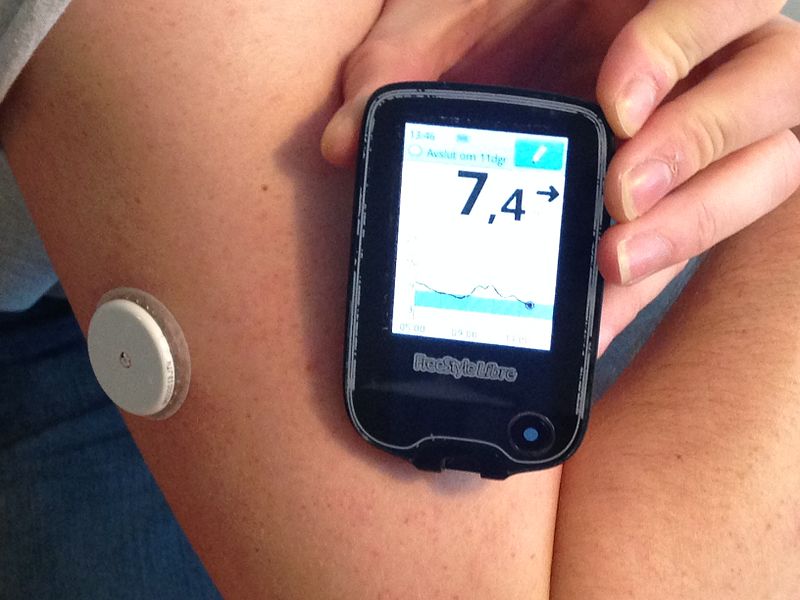
However, there are still significant problems with diabetes healthcare in the Netherlands. One of the major issues is that flash glucose monitors (FSL) and sensors (that is, continuous glucose monitoring sensors (CGM)) are only covered by insurance if you’re under 18, have severe high glucose levels or are pregnant. Both scientific research and diabetics themselves state that quality of life significantly improves with the use of a glucose monitoring system, thus preventing complications later on in life. Most people prefer a glucose monitoring system to a minimum of four finger pricks per day (that is the standard amount of tools for finger pricks covered by health insurance), because you can treat your glucose levels all day instead of a couple of times a day and have no overview whatsoever.
There were changes made to this in November 2019, but the effect was only that children who had grown up using FSL would not have to return the monitors when they turned 18: their insurance would continue to cover the costs of the machine. But for adults with diabetes, the FSL system is still mostly out of reach due to the high costs when it is not covered by insurance. There is a petition with 51,000 signatures to change this, and have FSL and CGM covered by Dutch health insurance.
You are eligible only if your physician prescribes insulin as a treatment method. Don’t forget that referral letter from your GP and do check with your health insurance provider. Make sure to read that fine print with a magnifying glass to know exactly under what conditions this will be reimbursed.
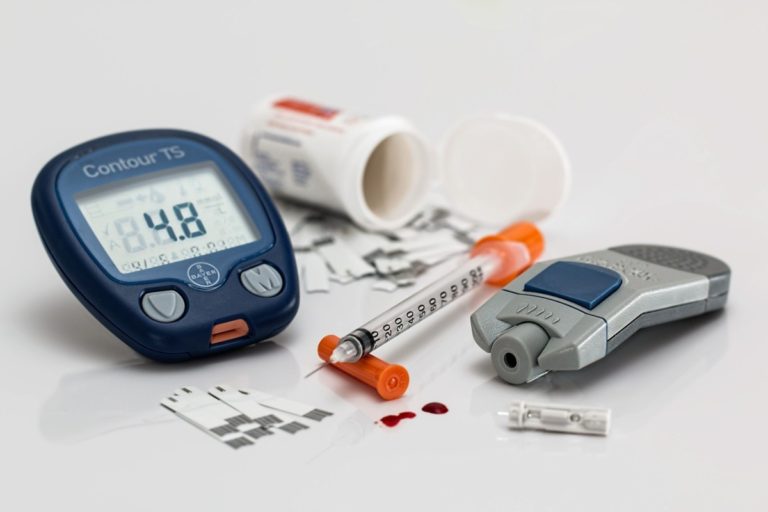
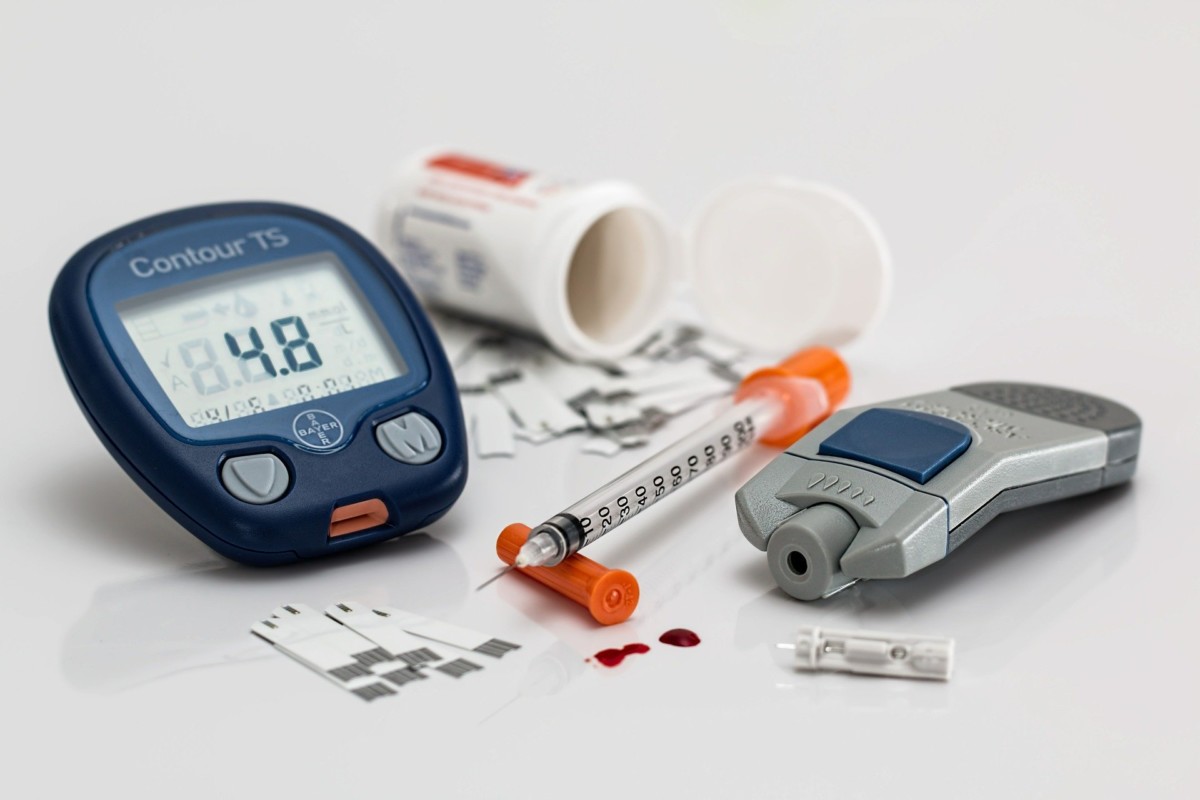
You can get a flash glucose monitor for your diabetes care in the Netherlands. Image: Sjö/Wikimedia Commons/CC4.0
Diabetes care in the Netherlands: getting insulin if you don’t have basic Dutch health insurance
The scenario might always happen: you’re travelling through the Netherlands, and your insulin pens have run out. Or there has been some sort of delay with arranging your basic Dutch health insurance. You’re stuck and panicking because you may need these to live another day.
Don’t worry because there’s a solution to this problem. Everyone living and working in the Netherlands is obliged to have basic Dutch health insurance. If there’s a delay in applying for it, your insurance will be backdated to the date that you arrived here. So if you go out and get a prescription from your GP to go buy your diabetes aids while you are uninsured, they will be reimbursed nonetheless.
However, you will have to pay for this upfront: according to this blog post written in 2015 on Diabetes Sisters, the person paid 27 euros for a visit at the GP and 66.87 euros for five pens. It would have cost her 121.46 euros for 10 pens. However, these costs may vary from provider to provider. So even if you are travelling through, or if you are waiting to apply for your insurance, be sure to have the cash handy.
Are you living in the Netherlands with diabetes? What has your experience been like? Let us know in the comments below!
Editor’s note: DutchReview would also like to thank Danielle De Wit for all of her helpful insights and comments about diabetes care in the Netherlands. We couldn’t have done it without ya!
Feature Image: Steve Buissinne/Pixabay Editor’s Note: This article was originally published in November 2019, and was fully updated in November 2020 for your reading pleasure.
The cabinet is pushing for a complete ban on fireworks before the end of this year, inside sources tell NOS.
MPs will discuss the ban tomorrow, and on Friday, the cabinet is preparing to make it official.
Mayors and care workers have been calling on the government to temporarily ban fireworks this year. The intention is to prevent additional pressure on hospitals due to fireworks injuries, which are common every year around New Year’s.
Also up for discussion at tomorrow’s meeting is the government’s support package. Tens of millions of euros are expected to be made available to companies in the fireworks industry.
However, the cabinet will only publish the decision on the fireworks ban once the support measures have been further detailed.
Chairman Bruls of the Security Council says, “It will be a somewhat uncertain turn of the year…But these measures would help to give some peace of mind.”
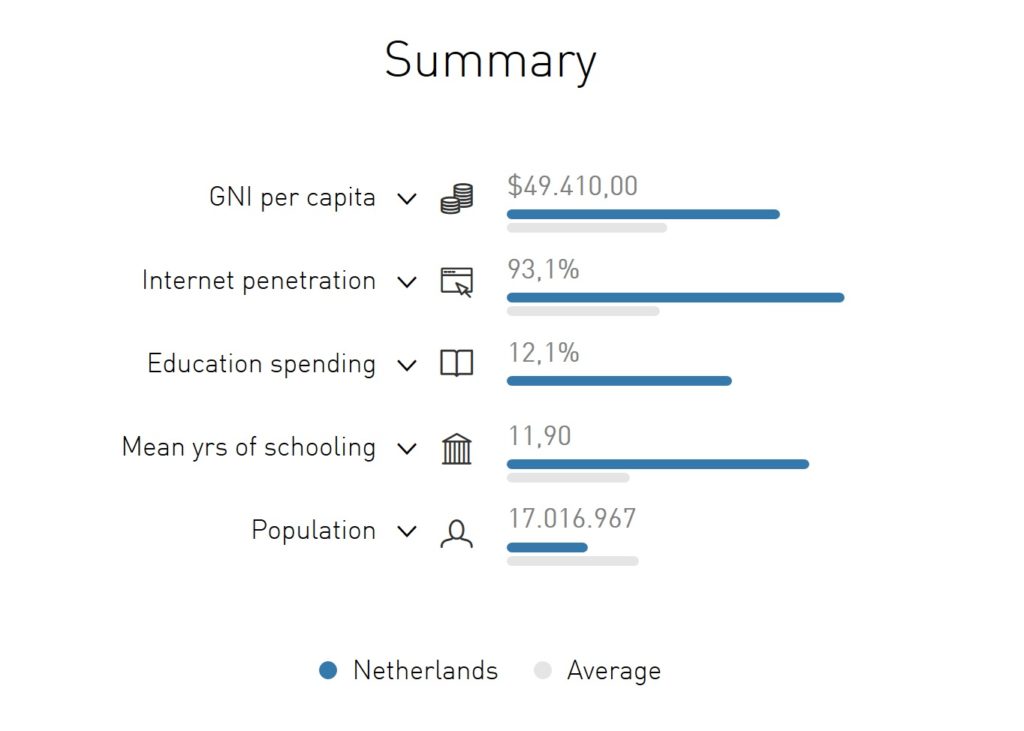
The Netherlands is the best in English in the world once again, as the English Proficiency Index of 2017 which has just been published tells us
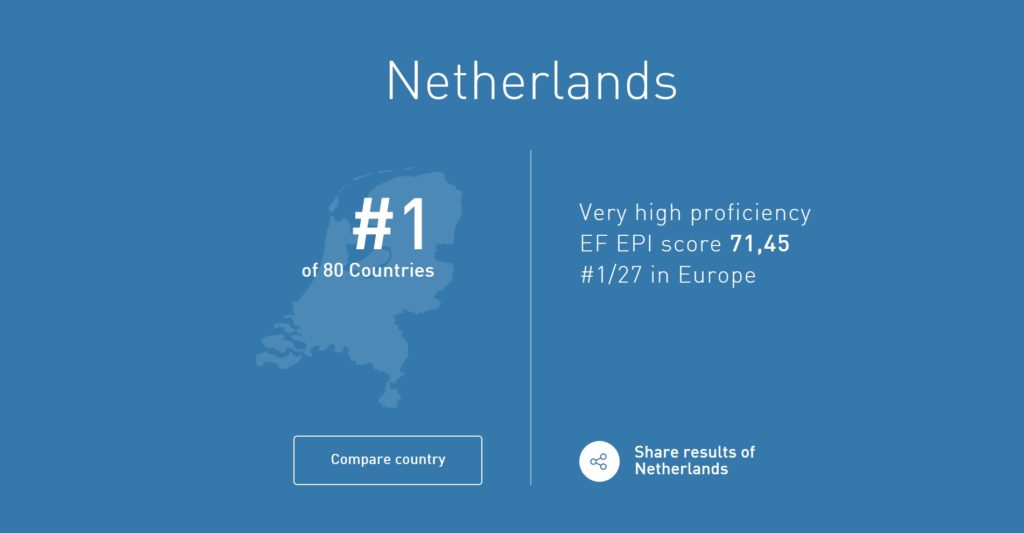
The Netherlands ranks at the top spot in the EF’s English Proficiency Index (EPI), the world’s largest ranking of countries when it comes to their level of English. Every year, Education First (EF) does this study to see which non-native countries rank the highest in English. This year was the seventh time it was done, testing almost a million adults in more than 70 countries.
WE ARE NUMBER ONE – WE ARE NUMBER ONE*
*Of non-native English speaking countries
Is The Netherlands really the best in English?
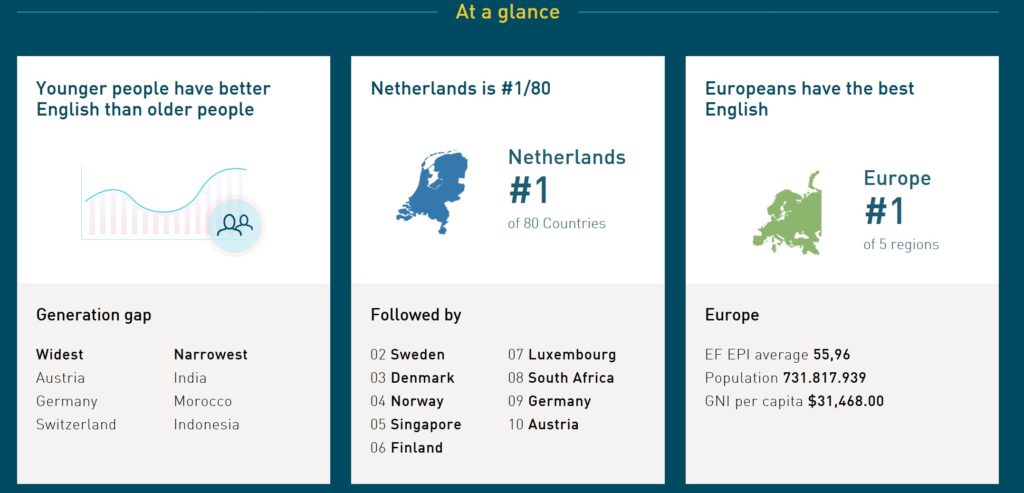
Here you can find the whole page about the study and our tiny country’s awesome performance when it comes to mastering English. To save you a click and the scare of visiting another website other than DutchReview, here are four highlights:
#1 Netherlands number one
Suck it Sweden!
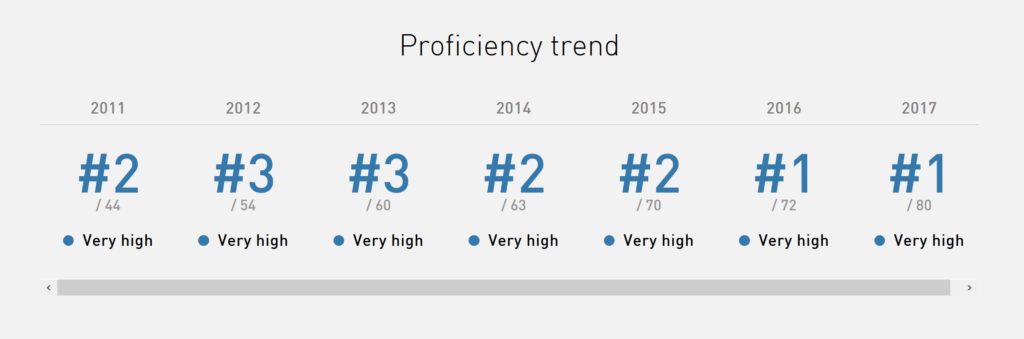
#2 Always in the top 3
Here’s the trend, it’s almost getting boring — and yes we’re known to get very high *wink wink* in general all the time:
#3 So we might have a little advantage already
And here are some awesome stats, which are totally due to the fact that we speak the bestest English and not because we’re some kind of shady tax-heaven that makes obscene amounts of money.
#4 The Netherlands compared to other countries
As you can see and expected already, younger people are better at speaking English than their parents and grandparents. This is especially the case in German-speaking countries such as Austria, Switzerland and (duh) Germany. I guess they really beefed up on their education-system there because as far as I know everything is still awfully synchronized in these countries?
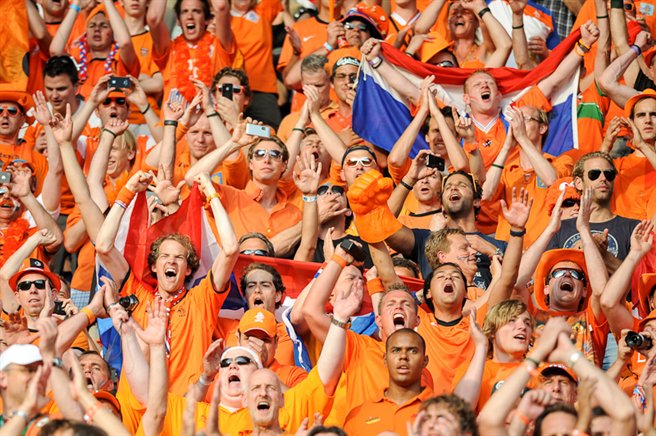
As usual, the other contenders are all from Scandinavia and again; suck it Sweden, now that we’re not going to the stupid World Cup in Russia we’re just going to have to celebrate this one! Interesting position for South Africa, I would have thought that everybody spoke English next to Afrikaans there?
What makes Dutchies the best in English?
Education is all good here, although apparently, English at Dutch universities isn’t the best in the world. No, if you ask me I think subtitling is key to our mastering of the English language. From a young age, we’re raised by the good folks of the television world like any normal developed country (although that’s starting to change sadly). All the American and English shows and films are subsequently subtitles in Dutch, it’s like the perfect language lessons and what makes many Dutchies under 40-45 year olds way better in English than their parents and teacher.
Still haven’t gotten enough of this #Dutchsplaining and want to know why exactly The Netherlands is the best in English? Well, here’s an excellent article on that matter. Enjoy!
P.S. Ironically, you’ll probably find some horrible grammatical errors in this piece, but let’s hope that the good people at the English Proficiency Index won’t notice them. 😉
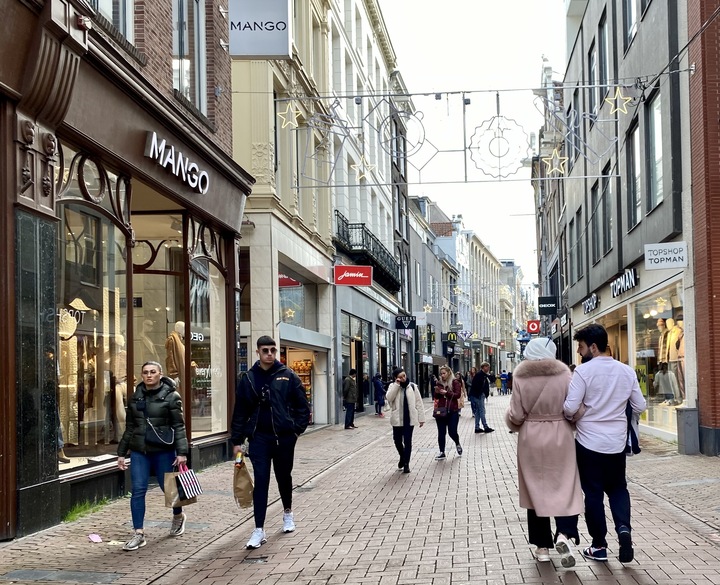
The beautiful weekend weather brought people out of their houses and into the streets, parks, and shops. This is in spite of the government’s guidelines to stay home unless it’s absolutely necessary to leave.
Last Tuesday’s press conference announced a series of new temporary restrictions, to be followed for a mere two weeks. For many people in the Netherlands, that’s apparently two weeks too long. The Dutch government’s advice to stay home is being largely ignored.
Cities still bustling
In cities over the weekend, the level of activity suggested no sign of a pandemic. People took the streets for coffee, takeaway meals, and shopping, even though Prime Minister Mark Rutte said explicitly to “Stay at home and go to the shops less. Ask yourself, ‘Do I really need to go? Do I really need to leave my house?'”
Rutte may have warned, “don’t be surprised if we are strict,” but that has yet to be seen. It’s clear that people have not taken this seriously, as plenty of groups with more than two people hit the crowded streets over the past weekend.
During the second lockdown, more businesses are offering takeout, Koninklijke Horeca Nederland (a catering union) tells NOS. “What we see, when the weather is nice, is that people now like to go out into the open air. There are not many other options.”
The catering union says hospitality professionals are responding as best as they can to help prevent turnover and keep employees working.
“That is human and not rocket science”
“We are almost not allowed to do anything anymore. So what is allowed becomes more attractive. Getting a coffee to go is the new outing,” Rick van Baaren, professor of behavioural change at Utrecht University tells NOS.
The behavioural scientist thinks that the initial urgency and fear of the first wave have subsided, and people are no longer willing to heed the government’s warnings. “It is not prohibited. It is advice. If you do not want anyone to go out, you should ban it. Then people will listen,” says Van Baren.
He thinks that people will continue to take to the streets if there is no ban. “People need to do something. That is human and not rocket science.”
“If the government shows that it is doing everything it can to get the situation right, more people will do their best.”
Code red in nature
Team leader Rein Zwaan of Utrecht’s forest rangers does believe it’s a good idea for people to go outside. However, they should recreate locally and avoid crowded areas.
“I get it,” he says. “More and more places are closed and people want to get out anyway. Then they think: in nature, I have space. Well, sometimes then.”
The ranger says, “In the rush to the parking lots, things go wrong. It is extremely busy there. We call for you to only go to nature reserves where you can come on foot or by bicycle. But then we encounter a problem: there is often too little nature to accommodate the people.”
In Brabant, several nature reserves even issued a “code red” over the weekend, meaning it’s too busy and people must go elsewhere.
In Utrecht, a similar warning was issued from forest rangers and nature organisations. But this did nothing to dissuade visitors, as parking lots reached capacity and traffic jams piled up.
What do you think of people’s response to the new government measures? Have you been following them? Let us know in the comments.
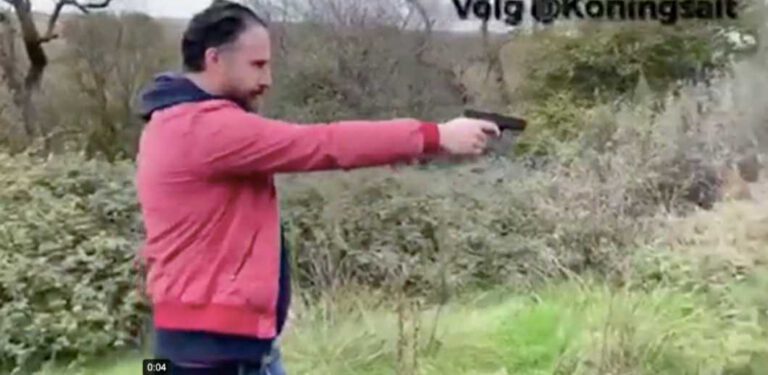
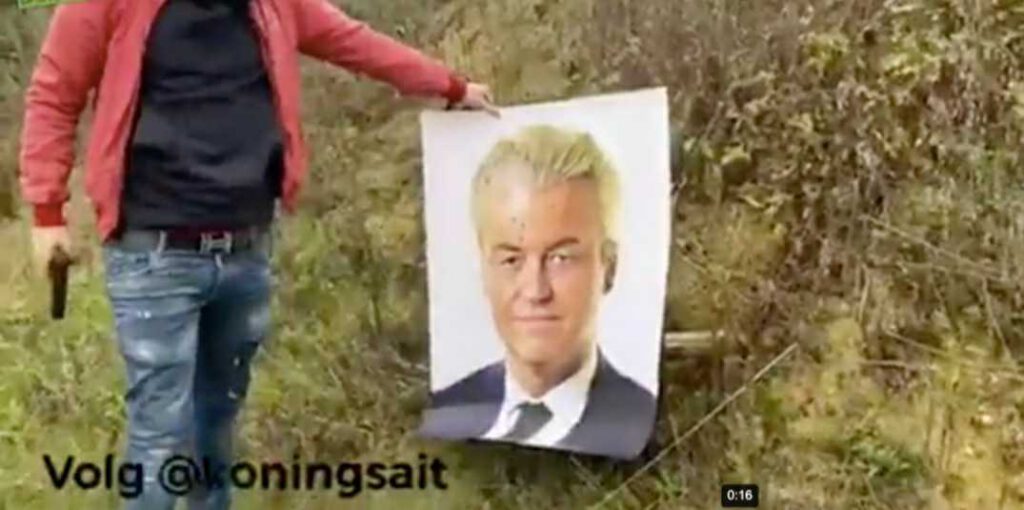
In a turn of events, controversial political figure Geert Wilders has been the one to find issue with free speech. In a video published online, a man looks at the camera and says “this is freedom of expression” before firing shots at a photo of Wilders.
The man made no effort to hide his identity and posted the video to the online video platform, Dumpert. Wilders has filed a complaint against the man, who has since fled to Turkey, RTL Nieuws reports.
It is unclear whether the video was filmed in the Netherlands or Turkey, but Wilder’s sentiment towards the video is very clear. He shared the video to his own Twitter with the caption “sick.”
The man is seen posing next to the bullet-ridden photo. Image: Video Screenshot/Dumpert.
A controversial figure
Geert Wilders is known as a controversial political figure in the Netherlands. For example, his “less Moroccans” speech is infamous and has led to much controversy both legally and publicly.
As a result of Wilder’s love for “freedom of expression” he has been under protection for many years now. Whether any extra security measures have been taken since the release of the video is unknown.
What do you think of the video? Tell us your thoughts in the comments below.
Finding a job in Holland can be quite the quest. But DutchReview is here to help! Here is our guide to CV’s and job interviews in the Netherlands!
Employers in the Netherlands receive hundreds of CV’s for a single job opening. That is why you want to make sure that your resume stands out from all the others. By making sure that your CV is on point, you will score a lot more job interviews in the Netherlands. Here are just a few general tips to help you with your resume in the Netherlands.
Unfortunately Dutch directness does not work during job interviews in the Netherlands
Make sure you have the right resume for the right position
Depending on the industry you’re applying for, you want to make sure your CV reflects that. If you’re applying for a creative job, make sure to have a creative CV. If you’re applying for something more technical, make sure to have a resume that would fit that field.
You also want to make sure you have all the right keywords in your CV. Since there are so many candidates applying for a single job opening in Holland, more and more companies are using applications that filter the CVs for them. If you’re resume does not have all the right terms, then you’ll simply get flushed away even though you might be the ideal candidate. So make sure you update your CV every now and then with all the right keywords, in order to score a ton of job interviews in the Netherlands.
Scoring a couple of job interviews in the Netherlands can be quite the quest
Job interviews in the Netherlands: be prepared for a very long process
Going to job interviews in the Netherlands is usually a long process. You will certainly be considered unfairly lucky by the masses, if you find a job in the Netherlands within weeks (especially in a company). Firstly, you should prepare for a long wait until you get a response after sending out your initial CV (you have to understand that employers receive hundreds of applications for each opening).
Once you get a response (and if you actually get an interview) then that whole process will take another week or two. So prepare all the patience in the world when looking for a job in the Netherlands, because employers take their time in order to make sure they’re hiring the right people. Here is how your job interview process in the Netherlands might go, depending on the type of job you’re applying for.
Retail and customer service interviews in Holland
Stage 1: initial and possibly final interview
To find a job within retail or customer service, usually takes just one interview. Most of the time this interview will be with the manager of the store/bar/cafe/restaurant. During that interview the employer will want to see what your personality is like, what kind of experience you have, whether you’re good with customers and how motivated you are. This interview will pretty much decide whether or not you get hired, so make sure to make a good impression!
Stage 2: interview for a higher position
Even though it is unlikely, you might be called over for a second interview. That usually happens when you’re applying for a higher position, such as shift supervisor, assistant manager, or manager. The second interview is usually with someone higher up in the hierarchy of the establishment where you want to work. The questions usually aim to understand how qualified you are for the position and how you would handle certain situations.
Company interviews in Holland
Stage 1: initial interview
The initial interview at a company is to pretty much get to know the candidate. You will probably be interviewed by someone from HR, just so that they can get a feel for you as a person and find out if your personality fits the company. This process is meant to narrow down the candidates, and may sometimes be done over Skype. If you don’t pass this stage, don’t worry! It most probably means that your CV matched the criteria, but not your personality.
And while that does sounds terrible, it is a lot better than you may think. After all, you wouldn’t want to work at a company where you’ll have to hide the fact that you spend your weekends at music festivals, just because you lied at you’re interview that you’re a stay-at-home cat mommy in order to get the job.
Life in Holland is expensive! So try to get many job interviews in the Netherlands
Stage 2: secondary interview
So you actually got to the second interview. That’s great! It means that your party loving personality matches with the company and they’re actually interested in hiring you. And now it’s time to start panicking! No, just kidding. But the second interview is usually A LOT tougher than the first one.
During that secondary meeting you will be interviewed by people that are a lot higher in the company’s hierarchy. They will also have questions for you that are a lot harder! So be prepared for some tough questions that will be testing your professional skills and capabilities. The purpose of this second round of interviews is to narrow the circle of candidates even further. So make sure to bring your ‘A’ game to that interview.
Stage 3: assignment
The third and final stage (although, sometimes the second and third stage are switched around) is usually the toughest one. In this final stage you will be required to complete an assignment for the company. The assignment usually consists of two or three different tasks, requiring you to show specific knowledge in various fields. It could be something creative or a writing assignment, what ever it is you better bring your A-game and make sure you check the grammar of your writing (recruiters hunt for those pesky spelling errors in this stage)
This is to test out your skills and ideas, as well as to see if your vision matches with that of your employer. The assignment is usually sent to you by email and you have a couple of days to complete it in your own time and send it back. This final stage will decide everything! So make sure to commit as much time to the assignment as you possibly can.
Where to look for a job in the Netherlands: Dutch job websites and recruitment agencies
As with most job openings these days, the easiest way to find a job in the Netherlands is via LinkedIn. Other websites you might want to check when looking for a job in the Netherlands are:
There are also some really good recruiting agencies in the Netherlands, that could help you find a job as a non-Dutch speaker.
Undutchables
Aquent
Octagon
Adams Multilingual Recruitment
Abroad Experience International Recruitment
If you’re looking for a job within retail or customer service, then just going out and looking for places with vacancy signs on their windows is also possible. Or if you want to know more about finding a job in Holland, just read our epic guide on finding work in Amsterdam.
Don’t be to excited though, finding work in Amsterdam can be hard…
What to wear to a Dutch job interview
Most Dutch companies have a very relaxed and informal environment. So the best way to go is with a smart casual fashion. This will show your Dutch employers that you are serious about the job opening, but also down to earth and quite approachable. So definitely do not over-dress when going to job interviews in the Netherlands.
That is, of course, unless you are applying for a company where suits are a must. Then you should absolutely wear a suit! So remember to be smart, and research ahead of time what kind of company is interviewing you and what the dress code is like over there.
What to expect during a job interview in the Netherlands: Dutch directness
Aside from some character or skills related questions, you might also get some pretty personal question when going to job interviews in the Netherlands. This is the infamous Dutch directness. That means that you may probably get questions that may seem a bit intruding or straight out inappropriate in your culture. Your age, your relationship status, what your parents do for a living, how many children you have, how many pets you have, what do you do in your free time? All of these questions are considered perfectly normal during a Dutch job interview.
You may also feel like your interviewers are staring at you or are standing too close. But that is only normal in the Netherlands and it’s also a part of Dutch everyday life. Often you will catch strangers looking at you or standing too close to you, and that’s just normal life in Holland. So yes, foreigners often find it baffling how the Dutch seem to have no understanding of personal space. But don’t freak out if this happens during your job interview! They are not being perverts (hopefully, but don’t take our word for it).
Finding a job in the Netherlands is hard, so don’t beat yourself
Finding an English-speaking job in the Netherlands is generally hard, so do not be too hard on yourself. Sometimes, there will be weeks where you won’t have a single job interview lined up, but that’s all a part of the process. Just hang in there!
Many employers in the Netherlands like to know that you have good control over the Dutch language, even if it’s only a few phrases, they’re an asset in the job hunt.
So this was our guide to CVs and job interviews in the Netherlands! Do you have any other tips and tricks on getting an interview in Holland? Let us know in the comments below!
An 18-year-old woman has been arrested in Rotterdam in connection with online threats to an Emmaus College teacher, reports RTL Nieuws.
The woman is suspected to be behind the original social media message that prompted a wave of hostile messages toward the school and teacher. The teacher has since gone into hiding as police investigate.
A misunderstanding
The threats were in regard to a cartoon drawing hanging on the teacher’s classroom wall. The cartoon featured an image of a bearded man, whom some Muslim students interpreted to be the prophet Mohammed. In their religion, this image would be seen as blasphemy.
Author of the cartoon, Joep Bertrams, is shocked and says it’s one big misunderstanding. “Students think the prophet is in the drawing, but it isn’t,” he tells RTL Nieuws.
Horror in parliament
In parliament, representatives react in complete agreement, calling it “terrible” and “unacceptable.” PvdA leader Lodewijk Asscher says, “Freedom is non-negotiable. Hitlers must be dealt with.”
VVD parliament member Rudmer Heerma finds it “unacceptable” that the teacher has had to go into hiding and that students cannot attend their classes as usual.