Great news! The Dutch security threat level has been lowered for the first time in years (and we’re all breathing a sigh of relief). Despite recent lower-level attacks in London and the Netherlands, the overall number of attacks in Europe has dropped.
The ruling comes from the National Coordinator for Counterterrorism and Security (NCTV) who recently conducted the latest Terrorist Threat Assessment. As a result, the threat level is now a three out of five. That means a terrorist attack is ‘conceivable,’ but not considered to be ‘real’. We’d prefer it to be zero out of five, but we’ll take what we can get.
The threat level has only reached the top level once, in the first few hours after the tram attack in Utrecht in March this year. Neighbouring countries have also dropped their threat levels, with the United Kingdom going from a five to a three, Belgium from a four to a two, and France from a three to a two.
Is the threat gone?
Completely? No. The NCTV still views jihadists as the biggest problem but says that government measures are working. For example, two Zoetermeer men were arrested in November after reportedly planning an attack. It still remains unclear who, or what, their target was.
Thankfully, there are not currently any indications for an attack from IS or al-Qaeda from abroad. However, NCTV says IS-goers who return to the Netherlands still pose a threat because they remain under the influence of the terrorist organisation’s ideology and may have experience with explosives and extreme violence.
What about the right-wing extremists?
The right-wing still poses a small level of threat, according to the NCTV, who say an attack is not unthinkable. However, they say right-wing extremist groups are rarely organised, which means an attack is more likely to come from an individual.
Het dreigingsniveau is vastgesteld op niveau 3 van 5. De dreiging is nog steeds aanzienlijk, een aanslag is voorstelbaar. De voorstelbare dreiging komt vooral van eenlingen, zowel van jihadisten als van rechts-extremisten #DreigingsbeeldTerrorismeNederlandhttps://t.co/qK74IjOFvz
“The violence is a clear illustration of the hatred of opponents of the ‘traditional’ Sinterklaas party in a group of mainly white Dutch people,” said the NCTV. The Zwarte Piet discussion is expected to continue to cause issues for oncoming years.
How relieved are you to hear this news? Leave your thoughts on the recent changes in the comments below!
A gentrified factory in Tilburg has gained international recognition as World Building of the Year. The esteemed title was awarded to the LocHal building in Tilburg at the World Architecture Festival, which was held in Amsterdam this year.
A spokesperson for the building told Omroep Brabant, “It is a very prestigious prize. This is one of the three largest awards on a global scale. There were a thousand entries for this title”, NOS reports.
What makes the LocHal so spectacular?
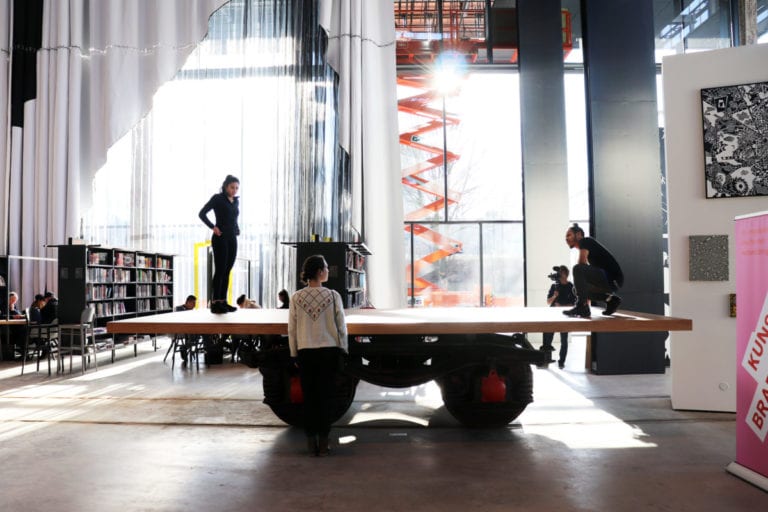
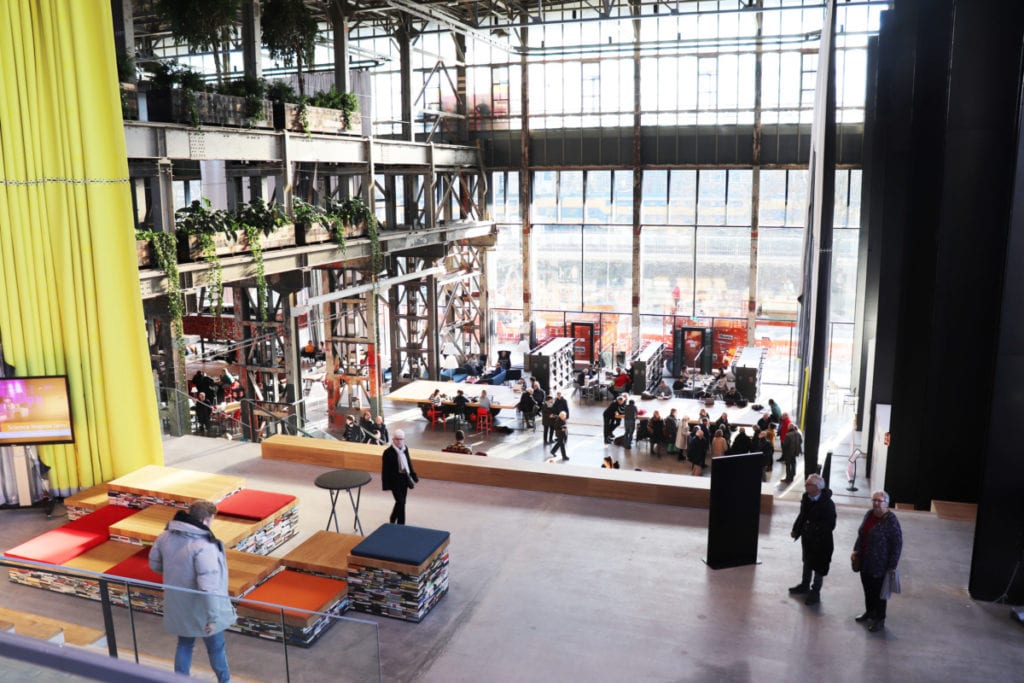
The building was originally built in 1932 for the maintenance and repair of trains and is over 18 meters tall. The space was going to be demolished before its potential was realised by a group of architects. In 2010 the building was converted into an exhibition space, library and cafe.
The interior boasts hundreds of glass windows that provide beautiful natural light. Image: Abuzer van Leeuwen
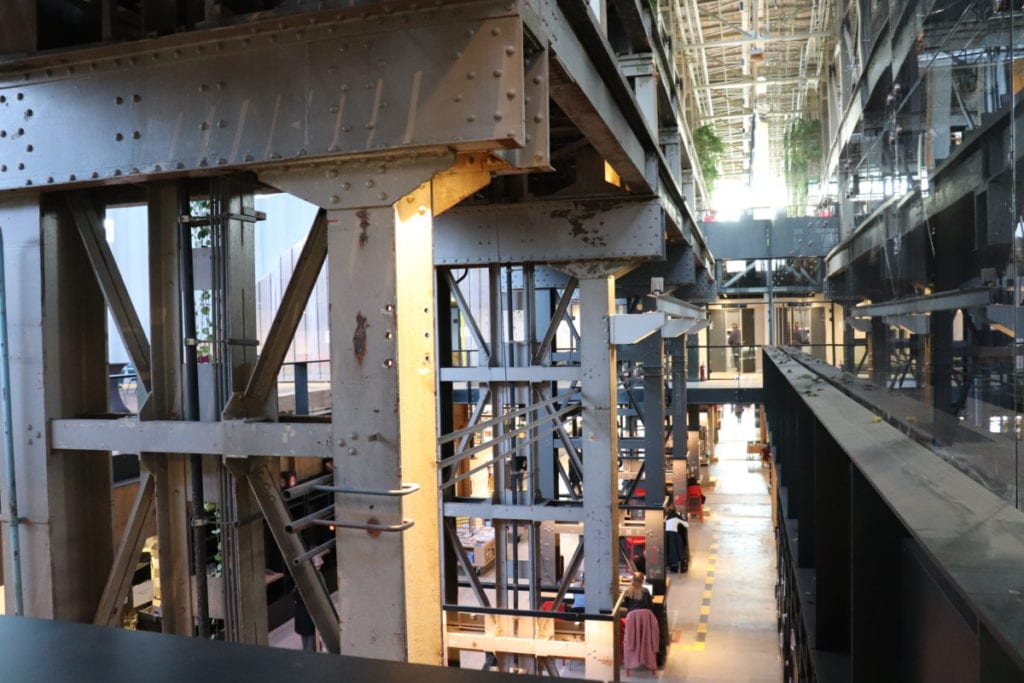
The factory-turned-prestigious building maintains its spectacular sense of grandeur but with an added feeling of intimacy in many of its hidden corners. The design pays homage to the building’s history by keeping many of the old elements intact. The cranes on which locomotives were manoeuvred have been preserved and the steel beams were kept and utilised in the design.
The winner of the #WAF19 World Building of the Year, supported by @grohe, is LocHal Public Library by Civic architects (lead architect), @BraaksmaRoos, Inside Outside & Petra Blaise. Congratulations! pic.twitter.com/jyJMRYpmq1
Giant steel beams from another time, still in use in Tilburg’s brand new LocHal. Image: Abuzer van Leeuwen
The building is also very sustainable too and the enormous roof boasts a whopping 1278 solar panels, enough to power roughly 80 households on a yearly basis.
The jury, made up of both architects and designers, were impressed by the social role that the building has, where people come to meet for a variety of purposes.
Not the first prize LocHal has won
This is not the first prize the building has won. Earlier this year the LocHal library was named as the second-best library in the world by the IFLA Best Public Library of the World Awards, just being beat out by the Oodi Library in Helsinki.
LocHal was also awarded an international The Plan award and secured the Dutch Design Award in the Habitat category.
Have you visited the LocHal? What was your favourite part? Let us know in the comments below!
State Secretary, Paul Blockhuis, is eager to ban the recreational use of laughing gas. Talks were already had earlier this year when Grapperhaus announced his desire to ban the nitrous oxide, but now it seems the ban is in motion after CAM (Drugs Judging Committee) confirmed the health risks.
What is laughing gas?
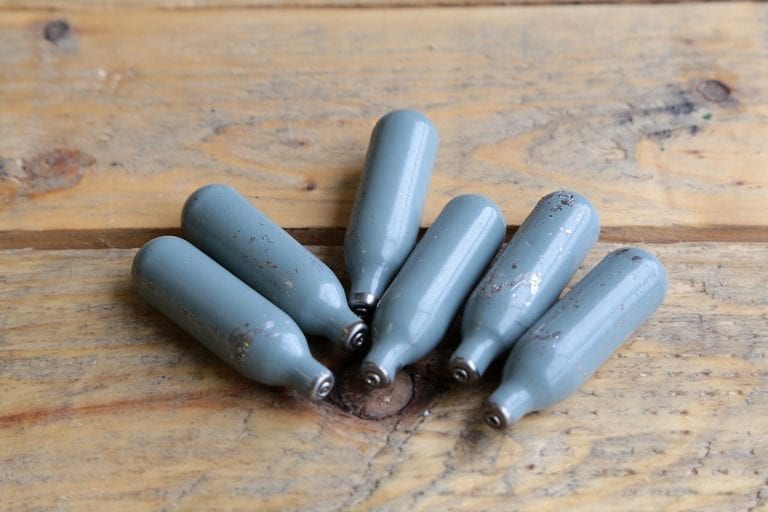
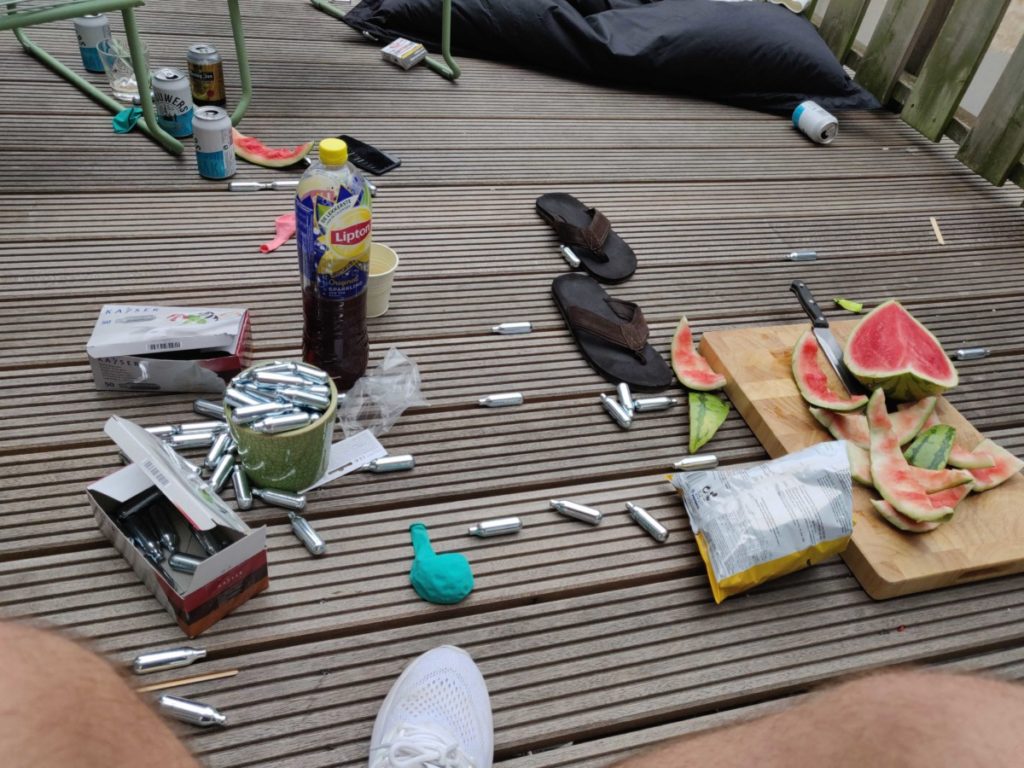
Laughing gas is formally known as Nitrous Oxide which is a colourless gas that people inhale, usually via a balloon. The gas a very common inhalation anaesthetic, but is also found in pressurised metal canisters, like whipped cream chargers. To consume it, people open the canister (easily bought legally online), transfer the gas into a balloon and inhale the balloon.
This produces a euphoric and dizzy feeling with lots of laugher. Many people assert that this is caused by a restriction of oxygen flow to the brain but this this claim is not substantiated by science. The high lasts about 20 seconds.
The health risks
Blockhuis confirms “We can no longer accept the health risks of young people in particular. The CAM’s assessment shows that the recreational use of laughing gas can be extremely harmful. A” balloon “is really not as harmless as it seems”, NOS reports.
He wants to make the gas illegal under the 2008 Opium Act but it is not yet known how the ban will be codified in law as an exception needs to be made for legitimate uses of laughing gas such as in medicine and whipped cream canisters.
The State Secretary and Minister of Justice and Security will discuss the exception to the ban with wholesalers and the hospitality industry in the upcoming months.
Used lauging gas cannisters. Source: DutchReview
Public nuisance
In addition to health risks, the public nuisance caused by laughing gas is also a driving force behind the ban. Researchers noted that the drug very rarely leads to violent behaviour but the use of the drug whilst driving is very dangerous as it lowers reaction times and is very distracting.
Do you think this is a step in the right direction? Or are you against this ban? Let us know in the comments below
Amsterdam is getting recognition after recognition. Last month it was named the safest city in Europe and last week it was announced that the Dutch capital is the 25th most visited city in the world. Today’s recognition? Well, the Dutch capital has some of the most expensive parking in the world. Yes, you read that correctly… in the entire globe.
How does the Dutch capital compare with other cities?
Parkopedia’s 2019 Global Parking Index report shows that Amsterdam is the most expensive city for 2-hour on-street parking. The average cost being $14.61 (US dollars). This coverts to roughly €7.50 per hour in the city centre and six euros per hour in surrounding neighbourhoods.
The Dutch capital’s two-hour rate is even a few euros more expensive than parking in Paris, even near hotspots such as the Eiffel Tower, NL Times reports.
But the most expensive off-street parking was New York and not Amsterdam, which costs an average of US$34.94. London also ha the most expensive daily and monthly off-street parking and Australia has the most expensive daily parking overall.
If you’re heading to Amsterdam, park in a carpark and not on the street
Parkopedia’s study showed parking in an Amsterdam carpark is often must cheaper than street parking. Carparking in the Dutch capital were only the 13th most expensive in the world.
Considering driving to Amsterdam? Perhaps you better look at trains instead, unless you can park at a friends place!
Just this year alone in Leiden, there have been more than 40 sexual abuse reports, 16 of which were rape-related. In the last four weeks, these numbers have surged as one rape and three sexual assault cases have been filed with the police.
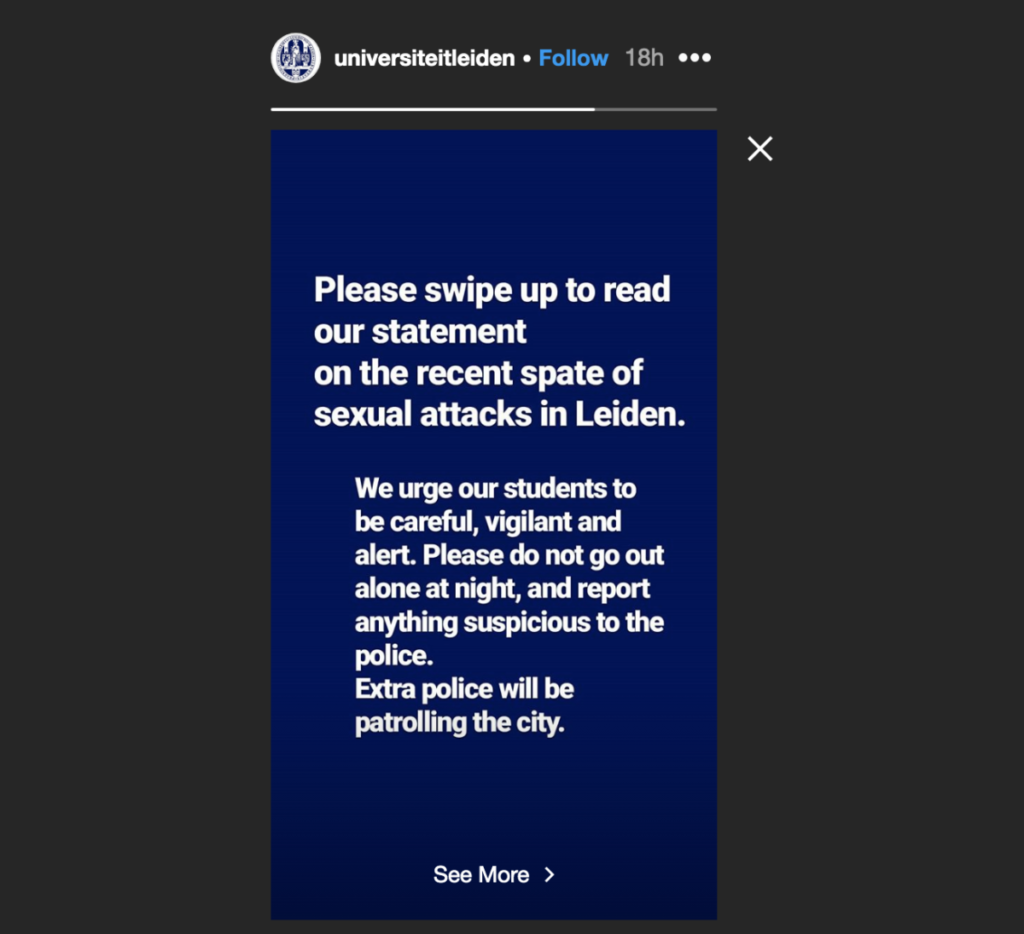
Last night, Leiden University released their first statement about the incidents. On their Instagram story, they included a link to their website where their statement was posted.
The statement urged people to come forward with any information they have, whether they think it is insignificant or not.
The statement also urged students “to take good care” and “avoid going out alone at night.”
Screen Shot of Leiden University’s Instagram story
Safe Leiden petitions for change
Safe Leiden, a group set up by concerned Dutch and international students, released a petition last night urging for change. The group wants to raise greater awareness about the sexual assaults and have quicker access to knowledge of the crimes.
The petition targets Leiden University, Mayor Lenferink and Leiden Police. It urges for the following key changes:
1. For Leiden University to make their position clear surrounding the problem and for the university to be the central body which disseminates the information more quickly to students.
2. Creating a night patrol team for security in designated areas from 1AM until 5AM. This team will be made up of both trained professionals and volunteers and should be contactable by phone.
3. Distribution of rape alarms to students who want them and increasing CCTV in the city.
4. The local police to have a greater presence in the city and to inform students of the protocol after sexual assaults.
5. Free self-defence classes and better psychological support to victims.
Safe Leiden want all information to be released in both Dutch and English so the international community is not excluded.
DutchReview spoke to Sophie Bettex, one of the central members of Leiden Safe, about the petition and the current situation in Leiden.
“We really feel it is not our role to be doing this in the first place” she says “Raising awareness about ongoing issues should come from the higher authorities”.
She also explained how sexual assault discussions should not focus on women having to change their movements but instead should be how to keep Leiden safe and increase security.
It’s worth considering why a woman’s autonomy should be interfered with for a crime they did not commit.
The #MeToo movement continues
Tanara Burke created the #MeToo movement in 2006 as a way for sexual assault survivors to process their trauma. The key focus was to help people feel less alone and come together to build a path toward recovery. Just over 10 years later, actress Alyssa Milano tweeted the words ‘me too’ which kickstarted the worldwide movement.
Many people think the #MeToo movement has gone too far. Some people scoff that it is now a trend rather than an valuable movement. But in light of the recent attacks in Leiden and the alarming sexual assault figures, it is more important than ever to continue the dialogue.
Keeping women safe?
It is only natural for women to take safety precautions. But we must make sure we don’t focus on safekeeping women to the detriment of their autonomy. Women shouldn’t spend their lives being cautious and always taking measures to counteract other people’s possible evil intent.
Focussing on safekeeping women is problematic because what it does is shift the responsibility of a criminal’s violence onto women. This distracts us from tackling the deep-rooted and insidious misogyny that needs to be addressed to stop crimes like these happening in the first instance.
Figures collected by the Dutch Council of the Judiciary have revealed that almost all offences have been punished more severely over the last twenty years than before. The only exception to this are the punishments for minor drug offences.
On average, the sentences people receive as punishments for violent and sexual crimes have become two thirds longer. Furthermore, the punishments for vandalism and traffic offences have increased by 10 percent. But this is not because the courts are dealing with worse offences: it’s simply because the public has been clamouring for more severe punishments, and the courts have been listening to them.
The maximum punishment for some crimes has increased
Rotterdam judge Jacco Janssen, in an interview with NOS, also mentioned the fact that the maximum punishments for some offences has increased: for example, for murder, the maximum punishment has shifted from twenty to thirty years in prison. Tougher penalties have also been imposed for violent and sexual crimes against public service workers and community service workers. Social changes also play a role: particularly when it comes to sexual offences, victims are much more likely to speak up today than before.
Drug offences punished more lightly
However, not all crimes are being punished more severely. For example, certain drug offences are punished more lightly than before. The punishment given for theft has remained the same over the last twenty years, though instead of a fine, offenders usually carry out their sentence through community service. Finally, suspended sentences are given much more often now than twenty years ago.
Dutch public still wants more severe punishments
Despite this increase in severity, there still seems to be an appetite for even higher punishments from the Dutch public, NOS reports.
Should punishments continue to increase in severity? Let us know in the comments below.
If you’re someone who loves to complain about how tardy the Dutch railways are, then you may not be right on this one. According to new figures reported by RTL Nieuws, 92.6% of all trains have a maximum delay of five minutes. That’s not so bad, is it?
With a 14% increase in the number of travellers in the last five years, the NS must be doing something right. These new figures show us that they have been performing consistently high since last year in 2018. Public transport in the Netherlands is not that bad!
More people, more problems?
You would think that if a business gets more customers, it would be a good thing for them. But with NS, they might have reached their ceiling. The chance of getting a seat fell from 95.1% to 94.8% and they cannot add more or longer trains on a lot of the busy routes.
Travelers’ associations believe that the government should be investing more in the railways if they truly want more people to stop using their cars for daily commutes. However, NS CEO Roger van Boxtel is happy and said, “NS has improved performance considerably in recent years. That is first and foremost good news for our travelers, but also worth a compliment to everyone at NS.”
More high-speed trains?
Only 83.4% of high-speed trains arrive on time. But NS has big plans to increase this number. New trains will be entering the tracks in 2021. These trains are specialized to run on the tracks and take in the high overhead voltage on the high-speed tracks. So perhaps this would even out the travellers on some of the routes.
Do you travel by train every day? Do you believe these numbers? Let us know in the comments below!
Daniël Buter, a 19-year-old from Amsterdam, was put in prison because of a fault with his BSN. He has to appear before a court, which will decide if he will be deported to the Dominican Republic, a country Buter has never been to.
Buter was going to begin a degree in IT
Buter went to his local municipality to get a passport, which he needed in order to register for his study programme. The DJ was going to begin a degree in IT studies, but is now in prison because there is no proof of his Dutch nationality. After his visit, the municipality made a report to the Immigration and Naturalisation Service, who invited him for an interview. On the advice of his lawyer, Buter did not show up. He was then taken into police custody.
Two parties at fault: Buter’s parents and the Dutch government
Maroua Bensalah, Buter’s new legal advisor, says there are two reasons why Buter is in this situation: his parents and the Dutch government.
Buter’s parents went back to the Dominican Republic on holiday when he was only three years old, and never came back to the Netherlands. Buter’s proof of Dutch identity was linked to theirs- his citizenship was linked to their passports. However, they renounced their Dutch citizenship when they left. At that point, the BSN number Buter had been issued should have been registered as invalid. However, it was not, and Buter went through primary and high school without any trouble.
Buter’s grandmother tried to reregister him
This is not just a bureaucratic error: when Buter was in primary school, his grandmother, who was his primary care giver, asked the municipality what they should do about reregistering Buter at the municipality after his parents left the country. They just told her to continue using his old BSN, which should not have been possible to do, but was. Buter’s father, who now lives in Belgium, also tried to apply for a residence permit for his son in 2016, but did not provide the correct documents, so the application was denied. The same incorrect documents were submitted by Buter’s lawyer in the appeal, which did not help to speed up the process.
17,000 people have signed a petition to get Buter out of prison and recognised as the Dutchie he is
Buter’s friends have started a petition to at least allow Buter to wait for his trial at home rather than in prison, but to hopefully also get his nationality sorted once and for all. Currently, Buter is in a prison in Rotterdam, a facility that also houses criminals. At the time of writing, 17,000 people have signed the petition.
Let’s hope Buter gets to come home soon. Let us know what you thought of this story in the comments below.
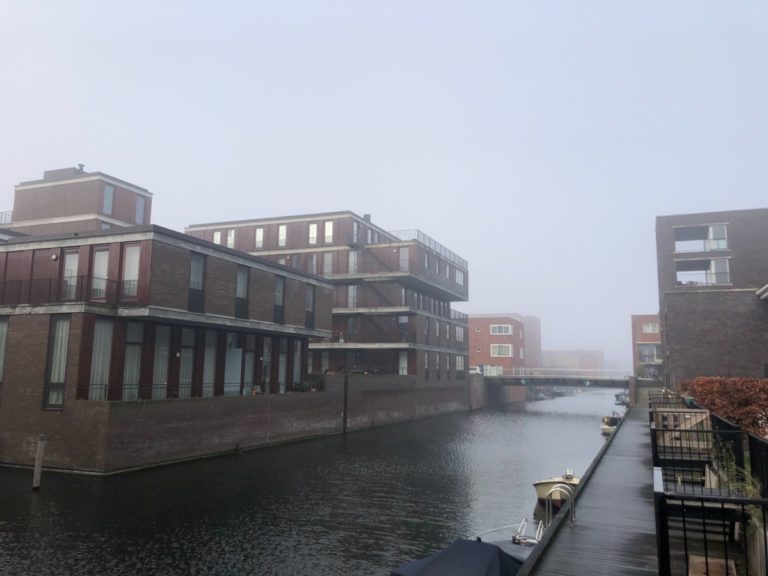
Hope you have all your presents wrapped up and your chocolate letters all lined up because it’s time to kickstart the holiday season in the Netherlands with Sinterklaas and Pakjesavond. Wondering what the Dutch weather has in store for Pakjesavond? Weeronline says that we are in for a “mix of sun, fog, mist, and clouds” but will mostly stay dry.
It is going to be around 3 to 8 degrees today so be sure to layer up. Turn those headlights on because the fog can make the visibility a little low. If you were hoping for a sunny day out with the family, Dutch weather is always there to not deliver. At least, it’s going to be dry!
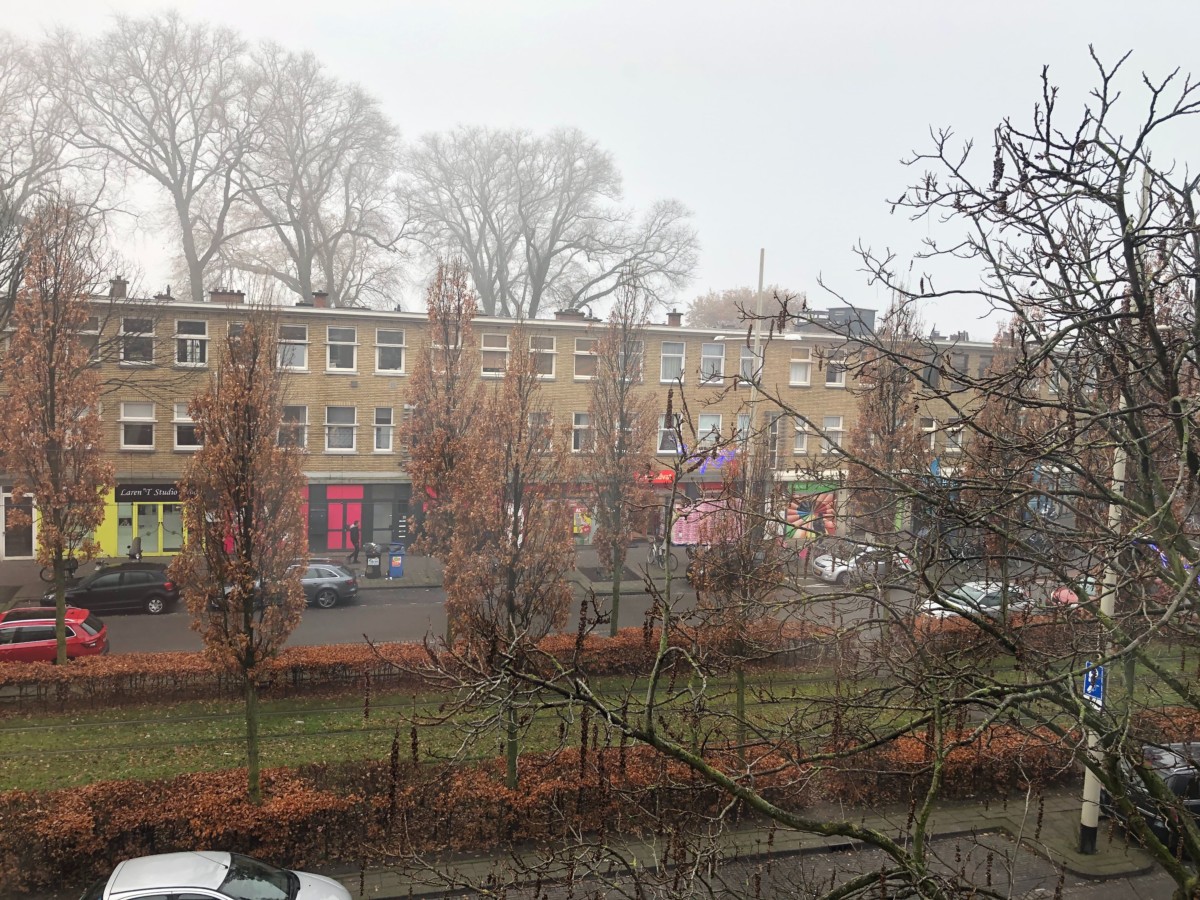
Foggy The Hague. Image: Ailish Lalor/Supplied
You might get a little lucky and see the sun peek through the mist in the north, west and south of Limburg. Hope you have your jumpers and fuzzy socks in full stock because it’s going to be freezing tonight.
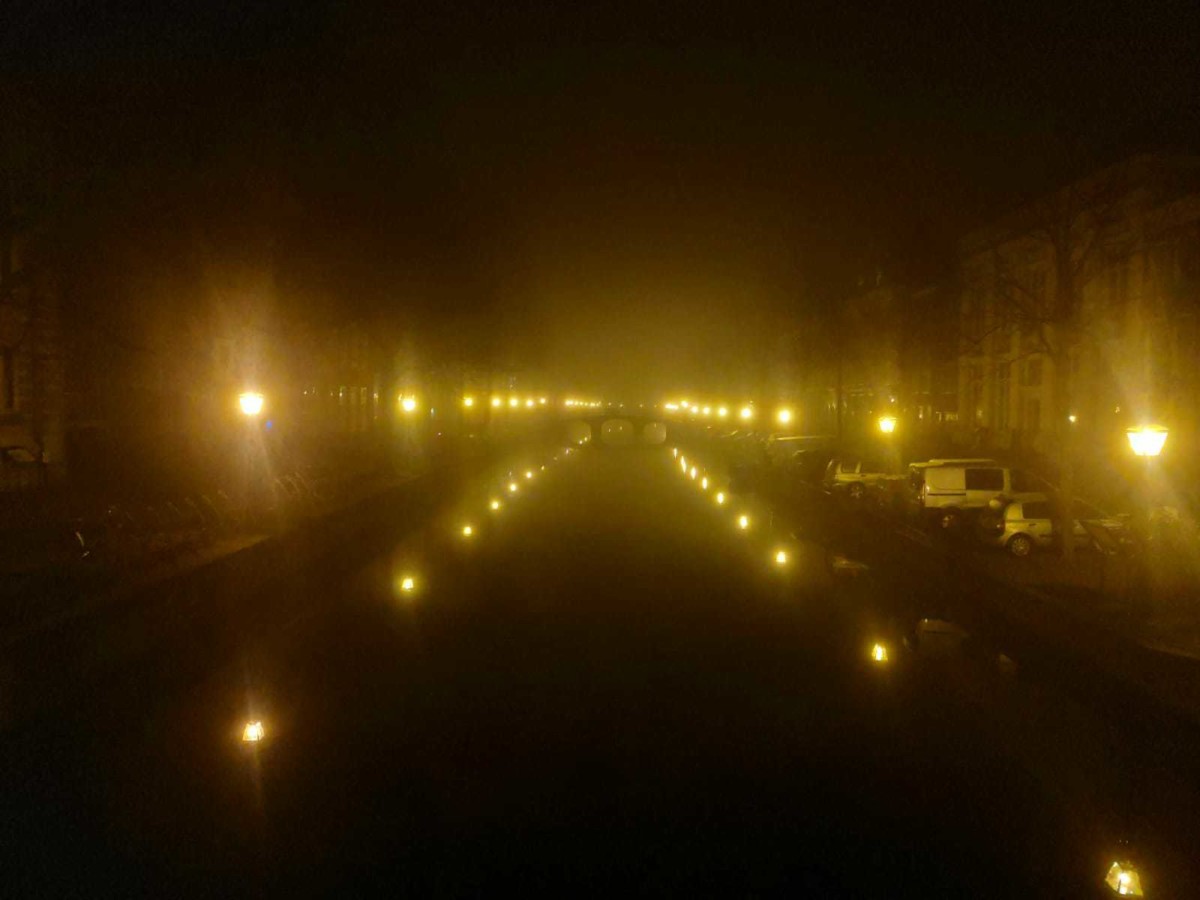
Leiden’s Rapenburg in the fog early this morning. Image: Abuzer van Leeuwan/Supplied
This weekend
As the weekend approaches, the weather is going to get worse with more rain and cooler temperatures. The rain starts pouring from tonight. It will be cloudy, grey and dreary with strong winds, so really, just stay indoors.
Saturday and Sunday are going to be a little bit better but not enough for us to want to get out of bed and rejoice at the great weather.
Next week
The weather next week is going to be “volatile” according to Weeronline. So it’s going to be terrible for a long time. The weather might only get colder as we enter into the coldest months, so be prepared to go into hibernation if you can’t take it.
What have you got planned for Pakjesavond? Let us know in the comments below!
All the bright lights, glittering colour, outrageous costumes of Eurovision 2020 will be dazzling the Netherlands when Rotterdam plays host to the song contest next year. Here’s everything we know so far about how you can make the most of it.
Unless you’ve been living under a rock for the past six decades, the undeniable glamour of Eurovision has probably crossed your radar at one point or another. Eurovision just has a way of inserting itself into your brain like a song that can’t get out of your head (and that will happen too).
But this year is particularly exciting for the Netherlands and Eurovision. Why? Because it’s the first time in forty years that the Netherlands has had the honour of hosting the world-famous song festival. That’s right! All those crazy-talented and amazingly-dressed performers will be converging on our favourite port city, Rotterdam.
Eurovision 2020 is a time to Open Up
The theme for this year’s contest is Open Up. What does that mean? No one really knows. It’s intentionally vague in an effort to encourage creative interpretation. According to Sietse Bakker, Executive Producer Event of the Eurovision Song Contest 2020, it also says something about the host country.
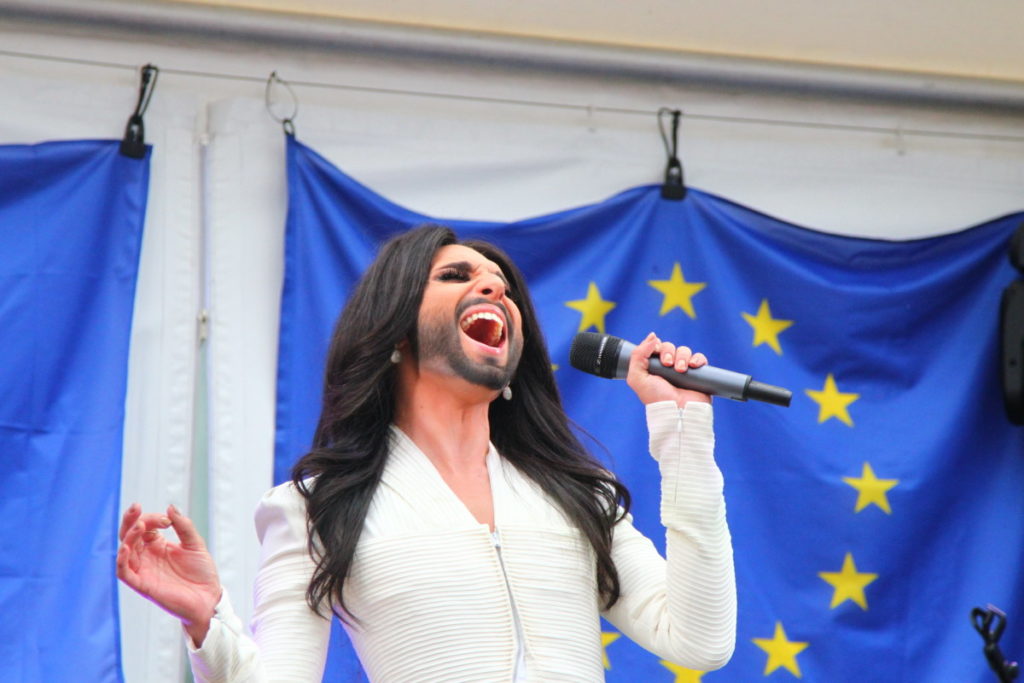
Drag-queen Conchita Wurst become world-famous when she won in 2014. Image: Greensefa/Flickr
“We have looked for a theme and slogan that reflect what the Netherlands stands for and which the Dutch can identify with,” explained Bakker. “A country with an open mind to the world, where we speak our mind, with respect for each other.” Sounds pretty bang on to us.
When is Eurovision 2020?
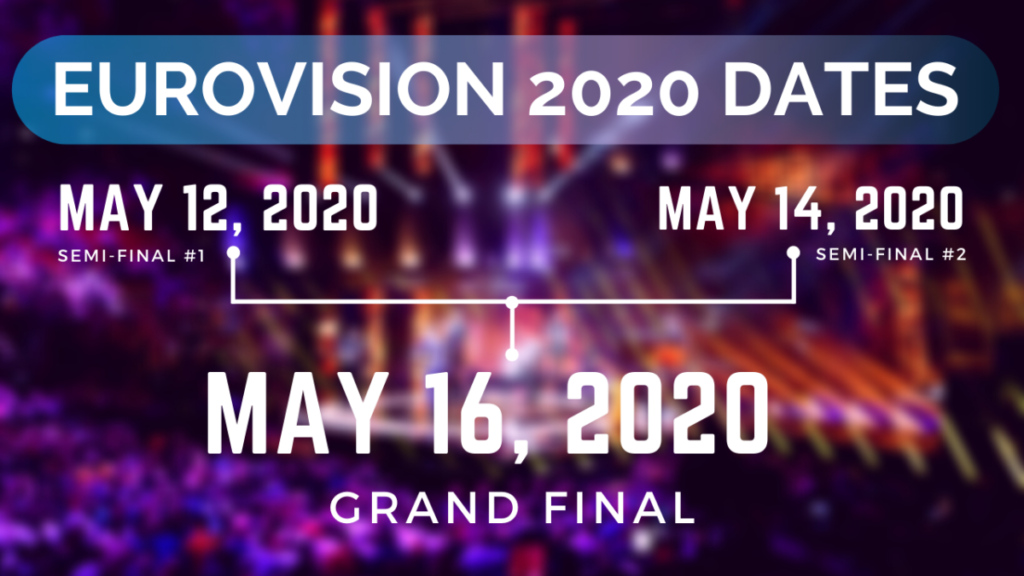
Eurovision 2020 will be just one week of glorious events, beginning in the third week of May and revolving around three shows. Tuesday will be the first Semi-Final, followed by the second Semi-Final on Thursday. On the Saturday, during the Grand Final, the winner of Eurovision 2020 will be crowned.
Each show will kick off at 21:00 CEST, so if you’re not a night-owl now is the time to start training your body clock for those late evening spectaculars.
Where is Eurovision 2020?
While the Netherlands was granted hosting privileges for 2020, the host city itself was still up for grabs. After a fierce competition, the nine cities that initially showed interest were narrowed down to just two: Maastricht and Rotterdam. Finally, Rotterdam was crowned the host in August 2019.
That means that Rotterdam Ahoy, the city’s major convention centre, will be flooded with performers, their teams, media, delegates, and spectators. The largest hall has a capacity of 15,000 people – that’s a lot of fans.
Who will participate in Eurovision 2020?
Representatives from 41 countries will make their way to Rotterdam Ahoy – almost the same amount as last year. However, both Hungary and Montenegro have departed the contest for 2020. Hungary packed its bags amid speculation that the contest was ‘too gay’ for the country’s increasing anti-LGBT rhetoric, whereas Montenegro was not able to fulfill the entry requirements in time.
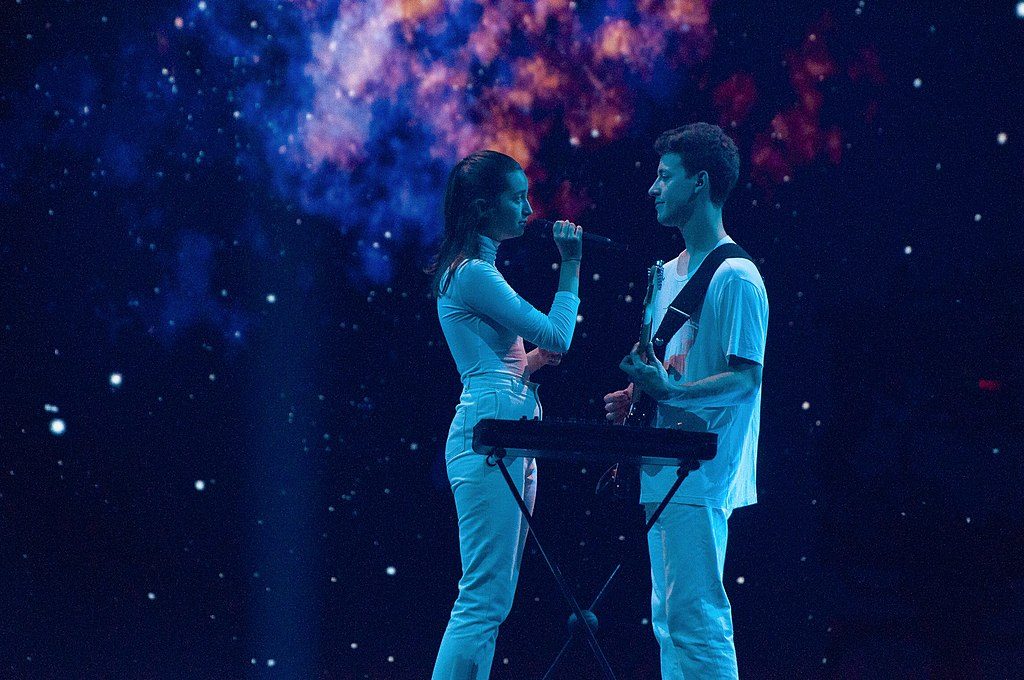
Zala Kralj & Gašper Šantl represented Slovenia at the Eurovision 2019 final. Image: Martin Fjellanger/Wikimedia
The Ukraine and Bulgaria quickly filled the gaps left by Hungary and Montenegro, after a year away from the competition. Both returning countries have strong track records from competing in Eurovision in previous years.
Is your country participating in Eurovision 2020? Here’s the full list:
Albania ?? | Armenia ?? | Australia ?? | Austria ?? | Azerbaijan ?? | Belarus ?? | Belgium ?? | Bulgaria ?? | Croatia ?? | Cyprus ?? | Czechia ?? | Denmark ?? | Estonia ?? | Finland ?? | France ?? | Georgia ?? | Germany ?? | Greece ?? | Iceland ?? | Ireland ?? | Israel ?? | Italy ?? | Latvia ?? | Lithuania ?? | Malta ?? | Moldova ?? | Netherlands ?? | North Macedonia ?? | Norway ?? | Poland ?? | Portugal ?? | Romania ?? | Russia ?? | San Marino ?? | Serbia ?? | Slovenia ?? | Spain ?? | Sweden ?? | Switzerland ?? | Ukraine ?? | United Kingdom ??
What do we know about the finals?
Eurovision has a curious setup: the host country always has a guaranteed spot in the Final – but so do Germany, France, Italy, Spain and the UK, no matter where the contest is held. Why these countries? The Big 5, as they are called, are the largest contributors to the European Broadcasting Union (EBU). The Big 5 always have immediate access to the Final, thanks to a rule made back in 2000. Goes to show money can buy anything!
Netherlands, as the host country, is the only other nation to skip the Semi-Final stage. The remaining 35 countries will battle it out in the Semi-Finals on either Tuesday or Thursday evenings. The top ten from each evening will then head to the Grand Final to join the Netherlands and the Big 5.
The Grand Final is the event that almost everyone ends up watching – it’s what people mean when they say ‘Eurovision is on!’ 26 countries will compete on the evening, all in with a chance of being crowned the winner of Eurovision 2020.
How can I get a ticket to Eurovision 2020?
Excited and can’t wait to get your hands on a ticket? Us too! The first of three waves of tickets will go on sale December 12 at midday. You can buy tickets for nine shows, which include the main shows, and the rehearsals. If you get in early, you even get an early-bird discount of 5 euros.
If you miss out on the first wave of tickets, you need to wait until late January and mid-March. Eurovision are strongly recommending only buying tickets directly through official ticketing partner Paylogic and official ticket re-selling partner Ticketswap.
How much will tickets cost?
There will be four different ticket types available for purchase:
Standing places (on the arena floor)
Seated seats (1st and 2nd tier)
‘Limited view’ seats
Accessible seats
Semi-Finals*:
Grand Final*:
Images: NPO/AVROTROS/NOS
These prices are valid for the first wave of tickets and include the early-bird discount. For the second and third waves, a further 5 euros will be applicable.
If you’re a member of the OGAE fan club, there are a further 2000 tickets that will go onsale directly through the club.
Whether you’re lucky enough to have a ticket to the show or not, Eurovision will bring heaps of fun to the surrounding area.
The official festival area, Eurovision Village, will see artists and DJ’s host brilliant live performances, special events. The public will be able to watch screenings of the competition here, broadcast directly from the arena.
The official after-parties, special events, and performances by competitors will be held at the EuroClub, for the mega-fans. The EuroClub is a little bit more exclusive than the Village. In the past, host cities have taken different approaches to entry. In Malmö 2013 and Stockholm 2016 OGAE (Eurovision fan club) members could receive special accreditation for entry. Other cities in the past have sold special tickets, like Copenhagen 2014, Kyiv 2017 and Tel Aviv 2019.
For EuroClub 2020, Maassilo, a former grain silo in Maashaven and a popular event venue has been selected. The EuroClub is set to open its door before the competition begins on May 8 and close them after the Grand Final on May 16.
If you’re a fan, but not a mega-fan, you can also check out the EuroCafe. The EuroCafe is where parties, meetings and special events will take place throughout the week. OGAE fan clubs organise these, so check them out for more details.
That’s all we know so far, but we’ll keep updating this article as information comes to light! Are you planning on heading to Rotterdam, or will you watch Eurovision from the comfort of your own home? Let us know in the comments below!
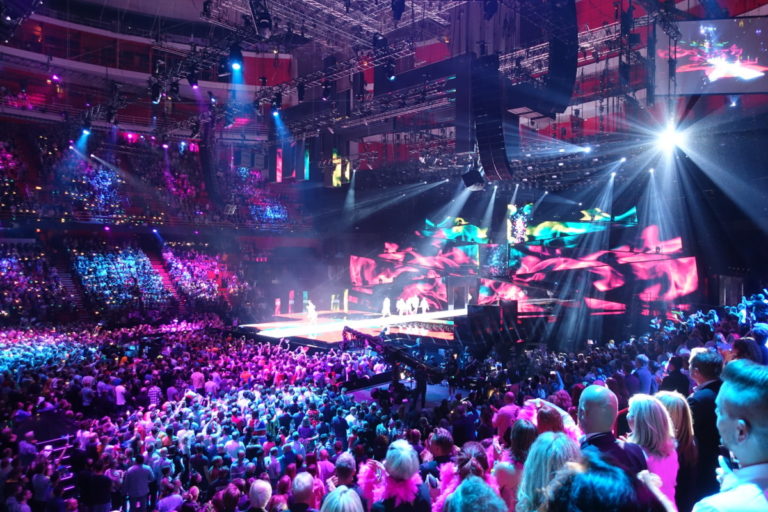
Feature Image: Eurovision Song Contest 2016 Grand Final. David Jones/Flickr




.jpg)