
Picture this: you’re standing at a bus stop in Amsterdam when a stranger turns to you and sighs, “Wat een weer, hè?” (What weather, right?).
Within seconds, you’re both deep in conversation about the disappointing lack of sunshine, yesterday’s unexpected downpour, and tomorrow’s equally grim forecast.
Welcome to the Netherlands; where complaining isn’t just conversation, it’s the national love language.
The Dutch have turned griping into an art form that brings people together. From weather woes to transport troubles, complaining serves as social glue that bonds strangers, colleagues, and neighbours across the country.
Weather complaints fuel daily connections
Dutch weather complaints are legendary, and for good reason, they happen roughly 17 times per day.
Rain, wind, freezing temperatures, or the occasional heatwave all provide perfect fodder for instant social bonding between complete strangers.

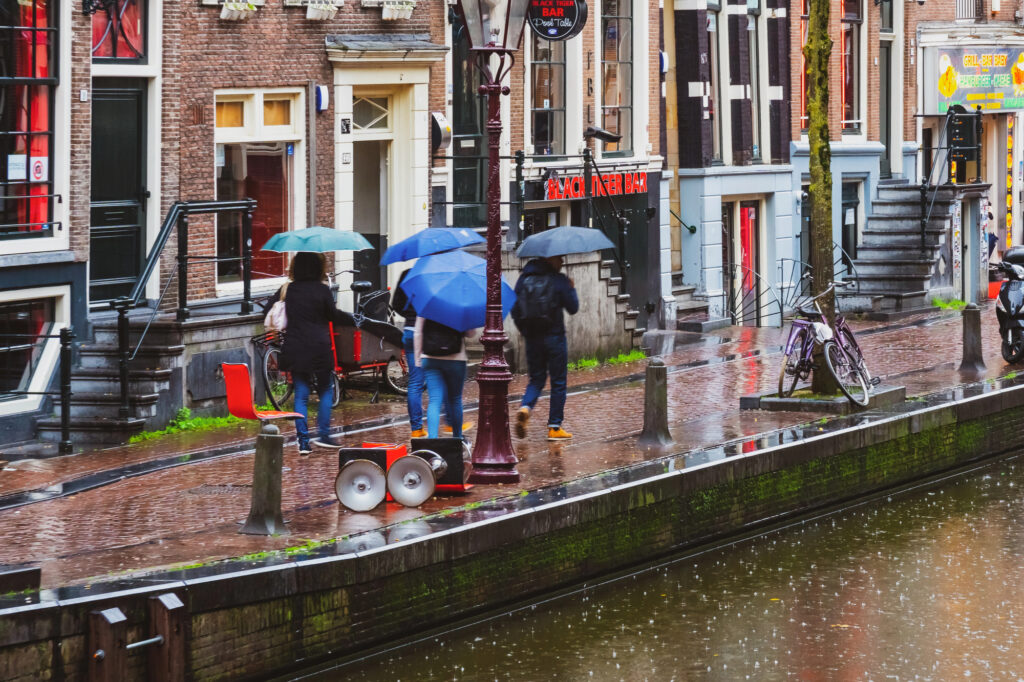
The beauty of weather complaints lies in their universal accessibility. Whether you’re a banker in Rotterdam or a student in Groningen, everyone’s experiencing the same meteorological disappointment.
“It’s supposed to be summer!” becomes a rallying cry that unites the nation every June when temperatures dare to drop below 18 degrees.
What makes this particularly Dutch is the passionate intensity devoted to discussing a relatively mild, temperate climate.
READ MORE | 11 TikToks that perfectly describe Dutch weather
The Netherlands doesn’t face hurricanes, tornadoes, or extreme weather events — yet locals discuss a light drizzle with the same urgency others reserve for natural disasters.
Weather apps have only amplified this cultural phenomenon. Armed with hourly forecasts and precipitation percentages, the Dutch can now plan their complaints in advance.

READ MORE | Dutch Quirk #47: Complain about the weather nonstop
“It’s going to rain at three o’clock” becomes a shared piece of intelligence that sparks conversations from office kitchens to grocery store queues.
These daily weather check-ins serve a deeper purpose than meteorological analysis. They create micro-moments of connection in an increasingly digital world, proving that sometimes the most mundane topics make the best conversation starters.
The paradox of patriotic self-criticism
Perhaps no phrase captures Dutch complaint culture better than “Nederland is een kutland” (The Netherlands is a crap country).
Remarkably, this isn’t said with hatred or a genuine desire to leave. It’s just twisted patriotism disguised as criticism.
This meta-complaint culture confuses outsiders who hear Dutch people constantly criticising their own country while simultaneously getting defensive when foreigners join in.


The Dutch have mastered the art of pre-emptive self-deprecation, criticising themselves before anyone else can.
“Everything’s too expensive, the weather’s terrible, and don’t get me started on housing prices,” a typical Dutch complaint session might begin.
Yet scratch beneath the surface and you’ll find fierce pride in Dutch achievements: excellent infrastructure, progressive social policies, and a high quality of life.
READ MORE | Dutch Quirk #116: Have a great work-life balance
This self-critical stance acts as cultural armour. By acknowledging problems first, the Dutch maintain control of the narrative while demonstrating their famously direct communication style.
It’s a way of saying, “We know our flaws, we’re working on them, and we don’t need outsiders pointing them out.”
The phenomenon reveals something profound about Dutch national character: impossibly high standards combined with genuine affection for their country — expressed through constructive criticism rather than blind patriotism.
The NS, also known as the beloved punching bag
Nothing unites the Dutch quite like complaining about the NS (Dutch Railways). Despite operating one of the world’s most efficient train networks, the NS receives more daily criticism than a reality TV contestant.
The complaints are wonderfully specific: “The 17:23 to Utrecht is always two minutes late,” or “Why do they always announce delays just as I reach the platform?”
These grievances create instant camaraderie among commuters who nod knowingly at shared frustrations.
Social media has transformed NS complaints into performance art. Twitter feeds overflow with creative rants about delayed trains, overpriced coffee, and the eternal mystery of why announcements are always incomprehensible during actual delays.
READ MORE | Dutch Quirk #26: Complain about the NS
The complaints become entertainment — a shared cultural experience that’s almost more enjoyable than punctual service.
The irony isn’t lost on frequent travellers. International visitors consistently praise Dutch public transport efficiency, while locals maintain detailed mental catalogues of every minor inconvenience.
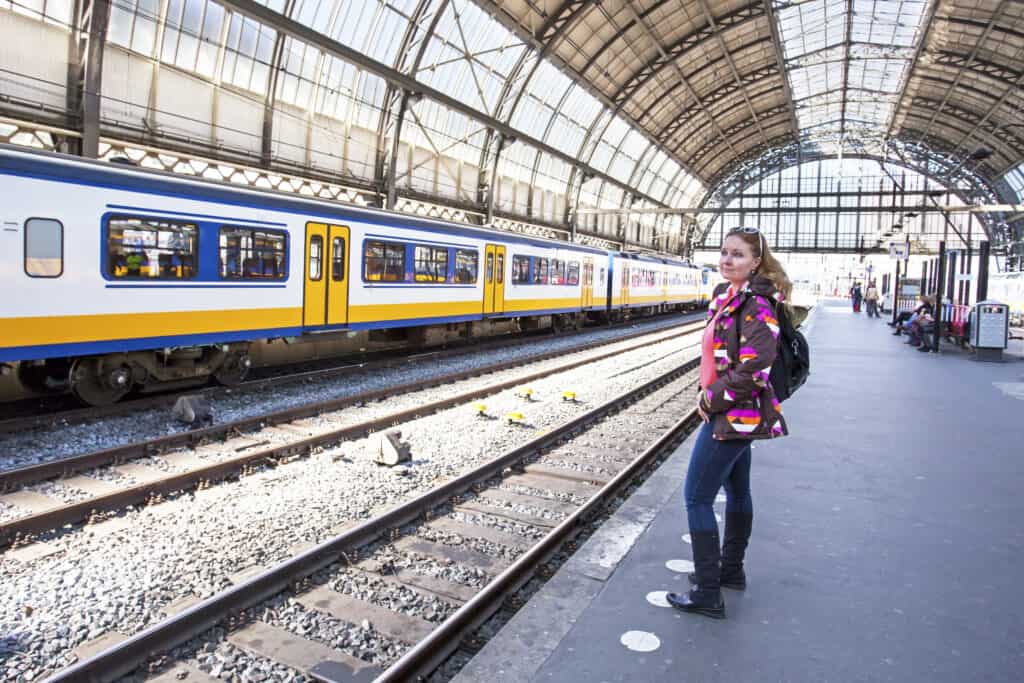
It’s like complaining about a five-star restaurant because the bread arrived 5 minutes late.
This pattern reveals the Dutch perfectionist streak. When your train system runs on time 92% of the time, that remaining 8% becomes intensely frustrating.
These complaints aren’t really about transportation though, they’re about impossibly high standards for a country that generally delivers them.
The warmth beneath the grumbling
Understanding Dutch complaint culture means recognising its true function: creating connection through shared frustrations.
These daily grumbling rituals serve as social maintenance. Weather complaints acknowledge shared frustrations, self-criticism demonstrates cultural awareness, and moans about transport reinforce expectations for excellence.
For internationals learning to navigate Dutch social culture, mastering the art of complaining opens doors to authentic connections.
After all, in a country where complaining is caring, a good grumble might just be the most gezellig thing you can share.
Have you mastered the art of complaining yet? Tell us about your experience in the comments below.