We often look at the sky-high energy prices these days and ask, “will they ever fall?”. 🙄 Well, not this month and, naturally, the Russian invasion of Ukraine plays a huge role.
What else is affecting the inflation rate?
Energy prices aside, one of the largest food suppliers in the Netherlands, Unilever, which owns brands like Dove and Ben & Jerry’s, announced it’ll be bumping up its prices in the coming months.
Cherished manufacturers like Nestlé, Coca-Cola, and KitKat are planning to follow. (Nooo, not the chocolate! 😫)
Nestlé has already increased its prices by an average of 6.5% and Coca-Cola by 12% in recent months.
But we need not worry just yet. These price increases won’t come without struggle as the manufacturers face resistance from Dutch supermarkets.
Albert Heijn got into a fight with Nestlé about the price increase, and Jumbo was in conflict with Kellogg’s, which markets goodies like the chips brand Pringles.
What is being done about it?
To ensure price increases cool down somewhat, central banks around the world are raising interest rates — encouraging folks and businesses to borrow and spend less.
How do you feel about the increase in the Dutch inflation rate this month? Tell us in the comments below! 👇
Long lines, cancelled flights, full chaos: airports in the Netherlands have really been struggling this summer — but the Dutch airline, KLM, is feeling good after posting a huge profit
Both airlines and airports have been short on staff ever since the pandemic started to slow down, and travel picked up.
Yet, despite numerous cancellations, issue upon issue, and ruining travellers’ summer plans, KLM’s bottom line is having a great time: €262 million great times, in fact.
In the same quarter last year, the airline posted a €185 million loss. Perhaps it’s the costs saved by employing far too few staff that are paying off?
First time since Covid
This is the first time the national Dutch airline has seen profitable numbers since the start of the pandemic.
CEO of KLM, Marjan Rintel, says that although the numbers are looking good so far this year, the airline should not expect things to get any easier in the coming time.
There is still a staff shortage and the recruitment process is both long and slow-moving. In other words, just because KLM is raking it in, doesn’t mean things are gonna get much better for the passengers (and, to be fair, staff) on the ground.
Should KLM spend their profits on finding solutions to fix the chaos in the airports?Tell us your thoughts in the comments below!
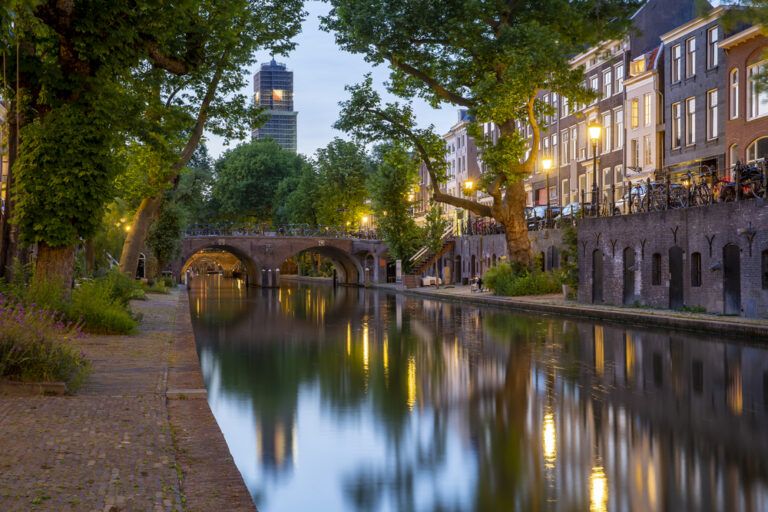
With deep canals, narrow streets, and steep bridges, Utrecht doesn’t lack when it comes to traditional Dutch architecture! Some even call it “the mini Amsterdam”.
Places to explore in Utrecht
If you haven’t been to Utrecht recently, you should definitely go!
Don’t be surprised if you hop off the train and ask yourself if you’ve gotten off at the right stop — as there are so many different places to explore in Utrecht!
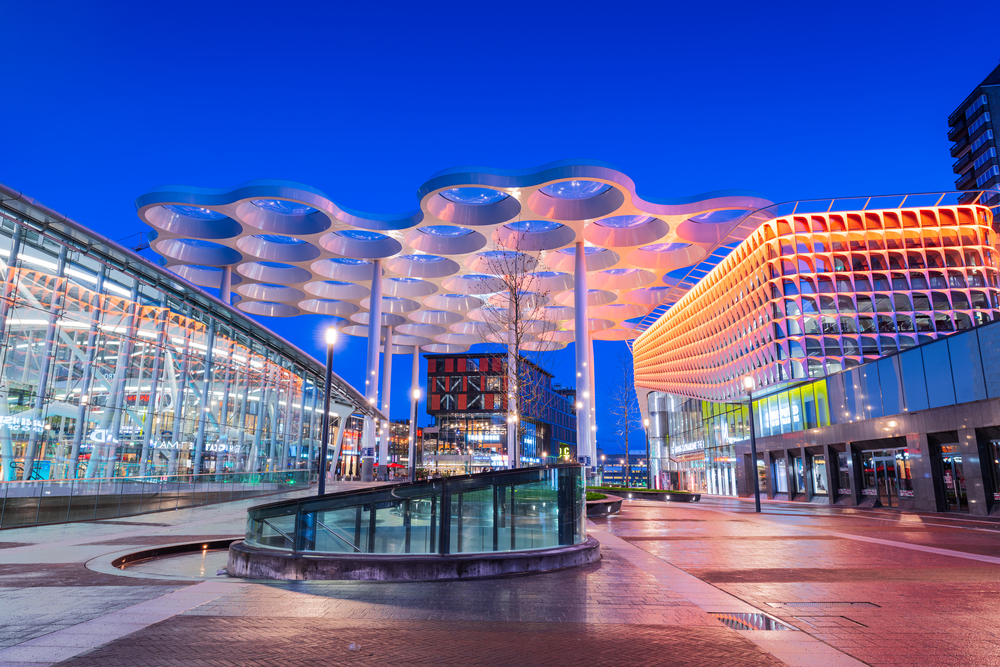
Utrecht has changed immensely in the last few years and is continually changing every day. The station and its surroundings have gone from looking like something dull from the 1970s to today’s modern city scenery!
The shopping mall near the station, Hoog Catharijne, is full of fabulous and chic stores. It’s a sea of shopping opportunities with upscale modern surroundings.
There are hospitality joints popping up all over the place too. You are sure to be surprised by this flashy part of the city.
This is all lovely, but what if you feel like exploring the city a bit away from the centre? If you want to discover Utrecht like a local, here are some other streets in Utrecht to discover.
The super modern-looking Utrecht Central Station! Image: Depositphotos
1. Rotsoord
Rotsoord is a spot not to be missed when visiting Utrecht. It’s filled with a long stretch of hospitality delights, all located along a beautiful canal.
On the Rotsoord, you can find the gorgeous restaurant, LE:EN (which just so happens to be my favourite one 😉).
Here, you can enjoy Asian cuisine while being surrounded by an old warehouse turned into a colourful, cheerful and cool setting.
The terrace is lovely and perfect for enjoying a nice cold gin and tonic combined with elderflowers in the sun!
If you are looking for something earlier in the day, De Zagerij serves fresh coffee and a good eggs Florentine!
Or, if you’re up for some fresh beer, there are more than a few places to try out within close proximity to each other. A little terrace hopping never hurt anybody!
Prefer trying more high-end cuisine? Then Rotsoord can cater for you too! WT Urban Kitchen was a water tower, which has now been turned into a restaurant.
There, you can eat up high in style, enjoying the best views over Utrecht. But, if you have a fear of heights, then Het Ketelhuis is another fantastic option.
It’s located in an incredible old warehouse turned into a stylish restaurant. Rotsoord is fantastic if you’re looking for indulging while surrounded by a cool and hip environment.
2. Twijnstraat
The Twijnstraat is one of my favourite streets to visit. I love popping into all the little shops and getting inspired by all of their different products.
Ekoplaza has all sorts of fresh and organic things. I love the spelt pasta, freshly made spelt brownies and all the different types of sprouts!
The cheese store is brilliant too, but just be careful when you walk in, the smell can be quite overwhelming for some. The best part is the samples of cheese hidden around the store, try before you buy!
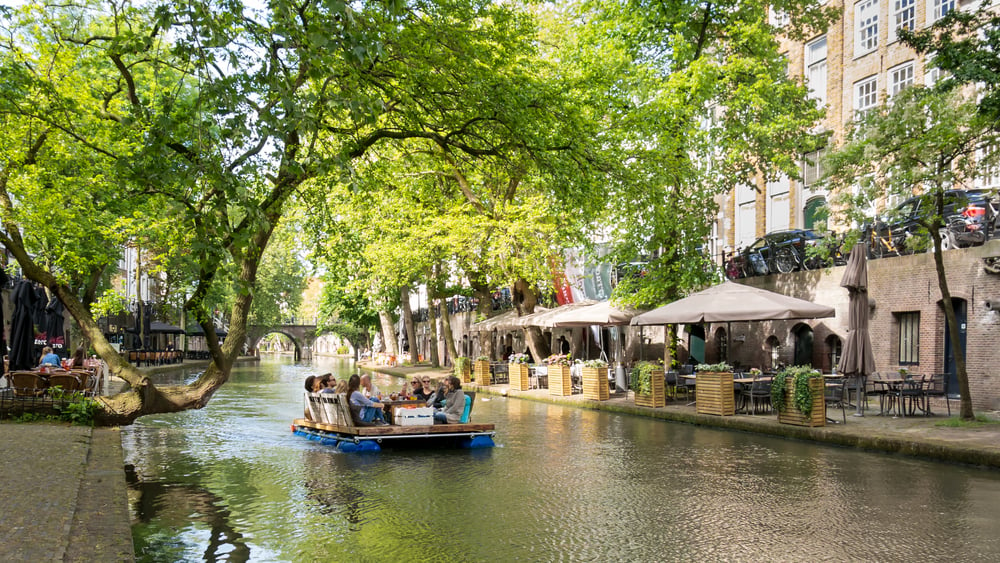
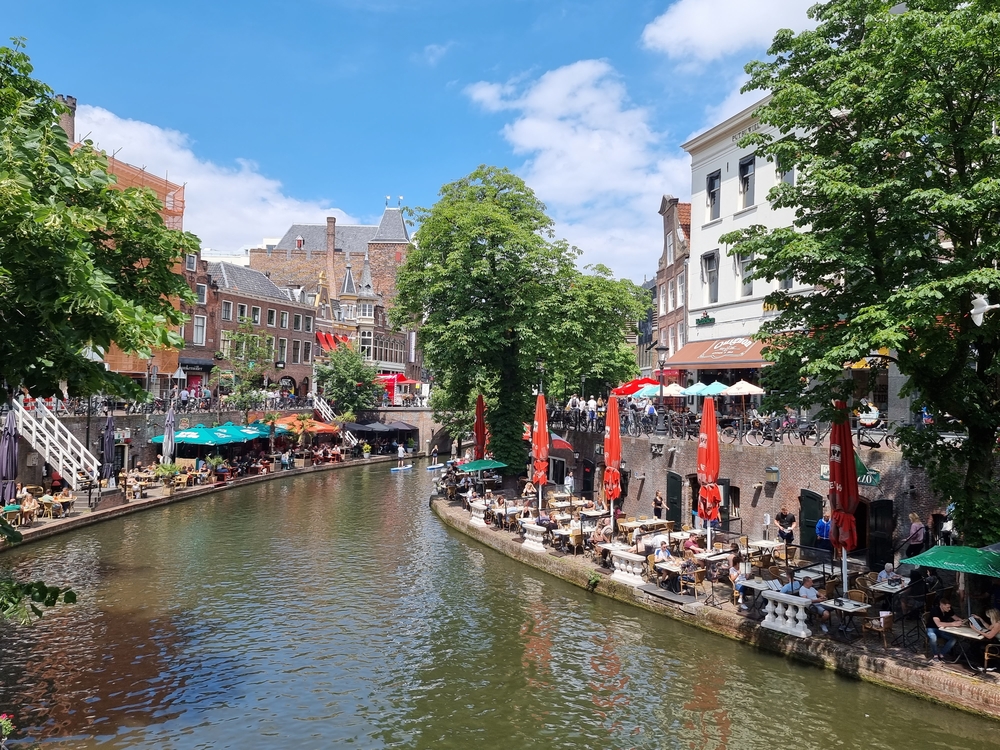
Utrecht has some wonderful terraces! 😍 Image: Depositphotos
For a real Dutch bar experience, visit Cafe Lijn 4 and enjoy the wide selection of beers. I love sitting at the table right by the window with the house cat and watching people stroll by!
There are also plenty of places to shop, including many cool second-hand stores. My favourite is the one that sells second-hand clothing for children.
It’s so much fun to go through all the piles and find yourself a bargain (though, make sure you can fit in the small sizes 🙈).
3. Voorstraat
The Voorstraat is very close to the station, but I wanted to mention it anyway, so you don’t miss it!
This street is bustling and filled with many delights to explore. If you feel like some Aussie love, then head to De Rode Vosch. They serve a spectacular Tim Tam cheesecake and other Aussie specialities.
There’s always somewhere to eat outside in Utrecht! Image: Depositphotos
If you prefer something more hearty, then get yourself a hot dog at Dogma Hotdogs. They even have vegetarian and vegan options- hooray!
This street has a Ramen and Vietnamese restaurant too, which are both sure to blow you away. This street definitely makes me feel like I am in the heart of the city.
4. Amsterdamsestraatweg
Amsterdamsestraatweg is on the other side of Utrecht from where I live, but from what I hear, it is up and coming.
Lots of new hot spots to explore. The street is going through a change. The transition from going a bit average to hip is worth a look.
There is a beer speciality store which is nice to visit. So many choices of beer- yes, please! I won’t mention much more because I am not too familiar with this street, but hope you enjoy exploring it!
5. Europalaan
Europalaan is maybe strange to mention for some, but actually, it’s pretty awesome! There are lots of cool things to visit, and they are found in a unique way!
Restaurant De Klub is hidden in the back in what looks like a dingy old school and is a gem. Right next to it is a brewery which is an experience in itself.
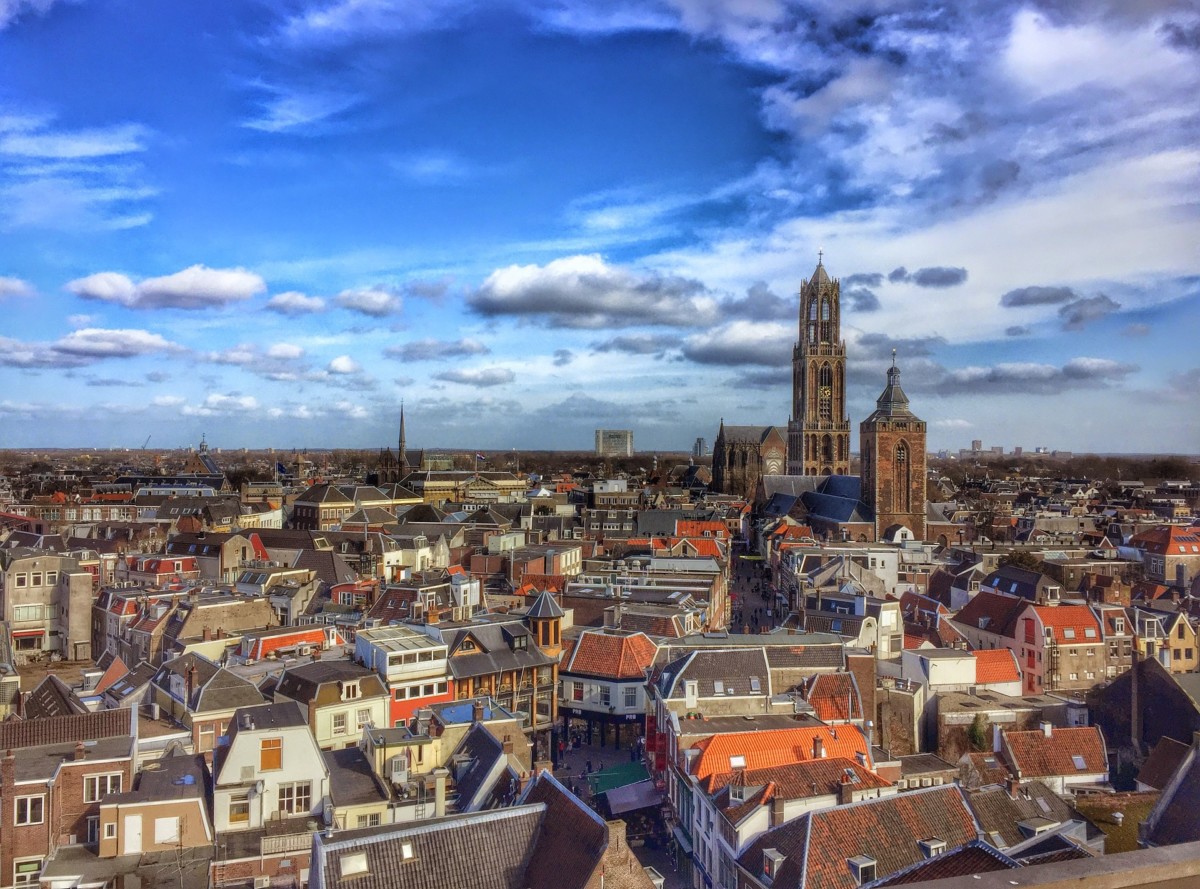
Beautiful Utrecht with the Dom Tower looking over everyone! Image: Pixabay
The staff there are really knowledgeable about their products. They will give you a detailed description and tasting before you have to make your big decision!
The stadstuin is also a nice spot for a hangout. They often have some groovy events happening which are worth a look. I went to a vintage market there, and loved it. 😍
6. Kanaalstraat
Kanaalstraat is my nearby my old neighbourhood and is lovely. It is full of tasty smells and a nice amount of hustle and bustle.
If you are searching for brunch try the Kebap Factory. They serve a splendid array of food which is sure to keep you happy till dinner time!
If you need fresh fruit and vegetables, then visit Kanaalstraat. They have a good selection and try the bakeries too- yum!
So there you are! A Guide to 6 places to explore in Utrecht (that you maybe didn’t know about if you are from out of town). Happy days exploring this beautiful city!
Have you ever visited Utrecht? How was it? Tell us in the comments below!
Editor’s note: This article was originally published in July 2018 and was fully updated in July 2022 for your reading pleasure.
The Dutch’s ambitions toward a greener future are finally paying off. The Netherlands has been named the best European country for eco-friendly drivers! 🚙
According to Kayak’s 2022 Road Trip Index, the Netherlands has snatched the number one spot as the greenest country in Europe to travel around!
When it comes to sustainable travelling, the index considers factors such as air pollution, congestion, the number of electric-car charging stations, and the price to charge vehicles. Apparently, the Netherlands is doing pretty well. 🤩
Why the top spot?
It’s really no wonder that the Dutch are being praised for their greener ways on the road. Like, it is the world’s most bike-friendly country we’re talking about here! 😉
One thing that makes Dutch roads really sustainable is the fact that traffic jams aren’t that big of an issue in the Netherlands (if you’re not counting the farmer roadblocks 🙄).
Since the Dutch prefer to jump on their precious bakfiets and ride around town rather than take the car, they produce less energy and fewer emissions from petrol and diesel cars.
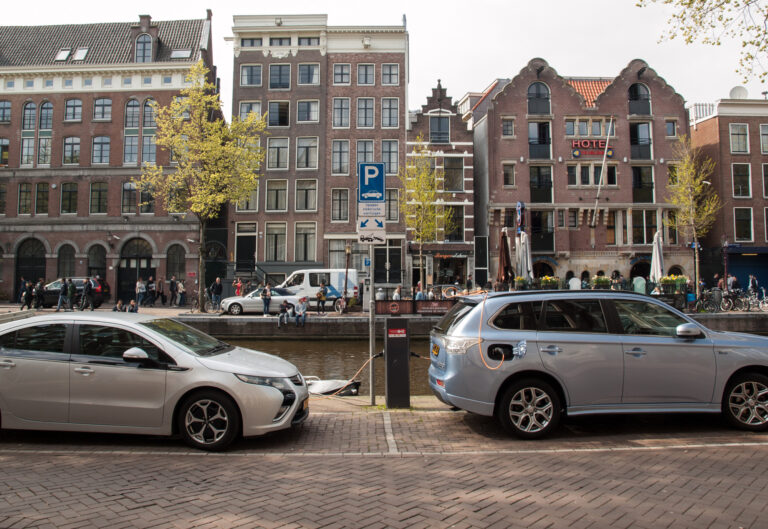
However, what truly puts them on top is the fact that they’re now home to the most electric car charging points in all of Europe — putting them in a wide lead over Germany, Britain, and Belgium in that department! 👌
First, second, and third place medals
According to the rankings, Estonia came in third place on the scale for sustainable travel, particularly due to its relatively clean air.
The second place medal goes to the Land of Fire and Ice — Iceland, which also scored well due to its reduced air pollution. 👏🏻
But the ultimate country that achieved the winning title on the Road Trip Index is none other than our old neighbour, whom we love to share a good pint of beer with, Germany! Proost! 🥂
With its safe roads, a high number of campsites and public bathrooms, and many UNESCO heritage sites for tourists to visit, it’s not at all surprising.
Even so, the Netherlands still ranks highest in the sustainability category. Why? It mainly boils down to the cost of charging an electric car, which is a lot cheaper here than in Germany.
Alas, there were some countries that still lag behind when it comes to sustainable travel and electric-car charging stations: Lithuania, Bosnia-Herzegovina, Serbia, and Greece.
The electric car market is on the rise
The sale of electric cars has risen dramatically in recent years as folks become more environmentally aware of their carbon footprint, reports The National News.
Car companies are fighting to take advantage of the booming market while they can, but what’s holding them back is the lack of stations to actually charge the cars.
As of recently, members of the European Union have shared that their main goal is for zero-emission engines to become mandatory for new cars from 2035, but this has yet to be worked out. 🤔
How do you feel about the Dutch ranking first for green-minded drivers? Tell us in the comments below! 👇
The Dutch population has skyrocketed by 120,000 over just six months, and those Dutchies say the cause is immigration — wait a minute, that’s us!
That’s right, internationals in the Netherlands: about 195,000 people have arrived in the Netherlands so far this year, reports the Central Bureau for Statistics. That’s almost twice the amount that arrived in the same period last year!
The majority of new internationals came from countries outside the European Union, in particular, Ukraine.
At the same time, people also left: approximately 72,000 de-registered and headed off to greener (and probably sunnier) pastures.
The Dutch population now stands at 17.7 million inhabitants, which means the below song will soon have an expiry date (give it a listen, it’s a take on an old Dutch classic!).
Have you made the move to the Netherlands recently? Welcome! Tell us how you like it in the comments below.
The animal ambulance of Den Helder posted on Facebook this week saying that Kees the cat, a passionate and furry swimmer, doesn’t need to be rescued. 🐈
The aquatic kitty has been receiving loads of attention from concerned passersby who stumble upon a wet and grimy cat with rumpled fur, but that’s just how Maine Coon Kees likes to roll.
After receiving countless calls about Kees, the animal ambulance decided to dedicate a message on Facebook, also on behalf of his owners, writes AD.
No neglect for the swimming cat
The post writes: “Kees lives in Anna Paulowna, and can regularly be found in a ditch because Kees likes to swim… Not many cats like that, but Kees most certainly does.”
And, apparently, Kees also loves rolling in the mud, which is how he got his nickname Smeerkees. Oh, Smeerkees, sorry we all underestimated your maritime abilities. 🥹
(If you want in on the joke, the nickname Smeerkees is a play on the Dutch word “Smeerkaas”, which translates to cheese spread. Get it? 😉)
While he looks neglected because of his long stained wet fur, “his owner takes really good care of him,” reads the post.
The people need to know that he’s just an adventurous cat who loves to swim! 🏊♀️
Maine Coon Kees doesn’t need saving
Even after receiving the same concerned call over and over, the animal ambulance won’t just ignore all Kees-like cases.
But, don’t be surprised if they ask you to take a picture of the kitty in question. If the animal ambulance recognizes that it’s Kees, they’ll tell you that he does completely fine in the waters. What less do we expect from a Dutch cat? 🌊
Have you ever seen a Dutch cat that loves to swim? Tell us in the comments below!
No. Well, sort of. The company had to say goodbye to around $4 billion last quarter after leaving Russia (like the good guys they are), but, as NOS reports, they still managed to make a profit of $7.1 billion — somehow.
In general, Shell has made huge cash off the fact that we’re paying insane amounts for oil and gas over here.
Yep, we’re not at all bitter about that. 🙄
The big guys find a way
The oil company has also been known to purchase its own shares, boosting its share prices. In fact, Shell has already bought $8.5 billion in its own shares so far this year.
In the UK (where Shell is currently based, after ditching their home country), the government has imposed a “solidarity tax”, moving cash from the big oil and gas companies to the people on the ground struggling to make ends meet due to the high prices.
“Wow, that sounds great,” you say. “Let’s go for it here in the Netherlands too!”.
But alas, Minister of Climate and Energy Policy Rob Jetten, and State Secretary for Tax Affairs and Tax Administration Marnix van Rij, say it’s all just too complicated. 🤷♀️
We won’t get a similar tax here anytime soon, so we’ll just have to watch in envy over Brexit-land and admire their cool Robin Hood-ish approach. Ugh.
Are you too ready to see the fossil fuel industry struggle as much as we are with paying the bills? Tell us all about it in the comments below!
Picture this, it’s a sunny, unassuming day in the centre of Amsterdam — but right under your nose, there’s an expert team of master thieves executing a meticulously planned heist. 🤫
Only in this case, the alleged master thieves were two clueless DutchReview writers (and friends) who left their desks behind to embark on their very first escape room adventure in Amsterdam!
Sherlocked invited us to try their award-winning escape room, The Vault, and it absolutely blew our minds.
Obviously, good escape room etiquette dictates that we can’t tell you all the details — though there might be a powerful secret society involved — but we can tell you how to become a criminal mastermind of your own. 😎
Step one: prepare yourself
We can tell you this much: there’s an object to retrieve from a safe. The safe is somewhere hidden within an eccentric art collectors exhibition. The problem? You’re not invited but you’ve gotta get in.
You know that there will be challenges ahead: guards to deceive, hidden doors to find, and puzzles to solve — all within a limited amount of time.
And most importantly, you can’t do it all by yourself.
Step two: assemble your team
Any good heist requires an expert team. Each member comes with a different set of skills that’ll help you execute the break-in.
For this mission, a strong team of min. four people will set you up for success:
A captain: to lead the mission and keep everyone on track (the clock is ticking!).
A smooth talker: to talk yourself out of iffy situations.
A code-cracker: to think out of the box.
An acrobat: to squeeze through tight spaces.
Already have an idea for a good team name? We went with Team Guggenheim.
Top tip: You’ll have to come in disguise, and you might want to dress it up a little. But make sure to be prepared for any physical challenge that might come your way…
Step three: collect intelligence
Prior to your quest, you’ll receive some top-secret documentation. This will contain the first bits of information about the object you want to retrieve.
Read them carefully (we didn’t and regretted it afterwards.) Your mission starts now.
Step four: start your mission
Okay, so you’ve accepted the mission, assembled your team of master thieves, and gathered the initial intelligence. Take a deep breath, cause it’s time to start.
We’ve gotta admit, Team Guggenheim was a nervous bunch of people — uhm, master thieves — showing up to the agreed (and secret) location on a sunny Friday afternoon.
Rightfully so, because there was no way we could’ve anticipated what was yet to come. Assuming a false identity, tricking security guards, dodging cameras, and finding hidden doorways were just some of the challenges ahead. 😎
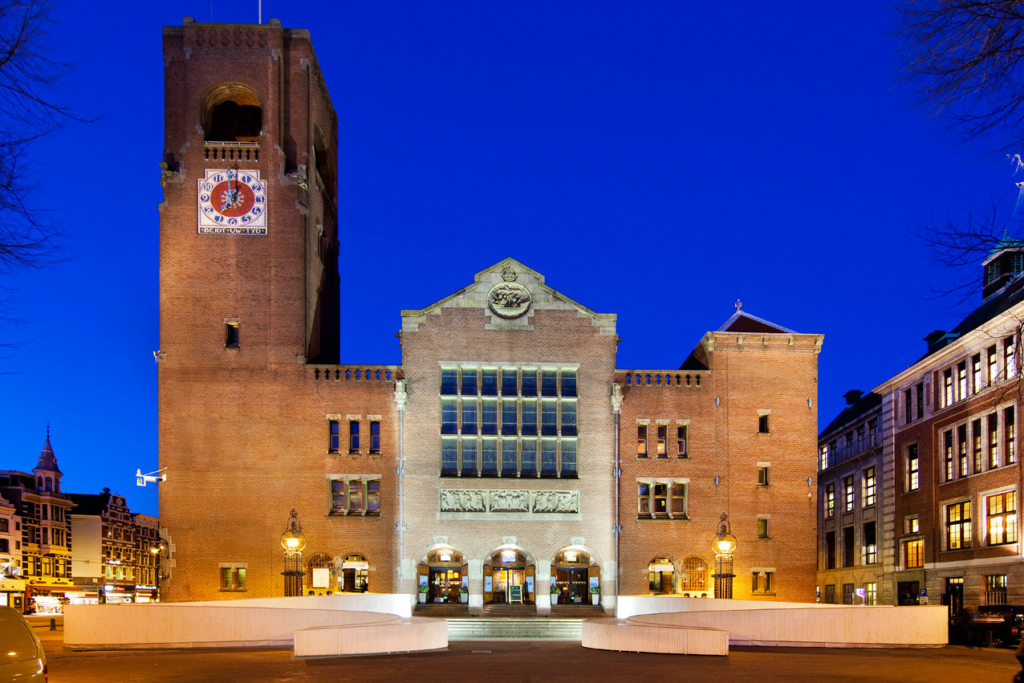
Here we are! The fabulous Sherlocked headquarters.
Image: Sherlocked/Supplied
Step five: beat the timer, crack the safe
Okay, I repeat, this mission is top secret so we can’t tell you exactly how we managed to crack the safe.
The only thing we can tell you is that entering The Vault will transport you straight into a world filled with mysteries: old documents, mysterious forces, and the secret concealed behind safe doors that’ll take your breath away (literally!).
Most importantly: crack the final safe, before it cracks you!
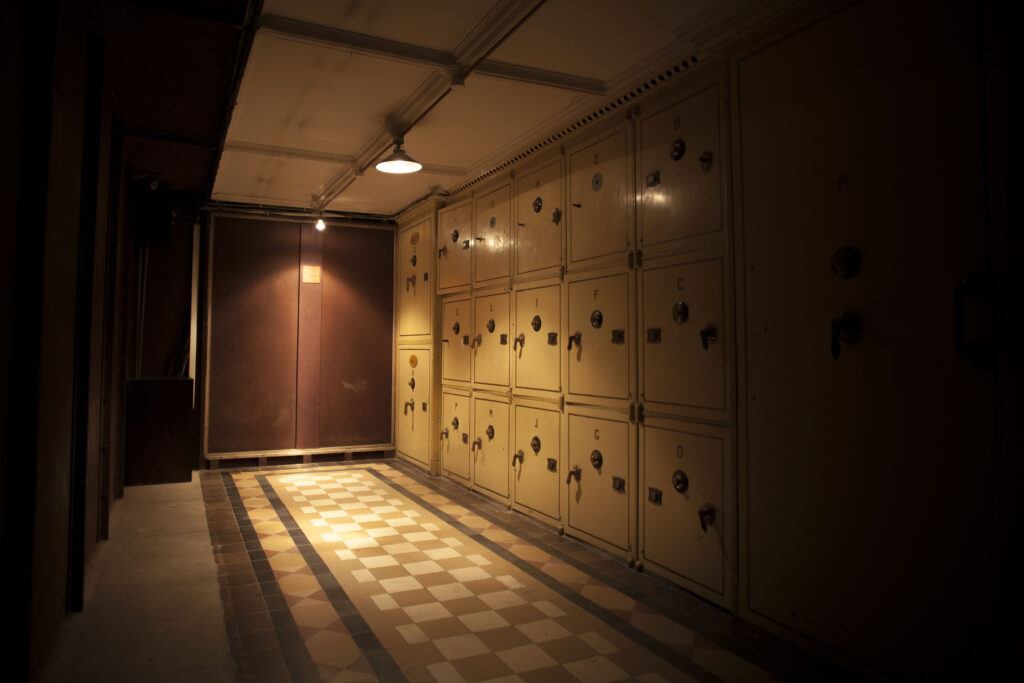
Safes, there are many…but which is the right one? Image: Sherlocked/Supplied
Extra: Tips and Tricks
So we can’t tell you what’s going on down there in The Vault, but we can hand you some tools that’ll support you in order to successfully complete the heist!
Tip 1: Don’t underestimate the timer
Here’s what almost led to the failure of Team Guggenheim: we barely made it out before the time elapsed. Two minutes on the clock got our hearts racing and made it even harder to focus.
Our tip: stay switched on throughout and try to solve the riddles as quickly as possible. That might seem obvious, but we really enjoyed taking our time and joking around — until we didn’t.
Tip 2: You’re a team — don’t forget that
When the pressure rises you might risk falling into arguments with your team member. But this will just waste your time.
Act as a team, help each other out, and be professional. Remember, you’re master thieves on a mission (and not a dysfunctional family with pent-up anger issues).
A good captain is really needed here to keep the team in check!
Tip 3: Leave nothing behind
Another lesson Team Guggenheim can pass on to you is this: hold on to all the clues and objects you find along the way.
You might need them later on at unexpected times. And with the timer running, you really don’t want to be rushing frantically from one room to another trying to re-find yet another item.
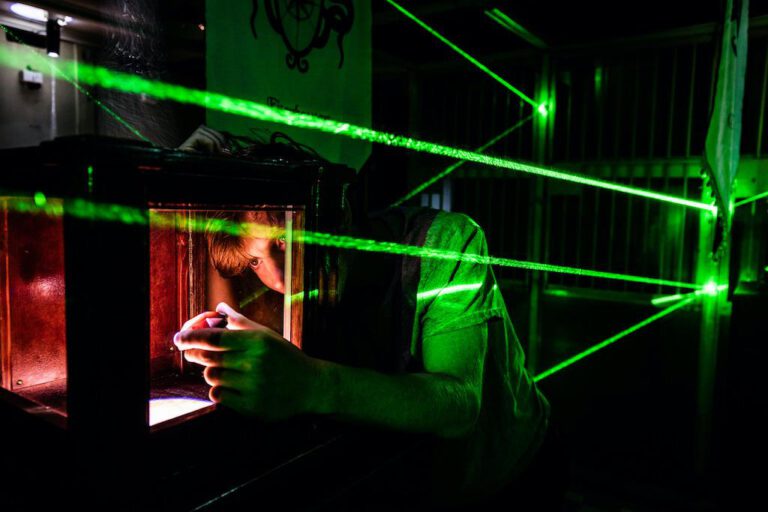
Pssst…this image contains a clue. Image: Sherlocked/Supplied
Tip 4: Immerse yourself
We thought this was by far one of the most fun parts of the experience — to drop yourself into character.
It might seem counterintuitive at first, but this is the key to get the most out of the experience. Gotta sweet-talk yourself out of an iffy situation? Chin up, shoulders back, you’ve got this!
After all, you’re just a sweet, innocent bystander and not a criminal mastermind on a mission. Or, are you? 😈
Tip 5: Play the iPhone app
Want to be really prepared before taking on The Vault? Sherlocked developed an iPhone app that could be considered a virtual how-to-crack-a-safe boot camp.
Ideal for getting you all prepped for the real thing! The best part? It’s free! So there’s nothing to lose and everything to gain.
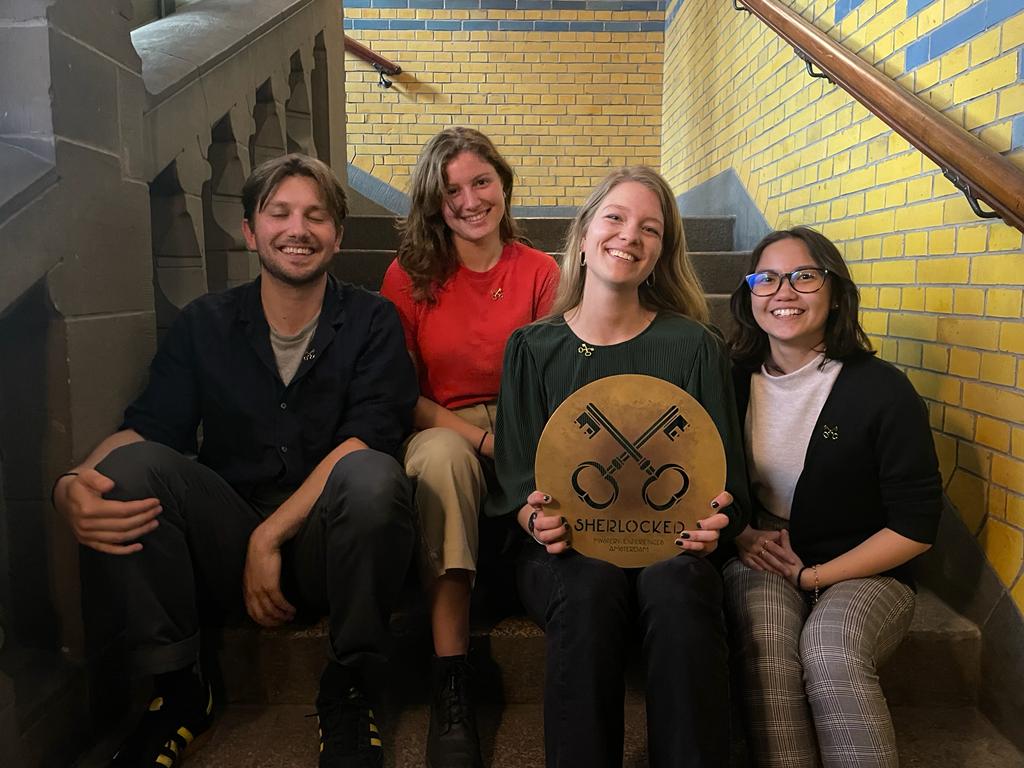
Team Guggenheim beaming with pride after their completed mission. Image: DutchReview
We can happily confirm that DutchReview managed to crack The Vault! Sherlocked has crafted an incredible escape room experience that really made us feel like we were thieves on a mission.
Ready to take on the assignment? Fabulous, simply head to Sherlocked’s website to book your escape room adventure!
Have you been to an escape room before? What was your experience? Tell us in the comments!
New numbers from the Fraud Helpdesk shows that English-based scam calls in the Netherlands have resulted in around €1.7 million in damage, in just one year. 🤯
Though, the actual amount is probably way higher, since research by the Fraud Helpdesk also shows that only 10% of scam victims come forward with their cases.
Scamming in the Netherlands is nothing new. Many Dutch people have been targeted by criminals posing as government organisations, attempting to get personal information.
They mainly use a method called “spoofing”, which means that they pretend to call from a certain number — usually a Dutch 06 number.
With that, it looks as though you’re getting a call from a Dutch police office or even the Supreme Court, which makes it quite hard to tell real from fake.
Reports never stop
Even though only about 10% of scam victims speak out on their cases, last week, the Fraud Helpdesk received an average of twenty reports per day. 🤯
The first reports of these types of phishing calls started in September 2021 — and since then, the total reported damage is equal to €1.7 million.
Protect your personal information
Scammers lure their victims in by posing as, for instance, the Ministry of Justice and telling them that their social security number has appeared in a drug case, writes the NOS.
After convincing them about the story, victims must ‘secure their money’ to prove they’ve got nothing to do with it. But, as we all know, they actually end up losing their money. 🤷♀️
Tanya Wijngaarde — Fraud Helpdesk spokesperson — explains that the techniques either involve intimidation or attempts to gain their victims’ trust. 😬
While you may be thinking: “I’d never fall for this”, there’s no denying that many people do, simply because of how manipulative scammers can be.
Tips and tricks
The Fraud Helpdesk has given out some tips to prevent future scammers from reaching their goals:
Be alert for strange phone calls or texts, and don’t call strange numbers back.
Never transfer money based on a text or phone call, always hang up.
Do not provide any information or download any software requested by an unknown person.
While scammers generally stick to a certain script, it’s always possible for them to attempt new ways of taking money from their victims.
So, keep an extra eye out for anyone telling you that you owe the government €70,000. Because if you did, they wouldn’t ask for the money back via a phone call.
Have you ever received one of these phone calls? Tell us about your experiences in the comments below!
About half of all those working in the Netherlands, or 4.5 million people, are not working full-time. What is the reason behind these Dutch habits, and should we do anything to change them? 🤔
The Netherlands is currently in a bit of a labour dump (despite the low unemployment rate), with a critical shortage of workers in several sectors. So you’d think lots of people would be forced to work extra hours to keep the country running… Not the Dutch!
Who works part-time in the Netherlands?
Of the 4.5 million Dutch people working part-time, a baffling 3 million of those are women, writes NU.nl.
That might be tied in with the fact that two of the sectors most prone to part-time working schedules are healthcare and education — both traditionally female profession areas.
However, trade, transport, and government also rank high on the Dutch part-time scale and are typically more male-dominated sectors. In other words, it cannot all be sector- or gender-dependent.
Another (rather unsurprising) sector dominated by the part-time wave is catering. That’s likely due to the nature of the catering industry, which is usually timing dependent and brings in a high number of people gravitating towards catering as a second-income or side job.
Why do Dutch people work part-time?
Women overrepresented
One of the most cited reasons behind the high number of Dutch women working part-time is social pressure connected to childcare. Women mostly take care of house and family matters in the Netherlands, sometimes by choice and sometimes as a result of societal expectations.
Quite groundbreakingly, the Dutch government is planning on introducing (basically) free daycare for children, which might contribute to women working more full-time in the long run.
Just a couple of years ago, the OECD reported that as much as 60% of all working women in the Netherlands worked less than 30 hours a week, and the Dutch government estimates that 1 in 6 Dutch women are not financially independent as a result.
Taxes and allowances
Another reason Dutch people might choose to work part-time is for money reasons. Yeah, it sounds a bit strange, but the logic is that some would rather receive support and allowances from the government and pay fewer taxes than work full-time.
In order to be eligible for certain financial arrangements, you cannot be employed full-time (duh).
Waarom not?
Some play the culture card when explaining the Dutch working habits and simply say, “it’s what we’re used to, so that’s how we do it”.
The Dutch are certainly suckers for a good tradition, so it’s pretty believable that the high number of part-time employees is simply caused by social structures and norms.
imagine thinking it's bad to work 3 days a week max… could not be my ass. could. not. be. my. ass.
the whole part time work thing in the Netherlands is what I like the most abt this country. Your job might suck, but at least you get to have a life pic.twitter.com/ZS2oEeDYYT
Others might bring up that people who have a low number of monthly expenses and/or a high amount of savings in the bank don’t feel the need to work their butts off if it’s not necessary.
After all, it’s pretty chill not to work full-time if you have the means to avoid it, right? Dutch people might be called lazy, sexist, or exploited by countries with more intense work schedules, but we say they’re onto something (at least in some aspects).
What do you think of the Dutch part-time employment culture? Tell us in the comments below!