Home Blog Page 499

Take out treats or printed books? Dutch book sector struggling due to paper shortage

Tourism, entertainment and restaurants are the industries that most readily come to mind when discussing the impact of COVID-19 regulations on the Dutch economy and society as a whole.

The latest, and most unexpected victim, however, is the Dutch book sector.

Increased internet activity

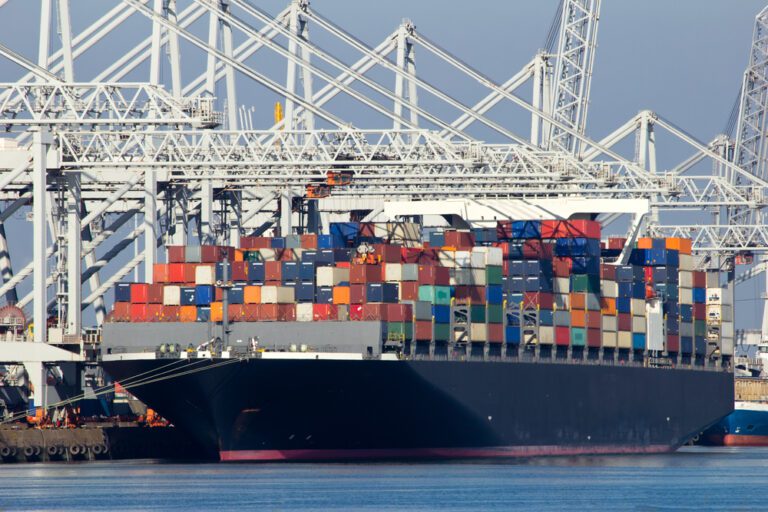
In Europe, paper pulp is more likely to be used for packages or boxes than it is to become a book. With an unprecedented increase in online shopping and food deliveries in response to COVID-19 regulations, there is an increased demand for cardboard boxes.

Too many takeaway pizzas can (humorously) be blamed for the paper shortage in the Netherlands. This is understandable, as what better way to cope with a pandemic than with cheesy carbs and take out treats?

The publishing industry responds

Robert Jan de Rooi who is owner and director of Wilco — one of the largest printing companies in the Netherlands — says that many factories across Europe previously dedicated to printing books have switched industries to meet the demand for cardboard boxes.

Companies like Thuisbezorgd and Deliveroo saw a significant spike in the number of takeaway orders, and online shopping outlets like Amazon and Bol boomed.

Less paper for printing

According to the NOS, a pandemic-related shortage in paper pulp means less to spare for books. It seems like people in the Netherlands, and indeed the world, turned to the internet to fill their shopping needs.

This makes sense seeing as eating out was primarily restricted and window shopping all but abolished during the worst of the COVID-19 waves.

Impact on book printing

Book printers are at the so-called back of the line regarding the paper deliveries needed to manufacture books. As a result of month-long order backlogs and delivery issues, publishers have to wait for their books to reach the shelves.

Naturally, this is an unforeseen setback of increased online shopping and subsequent deliveries. Printers are left waiting longer for deliveries, and the paper market is ultimately out of balance.

Planning around the paper shortage

As a result of paper delays and pulp shortages, publishers now have to plan their releases and re-releases around the paper shortage. More books will be temporarily sold out because reprint is on the backlog. As a result, same-day delivery is out of the question for the time being.

Increased book sales

On the positive side, the book industry is doing well with the sales that they do make. According to Market researcher GfK, a total of 41 million books were sold last year, involving a turnover of almost €600 million — 6% more than in 2019.

READ MORE |8 books about the Netherlands you need to read

Books sell well in the Netherlands, and the expected turnover for books sales is nearly 5% higher in 2021.

Have you felt the impact of the Dutch paper shortage? Tell us about your experience in the comments below!

Featured Image: Freddie Marriage/Unsplash
Man passes away in Dutch hospital — but no one can identify him or his family

A Dutch hospital has been left with the task of finding out the identity of one of their patients who passed away. The man is believed to have been East Asian, however, this is about as much as the staff know about his identity.

Gelre Hospital in Zutphen received the man in a serious condition on August 10. He died of natural causes a few days later. However, the hospital have been unable to identify him and, as a result, any of his potential family members. Police have now launched an appeal.

One hospital staff tells De Stentor — a Zwolle-based regional newspaper — that in his 19 years of working there, he has never seen anything like this. “This is very sad, and we hope that relatives are found soon.”

No crime involved

The man was brought into the hospital by people driving a blue Ford Focus. However, they left the hospital without leaving any identification or contact details behind.

While the manner in which he was left is a bit mysterious, police and hospital staff have ruled out that his death was the result of a crime.

The reason for police involvement is simple: when an unidentified person passes away in Dutch hospitals, the police step in to make an appeal for more information.

The appeal

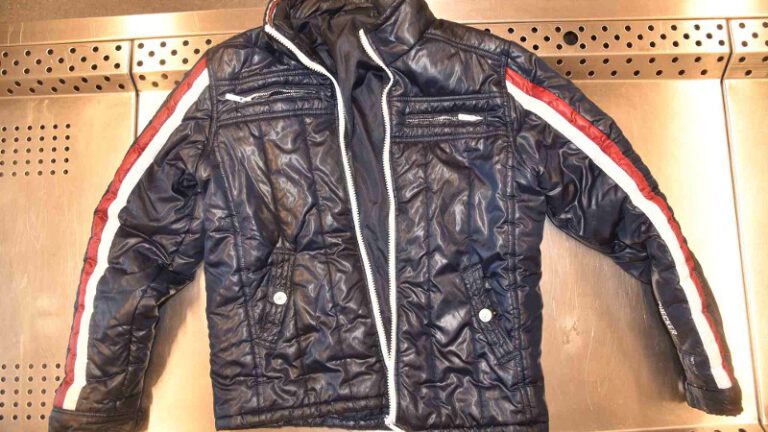
Police have released a description of the man’s identity as well as an image of the jacket he was wearing when he was brought into the hospital (as seen in our feature image).

The man is presumed to have been East Asian, with brown eyes, a normal build (weighing 74 kilograms), and dark brown hair. He was 1.68 metres (5ft 5 inches) tall and had a scar on his head that could be found on the right side under his hair.

Anyone who may have any information about the man can call the police at 0900-8844 or completely anonymously via 0800-7000.

Follow DutchReview on Facebook for the latest news and updates.

Feature Image: Politie.nl/Press Release

The Netherlands records the largest increase in housing prices in over 20 years

The housing market in the Netherlands is breaking records — and this isn’t good news. This July, an existing owner-occupied home was 16% more expensive than in July 2020.

According to Statistics Netherlands and the Dutch Land Registry, this is the largest increase since October 2000, reports the NOS. 

The Dutch real estate association NVM points out that to get a home, buyers often have to bid €50,000 above the asking price. Sometimes, things get so extreme that experts speak of “irresponsible overbids.”

READ MORE | Bidding on a house in the Netherlands: how to win

“But if people want to pay for it, they are free to do so,” says the chairman of NVM, Onno Hoes.

Too few houses?

The supply of homes in the Netherlands is running dry and NVM is urging the Dutch government to solve the problem. 

READ MORE | Could €20 billion from the government solve the Netherlands’ housing shortage?

However, the housing shortage is not the only explanation for soaring housing prices — there are financial causes as well. 

According to De Nederlandsche Bank, one factor contributing to higher housing prices is cheap home financing. 

Generous tax benefits for homeowners are another factor leading to a higher demand for owner-occupied homes, highlights the International Monetary Fund. 

What’s your experience with the Dutch housing market? Let us know in the comments below!

Feature Image: innervision/Depositphotos

‘The Other Virus’ spreading through the Frisian capital of Leeuwarden

0

Since the beginning of August, Leeuwarden’s resident stadskunstenaar Cote Veragua has been spreading notes of love and compassion through the city she calls home.

Along with her intern, Janneke, and a handful of passionate volunteers, Cote hopes that their words can connect with the 128 different nationalities that live in Leeuwarden.

Away from home during the pandemic

The project, nicknamed ‘The Other Virus’, is an attempt to reach out to everyone who may be feeling a little lonely during the pandemic. Through her research, Cote has discovered that 4 out of 10 Leeuwarden residents feel alone and secluded, which is unsurprising, given that the past 18 months have been a rollercoaster for us all.

Cote and her volunteers have been working to make Leeuwarden a more cheerful place for internationals and Dutchies alike! Image: Simone Kynaston/Supplied.

Ever the kind and compassionate soul, Cote’s passion for connecting with everyone around her has been seen before; last year she chalked 55 hopeful messages in Dutch, Frisian and English around the city to keep spirits high and spread messages of hope to anyone who felt affected by the onslaught of the pandemic.

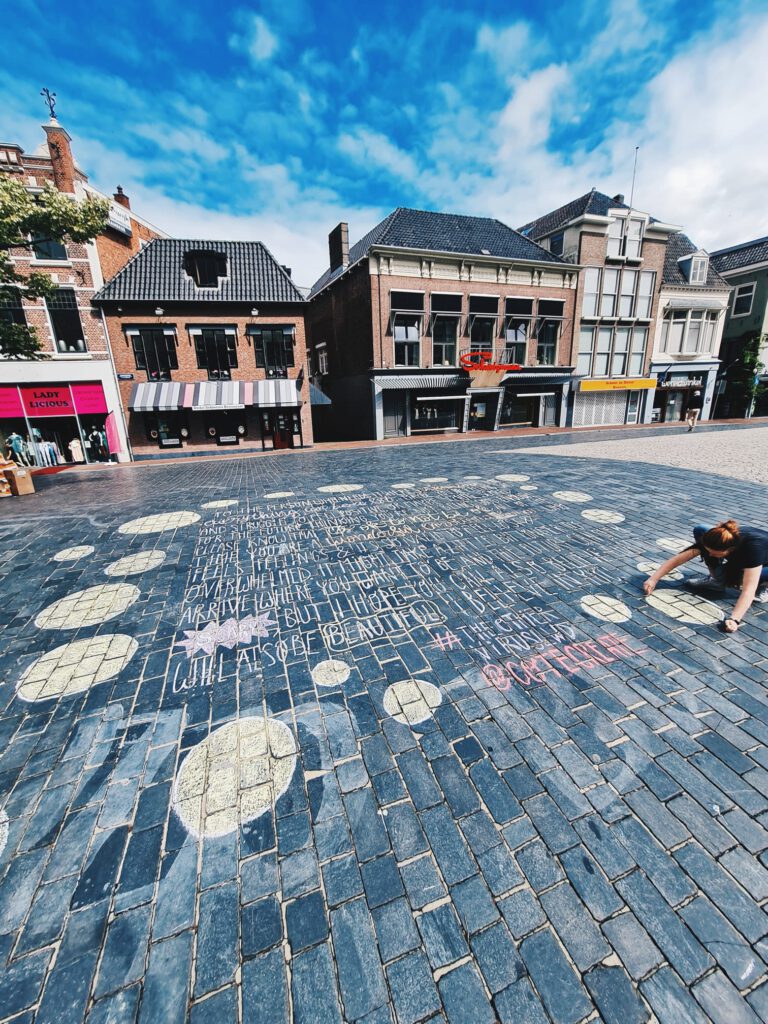
This time round, armed with bucket loads of colourful chalk and their enthusiastic volunteers, Cote and Janneke set out to cover the pavements around the city and suburbs in hopeful messages in a wider array of languages to pay homage to the multiple nationalities who live in the Frisian capital.

Making their way through the city

So far they’ve flooded the city centre, as well as neighbourhoods Heechterp-Schieringen, Bilgaard, Vrijheidswijk, and Binnenstad — all neighbourhoods with the largest influx of internationals — with positivity.

And, although the Dutch weather interrupted their hard work at the end of the first week, they were able to continue tagging Leeuwarden’s streets with sweet words after the weekend showers had been and gone.

The idea is simple enough: Cote wants the expats, refugees, and migrants who’ve not been able to see their families and loved ones since the start of the pandemic to feel at home in the city. To feel seen and heard, loved and appreciated, when everything around them is foreign.

That means that the messages will be chalked in an array of languages, from Dutch and Frisian, to English, Spanish, Polish, and many more.

A message from home

Originally from Chile, Cote knows exactly how it feels to have nothing familiar surrounding you for so long, and how it can negatively impact your mental health and well-being.

She understands that something as simple as a meaningful message in your mother tongue can push negative feelings aside and bring forth a sense of peace and belonging in its place, even when going home is only a dream for most for the time being.

That’s why these chalk messages mean so much to Cote, Janneke, and their team of volunteers — which was also made up of residents from around the world.

Mission accomplished!

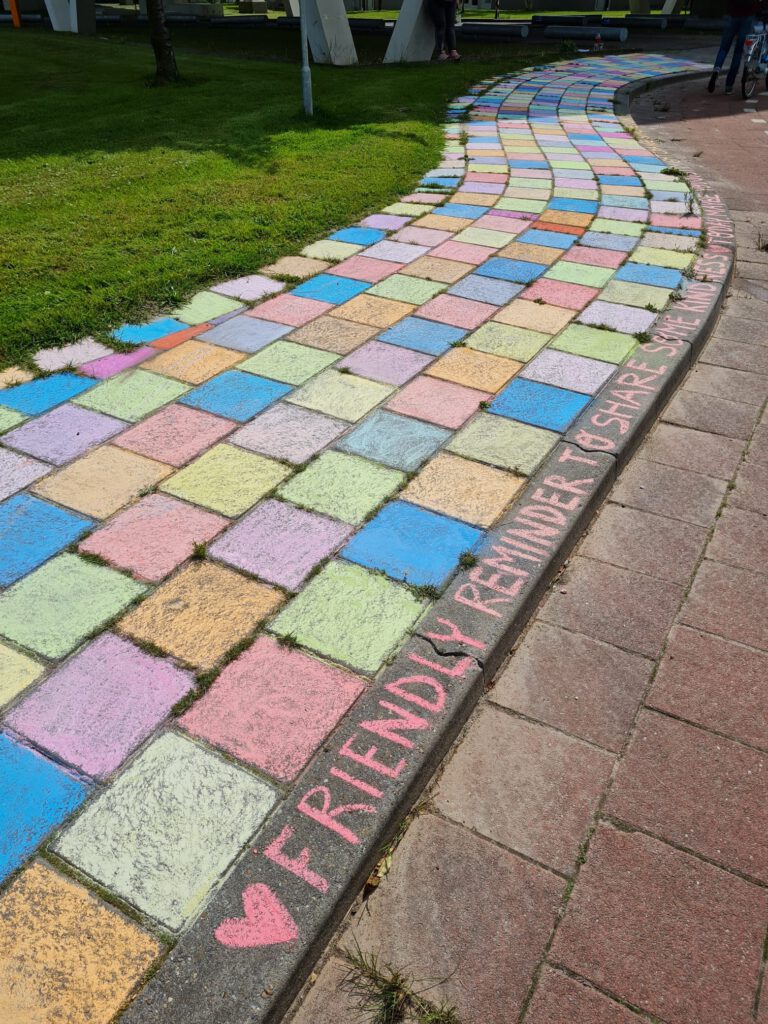
The project has been fun and invigorating, and the group have had plenty of comments of love and support since they began their work two weeks ago; the new and improved pastel rainbow walkways in Leeuwarden are certainly drawing crowds, with Leeuwarders stopping to chat to everyone taking part.

Mission achieved then; bringing people together, getting people talking, and stunting that loneliness in its tracks — that was the whole point. And it’s one of the main reasons that Cote does what she does.

We think Cote, Janneke and the gang have done an amazing job so far to spread ‘The Other Virus.’ What do you think?

Want to spread your own message of positivity to support Cote’s work? Grab your own piece of chalk and scribble the most positive message you can. Share it with the hashtag #theotherviruslwd to show your support.

Feature Image: Simone Kynaston/Supplied.

Drunken Dutchie joyrides in a police car, accidental dognapping ensues

In a video directed by the man himself, a drunk driver videotaped his theft of a police car in the city of Doetinchem near Arnhem.

The man filmed his entire escapade, yelling: “I just bought that thing” in reference to the car.

But surprise! The stolen vehicle came with two police dogs in the back. 🐾 That’s “ruff!”

GPS saved the day

We know Dutch beer is the best, but obviously, not everyone out there is drinking responsibly.

A police spokesman told De Gelderlander, the 28-year-old man went for the car while the police officer was busy extinguishing a fire nearby at 2:15 AM. 

Luckily, the officer immediately noticed the theft which prompted an intense car chase by several police cars in pursuit of the GPS-tracked vehicle in the residential area of Houtsmastraat.

A happy ending 

What started as a night of giggles for the man didn’t end well for him. The chase after the happy fellow eventually ended in Silvolde on foot, and the service dogs were found safe and sound. 

The man was charged with and is being prosecuted for theft of a police car, driving under the influence, and joyriding. Too bad there’s no official charge for filming a crime.

Follow DutchReview on Facebook and Instagram for more crazy stories.

Feature Image: zeferli/Depositphotos

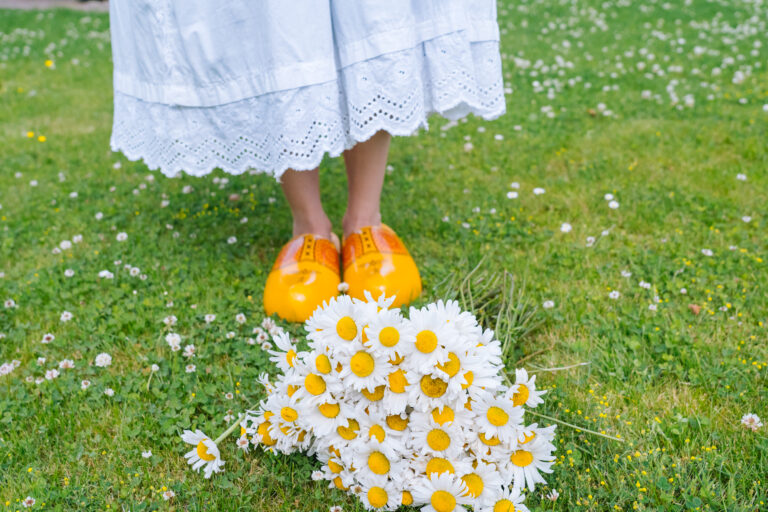
Wait up: are Dutch clogs coming back into fashion?

Yes, you read that right! Dutch clogs are all the rage right now in the fashion world but they aren’t the big, clunky shoes we have come to know (and love?). 

Say doei doei to the slip-on Crocs and slippers of your quarantine days because Dutch clogs are back in style. 

But seriously, how?

Yeah, we’re also asking ourselves the same question. It turns out, the sudden popularity of Dutch clogs, or klompen, emerged when all the models of the Hermès spring 2021 collection were sent down the runway donning a leather version of the famous Dutch shoes. 

A year later, the clogs also made an appearance at the Copenhagen Fashion Week’s Spring 2021 shows (seriously?!). Several other high-fashion brands have also released their own versions of the shoe, reports Harper’s Bazaar. 

Now, the style has become so popular that they’re selling out everywhere! 😱

What do they look like?

The fashionable clogs are a far cry from the fully-wooden ones worn by some rural Dutch farmers today. The new clogs are actually closer to the traditional 13th-century version of Dutch clogs with a wooden sole and a leather strap on top. 

What do you think of Dutch clogs coming back in style? Let us know in the comments below!

Feature Image: OlenaP/Depositphotos

Pineapple or coke? 4,000 kilograms of cocaine found in pineapple pulp in Port of Rotterdam

Smugglers are getting creative. More than 4,000 kilograms of cocaine has been found hidden in two containers of PINEAPPLE PULP in the port of Rotterdam — yep, things are getting fruity.

The drugs were discovered on Tuesday in a crackdown (pun intended 😉) by the police, customs, fraud squad (FIOD), and some other pretty important-sounding people, the NOS reports.

What happened to the cocaine… and the people who smuggled it?

Having come with the pineapple pulp from Costa Rica, it was the end of the road for the drugs — all 4,000 kgs were seized and destroyed. As for the dealers? No arrests have been made, although the police are in the process of investigating the matter further.

A regular occurrence in the port of Rotterdam

Consignments of drugs are regularly intercepted by customs in the port of Rotterdam. Just last week, the police seized 2,100 kgs of cocaine worth €157 million. 😱 Sounds like just about enough to cancel all our student debt.

On this occasion, the drugs were hidden in a container of banana pulp — also from Costa Rica. We’re seeing a pattern here, these drug smugglers sure do like their fruit!

This drug trade is clearly risky business — using all that pineapple and banana to open a smoothie bar might provide a more secure source of income.🍍

What are your thoughts on this drug bust? Tell us in the comments below!

Feature Image: Foto-VDW/Depositphotos

Turn down the dial: Dutch gas prices just jumped to an all-time high

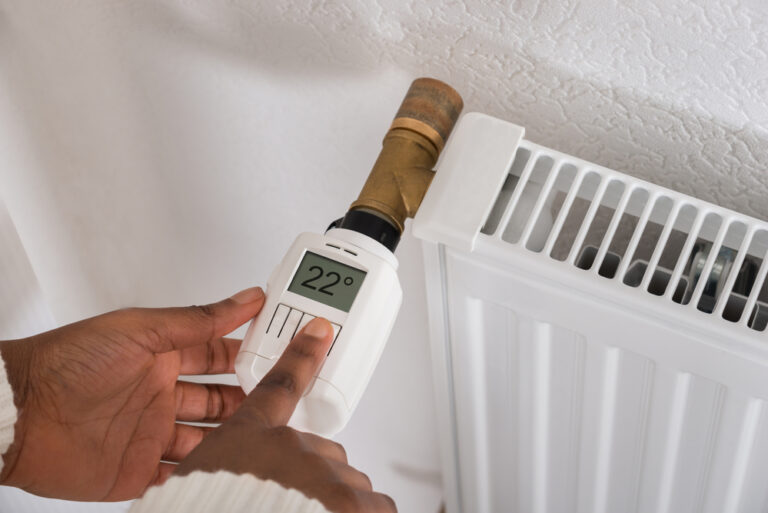
In the Netherlands, €1 is considered the symbolic benchmark for the maximum cost of a cubic metre of gas. However, prices surpassed that earlier this week — meaning it’s never been so expensive to heat your house.

With prices above the €1 mark, the average household in the Netherlands may pay up to €1,500 on heating costs on a yearly basis, reports NU.nl.

READ MORE | The cost of living in the Netherlands in 2021

Suppliers concerned there won’t be enough gas for the winter

One of the reasons for the increase in gas prices is the weather. (No joke, there’s always a reason to complain about the Dutch weather! 😂).

Essentially, the relatively cold winter and spring led people to keep their heating on for longer — and hence used more gas throughout the year. As a result, Dutch gas storage facilities are emptier than in previous years.

According to Martien Visser, who is professor of energy transition at Hanze University of Applied Sciences Groningen and an expert in energy supply, gas stores would normally be about 80% full this time of year.

However, they’re currently only half full.

The half-empty stores cause energy suppliers to hike up prices as they’re concerned they won’t be replenished in time for the winter.

READ MORE | 10 dang smart ways to save on energy costs in the Netherlands

Gas diverted elsewhere

What do Russia, the Middle East, and a malfunctioning processing plant have in common?

In short, they’ve all affected gas prices in the Netherlands.

However, as much as we love to blame the Dutch weather for things, it’s not entirely to blame for your high energy bills.

International developments, such as Russia pursuing different routes for its pipeline, mean less gas is coming from other parts of the world to the Netherlands (and Europe in general).

Gas from the Middle East and the US is also being diverted away from Europe. Specifically, a rapidly increasing demand for gas in Asia is pushing prices up in that part of the world and, resultingly, suppliers are more likely to sell their gas there.

An analysis from ABM AMRO also shows that a malfunction in a gas processing plant has affected the price hike.

Price increase is most noticible for consumers entering new energy contracts

If you have a permanent energy contract that’s continuing for another few years, you won’t notice the new gas prices. Instead, you continue to pay the agreed-upon rate.

However, almost half of the consumers in the Netherlands have variable energy contracts. According to those contracts, gas prices are adjusted every six months (on January 1 and July 1). While there was a slight price hike on July 1, gas prices are even higher now.

It’s not certain what consumers should expect prices to look like on January 1, but ABNA Amro foresees that the price level remains elevated until 2022.

READ MORE | Gas, electricity, water and more: ultimate guide to utilities in the Netherlands

Taxes could play a big role

The predictions by ABM Amro, however, are only half of the story.

While the bank analyses the purchasing price of suppliers, the rate consumers pay for their gas is elevated by taxes. In fact, half the price paid by consumers in the Netherlands is tax.

According to Martien Visser it’s not clear which direction the Dutch government want to take those taxes: “There are parties that want even higher taxes to stimulate the transition to sustainable energy sources. If the gas price for consumers is high, it also pays off faster to insulate the house.”

Have you noticed gas prices going up? And what do you think of a potential tax increase? Tell us in the comments below!

Feature Image: AndreyPopov/Depositphotos

Hold up! Dutch government announces new restrictions for three holiday destinations

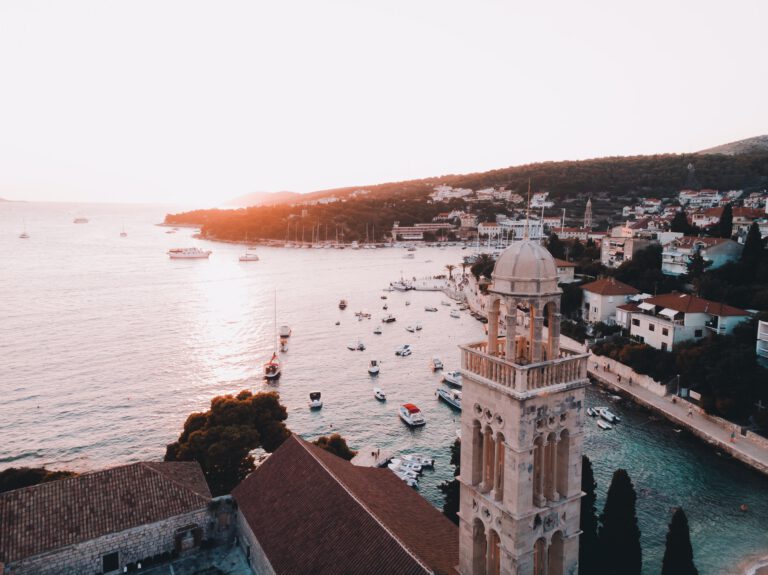
Don’t forget to pack your certificates! The latest travel advice released by the Dutch Ministry of Foreign Affairs has announced new travel restrictions for Bulgaria, Norway, and Adriatic Croatia.

The Dutch Government recently updated its travel advisory for the three hot European travel destinations as their coronavirus status has changed from green to yellow on the European Prevention for Disease Control (EPDC) map. 

Visitors (or Dutchies on vacation) returning from these three destinations to the Netherlands are now required to show a corona certificate as of 21 August 2021.

On the bright side

The Netherlands’ number of coronavirus infections are continuing to decrease since our last update.

Four provinces on the Dutch corona map are moving in the right direction from red (4% of PCR tests coming back positive) to orange (less than 4% PCR tests are coming back positive) on the (EPDC) Map released today. Could this be a positive indication for the rest of the country? We certainly hope so!

The provinces of Gelderland, Overijssel, Utrecht, and Noord-Brabant, went from red to orange, while Groningen, Friesland, Drenthe, and Zeeland remain orange on the map for now according to the (EPDC.)

The EU’s latest

While the coronavirus news is showing some positive signs for the Netherlands, the latest ECDC map has also told a different story for Germany as the country is experiencing a speedy increase in cases compared to the previous weeks.

All German provinces have stepped backwards moving from green to orange status. France is now updated to reflect red on the map, while Spain is showing signs of improvement with certain regions moving from dark red to red.

Planning a vacation sometime soon? Always check the latest travel restrictions for a list of what’s required for your return to the Netherlands.

Follow DutchReview on Facebook for the latest coronavirus news and updates in the Netherlands.

Feature Image: Cody Black/Unsplash

Employee fired after being caught coughing at work

An employee from the chemical company DuPont in Dordrecht will be dismissed after he appeared at his work in mid-March with a heavy cough and refused to go home (yuck!). To make matters worse, he tested positive for coronavirus two days later 😱

Despite the employee working there for more than 20 years, a subdistrict court granted his dismissal — but not for the reason that you might think. 

While the company fired the employee because he came to work with a cough and refused to go home, the dismissal was upheld by the subdistrict court because the trust between the employee and employer had been irreparably damaged — echt?!

Alright, here’s what happened

On March 15, 2021, the employee arrived at work with cold symptoms. Several of his colleagues heard him coughing heavily and told him to go home, reports RTL Nieuws.

However, the man claimed that his symptoms were not that bad and were actually caused by his bronchitis (umm sure thing pal!) and refused to go home. A day later, the employee called into work sick and on March 17 he tested positive for coronavirus (surprise, surprise). 🤧

The ruling

The subdistrict court determined that the employee’s actions alone were not grounds for dismissal as he was following his employer’s protocol by staying home in the following days and getting tested for coronavirus. 

However, the district judge did find the employee guilty of violating the trust of his employer by refusing to go home after his colleagues asked him to do so multiple times. Turns out Dutch directness wasn’t enough for him to go home! 

Case dismissed

The district judge determined that the employee’s actions warranted a dismissal from DuPont, with a severance of €23,000 — a far cry from the original €200,000 the employee originally tried to get. 💰

What do you think of the ruling? Let us know in the comments below!

Feature Image: kleberpicui/Depositphotos