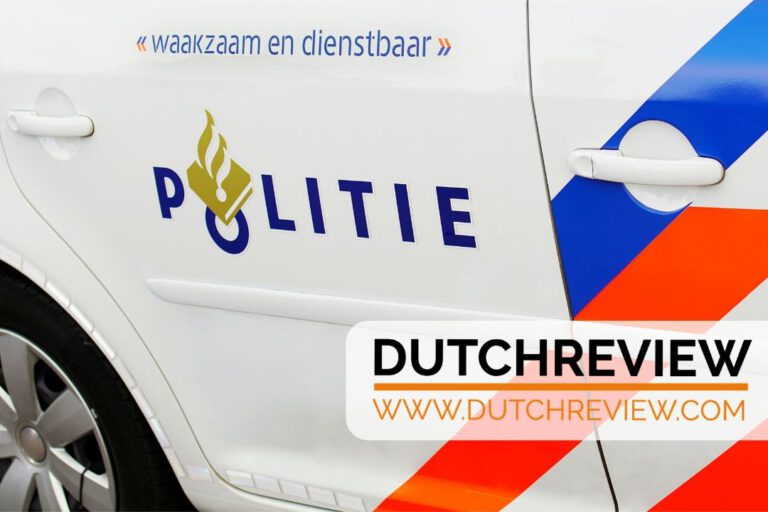
A vicious attack on churchgoers in Nice, presumably by an Islamic extremist, has sent shockwaves through international news and the Dutch cabinet alike.
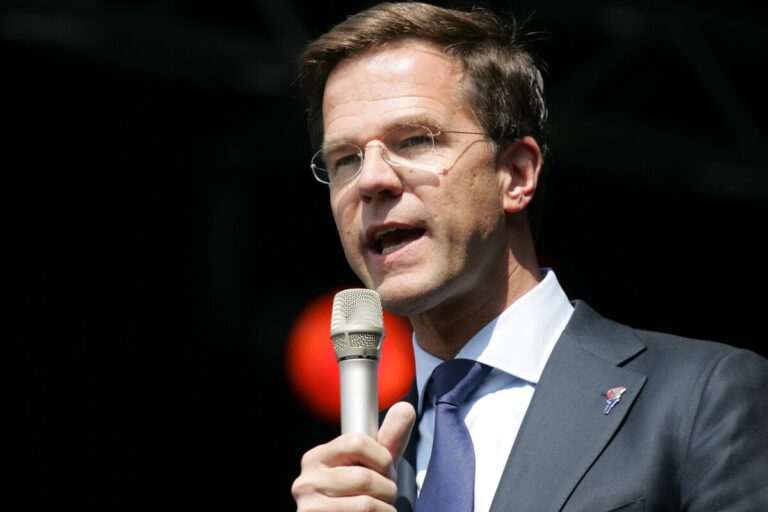
Prime Minister Rutte expressed his support to the French, saying, “Our thoughts go out to the next of kin. And we say to the French people: you are not alone in the fight against extremism. The Netherlands is beside you.”
Pour la deuxième fois en peu de temps, la France est touchée par un abominable acte terroriste, cette fois à Nice. Nos pensées vont aux proches des victimes. À nos amis français nous disons : vous n’êtes pas seuls dans le combat contre l’extrémisme, les Pays-Bas sont à vos côtés.
Likewise, other members of cabinet were shocked by the violent incident, reports NOS. “Horrific! For the second time in a short time innocent civilians in France brutally butchered, this time at a church in Nice. This strengthens our determination in the fight against Islamic terrorism,” SGP leader Van der Staaij said.
“My mind dwells on the hatred and killer desire of this Islamic terrorist,” said Minister Kaag.
Mijn verstand staat stil bij de haat en gruwelijke moordlust van deze islamistische terrorist.
Mijn gedachten zijn bij de Fransen. Bij de stad Nice die vier jaar geleden ook al zo’n terreurklap kreeg.
In Europa staan we samen voor onze vrije samenleving.
The killings in Nice come shortly after an attack on a French teacher who was beheaded earlier this month. The terrorist threat level is now on high alert in France, and President Macron has promised to tighten security against such extremism, reports BBC News.
The Netherlands stands with France in fighting this kind of terror, but Dutch politicians warn that such attacks could potentially happen in the Netherlands too. National Coordinator for Counterterrorism and Security (NCTV) Pieter-Jaap Aaldersberg has emphasised the need for the Dutch to stay alert.
“Whatever your background, color or religion, let’s unite against this barbarism,” SP leader Marijnissen said.
Meanwhile, the attacks threaten to further polarize political debates on diversity in the Netherlands. PVV leader Wilders commented, “As long as we do not stop Islam and all violent Islamo fascists do not expel our country, these kinds of barbaric acts will continue to take place.”
Thinking about making the big leap to the land of tall people? Well then! You’re going to need several important documents to take with you.
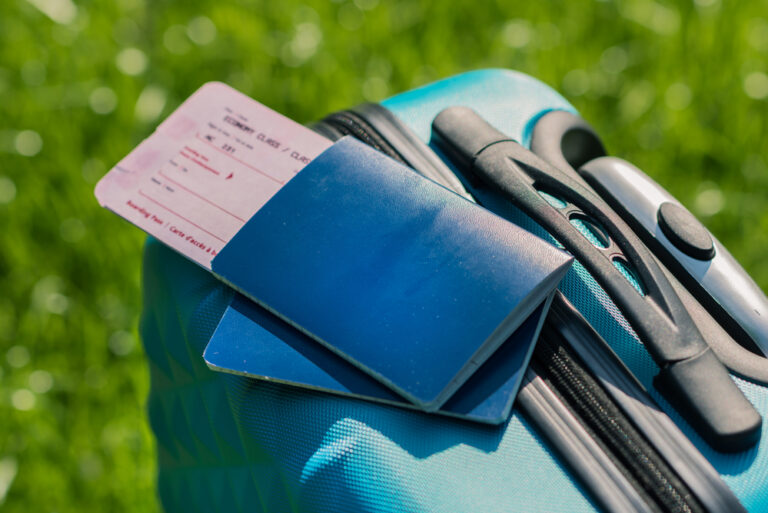
Emigrating is more than just a quick pack of the suitcase, and you’re off. Without the right documents, your move can swiftly become an absolute nightmare.
Don’t worry, we’re here to help you out! We’ve comprised a list of the 10 most essential documents you need to check off before your big move.
1. The humble passport
The number one rule for any casual traveller? Always bring proof of identification, or you’ll simply end up facing the wrath of Murphy’s Law.
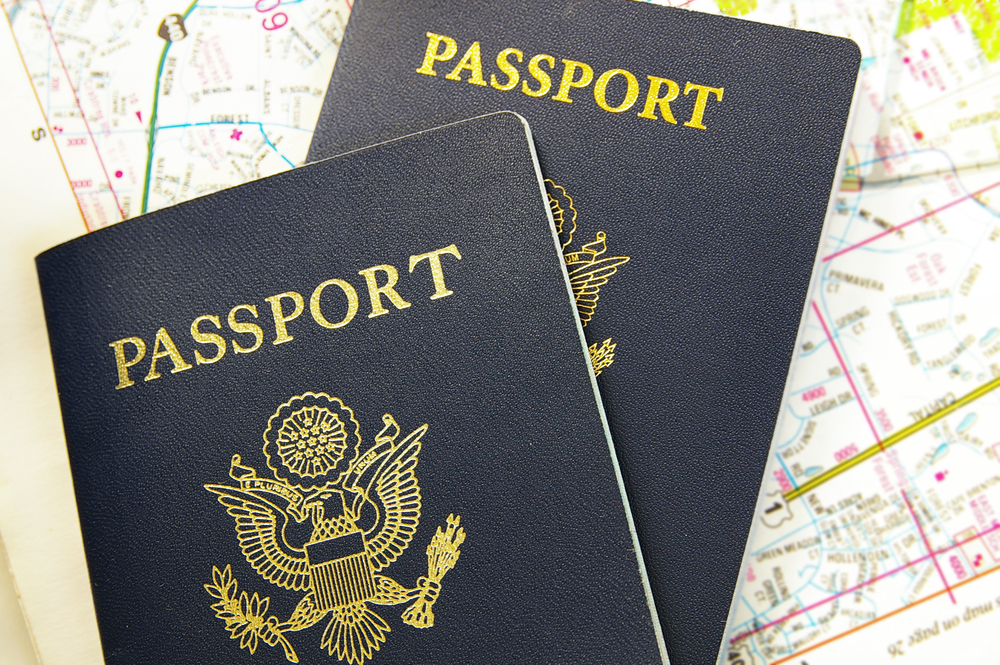
When thinking about what to bring upon your move to the Netherlands, your trusty passport is by far the most important piece of documentation.
Of course, if you’re a Brit or live anywhere outside the EU, this will be an impossible task to forget. However, if you’re one of those people who can travel on a regular government ID card, you’ll have no luck moving to the lowlands with just that.
This also goes for if you wanted to leave the Netherlands to holiday elsewhere — if it’s outside of the EU, a passport will be needed. So, all in all: just don’t forget it! 🙂
What would I need the humble passport passport for?
Essentially, you’ll need a passport at hand when you first register at an address in the Netherlands.
Without registration, you’re not able to do simple tasks like opening a bank account, paying your rent and bills, and even working legally.
And as all basic, worldly law enforcements go, it’s also a legal requirement in the Netherlands to carry an ID around with you at all times.
If you don’t have your ID card, you’ll need a passport as proof of identification, or you face a feisty, nasty fine (and possible detainment if you don’t comply 😬).
Listen to your mother when she says, “don’t forget your passport!” Image: Depositphotos
2. The almighty house contract
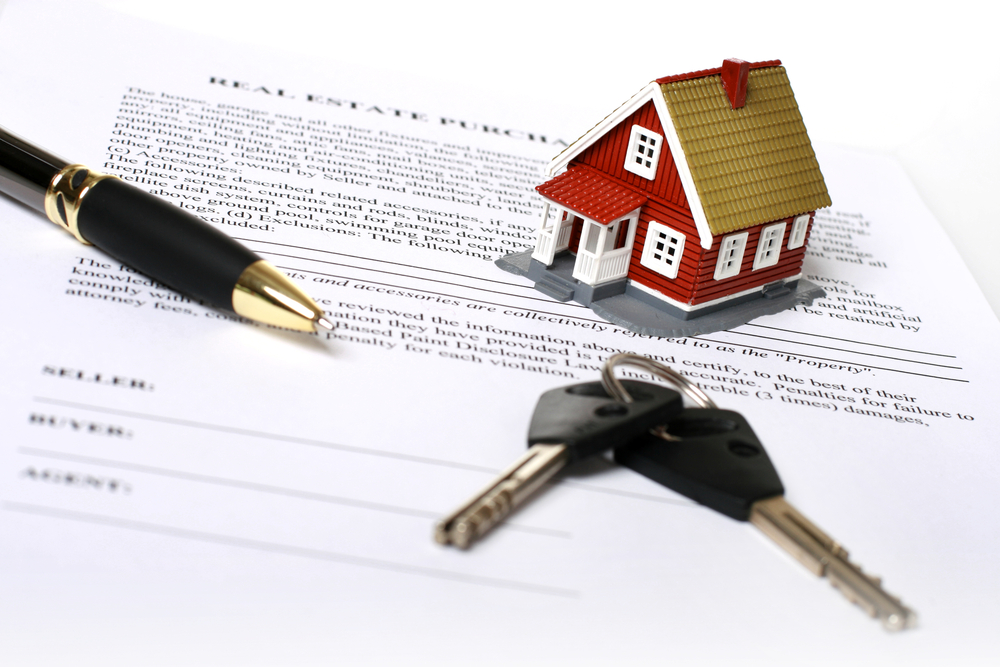
Found a place to stay prior to moving to the Netherlands? Congrats! That makes you one in a million these days. Your rental contract is another essential item to stash in your travel bag.
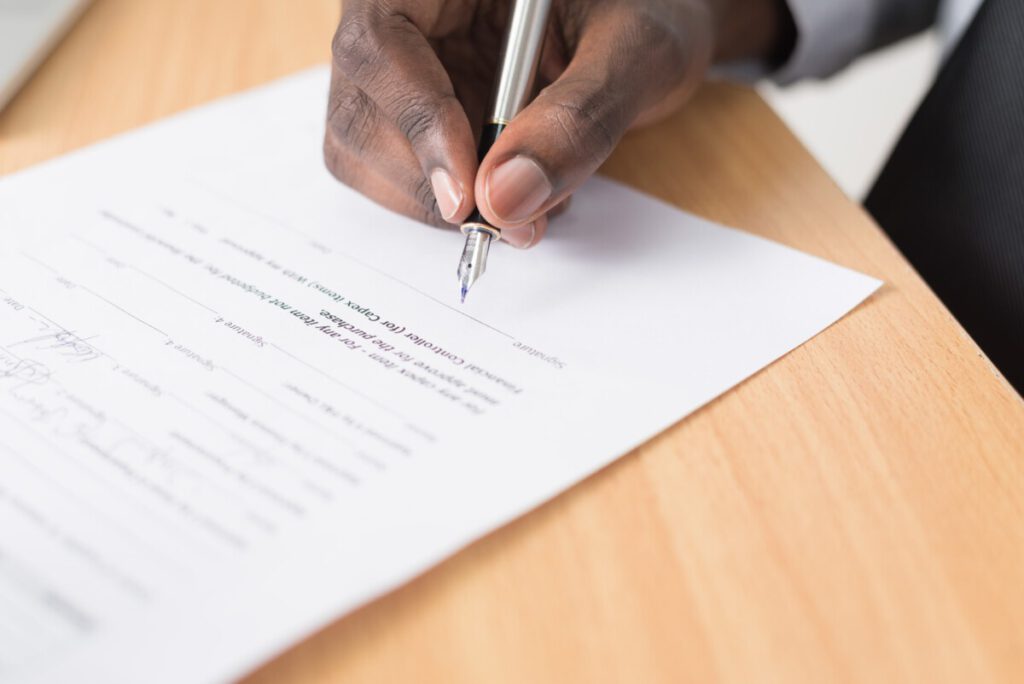
Not only does it serve as legal proof that you have a place to rent in the Netherlands (which is helemaal important for your local municipality to know), but it’s also used for other people and organisations.
What purpose does the almighty rental house contract serve?
When you register at your local municipality, you’ll need a copy of your signed rental contract on standby in order for Dutch officials to grant you that seal of approval to live in the lowlands.
Similar to having a passport, you can’t open a bank account nor do simple tasks such as pay bills, get health insurance, and even vote if you don’t have a rental house contract.
You need to register to receive your BSN in order to do these things.
Mom: Got your housing contract? “Check!” Image: Depositphotos
3. The loyal educational certificate
Upon your big move to the Netherlands, your certificates proving your educational level are pretty important. They serve as evidence of what courses you’ve taken in the past, and the degrees you’ve obtained.
As a student, you’ll likely come across an instance where you need to show these — and to request copies of it from the educational institution is also a bit on the dear side (price-wise).
So, we suggest preparing them before your move and keeping them safe!
What would I need my loyal education certificate for?
If you apply for a course in the Netherlands, especially at a university, you’ll be required to show your certificates.
This is to prove that you obtained the required level of education by the educational program before you start it.
Albeit rare, if you apply for a job in the Netherlands, they might also just ask you for the certificates, especially if it’s a job that requires a certain degree or training course. So be sure to keep them at hand just in case!
Got a graduation degree? Pack it in your suitcase! Image: Depositphotos
This is of utmost importance because it basically provides all you need (apart from your student card) to prove that you’re a student in the Netherlands.
What would I need my beloved university enrollment letter for?
There are plenty of things you’ll need this letter for, especially if you’re a student.
Health insurance is a big one, as you’ll be entitled to cheaper student insurance if you go through a student-specified health insurer.
Another good reason to have the letter at hand is so that you can open your very own student bank account! Trust us when we say those extra simple savings can truly make your student life a tad bit easier.
You might also need to show it when you register at your local muncipality and need to provide a reason for your stay in the lowlands.
5. The spicy work contract
If you have managed to find work before coming to the Netherlands (or maybe that’s solely why you are coming to the Netherlands), then you need to remember to take the contract with you.
It’s always worth having a signed copy and it also makes the moving process way easier.
What would I need my spicy work contract for?
Firstly, it’s important to have the work contract at hand if any issues come up with work and they need to be addressed via the contract terms.
If you are renting or buying a property in the Netherlands, 9 times out of 10 you’ll have to prove your income through a work contract or pay slips, so they can ensure that you can afford the rent.
For this reason, it is paramount that you have it, or you’ll unforunately face an impossible task of finding somewhere to live (as if that’s not hard enough).
Want to buy or rent a property in the Netherlands? You’ll need this bad boy! Image: Unsplash
6. Your friendly birth certification (with an apostille)
Ah, here comes that part of your day where you have to dig up that crusty, dusty birth certificate lying somewhere under a pile of papers in your closet, attic, or basement.
This document needs to make its way to the Netherlands with you! Why? Because it helps the process of registration here! (Make sure that it’s the original document and not a photocopy.)
Why would I need my friendly birth certificate?
In many situations, this birth certificate will need an apostille, which means it is officially legalised.
The Netherlands legalises foreign documents by adding a stamp or sticker called an ‘apostille’. It shows that the signature on your document is genuine.
With an apostille you can use your Dutch documents in any country that is a member of the Apostille Convention.
It’s better if you do this before you leave for the Netherlands as it will end up delaying your registration, and might cost you to send it backwards and forwards from your home country. (Who want’s that hassle? 🙄)
Be warned though: getting your birth certificate with an apostille will still cost you regardless of where you have it done.
You can also still register without it being legalised, but you have to return within a set period with an apostille, so your registration is complete. Helaas, if you fail to do this, you won’t be legally registered.
7. Your precious medical records
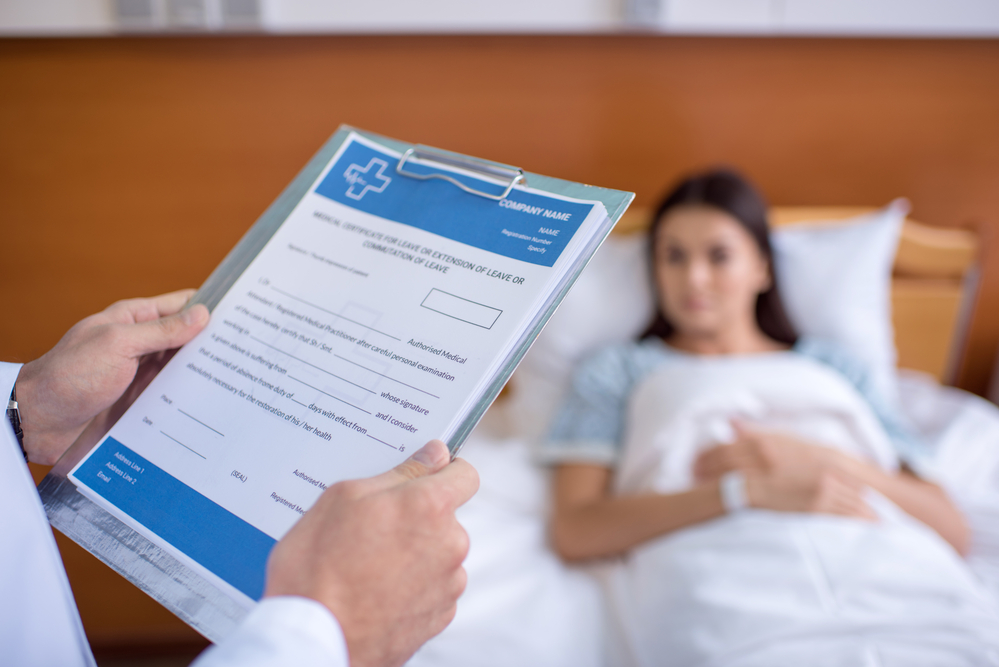
Having your medical records is a massive help when it comes to continuing a treatment in the Netherlands, rather than your own country.
Why would I need my precious medical records?
If you have a complex physical condition or even a mental illness, your medical records can save your new Dutch doctor loads of time by informing them of any surgeries or other major treatments that you may have had over the course of your adult life.
Especially if it’s been ongoing for a long period of time and you may have forgotten what some of your treatments were.
Dutch doctor: “Heh heh! These medical records save me some time. Now here’s a paracetamol.” Image: Depositphotos
As we’re all still living in the midst of a pandemic, it’s also good to have a record of your past vaccines on hand, as you never know when you’ll need them again… (*cough* QR code *cough*)
8. Your trusty EHIC card
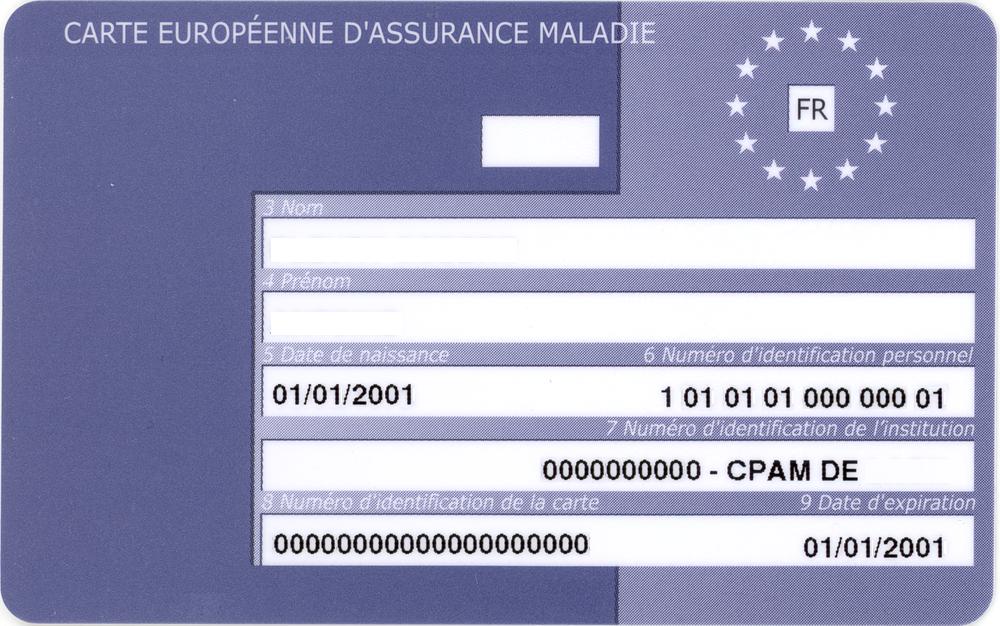
Before you come to the Netherlands, it’s really important to get your EHIC card sorted.
Wondering what the heck an EHIC card is? Let us brief you.
It’s a free card that gives you access to medically necessary, state-provided healthcare during a temporary stay in any of the 27 EU countries, Iceland, Liechtenstein, Norway and Switzerland or the United Kingdom.
The card is valid under the same conditions and at the same cost (free in some countries) as people insured in that country.
Why would I need my trusty EHIC card?
Basically, if you fall ill in the Netherlands, your EHIC card will protect you.
You’ll essentially be covered for medical bills before you start working and before you have to take out Dutch health insurance.
If you aren’t applicable for it, make sure your home insurance covers you until you can buy health insurance here.
Mom: “Make sure to take your EHIC card with you!” You: “What the heck is that Mom?!” Image: Antoine FLEURY-GOBERT/Wikimedia Commons/CC3.0
9. Marriage certificates/divorce certificates (even death certificates if applicable — with apostille)
To register a foreign marriage or divorce, you will need the documents to prove it. These must be up-to-date documents, and come with an apostille.
With that being said, it’s an echt goede idee to get this sorted out before you leave for the Netherlands.
Why would I need these certificates?
For a marriage to be considered legal within the Netherlands, you need to prove that you were married outside of the country.
This is important, not just for tax reasons, but because, of course, you’d want to be recognised as a person who’s married. In order to do this, you must prove it (and have the document legalised).
10. Your nifty resume
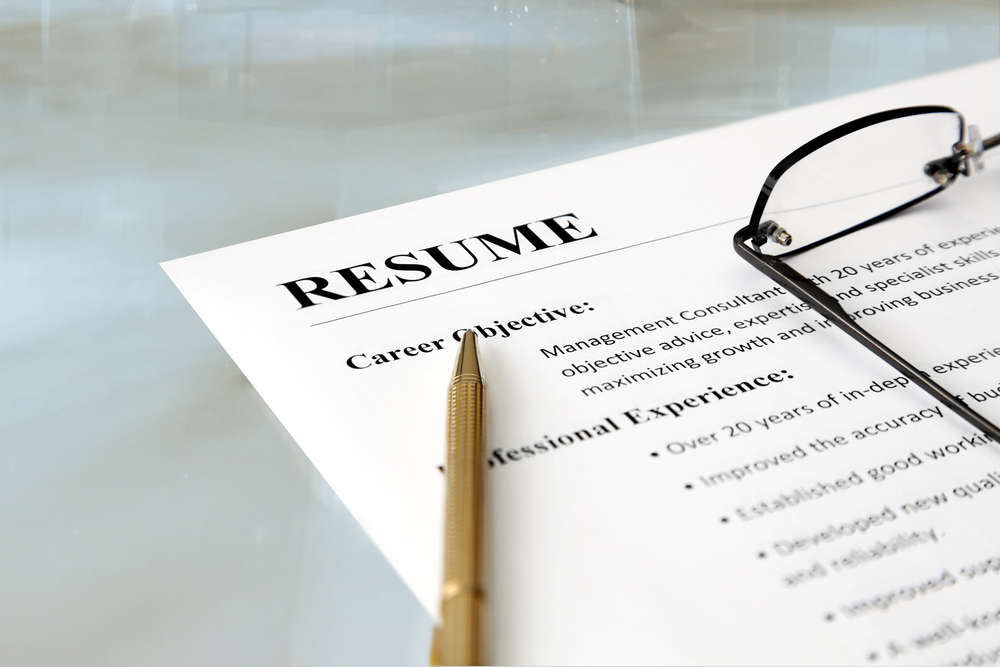
At last, upon your move to the Netherlands, it’s a necessity that bring your fabulous, brilliant resume along for the ride. You know… that one-page piece of paper flaunting the list of things you probably never want to do again? 🤔
A journey of a thousand miles begins with a single step…or resume. Image: Depositphotos
Your resume provides you and your employer with all the good ol’ information about yourself that you’ll need in order to land a job here.
Therefore, it’s important not to leave it at home or on an old computer.
Why would I need my nifty resume?
Well, this is obvious. If you want a job, you’re going to need a resume.
Of course, it wouldn’t be the end of the world if you didn’t take it with you, but you’ll have the horrible task of having to rewrite everything out again!
Phew! So many things to consider in so little time. 😅
The big leap doesn’t have to be a scary one. So long as you have your 10 essential travel documents, the Netherlands will welcome you with open arms (and some cheese too). Veel geluk! 🙌
Have we missed anything else on what to bring when moving to the Netherlands? Let us know in the comments!
Editor’s Note: This article was originally published in August 2018, and was fully updated in August 2022 for your reading pleasure.
Dutch political parties GroenLinks and the Party for the Animals (PvdD) have made a renewed push for a temporary fireworks ban this year. Party leaders argue that hospitals, already pushed to breaking point by the coronavirus crisis, could become further overburdened by fireworks victims.
Over 1,300 fireworks victims reported to hospitals or their GPs last year, according to research by VeiligheidNL. Of these, 385 required emergency care. Half of all victims were under the age of 20. More than half of the people injured this year didn’t even light the fireworks themselves.
“Do you accept that you will have hundreds more victims, while ambulances are already driving in circles because some hospitals no longer have a place at the emergency department?” asks Esther Ouwehand, leader of the Party for the Animals.
“If we now see how high the pressure is at hospitals and emergency care, but also enforcement at the police and municipality enforcement officers, then we must act now,” leader of Groenlinks, Jesse Klaver tells Nu.nl.
A fiery history
The Netherlands’ lax laws around fireworks regularly come as a surprise to expats and tourists in the country. Fireworks are readily available for purchase, and children as young as 16 can purchase the full variety of consumer fireworks.
Teenagers often pull pranks like stuffing fireworks into people’s mailboxes or mail slots in their door. It’s not uncommon for homeowners to prepare and tape off their mail slots in advance.
It’s just as bad as it sounds. A father (39) and his son (4) died in an elevator last year after two teenage boys, aged 12 and 13, lit fireworks that started a fire in the apartment building. Police officers have been assaulted, and an elderly man was beaten up last year after asking a group of teenagers to take their fireworks elsewhere.
The situation looked like it may improve this year when the cabinet imposed a partial fireworks ban from next New Year’s Eve. The ban stops the sale of larger-scale pyrotechnics — but Groenlinks and PvdD argue that it’s not enough. Ouwehand says that research indicates that decorative fireworks are the culprit in 55% of accidents.
Boas and emergency care on board
The push for a fireworks ban is backed by the Dutch Association of Emergency Care Arsten (NVSHA) and the association of municipality enforcement officers (Nederlandse BOA Bond). Chairman of the NVSHA, Annemarie van der Velden, says that even if the current corona measures start to work hospitals will still be busy in the coming months.
Additionally, while New Years Eve each year always requires extra staffing, this year will be additionally difficult, says Van der Velden. This is because hospital staff risk becoming infected with coronavirus and requiring time off.
On the municipality enforcement side, Ruud Kuin of the Dutch BOA Bond says that boas are already very busy enforcing coronavirus measures. He says that a partial fireworks ban is even more work, because it is difficult to confirm whether fireworks are legal or illegal. “A total ban eases our work and also makes it safer for our enforcers.”
Will the motion pass?
After years of GroenLinks and PvdD pushing for a fireworks ban, they finally believe that the majority of the House will join them this afternoon when the topic comes up for discussion.
Do you support a fireworks ban in the Netherlands? Tell us in the comments below!
A significant amount of students from outside the EU are choosing to return to their home countries after graduation thanks to the impact of corona on the Dutch job market.
A recent study by Nuffic interviewed 608 international students on their plans after graduation in the Netherlands. The number of EU students intending to stay has not changed much, dropping from 57.3% to 53.5%. The impact on non-EU students, however, has been more severe.
Before the corona crisis, 72% of non-EU students said they intended to stay in the Netherlands. That figure has dropped to 56%. This is largely because non-EU students must apply either for work permits or the orientation year visa to remain in the Netherlands after graduation. This means finding a job, and as of now, job opportunities for internationals are looking slim.
Before the pandemic, 28% of international students were pessimistic about finding a job in the Netherlands. Thanks to corona, this has risen to 44%.
Impact on the Dutch economy
International students are of great value to the Dutch economy, shown in a 2019 study by the Central Planning Bureau (CPB). Every university student from outside of the EU has a net contribution of €96,300 to the Dutch treasury, while college students contribute €68,500.
EU international students also bring profit to the Netherlands, specifically €5,000 for each HBO student (university of applied sciences) and €16,900 for each WO student (academic university).
International students are also highly valuable for the Dutch labour market. This exodus of non-EU students could thus have a negative impact on the Dutch economy, reports Nuffic.
Do you know any recent international graduates affected by the corona crisis? Let us know in the comments below.
Police are searching for five youths after an incident last night during which an elderly man (73) was beaten to the point that he would later pass away. The incident took place on the Spijkerstraat in Arnhem, near Prins Hendrikstraat.
It is unknown what caused the altercation, but it is believed five youths were involved in the assault. At approximately 9:15 PM, the group seriously injured the man before running in the direction of Arnhem Velperpoort station.
The man was beaten so badly that he had to be resuscitated on scene once an ambulance arrived. He was transferred to hospital but later died from his injuries.
Tips needed
The area in which the man was assaulted was cordoned off, but it is not known if the police found anything. A bike was supposedly left at the scene but it is speculated that this belonged to the victim.
Police released a description of the perpetrators last night over Burgernet. They are described as all wearing black, except for one who wore a white hoodie. However, as of this morning, the perpetrators have not been found.
Police are appealing to anyone who may have seen anything in the area last night. According to Burgernet Gelderland’s Twitter, almost 6,000 people have reached out so far.
ARNHEM: Helaas is de verdachte nog niet aangetroffen. De politie gaat verder met het onderzoek. U heeft met bijna 6000 deelnemers uitgekeken. Bedankt voor uw deelname. https://t.co/pbXuclp5hz
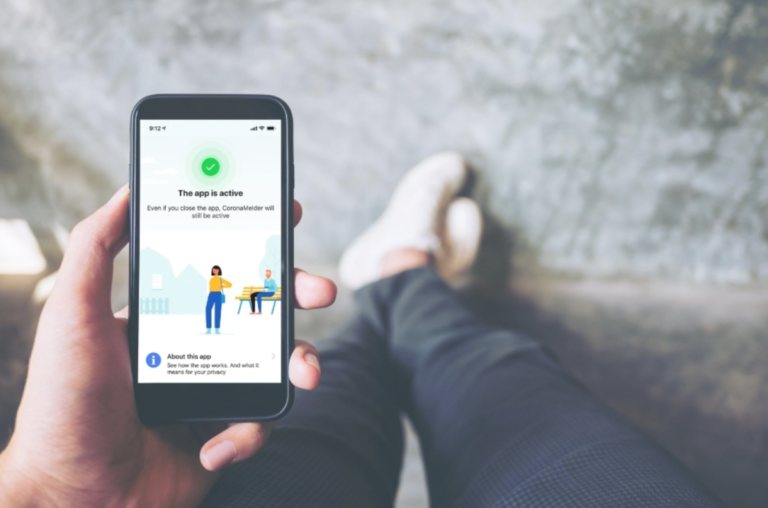
Since its launch, the CoronaMelder app has been downloaded by 3.7 million people in the Netherlands. Approximately 10,000 people per day are being notified of exposure. Of this number, a small percentage were more than 1.5 meters away from the infected person.
This is all according to the Chief Information Officer at the Ministry of Health, Ron Roozendaal. He admits to the NOS that “In the vast majority of cases, the app recognizes the distance correctly. But in a small number of cases you were further away.”
It is estimated that about 70% of people who receive a report from the App were within 1.5 meters of the infected person for more than 15 minutes, meaning the app is accurate in the majority of cases.
However, about 20% of people who receive a notification may have actually been a safe distance away from the infected person.
During the testing of the app, 80 subjects were told to stand at a great distance (between three and ten meters) from the “infected” person. It was found that a handful of these subjects still received a notification.
Dozens of people a day
Roozendaal explains that if we are to apply this margin of error to the everyday use of the app, a small amount of people who receive a notification were actually within a safe distance from an infected person, “out of 10,000 reports per day, there are still dozens.”
However, in all cases where someone is notified, they were in proximity to the infected person for at least 15 minutes.
Maximum 10 meters
The CoronaMelder app works via bluetooth. This means that those who do receive an incorrect notification were at least 10 meters from another infected person. However, Roozendaal explains that the chance of a notification being sent if someone is 10 meters away is extremely small.
The app measures the strength of a nearby bluetooth signal and then estimates how close a person was to another app user. Meaning that where you place your phone — in your pocket or on the table, for example — is going to affect the estimate.
“If you have two telephones on a table 2.5 meters apart, and one of the two is from someone who has tested positive and also uses the corona app, you could well receive a notification. If you have it in your pocket, the chance is much smaller,” Roozendaal explains.
Most cases
He has emphasised that in most cases, the app is accurate and a person has been exposed. Even if the app picked up on someone who was a little over 1.5 meter distance, you have been close, he says. “At least fifteen minutes and in any case close by. So that’s why the advice applies: if you have received a report, go to quarantine.”
What do you think of the CoronaMelder app? Let us know in the comments below!
Turns out the movies about 2020 were right — the world’s first flying car has arrived! And developed right here in the Netherlands, no less.
Dutch company Pal-V has been designing the Liberty since 2012 and the model has finally been cleared for road use by vehicle licensing agency RDW. It’s a significant milestone for Pal-V, as the car can now be officially registered and tested on public roads.
Flying technology
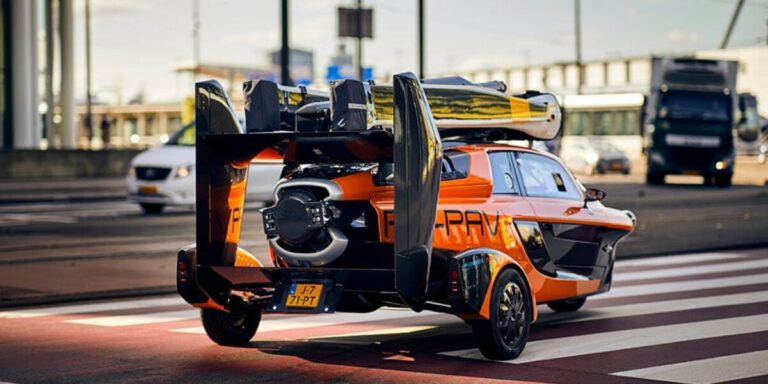
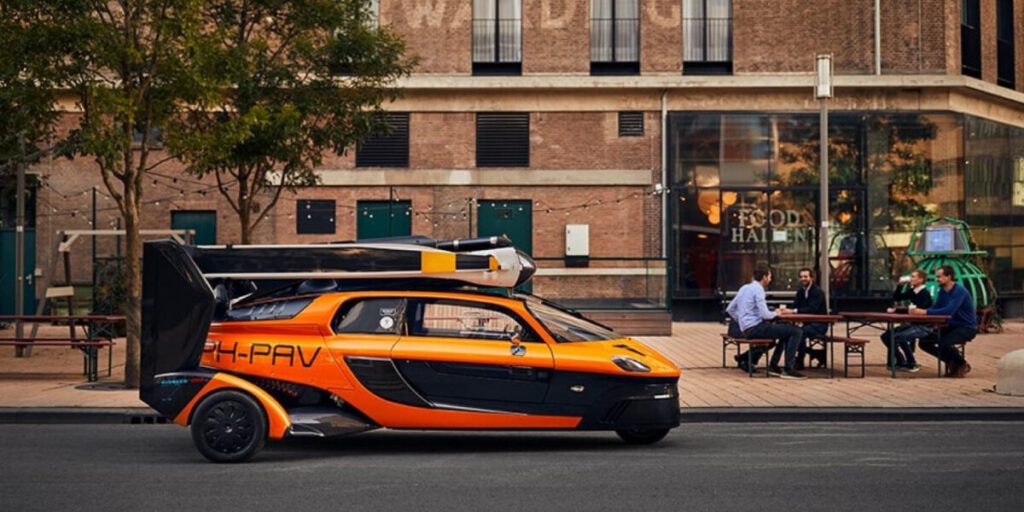
If you’re imaging a hover-craft-like car, that’s not exactly what the creators have gone for. Rather, the car turns into a kind of gyrocopter using a push propeller and rotor on the roof of the vehicle. Two Rotax aircraft engines on the sides drive the flying car forward.
The car can transform from a road-going vehicle to an aircraft in only 5-10 seconds. Even easier, the car runs on Euro 95, so you can fill up to fly at the local gas station.
This flying car has gained EU’s approval to run on roads, according to its Dutch maker Pal-V, one of the first ever to do so pic.twitter.com/6ZGnAyc3T3
The Liberty is different from other Vertical Take-Off and Landing (VTOL) vehicles currently being developed because it cannot take-off vertically. The Liberty’s dependence on short runways to take off is, unfortunately, a down-side to this model.
Further, the combustion engines used are not quite the latest technology available, and this has contributed to delays in its development, reports AD.nl. Liberty’s main competitors are drone-like VTOLs powered by electricity.
The first flying car sure isn’t subtle. Image: Pal-V/Supplied
Test flights
The last test flights for the Pal-V Liberty are expected to take place next year, with the hope that it will be granted a flying permit by 2022. Meerkerk in Utrecht has been ear-marked as the flight testing location.
A Pal-V spokesperson explained that the company is in dialogue with Dutch municipalities to build around 300 metres of motorway exits for the future.
“It will soon be the only vehicle that will allow you to fly and drive from door to door. You get in the car at your house and then drive to an airport to take off,” the spokesperson said.
Fancy a flying car for Christmas?
You can purchase and reserve the two-seater Liberty on the Pal-V website, but don’t sell your current car just yet. The company only expects the flying car to be ready for consumers by 2023.
Already Pal-V has 30 orders for the car, coming in at half a million euros each. Wowza!
Will you be lining up to purchase a flying car? Let us know in the comments below!
A fifteen-year-old girl who was the subject of an AMBER Alert issued yesterday has been found unharmed. Police have arrested a man in connection with her disappearance.
Celine had been missing since last Friday when she was spotted getting into a car with an unknown man in Bergem, a village in North Brabant.
Police issued a Missing Child Alert for Celina, an alert that indicates welfare concerns but no danger for life. The AMBER Alert was issued after receiving a tip that Celine got into a car with a strange man. That was five days after her disappearance.
“That fact, in combination with the photo of the man and the car, gave enough extra impetus to take this step,” said a police spokesperson for Politie East Brabant.
The spokesperson explained that an AMBER Alert is “the toughest tool” that police can use. “We don’t just do that.”
De #vermiste Celine is gelukkig terecht! Ze is zojuist gevonden en ongedeerd. Wij hielden een verdachte aan in verband met haar vermissing. Nadere info volgt evt. morgen.
Celine’s family is on their way to collect their child. “They are very happy, blissfully happy, relieved, everything you can imagine, that Celine has been found safe and in good health and that they can be reunited with her,” said their spokesperson, Jeroen Baardemans.
Police have confirmed that they have arrested one man. However, it is unknown whether the man is the driver of the car that Celine got into.
Adjust your holiday expectations, the Outbreak Management Team (OMT) says it’s best to stay home this year.
If you were thinking of taking a nice ski trip or going on a beach getaway this year, the OMT wants you to think again. The risk of another wave of coronavirus is too high, according to the team.
In an advisory report to the Ministry of Health, the OMT writes, “During the summer holiday period and the months after that, many hundreds, mainly younger people, returned from a holiday abroad with COVID-19.”
Additional risks
The OMT also suggests that the coronavirus situation in some other countries may present additional risks. “It is expected that the epidemiological situation in the winter holiday period is not yet under control, not even in most countries in Europe and many countries out there.”
Further, the OMT says that only 27% of travellers have actually followed the government’s recommendations to quarantine after travel to “orange zones.”
The OMT’s Advice
The OMT’s full list of advice for the cabinet regarding the winter holiday includes:
The government should continue to assess the risk of other countries for travel;
Holidays outside of one’s own household is advised against/the group size should be kept to a minimum;
Family visits should be kept to a minimum and within the immediate family, respecting social distancing advice;
Intensive risk group-oriented measures should be set and aimed at the elderly, with specific attention to wintering abroad;
The EU should have coordination on the closure of catering establishments, the banning of parties and events, and the enforcement of measures.
At this stage, the advice is only for the cabinet to consider, and decisions have yet to be made.
What do you make of the OMT’s advice? Does it affect your holiday plans?
At least 476 Dutch troll accounts have been uncovered, spreading disinformation and conspiracy theories on Twitter regarding the upcoming US presidential elections.
In research conducted by Pointer, Dutch-speaking trolls using anonymous Twitter accounts have been trying to influence and mislead their fellow Dutchies regarding the US elections. The trolls share links to images, websites, and videos that present an inaccurate portrayal of the presidential candidates.
Pointer has been collecting and analyzing data since August. Out of the 15,000 Dutch-language Twitter accounts they investigated, 476 were run by trolls.
Using verbal intimidation, stoking conspiracy theories, and derailing online conversations, these trolls purposely provoke in order to create confusion and polarisation. They aim to deceive and bully the Dutch into believing that Donald Trump will win the election.
Why do they bother?
But the Dutch can’t vote in the US elections, so why all the effort? The answer isn’t entirely overt, but it’s about changing the way people think in general.
University of Amsterdam political communication lecturer Michael Hameleers says the trolls sow confusion because it changes the way people form their opinions. “And if that happens more and more, you can see in elections that people may no longer base themselves on the facts,” he explains. “People may disagree, but those disagreements must be based on the same understanding of the factual truths. And if not, then you have a problem.”
With disinformation flying around right and left, and the internet connecting people in conversation from all over the world, opinions make a difference — apparently, even from nearly 5,000 miles away.
What are they saying?
A favourite mode of miscommunication amongst the trolls is the sharing of YouTube videos. These are conspiracy theories or interviews, often from legitimate news sources, that show a negative outcome for the trolls’ disfavoured candidate.
The trolls twist the message of the news report and often attack the news outlet directly for sharing the message. Among the most widespread links are NOS, AD, and De Telegraaf.
Of course, trolls also share content from popular misinformation sites as well, such as Frontniews, NineForNews, CommonSenseTV, and Bitchute.
But it’s conspiracy theories that are a troll’s brood and boter. Conspiracy thinking regarding the presidential elections tends to tie in closely with coronavirus conspiracy theories. Even a simple, seemingly innocent hashtag like #mondkapjes refers to conspiracy thinking regarding the reality and severity of coronavirus.
But not all of the focus is abroad for these shifty characters. Another troll go-to is the long-time conspiracy theory regarding Dutch civil servant Joris Demmink as a supposed child abuser.
Does it have an impact?
A recent survey conducted by Ipsos shows that 61% of Dutch people are in favour of Joe Biden for US president. This is not to say that the remaining 39% prefer Trump. Rather, only 11% favour Trump, while the remaining 28% don’t know or prefer not to say. Whether or not the Dutch trolls have had any impact on these margins can’t be known.
Interestingly, the same survey showed that Dutch people are not very concerned about fake news meddling with their own elections at home. The majority do, however, expect the spread of misinformation to be an issue for the US elections.
Well, if trolls are showing up as far as the Netherlands to tamper with US elections they may very well be proven right with the latter idea.
We must starve them
It’s not currently a punishable offence to spread misinformation unless it’s considered defamation or slander, so Hameleers says that the best solution is to stop feeding the trolls. “For example, if you come across someone on a platform who says that your opinion is incorrect and also expresses hateful sentiment there, I think you shouldn’t go into that. It’s best to just ignore it so that the impact can be limited.”
Are you surprised by the discovery of the Dutch trolls? Let us know what you make of this in the comments!