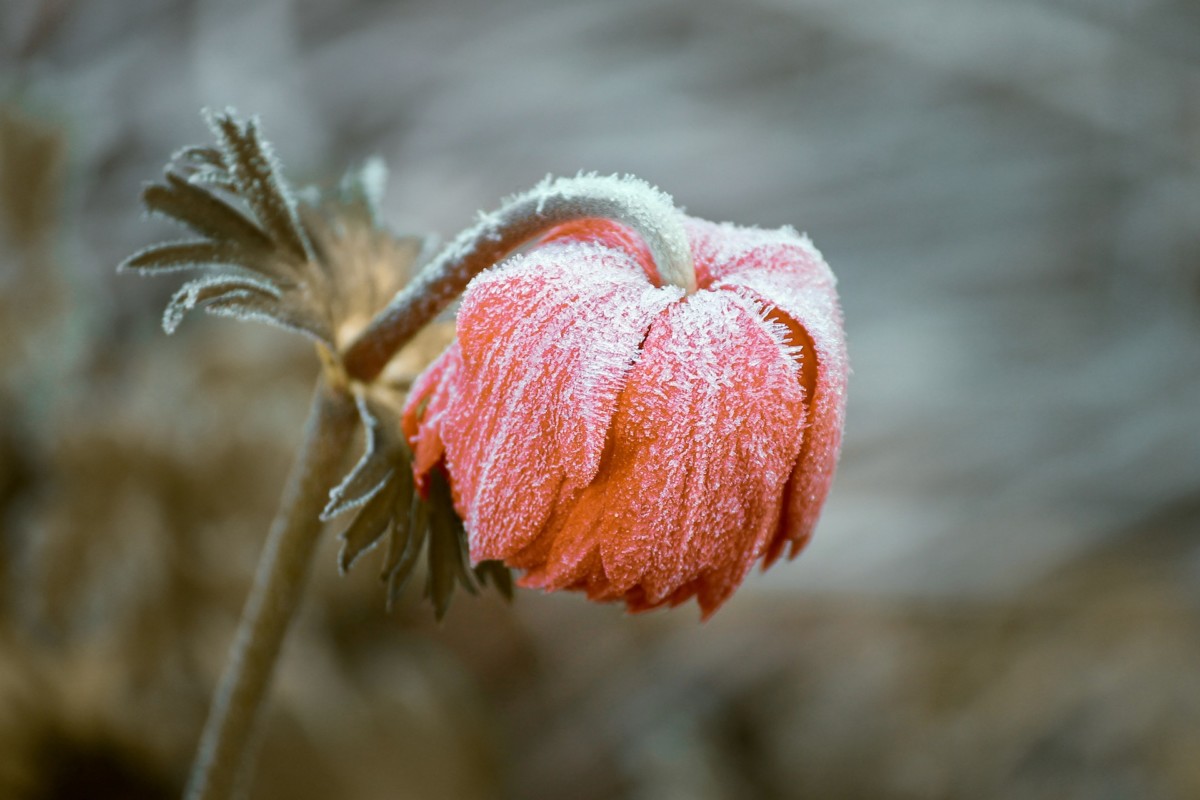
Sub-zero temperatures, slippery driveways making you fear for your life, and chills running through your bones: the Dutch winter might have finally arrived, as did the first gritters. The weather is forecasted to fall below zero every night for the rest of the week, but with all the weather records being broken during the summer, what can we expect during the winter?
Over the years, as climate change has started taking its toll and people are taking notice a lot more, many are left wondering what winter has in store for them: will it be not as cold as last year, should they expect sub-zero temperatures every night for the whole season or if they should prepare for milder winters from here on out. The first frost has come and gone, but how different is it from the past?
NU.nl set out to find out if it is completely normal to have the first frost of autumn, and how different it was from the past years. Of course, having frost, even in the milder winters, is normal.
According to Stephan Okhuijsen of Datagraver, the night frost season has reduced by a total of 30 days where the first frost of the season is almost 10 days later and the last frost is 20 days earlier than 75 years ago.
They also found out that the total number of days that frost occurs in a year has fallen from 80 frost days to around 50 days. So there is nearly a month worth of frost disappearing.
Met de eerste nachtvorst in aantocht hier een overzicht van het historische verloop van het aantal dagen in een jaar dat de temperatuur onder de nul graden zakt. Kijkend naar het langjarig gemiddelde zijn dat er nu bijna 30 minder dan 75 jaar geleden. pic.twitter.com/Ox48XUWyHo
TRANSLATION: With the first frost coming, an overview of the historical course of the number of days in a year [when] the temperature drops below zero degrees is approaching. Looking at the long-term average, there are now almost 30 fewer [days] than 75 years ago.
Why is the night frost season disappearing faster during the spring and not autumn?
There are two reasons why this might be the case, says Sluijter to NU.nl: the Netherlands’ proximity to the North Sea and the lack of snow during the late winter.
Lack of snow
Sometime around mid-March, the temperatures gradually start to increase and eventually transition into the summer season. As is expected, it is not cold enough for snow to occur. This gradual increase in temperature means that it can take a while before the last frost can occur. So any changes to this gradual increase also affects when the last frost happens. The frost occurs closer to the winter months as the average temperature starts to increase. For this year, it is twenty days earlier.
“It is the other way around in the fall,” Sluijter continues. “The minimum temperature drops much steeper down from October to December. Heating will cause a slight shift in the first night frost – but for the time being no more than ten days.”
Proximity to the North Sea
The season that precedes autumn and winter is summer. We saw a lot of weather records broken where we experienced some of the hottest days ever and multiple heatwaves. When temperatures are soaringly high, the North Sea naturally gets heated up.
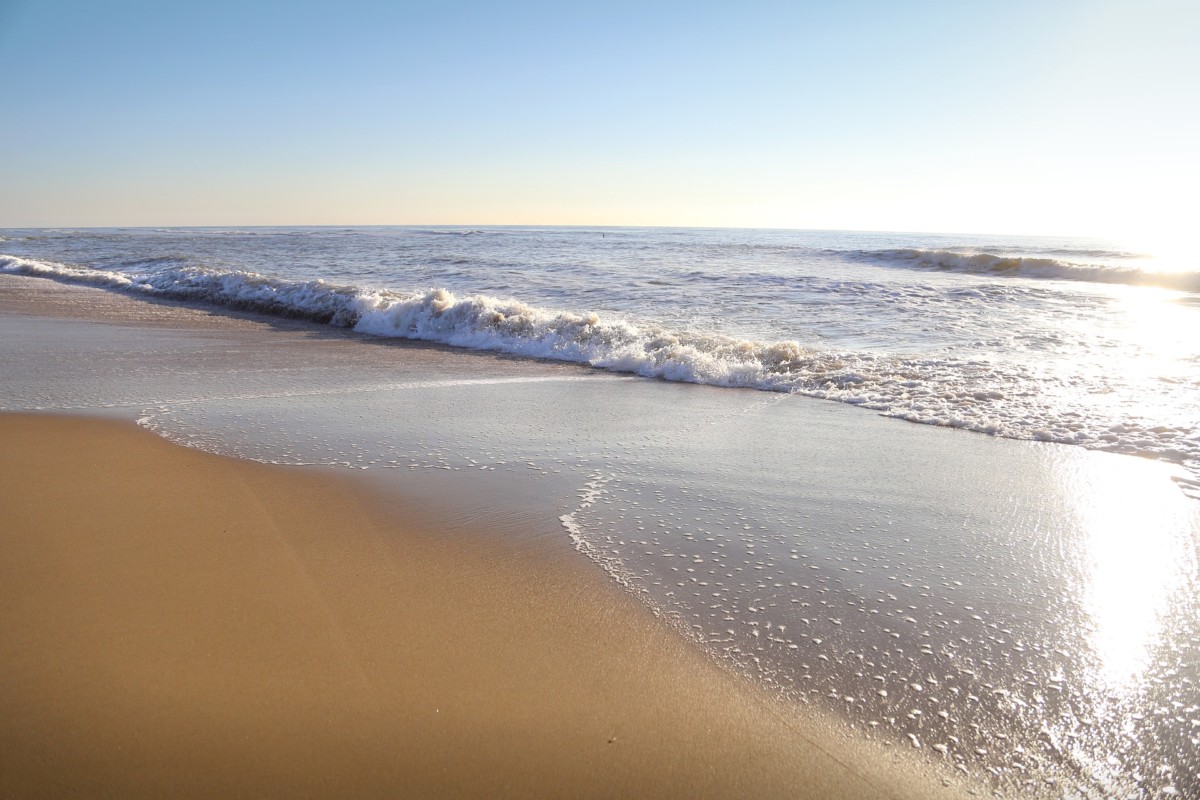
North sea in Holland makes the late summer days last longer. Image: Korneel Luth/Pixabay
It stays warm well after the summer season has ended and so the temperatures are still high in the Netherlands during September. Once we have finally bid adieu to warm weather, and the days start getting shorter and the nights are longer, there is a higher chance of sub-zero temperatures in the night. But Sluijter at KNMI says that it is coldest only towards the end of the night – sometimes even coinciding with the time of dawn.
But in the spring in March when the nights are shorter, the timeframe within which it would be optimum for freezing temperatures is much smaller. Therefore, it is easier for it to get warmer and naturally transition into the summer months than it is for the temperatures to drop and transition into autumn.
What do you make of this? Let us know in the comments below!
How do we minimise our climate impact? The climate crisis is here, and it’s easy to feel overwhelmed and useless in the face of such potential devastation. If you’re wondering if there are ways you can make the situation a tiny bit better, then you’ve come to the right place. Here is a comprehensive list of ways you can minimise your impact on the climate here in the Netherlands.
We address this more later on, but it is absolutely worth acknowledging that individual actions are not the whole story when it comes to climate change. For decades, ordinary people have had the burden of solving climate change placed squarely on their shoulders, when the majority of greenhouse gas emissions come from ten main companies, and when governments have been steadfastly ignoring the situation.
Despite this, ignoring the climate crisis really isn’t an option. That’s why we have put together a list of things you can do to make the situation better, bit by bit.
UPDATE MAY 2020: The coronavirus crisis has devastated the world, but it has had one semi-positive impact: on the environment. Regardless, there’s still a way to go, so keep these steps in mind for the future!
Minimise your climate impact: eat more plant-based food
Food has a massive impact on the climate: next to not flying, altering your diet to make it more sustainable is the best thing you, as an individual, can do for the planet. How do you do that? By including more plants, and eating less animal products. A lot of environmental activists will encourage you to pursue a fully vegan diet — and go for it if that’s something that appeals to you. That would definitely minimise your impact on the climate.
But for a lot of people that isn’t possible, or something they would want to do — so I’m here to tell you that reducing your meat and dairy consumption is a fantastic step in the right direction. Meatless Mondays, or always making your breakfast plant-based, are wonderful options to start with. While you’re at it, check out these 7 amazing vegan cafes in The Hague.
Go for local, plant-based food to minimise your impact on the climate. Image: Pxhere
It’s also important to look at where your food is coming from. There’s no point in being vegan if you’re consuming Kenyan broccoli all the time: for produce to get to us while it’s still fresh, it has to be transported by air. And as we’ve already seen, air transport is bad news for the planet. So it’s best to look for locally, or at least nationally, produced food. In most cities there will be at least one farmer’s market every week — these can be a great source of locally produced food. The best thing about them is that they often lack packaging, whereas in supermarkets the amount of plastic packaging has been growing each year.
For some of us who are that way inclined, growing your own food could also be an option to consider. Most municipalities will allow you to sign up for a community garden space, where you can grow veggies, fruits and herbs. Naturally, this won’t be the only place you get your food: but it is a wonderful way to reconnect to your local environment, while reducing your impact on the planet. But if you have just moved here, get to know the different supermarkets in the Netherlands, and figure out what can work for you.
Minimise your climate impact: protest and act
As we’ve already mentioned, we aren’t going to solve the climate crisis by eating tofu in the comfort of our living rooms (though that is a pastime of mine). We need to force large-scale change through governments and local authorities, as well as on the community level.
The first and most crucial thing you can do in this regard is to vote: and I’m saying this in particular to my fellow twenty-somethings. The elected government has the power to change the way the climate crisis is being handled on a fundamental level- and in turn, they can influence international policy on it. Don’t not vote because you’re disillusioned with the system: not voting is a vote for the status quo.
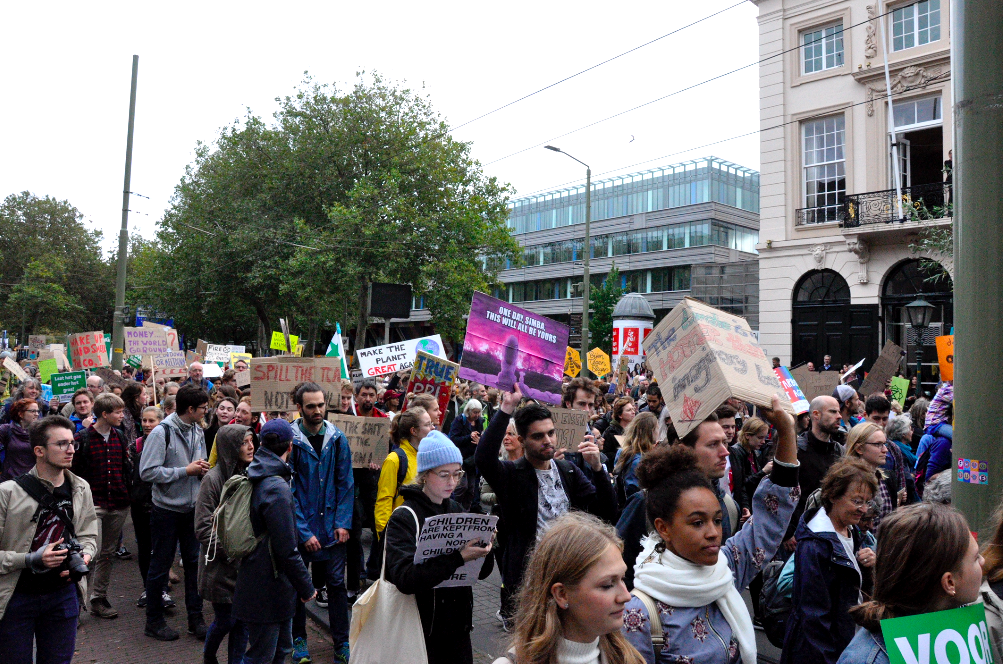
25,000 people came to the climate protest on 27 September. Image: Teresa Gubern/Supplied.
The second way you can influence governments is by protesting. As we’ve seen recently, young people have been turning out on the streets in droves to demand better action on the climate crisis from the government. Extinction Rebellion has organised acts of civil disobedience as well, whereby their members obstruct the usual functioning of something (traffic, a court, a restaurant) and usually get arrested. Not everyone is able to do this, but history has shown that civil disobedience is the most effective way to change something.
Minimise your climate impact: support innovation
An important way that we can change the course of the climate crisis is coming up with new ideas: the status quo does not work, so we have to find alternatives. This is particularly true when it comes to plastic and energy. Plastic has remained popular not just because it is a convenient by-product of oil production, but also because it’s cheap, light, durable and malleable.
Innovation has brought us some promising alternatives: plastic made from cornstarch, milk protein, grape waste, wood. All of these have been created over the last few years and are biodegradable. There’s no perfect alternative as of yet, but innovation is a crucial way of finding the path forward. The Dutch are already on their way to innovating their way out of the worst effects of the climate crisis. Innovation is also super important when it comes to cleaning up the mess we’ve already made, as The Ocean Cleanup exemplifies.
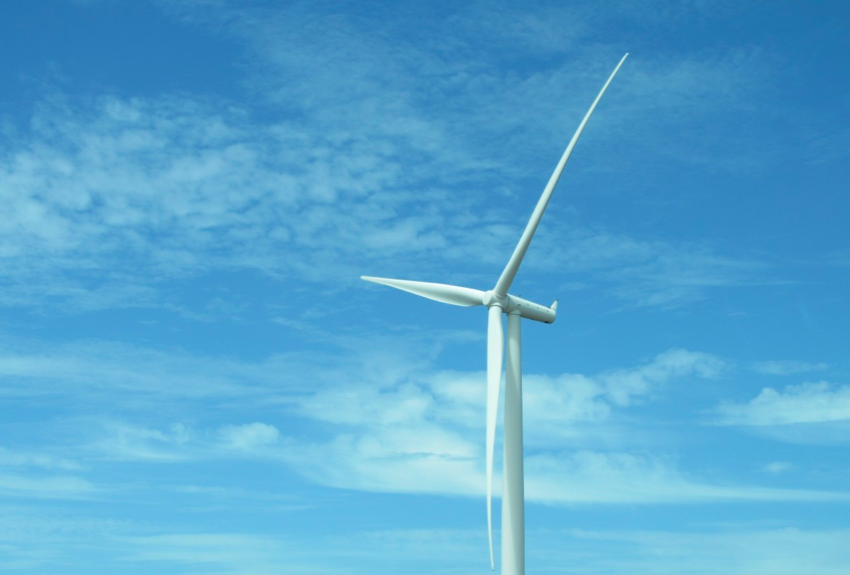
Green energy will reduce our impact on the climate. Image: Pxhere
Then there’s energy: clean energy is an absolutely crucial part of our future as a sustainable society as well. Innovation has already shown us that implementing it in a low-cost, effective way is totally possible. Now we just have to get on and do that.
A way you can encourage this is by switching your electricity and gas provider to a green energy company, like Vandebron or Green Choice. For every household that gets its energy from these companies, extra green energy will be added to the power grid in the Netherlands.
Basically, the best thing you can do to support innovation is to invest in it when it becomes available to the public- or, if it’s a non-profit, maybe consider donating if you can afford it.
Levi Hildebrand does awesome videos on being a bit more environmentally friendly: check them out!
Minimise your climate impact: create
This might be an odd one to include, but it’s one I feel really strongly about. Let me give you some Marxist theory to explain why I think it’s super important to make more things yourself, rather than simply buying them- and then I’ll explain the environmental implications of doing so as well.
One of the things Marx wrote about was the estrangement of workers from their labour. Basically, as industrialisation took hold, people only made small parts of the final product. They would see it at the end, but have no emotional connection to it. And because humans have evolved to like making stuff, this makes us not only unhappy, but destructive. We care less about the things in our surroundings, because we don’t see them as being made by actual human beings.
In the current day, we consume a lot of stuff, and throw it away easily- think things you buy at Action as an example, but this applies to a lot of other things as well. When you buy from small businesses, or when you make something yourself, this disrupts our usual way of viewing items as disposable.
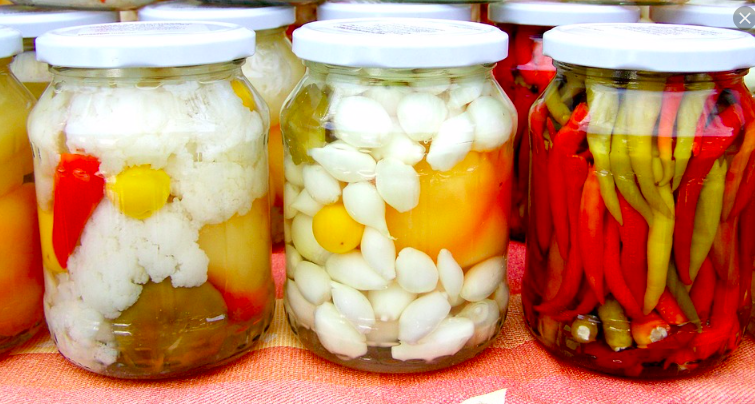
Making your own food is a great way to minimise packaging waste. Image: ArmbrustAnna/Pixabay
And this is so much better for the environment as well. Reducing the amount of things we send to landfill, and purchasing much less in general, will minimise the amount of resources we use up or waste. If we’re talking about making food items, like pasta sauces, jams, pickles and such, then we can also reduce the amount of food waste and plastic packaging we cause. And, although this isn’t super connected to environmental impact, creating things will likely make us much happier as people.
Minimise your climate impact: travel differently
If you fly once in a year, you double your carbon footprint for that year. Yep, it’s as bad as it sounds. Basically, the number one rule for reducing your climate impact is to find more sustainable ways to travel. Luckily, we live on mainland Europe, so there are viable alternatives to flying.
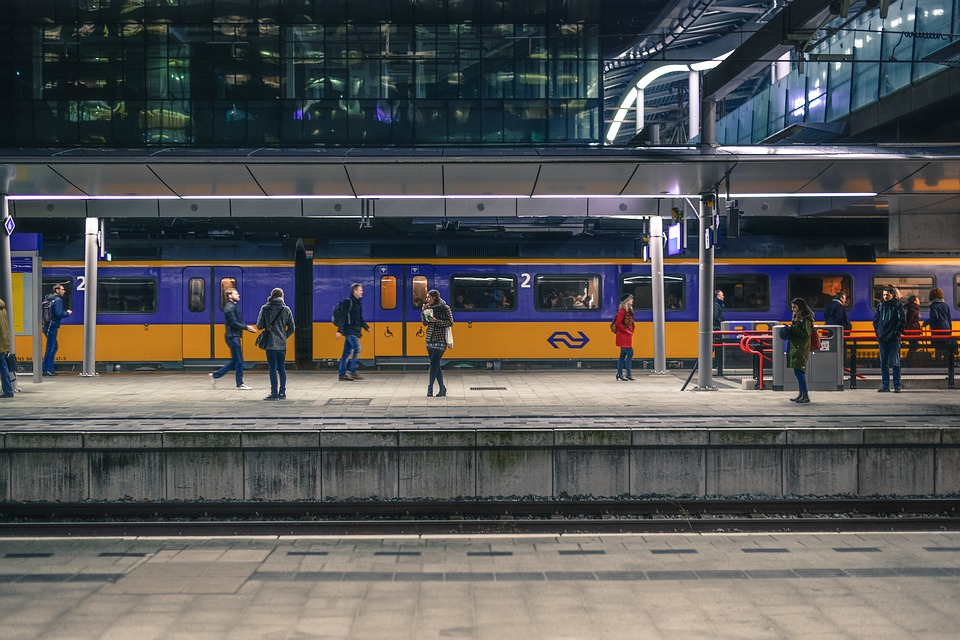
Going by train is an amazing way to see different countries: plus, it’s smooth, you don’t have to weigh your baggage or go through security, and there’s so much more legroom than you get on Ryanair or Easyjet. Which is nice, even if, like me, you’re a bit vertically challenged.
Travelling by train is a great way to reduce your impact on the climate. Source: Pixabay/ Skitterphoto
Travelling within the Netherlands is also something that can be improved to minimise your impact on the climate. A third of the journeys made in the Netherlands are done by bike, which is fantastic: but I think most of us know we could bike more.
Additionally, in a country as well connected by public transport as the Netherlands, there is rarely a reason to use a car. Plus, by making use of public transport, you’ll be avoiding the farmers and their tractors, whenever they decide to grace us with their presence again.
Do you have any more tips for reducing our impact on the environment? Let us know in the comments below.
Navigating the dating life in the Netherlands comes in many shapes and forms: trying to understand Dutch pick-up lines, starting to learn the language and getting used to the infamous Dutch birthday circle parties hoping that you’ll meet the one there. But one thing most people do is download dating apps like Tinder because online romances are the norm. Consumentenbond (Consumers Association) has just released a survey of 10 dating apps which revealed that some of them do not comply with the Dutch Privacy Law. Yikes!
Consumentenbond, the Dutch non-profit organisation that advocates for consumer protection found that five of the apps surveyed (Tinder, Happn, Paiq, Parship, and 50Plusmatch) displayed advertising cookies before their visitors could give them permission to do so. The other apps surveyed were e-Matching, Badoo, Pepper, Lexa, and Relatieplanet.
This is in direct violation of the AVG or the General Data Protection Regulation in the Netherlands. According to this law, all visitors to a website should give their consent before they can place commercial cookies. With Tinder being the most popular app used in the Netherlands for online dating, this is certainly worrying.
Tinder and its many horror stories. Image: Tumisu/Pixabay
Consequences of this breach of the privacy law
As this law has been violated, the visitors’ personal data could end up in the hands of commercial third parties. For example, Tinder, Paiq and Parship have a direct communication line set up with Facebook’s advertising network. As a result, the person can come across dating ads on their Facebook timeline or even outside of it.
Is it enough to have a privacy statement?
A lot of us might skip reading privacy statements and the fine print that goes along with it. If you were one of them and if you’re thinking you’re in the clear because the app you use does ask for your permission, we have some bad news for you. They also say that apart from e-Matching, all other apps are very vague about their privacy statements. They don’t make it explicit about what personal data they’re collecting and how they’re used.
Follow-up investigation
As the law was introduced almost two years ago, the apps had ample time to adjust their policies, says Sandra Molenaar, Director of the association. The dating sites have been notified of the findings and only Pepper, Paiq, Happn and 50Plusmatch have said that they will revise their policies.
The association has promised to follow-up with an investigation if this is true in all the cases in the short term.
Are you on any of these dating sites? Are you going to be uninstalling, shutting shop and throwing away your phone after this news? Let us know in the comments below!
On Sunday the 27th of October President Trump revealed the death of al-Baghdadi during a solemn announcement on TV. After narrating the dramatic events that lead to his death, he concluded with an expression that had been thrown around all day by media experts and military personal: al-Baghdadi had been brought to justice.
It does give a sense of satisfaction seeing a ‘bad guy’ meet his fate, but how much closer to the end of the fight against terrorism does his death bring us? And, how does the death of the Islamic State’s leader affect the fight for the minds of potential Dutch terrorist fighters? After all, a global jihadist movement is only as powerful as its ability to recruit many and globally.
Recruiting will live on
ISIS is the hipster of all terrorist groups. It has competent recruiters, a well thought online campaign with smashing Twitter accounts that advertised the greatness of the Islamic caliphate in Syria, as well as the glory of living and dying for a world where Muslims were no longer invaded, oppressed and humiliated by western infidels.
Through its glossy, idealistic approach the Islamic State was able to seduce young men and women from all over the world in a way that outdated Al-Qaeda hadn’t been able to do in a long time. But does al-Baghdadi take this potential to the grave with him?
Even though charismatic leaders are important specially when it comes to recruitment, not all lives and dies with them in the global jihadi movement. Groups like Al-Qaeda and ISIS follow rules and procedures, and have clear divisions of administrative responsibilities and functions, making it easier to survive the removal of leaders. Some will argue that killing leaders is a good counter-terrorism strategy, and it might be. However, it does not spell the end of the ability of such groups to spread their message, fundraise and recruit.
What attracts Dutch-Muslims to become foreign fighters?
It’s important to remember that the potential of a terrorist group to recruit can only be actualised if it finds fertile grounds to plant seeds and reap the reward. A lot of that process is connected with the feelings of empathy that the hardships Muslims face in Palestine, Yemen, Afghanistan and elsewhere, spark on their fellow Muslims around the world. Nonetheless, so much more is connected to the lives Muslims live in their own countries. What are the aspects of life in The Netherlands that seem to impact the most on Islamic radicalisation? Integration, integration, integration.
“To appreciate what stimulates these young people, it is important to understand the harsh truths facing groups, especially in the poorer parts of the country” https://t.co/6EE3ZhMw96
Studies show that second and third-generation Dutch-Muslim immigrants, who are born and raised in the Netherlands, are much more integrated into society than their fathers. They take part in a school system built around Dutch values, speak the language and are Dutch nationals. However, they still encounter social exclusion and discrimination in their daily lives, work place, and sections of the governmental system.
Contrary to popular belief, in certain ethnic Islamic minorities in the Netherlands the most educated are more vulnerable to radicalization. They are more prepared for rising higher in the ranks of Dutch society and, as such, attribute this perceived injustice of social exclusion and discrimination to the prejudices of the established classes.
Torn between two worlds
Other studies carried out with young Dutch Muslims show that they can see themselves under two kinds of threat: a symbolic threat to the Islamic culture, and a real threat to economic status due to discrimination. When this happens they are more likely to see Dutch authorities (and rules) as illegitimate. In extreme cases, they are also more likely to push back, endorsing or engaging in violence.
Personal uncertainty also plays an important role in this process. This happens when an individual is unsure about their identity and/or their place in the world (Who am I? What am I doing here?). Or when their views about themselves and their views about the world are in conflict. That’s why one of the core points of the Dutch government’s counter terrorism strategy is to work with teachers, youth workers, families and religious leaders to avoid and recognise the signs of a radicalisation process.
Unless these issues get addressed effectively, it seems that no matter how many Bin Ladens or al-Baghdadis are killed, some will still find their message appealing. After all, extreme groups and ideas can offer simple answers to their questions and worries. It is comfortable to imagine a big government system can do all the work by surveilling dangerous individuals and avoiding attacks, but it is not enough. As a society we must all work towards the goal of eliminating terrorism by not alienating members of society.
How do you think the Dutch community and government can work together to reduce radicalisation? Give us your thoughts in the comments below.
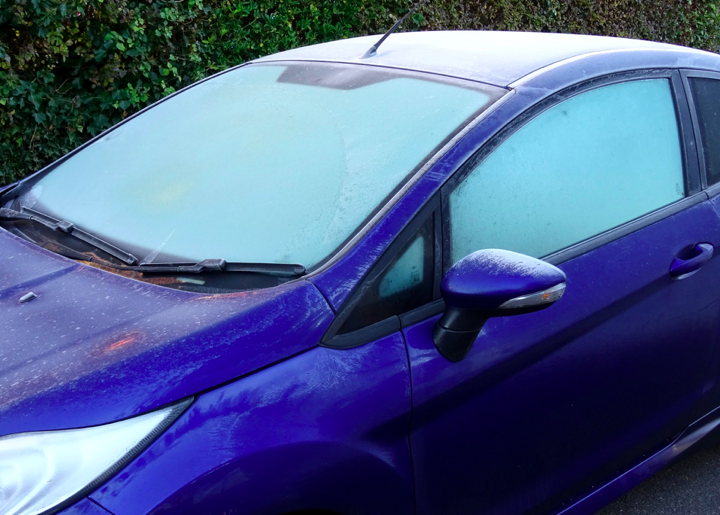
This week you can expect to emerge from your house to frosted cars, with night temperatures often reaching freezing point. During the day, temperatures will be average for the time of year: a balmy 10 degrees.
People living in the south or east of the Netherlands will have already noticed this morning that it’s time to bring that scraper out with you to defrost the car in the morning. Over the coming days, the rest of the Netherlands will need to do so as well. It’s time to get those scarves and gloves out, and maybe some hot chocolate as well: winter is well and truly on its way.
Dry and clear, despite the chill
This comes after a tropical weekend, with some mythical locations reaching 20 degrees. Over the next few days, the warm weather will be chased out by the cold, with some places in Gelderland, Limburg and Brabant reaching lows of minus 2 degrees tonight. The rest of the country can expect some frost as well. But on the plus side, it should remain dry and pretty clear, despite the chill. So you’ll at least be able to see to the other side of this flat country while you freeze.
Frosty cars, roads will remain clear
Until Thursday, the daily temperatures will be around ten degrees, and at night the temperature will drop to zero. We don’t need to worry about slippery roads just yet, as the residual warmth from the day will keep the ground too warm for frost to form on it. However, because cars are made from metal and glass, they cool much faster- so again, get that scraper at the ready.
Weekend: warmer, but also rainier
From Friday onwards temperatures will rise, but the weather will also be more changeable. The start of the week will be cold and dry, but the weekend will be wet and (kind of) (sort of) warm. Expect temperatures of about 13 or 14 degrees during the day, and 6 degrees at night. So we’re back to typical Dutch weather: rain. So much rain.
How to enjoy life despite the weather
If all this wintery weather talk gives you the chills (literally) then it’s time read our guide to to figuring out how to enjoy terrible Dutch weather. Our tops tips? Make plenty of tea, snuggle up on the couch with a good book, complain about the weather to your neighbours to foster a sense of community, and get your cat a rain jacket. This applies even if your cat is an indoor cat, because it will make your heart at least five degrees warmer.
Are you excited for the weather to get more wintery? Or are you already dreaming of summer? Let us know in the comments below!
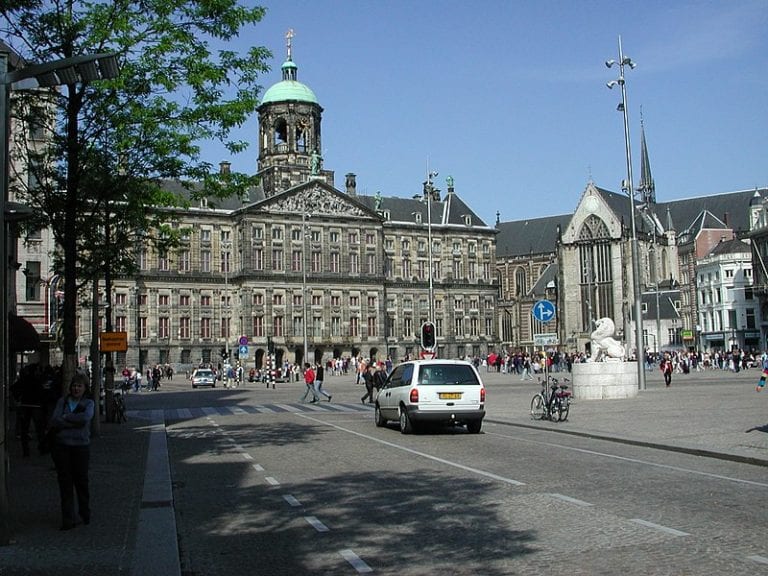
A father of 53-years of age was stabbed on Sunday in Dam Square in Amsterdam. He was with his wife and children. The incident took place while they were waiting at the traffic lights in the square, reports De Telegraaf.
The stabber is still at large, but the police do have pictures of his license plate. He is said to have fled the scene with the knife on a black scooter towards Spuistraat. De Telegraaf also reports that the victim has been released from the hospital.
Op de Dam is omstreeks 18.00 uur een man tijdens een ruzie neergestoken. De man met het mes is op vermoedelijk een zwarte scooter gevlucht richting de Spuistraat. Het slachtoffer bloed behoorlijk maar is wel aanspreekbaar.
Translation: At 6 pm a man was stabbed at the Dam during a fight. The man with the knife has probably fled to Spuistraat on a black scooter. The victim is bleeding badly but is conscious.
Why did the stabbing take place?
The incident happened when a scooter driver got into an argument with another cyclist (not the victim) who was also at the traffic lights. According to eyewitnesses, the driver was enraged because the cyclist was a “little too far to the left”. He tried not to engage with the stabber.
It was then that he turned his anger towards the mother in a cargo bike with her toddlers in there. He hurled obscene language at her, of which we are not going to detail here. Coming in to defend his wife, the victim asked the man to calm down. He then jumped onto the man and stabbed him in the back, very close to his neck.
We hope the criminal is brought to justice soon. Stay safe, folks!
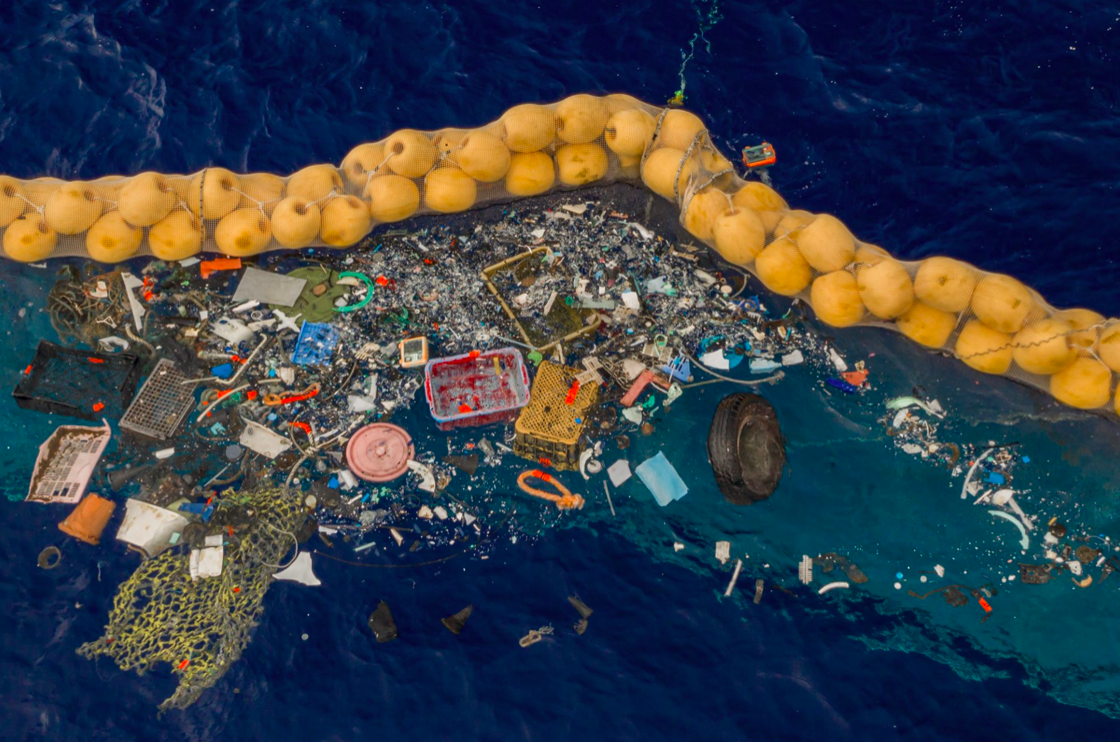
The Ocean Cleanup has announced that it has developed a plastic-catching machine, the Interceptor, that will help to clean up the most polluted rivers in the world. It has successfully trialled this machine in Indonesia and Malaysia.
With this plastic clean-up project, created by Dutchman Boyan Stat, we now have a new way to collect plastic from very polluted rivers. On Saturday, the newly developed Interceptor was presented in Rotterdam.
How does the Interceptor work?
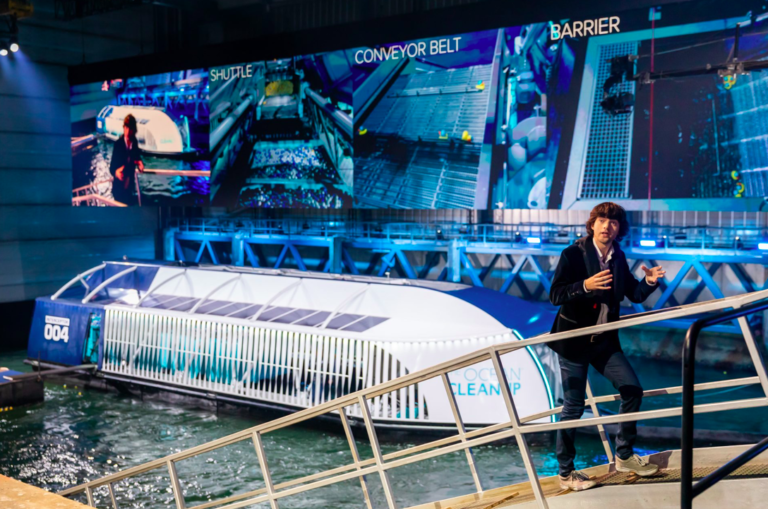
So how does the Interceptor work? There are two long arms, which the plastic in the river comes up against. These two arms shunt the plastic onto a conveyor belt, which moves the plastic into the machine’s container. The plastic catcher can collect between 50,000 and 100,000 kilos of waste every day.
Why is The Ocean Cleanup cleaning up rivers?
You might wonder why an organisation called The Ocean Cleanup would preoccupy itself with cleaning up rivers. In fact, this development is totally in line with the organisation’s goals, as almost all the plastic that enters the ocean first travels by river. About one thousand rivers in the world are responsible for 80% of the plastic that reaches the ocean.
Cleaning up these rivers is the next best thing to stopping plastic entering the environment at all, and should make the job of cleaning up the oceans a task with a finite end, rather than an endless one.
The Interceptor at its release in Rotterdam on Saturday. Image: The Ocean Cleanup
The Interceptor will come to the top thousand most polluted rivers
The Ocean Cleanup hopes to install their new device in the hundreds of most polluted rivers of the world. The machine has been working really well in Indonesia and Malaysia, and will be rolled out in the Dominican Republic and Vietnam very soon. Within the top thousand most polluting rivers of the world are enormous ones like the Nile, the Mekong, the Niger and the Yellow River, which this plastic catcher is designed for. There are also smaller rivers that heavily contribute to the amount of plastic in the ocean, but these will require a different device.
Success with ocean plastic catcher last summer
Earlier this year, at the end of the summer, The Ocean Cleanup announced their success with their ocean plastic catcher. This came after quite a lot of problems with the device: at first, it moved too slowly through the ocean, so the plastic it collected drifted away again; then one of the ends of the machine broke due to material fatigue. These problems were rectified in September. The introduction of a sea-anchor, in the form of a parachute, slowed down the plastic catcher. It is now capable of collecting microplastics measuring only a millimetre in size.
The plastic catcher has higher edges to prevent plastic spilling over. Image: The Ocean Cleanup.
Is the Interceptor actually sustainable?
Some experts have raised concerns about the device’s impact on wildlife in the oceans, noting that small fish, crustaceans and small insects can be caught by the device just as easily as plastic can. Furthermore, only 3 percent of plastic in the ocean floats in the upper layer: the rest lies below, out of the plastic catcher’s reach.
Chris Worp, from The Ocean Cleanup, responded to these criticisms by noting that if we do nothing, no plastic at all will disappear from the ocean. Additionally, the company has focused on making the plastic catcher as sustainable as possible: it runs on solar energy, is silent, and produces no gasses. Worp says they absolutely do not want to damage the environment they’re working to save.
How will governments pay for the Interceptor?
The Ocean Cleanup hopes to have tackled the thousand most polluted rivers in the world by 2025. That’s a tall order, especially as not all governments will be on board with the idea, or have enough money to fund the programme. According to Worp, that’s where financiers will come in handy.
If you’re hoping to see the Interceptor in action in the Netherlands, you might have to wait a while. Dutch rivers are polluted, but not nearly as badly as the top thousand, which are The Ocean Cleanup’s first priority.
What do you think of this new machine? And what other ways can we deal with the plastic crisis? Let us know in the comments below!
The Netherlands will be celebrating 75 years since the liberation of the country in 2020. To mark this very important time in history, Daan Roosegaarde, a Dutch artist and designer, will be lighting up the Netherlands early next year with his new project Levenslicht.
A circle of granite stones, coated with fluorescent ink and lit up with an ultraviolet light lamp, will be erected in all the places in the Netherlands from where people were sent to concentration and extermination camps in the Second World War. You can see a version at the Hollandsche Schouwburg in Amsterdam. It is from here that tens of thousands of Jewish people from Amsterdam were deported in 1942.
For the Levenslicht, the Volkskrant says that he was inspired by the Jewish tradition where they lay pebbles on graves or Holocaust monuments. He also says that the testimonies of Jewish victims transported by train really made an impact. He said, “in the wagon, light trickled in through a crack in the door. They saw that as a sign of hope.”
They are currently making 104,000 of these stones at their studio in Rotterdam. The Levenslicht will commemorate each of the 104,000 Jews, Sinti and Roma people who were deported from the country during the war.
Where will Roosegaarde’s Levenslicht be shown?
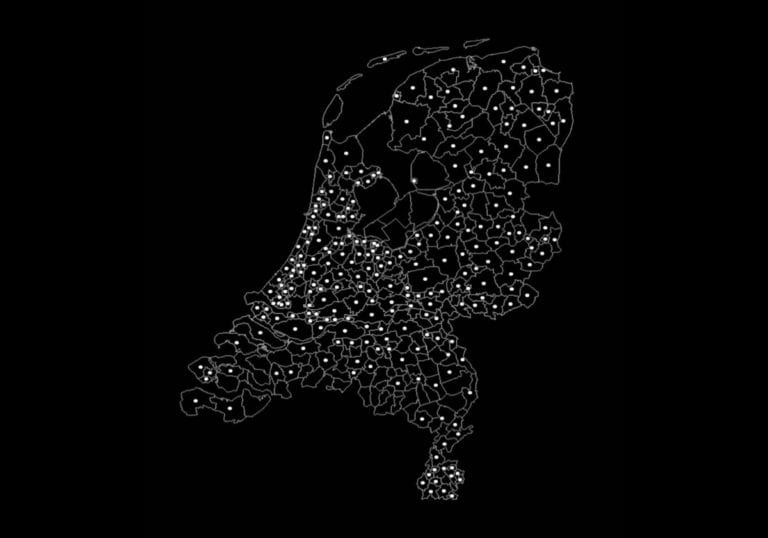
However, we cannot show you how the temporary monument of Levenslicht looks like as of yet because Studio Roosegaarde wants the big reveal of the whole monument to create a big impact. They have released a map of the Netherlands, marking all the locations where these interactive monuments will be set up.
There will be a huge monument erected in Rotterdam, a city that was bombed extensively during the war. It will have a diameter of over 20 meters and will be revealed on January 16. Versions of this monument will be sent to the places marked on their map, where it will be open to the public to view for two weeks. De Volkskrant says that 100 municipalities have already signed up to have this “active commemoration” to the victims showcased.
According to Gerdi Verbeet, chairman of the National Committee 4 and 5 May, every municipality can also “add their own activities and rituals”. So they can choose how to make this temporary monument that much more special by finding ways to commemorate the victims.
Will you be going to check out Roosegaarde’s Levenslicht monuments around the Netherlands? Let us know in the comments below!
According to data from Buienradar, yesterday was the warmest 24 October ever in De Bilt. The temperature rose to 19.6 degrees celsius during the afternoon. This is the fourteenth time this year that the daily temperature has been a record breaker.
The previous heat record for yesterday was 19.4 degrees, which occurred in 1995. Measurements have been recorded since 1901.
You may be wondering why temperature measurements are always taken from De Bilt. If a record is made there, it’s an “official” temperature record. If a higher temperature is recorded elsewhere in the Netherlands, then it counts as a “national” record, but not an “official” one. Basically, this is all done for consistency’s sake.
Opnieuw sneuvelt een #warmterecord in 2019! Het is vandaag de warmste 24 oktober sinds het begin van de metingen ☀️? Nummer 14 dit jaar… Hoe bijzonder is dat eigenlijk? En zegt het wat over klimaatverandering? Ontdek het hier: https://t.co/1z06onZOHVpic.twitter.com/TKkxzsziyM
TRANSLATION: Another heat record in 2019! Today is the warmest 24th of October since measurements began. The fourteenth of the year… How strange is that? And does it have something to do with climate change?
This year there have been fourteen records made for the hottest daily average, but only one (from October 6) that was colder than average. According to Philippe Schambergen, a spokesperson for Buienradar, this is evidence of climate change. In an interview with RTL Nieuws, Schambergen noted that “[w]ithout climate change we would have had about as many heat and colder records every year, but in recent years we have had more and more heat records than colder records.”
Have you noticed the warmer weather this year? And what did you get up to yesterday? Let us know in the comments below.
The municipality of Rotterdam is waking up to the need of the hour and taking control of its energy consumption – starting from January 1, 2020, all the municipal electricity consumed will be generated only through sustainable sources.
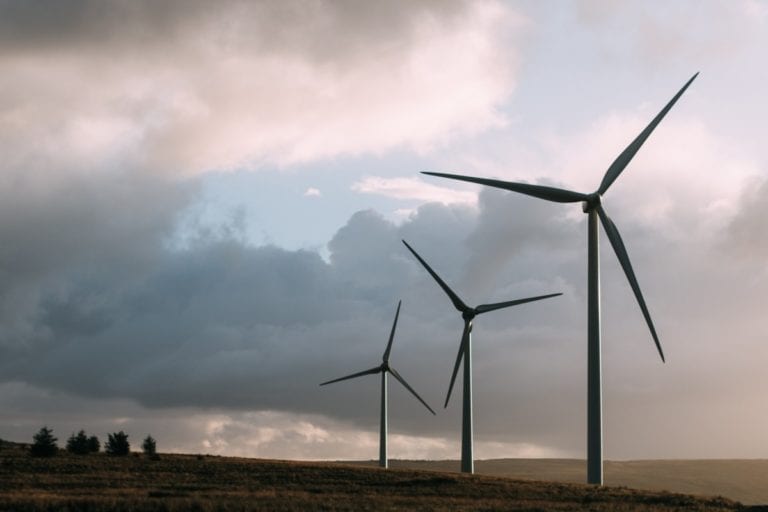
This means the electricity the municipal pays for like public buildings, lighting in public spaces and sewage pumping stations will all come from solar or wind energy!
This is after Aldermen Arno Bonte of the GroenLinks and Alderman Arjan Van Gils of the D66 signed an agreement with Eneco and Greenchoice. It was ratified for 10 whole years so that sustainable energy will be supplied to the second-largest city in the Netherlands.
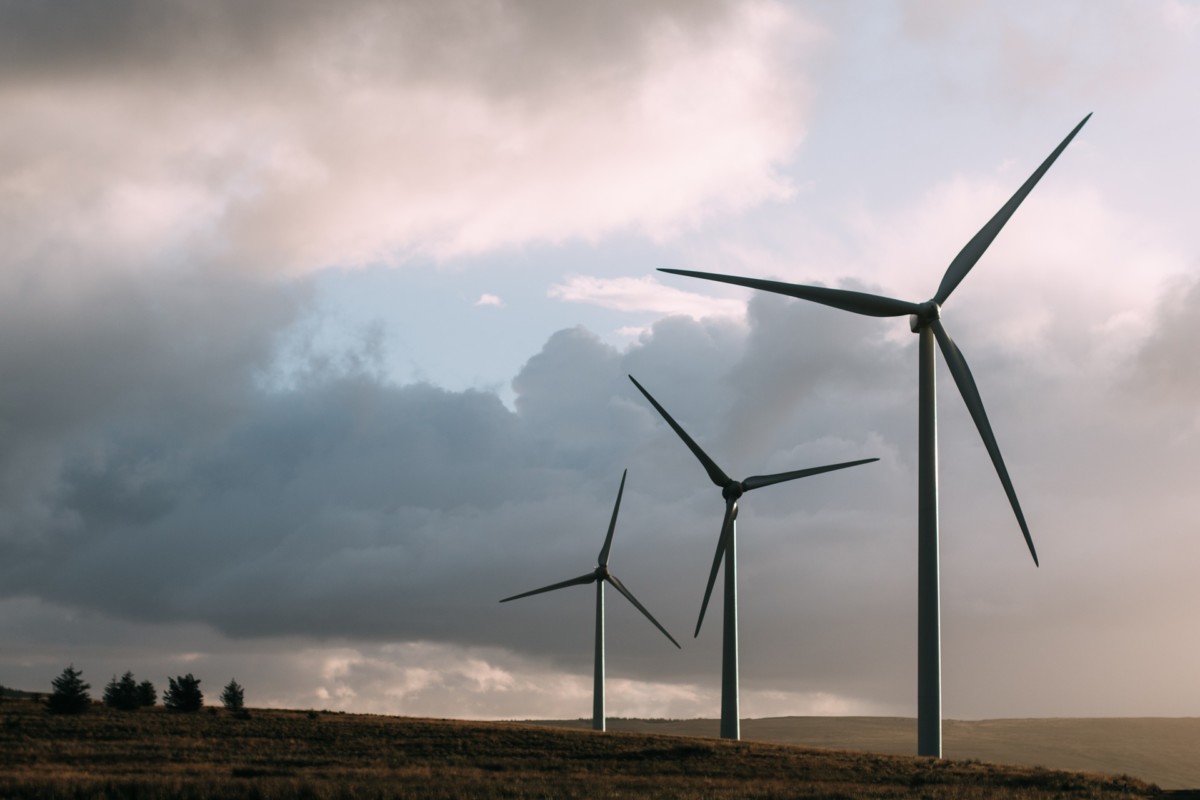
Wind energy and solar energy will soon power Rotterdam! Image: Pexels/Pixabay
Goodbye fossil fuels, hello green energy?
Alderman Bonte says that this new energy contract will surely push Rotterdam forward and help it transition into a “leader in clean energy”. He said, “we not only switch to 100% green energy but also provide additional wind turbines and solar parks in Rotterdam. That brings us a step closer to achieving our independence from fossil fuels.”
He asserts that “sustainable procurement is of paramount importance to us” and believes this agreement is an important step forward. Hans Peters, Eneco’s Chief Commerical Officer is “particularly proud” of this collaboration and is happy to get down to business to push the local energy transition forward. About time, eh?
Half of the volume of energy will be generated locally
Alderman Van Gils also says that a large part of the energy will be generated right here in Rotterdam. Additionally, any new energy installations will be supplied by Eneco and Greenchoice.
Also, have you heard about all these amazing new buildings that will be gracing Rotterdam’s skyline? If what they say is true, they will only be supplied with green energy!
“Green energy for and by Rotterdammers”
The Aldermen also wants to get local residents and businesses involved. In Greenchoice’s vision, they believe this agreement will be successful only with their involvement. “The starting point is that every Rotterdammer must be able to participate in the energy transition: green energy for and by Rotterdammers,” Marieke van den Hoek, Commercial Director of the company states.
Do you think this announcement is too late, or is it better late than never? Let us know in the comments below!