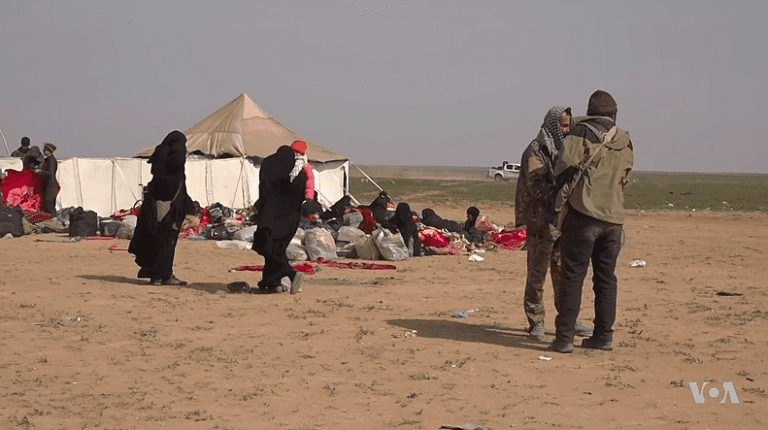
Asylum seeker centres in the Netherlands are completely full, according to a statement released by the Central Agency for the Reception of Asylum Seekers (COA) today, reports nu.nl.
The number of asylum seekers currently staying in centres across the Netherlands is nearly 27,000. This is just under the number who were staying there in 2016, when the Netherlands was dealing with the aftermath of the refugee crisis.
The number of new asylum seekers is not the problem
The reasons for the current overcrowding of asylum seeker centres are complicated: it isn’t just because there are more asylum seekers arriving in the Netherlands (there are, but not by much). It’s also because of the housing shortage: many status holders haven’t been able to find housing, so they’re forced to stay in the centres longer than would be ideal. Finally, those who are processing asylum seeker applications need more time, more money, and more staff for the process to run as efficiently as it should. This means that processing times are longer, which creates a bottleneck.
LGBTI+ asylum seekers no longer protected
Misschien hadden we de intersectie van asielzoeker en lhbtqiar moeten benoemen ? (niet het hele bericht) pic.twitter.com/i3AgjnmHDx
TRANSLATION: Maybe we need to pay attention to the intersection between asylum seeker and LGBTQI+’r.
Since the middle of 2018, the COA has been using reserve capacity to house asylum seekers. There are 2000 reserve places, and they’re all being fulling utilised at the moment. The largest reception centre in the country, Ter Apel, is almost full, and as a result the protected spaces for LGBTI+ asylum seekers have recently been opened to heterosexuals. This is far from ideal, as many LGBTI+ asylum seekers feel unsafe in this situation.
Effect of the housing shortage
About 5500 people living in asylum seeker centres have actually received residence permits: but they have not been able to find housing because of the housing crisis in the Netherlands. This is a municipality problem, who are obligated to find housing for those with resident status. According to the COA, “[t]here are municipalities that comply with the agreements to place asylum seekers, but also municipalities that are behind.”
Een asielzoeker wacht soms wel anderhalf jaar voor zijn aanvraag in behandeling wordt genomen. Daardoor zijn nu alle plekken in de centra bezet. https://t.co/lGfO5BpsVk
TRANSLATION: An asylum seeker sometimes waits a year and a half for their application to be handled. It’s because of this that all the places in the asylum seeker centre are full.
Processing times are really slow
There are fewer asylum seekers and travellers arriving in the Netherlands than this time last year. According to provisional figures released by the COA, in the first three quarters of this year, 16,530 asylum seekers and 2,920 family migrants came to the Netherlands. That’s a lot of people, but it’s not the number of asylum seekers that’s causing the problem. Apart from housing shortages, processing times are extremely slow.
Waiting time has risen by five weeks
The COA has tried to deal with this by hiring new staff last year for the Immigration and Naturalization Service (IND), who complete asylum seekers’ applications. Yet more measures were taken in April, but nothing has worked to speed up waiting times: in fact, the waiting time for asylum seekers’ applications has risen by five weeks. Workers are managing to handle the applications within the legally prescribed period of six months less and less frequently.
According to the Dutch Council for Refugees, applications are taking about 10 months on average, which creates a bottleneck in the system, as asylum seekers continue to arrive, but fewer are processed within the allotted time. The COA and the IND have not yet commented on this.
Slower application process means less effective integration
Being kept in an asylum seeker centre for so long does not help the asylum seekers’ integration into the country, of course. Although they work on learning Dutch and integrating as much as possible while living in the centres, staying too long can have negative effects. According to VluchtlingenWerk Nederland spokesperson Martijn van der Linden, “They get used to being dependent on others and receive social assistance benefits for longer […] The bill ultimately falls to the municipality.”
Money troubles for asylum seekers
Furthermore, the asylum seekers are limited in their ability to earn money: in the first six months of their application they are not allowed to work at all. This is especially problematic for men who come here before their families follow them. The money their family is surviving on may run out during the asylum seeking procedure, especially if there are delays.
The COA opened more asylum seeker centres last year, because people are needing to stay there longer. However, this doesn’t seem to have helped with the overcrowding problem.
How can the Dutch government speed up the asylum seeker application process? Let us know in the comments below!
When I initially sat down to brainstorm for this article, it was quite difficult to think of a topic that had not been discussed by writers before me about integrating into Dutch life.
Every author who writes about Holland talks about the same themes and usually begins by stating that Holland is the land of clogs, tulips, cheese, bicycles, marijuana or something along those lines.
However, it was only after hours of pulling my hair out that I realized that most had forgotten one crucial thing in their articles: to discuss what an immigrant really needs to know once they arrive in The Netherlands.
When I say what they really need to know about integrating into Dutch life, I’m talking about how to integrate as seamlessly as possible into life in the lowlands. While everyone knows the boring facts about obtaining your BSN or finding the best mobile data package, I have compiled a list of the do’s and don’ts to living in Holland and really integrating into Dutch life, this to ensure that your fellow Dutch inhabitants will not be able to tell that you have just stepped off the plane at Schiphol.
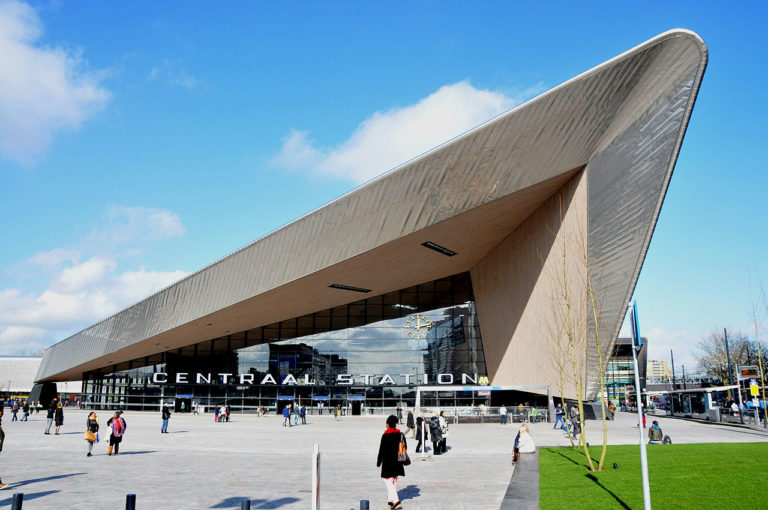
The most obvious place to start on our journey to successful integration into Dutch life begins in the first place you find yourself in after the airport: The Train Station.
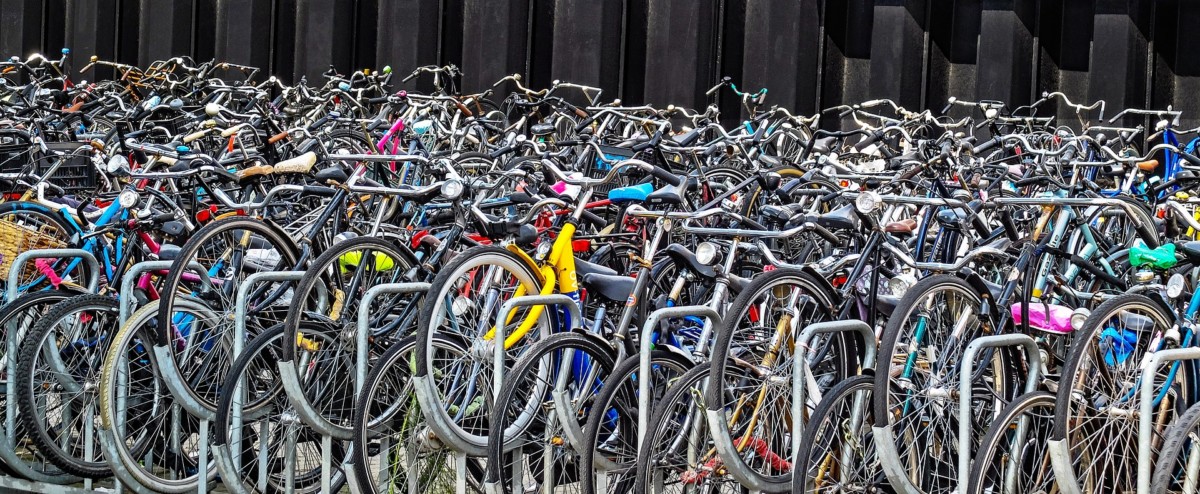
Get yourself a bike when integrating into Dutch life. They say there are more bikes in the Netherlands than people! Image: djedj/Pixabay
The train stations in Holland are incredibly scary and if, like me, you come from a country where you miss the train, think “f*ck it” and go to the nearest pub for a pint until the next one comes along, then being in a train station in Holland will probably send you into a stress-induced coma.
The station is a hotpot of lost tourists, time-conscious, working commuters and beautiful blonde-haired creatures, gracefully Olympic sprinting through the station and down the escalator to catch their departing train with a minute to spare. Then… there’s me, one foot below the rest of the Dutch population, squinting at the departure screen, furiously scrolling to find when the next train departs to Amsterdam Centraal, while also weighing up the potential success rate of me obtaining a koekje from the Albert Heijn before catching my train.
However, after several episodes in various train stations across the country, I have finally cracked the code of how to blend into the crowd in the train station and have compiled a simple list of dos and don’ts to ensure that you too can fit into this mystifying maze of excellent time-keeping and public transport in the Netherlands.
DO purchase an OV Chipkaart and DON’T buy paper tickets
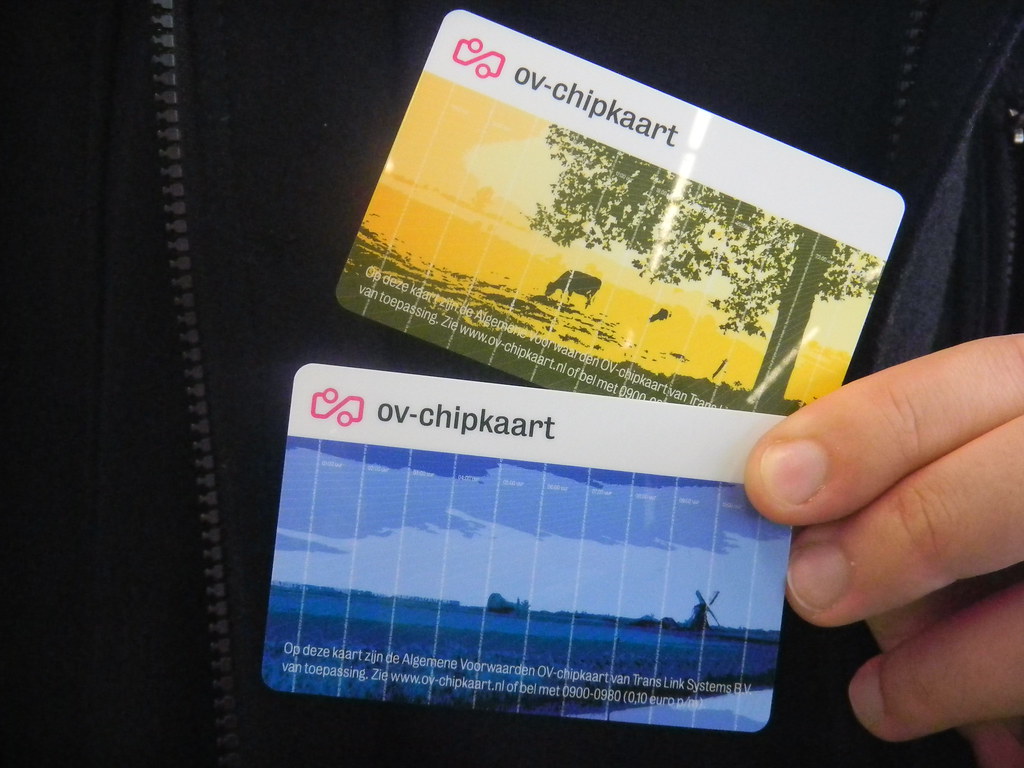
Step one of integrating into Dutch life: buy an ov-chipkaart! Image: Elisa Triolo/Flickr
Having an OV Chipkaart is the equivalent of having a backstage pass to the Oscars if you’re a tourist. No longer must you face the embarrassment of carrying around a paper ticket for every journey you embark upon.
Now, you hold the holiest of all grails: For just €7.50, you too can be the owner of such a magical card and can strut into the station, nonchalantly avoiding the pay machines and arrogantly swiping your card at the check-in point without even stopping in your stride (that is until you realize that you have no credit on your card and have to return red-faced to put €20 on your Chipkaart.)
If used correctly, this card will ensure that Dutch people will have a very hard time identifying you as a tourist and if you can manage to find yourself a Dutch friend (with a special discount card that you mere mortals wouldn’t even understand), it will allow you take advantage of a 40% discount on every journey. Ka-CHING!
DO attempt to board the train as soon as possible and DON’T allow on-board passengers room to disembark
No matter what country you come from, the majority of individuals are brought up to obey certain public transport etiquette such as letting an old person have your seat or thanking the bus driver on your way off the bus.
One such train etiquette for those waiting to board any form of public transport is to allow room for those disembarking the vehicle to safely exit so as to avoid any injuries or potential stampedes. Such etiquette is not the case in Holland and should you stand back to allow your fellow commuters to disembark, you have failed at your attempt at Dutch integration and must return to your home, pack your bags and head for the airport.
No, this rule is one that is not and probably will never be practised in Holland and should you wish to remain living in the Netherlands you must follow these crucial steps to blend in while boarding a train:
Wrap your belongings as tightly to you as you see the train approaching in the distance.
Slowly begin taking steps closer to the edge of the platform, linking up with fellow passengers on your left and right to create an impenetrable, compact herd.
As soon as the train stops, rush with your herd towards the opening door.
Those in the middle may find themselves obliged to create a small pathway to allow those on the train to get through the masses to the platform, however, should you find yourselves on the side of the herd, feel free to continue to push your way towards the door.
If you feel that your herd is failing you and not making progress, you can always jump ship to the next entrance and push from the rear.
Board the train and elbow your way to the nearest free seat in second class.
DO stare at your fellow passengers and DON’T mind your own business.
Success! You’ve boarded the train and you have now taken your seat along with your fellow peasantry in second class.
Now, to complete the initiation process, you must focus all of your intentions on your fellow passengers. Dutch people on trains have an incredibly annoying habit of staring at anyone who opens a bag of crisps, answers their phone or sneezes and coughs too loudly. To become one of them, you too must stare at these culprits, boring your disapproving, inquisitive eyes into their soul until they are shamed into a cone of silence for their entire journey.
Should you find yourself as the culprit, well, I usually just stare back and wink until they look away.
And there you have it! You’ve done it. You have passed as a Dutchie in the train station and stage one of your integration process is complete.
Are there any do’s and don’ts we missed out on? Let us know in the comments below!
As Turkey crossed the border and attacked the Kurdish held section of Syria, the fate of ISIS members detained in the region remains uncertain. Some European nations are using the fragile ceasefire to bring them back. The Dutch Public Prosecution Service (OM) wants to bring back 29 Dutch-Syrians to try them for terrorism in the Netherlands.
Before we talk about possibly bringing back these ISIS members, let’s have a good look at the latest state of affairs.
On October 17th the US negotiated a five-day ceasefire with the Turkish government. Turkish president, Erdogan, celebrated the deal, while Trump tweeted it was “a great day for civilization.”
Trump announced yesterday that the ceasefire would be made permanent while lifting sanctions against Turkey, but this information should be taken with a grain of salt, given Trump’s track record on creating consistent foreign policy.
Nevertheless, the international outcry over the invasion continues. After all, 11,000 Kurds died fighting against ISIS, with the Syrian Democratic Forces (SDF) being America’s most important ally in the fight against the spread of terrorism in the region. Now, they are left on their own to fight against Turkey.
Before the end of the ceasefire, the Turkish and the Russian presidents met for marathon talks in Sochi and agreed on a deal that would establish their power in Syria. Under the agreement, forces from both countries will be deployed across most sections of the northeastern border between Syria and Turkey in order to fill the void left by the sudden withdrawal of U.S. forces.
Turkey will control the areas on the Syrian border captured during its invasion. Russia and Syria will oversee the remainder of the border region. No provisions have been made for an autonomous territory for the Kurds at this point. Russian and Syrian forces would be deployed immediately in order to certify the Kurdish retreat 30 km from the border within the granted 150 hours, as per the Russian and Turkish deal.
As the Kurds spearheaded the fight against ISIS in Syria, they hold in improvised prisons and camps 11,000 ISIS fighters and many more thousands of their wives and children. The United States’ Department of Defence estimates that 800 of those fighters are European. Since the US military withdrawal that paved the way for Turkey’s invasion, the escalating chaos in the area has raised the alarm about the fate of those ISIS members.
Because of the Turkish invasion, reports say almost 800 detainees from one prison escaped, among them ISIS members. NGOs said the ISIS members from this camp were not radicalized, but as the region heads for the unknown who knows which detainees will go free next?
Attempts to retrieve women and children
A huge policy impasse for western nations with foreign fighters, women and children held in Syria, there was never a clear answer about what do to with them. However, things might be turning now.
Belgium has contacted the families of the detainees to let them know the government was trying to use the ceasefire to bring back Belgians with links to the terrorist group. France and Germany are also investigating alternatives to take advantage of the time window to bring back women and children.
Will the Netherlands follow the example?
In September, the Dutch Justice Minister Fred Grapperhaus told parliament in The Hague that the Netherlands decided against repatriating women accused of joining ISIS and their children. According to Grapperhaus, the ministers are also concerned about the living conditions of the women and children, but it was ultimately their decision to join ISIS and call Syria home.
'Er wordt een nieuwe oorlog rond deze kinderen uitgevochten en de uitkomst is onzeker. De kinderen moeten daar weggehaald worden voor het te laat is', schrijft @Kinderombudsvrwin in @nrc over de kinderen in Syrische kampen. https://t.co/DtC0dmAyX3
In January, the Dutch Ombudsman for children, an independent institution that checks if children’s rights are being respected, renewed calls for the government to bring back the children. “The development of these children has been seriously threatened by their parents’ choices,” the ombudsman declared. “If parents cannot protect their children, the government should step in.”
Dutch Public Prosecution Service wants to bring 29 Dutch-Syrians back
On Wednesday evening, the Dutch Public Prosecution Service (OM) revealed that it would like to bring 29 Dutch-Syrians back to the Netherlands for trial: this is almost three times the number it requested earlier in the year. It is not just women and children who are included in this number: the OM also wants to add men to the list, who are currently held in prison camps in northern Syria. All people on the list stand accused of terrorism, reports nu.nl.
The cabinet, however, has not changed its position on bringing these people back to the Netherlands: it does not want to. They would prefer to see the nationality of these Dutch-Syrians taken away, and have them tried in Iraq. The OM has said it “wants to try everyone, but that is only possible if they are out of those camps and come within the reach of the Dutch justice system”.
As the situation has dramatically changed, do you think the Dutch should take a page out of its neighbours’ book? Sound off in the comments!
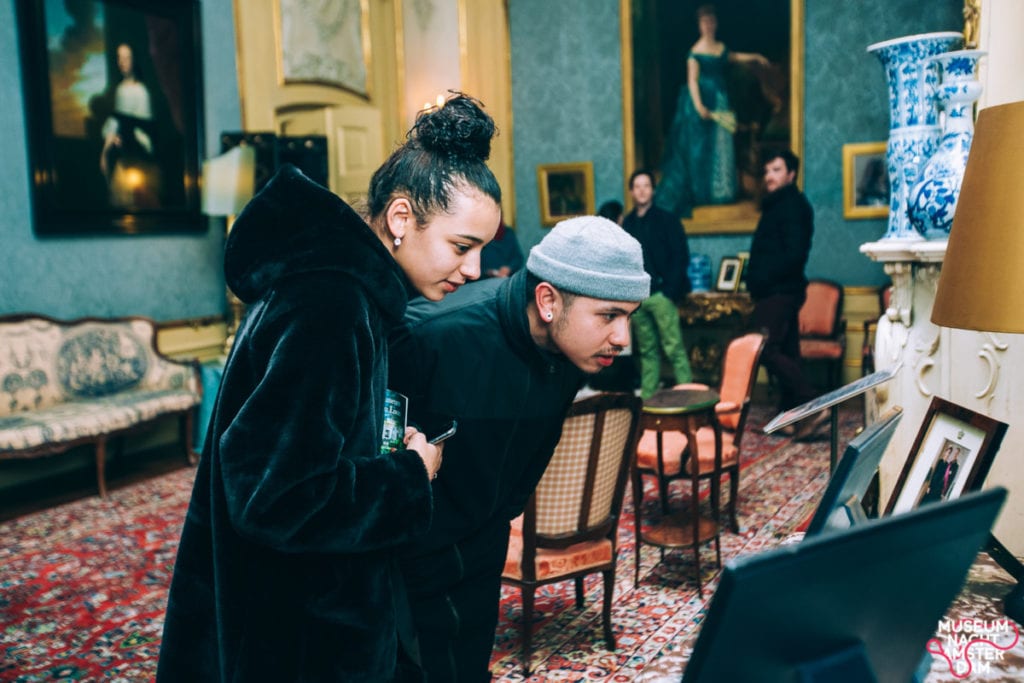
Over 32,000 people will flock to Museumnacht Amsterdam 2019, inspired by a night of open doors, jaw-dropping exhibits, and unique once-off exhibitions. How can you join in? We’ve got everything you need to know about Museumnacht Amsterdam 2019, from what it is, what you should so, and how you can join the fun.
IMPORTANT UPDATE: Tickets for 2019 are now officially sold out! Check out some reputable ticket swap websites and be smart to try and get your hands on one!
Museumnacht literally translates to Museum Night. While the name alone may conjure up the 2006 film Night at the Museum, you won’t be seeing the classic duo Ben Stiller and Owen Wilson here. Instead, Museumnacht Amsterdam promises a smorgasbord of cultural events, music and artistic expression in varying forms- easily a better offering than the movie!
What is Museumnacht Amsterdam – and where is it?
Museumnacht Amsterdam is an incredibly interesting, dynamic and a much anticipated annual event, much like many of the cultural events hosted in the Netherlands. It’s a one-off night where a stack of Amsterdam museums offer ultimate access, unique activities, incredible music, and delicious food.
When you consider how many museums are peppered about the Netherlands, it’s understandable Museumnacht is not just unique to Amsterdam (hallelujah!). At other times of the year, Rotterdam, The Hague and Leiden (to name just a few of Amsterdam’s charming siblings) host their own Museumnachts. But let’s dive deep into the upcoming Amsterdam event!
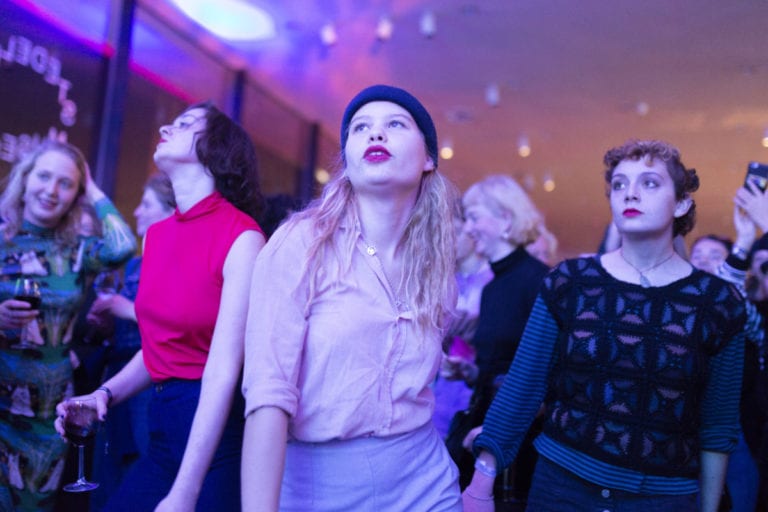
Everything is art at Museumnacht 2019. Image: Oscar Aukes/Museumnacht
During Museumnacht Amsterdam you can visit whichever museums are participating in the 2019 Museumnacht Amsterdam program, giving you an incredible opportunity to visit as many museums as you can fit into the evening!
When is Museumnacht?
The 20th annual Museumnacht Amsterdam takes place on Saturday November 2, 2019. The festivities begin at 7 pm and round out late at 2 am – that means it’s is your chance to see if any of the exhibits do come to life a la the movie!
Feeling a little overwhelmed by all the emotions and aesthetics you’re seeing at your chosen museums on 2 November isn’t a problem either! This year you can mentally bookmark the museums you want to return to and sort through those feelings. Your ticket for the evening also allows you one repeat visit between 3 November 2019 and 31 December 2019!
Who is Museumnacht Amsterdam for?
Museums are the playgrounds of the middle-aged and seniors, right? Of course not! In fact, in this case it’s much the opposite. Museumnacht is overwhelmingly attended by under 35’s, making up 80% of tickets sold. That also means tickets are selling fast – go go go!(UPDATE: tickets are now sold out!)
What is there to see at Museumnacht?
Personally, in my tickets seven hours, I’m planning to have my cup runneth over with cultural stimulation and fun.
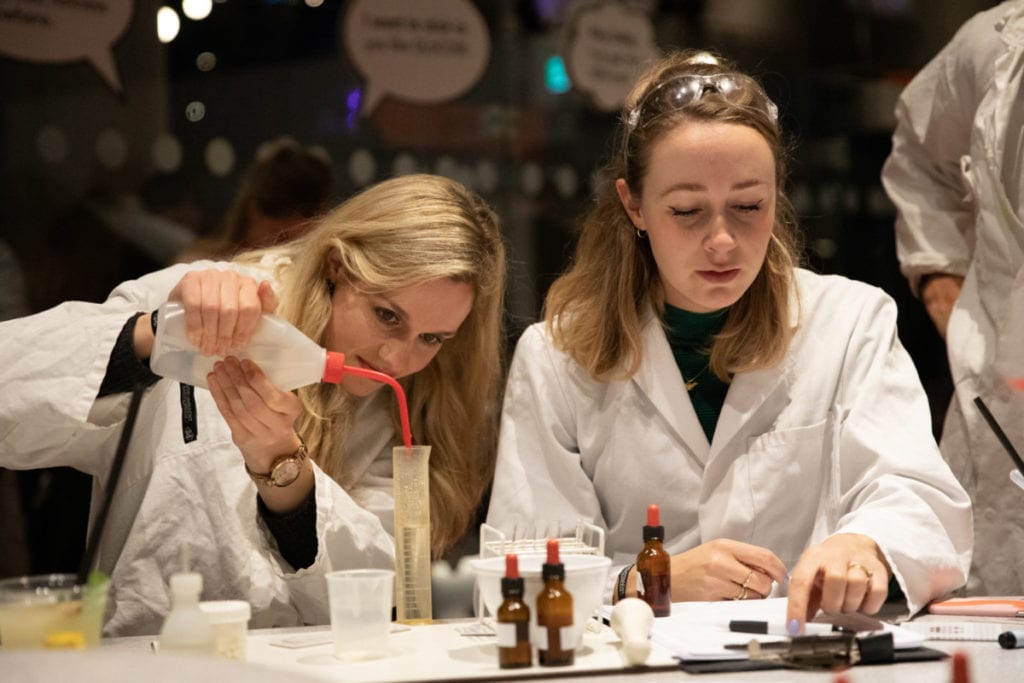
Museumnacht will caress or assault all your senses. Image: RachelEcclestone/Museumnacht
TNO Sound Invites Various DJs is another event I’m mentally gearing up for at the Stedelijk Museum. The program promises it will be ‘a cross-border evening full of fashion and music inspired by Paris then and now.’ I’ve visited the Stedelijk in the day-time and I’m looking forward to a whole new experience in the nighttime!
But this is only a thimble of the range of activities that are on offer on the evening – check out the full program to find the one that takes your fancy.
What can you eat at Museumnacht Amsterdam?
There’s also some drool-worthy food on offer over the evening. If you’re thinking of going vegan like me (a decision which is currently still in the ‘potential’ phase because I love halloumi a little too much), then a visit to Vegan Fat Break at the Maritime Museum could be the perfect fuel for all that uhmming and ahhing over the art.
Image: Jaap Beyleveld/Museumnacht
How can I go to Museumnacht Amsterdam?
A night of fun events, food, drinks and getting to feel cultured and sophisticated all for one €22.50 ticket? Count me all the way in!Tickets can only be purchased on the website and not through participating museums.
IMPORTANT UPDATE: Tickets for 2019 are now officially sold out! Check out some reputable ticket swap websites and be smart to try and get your hands on one!
Planning on heading over to Museumnacht Amsterdam 2019? Let us know what events you’re looking forward to in the comments below!
Wondering why there have been so many protests in the Netherlands recently? Feeling like this usually peaceful country has gotten a bit hectic? Here’s our guide to everything people have been demonstrating against in the Netherlands recently (and a bit about the past on protests in the Netherlands as well)
In case you somehow haven’t noticed, there have been a bunch of protests recently in the Netherlands about everything from not enough climate crisis action to too much climate crisis action from the government.
Why does it seem like the Netherlands has been constantly protesting over the last few months? What’s causing all this uproar? Are the Dutch really more angry now than ever before? At DutchReview, it feels like we’re constantly covering protests. So we wanted to take a deeper, more analytical look at the main issues in Dutch society at the moment, and whether we’re entering a new era of public discord in the Netherlands.
Some Dutch protest history
When we’re talking about the amount of protests going on in the Netherlands at the moment, it’s worth taking a look at the history of the country to see if this is something new. The Netherlands is not really a protest country- at least compared to other European countries. Even if we look at the recent farmers protests, which have been quite intense at times (they forced open the door of the provincial house in Groningen, for example), it’s nothing compared to the yellow vests in France earlier in the year, or the protests in Barcelona last week. Protests in the Netherlands seem mild, mostly non-violent, and rare when we look at other countries.
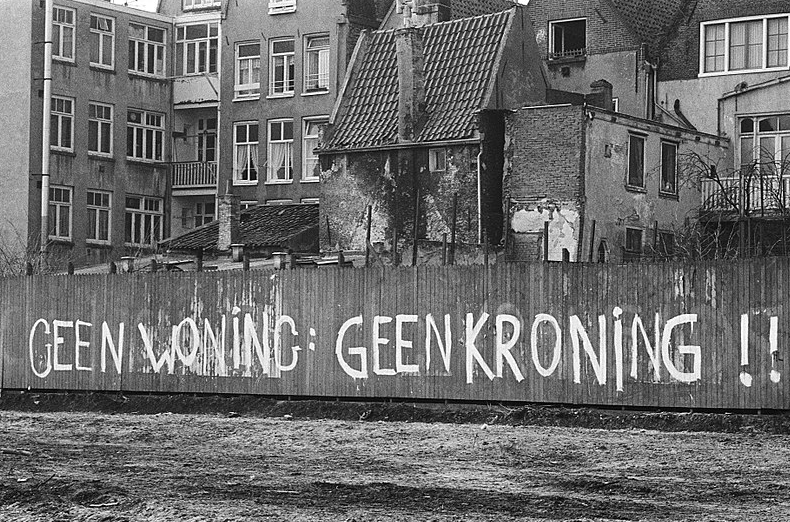
Protests against the coronation of Queen Beatrix. Image: Koen Suyk/Anefo/Wikimedia Commons
There have been bloody protests in Dutch history: the Potato riot in 1917 led to nine deaths; the 1934 Jordan riot led to eleven deaths. And in 1980, in the protest against the coronation of Queen Beatrix, commentators have suggested it was a miracle that only injuries occurred. So it’s not that the Dutch are meek: it’s more that there have been ways for the wants of the people to be incorporated into the government’s agenda.
The Netherlands has a talking culture: when there’s a problem, most people’s first instinct is to sit down and talk about it. Most interest groups will end up in a meeting with a government representative eventually if they organise themselves, so lobbying rather than rioting is the first port of call. It’s called the ‘poldermodel‘ and it’s still there.
What are people protesting about in the Netherlands at the moment?
Obviously, we can’t cover everything people are protesting about in the Netherlands: each year there are 1500 protests in just The Hague. Healthcare workers, elderly people, teachers, builders and lots of other groups have protested and will protest more this year. However, in this article we’re talking about four movements that have garnered quite a bit of media and public attention.
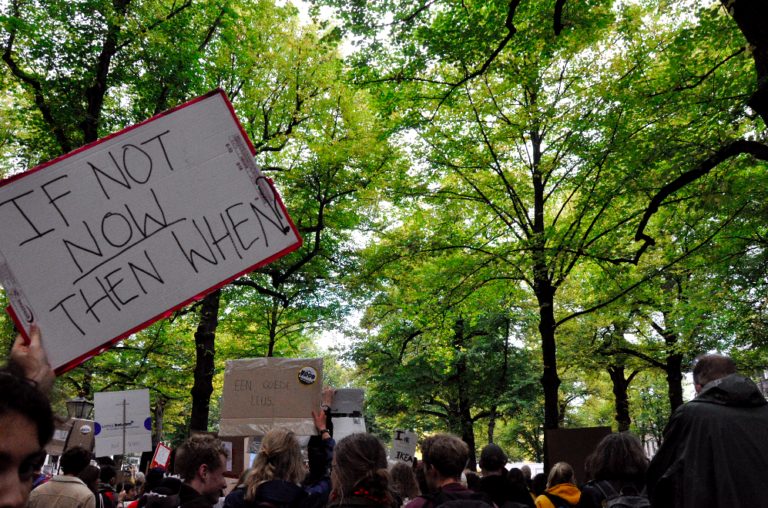
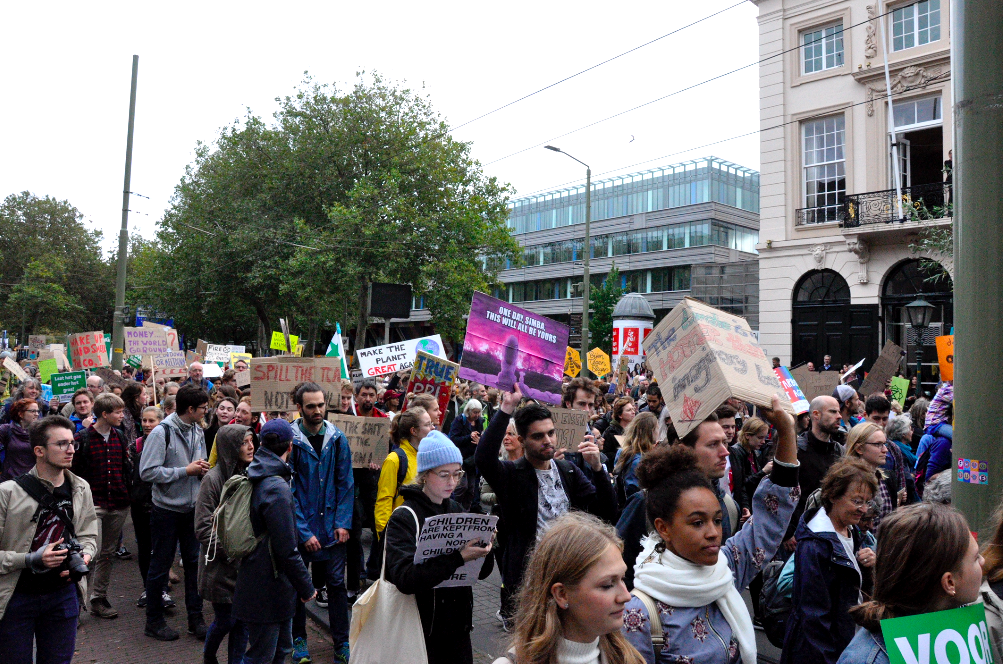
25,000 people came to the climate protest on 27 September. Image: Teresa Gubern/Supplied.
Protests in the Netherlands: the climate crisis
Of course, it’s far from just young people that have been filling Dutch streets recently to share their disappointment with how the Dutch government is handling the climate crisis. But things really began to heat up in February of this year, when Greta Thunberg’s weekly strike movement, Fridays for Future, arrived in the Netherlands. Since then, school children have regularly been skipping school on Fridays, arriving in The Hague (or other parts of the country) and asking for more from the government.
At the same time, the originally British movement, Extinction Rebellion (XR), has also been gaining in popularity in the Netherlands. Similarly to the Fridays for Future movement, it calls for immediate action from the government to avert complete disaster- but it is also more radical, calling for an overhaul of systems we think of as fixed (capitalism, for example). XR stages acts of civil disobedience as well as joining protests.
Both of these movements are international, but it is worth thinking about why people from the Netherlands, in particular, are so frustrated with the way the government is handling things. One of the answers is obvious: we’re a very flat, very below sea level country. If sea levels rise, the Netherlands is going to have some serious problems. But then there’s also the Urgenda ruling, the result of a court case held earlier this year. As a result of this ruling, the Netherlands became the first country to have a government legally obligated to act against dangerous levels of climate change. The Dutch government is still trying to appeal this ruling.
Farmers and their tractors. Image: @Josephine76/Twitter
Protests in the Netherlands: the nitrogen crisis
All over the Netherlands for the past fortnight, the farmers have been up in arms about the measures the government is taking to combat the nitrogen crisis. Most of the Netherlands seems to be supporting the farmers- they do, after all, play a fundamental role in food production. But there are also people who are frustrated that farmers are seemingly working against their long term interests: after all, if farming continues to be a highly polluting industry, climate change will only get worse, sea levels will rise, and that’s going to be a problem for the farmers as well as everyone else.
The farmers started protesting on the 1st of October, and throughout October they’ve been back again and again. In each case they’ve caused chaos, causing the biggest morning traffic jam ever seen on their first day at it. This week they besieged the provincial house in Groningen, breaking open the door with a tractor, knocking down fences, and injuring a police horse. In The Hague and Utrecht, where they protested on the 16th, things were a bit calmer, largely due to a huge army presence that put the city in lockdown. (I had to bike ten minutes longer. It was serious.)
Just in case you were about to get really annoyed with the farmers, we ought to take a closer look at what they’re really upset about. For the nitrogen crisis to be brought under control, polluting farms near nature reserves (Natura-2000 areas) may need to be closed, or at the very least, their practices need to be cleaned up. In other areas of the country, the number of livestock needs to drop dramatically- GroenLinks have suggested halving it. And in general, farmers will need to upgrade their machinery and farming practices under the regulations proposed by the Remkes Commission. The problem is that there will be very limited government funding for the farmers to make these changes, so they will have to shoulder much of the burden themselves. Viewed this way, their anger looks a lot like panic from an industry under threat.
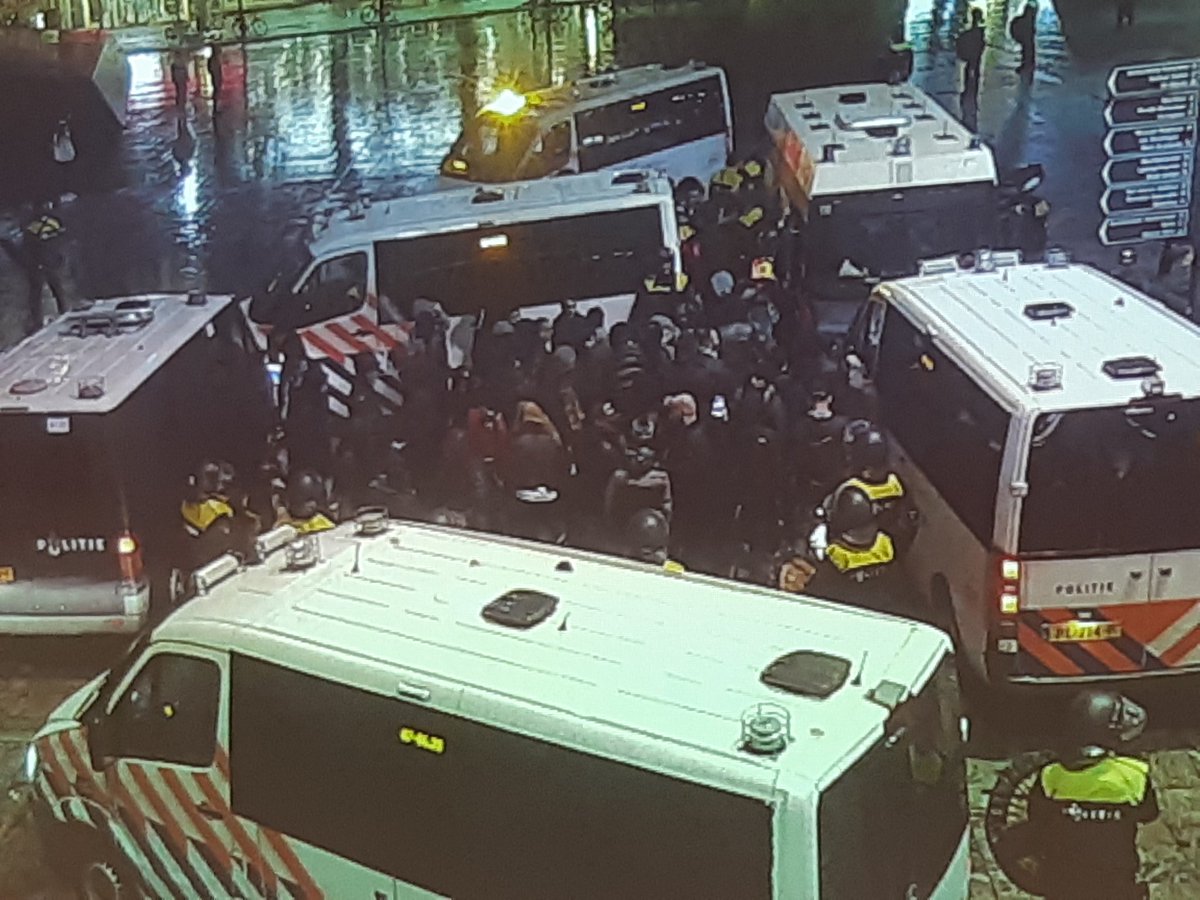
Violence broke out at a protest in Rotterdam between Kurdish and Turkish protestors. Source: twitter/politie_rdam
Protests in the Netherlands: the Turkish invasion
Earlier in October, violence broke out at a protest against the Turkish invasion of northern Syria in Rotterdam. This area had been under the control of American-backed Kurdish forces, who have been mainly responsible for bringing Isis under control. Two weeks ago, Trump decided to pull American forces out of the area, and hand over control to the Turkish president, Erdogan. On Wednesday of last week, Turkish forces invaded the area, attacking the Kurds.
Since then, Kurdish people and those who sympathise with them in the Netherlands- and indeed, all over the world- have been protesting against Turkey’s actions, and asking for action from western governments, such as economic sanctions and no-fly zones. That was what was happening in Rotterdam on Wednesday. However, Turkish counter-protesters turned up without a protest permit, and violence broke out between the two. The police decided to shut down the protest in consultation with the mayor of Rotterdam.
Protests against the Turkish invasion of northern Syria are expected to continue this weekend, with major gatherings expected in The Hague and Arnhem.
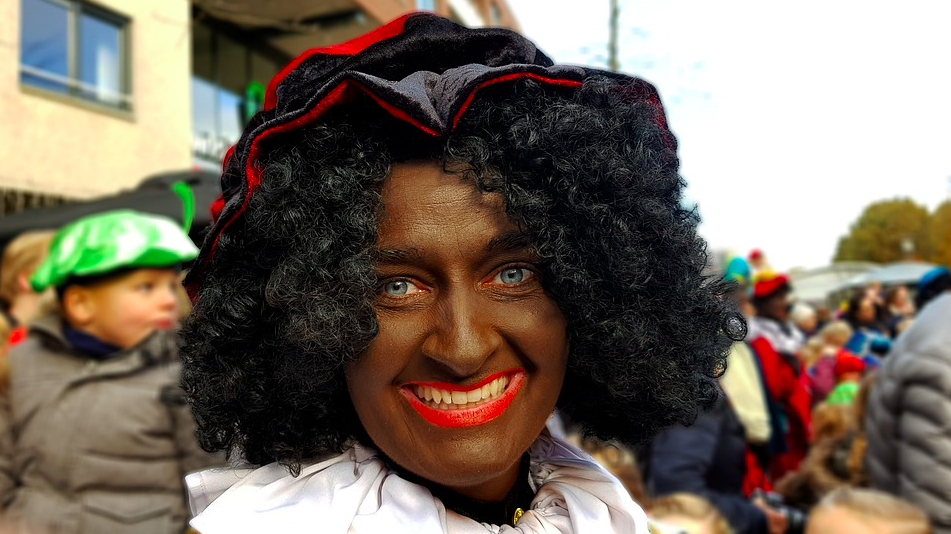
Zwarte Piet is an annual cause of protests in the Netherlands. Image: dassel/Pixabay
Protests in the Netherlands: Zwarte Piet
It’s everyone’s favourite family dinner argument! Zwarte Piet has been a topic of discussion in the Netherlands for a good few years now, and it’s always been something that confuses people who aren’t from the Netherlands. After all, most of us come from countries where blackface is considered very racist and just plain weird, and most of us expect the Netherlands to live up to its progressive reputation abroad.
The Zwarte Piet debate encompasses a lot, from the way we understand childhood and tradition to the way we deal with demographic changes. But if we boil it down, we arrive at a sticky syrup of Dutch colonial history and Dutch identity today. In a society that has experienced quite a bit of inward migration recently, the prospect of changing aspects of Dutch “tradition” only adds to the feeling of a country going through a change. To make matters even more tense, for many native (read: white) Dutch people, it feels like this change is coming from outside. So although to many of us, especially those who haven’t grown up here, Zwarte Piet is vaguely horrifying and very odd, the reasons for the controversy surrounding it are understandable, if not excusable.
Though Zwarte Piet protest season hasn’t quite started, there have already been mentions of changes in the news: earlier in September, NOS reported that when Sinterklaas arrives this year, he will be accompanied by Piets with sooty cheeks, rather than in blackface (they will keep their costumes and wigs, though).
Is this a new era of protests in the Netherlands?
As we’ve already discussed, the Netherlands is not prone to violent uprisings: it has a culture of conversation and compromise. Having the pillar system encouraged this in a way. The three different groups would have to talk to each other to maintain a functioning country, but would also be closed off in a way that made each feel at home.
The Netherlands has a conversation culture. Image: Treasure Nguyen/Flickr.
However, the pillar system has been changing for decades now: as more and more Dutch people drift away from religion, the previous divide between Catholic and Protestant makes less sense. And as a result of immigration, the Netherlands also has more varied groups to contend with and listen to than before.
Yes…
In 2019, new issues are affecting Dutch society- and indeed, affecting the global community. The climate crisis has never not been urgent business, but now it is urgent in much of the public’s mind. But figuring out how to deal with this crisis while also taking into account the human side of it- people whose jobs will change, or be lost- has yet to be undertaken on a government scale.
And then the Netherlands is changing, bit by bit: in terms of who lives here, and what kind of society they want to build. We’re seeing people wanting the government to look after vulnerable groups abroad, like the Kurds; and we’re also seeing people struggling with their traditions, and how they can change them to include others.
Social media also plays a role in Dutch society becoming more protest-heavy. Image: pxhere
Finally, like the rest of the western world, the Netherlands is struggling with increasing social divisions: both in terms of social media, and income inequality. Because of how algorithms on Facebook and other sites work, you literally only hear what you want to hear. And although the figures on income inequality in the Netherlands are unclear about whether it has risen or stayed the same over the past decade, there is no dispute over the fact that income inequality is here, big time.
…and no
While it’s definitely true that different issues are affecting the Netherlands than those from ten years ago, it’s not completely true that the amount of protests going on is new. For sure, if you compare the number of protests in 2018 with the number in 2002, that number easily quadruples. But according to sociologist Jacquelien van Stekelenburg in an interview with NOS, the amount of protests going on in the Netherlands at the moment is about the same as in the sixties. She notes that protests tend to come in waves: they happen all at once, and then not really at all. So we are seeing a different level of engagement from the public than ten years ago, but that isn’t completely unheard of in the Netherlands.
What we’re seeing in the Netherlands is new, then, in the sense that we’re dealing with different issues, and a more diverse society (in terms of income and political beliefs as well as migration backgrounds). But it is not new for people in the Netherlands to protest if we take the history of the last century into account. And, furthermore, if we compare the amount of protests and uprisings in the Netherlands to those taking place in other European countries, we’re left with the idea that the Dutch way of protesting is milder, because Dutch people expect to be heard. It remains to be seen whether they (all) will be, and how the different needs of different groups will be taken into account by the government.
So, what do you think? Is the Netherlands becoming a protest country, or are we just struggling with some big issues at the moment? Let us know your thoughts in the comments below.
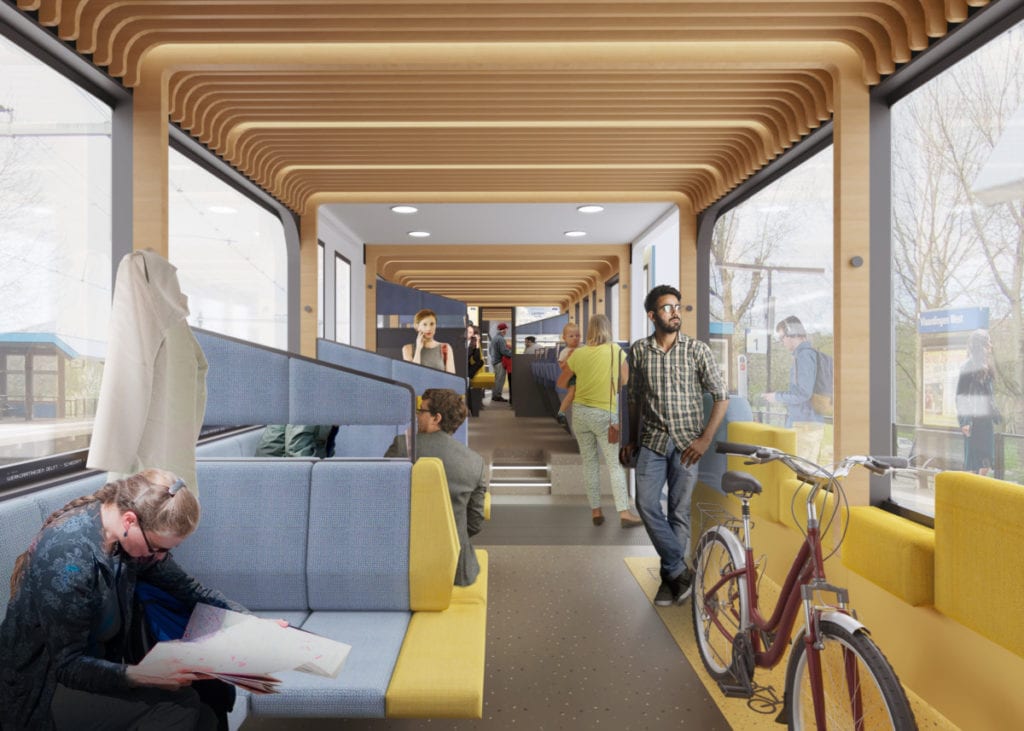
Not a fan of the stock-standard train interior? Tired of boring seats with uninspired designs, tray tables hiding people’s leftover crumbs, and wall decorations of graffiti? Ladies and gentlemen, the next stop is interior city.
At least that’s the possibility, according to NS, architectural firm Mecanoo and project designer Gispen who are investigating ‘the train journey of tomorrow.’ And let’s just say, at this point, that train journey is looking pretty darn sweet.
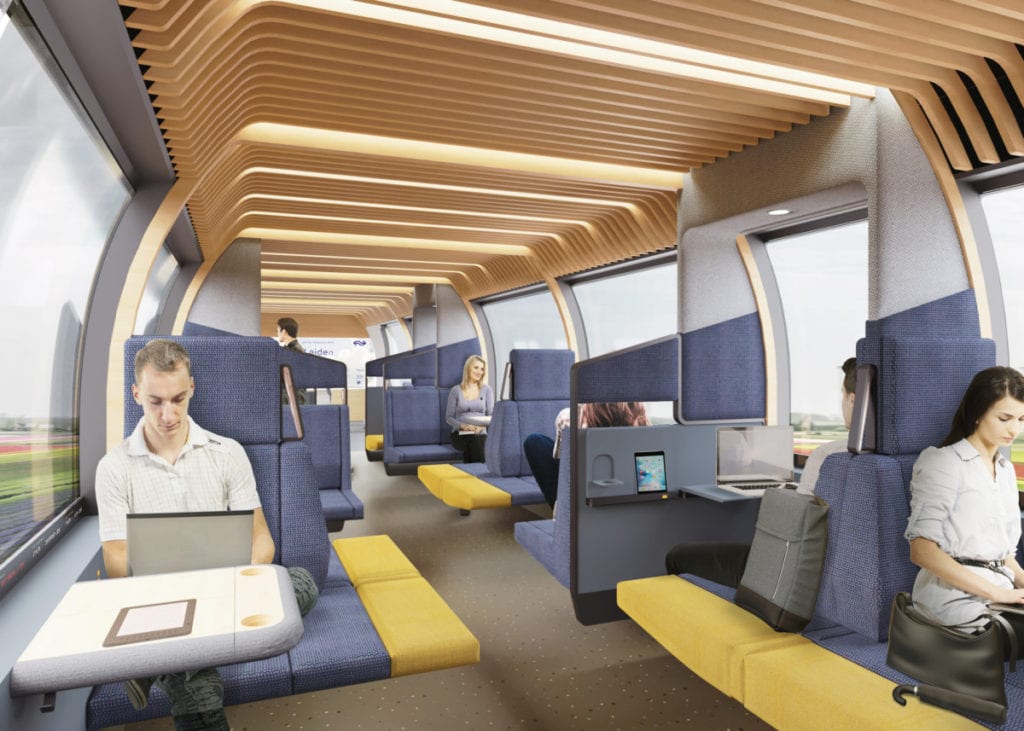
With a focus on creating spaces where travellers can read, chill, work, or muse about their thoughts, the new trains aim to create more space as NS faces ongoing stress from unprecedented passenger growth.
“This train of the future means that you can get more out of your day because, for example, you can work undisturbed,” explains Tjalling Smit, Director of Commerce and Development at NS.
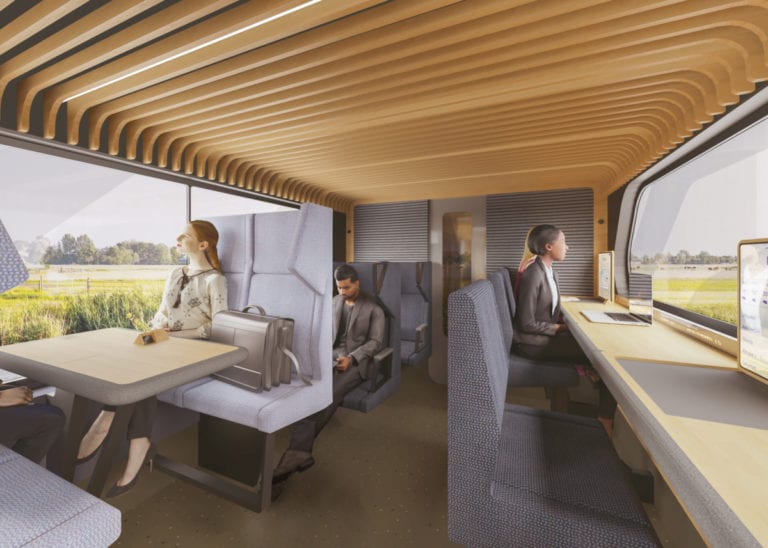
A 3D walkthrough of the new train interiors is available at Dutch Design Week. Image: NS
“Travel time thus becomes working time. Or read, chat or chill time. The train makes it all possible, the traveller decides.”
Sounds pretty awesome, right? Associate Architect, Arne Lijbers at Mecanoo agrees. His task is to make the train an experience, rather than just a method to get from A to B. “The train of the future becomes a dynamic, open environment to all kinds of activities from travellers,” he said.
So how do you create the interior of the train of the future? For starters, you don’t treat it as a train, says Sarah Schiffer, product and concept manager at Gispen. A modular grid means every centimetre is used and the design is futureproofed.
The new trains will try to capitalize on the sensory experience. Image: NS
“[It means] every traveller has more space during the peak times and can find a place to their liking at other times,” Schiffer explains. If you’re keeping count, that means maybe no more sitting next to the person whose never heard of earphones.
Toot, toot!
Alright, alright, we’re excited – so when can we hop onboard? If you’re thinking this is the part where we crush your dreams and tell you not for twenty years, you’re wrong. While the new trains interiors aren’t confirmed, you can experience them at Dutch Design Week 2019!
Using virtual reality technology you can test out the new train interiors and give your feedback – love it, hate it, check it out and tell NS your thoughts – it could affect the train you ride one day!
Got a smashing idea for a new train interior? Think these ones are absolutely leuk? Let us know in the comments below!
Have you considered volunteering in the Netherlands? Volunteering can not only make other’s lives better and provide a positive impact on the community, but it can also enhance your perspective on the world – at least that’s what the volunteers and participants in the Happiness Walk found. This unique activity designed to boost the imagination is just one of many volunteering opportunities in the Netherlands.
Perhaps our first great accomplishment as humans is when we start walking. From then, it’s a matter of practice and gaining balance. Once comfortable in our skin, we walk extra miles until it reaches normality, and becomes the usual happenings of everyday life. We all have them; those tiny moments that pass by neglected.
But what if we made it a habit to look at those unnoticed ordinary things? Chances are that you may spot something you have never noticed before and that will allow you to exist in that particular moment.
How Happiness Walk gives a new perspective
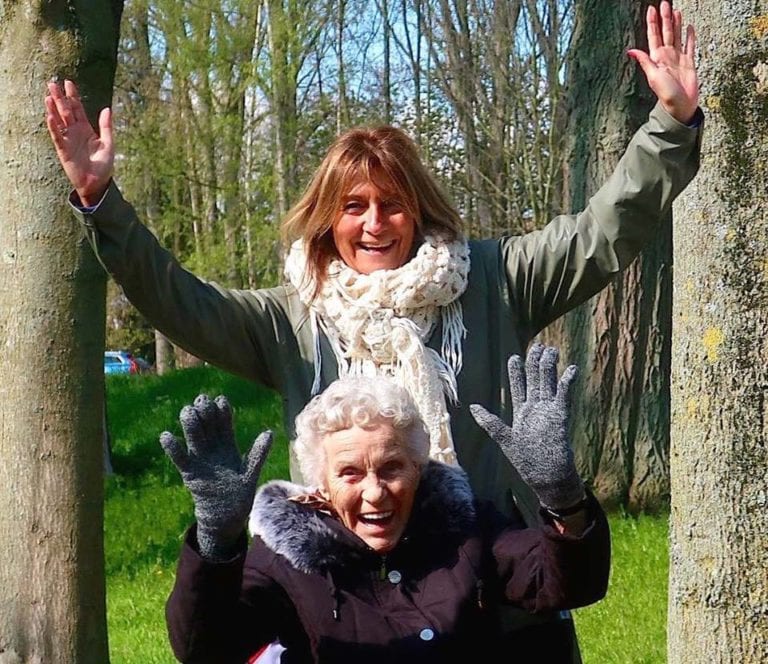
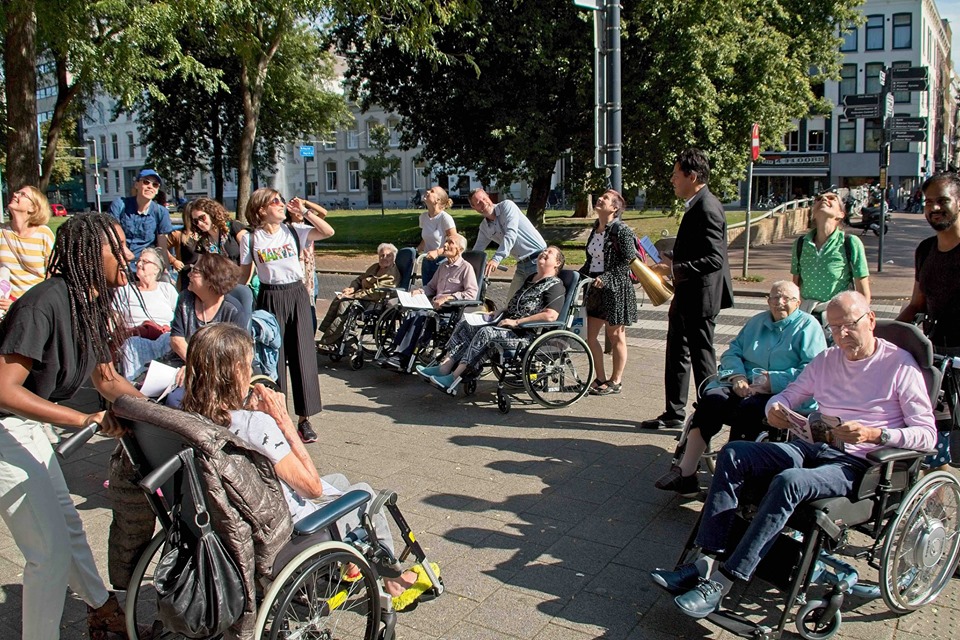
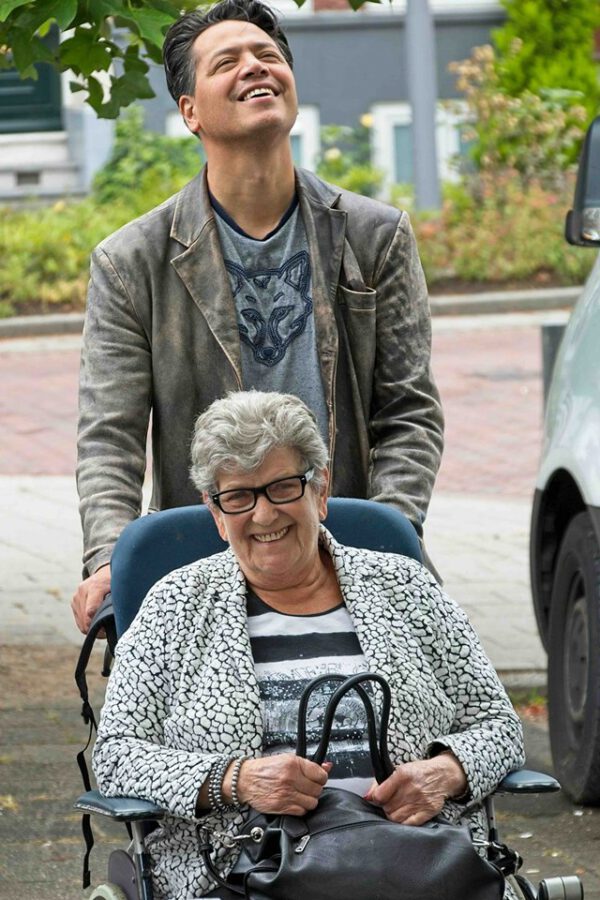
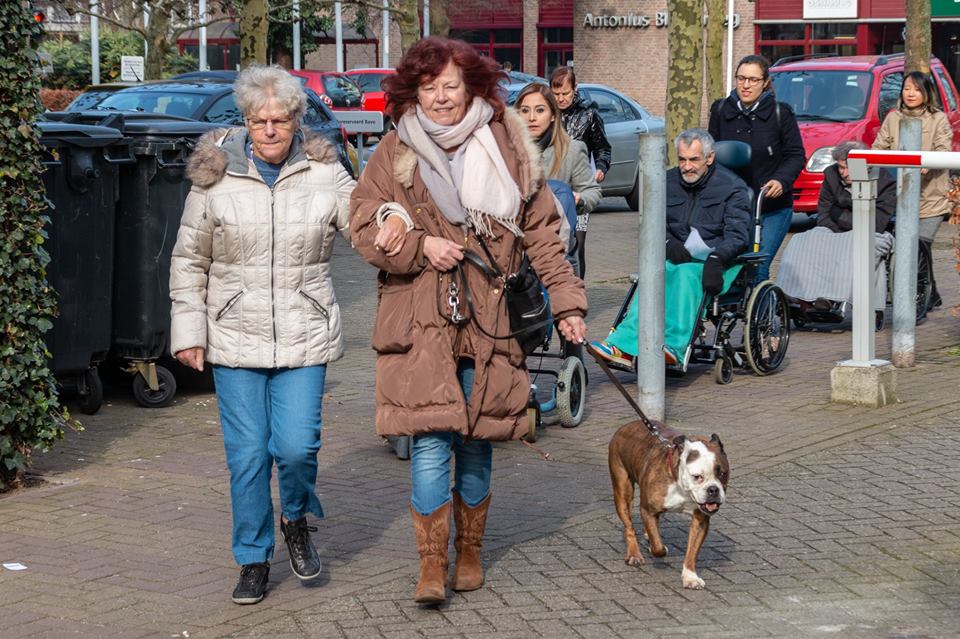
It’s 10:30 in the morning and the team of volunteers is ready for their first assignment: walking through the nursing home and motivating elderly people to come outside for a walk. Each volunteer is responsible for providing care for one person. With a little bit of extra support and kindness to build their interest in going outside, the activity has a great impact on their life quality: less fluorescent lights and TV screens; more socialization – stimuli and new impressions.
The Happiness Walk has participants from sixteen different nursing homes. Image: Gelukswandelingen/Supplied
The Happiness Walk is led by Misja Immink, an artist based in Rotterdam and creator of the concept. The activity started 7 years ago, and the central idea of the walks is to explore the neighbourhood with wide-open eyes to the people, the urban signs around, the buildings, street art or anything else you might spy.
No need for screens
During the activity, the fun comes from caring for each other and being outdoors, instead of staring at a screen. With the help of short assignments, socialization happens in a form which Misja Immink describes as ‘connection through wonder.’ That means being able to observe ordinary objects, people and situations from another perspective.
“I hope that with the assignments people will start looking different to objects, buildings and things that are seen as common in our everyday life,” Immink said. “Thanks to the walks, the elderly go out more often; they meet other people; they get to know their neighbourhood better and sometimes nice conversation arises which can lead to lasting friendships”
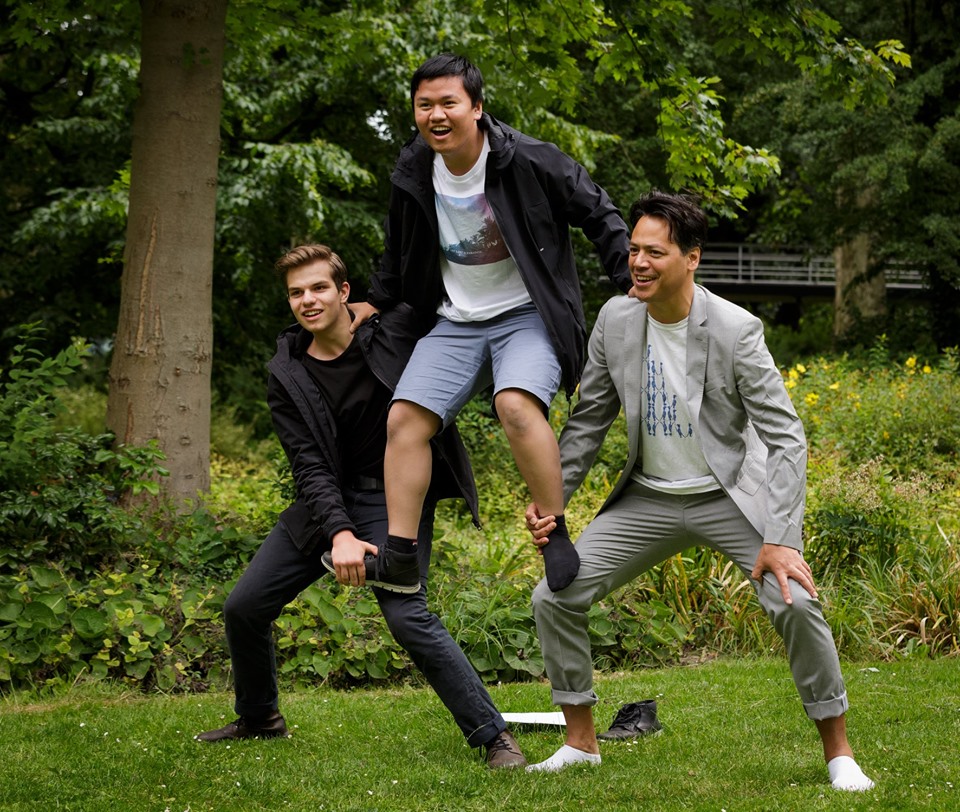
Misja Immink, founder of the Happiness Walk. Image: Gelukswandelingen/Supplied
Due to their difficulties getting around, or sensitive mental conditions, some elderly groups may only venture outside for outdoor activities less than once a week. Joke van de Berg joined the ‘’Happiness Walk’ in 2015 and has now completed over 100 walks as an active volunteer.
“It is very important to have volunteers doing this. It brings joy to the people. You see the difference in their eyes before and after the walk,” Van den Berg explained. “Sometimes they have an expression that seems far, but after the walk, they look renewed and happy.”
Joke’s dog also gets to participate in Happiness Walk. Image: Gelukswandelingen/Supplied
How can I participate?
The walks are organized all year long, three times a week. With the help of volunteers, the team wants to achieve 200 walks by the end of 2019. There are sixteen nursing homes involved in the activities, alongside educational institutions and corporate companies.
The walks take place in different locations depending on the planning for the day. Daily activities and agenda can be found online, where you can check when the walks are happening, how to sign in, and find information on participating as a flexible volunteer. The activity is also supported by volunteer group NL Cares.
Science says volunteering is good for you
The logic of doing volunteering work is simple: you give and you receive. Taking some of your time to do something for the community you are living in can have a great impact on someone else’s life.
Bu, volunteer work may end up giving you the greatest boost. Science shows volunteer work improves the mental health and well-being of the volunteer, as well as the beneficiary. From having a walk with elderly people to helping to collect litter in your neighbourhood, it all makes a difference.
Better physical health is just one benefit of volunteering. Image: Gelukswandelingen/Supplied.
There are hundreds of articles and publications on this subject. Most evidence points out that voluntary services are strongly connected with better mental health, life satisfaction and even contributing improves depression.
Generally speaking, giving some kindness to others has its payback. It feels good because it reminds us that we are not the only creatures that matter in the world. It connects people, and on a bigger picture makes people feel like they are part of humanity, rather than an isolated unit.
So why don’t more people volunteer?
Many people want to volunteer but are stuck on knowing where to start. This is one of the most common reasons why people don’t engage in volunteer activities. The other main reason is time: after working 40 hours a week there is not much time left to add an extra action to the routine.
But, the truth is that if you are ready to take the plunge, there are many options to start volunteering in the Netherlands in small bits. Little by little, the combination of your commitment with the efforts of other volunteers is what helps organizations accomplish their goals of providing services to the community.
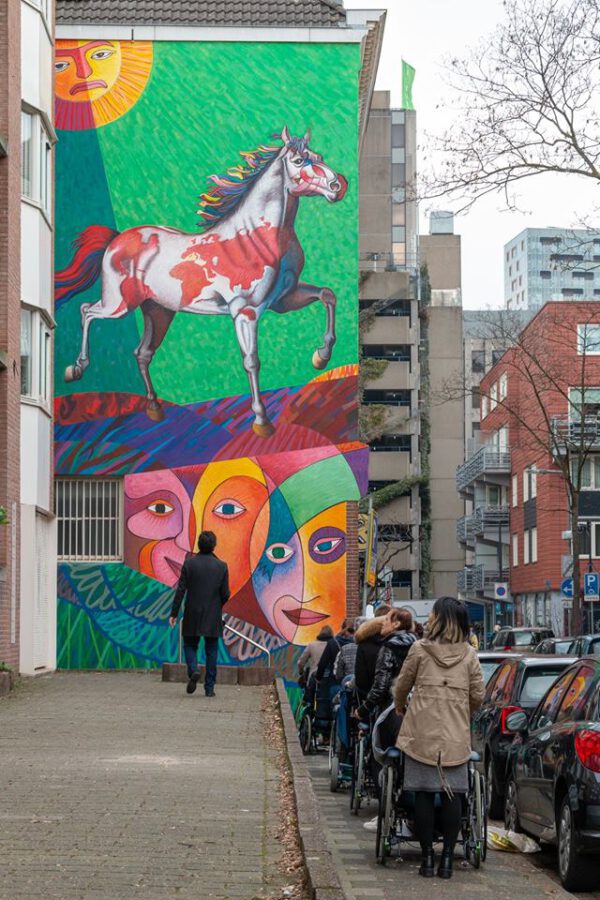
Street Art in Rotterdam discovered on a Happiness Walk. Image: Gelukswandelingen/Supplied.
Where can I find flexible volunteer work in the Netherlands?
There are many ways you can start volunteering. Sometimes you can even do it from your home through things like arranging a service for someone or just having a chat online or in a phone call. No matter how would you like to contribute there is always someone out there whose smile you can boost.
Here are five organizations in the Netherlands where you can find flexible volunteer work:
NL Cares
NL Cares offers flexible volunteer work for individuals and the business community. It takes less than 5 minutes to sign up and find various flexible voluntary activities available in the Netherlands (mostly within the Randstad). You can choose the activity based on your own time and convenience.
There is no mandatory commitment for one activity, you can help based on the time you are available and how motivated you are. NL Cares focuses on the vulnerable groups of elderly, children, people with disability, migrants and homeless people. If this triggers your attention, check it out their work, mission and activities.
Deedmob
Besides their commitment to providing a great tool for people interested in volunteering, Deedmob is a start-up company with a great story too. The brains behind the concept developed the project while studying at Oxford University.
Their ‘aha!’ moment started with a bigger picture: that volunteering could be the answer to several societal issues such as youth unemployment, social inequality, the ageing population, and unsuitable business practices.
Taking the volunteering plunge can change lives. Image: Gelukswandelingen/Supplied
With that purpose clear, Deedmob helps to connect charities, corporate companies, volunteers and government institutions to create an effective circle of collaboration and increase impact. Their online platform is up to date, fresh and offers various volunteering opportunities nearby you.
Serve the City – Amsterdam
‘Join as a volunteer for one day’ is splashed across their website. Serve the City is a global movement of volunteers who aim to help people in need by holding events to mobilize volunteers to help for various causes, like homeless shelters, refugee centres, orphanages and other associations.
Vrijwilligers Centrale Amsterdam
Vrijwilligers Centrale Amsterdam brings people in contact with other volunteer associations who are searching for volunteers to meet various requirements. For instance, cooking a meal for elderly people, technical jobs, coaching a sports team, helping with a garden. The vacancies are available at their page and even though most work requires Dutch there are some exceptions for those who don’t quite speak it yet.
Burennetwerk
This is a channel created to provide help specifically for the neighbors. It is a non-profit organization that connects people living close to each other and willing to help with tasks or social visits. At present, about 1000 ‘good neighbours’ are part of Burennetwerk.
Have you engaged in volunteer work before? Share your comment with us below and inspire others to give something back to the community!
We certainly do not want to glamorise drug use in the Netherlands but if you are going to take drugs, knowing about the different properties of drugs can mitigate the risks involved.
Many drugs are susceptible to abuse that can lead to serious health implications and even be deadly. But the key word there is can because along with all the nasty and horrible complications drug-abuse can cause, exists the truth that some drugs possess profound healing effects.
Many scientists have tested the healing capabilities of drugs. For example, there was the trial which tested MDMA’s healing proponents for alcoholism and another trial that proved MDMA use can help cure trauma. Nonetheless, MDMA is still susceptible to abuse.
As with anything, it is important to gen up on what you are consuming if you take drugs. What are they actually made of? Is the drug an upper or a psychedelic? How much should you take for your first time? How long does the high last? We have compiled a handy guide for your ease and access to answer some of these pressing questions.
Remember that drugs in the Netherlands are typically stronger than elsewhere. My friend once said he takes a whole ecstasy pill in other countries but only about half in the Netherlands.
Ecstasy
√ Also known as: E
√ Synthetic
√ Stimulant
√ Lasts between 3 and 6 hours
Esctasy is MDMA that is cut with other drugs to bulk it out. In the Netherlands, it is usually cut with Speed or other nasty chemicals such as bath salts. This is probably why they are so cheap. On average, one pill costs five euro. Side effects can include nausea, vomiting, the chills, excessive sweating
Source: Wikimedia / Melirius
MDMA
√ Also known as: Molly
√ Synthetic
√ Stimulant
√ Lasts between 3 and 6 hours
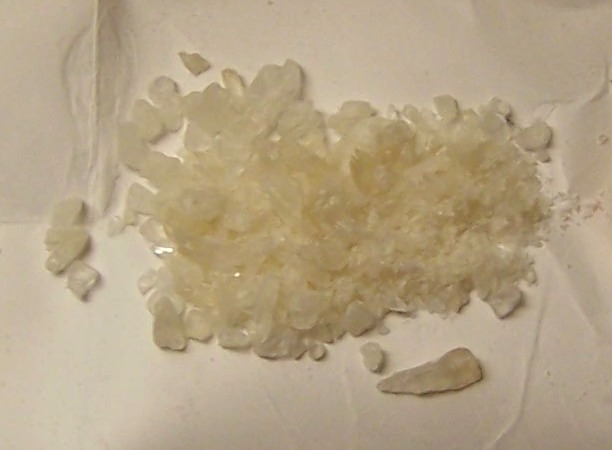
MDMA stands for Methylenedioxymethamphetamine. It increases the level of serotonin in the brain which increases sexual desire, enhances touch and makes you feel happy and carefree. It is why it is colloquially known as “the love drug”.
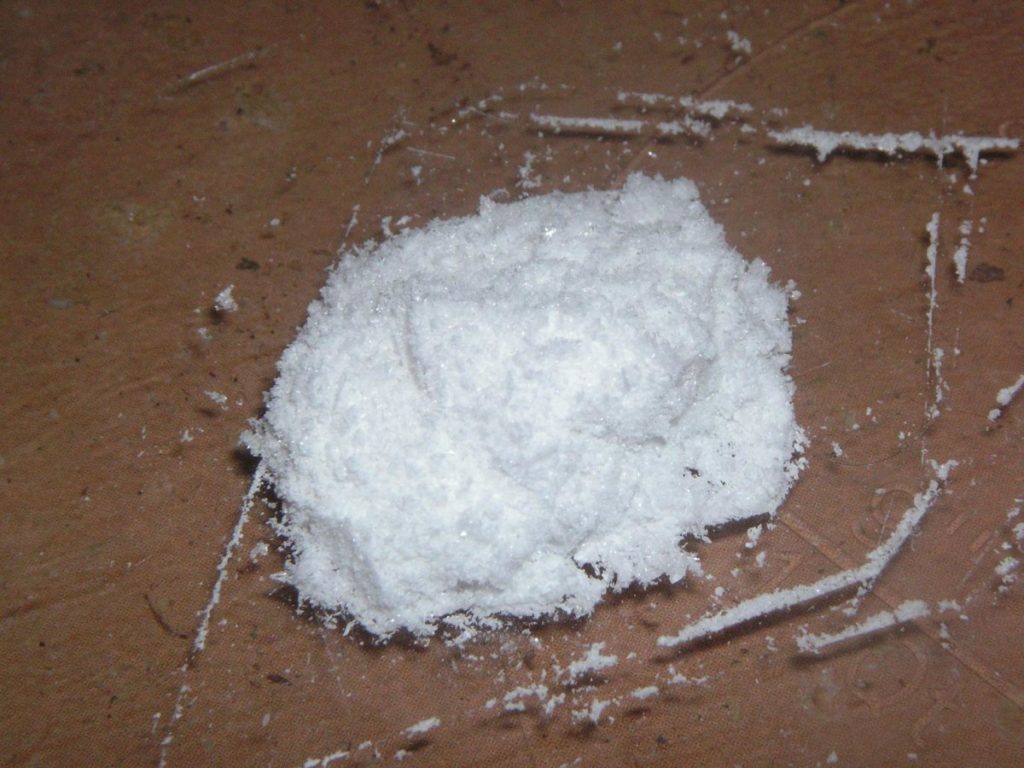
It should come in crystal form unless it has already been cut by the dealer, in which case it will be more of a powder consistency.
Cocaine
√ Also known as: Coke, snow
√ An upper
√ Lasts between 20 minutes and 1 hour
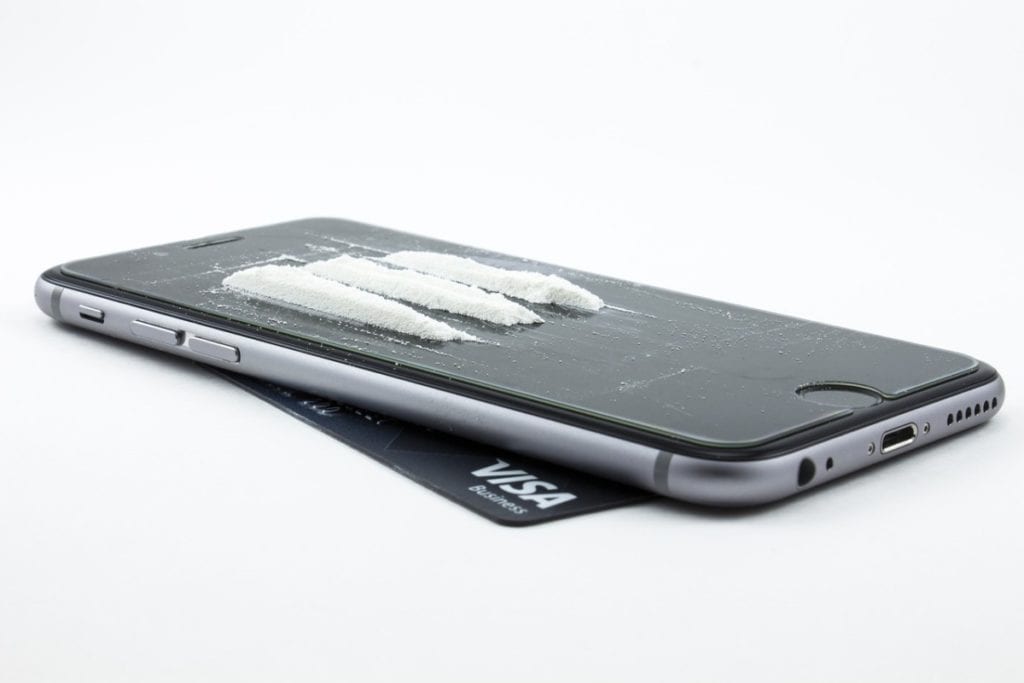
Cocaine increases the level of dopamine in the brain which creates feelings of reward, motivation, and pleasure. The high only lasts around 30 minutes which is much shorter than most other drugs. It is difficult to source pure cocaine in the Netherlands so if you take cocaine, you’ll be ingesting lots of other chemicals such as Levamisol, a medication used to kill parasitic worms in animals.
Source: lechenie-narkomanii /Pixabay
Marijuana
√ Also know as: MJ, weed, ganja, grass, kush
√ Natural
√ Lasts between 1 to 3 hours
Does this really need an introduction? It’s the first thing people ask about when you say “I live in Holland”.
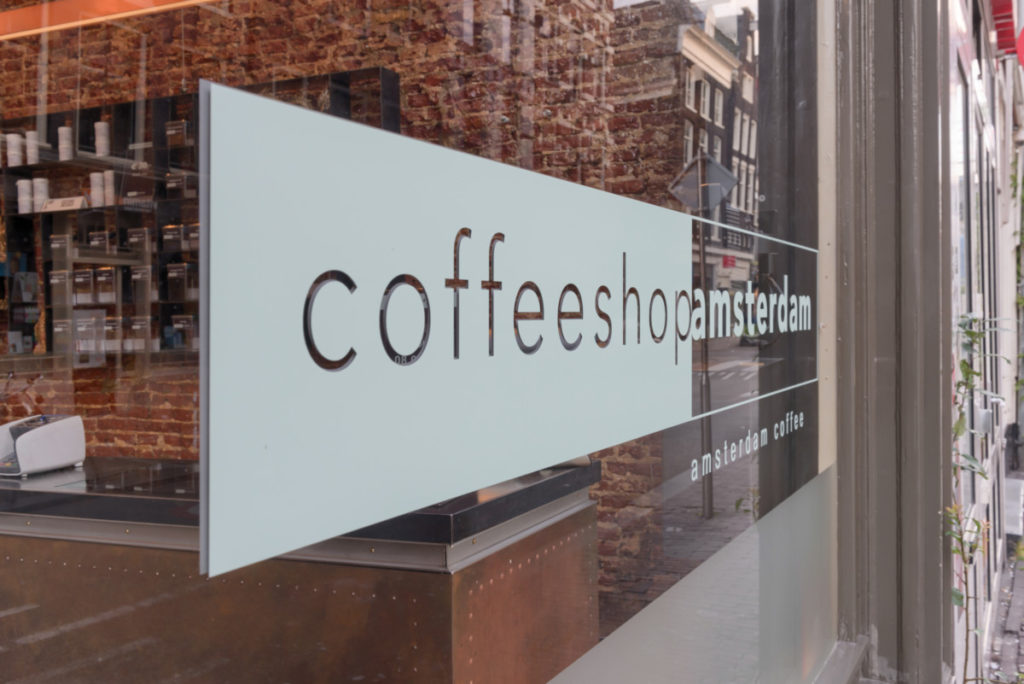
But contrary to popular belief, cannabis is not actually legal in the Netherlands. It is instead, only tolerated. There are a myriad of strains which have different effects. For example, sativa-based weed will produce a head high and indica-based weed will create more of a body high. If you go to a coffeeshop then you can ask the “budtenders” advice on what weed you should try.
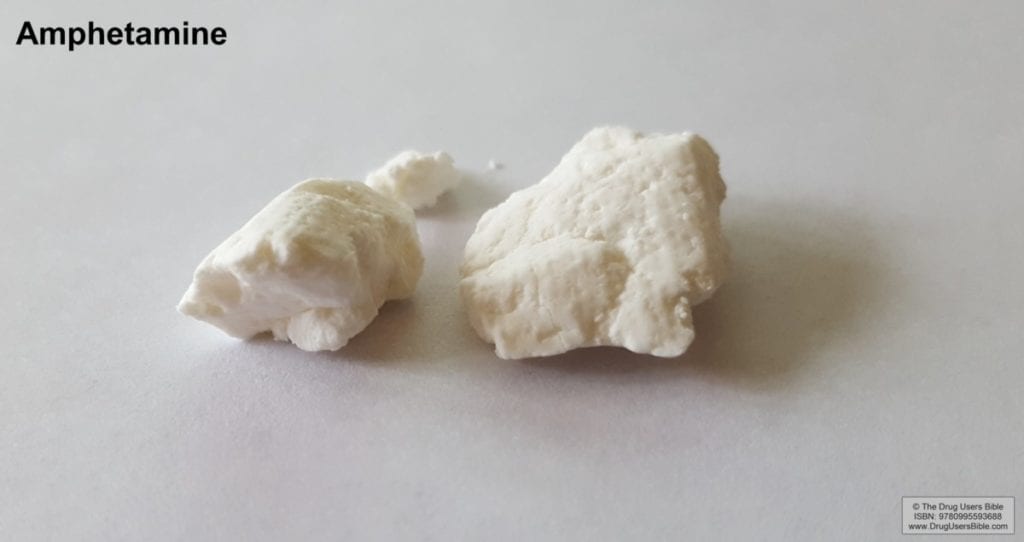
Speed
√ Also known as: Ampehtamine, Rush
√ Synthetic
√ An upper
√ Lasts between 4 and 8 hours
Speed makes you feel alert, less tired and energetic. It does not produce the high like other drugs like MDMA do because it affects the norepinephrine brain chemical (instead of dopamine or serotonin). This neurotransmitter increases heart rate and blood pressure. It will prevent sleep by boosting energy levels but many people find the intensity overwhelming.
Source: DMTrott/wikimedia
Ketamine
√ Also known as: Keta
√ Synthetic
√ Dissociative
√ Lasts between 45 minutes to and 2 hours
Ketamine is used as an anesthetic drug for veterinary practice. So, people take a drug that is used for animals? Yep, that’s correct. Ketamine is becoming increasingly popular and people like it’s dissociative effects. A dissociative drug is one that disconnects yourself from your body and surroundings. You can lose track of time, hallucinate, becoming immobile and have difficulty speaking.
If you abuse ketamine then it can lead to your bladder crystallising over and you’ll need to undergo a bladder transplant.
Source: Asia/Wikimedia
LSD
√ Also known as: Acid
√ Hallucinogenic
√ Lasts between 6 and 12 hours
LSD causes the user to hallucinate by changing their state of consciousness. Colours become more vivid, kaleidoscopic geometric structures can be seen, noises change or are invented and smells become obscured. This is called a ‘trip’ and it is really important to have a “trip sitter” (someone who is sober and can watch over you) if you are going to take LSD as people under the influence can often imagine things that are not actually there.
Source: Activedia/Pixabay
Truffles
√ Natural
√ Psychedelic
√ Lasts between 4 and 10 hours
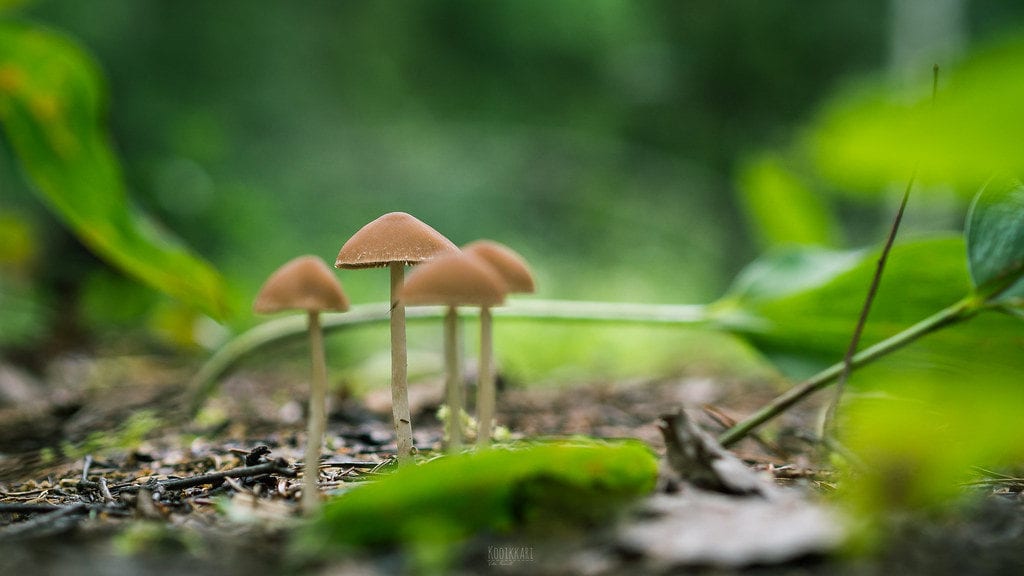
Truffles come from the same plant as Magic Mushrooms. The only difference is that truffles never break the earth’s surface and they are legal in the Netherlands. Truffles contain a compound called psilocybin which enhances serotonin activity in the brain. Doing truffles in the Netherlands can make the user euphoric, feel at peace in world and searingly introspective and insightful. Others report feeling fragile, out of control and ultra-anxious.
Magic mushrooms
So there you have it, your complete guide to drugs in the Netherlands. We have more detailed pieces about the individual drugs such as one about Ecstasy and one about truffles and micro-dosing. We’ve also written an etiquette guide for visiting a coffeeshop and about the latest CBD oil craze.
We hope you learnt something new by reading this article. Remember to be safe, look after your friends and enjoy!
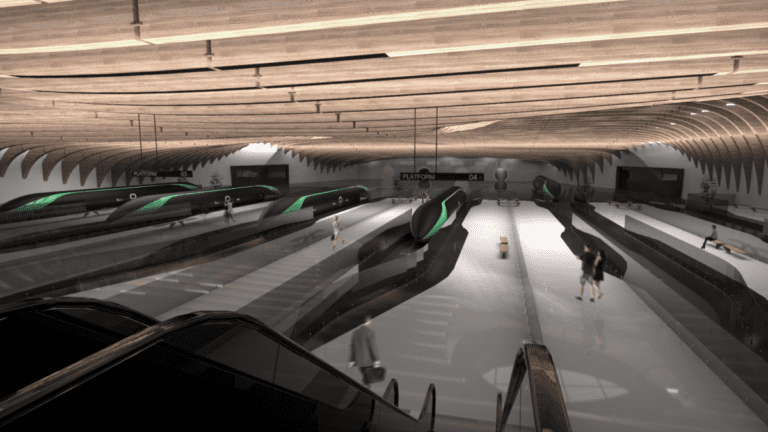
Futuristic travel is becoming a reality as over a million euros has been invested into the Delft Hardt Hyperloop. Instead of heading to the nearest train station for your next trip, it could instead be a hyperloop station. And instead of taking 3 hours from The Hague to Paris, it could take as little as 15 minutes.
What is the hyperloop?
The hyperloop is a snazzy train that drives through a tube with very little or no air resistance which allows incredible speeds.
The transportation method was first proposed by Tesla and Space X, but is being developed by a group of students from TU Delft after winning a competition.
If successful, the hyperloop could transport people at speeds up to 1000 kilometres per hour and would be the fastest mode of transport to date.
It’s a yes from us! How long until we can ride on the hyperloop?
The hyperloop is expected to be launched in 10 years. The first serious test was passed last year in an experimental 30m tunnel in Delft. But given the short track, the hyperlook could not exceed speeds of 700km/h.
The investments boost progress
With the money from investors, Hardt want to build a three-kilometre test track.
Jelte Altena, from Hardt Hyperloop, tells NOS “We can then carry out many more tests…We think that the top speed can be 1000 kilometres per hour, but research has shown that in Europe, due to all the exits to be taken, the ideal cruise speed would be 700 kilometres per hour. We have to be able to achieve that speed at the test location. Moreover, that would also be a record speed, so it is also nice to have that record in our hands”.
It is still being decided whereabouts in the Netherlands this second test tracked will be built.
The hyperloop company are aiming to create a large network with access to all the major European cities.
There are many scary things about the future but this is certainly not one of them. Whe cannot wait, what about you?!
If you’ve been hesitating to come and visit this flat country, or you were feeling your national pride beginning to slip, then good news: according to Lonely Planet, the Netherlands is one of the top ten countries in the world to visit.
The travel guide placed the Netherlands in seventh place, and gave Aruba, also a part of the Kingdom of the Netherlands, fourth place. Each year Lonely Planet puts together guides on the best countries, regions, cities to visit and cheapest destinations of the year. Aruba was favoured by the judges not only on account of its sunny weather and palm trees, but also because a colourful and creative revival of the festival of Saint Nicholas is taking place there.
The Netherlands is ready to party
And as for the Netherlands, it’s ready to party in 2020. Apart from our usual reputation as a drug tolerant land, we’re also going to be hosting the Eurovision in Rotterdam this May. It will also be 75 years after the end of World War II. Lonely Planet is also paying a bit more attention to the mitigation of mass tourism- which has been a problem for the Netherlands. The guide encourages tourists to also visit the Waddeneilanden, especially if they want to avoid the crowds.
Dutch tourism office pleased
The Dutch tourism office was pleased with the decision of the guide, with General Director Jos Franken emphasising the importance of bringing tourists beyond the confines of Amsterdam, according to NOS. He is hoping that Lonely Planet mentions more less-known places in the future, so that tourism can be spread throughout the country.
Bhutan is the number one country to visit this year
Lonely Planet places Bhutan first on the list of countries to visit. According to the guide, the country is CO2 negative, and has a strict “low impact, high value” tourism policy. Salzburg, in Austria, wins first place in the city ranking, and the central-Asian Silk Road was named best region. Finally, the Eastern Lesser Sunda islands were chosen as the place where you’ll get the most bang for your buck.
Are you planning to come and visit the Netherlands soon because of this guide? How about Bhutan or Salzburg? Let us know in the comments below.