Here’s an open secret: taking designer drugs at parties or festivals is common practice in the Netherlands. 💊
Ecstasy, MDMA, 2C-B, ketamine, or cocaine — if you visit a Dutch festival, you can probably even get your drugs checked for purity at so-called ‘drug control stalls.’
We know that the Dutch have a laissez-faire attitude toward cannabis, but why does this liberalism extend to much harder synthetic drugs?
What is it?
Grinding jaws, endless energy, and widened pupils — if you know what to look for, you’ll find the signs of drug use at any ordinary party or festival in the Netherlands.
Drugs use in the Netherlands
Especially among young adults, party drugs are ever-popular.
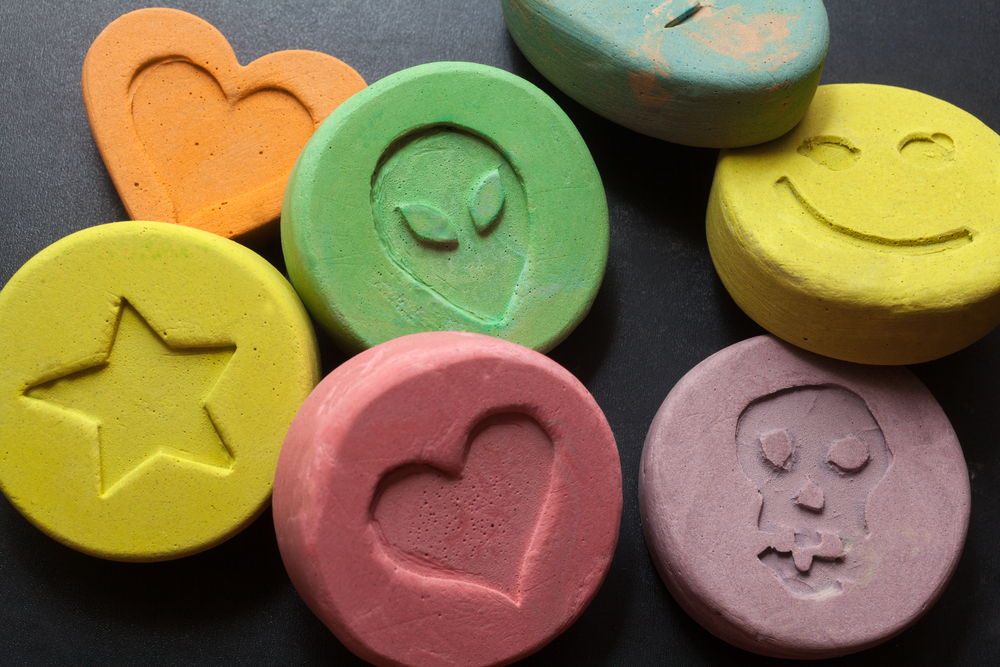
Ecstasy pills are famous for their different colours and patterns. Image: Depositphotos
The percentage of people who have tried ecstasy at some point in their lives is far higher than in any other European country, says the National Drug Monitor.
The same trend goes for other drugs. In 2020 alone, more than a quarter (26.2%) of party-goers aged 16 to 35 opted for a line of cocaine before hitting the dancefloor.
Persecution of hard drugs in the Netherlands
While drug use of this scale might also occur in other countries, the Netherlands undoubtedly has a liberal approach to dealing with it.
In the Netherlands, criminal law makes a distinction between soft drugs (alcohol, cannabis and psychedelic mushrooms) and hard drugs (LSD, cocaine, amphetamines etc.).
For both categories, the Dutch apply their (in)famous toleration policy. 😉
Basically, drug use in itself is not a crime, but you’re technically not allowed to produce, carry or own any hard drugs.
Generally, this means that you won’t be prosecuted for carrying a pill or two of ecstasy. However, the drugs will most likely be confiscated, and you risk a fine.
Why do they do it?
If the banning of illegal and hard drugs is more forcefully pursued by other European countries, why isn’t it the same in the Netherlands?
Well, there isn’t a definite answer, but here’s a not-so-glorious fact about the lowlands: the Netherlands, alongside Belgium, is one of Europe’s biggest producers of amphetamines.
In 2022, the police announced that they ‘only’ uprooted 93 production sites, much less compared to the previous years.
In 2019, Politico even said that the Dutch province North Brabant claimed the title of Europe’s biggest producer of synthetic drugs alone.
Then there is also the Port of Rotterdam, Europe’s biggest harbour, which represents a huge entryway for cocaine imports from South America into the Netherlands.
The World Happiness Report for the past year has landed, and we couldn’t be HAPPIER about the results. The Netherlands climbs one spot higher, from 6th to 5th place.
With stroopwafels and frietjes at the tip of your fingers, how could anyone be unhappy?
Saying that, 2024 was also the year of a new right-wing Dutch government, countless train cancellations and breakdown-inducing house prices…
Which countries are the happiest?
Finland keeps its crown as the happiest country for an incredible eighth year in a row. 👑
As expected, the top five happiest countries are dominated by Scandinavian nations, just like in previous years.
The top ten happiest countries are:
Ranking
Country
1
Finland 🇫🇮
2
Denmark 🇩🇰
3
Iceland 🇮🇸
4
Sweden 🇸🇪
5
The Netherlands 🇳🇱
6
Costa Rica 🇨🇷
7
Norway 🇳🇴
8
Israel 🇮🇱
9
Luxembourg 🇱🇺
10
Mexico 🇲🇽
Conversely, countries like Afghanistan, Sierra Leone and Lebanon are ranked at the bottom, reflecting challenges in happiness.
What makes people happy?
Measuring happiness might seem tricky, but researchers have identified key factors like social support, income, life expectancy, freedom and corruption levels.
Jeffrey Sachs, one of the report’s editors, explains that “happiness is rooted in trust, kindness and social connectedness.”
Another editor, Lara Aknin, adds that “human happiness is driven by our relationships with others” and “investing in positive social connections and engaging in benevolent actions are both associated with happiness.”
Who’s counting?
The rankings are based on a thousand inhabitants per country.
While that’s a pretty good number, biological psychologist and happiness professor, Mieke Bartels tells NU.nl that “it is ‘only’ a thousand people. So it is an average,” also pointing out that the differences between countries in the top ten are not very big.
Still, the Netherlands remains among the happiest places on earth — just walk outside. People singing on their bikes and sipping koffie by the canals. What more could you ask for?
Which country did you feel the happiest in? Do you think this ranking is accurate to your experiences? Let us know in the comments below.
Need some Dutch swear words? Welcome to your Dutch swear words guide, where I’ll teach you all the Dutch insults you’ll need for life in the Netherlands.
You see, Dutch curse words are very different to English curse words, often verging on the… incredibly distasteful.
Whether you want to yell at a misbehaving Brit in Amsterdam, or you want to deepen your Dutch-learning experience, here, I’ll show some of the best Dutch swear words.
Stubbed your toe and need to swear fast? Jump to a category below!
(Naturally, as a perfect, idyllic human being, I do not condone the use of any of the following Dutch curse words, profanity or phrases and would NEVER use them myself). 😇
Having said that, let’s begin! And just like eating only one stroopwafel from the package (instead of all of them at the same time like a giant sandwich), it would be a crime not to start with the infamous Dutch “disease-based curses.”
🦠 Dutch curse words based on diseases
Have you ever been so angry at someone that you verbally express your desire for them to get cholera? No? How about typhoid fever? Still no?
That’s weird… At least for some Dutchies, because Dutch swearing quite frequently involves diseases.
That’s right. It is a well-known fact that wishing an illness upon your enemies is a common way to curse in Dutch.
It’s needless to say that the following Dutch swear words and phrases are frowned upon by Dutch society. The only other situation where you should use one of these is, well, never.
Alas, I’m trying to expand your knowledge of all things Dutch, so here’s a list of Dutch curse words and phrases that involve crippling, life-threatening diseases:
🇳🇱
🇬🇧
Krijg de tyfus!
Get typhoid
Krijg de klere!
Get cholera!
Krijg de pest!
Get the plague!
Kankerlijer!
Cancer sufferer!
Tering!
Tuberculosis!
Pleur op!*
F*** off!*
*It’s believed “pleur” comes from “pleuritis” which can be caused by pneumonia.
You’ll also often hear Dutch people use the word kanker (cancer) as an adjective, in front of something that they find, well, shitty. For example, kankerweer is cancer (shitty) weather.
When to use these: You stub your little toe on the corner of a desk at 7 AM, and you are alone on an uninhabited island.
But seriously, we can’t stress this enough: using cancer/kanker in your Dutch swearing is more than frowned upon — it’s a big no-no. 🙅♀️
Thankfully, there are other ways to swear in Dutch that don’t involve diseases. ‘Friendlier’ Dutch swear words exist and can be used to express anger without making life-long enemies.
Of course, things like the weather or other inconveniences of life might incite you to curse under your breath.
Without the need for slurring out diseases, there are words/phrases you can say to express your discontent.
🇳🇱
🇬🇧
Godverdomme
God damn it
Rot op!
Go away!
Potverdorie!
Goshdarnit (it’s what Ned Flanders would use if he were Dutch)
Pannenkoek
Pancake (yes, that’s all)
Stommert
Dumb
Sukkel
Wimp, dork
S**t
(The Dutch like swearing in English)
Opzouten
Go away! (Mainly used around Amsterdam)
Franse slag
French job (when a task is lazily done)
Kut!
Vagina!*
*While this sounds like the English C-Word, this is used very liberally in Dutch and doesn’t have the same severe connotations.
When to use these: Someone eats the last bitterbal at the borrel or double-dips said bitterbal in the mustard cup.
🤦♂️ Insults for men in the Netherlands
You just don’t insult a Dutch person without using the appropriate form of gender, that would be rude. So let’s get you up to speed with some of the most heard curses to sling at Dutch men:
🇳🇱
🇬🇧
Zakkenwasser
Ballsack-washer (Douchebag)
Klootzak
Ballsack (Asshole)
Kloothommel
Scrotum-bumblebee
Mierenneuker
Ant-f**ker
🤦♀️ Insults for women in the Netherlands
🇳🇱
🇬🇧
Kutwijf
Vagina-lady
Heks
Witch
Trut
B*tch
Slet
Sl*t
Lellebel
Sl*t (but cuter)
Hoer
Wh*re (but can be modified, like “Moffenhoer” (German-loving whore)
When to use these: When someone steals the last seat on a train from a pregnant lady or when your Dutch partner cheats on you.
💀 Racist swear words in the Netherlands
Jeeh, this is not a happy-go-lucky article. Despite the progressive outward image of the Netherlands, racism runs deep, and there are plenty of ethnic slurs in the Dutch language to prove it.
However, we don’t think that publicising these is going to benefit the world in any way — if you really want to know Dutch racial slurs (why?), we’ll let you Google that yourself.
👍 Appropriate alternatives to Dutch swear words
Obviously, we all need to vent a bit every now and then, even when you’re among your Dutch inlaws.
Just imagine someone using the knife on the cheese instead of the ‘kaasschaaf‘ without cursing something decent. 😱
So, here are a couple of Dutch swear words that I believe are (almost) totally fine to utter every now and then:
🇳🇱
🇬🇧
Potjandosie
Goshdarnit
Verdorie
Darn it (sort of)
Pindakaas!
Peanut butter! (Oh well)
Helaas pindakaas
Too bad, peanut butter! (Too bad!)
Lomperd
(A rude and insensitive person)
Tandjes
Teethies! (Teachers and parents use this instead of tering (tuberculosis)
Deugniet
(A naughty person)
Besodemieteren
(Scamming something)
Oppleuren
Go away!
🌎 Foreign swear words in the Dutch language
Obviously, the Dutch are great English speakers, so naturally they’ve adopted their fair share of English profanity into the Dutch language: b*tch, f*ck and sh*t have really made it far here.
Luckily some other swears haven’t, and most Dutchies know better than to use the R- and C- words.
Thanks to Narcos, the Dutch also have a soft spot for hijo de puta (son of a b*tch) and the German Scheisse (shit).
Thank god we’ve reached the end; now let’s recover by watching a compilation of cute kittens playing.
What other Dutch swear words do you know? Did we cross the line? Are you my mother, and do you want to berate me for all these Dutch swear words? Share in the comments below!
How do you say swear words in Dutch?
The Dutch love to use the following swear words:
Godverdomme (God damn it)
Kut (Vagina)
Rot op! (Go away!)
Klootzak (Ballsack)
The Dutch also commonly swear with diseases (like tyfus (typhus) or kanker (cancer)), but this is considered extremely rude and generally socially unacceptable.
What is a pannenkoek Dutch insult?
If a Dutch person has used the word pannenkoek to swear at you, well, have a laugh. It literally means “pancake” in Dutch and nothing more.
What is the most offensive word in Dutch?
The most offensive word in Dutch is probably kanker (cancer). This must be combined with other words, like kankerlijer (cancer sufferer). Some people use this word very liberally, but most Dutch people find the swear word incredibly offensive.
Why do the Dutch swear with diseases?
While there is no straight-forward answer to this question. One theory as to why the Dutch swear with diseases is due to their Calvinistic background.
Ah, Amsterdam — the city of canals, bikes, and, apparently, some of the most chemically active sewage in Europe.
The Dutch capital’s wastewater was practically pulsing with MDMA, cannabis, and ketamine, according to new research by the European Drugs Agency (EUDA).
The study analysed sewage from 128 cities across 26 countries last year, and surprise, surprise…
NL drug test results are in (and wild)
Amsterdam gets high and ranks high, taking first place for MDMA, ketamine and cannabis traces in sewage water across Europe, as NU reports.
While Antwerp takes the European crown for cocaine traces (congrats?!), Amsterdam’s levels still top the Netherlands.
Basically, the capital’s sewers are less drainage system, more ongoing afterparty.
Elsewhere in Dutch drains
It’s not just ‘Dam getting wasted; traces were relatively high in other Dutch cities.
Rotterdam, Utrecht, and Groningen also made the MDMA top 10, while Eindhoven was suspiciously absent. 👀
It’s a running joke that Holland is flatter than a stroopwafel, but have you ever wondered what maps of the Netherlands reveal about the landscape? 🤔
From cities more densely packed than passengers in an NS train to wide expanses of open countryside where cows go boe, there’s much to explore.
Here are some fascinating maps of the Netherlands to help you tour this gorgeous country, whether you’re a tourist, adopted Nederlander, or just a curious Dutchie!
1. The Netherlands on a map of Europe
The US doesn’t have a monopoly on red, white, and blue. 😉 Image: Freepik
Sandwiched between Denmark in the north and Belgium in the south lies the tiny country of the Netherlands.
A haven for cheese lovers (and fans of watching people do crazy antics on bikes), this Western European country is best known for its innovative and progressive society.
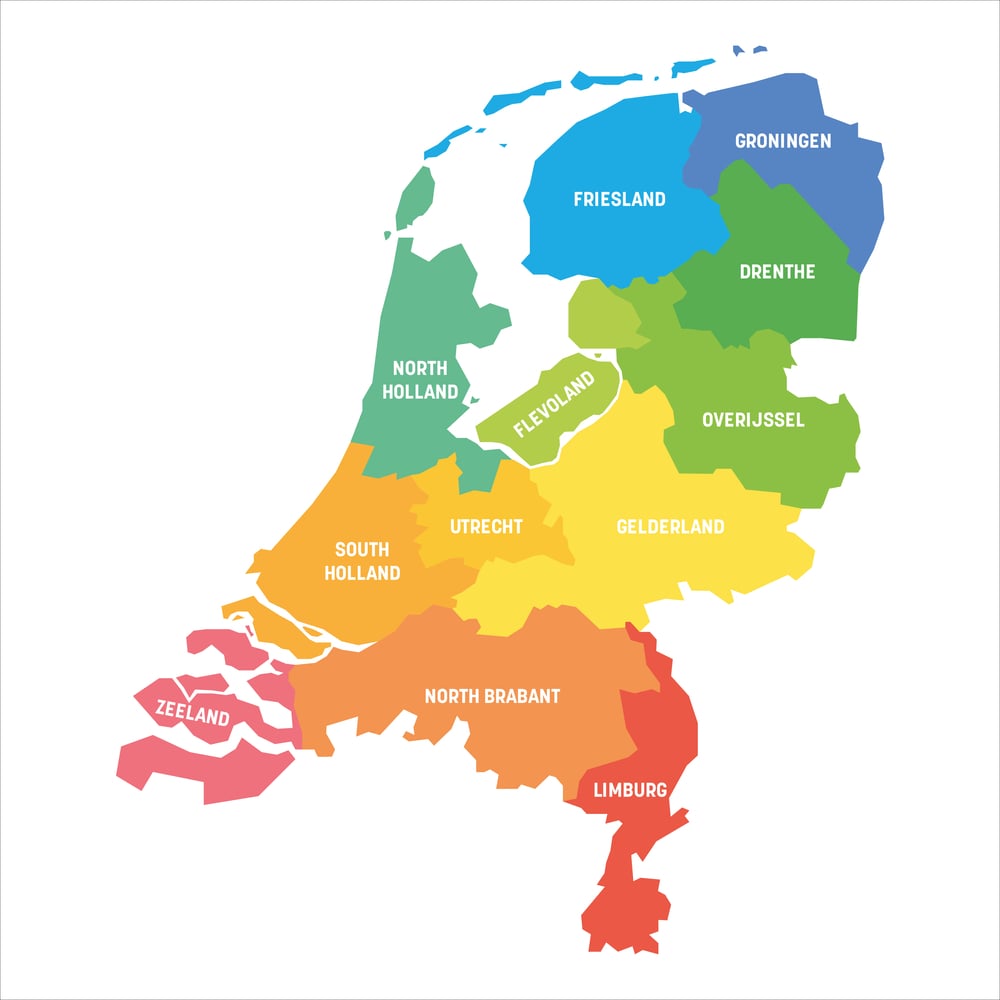
2. A map of the Dutch provinces
Believe it or not, Holland is only a fraction of the entire Netherlands! Image: Depositphotos
Proving that good things come in teeny-tiny packages, the European part of the Netherlands is divided into 12 provinces:
North Holland: home to sights such as the stunning windmills of the Zaanse Schaans, the cheerful Spaarnestad of Haarlem, and Amsterdam (of course!)
South Holland: a bustling province best known for The Hague’s International Court of Justice, the quaint university town of Leiden, and Europe’s largest seaport in Rotterdam
Utrecht: sharing a name with its capital city, Utrecht, this province is home to dreamy historic sights like Kasteel de Haar, the largest castle in the Netherlands
Zeeland: popularly known as New Zealand’s namesake, it also boasts one of the best storm barriers in the world, the Delta Works 🌊
Gelderland: the Netherlands’ largest province by landmass contains sights ranging from Nijmegen, the Netherlands’ oldest city, to the unspoilt beauty of the Hoge Veluwe
Flevoland: a marvel of Dutch engineering, the Netherlands’ youngest province was reclaimed from the sea and features former islands like the UNESCO World Heritage site Schokland
Groningen: best known for containing the rich gas fields of the north, it is also home to the vibrant student city of Groningen (yes, the city and province share a name!)
Drenthe: famous for its hunebedden (ancient burial mounds), this quiet province has a wealth of stunning sights, including the Dwingelderveld National Park
Limburg: its capital, Maastricht, is a bustling student hub, but the Netherlands’ only ‘mountain’, the Vaalserberg, really puts it on the map 🗻
Overijssel: tourists may flock to this province for Giethoorn, the Venice of the North, but the lively cities of Zwolle and Enschede also beckon for a visit
Friesland: birthplace of the Elfstedentocht, it also boasts its own official language (Fries) and the gorgeous Wadden Islands
North Brabant: the birthplace of Van Gogh, it’s home to places ranging from innovation hub Eindhoven to student city Tilburg
Many Dutchies tend to live in the Randstad, an area in the centre of the country that is made up of cities in the provinces of North Holland, South Holland, Flevoland, and Utrecht.
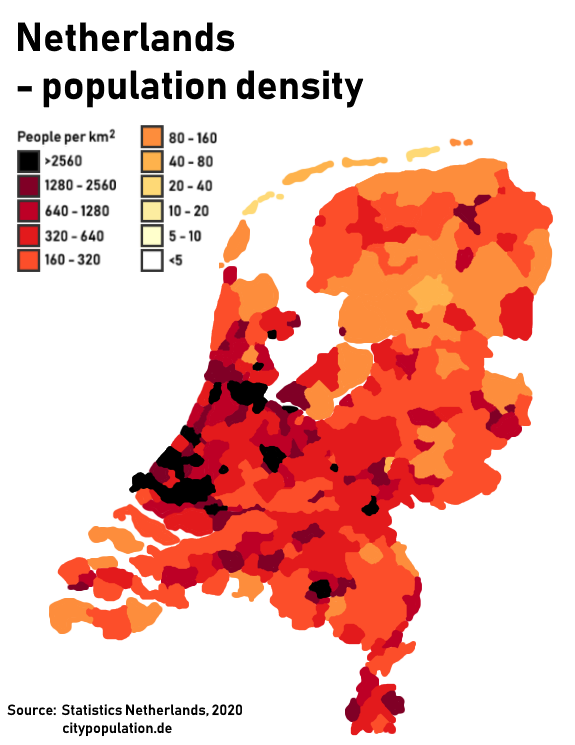
3. Is Holland crowded? A population density map of the Netherlands
Most of the population tends to live in the Randstad. Image: nerdy.maps/Wikimedia Commons/CC4.0
With an estimated population of over 18 million people jam-packed als haringen in een ton (like fish in a barrel) in its 41,450 square kilometres of area, we’d say that the Netherlands is quite a densely-populated country.
In fact, CBS (the Dutch Bureau of Statistics) predicted that this humble land of cheese and clogs would hit the 19 million population mark as early as 2037. That’s a lot of people in a small area!
However, the majority of the population is concentrated in the Randstad, resulting in bustling cities but a quiet countryside.
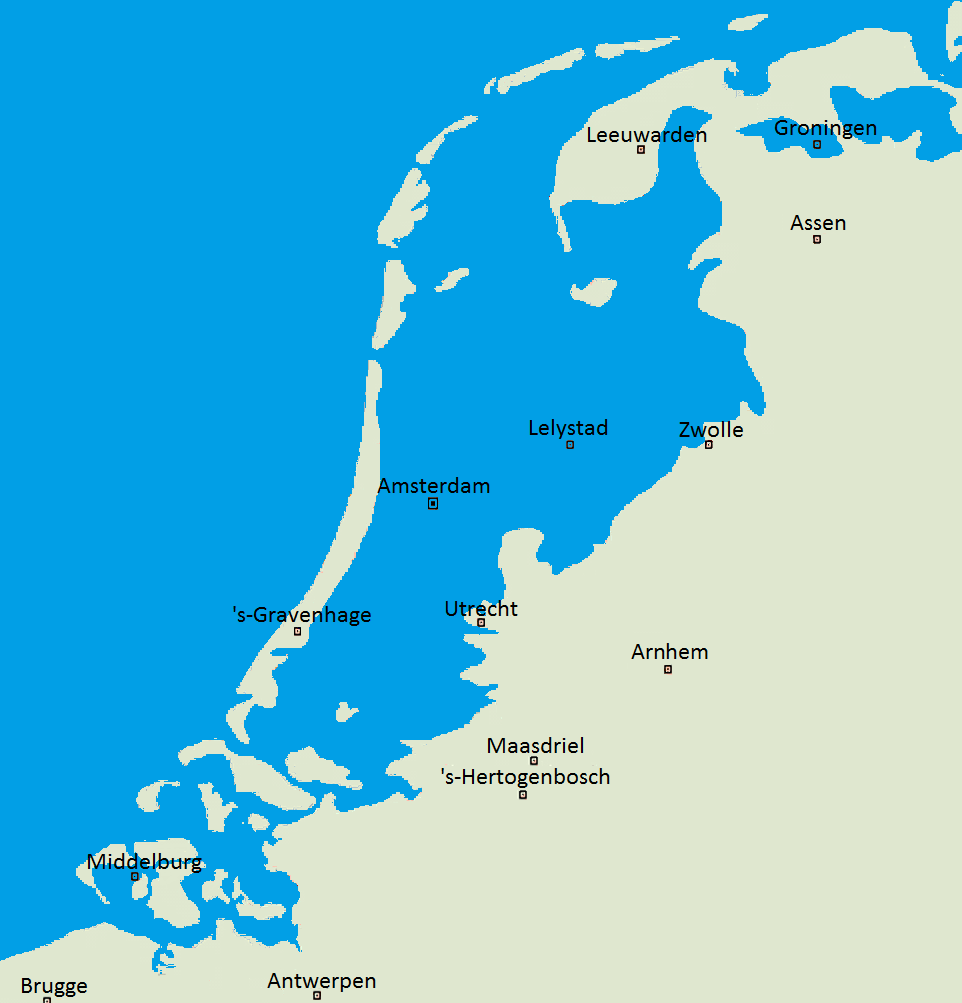
4. Map of the Netherlands below sea level
I guess you could say the Dutch give a dam about rising sea levels. Image: Jan Arkesteijn/Wikimedia Commons/Public Domain
Let’s just say that there’s a reason why the Netherlands, Belgium, and Luxembourg have historically been nicknamed the ‘Low Countries.’
About 26% of the Netherlands lies below sea level, and the lowest point in the country is the Zuidplaspolder at around 6.76 metres below sea level in Nieuwerkerk aan den IJssel.
That means that, without the Netherlands’ extensive system of dikes and dams, if you were to stand in front of Amsterdam Central Station, the sea would be well over your head — help!
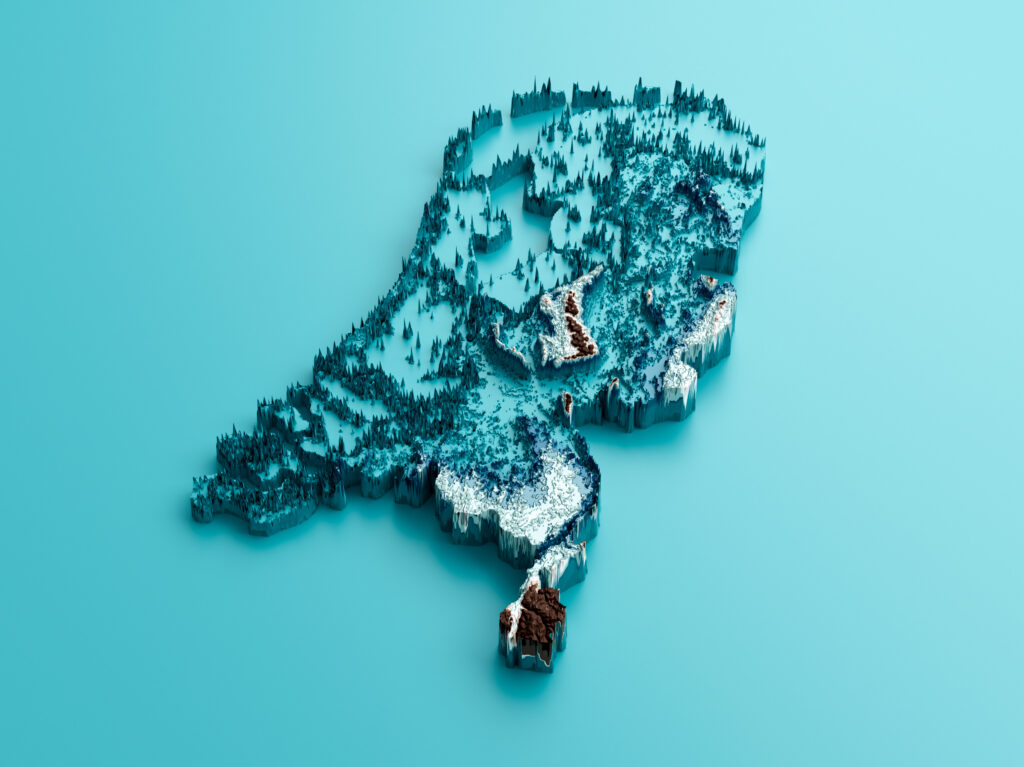
5. The Dutch mountains: a topographic map of the Netherlands
Despite being mostly flat, the Netherlands does slope upwards on the south-eastern part of the country. Image: Freepik
Although most of the country is as flat as a pannenkoek (pancake), the Netherlands does have one major point of elevation: the Vaalserberg.
This “Dutch mountain” is just a smidge over 322 metres tall, making it taller than three Statues of Liberty (who stands at a more modest 90 metres herself). 🗽
However, if we take the entire Kingdom of the Netherlands into the equation, the highest point is actually on the Caribbean island of Saba, where the summit of Mount Scenery, an extinct volcano, is a steep 887 metres tall.
Though reclaiming a whole province (hoi, Flevoland 👋) from the sea was bloody impressive, it barely scratches the surface of what makes Dutchies true masters of the elements.
The Dutch are considered masters of water management — after all, God might have created the world, but the Dutch created the Netherlands. 😉
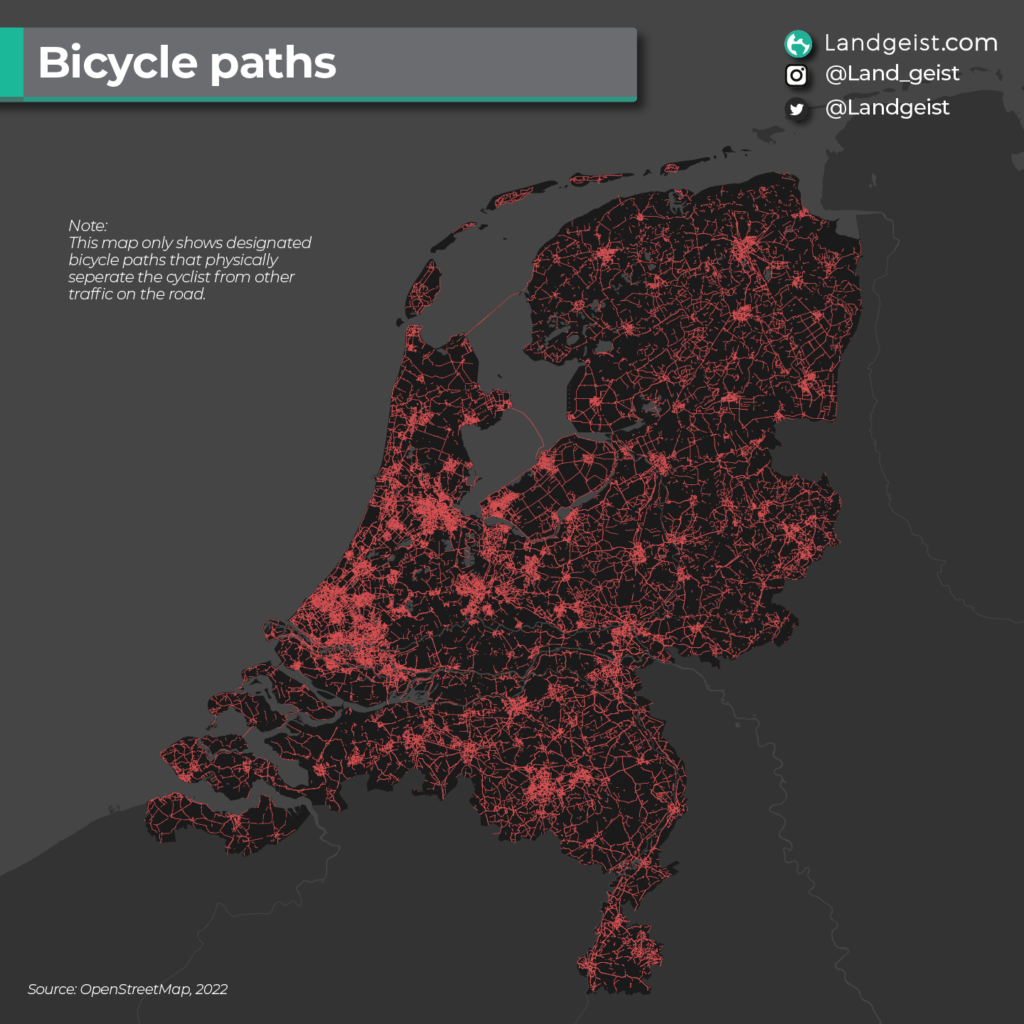
7. Bike paths in the Netherlands
As there are more bikes than people in the Netherlands, we’re not surprised by how dense this map of bike paths is! Image: Landgeist
With approximately 23 million owned (and frequently stolen) bikes by 17.6 million Dutchies, we can definitely see why the Netherlands has mapped such a robust system of bike paths.
The map of bike networks in the Netherlands shows the Dutch commitment to biking — not just from the people but also in terms of government infrastructure.
8. Mapped: the difference between Holland and the Netherlands
Despite often being used synonymously (and cheers of Hup Holland Hup whenever the country competes in a match ⚽️), Holland and the Netherlands don’t refer to the same area.
“Holland” comprises the provinces of North and South Holland, whilst “the Netherlands” refers to the country as a whole.
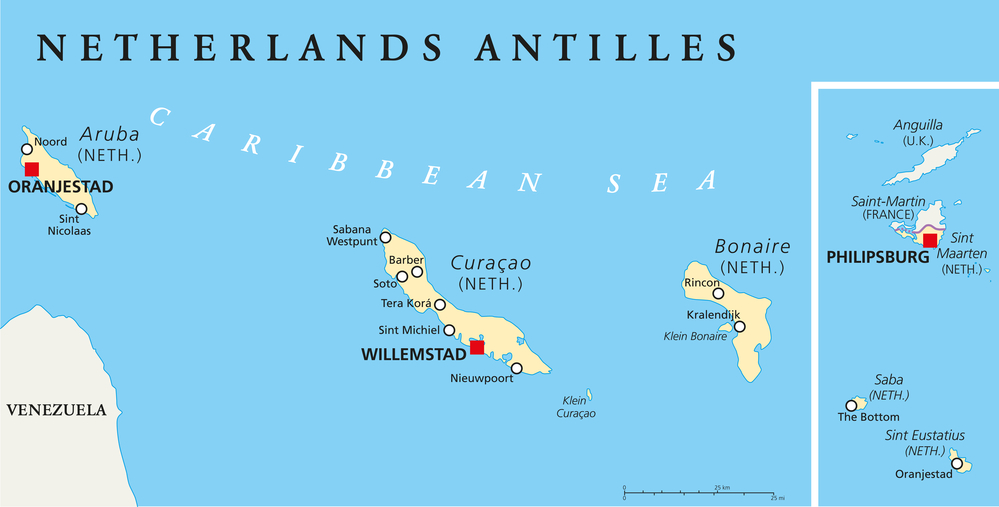
9. Map of the Caribbean Netherlands and Dutch constituent countries
Part of the Kingdom of the Netherlands is in the Caribbean. Image: Depositphotos
If you thought the Netherlands was just a tiny European country with weed and windmills, think again. 😉
Squinting at a world map will reveal three tiny islands in the Caribbean that also belong to the Kingdom of the Netherlands: Bonaire, Sint Eustatius, and Saba.
These are considered special municipalities of the Netherlands located overseas and can take part in Dutch and European elections.
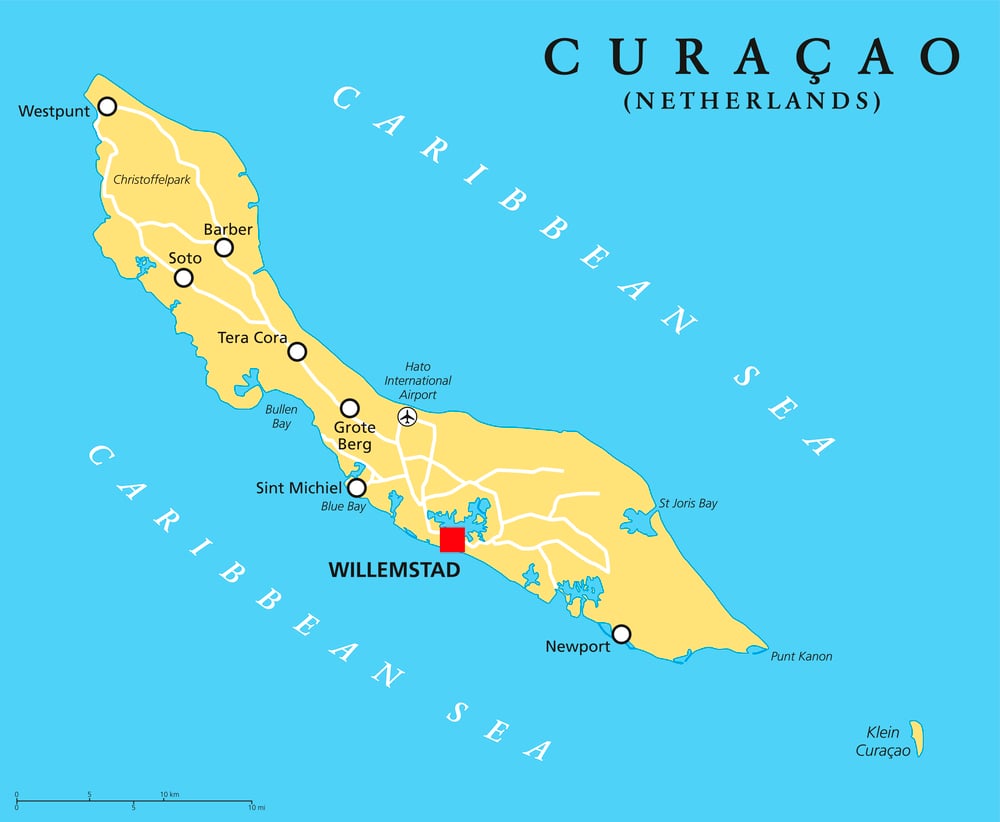
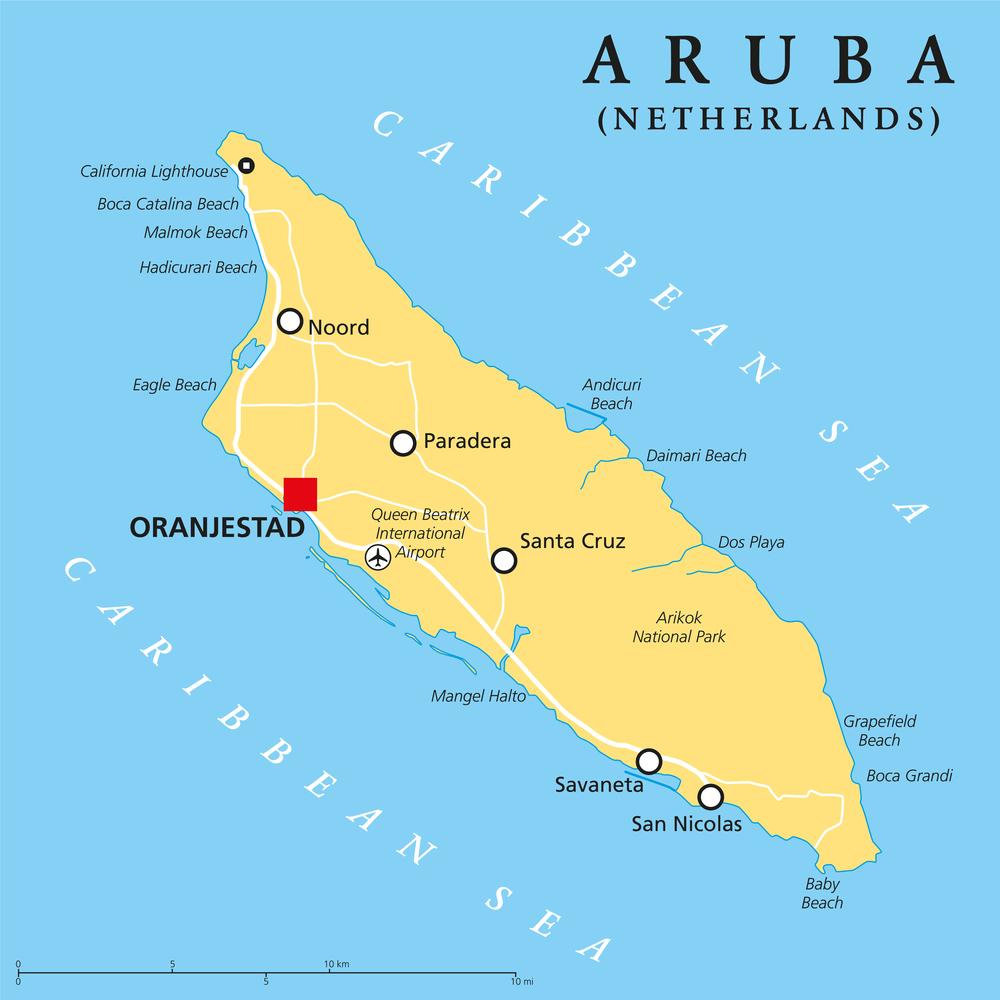
In addition to the previous tiny islands in the Caribbean, you’ll find a further three islands on a map of the Dutch Caribbean.
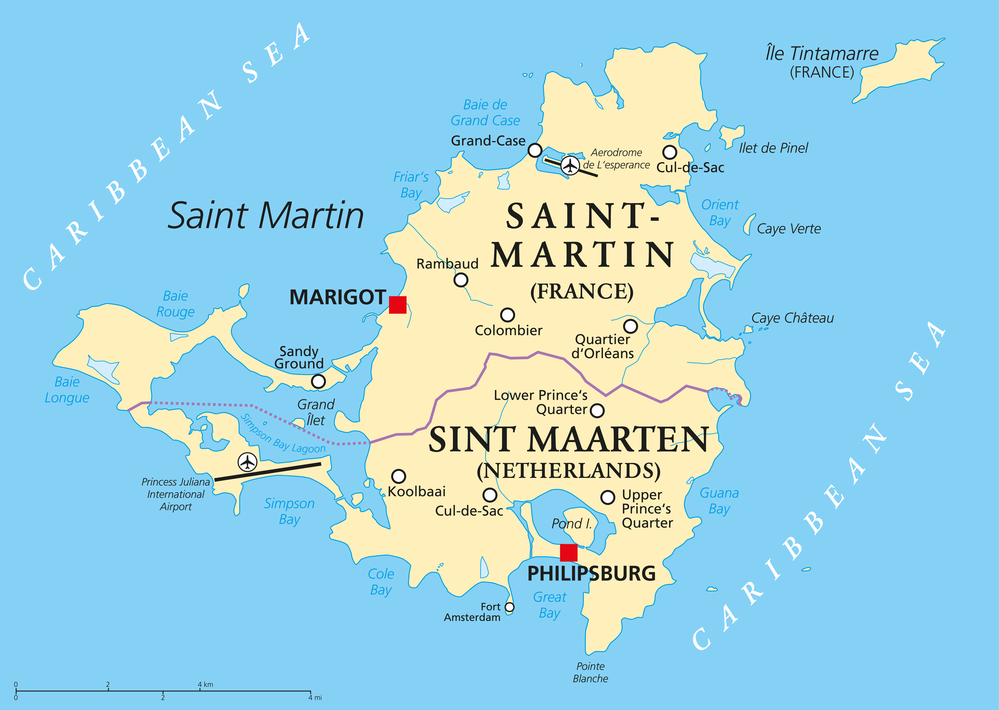
These are the Netherlands’ constituent countries: Aruba, Curaçao, and Sint Maarten.
Unlike municipalities, these countries are relatively autonomous (they even have their own parliaments), though they depend on the Netherlands for things like defence.
Well, there you have it: a fascinating exploration of the Netherlands’ landscape through a collection of maps.
Which was your favourite map of the Netherlands? Tell us all about it in the comments below!
Maps in the Netherlands: Frequently asked questions
Is the Netherlands crowded?
While the whole country of the Netherlands has only the 27th highest population density in the world, the capital city of Amsterdam houses 4,439 people per square kilometre. In comparison, Hong Kong has 6,789 people per square kilometre. Many internationals find that the Dutch cities are more crowded than what they’re used to.
Is a part of the Netherlands really below sea level?
Approximately 26% of the Netherlands lies below sea level, meaning that quite a bit of the country would be underwater if it weren’t for the Dutchies’ extensive system of dikes.
What is the lowest point in the Netherlands?
The Netherlands’ lowest point is the Zuidplaspolder near Rotterdam, which sits at over 6.76 metres below sea level.
Does the Netherlands have mountains?
Surprisingly, it does… kind of. The European part of the Netherlands is home to the Vaalserberg, which is a little over 322 metres tall.
Whilst not the most physically impressive sight on the horizon, it’s still over three times as tall as the Statue of Liberty.
Meanwhile, the Caribbean Netherlands boasts Mount Scenery — an 887-metre-tall extinct volcano.
Does the Netherlands have more bikes than people?
The Netherlands has a whopping 23 million bikes for 17.8 million people. Now that’s a lot of fietsen (bikes)! 🙌
How many provinces does the Netherlands have?
The Netherlands has a total of twelve provinces:
Groningen, Friesland, and Drenthe in the north
Utrecht, North and South Holland, and Flevoland in the Randstad
Gelderland and Overijssel in the east
Zeeland, North Brabant, and Limburg in the south
Which Dutch provinces border Germany?
All of the provinces on the eastern side of the Netherlands border Germany; these are Groningen, Drenthe, Overijssel, Gelderland, and Limburg.
Donald Trump’s educational policies are pushing hundreds of US-based academics to Europe in search of better opportunities.
Will Dutch universities welcome them with open arms? Naturally, but not without some concern.
US brain drain, Europe’s gain
Amidst mass layoffs in US universities and research institutes, American academics find themselves in a very uncertain position.
Conducting research in the US has become increasingly difficult since the government began denying studies that deal with alleged left-wing ideology, fd.nl reports.
This is the case for scientists proposing research about gender, who are sent a questionnaire about their ideas — the new US government does love free speech.
Budget concerns
It’s not just about trying to attract this wave of US talent to the Netherlands, but also retrieving Dutch academics who currently work across the pond.
However, there are concerns across Europe about financially accommodating the brain drain.
Plus, we all know that an international talent influx won’t exactly appeal to the current Dutch government as they attempt to curb internationalisation in higher education.
Amerikaanse topwetenschappers willen steeds vaker weg. Vanwege censuur, verbod op hun onderzoek of gewoon door megabezuinigingen.
Die kunnen wij hierheen halen! Andere landen zetten er vol op in. Waarom doet het kabinet niets? pic.twitter.com/pP51lNuBiy
Translation: Top American scientists increasingly want to leave. Because of censorship, bans on their research or simply because of mega-budget cuts. We can bring them here! Other countries are fully committed to it. Why is the government doing nothing?
But we’ll make do
The Dutch umbrella organisation for Universities (UNL) hopes for support from the Hague, both when it comes to finances and making it easier for Americans to obtain a visa.
Meanwhile, the Safe Haven Fellowship, which was originally set up for Ukrainian scientists fleeing the war, is now open to Americans as well.
What do you think of the new influx of US scientists into Europe? Let us know your thoughts in the comments!
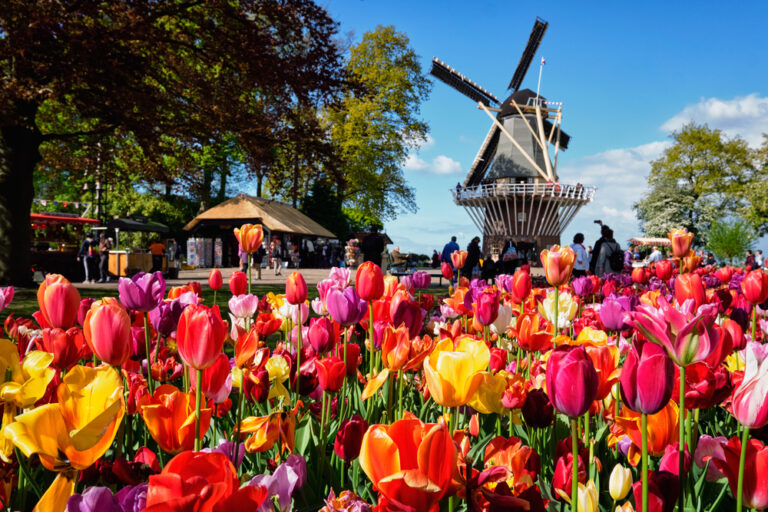
Looking for something to do to celebrate the beginning of spring? Perfect timing! One of the Netherlands’ most exciting attractions, Keukenhof, is opening its doors today, March 20.
The park will be open between 8 AM and 7:30 PM until May 11.
Ready to take a stroll through the many flower gardens and be mesmerised by all the different bloemen (flowers)?
Things to see and do at Keukenhof 2025
With flower shows, boat trips, cycling and guided tours to help you explore the park, you will get every opportunity to see the tulips, crocuses, daffodils and other mooie flowers.
There are also special events such as Easter at Keukenhof, Miffy visiting the flowers, and the Holland Heritage Days.
Great! How do I get there?
For those who don’t plan on cycling all the way to Keukenhof, buses are available from Schipol, Haarlem, Leiden Centraal, and Amsterdam RAI, just to name a few.
Move over, old-school beauty ideals — Dutch women are redefining what it means to look (and feel) beautiful.
From minimalist skincare routines to ethical beauty buys, a quiet but confident shift is happening in the Netherlands: one that celebrates natural beauty, sustainability, and unapologetic individuality.
Gone are the days of over-the-top glam. In its place? A fresher, more grounded aesthetic that reflects exactly what Dutch women do best: keeping it real.
In the Netherlands, less is more
If you’ve ever wandered through a Dutch city, you’ll notice something right away: most women aren’t caked in contour or dripping in highlighter. Instead, Dutch beauty is all about effortlessness.
Think fresh skin, a bit of mascara, and maybe a bold lip on a good day.
There’s an understated elegance to how Dutch women approach beauty — one that leans more toward “glowy skin from a bike ride” than “Instagram filter IRL.”
You’ll often find Dutch women rocking a bare face. Image: Depositphotos
It’s no surprise, then, that skincare often takes priority over makeup. Clean beauty, lightweight serums, and SPF are the holy grail items, and many women opt for routines that feel more like self-care than self-decoration.
The rise of smart, sustainable skincare
While other countries have only recently “discovered” eco-conscious beauty, Dutch women have quietly been leaning into sustainability for years. Cruelty-free? Check. Refillable packaging? Sure. Locally made soaps from that cute market in Utrecht? Obviously.
Ask any Dutch woman what matters in her beauty routine, and chances are you’ll hear words like duurzaam, natuurlijk or vegan. Sustainability is not a niche trend in the Netherlands; it’s actually what people care about.
In true Dutch fashion, practicality also plays a role. Minimal packaging, multipurpose products, and local sourcing are preferred by most.
Dutch women are always on the go — so less is more! Image: Depositphotos
But Dutch beauty doesn’t just stand out with its sustainability; there’s plenty of innovation happening behind the scenes, and the skincare industry is embracing all the emerging new technologies.
The result? Tech-forward skincare is becoming more accessible — think skin analysis tools, personalised product recommendations, and AI-powered routines.
Cultural confidence that goes beyond the mirror
Let’s be real: Dutch beauty isn’t about flawless skin or magazine-ready hair. It’s about looking like yourself (just maybe a little more uitgerust).
Confidence, independence, and individuality are deeply rooted in Dutch culture, and that translates into how women carry themselves. Beauty, here, isn’t about perfection — it’s about personality.
There’s also growing awareness around inclusive beauty, from embracing different hair textures and skin tones to challenging outdated beauty standards.
Dutch women are not only customers of beauty; they’re shaping the narrative themselves, whether through social media, sustainable startups, or simply leading by example.
So no, you probably won’t see a full face of glam on your way to Albert Heijn. But you will see confident, radiant women who prove that true beauty isn’t in the makeup but in the mindset. ☀️
What have you noticed about Dutch beauty standards? Leave your thoughts in the comments.
A dangerous batch of counterfeit oxycodone pills is circulating in the Netherlands, containing the possibly life-threatening substance isotonitazepyne instead of oxycodone.
Authorities have linked these killer counterfeits to at least one confirmed fatality.
Police discovered the body of a 30-year-old Amsterdammer on March 14 and several of the pills were also found at the scene, prompting an investigation.
Warning from authorities
The Trimbos Institute, a leading Dutch organisation researching drug use, issued a rare Red Alert on Tuesday to warn the public about the deadly pills. 👇
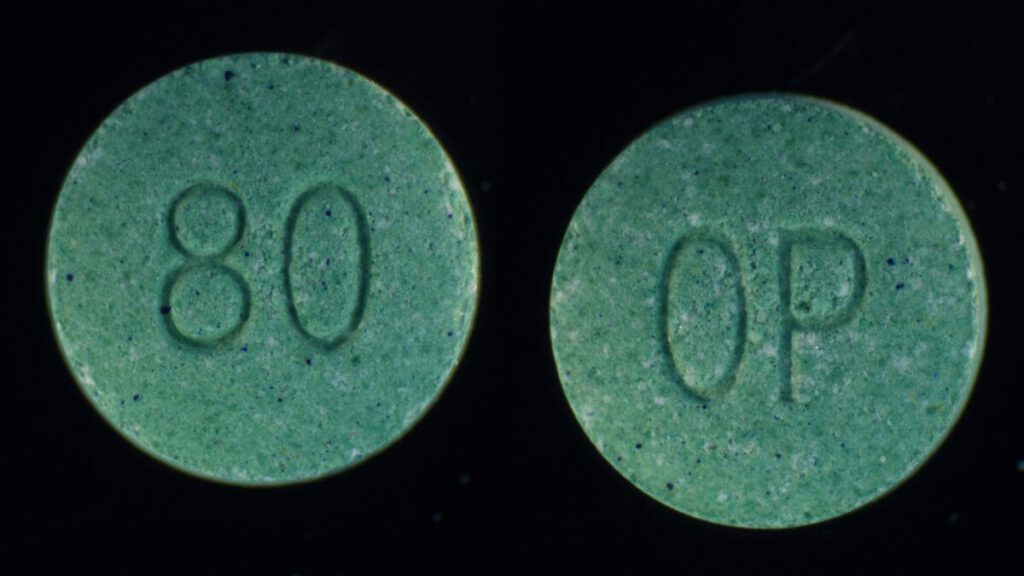
The deadly pills, which have already cost one Amsterdammer his life. Image: Trimbos Institute
The pills in question are primarily sold online without prescriptions and were initially believed to contain 80mg of oxycodone. However, new research indicates that they actually contain isotonitazepyne — a synthetic opioid far stronger than fentanyl, oxycodone, or morphine.
Extreme potency and overdose risk
Due to the compound’s strength, the IGJ warns that the risk of overdosing is high and potentially life-threatening.
The Trimbos Institute also adds that even a relatively small amount, such as a few milligrams, can cause respiratory issues.
“This shows how dangerous it is to order prescription drugs online,” stresses Henk de Groot, chief inspector for the IGJ. “It may look real, but you have absolutely no idea what you are buying. That is extremely dangerous. For drugs, go to your doctor and pharmacy.”
Anyone experiencing overdose symptoms after taking oxycodone should seek immediate medical help.
Call 112, the national emergency number, and mention that synthetic opioids may be involved. Request naloxone, a medication that can counteract opioid overdoses.
If you’ve ever been to the Netherlands, you’ll know that Dutch culture is a fascinating mix of old traditions and modern innovations.
Known for its authentic cultural symbols, such as the national colour and the royal family, it’s obvious that the Netherlands reflects its deep historical roots.
At the same time, the Dutch are thought leaders in many areas, and the Netherlands continues to evolve while blending tradition with new ideas.
Let’s look at some ways the Dutch blend tradition and innovation.
1. The Dutch royal family: monarchs with a modern twist
The Dutch royal family is a huge part of the Netherlands’ identity, with King Willem-Alexander standing for both the country’s rich history and its ever-changing future.
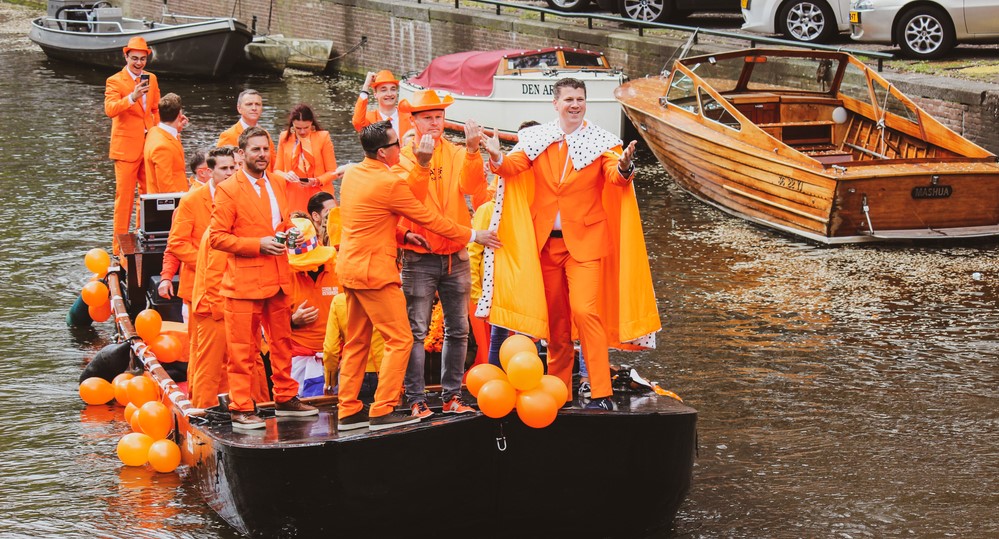
King’s Day on April 27th is the perfect example of how tradition and modern fun come together in the Netherlands. The streets explode in orange as people party with music, street markets, and of course, lots of drinks. It’s a lively, modern take on celebrating a royal tradition that goes way back.
Not your average birthday celebration. Image: Depositphotos
But the royals aren’t just about the celebrations; they’ve got a pretty fresh take on how a monarchy should operate. too. Instead of staying behind palace walls, they’re engaging with the public in a transparent, approachable way.
Overall, the royal family is a reminder that the Netherlands knows how to respect tradition while staying open-minded about what’s next — and that’s why the Dutch love them so much (well, most of them).
2. Innovative tech: from farm to freetime
The Netherlands is famous for its agricultural heritage, especially in flowers and dairy farming, but it’s also fully embracing modern tech to stay ahead of the game.
The country is now combining its farming expertise with cutting-edge innovations like vertical farming, autonomous tractors, and precision agriculture.
This mix of tradition and modern tech allows the Netherlands to maintain its status as a leader in global agriculture, blending centuries-old practices with the latest breakthroughs.
And of course, the Dutch don’t just stop at farming. They’ve applied tech to every part of life — from cycling routes designed with the future in mind to how people spend their free time.
3. Revamped holidays: ancient traditions, new celebrations
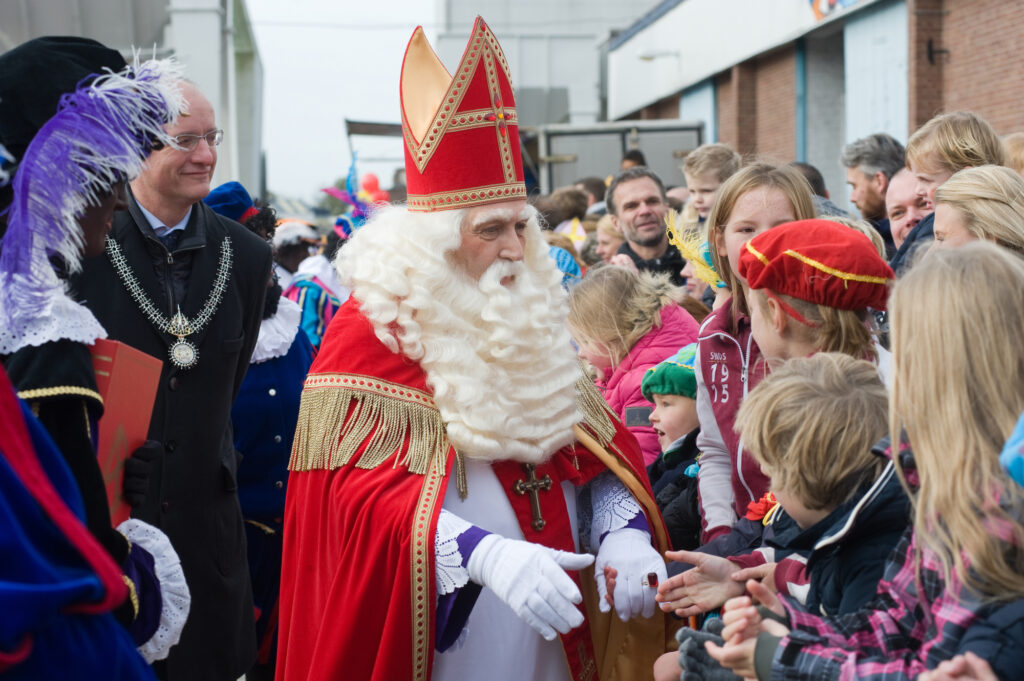
Many Dutch holidays are steeped in history, but they’re far from stuck in the past. Take Sinterklaas, for example — a tradition that has been around since the 1800s, but whose celebration has evolved.
Sure, the main story and Sinterklaas himself are the same, but the celebrations today come with modern parades, performances, and social media buzz to get younger crowds involved.
The ongoing debate around Black Pete (Zwarte Piet) is also a great example of how the Dutch are updating their customs to be more in line with today’s values. It shows that even long-held traditions need to evolve and stay relevant as times change.
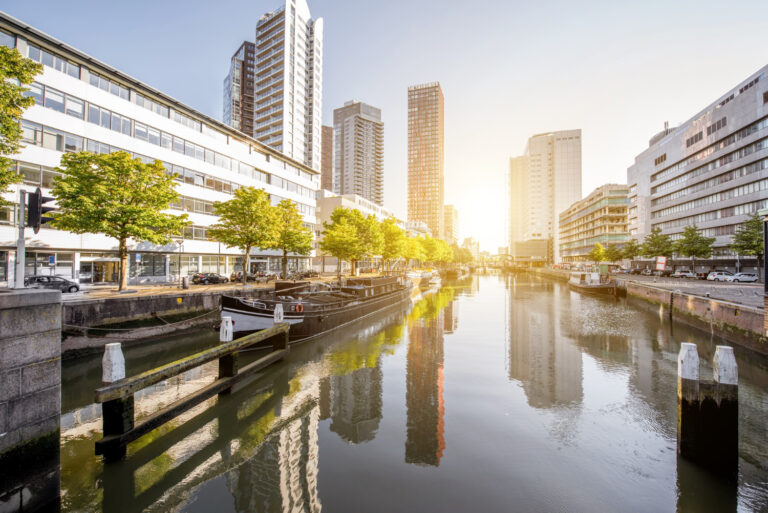
But within this historical backdrop, modern architects are creating bold new designs that push the limits of both style and sustainability, whether by adding eco-friendly features or through innovative, out-of-the-box renovations.
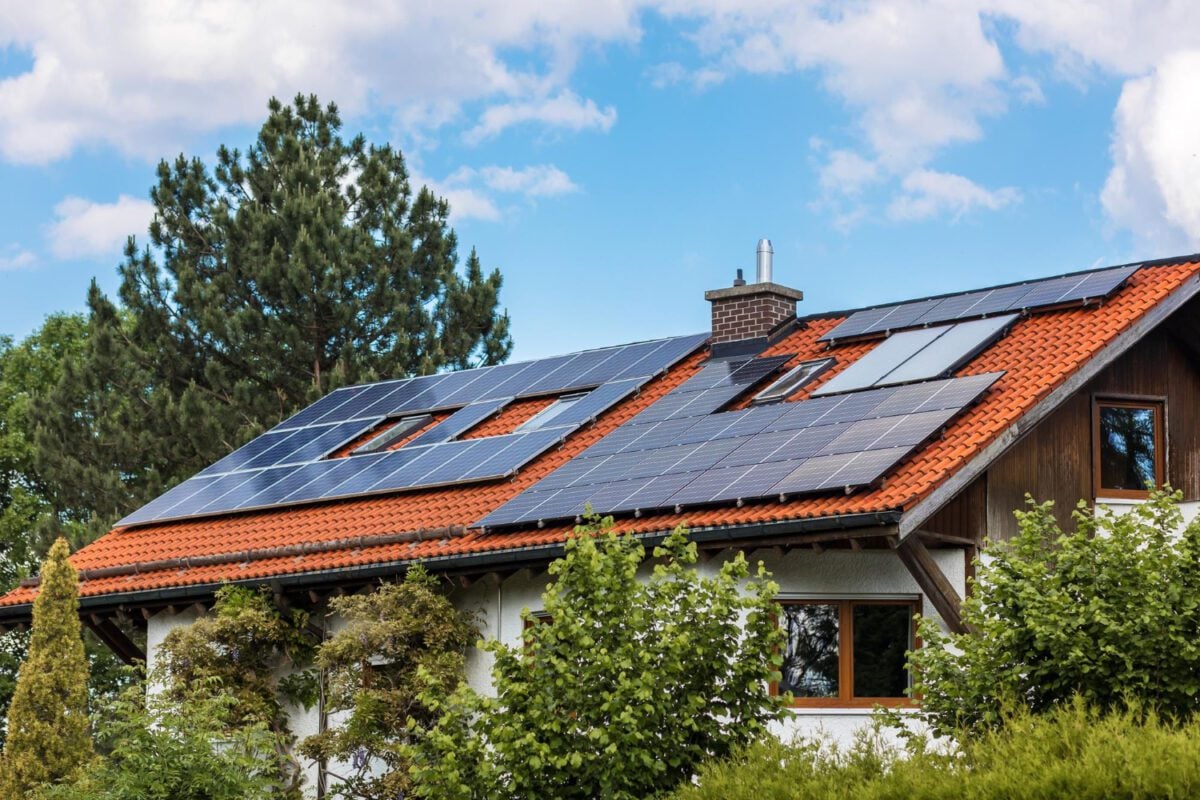
The Dutch are sustainability pros. Image: Freepik
The Netherlands is also a leader when it comes to green city planning. Green spaces, energy-efficient buildings, and bike-friendly infrastructure are all part of the Dutch approach to urban living. They’re preserving their history while shaping a future that’s both stylish and sustainable.
The Netherlands is a country where tradition and innovation go hand in hand. With its commitment to tradition, inclusivity, sustainability and creativity, the Netherlands continues to thrive by embracing both the old and the new.
Can you think of more way the Dutch blend tradition with innovation? Drop them in the comments!