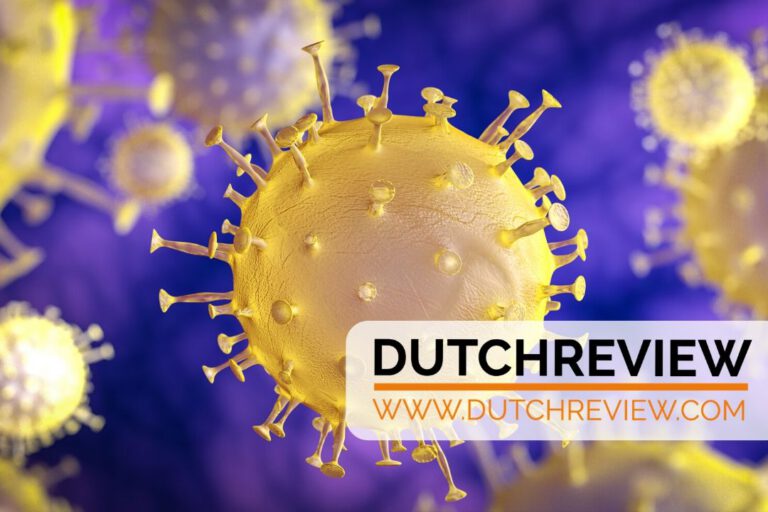
Researchers from Birmingham University in the UK have spoken of a “convincing connection” between air pollution and coronavirus hospitalisations and deaths in the Dutch provinces of Brabant and Limburg.
The researchers were looking art a type of particulate matter that occurs when the emissions from traffic and factories mix with the ammonia produced by livestock farms. The more of these particles that were in the air, the higher the rate of coronavirus hospitalisations and deaths were, the scientists say.
The study has already been tested by colleagues, and appears to show that 1 microgram of these particles per cubic metre can lead to 13-21% more coronavirus deaths. In Brabant and Limburg, there is 12 micrograms of these particles per cubic metre. In the north of the country, this lowers to 8 micrograms.
For many people, the reason that the south of the Netherlands has been hit particularly hard by coronavirus seems obvious: the unfortunate timing of carnival, which took place in late February. However, the researchers have also looked into this, and although they agree it played a role, they believe that the suspected impact of these particles is also worth examining.
They have advised the Dutch government to look into reducing air pollution in the Netherlands, especially in preparation for a potential second wave of the virus.
The Netherlands is a country known for its cheese, clogs and tulips: but it is also an industrial giant. The port of Rotterdam is the centre of industry in the Netherlands, and we were itching to have a look at this under-covered side of the Netherlands, and we hope you too, so jump on board and buckle up as we visit FutureLand and explore the titanic port of Rotterdam!
We had the chance to visit FutureLand, the information centre on the Rotterdam Port, a few weeks ago. Now, an information centre might not be something that immediately screams “very exciting” to you, but we swear to you that FutureLand is way more than an information centre. It’s a museum, a boat tour, and potentially also a bus tour all wrapped into one. It’s also really, really cool as we like big, very big, ships and facilities.
To be honest, I’m not someone who knows a lot about industry: the closest I come to engineering is using tape to make my laptop charger last just that bit longer. But going to FutureLand is super enjoyable for everyone, whether you’re a shipping geek or a newbie like myself.
What is FutureLand?
If you haven’t heard about FutureLand yet, here’s the low-down. FutureLand is based on the Maasvlakte 2, the newest development at the Rotterdam port, which was reclaimed from the sea around 2010. It’s an interactive place where you can learn about the history of the Rotterdam port, as well as its current role in the economy of the Netherlands.
It’s also a mesmerizing trip through the industrial heart of the Netherlands, something which we don’t get to see that much in daily life. Image: Ailish Lalor
The Rotterdam port is the biggest and most modern sea port in Europe, and the tenth busiest port in the world, and the busiest in Europe. It plays a crucial role in the Dutch economy, and indeed in the world. It also used to be the biggest port in the world. So yes, it’s massive and there’s a lot going on – and you just don’t get a sense of that when you visit Rotterdam normally.
How do you get to FutureLand?
So, how can you get to FutureLand? We went by car, and the drive was really pleasant, taking us through the industrial hub of the Netherlands. That doesn’t sound like a particularly scenic route, we will admit, but it was super interesting to see.
If you don’t have a car, you can get to FutureLand in a couple of different ways. You can head there from the centre of Rotterdam on an organised bus tour or a boat tour by Spido.
Another way to get to FutureLand is to bike to Hoek van Holland and then get the Fast Ferry over to Maasvlakte 2. That’s the perfect option if you can’t drive, or if you’re looking for a more adventurous way to get to the port (tag us if you do!)
The boat tour: a massive experience
We’re not people who pick favourites, but if you forced us, we would definitely pick this boat tour as our favourite part of the FutureLand experience. Our boat trip was 1.5 hours long, but there’s also an hour-long version. The tour takes you around the port, bringing you past some absolutely massive ships.
Image: Ailish Lalor
The boat has an enclosed downstairs and an exposed upstairs area, so depending on the weather you can either stay cozy inside or sit decadently in the sun. We had a wonderful sunny day, but it’s definitely worth bringing a windbreaker with you on the boat tour, as it can get pretty nippy out on the water.
Image: Ailish Lalor
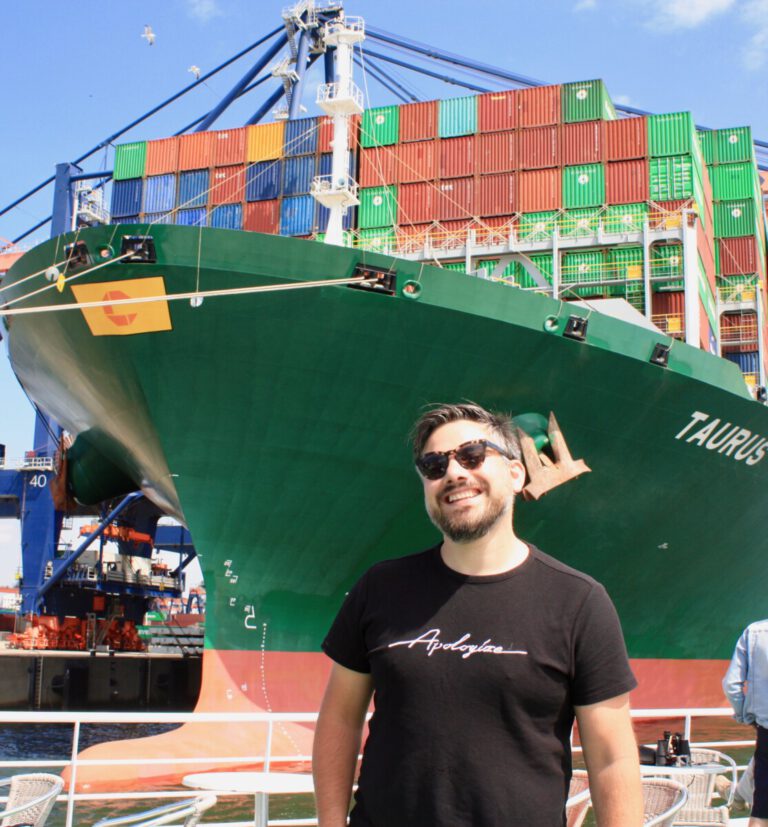
We were very lucky with the day we chose to do our trip, as the biggest ship in the world was docked at the port. It’s hard to describe how awe-inspiring it was to see such an enormous vessel.
Image: Ailish Lalor
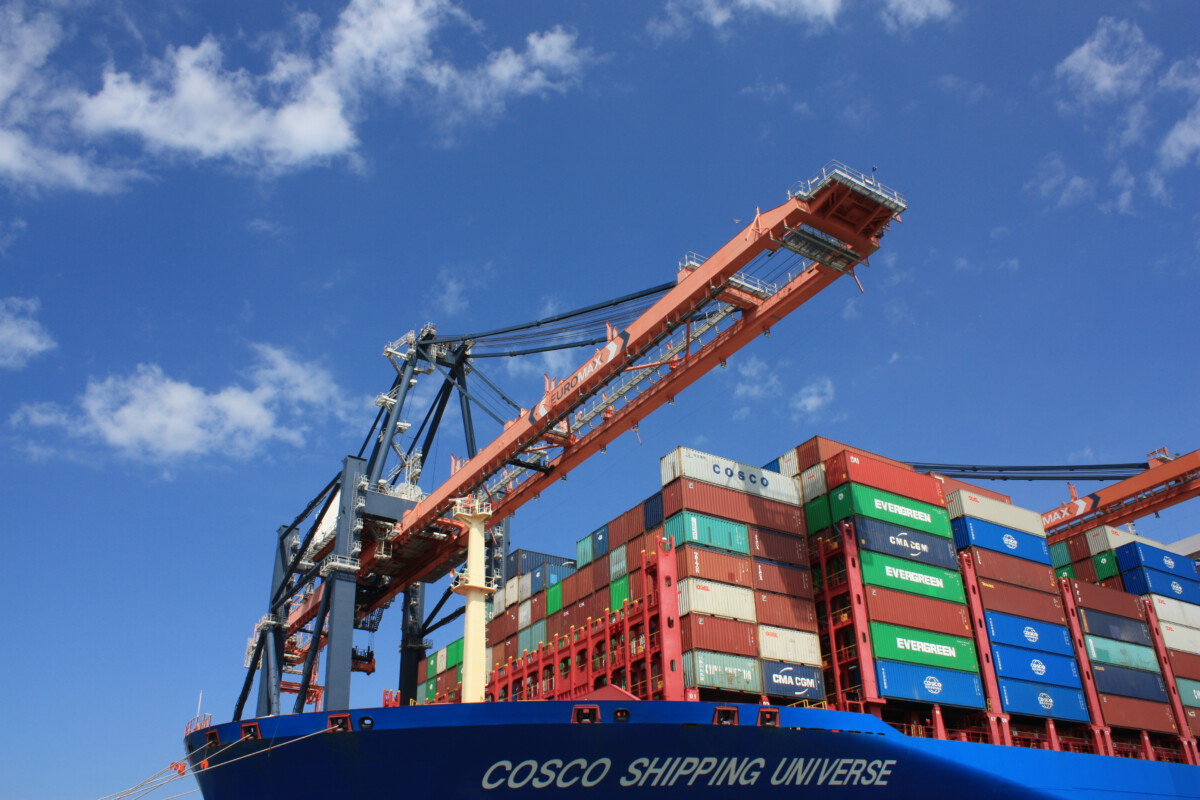
Then we passed along the port, and saw lots of cargo ships being loaded and unloaded along the docks. These, too, were just incomprehensibly big. Some of them, like the blue ship below, can only be fully loaded in three ports in the world- of which Rotterdam port is one. That’s a major reason why Rotterdam port attracts so many cargo ships from around the world: in Europe, it’s often the only one that can accommodate the bigger ships.
Image: Ailish Lalor
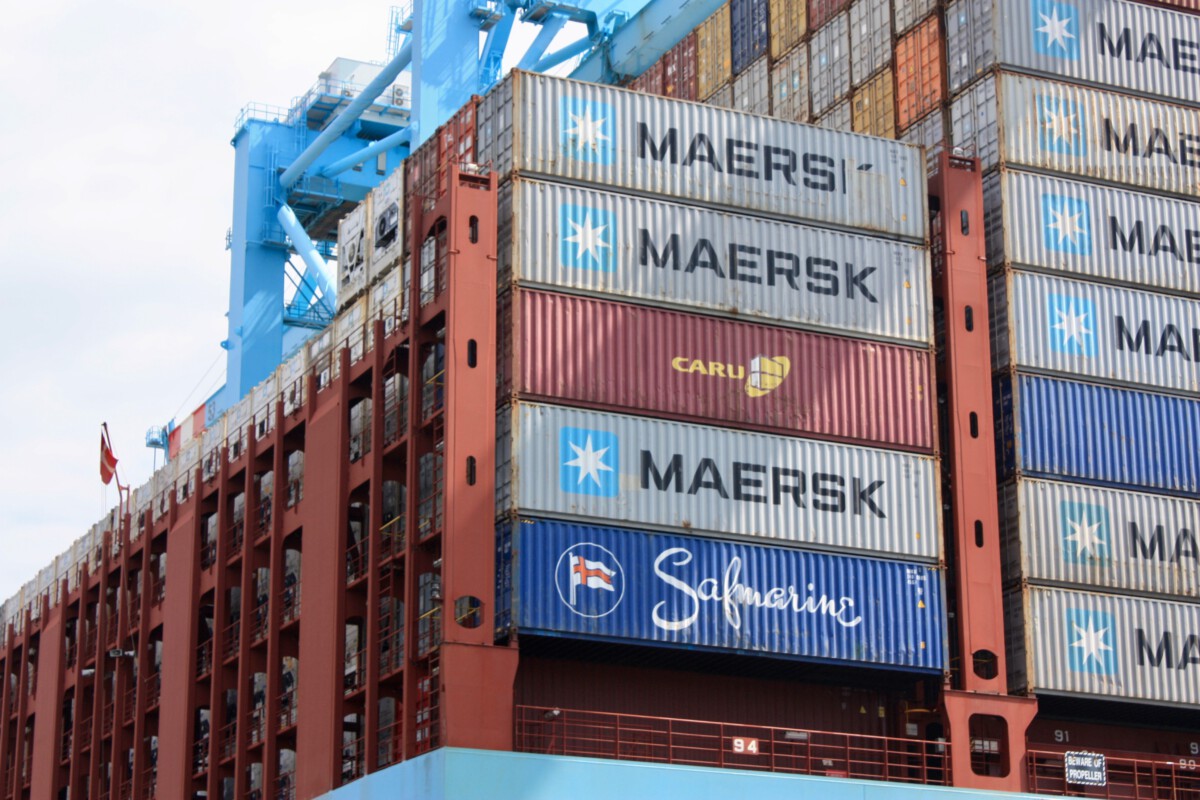
There’s also another reason why a visit is interesting, especially if you want to bring your kids. Like the story about the milk coming from the cow, us too, and especially a younger generation has no exact image of how the stuff you’re reading this article on has arrived in your hands. Seeing all those containers being shipped and the gigantic scale of the operation really makes you conscious of the trip your stuff makes.
It’s also fricking awesome seeing containers being handled:
“From sea to innovative port”
After our boat tour, we had a chance to explore the museum of FutureLand. You might not necessarily expect a port to have a museum- at least that’s not the association we had- but FutureLand’s museum is excellent. It’s really interactive, and they’ve managed to maintain that spirit despite the coronavirus regulations.
Image: Ailish Lalor
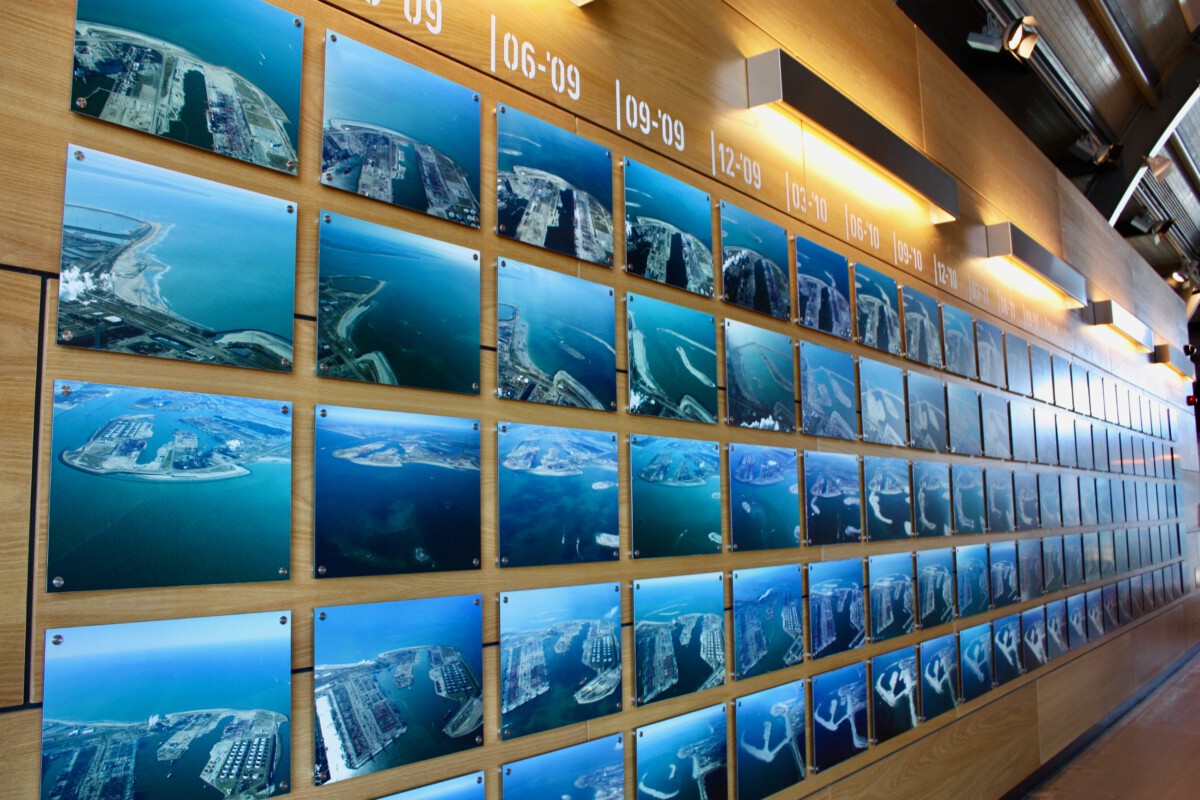
One of our favourite parts of the museum was the bird’s eye view photos of how the port has changed over time. It was really fascinating to see how the port has grown from literally nothing to the powerful economic hub it is now. Seeing the huge changes that humans had made to the shape of the land and the port itself was awe-inspiring. There were models showing how the port was constructed, and even an interactive game you could play to construct your own sea wall, which basically qualified us as full-blown engineers.
FutureLand also regularly puts on really cool activities: both for children and school tours. One awesome example of this is their fossil tours, where a guide will take the participants (children and parents welcome alike) onto the Maasvlakte beach to look for fossils. You’ll also learn lots about the archeological and paleontological background of the site.
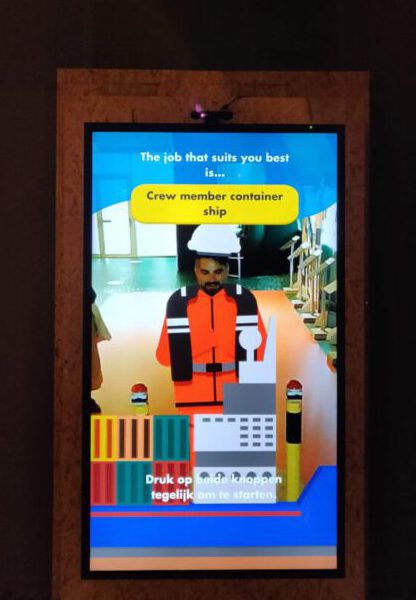
We also got to learn lots about all the different jobs that go into making a port run smoothly, which was super interesting. Rotterdam port employs tens of thousands people, from crane operators to engineers to tour guides. It adds €45.6 billion, directly and indirectly, to the Dutch economy every year. If you’ve ever wondered what port job we DutchReviewers suit best, we even have the answer to that existential question for you. After taking an interactive quiz, it was decided by the port gods that we suit the position of Crew Member best.
You don’t necessarily come to an industrial area expecting to learn about prehistory, but that is exactly what we got to learn about at FutureLand. Did you know, for example, that between 250,000 and 1.6 million years ago, woolly mammoths lived where the Rotterdam port is now? Even more unbelievable: between 22,500 and 750,000 years ago, Straight Tusked Elephants lived in the Netherlands. Their tusks were 2.5m long, and their shoulder height was 7.5m. There was a whole section of the museum devoted to these prehistoric animals. For each animal that was talked about in this section, at least some fossilised remains had been found where the port was built.
The future of the Rotterdam port
After so much development in recent years, where is the Rotterdam port going in the future? And what can FutureLand tell us about it?
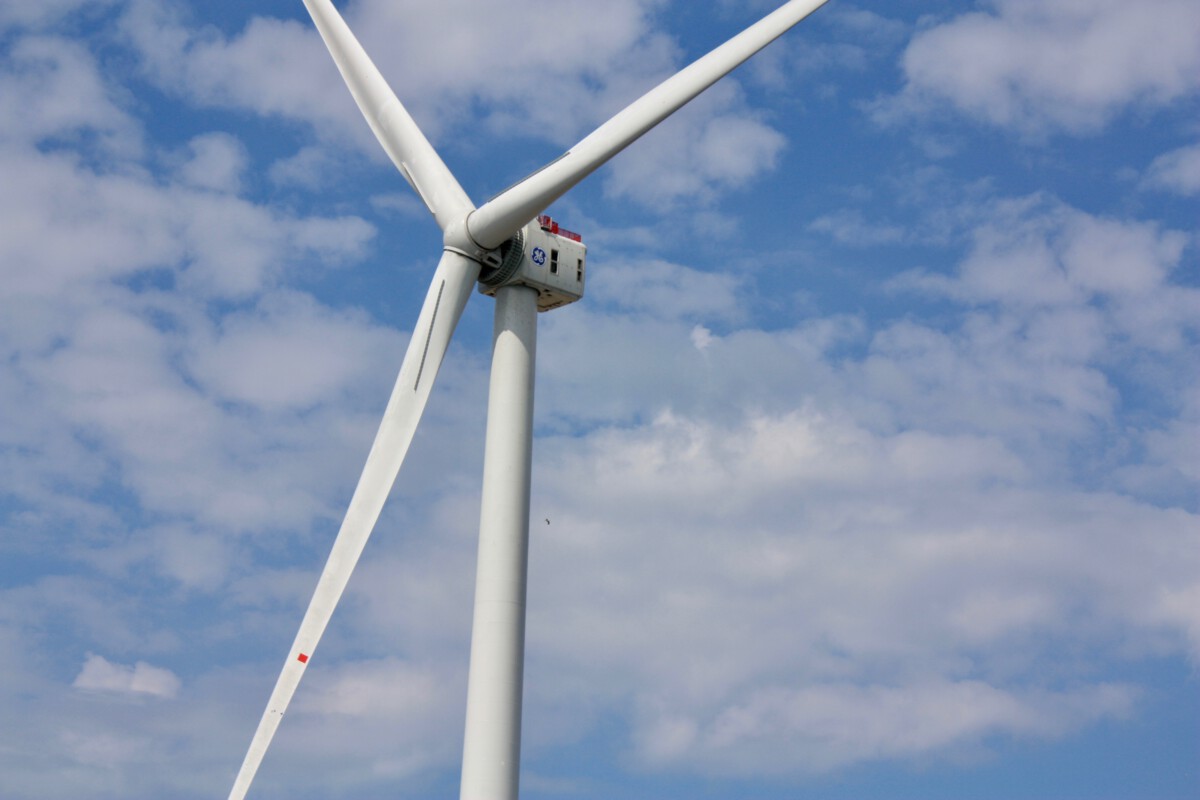
First of all: sustainability. The most striking thing you see, upon pulling up to FutureLand, is a gigantic wind turbine. It’s the most powerful wind turbine in the world, creating enough electricity to power 16,000 homes per year. Although this particular wind turbine is a bit special, it’s certainly not alone in the port. There are lots wind turbines throughout the Rotterdam port, harnessing all that strong sea wind to create green energy. They create about 200 MW of energy, which equals 10% of the Netherlands’ total wind energy capacity.
Image: Ailish Lalor
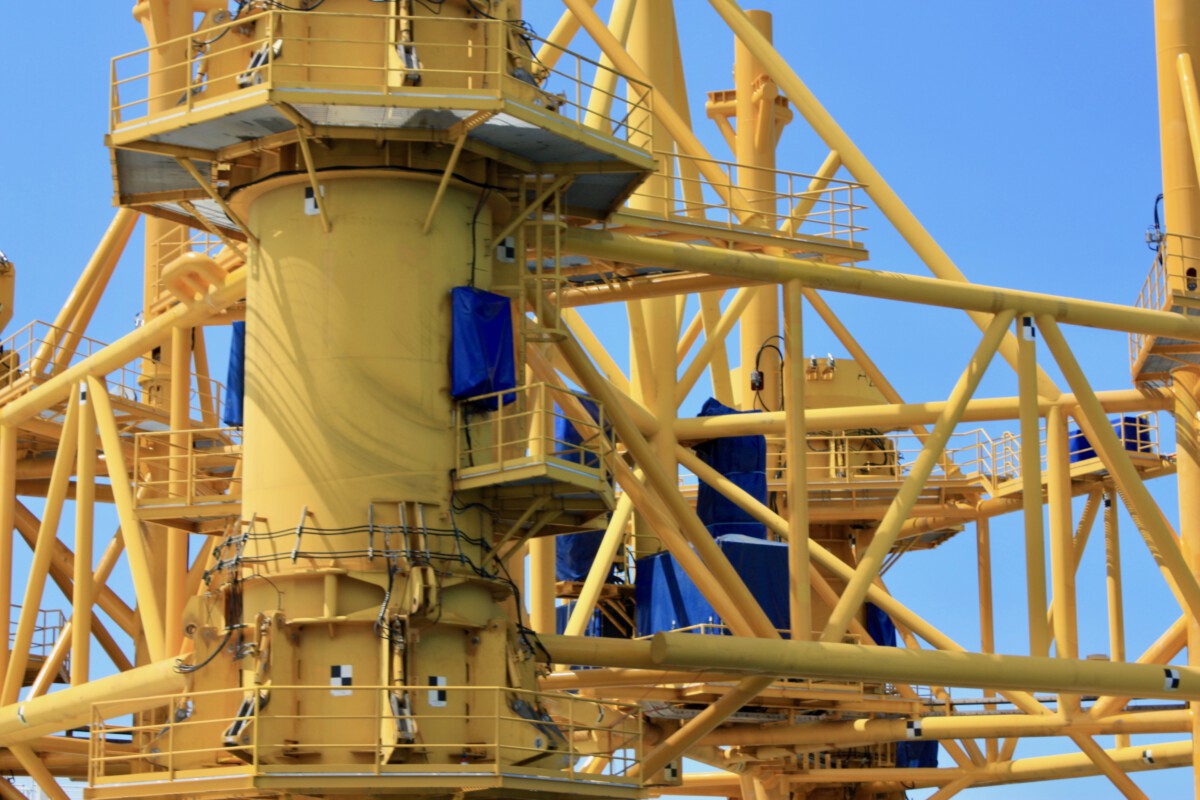
The port is also becoming more and more digital. On our boat tour of the port, we learned about how the cranes are operated. Most of the cranes you see lifting containers on and off of the ships are not actually operated by someone inside them. If you look closely, you’ll see that there’s often no one sitting in the control tower of the cranes- it’s now done mostly remotely.
And then there’s the question dearest to all Dutchies’ hearts: reclaiming land from the sea. As we’ve already mentioned, the piece of land that FutureLand sits on is called Maasvlakte 2, and was reclaimed from the sea over a five year period. Yet more development has taken place over the past years at the Rotterdam Port, including the deepening of the Nieuwe Waterweg, to allow more ships to pass through.
So, would we recommend going to FutureLand?
I think the answer is pretty clear, but just in case: yes, absolutely we would! The boat tour is an absolute must, if you end up going yourself. The museum will teach you about the history of the port, as far back as when woolly mammoths roamed the plains of Rotterdam. And we also found it fascinating to learn about the current and future developments that the port is going through. If you were wondering about how you can best access the tour and museum in English, then rest assured: there are audio tours for both, so you can chill out and watch the ships go by in whichever language you’re more comfortable in.
Image: Ailish Lalor
If your image of the Netherlands is of stroopwafels and pepernoten, then you’re not exactly wrong. But the Netherlands is also what you can see at FutureLand: a powerhouse of industry and innovation, a world leader in everything from sustainability to the sheer size of the ships that can enter the port.
So if you want to explore a different side of the Netherlands, then get yourself over to FutureLand. You won’t regret it.
Have you ever been to the port of Rotterdam? Let us know in the comments below.
Feature Image: Ailish Lalor/Supplied.
We’ve proudly teamed up with Futureland to bring you this review
This is the second weekly coronavirus update for the Netherlands. Since June 30, the RIVM has shifted to weekly updates.
The RIVM reports that this week eight people have passed away from coronavirus, and 16 people were hospitalised with the virus. There were 534 new cases this week. That is a higher increase than what we saw last week.
Last week, 19 people passed away, and 432 new cases were confirmed. The RIVM also reported that nine people were hospitalised.
Currently, the reproductive number in the Netherlands is 1.06, which is slightly above the “warning” level of 1. In practice, what this number means is that everyone who gets infected with coronavirus ends up infecting slightly more than one other person, on average.
Throughout the world, fears of a second wave of coronavirus abound. The Dutch government has been discussing what is to happen if a second wave of the virus hits the Netherlands again. A country-wide lockdown is not likely, says President Hubert Bruls of the Security Council. He emphasised the importance of source and contact investigations.
He acknowledged that many people are feeling a bit nervous about a second wave, “Each of us is a bit afraid of the horror that we will all be back in those measures for months.” Last week, Bruls said that local and regional lockdowns would be difficult to carry out, though. “You can only oblige people to isolate themselves from an infection. You can close a company or a home. That is clear, but it is difficult to impose measures locally.”
Figures from the RIVM and CBS show that the number of smokers among young people, aged between 20 and 24, remains high.
The Trimbos Institute, the knowledge centre on tobacco, drugs, alcohol and mental health, remarked that the number of youth who smoke has not decreased, as reported by the NOS.
Marc Wilmsen from the Institute expressed his concern over young adults smoking. “It is especially important for this group to stop smoking because tobacco addiction continues to develop during this period. The longer they smoke, the more difficult it is to get rid of it again.”
In the age group between 25 and 29, more and more people smoke every day. According to Wilmsen, that’s why it’s important for youngsters to stop smoking in time.
Stress an underlying factor in smoking
Around a third of young smokers tried to quit last year. Of the young adults who did not try to quit smoking, the Institute believes that they mainly smoke to relax.
According to Wilmsen “This suggests an underlying problem, namely stress among young adults.”
The Institute is also struggling to reach young smokers with more info and campaigns. “There is little enthusiasm in this group to call in help to quit smoking. This is worrying because quitting without help regularly fails. At the same time, it is the group where the tobacco industry focuses its marketing, for example through influencers on social media.”
A 14-year-old boy has been admitted to hospital after being stabbed in Rotterdam.
The incident occurred last night on the Kruiskade.
Police say they have arrested two 17-year-old girls at the Diergaardesingel in relation to the incident. One of the girls is from Rotterdam, and the other from Vlaardingen.
Update steekincident #Rotterdam: het slachtoffer is een 14-jarige jongen uit Rotterdam. De twee jonge vrouwen die zijn aangehouden op de #Diergaardesingel zijn 17 jaar en komen uit Vlaardingen en Rotterdam. Het onderzoek wordt voorgezet. Meer aanhoudingen worden niet uitgesloten.
— Politie Rotterdam eo (@Politie_Rdam) July 13, 2020
However, police say that what happened is still unclear. More arrests could still be made. As part of the investigation, police are examining camera footage and other resources to discover what happened.
Police recently discovered €2.4 million stashed away in an uninhabited house in Amsterdam.
The cash was found alongside a cash counter, reports AD. The municipality says a police report shows that large sums of money were laundered in the house.
The stash, which conjures up major Breaking Bad vibes, has forced Mayor Femke Halsema to close the entire building on Eef Kamerbeekstraat for three months.
“Such a large amount of cash in the home has an increased risk of criminal activities, reciprocal theft, disturbances of public order, and deterioration of the living environment,” says the municipality.
Dutch summer is upon us. What that means is that the weather can be quite volatile, and clouds and rain showers will come and go.
Today, Monday, July 13, as you’ve probably noticed, the weather is lovely and sunny, and you can expect it to stay that way, save for some clouds, reports Weerplaza.
Tuesday, however, the classic Dutch summer will rear in its rainy head. The night will also be cloudy with chances for the occasional shower.
Wednesday and Thursday will also not be dry days. Showers will occur throughout these two days, so make sure to plan ahead when going out.
Temperature picking up towards the weekend
Listen, no one can give any guarantees when it comes to Dutch weather. However, from current estimates, this weekend will see a return of some summer heat. A high pressure-area will suppress rainfall, and we’ll have a sunny and hot weekend. The good weather will carry on Monday, but as of now, we don’t know for sure if the weather will continue in its sweet summer goodness.
Follow DutchReview on Facebook for the latest news in the Netherlands.
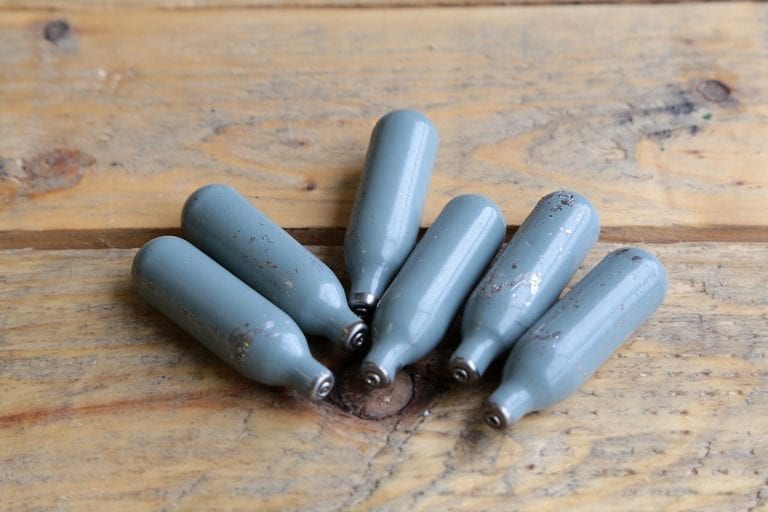
A man in the Hague drove his car in a canal, and instead of swimming to safety, he decided to do laughing gas on its sinking roof.
The bizarre incident occurred this Saturday in the Hague, reports Omroep West. The man seemed to be in no hurry to get to shore, as he climbed the roof of his car, and started inhaling laughing gas through a balloon.
🌊 | Opmerkelijk: Een automobilist is zaterdagochtend aan de Calandkade in Den Haag met zijn auto het water ingereden. In plaats van naar de kant zwemmen neemt de bestuurder eerst lachgas op zijn dak.
The police took him to the police station. Laughing gas, also known as nitrous oxide, is quite widespread among some youngsters in the Netherlands. It gives the user a very strong head high that lasts around a minute, with the user of the drug being very prone to laughing while doing it. Nitrous oxide is controversial when it comes to its recreational use, as it is considered a public health danger. A recent bill introduced in Parliament seeks to ban laughing gas for private consumers by 2021.
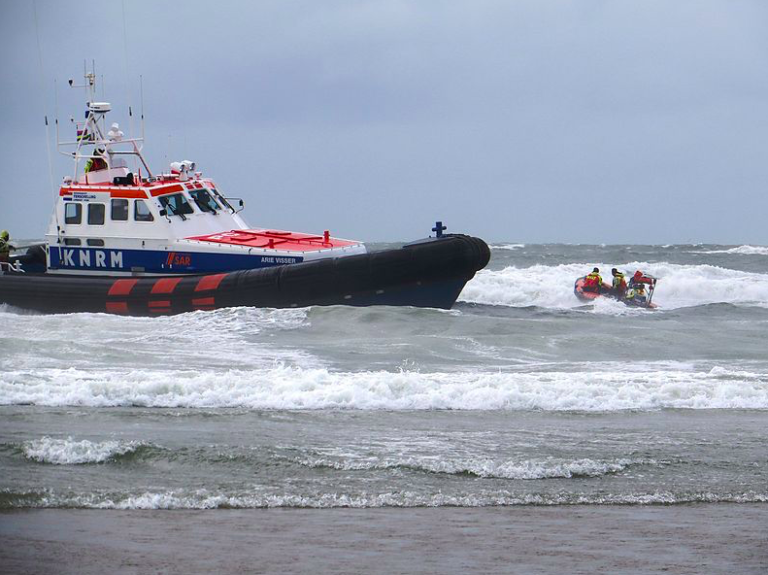
A 14-year-old girl went missing in the North Sea near Ameland on Saturday evening, and has not yet been found.
She disappeared on Saturday night around 10:30 PM. Emergency services searched for her until 3:30 AM on Sunday morning. The search was resumed at 5:30 AM on Sunday morning, when daylight broke, and continued throughout the day.
The coastguard now believes that the girl is no longer alive. The focus of the search is now on finding her body. It is thought that she was probably pulled out to sea by the strong current, NOS reports.
The girl, who is from Germany, was swimming with her father and sister in the sea near Nes, and the three of them got into trouble. The father and younger sister were able to save themselves and return to shore, and then raised the alarm for the missing girl around 10:30 PM last night. Then a large scale search operation began.
Mayor Leo Pieter Stoel was present on the beach for most of the search throughout Saturday night, and expressed his sympathy with the family, RTL Nieuws reports. “We are very sympathetic to the family of the missing girl. The family is in great uncertainty. The decision to stop the search is terrible for them.”
The mayor also expressed his respect for the emergency services, the rescue teams and the islanders who searched for hours with ships, cars and a helicopter.
Our thoughts are with the family at this sad time.
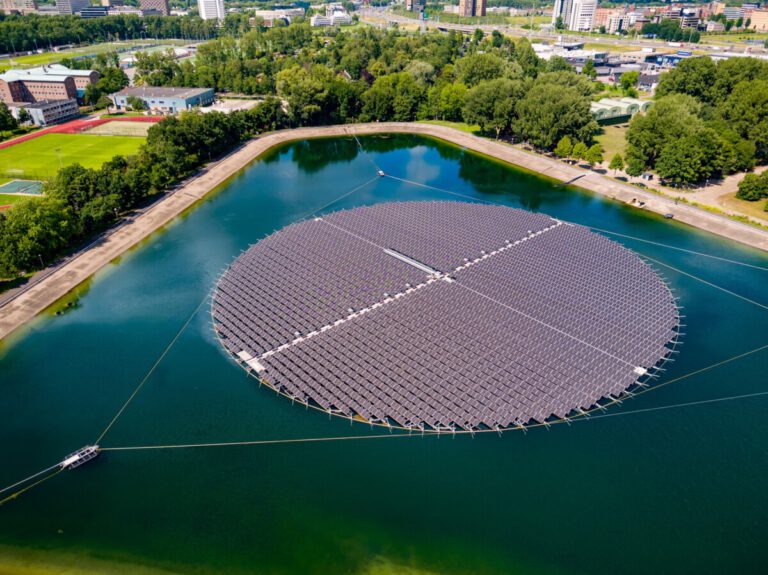
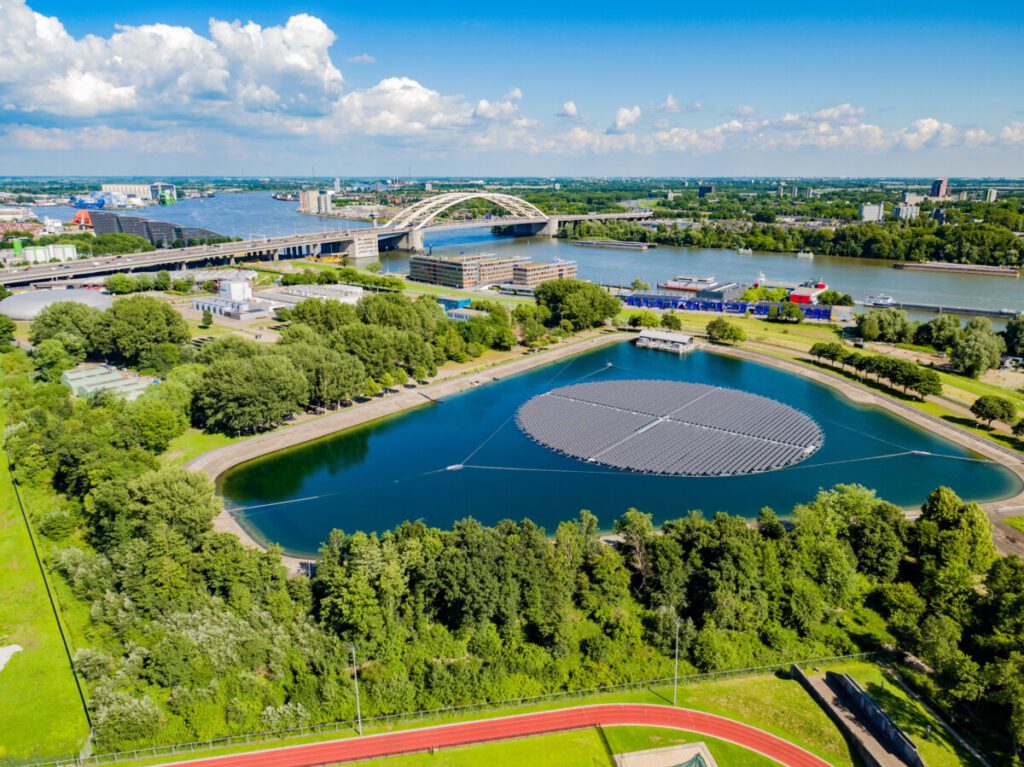
This morning, the largest solar island in Europe that rotates with the movement of the sun has been opened in Rotterdam.
By making the solar panels follow with the sun, the energy yield is higher than a normal solar panel on land, reports NOS. The extra yield can be up to 30% more than traditional solar panels.
The panels are located in a water reservoir owned by the water company Evides. Its water is also used later as drinking water. If this solar island is a success, Evides wants to build several more floating solar islands throughout the Netherlands in a bid to achieve energy neutrality.
The island contains 4800 solar panels and the diameter is around 100 metres. The annual yield is around 2 million kWh of renewable energy, equivalent to the energy use of 650 households per year. The special sensors designed to track the sun were developed by Floating Solar.
Image: Evides/Supplied
More on more floating solar panels
Floating solar panels have become more widely used in recent years. The largest “normal” floating solar island in Europe was opened last week in Zwolle. The project has 72,000 solar panels and can supply electricity to 7200 households.
According to the Netherlands Organisation for Applied Scientific Research (TNO), floating solar panels have a promising future. Besides looking at building floating solar island on inland lakes and waterways, there’s now research for building them out in the open sea.
Excited for the future of floating solar panels and the benefits they bring? Let us know in the comments below!