Home Blog Page 648

Super rich are twice as rich as previously thought, research on Dutch tax system reveals

0

The richest Dutch people actually have twice as much wealth as previously thought, research shows. If you’ve been looking for something to make you angry this morning, then this is it. 

The Ministry of Finance has been doing research recently on the Dutch tax system, which honestly we’re a little concerned that they needed to do research on. To be fair, though, their aim is virtuous: they’re looking at ways to reform the tax system to make it more progressive, NU.nl reports.

Previously, it was thought that these super-rich people, know as ‘substantial stakeholders’, had €200 billion euros of wealth. Now, it seems that they actually have €400 billion. ‘Substantial stakeholders’ are people who are in the top 1% of the wealthiest households in the Netherlands.

What are the major problems in the Dutch tax system?

Compared to most other European countries, the Netherlands has a relatively low tax on wealthy people, as well as on corporations. This is one of the major ‘bottlenecks’ in the system.

To make matters even less socialist, for middle class people there is little incentive to earn more, as their extra earnings are taxed at a disproportionately high rate. The Dutch tax system also doesn’t take harm to the environmental or to people’s health into account.

New Dutch tax system in the making

It’s for these reasons that the Ministry of Finance is doing this research, and potentially working on reforming the system. It has drawn up 169 building blocks for this new tax system, which would include alterations for the sharing economy, for taxes on flying or on eating meet, and has sent these to the House of Representatives for discussion.

What changes would you like to see in the Dutch tax system? Let us know in the comments below.

Feature Image: cottonbro/Pexels
Horeca to reopen at midday on 1 June, no exceptions for beach clubs

0

The catering industry can reopen on 1 June at midday, according to advice from mayors to the cabinet. It is likely that the cabinet will take this advice on board, RTL Nieuws reports.

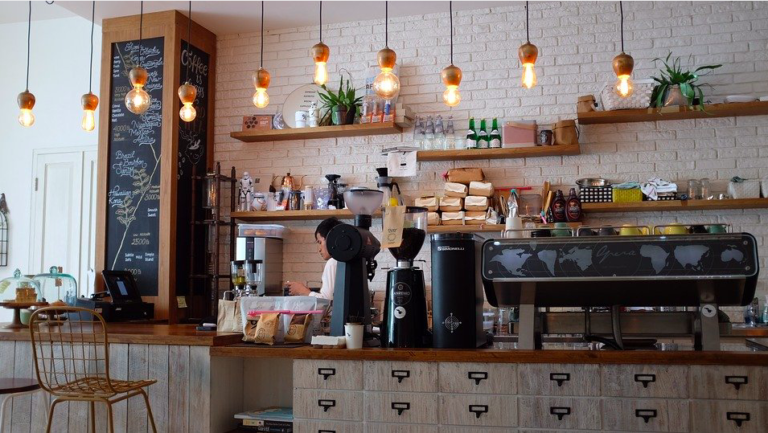
The horeca sector will be allowed to reopen on 1 June, but not at midnight, as some had expected. The government wants to avoid a huge rush to cafes and bars, and generally to reduce the amount of partying that the reopening of the catering industry could inspire. For that reason, cafes, restaurants and bars will be reopening at midday on 1 June.

Beach clubs in The Hague still want to open early

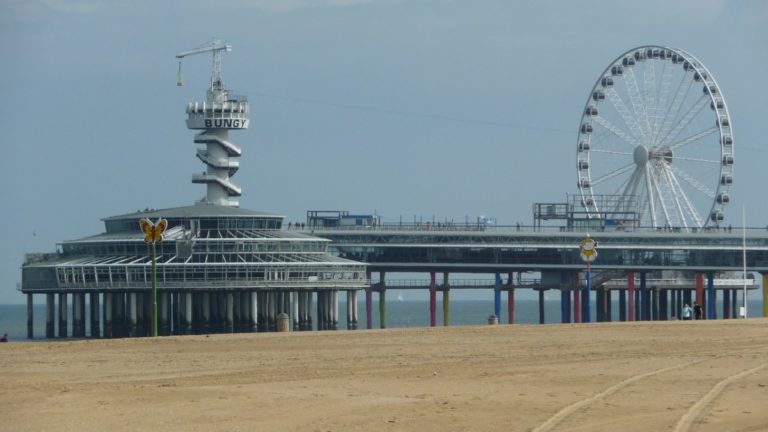
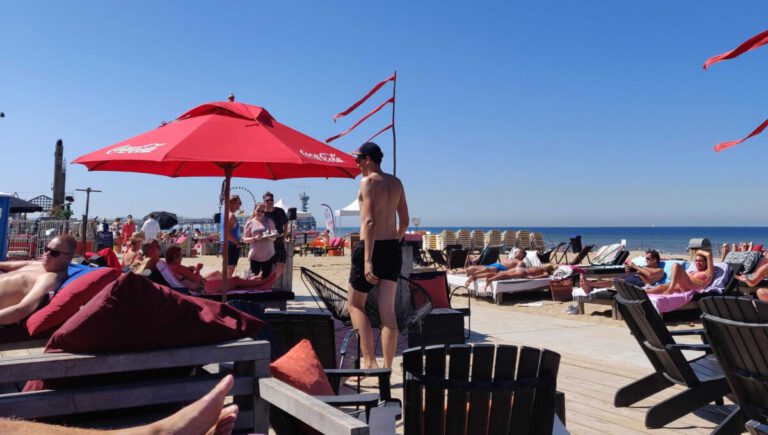
Yesterday, we reported that beach clubs in The Hague were threatening to reopen early, this Wednesday, flaunting government regulations in doing so. The sector is under severe financial pressure at the moment, so 70 beach clubs wrote to The Hague municipality to ask for permission to open early.

Yesterday evening, the municipality responded, denying permission to reopen early. It’s not yet clear if (some of) the beach clubs will decide to reopen on Wednesday anyway.

Press conference tonight

There will also be a press conference this evening from Prime Minister Rutte and Minister de Jonge, when we’ll get an update on how the government planning to carry out the relaxations of the coronavirus rules on 1 June.

Would you support beach clubs reopening early? Let us know in the comments below. 

Feature Image: Abuzer van Leeuwen/Supplied

Coronavirus update: for the first time in a month, the number of ICU patients slightly increased

0

The RIVM has published the latest count of coronavirus cases in the Netherlands.

As of today, 146 more cases have been reported in the Netherlands, bringing the total to 44,141 cases countrywide.

In regards to serious cases of the coronavirus, 27 more people have ended up in the hospital.

Lastly and unfortunately, 14 more people have died from the virus, with 5,694 total reported deaths in the country since the outbreak begun.

Number of coronavirus ICU patients increases for the first time in over a month

The number of people with coronavirus in intensive care has gone up slightly for the first time since 11 April. Since that date, fewer coronavirus patients were in ICU beds each day. On Sunday, that increased by 3 to 349. The figures for today have not yet been released, so it remains to be seen if this is a blip or the beginning of a worrying trend.

High schools in a 1.5m society

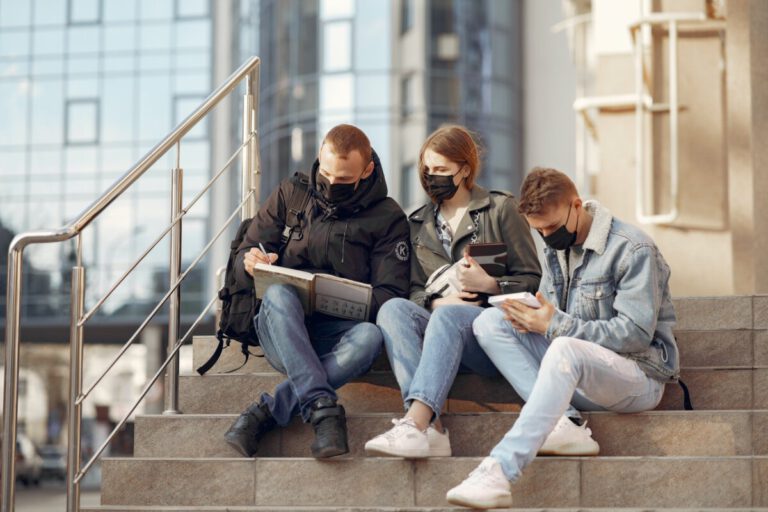
High schools will reopen on 2 June, but they need to find a way to allow students to keep 1.5m from each other, unlike primary schools. So, different solutions are being trialled, with vulnerable students and students who need to do their education physically in the school building are being prioritised.

Corona-delayed students will get refund on tuition fee

HBO, MBO and university students who are dealing with a delay in graduation as a result of the coronavirus crisis will get a refund of three months’ worth of tuition fee. There will also be extra grants for students who rely on them, but whose grants will now run out before they graduate as a result of the coronavirus crisis.

Hague beach clubs breach coronavirus regulations and plan early reopening

70 beach clubs in The Hague are planning to reopen early this Wednesday, a few days ahead of 1 June, when they are legally allowed to reopen. If the municipality will not allow them to open and give them fines, they will need to do so to the 70 beach operators. And according to them, “If we go bankrupt anyway, such a ticket makes little difference.”

Dutch artwork to take the place of advertisements

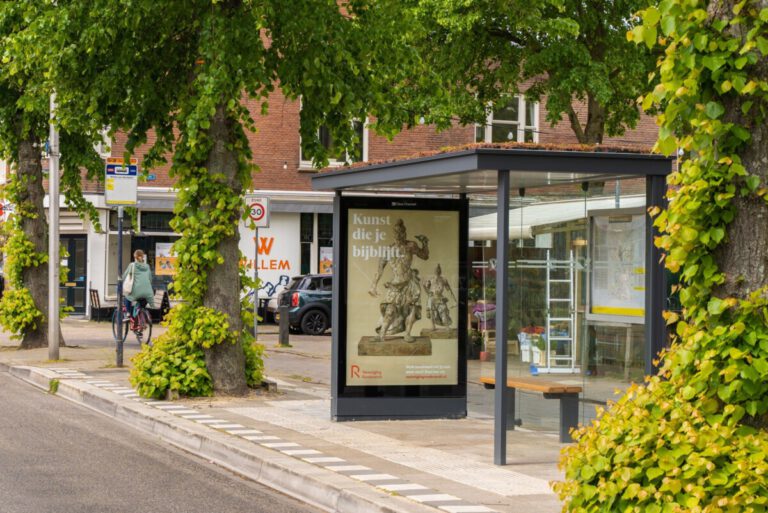
The Rembrandt Foundation is planning to liven up city streets with Dutch art. The plan is to showcase famous Dutch works of art in different open spaces throughout the Netherlands. This includes bus stations in over 280 Dutch municipalities. The artworks that will be showcased have been selected by the public.

You can follow DutchReview on Facebook for more updates on coronavirus in the Netherlands. 

Feature Image: DutchReview/Canva

Dutch police forced to spend last fortnight chasing down escaped wallabies (yes, this is real)

0

Leaving aside coronavirus, the major problem the Netherlands is dealing with at the moment is wallabies. No, seriously.

Animal welfare organisations have sounded the alarm about wallabies in the Netherlands. Yes, wallabies, as in those cute little mini kangaroos that LIVE IN AUSTRALIA. (Also Papua New Guinea and Indonesia, but you get my point).

Police are busy chasing down wallabies

Over the last two weeks, police officers who haven’t been busy handing out coronavirus fines have been chasing down escaped wallabies. This follows the attack of caterpillars on the Netherlands a few months ago.

Somehow, the Netherlands does not ban owning *a wild animal* from *a different continent* as a pet. In fact, it doesn’t even require you to have a licence to do so. There are a whole bunch of problems with this, not least animal welfare. Wallabies need a large amount of space to live in: they love to run and jump. And escape.

Unsuitable living conditions for wallabies in the Netherlands

Most wallabies in the Netherlands are kept in pens or in a small backyard, neither of which are adequate for their needs. Because they are wild animals, they are naturally inclined to try to escape, especially in summertime, which is their mating season.

It’s nigh on impossible to create the conditions that would keep wallabies safe and happy in the Netherlands. They need a 5 metre high fence, first of all, because they can jump that high.

Buying a wallaby is apparently a status symbol for some people

According to biologist Maurice La Haye from the Mammal Society who spoke with NU.nl, people often buy exotic animals as status symbols. “They look cute and people see it as a kind of status symbol. Look at me having a crazy pet! But of course that should never be a motive for buying an animal.”

Our advice: don’t buy a wallaby

We know you’re bored and at home and desperate to spend your money, but please, don’t buy a wallaby. Just get yourself a nice little cactus and leave it at that.

Should the Netherlands introduce a ban on owning exotic animals? Let us know your thoughts in the comments below.

Feature Image: MabelAmber/Pixabay

Famous Dutch artworks to beautify the streets

One of the things that we dearly miss in this crisis is going to a museum and appreciating some classical beauty.

Thankfully, the Rembrandt Association and outdoor media operators have joined forces to bring the art from the museums all the way to the streets.

“Art you remember”

The plan is to showcase famous Dutch works of art in different open spaces throughout the Netherlands. This includes bus stations in over 280 Dutch municipalities. The artworks that will be showcased have been selected by the public.

They include classical works of art such as Rembrandt’s “Titus to the lectern” and Lourens Alma Tadema “Amo te ama me”. Fusien Bijl de Vroe, who is the director of the Rembrandt Association, said that “These works were submitted by art lovers for our Art you remember. Their often personal explanations show the power of art, how it moves and fascinates. It is comforting to know that this art is also there in difficult times and is waiting for a reunion.”

Open-air exhibition

Despite the current coronavirus measures, quite a lot of people are still out and about in their local neighbourhoods.

As such, the purpose of this exhibit is to bring art closer to people. Besides, this will also help the advertising industry, which has been hard-hit by the coronavirus crisis. And of course, having all this art will bring more beauty in the streets.

Do you have any famous artworks you’d like to see at your local bus stop? Let us know in the comments!

Feature Image: © VerenigingRembrandt_Kunstdiejebijblijven_Clear Channel_ location Utrecht

High schools struggle to accommodate 1.5 meter rule

0

High schools plan to reopen on June 2 for a brief period before summer, but are struggling slightly with the implementation of some coronavirus measures. 

Namely, keeping a 1.5-meter distance, Trouw reports. Although this rule doesn’t apply to primary schools, it does when it comes to secondary schools.

The dilemma

Keeping this distance would mean that only 1/4 of the student body could be present at a time. Although not all students will come to school as often and students that require physical education will be prioritised.

This means that teachers would need to teach the same class four times, which won’t be feasible.

Problem-solving

Consequently, schools have come up with difficult solutions, such as working with small groups and streaming classes online for students at home to view. Thus, most schools will retain some form of online education.

Vulnerable students who don’t receive enough support at home are welcome at schools, as are VMBO students who have practical lessons such as welding.

This is because these students require certain equipment that cannot be obtained at home, or demonstrations that cannot be taught over a simple Zoom call.

Trial period

The few weeks before summer vacation are sort of a trial period, in which schools can test how learning can continue under the coronavirus for the coming year, should circumstances remain the same.

Do you have a high schooler heading back to school on June 2? Let us know in the comments.

Feature image: Gustavo Fring/Pexels

Dutch government to give tuition fee refund to students with a study delay caused by coronavirus

3

HBO, MBO and university students who are dealing with a delay in graduation as a result of the coronavirus crisis will get a refund of three months’ worth of tuition fee, NOS reports.

Because of the coronavirus crisis, lots of students who would have graduated this summer have needed to take a bit longer with their study. Whether that is because they couldn’t conduct research for their final thesis, or they couldn’t undertake a mandatory internship, students across the country have been seriously affected by the coronavirus crisis.

Who will the refund apply to?

The refund will apply to any delayed students who would have graduated between September 2020 and January 2021. The refund, worth three months of education, will vary between €150 and €535 depending on the level of education a student is undertaking. It is not yet clear when the students will actually receive the refund.

How will the government check if a student is delayed by coronavirus?

Crucially, the government won’t be checking if a student’s delay in graduating is actually as a result of the coronavirus crisis. Naturally, this would be nigh on impossible to prove, in any case: people might procrastinate more if they’re stressed about the pandemic, for example.

Extra grants for students who rely on them

Students who rely on basic and supplementary grants from the government to fund their studies may also be eligible for extra money. If a student’s grant expires in July, August or September, they will be eligible for a one-off grant, which again, depending on their level of education and the type of grant, will vary between 800 and 2000 euros.

Minister is sympathetic to students

Minister van Engelshoven has expressed sympathy for this group of students. “They have lost their part-time jobs, the education is organized in a different way. A lot of things that students find important cannot be done right now: they can’t go to the café, there are no festivals this summer. And also their perspective on the labor market is different. This group is really struggling. That’s why I think it’s important that we compensate the group that is now inevitably delayed.”

The cabinet has now put together a package of €500 million extra for education in general, of which €200 million will be going towards the students who cannot graduate on time now.

Have you experienced a delay in your studies as a result of the coronavirus crisis? Let us know in the comments below.

Feature Image: cocosa007/Pixabay

Beach clubs in The Hague to flaunt government regulations and reopen on Wednesday

The horeca industry is certainly one of the most gravely affected by the coronavirus crisis.

Concerned about the risk of bankruptcy, the beach clubs in The Hague want to reopen their doors this Wednesday, reports NU.

Letter by the Association of Beach Operators

The Association of Beach Operators wrote a letter to the municipality of The Hague, arguing for the reasons why they wish to open on Wednesday. Among the reasons is that other beach clubs along the Dutch coast have already opened, such as in Hoek van Holland.

André Triep, chairman of the Association, said that “The beach season should already be in full swing. It is Ascension next week and the weather will be beautiful. We will open our toilets, rent a limited number of beds and also arrange take-away.”

Catering establishments are supposed to reopen on June 1.

Fines won’t matter if the beach clubs go bankrupt

The owners of the beach clubs have promised they will carefully adhere to the coronavirus safety measures. If the municipality will not allow them to open and give them fines, they will need to do so to the 70 beach operators in The Hague. And according to them, “If we go bankrupt anyway, such a ticket makes little difference.”

The Hague municipality has not yet responded to their letter.

Follow DutchReview on Facebook for the latest coronavirus news in the Netherlands.

Feature Image: jd210848/Pixabay

Catering industry will not reopen on Pentecost weekend, but probably on June 1

0

The planned relaxations of coronavirus rules scheduled for 1 June will probably go ahead as planned, reports from The Hague indicate.

Although we have known for a while which rules the government was planning to relax on 1 June, this is an indication that things are continuing to go pretty well when it comes to coronavirus in the Netherlands. RIVM Director Jaap van Dissel noted in a discussion with the cabinet that the number of deaths and hospitalisations related to coronavirus in the Netherlands are continuing to fall.

So, what is due to happen on 1 June?

On 1 June, the government plans to allow cafes and restaurants to reopen (with reservations), cultural institutions and cinemas to reopen with limited capacity, and high schools to reopen. This will likely go ahead, RTL Nieuws reports.

Early opening on Pentecost weekend unlikely

However, there has been no discussion of the horeca sector being allowed to reopen earlier than that among the cabinet. The catering industry wants to reopen the weekend before, which is Pentecost weekend. They would like to be able to take advantage of the weekend, given that they will open on 1 June anyway.

But police and authorities would rather reduce crowds on the street, and if the horeca reopens on a weekend where everyone tends to be out and about anyway, there would likely be a massive amount of people in city centres.

Press conference tomorrow to confirm

We will know for sure that restaurants will be able to reopen this Tuesday, when the cabinet will hold a crisis meeting, followed by a press conference given by PM Mark Rutte and Minister for Health Hugo de Jonge. The government is also expected to present a new support package for the economy on Wednesday.

Are you excited for the horeca to reopen? Or do you think it’s too soon? Let us know in the comments below.

Feature Image: Free-Photos/Pixabay

Weekend coronavirus update: Saturday and Sunday figures for the Netherlands

0
The RIVM has published the latest count of coronavirus cases in the Netherlands for Sunday May 17. We’ve also decided to forego on the Saturday update, and if you missed it, here are those numbers too.


According to the new numbers, there are now 125 more cases in the Netherlands, reaching a total of 43,995 cases.

When it comes to the severity of the cases, a further 15 patients have ended up in the hospital to receive treatment for the coronavirus. Lastly and unfortunately, 10 more people have died since the last count, bringing the total of deaths to 5680.

And that’s it for the numbers on Sunday, there was no coronavirus update on Saturday – so here are those numbers:

Saturday’s coronavirus figures

Yesterday, deaths and hospitalisations remained low, with 27 and 45 new cases of each reported. The decrease in demand for ICU beds has fallen more sharply this week than before. There were only 346 people with coronavirus in ICUs yesterday, 32 less than the day before. According to Ernst Kuipers of the National Network Acute Care, “the number of covid beds has decreased by 36 percent in the past week, significantly faster than in the previous three weeks. This faster decrease is favorable for resuming other care. ”

The Netherlands rejects 5 million defective facemasks

The Netherlands has been importing face masks for the last few weeks, mostly for those in the healthcare sector. In total, it has brought 47.2 million face masks in, mostly from China. Over 5 million of these have turned out to be unusable, because of defects in the filter that should trap particles. A further 3.9 million face masks have also been rejected, but these could be used for other purposes, such as for the general public (and not the healthcare sector).

You can follow DutchReview on Facebook for more updates on coronavirus in the Netherlands. 

Feature Image: DutchReview/Canva