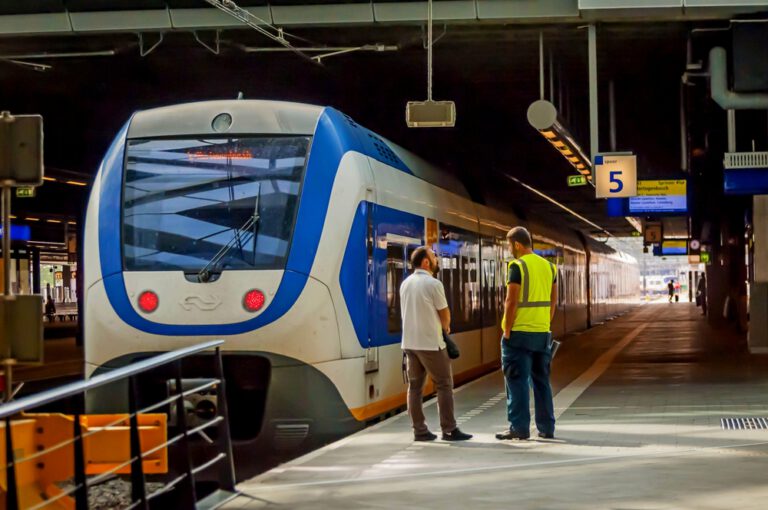
Make sure to mark this date in your calendars: Wednesday, September 9. Why? Because all public transport across the Netherlands will grind to a halt.
The FNV trade union has announced that all public transport employees will strike on this date. And it concerns all forms of transport, all day.
Speaking with NU.nl, FNV board member Henri Janssen warns that “Rail, regional, and urban transport in the Netherlands will come to a standstill.”
Why are they striking?
These strikes all come down to the government’s plans to reduce social security. This means higher pension ages, lower severance pay, and tinkering with the Work and Income Act (WIA).
In doing this, the government hopes to save €6.8 billion, but it may cost us all dearly (especially if we’re reliant on public transport.)
The FNV wants the government to scrap these plans entirely. If not? We can expect even more strikes. For example, strikes have also been planned in sectors such as waste processing, the ports, the metal industry, and the cleaning industry.
Janssen tells NU.nl that “The plans undermine the livelihoods of millions of workers and their families, and, in fact, therefore, of our travellers as well. Because every worker can face illness, disability, or involuntary unemployment. In that case, you must be able to count on a decent social safety net.”
When did it become cool to break the rules? Okay, rhetorical question since the people who break the rules are always seen as the cool kids (hello, Breakfast Club). But the Dutch? They take this one step further.
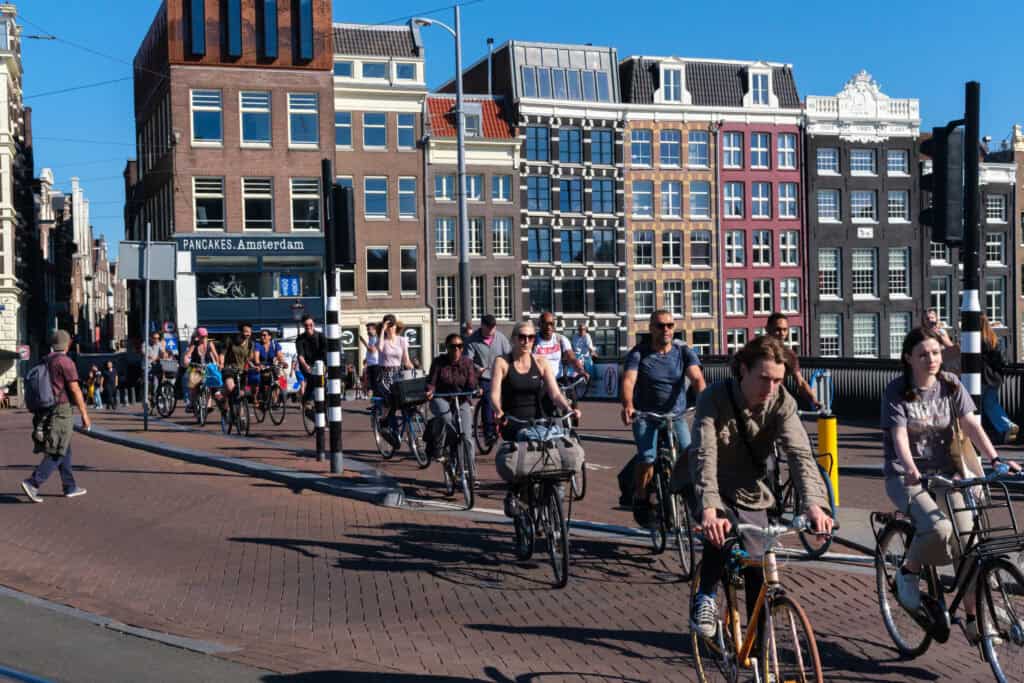
Walking to my local Albert Heijn one day, I saw a cyclist talking to a policewoman.
I realised quickly it wasn’t just a friendly chat — it was a “you-are-getting-a-fine” kind of conversation (a.k.a, it was juicy!)
What could a cyclist have done to catch this policewoman’s attention? The cyclist was getting a fine of €140 because he had ridden through a red light. 😳
Allow me to repeat that — €140. In the Netherlands. For running a red light. On a bike.
When I think of all the things €140 could buy and the money-saving mentality of the Dutch, I can imagine that this sum of money is not easily given up, especially in exchange for not stopping for 30 seconds.
The rules don’t apply
I get that all cyclists want to get on with it and reach their ultimate destination, but don’t we all? And why is it so hard to do that safely and in a considerate way?
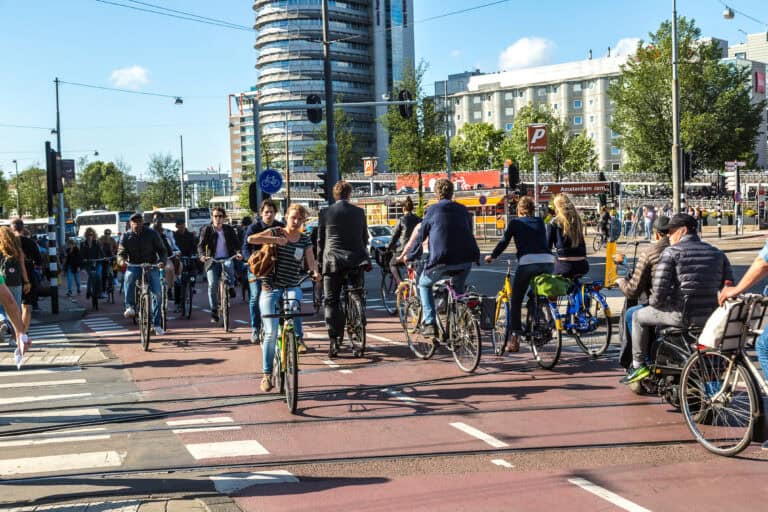
Without traffic rules, crossing the road would become a free-for-all. Image: DepositPhotos.com
The consequence of ignoring that one small but important rule is so high that I have to wonder if it’s more about exceptionalism — the rules are meant for everyone else.
We see a lot of examples of Dutchies completely disregarding the rules, whether it’s using smartphones on bikes or renting out Airbnbs despite regulations. 😬
But come on, Dutchies, can’t we stick to the rules we have in play? (We’re not even talking about all those unwritten rules.)
Changing times in Amsterdam
In Amsterdam, the rules are generally loosey-goosey, so it’s good that a bit of public decorum is enforced occasionally.
The city is changing rapidly, and new rules are popping up to match the pace.
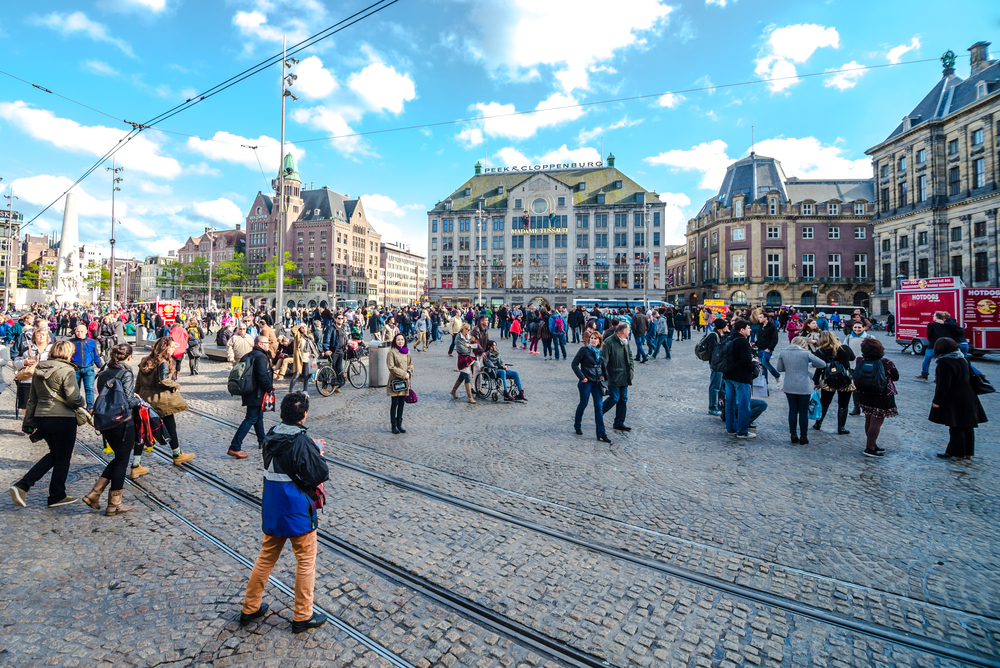
Gotta be careful of your neighbours when at Dam Square. Image: DepositPhotos.com
On the way home one day, I noted a sign around Dam Square advising visitors to keep the noise down and be mindful of the neighbours.
Bless their souls. Isn’t it heart-warming to see society taking better care of one another? 🧡
So, should rules rule the roost?
Perhaps the question is: are rules good or meant to be broken?
It may be only once the lack of a rule begins to affect your life that it becomes a problem, like when too much public drunkenness in Leidseplein begins to affect your beauty sleep. 😴
But still, you’d like to be able to cycle as you please with no rules and regulations. As long as you look left and right, can’t you just be allowed to cycle and live your life?!
My dad drove us home many years ago, and we stopped at a red light.
It was night, and the road was pretty empty, so I asked, “Why don’t we just go?” My dad replied, “Society is made up of rules and regulations, and we respect those even when it isn’t convenient for us.”
I didn’t respond, so I was happy to wait at that red light for as long as it took.
Rules are (sometimes) cool
I hate to take an innocent cycling fine and blow it out of proportion, but it all comes down to this: rules are made, and sometimes it’s okay to break them.
But sometimes, rules are made to protect and take care of society.
They ensure you can lead a pleasant and easy life, as we are lucky to have here in the good ol’ Netherlands.
That, my friends, is something that we should all strive to protect — no matter how ‘uncool’ it sometimes seems to follow the rules.
Are rules made to be broken or followed? Let us know in the comments below! 👇
So, you’ve decided to make the big move to this small country? Wat leuk!Before you get carried away by the excitement of coming to the Netherlands, there’s some serious prep work to be done.
As someone who wasn’t ready at all when they came here, trust me when I say this: Being prepared will make your move much smoother and leave you with more time to enjoy the fun stuff once you arrive.
As one of the most international-friendly Dutch banks, ING is the perfect choice for anyone coming to settle in the Netherlands. Plus, with their accessible banking app and handy money-management features, you’ll get a boost in financial health right from the start. 💸
1. Make sure all visas and permits are in order
First things first: paperwork. I know, not the most thrilling part of your adventure, but probably the most crucial.
Before planning your physical relocation to the Netherlands, you’ll need to get the nitty-gritty in order and make sure you’re actually allowed to live and work here.
The conditions for this will depend on where you’re moving to the Netherlands from.
If you’re an EU citizen: You don’t need a visa to travel to the Netherlands and need no residence permit or work permit to stay.
If you’re from a non-Schengen country: You’ll need a permit to stay in the Netherlands for over 90 days. While some nationalities can apply for their residence permit at the Immigration and Naturalisation Service (IND) upon arrival in the Netherlands, others will have to do it at the Dutch embassy or consulate in their country of residence before they leave.
All the necessary forms for your residence permit application can be found on IND’s website. Image: Magnific
Make sure you’ve double- and triple-checked off all the necessary boxes so you can avoid any unexpected hiccups upon arrival. After all, you don’t want to be stuck at immigration when you could be sampling poffertjes instead!
2. Make an appointment for your registration
Once you’ve landed in the Dutch city of your choice, one of your first stops should be at the municipality to register and get your BSN (burgerservicenummer).
But it’s not always that simple; sometimes, even just scoring an appointment can take weeks.
This can significantly delay the start of your new chapter, considering you need a BSN for things like getting health insurance and registering with a doctor.
How do we work around this? You got it: by being organised like the Dutch and booking an afspraak (appointment) ahead of time.
💡 Your burgerservicenummer (BSN) is a nine-digit Dutch personal identification number. Every resident has one, and you’ll need it for all sorts of official business.
3. Set up your Dutch bank account
Money makes the world go round, and it certainly makes life easier when you’re settling into a new country. That’s why setting up a Dutch bank account should be high on your to-do list.
Not only will it make managing your daily expenses easier, but you’ll also need it to receive your salary, pay your rent, and handle other essential transactions.
Debit card is king in the Netherlands, so make sure you have a local one! Image: Magnific
The good news is that the Netherlands has many great banks, so you should start researching them ahead of time so you can hit the ground running.
But the bad news? Opening an account can sometimes take a bit of time — especially if it’s with a bank that wants you to have a BSN beforehand — so it’s smart to get a jump on this one.
If you’re looking for a bank that’ll let you open an account before you get a BSN, then your best choice is ING.
As an established Dutch bank, you can trust ING with all your money matters, from savings to mortgages and insurance.
Phone charger? Check. Toothbrush? Check. Birth certificate? Erm… Exactly, in the hustle and bustle of preparing for an international move, it’s easy to overlook some of the less exciting yet essential documents.
Don’t be that person frantically calling your parents to express mail you your birth certificate on the day you need it.
Instead, make a checklist of all the necessary paperwork you could ever need, such as birth certificates, marriage certificates, vaccination records, and even a medication passport.
These documents might not be something you’ll need right away, but when the time comes, you’ll be relieved to have them easily accessible.
5. Arrange the move of your belongings
Getting yourself to the Netherlands is one thing, but you also have to consider transporting your belongings (and, if you have any, your pets).
Whether you’re hiring a relocation company or going the DIY route, this process takes some serious planning, so it’s good to arrange it early.
An international move might mean you have to get rid of some of your belongings. Image: DepositPhotos.com
Start by deciding what you need to bring with you (hint: it’s not as much as you think), like certain pieces of furniture and your personal items.
Then, figure out the logistics of getting everything from point A to point B. You got this!
6. Join local Facebook groups
One of the best ways to get a feel for your new home is to connect with those who already live there.
How can you do that? By joining local Facebook groups, of course!
These groups are packed with valuable tips and advice from expats and locals alike, whether you’re looking for recommendations on the best local coffee spots or advice on navigating Dutch bureaucracy.
And who knows? You might just make some lifelong friends before you’ve even packed your moving boxes.
7. Secure a place to live
If there’s one thing you should know about the Dutch housing market, it’s that it can be intense (to say the least).
That’s why it is important to start your house hunt as early as possible — whether you’re looking for a cosy canal-side apartment or a room in a shared house.
8. Get your health insurance sorted
Health insurance is mandatory in the Netherlands, and it’s best to arrange it as soon as possible when you arrive.
The good news is that the Dutch healthcare system is excellent, but the bad news is that navigating insurance options can be tricky, especially if you don’t speak Dutch.
Take some time before your move to research different providers and plans, so you can choose the one that best fits your needs and hit the ground running when you get here.
9. Pack everything orange that you own
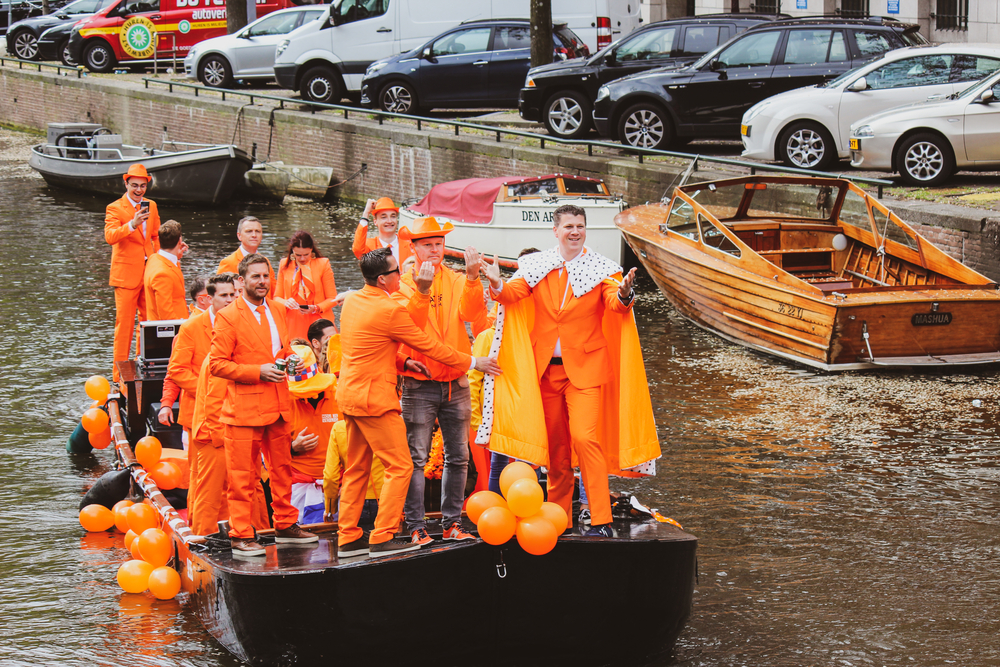
King’s Day? Orange. Liberation Day? Orange. Football match? Orange. Eurovision Song Contest? ORANGE.
Wanna blend in with the locals? Get your orange on! Image: DepositPhotos.com
Orange isn’t just a colour in the Netherlands; it’s a national symbol. And when these national events come (and trust me, they sneak up on you), you’ll want to blend with the locals without having to panic-buy that ugly shirt from your local Action.
So, pack that orange shirt, those orange socks, and maybe even that orange hat. Will it look questionable? Maybe. But that won’t matter when you’re six beers deep. You’ll thank us later.
10. Stock up on your favourite products from home
No matter how much you’re looking forward to your new life in the Netherlands, there are likely some (many!) things from home you’ll miss.
Certain products you love from your home country might be hard or impossible to find in the Netherlands — whether it’s your favourite snacks, beauty products, or even a specific brand of coffee.
Yes, the Netherlands has its own great products, but to avoid homesickness (or at least minimise it), it’s a good idea to stock up on all your faves before you move.
11. Say your goodbyes
In the chaos of preparing for your big move, it can be easy to overlook one of the most important steps: saying goodbye to your family and friends.
Leaving your home country is a big deal, and it deserves to be treated as such. One way of doing so is by spending quality time with your loved ones, whether that means hosting a farewell party or having one-on-one dinners.
You’ll see everyone again soon. Image: Magnific
This step may be the hardest, but the bright side is that you can always visit your home country. Also, you’ll live in a place so beautiful that others will surely want to come and visit you as well!
Did you write all these down?
With this checklist in hand, your big international move will be much less stressful, but still just as exciting. We wish you all the best!
Can you think of other things you should do before moving to the Netherlands? Share them in the comments!
Grey and rainy days are no exception in the Netherlands, and there’s nothing better than curling up inside with a book to while them away. But you might as well use this time to learn stuff, too.
Whether you’re new to the country, planning on coming here soon, or want to know more about the tiny land of tall people, here are our eight favourite books to read about the Netherlands.
1. ‘The Secret Diary of Hendrik Groen, 83 1/4 Years Old’ by Peter de Smet
Look, I admit this is a weird one. But it’s one of my favourite books about the Netherlands.
The book is written through the lens of Amsterdam pensioner Hendrik Groen as he tries to figure out the meaning of life and love.
‘The Secret Diary of Hendrik Groen, 83 1/4 Years Old’ by Hendrik Groen. Image: Goodreads
He lives in an assisted living facility and considers himself by far the coolest of his fellow pensioners.
That is, until the love of his life, Eefje, moves into the nursing home and wins Hendrik’s heart with her sense of humour.
Hendrik and friends set up an Old-But-Not-Dead club to organise excursions. Other diversions in Hendrik’s life include choosing a mobility scooter and mulling over euthanasia.
The book is hilarious and a nice way to learn about how the Netherlands deals with the elderly — if that’s something you know nothing about.
2. ‘The Penguin Book of Dutch Short Stories’ by Joost Zwagerman (Ed.)
If you want to know a country, you have to read its short stories. Short stories are the best literary format for really getting a sense of a place.
Why? Well, for one, you’ll get lots of different perspectives in manageable chunks, while one person cannot tell the story of a nation.
Reading fiction is a great way to learn about a country. Image: Pexels
Secondly, short stories don’t need to have the same commercial merit individually as novels, which means they can be as weird and incomprehensible as they desire.
They need to tell a story right (real life doesn’t have a beginning, middle, or end, as you may have noticed).
Finally, short story anthologies are lovely because you can pick up the collection, read a single story in a sitting, and absorb it while going about your day.
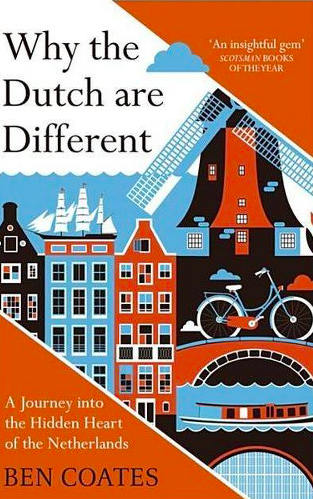
3. ‘Why the Dutch are Different’ by Ben Coates
You can’t live in the Netherlands as an international without running into Ben Coates, at least digitally. Coates is originally from England but moved here accidentally and never left.
Why the Dutch are Different explores the history of the Netherlands and tries to piece together why the Dutch are the way they are.
Ben Coates inspects why the Dutch are the way they are. Image: Ben Coates/Supplied
From liberalism to directness, if you’ve been confused or even concerned by Dutchies, this is the book for you.
It’ll also answer other questions you might have as an outsider: why is everything orange? Why is there so much beer and cheese? And what lies beyond the confines of the Randstad?
It’s far more than a surface-level examination of the Netherlands as Coates dives deep into the psyche of this watery nation.
4. ‘India and the Netherlands: Past, Present & Future’ by Venu Rajamony
If you want to treat someone this Christmas, get them this incredibly illustrated coffee-table book about the historical relationship between India and the Netherlands, written by the former Indian ambassador to the Netherlands, Venu Rajamony.
This book does well by acknowledging the Netherlands’ not-so-great actions in its colonial territories while generally presenting a story that is enjoyable to read and even has a hopeful note. You’ll learn all about the VOC and slavery.
Still, you’ll also read about King Willem and Queen Maxima’s tour of India and the author’s hopeful predictions for the future relationship between the countries.
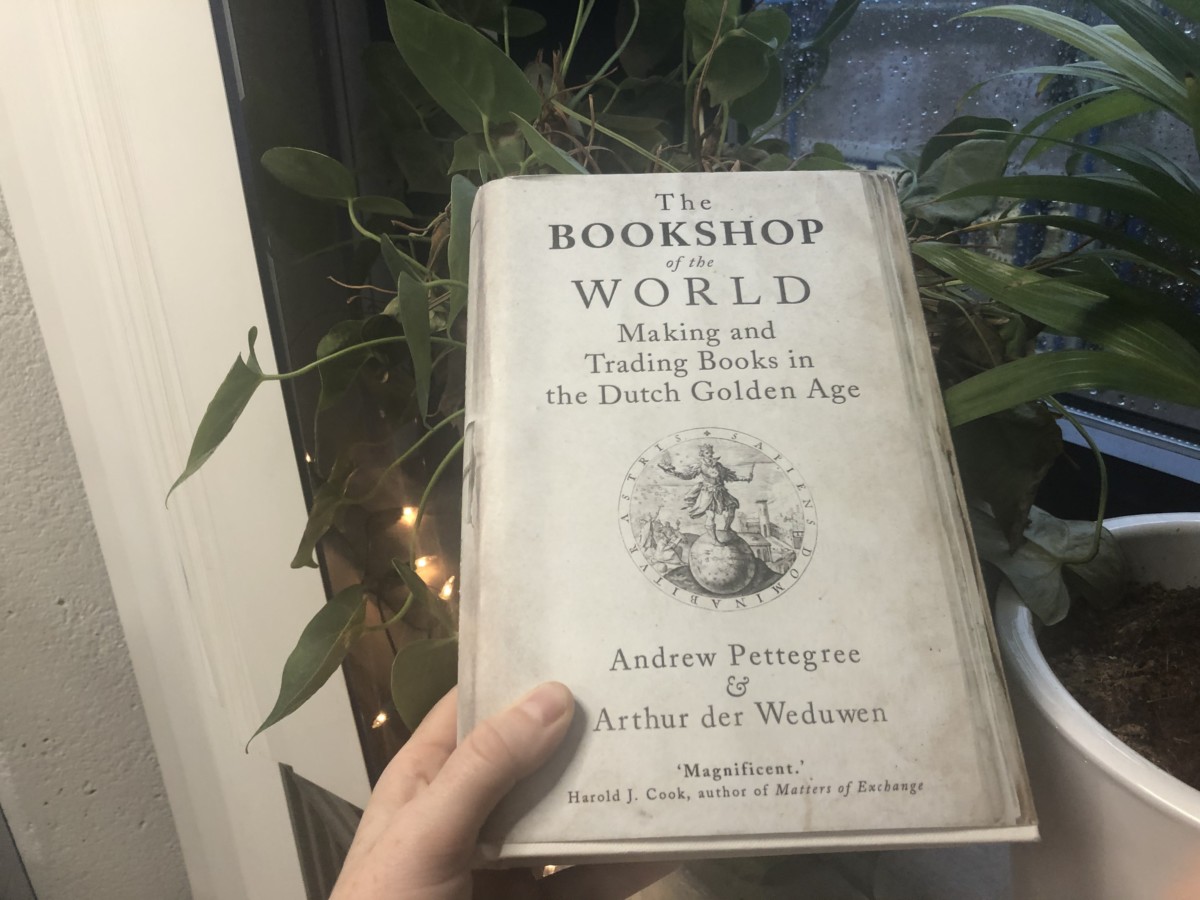
5. ‘The Bookshop of the World: Making and Trading Books in the Dutch Golden Age’ by Andrew Pettegree and Arthur der Weduwen
Obviously, in an article about books in the Netherlands, there should be a book about books in the Netherlands (I can say “books” plenty more, trust me, but I won’t).
The front cover of The Bookshop of the World by Andrew Pettegree and Arthur der Weduwen. Image: Ailish Lalor/Supplied
Dutch art in the Golden Age is frequently discussed, but the Dutch also became masters of the book trade during the same period.
Previously dominated by the Italians and Germans, the Dutch started to increase their share in printing, binding, and selling books throughout Europe following the migration of Protestants from the Southern Netherlands to Holland during the Eighty Years’ War.
It’s a previously undiscussed aspect of the Netherlands’ rise to prosperity, and honestly, it’s fascinating to learn about books in a different era.
Also — excuse the shallowness — the book is really pretty. So you can look aesthetically intellectual this holiday season. 🎄
6. ‘The Thousand Autumns of Jakob de Zoet’ by David Mitchell
Any good book list on the Netherlands should have plenty about the country’s colonial past, so I present to you ‘The Thousand Autumns of Jakob de Zoet’.
A fictional account of a Dutchman’s life on Dejima, the Dutch-Japanese trading post, this book will bring you back in time to the late 18th century.
The Dutch were one of the few Western countries to gain access to the Japanese market during this period, which gave them a significant trade advantage (hello, VOC).
Mitchell’s way of writing is incredibly vivid: one of the most striking aspects of the book for me was the sense of atmosphere- gloomy, cold, a sense of alienation and homesickness.
Perhaps these are not the warmest of emotions, but if you want to visit a different world, this book is for you. There are plenty of reasons to read it even if you’re not interested in history.
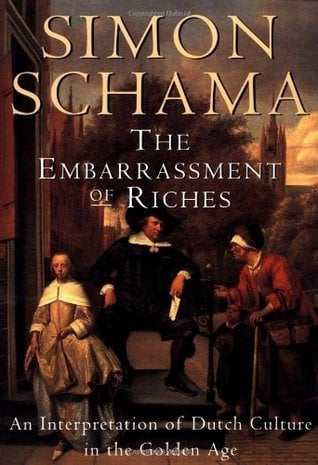
7. ‘The Embarrassment of Riches: An Interpretation of Dutch Culture in the Golden Age’ by Simon Schama
Are you craving some hardcore history reading? Of course, you are!
Even if you’re somehow not, though, this book is a must-read if you want to understand the Netherlands’ history, particularly what happened during the Dutch Golden Age.
‘The Embarrassment of Riches: An Interpretation of Dutch Culture in the Golden Age’ by Simon Schama. Image: Goodreads.
It’s a much-mentioned period of time in the Netherlands, but if you want to understand what it meant for the Dutchies, this is the book for you.
You’ll be wandering around the Rijksmuseum with fresh eyes in no time. It has a strong focus on art history, which is no surprise, given the fame of Dutch Golden Age paintings.
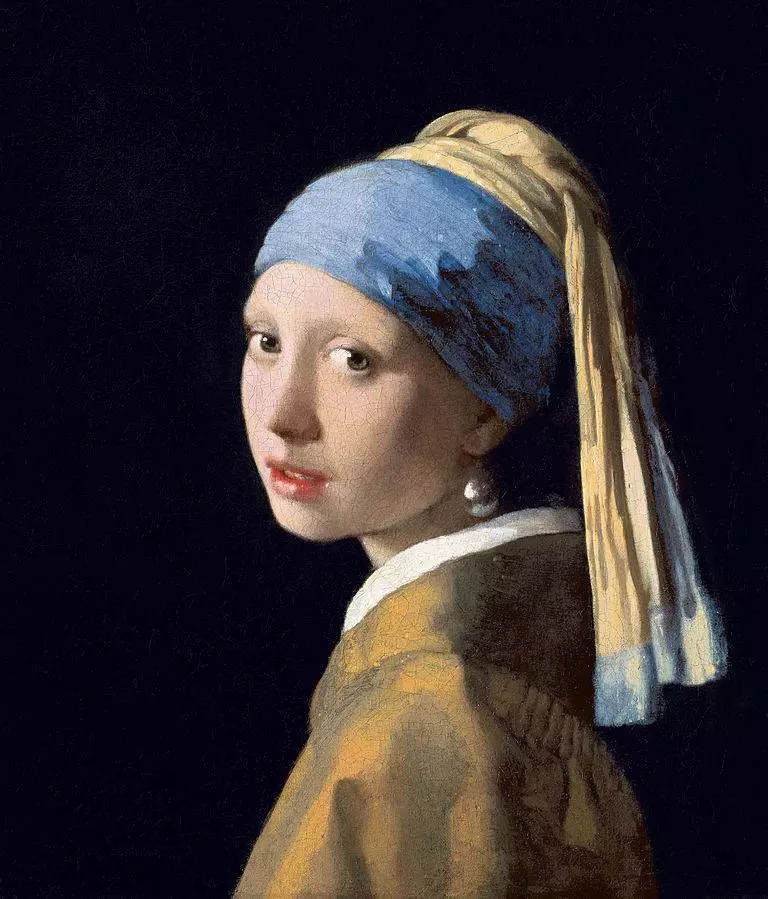
It’s a fictional story narrated by Griet, the heroine of the novel, who starts working as a maid at Johannes Vermeer’s house.
The famous painting of the Girl with a Pearl Earring Image: Johannes Vermeer/Wikimedia Commons/CC4.0
She gradually becomes more intimate with Vermeer, becoming his assistant and then modelling for him in a painting that eventually becomes the “Girl with a Pearl Earring.”
This book is wonderfully atmospheric. I particularly loved the market scenes, which make you feel as though you’ve stepped back in time. This book will be perfect if you want an easy read over the holidays with no compromises on story quality.
It’s so enjoyable to read some of the books that got me interested in Dutch history in the first place.
Have you read any of these? Are there any other books about the Netherlands that we HAVE to read? Let us know in the comments below.
Want to learn Dutch but have difficulty making head or tail of the tongue-twisting sounds of the lowlands? Time to put on your headphones — but not to drown out the noise. Instead, we’ve gathered the best podcasts to help you learn Dutch.
Dutchies are known for being good at English, and if you’re determined to, you’ll likely be able to get by in the Netherlands without speaking a word of Dutch.
The hosts know that their audiences are new to the challenging sounds of the Dutch ‘g’ and ‘sch,’ so they try to speak slowly and clearly.
These podcasts are a great first stepping stone on your Dutch journey.
1. DutchPod101
This podcast provides beginners with the fundamentals they need to start learning Dutch.
A mix of grammar, vocabulary, and conversation, DutchPod101 takes listeners through the basics of Dutch in short episodes (about 10 minutes each).
The hosts speak English and Dutch during the episodes, so you’ll understand everything! You can find most of their episodes online for free, but you’ll have to subscribe to access additional resources on their website.
DutchPod101 also has a YouTube channel with helpful videos, so check it out if you’re unsure about paying for their website content!
🔥Good for: Beginners who want explanations in English (but DutchPod191 also has options for other levels.)
2. Een Beetje Nederlands
Een Beetje Nederlands(“A Little Dutch”) is a great podcast for people who want to learn Dutch while learning about Dutch history and culture.
There are episodes on everything from popular sporting events to famous Dutchies to World War II!
The episodes are 12-30 minutes long, fully in Dutch, and the host speaks slowly.
Plus, PDF transcriptions of each episode are available on the podcast’s website — super handy for checking your understanding and practising pronunciation!
🎧Where to listen: Spotify, Apple Podcasts, Pocket Casts, Podcast Addict, or the Een Beetje Nederlands website.
🔥Good for: Beginners who want to listen to a podcast with a personal touch.
3. Zeg het in het Nederlands
This was the number one most recommended Dutch learning podcast when we asked DutchReviewers on our Instagram, so it’s a crowd-pleaser!
Zeg het in het Nederlands, meaning “Say it in Dutch,” is a podcast that covers a wide range of topics in slow-paced Dutch.
The good thing about podcasts — you can listen anywhere. Image: DepositPhotos.com
It’s very similar to Een Beetje Nederlands but has been around for a bit longer, so there are more episodes for you to dive into!
However, it’s a bit less personal, and some people find the voice of the Zeg het in het Nederlands presenter a little monotonous (how controversial! 😵).
Whatever the challenge, these are guaranteed to help! They aren’t specifically made for language learners, but they are rich in content and spoken at a conversational pace.
4. Yous & Yay in het wild
This podcast is hosted by the two musicians, Sef and Pepijn (AKA Yous and Yay). In each episode, they invite a new interesting personality on the podcast to interview them about their life and career.
They speak to “interesting people, inspiring people, beautiful people, annoying people, and cuddly people,” most of whom work in a creative field.
Touching on lighthearted and deeper subjects while keeping a relaxed tone and tempo, this podcast is great for learning Dutch as it is used in conversations!
The episodes are up to two hours long, so you can easily listen to them while working out, cleaning, or whatever other task you might want to distract yourself from.
🎧Where to listen: Spotify, Apple Podcasts, Stitcher, NPO Radio 1 Podcasts, or VPRO.
🔥Good for: Intermediate speakers who want to challenge themselves to follow longer conversations in Dutch.
5. De Universiteit van Nederland
This podcast has more than 300 episodes for you to dive into to learn not only Dutch but also about — well, almost everything!
You can think of “The University of the Netherlands” as somewhat of a Dutch TED Talk podcast.
It has short (around 15-minute) episodes, each presented by a scientist from a Dutch university. The host briefly introduces the theme in each episode, followed by a mini-lecture from the scientist.
Fluent in excuses? Try Dutch instead — just press play! Image: DepositPhotos.com
While there might be a bit of science jargon, the podcast is made for laypersons, so don’t worry — you won’t have to Google Translate like a madperson every 10 seconds.
These podcast episodes’ clear presentation style and structure make them easier to follow than Dutch conversational podcasts!
🎧Where to listen: Spotify, Apple Podcasts, PodNL, and De Universiteit van Nederland website.
🔥Good for: Intermediate speakers who want a TED Talk-like experience.
Podcasts for learning Dutch as an advanced speaker
6. DAMN, HONEY
This podcast is hosted by Marie and Nydia, two friends, writers, and feminists who loudly and unapologetically talk about “fast fashion, being fat, the menstrual cycle, breasts, validism, catcalling, women in politics, sports and art, non-motherhood, sexual pleasure, the history of the Dutch women’s movement, autism, heteronormativity, porn, abortion and MOREEE!”
They were also number three on Vogue Netherlands’ “Ones to watch: Dutch women who make a difference in 2020.”
The bi-weekly episodes are an hour and a half long, but they also feature shorter topical episodes of about 20 minutes.
It’s a good podcast for learning conversational Dutch, but it can be difficult to follow at times. Mainly just because jokes, laughter, and banter all play an important part in the episodes.
But if you want to learn the kind of Dutch you’ll need to gossip with your Dutchie friends at the next borrel — then DAMN, HONEY is your new best friend!
🎧Where to listen: Spotify, Apple Podcasts, and PodNL.
🔥Good for: Intermediate to advanced listeners who want to challenge themselves by listening to faster-paced Dutch, while feeling like they’re catching up with the girls.
7. Echt Gebeurd
This podcast is great for hearing various Dutch voices, speaking with slightly different dialects, and in different tempos.
Translated to “Really Happened” or “True Story,” the creators of Echt Gebeurd lend their podium to Dutchies who have a true — but almost unbelievable — story to tell.
It’s guaranteed to be funny, heartwarming, and sometimes echt cringe (which we love).
Echt Gebeurd is inspired by the American podcast “The Moth” and brings new 10-20 minute episodes every week.
🔥Good for: Intermediate to advanced speakers (depending on the episode) who want a good giggle.
8. SBS Dutch
This podcast is made by SBS (Special Broadcasting Service), an Australian broadcasting service. But it’s also a hidden gem for learning Dutch!
The SBS Dutch podcast features independent news and stories from the Dutch-Australian community.
However, the overall focus is on topics relevant to internationals.
That means you can learn Dutch by listening to stories and news you already know in a Dutch-Australian context.
The episodes are ultra-short (5–15 minutes), perfect for our continuously shrinking attention spans, and you can also find them on YouTube.
🎧Where to listen: Spotify, Apple Podcasts, Audible, and the SBS Dutch website.
🔥Good for: Intermediate to advanced speakers (depending on the episode) who want to keep up with international events.
9. De Dag
NPO Radio 1, one of the Netherlands’ main broadcasting channels, created this podcast. De Dag brings new episodes every workday, so there’s plenty to listen to!
Each episode is about 20 minutes long and focuses on one of the most interesting news stories from that day or another noteworthy current event.
There’s a good mix of international and domestic news, so you can follow stories you already know and learn more about what’s happening in the Netherlands.
🔥Good for: Intermediate to advanced speakers who want to learn Dutch while getting their daily dose of news.
That’s it! Whether you’re a beginner, intermediate, or advanced speaker, one of these Dutch podcasts will hopefully tickle your fancy (and your brain’s language centre 🧠).
Let’s grab those headphones and create some new neural pathways. Hoera for a new language!
What’s your favourite creative way to learn Dutch? Tell us in the comments below!
You’ve moved to the Netherlands (or maybe you will soon), and it suddenly hits you — do you need to open a Dutch bank account? In most cases, the answer is yes!
However, finding your way around the Dutch banking world can be confusing for internationals.
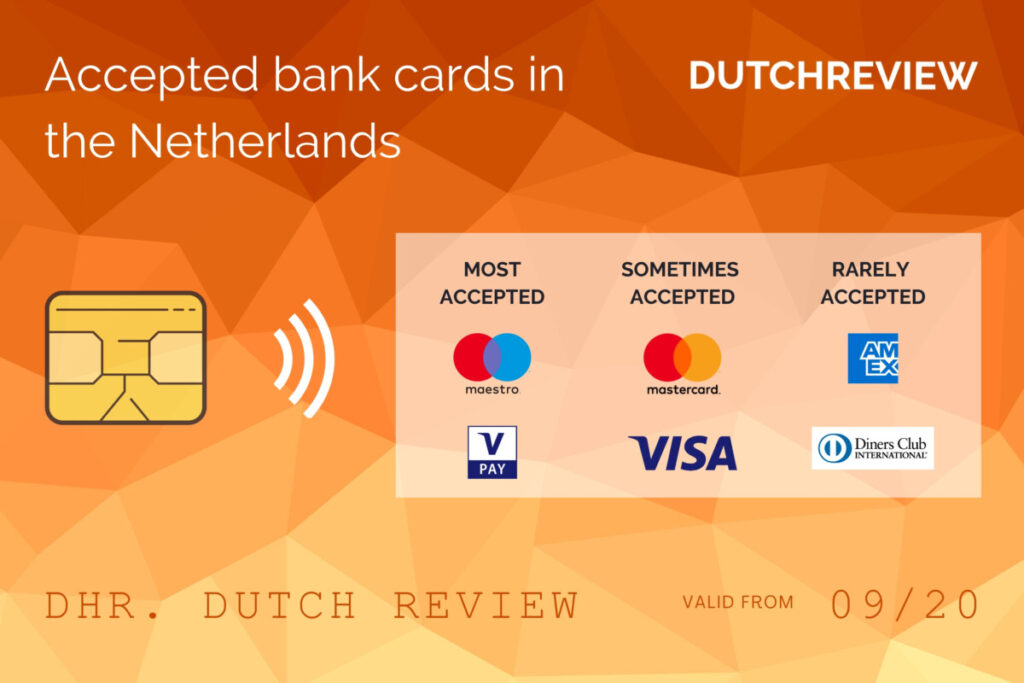
Did you know, for example, that Dutchies are incredibly fond of cards and rarely use cash? But not just any card: in the Netherlands, debit cards are your golden ticket to pretty much everything.
Warning! Your international bank cards may not work in the Netherlands. To avoid any nasty surprises at the checkout, you’ll need a Maestro or VPay debit card. Luckily, you’ll get one of these if you open a Dutch bank account!
Here’s all you need to know about opening a bank account in the Netherlands!
Of course, the best banks for Dutchies aren’t necessarily the best banks for internationals.
Both ING and ABN AMRO offer English websites.
Although neo-banks like bunq and Revolut are built for foreigners, ING and ABN AMRO also offer support for English-language support and easy international transfers.
2. Gather your identification documents and BSN 📝
To open a Dutch bank account after you’ve arrived in the Netherlands, you’ll need to find the following documents:
Proof of ID (passport or identification card)
Proof of address (for example, your rental contract or a utility bill)
Your Dutch residence permit (if you are not an EU citizen)
Now, let’s get to the good stuff. To open your Dutch bank account, you have a few options: attend your local banking branch or use the bank’s website.
Book a meeting at a local branch
To verify your identity when first opening an account, some traditionalbanks may require you to attend one of their offices.
You’ll need to bring:
Proper identification. You can bring a Dutch IDcard, driving licence, diplomatic passport, service passport, residence document, or type W foreign national identity document.
If you do not have a Dutch ID, you’ll likely need to bring your national ID and an additional document to prove that you either live, work, study, or own a house in the Netherlands. This could be an extract from the Dutch Personal Records Database (BRP) that you received when you got your BSN, an employment contract, proof of enrollment, or an eigendomsinformatie (ownership information document).
Let op!Always double-check with your desired bank what ID they prefer you to bring.
Open your account online
Want to open your Dutch bank account without having to change out of your pyjamas? You got it!
Some banks, like bunq and ABN AMRO, allow you toopen a bank account in the Netherlands without attending the bank.
If you have an EU passport and a BSN, you can open an account at ABN AMRO via the bank’s mobile app.
Not from the EU? Then bunq might be your best choice! All you need to open a bank account with bunq is to download their mobile app and upload your (non-Dutch) ID — for the first three months, you don’t even need a BSN number.
4. Wait for your Dutch bank cards to arrive in the mail 📫
After opening your brand new Dutch bank account, you can sit back and wait for your card and bank account details!
Usually, it’ll take a week or so for everything to arrive (your bank card and the details you need to activate it are sent separately). They’ll typically arrive in the following order:
Your bank card
Your PIN code
Your mini-scanner to use for internet banking and online shopping (if your bank uses this system — more on that below 😉).
Want to avoid awkwardness at the checkout? Use Maestro! Image: DutchReview
The best Dutch banks for internationals
Okay, you know how to open a bank account in the Netherlands; now the only question is: Which bank should you choose?
ING: One of the biggest and most reliable banks in the Netherlands, ING’s benefits range from powerful credit and debit card facilities to a handy mobile app packed with features. Its ease of use and availability of information in English set it apart from other major Dutch banks.
ABN AMRO: If you prefer a traditional bank, ABN AMRO is a winner. This brick-and-mortar bank is highly trusted in the Netherlands. You can open an account online (also with no BSN yet!).
Revolut:Popular in Ireland, the UK, and now the Netherlands, Revolut is feature-packed and delightful to look at. Even though it’s international, you can get a Dutch IBAN.
N26:N26 is another neobank with incredible features. Security is at the forefront of their design, and you can use sub-accounts to organise your money like a pro.
Things to know about opening a bank account in the Netherlands
You’ve opened a Dutch bank account and received your all-important debit card — now what? Here are a few handy things to keep in mind when banking in the Netherlands.
Costs of bank accounts in the Netherlands
Most banks in the Netherlands charge a monthly or yearly fee for having an account with them. However, if you’re a student, you can usually open a Dutch bank account for free(yay!).
Other costs to consider are additional services such as insurance or a credit card. Also, keep in mind that there’s usually a small fee associated with international bank transfers.
Savings accounts in the Netherlands
Savings accounts in the Netherlands are easily accessible online and are considered very safe due to government deposit insurance. That means that if the bank fails, your money will be returned to you up to €100,000 per person, per bank.
That being said, we’ll be honest and tell you that most traditional banks in the Netherlands, like ING and Rabobank, have fairly low interest rates on savings.
Of course, specific terms and rates may vary, so it’s best to compare options before choosing a savings account.
A good interest rate on savings will help make your money grow! Image: Freepik
However, if you’re looking for a savings account in the Netherlands with good interest rates, you have a lot of options outside of traditional banks, such as neobanks like bunq, savings tools like Raisin, and independent savings platforms like Trade Republic.
Authorising payments: QR codes and scanners
After opening your Dutch bank account, the fun can begin: Shopping! To purchase things online with your Dutch bank card, you’ll need to authorise your payment.
This can be done either by scanning a QR code with the banking app on your phone or via a handy little scanner provided by your bank.
Whether you use the scanner or your phone really comes down to personal preference. Some banks, such as ABN AMRO, send you their scanner automatically and require you to use it the first time you log on to their internet banking system.
(After this, you can switch to just using QR codes!)
Other banks, such as ING, use QR codes as the default, but will send you their “ING scanner” if you request it. Having a scanner is useful if you don’t have a smartphone or tablet, or if you prefer not to install the banking app on your phone.
Sending money in the Netherlands: iDEAL & Tikkie
The Dutch are famous for, well, going Dutch. However, instead of everyone pulling out their separate bank cards to pay for their share of the dinner, it’s common for one person to pay everything — and then send a bill to their friends later.
Tikkie is an immediate money transfer system that uses a phone app to send a request for money. It’s probably the Dutch people’s favourite payment system, so you’ll be Tikkie-ing away in no time!
What the frikandel is Tikkie?! Image: Canva/DutchReview
And what about when you go on an online shopping spree online or need to pay a bill? Then iDEAL is the way to go!
iDEAL is a simple way to pay online without having to enter all your card details.
Instead, the service prefills your purchase information into your internet banking environment for you to complete your purchase. All you need to do is authorise your shopping with a QR code or your bank scanner.
Sending money abroad from the Netherlands
Now that you have a Dutch bank account, you can, of course, use it to send money home from the Netherlands.
However, you’ll notice that the bank will charge you for international transfers (and sometimes a lot).
When you open a bank account in the Netherlands, you’ll most likely be asked if you want to purchase any insurance policies together with your account.
Often, banks in the Netherlands offer everything from home to car to travel insurance. Take a look at what your bank has to offer and decide which (if any) are best for you!
Opening a Dutch bank account for your child
Do your children need a Dutch bank account? No problem! In the Netherlands, bank accounts for children are usually divided into two categories:
“Youth” or “children’s” accounts are for kids up to 12 years old, and
“Young person’s” accounts are for those aged 12 to 18.
The details for these account types differ a little depending on which bank you choose.
The good thing is that they’re all made to give your child some autonomy — while also giving you the ability to monitor their spending.
Getting your child their own debit card can help them build responsible spending habits! Image: Depositphotos
Setting up a Dutch bank account for your children is similar to opening one for yourself.
You can easily open an account for them online or at a branch, provided that you have your identification documents in order.
You may also have to sign an internet banking agreement for your child.
Joint bank accounts in the Netherlands
In the Netherlands, you can also easily open a joint account together with your partner.
Depending on your Dutch bank, you can open a joint account directly via their banking app, or you can arrange a meeting in your local branch.
Sometimes, banks offer packages to choose from when setting up a Dutch joint account, so check which services your bank provides.
Common terms when opening a bank account in the Netherlands
Dutch
English
Betaalrekening/Betaalgiro
Transaction account
Pinpas/Bankpas/Bankkaart
Debit card
Spaarrekening
Savings account
Pinnen
Paying by card/withdrawing money from an ATM
Geldautomataat/pinautomaat
ATM
Credit card (English spelling)
Credit card
Transactie
Transaction
Verzekering
Insurance
Rekening
Account
Betalen
To pay
Lenen
To borrow
Hypotheek
Mortgage
Opening a bank account in the Netherlands can be a daunting task — but if you know how to do it, it’s easily manageable.
You’ll also be happy to hear that most Dutch banks have plenty of experience with expats and will know just how to help you out!
What Dutch bank will you open an account with? Tell us in the comments!
Opening a bank account in the Netherlands: Frequently Asked Questions
Are there sustainable banks in the Netherlands?
There are! The most popular sustainable Dutch banks are ING, SNS, and Triodos.
If you want to know more about how banks in the Netherlands measure up against each other on things such as sustainability, labour rights, and animal welfare, you can use the Eerlijke Bankwijzer (Honest Bankpointer), which investigates how Dutch banks invest your money.
What banks in the Netherlands operate in English?
If you want a Dutch bank that operates in English, ING and ABN AMRO are your best choices for a traditional banking experience.
Both also offer their mobile banking app in English.
If you want a bank that’s specifically tailored to your needs as an international, bunq is the bank to go with! It’s fully online, in English, and made specifically for internationals.
Are credit cards common in the Netherlands?
Credit cards are not very commonly used in the Netherlands. Most people will only carry around their debit card and leave the credit card (if they have one) for bigger purchases or for shopping abroad.
You’ll need to apply with your Dutch bank and provide proof that you receive a stable and sufficient monthly income. There are different options for Dutch credit cards, including student credit cards.
Is my money safe in Dutch banks?
Jazeker! You’ll be happy to hear that Dutch banks are known for their stability.
They are usually all covered by the Dutch Deposit Guarantee Scheme, which insures deposits up to €100,000 per person per bank.
I’ve been frequenting the Lowlands for a good many years now,and when I first came over, I had little idea of what to expect.
In this post, I am going to share with you the things that I wish they had told me from day one.
Let’s face it: the Netherlands doesn’t come with a handbook, so read on for everything you need to know!
1. Casual is always okay
Generally, my wardrobe varies from a combination of jeans and a blazer, the occasional statement scarf and the need for ‘office dress’, which is some variation of a suit and shirt, etc.
The summer will see me in the odd flowery dress too. So there is a lot of variation in my wardrobe, and I can dress for any occasion.
If I’m going out for dinner or to the pub, I try to ‘make an effort’ and glam up a little; it’s just what we do here in England.
In Holland, however, casual is always okay. You can wear jeans to literally any event or occasion.
This is something I wish someone had explained to me from the start. It would have made my luggage much lighter to carry! I love my jeans and comfy shoes; this is not a problem for me if someone had told me.
Another thing worth noting is that brown shoes will go with EVERYTHING in Holland. They are a fan of the humble leather brogue, as am I.
This love for worn-out denim and soft leather handmade shoes is the backbone of what makes the Netherlands and me so compatible.
2. Everyone speaks English
They’ll tell you, ‘my English isn’t very good’, but it is. They lie — it is better than you can imagine. What they think ‘isn’t very good’ is like Higher Level language to us.
Even the people who say they don’t speak English know what you are saying to some extent.
The reason for this, in my opinion, is that many TV shows and films are in English, the business world negotiates in English too, and schools teach English to Dutch children from a very young age.
Learning Dutch doesn’t have to be the first thing on your to-do list. Image: Magnific
One of my Dutch friends told me how much they enjoyed listening to the English people’s conversations on holiday and how they could openly talk about people at the adjoining table because very few people who aren’t Dutch speak Dutch. Cheeky right?!
3. They are too honest
Do you think you look a bit fat in that top? They’ll tell you. Are you questioning your actions? They’ll ask you to your face.
The Dutch are honest and direct. I admire them for that, but take heed of my warning. There is no sugarcoating done on their behalf.
I think travellers venturing there for the first time need to know. They will be honest with you and upfront about it. Have you overdone the perfume? Yep, they’ll point that out too. It’s great.
4. If in doubt…fry it
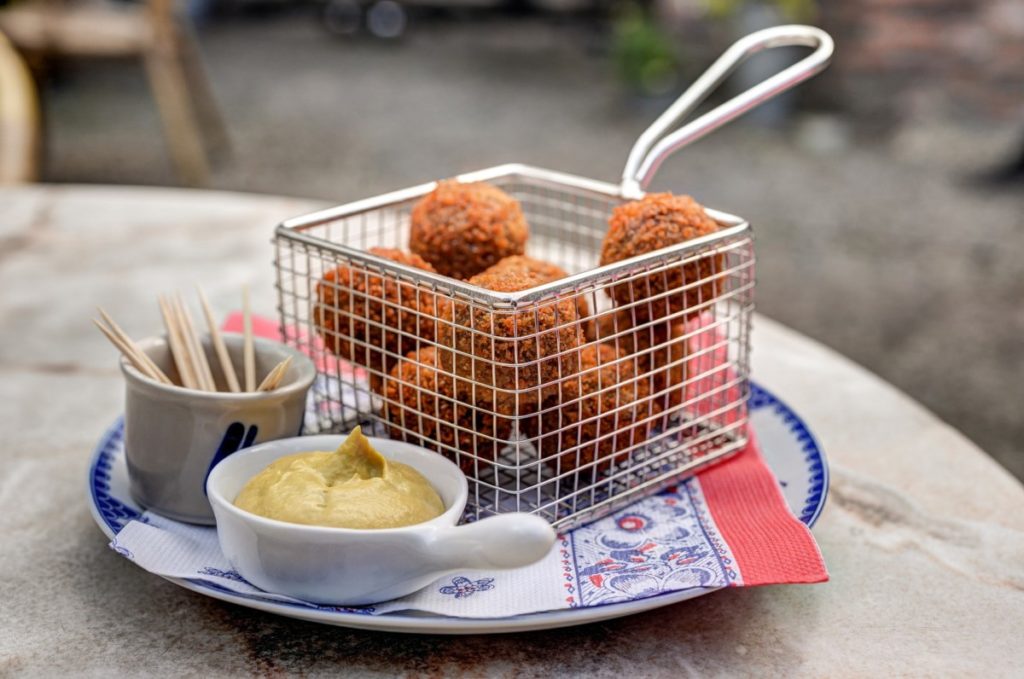
I thought we British fried random things like Mars bars and bananas, but it appears that the Dutch have taken it one step further from the humble Fish and Chip Supper and made fried foods one of their main delicacies: fried meat.
The Dutch are good at fried food. Image: Pixabay
I’m quite free with my taste buds; I’ll try anything, and my goodness, you need that approach over here.
I think food and bonding overeating seem to be an important part of their culture.
The Dutch eat a lot, and considering they are all tall and beautiful, it goes against nature for all the fried food they eat:
Kroketten — Not my thing. I’ve tried them out and didn’t like them. I tried some that were homemade, and they were in a different league! Super lekker!
Frikandellen — These are good. I am more of a ketchup girl than a mayonnaise fan, but still, they are good.
Chips/Vlaamse Frites — Who doesn’t like chips? And they come in a paper cone, not Styrofoam. Their chips are leagues better than ours. Apparently, the trick is frying them twice. Please note that if you say yes to the sauce, they will pump a gallon of it over your food. I am a minimal-sauce kind of gal!
One of my English friends had never had mayonnaise with chips before… Amsterdam changed her! (see 1:29 on the video!)
Vincent (John Travolta) tells Jules (Samuel L. Jackson) about the little differences regarding life in Europe; note the mayonnaise reference.
Whilst we are on the subject of food, let’s talk about garlic bread. Their version of garlic bread is not my version of garlic bread.
Again, carbs, bread, and fried stuff are all they eat, but their version of garlic bread consists of a slice or chunk of baguette with an inch-thick slice of butter mixed with garlic on top.
One of the major things that put me off living in Holland would be the amount of weight I would gain!
I can’t look at too much fried stuff without bloating up to the size of a house. I just couldn’t do it! Maybe it’s the cycling that counteracts it?! Yep,definitely the bicycles!
Have you experienced these Dutch phenomena? What would you add to a handbook for the Netherlands? Let us know in the comments below!
Mountains in the Netherlands? Is that a thing? The Netherlands is a flat country with almost one-third of its entire area below sea level. This country boasts of its natural beauty, but are there any mountains in the Netherlands?
As an expat from Austria living in Amsterdam, I thought I’d take on the task of researching the peaks of this country known for its unmistakable flatness.
A little hike, anyone?
Okay, so what did we find? The highest mountain on the mainland of the Netherlands is Vaalserberg, and it is (drumroll, please!) 322.7 metres high.
Yes, you read that correctly. The highest mountain in the Netherlands is just over three hundred metres in size.
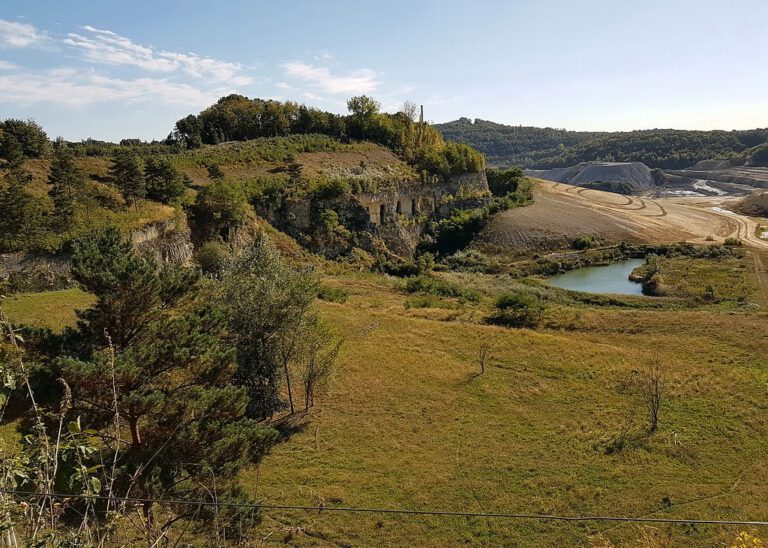
A country that’s known for its flatness. Image: Pixabay
In comparison, the Statue of Liberty in New York is about 90 metres high, which means if you stack 3.5 Statues of Liberty, you get the Vaalserberg!
Not to take anything away from this landmark, which unites Germany, Belgium and the Netherlands at the Drielandenpunt (Three-Point Land). It’s worth a mini-hike for sure!
Is there more than one mountain in the Netherlands?
If you think that this was it when it comes to Dutch peaks, then you are wrong.
Next in line, or rather in size, is the Sint Pietersberg in Maastricht with 171 metres. Say whaaat? This Altiplano of marl served as a stone pit to excavate raw materials for the production of cement, etc.
Nevertheless, it’s interesting to stroll up this mountain and admire the fortress on top or take a guided tour of the vast network of underground tunnels.
These 80 km tunnels served as a hideout spot for the citizens of Maastricht during WWII. Dutch national art treasures were also kept safe here.
A small mountain or just a big hill?
Here comes number three, and it’s getting a bit harder to call these Dutch peaks “mountains.” The Duivelsberg measures 76 metres (it’s smaller than the Statue of Liberty!) and is located to the east of Nijmegen. Although small in size, this hill has a rich history.
In the Middle Ages, a Roman castle (Mergelp castle) was located there, and the Duivelsberg was used as a battleground during WWII. However, after disputes, it remained Dutch territory.
Strolling around the area and the lush forest, you can also see an expressionist villa, the Huis Wylerberg, a protected building nowadays.
Duivelsberg — this WWII battleground is definitely smaller than the Statue of Liberty. Image: Romaine/Wikimedia Commons/Public Domain.
Last but not least (well, least in size, yes) is the Grebbeberg, which stands 53 metres tall.
This — let’s call it — hill played an important part in the Dutch defence during WWII but was unable to stop the Germans in 1940 during the Battle of the Grebbeberg (surprise surprise).
If you decide to stroll up this hill, you’ll find a military field of honour on top, as well as an information centre next to the cemetery.
Apart from war monuments, there’s a zoo to discover, but you can also just simply admire and enjoy the beautiful views of the landscape. If that’s not a motivation to “climb” this mountain in the province of Utrecht, then I don’t know what is.
Anyways, now get your lazy bones out of the chair and conquer one of the mountains in the Netherlands. If you hurry up you’ll be back before dinner!
Have you ever visited a Dutch mountain? Which one did you go to? Tell us in the comments below!
Email addresses stolen in February’s Odido hack are still being used to bombard victims with scam emails. Researchers count dozens of separate phishing campaigns since the data went public.
When 6.2 million Odido accounts were stolen back in February, the obvious worry was what criminals would eventually do with all that personal data.
Five months on, we have a real answer, and it comes from two people who watched it happen to their own inboxes.
From ethical hackers to full-on investigators
Two ethical hackers at security firm Hackify, whose own details were in the stolen dataset, decided to track exactly what happened next.
Both already had a personal habit of giving every company a unique email address, so if junk mail later turns up at one of those addresses, they can tell instantly which company leaked their details.
One of them had handed Odido an address used for nothing else, while the other had done the same with Tele2, the brand Odido absorbed back in 2023.
Both addresses ended up in the stolen dataset, so every scam email that landed in their inboxes could be traced directly to this one breach.
Over the 150 days after the full data went public, the two addresses collected a whopping 61 phishing emails.
Researchers found the pattern bizarre
Curiously, however, the emails didn’t arrive in a steady rush.
The first phishing email showed up on March 12, just 11 days after the leaked data hit the dark web, and the volume climbed to a peak in June. Then it simply stopped.
After early July, nothing else came in, prompting the researchers to wonder, only half-jokingly, whether the criminals had gone on holiday.
Speaking to NU.nl, ethical hacker Rick Verdoes estimated that the 61 emails belonged to around thirty separate phishing campaigns.
Most of the emails were the familiar rogues’ gallery of Dutch phishing, such as messages from banks, PostNL, and the KVK (the Dutch Chamber of Commerce).
One imitated Odido itself and, oddly, only contacted the Tele2 address. And, while it pulled its images straight from Odido’s real servers, the message was actually sent from a hacked business account in Turkey.
Another posed as ABN AMRO and greeted the victim by their actual name, the only email in five months to do so.
Things could get much worse
The stolen dataset held far more than email addresses: names, home addresses, dates of birth, and, according to Hackify, roughly 275,000 bank account numbers.
However, the scammers barely touched any of it. Verdoes suspects the email addresses were skimmed off into a simple, easy-to-share list, while the fuller database sits untouched because stitching it together takes real effort.
“A list of millions of email addresses is only a relatively small file and easy to use,” Verdoes tells NU.nl. “The full database is much larger and contains unstructured data. It takes more time and knowledge to automatically link that data together.”
In other words, if you’ve been involved in the data breach and haven’t received many phishing emails yet, you may not be in the clear.
That being said, there’s some recourse: as Dutch police have found signs that Dutch nationals were involved in the original hack, affected customers can now join a €500 class action claim.
Want to make sure DutchReview pops up on your news feed more often? Just add us as a preferred news provider, and we’ll handle the rest.
A Rotterdam ceremony honouring the city’s deported Jewish residents was briefly halted yesterday when protesters shouted slogans during a speech by Israel’s ambassador.
The commemoration takes place each year at Loods 24, a former warehouse in Rotterdam-Zuid from where thousands of Jewish residents were sent to Nazi death camps during the war.
This year’s edition drew in hundreds of people, around twice the usual turnout, with the disruption breaking out just as the Israeli ambassador began to speak.
Ten protestors were cleared off
The moment Israeli ambassador Zvi Aviner Vapni began his speech, a group of about ten people turned their backs on him and began chanting.
Organisers stopped the ceremony, and police moved in to lead the protesters away, reports NOS. Much of the crowd responded by breaking into a Jewish song, and after roughly five minutes the ambassador was able to continue.
Police had already cleared protesters from the site before the ceremony began, AD writes, directing about ten of them to a spot roughly 150 metres away and escorting off those who would not go.
The ambassador’s presence is the issue, protesters assert
“Our goal is not to disrupt the commemoration,” Ineke Palm of the Rotterdam Palestine Coalition tells AD. “It is inappropriate for a regime that commits genocide to be present at a commemoration of genocide.”
And, by all accounts, that tension had been building for weeks.
Parties including DENK and the Partij voor de Dieren (Party for the Animals) had formally questioned whether a representative of the Israeli government belonged at a commemoration of genocide, regional broadcaster Rijnmond reports.
Not everyone agrees
For the organisers, the protest crossed a line. As Theo Kemperman, who chairs the Loods 24 foundation, tells AD, “this is a gathering with relatives, even with survivors.”
“That gentleman was on that train,” he says, pointing to one of the ceremony’s attendees. “He survived. You wish him a quiet, dignified gathering.”
Meanwhile, Chris den Hoedt, chair of Rotterdam’s Jewish Community, was far blunter: “People disrupting a commemoration is a new moral low point for us. If they have a problem with the ambassador, they shouldn’t come. I don’t understand what possessed them.”
Mayor Carola Schouten, who attended despite calls to boycott, told those gathered that the systematic murder of Jews is beyond comparison, drawing applause. A commemoration, she added, is not the moment to make a statement.
What are your thoughts on the protest? Share your two cents in the comments below.