Home Blog Page 537

Take care: five ways to cope with the mental impact of lockdown in the Netherlands

With the Dutch government looking to start relaxing measures soon. It seems we are almost at the end of a pandemic and can finally look forward to “normal” times. However, for many of us the impact of new ways of living has been more intense than expected.

It has been difficult times for those who suffered physically, but an unexpected year for those who had to bear the immense mental consequences. While physical sickness is easily evident with the symptoms, it may get difficult to realise your own declining mental wellbeing.

If you have felt an impact lately, here are five things you can do to try help:

1. Remember you are not alone

Photo-of-woman-leaning-head-on-man's-shoulder
You can reach out to someone if you need help. Image: Kuli Kittus/Unsplash

The pandemic has caused lot of anxiety issues and sense of isolation. Knowing it’s a worldwide issue and that you are not alone in this is very important. Even the strongest of people feel the impact.

It helps to accept whether you need any kind of help. Once there is acceptance, it becomes easy to work towards it. Talking to your GP is great step,  who can advise you or refer you to specialists.

READ MORE| Mental healthcare in the Netherlands: all you need to know for 2021

Helpful Information:


2. Capture your thoughts by writing a journal

Photo-of-person-journaling-with-cup-of-coffee
Treat yourself to a warm cup of joe and try to write about your feelings. Image: fotografierende/Unsplash

It is easier to believe everything that goes in the mind, but not all thoughts maybe necessarily appropriate. Talking positive to yourself can help uplift the mood and improve the energy.

There are many techniques to clear your mind like meditation, breathwork, positive affirmations, EFT and more. One of the effective tools could be journaling your thoughts and emotions every day. Then re-evaluating your mindset when it’s out of your mind and onto the paper.

Treat yourself to a nice takeaway coffee, find yourself a cosy corner and scribble away. Even if it only helps a little bit, it’s something and it’s worthwhile.

3. Look at bigger picture but live one day at a time
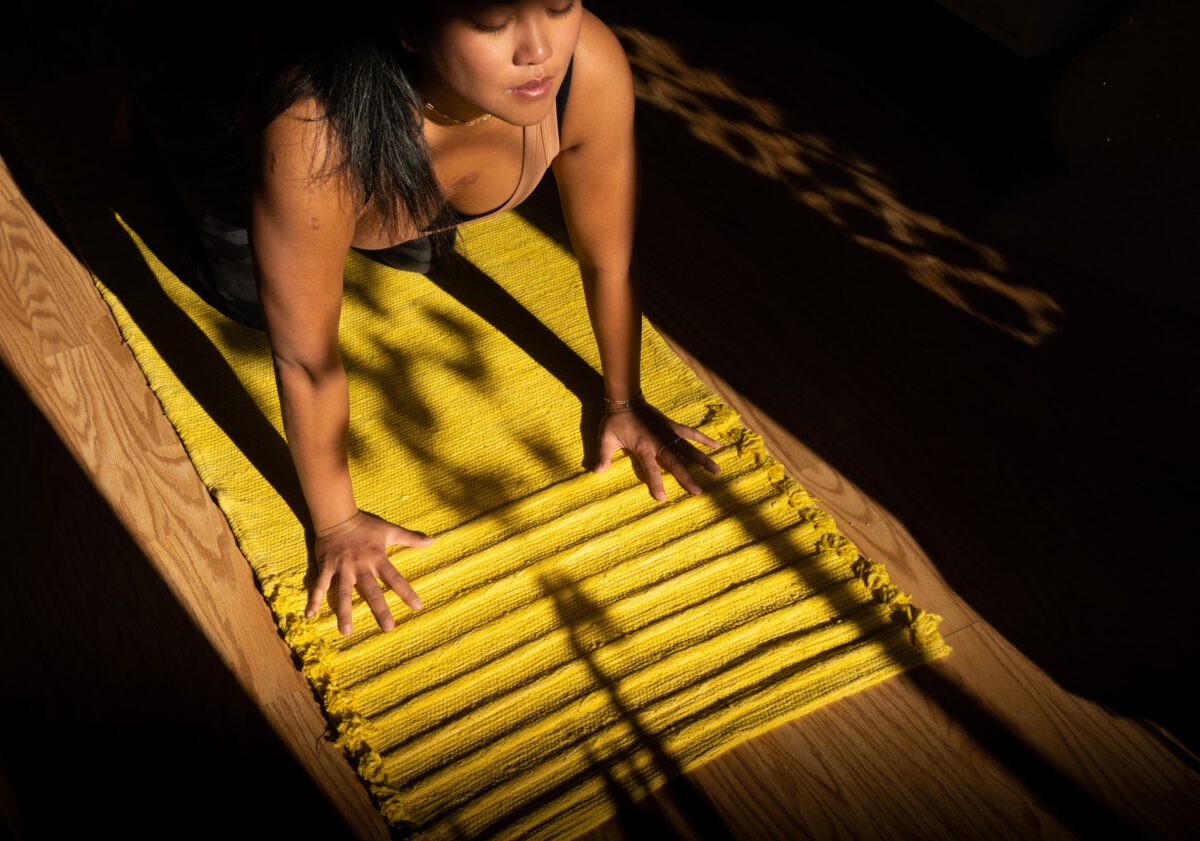
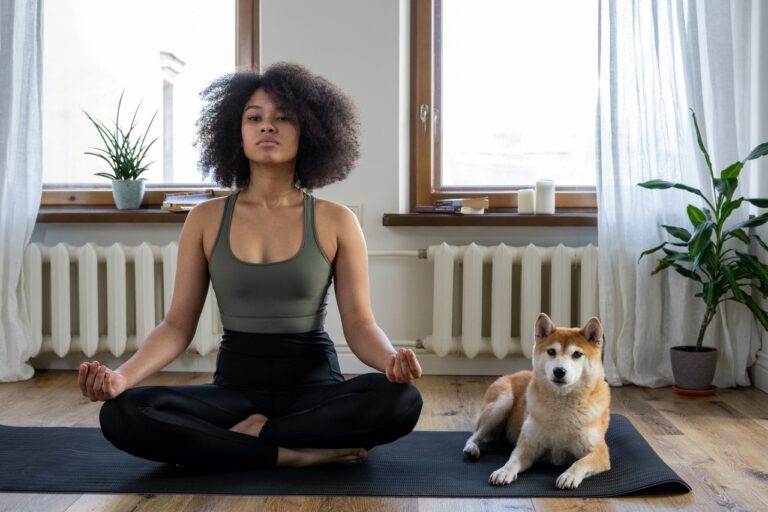
Photo-of-woman-doing-yoga
Take time to be in the moment. Image: Alexandra Tran/Unsplash

In these abnormal times where life has stopped, started and stopped again, most of our future plans have been impacted. Whilst it is important to keep looking at the bigger picture, it may help to live one day at a time.

Try to be present, just enjoy where you are and what you are doing. And most important of all, be grateful of what you have.

Organisations such as Centrum Voor Mindfulness offer mindfulness courses and meditation sessions in English and online! Every Tuesday evening, the organisation hosts online meditation sessions for English speakers in the Netherlands. It’s a great way to get out of your head and live in the moment.

4. Grab a book and read!

Photo-of-woman-reading-book-on-couch
Dust off your mind with a good book. Image: Matias North/Unsplash

In the words of Joseph Addison:“Reading is to the mind what exercise is to the body.” Reading topics of your interest helps develop perspectives and inculcates a sense of growth.

Though many of the books can be ordered online, here are some of the bookstores you can visit in the Netherlands as the current measures permit.

The Netherlands also offers some great expat friendly book clubs (many of which are now online), such as:


5. Grab your bike and cycle

Sports in the Netherlands
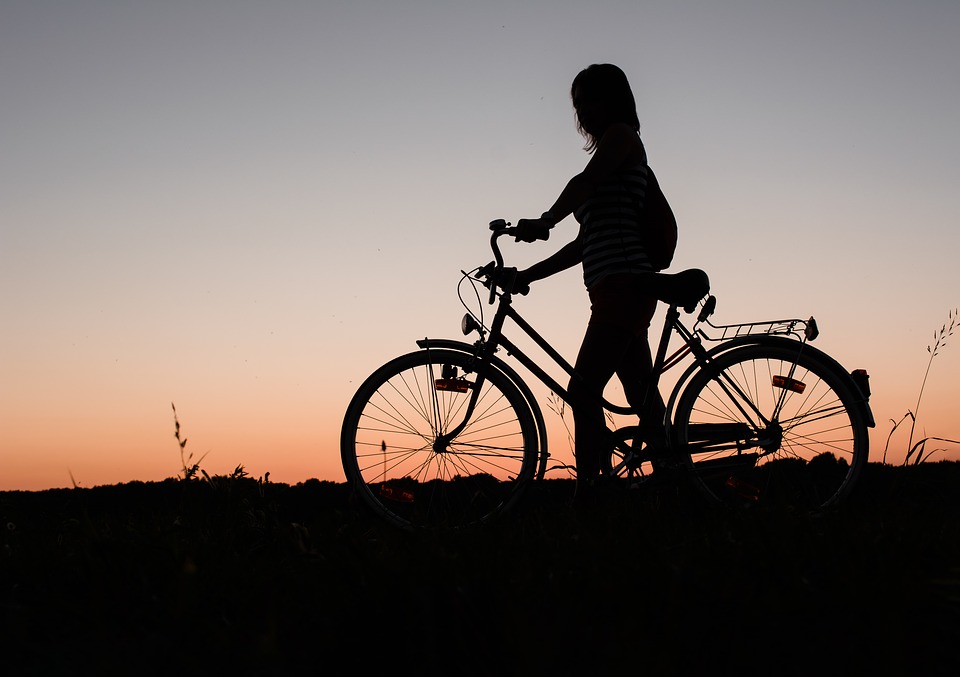
Get out and get on your bike! Image: Zhivko/Pixabay

What better place than Netherlands for biking! The days are getting longer and the weather seems to be getting better (aside from the occasional snowfall.)

Biking can bring in many benefits. It’s a great exercise that can help enhance mental well-being by releasing those endorphins (happy hormones!), boosts physical fitness and helps you explore different neighborhoods. Here are suggestions on scenic bike paths in the Netherlands that can be explored.

READ MORE | A guide to 10 beautiful national parks in the Netherlands

It is important to know that just like eating healthy for 2 days doesn’t make you physically fit, starting to practicing mental fitness may not reap immediate results. Incorporating mental fitness habits in daily routine is the key.

But just remember, you are stronger than you think!

Do you have any other suggestions that can help enhance mental well-being? Let us know in the comments below! 

Feature Image: Cottonbro/Pexels
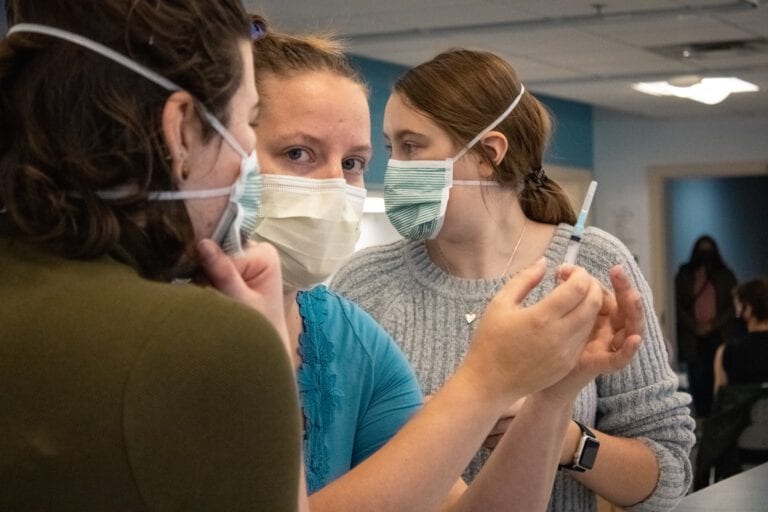
A decision is made: no AstraZeneca vaccines for people under 60 in the Netherlands

Vaccinations of people under the age of 60 with the AstraZeneca vaccine will not be resumed in the Netherlands for now. 

The Minister for Health, Hugo de Jonge, announced this yesterday after receiving advice from the Health Council, reports RTL Nieuws. People under the age of 60 who have already received their first AstraZeneca shot can still get the second one. 

Benefits outweigh the risks

While the European Medicines Agency concluded that thrombosis is likely a very rare side effect of the vaccine, it also believes that the benefits of the vaccine outweigh the risks. 

This is especially the case for older age groups. As a result, those above 60 can receive the AstraZeneca vaccine because the risks associated with the coronavirus are much higher for this age group than the risks of serious side effects from the vaccine. 

Young women and AstraZeneca

The risks are less balanced for young women in particular. For them, the risk of suffering serious side effects from the vaccine is potentially higher than the risk of dying from coronavirus, reports NU.nl.

“A chance [of contracting serious side effects from the vaccine] of one in a few hundred thousand is of course very small. But young women also have a very small chance of dying from corona, about one in a half-million or one in a million. And then that balance is suddenly very different,” says Bart-Jan Kullberg, President of the Health Council of the Netherlands.  

He adds that “the EMA does not give advice to whom you should give which vaccine. The EMA is examining whether that vaccine is still permissible at all.”

No smooth sailing

The story of the AstraZeneca vaccine in the Netherlands has been a turbulent one. 

In mid-March, the Dutch government decided to pause the vaccine until at least March 28 due to fears over the increased risk of blood clots. Shortly after that, the vaccine was set to be resumed. 

There has also been considerable criticism from thrombosis experts about not being involved in the decisions around the AstraZeneca vaccine. “The decision to stop came like a bolt from the blue,” says thrombosis expert Saskia Middeldorp. 

How do you feel about this development? Let us know your thoughts in the comments below!

Feature Image: Aaron Sousa/Unsplash

Man arrested for a planned attack on vaccination centre in Den Helder

A 37-year-old man from Den Helder was arrested on suspicion of plotting a bomb attack on a coronavirus vaccination site. 

The man allegedly wanted to cause an explosion at the former city hall of Den Helder — a place which is now being used as a vaccination site — using a firework bomb.

The police as well as the Public Prosecution Service regard the man’s actions as a terrorist offence. 

“With his actions, the defendant intended to terrify the population and to disrupt the economic and social structures of the country,” states the Public Prosecution Service on its website.

Hampering national vaccination program 

The man’s actions sabotage the Netherlands’ vaccination program. The attack would have had dire consequences for public health. 

“The fewer people that can be vaccinated, the more victims the virus will claim,” adds the Public Prosecution Service. The suspect was arrested on March 18. Yesterday, his pre-trial detention was extended by 90 days. 

This is not the first attack at a GGD location. Last month, there was an explosion at a coronavirus test street in North Holland. No one was injured, however, five windows were broken in the blast. 

How do you feel about this man’s action? Tell us in the comments below!

Feature Image: Dutchmen Photography/Shutterstock.com

A biertje on the terrace? Here are some of the relaxations we may see after April 21

Opening terraces and shops, lifting the curfew, and increasing the maximum number of visitors at home per day from one to two —  these are some of the relaxations that the Dutch government is hoping to introduce after April 21.

These relaxations would be the first steps of easing into what the government hopes to be a coronavirus-measures-free summer, reports RTL Nieuws.

First relaxations outdoors

The Dutch government wants to start by introducing relaxations outdoors because there is a lower risk of contracting the virus.

The measures which will be in place from April 21 will be announced at a press conference next Tuesday. On April 28, another press conference will take place. 

Education

Other relaxations such as opening out-of-school care, secondary education, and allowing higher education with regular testing are on the table as well, claim insider sources in The Hague. “Finally a little air for society,” says a prominent politician.

To relax or not to relax?

Whether or not we’ll be able to enjoy a biertje on a bar terrace depends on the advice of the Netherlands’ Outbreak Management Team (OMT), which is currently assessing the plan. 

However, things seem to be finally heading in the right direction, with the number of coronavirus infections decreasing last week and over 20% of the Dutch population already having coronavirus antibodies. 

Are you hopeful that the measures will finally be relaxed? Tell us in the comments below!

Feature Image: ELEVATE/Pexels

“Benefits outweigh the risks”: Dutch cabinet to make decision on use of AstraZeneca vaccine

Following the European Medical Agency’s (EMA) report yesterday, Dutch ministers will meet today to discuss whether or not to continue vaccinating with AstraZeneca.

The EMA has concluded that while there does appear to be a link between rare cases of thrombosis and the AstraZeneca vaccine, the risk is significantly outweighed by the benefits. Now, the Dutch cabinet must decide how to respond to this conclusion, RTL Nieuws reports.

Will the halt be lifted?

Last week, it was decided that the Dutch government would halt the use of the AstraZeneca vaccine on anyone under the age of 60. Other countries such as Italy have also made the decision to halt the injection of young people with the vaccine.

Now, given the EMA’s conclusion, Minister for Health, Hugo De Jonge, will consult with the cabinet before making a decision on how to proceed with the Dutch vaccine strategy. The cabinet expects to make a decision later today.

What are your thoughts on the current Dutch vaccination strategy? Let us know in the comments below! 

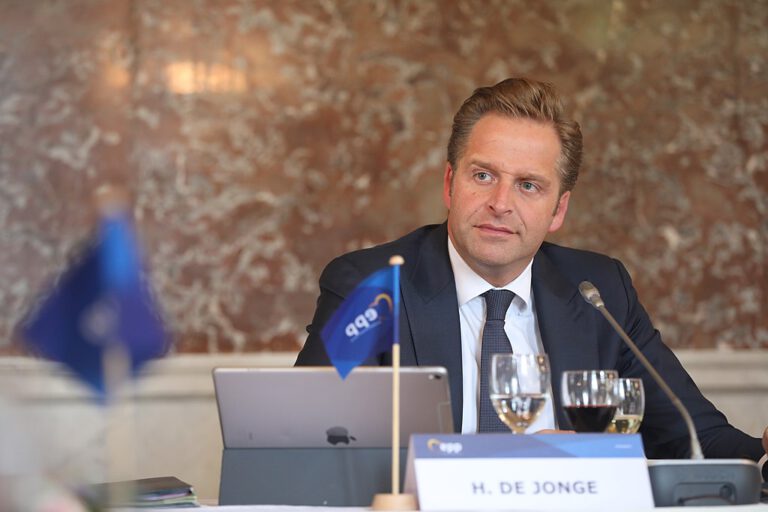
Feature Image: European People’s Party/Wikimedia Commons/CC2.0

Gastouders: a unique Dutch way to raise happy kids 

Being a parent is great, but it’s more than a full-time job. Working 24 hours a day, seven days a week wouldn’t pass any labour board, but mums and dads do it all the time. Thankfully, the Dutch get that everyone needs some time off. Enter: gastouders.

Parents, be warned: this could change your life.

Have you ever heard of this unique Dutch childcare service called the Gastouderbureau? If you need flexibility in your schedule and are maybe overwhelmed by the number of kids in a daycare facility, this one is for you.

What is a gastouder?

A gastouder literally translates to ‘guest parent.’ It’s a small-scale licensed childminder who typically works from their own home. Understandably, it’s heavily regulated, so each gastouder can take on up to a maximum of six children total, within the following age limits:

  • five children under four years old,
  • four children under two years old,
  • and two children under one year of age. 

Every gastouder must be registered to gastouderbureau and have relevant diplomas and experience taking care of the children of these ages.

READ MORE | Motherhood in the Netherlands: what you can expect if you aren’t Dutch

My experience with gastouders

To be honest, I had never heard of gastouders before until my son was nine months old. At that time I was struggling as a stay-at-home mom in terms of my son’s social interactions. When I learned about gastouders I immediately registered my son and he was enrolled within a week.

I started off slowly by sending him for three hours for two days a week. I was surprised to see positive changes in such a short span of time!

When it comes to your children, you look for people whom one can trust and who have proper laws and contracts in place. Also, who can adhere to your ways in terms of food, environment, and fellow companions. Gastouders can do this!

These days, many parents prefer a gastouder over a daycare. With the help of this article, you will understand everything about gastouders and the bureau which will help you decide what is best for you and your children.

What is the role of Gastouderbureau?

The Gastouderbureau will help you to search for a gastouder that meets your requirements. They are also responsible to make a relevant contract and calculating the monthly bills which will further help you to reimburse your childcare tax benefit called Kinderopvangtoeslag.

If you enter into any disagreement with your gastouder, then the bureau is also responsible for sorting it out. Also when your gastouder is on holiday, it’s the responsibility of the bureau to arrange alternate gastouder for your children. Ideal, right?

READ MORE | 4 reasons why Dutch kids are happier than American kids

Benefits of gastouder

  • A personalised experience, offering more individual attention to your child
  • Flexible with the number of hours per day
  • You can set your food preference and choose to send a snack or not
  • Children are familiarised with the Dutch language, culture, and upbringing
  • Gastouders provide a friendly home environment
  • Generally cheaper and more flexible than a daycare centre

What is the cost of gastouder? 

The contract is between you and the gastouderbureau but you will have to decide the number of hours and days with gastouder. You can then agree on an hourly rate with your gastouder which generally ranges from €4.5-6 per child, per hour.

In addition to the hourly rate, there is a fixed monthly cost for the bureau which ranges from €30-50 per month per child. The gastouder can either charge extra for diapers and milk, or you can provide them daily as required. 

What is a childcare allowance?

The government pays a portion of your children’s childcare services. The exact amount depends upon the combined income of both partners. The lower the income, the higher the government contribution. You calculate your child care allowance from here.

READ MORE | The ultimate guide to applying for child benefits in the Netherlands

Step-by-step guide to finding gastouder:

Convinced and ready to get your child to a gastouder ASAP? Here’s what you need to do:

  1. Plan out your requirements: pets or no pets? Non-smoking? Garden or no garden?Food preferences? Not to mention the location of the gastouder, and your day and time requirements. 
  2. Search for your local Gastouderbureau: type: ‘Gastouderbureau in [your region]’ on Google
  3. Contact the bureau: and discuss your needs. 
  4. Book intake meetings: schedule multiple with various gastouders near your place. Have a look around and see how the current children are doing. 
  5. Found one? Have a chat: if you like the place and feeling, discuss further the availability on your preferred days and the number of hours per day. 
  6. Talk about flexibility: what will happen on holidays and sick days?
  7. Inform the bureau: tell them you found a match and they will make an online contract for you and gastouder that both parties have to sign.
  8. Pay the bills: each month gastouder will send you the number of hours to approve. Based on those approved hours you will get a monthly bill. 
  9. Claim your childcare allowance: based on these bills. 

And voila! Your children have guest parents, education, and social development in a Dutch environment, and you get some well-deserved hours back into your day.

Have you used a gastouder in the past? Got any questions? Drop them in the comments below!

Feature Image: Daria Shevtsova/Pexels
Editor’s Note: This article was originally published in January 2020, but was fully updated on April 2021 to bring you the most up-to-date information. 

Hiking in the Netherlands: 4 myths, busted

2

The Netherlands is renowned for being flat, full of cows, and honestly not that exciting for hikers. Right? And let’s not even mention all that rain.

However, it turns out that hiking in the Netherlands is not only possible but offers some pretty stunning views too. Let’s look at four of the myths about hiking in the Netherlands and bust them! (Theme music please…)

I started hiking in the Netherlands at the beginning of 2019, and let me tell you that it was one of the best decisions I have made so far. Being from Costa Rica — a country that is a hiking paradise — my mind wanted to avoid the risk of being disappointed, but my hiking heart was going crazy without having any adventure underfoot.

So I gave in, invested in some waterproof hiking boots, marked the closest train station, and my Dutch hiking experience began. When I told others about my adventures hiking around the Netherlands, all I heard was laughs and sceptical comments ringing in my ears.

“That is not hiking,” they scorned, “but there are no mountains,” “all the country is the same,” and “that is easy.” My answers to these comments are: wrong, true, wrong, and not at all. The Netherlands has numerous exciting hiking spots, be it in Amsterdam, Rotterdam, The Hague, Maastricht, or outside the big cities. Curious? Let’s dive into hiking in the Netherlands.

Myth #1: hiking in the Netherlands is not hiking

Texel_Hiking_Netherlands_Myths
Texel is prime for long walks in the countryside. Image: Carmen Monge/Supplied

Let’s break this down a little. According to the Cambridge Dictionary, hiking is defined as “the activity of going for long walks in the countryside.” So let’s look at the facts:

1) the Netherlands is full of countryside and,
2) walking around it for a long time makes it a hike.

Locals have been doing these long walks for years, either as a way of transport or just for fun. The whole country is even well-marked with wandelen pads, and there are strategic, well-located bed & breakfasts that will give you a taste of Dutch hospitality.

Hiking in the Netherlands isn’t hiking: myth busted.

Myth #2: you need mountains to hike

Hiking-Netherlands-myths-Zuid-Kennemerland
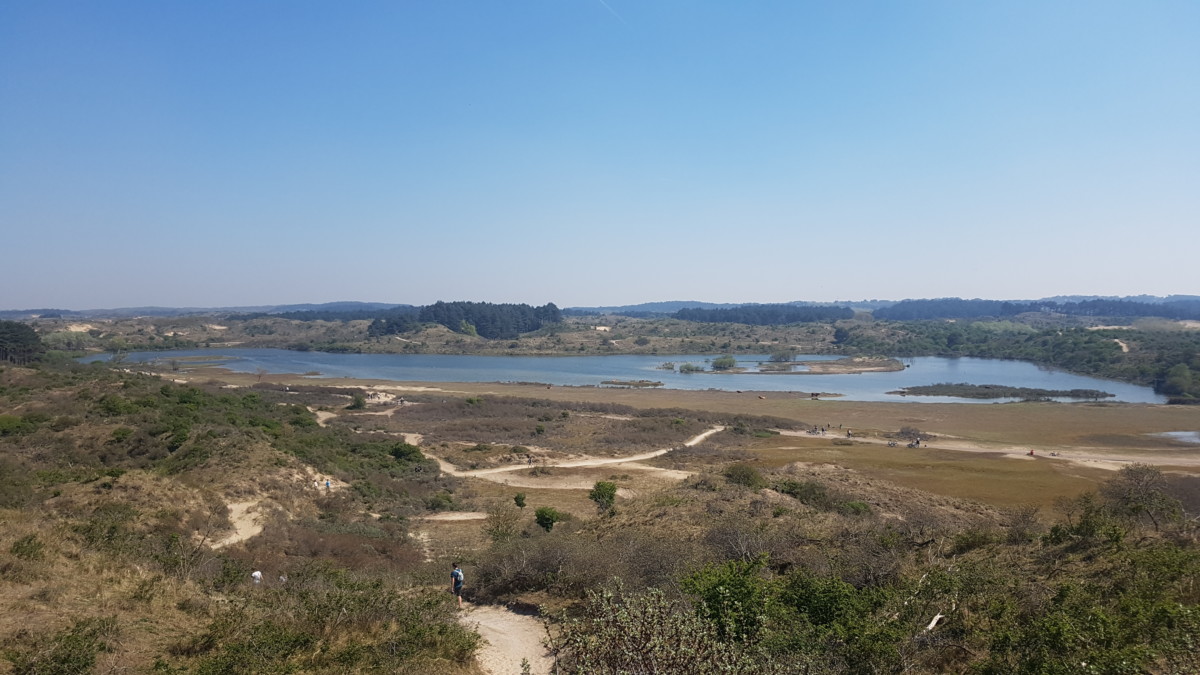
Zuid-Kennemerland — you don’t need mountains to enjoy sights like this. Image: Carmen Monge/Supplied

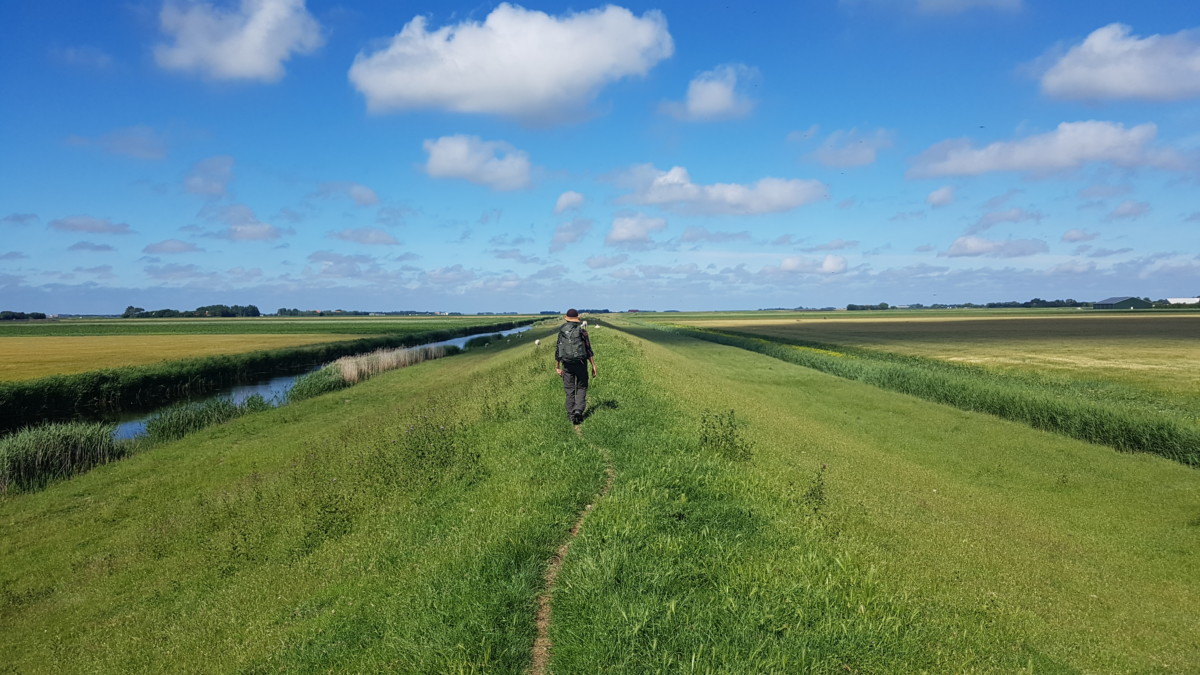
The Netherlands is as flat as a pancake with some small lumps in the east, and shy dunes in the west. So, if your goal is to reach only high peaks on your hikes, this is not the place.

But, if you want to immerse yourself in different types of forests, have direct contact with friendly animals, and experience how the Dutch live in the countryside, this is your place.

You need mountains to hike: myth busted.

Myth #3: all of the Dutch countrysides looks the same

myths-hiking-netherlands
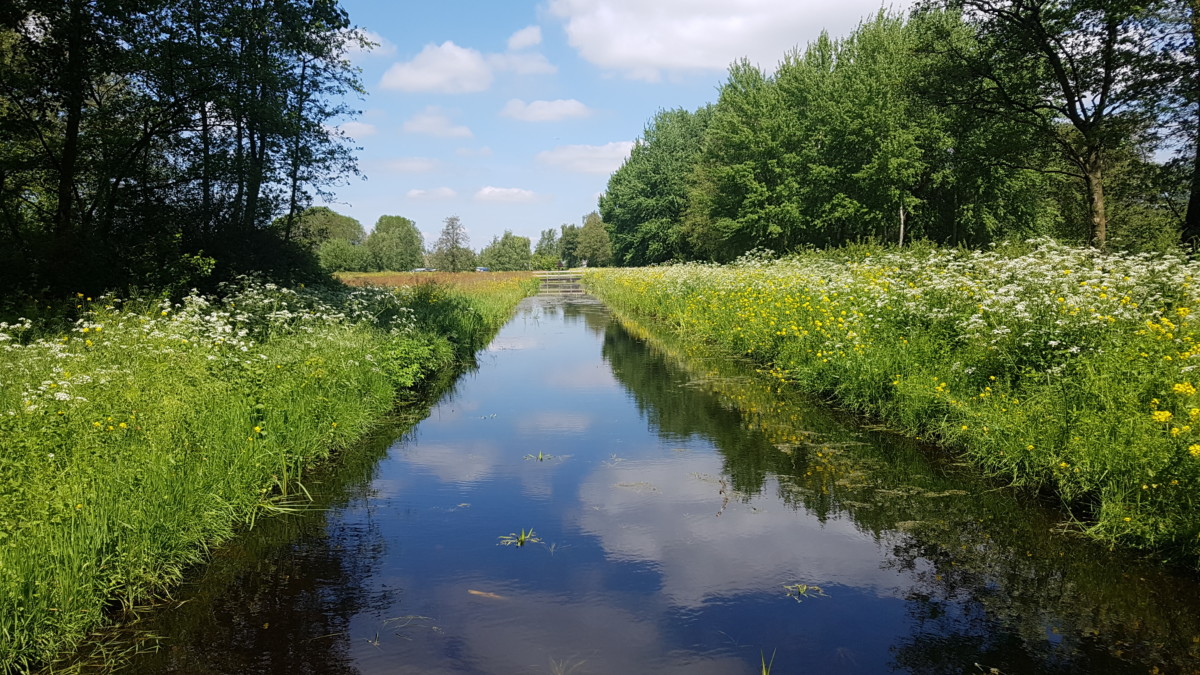
View in Gouda. Image: Carmen Monge/Supplied

Well, it is the same country, so many areas do look alike. But, as an expat, every place is new for me. At the beginning, passing windmills was so exciting and watching the cows just being cows was magical. Now I don’t feel that excited to see them anymore but I feel powerful to know this country more than some locals.

Also, there are some unique attractions take make the landscape even more amazing, such as the beautiful tulip fields in season, the hairy cows, the Groene Hart, the Dutch farmers working on wooden shoes — klompen (for real, they still use them) — and the countryside houses selling seasonal and local produce.

All of the Dutch countryside looks the same: myth busted.

Myth #4: hiking in the Netherlands is easy

myths-hiking-netherlands
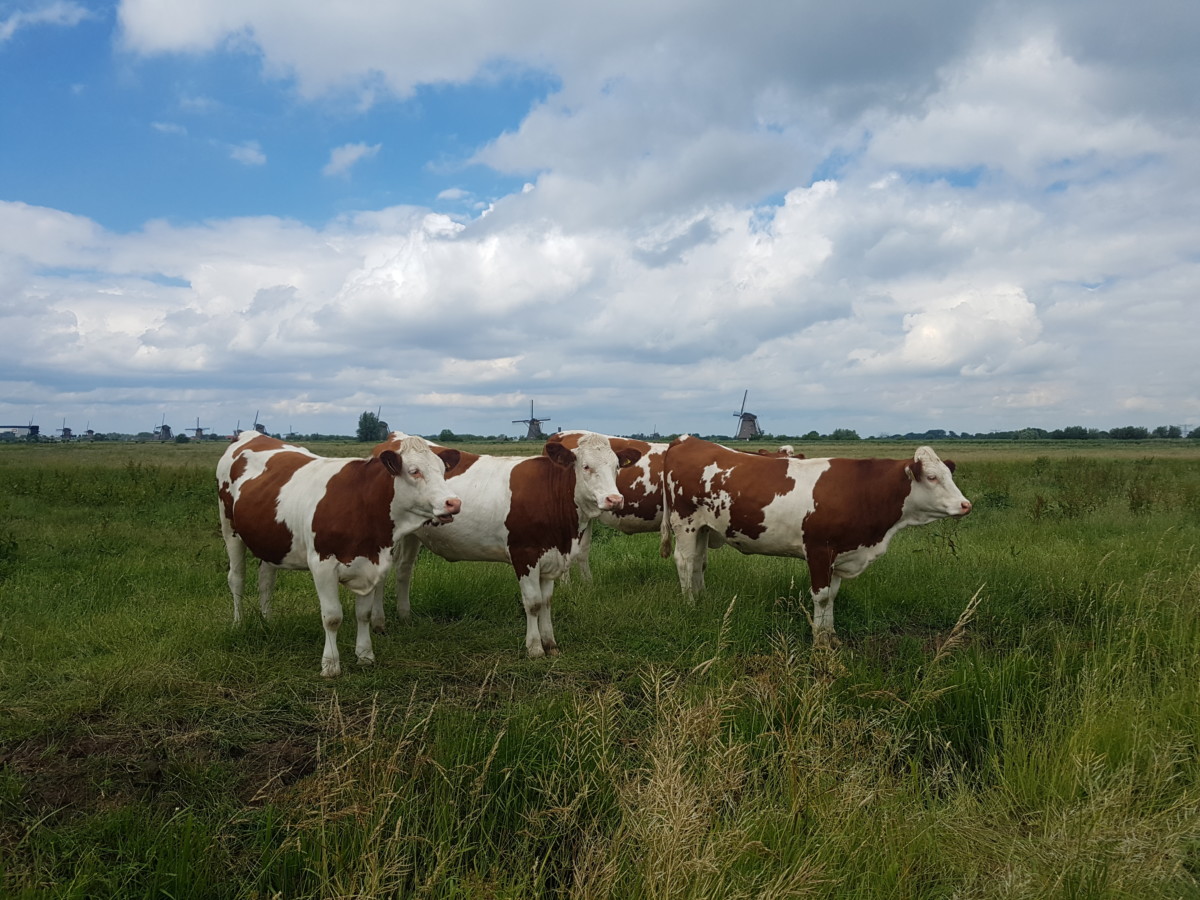
The cows of Kinderdijk. Image: Carmen Monge/Supplied

Well, that depends not only on the physical state you have but also the mental state. I was used to hiking mountains and normally the highest peak was the ultimate goal. But in the Netherlands, I’ve learned to appreciate every stage, and that walking on a flat and straight path can be mentally challenging as well.

I discovered that while reaching the highest point can be hard to do, walking for several hours not knowing what to expect is even more difficult for stamina, and it taught me to appreciate more along the way than just the finish line.

READ MORE | The 8 greatest forests in the Netherlands for a nature escape

Luckily, if you regret your decision in the middle of a hike, there is an amazing public transport system in the Netherlands, so you can go back home from wherever you are.

Hiking in the Netherlands is easy: myth busted.

If this did not convince you at all to start hiking in this wonderful country, I have many other reasons to convince you. Just keep in touch and I will share with you my outdoor adventures and some unmissable Dutch treasures.

Have you been hiking in the Netherlands? What do you think of the experience? Let us know in the comments below!

Feature Image: Carmen Monge/Supplied
Editor’s note: This article was originally published in November 2019 and has been updated in April 2021 for your reading pleasure.

Dutch cabinet plans to open terraces, shops by April 21 (just in time for sun!)

After teasing the opening of terraces for Easter weekend, the Dutch cabinet finally has some good news for business owners: shops and terraces could reopen by the end of the month if infection coronavirus rates continue to drop. 

The cabinet is pleased with the latest coronavirus figures, indicating that infection rates are finally dropping.

It has also announced that the curfew will be lifted, but it’s not yet clear whether this will also happen on April 21, according to the NOS.

On Sunday, these plans will be discussed with the Outbreak Management Team. If any reduction in measures is approved they will be announced in the upcoming press conference next Tuesday.

How do you feel about this announcement? Let us know in the comments!

Feature Image: ELEVATE/Pexels

Parenthood in the Netherlands: advantages and challenges

Being a parent is no piece of cake, no matter where you are from. However, the way you choose to take on this great journey can vary depending on the culture and country where you grew up.

As an expat, here are some advantages and shortcomings I have encountered when it comes to raising a little one (or little ones) in the Netherlands:

Freedom of space

There is so much space for a child to run around, play, cycle… you name it! The Dutch urban landscape comes with multiple playground options and open spaces in general. There is even a good chance you live close to a forest, you are just left hoping for some decent weather.

It is super cute to watch entire families on their bikes just enjoying a nice Saturday morning. I feel that my little dude is truly privileged for being able to experience all this and I am very grateful. This country is, without a doubt, a great place for a kid to grow up.

Child safety in the Netherlands

The first time that I saw Dutch mother on her bicycle with one toddler on the backseat and a little baby on the front one (and no helmets) I have to be honest, I freaked out!

I understand that cycling culture is deeply rooted in this land but I feared this was taking things a little too far. Not long after, I learned how to spot the expat parents — the ones that put helmets on their children — clearly. This is not a judgement, just pure old fashioned culture shock, I guess.

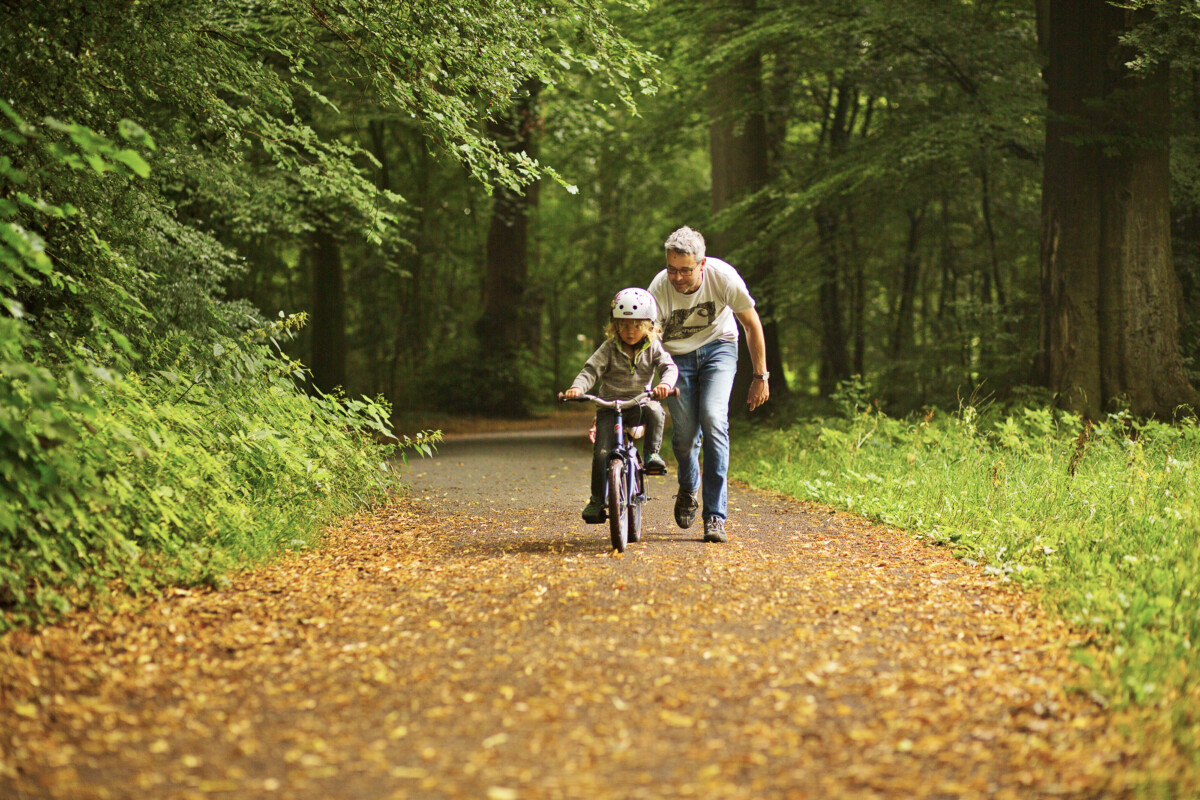
Photo-of-child-on-bike-with-parent
Not many people cycle with a helmet in the Netherlands! Image: Magdalena Laas Photography/Supplied

To this day, I cannot bring myself to hop on a bike with my son. There… I said it, not even a bakfiets (mom bike) will convince me to do so.

Attentiveness

Ok guys, work with me. I come from Mexico, a Latin American country where family culture can be quite overwhelming; by this I mean SUPER overprotective and, at times, overbearing (I feel like you are sensing the pattern here).

While this all derives from love, it can also result in being too apprehensive when it comes to watching your child having fun and the craziness that discovering the world brings with it (going down the slide headfirst comes to mind).

Dutch mothers and fathers on the other hand, can be found casually strolling through the park with coffee in hand, chatting away their morning with other parents; or maybe sitting on a bench without a care in the world, and their children you might wonder?

Probably tripping over a ball, another child, or landing on his/her butt after trying to climb the swings. At first, I have to admit I was not getting it at all, and then time made me realise that perhaps this is just their way of raising strong individuals.

I admit I could stress a lot less over this matter, but how about we all just meet in a happy middle ground?

Daycare in the Netherlands

Let’s see, this is a touchy subject. While I 100% love the daycare my son goes to, I feel like the Dutch system does not cater for all kinds of lifestyles, circumstances and scenarios.

For instance, the childcare allowance “kinderopvangtoeslag“ is wonderful, for those that meet the requirements. If you find yourself with a freelance writer job for other countries (*cough*) or you happen to be employed by a company within thee European Union and stationed here, but not directly in a Dutch company, well… you do not qualify for said benefit.

Daycare in the Netherlands can be quite expensive. Image: qiangxuer/Pixabay

As a result, you will have to break the bank in order to pay for daycare. No wonder it is uncommon for a child to attend five days a week.

READ MORE| Dutch primary schools and childcare to reopen on February 8, cabinet decides

However, once you can get past the fact that the monthly invoice is as much as rent, there are many upsides. For example, the teaching methodology (usually some sort of Montessori/Reggio Emilia/Waldorf fusion), the healthy organic food (mostly vegetarian, Yei!), music class, yoga class, and so on, makes me almost forget how much money we could be saving (ouch!)

The Dutch work life balance

Having said this, it is also remarkable how a normal workweek in the Netherlands can look like 20/24/32 hours and it is not frowned upon at all. Even better, it is perfectly normal for men to do the same and work four days a week leaving space for “papadag” (daddy day).

This obviously means much healthier work life balance, and therefore, more quality time with your tiny human.

Like everything in life, being a parent in the Netherlands has its pros and cons; it is up to each person to decide how to handle the challenge.

How do you feel about parenting in the Netherlands? Let us know in the comments below! 

FeatureImage: Kate Emslie/Unsplash

Stolen Van Gogh painting remains missing after suspect arrested

How many people does it take to steal an invaluable Van Gogh painting? Just one, apparently. A 58-year old suspect has been arrested in relation to the recent theft of two paintings, one of which being an early Van Gogh. 

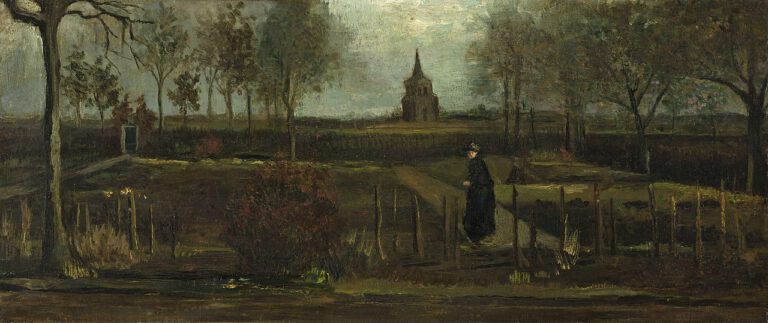
On March 30 2020, Vincent van Gogh’s The Parsonage Garden at Nuenen in Spring was stolen from the Singer Laren Museum. Arriving on a motorbike in the early hours of the morning, the thief used a sledgehammer to break through the museum’s reinforced glass front door.

Although the museum was closed at the time to support pandemic efforts, the alarm went off at 3AM CEST and triggered a raid. In spite of the quick response by police, the suspect ran out of the building with the painting tucked under his arm.

Suspect arrested

While COVID restrictions may be easing up with the approach of spring, the vigilance of the Dutch police certainly is not. An unnamed 58-year old man was arrested in his home town of Baarn on Tuesday. The stolen masterpieces, however, remain lost.

Photos distributed in mafia circles

Arthur Brand, fondly referred to as “the Indiana Jones of the art world” with his ability to uncover lost paintings, attained a photograph of Van Gogh’s stolen painting posed next to a New York Times article published on the day of the theft. With Brand’s help, police now know this photograph has been distributed in mafia circles.

These verified “proof of life” pictures (taken of the painting in an undisclosed location) show a new scratch on the painting’s bottom. Police believe this damage befell the work during the thief’s escape from the museum. In these photographs, the back of the artwork can be seen; adding Brand’s verification of authenticity.

A valued loan

As if the theft of the coveted Van Gogh isn’t distressing enough, adding to the strain of the situation is that the painting was on loan from the Groninger Museum and was the only piece by Van Gogh in this museum’s collection.

The Parsonage Garden at Nuenen in Spring is of the site of a vicarage garden and was produced by Van Gogh between 1883 and 1884. What’s worse is that this oil painting was seized on Van Gogh’s 167th birthday. Talk about a coincidence…

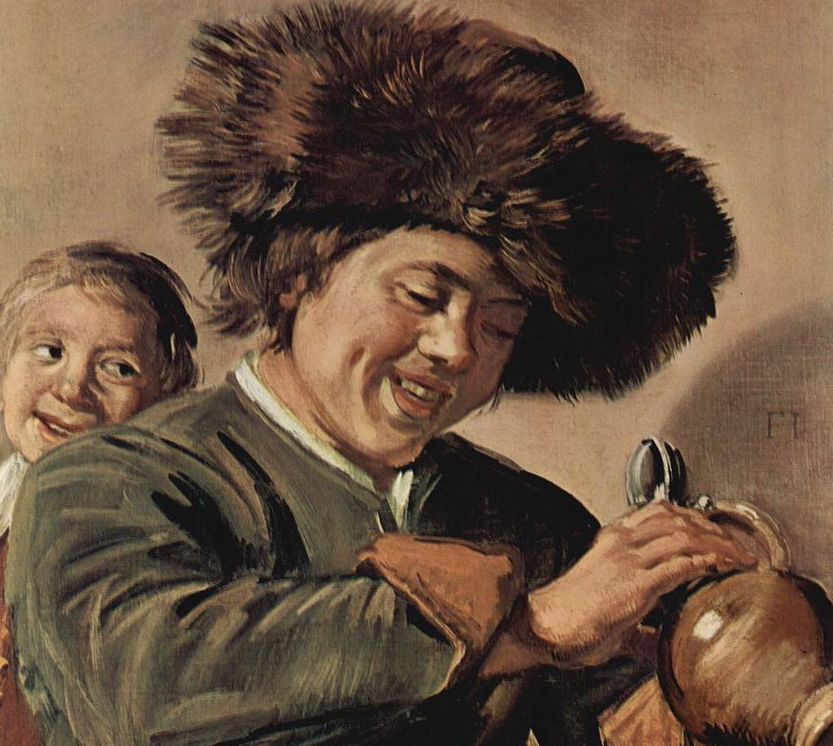
Painting-of-two-boys-laughing-by-Frans-Hals
This marks the third time this painting was stolen. Image: DIRECTMEDIA/Wikimedia Commons/Public Domain

Unfortunately, this work is not the only Dutch masterpiece suspected to have been stolen by the recently-arrested suspect. The 17th-century Frans Hals’ piece, titled Two Laughing Boys, was abducted in August from the Hofje van Mevrouw van Aerden Museum in Leerdam, just five months after Van Gogh’s The Parsonage Garden at Nuenen in Spring was taken.

Despite the arrest of the suspect, police report that neither paintings have resurfaced. Both have been added to Interpol’s international list of stolen artworks.

Van Gogh, the mafia, and a real life Indiana Jones? What are your thoughts on this story? Tell us in the comments below!

Feature Image: Groninger Museum/Press Release.