The RIVM has released its weekly coronavirus figures for the period of April 7 to April 13. The number of infections has risen compared to the previous week.
Over the past week, the RIVM reported 51,240 new infections in the Netherlands. This is an increase compared to the previous week’s number of 48,186 new infections. The percentage of positive tests went up 9.6% compared to 8.9%% last week.
Deaths
The number of patients who have died from COVID-19-related complications has gone up. This week 174 people passed away, compared to 142 people the previous week.
Hospitalisations
Hospitalisations have decreased slightlywhile the number of admissions to the ICU has increased slightly. The past week saw 1,700 new admissions to the nursing ward and 386 new patients in the ICU. The week before, there were 1,724 and 381 respectively.
Despite this fluctuation in policy, Health Minister De Jonge has said that the benefits of the vaccine outweigh the risks. The European Medicines Agency (EMA) has issued the same message. Currently, the risk of having any side effects from the vaccine and dying from coronavirus is similar amongst young women in the Netherlands — this is lower than the risk of thrombosis from hormonal birth control.
Terraces and shops stay closed
Despite last week suggesting that there was a plan to open terraces and shops as of April 21, the cabinet has since said that this will not be possible. After hospitals said that they were baffled by these plans, the Dutch cabinet has decided that figures don’t currently support this move.
The cabinet is postponing these plans until April 28, providing the R rate is low enough to permit the easing of measures. Mayors of four major cities in the Netherlands have made an urgent appeal to the government to open terraces saying enforcing current measures is becoming impossible.
After school care to open next week
After school care will be fully open again from Monday, April 19, onwards. The decision was made by the cabinet this morning, according to insider sources in The Hague. To ensure the safety of children and teachers, the same rules will apply for after school care as for primary schools which had already opened two months ago.
Children will not be required to distance themselves from each other, but teachers will have to distance themselves from children. If anyone tests positive for coronavirus, the whole class will have to quarantine.
Planned attack on vaccination centre
Last week, Dutch police arrested a man in connection with a planned bombing of a coronavirus vaccination site. The 37-year-old man allegedly wanted to plant the bomb at the former city hall of Den Helder where vaccinations are currently being administered. The police have regarded this as an act of terrorism.
Follow DutchReview on Facebook for the latest news about the upcoming coronavirus measures.
After school care will be fully open again from Monday, April 19, onwards. The decision was made by the cabinet this morning, according to insider sources in The Hague.
To ensure the safety of children and teachers, the same rules will apply for after school care as for primary schools which had already opened two months ago.
Children don’t have to keep a 1.5-metre distance from each other, however, the teachers do need to keep distance from the children. Yet if anyone gets infected, the entire class has to be quarantined, reports RTL Nieuws.
Until recently, after school care was only available to children in difficult home situations and children of key workers.
No further relaxations
Despite initial hopes to open terraces as of April 21, no new relaxations will be announced at tonight’s press conference.
The Prime Minister, Mark Rutte, and the Health Minister, Hugo de Jonge, will introduce a step-by-step plan to what they hope to be a coronavirus-measures-free summer.
Are you happy to hear this news? Let us know in the comments below!
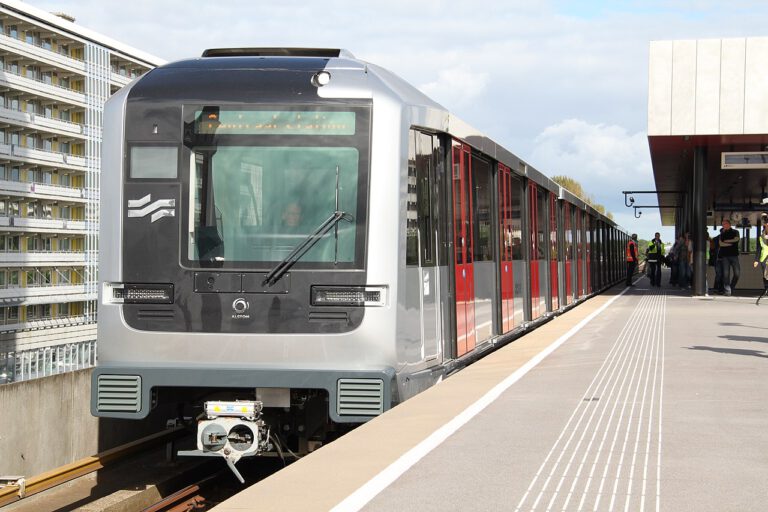
Looking forward to jetting across the world? You’re not the only one. Imagine getting from the outskirts of Amsterdam to Schiphol airport in one fell swoop. That’s the plan, with the Dutch cabinet allocating €1.5 billion towards the expansion of the North/South metro line.
Trains are an integral part of a holiday, whether it’s a sleeper to Berlin, or you are on your way to the airport. This new expansion means it will be easier than ever to get from south Amsterdam to Schiphol.
The outgoing minister Bas van ‘t Wout and Wopke Hoekstra (Economic Affairs and Climate, and Finance respectively), announced the allocation of this funding package on Friday. This is one of ten projects receiving a total of €4 billion from the National Growth fund, reports the AD.
Not fully financed
This is half the amount of money needed for this project. However, last year a number of other sources announced they were willing to contribute to the project. Between the Transport Region, the municipality of Amsterdam, the municipality of Haarlemmermeer, the province of North Holland, KLM, NS, and Schiphol, these sources announced they could put another €1 billion towards the project.
This leaves the project needing another €500 million. If it manages to secure this funding, the hope is that travellers can hop on the metro to the airport come 2030.
What do you think of this expansion? Is it a good use of funding? Let us know in the comments!
While having immediate consequences for the younger population, research shows that this decision has also had an effect on older Dutch people. About 40% of over 60’s in the Netherlands (who still need to be vaccinated) no longer want to be vaccinated using AstraZeneca.
This number is in sharp contrast with the other vaccines. For example, more than 90% of Dutch people over 60 are willing to get vaccinated with Pfizer, finds a survey by I&O Research.
Additionally, almost 60% of Dutchies would like to be able to choose which vaccine they receive. Right now, this decision is made by the government.
Three quarters intend to get vaccinated
“While confidence in AstraZeneca’s vaccine is waning, it does not appear to be the case with vaccinations in general,” says Milan Driessen from I&O Research.
Three quarters of Dutch people who haven’t been vaccinated yet indicate that they are definitely (55%) or probably (20%) going to do so.
Low turnout for vaccinations
However, general practitioners across the Netherlands are concerned about the low turnout for vaccinations, reports RTL Nieuws.
“In my practice, only 30% of the vulnerable group comes to get a vaccine,” says Rotterdam-based GP Matthijs van der Poel, adding that he then has to get rid of the unused vaccines.
The turnout for vaccination, however, varies per region, and sometimes even per neighbourhood. Some areas report a turnout of 90%, while other practices experience only 50% of the patients coming to get vaccinated.
How do you feel about the AstraZeneca vaccine? Will you be receiving it? Tell us in the comments below!
Migrants to the Netherlands are unfairly treated, often being labelled as fraudsters when they make simple mistakes in applications. This leads to many asylum seekers missing out on benefits and even losing their Dutch residency in some cases.
Last week, scientists at Radboud University in Nijmegen published their findings in the Nederlands Juristenblad journal. They determined that the Immigration and Naturalisation Service (IND) adhere to immigration laws too strictly. They drew comparisons between the treatment of migrants and the recent child benefit scandal, in which thousands of parents in the Netherlands were accused of making fraudulent childcare benefit claims.
No accounting for humanity
According to the researchers, the IND often label migrants as fraudsters when they submit incorrect or incomplete paperwork for their residence permit. Without legal status as a resident, it’s more difficult to work and obtain benefits for healthcare and rent. This has knock-on effects not only for those applying for residency but also the ones around them.
The Ombudsman for Children (an impartial complaints handler) already raised concerns over this issue, reports the NOS. She expressed her concern over potentially thousands of Dutch children being put in danger of poverty due to having a parent without a legal resident status.
How can we learn from this?
The chairman of the administrative law department said he wanted to learn from the failings of the child benefit affair. He also announced a review of previous rulings saying “we want to see whether there are disproportionate consequences for citizens in other areas, even if the law requires the judge to take strict action.”
What are your experiences with immigration processes in the Netherlands? Let us know in the comments.
If this doesn’t sum up the past couple of days, then we don’t know what does. While the morning has been cold and snowy in some parts of the Netherlands, we can look forward to a few fleeting moments of sunshine this afternoon.
However, the temperatures are not expected to go above seven degrees, according to Buienradar.
Things should get better over the course of the next few days, and tomorrow, we may be able to enjoy plenty of sunshine. In the north and the east of the country, a few snow showers are still expected though.
From Thursday onwards, temperatures are expected to slowly start creeping back up. The alteration between sun and clouds will continue, but at least it’s supposed to stay dry, reports Weer.nl.
Spoilt for sunshine?
While such a cold April may seem highly unusual to most of us, it’s only the 24th coldest April since 1901, says Weer.nl.
April is the month that has increasingly warmer in the Netherlands in recent decades, so maybe that’s why these temperature changes are so noticeable for us.
Are you hoping to see some more sunshine at the end of the month? Tell us in the comments below!
Yesterday, a cabinet spokesperson announced this news. It was thought that they may be room for terraces to open and curfew to be dropped next week, but the cabinet now believes it’s too soon to ease up on measures. The Netherlands has not yet had its peak of the third wave of coronavirus infections.
This decision came after the Dutch Association of Hospitals said that it was confused by the cabinet’s plan to relax measures. The Dutch cabinet has said it will consider relaxing measures after April 28 if the R rate has dropped significantly, reports the NOS.
A summer with few coronavirus restrictions
The cabinet says it’s looking to relax most measures to have a summer without strict coronavirus restrictions in the Netherlands. Part of this step-by-step plan includes opening up education more, including universities and after school care. Relaxing measures for shops has also been discussed.
Dutch mayors call for terraces to be opened
Mayors of four major cities in the Netherlands have made “an urgent appeal” for terraces to be opened. In a joint statement, the mayors of Amsterdam, Rotterdam, Utrecht, and The Hague have said that current measures are becoming impossible to enforce.
They went on to say that “in densely populated areas, residents desperately need the outdoor spaces and appropriate them when the weather improves,” according to RTL Nieuws. Amsterdam mayor, Femke Halsema, has said that “the health crisis is serious, but we cannot force the lockdown with repression.”
The Dutch National Institute for Public Health (RIVM) warns about phishing emails confirming vaccination applications that have been going around in the Netherlands.
Residents in the Netherlands have been receiving an email which states that their application for vaccination is being processed by Medicorps. This email also claims that a “payment has been received.”
Coronavirus vaccinations are free
The RIVM has made it clear that it doesn’t cooperate with Medicorps for the vaccination program and emphasizes on its website and on social media that this message is a scam. Receiving the coronavirus vaccine is free for everyone.
Er is momenteel een #nep e-mailbericht in omloop waarin mensen namens het RIVM worden uitgenodigd voor een #vaccinatie tegen betaling. Dit is géén officieel bericht van het #RIVM. De #coronavaccinatie is voor iedereen gratis.#fakenews
The RIVM strongly advises the recipients of this email not to click on any links, not to call the listed phone number, and to delete this email. Those who received the phishing email can also report it via the Fraudehelpdesk website.
Am I being scammed?
The important thing to know is that the RIVM only sends out invitations via a letter that contains your personal data. If you’ve received something resembling an invitation via email, then you know it’s fake.
Healthcare workers receive their invitations from the employer. Additionally, people who are being vaccinated by their GP will receive an invitation from them.
Have you received one of these phishing emails? How do you feel about the situation? Let us know in the comments below!
Tired of all the tourists in Amsterdam? Crying when you’re seeing the housing prices in Utrecht? And really into moving to the Netherlands but not so much into the soberness of the north? In that case, moving to Tilburg might just be the thing to consider!
There’s a Netherlands ‘under the rivers’ that hasn’t got all of those issues but sure has tons of other stuff going for it. So sit down, buckle up with a little blokje kaas and read up on why the fair north-Brabant city of Tilburg might be just your next hometown in the Netherlands.
Tilburg has a lovely and surprising city centre
Did you know that Tilburg is the sixth city of the Netherlands? Probably not right? But you will see it right away when you’re visiting Tilburg (that might be a good idea to start with right now).
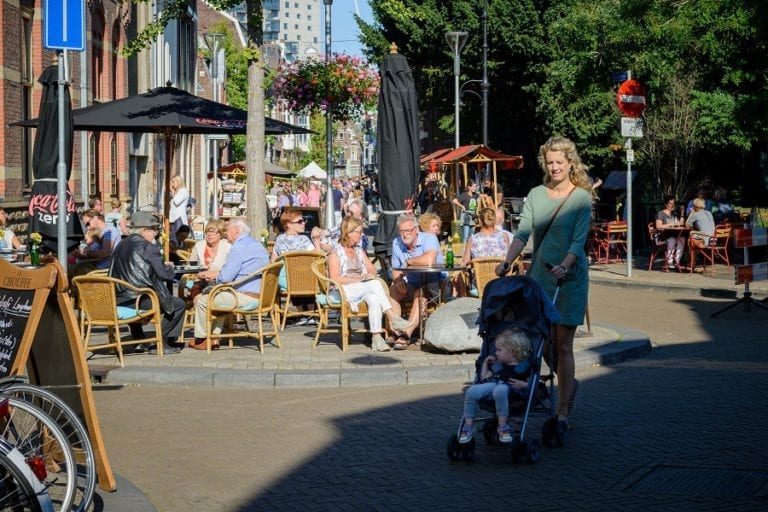
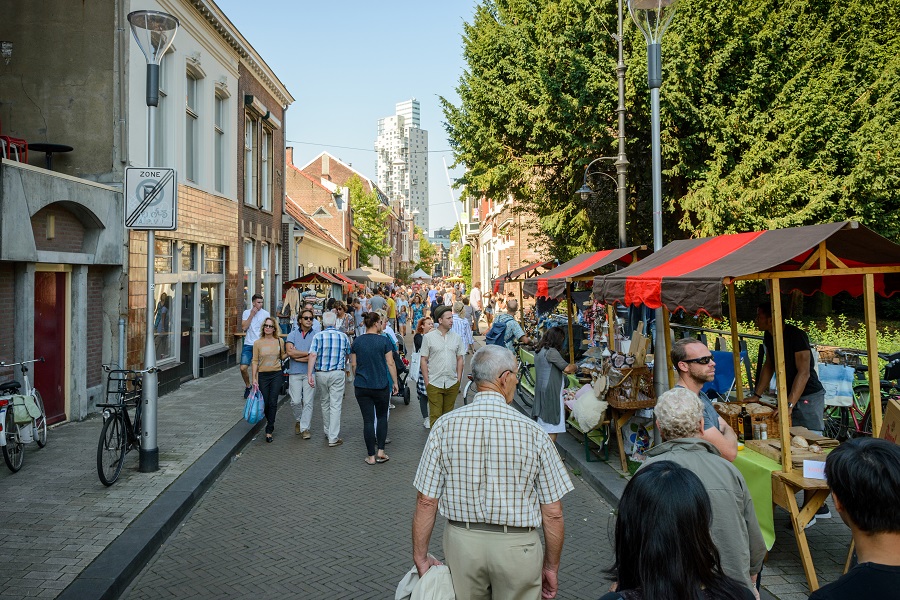
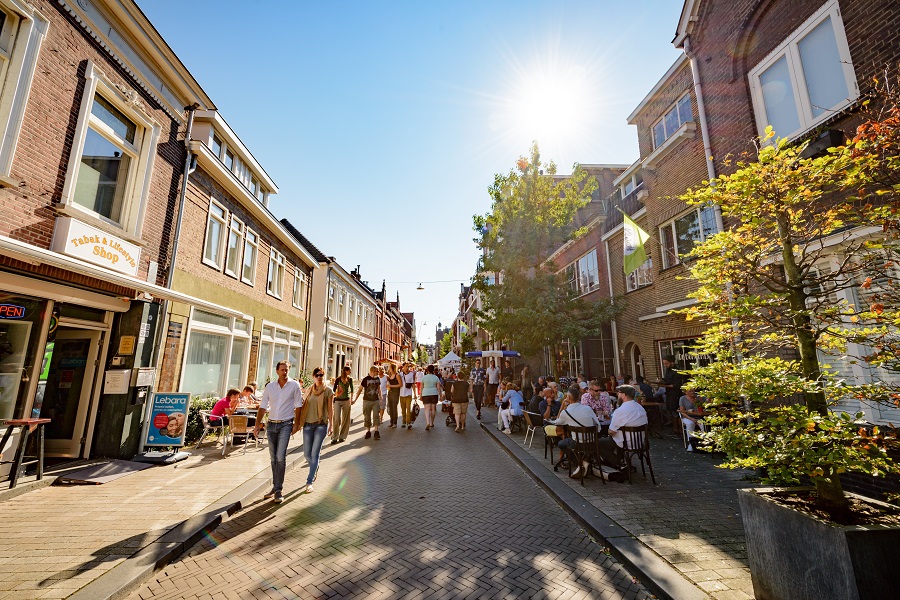
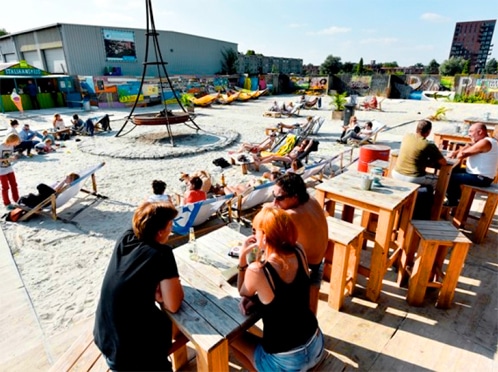
Tilburg has everything that makes a Dutch city delicious. Picturesque street scenes, some nice urban industrial areas, creative shops and trendy and tasty restaurants — I can go on, but pictures can tell a better story in this case:
Image: Freddie de RoeckImage: Ticket to TilburgImage: Ticket to Tilburg
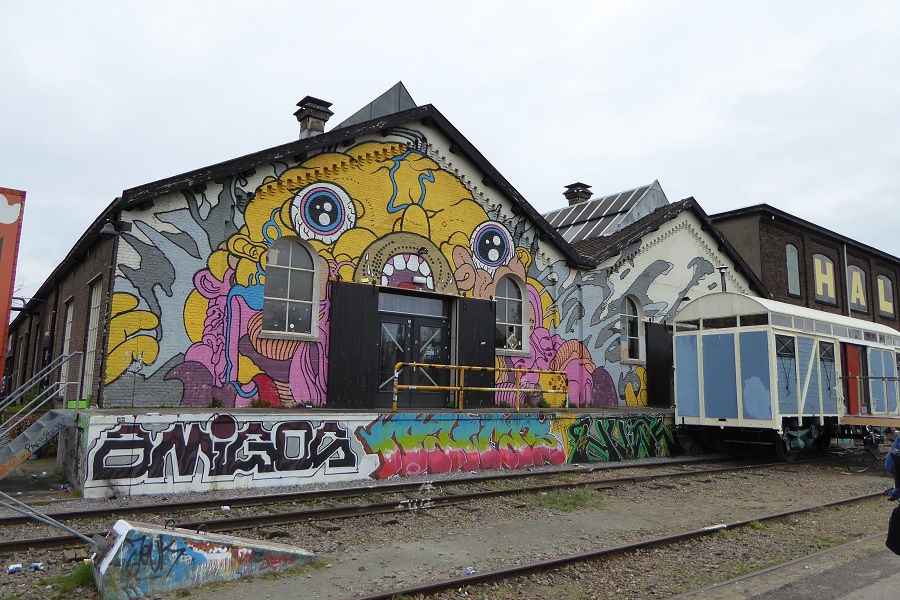
Feel more like dancing? Can’t go wrong with the Piusplein and De Korte Heuvel. Want to get off the beaten path? Check out the Piushaven and the Spoorzone for a more original experience.
Lots of hidden gems to discover in the Spoorzone. Image: Ticket to TilburgChilling in the Piushaven. Image: Ticket to Tilburg
As you’ll see there’s plenty to discover in Tilburg!
There are tons of events in Tilburg throughout the year
If you don’t feel like moving to a Dutch town where nothing happens besides Koningsdag then you don’t need to worry when you’re considering moving to Tilburg. With over 700 (!!) events per year, Tilburg is the event city of the Netherlands.
And there’s something there for everybody with De Mei Markt (the biggest night market of the Netherlands), Woo Hah Festival (a personal fave of mine), Roadburn Festival, Tilburgse Ten Miles, and the EK Cross.
Did I forget one? Oh yeah, there’s, of course, the famous fair of Tilburg which is the biggest one in the Netherlands! Some of these have still been possible in a changed format during corona, like the annual fair.
Let op! Such is life, coronavirus has impacted many of these events. Check in with Ticket to Tilburg to see what’s on!
Image: Ticket to Tilburg
Studying in Tilburg
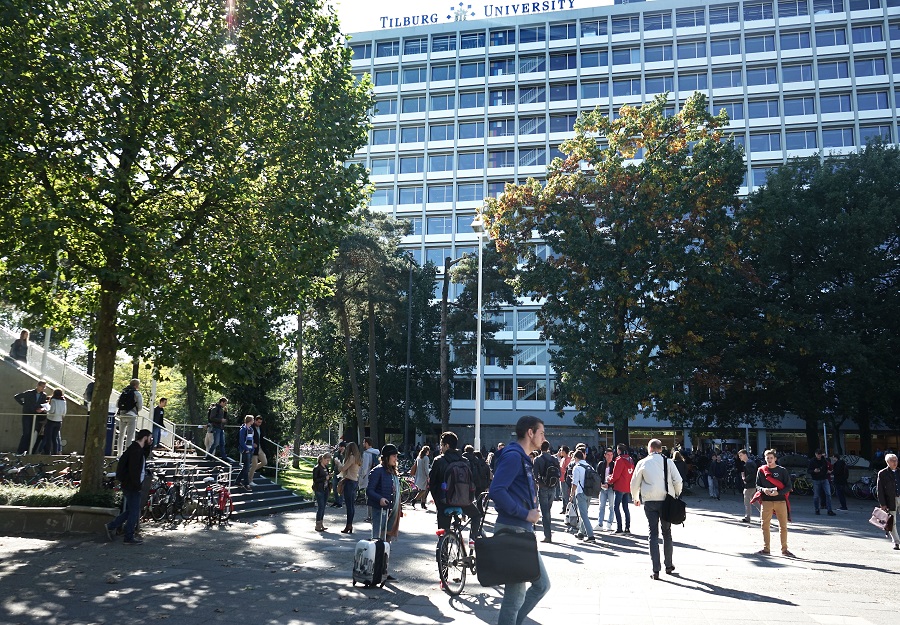
If you came to this article already contemplating a potential move to Tilburg chances are that you’re thinking about studying in the city. And let me tell you there’s absolutely no reason not to move to Tilburg for study; there are tons of specializations to follow and Tilburg University belongs to the top 0.2% of the world!
If you’re not moving to Tilburg for studying then it’s still an advantage. All the students enrich the cultural scene and nightlife and make for a vibrant and buzzing Dutch city.
Image: Ticket to Tilburg
Tilburg is a great hub for creative entrepreneurs
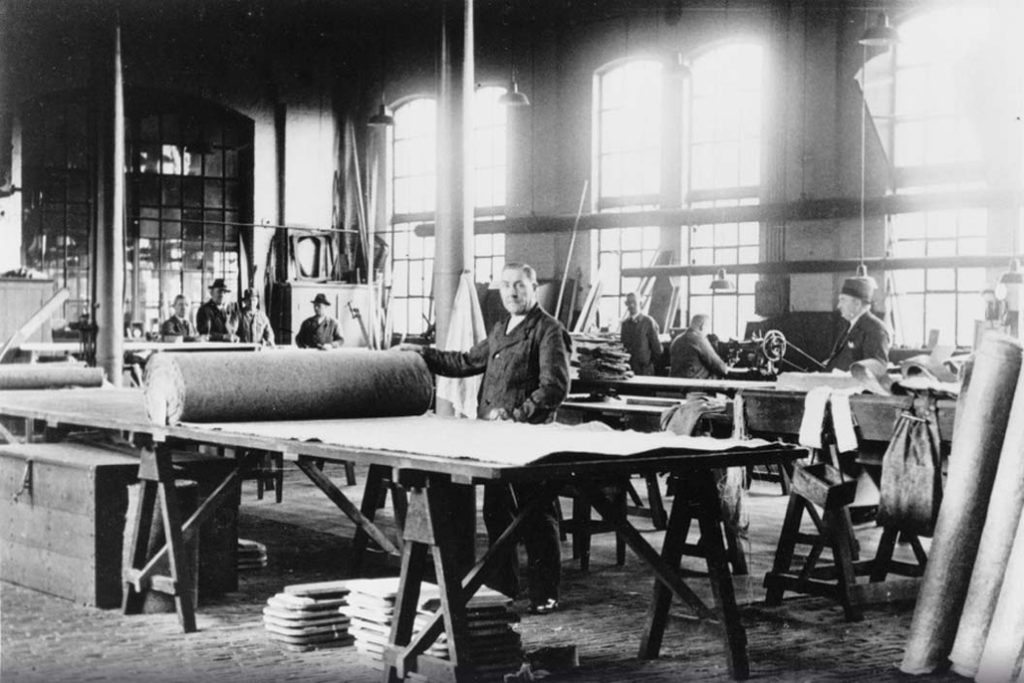
That student scene, the city not being in the ever-crowded Randstad, and a can-do attitude make Tilburg a prominent place in the Netherlands for doing business. The spirit is further reinforced by international companies such as Fuji and Tesla being present. Heck! Their motto is ‘Make it in Tilburg!’ It also shows in daily life since there are plenty of buzzing places (in a good way, not in a 19th-century factory way).
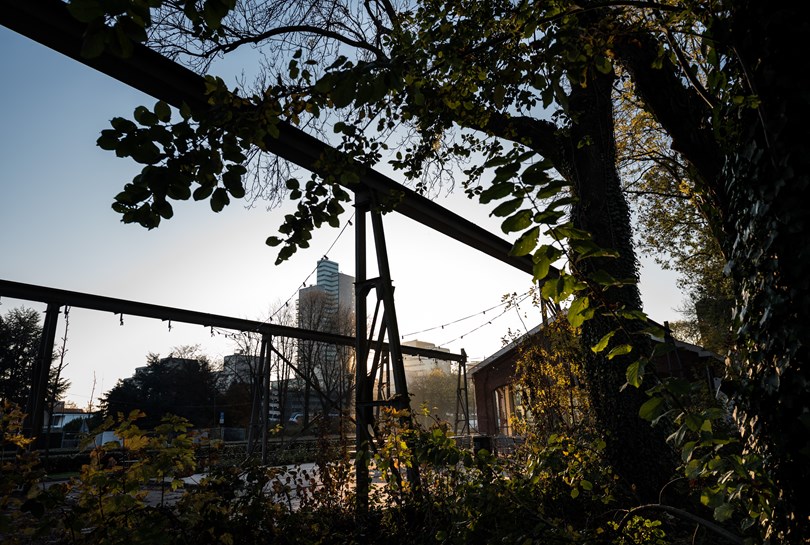
Although that entrepreneurial spirit came out of somewhere. (Station88). Image: Ticket to TilburgPresent-day (Station88). Image: Ticket to Tilburg
So if you’re doing anything creative or want to set up business in the Netherlands then Tilburg has your back, they’ve got a super handy website for all the creative entrepreneurs out there.
Museums in Tilburg you don’t want to miss out on
Every Dutch city has its fair share of museums and Tilburg is no exception! There are three musea* though that warrant some extra attention.
*Oh, the Dutch plural form of museum isn’t museums but musea — hoppa, you just learned a very particular Dutch word.
Natuurmuseum Brabant
Natuurmuseum Brabant is housed in the former villa of cloth manufacturer Guillaume JD Pollet and is dedicated to the landscape and the nature of Brabant. One of the permanent exhibitions, ‘De Reis’, focuses on the life of plants and animals. The other permanent exhibition, ‘Brabant in de Ban van Buiten’, covers the landscape and the nature of Brabant.
In the carriage house is a fifteen feet long skeleton of a whale on display, pretty epic! Image: Ticket to Tilburg
Museum De Pont
Image: Ticket to Tilburg
Museum De Pont is housed in a former woollen mill building and it certainly looks the part. It’s a museum of contemporary art that is named after entrepreneur and lawyer John Pont, whose inheritance provided funds for the promotion of contemporary art.
The museum collection consists of about six hundred works, with big names present such Ai Weiwei, Marlene Dumas, and Anish Kapoor. And yeah, I can hear you thinking, if this was in the capital it would be swarming with tourists but visiting De Pont is a pretty tranquil experience.
The TextielMuseum
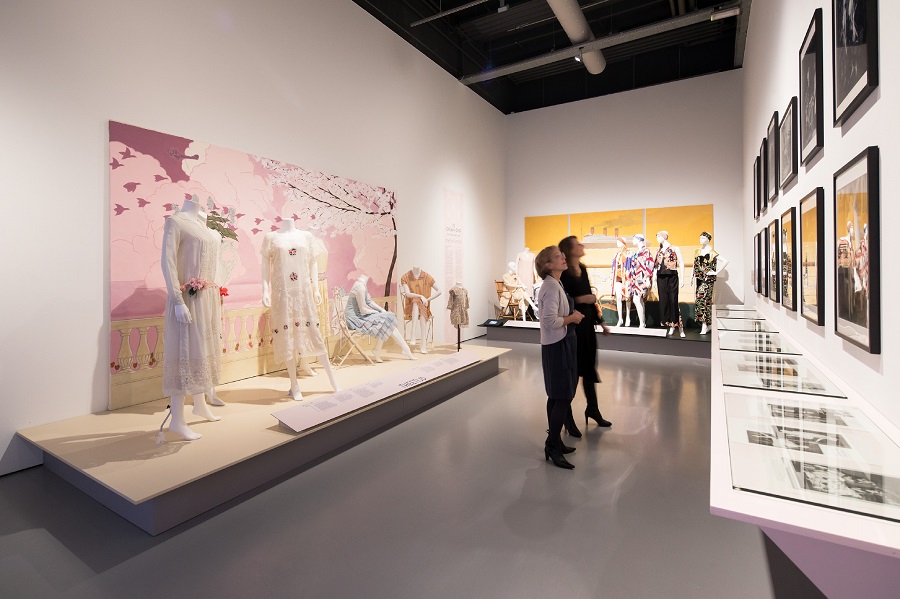
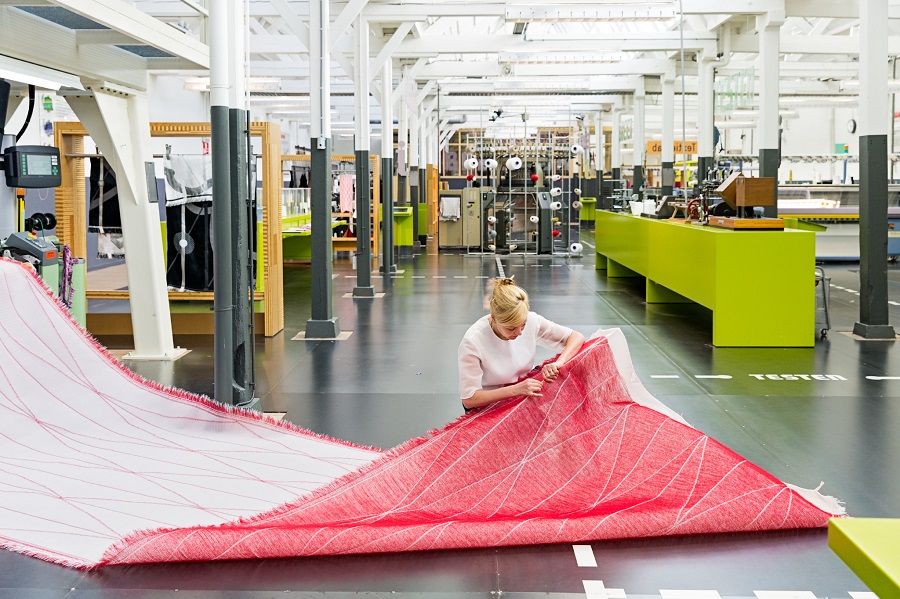
The TextielMuseum is housed in the former textile factory of the firm C. Mommers & Co. organizes exhibitions on art, design and heritage. The museum covers both the present and the past of textile manufacturing (remember ‘Make it in Tilburg’?!) and it also has a vast collection of jewellery. Not to mention the TextielMuseum’s exquisite location and looks:
Image: Ticket to TilburgImage: Ticket to Tilburg
Tilburg is one of the greenest cities of the Netherlands
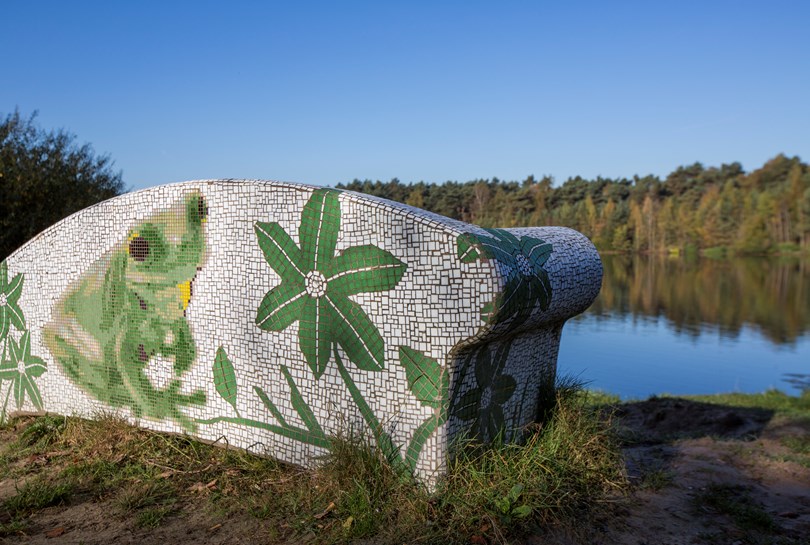
Not only is Tilburg one of the most environmentally friendly cities in the Netherlands, the municipality is also always hard at work to actually putting more shades of green into the street scenes of Tilburg. And no, I’m not talking about painting it green but by setting up more parks, trees, bushes and all that into the city of course.
Image: Ticket to TilburgImage: Ticket to Tilburg
The countryside around Tilburg features some of the best nature that the Netherlands has to offer and is perfect for just getting out there and leaving the hustle and bustle of the city behind you for a moment.
Areas like De Oude Warande, Stadbos013, Moerenburg, and Leijpark are sure to offer you pretty brilliant moments of lush nature, so keep that in mind when you’re considering moving to Tilburg!
Ask anybody from Tilburg itself why you should consider moving to Tilburg and there’s a pretty good chance that with a soft ‘g’ accent they will enthusiastically reply with ‘because of the Brabantse Gezelligheid‘! We’ve already taught you what the heck gezellig means and Brabantse Gezelligheid is taking it to a completely new level.
Brabantse gezelligheid (loosely translated to ‘Brabant’s cosiness’) is beers, worstenbroodjes a.k.a sausage rolls, dancing, good food (better than the rest of the Netherlands they say), the soft ‘g’, more beers, being very hospitable, Guus Meeuwis, long nights, and Carnival!
Well, to really truly understand it you might just have to consider moving to Tilburg!
Have you been to Tilburg already? What did you think of it? Any tips or must-sees? Feel really welcome to share in the comments!
Feature Image: Ticket to Tilburg
Editor’s Note: This article was originally published in January 2018, but was fully updated in April 2021 for your reading pleasure.
In the Netherlands, about a quarter of young people under the age of 24 grow up in a family caring for a family member with a long-term illness, disability, psychological or addiction problem. How do we support these young informal carers?
For a number of years now, there has been growing attention for informal carers. In some countries, their stories are regularly published in the media, and policy measures are taken to support them (including financially).
The image of the informal caregiver that is put forward is that of the adult taking care of an elderly parent or partner. However, the ones that hardly come into the picture are the children and young people who live in a family where a parent or a sibling needs extensive care.
Little is known about how many of these young carers are in the Netherlands. Even less is known about their perspectives, the care activities they take up, or the impact of their situation on their social life or their studies.
We can all empathise with the fact that young children are denied the chance of enjoying their childhoods but the fact remains that many young people are often laden with the burden of being informal carers. And although in many cases they aren’t the primary caregiver, they make an important contribution to the care of a sick family member.
International support
In some western countries, notably the UK, Australia, New Zealand, and Germany, the living conditions of young carers, their wants and needs, their strengths and difficulties have already been investigated.
Therefore, certain (governmental) bodies have been set up to support them, and there is even legislation that gives them the right to, among other things, financial support.
Recognition of young informal carers in the Netherlands
While the approach in the Netherlands may not be in such stark contrast with the fact that they get support in western countries, the truth is that there aren’t real conversations in our communities about informal carers. They receive little attention in the press, politicians, and policymakers often never talk about them during election debates and campaigns, their voices aren’t being amplified, and little is known about their experiences, wants, and needs.
It’s basically like they aren’t a part of society and don’t deserve to be considered. As if their stories don’t deserve our attention.
But before we talk about the fact that there is little attention for young informal carers in the Netherlands, let’s first explain what the term “informal carer” means.
What is an informal carer?
It’s first important to consider the definition of this concept and to what extent the situations of a young informal carer would differ from case to case. All young people take on a number of caregiving tasks within the family to a greater or lesser extent.
It’s normal for family members to care for each other. Children are an integral part of a caring family dynamic, often not only being the recipients of care.
Providing care is therefore not exceptional in itself. Why then should we call certain care “informal care” and those who provide this care “young informal carers”? To what extent are they “exceptional”?
Tasks usually undertaken by adults
The situation of young carers differs from that of the “normal” experiences of children in the Netherlands because they’re largely confronted with the extraordinary care needs of a family member, with these young people taking on tasks normally meant for adults.
Some children are too young to be caring in the capacity that they do. Image: Taylor Wilcox/Unsplash
For example, while it’s perfectly normal for a 14-year-old to do chores at home and help mum and dad with one or two things, it’s not “normal” for them to be caring full-time for a bedridden mum or dad and doing such things as washing them, cleaning their faeces, or preparing their food every single day.
When any teenager finds themselves doing these more demanding tasks, then they can be classed as a “young informal carer.” However, there is much more to being an informal carer than completing these strenuous tasks.
The situations, experiences, and perceptions of young informal carers differ greatly. There are major differences between the degree of responsibility a young caregiver takes on: whether it’s the number of care hours; the nature of the care tasks; the relationship with the person they are caring for; the nature of the illness or disability; how many other family members there are to help; their financial situation; or the extent of external help. This help can come from caregiving professionals family members, friends, and neighbours.
The experience and perception of the young caregiver are also influenced by their gender, personality, place in the family, and school situation.
Young informal carers in the Netherlands
Finding out exactly how many children in the Netherlands are informal carers can be a daunting task. It’s very difficult to research young caregivers in any country due to the sensitivity of the topic and the invisibility of the group.
Young carers, for example, tend to keep their situation secret. As a result, their experiences often remain within the walls of their homes and thus invisible to anyone outside their families.
Culture also has a part to play in how difficult it is to find facts and figures on young caregivers. For example, in African and Asian cultures children are raised to respect and care for their families.
In a situation where an African or Asian child in the Netherlands is an informal caregiver, they might not think much of it because they see it as their duty to their family. They are also unlikely to talk about it with anyone outside of their family circle.
Among other reasons, some kids often keep it secret is to avoid stigmatisation, the fear that their families will be separated, out of fear of being bullied at school, or because they view it as a purely private matter. In addition, many young people find it hard to identify with the term “young informal carer” even though they take on many caring responsibilities. They often think that there is nothing “abnormal” about the care they provide and that it’s just part of family life.
Many young carers go undetected by Dutch officials
However, the invisibility of young carers is not only a result of how young people deal with this themselves. Young informal carers also appear to be undetected by policy and care provision services in the Netherlands.
Providing care is not immediately associated with children and young people. Policymakers and care delivery services are usually concerned with the primary caregiver (most of the time being another adult), and the care provided by young people is easily seen as just “helping at home.”Being a caregiver takes a lot of time and effort. While some children become very good at hiding it, sometimes teachers can spot any differences in the caregiver’s behaviour. The problem is that even when the signs are there, most schools do nothing.
When teachers discuss their concerns with carers, they often forget that while they may just be teenagers, most of them feel duty-bound to their role. Some of them even enjoy their role as caregiver. Being a young career often ranges from tasks such as administering medicines, doing groceries, and even doing taxes.
However much they want to care for their loved one, this is a heavy burden on a young person. It often causes them to either act out, eventually burning out, or becoming depressed. Most children find it difficult to ask for help, and even when they want to, they don’t know where to start looking for it.
Hindering important development
While not all children in the family may perform (care) tasks (mostly because the oldest kids take on more care responsibilities), the situation can hinder their development. They may not dare to bring friends home and may also have trouble concentrating on their schoolwork and extracurricular activities.
The development of a child requires that they just be kids, play, and have fun. Unfortunately, a young informal carer’s development is hindered by the fact that they never get to have a childhood.
The implications of coronavirus on young informal carers
Moreover, the lockdown has significantly strengthened the isolation of informal carers. The pandemic makes the possibility of getting assistance from care professionals much more difficult.
Coronavirus has also impacted support for young informal carers. Image: Demeter Attila/Pexels
Due to overcrowded ICUs, and the need for healthcare professionals to focus on coronavirus patients, more young people have become informal carers. A situation has been created where many children who weren’t going to school due to the lockdown spend more time as informal caregivers than as students.
What help is there for young informal carers in the Netherlands?
While they may not be talked about enough, the good thing about the Netherlands is that there is some help for young informal carers. One website with a lot of helpful information is the Dutch Mantelzorg website.
Taking care of a family member, in combination with their education, friends, and hobbies is tough, especially in a pandemic. Below are a few things to do if you’re a young informal carer:
Talk about your situation with someone you trust. You may find that with sharing comes a little bit of relief.
Talk to your teachers, study coaches, counsellors, or (work) managers about your home situation. By letting them know you have someone at home who relies on you helps to build a network of understanding people around you.
Take a break when possible, let other members of the family handle some of the caregiving for a while. It’s not selfish of you to take a break for a while. The break might even be what you need to keep going.
If you would like to talk to someone Neighborhood Mantelzorg is the perfect place to find telephone numbers of organisations for informal care support in your area. Feel free to call or send an e-mail to these organisations. They are there to help you.
You can contact the Mantelzorglijn for information, advice or just to tell your story: 030 – 760 60 55. Also, send an email to mantelzorglijn@mantelzorg.nl.
You can also share your experiences with other young informal carers via their Facebook page.
If you have questions, please don’t hesitate to reach out. There is always someone to talk to. You are not alone.
Some helpful websites for young informal carers in the Netherlands
Kankerspoken.nl — for and about children who have a parent with cancer.
Inloophuisscarabee.nl — a walk-in centre in Leiden where people can meet each other who come into contact with cancer.
Kopstoring.nl — for young people with a parent with psychological or addiction problems.
Vitalismaatjes.nl — a volunteer organisation that matches children between the ages of 5 and 18 with an adult volunteer.
TV series Bikkels — TV series by the VPRO about young informal carers.
Ikzorgvoor.com — a platform for young carers for the municipalities of Leiden, Leiderdorp, Zoeterwoude and Oegstgeest.
What can be done to improve the lives of young informal carers in the Netherlands?
The truth is that drawing up policy recommendations for such a diverse group of children and young people in such different contexts is not easy. There aren’t any black and white answers that are appropriate for all young carers.
Start the conversation
However, central to every policy is by starting with listening to and talking to those affected. We first need to recognise that many children and young people are also informal carers and the burdens they take on.
There should also be an understanding that some young informal carers may refuse to accept help and support. This requires patience and extremely open and honest conversations. It’s important to first build trust and understanding before help and support can be offered. After all, their trust in others can be extremely fragile.
Recognising them
One of the most important ways of helping young informal carers is recognising that they exist, acknowledging them, listening to them, and amplifying their voices.
Children and young people are an important part of our society, they shape it and contribute to it. Young informal carers provide a key example of this, but they’re of course not the only example. By recognizing the active contribution of children and young people to our society, young informal carers may also find the space to share their experiences.
Provide accessible information
Children and young people living in a family where a parent has a serious chronic illness or disability need more information about their circumstances. This information must be accessible, affordable, reliable, and understandable for young people. It’s not enough to just passively present information.
Young informal carers may not want to discuss their issues at home. Image: Sam Bayle/Unsplash
Active contact must be sought with these young people, for example by regularly including references in media aimed at them. Informal care organisations can also expand their target audience to young informal carers.
For example, children from single-parent families, immigrant families, or families in which a parent is struggling with a psychological or addiction problem are often underrepresented.
Provide a safe space to share their experiences
There should also be support for “young carers” in sharing their experiences. Children and young people find it difficult to do this because there is often misunderstanding or little interest in their situation, or they think they are demanding too much attention and are asking to get “special treatment”.
They often have little influence on how others will respond and what the consequences will be on their personal lives. Because of this lack of safe spaces, they keep their stories to themselves.
Change education on young informal cares
There also has to be a flexible attitude from the school management and the teachers in regards to the needs and schoolwork of young informal carers. Education is important for all children and if their studies are put under pressure by the additional stress in the family, the school should be flexible to their individual needs.
For each situation, schools can examine what they may need and how they can offer support to them. During classes, extra attention should also be paid to them. The reality is that not every child in a classroom comes from a happy and healthy home and schools need to take that into account.
Inform chronically ill family members
Parents with a serious chronic illness or disability should receive information about parenting in these circumstances, and about the experiences of young informal carers. It’s important that both parents and children know and understand each other’s perspectives. This can make way for open and honest conversations.
It’s also important not to adopt an accusatory or judgemental tone when addressing the parents of young caregivers. As the young people themselves, stress: being and working together takes precedence over everything.
Assistance for parents and family in the Netherlands
There needs to be adequate assistance for parents of young informal carers. Professional care should not only be aimed at the family members with an illness or disability but at the whole family, including the underaged children.
Professional care providers should be open to questions from children in these families. Care providers should also: inquire about young people’s perception of the family situation; support them where necessary; and involve them in care planning (for example, when a care consultation is being planned between professional care providers and adult informal carers).
Try not to judge
No family is an island. What young informal carers go through in their families affects their lives and communities at large. The way the outside world reacts to the (sick) family members is not always positive. People have prejudices, often stare, and see these families as different which can lead to bullying.
That’s why young carers only share their experiences with a very limited number of people or, often, no one at all. There is so much that we as a community, our politicians and policymakers, can do to help young informal carers.
More needs to be done for young informal carers in the Netherlands
There are so many children in our communities who are informal caregivers, many of whom have no one to turn to. More needs to be done to help them. We need to listen to their stories and so we can better understand their experiences.
This is the only way we can begin to help them. We might not be able to stop children from becoming informal carers but we might be able to make life easier for them. The hope is we can build a more helpful and understanding community that seeks to compensate them (a little) for the childhood that was taken from them.
Are you a young informal carer or do you know anyone who is around you? Let us know your thoughts and experiences in the comments below!