Mark Rutte and Hugo de Jonge went on the podium once again last Friday to talk about the future of coronavirus measures in the Netherlands.
But with a mere 2.6 million viewers, it was the least-watched press conference ever. However, it was also the press conference we’ve all been waiting for — the one where they announce the end of restrictions!
Soin case you missed it, here’s the lowdown of Friday’s presser.
From August 30: higher education opens without social distancing
Earlier in the summer, Dutch universities insisted they should receive first priority next time the government decided to ease restrictions in the Netherlands — and to the great relief of students and staff, they listened.
Already before the press conference, news that higher education would reopen with physical classes after the summer was well-known outside the Parliament.
But here are the details: from August 30, Dutch universities and HBO education can open their doors to full on-campus teaching without the one and a half metre distance requirement.
After the press conference, it’s clear that letting go of social distancing within these institutions is a first step towards the total abandonment of the one and a half metre rule.
From September 20: no more social distancing in the Netherlands
While all other current measures will stay in place until September 19, the government is hoping for big changes towards the end of September. Namely, they want to end the one and a half metre rule for the rest of society.
The aim to end social distancing on September 20, does not mean the end of restrictions though. Nightclubs will still remain closed and all events with more than 75 participants will continue to require a QR code from the CoronaCheck app.
From November 1: the end of all coronavirus measures in the Netherlands
And that’s it, folks! (or so we hope). The government intends to end all measures on November 1 — yes ALL.
Before we get too excited it’s important to note that the easing and eventual end of coronavirus measures depends completely on the number of infections and hospital admissions in the Netherlands.
Outgoing Health Minister, Hugo de Jonge, also emphasised the importance of vaccinations in reaching the goals set for November 1. At the press conference, he urged all those who wish to get vaccinated to book their jab as soon as possible.
De Jonge also mentioned the possibility that testing for access to events won’t continue to be free in the long term.
Do you think the Netherlands should end restrictions by November 1? Tell us in the comments below!
Today, most people woke up to more than the regular Monday dread as news of the Taliban takeover of Kabul continues dominating papers and social media.
The much earlier than expected fall of Kabul is a tragedy for the Afghan people. Throughout yesterday and today, locals and internationals alike have been trying to leave Afghanistan, reports the NOS. Here’s a breakdown of what’s happening and the Dutch’s role in Afghanistan.
Dutch evacuated by Ukraine
Early this morning, the Ukrainian foreign minister reported that his country had helped evacuate a number of Dutch people from the capital. In addition to Dutch people, Ukrainian planes flew out Ukrainians, Afghans, Croats, and Belarusians.
Ukrainian aircraft stationed in Afghanistan took citizens of Ukraine, the Netherlands, Croatia, Belarus, Afghanistan out of Kabul. They’re safe now. We don’t abandon our people & help others. In case of further requests, will do everything possible to help Ukrainians & foreigners
It’s not known exactly how many Dutch people were evacuated or what their function in Kabul was. They could be embassy staff or employees of aid organisations operating in Afghanistan.
The outgoing Minister of Defense for the Netherlands, Ank Bijleveld, said yesterday that a plane will be sent to pick up the remaining Dutch in Kabul. She also said the Netherlands is taking some other action, but wouldn’t elaborate due to security reasons.
Situatie in Afghanistan is nu heel fragiel en onzeker. We doen er alles aan om tolken, ambassade personeel en gezinnen in veiligheid te brengen. Daarbij zetten we ook militair luchttransport in.
“The situation in Afghanistan is now very fragile and uncertain. We are doing everything we can to bring interpreters, embassy personnel and families to safety. To that end, we are also deploying military air transport.”
The Dutch mission in Afghanistan was “not in vain”
Yesterday, Bijleveld explained that the almost 20-year long Dutch involvement in Afghanistan hasn’t been in vain — despite the recent developments. According to RTL Nieuws, she emphasised that international intervention has shown the Afghan people that “things can be done differently.”
In that sense, the fall of Kabul should not be seen as a return to square one. Although it’s “very sad,” according to Bijleveld, the past 20 years has given Afghanistan a new perspective on life and government. For example, the life expectancy in the country has increased from an average of 40 years to 60 years.
Bijleveld believes that there’s no longer a military solution to the situation in Afghanistan. Rather, the people will have to work for democracy themselves as “you simply cannot give a country democracy.”
Her hope is that Dutch and international involvement has given the Afghan people an image of how things could be and that they’ll take action to “do things differently.”
What was the Dutch mission in Afghanistan?
Like most missions to Afghanistan, the Dutch involvement is a story of unclear goals and complicated actions.
The Netherlands first sent soldiers to Afghanistan in 2002 as part of NATO forces under the International Security Assistance Force (ISAF) to help fight insurgent groups and rebuild the country.
However, the Dutch were most active in Afghanistan between 2006 and 2010 with a mission in the province of Uruzgan. Technically, the mission was about providing stability and security to the region but there was also a lot of fighting. From 2006-2010, the Dutch saw quite a lot of combat and 25 soldiers were killed.
There was talk of extending the mission past 2010 but instead, the Netherlands shifted to an ‘integrated police training mission‘ in 2011. This was not without controversy and the mission was phased out in 2013 — a year earlier than planned.
Follow DutchReview on Facebook for the latest news and updates.
Dutch weather seems to have skipped to the end of the chapter titled ‘Summer.’ From now on, we can expect the forecast to take a page out of autumn’s book.
Yup, that was it. We hope you spent the past few days soaking up the sun because summer weather is about to become as scarce as toilet paper at the start of the pandemic.
Today will see temperatures plummet by up to 9 degrees compared to yesterday with the average temperature expected to reach 18 degrees. As Thomas Vermeulen of Buienradar puts it, things are about to “feel more autumnal” in the Netherlands.
While the sun may make an occasional appearance to remind us of what once was, the vibes will be very much pumpkin spice latte — without the beautiful changing of the leaves.
Strong winds to lead to code yellow in parts
In fact, while the leaves haven’t yet started to turn yellow, Dutch weather will make up for it with a code yellow wind warning in parts of the country.
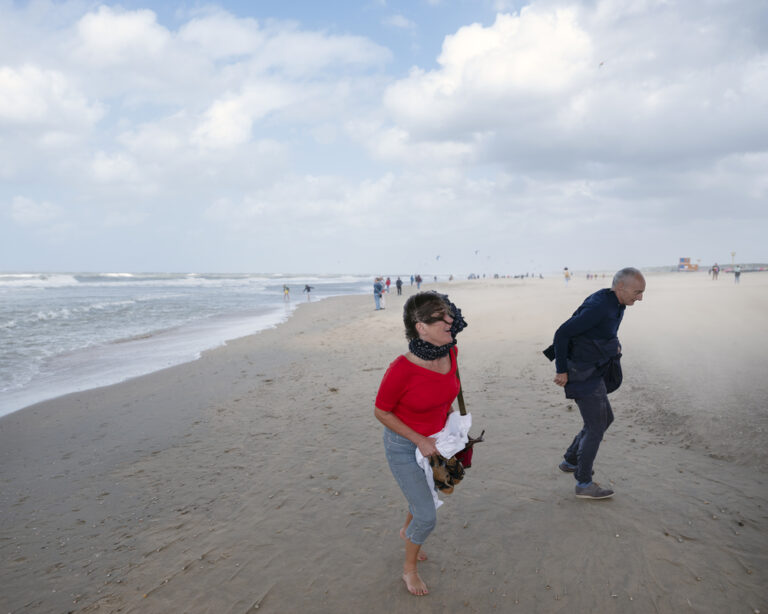
According to the KNMI, winds will pick up significantly this evening with gusts of up to 100 km/per hour expected in the north of the Netherlands.
Anyone holidaying up in the Wadden Islands, Groningen or the coast of Friesland can expect to take the brunt of this weather.
Mixed weather ahead — but nothing too great
As for the rest of the week, we can expect a bit of a mixed bag. While the sun will occasionally reappear, it won’t have balmy temperatures to accompany it. Instead, we can expect periods of sunshine and rain with temperatures lingering between the high teens and low twenties.
Are you ready to get autumnal? Tell us your thoughts on Dutch weather in the comments below.
The annual figures of Fairtrade Netherlands show that Dutch folks are increasingly buying “fair products”. Sales of Fairtrade cocoa products increased by 16% last year. A further 89,5% of Dutch households also bought a Fairtrade product in 2020.
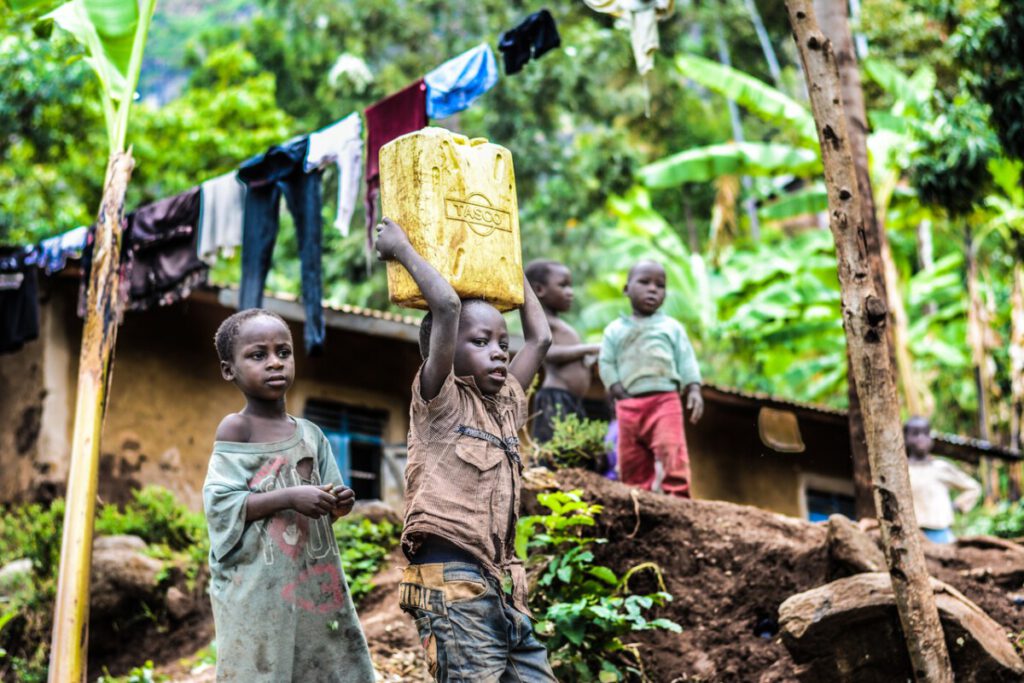
Too many people who make the food we eat are being exploited. They work under dire conditions or earn too little to escape poverty. That is why many people are increasingly opting for Fairtrade products. How does that work? Let us discuss fair trade.
What is fair and (un) fair trade?
Fair trade is often not self-evident. This is due to enormous power differences. The stores where you do your shopping are often large companies that turn over millions. That gives them a lot of power.
Too often, large corporations, such as supermarkets, abuse this power to push down their purchasing prices as much as possible, even below the price of making products. They can afford to do this because most of the products they buy in are made through cheap labour. This, in turn, leads to unfair trade.
Organisations such as Fairtrade ensure that products are traded under conditions that are fair, with respect for people and the environment. Under Fairtrade, for example, workers have the right to form and join trade unions, and forced or child labour is also prohibited.
Additionally, farmers and producers receive fair pay for the work hey put in. Fairtrade also ensures long-term trade relations, so that farmers and producers can invest in themselves, their families, and the communities in which they live. Extra attention is also paid to the environment.
Fairtrade isn’t just a quality mark. It is a worldwide movement of many people who bear in mind the people behind a product when they sell it. And who, when buying products, don’t just think about how to buy it as cheaply as possible.
These are people who also pay attention to the two sides that are involved in the trade: the buyer and the seller. And take that into account. Do those who make/grow the products receive a fair price? Do they have reasonable working conditions? Is the trade chain transparent? Is there respect for the environment?
Unfair trade means that many farmers and workers in developing countries live in poverty. Workers often do not know whether they can feed their families, or pay their children’s school fees and afford healthcare for themselves and their loved ones because they earn that little. The income of farmers can suddenly collapse due to changing prices on the world market. That makes it virtually impossible to support their families and grow their businesses.
Fairtrade hopes to put an end to unfettered and unsustainable capitalism: where companies must learn to respect human rights and understand that making a profit should not be at the expense of human beings and the environment.
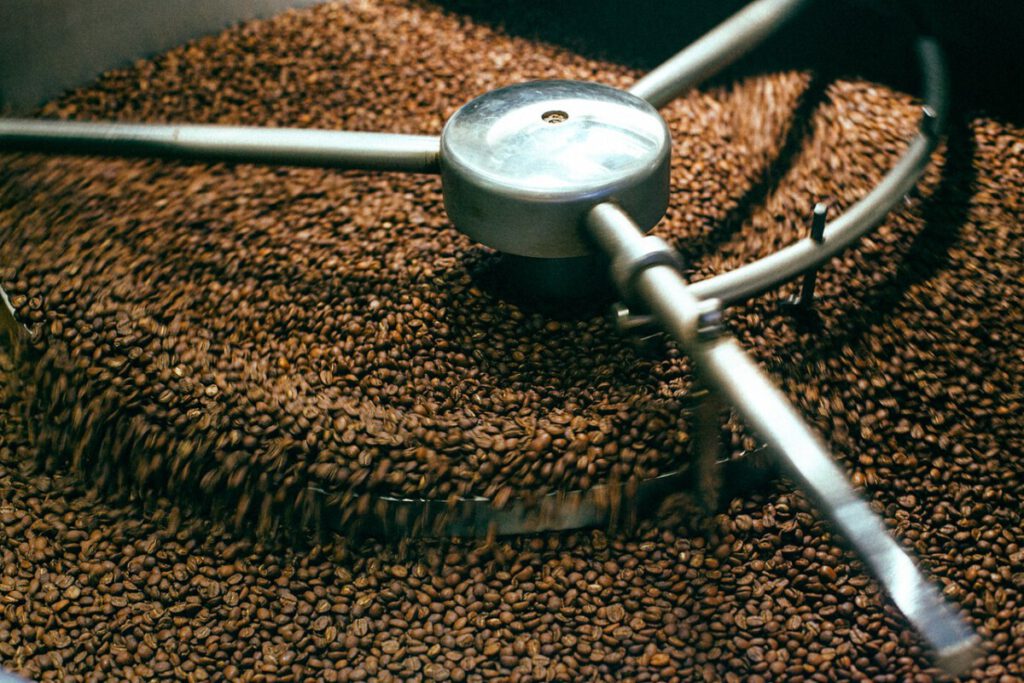
When people buy products with quality marks, they show businesses, especially clothing stores and supermarkets that they care about sustainability. Fairtrade labels for products such as tea, coffee, and fruit or ASC and MSC for fish and shrimps contribute to consumers paying more and more attention to people and the environment behind a product. Most importantly, it ensures that the farmers and workers behind a product earn more money.
What does the Fairtrade logo stand for?
Fairtrade sets the highest standards for production conditions and prices of all quality marks. It must be sustainable for people and nature. They also monitor the production chains. In addition, they inform consumers about the products they buy with the use of a quality mark on the packaging. The Fairtrade label is an international quality mark.
If you see the Fairtrade logo, for example on coffee, chocolate, or fruits, you know that the supplier:
Pays a minimum price, with which the farmer should be able to comfortably pay the costs of the production. The minimum price should prevent the farmer from making a loss if the price of a product (suddenly) falls.
Has paid a premium to the cooperative of which the farmer is a member. The farmers in the cooperative decide together how they spend that money, such as buying machines or building a (village) school. This distinguishes Fairtrade from many other quality marks.
Respects the environment in the production chain.
Note: While all of these requirements can help prevent poverty, also understand that Fairtrade on its own cannot eradicate poverty.
Government policy is also needed. For example, in a country where capitalism is unfettered and there is widespread corruption, lack of quality and free healthcare and education, and other infrastructure and government policies to lift people out of poverty, there isn’t much that Fairtrade can do. But yes, Fairtrade does help in its own small way.
Is there also criticism of quality marks?
Many new quality marks have been added in recent years. Unfortunately, this does not mean that all labels are 100% exploitation-free.
Sometimes, for example, only the farmers in the production chain are considered, but not the workers in the processing industry. In most cases, not all ingredients in a product are certified.
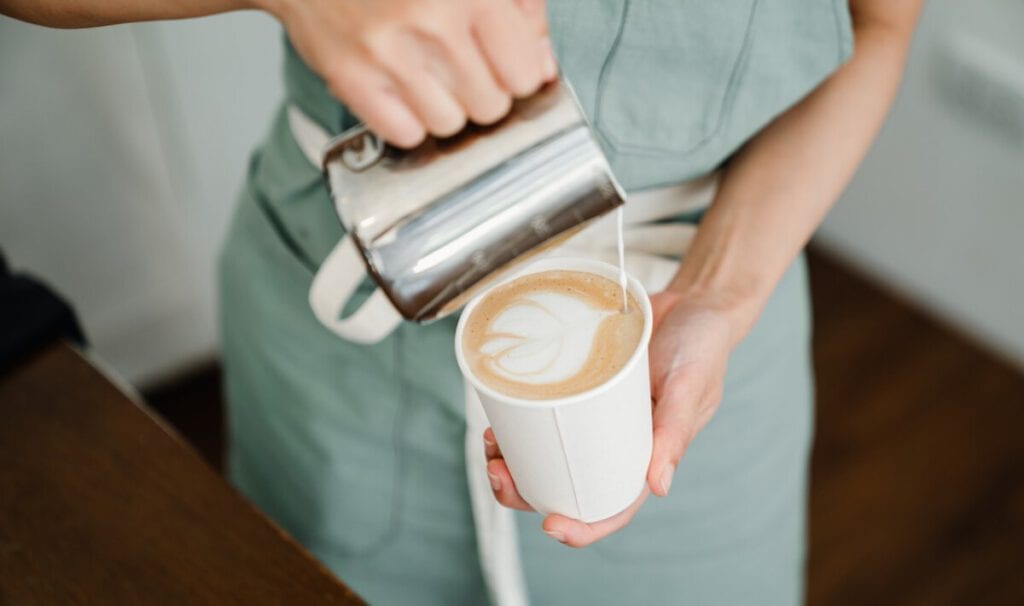
Fairtrade products ensure proper pay for a product. Image: Maria Orlova/Pexels.
Actually, the more parts are needed to make a (final) product, the bigger the chance that the product will not turn out to be fair. And some brands that certify products do not have enough independent checks. In addition, not all quality marks protect farmers and workers to the same degree.
Are “organic” products always fair trade?
“Organic” is not automatically a guarantee of fair trade and fair trade is not automatically organic. If a product states that it’s organic, it means that it meets strict environmental requirements.
For example, it may mean that the product does not have additives, farmers didn’t make use of fertiliser, and that insects and other diseases that kill crops were eliminated with natural means instead of chemicals. “Organic” does not necessarily mean, for example, that a farmer received a minimum guarantee price.
Nowadays in the Netherlands, there are also products that are both Fairtrade and organic certified, such as bananas, tea, and coffee.
How can you take part in the Fairtrade movement in the Netherlands?
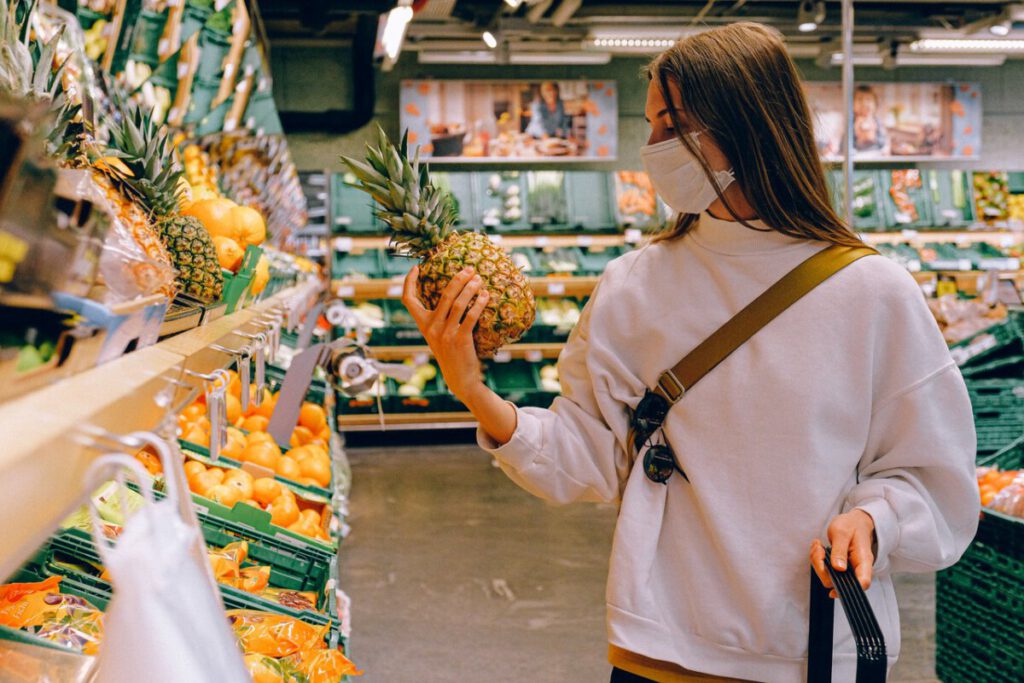
Everyone in the Netherlands can easily buy Fairtrade products in their local grocery stores. You can even take it up a notch and participate in your municipality’s Fairtrade campaign. Most gemeentenin the Netherlands have one. And participation definitely pays off; for you, your local Fairtrade organisation, the small and medium scale businesses that are involved, and especially for farmers and producers in developing countries.
The added value of participating is different for everyone. For some, it means building a larger network and gaining work experience. For others, it could be a means of promotion or being able to proudly show which Fairtrade products they sell or serve. But what they all have in common is that through the campaign they work locally with other companies, shops, residents, and the local government towards more fair trade products.
You participate by selling or using fair trade products yourself and actively promoting the products and businesses. You can also become a member of the core group in your municipality which actively encourages other people and organisations in the municipality to also opt for fair trade.
Fairtrade Gemeenten (Fairtrade in your local Municipality)
Fairtrade Gemeenten or “Fairtrade Municipality” in English, is an honourable title that indicates that in a municipality, shops, catering establishments, companies, organisations, residents, and the local government work together to engage in fair trade.
To earn this title, the local community has to work on six campaign criteria. For example, the criteria stipulate that a local group of volunteers must be active, municipalities must buy their products (such as coffee) sustainably themselves and fair products must be sold in local shops, etc.
By promoting the use of fairtrade products, Dutch municipalities can get involved. Image: Ketut Subiyanto/Pexels
An independent jury then assesses whether municipalities meet these criteria and whether they can be designated as a Fairtrade Municipality. Since 2013, it has also been possible for provinces to obtain the title “Fairtrade Province.”
The campaign aims to increase the demand for, and the supply of, fair trade products. In order to provide more employment and better living and working conditions for farmers and producers in developing countries, more fair trade products must be sold.
This also applies in the Netherlands. The campaign stimulates this by rewarding entrepreneurs, employees, buyers, and consumers with positive attention and publicity for their choice for fair trade.
In 2007, ICCO, the National Association of World Shops and the Max Havelaar Foundation took the initiative to roll out the campaign in the Netherlands as well. In 2009, Goes and Groningen became the first Fairtrade Municipalities in the Netherlands. At the end of 2017, there were approximately 85 Fairtrade municipalities in the Netherlands and more than 2,000 worldwide.
The “Fairtrade Municipality” campaign also exists abroad. In 2001, Garstang, in the UK, became the world’s first Fairtrade Town. And since then, nearly 2,300 municipalities have already followed in their footsteps. For more information, visit Fairtrade Towns.
Fairtrade churches in the Netherlands
One interesting thing about Fairtrade in the Netherlands is that there are also Fairtrade churches in some municipalities. Some churches organise street markets where they sell Fairtrade products as a way of raising funds. Visit Fairtrade Gemeente Gouda for how you can turn your church or religious gathering into a Fairtrade organisation.
A fair trade future for the Netherlands?
If there is one thing the pandemic has shown us, it’s that unfettered and unsustainable capitalism only works for a few rich and privileged people. It destroys lives and is literally poisonous to our environment. This has been the “normal way” for years and it’s time that there’s a new way.
While Fairtrade may not be a new concept, we need it now more than ever. Discounts at our local supermarkets may be nice but most of the discounted products are not fair trade. We may not (yet) know what the “new normal” will be when the pandemic is over, but one thing we can try to do is make sure we buy more fair trade products and take part in the Fairtrade initiatives in our municipalities.
When we buy Fairtrade products, we don’t just support our local fair businesses, we also support fair businesses in other parts of the developing world. If there was ever a time to pay more attention to the businesses we support with our money, it’s now! We can all make a difference, one euro at a time.
Do you buy Fairtrade products and have you ever been to a Fairtrade Municipality or town? Share your thoughts on Fairtrade in the comments below!
In January, it was revealed that the GGD had suffered a data leak. Now, an investigation by RTL Nieuws reports that many victims of the leak weren’t informed — and the breach appears to be larger than initially reported.
Did you receive a coronavirus test or a vaccine through the GGD? Then you will have given over personal information including your date of birth, address, full name, BSN, and telephone number.
This is the information that was leaked during the data breach. Initially, the GGD reported that 1,250 people in their systems had fallen victim to the breach.
Many not informed of the leak
However, criminals are now selling lists with the information of thousands of people online, RTL Nieuws reports.
When journalists obtained a list containing the personal information of 600 people, they decided to call 10 random victims and ask if they were aware that their data was being sold.
And were they? No. The GGD hadn’t contacted them at all. Some had no idea that their information was leaked, one victim asking “Why have I not been informed by the GGD, and why can’t they see that my data has been stolen?”
Others already suspected that their data may have been leaked. One victim said, “But that I haven’t heard anything is really not okay, I expected at least a letter with an apology.”
More victims than initially claimed
Indeed, the list of 600 names was just the beginning of what was offered by criminals online. Based on this, it is expected that there are many victims of data breaches at the GGD.
A spokesperson for the GGD confirmed to RTL Nieuws that the actual number of victims remains unknown, saying “It is not clear when the police will complete the investigation and whether there are any more victims.”
What are your thoughts on the GGD’s handling of the leak? Tell us in the comments below!
Since the Netherlands is likely to be harder hit by rising sea levels, it makes sense that the Dutch are worried about climate change.In a study commissioned by RTL Nieuws, two out of three Dutchies think the cabinet needs to be doing more to combat it.
This research comes out a week after it was revealed that the Dutch government is responsible for 20% of the country’s carbon footprint. It’s not surprising that people think it could be pulling it’s weight a bit more.
It turns out a lot of Dutchies care about the climate. Nearly 80% of those surveyed said they were concerned about climate change. The survey was conducted on a representative group of people aged 15 or older.
Industry also plays a part
More than half of respondents think that the government isn’t doing enough to tackle climate change, and 50% think it hasn’t taken enough action in recent years. But the Dutch government isn’t the only one to blame.
Even though they think the government should lend more of a helping hand, 9 out of 10 surveyed think that large industrial companies need to do more to curb carbon emissions.
There’s still (some) time
On Monday, the UN Intergovernmental Panel on Climate Change (IPCC) released their conclusions. Despite noting that the climate has irreversibly changed thanks to human influence, there is still a chance to save it if we act now.
However, reducing global warming means we have to take immediate action on a global scale. We can stabilise our climate if carbon emissions fall drastically.
What do you think? Does the government need to be doing more to tackle climate change? Let us know in the comments!
The end of online education is finally in sight! Students and lecturers are taking a collective sigh of relief after news broke that restrictions in higher education may end. This is yet to be confirmed in the press conference tonight.
Earlier this summer, Dutch universities made it clear to the government that, in their eyes, higher education should be the number one priority when it came to further relaxation of measures. And it seems the government listened, reports the NOS.
What will the new academic year look like?
When higher education begins in September, students can expect a return to pre-corona teaching (almost).
Over the past year and a half, students could only take one or two classes on campus per week. Now, in-person classes are finally back on the schedule as the new academic year is expected to be fully on campus.
Moreover, students won’t have to adhere to the one-and-a-half metres social distancing requirement. Something Dutch universities have described as disruptive to learning.
It’s not just students who are over the moon about this decision:
Het hoger onderwijs mag na de zomer volledig open. @MvP_VanPraag van de VU: “Ik had echt tranen in mijn ogen. Ook om de anderhalvemeterregel laten varen, dat is heel erg belangrijk voor ons om studenten ruimte te geven voor hun persoonlijke ontwikkeling.” #Op1pic.twitter.com/OlCjW34AAM
“I really had tears in my eyes. Also to let go of the one and a half meter rule, that is very important for us to give students room for their personal development,” says @MvP_VanPraag from the VU.
Some measures remain
Not all restrictions are lifted from higher education in the Netherland though. Likely, the capacity in lecture halls will be limited to 75 students and all facilities should be well ventilated. One-way traffic should be enforced in all buildings as well.
Voluntary testing might also be part of students’ new routine when attending university.
What do you think of the new measures for Dutch higher education? Tell us in the comments below!
Coronavirus might mean we have to wave goodbye to international travel plans — but who said you have to have a dull summer? We scouted out the top spots to enjoy with your family in and around Tilburg — and honestly, with an itinerary like this one, who needs an expensive exotic holiday anyway?
Everybody needs a change of scenery (and a change of pace) from time to time, and the lowlands has plenty to discover for the curious traveller — especially one that’s looking for an ideal family holiday.
You’ve likely been to Amsterdam and Rotterdam, so why not step a little off the beaten track and explore Tilburg and its gorgeous surroundings. We can guarantee you’ll be asking yourself why you’ve never done so before.
Here’s why we think Tilburg is an underrated hidden gem you definitely shouldn’t miss this summer:
1. You can enjoy plenty of lush greenery around Tilburg
Tilburg is the greenest city of North-Brabant and there are plenty of lush green spaces that the city has to offer. And what’s better than going on walks in nature?
Looking for peaceful surroundings to recharge in? Tilburg also has several lovely forest parks within the city such as the Wandelbos and Oude Warande for walks, bike rides and picnics. You’ll all go home feeling fresh and ready to take on the world again.
2. The largest wildlife zoo is just a stone’s throw away
Did you know that the Netherlands has its own safari park? Beekse Bergen is one of the best zoos in the country and it promises a day full of adventure.
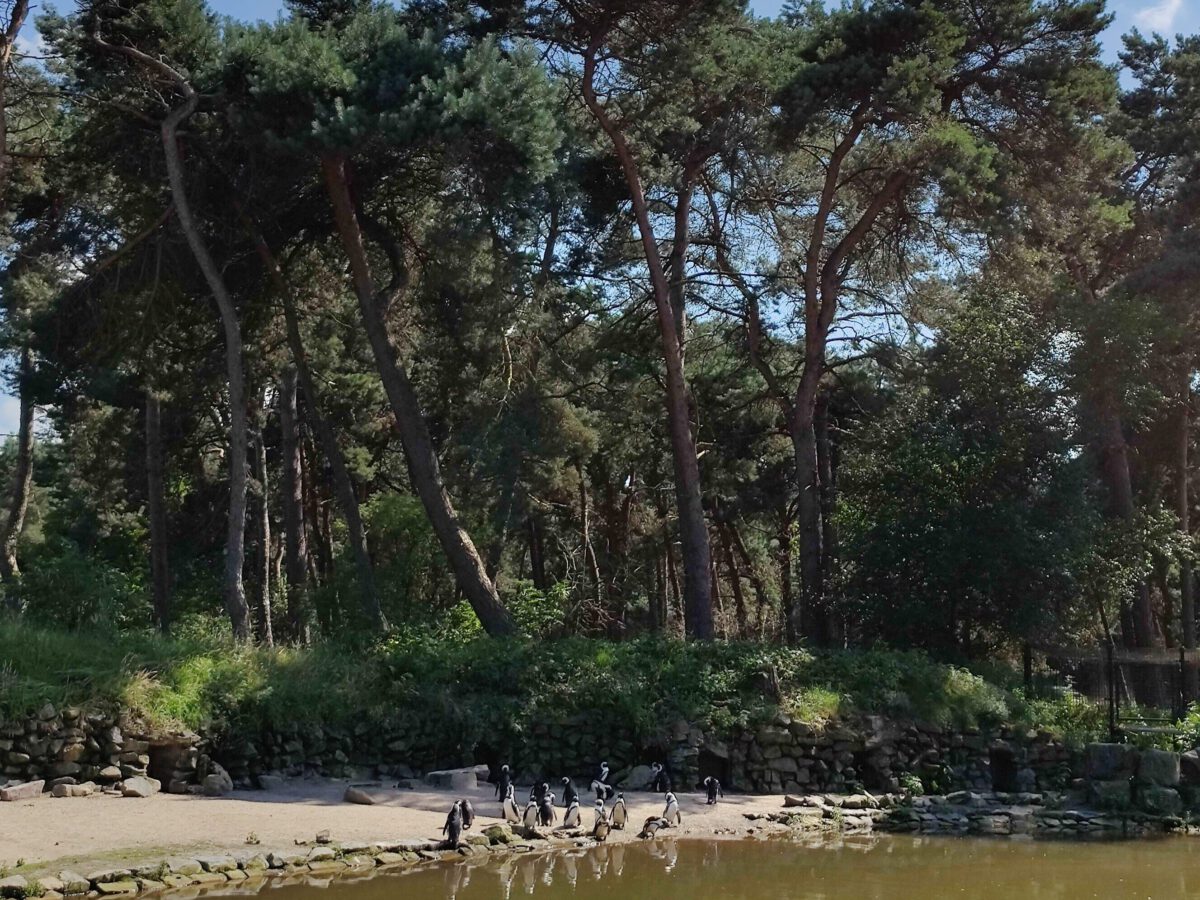
Also, African PENGUINS! Image: Abuzer van Leeuwen/Supplied
On one of those fine days in the Netherlands when the sun and temperature were up and coronavirus numbers were down, we visited this unique park just south of Tilburg. It has been completely revamped in recent years and it shows.
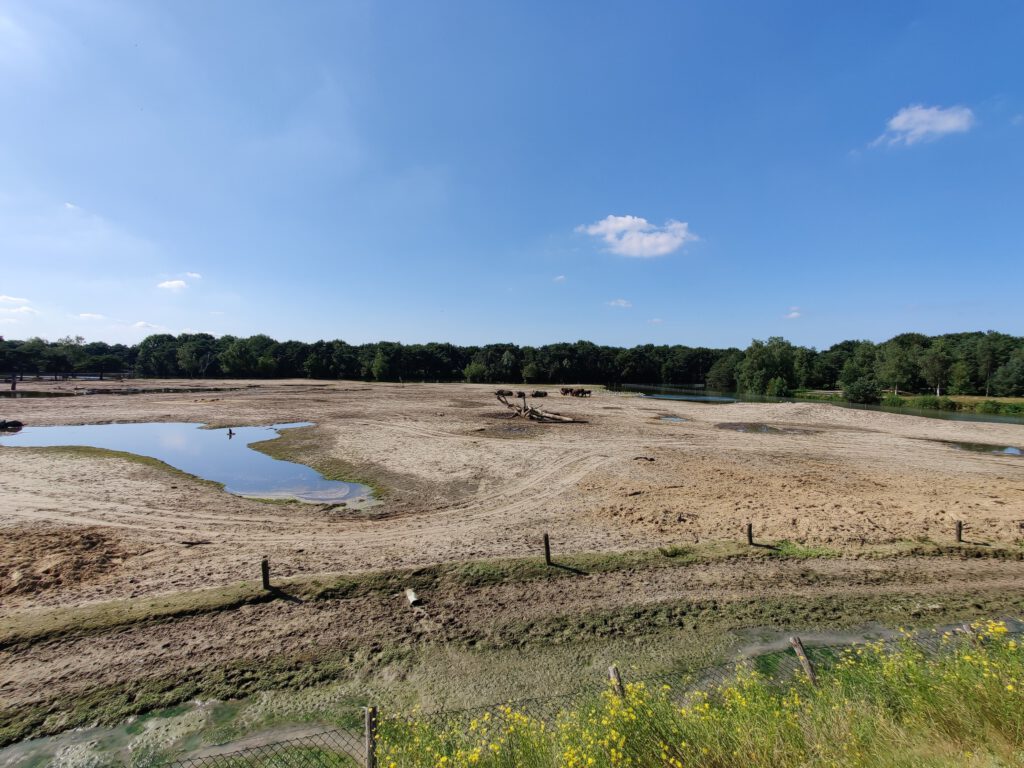
The nature is glorious, and if you’re not gazing at beautiful animals in spacious enclosures then you can enjoy the boho festival vibe that they’ve created through tons of little jungle villages and tents playing music.
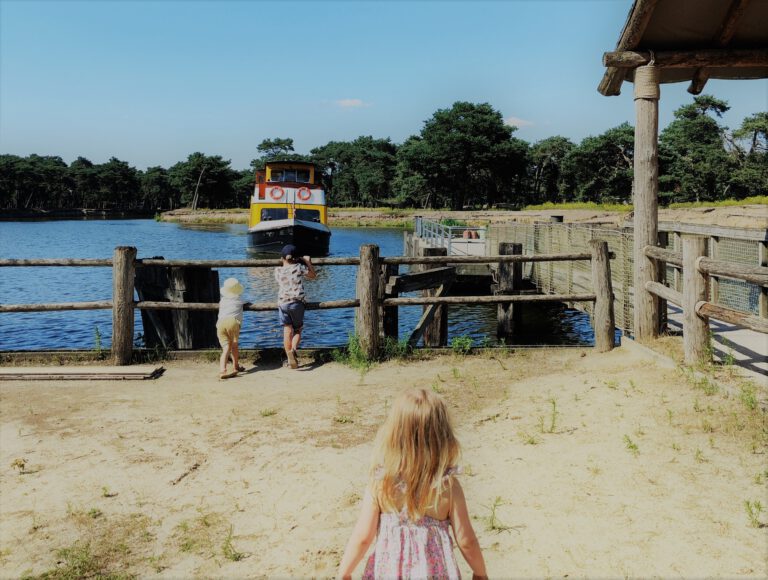
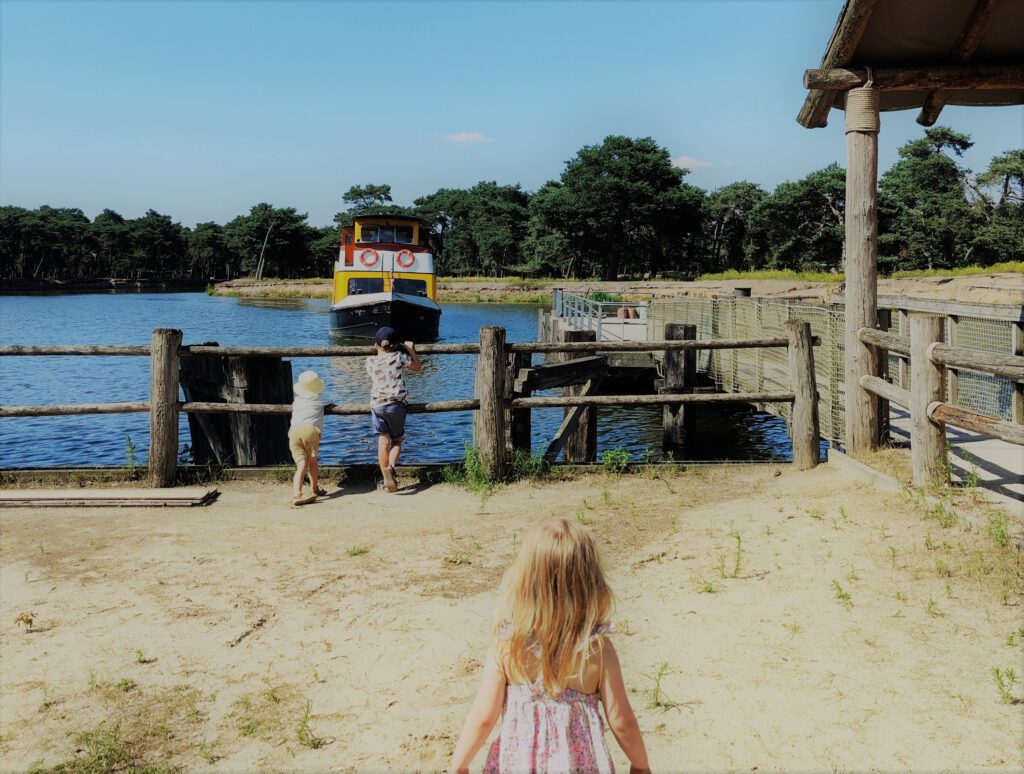
You can walk around the park — and it’s pretty big, so you can easily spend the whole day there. But don’t worry, if your legs get tired, you can also tour the park by boat! It’s completely free and about as close as you’ll ever get to a jungle cruise in the Netherlands.
All aboard the jungle cruise! Image: Abuzer van Leeuwen/supplied
Or cruise along on this Dutch safari in your own car! Image: Abuzer van Leeuwen/supplied
There’s also the option of enjoying a Dutch safari from your own car as you truck around and spot the wildlife throughout the park. If you ever felt like enjoying an Indiana Jones-esque experience in the Netherlands, this is as close as you’ll get and it’s pretty sweet for all ages.
Both my kids and my in-laws loved it — and we all know these are tough crowds to please!
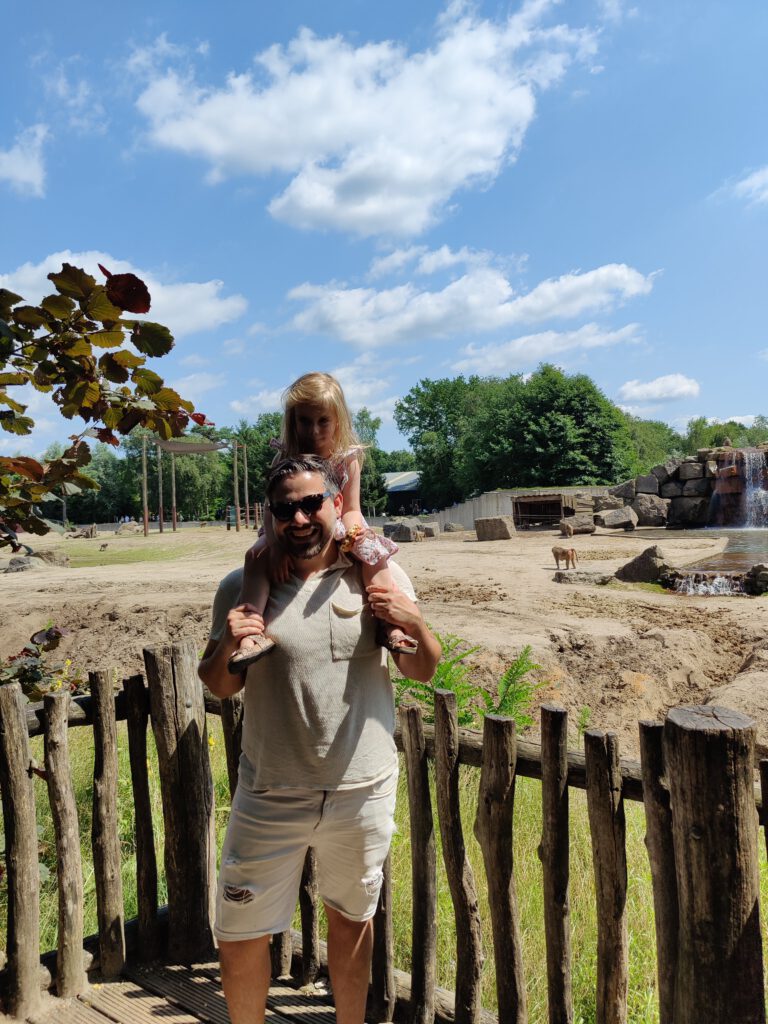
The perfect family staycation! Image: Abuzer van Leeuwen/supplied
If you’re wondering what else Tilburg and North-Brabant have in store for you this summer vacay then head on over to our friends at Ticket to Tilburg for some seriously fun holiday suggestions!
3. Tilburg has activities that will excite your youngest ones…
After a day of admiring magnificent wildlife, you can let your inner child (or your actual, physical child) out in the iconic fairytale-themed amusement park, Efteling — one of the oldest and best-loved theme parks in the Netherlands (and Europe). Almost every Dutch person has fond memories from Efteling, so be sure you add it to your itinerary.
Efteling has plenty for the young explorer to marvel at — from the Fairytale Forest, to a steam train tour. If you’re an adrenaline junkie and this all sounds a little tame, never fear — the park won’t leave the thrill-seekers among you bored either. Rollercoasters such as the Python or Baron 1898 will definitely get your heart racing.
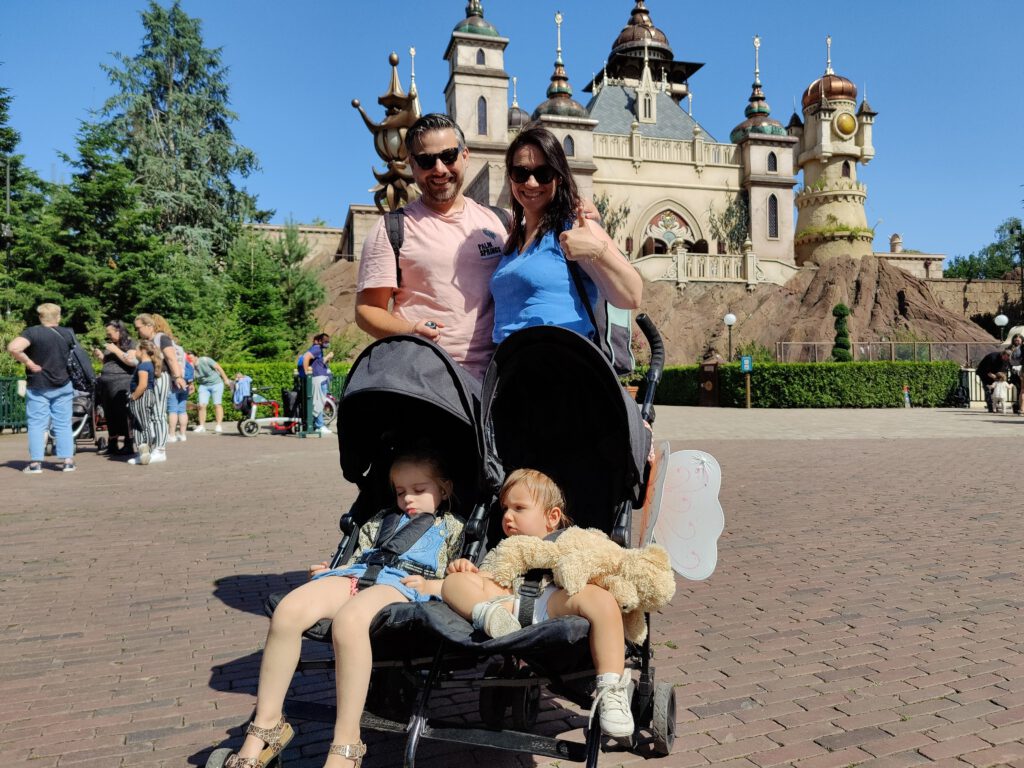
Tired out after a day full of fun at Efteling. Image: Abuzer van Leeuwen/supplied
This theme park has something for everyone and is an ideal pick for an outing with the family. It’s sure to bring laughs and smiles for young and old.
This season a unique product is available. Namely a combination ticket for the Efteling and Safari Park Beekse Bergen. The combi ticket normally costs €72.00, but can now be booked for €60.00! Pay for one part of the combi ticket and the other part will be added after payment.
4. …as well as your older children
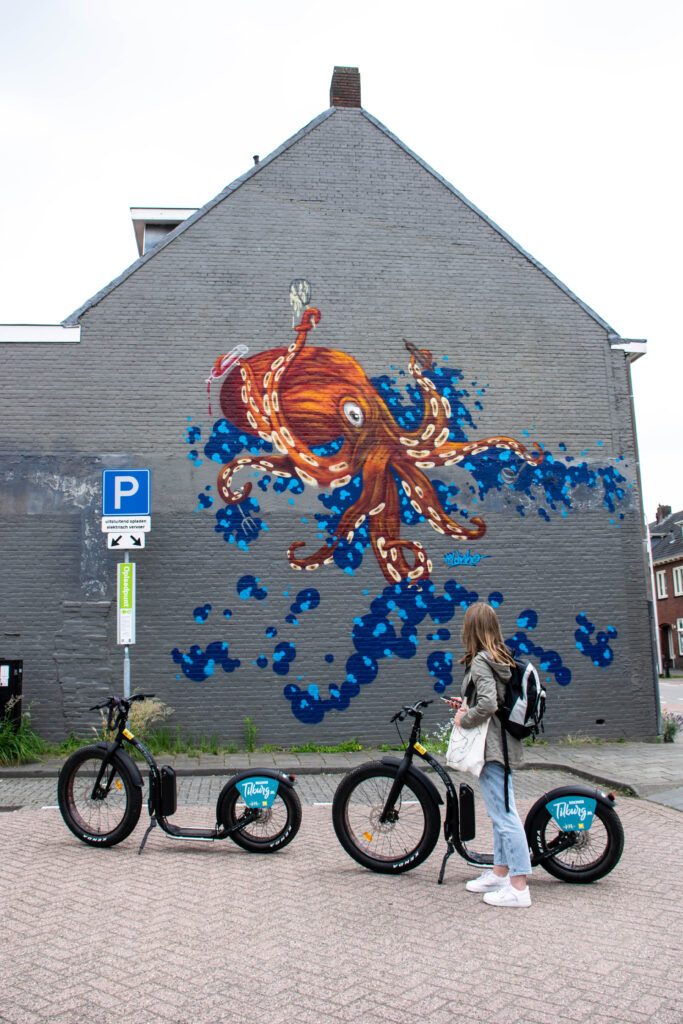
We know how difficult it can be to excite teenagers. If roller coasters won’t do it, maybe cruising through the hip streets of Tilburg on an e-step will. The city is full of incredible street art that will keep you busy exploring for an entire afternoon.
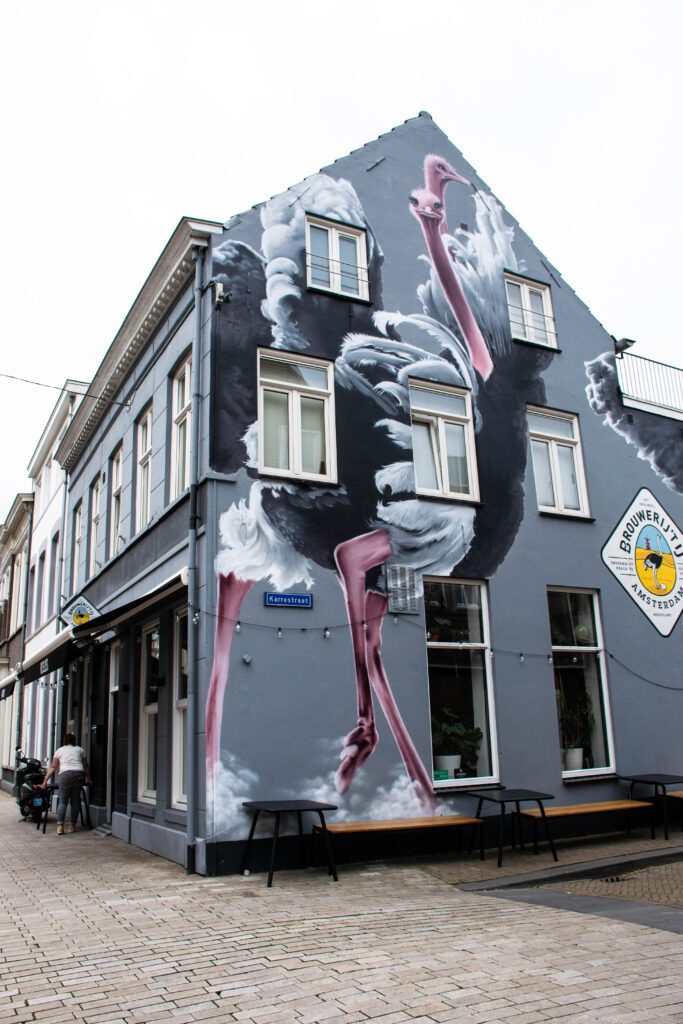
With murals ranging from ostriches to an octopus — you’ll never see graffiti or grey walls the same. Nothing beats the excitement of coming around the corner and spotting an artwork. Which family member will spot the most?
Just a casual Ostrich. Image: Jana Vondráčková/Supplied
Cruise along on an e-step! Image: Jana Vondráčková/Supplied
If that’s not enough to inspire your creative souls, make sure you also check out the Doloris art maze, after grabbing a snack at the Spoorzone.
5. You can marvel at contemporary sculpture and enjoy a nature walk at the same time
Want to do something different with the family, like escaping the hullabaloo and getting cultured? Stroll through Tilburg’s popular De Oude Warande (pleasure-garden) and admire this years’ Lustwarande STATIONS exhibition which is made up of works of art from 12 unique artists. The sculptures are there for you to see until October 3 — don’t miss this fascinating exhibition.
If you’re short on time, Tilburg is also great for a day trip. Whether you’re looking to enjoy the largest funfair in the Netherlands or the country’s most hip library, Tilburg has something for whatever mood you’re in. But we can definitely recommend booking something in the lush natural surroundings of Tilburg.
The relaxed pace of life in Brabant, the many nature reserves, the variety of theme parks and the city itself will ensure you get that proper holiday feeling.
Need even more tips on a day trip to Tilburg and North-Brabant? Head over to Ticket to Tilburg to find out what’s happening in the city right now.
Have you visited Tilburg before? Tell us about your experience in the comments below!
You’ve seen us rave about Dutch innovation before, and now we’re bringing it even closer to home. Our DutchReview office is in the beautiful PLNT building in central Leiden and is home to some very cool startups.
In this article, we’re going to introduce you to our five favourites that are about to change the game in the Netherlands and beyond.
1. Deep Branch
The production and consumption of meat are recognized as one of the biggest contributors to carbon emissions and global warming on the planet today. Meanwhile, the human population is rapidly increasing, and producing enough food for the 10 billion people expected to populate the earth by 2050 will be a significant challenge.
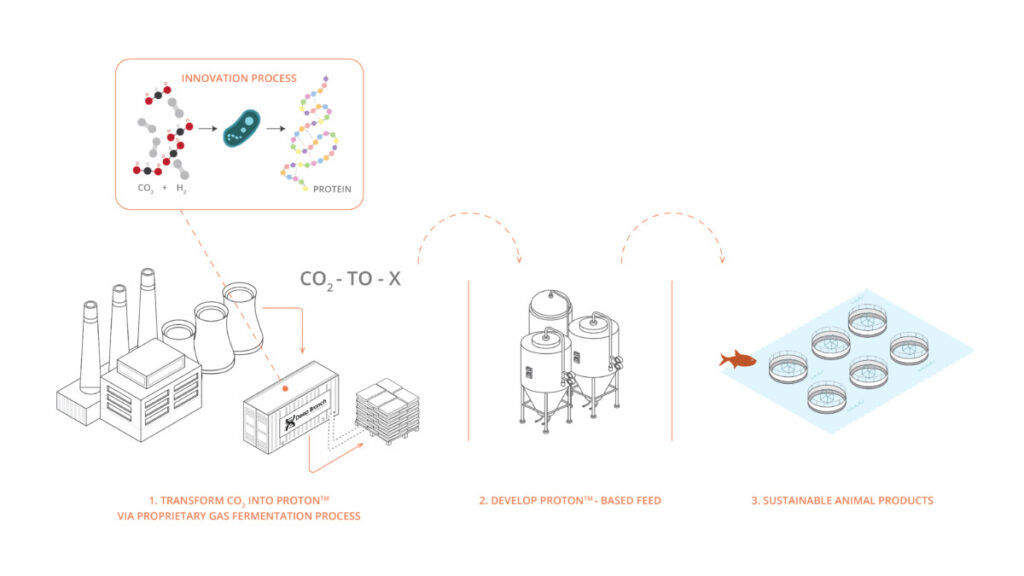
These problems may seem at odds with one another, but at Deep Branch they are working on a project that will solve both. How? By turning CO2 into protein.
How it all works. Image: Deep Branch
Using a process of fermentation, CO2 is converted into a dry powdery substance rich in protein. This can then be used by animal feed companies, together with other ingredients, to create a nutritious feed for domestic animals. GENIUS.
2. Student-Helpr
As an international student, you can face many challenges that make you want to pull your hair out! Image: Jan Vašek/Pixabay
You’ve heard us complain about being an international student in the Netherlands before. From the housing shortage to Dutch people being, well, Dutch, there is no lack of adjustments you have to make when you come here from another country to study.
Even within the universities that make it their game plan to attract internationals, the support for those students once they arrive can be lacking, to say the least. It is to solve this problem that Student-Helpr was created.
Founded by Dorin and Cristian, who came to the Netherlands as international students, and experienced first hand the trials and tribulations of such an enterprise, Student-Helpr is a student relocation platform built to improve students’ academic experience.
The start-up offers tailor-made advice and support to international students, a far cry from the one-page pamphlets university introduction weeks love to give to their internationals.
3. Bonnie
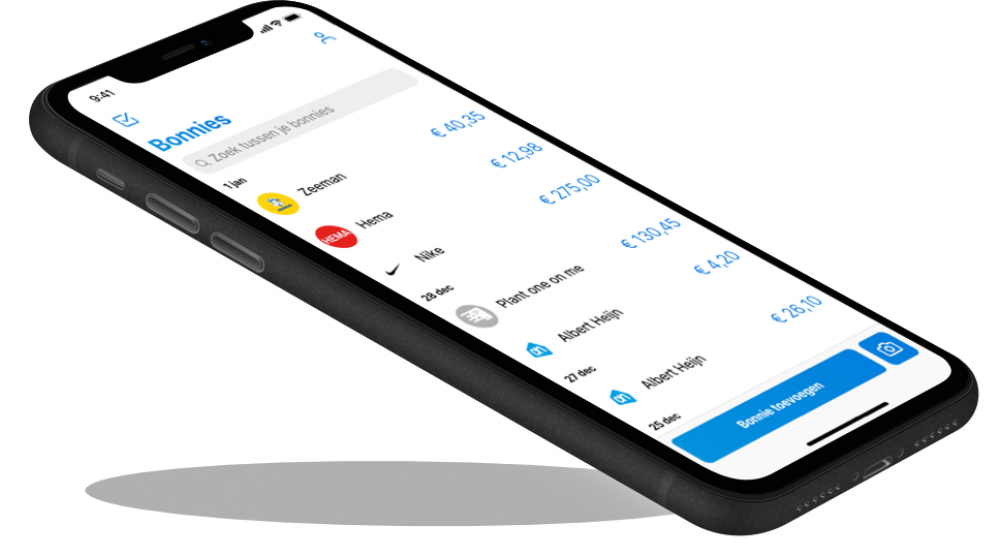
The easy-to-use app for all your receipts. Image: Bonnie
Bonnie was created to make an unappealing part of life a little less terrible: keeping your receipts. Anyone who is self-employed knows the pain and struggle of those piles of paper, and the particular pain of the stray scrunched up receipt in your pocket that dissolves into tiny white pieces of paper in the washing machine, forcing you to rewash your clothes — or maybe that’s just me.
Regardless, keeping track of your receipts is a universally hated task.
Bonnie’s founder, Arjan, believes that in the future, we will be storing our receipts digitally, and he hopes that Bonnie becomes the chosen platform for doing so.
He came up with the idea for the app while on a month-long business trip that was followed by a month-long holiday. During those two months, he was faced with the task of keeping track of all his receipts, and as he discovered, “this is just the worst!”.
So, he decided to create something people would find really valuable: a way of making this dreadful task easier and more efficient. In the future, Arjan hopes that Bonnie becomes synonymous with eReceipts.
4. Urban Sync
Tackling climate change and the ever-increasing human population means revolutionizing the way we live, and this is exactly what Urban Sync is out to do. They create sustainable living environments, be they neighbourhoods, buildings or communities — with the aim of making the world a happier and healthier place.
The key is to create spaces that are economically attractive to both users and investors, whilst incorporating materials and designs that won’t damage the environment. To achieve this, Urban Sync believes that co-operation between the various groups involved is indispensable. Connecting people, or as they like to call it, “syncing,” is the foundation of their work.
With their help, cities like Leiden can build towards a greener and brighter future for residents and nature alike.
5. Virtual Reality Learning Lab
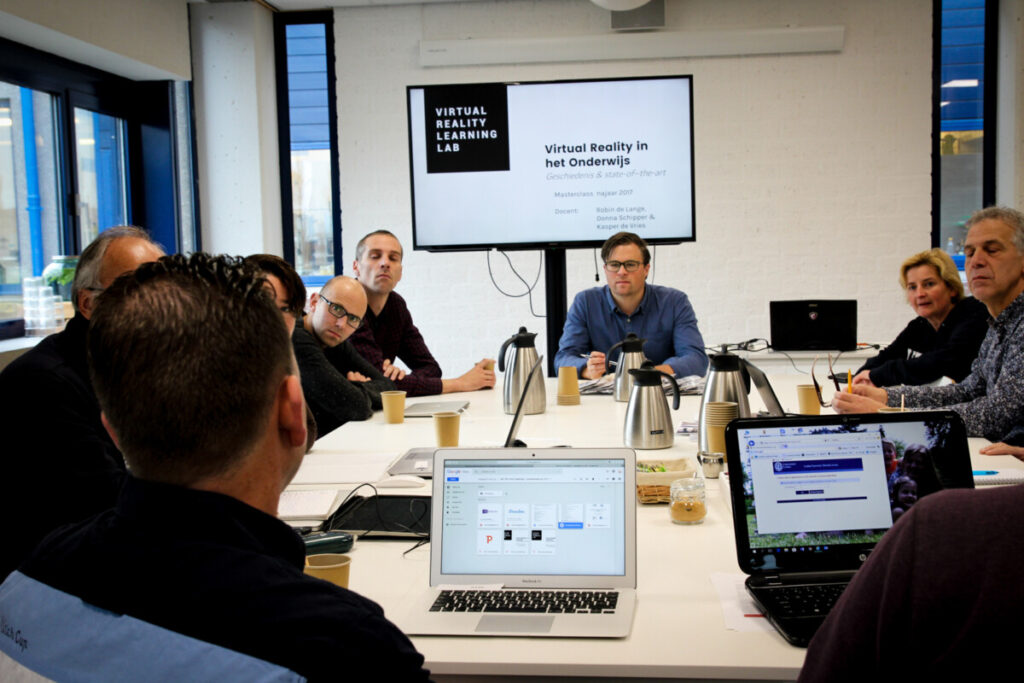
A sneak peek into one of their master classes. Image: VR Learning HUB
Another very cool startup we share the PLNT building with is the Virtual Reality Learning Lab. It’s the perfect example of research and entrepreneurship coming together: the idea for VR Learning Lab came from founder Robin’s research at Leiden University about how VR could be used in education.
The startup came about when he realised that training companies and schools were getting interested in the technology, but were lacking someone to teach them how to use it in that way.
Currently, Virtual Reality Learning Lab is working on a major project: the Virtual Reality Learning HUB. This will do pretty much the same thing as the company’s in-person masterclasses, which they give at universities and schools: but in an online format. This also allows them to reach an international audience (that’s you!).
So there you have it! Five startups, right here at PLNT, that are changing the way people will live in the Netherlands and quite literally making the world a better place.
Did these startups inspire you? Which did you find the most interesting? Tell us in the comments below!
Feature Image: DutchReview Editor’s Note: Ailish Lalor was a co-contributor for this article. This article was originally published in January 2021, but was fully updated in August 2021 for your reading pleasure. .
Have you ever wondered how it must feel to navigate the humdrum of a Dutch train station as a person who is blind? Us too! So we decided to do what we do best when we have a question about life in the Netherlands — we wrote an article about it.
Many Dutch train stations are actually quite well equipped for a traveller who has a vision impairment. The great irony is that those of us with sight don’t really see these measures.
In an explanatory video for the BBC, Kees Greven highlights the many helpful tools that Dutch train stations offer to partially sighted or people who are blind, such as himself. “It’s really quite easy to find your way,” he says “I feel pretty comfortable travelling around.”
Easy preparation
Dutch train stations have factored in every step of a person with blindeness’ journey — beginning with how they can plan it. Kees explains that before you hit the road, it is possible to look up a description of how to make it to a certain platform in your chosen station. Travellers can then download an MP3 file of the description and listen to it on their way.
At the most used stations in the Netherlands, travellers who are partially or fully blind can even ask the service desks for tactile maps of the station’s layout.
Guiding strips
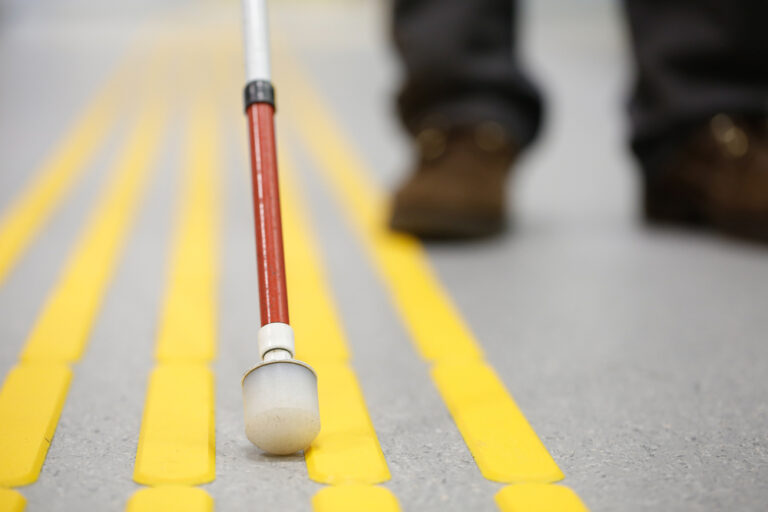
Perhaps the most noticeable is the guiding strips. If you’ve ever walked through a Dutch train station you may have noticed that there are ridged tiles that run in straight lines along the floor.
Those with partial or no sight can run their canes along these strips to feel their way through stations and to their platforms. If you’re trying to remember whether your local station has these strips, they likely do. In fact, Kees points out that over 400 stations in the Netherlands have laid out a whopping 90 km of guiding strips for those with sight impediments.
Some stations even have sound tiles near service stations and check-in barriers. These make a different sound when you tap them with your foot or cane to the regular flooring.
Braille on the rails
And how can you tell which platform is which? Many of us likely haven’t noticed, but stations are now starting to place braille on the rails that lead up/down to the various platforms. A blind person can place their hand on the railing and tell whether or not they are heading to the right platform — so clever!
Still some setbacks
However, not everything is perfect. Take for example the OV top-up stations. While braille is used to indicate where someone can place their OV chip card, there’s not much they can do when it comes to using the touchscreen.
Setbacks aside, Dutch train stations do more than meets the eye when it comes to taking care of their blind passengers. Kees points this out, saying “it’s good that you don’t have to hold onto someone for every minor step in your journey.”
What are your thoughts on Dutch train stations and their efforts when it comes to accommodating blind people? Tell us your thoughts in the comments below!