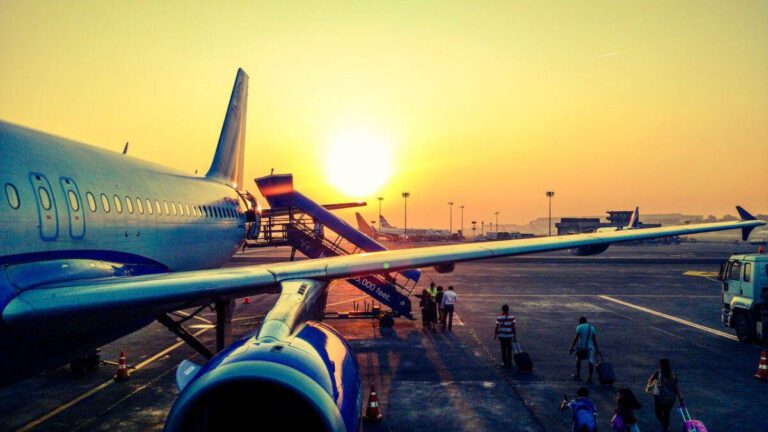
As of 6 PM tonight, passenger flights coming from India will not be allowed into Dutch airports. This is due to India’s high number of cases of coronavirus.
Since the Netherlands has not yet reached the peak of the third wave, the cabinet has decided to implement a flight ban on India. The peninsula has reported over 300,000 cases a day for the last four days.
The flight ban is set to last until at least May 1.
Cargo flights allowed
Despite passenger flights not being permitted, flights carrying cargo or medical personnel will continue be allowed into the Netherlands. Around seven flights from India arrive into Schiphol Airport every week, according to the NOS.
Not the only flight ban
India is not alone in the flight ban. Already, passenger flights to the Netherlands from South Africa and countries in South America are barred. A general entry ban for non-EU residents also applies, in addition to a double test obligation for travellers from high-risk countries.
Dutch aid to India
Along with a number of other countries, the Netherlands has pledged aid to India. Yesterday, the Minister for Development Cooperation (Sigrid Kraag) pledged €2.5 million to the red cross, €1 million of which will go directly to India.
The Netherlands has also provided an extra €40 million to the international Covax program. This program regulates vaccines for developing countries — aid from this campaign is already being used in India.
What do you think of the flight ban? Let us know in the comments!
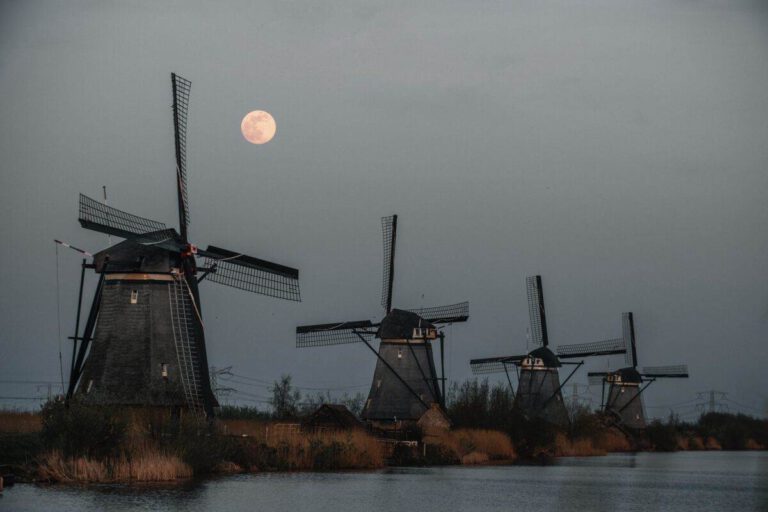
Put down your beers and raise your eyes to the sky: a supermoon will be visible tomorrow evening, just in time for King’s Day celebrations.
It’s the first time since 1909 that a supermoon and a royal holiday occur on the same day. The next “super king moon” won’t happen again until 2127, reports WeerOnline.
Is a supermoon not enough for you? Then let’s level it up! Some “veil clouds” may pass over creating a circle around the moon: a super king’s moon halo.
What is a supermoon anyway?
Sadly, a supermoon is not a crime-fighting moon with a fabulous lycra outfit. However, the moon is more than 27,000 kilometres closer to the earth, appearing about 7% larger and 14% brighter than normal.
How can I see the supermoon?
Step outside and look up! For once in the Netherlands, the weather is on our side with clear skies predicted. Supermoons are best seen when the moon is low in the sky, rising in the southeast around 9:40 PM — right before the final curfew hits at 10:00 PM.
Will you be venturing outside to take a look at the supermoon? Tell us in the comments below!
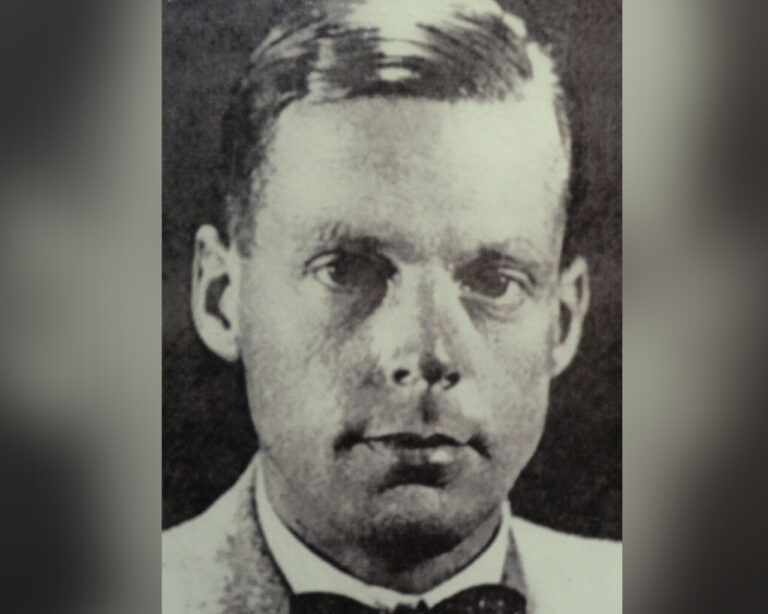
Ever heard of a man called Jan Zwartendijk? We didn’t think so, but you should definitely know his name.
Walking around the Netherlands, it’s common to see statutes celebrating hereditary rulers and agents of colonialism. Yet, Dutch history remained suspiciously quiet about the Dutch man who saved more Jews than Oskar Schindler — eternalised in the Oscar-winning classic, Schindler’s List.
That is, until 2018 when Dutch writer Jan Brokken wrote “The Just”, plucking Jan Zwartendijk out of anonymity. In 2020, the first and only monument in The Netherlands in his memory was unveiled in Eindhoven.
From business director to consul
When World War II broke out in 1939, Zwartendijk was the head of the local Philips branch in Lithuania. As the Dutch consulate in the region was unoccupied, he was offered the job. Zwartendijk accepted the position, imagining he would only have to assist a few countrymen. Soon, however, he found himself in a position to help many escape a macabre fate.
Escaping Nazi persecution
After the Nazis invaded Poland, thousands of Jews fled to Lithuania. When the Baltic country was occupied by Germany and the Soviet Union 10 months later, Jewish refugees frantically looked for a way out.
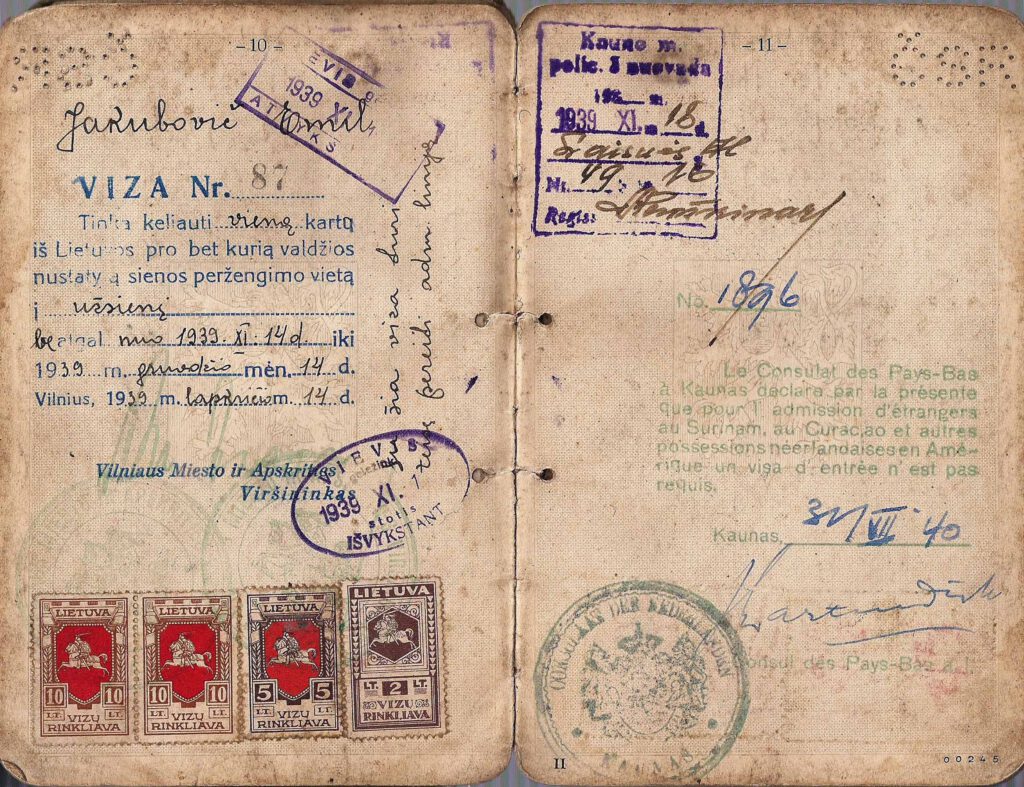
A couple of Jews approached Zwartendijk asking him to make a note on their passports that travelling to the Dutch island of Curaçao required no travel document. This was only partially true, as permission from the island’s governor was also required.
But who was going to check the travel requirements for an obscure island, right? Luckily, nobody, so their bet paid off.
A hand signed visa by Jan Zwartendijk. Image: Huddyhuddy/Wikimedia Commons/CC 4.0
Distracting officers with technology
The success of these visas in enabling Jewish refugees to leave Lithuania spread the news about “Mister Radio Philips”, says The Guardian . The lines in front of Zwartendijk’s office grew so large that a Russian officer accused him of endangering public safety.
After being gifted the first-ever electric razor created by Philips, the officer let Zwartendijk carry on with his work. 🪒 During the demonstration, the officer is said to have declared it “a miracle” and gone his merry way.
Mortal danger
Russian officers weren’t the only risk Zwartendijk faced. In 1940, when he returned to the Nazi-occupied Netherlands, he found himself in mortal danger. During those years his secrecy was a matter of life and death.
Later on, it was modesty plain and simple. His son was quoted by The Guardian saying that his father never spoke about his deeds, and when it came up, he’d say that anyone in his position would have done the same. Unlikely. 🙅♂️
An unsung hero
Zwartendijk was never celebrated. Not even after the war ended and the horrors of the Holocaust were revealed to the larger public. Much to his frustration, he was actually reprimanded in 1964 by the Dutch government for not acting in accordance with consular rules.
The reproach came as the Dutch Foreign Ministry was annoyed when reports about the “Angel of Curaçao” started to circulate. Yes, you read that correctly.
Mr Philips’ final days
Zwartendijk spent his final days wondering whether the thousands of Jews he had given visas to managed to reach safety. In total, he had issued 2,139 visas, but in those days women and children travelled on male relatives’ documents. It is estimated that his work helped between 6,000 and 10,000 Jews escape.
You may have heard rumours that the Dutch are pretty innovative. What you’ve heard is true! The same goes for their research into battling coronavirus. Whether it’s to do with living a more sustainable life or cutting edge technology, the Netherlands has contributed a lot to the world of science for such a small country.
During the global pandemic, many countries have been putting more funding into projects to help combat this deadly disease. The bright side is, after a year of getting to grips with a new version of reality (with a new language such as “nice to e-meet you” 🤦♀️ ), there has been huge progress on this front.
We are proud to say that a lot of these innovations in science have come from the lowlands themselves. So here is a list of five Dutch innovations that are helping to combat coronavirus:
1. The Janssen vaccine
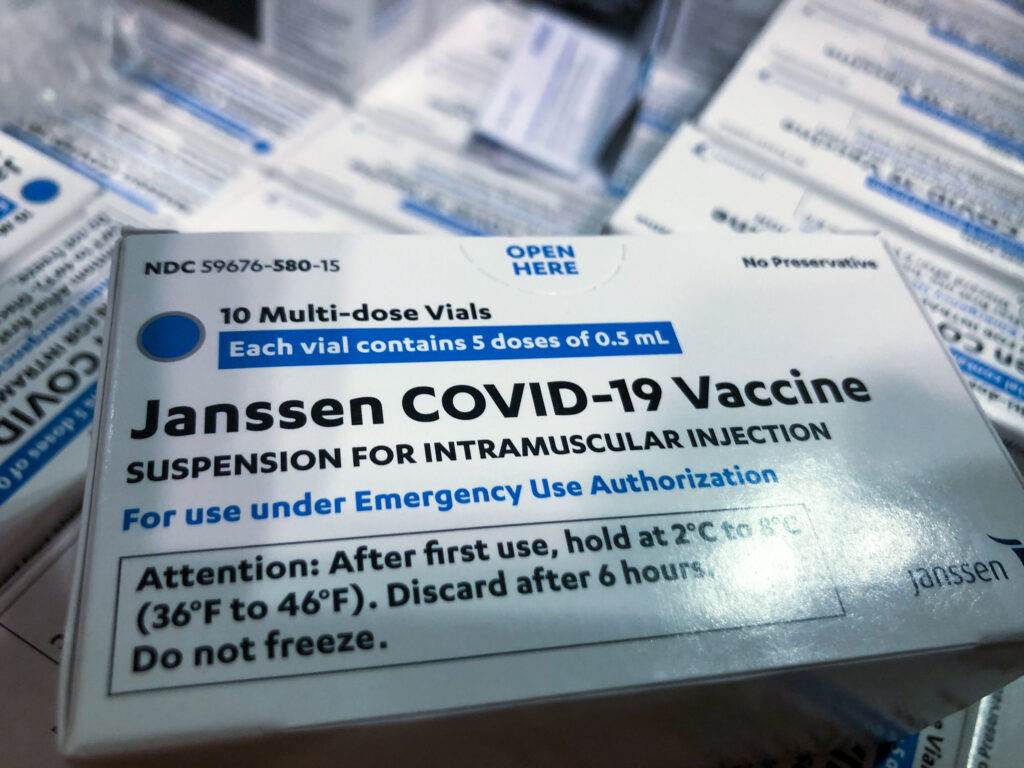
The Janssen vaccine is the only one-shot vaccine on the market so far. Image: New York National Guard/Flickr/CC2.0
The Jansssen (Johnson & Johnson) vaccine has been in the news a lot recently with the first doses having just been given to Dutch health workers. The first lucky souls to get this one-shot vaccine were in Leiden, but did you know that this is the same place that the vaccine was developed?
Janssen may not have been the first coronavirus vaccine available on the market, but so far it is the only one that doesn’t require two shots for a high level of protection against coronavirus. That means that all 11.3 million doses that the Netherlands has ordered can fully vaccinate a huge chunk of the Dutch population!
Now, this isn’t a competition of which country has made the best vaccine, after all, anything that protects the population against coronavirus is a plus in our books. But the fewer doses one person needs to be immunised means we can spread this invaluable medicine much further. That’s got to be good news! (Thank you, Dutch researchers! 🙌 )
2. A bracelet that detects coronavirus
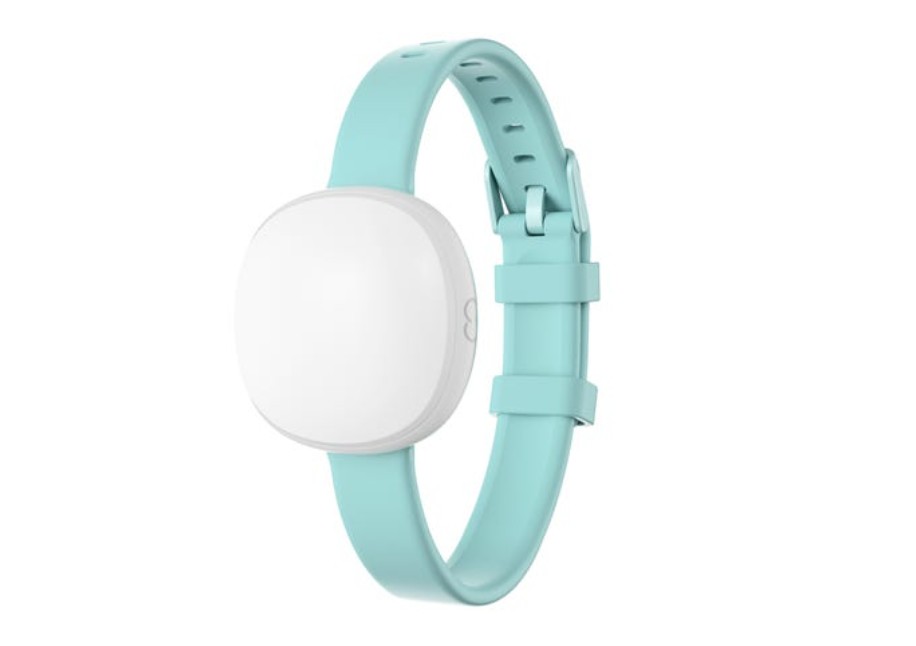
Scientific and fashionable. Image: UMC Utrecht/Supplied
Epidemiologists in Utrecht have developed a bracelet that detects the early stages of coronavirus by detecting changes in temperature, respiration and skin moisture. The wearable was able to be developed at super-speed because researchers used a model recently created to indicate if a woman is ovulating.
As you can see, this already has the potential for far-reaching applications, beyond coronavirus. Even during the pandemic, this bracelet could be used for those in high-risk groups and healthcare workers. Like any illness, the quicker you detect the virus, the faster you can get the right treatment.
3. A nasal spray with 24 hours of instant protection
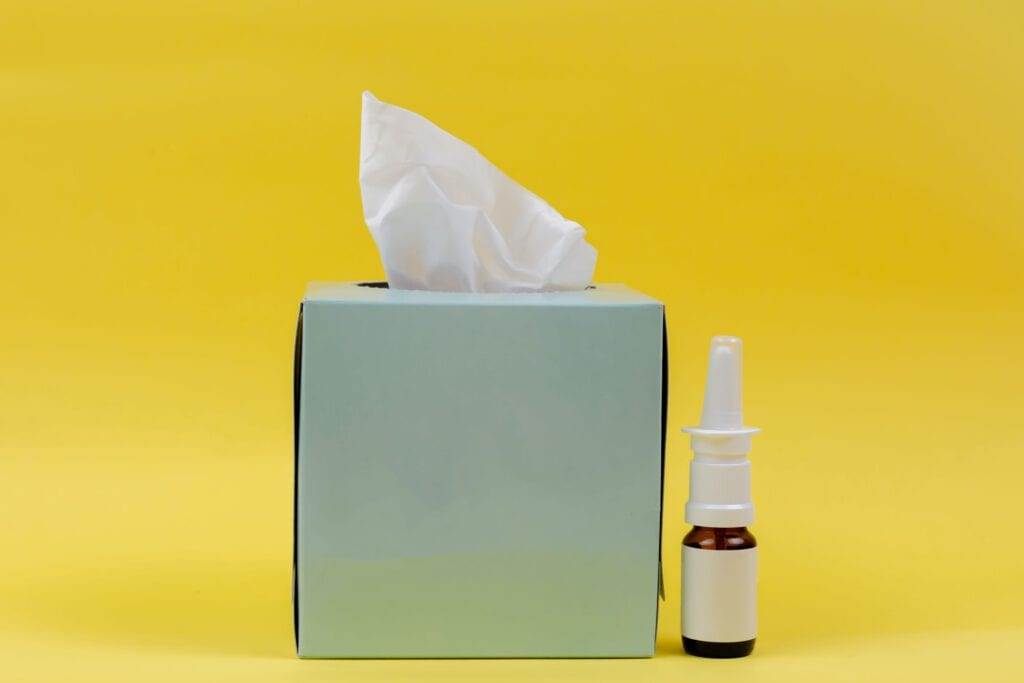
Nasal sprays can help with more than just hay fever. Image: Diana Polekhina/Unsplash
Another feat for Dutch virologists is this innovative nasal spray. Once sprayed up your nozzle, it provides you with up to 24 hours of protection against the virus by preventing the virus’ cells from entering your nose. If they can’t get up there, then they can’t get to your lungs and do their dirty work.
Developed by researchers at Erasmus MC in Rotterdam, it’s hoped that the spray can be used by travellers and people attending large events like concerts and festivals. The sprays haven’t hit the market yet, but we have our fingers crossed!
Since it was developed in February, the Dutch start-up Leyden Labs has already invested €40 million into the nasal spray. The hope is that this spray can not only combat coronavirus but help to prevent future pandemics. If that isn’t groundbreaking, we don’t know what is!
4. 3D printed oxygen masks
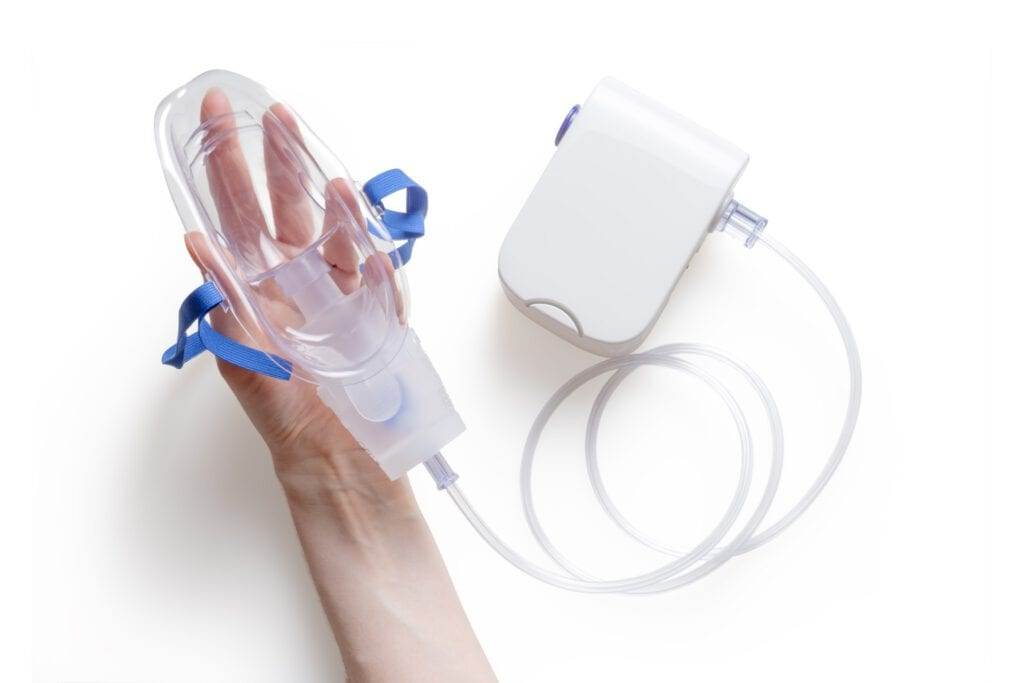
An innovative way of getting more masks. Image: mockup graphics/Unsplash
Remember back to the beginning of the pandemic when everyone was getting to grips with a new app called Zoom and thought we would only be working from home for a month or two? (oh how naive we all were) Well, at that time, on a much darker note, there was a huge scramble for breathing devices.
Since the virus affects your respiration, oxygen masks and ventilators are vital in treating those with serious cases of coronavirus. So, when a Dutch doctor started making more oxygen masks, it came as a welcome relief.
Trauma surgeon, Mike Bemelman in Tilburg started using 3D printers to make the masks. He also made the blueprint for the design available to other hospitals and companies wanting to make disposable masks. Even at the beginning of a pandemic, there were those using everything at their disposal to help. 🙏
5. Urban Sun: using light to combat coronavirus
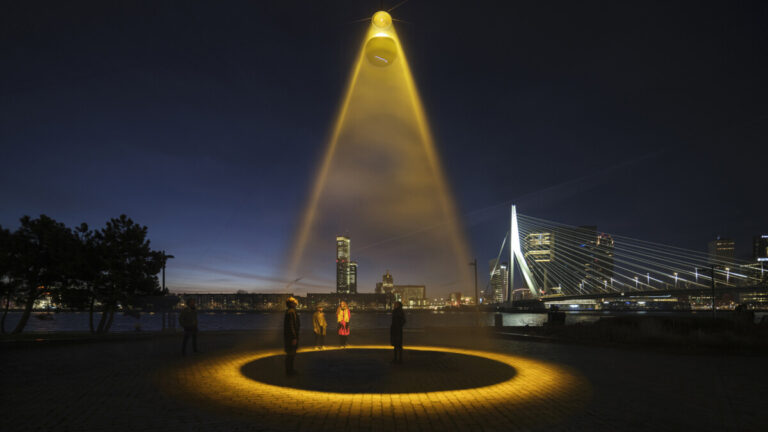
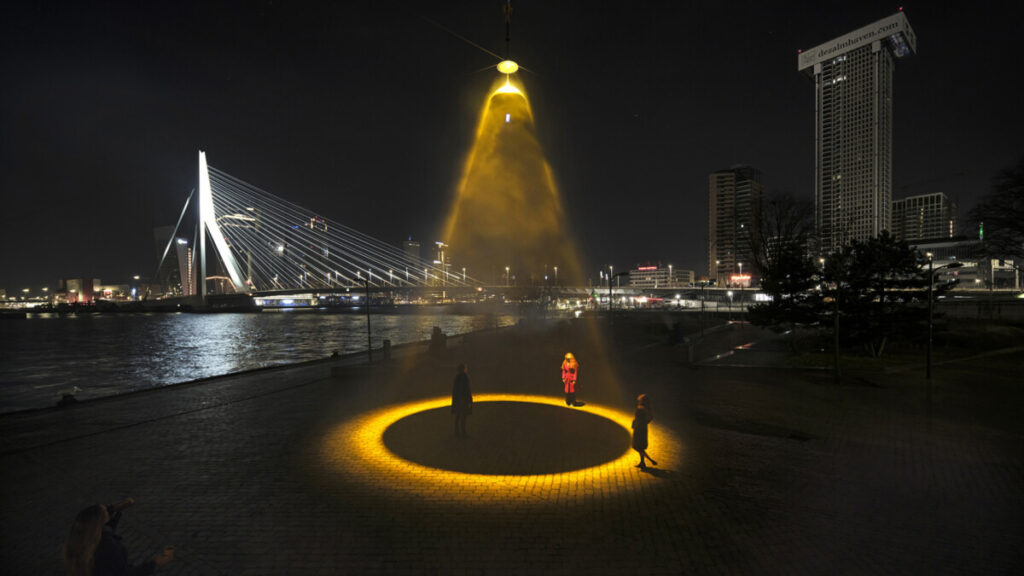
When art and science come together. Image: Daan Roosegaarde/Supplied
Innovation hasn’t just been happening in the lab, but also in the art studio. In the deserted streets of Rotterdam, Studio Roosegaarde launched their art-installation-cum-science-experiment entitled “Urban Sun”.
Developed with the help of Dutch, US, and Japanese scientists, the project uses a specific type of UV light to kill bacteria and viruses. This “far-UVC” light deactivates the virus when it’s shone onto a surface, proving to kill 99.9% of coronavirus cells in a localised area. That’s pretty epic news!
Head designer of the studio, Daan Roosegaarde, urges governments to invest in this project and implement it on a large scale. Seems like a pretty good way to see some cool art — and save lives.
So there we have it, five innovative ways the Dutch have come up with to combat coronavirus. Let’s hope that thanks to all of these innovations (and many more from other nations) that we’re coming to the tail end of the pandemic.
If not (please say we are for the love of God), we’re confident there will be more advances from the Netherlands to help us on the way.
Have we left any cutting edge technology off the list? Let us know in the comments below!
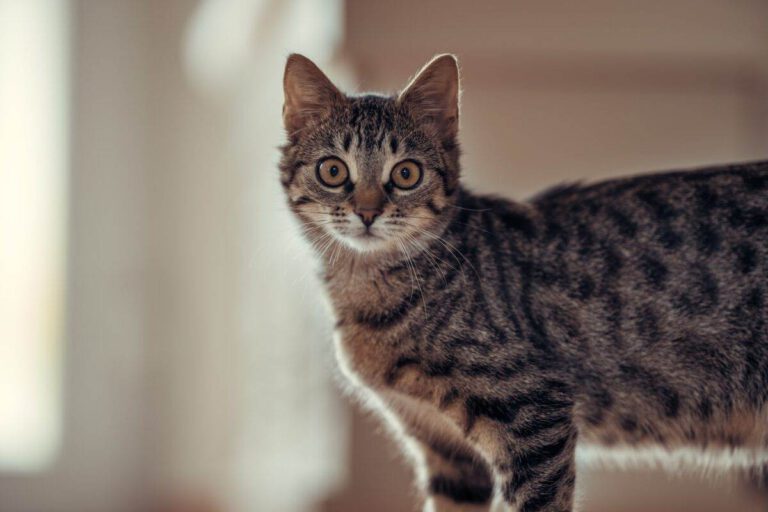
It’s springtime, and you know what that means? Breeding season is upon us! Lots of little chicks and baby birds are waddling around. Unfortunately, many of these birds won’t be able to spread their wings for the first time as they are killed prematurely by domestic cats.
To some of us, cats are fine furry friends, keeping us company and providing much-needed cuddles in lockdown. However, the local wildlife will tell you a very different tale. To winged creatures, cats are fearless fury frights, killing up to 18 million birds a year in the Netherlands.
An end to nighttime killings
To try and put an end to this killing spree, experts are calling for a cat curfew. Ecologist Diny Tubbing told RTL Nieuws that “as humans, we can take this into account by keeping the cats indoors at night.” She agrees that cats shouldn’t be kept permanently under lock and key. However, she does suggest that keeping them inside at night will be beneficial to the Dutch bird community.
During the day, birds have a better chance against the frightful felines. Titus Sijmonsma of the Federation of Frisian Bird Guards (BFVW) tells RTL Nieuws that “during the day, birds hear and see a cat approaching. They give a signal or fly away.” However, he says that at night birds are more vulnerable to cat attacks in the dark while they are asleep.
What can I do as a cat owner?
Turns out, you can’t teach an old cat new tricks. Don’t try and un-train your kitty from being a natural born killer (even if it is a cute one at that). So what can cat owners do to help protect Dutch wildlife?
Firstly, if you’re presented with a bird on your doorstep, check to see if it’s still alive. It might be in shock, so keep it in a warm and safe place. Scheurkogel says to call an animal ambulance if you think it might still be alive.
Tubbing has some fun advice to try and stop cats from wanting to hunt in the first place. Play with them more! (no, seriously). Tubbing says that cats playing with a ball or a toy mouse can satisfy the hunting instinct, and tire them out.
TIP: Help out the birdies by fitting your cat with a bell on its collar. If your cat is a bit more feral and resists a collar, you can also hide its food in different places so it has to “hunt” for it’s kibble.
Do you think a kitty curfew would help out the local wildlife?Let us know what you think in the comments!
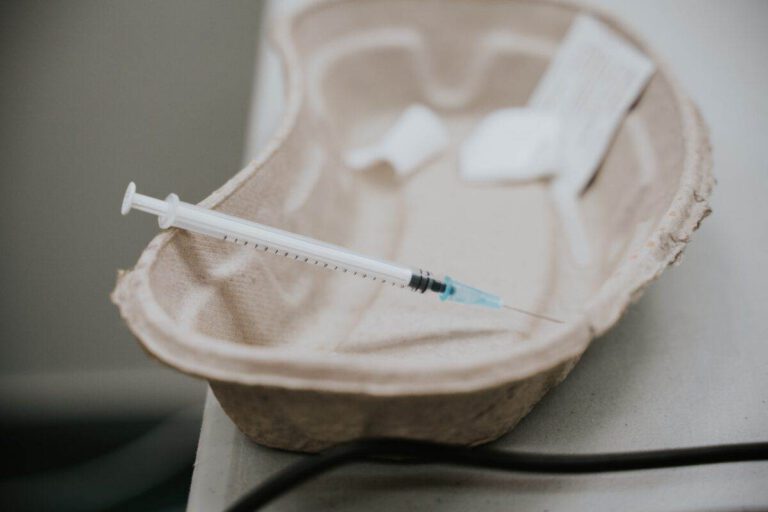
A Dutch doctor has been left frustrated as he had to throw away 60 syringes full of the AstraZeneca vaccine last night. The GP had arranged for a catch-up evening of vaccinations because there had been such a low turnout two weeks prior.
Dr Marco Blanker sent out 250 invites to receive the vaccine and prepared accordingly by filling a number of syringes in advance. However, only 72 people showed up. The remaining 60 prepared syringes had to be dumped into the bin.
Last night, Dr Blanker had hoped to make up for the poor turnout experienced two weeks ago. The practice had taken the possibility of a low turnout into account when preparing the doses but even fewer people than expected showed.
The doctor took to twitter to express his frustration over the worrying number of over 60s who are refusing the vaccine.
Beste ^RW, het is stil gebleven. Geen hulp vanuit VWS. Resultaat vanavond: zie foto. En dat terwijl er heel terughoudend was opgetrokken. Maar verder geen vuiltje aan de lucht hoor. pic.twitter.com/HrD60PuVRZ
Dr Blanker tweeted in response to the Ministry of Health Welfare and Sport after they heard that he had vaccines left over at his practice. He said that he had received no help from the ministry in trying to reallocate the doses and shared a photo of discarded syringes.
“No help from the VWS (Ministry). Tonight’s results: see this photo. And this was while we had been very conservative with our preparation,” the tweet read.
A conservative amount
It takes 15 minutes to take a dose of the vaccine from the bottle into the syringe. Doctors have to be slow and ensure no air bubbles get in. As a result, many practices will prepare the syringes in advance so that the process will be much quicker.
Unfortunately, due to an even lower turnout than expected, this meant that Dr Blanker and his staff had prepared 60 doses too many. These doses could not be put back in the fridge as it is against regulation — meaning they had to be binned unless he could find someone else to take them.
However, GPs are currently at risk of being fined if they give the vaccine to anyone under the age of 60. Dr Blanker expressed his frustration to RTL Nieuws, “we have a group that wants to be vaccinated and is aware of the risks, and we cannot vaccinate them under the threat of the high fines. We are not going to take that risk.”
What are your thoughts on this situation? Tell us in the comments below.
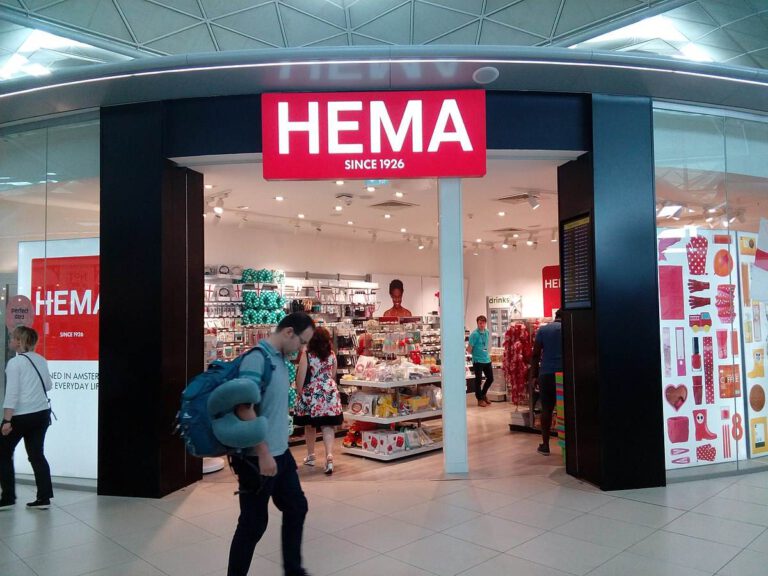
You know how everyone talks about how you need to start buying stocks? The Dutch government seems to have taken this advice to heart, as it considered becoming a co-shareholder of the popular Dutch chain, HEMA.
However, this potential purchase wasn’t just a strategic investment move. HEMA has been making losses for years and this was actually supposed to help save the retail chain.
HEMA has a historical and sentimental value for many Dutchies and the Ministry of Economic Affairs was afraid of the political and social consequences if the store was to disappear… so they just decided to buy it.
The deal was that if the retail chain fails to reach an agreement with creditors, the government would buy 50 million worth of stocks to save the company, reports the NOS.
The final decision
However, the purchase was ultimately stopped by the Dutch Minister of Finance, Woepke Hoekstra, who wanted to let the market do its magic. So how did things end for the beloved store?
HEMA announced at the end of last December that it would be taken over by the Dutch investment fund Parcom and the owners of Jumbo. The debts of the current creditors would only be taken up by the three big banks — ABN Amro, ING, and Rabobank.
Would you have liked to see the government buying HEMA? Tell us your thoughts in the comments below!
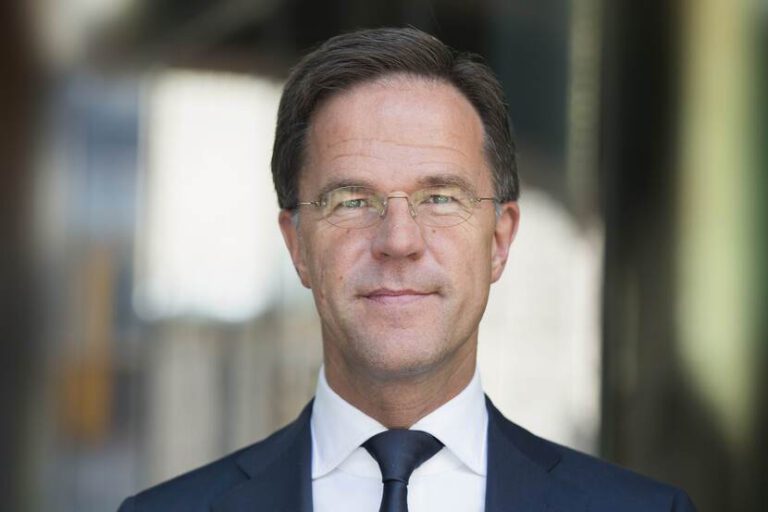
A recent survey conducted by Hart van Nederland found that the majority of Dutchies are seriously wondering why Mark Rutte is still the country’s prime minister.
As an international not closely following Dutch politics, you may be curious what caused this dramatic unpopularity. Here are some of the reasons why Mark Rutte may no longer be the prime minister the Netherlands wants.
Childcare allowance scandal
In the childcare allowance scandal, which was hotly debated at the beginning of this year, the Dutch Tax Authority falsely accused thousands of parents of making fraudulent childcare allowance claims, making them repay the benefits they had received.
Ethnic profiling and institutional bias were involved, and some families had to repay tens of thousands of euros, ending up in financial hardship.
An investigation carried out by a parliamentary committee stated that Mark Rutte and his second and third cabinet were partly responsible for this injustice towards thousands of parents.
However, the childcare allowance scandal wasn’t enough to deter people from voting for Rutte, and in March, his VVD (People’s Party for Freedom and Democracy) won the election again.
But the subsequent debates about the formation of the new government led to yet another scandal — and this time, Rutte’s reputation was seriously damaged.
It all started when the Minister of Interior Relations Kajsa Ollongern tested positive for coronavirus in the middle of debates with party leaders of the newly elected government.
As she was rushing home, she forgot to cover confidential notes which mentioned that the CDA parliament member Pieter Omtzigt — the very person who happened to have played a crucial role in exposing the childcare allowance scandal — could “get a position elsewhere.”
Rutte denied discussing Omtzigt’s position in the coalition negotiations, but more leaked notes proved the opposite. The prime minister was called a liar and lost the trust of not only many other party leaders, but also the people.
About 60% of the Dutch think that Rutte should have resigned from his position after that scandal, found the Hart van Nederland survey.
Handling the pandemic
The coronavirus pandemic is a challenge for governments across the world. However, some administrations have handled this challenge better than others — support for the Dutch approach has been declining over the past year.
A recent survey from the RIVM found that only 42% of the people surveyed have confidence in the way the Dutch government is handling the pandemic. In contrast, 17% had zero confidence in the government’s approach.
Denying the Dutch their favourite snack
If all the previous points weren’t enough, Mark Rutte’s latest statement was definitely the final straw. During the last press conference, the prime minister casually announced that even though bars and restaurants are opening, it’s not yet time for bitterballen.
While this may sound trivial in the light of the aforementioned scandals, some Dutchies experience this as an attack on the public and feel that the prime minister is no longer close to the ordinary people.
How closely do you follow Dutch politics? Do you think that Mark Rutte should leave the office? Tell us in the comments below!
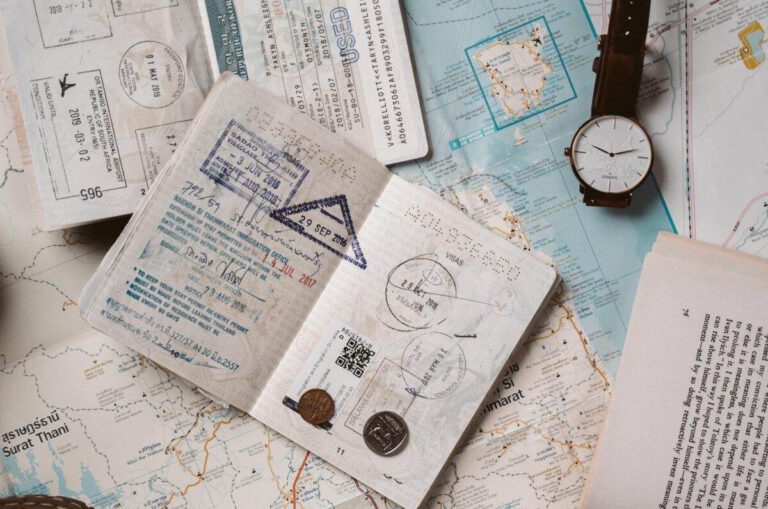
The Dutch passport has been crowned as sixth-best in the world — hoera! 🎉
We may not be able to travel at the moment (don’t remind us!) but when borders do re-open Dutchies will be able to travel armed with a passport that ranks among kings! Alright, maybe not kings, but they’re right up there.
The ranking came from The Henley Passport Index who compared 199 different passports to 227 travel destinations. Earlier this year, a separate ranking claimed the Dutch passport as fourth-best — but we’re still pretty happy with this result. ✈️ 😉
Dutch passport among the best
Travellers with a Dutch passport can swan into 188 destinations without the need for any visa. This puts them in equal sixth place, alongside fellow European countries France, Ireland, Portugal, and Sweden.
Japan snatched up first place in the ranking, with citizens able to access 193 destinations visa-free. Singapore claimed second place with 192, and Germany and South Korea share third place with visa-free access to 191 countries.
What’s the use in a pandemic?
Dr. Christian H. Kaelin, chairman of Henley & Partners and the inventor of the passport index concept, says the past year has demonstrated that no government is infallible — even the world’s superpowers and wealthiest nations floundered — and many failed their citizens.
“While nobody expects a return to pre-pandemic mobility levels anytime soon, the outlook now is certainly more hopeful than it was even a few months ago. The latest ranking is a reminder that economic recovery and development are dependent on global mobility, including personal travel freedom, and that passport power should never be taken for granted.”
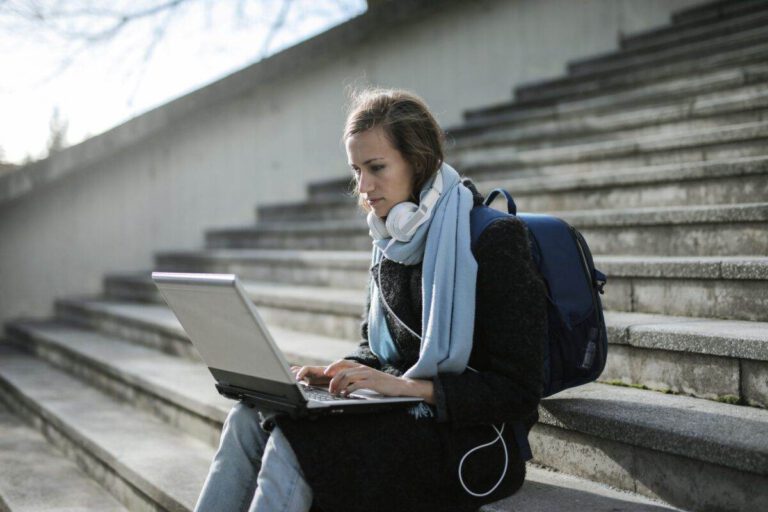
While coronavirus has affected us all, one group of people that are suffering the consequences of the pandemic is rarely talked about — international students. A new study finds that most of them experience stress, loneliness, and psychological problems.
About a quarter of international students in the Netherlands feel little or no joy this academic year. In addition, more than 65% experience a lot of stress, and about a half experience irritation as well as loneliness, according to a study by the Dutch National Student Association (ISO), the National Student Union (LSVb), and ESN The Netherlands and reported in Het Parool.
This is hardly surprising. International students come to the Netherlands from countries that are often hours away by aeroplane, not knowing a single person but hoping to make new friends and potentially build a life.
The pandemic version of a student life
Instead, the students spend their school year in a, sometimes less-than-ideal, student room, only ever interacting with the professors and fellow students via a computer screen.
If that wasn’t enough, restaurants, sports facilities, and cultural institutions have been closed for most of the year, so there’s little opportunity for a life outside the house.
Poor information about housing doesn’t really help the cause either. International students are often discriminated against (you know, those “no internationals” ads on Facebook) and scammed.
In addition, many report that they struggle with mastering the Dutch language. As a consequence, they miss out on interactions with local students, as well as potential job opportunities.
This needs to change
“Many international students are on the brink of collapse. They need help and do not receive enough of it from their studies. We have to change that before the summer,” says the chairman of the Dutch National Student Association, Dahran Çoban.
The association argues that the Dutch Ministry of Education should monitor the circumstances of international students more closely.
“We see that the ministry and educational institutions attach importance to international students, but miss the attention to the interests of those students.”