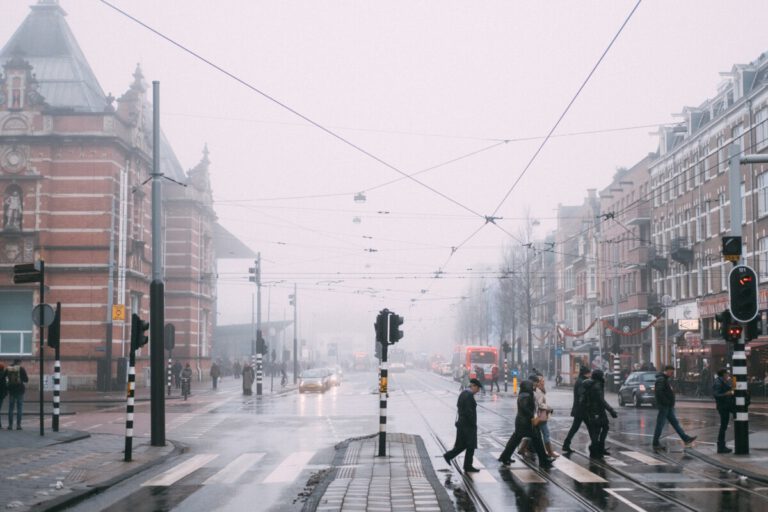
Batten down the hatches, guys! The gloomy weather of the past few days will culminate today in the first spring storm and it won’t be a nice one. Strong wind is expected across the whole country — so hold tight!
Today, the wind will rush at a speed between 50 and 90 km/h in most parts of the Netherlands, and up to 110 km/h in the north and the west.
Strong gusts of wind can hinder traffic and damage buildings and trees, especially in coastal areas, reports RTL Nieuws. Code yellow applies to the entire country for the day, announced the Royal Dutch Meteorological Institute (KNMI).
Where’s the sunshine
The Dutch weather likes to tease us with a day or two of sun every now and then, but that seems to be over for now. The baffling phenomenon that is the Dutch weather seems to be returning back to its usual (unpleasant) self.
Today’s storm is supposed to peak around noon, according to the Buienradar meteorologist Marc de Jong.
The strength of the wind is expected to decrease later in the afternoon, and will mostly be replaced by rain showers. Alongside this, we can also expect hail and thunderstorms.
How do you feel about the Dutch weather returning to its usual self? Tell us in the comments below!
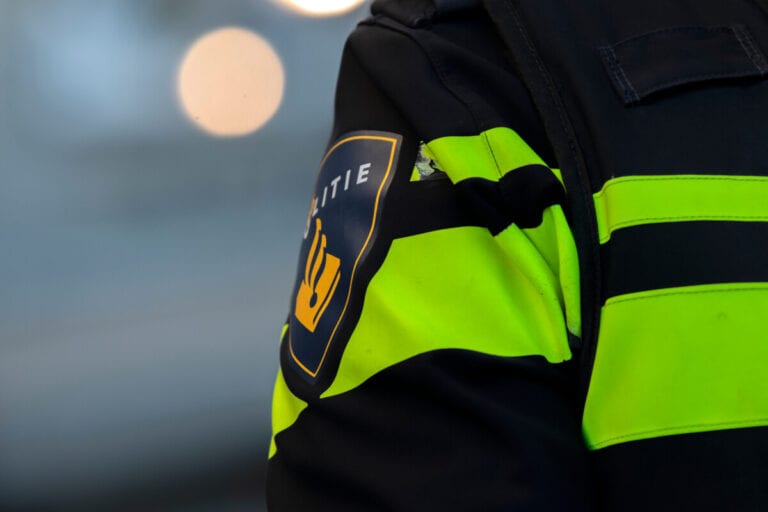
A police officer in Groningen was left seriously injured last night after he was stabbed in face by two young men on their bikes.
It is understood that the officer had approached the two offenders at around 10PM last night in the area of Houtenlaan as they were breaking curfew. However, the officer was quickly attacked and stabbed in the face.
The two young men ran on foot from the scene. A second police officer who was present could not chase the perpetrators as she had to provide first-aid to her colleague.
An appeal
The police are now looking for the two offenders who are described as “two white boys dressed in dark clothes, one with a rolled up cap on the other curly hair and a backpack.”
1/2 – De hulpdiensten zijn vanavond massaal aanwezig geweest bij een incident aan de Van Houtenlaan in de wijk Helpman in #Groningen. Wat er zich precies heeft afgespeeld is momenteel nog onduidelijk. Eén persoon werd met spoed met overgebracht naar het ziekenhuis. pic.twitter.com/gaBcmWUuwF
The description and an appeal for information were sent out using Burgernet (a citizen network that can aid police by reporting of they saw anything in their area.) However the perpetrators have not been found yet.
Police have launched an investigation into the attack and the area has been cordoned off for forensic examination.
What are your thoughts on this incident? Tell us in the comments below!
Know anymore Dutch-based phrases in the English language? Let us know in the comments!
Editor’s Note: This article was originally published in February 2018, and was fully updated in March 2021 for your reading pleasure.
Feature Image: Screenshot from a video on YouTube
Italians have pasta, the French have “escargot” and frog legs, and Japan has sushi. But, Dutch people often tell visitors “there’s no real Dutch cuisine!”
While it’s true Dutch food has failed to creep its way to international success alongside pizza and chow main, Dutchies seem to forget all the weird and wonderful food that lays in their kitchen at home.
Some aspects of Dutch culture might be easier to adjust to than others, this is also the case with Dutch food. With this complete guide, you won’t only Dutchify your kitchen but also learn some of the key elements to the Dutch of living. After all, you are what you eat!
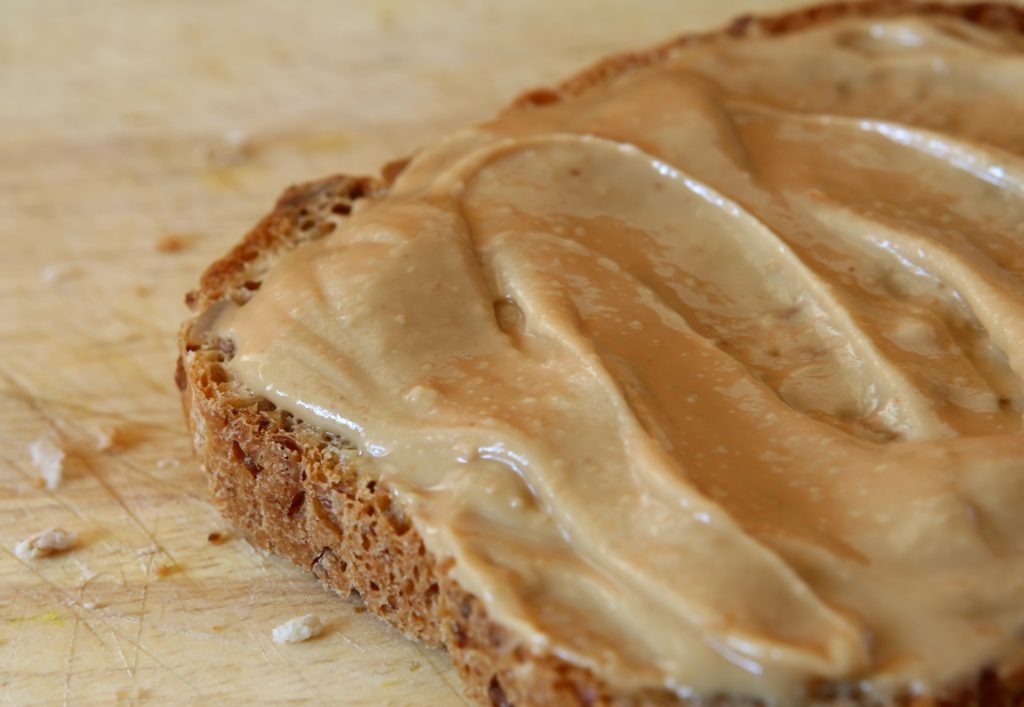
Dutchies love peanuts, so much that they are everywhere from toppings to soups to sauces. Pindakaas means peanut butter, but don’t confuse it with the American version of this spread. In the Netherlands, it is less sweet and often crunchy. To be a true Dutchie, buy the biggest jar you can find.
Pindasaus is a warm and runnier version of pindakaas, you can make your own by adding coconut milk or cows milk to pindakaas. It is best enjoyed with almost everything from fries to meat, so don’t be shy!
Hagelslag
These little sweet sprinkles are hard to miss in any Dutch supermarket where can find a large range of flavours stacked in every aisle. Flakey ones, thin ones, coloured ones and the ones that for some reason have muisjes (mice) on the package.
First of all, don’t panic. You can ease your way in with the plain chocolate ones and work your way up to the fruity ones. Enjoy the muisjes at baby showers and let the baby’s gender dictate whether it’s pink or blue! 👶
Tip: First, spread a generous amount of butter on your bread. Then, add the hagelslag to your liking. Enjoy it at any time of the day, no matter your age.
Drop
Speaking of candies, how could we forget drop? These black coloured liquorice candies are an acquired taste, so be warned. There are about 80 different kinds of this treat and you can take your pick from salty or sweet ones with different levels of hardness.
Our advice is to start by pinching a couple off of your friends before you purchase a whole box. The day you find yourself reaching for that drop jar in your kitchen is the day you can officially call yourself a Dutchie. Start training now!
Filet Americain
As you can tell from this list, Dutch people love spreading stuff on their bread. Their favourite choice is usually an unidentified spread mostly containing mayonnaise that hopefully tastes better than it looks. So far so good. But then there is Filet Americain. It is a spread that contains raw meat, capers, onions, mayonnaise and seasoning. Delicious!
Although there are some heated arguments about how healthy it is to consume raw meat these days, Dutchies eat this like there’s no tomorrow. Intrigued? Enjoy this delicatessen on bread with sliced raw onions or boiled eggs.
Filet Americain: More than “meats” the eye. Image: Marion Golsteijn/Wikimedia Commons/GNU1.2
Curry Ketchup
When it comes to condiments in the Netherlands, you can never go wrong with throwing some mayonnaise on your food. But, having some curry ketchup on the table is sure to impress any Dutch visitor. You can often find huge bottles of Hela brand curry ketchup in a two-for-one korting.
Cheese knife and potato masher
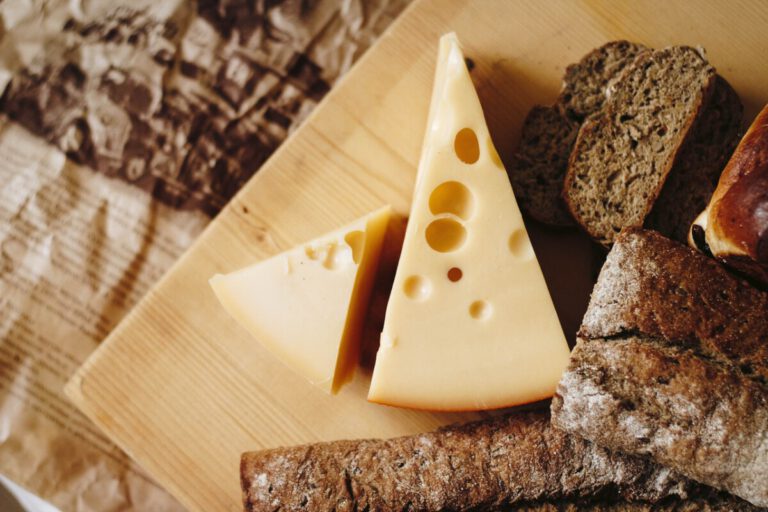
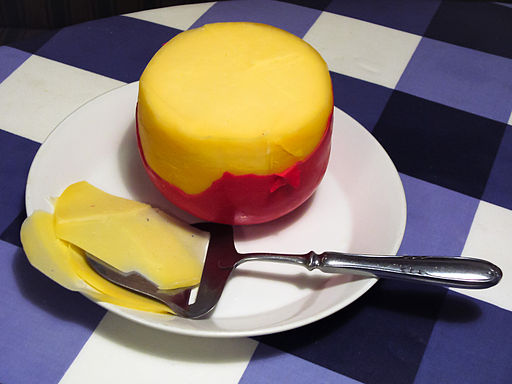
Cheese and potatoes are the undeniable stars of any Dutch kitchen. Therefore, a proper cheese knife and a potato masher are very, very, important. The cheese knife is more of a scraper than a blade, and as one Dutch person told me “it’s to make sure you don’t take too much cheese,” (ah, those Dutchies). 😂
Meanwhile, a kitchen without a potato masher would be like a kitchen without a stove for this potato-eating-nation.
An iconic Dutch kitchen tool. Image: Yvwv/Wikimedia Commons/CC3.0
Seasonal Faves
Twinkling lights, a man dressed as Sinterklaas in a funny hat, and people dressing the controversial figure of Zwarte Piet – sounds like December in the Netherlands. If you step into any supermarket this time of year (or apparently any time from October) it is hard to miss the section with festive cookies, chocolates and even costumes.
Kruidnoten are sweet-spicy round small cookies. CAUTION: do not eat these unless you want to finish the whole bag (with a side-helping of regret). These deliciously addictive biscuits are traditionally thrown by Zwarte Piet at children.
Pepernoten are chewy, square-shaped cookies that are often very hard and threaten to break your teeth. After purchasing the biggest bags of cookies, it is always fun to buy some delicious chocolate letters to give friends and family or even enjoy yourself.
So there you have it, some staples for your Dutch kitchen. To get one step closer to eating like a true Dutchie, check out part two of this series!
Anything we left off the typical Dutch shopping list? Let us know in the comments below!
Editor’s Note: This article was originally published in August 2017, and was fully updated in March 2021 for your reading pleasure. Feature Image: NastyaSensei/Pexels
As home to many Dutch Art Master’s collections, and situated in the heart of Amsterdam’s cultural district, the Rijksmuseum is once again at the forefront of the art world with its latest endeavour to display works by women artists in its central “Gallery of Honour.”
The Rijksmuseum, which was originally called the National Art Gallery and situated in The Hague in 1800, began as a prestige project to inspire Dutch feelings of pride. When the Kingdom of Holland was under Louis Napoleon Bonaparte’s rule during the early 1800s, national collections were moved to the new Dutch Capital, Amsterdam.
Following King Willem I’s ascent to the throne in 1813, the institution was changed to the “Rijks Museum” (national museum). The building’s recently-renovated layout is modern while fusing most of the plans of the original architect — Cuypers.
With this creative layout, museum visitors are taken on a Dutch history and art tour from the Middle Ages through to the 20th century.
Today, in keeping with its self-classification as a “museum of and for everyone”, this palace of art is again making headlines by setting aside a permanent display of women artists in its central gallery. For the first time in over 220 years, the Rijksmuseum will foreground women’s art from the 17th-century.
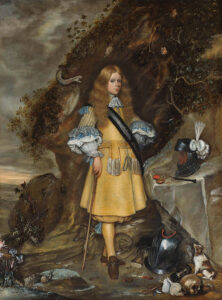
Painted by Gesina and her half-brother Gerard. Image: Web gallery of art/Wikimedia Commons/Public Domain
Women and painting
Although the subject of many popular works, including Vermeer’s profound 1658 “The Milkmaid”, women as artists in permanent collections are not as idolized in museums.
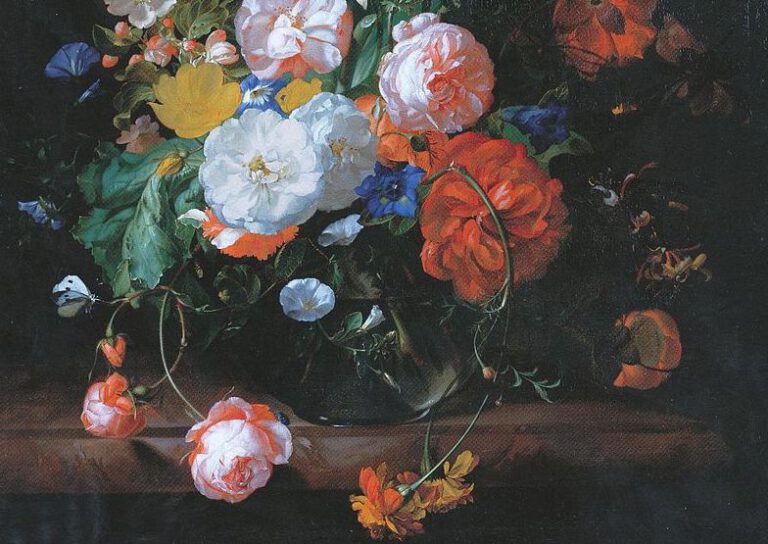
The initiative to situate women as creators and not mere muses will ensure a more wholesome depiction of the Dutch art world. Works to be housed in the “Gallery of Honour” include Gesina ter Borch’s Portrait in memory of Moses ter Borch (1667–69) and Rachel Ruysch’s Still Life with Flowers in a Glass Vase.
Rijksmuseum and colonialism
Following the global trend by art institutions trying to fill the gaps in their collections, the Rijksmuseum plans to tackle the Dutch colonial past once the museum reopens after its temporary pandemic-related closure.
To give a more complete and objective exhibition of the Netherlands, the Rijksmuseum cannot ignore the colonial past of the Vereenigde Oostindische Compagnie (Dutch East India Company) and the effect that years of war, turbulence and ever-changing ownership had on their artworks.
Housing women’s art in a permanent collection is one of the ways that this museum intends to exhibit the Netherland’s subjugated histories.
What are your thoughts on the Rijksmuseum’s decision? Let us know in the comments below!
Remember that time the Dutch government gave artist’s actual salaries in exchange for their work? No? Allow us to refresh your memory!
Are you an aspiring Dutch artist in the 70s rebelling against the system, using contemporary art to promote your progressive ideals, but struggling for a sustainable income? Fear not!
With the BKR (Beeldende Kunstenaars Regeling) — an artist subsidy scheme — you can hand over your artwork to the government and get a salary in return, so that you can keep fighting the very system that simultaneously provides you with food and shelter. I’m sure nothing would go wrong.
Jokes aside, we have to give credits where credit’s due. The BKR was a bold and unique social assistance that helped many artists after the Second World War, including famous artists like Armando, Jan Wolkers, and Marlene Dumas.
Learning from Fransje Kuyvenhoven’s research on the BKR, we can see that the scheme had a turbulent existence that garnered a rather negative public image which it may or may not deserved. From its birth in 1949, to its peak in popularity in the 70s, which subsequently led to its downfall in 1987, the history of the BKR is certainly worth remembering.
“Do not hand in wet”
When the BKR was first established in 1949, its goal was to help struggling artists on their way to financial independence. Dutch municipalities could implement the BKR voluntarily and set up commissions that valuated the worth of a submitted artwork.
The artwork would then be bought by the government and the price would be recalculated into a weekly salary for the artist. So far so good. But just like any welfare system that sounds a bit too good to be true, it’s bound to be abused by some folks.
The anecdote goes like this: a Rotterdam artist Rijn Rijnse (there’s possibly humor in his name that’s too Dutch for me to understand) walked into a bar one day and remembered that he needed to hand in an artwork for the BKR, so he threw some paint on a canvas and handed it in when it was still wet. That very afternoon he came back to the bar and declared with satisfaction that his “scribblings” would keep him fed for a few more months.
Such a stereotype of an artist living on BKR subsidy was very wide-spread across the Netherlands, so wide-spread in fact, that it’s rumored that an art collection point in Amsterdam once hung up a board with “Do not hand in wet” on it.
Research carried out in the 80s showed that 20% of the artists using the BKR were indeed exploiting the system. Unfortunately, the other 80% of honest workers might have still contributed to BKR’s eventual termination by, ironically, working too hard.
Drafty attics and damp basements
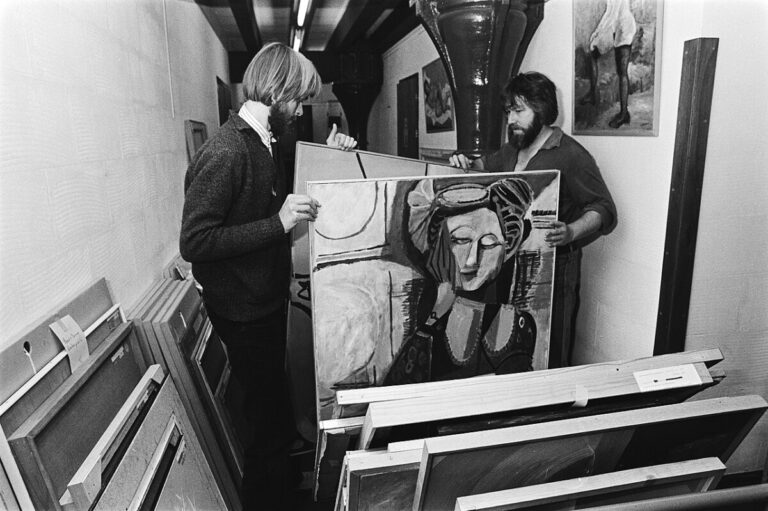
In 1969, the BKR experienced an explosive growth in members. Lured by its benefits, students flocked to art academies, foreign artists immigrated to the Netherlands, artists moved to the countryside to ask for membership, and with the help of the BKR, women felt that they could finally become the bread-winner.
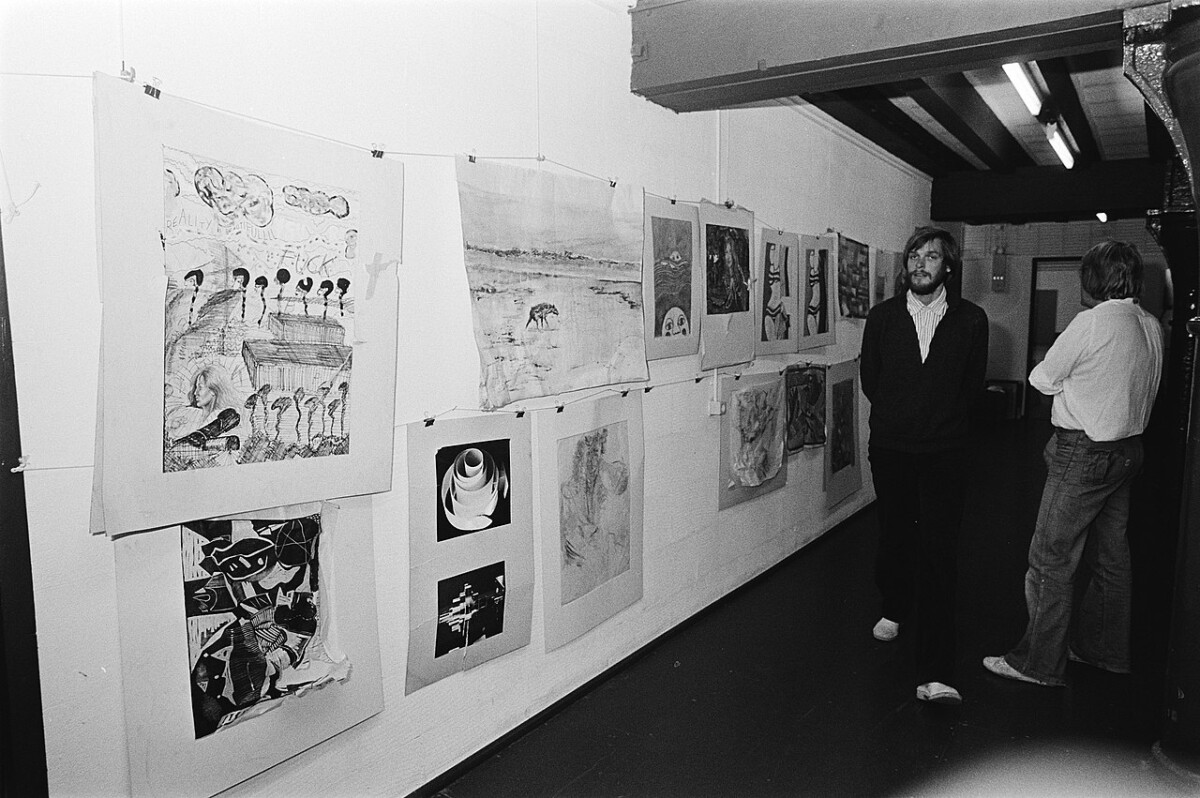
Municipalities were flooded with such a massive amount of artwork that many of them couldn’t find enough storage space to preserve them.
Before 1969, 75% of the BKR artworks were taken in by the Cultural Heritage Agency of the Netherlands. Because the agency’s depots had run out of space by 1969, it took in only 50% of artworks from then on.
From 1978, the Cultural Heritage Agency tried its best to take in as few artworks as possible while renting out many works as fast as they could. The municipalities weren’t doing too good either. Stories of irreversibly damaged artworks in drafty attics and damp basements were picked up by the media, while the cost of both storage space and artist salaries piled up.
Thousands of artworks
Just to illustrate how many artworks there were, here are some facts. When the BKR was finally abolished, the Netherlands had half a million more artworks sitting in its warehouses.
Of these, 20,000 pieces were declared “museum worthy” and the rest were given the usual treatment of mediocre art. They became wall decorations, were given to institutions as gifts, returned to the artists, slowly trickled back into the market, or were simply cut up and made into relatively attractive notebook covers.
“Politicians go behind your back”
Shouldering huge financial burden, the Ministry of Social Affairs turned to tighter regulations and austerity measures, both of which were met with fierce protests. It was the beginning of the end.
The desperate artists, armed with rage-fueled creativity (the worst kind of creativity), were fighting a losing battle.
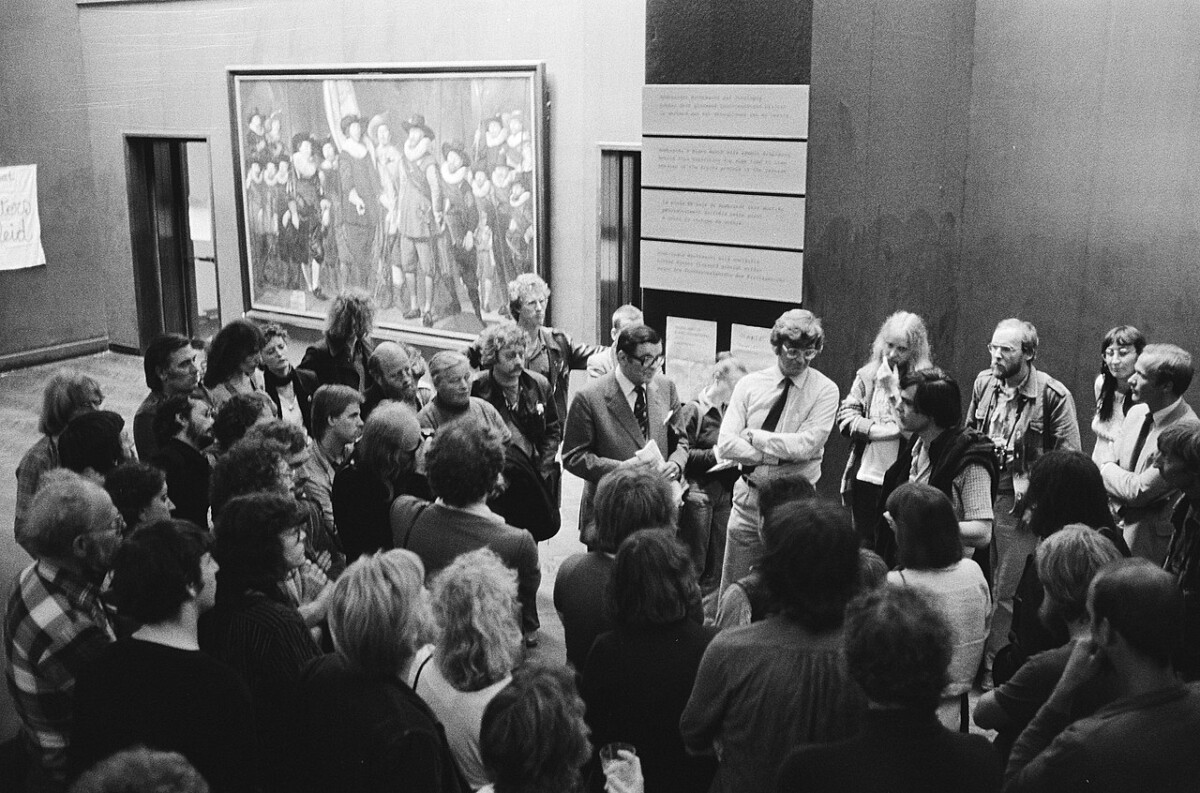
One good thing that came out of all these, is that some of the protests were arguably hilarious. Museums were occupied by hundreds of artists, including the Rijksmuseum in Amsterdam (twice), the City Museum in Schiedam, the City Museum in Alkmaar, the Boymans van Beuningen and the City Museum in Groningen.
And by “occupy” I mean sleeping peacefully in front of paintings. It would soon be apparent that artists were much more respectful towards artworks than politicians.
In 1983, State Secretary for Social Affairs Louw de Graaf tried to explain the austerity plan and was met with multiple flying objects including paint, chairs and microphones. Prime Minister Lubbers Brinkman, on the other hand, got a pie in the face.
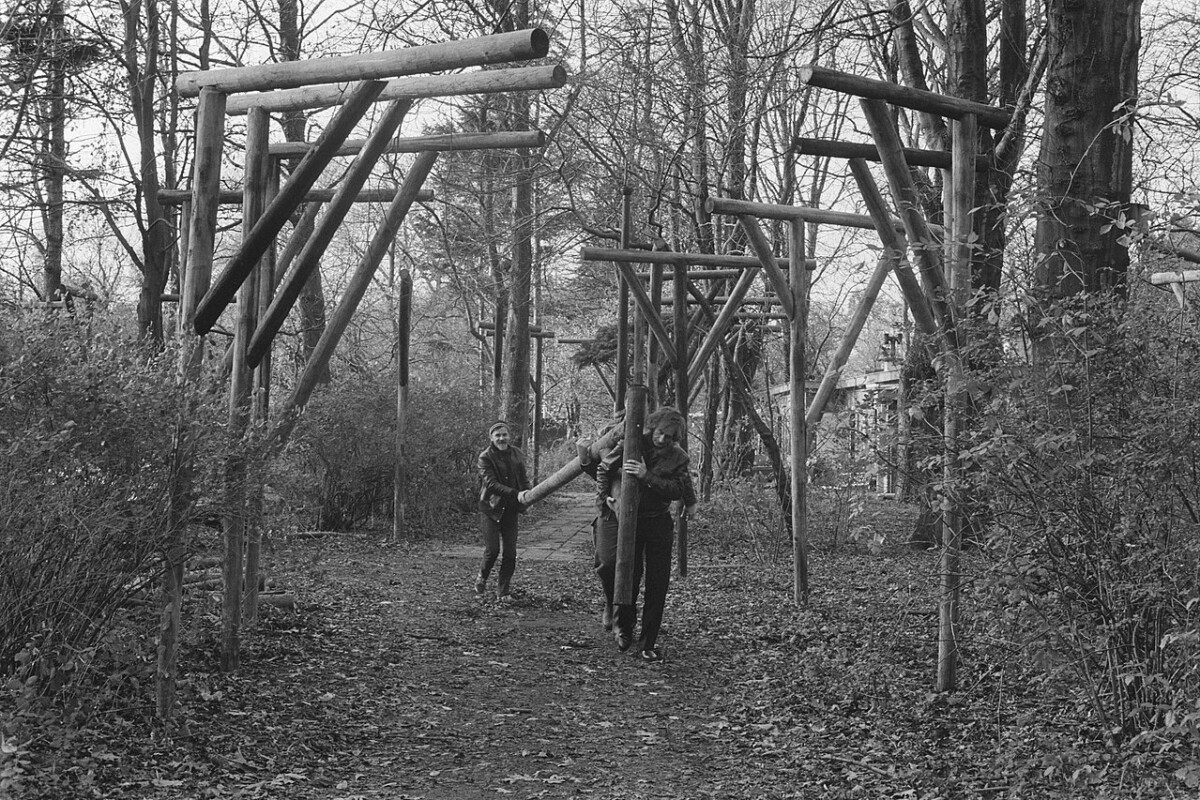
Three years later, a group of artists set up 150 gallows in the open-air theater of the Zuiderpark in The Hague—one for each member of the House of Representatives, obviously. Another group expressed their displeasure with a painting titled “politicians go behind your back” that depicts Lubbers standing naked with a quirt in hand and the devil at his side.
Some would argue that the protesters might have shot themselves in the foot with these wacky antics. And they are probably right. Because columnists sure went to town with all the commotion. And we all know how persuasive media can be, especially when humor is involved.
The Republic of Rottum
When 35 artists traveled to Rottumeroog — an uninhabited island in the Wadden Sea — to proclaim it the “Republic of Rottum” in protest, a columnist of De Telegraaf was delighted by the idea of all 3163 visual artists living in harmony on a small island away from the Netherlands.
The only problem was, each artist would possess a total of one square meter of living area. The Republic of Rottum would’ve looked like a breeding ground for penguins.
End of an era
On January 1, 1987, the government finally pulled the plug on the BKR. It’s a shame that its legacy always has a negative connotation to it. After all, the BKR did its job, albeit a bit too well.
When Karel Appel passed away, nobody mentioned that his famous painting “Questioning Children” was sold through the BKR. Even Appel himself denied that he was ever a part of it. It would be a shame to forget the BKR’s history.
We might learn something from it, like never throw a pie in the Prime Minister’s face if he writes your check.
Had you heard about the BKR before? Let us know your thoughts on this retro initiative in the comments below!
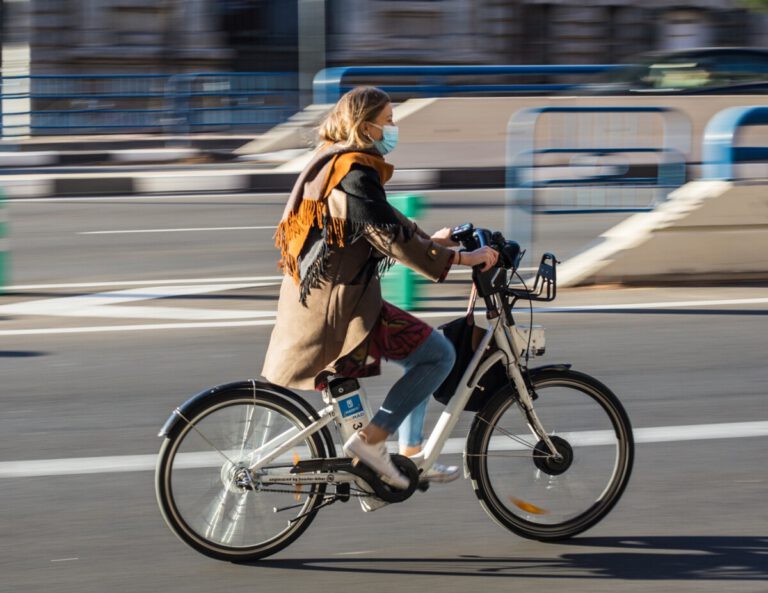
A record of 1.1 million bikes was sold in the Netherlands last year. The popularity of electric bikes is skyrocketing.
It’s been a tough year for many businesses due to coronavirus. Thankfully not for the Dutch bike industry. There was a record turnover of €1.65 billion from bike sales in the Netherlands last year, reports RTL Nieuws.
E-bikes on the rise
Around 547,000 electric bikes were sold last year. This number is staggering, as ten years ago, e-bikes represented merely 15% of the industry’s sales. Now, electric bikes are responsible for 75% of the generated revenues.
There was also a high number of traditional bikes sold in 2020 — more than half a million!
The average price for a new electric bike was over 2,250 euros last year. The increasing popularity of e-bikes is also pushing up the prices of regular ones, with the average price being around 1500 euros in 2020.
One corona-proof activity
It’s not really shocking that the Dutchies love their bikes. However, last year’s sales are still unexpectedly high.
With gyms being mostly closed over the past year and the government advising people to take public transport only when it’s necessary, cycling seems like a clear solution to our transport and exercise problems.If you add the good weather to the mix, it’s no surprise people are eager to get out of the house and hop on their bikes.
Bike sales were breaking records last year, but with the coronavirus crisis still raging on, the expected turnover for 2021 remains unpredictable.
Do you also enjoy cycling? Have you tried an electric bike? Let us know in the comments below!
Maybe it’s all that cycling or the fact the Dutch use paracetamol to solve all ills. Whatever it is, the Netherlands is doing something right, it has now in the top ten healthiest countries in the world.
Compare the Market Australia has published a list of the healthiest countries in the world. Japan has pinched the top spot, followed by South Korea and Finland. Norway also ranked high, which is typical of the healthy Nords. 😉
The results were based on a number of factors including life expectancy, vaccination rate, and access to drinking water. It also evaluated lifestyle habits from different countries, including the percentage of smokers, alcohol consumption, and the prevalence of insufficient activity amongst adults.
Where the Dutch do well
It seems that the land of tulips and cheese breeds healthy spawn. The average life expectancy in the Netherlands is a whopping 81.9 years.
If you are a tap-water sceptic, there is nothing to fear, as 100% of the population in the Netherlands has access to safe drinking water. Infant mortality is also low, with only an 11.2% chance of premature death.
That being said, 20.4% of the Dutch population are considered obese with 27.2% of adults being physically inactive.
The top ten healthiest countries
Wondering how the rest of the world compares? Here are the top ten countries ranked the healthiest by Compare the Market.
Rank
Country
Score
1
Japan
79.20
2
South Korea
78.76
3
Finland
77.00
4
Norway
75.88
5
Sweden
75.38
6
Switzerland
74.46
7
Costa Rica
72.09
8
the Netherlands
71.35
9
Denmark
71.22
10
China
71.17
Are you surprised by the Netherland’s ranking? Let us know in the comments below!
The RIVM has released its weekly coronavirus figures for the period of March 2 to March 9. The number of infections has fallen slightly compared to the previous week.
The curfew which has been in place in the Netherlands since January 23 has been extended until March 30. However, certain other smaller measures have been relaxed.
In a press conference last night, these relaxations were announced by the Prime Minister Mark Rutte and the Minister of Health Hugo de Jonge. Most notably, De Jonge announced that terraces could open by Easter if the R rate drops sufficiently.
New number of infections
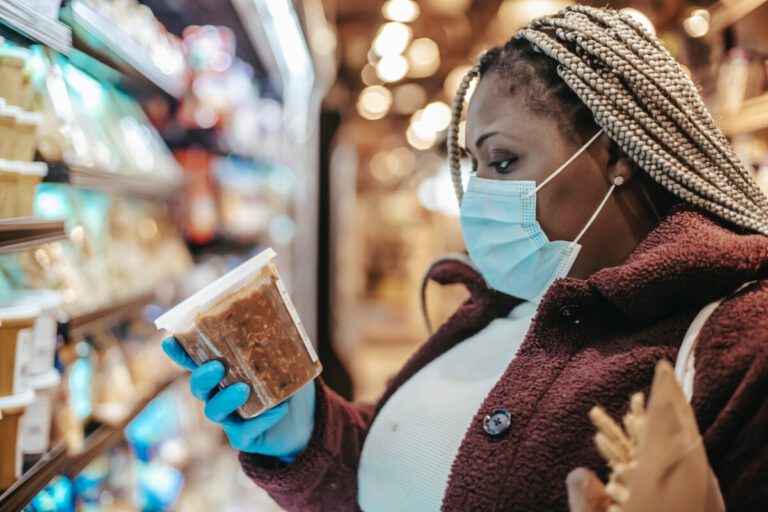
Over the past week, the RIVM reported 31,959 new infections in the Netherlands. This is a small decrease compared to the previous week’s number of 31,984 new infections. But a whopping 14% more people got tested, so the number of positive tests actually dropped: 8,1% this week compared to 8,9% last week. The RIVM calls this a good thing since more people with corona will now be detected and stay home.
Deaths
The number of patients who have died from COVID-19-related complications has also decreased. This week 269 people passed away, compared to 309 people the previous week.
Hospitalisations
Hospitalisations are going down, however, the number of admissions to the ICU has gone up slightly. The past week saw 1,145 new admissions to the nursing ward and 271 new patients in the ICU. The week before, there were 1,191 and 223, respectively.
The Dutch government remains concerned over the new variants of coronavirus as well as the third wave of infections, yet some measures have been relaxed.
More sports and shopping
In last night’s press conference, Rutte announced that shops can admit more customers per day, those over 27 can play group sports, and children’s swimming lessons can resume.
On March 16, shops are will be allowed to have 1 person in their store per 25m2 of space. This means that multiple people may be allowed on one floor at any given time as long as they can have 25m2 of space each. There is a maximum of 50 people though.
Curfew extended
The avondklok has been extended until March 30. There is an exception for the Dutch general election so the votes can be counted.
Election day is March 17, but some voters are able to cast their ballot on March 15 and 16, so these 3 days, there will also be a suspension of the curfew for those working at the polls or those returning from voting.
Travel ban on the UK lifted
The ban on flights and ferries coming in from the UK will be lifted tonight at midnight. The Ministry of Health has said that the British variant of the virus already spread in the Netherlands at an extent to which the travel ban is no longer beneficial.
While the ban on flights between the UK and Cape Verde have been lifted. The current ban on flights between the Netherlands and South Africa and some countries in South America has been extended.
He has also said the Dutch government is investigating the idea of only giving one dose of the vaccination to those who have had coronavirus symptoms. However, more research is needed in this area.
Follow DutchReview on Facebook for the latest news about the upcoming coronavirus measures.
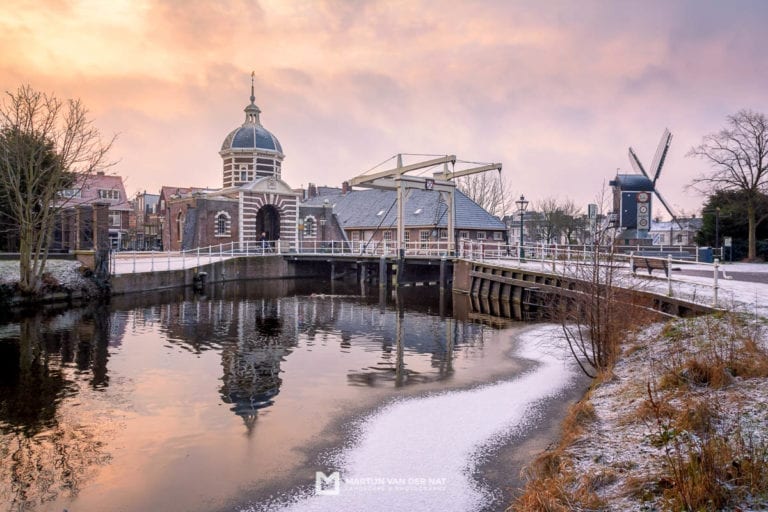
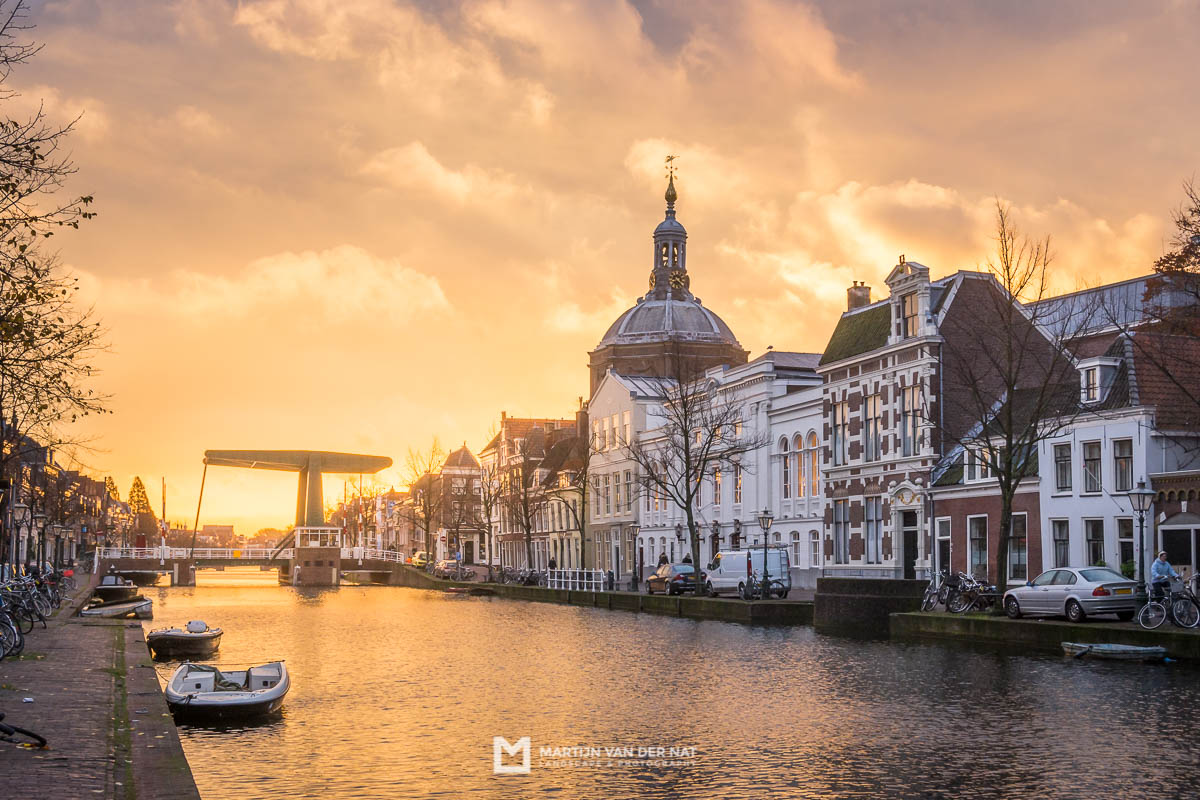
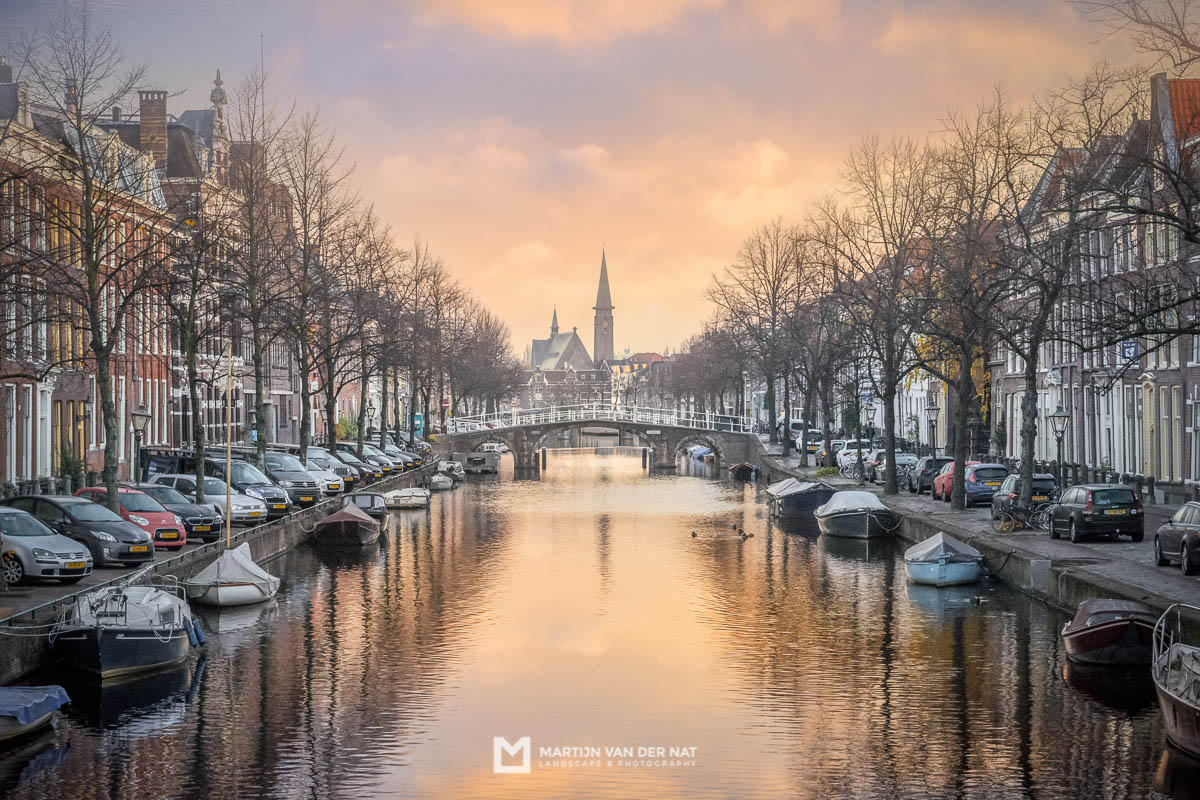
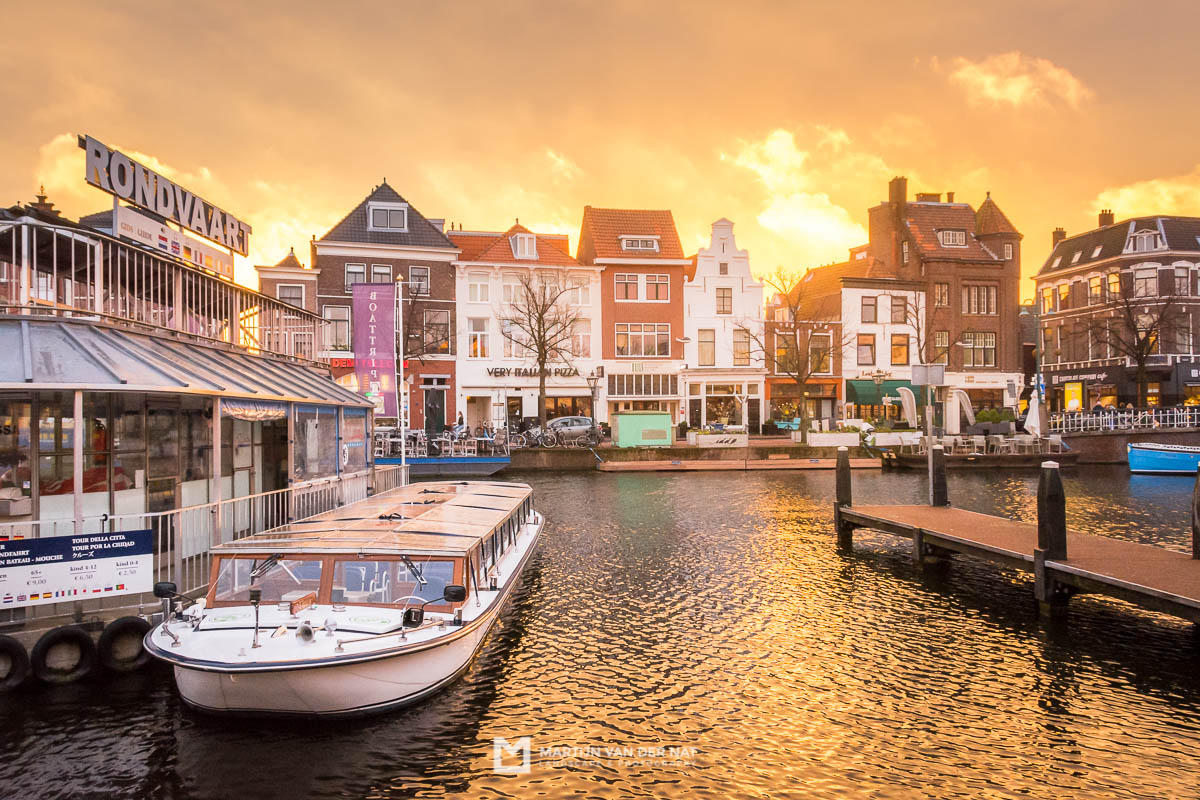
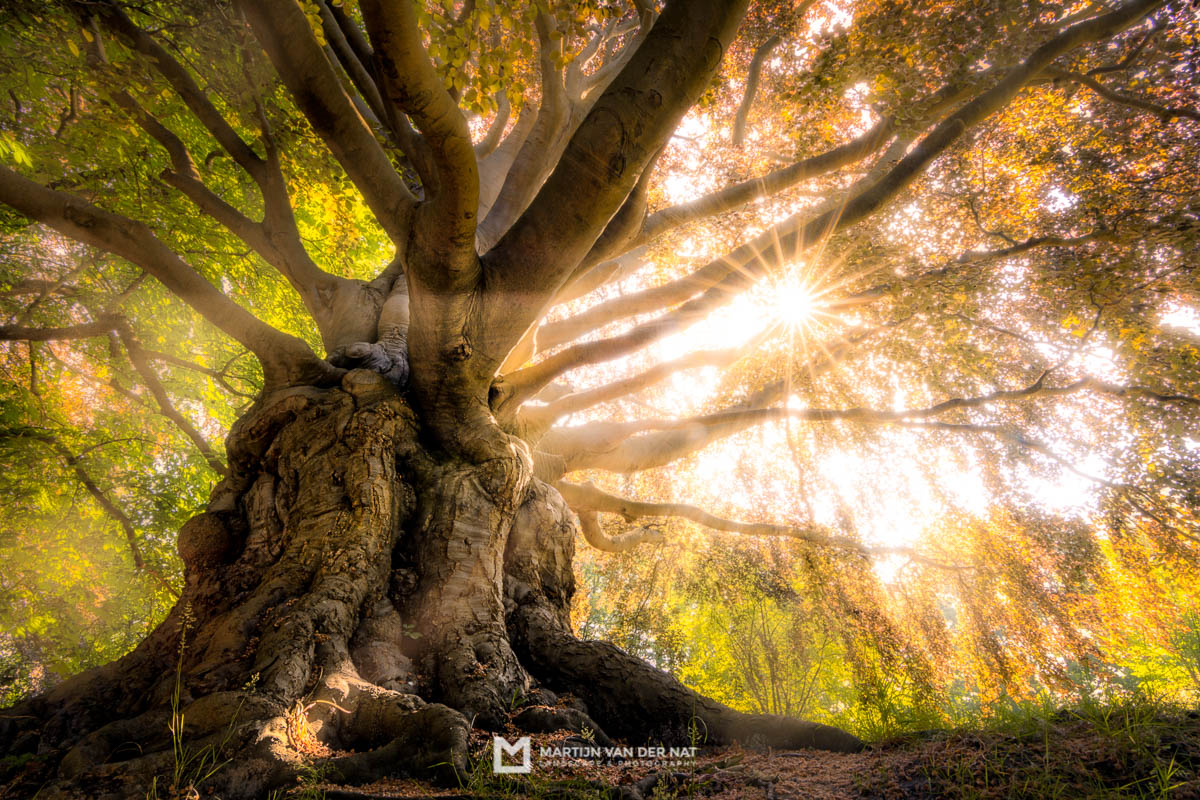
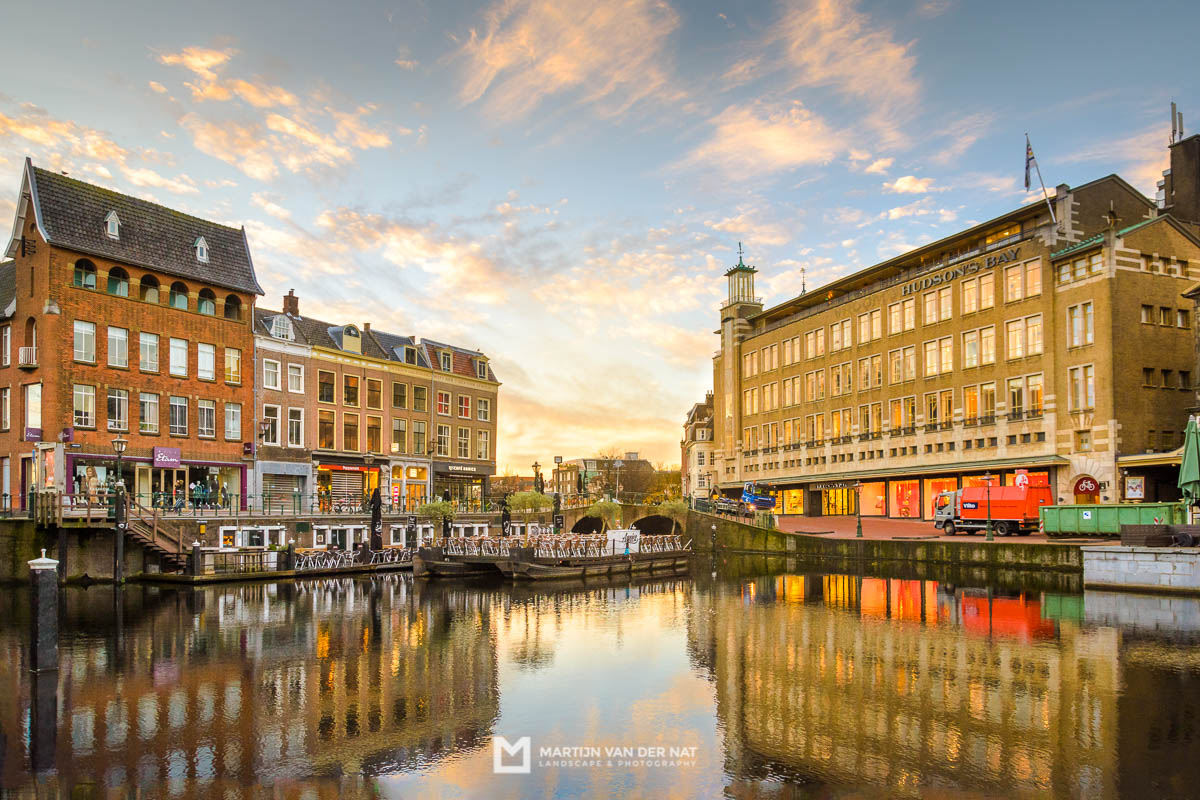
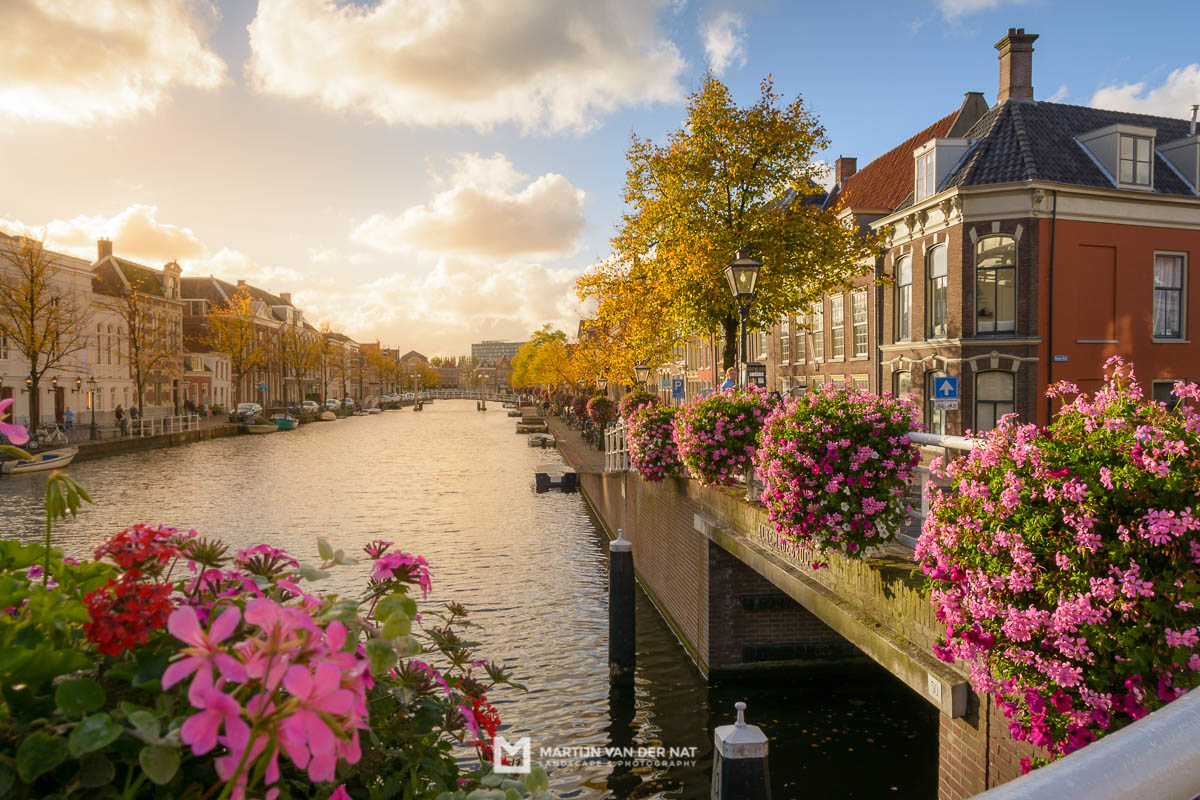
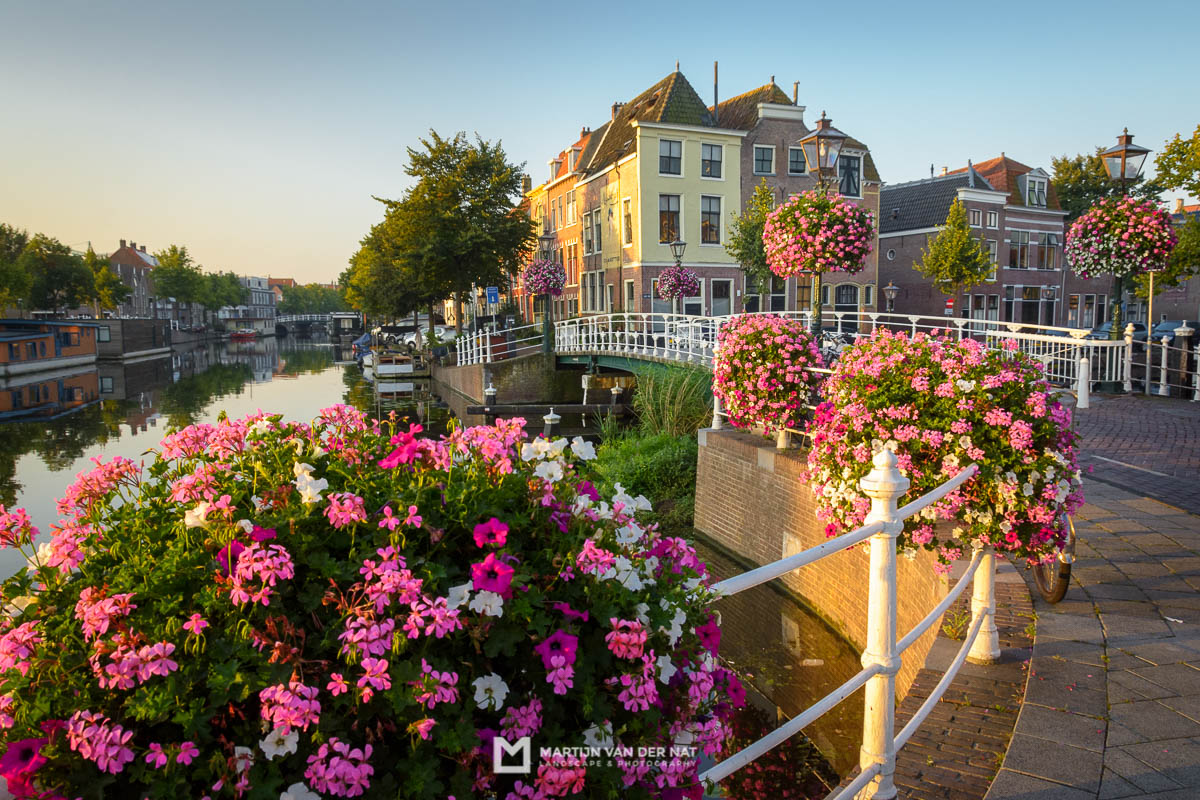
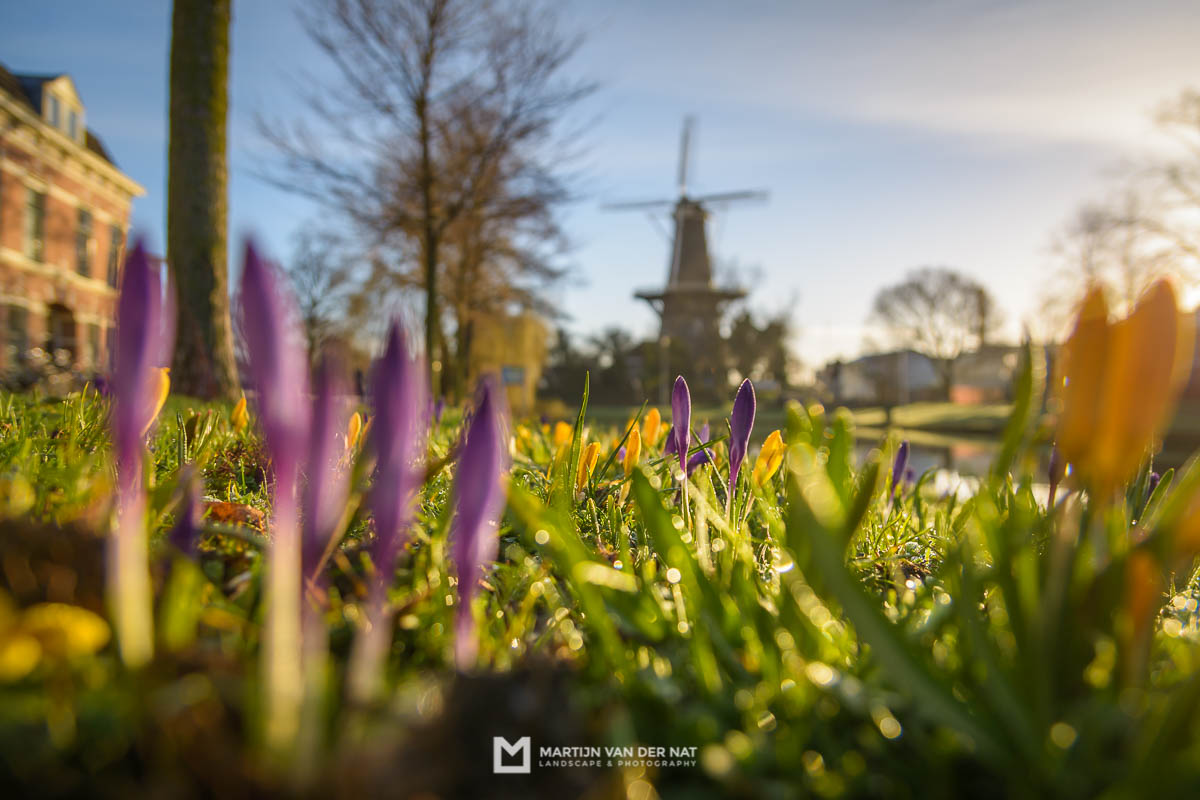
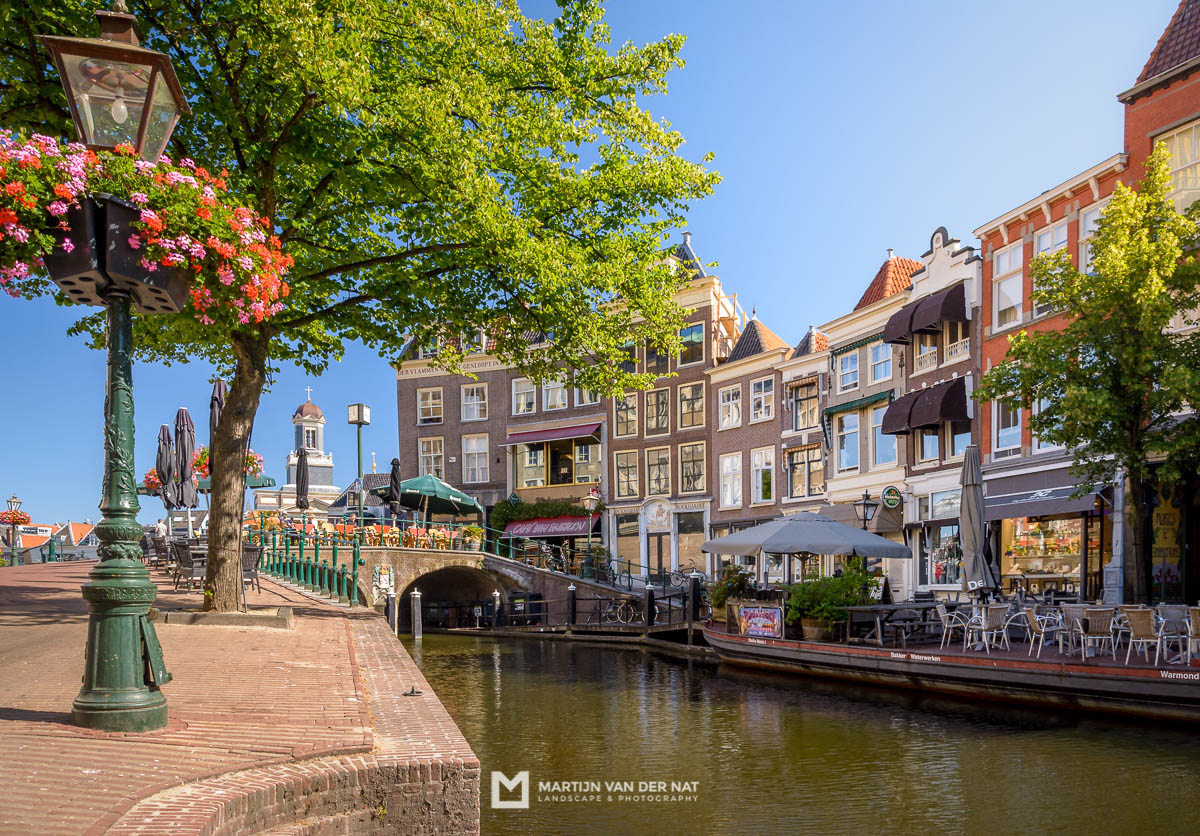
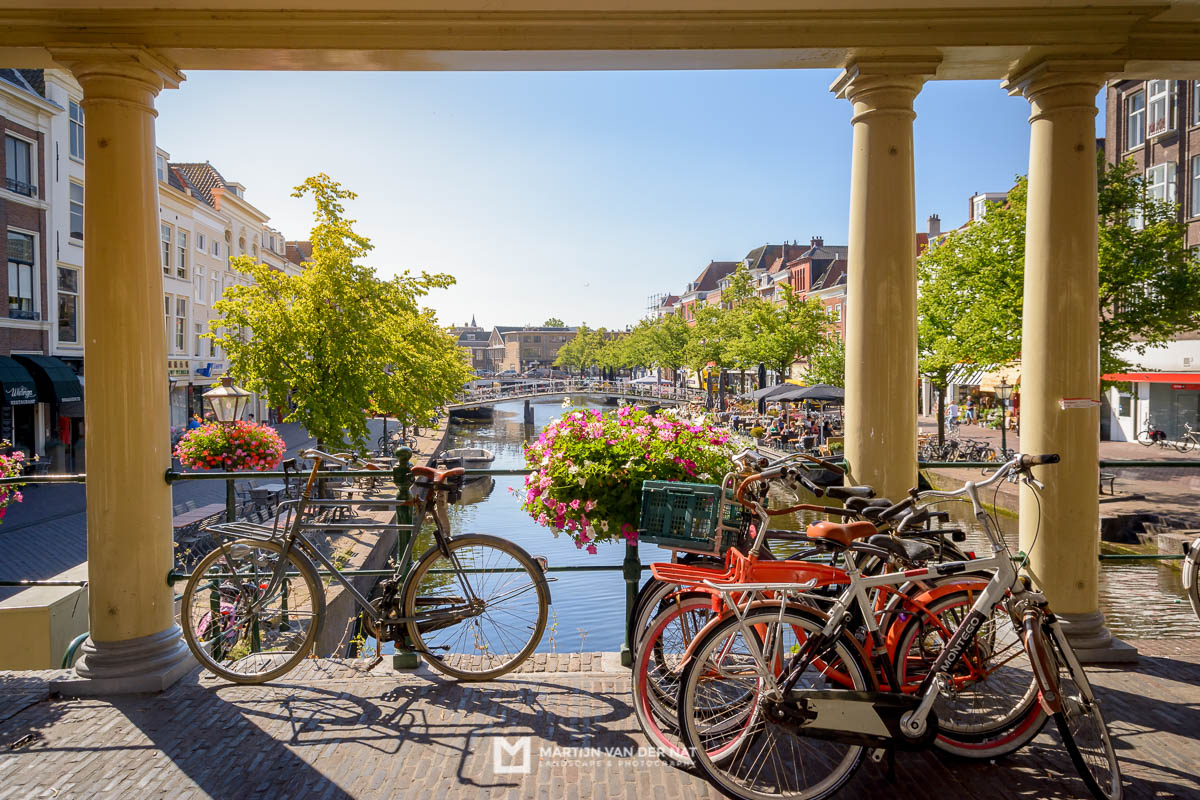
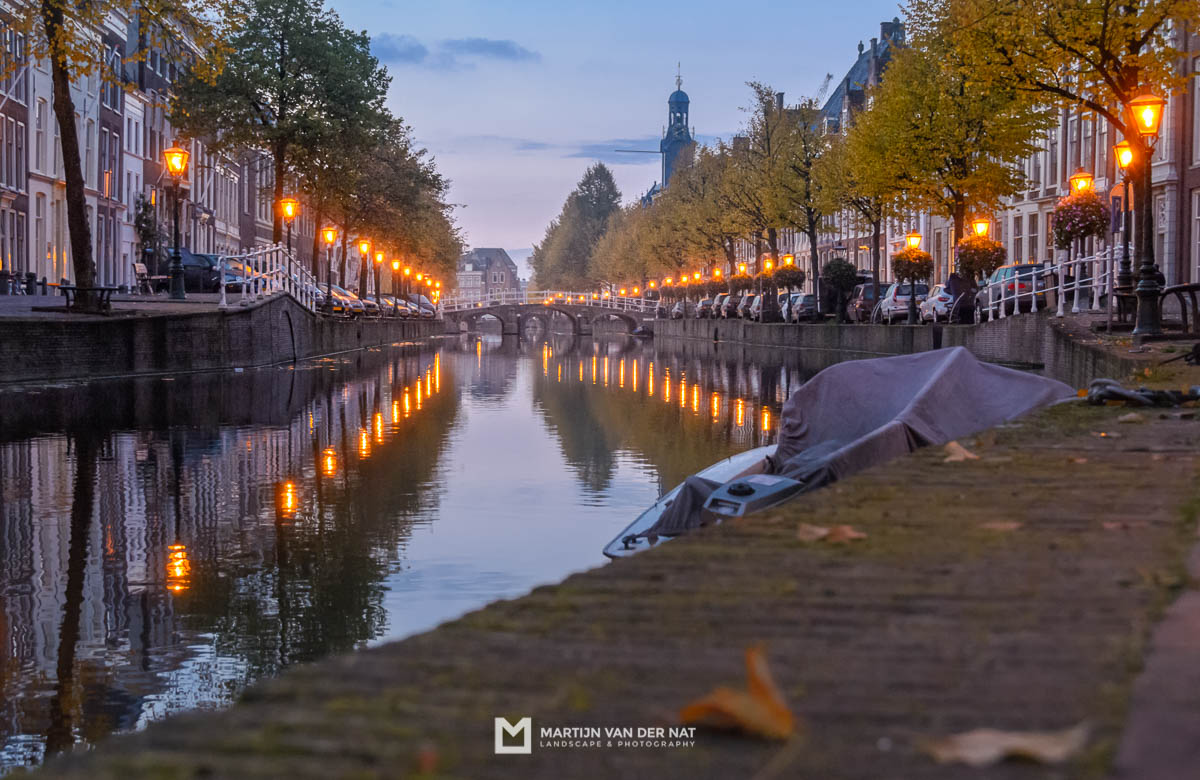
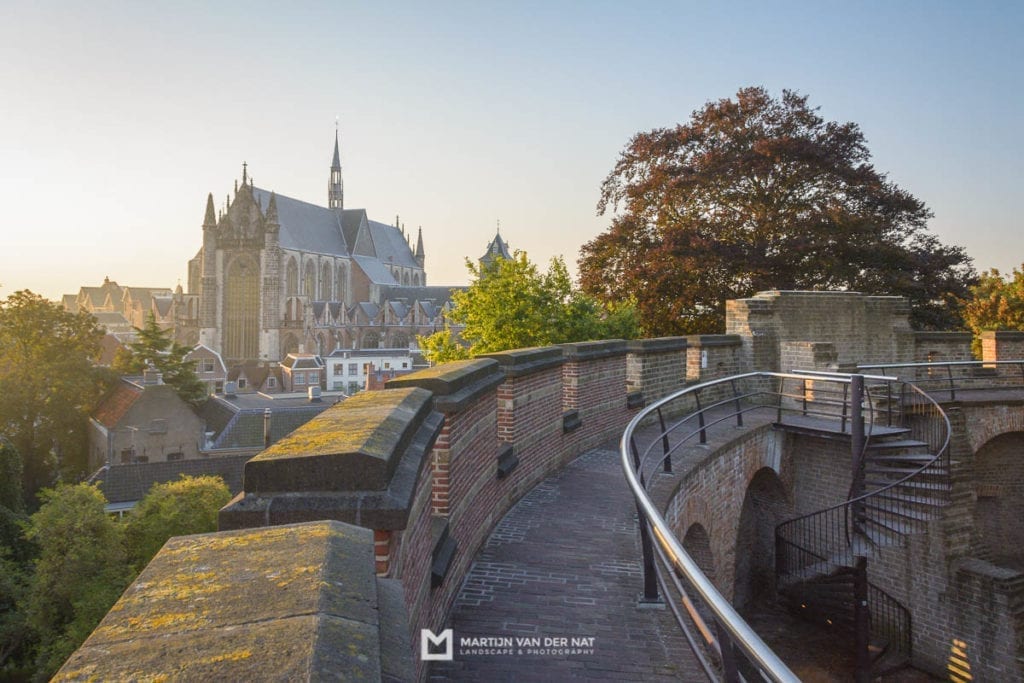
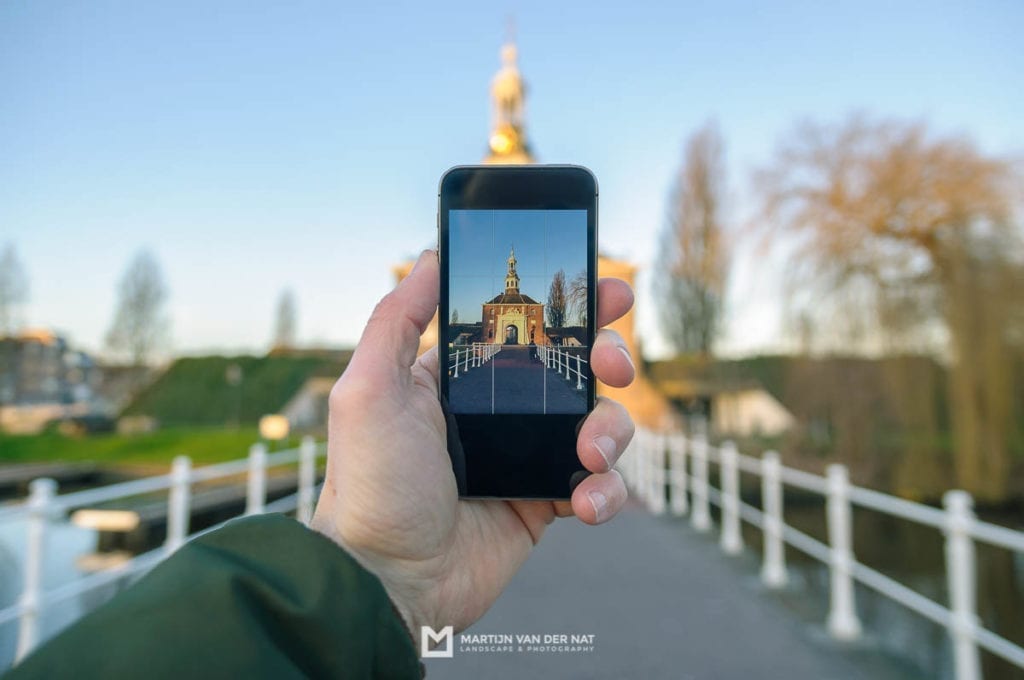
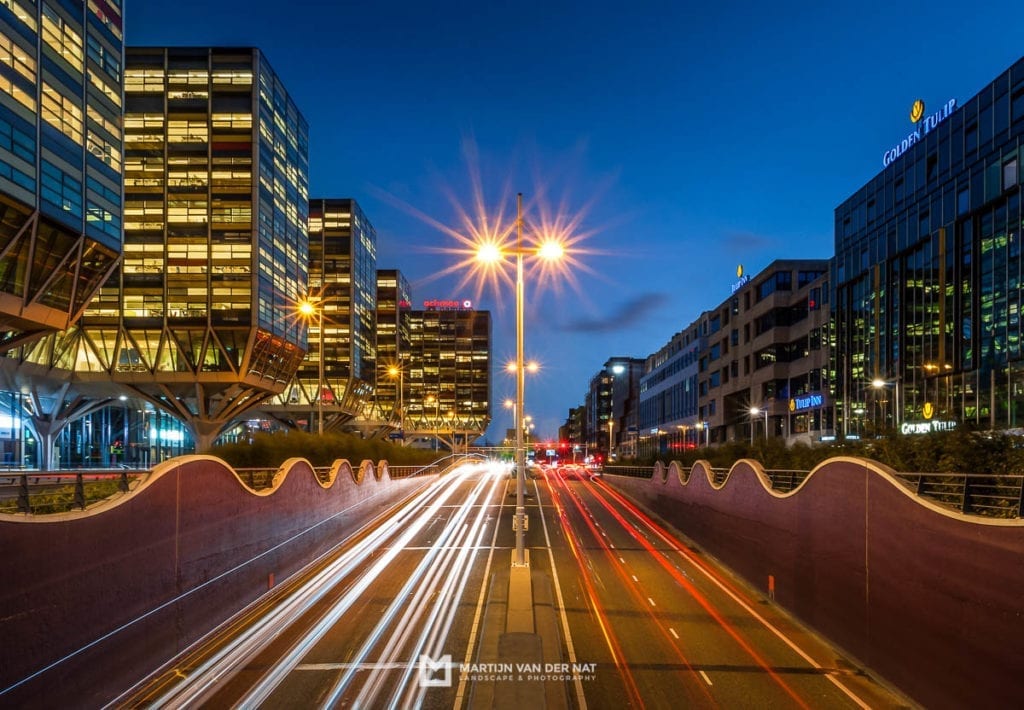
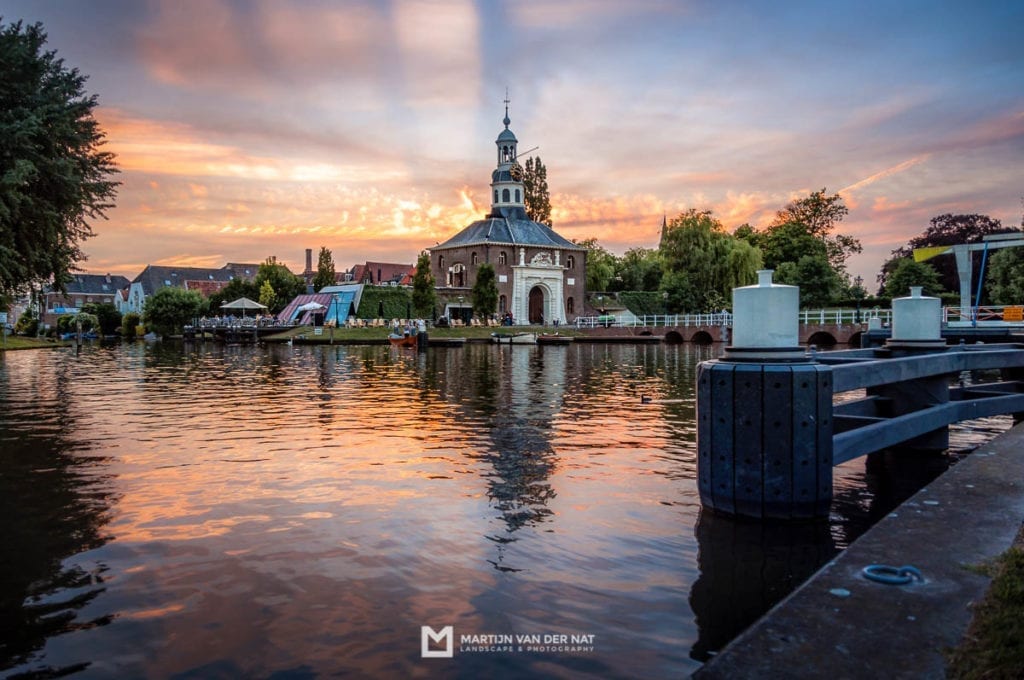
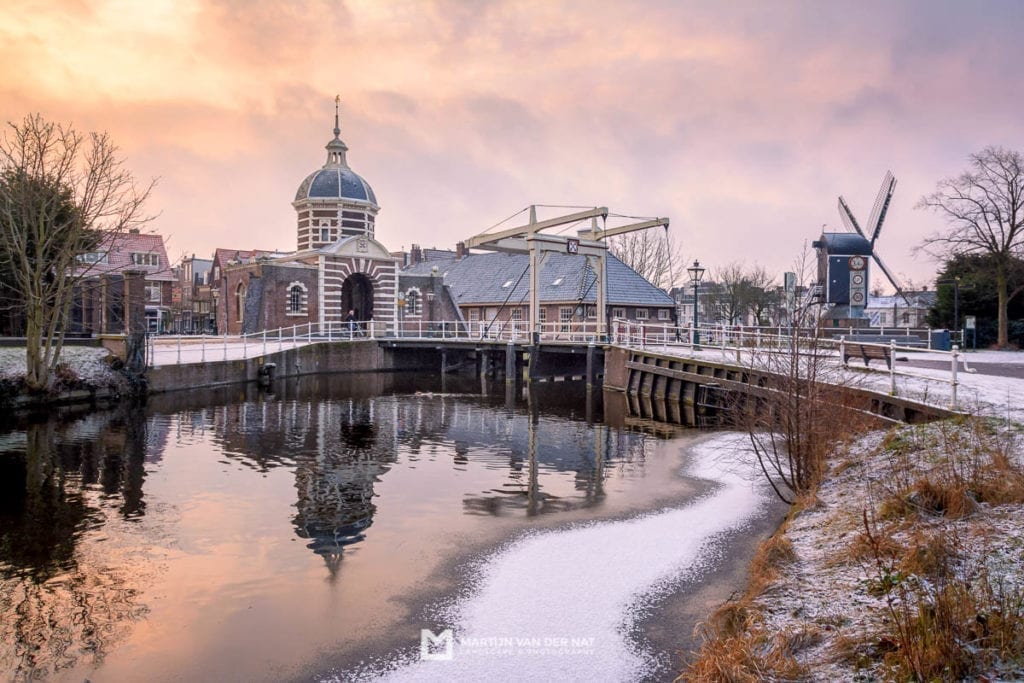
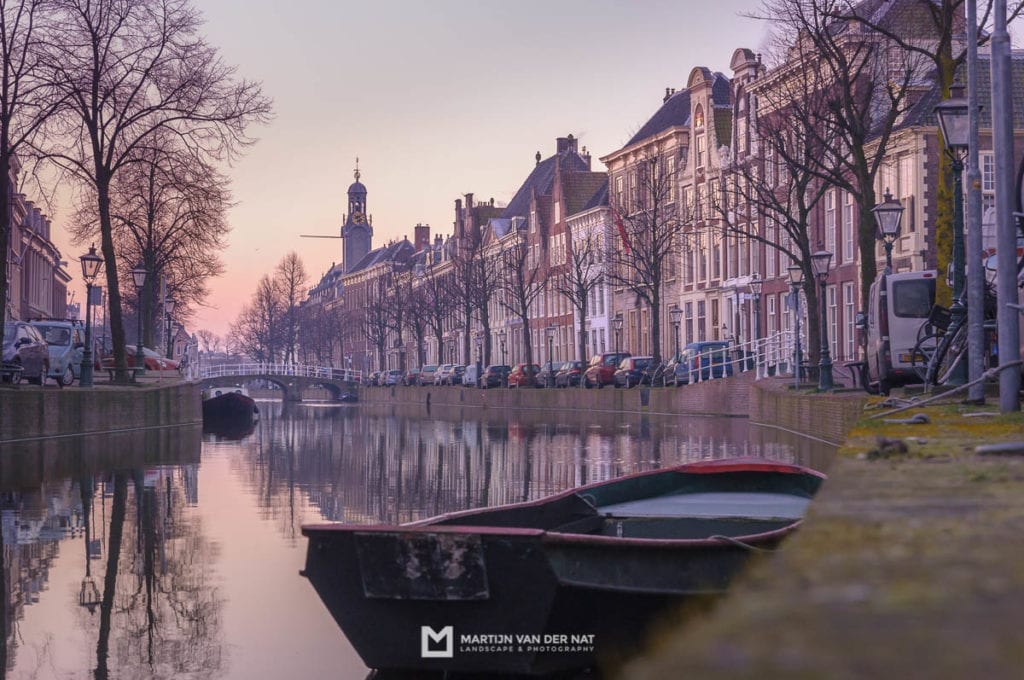
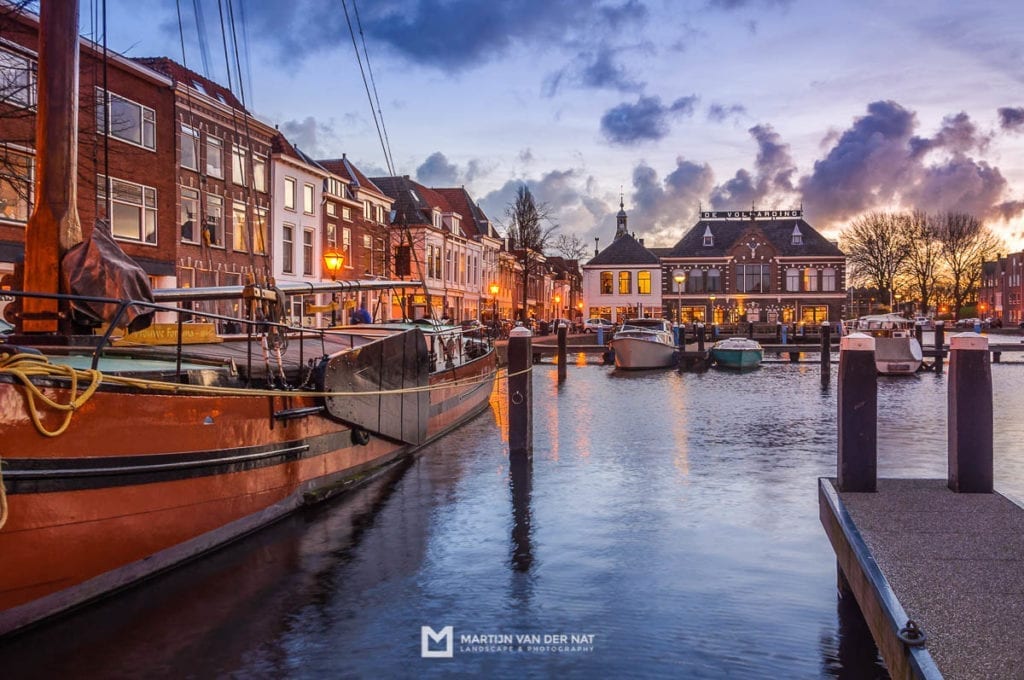
These photos of our hometown Leiden will be, hands-down, the prettiest thing you stumble upon today.
Since DutchReview is located in Leiden, it’s not a coincidence that our feed on Insta is filled with top shots of this beautiful city. But recently, a couple of pictures really stood out. Long story short, we teamed up with Martijn van der Nat, who has taken some incredible photos of Leiden and we at DutchReview think these photos are a sight for sore eyes.
Leiden is also sometimes called “Little Amsterdam,” and you can see why in some of Martijn’s canal pictures. If you’re after more of these kinds of pretty pics, then make sure to visit Martijn’s Instagram as well for more delightful pics.
Let’s not stall any longer, Martijn was kind enough to add on his own captions over his snaps. Let’s first check out these sunrise portraits.
Summer in Leiden is a sight to see. Terraces and barges are overflowing with Leidnaars soaking up the sun. Boat rides in Leiden’s canals should be on your summer to-do list.
That’s it for your daily dose of pretty pics for now, but if you to know more about Leiden then we’ve got you covered. And if you’re thinking that the town looks like a classic painting; read up local Liendarr Rembrandt who was born and raised in the city.
If you love these pictures as much as we do, make sure to check the other landscape photographs on Martijn’s webpage, Facebook and Instagram.
Which of these pics was your favourite? Let us know in the comments below!
Editor’s Note: This article was originally published in January 2019, and was fully updated in March 2021 for your reading pleasure.
Feature Image: (c)2018-today martijnvandernat.nl/Supplied