Following outrage both in the parliament and online, King Willem-Alexander has addressed the nation in a video released by the Royal House today.
The king sits on a sofa next to Queen Máxima as he delivers an apology to the nation. In his speech he concedes that the decision of the royal family to go on holiday to Greece was “very unwise.”
The king takes note of the public’s opinion, saying, “Our trip to Greece has provoked strong reactions from many Dutch people. It hurts to have betrayed your trust in us.”
The king goes on to say that the family “feels connected” to all those who are struggling during these times. The video can be seen below.
Much controversy
The royal family have been under attack for the past few days ever since it was discovered that they had flown with a government plane to their villa in Greece. The family left on Friday but the king, queen and youngest princess returned to the Netherlands 24 hours later.
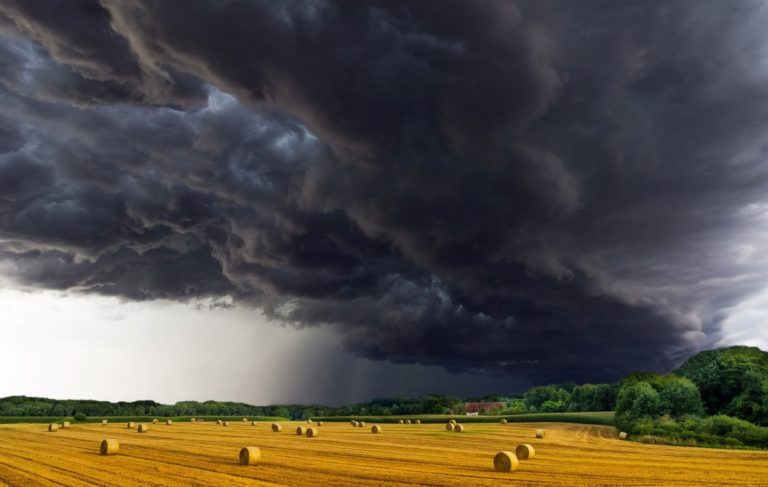
Brace yourselves, storm Barbara is threatening to arrive soon! But don’t worry, if you’re missing the warm weather — it will also be about 20 degrees.
Yup, you heard that right. Today will begin with grey clouds and some trusty old rain, exactly what you’d expect from October. But things will start to spice up this afternoon in preparation for the potential arrival of storm Barbara.
The wind is expected to pick up significantly by this afternoon, with strong gusts ranging from 80 to 100 kilometers per hour on the north and west coasts.
Storm Barbara
Storm Barbara will only be officially named as such if the winds blow at wind force nine for at least an hour straight. Either way, today will be breezy, with Buienradar meteorologist, Marjon De Hond, describing the weather as “haunted by increasing wind” — very spooky, I like it.
She also suggests that we leave all trailers behind for any road trips that may tickle our fancy, “Be careful and do it another time, because it can be really annoying and maybe even dangerous.”
No need for your coat
Once Barbara has had her time to shine this afternoon, the evening will remain slightly turbulent but toasty with warm sub-tropical winds. Temperatures will reach an average of 20 degrees with provinces such as Limburg and Zeeland potentially reaching 22 degrees.
If so, the Netherlands will have achieved the hottest October 21 since 1977! Things will calm down again in the evening, and it is expected to rain buckets. Ah the diversity, we love it.
A mild weekend
On the bright side, following a tumultuous mid-week, this weekend’s weather is expected to be pleasant and mild. There will be more sun and less rain, with temperatures remaining unusually mild for this time of year at around 17 degrees.
There’s nothing like a pic n’ mix of weather to help spice up your life. Nowadays it’s the little things that keep us entertained.
As coronavirus cases continue to rise in the Netherlands, so has the workload for GGDs. Now, with upwards of 8,000 daily cases, they no longer have the capacity to inform GPs about positive tests.
In a letter dated October 14, Andre Rouvoet, GGD GHOR umbrella chairman writes that it would take too much time for GGDs to ask all people who test positive for the virus for permission to send the result to their GP, and to then ask for that GP’s email address.
He says that since there is no file for GGDs stating who test patients’ GPs are, they must ask individuals for information and permission. However, because such a high percentage of appointments are made over the phone (70%), requesting this information takes up valuable call time, particularly considering the vast majority of information collected at this stage will be superfluous due to a negative test result.
GPs need to know
The chairman acknowledges that the sooner positive test results are shared with GPs, the sooner treatment can begin based on the patient’s risk profile.
Amsterdam GP Stella Zonneveld agrees. “We really need to know who is infected,” she tells NRC Nieuws. She says they now know from studies that “if you start with some oxygen and dexamethasone [an anti-inflammatory] in a seriously ill coronavirus patient from seven days after the first complaints, the chances of recovery are greater.”
According to Zonneveld, knowing who is infected and getting there early can also spare the number of hospital and ICU admissions.
Patients responsible for contacting their GP
Rouvoet writes, “In the short term, GGD GHOR wants to focus on a pragmatic solution: ask people who have tested positive to inform their GP themselves. We expect they will be willing to do that. Especially those with health risks.”
But GGDs say this isn’t happening enough. Zonneveld says, “We now receive a lot of phone calls from 25-year-olds who are infected, but at-risk patients call less.” According to her, oftentimes, the patient doesn’t know anything can be done about it.
To stay up-to-date with coronavirus news in the Netherlands, follow DutchReview on Facebook.
The royal family made headlines this weekend when it was discovered that they had taken a government jet and flown to their holiday villa in Greece. Last night, Princess Amalia and Princess Alexa returned to the Netherlands.
The return of the two princesses has once again sparked controversy over the matter. This is because it was unknown that they had stayed behind when the rest of the family flew back. Rutte knew this, but decided not to mention it in his letter to the House of Representatives.
KLM seems to be doing good business, as the royal family explains that there were not enough seats on the KLM flight that they took home on Saturday. The King, Queen, youngest princess and a security guard took the last four seats on the flight.
Not of importance
The question of why it took so long for the sisters to return, remains. Even the Royal House reporter, Kysia Hekster, is unsure. “That was not because no flights were available in the intervening days. It is unclear why” she tells the NOS. Hmmm….warmer weather, no parents…yes it’s a complete mystery.
Hekster believes that the Prime Minister would have known that the princesses had stayed behind but chose to leave this out of his letter.
The NOS reports that according to Rutte, it was only important that the King and Queen return because of the example they must set during these times. The issue of their daughters, remains a “private matter”.
Tactical error
However, politicians remain critical of Rutte’s approach to the matter, saying that by not addressing the issue in his letter, he has allowed for more controversy.
SP Member of Parliament Ronald van Raak describes it as “a stupid provocation that unfortunately only increases the damage”, the NOS reports.
Hekster is in agreement, telling the NOS “If you want a story to end, you shouldn’t approach it like that. Now you are unwillingly going to rekindle the discussion you wanted to close. It may be that he sees it as a private matter, but in any case he does not achieve the peace he likes around the king.”
What do you think of the delayed return of the princesses? Let us know in the comments below!
Flight competition during the coronavirus pandemic has led to extremely cheap flights within the European Union, many of which are heading to orange risk zones.
Unhappy with this, the cabinet has been investigating if there is a way to ban such cheap flights. They appointed Minister Cora van Nieuwenhuizen of Infrastructure and Water Management to look into it. Unfortunately, although she too finds these flights undesirable, she has determined that banning such flights is not possible.
No grounds for banning cheap flights
Van Nieuwenhuizen wrote to the House of Representatives explaining that there are no legal grounds for banning the cheap flights. This is mainly due to the companies’ right to competition, reports NU.nl.
Furthermore, the European Union allows the right to free movement and services. The Dutch government cannot block this free movement on the basis of public health, Van Nieuwenhuizen explained.
What the Minister has done though, is to write to the European Commission on the matter. She is calling for other EU states to look into how dirt cheap flights to high-risk zones can indeed be banned.
What do you think of cabinet’s attempts to ban cheap flights within Europe? Let us know in the comments below.
Almost a week after implementing the latest coronavirus measures, the Netherlands has yet to see the effects of the restrictions. In the past week, the RIVM has reported 55,587 new positive cases. However, the speed at which case numbers are climbing is beginning to decrease.
In the past week 1,492 new patients have been admitted to hospitals, an increase of 300 from last week’s numbers. Meanwhile, 287 people have been moved to intensive care, almost 100 more than last week.
Deaths
Finally, the RIVM reports that 185 people have passed away from coronavirus, a increase of 35 when compared to last week.
Speed at which numbers increase is in decline
The RIVM has reported that while numbers continue to increase, the speed at which they are increasing is in decline. This means that while coronavirus cases continue to rise, they are not rising as rapidly anymore.
This slight decrease in speed may be due to the implementation of last weeks coronavirus restrictions. However, to be sure this is the case, the RIVM will have to see if the trend continues next week.
Mayor of Rotterdam back on his feet
Mayor Aboutaleb of Rotterdam is on the road to recovery after testing positive for coronavirus on October 11. He went into quarantine for 10 days and has been free of complaints for the past 24 hours.
He told Rijnmond that he only suffered mild complaints and was able to work from home while in quarantine. Today, he made his first journey outside.
Travellers from high risk countries are currently advised to get themselves tested, even if they have no complaints. They are also asked to quarantine for two weeks.
Teachers call for tighter restrictions
The latest restrictions impose a semi-lockdown, wherein schools remain open. However, teachers believe these restrictions should be tightened.
A poll carried out by the teachers union, Leraren In Actie (LIA), found that 55% of teachers want to see stricter coronavirus measures in the classroom. They believe it is not safe to “continue with current full-classroom teaching.”
Teachers fear for their health and believe that classrooms are too full to enable the 1.5-meter distance rule. They also find that students are too relaxed with the wearing of face masks.
Minister of Primary and Secondary Education, Arie Slob, has said that he understands the teachers fears, but the Outbreak Management Team (OMT) has deemed the environment safe.
New breathalyzer test may help
Certain GGDs have been trialing the use of a new breathalyzer test for the past few weeks with favourable results.
The breathalyzer works by detecting particles in the air that people exhale and may be used to immediately determine those who don’t have coronavirus.
During the trials, the breathalyzer was able to determine that 3/4 of those in the line for testing were clear of COVID-19. This can help to alleviate the ever-increasing pressure on GGDs.
Follow DutchReview on Facebook for the latest news and updates.
Ever wondered what the real differences are between healthcare in the Netherlands and healthcare in the US? Here’s the skinny on the biggest distinctions between the two healthcare systems.
In the US, folks generally wait until old age before oversharing about medical ailments. However, set adrift in a country with new attitudes towards sickness and health, even young and spry expats can sound really old really quickly. So let’s talk about it: what really does happen when you get sick in the Netherlands?
You have to hunt for your head honcho: the huisarts
My experience with Dutch healthcare has been fairly typical. Like the good expat girl that I am, I found a doctor soon after we arrived, “just in case.” Many people rely on their US doctors back at home, hoping their illnesses somehow correspond with their trips back across the ocean. I decided to jump right into the Dutch medical system.
With some advice from another expat, I picked a huisarts, or general practitioner, right in my hood. That doctor is the gatekeeper. You need to see her or him before you can go to any specialist, just like in the bad ole days in the US when everything required a referral.
At one point, after a winter cough had stretched into the third month, I finally paid a visit to my huisarts. She looked at me like a know-it-all teacher scowling at her timid student, then reminded me since I was a Dutch newbie, my body was just getting to know all the new germs. Then she sent me on my way.
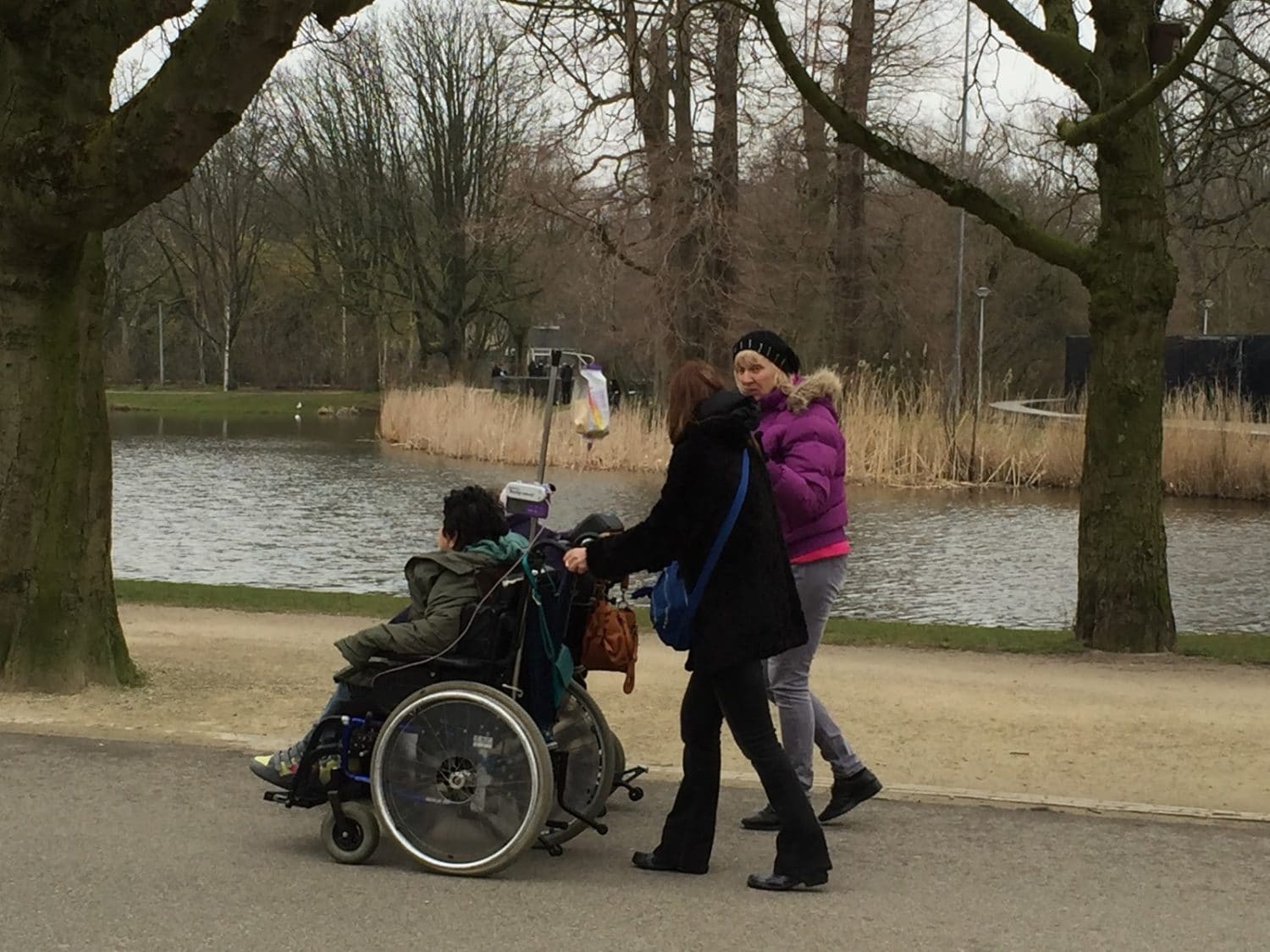
Yes, that’s an IV bag along with its owner, out for a stroll in the park. Everyone is out and about here, even the old and sick. You just use your wheels.
Rather than doling out antibiotics like candy, like some doctors in the US, the huisartsen are known for being very stingy with it. Instead, doctors usually suggest you take some paracetamol, which is just Tylenol but sounds distressingly like a parasite of some kind. Expat friends with experience told me I should not expect an antibiotic here. Ever.
On the other hand, if you are a dog, you have easy access to antibiotics. When our dog Casey was bitten on the ear, he didn’t have to beg for his prescription. Maybe I should start borrowing from him if I need something stronger than Dutch Tylenol. Most expats just stock up when they go back to the U.S. to visit, returning with their illegal meds stowed away in their luggage.
Vitamin D is really a thing here (and liquids are medicinal)
Other than paracetamol, the most common “medicine” doctors recommend to expats seems to be Vitamin D. Because of the lack of sunshine during the long winter months, you need to get in the habit of taking Vitamin D religiously. I’m not sure if the locals take it. Though they do seem to enjoy their brightly coloured orange juices.
Here’s a glass of verse muntthee, or fresh mint tea. Apparently, this magical brew, which is just fresh mint leaves with boiling water, is good for your health. It helps with digestion, improves your memory, and can even get your knoflooklucht (garlic air) out. The only trouble is that it’s mostly served in a glass mug, so it’s too molten hot to pick up for a long time. You can eat the doll-sized cookie while you wait.
Fresh juice is very big here. You can find in in most restaurants, and there are oh so many shops that specialize in this “medicine.”
The Dutch portions of food and drink are definitely smaller than what you find in the US. However, I’ve noticed a few contradictions in the approach to good health, especially when it comes to smoking. I’ve seen bike riders enjoying cigarettes, an employee at the nearby “biological” grocery taking cigarette breaks next to the organic produce, and folks huddled under blankets in the cold, just so they can puff away during dinner.
Perhaps the Dutch would find just as many contradictions lurking in the American approach to health. Certainly, they don’t seem to be dealing with an obesity crisis here. I’d chalk that up to the bikes and the cigarettes. On the other hand, my hairstylist — a wealth of information — tells me if you go out into the poorer sections of the city, you’ll encounter both more fast food and more US-style physiques.
Dutch dentists explain everything (but I still don’t know if I need Dutch insurance)
My closest encounter with the medical system here came when I found out I needed a wortelkanaalbehandeling. The bad news, in English, didn’t sound nearly as horrible, and was certainly less of a mouthful: I needed a root canal. I entered a swank office and an hour and a half later, had two of my canals cleaned, widened, and improved. That seemed quite fitting as I walked back to the tram, along one of the Amsterdam canals.
The endodontist insisted on telling me in detail (thankfully, in English) exactly what he was doing throughout the procedure. When I left, the receptionist seemed genuinely stunned that I needed to pay upfront and then submit the bill for reimbursement. Then she actually apologized for the amount of the bill (which was far less than it would have been in the US).
And really? Coffee at the dentist’s office? In the US, my hygienist had to spend 45 minutes scraping the coffee stains off my teeth. Here, they realize that some things are more important than pearly whites, namely, a good cup of coffee.
Sadly, after two years here, I haven’t been able to get a definite answer to the question, “do we need to buy Dutch health insurance?” (to supplement our US expat coverage). We may actually be carted off to Dutch prison (where there are many empty beds) once we figure out what the real answer to the health insurance riddle is. I’ll keep you posted.
So what’s the difference between Dutch and US healthcare?
So how different are these two approaches to healthcare? I’d say very. We undoubtedly over-medicate and overeat in the US, while in the Netherlands, perhaps they are a little too quick to tell you not to worry. When you’re sick, you don’t want different, however. All you want is to be in your own familiar bed. It makes sense that when you need medical attention, you would most miss your roots. On the other hand, you can’t run back to the US for every little cold. So grab a fresh juice and a paracetamol, take a ride on your bike, and you’ll feel better in no time.
Anything to add to the differences between the Dutch and US Healthcare? Let us know in the comments.
It’s time for some cooking with DutchReview. We’ve got the ultimate recipe for erwtensoep for you today (with a lil’ help from The Dutch Table).
Ah, Dutch food and especially erwtensoep… The Netherlands is known for many things: tulips, iconic houses by the canals, love for cycling and cheese to name a few. What if we tell you that there is one other thing that has been kept secret all this time, something very Dutch and very underestimated: The Dutch cuisine.
Yes, we can hear you questioning our (rather bold?) claim but bear with us and think about it. Stroopwafels, bitterballen, pannenkoeken, stamppot, gevulde spekulaas, and the list goes on. The Dutch have some pretty tasty food.
So, in the name of spreading the word about the tasty side of the Dutch food (while keeping some of the weird stuff at bay), we have decided to start a series called ”Cooking with Dutchreview.” For this special task, we have decided to get a little help from the one and only The Dutch Table. Interested? Good, then let’s get cooking!
Today’s recipe: erwtensoep
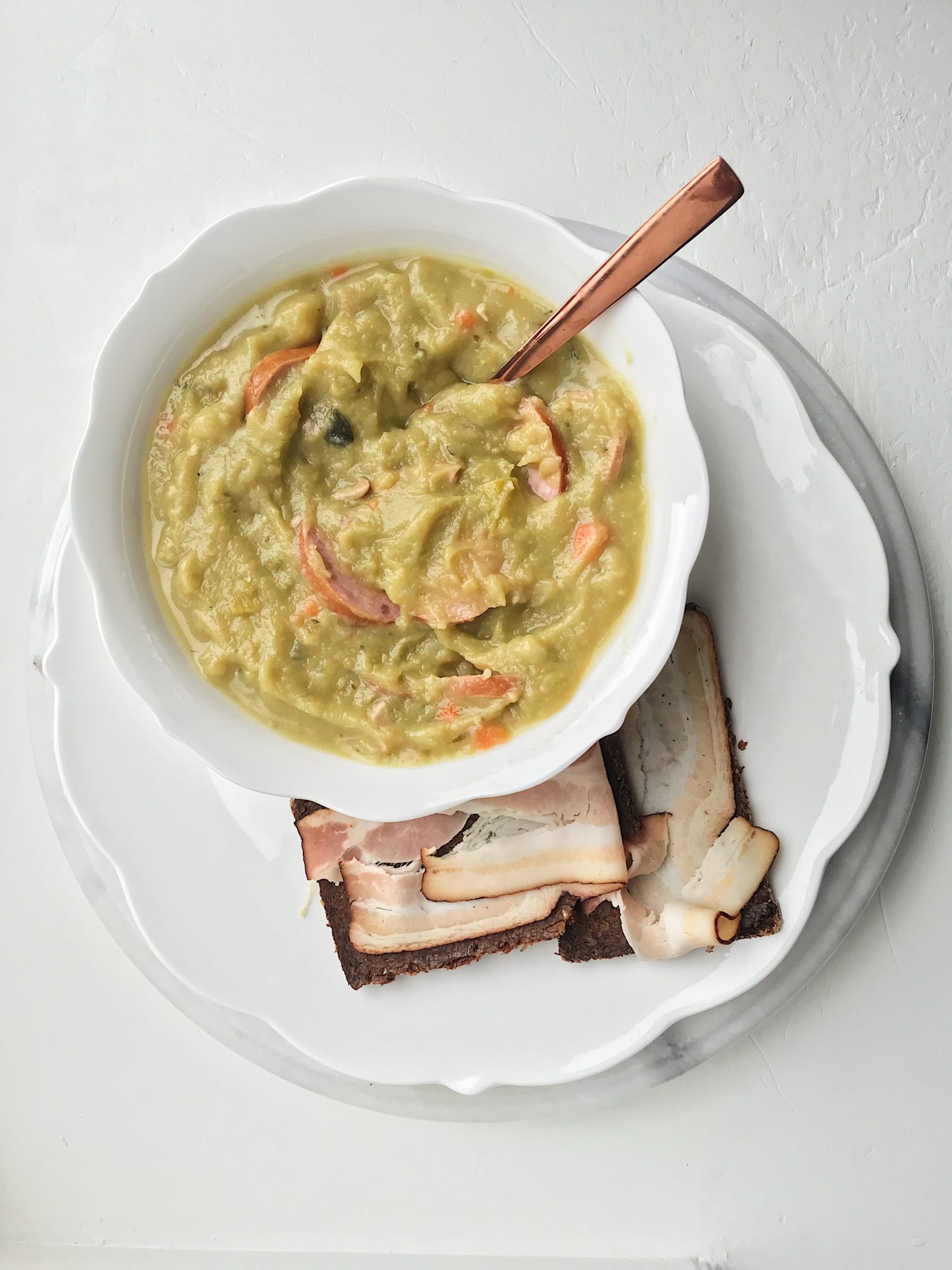
Look how it turned out! (and please don’t mind me taking this photo on my living room window ledge.)Image: Ceren Spuyman/Supplied.
Your first reaction is probably “What?” but let us explain: erwtensoep or split pea soup is a filling dutch comfort food made with split peas (duh), veggies and often rookworst. Mostly eaten in the cold winter days, this soup is also served when people (crazy Dutch people we mean) take their New Year’s Dip on the 1st January.
It is — understandably — quite popular in the Netherlands and also known as THE Dutchiest soup there is. After the bad weather we have recently experienced with snow, storm and crazy wind sweeping the whole country; we thought there is no other food that is better than the good old snert!
The recipe for erwtensoep
Don’t be intimidated by the yumminess of this soup, it takes less than an hour to prepare and around a minute to finish it all up once served!
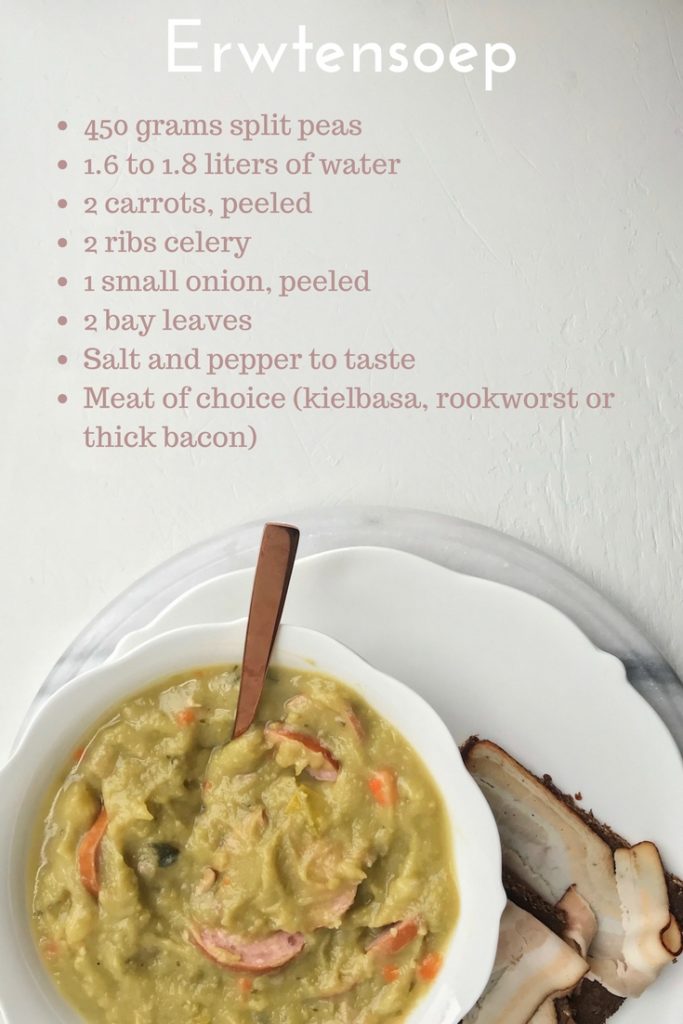
Ingredients:
450 grams split peas
1.6 to 1.8 liters of water
2 carrots, peeled
2 ribs celery
1 small onion, peeled
2 bay leaves
Salt and pepper to taste
About 12 little smokies or kielbasa, rookworst (I’ve used the one and only Hema rookworst) or thick bacon
Rinse the split peas and put them in a pot with 1.6 liters of water (if you prefer your soup thick like me, otherwise you can add a bit more). Chop the veggies and add to the peas. Bring to a boil, add the bay leaves, then turn down the heat and simmer for about 40 minutes. Make sure that the soup doesn’t burn so give it a stir every now and then.
When the peas are soft, remove the bay leaves and either puree or give it a good strong stir (this will help peas to dissolve and give some texture to that creaminess). Slice your rookworst or kielbasa and add to the soup. Heat the soup up to warm the meat up. Taste and add some salt if needed. You can also add a dash of black pepper if you like.
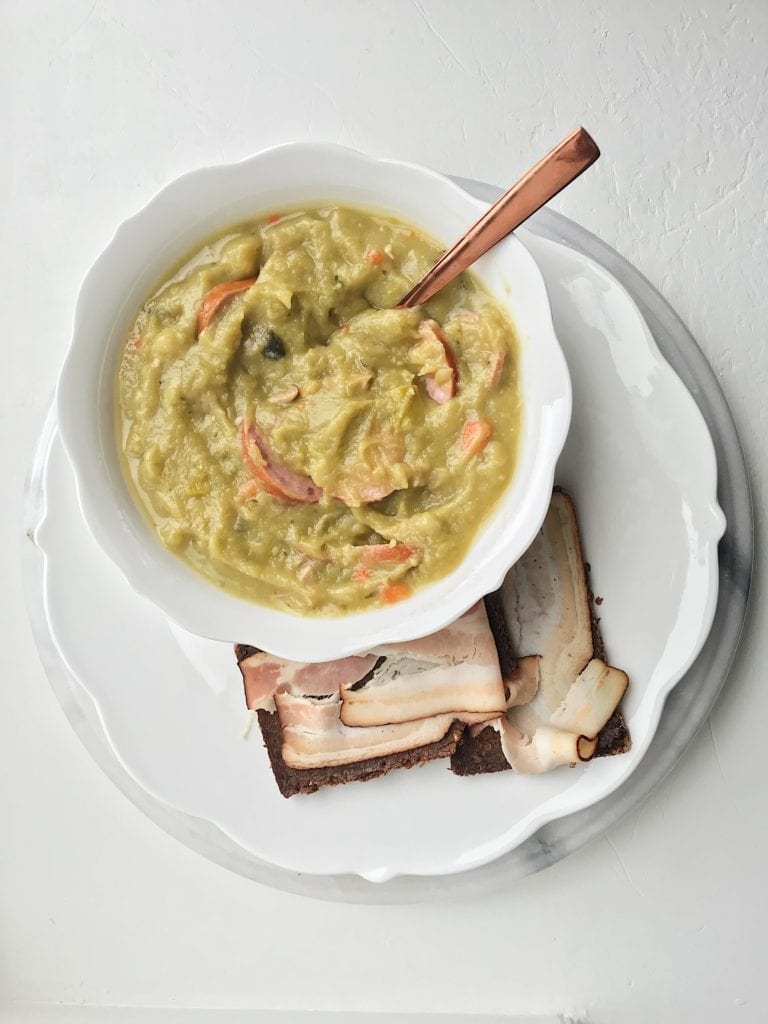
There you go! Your soup is ready to be happily devoured. You can serve it with a slice of dark rye bread and bacon on the side (as I’ve done). Eet smakelijk!
Erwtensoep: my experience
The day I’ve decided to cook this recipe was an unusually grey day even for a country like the Netherlands. The storm was blowing everything away and my plan of working that day at the DutchReview office was cancelled because even if I was willing to risk myself, there were no trains to take me to Leiden.
So, stuck at home and looking for something to do; it was clear that I should re-schedule plans for cleaning and let the dust bunnies live to see another day. Jumbo, here I come. (Can’t go out for work but will go out for food.)
The short list of ingredients for this recipe makes the shopping surely easy but there is one downside of feeling obligated to add stuff such as chocolates, borrelnootjes and a carton of vla. Turns out the fewer things you have tobuy, the more stuff you end up buying.This assignment was definitely trickier than I thought. So me and my three-times-more-than-I-needed grocery bags hobble back home to get cooking my first Dutchreview recipe.
Time for some Dutch food
At home, everything goes like a breeze, the recipe is quite easy to understand and so free of fuss that the prep is done after a mere 10 minutes. The biggest challenge? Keeping my cat Taco away from the meat sitting on the counter.
The most important part is indeed to not forget to stir as it simmers. I like my soups quite thick and with this particular recipe my husband’s aunt Henny always did a “spoon test” to see if it was thick enough. With thick soups such as these, it is easy for it to catch on the bottom and burn.
(Spoon test is where you put the spoon in the middle of your erwtensoep, if it stays upright then your soup has the perfect consistency)
After a quick 40 minutes or so, I was blessed with the steaming hot, filling and yummy looking goodness sitting in front of me. Yes, I’ve succeeded! Huzzah! Would I have ever succeed without some last minute tips from Nicole (founder of the Dutch Table) no-one will know. For now, I will enjoy my soup feeling sorry for anyone who hasn’t had the chance to taste this yet.
Erwtensoep, you were a total success!
The Dutch Table
The Dutch Table is your online resource for traditional Dutch food recipes. Started by Nicole Holten, The Dutch Table is here to not only help you explore Holland’s best kept secret (yes, the food) but also to let you learn about the traditions and the history behind the recipes.
Here is what Nicole has to say about the Dutch food:
“Ask a Dutch person about their country’s culinary traditions and they will most likely grimace, shrug their shoulders or even apologise for the fact that the Dutch kitchen has not much to offer. Nevertheless, for a country as small as the Netherlands, its regional kitchens consist of a large and exciting variety of dishes, many of which are rich in ingredients and history. This blog is intended to explore it all, one recipe at a time!”
If you don’t know what to cook for this evening, give our recipe for Erwtensoep a try and tell us about your experience in the comments!
Feature image: Ceren Spuyman/Supplied. Editor’s Note: This article was originally published on 21 January 2018 but was updated in October 2020 for your reading pleasure.
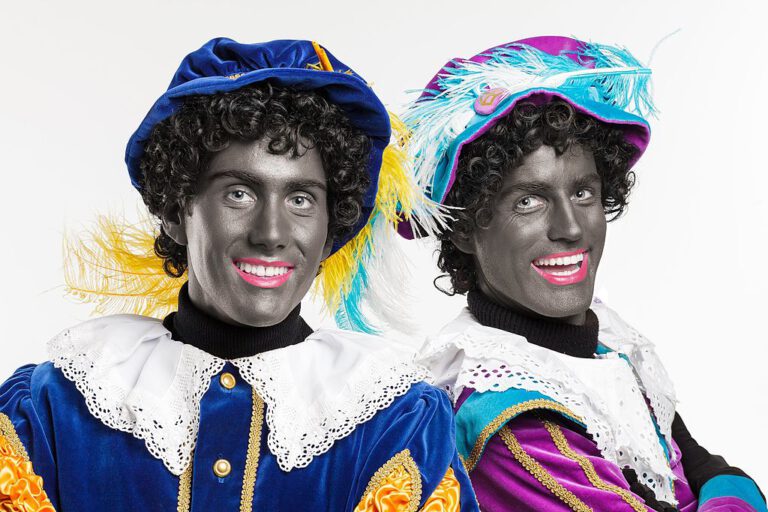
In response to growing disapproval for the traditional blackface Zwarte Piet (Black Pete) character, Sinterklaas committees in some regions have rolled out their novel Grijze Piet (Grey Pete) model. The action group Kick Out Zwarte Piet (KOZP) says they “see right through the bullshit,” according to a new press release.
Over the past several years, the Sinterklaas tradition in the Netherlands has been met with a rapidly increasing amount of resistance. And if you thought the coronavirus pandemic might stall this year’s Zwarte Piet debates, think again.
In Eindhoven and several other municipalities, the new Grijze Piet presented by Sinterklaas committees as an alternative to the controversial character is proving just as contentious. The caricature, described as “blackface lite,” tends to maintain the red lips and afro wig of the original Zwarte Piet.
KOZP says the argument that grey doesn’t resemble skin tone is invalid. “Grey is used here, just like black, as a fictional skin colour that refers to a racist stereotyping.” The action group say that of all the creative solutions they’ve seen over the years, this one is just another form of discrimination.
KOZP does, however, feel that the version of Piet with a small amount of soot on his cheeks is acceptable. This Sooty Piet, or Chimney Piet solution is considered to be free of elements of anti-black racist stereotyping and has no characteristics referring to black identity and ethnicity.
In contrast, “The Grey Petes solution isn’t even worth the conversation.” The distinction is explained by the metaphor of a parent saying to a child, “‘You are no longer allowed on the phone because it is not good for your eyes.’ And then the child goes on the tablet. That parent does not argue either.”
KOZP says they will continue to protest against racist caricatures that are still a part of the Sinterklaas entry this year.
What do you think of Grijze Piet as an alternative to Zwarte Piet? Let us know in the comments below.
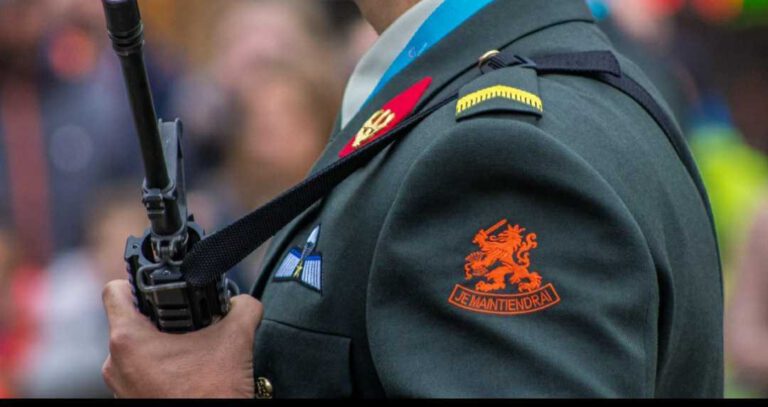
This week, and for the first time ever, roughly 100,000 Dutch girls born in 2003 will receive a letter of conscription. This year marks the first in which both men and women can be conscripted to the military.
Conscription in the Netherlands has only applied to men until now. In 2018, the House of Representatives decided that conscription should apply to both men and women so as to promote equal treatment.
Up until this year, once a boy turned 17-years-old, he would receive a letter of conscription, but this did not apply to girls.
What is conscription?
Under conscription, every man and woman in the Netherlands aged between 17 and 45 may be required to complete military service. This used to be compulsory. However, since May 1, 1997, it has not been compulsory for conscripts to attend their military service, despite being conscripted.
This means that for now, after turning 17-years-old, a conscript will receive a letter from the Ministry of Defense stating that they are registered for military service. However, the letter also states that the duty to show up has been suspended.
This is because the Ministry of Defence felt that the Netherlands needed to focus on professionalising its army with soldiers who wish to remain longer and receive proper training.
No exceptions — even for royalty
Princess Amalia will also be amongst this first group of female conscripts. The Rijkvoorlichtingsdienst (Government Information Service) has written that “Princess Amalia, like all Dutch young people who will turn seventeen in 2020, receives this letter. At the moment, however, we cannot anticipate the way in which Princess Amalia will want to get acquainted with Defense in view of its future.”
Given that the Netherlands not currently under any military threat, the conscripts may never need to see military service. However, should the Netherlands ever fall under threat again, compulsory attendance may be introduced once more.
What do you think of military conscription? Let us know in the comments below!






 If you don’t know what to cook for this evening, give our recipe for Erwtensoep a try and tell us about your experience in the comments!