The final month of 2025 has arrived, which means the Netherlands is bursting with festive markets, glowing lights, cosy traditions, and smart end-of-year tasks you’ll be glad you didn’t postpone.
This month is the perfect mix of seasonal outings and practical life admin for internationals.
From Sinterklaas treats to getting your pension sorted, here’s your all-in-one guide to enjoying and surviving a cold Dutch December.
This post might have affiliate links that help us write the articles you love, at no extra cost to you. Read our statement.
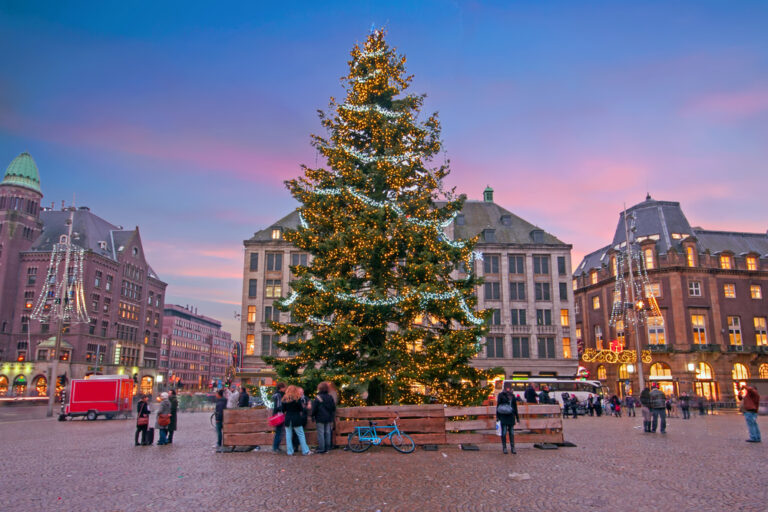
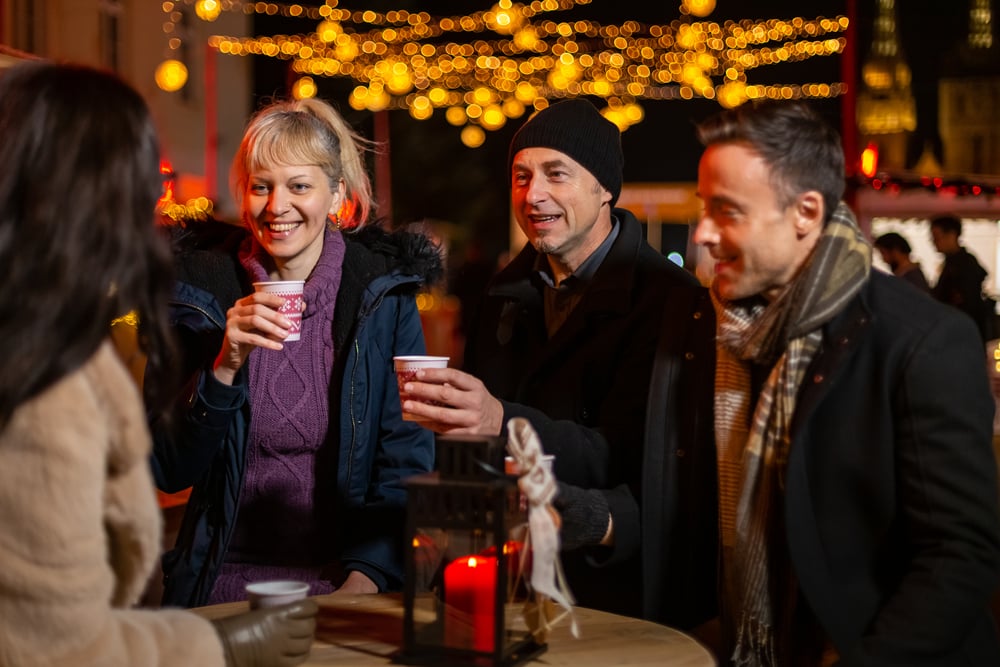
There’s nothing more wintry than wandering through a Dutch Christmas market — wooden stalls, warm drinks, twinkling lights, and more cheese than is medically advisable.
These markets pop up across the country, from tiny neighbourhood squares to the big classics. It’s a great way to soak up some gezelligheid.
3. Set up your savings account before the new year 💰
Your future self will thank you. Image: Depositphotos
Now is the perfect moment to compare interest rates and finally organise your savings. Banks update rates at the end of the year, and a well-picked account can make a surprising difference next year.
(Pro-tip: Check out a bank like Trade Republic; they’ve got high interest rates AND they’ve just launched their Dutch accounts.)
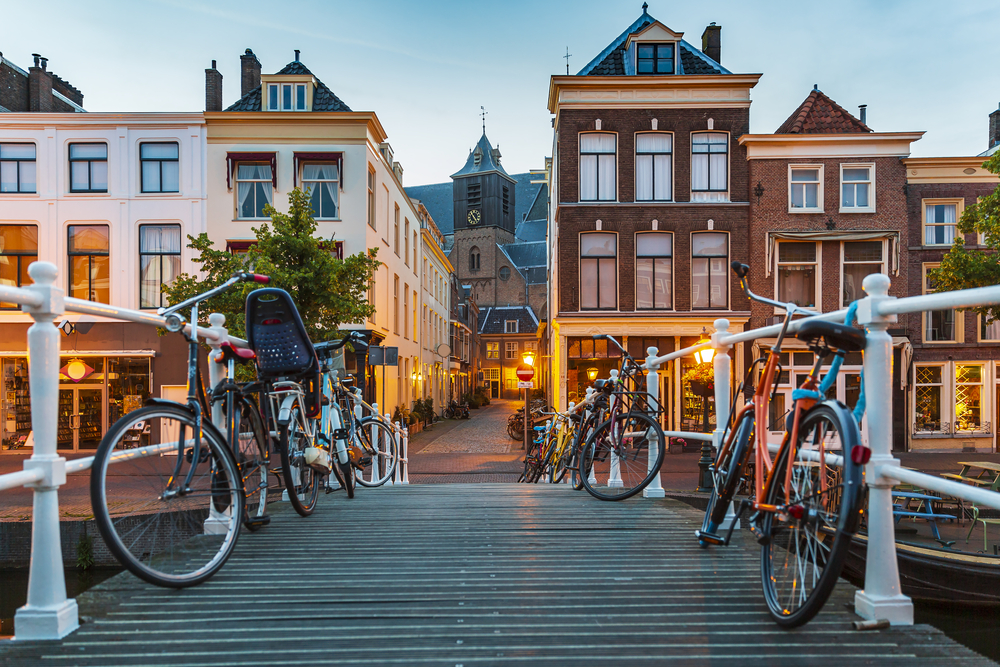
The historic centre of Leiden is Christmas galore during the Winter Wonder Weken, offering markets, performances, and illuminated trails along its canals.
It’s one of the most charming winter experiences in South Holland.
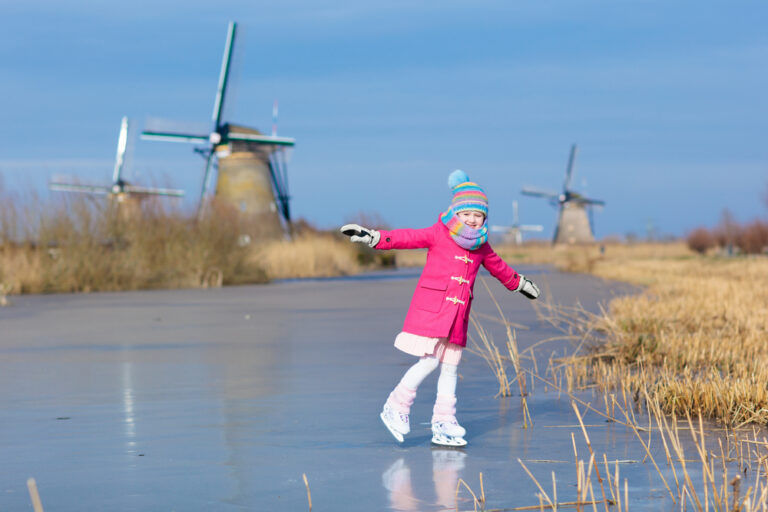
Nothing says winter in the Netherlands like sliding around on the ice.
Try the rink at Museumplein, Rotterdam’s rainbow tunnel rink, or your nearest city centre pop-up. Even if your skating skills are questionable, the hot chocolate alone makes it worthwhile.
Släpstick is coming to Amsterdam! Image: ADD/DeLaMar Supplied
If you’re looking for something special on Christmas Day, the DeLaMar Theatre in Amsterdam is hosting a one-night-only performance by a South African theatre company.
It’s a warm, cultural way to spend the evening, especially if you’re skipping the traditional Dutch gourmetten. The show offers an intimate atmosphere and a unique holiday experience right in the heart of Amsterdam.
If investing has been on your to-do list, December is your chance.
Platforms are easier than ever to use, and a little preparation now sets you up for success in the coming year. We signed up with Scalable, and it’s been smooth sailing!
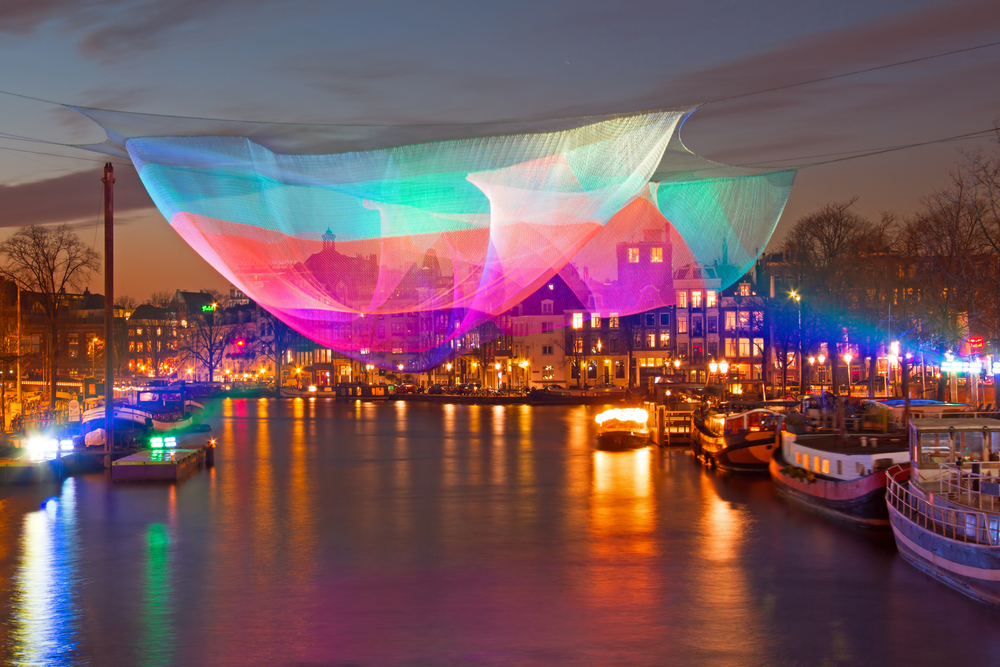
The Netherlands glows throughout winter thanks to spectacular light festivals in cities such as Amsterdam, Eindhoven, Rotterdam, and more.
These colourful light installations brighten the dark evenings and make for a perfect seasonal walk or canal cruise. It’s one of the easiest ways to experience a bit of winter magic (and learn that the Dutch are surprisingly artistic with LEDs).
Dutch cities have their own winter magic: misty canals, candlelit cafés, and quiet historic streets.
Haarlem, Utrecht, Maastricht, and Leiden are top picks for scenic walks and calm December vibes. Alternatively, you can hop over to Germany or Belgium.
It’s not glamorous, but checking your Dutch pension before January is extremely smart — especially if you recently switched jobs, moved house, or want to plan ahead.
A five-minute check can save a future headache and, more importantly, you can also get a huge tax advantage for contributing money to your pension in the Netherlands. (We recommend Brand New Day!)
With so many festive outings and practical tasks to pick from, this month is all about balancing cosy moments with getting ahead of your 2026 goals — and making the Dutch winter feel a little warmer.
Still looking for plans? Our event listings page is filled with exhibitions, concerts, and seasonal outings for every kind of international. It’s the easiest way to keep your month full of fun.
What are you most looking forward to this month in the Netherlands? Let us know in the comments!
Knowing how to prepare for a Dutch winter can be daunting, especially if you’re completely unfamiliar with the weather here. But adjusting to your new climate needn’t be so scary.
I arrived here from South Africa and had time to ask locals for advice on how to shop for proper cold-weather clothes before winter hit.Even so, my first winter here was incredibly tough.
In retrospect, though, there were a lot of simple changes that I could have made to avoid a lot of icy misery.
If you’d like to avoid making the same mistakes that I did, here’s a handy guide on everything you need to know about surviving a Dutch winter! ☃️
This post might have affiliate links that help us write the articles you love, at no extra cost to you. Read our statement.
What to expect from a Dutch winter
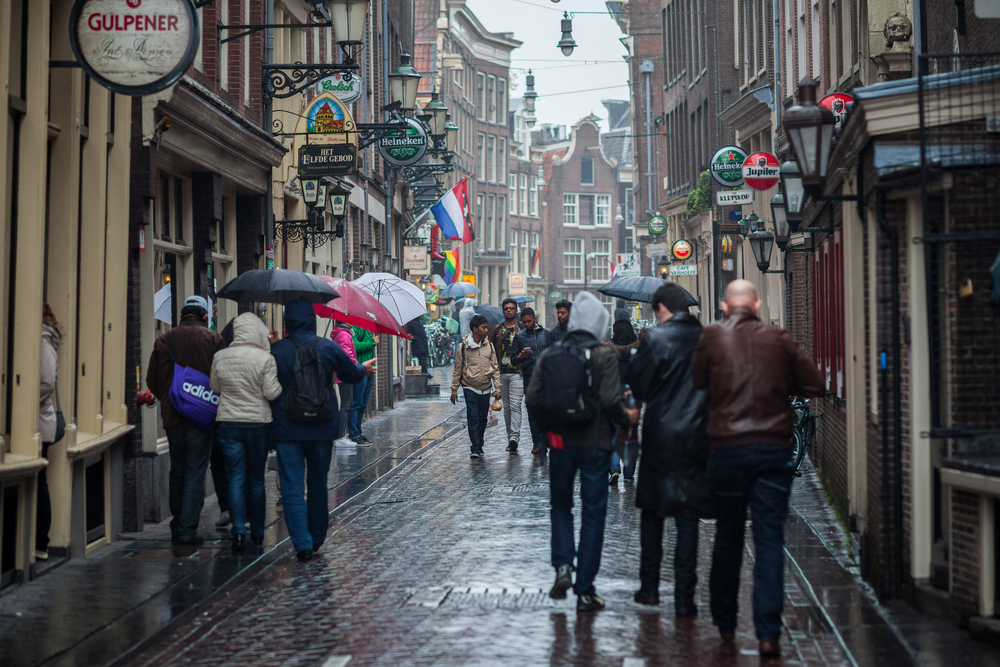
Dutch weather is always somewhat sporadic and unpredictable, but one thing is certain: there will be a lot of rain.
You’ll know the cold season is on its way when the days get shorter, greyer, and colder. By the time winter is in full force, the sun will be coming up at around 9 AM and going down at around 4 PM.
A typical gloomy winter day in the Netherlands. Image: Depositphotos
Average temperatures will hover around 3 degrees Celsius (37.4 F), dipping to zero (32 F) or below at night and reaching up to about 6 degrees Celsius (42.8 F) during the day.
So, with those almost-freezing temperatures, will our spirits at least be lifted with some drifting snow?
Well, in the past, it wasn’t uncommon for it to snow for a couple of weeks every year in the Netherlands. In recent years, however, this has become increasingly rare. (Thanks, global warming! 🙄)
Though that may sound depressing, the Dutch are experts at making the wintertime a bright, festive delight — with sugary comfort foods and gezellige evenings inside.
Knowing how to dress during this time is the key to surviving — and having fun — during a Dutch winter. 👇
What to wear to survive winter in the Netherlands
Making sure you’ve got the right clothes for the season is arguably the most important thing. Luckily, however, you have plenty of choices when it comes to picking out garments in the Netherlands.
My biggest tip for winter clothes is to buy things here, and not before you arrive — unless you come from a cold country. What looks and feels warm enough at home simply won’t be the case when you get here.
In addition to this, be sure to stock up on your winter gear before November hits, as these items will typically be cheaper during the warmer months.
Even though winter technically only starts in December, if you come from a hot country, you’ll really start to feel it around the end of October, which is when you’ll see coats popping up in all the stores.
Are you looking for some handy tips on what to consider when shopping for warm winter clothing? I’ve got you covered! 🙌
The art of layering
This might sound obvious to those from colder climates, but to beach babies like me, it was not.
Staying warm in the winter is all about layering. You will constantly be moving from heated interiors to the freezing outdoors, and you need outfits that can accommodate both.
Pro tip: get some snuggly sweaters! Image: Freepik
Outside, you’ll need your coat, sweater, shirt and maybe even an under-shirt. Inside, on the other hand, you’ll likely want something suitable for around 19 degrees Celsius.
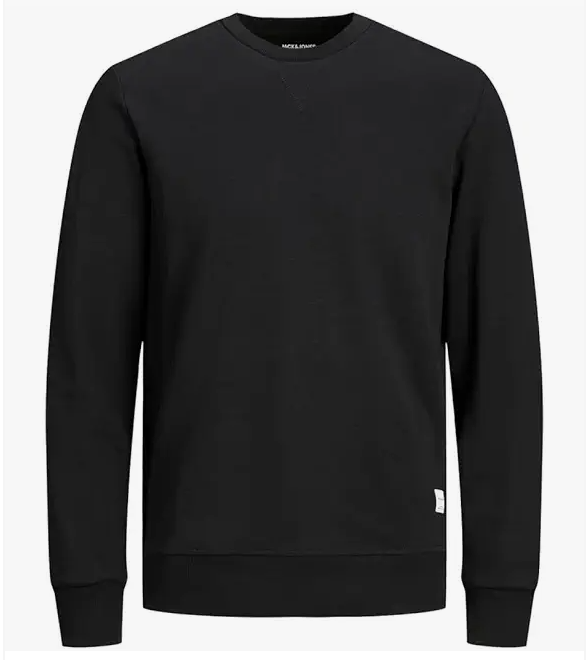
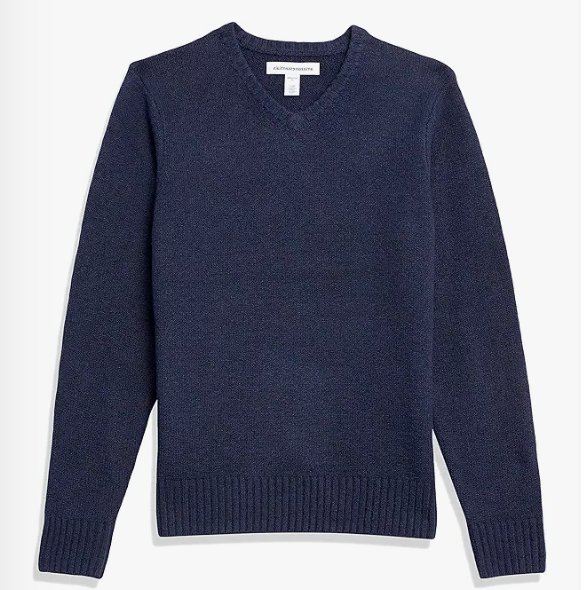
Need some inspo? Here’s an option for women that’ll do a brilliant job of taking you from early autumn through winter:
You can’t go wrong with Amazon Essentials for affordable, comfortable knits that you can wash and wear over and over again.
Featuring a cotton/polyester blend, these sweaters are true-to-size, durable, and come in a range of flattering, neutral shades that are perfect for layering under cardigans.
Made from a comfy cotton blend, these best-selling crew neck sweaters are perfect for layering but can also be worn on their own during autumn.
Are you hoping to dispel those winter blues with a pop of colour? In addition to a range of neutrals, these sweaters also come in a light orange, rich burgundy, and bright blue.
Having sweaters and cardigans of different thicknesses is also key, depending on how deep into winter you are. For the depths of winter, look for cable-knit sweaters made out of cashmere, angora, or even merino wool (if you’re layering).
You might be tempted to buy thermal layers, but personally, I never wore mine because I quickly realised they made me too hot when I was inside or biking.If you‘re more sensitive to the cold, however, then you may find them handy.
Jackets and coats
Okay, this point is critical.
Do not do what I did — buy a €50 polyester coat from H&M. You have to accept that if you’re going to keep yourself properly warm in this country, you’ll need to invest in quality.
Cheap coats and flimsy parkas just won’t cut it! Image: Freepik
A decent new coat will cost around €100 or more, and spending the extra money will be worth it for your health and sanity. But buying second-hand is always a great option if you need to save money.
Before you invest, make sure your potential coat or jacket passes the following tests:
Fabric
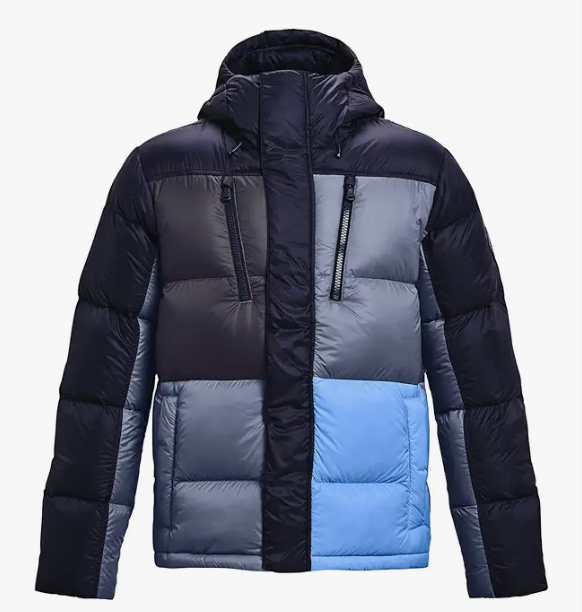
First and foremost, check what the coat is made from before you buy it. I don’t care how fluffy it is; polyester will never keep you as warm as wool, cotton, or down feathers (around 800 fill is good for winter).
Any of the ski brands with fancy technologies are also quality options. Look out for insulation technologies like 3M Thinsulate, PrimaLoft and Under Armour’s ColdGear Infrared.
If you’re looking for some options from Under Armour, I can recommend:
Coats made from these materials are often used for ski jackets because they are more compact, lighter in weight, and keep you warm in snowy weather.
Nylon, flannel, cashmere and hemp will also do the job, but aren’t as popular.
Length
Your jackets and coats need to be cycling-friendly, which means turning yourself into a walking burrito is not going to work.
Either buy a coat that goes down to your jean pockets (mid-length) or a longer coat with a reverse zip or buttons that you can open from the bottom when cycling.
Rain and snow-proof
Make sure the coat is waterproof and not just water-resistant. If the rain decides to bucket down, a water-resistant coat will simply not be enough — and you’ll quickly find there’s nothing worse than getting wet in the cold.
A waterproof coat will also prevent you from getting wet in the snow (should the snowflakes decide to grace us with their presence).
Pro tip: Read the labels on how your coat should be cleaned! I once ruined a coat by throwing it in the washing machine. Not fun.
Shoes to wear during winter in the Netherlands
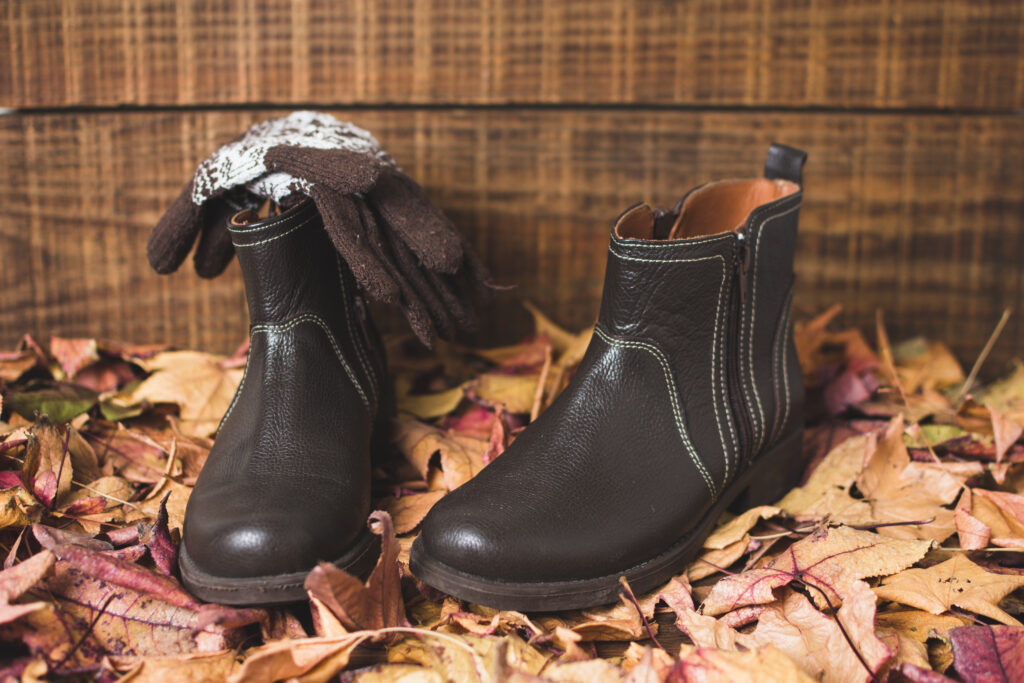
In the lead-up to winter, you’ll need light, waterproof shoes like sneakers or leather boots.
Thick winter boots are just the thing to keep your feet warm and cosy. Image: Freepik
But for winter, get some thicker boots (fluffy insides are great!), which should also be waterproof.
Thick soles with good grip are important, so if there’s any ice, you don’t slip and fall.
Accessories you’ll need in a Dutch winter
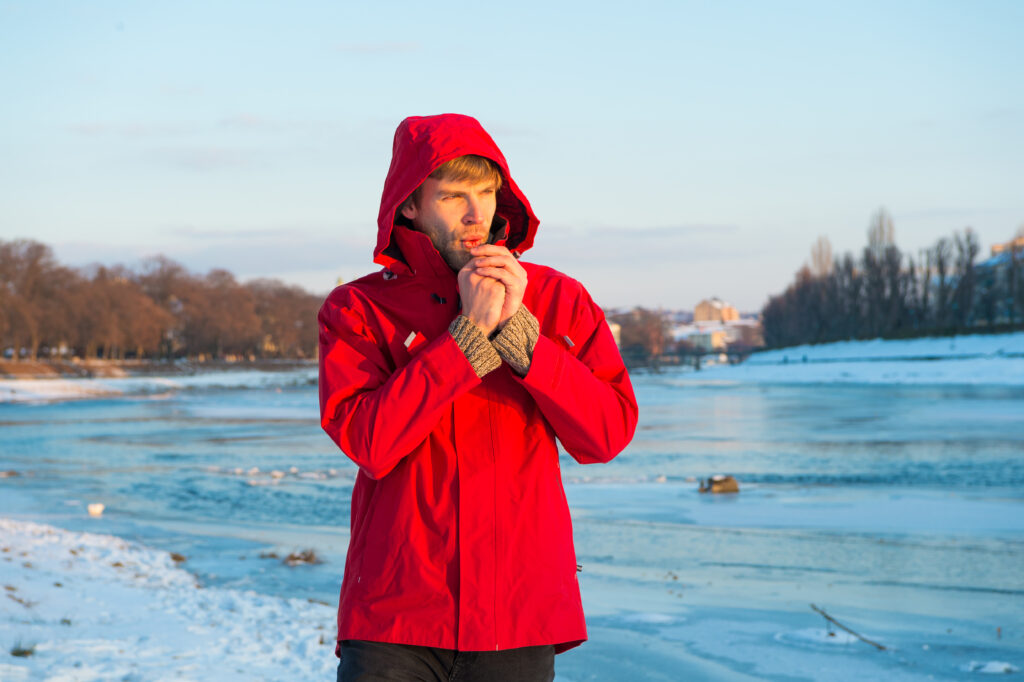
The cold air creeps into every opening it can find, and any exposed bits of skin will feel like they’re falling off if you don’t protect them.
Hence, you will likely need the following to survive winter in the Netherlands:
Thick socks (or layer your regular socks!),
a beanie,
gloves,
a scarf,
legwarmers, and
earwarmers!
Warming your ears and hands, and maybe a cuppa tea, will do the trick! Image: Freepik
Preparing for rain in the Netherlands
If you thought a waterproof coat was all you needed, think again.
Regardless of how you prepare for Dutch rain, you’re going to get a little wet, but there are ways to help keep yourself as dry as possible.
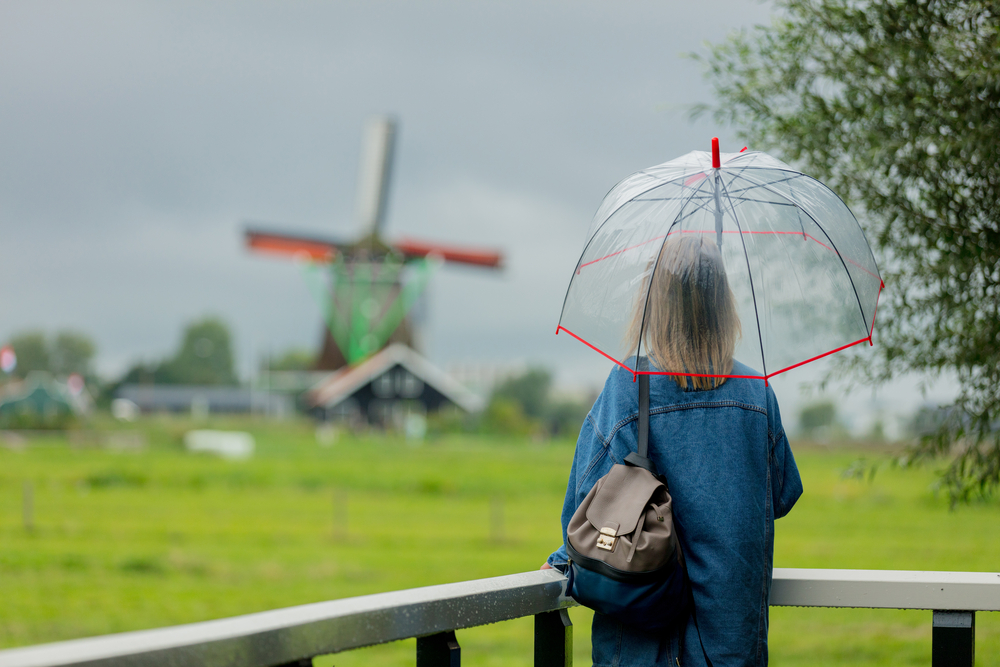
Storm-proof umbrella
I can’t tell you how many of my umbrellas have died miserable deaths at the hands of strong winds. 🌬
Wave doei to your ordinary umbrellas because they won’t last a Dutch winter! Image: Depositphotos
If it looks flimsy in the store, it ain’t gonna last, so don’t buy it. Get yourself a storm-proof umbrella.
They look like odd pyramids but make for a more aerodynamic design that won’t bend and break away in the wind.
Rain pants
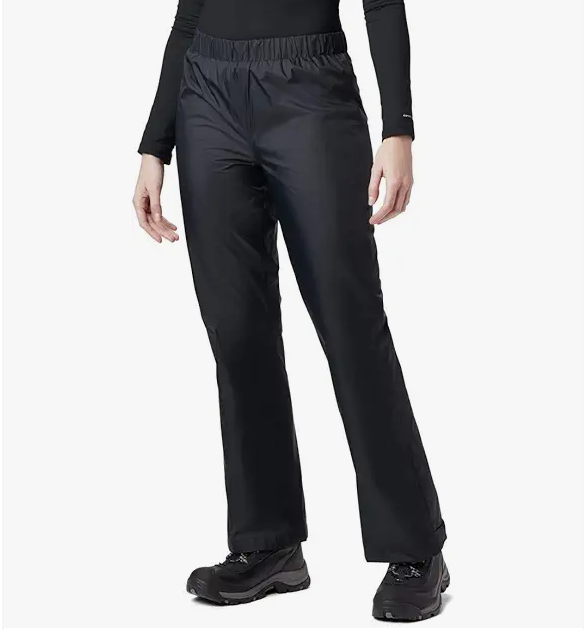
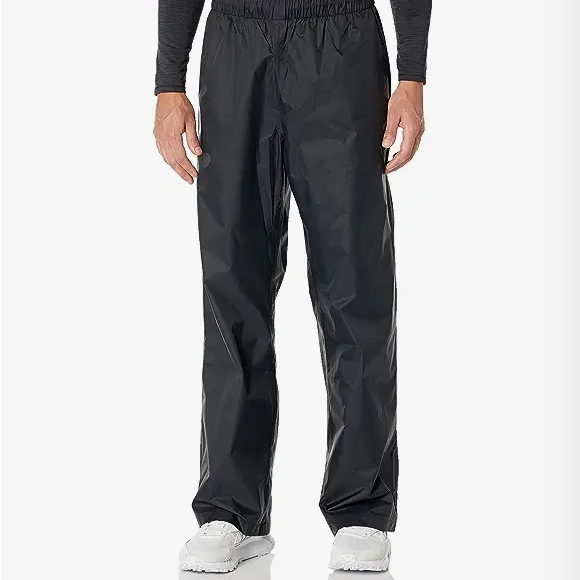
A very particular area of your legs bears the brunt of the rain when you are cycling — your lap. But depending on the rain, your legs could get entirely drenched, and having cold, damp trousers is never fun.
The simple solution: rain pants! You can get these in different lengths (upper legs or full length), and they are basically raincoats for your legs that you can strap over your trousers. Trust me, they make a difference!
For those who’d rather not be soaked and shivering in a Dutch rainstorm, these trousers offer a high-quality alternative to waving a magic wand and staying dry 24/7.
Plus, with Columbia’s breathable Omni-Tech construction, the interior of these pants is kept warm and comfortable — even in cold weather.
If the thought of trudging through the office with damp legs after cycling through a Dutch rainstorm fills you with dread, these trousers might be just what you need to stay dry.
With fully sealable seams and an adjustable drawstring waist, they’re ideal for battling the gusty wetness that the Netherlands has to offer.
At the end of the day, if you have the right clothes, your entire winter experience will be warmer, dryer, and significantly more comfortable.
How to avoid seasonal depression
The lack of sunlight during winter can affect your health in various ways, but one which is important to be aware of is Seasonal Affective Disorder (SAD). In short, this is a depressive disorder triggered by a lack of light.
If you show any symptoms of SAD, consulting your GP is, of course, important. But there are some simple things you can do to help prevent this from happening in the first place:
Try to get as much sunlight as possible. If the sun breaks through and you have a lunch break or a moment to spare, put on that coat and head out there!
Physical exercise. Anything from walking, dance classes, gym or yoga will help.
Light therapy. You can buy SAD lamps which mimic sunshine that you can have at your desk as you work through the day.
Get into a sleep schedule and follow it. This will help your body adjust to waking up in the dark and feeling tired at the right time.
Vitamin D supplements help replace the vitamins you would have otherwise been getting from the sun.
Socialise and stay connected. Calling family and friends back home really helps, but making new friends here will also help you through the colder months.
How to make the most of a Dutch winter
Don’t be afraid; your first Dutch winter may seem like a horror, but it can actually be a lot of fun!
Christmas in the Netherlands is a whole new experience for those from the southern hemisphere. This is especially true of Christmas markets, which have various delicious food and drinks you need to try!
Heading to a Christmas market with your friends might be the pick-me-up you need! Image: Depositphotos
If you have kids, the Dutch have mastered many family-friendly winter activities. Outdoor ice rinks pop up all over the country, which are great fun regardless of your age. Even better — some Dutch canals freeze over for ice-skating, too!
Every year, thousands of international students and expats arrive in the Netherlands full of dreams and with eyes that sparkle. The Dutch life is exciting and full of possibilities… until they decide to go to IKEA to furnish their new room.
That’s when you realise that a bedside table costs as much as the entire budget you saved to transform your room into a cosy refuge. Suddenly, the idea of furnishing your student bedroom seems impossible. But no need to panic.
The truth is that the secondhand culture in the Netherlands isn’t just alive, it’s a true lifestyle. From kringloops (thrift stores) to chaotic Facebook groups, there’s an entire variety of cheap alternatives just waiting to be discovered.
This guide will show you where to go, how to shop smart, and which pitfalls to avoid when shopping secondhand in the Netherlands.
Kringloop stores: hidden treasures just around the corner
In Dutch, kringloop means “recycling”, and that’s what these stores are all about.
They’re not the “fancy” thrift shops that pop up in every city (more on those later); they’re run by social cooperatives and nonprofits that aim to reinvest profits in environmental projects and provide jobs for the community.
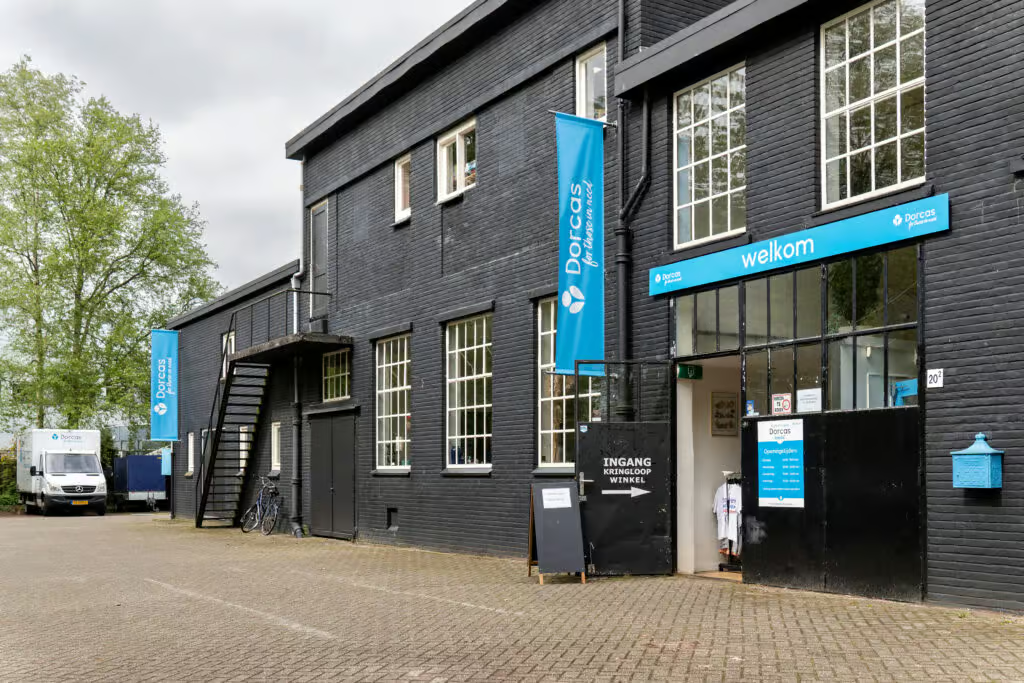
Large chains like Het Goed, RataPlan, Dorcas, and Noppes have become local institutions.
Your nearest kringloop is never far. Image: Dreamstime
Inside, you’ll find everything: shelves full of dusty books, 1980s kitchen sets, bicycles that have seen better days, and lamps that could transform your room into a vintage film set.
The best part is that the prices are truly unbeatable; think €2 for a mug, €20 for a chair, €100 for an entire sofa.
The secret? Go early in the week, when the best pieces arrive after the weekend’s large donations. You could easily furnish your entire room for less than €150.
Marktplaats and Facebook Marketplace: let the online hunt begin
If the kringloop is considered a thrifting paradise, Marktplaats is its digital counterpart. Think of it as a Dutch Craigslist with an endless catalogue: from bikes to chairs, wardrobes, clothes, and even apartment plants.
The pros? The prices are incredibly low, the ads are local, and the selection is practically limitless. But be careful: don’t expect home delivery; sellers want you to pick up the item in person and pay in cash (or via Tikkie).
As with any digital platform, watch out for scams and remember to follow these simple rules to avoid fake profiles: never give money up front and always meet in person.
Nothing beats bringing home that perfect Marketplace find. Image: Depositphotos
Also, don’t be afraid to negotiate: just as on any other second-hand platform, it’s perfectly normal to offer €35 for an item listed at €50. If Markplaats is not your cup of tea, Facebook Marketplace is an excellent alternative, where you can interact with verified profiles and international sellers.
Lastly, check WhatsApp and Telegram groups like “Free Furniture Leiden” or “Student Swaps” to find free items, as long as you are willing to pick them up.
Vintage and boutique stores: the fancier option
Rummaging through endless piles of clothes and dusty chairs isn’t your thing? There are always vintage shops and boutiques at slightly higher but still reasonable prices.
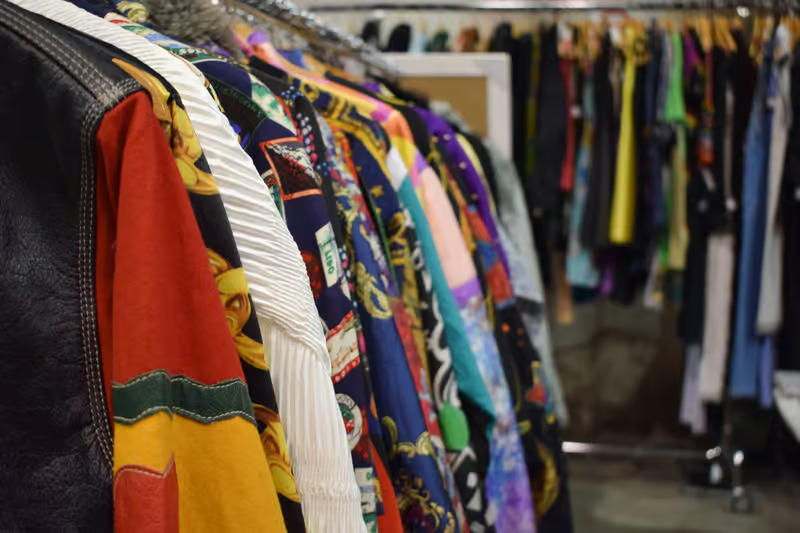
In cities like Amsterdam, Utrecht, and Rotterdam, chains like Episode, We are Vintage, and Zipper are popular: curated items selected and organised by season, with some designer gems here and there.
The pros? Trendy, good-quality clothes with a slightly retro yet timeless edge. Don’t expect €5 jeans, but you can still find Levi’s for €30.
The selection of furniture is limited, but there’s plenty of clothing. The trick: buy statement pieces you won’t find in any mainstream clothing chain.
King’s Day flea markets: the ultimate Dutch tradition
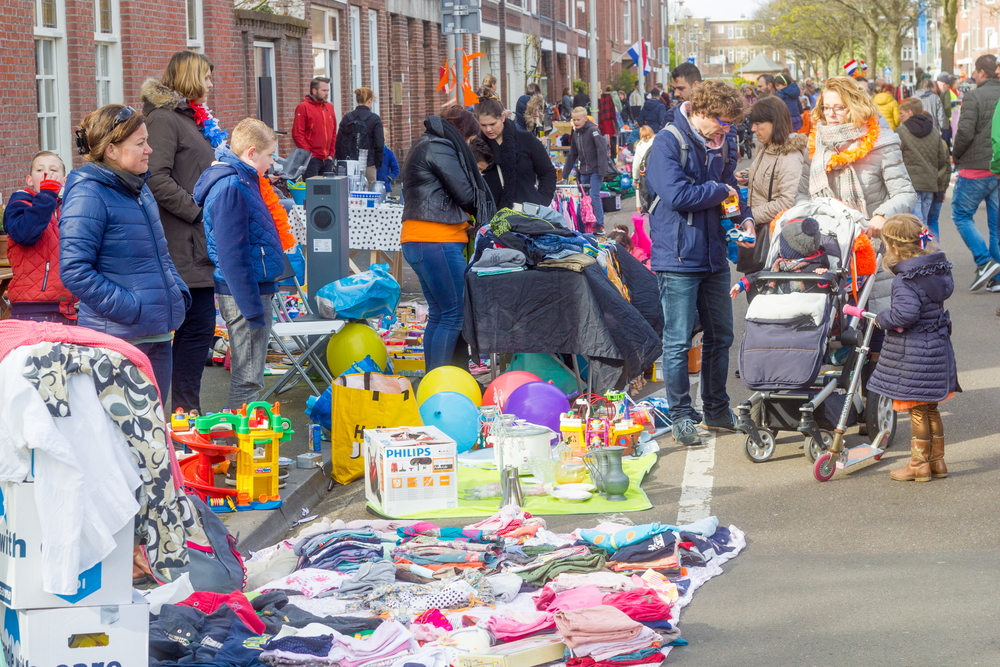
Every April 27th, when cities across the Netherlands mobilise for the biggest celebration of the year, the streets transform into a yard sale: roads, canals, and squares filled with market stalls selling books, games, clothes, and kitchen utensils.
Prices are incredible: from €1 for a pan to €5 for a coat. The best strategy is to arrive early in the morning, when you can find all the stalls still full.
Alternatively, consider going around 18:00, when they lower all prices to clear out the remaining stock. Be prepared to haggle (it’s almost a tradition at these stalls) and bring cash and coins. Don’t forget a large bag!
In conclusion, there’s no need to panic if a sofa at IKEA is €900; the Dutch got your back with their second-hand culture, which is affordable, green, and trendy.
Between kringloop stores, Marktplaats, vintage boutiques, and King’s Day stalls, it’s possible to furnish your bedroom and stock your closet without breaking the bank. It might not look like it came straight out of Pinterest, but it will certainly be unique.
How do you like to second-hand shop in the Netherlands? Let us know in the comments!
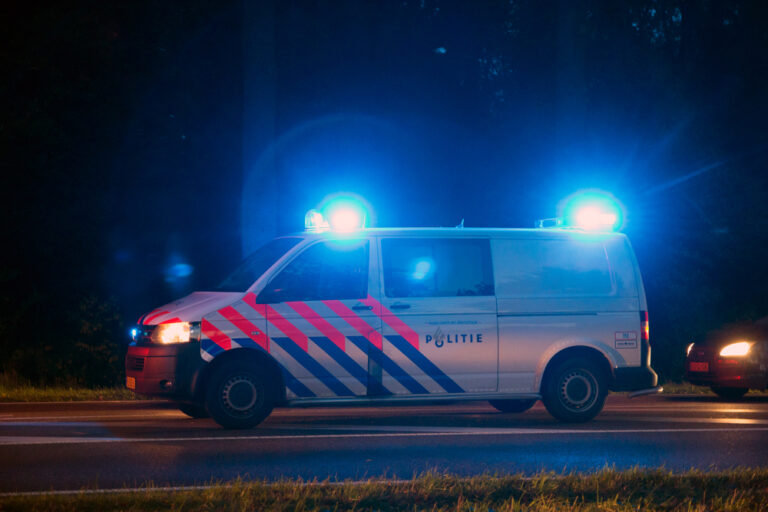
Welcome to Fast and Furious, Rotterdam edition. After being detained overnight for dangerous driving, a Rotterdam resident learned nothing from his sleepover, sped off, and hit two people.
The suspect was arrested in Rotterdam’s city centre on Sunday night for reckless driving. The 37-year-old’s driver’s license was confiscated.
On Monday evening, a family member collected the suspect from the station.
And what happened next was chaos.
Reoffends right after release
As the family member spoke with the police officer, the suspect jumped into the car and sped into Rotterdam. The police chased after.
At the intersection of Coolsingel and Doelwater, the driver hit a pedestrian. On Vuurplaat, he hit a person on a mobility scooter.
Thankfully, both victims suffered minor injuries and did not require hospitalisation.
After smashing into and damaging several moving and parked vehicles, the kamikaze finally collided with a police car.
Officers arrested him once again.
“It is unclear why the man fled after being released,” a police spokesperson tells nu.nl.
Did you know? In the Netherlands, if your licence is taken away for dangerous driving, the public prosecutor has up to 10 days to decide whether to return it. If they choose to keep it longer, you can file a complaint with the court to request it back.
Was this a one-off?
In 2024, Rotterdam issued 317,690 traffic fines, a rise even as the rest of the country saw its numbers fall, according to AD.
While it is difficult to determine how many fines were issued for extreme speeding and how many were for just five kilometres per hour over the limit, this appears to be an isolated case, with one person acting recklessly rather than part of a broader trend.
Do you often come across speed demons in the Netherlands? Tell us about your experience in the comments below!
As of 2025, over 10,000 incidents involving police impostors have been reported, a 300% increase from 2023.
According to NOS, a combination of call-centre schemes and in-person visits by ‘police officers’ are used to scam people out of their valuables, including jewellery and bank cards.
The increase is partially thanks to targeted investigations into the criminal groups, but is also due to the growing popularity and effectiveness of these hoaxes.
Real police don’t want your jewellery
The scams mainly target a vulnerable population: the Dutch elderly. Following a consistent pattern, a victim will receive either a letter or a call alerting them to a risk of burglary in their neighbourhood, reports NU.
The ‘officers’ will then come to the home of the victim and offer to ‘secure’ their valuables and keep them safe from this entirely fabricated threat.
Before committing the crime, the culprits look up data about the victims online in order to gain their trust. For instance, a phoney officer will claim to have spoken to the person’s family member before visiting.
Some of the impostors are as young as 14 years old, reports NU. Rule of thumb: if the police officer has braces, it’s ok to be suspicious.
Fatal consequences
In general, these incidents have not led to violence. Unfortunately, however, this past August, an 80-year-old woman in Amsterdam was found dead following an altercation with two fake officers.
As NOS reports, the woman likely smelled something fishy, leading to a dispute that turned violent.
When in doubt, call it out
When asked about the best method of dealing with the issue, Dutch police say that prevention is the key.
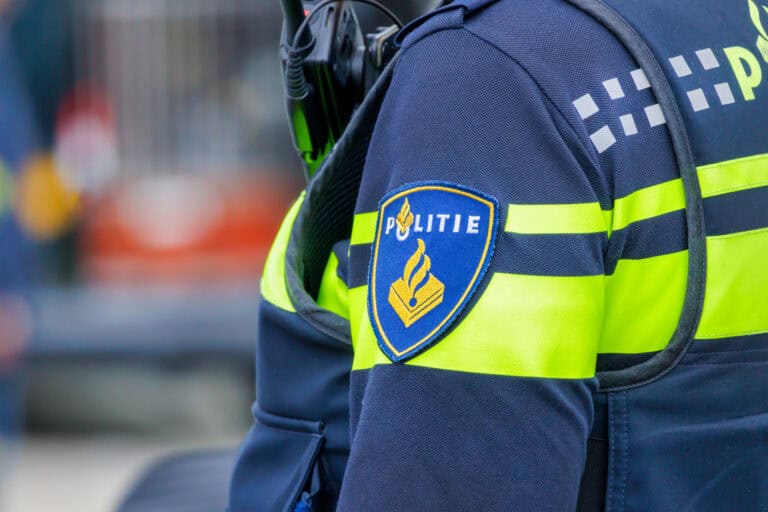
They recommended requesting police ID, learning to identify the official police uniform, and remaining cautious, especially when being asked to hand over property. If something seems off, it’s not a bad idea to call 112.
The message seems to be, stay vigilant — and remember, cops don’t want your PIN.
Do you know someone who’s fallen victim to these scams? Let us know in the comments!
You may very well know by now how the Dutch like to spend their Christmas and Sinterklaas holidays, but how do they celebrate Thanksgiving in the Netherlands?
You might be thinking, “Um…they don’t?” but wait just one turkey-day minute, dear reader! Haven’t you ever heard about Leiden’s Thanksgiving history? *adjusts glasses* Well, then, let us teach you. 🤓
The history of Thanksgiving
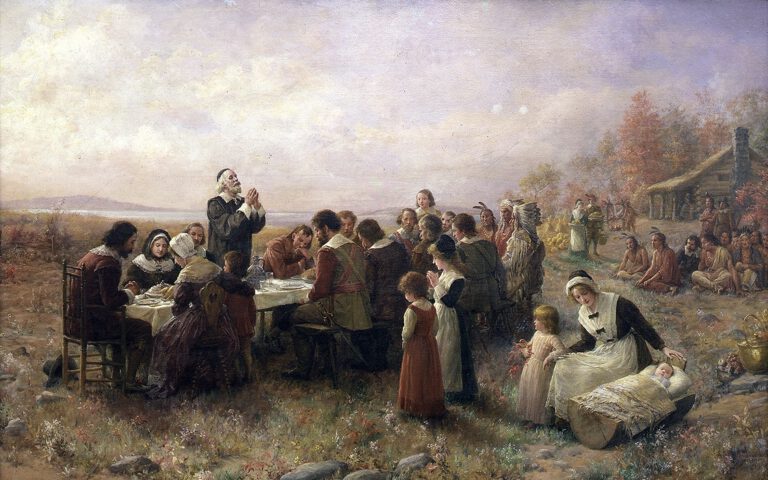
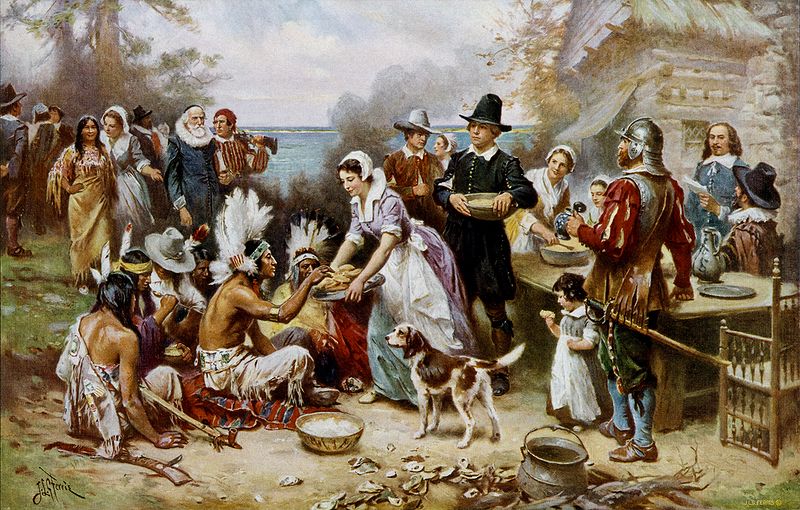
For those who don’t know much about Thanksgiving, here’s the basic story: in the 17th century, a bunch of Pilgrim colonists sailed their ship (the Mayflower) to North America, fleeing religious persecution in England.
There, they celebrated their first corn harvest by sharing a feast with the friendly Native American tribe, who taught them how to farm the land. The end!
Well, not really. Thanksgiving is one of the most popular American celebrations — and well-known around the world. It is celebrated on the fourth Thursday in November, and is associated with being thankful and charitable.
But to foreigners, what most stands out is the image of the typical American family seated around a dinner table filled with delicious dishes and a giant cooked turkey. 🍗
So what role did Leiden play?
“Hold up!” we hear some of you Dutchies cry. “You left out the part where the pilgrims came to the Netherlands for over 10 years.” And it’s true — most of us have never heard the full story of Thanksgiving.
History teachers tend to leave out the fact that before the pilgrims arrived in Massachusetts, they first stopped in the Dutch city of Leiden, and stayed there for a long time — though who could blame them? That’s what most of us foreigners living in Leiden have done! 🤣
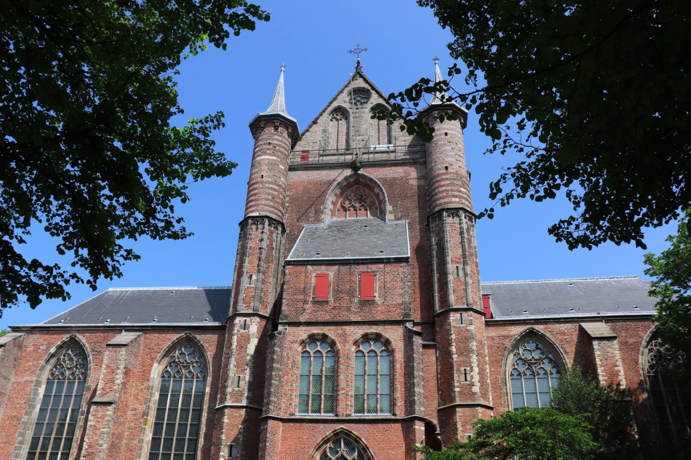
The pilgrims in Leiden recorded their births, marriages, and deaths at the Pieterskerk. Image: Abuzer van Leeuwen/Supplied
One of the main reasons they fled to the Netherlands was because the Dutch were more accepting of their religious practices.
The Dutch Republic (Republiek der Zeven Verenigde Nederlanden) certainly seemed more appealing than the disparaging eyes and unwavering religious beliefs of the English.
Why did the pilgrims leave Leiden?
The pilgrims actually went to Amsterdam first, where it all was going smoothly for a while. After spreading out to live in Leiden and building new lives, the Pilgrims realised that they were changing too much. Worse: they were losing their religion.
The pilgrims made their home in Leiden before moving to the US. Image: Depositphotos
They were grateful for everything given to them here but were struggling to adapt to the Dutch culture, which was now too liberal for their liking.
William Bradford, Plymouth’s faithful Pilgrim and Colony governor, said they were being “…drawn away by evil examples into extravagance and dangerous courses.” 👀
Jeez. He really didn’t agree with the “immoral” Dutch ways. So, fearing this would be the end of their congregation if they didn’t move on, the Pilgrims decided to head to America. ⛵
A celebration of life and unity
In 1620, the pilgrim’s emigration from Leiden — where they had worked for about 12 to 20 years — truly began.
They left Leiden via the canals and transferred onto a leaky “Speedwell” (a ship built in 1577) in Delfshaven. Then, they finally boarded the famous Mayflower in Southampton.
Ultimately, the actual time span between the pilgrims leaving England and finally completing their famous voyage and the great feast is pretty long.
Today’s “day of thanks” in Leiden
It was during the Civil War, between 1861 and 1865, that President Abraham Lincoln declared Thanksgiving a national holiday. Nowadays, Thanksgiving is a time for reflecting on the people and things in our lives we are most grateful for. 🙏🏻
What better reason to come to Leiden than to celebrate Thanksgiving, spending a day exploring the pretty canals and cobbled streets? From its tiny alleyways to its wide-open roads, Leiden is a city that can sometimes feel much smaller than it is (in the best way).
Every year in Leiden, there is a Thanksgiving Day Service held at the Pieterskerk, a beautiful church. One of the pilgrim leaders, John Robinson, is actually buried here, which makes it all the more interesting to visit. Or slightly creepy. Or both.
Pilgrim and Thanksgiving spots to check out in Leiden
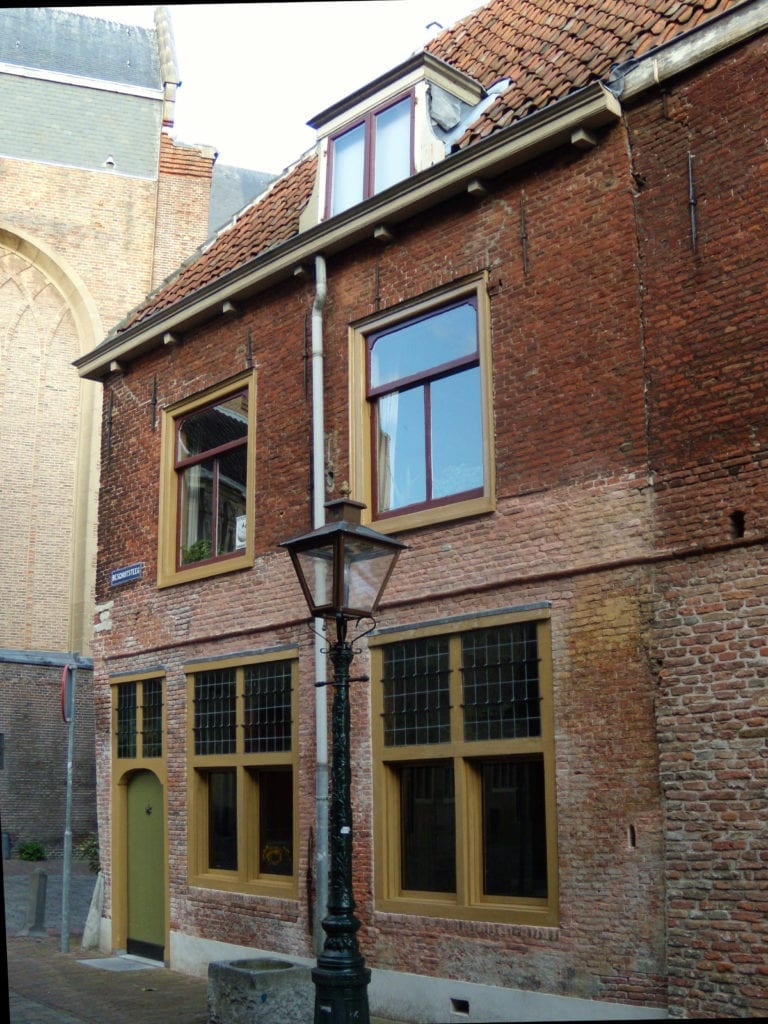
The city is home to the Leiden American Pilgrim Museum, a cute little medieval house dedicated to the Pilgrims (located on Beschuitsteeg, near the bell tower of the Hooglandse Kerk church).
It’s an old building full of furniture, books, maps, engravings, and other materials from the Pilgrim times. It’s meant to recreate how these people lived in England, Leiden, and New England.
Read all about the Pilgrim Fathers in this beautifully preserved house built in the 14th century. Image: Herenld/Wikimedia Commons/CC3.0
You’ll also find a memorial on the ruins of Leiden’s Vrouwekerk (AKA “lady’s church”), which the museum helped install. The bronze engraving commemorates the history of the church and its connections with the Pilgrims. 💁♀️
In the rest of the Netherlands, thanksgiving isn’t that big of a deal — but many American expats are bringing the traditions a little closer to their origins.
If you want to celebrate Thanksgiving in the Netherlands, you can find traditional meals (turkey, mashed potatoes, vegetables and gravy) at restaurants across the country.
Grab your friends and family and enjoy! Lekker!
Now you know a little more about this not-so-American holiday. Do you have any fun facts about the pilgrimage? Let us know in the comments below!
If you were born in the era of Harry Potter (or simply have a thing for magical fortresses), then chances are that you’ve imagined yourself studying and living in a place similar to Hogwarts.
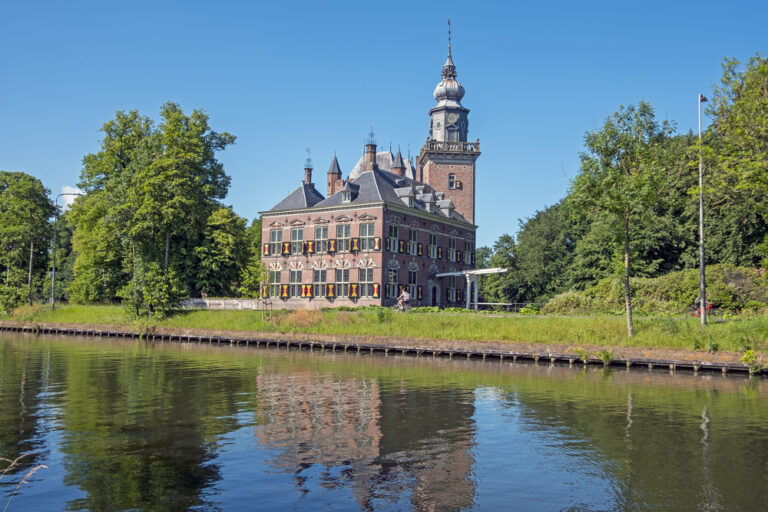
While the school of wizardry might be a fictional place, Nyenrode Business University has a campus in the Dutch town of Breukelen that is very real.
I took a tour around the campus to get a glimpse of the student facilities that are on offer here — and it’s just as enchanting. ✨
What’s Nyenrode Business University?
Established in 1946 by multinational Dutch companies such as KLM, Shell, Unilever, and Philips, Nyenrode Business University is the only private university in the Netherlands.
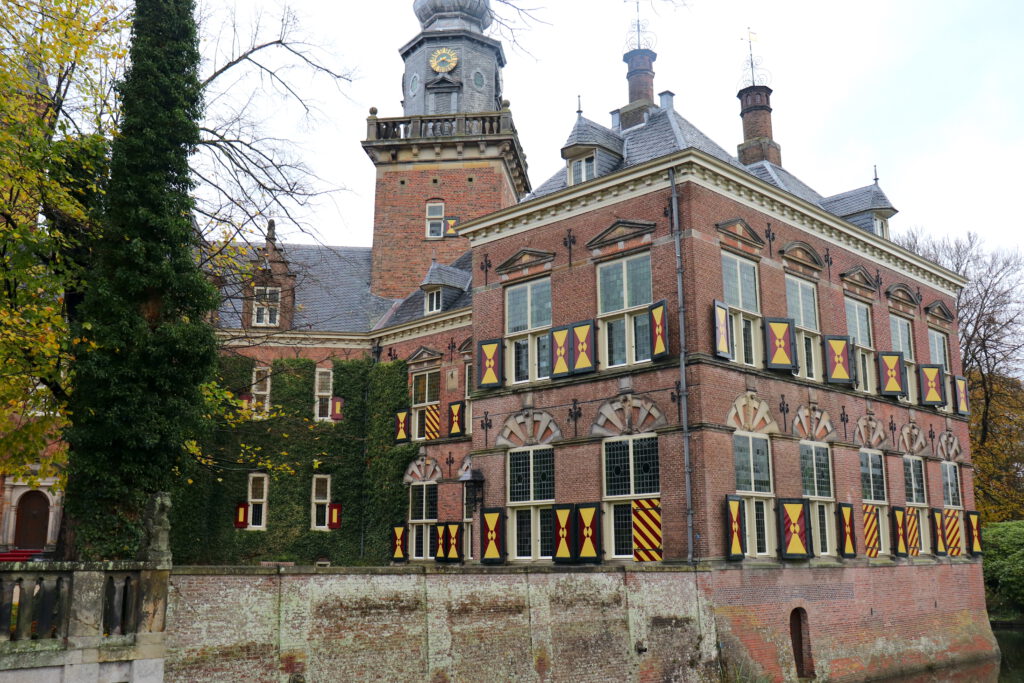
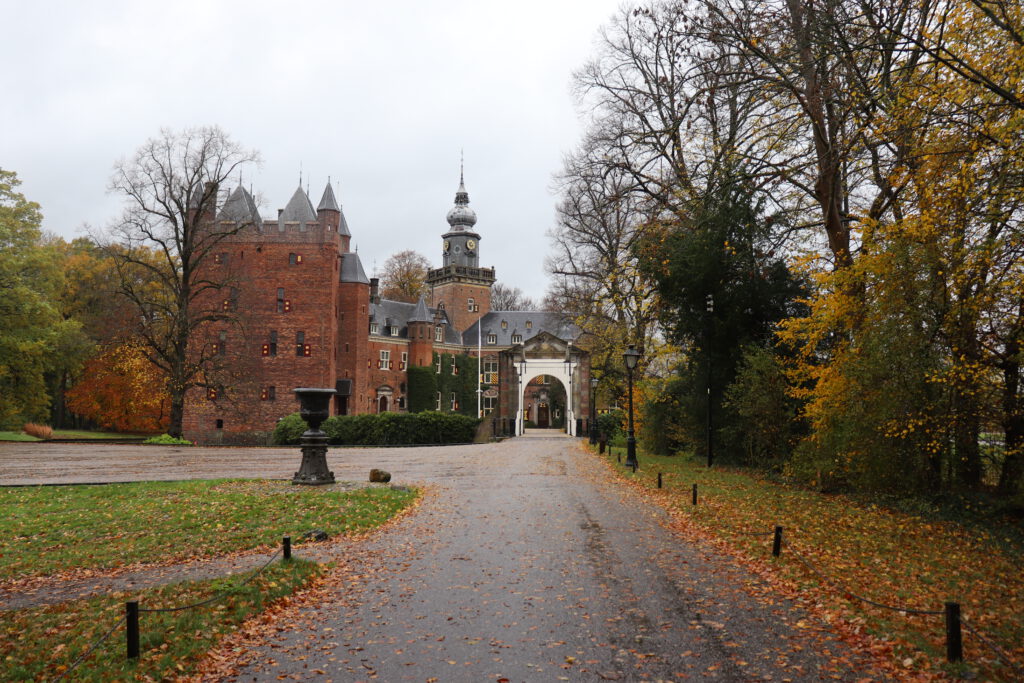
Yes, that’s a university! Image: DutchReview
For over 70 years, Nyenrode has helped turn young, talented souls into strong leaders in the business world.
Offering a broad selection of courses in both Amsterdam and Breukelen, from bachelor’s degrees to MBAs, an education at Nyenrode paves the way for a bright and successful future in business!
What can Nyenrode offer international students in Breukelen?
Now… as an international, you might be wondering: what’s in it for me?
With a university that embodies diversity in its programs, associations, and most importantly, in its people, you’ll be exposed to so many different opportunities and experiences at Nyenrode.
Kicking off your future career the right way, you’ll also get to expand your network by meeting CEOs of some acclaimed Dutch companies — we’re talking Unilever, Shell, Heineken, and more!
On the hunt for a post-graduate study? Look no further. Nyenrode also has several master’s degrees and MBAs at your disposal.
The Master of Science degree in Management is a full-time, 16-month journey (including the pre-Master’s) that allows you to beef up your knowledge within one of three specialities: financial management, digital business and innovation, and global business.
If you can’t afford to leave your job to study full-time, that’s completely understandable. Nyenrode also offers two part-time alternatives in Breukelen: an Impact MBA and a Modular Executive MBA in Business and IT.
Good to know: Each speciality comes with its own global immersion program, which means that, depending on the track you choose, you’ll get to spend a week learning abroad in places such as Seoul or New York!
As part of these courses, you can learn a thing or two (or ten!) from a group of real-deal professionals and broaden your views on business management and leadership — all the while providing for yourself on the side.
Study in a beautiful 13th-century castle that’s rich in history
Nyenrode doesn’t just offer students an abundance of knowledge, but also a beautiful environment to learn it in.
Part of the charm of studying there means you’ll get to attend lectures and events that take place in a stunning, centuries-old castle. The grand archways, the gothic dining hall, the medieval cellars; can you picture it?
The atmosphere is immaculate. 🤩 Image: DutchReview
Kasteel Nijenrode, to whom the university owes its glorious name, sits on one of the most important historical trade routes in Utrecht, bordered by the elegant Vecht River and Amsterdam-Rhine canal.
After the Second World War, the castle became recognised as a university by the Dutch government, and in 2005, officially changed its name to Nyenrode Business University. Huzza!
Enjoy an extensive student campus
We all have a love-hate relationship with a school environment, but a quick glance at Nyenrode’s campus in Breukelen will leave you packing your bags and stocking up on IKEA sheets in no time.
With a rich, historical atmosphere and stunning architecture that’s tough to beat, you’ll spend the next three to four years of your life living within a 60-hectare wooded estate that houses top-notch facilities like restaurants, bars, a supermarket, sports facilities, and more!
At Nyenrode’s Breukelen campus, you’ll also find Mensa, a buffet restaurant that offers options for breakfast, lunch and dinner. From Monday to Friday, you can head down there to grab a bite with some friends anytime between 12:00 PM and 7:00 PM.
The campus capital: The Dr Albert Heijn building & De Rooij building
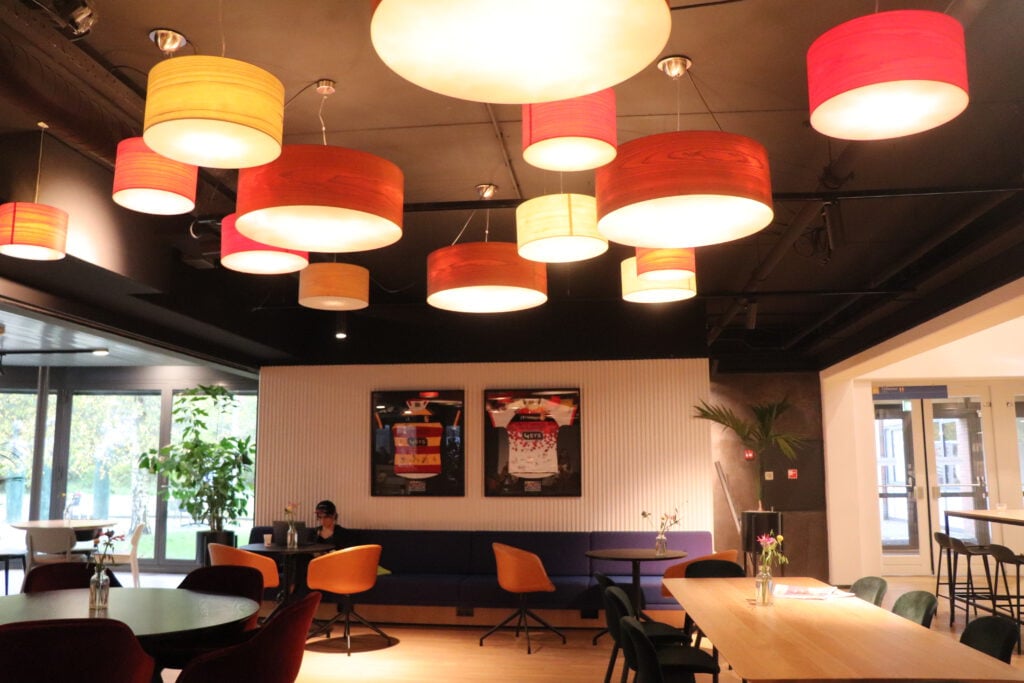
Brimming with spacious classrooms, cosy lounge areas, and executive rooms — this is where you’ll spend most of your time in lectures, giving presentations, mingling with classmates, and drinking heaps of coffee. ☕
Feel like taking a breather after class? There are a lot of seating options at the café! Image: DutchReview
On the ground floor of the Dr Albert Heijn building, you’ll find a lounge, a canteen, and a restaurant with a trendy and fashionable interior.
And if you’re wondering where you’ll be attending weekly classes, the De Rooij building houses various modern lecture halls with a comfortable and fixed theatre set-up!
A cosy library
Across from the Dr Albert Heijn building & De Rooij building is Nyenrode’s very own library, which comes fully stocked with ancient business-related books to borrow.
The building also features classrooms with a lusciously green view, like this one! Image: DutchReview
The library has 20 separate study rooms, each made to hold about 6 to 10 people. So, you can grab a buddy for a study session or use that much-needed shush time to put your head in the books.
Comfortable living quarters
The dire housing situation in the Netherlands has left international students on edge, but fear not! As a full-time student at Nyenrode, you’re guaranteed a spot in their living quarters.
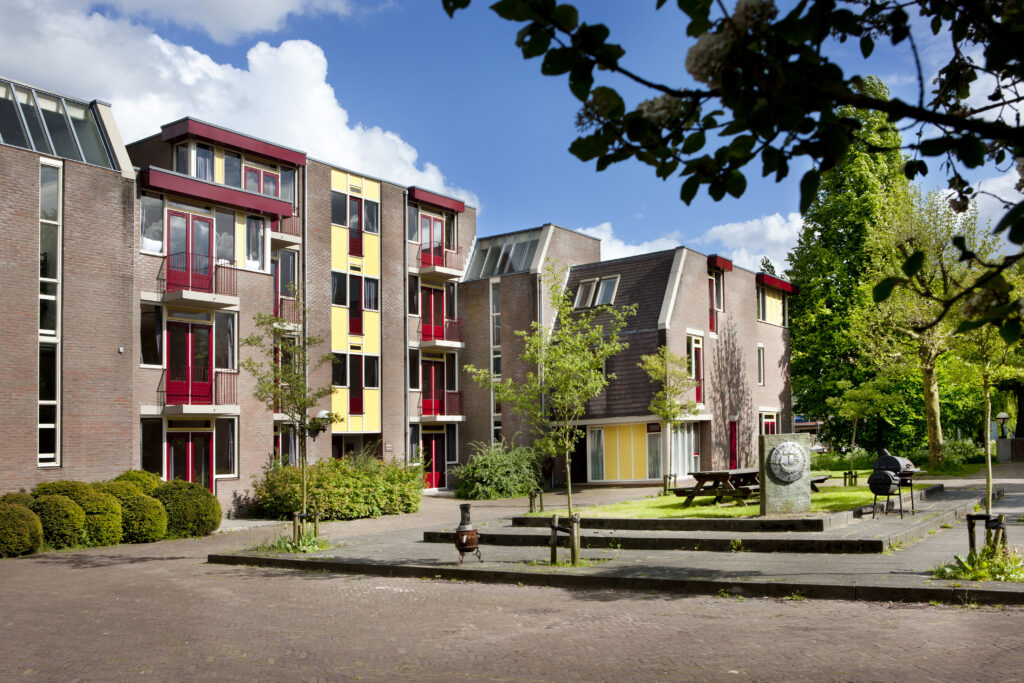
The campus housing consists of five buildings, and depending on the type of room that you want, you’re looking to pay anywhere from €320 to €600 per month.
Comfortable student looking into the outside area — check out that BBQ grill! ♨️ Image: Nyenrode Business University/Supplied
It’s also within walking or cycling distance of the centre of Breukelen — so a quick trip to your local Jumbo supermarket, flower shop, or pharmacist is super easy.
Want to get out of your room once in a while? No problem! If you ever get an itch for the big city, Amsterdam and Utrecht are easily reachable via public transport, so you’re sure not going to miss a fun night out. 🎉
Luxurious student hotels
Want to get a feel of the campus before you decide to settle down there? Consider spending the night in one of Nyenrode’s two student hotels, namely the Plesman Pavilion and the Campus Hotel.
With about 100 rooms spread over the two buildings, each hotel has a stylish and luxurious interior. Since they’re both stationed in the middle of the green campus, you’ll also be surrounded by the flora and fauna of the great outdoors. Vacation in the woods, anyone? 🙋
A state-of-the-art gymnasium
At Nyenrode, having a place on campus for students to indulge in sporting activities is just as important as getting good grades.
Nyenrode offers various indoor and outdoor sports facilities in Breukelen, from two tennis courts to an entire field for football and rugby.
They also boast a running route for the track-and-field junkies, a fitness boot camp, spinning and boxing classes, and a scenic hiking track that follows the estate’s beautiful woodlands.
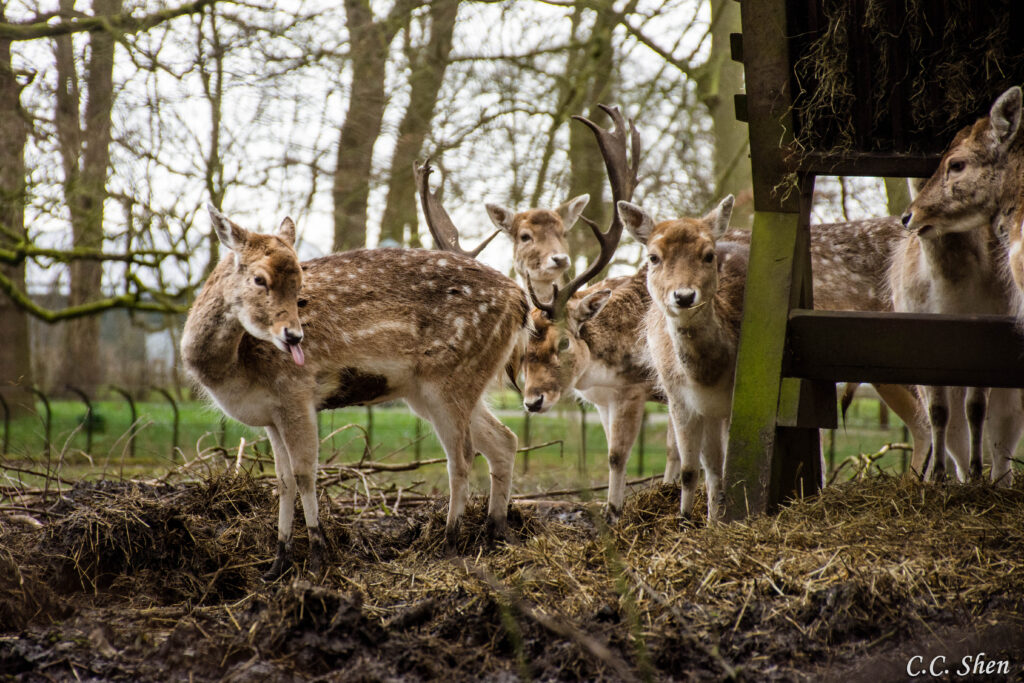
A deer farm (yes, a deer farm!)
If the cosy library or the fancy gymnasium didn’t win you over, then perhaps the very idea of having a deer farm on campus will.
Just look at those adorable faces. 🥰 Image: Chia Chi Shen/Nyenrode Business University/Supplied
I mean… who wouldn’t want to be able to surround themselves with these friendly, furry creatures from time to time? 🦌
Make lifelong friends and join Nyenrode’s student association
As a university that prides itself on being community-oriented, Nyenrode offers you a chance to foster close relationships and improve your professional network by joining the NCV (Nieuwe Compagnie van Verren) on campus.
With over 41 committees and various societies connected to it, any Nyenrode student can participate in the NCV. And in the end… you’ll have a wealth of contacts at your fingertips.
Looking to apply? Go ahead! Nyenrode’s admission process differs per course. You’ll need a copy of your motivational letter and test scores. You will also complete a personality test to see if you’re the right fit!
With a quiet and peaceful atmosphere and a ton of well-rounded courses to follow, students are sure to find academic success at this esteemed university.
Have you considered studying at Nyenrode’s campus in Breukelen? Tell us in the comments below! 👇
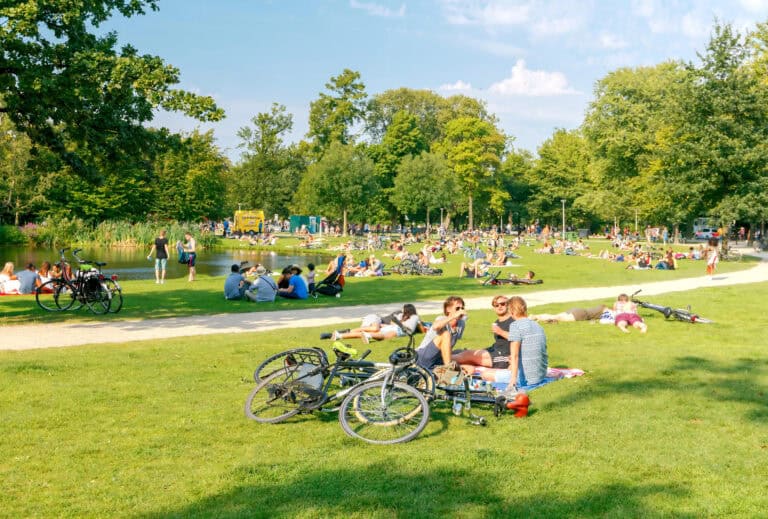
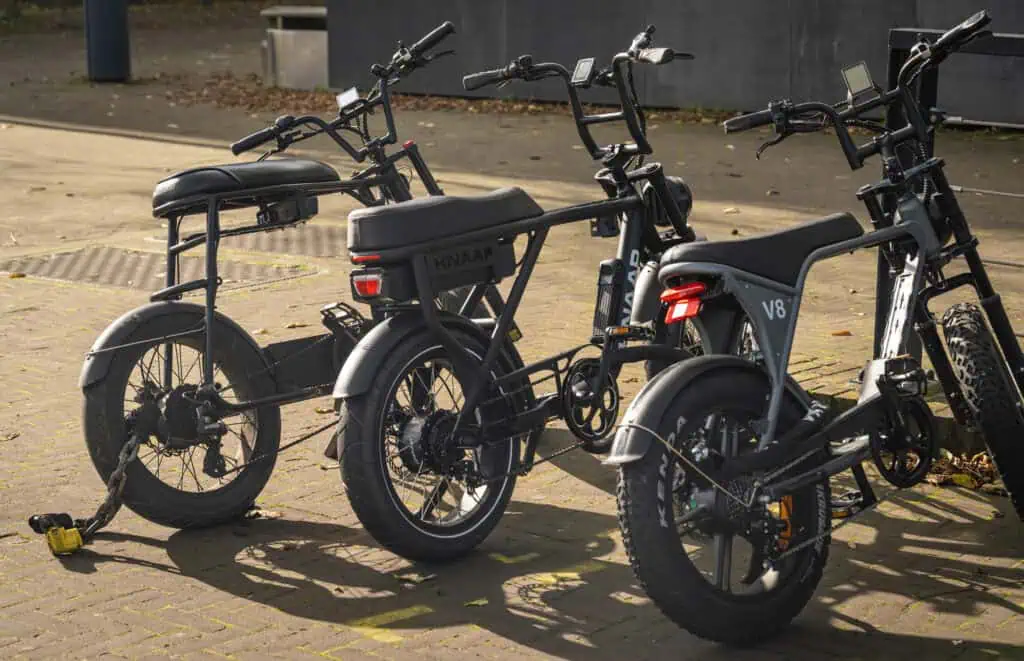
If you’ve been dodging fatbikes in Vondelpark whilst trying to enjoy a peaceful jog, your prayers might finally be answered. Amsterdam is gearing up to ban the bulky e-bikes from one of the city’s busiest green spaces, once and for all.
Weekly complaints about unsafe situations and intimidating behaviour from fatbike riders have piled up at the Amsterdam gemeente, and some residents now actively avoid certain areas because of aggressive cycling.
As NU.nl writes, traffic councillor Melanie van der Horst says it’s time for drastic measures.
“We’ve been asking the national government for three years to give us tools to tackle fatbikes,” she says. But the government’s response? Legally, there’s no way to distinguish between regular e-bikes and fatbikes, so bans are tricky.
Looks clearly distinguishable to me but hey, I’m not a government… 👀 Image: Depositphotos
Amsterdam’s legal workaround
So how does the capital plan to pull this off? Through a local ordinance (the Algemene Plaatselijke Verordening), which governs everything from noise complaints to where you can park your bike.
The city will use this legal framework to ban fatbikes with tyres wider than seven centimetres in areas plagued by safety issues.
Vondelpark will be the testing ground. As one of Amsterdam’s busiest spots, the park sees a constant flow of joggers, dog walkers, families with children, and elderly visitors. Ambulance data shows it’s also a hotspot for cycling accidents.
And the problems go beyond just reckless riding. Police have received over 40 reports of women being sexually harassed by boys on fatbikes in Vondelpark, Rembrandtpark, Erasmuspark, and Flevopark.
If this sounds familiar, that’s because you’ve heard it before. Enschede tried to ban fatbikes from its city centre over the summer, but months later, little has come of it. The legal complications proved too messy.
Amsterdam knows its plan could face legal challenges too, but if the city council approves the measure (which still needs to happen), the ban could come into effect in spring 2026.
If the Vondelpark ban goes through, Amsterdam will evaluate its effectiveness before potentially rolling it out to other parks and high-traffic areas.
Have you had any close calls with fatbikes in Amsterdam’s parks? Share your war stories in the comments below!
A journalistic team discovered hundreds of foreign-based accounts re-posting polarising content on ‘X’.
An investigation by RTL Nieuws has revealed that the most recent elections for the Dutch House of Representatives was influenced via social media by engagement between fake accounts and real users.
Networks of over 500 accounts with suspicious names, identical photos and biographies, and shady bursts of activity led the journalists to explore further.
What sort of interference?
The accounts were mainly engaged in reposting and following smaller but very politically vocal accounts here in the Netherlands.
This activity ultimately increases the ‘relevance’ of the content under X’s algorithm, giving smaller accounts an increase in clout on the site.
And what tweets and opinions were being amplified? Mostly, those in favour of right-wing parties and political leaders.
A majority of the accounts reposted content relating to the Forum voor Democratie (FvD) and Geert Wilders’ Partij voor de Vrijheid (PVV) ahead of the elections this past October.
The posts and re-posts seemed to have a goal of highlighting division in Dutch politics.
Who’s doing this?
The accounts were largely coming from West Africa and Asia, with a majority stemming from Ghana and Nigeria.
Previous investigations by analytical groups like Trollensics have pinpointed that these kinds of ‘troll farms’ are often linked to Russia.
The FvD’s favourable stance on Russia regarding Ukraine arms provisions seemingly backs up this theory, as the bogus accounts were used to boost their message and perceived popularity in the Netherlands.
Well, can’t X stop it?
While the platform has suspended some of the fake accounts, the general ‘cleaning-out’ of this mess takes time. The networks are insidiously hidden in plain sight.
In an effort to speed up and fortify the process, an investigation into X’s site management in the Netherlands has been launched.
The Netherlands Authority for Consumers and Markets (ACM) alerted the European Commission to the issue, who have begun the effort to ensure X’s protection of European election integrity in future.
But, is it too little too late?
What do you think about the use of these accounts? Let us know in the comments!
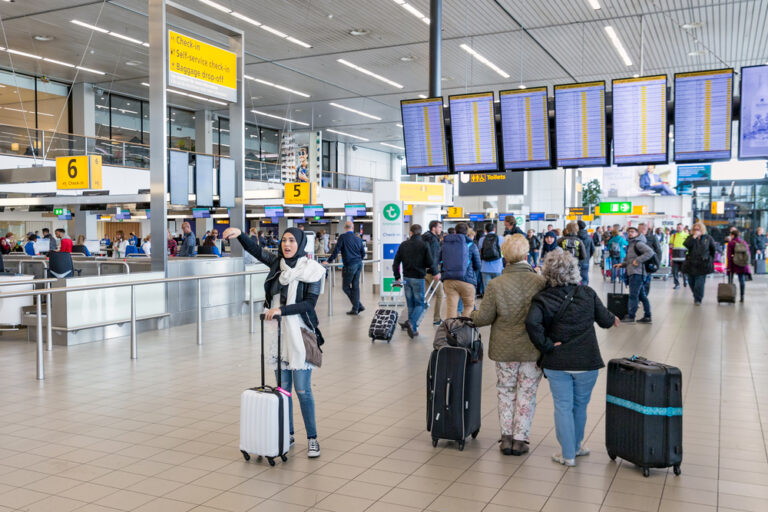
As if international flights were not already expensive enough, from 2027, travellers flying out of Schiphol Airport will pay a significantly higher air passenger tax compared to transfer passengers.
Travellers departing from any airport in the Netherlands currently pay about €29 in air passenger tax. This fee is included in the ticket price and fully paid by the passenger.
Everyone knows the Dutch government loves an opportunity to tax its people. So it has simply done what it does best.
And now, it plans on taxing passengers even more.
So how much will I have to pay in 2027?
Starting in 2027, the air passenger tax will depend on flight distance, reports de Volkskrant.
Flights within the EU will stay at €29, medium-haul flights (2,000-5,500 km) will be taxed €47, and long-haul flights over 5,500 km will cost the passenger a whopping €70.86.
Basically, the farther you flee from the winter gloom, the higher your tax bill.
Here’s a glimpse of where our money might be going…
✈️ @Schiphol has unveiled a €10 billion ($11.5 billion) investment program through 2035 and a long-term master plan running to 2050 that centers on building a new terminal.
Schiphol is among the largest transfer airports in Europe. To help keep that position, the air passenger tax does not apply to transfer passengers. And neither do the airport fees that Schiphol charges airlines.
For instance, if you were to fly from Brussels to Washington with a transfer in Amsterdam, you would be exempt from the tax.
And it’s not just travellers from the Netherlands who are unhappy about this.
Fed up with charging higher ticket prices for passengers flying from Amsterdam, EasyJet’s country director William Vet tells the ANP: “You can’t burden one group of passengers so heavily. Schiphol is pricing itself out of the market.”
Currently, for every euro a traveller departing from the Netherlands pays in taxes, a transfer passenger pays 39 cents, according to research agency SEO.
How has your experience been travelling from a Dutch airport? Tell us in the comments!