Home Blog Page 116

Dutch rental agencies are asking househunters for even more private financial information

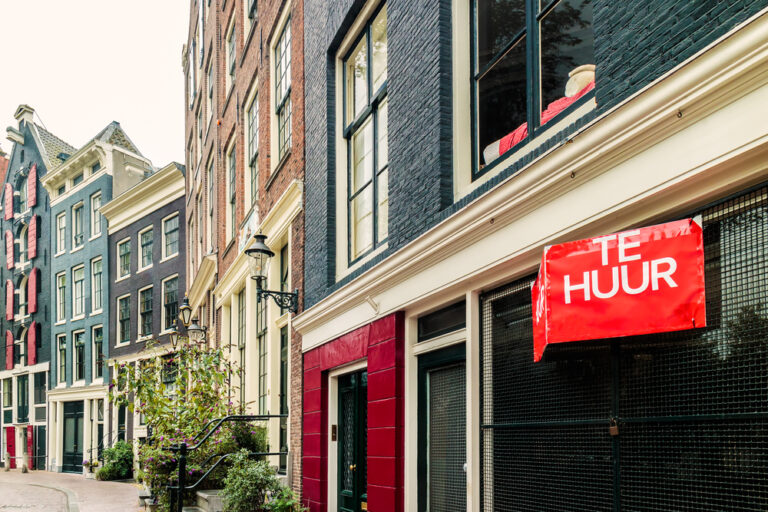
Want to rent a home in the Netherlands? Be ready to hand over your payslip, bank details, and maybe even your firstborn. 👀

According to NOS, it’s getting harder (and weirder) to secure a rental. Some real estate agents now want your sensitive financial information BEFORE you even set foot inside.

House-hunting or financial background check?

A payslip alone won’t cut it anymore. Some agencies want access to your bank account information just to schedule a viewing. Yup, that’s a bank link request before the bezichtiging. 😬

The Dutch Data Protection Authority (Autoriteit Persoonsgegevens) reports that the number of complaints regarding these agencies keeps climbing — 50 already this year and counting.

”If you have to request a lot of privacy-sensitive information from someone, there has to be a good reason,” AP vice-chair Monique Verdier tells the NOS.

But surprise: many agents either don’t have a clear reason for requesting this information, or simply won’t give one.

The Woonbond (National Tenants’ Association), isn’t having it either. Senior advocate Marcel Trip tells the NOS that the only legitimate time to share income data is after a home is offered.

”But in practice, we see real estate agents requesting data well in advance, such as detailed income information,” he tells NOS.

Fruad fears or data drama?

Agents say it’s all about stopping fraud. Britt Orchard from Verra Makelaars in Rotterdam tells NOS that some people fake payslips and bank statements.

Her agency uses a data-sharing app to verify this information — but only after a viewing and if someone’s interested. Not before.

READ MORE  | Renting in the Netherlands: the ultimate guide

Orchard explains that the app only flags suspicious activity, not payment history. But she also admitted she’s not entirely sure which bank details are visible.

In fact, an increasing number of agencies in the Netherlands ask househunters to link their bank accounts to data-sharing apps.

While fraud checks might seem fair, the AP says agents can only ask for financial info to assess if you can pay rent — not just to get a viewing. Doing it earlier? That’s crossing the line. 🧐

Privacy is out, pressure is in

But what if you say no to linking your bank account to an agency? Well, your chances of successfully renting go down.

“Those who are able and willing to provide all the required documents have the best chance of securing the property,” explains Orchad. Translation: play the game or get left out. 🫠

According to Trip, renters feel stuck. They’re unsure who’s accessing their data but feel pressured to share it anyway. And with so few homes on the market, most just go along with it.

What do you think — legit screening or a total privacy overreach? Would you link your bank just to view a flat? Let us know below! 💬

Dutch Quirk #109: Not dress formally when going out to a party

Birthdays, dinner parties, and even graduations. The Dutch prioritise comfort over vanity when it comes to partying, yet they always manage to look good. 🤔

It’s easy to show up to a Dutch party and feel severely overdressed compared to the other laid-back lowlanders in simple trousers and a T-shirt.

What is it?

Whether it’s a festival or a house party, the Dutch are always dressed in exceptionally casual outfits. A pair of shorts and a sweater usually do the trick.

If you’re ever invited to a Dutch party, forget shiny leather shoes and a little black dress; just come with your favourite tee and some comfortable pants, and you’ll blend right in. ✨

Why do they do it?

The classic Dutch way of travelling anywhere (including parties) almost always includes a bicycle. 🚲

The result? The Dutch have adapted their fashion style to their appraised cycling culture by wearing functional clothes for almost every occasion.

Photo-of-people-singing-karaoke-at-party
As long as you’re comfortable, you’re wearing the right outfit. Image: Freepik

On another note, the weather in the Netherlands can never be trusted. While you can always check out the weather app, no one really knows the Dutch sky’s next move. 🌧

READ MORE | Dutch Quirk #117: Constantly check Buienradar

The combination of cycling and rain is definitely a struggle, and you can make that struggle a little easier by wearing practical clothes.

A festive outing won’t stop the Dutch from dressing functionally and enjoying the night without constantly tugging on their dress or slipping over the wet floor with 15-centimetre heels. 👠

Why is it quirky?

In Mediterranean countries, like Italy or Monaco, a party calls for people to wear their most flashy and extravagant outfits.

Other northern European countries such as the United Kingdom and Ireland also share a lavish standard of guests dressing up for each occasion.

READ MORE | Dutch Quirk #56: Have a liberal attitude towards party drugs

While the Dutch can always go for a fancy look, most of the time, their party dress codes involve nothing more than what suits their comfort, and you know what? We respect that.

Should you join in? 

Absolutely! There’s no harm in loosening up your clothing attire to enjoy a function comfortably with your fellow Dutch partygoers.

However, context matters — meaning it’s probably best not to show up at a party gala in denim shorts and flip-flops. 🩴

Do you prefer a casual or formal dress code when going to a party? Tell us in the comments below!

Have you seen these cool futuristic bulb houses in Den Bosch?

For the residents of the north of Den Bosch, these cool futuristic bulb houses have been a part of the landscape since the 1980s (yes, they really have been there for that long).

The bolwoningen (bulb houses) were completed in 1984, along with the kubuswoningen (cube houses) located in the heart of Rotterdam. It was a year for experimental homes, and Rotterdam’s cube houses stole all the fame.

While there wasn’t much spotlight (😉) left for the bulb houses, they still managed to attract considerable attention over the past years.

To this day, people from abroad and from the Netherlands keep coming to see these futuristic houses for themselves.

What is their purpose?

These ‘bulb’ houses were designed by the Dutch architect Dries Kreijkamp, who had a passion for designing out-of-the-ordinary homes. He became fixated on houses shaped like spheres as he felt that this was the way forward.

photo-of-the-bolwoningen-in-den-bosch
Would you live here? Image: Erik Wannee/Wikimedia Commons/CC3.0

He compared the 50 bolwoningen to clay huts and igloos, arguing that our world is also a sphere, so this shape is the perfect way to create a sustainable home. 🍙

READ MORE |24 best and free things to do in Rotterdam in 2026

He aimed to make something that helped people be more in touch with nature, which is why the bulb houses are surrounded by grass and canals, and the windows are rounded, offering a 360-degree view.

The project wasn’t an easy one, though. Initially, the houses were not provided with any funding.

Once they were eventually built, there were also issues with the houses sinking and cracking, and they were threatened with demolition until these problems were fixed.

READ MORE | 16 hidden places in Rotterdam you have to visit

Kerijkamp thought his bulb houses would be the next big thing and was prepared to mass-produce them. But unfortunately, he passed away in 2014, and the bulb houses in Den Bosch are the only ones that stand today.

Where are the rooms?

I wondered where all the different rooms were myself, especially because when I visited the cube houses in Rotterdam, the whole shape just completely messed with my brain.

Apparently, the living room is at the very top of the bulb house, with the shower and toilet in the middle and storage areas and the bedrooms at the bottom.

This place is obviously only suitable for one person or a couple who doesn’t mind living in a tight space. Surprisingly, though, the inside is not as small as you would initially think.

photo-of-bulb-houses-den-bosch
The bulb houses are located near a residential area in Den Bosch. Image: Velopilger/Wikimedia Commons/CC4.0

How can I see them?

If you’d like to see these architectural marvels for yourself, you can find the bulb houses in the Maaspoort neighbourhood of Den Bosch.

READ MORE | Provinces in the Netherlands: the easy guide

The area where they stand is surrounded by typical Dutch housing, but that just makes it easier to spot these unique buildings — they certainly stand out!

Have you visited these bulb houses in Den Bosch? What did you think? Tell us in the comments below!

Feature Image: Grotevriendelijkereus/Wikimedia Commons/CC2.0

10 things you’ll notice your first week in the Netherlands

So, you just moved to the Netherlands. Congratulations! Be prepared to be confused.

Navigating the, erm, labyrinth, that is, the world of the Dutch can be difficult. So many new words, new places, and new people offer ample opportunity for moments where you just have to say, “Wait, what??” 

Here are just a few surprising things you might notice during your first week in the Netherlands — and the explanations behind them! 

1. Public transport is a maze — so get your maps (and wallets!) out

One thing anyone new to a country might notice is the public transport. Whether it’s the bus, tram, train, or metro, you’re going to need two very essential things: tickets and cards. 

In the Netherlands, the public transport system can seem very confusing to newcomers. 

READ MORE | Public transport in the Netherlands: the complete guide

There are multiple carriers for the different modes of transport, and sometimes it feels like the number of different tickets, cards, and prices would make your head explode. 🤯

GVB-public-transport-tram
With so many options, it can be hard to choose the best way to get around! Image: Depositphotos

The cost of public transport can also seem extortionate to many internationals. In fact, as of 2019, the Netherlands had the most expensive public transportation system in all of the EU. 

READ MORE | The ultimate guide to taking a train in the Netherlands: from OV cards to saving money

For most, a return day train ticket can cost up to €20, while a 90-minute fare ticket for bus and tram services can cost €6.50. Money better spent in places such as coffeeshops and vintage stores, we think. 👀

Tip: Perhaps the easiest way of navigating public transport in the Netherlands is by getting an OV-Chipkaart. With a chipkaart, you can tap on and tap off all the different modes of transport, no tickets needed. Hooray for zero paper waste! 🌲

Also, it’ll take a while to figure out which exit to take 

Another really fun (!) aspect of Dutch transport, and Dutch trains specifically, is how large the train stations are. As a newcomer, you might find it impossible to navigate them. 

Most of the larger stations have multiple exits, one leading in towards the city and the other leading out of the city. 

photo- of-amsterdam-centraal-station
In such a big station, it’s understandable to get lost in Amsterdam Centraal. Image: Despositphotos

So, if you find yourself spinning in circles trying to get your Google Maps to align, maybe check to see if you’ve taken the correct exit! 

2. Bathroom out on display? Yep. That’s a public urinal

Picture this: it’s your first week in the wonderful city of Amsterdam. Fresh out of the chaos that is Schiphol airport, you’re enjoying the sights, the wonderful canals, and the hordes of tourists until you smell something a bit… off. 

Don’t be shocked because what you’re looking at (and smelling) is a public urinal. Gross! 🤢

READ MORE | Dutch Quirk #35: Put public urinals in the middle of busy streets

Due to the high charges for using public bathrooms in the Netherlands, where most are charged a fee of €1 per use, a solution to the rogue-peeing issues has been to install public urinals. 

And, if you’re a tourist who happens to be under the influence in Amsterdam, maybe you might misidentify public urinals as water fountains (thankfully, we’ve never actually heard of that happening). 😅

picture-of-a-man-in-public-urinal-Amsterdam
A common public urinal in Amsterdam. Image: Depositphotos

Previously, Amsterdam has attempted to prevent tourists and locals alike from publically urinating by installing hemp urinals

You might notice that lots of buildings and alleyways in Amsterdam have odd curves to them — these oddly curved buildings are built to pee back, so watch out! 💦

Public urinals are a saving grace for the people who can use them, but for those of us who need to crouch, the challenge is finding somewhere to go. 😬

Perhaps you could try asking a friendly Amsterdammer? Otherwise, prepare a purse of euro coins to keep yourself in the clear.

3. You came to get high, but you’re leaving low

It’s your first week in the Netherlands, and the prospect of getting high is seeming more and more appealing. 

But, you’re out and about, and you’re noticing something; there are not very many Dutch people in the coffeeshops. 

READ MORE | The do’s and don’ts of smoking weed in Amsterdam

On top of that, you’re getting odd looks for the suspicious lollipop you’ve been sucking on while walking down the street. 🙄

It might be a shock, but Dutch attitudes towards drug use might not be what you expect. In fact, it’s very much a tourist activity to even partake in it at all. 

photo-of-girl-smoking-hash-in-amsterdam-on-bridge
Don’t expect to get many happy looks for smoking on the streets of Amsterdam. Image: Freepik

Less than 25% of Dutch people smoke. So, don’t expect to make many Dutch friends when high. 

READ MORE | Smoking weed in Amsterdam: the ultimate guide

Do, however, expect to find yourself clinging to the ground in Amsterdam for fear of falling into the canals because you made the rookie mistake of splitting the high-strength stuff with your bestie. 

Note: Beware of edibles outside of Amsterdam; they’re a lot stronger and might leave you in a bit of a state for a while afterwards. (No, we haven’t learned from experience. Thank you.)

4. Cities in the Netherlands are so close!

If you’re new to the Netherlands, you might not have realised just how compact (and flat!) the country is. 

You can easily get from one major city to another, usually in just under an hour — and sometimes less. (Especially if you’re living within the Randstad.)

photo-of-corrie-ten-boom-house-haarlem
The Randstad has some of the Netherlands’ most iconic cities, such as Amsterdam, The Hague, and Haarlem. Image: Depositphotos

For example, if you were looking to make a quick trip from Amsterdam to Rotterdam for the day, you can get there in a speedy 39 minutes. 

Or, you could go to Eindhoven and almost cover the distance of the entire country in less than an hour and a half!

READ MORE | 19 best day trips from Amsterdam: the ultimate travel guide

Though to us newcomers, the distance seems negligible, for most Dutchies, a trip from Amsterdam to Utrecht might seem like a long journey. 

That being said, it’s not unusual for Dutch people to work in cities other than where they live due to the frequency of transport between cities. It’s just a hop, skip, and a jump from home to office, if you think about it! 🦘

5. What’s a BSN, and why do I need it for everything!?!

One thing you’ll soon realise about life in the Netherlands — you’re going to need some very important numbers. They’re attached to three letters: BSN.

What is a BSN? A Citizen Service Number (BSN) is a unique personal number used to register every citizen in the Netherlands in the Personal Records Database (BRP).

For you to do most things in the Netherlands, such as being paid or signing up for a job, you’re going to need a BSN. 

photo-of-waitress-serving-coffee
If you’re looking to pick up a part-time gig, you’re going to need a BSN. Image: Pexels

The good thing is you’ll automatically get a BSN once you register at your local municipality. But, if you’re staying for less than four months, you can also register for a temporary BSN and still be able to get a job. Hip-hip-hooray! 🥂

6. Help! My card won’t work

Ah, yes, the quite universal experience of heading to your local Dirk, doing your weekly bout of shopping, only to realise, verdorie! (gosh darn it!), My card’s been declined!

photo-of-a-woman-paying-with-card
There’s nothing more humiliating than your card being declined. Image: Depositphotos

The unfortunate thing for lots of us internationals is that many Dutch stores don’t accept Visa or Mastercard, only Maestro. Which means many of us are left surprisingly stranded and ashamed at the till.

However, it’s fairly easy to get a Dutch bank account and, therefore, a usable card if you are moving over. 🎉

READ MORE | 7 incredible things you can ACTUALLY do if you get a Dutch bank card

But, if you’re stuck in the danger zone (AKA that in-between moment when you haven’t quite gotten around to getting a bank account just yet), some places still accept cash.

Note: Many online transactions require iDeal to verify your purchase. To use this, you’ll need a Dutch bank account, but a way around it could be to use the now internationally recognised bank, Revolut.

7. You’re getting stared at in the queue — why?

You’re wearing your favourite bright red puffer jacket, holding a litany of post-work snacks and a cheap mug you found on a discount, and you notice you’re getting odd looks. 

@dutchreview Internationals after moving to the Netherlands 🫢 #voorjou #voorjoupagina #foryou #foryoupage #internationals #netherlands #lifeinthenetherlands #internationalstudent #internationalsinthenetherlands ♬ Pink (Bad Day) [From Barbie The Album] – Lizzo

A shocking thing for those new to the country to have to learn, but the Dutch have a saying they like to call doe normaal.’ 

READ MORE | 9 things to know before coming to the Netherlands: a survival guide

Roughly translated, the phrase means ‘act normal’ and perfectly encapsulates the Dutch attitude of staying part of the crowd and not sticking out. 

Try not to stick out like a sore thumb in Dutch society. Being average and humble is the respected thing, rather than being a show-off with your red puffa. 💁‍♀️

8. And now you’re being looked at weirdly for strolling into a restaurant

Another aspect of Dutch culture and attitudes is strict adherence to their agendas — basically, everything is planned! 

It’s very common for Dutch people to call ahead and book a restaurant for a meal out rather than just walking in because they feel a bit peckish. 

people-eating-at-a-restaurant-in-amsterdam
Popping out for a quick bite to eat isn’t always an unplanned affair in the Netherlands. Image: Unsplash

Lots of Dutchie’s will have an agenda they stick to and will have made advance plans to hang with friends and eat. 

This can be unusual for many internationals, who might have come from cultures where the norm is to stroll in, no previous plan needed! And if you do, you can expect some confused frowning at you and the restaurant’s agenda. 

9. Wall food? Food from a wall?

So, you’re walking down the streets of Amsterdam. You’re a little peckish, and you’re on the lookout for food places. 

But, instead of a counter or sit-down restaurant, you keep seeing food stacked in rows along the walls. What is that?

Well, that, our dear friends, is a food wall! And trust us, it will become your best friend eventually. 

photo-of-a-woman-in-wintercoat-standing-inside-of-a-febo-in-the-netherlands
Our friends at FEBO are a great example of food walls in the Netherlands. Image: Depositphotos

A very Dutch conception, the food wall is a brilliant invention for nights out. You can simply buy your meal from one of the little windows in the wall, usually paid for by card (but, again, be careful if you don’t have a Dutch bank account!). 

But if the wall makes you a little shy, you can always go up to the counter inside and order directly there. 

READ MORE | Forget fast food, you won’t believe what Dutch wall vending machines are selling now

Otherwise, it’s a great idea for us introverts who’d like to avoid as much social interaction as possible. 😍

10. Cycling isn’t all you think it is

Now, there you are in the Netherlands, your brand-new bike in hand. You’re ready to hop on, have a lovely cycle around the major Dutch cities, and generally have a good time.

Haha. No. Not-a-happening, boys, girls, and thems. 🙅‍♂️

When cycling your bike around the Netherlands, the first few tries will most likely start full of excitement but quickly descend into chaos, panic, and overwhelming frustration. 

photo-of-people-cycling-in-amsterdam
Cycling in Amsterdam may not be the relaxing activity you expect. Image: Pixabay

Firstly, you made the mistake of bringing a bike helmet, but you don’t have a bell on your bike — rookie mistake. 

Secondly, there are so many rules when riding a bike. There are many things you can be fined for doing while cycling, such as using your phone or not indicating the direction you’re going to turn. 

READ MORE | Dutch Quirk #127: Ring their bike bell while they tailgate you

Plus, cycling in the Netherlands can be a dangerous game. In 2021, 207 people were involved in fatal crashes on their bikes, and the bike was the most dangerous form of transport for that year. Unfortunately, it’s not all relaxing cycles! 


That being said, your first week in the Netherlands won’t be all doom and gloom. With endless things to offer, you’ll soon be familiar with all things Dutch, such as having weird birthday traditions or carrying emergency snacks

What are some things you noticed during your first week living in the Netherlands? Tell us below! 

Dutch Quirk #115: Sit on terraces year-round

Rain or shine, Dutchies are always up and ready for terrasje pakken (grabbing a terrace). What’s the deal with that? Allow us to unpack. 🔍

Many major cities around the world take pride in their terrace culture, even before the global pandemic that forced people outside over health concerns.

But we’re not here to talk about the world, pfft, not while the Dutch put their spin on something so ordinary. The Dutch really like their terraces.

What is it?

Starting with the basic definition, a terrace is the outdoor space of a catering facility where visitors can enjoy their food and drink in the open air — if the weather is good.

Terraces can be part of bars, restaurants, or coffeeshops — and they can be located anywhere from sidewalks and canal sides, to squares and rooftops.

picture-of-a-terrace-by-the-canal-water-in-Utrecht
If a terrace by the water is your thing, then Utrecht is your destination! Image: Depositphotos

As for the “if the weather is good” condition of the definition, residents of the lowlands don’t care about that point. Hence, any terrace in the Netherlands is a prime year-round location for a drink. 🍻

Why do they do it?

Who even has time to wait for the weather to turn nice? Not the Dutch with their limited number of sunny days and excess of rainy ones. 👀

READ MORE | The Dutch mindset: 5 secrets to the Dutchies’ happiness

They live by the “when life gives you lemons, make lemonade” rule, and life just threw them generally crappy weather. How did they react?

They toughened up, got used to it, and collectively decided to hang out on a terrace for those 4 PM drinks, no. matter. what. ☔

Why is it quirky?

Sure, it’s quirky, but it’s also hella impressive. Dutch levels of persistence are off the charts if you ask us.

No matter if the temperatures start climbing down towards zero, Dutch people will sit outside — even if it means having to de-frost their stiff fingers after clinging to their must-have beer glasses for too long.

Not only do they sit outside in the wind and rain — Dutchies also hang out on terraces only a foot or so away from the surface of canal waters, knowing they could end up soaking wet after a few too many biertjes. 🌬️

They have no problem wearing full winter attire (scarves, hats, and all) for the entire outing so that they can get their precious terrace time in.

Some even create a makeshift terrace of their own to enjoy all year round. To that, we tip our hats to say bravo and kudos. 🎩

Should you join in?

If you can handle the weather outside, absolutely join the Dutch on their terrace night (or, let’s face it, day) out!

On warm days, hanging out on a terrace is the Dutch experience, where you get to enjoy the weather and bike-full scenery.

READ MORE | How to survive the Dutch winter: weather, clothing, and more

A hot tip for unconditioned internationals is to ease into it. Spend a couple of hours on a terrace with an indoor backup, and you’ll soon be fit to join in on this uncomfortable, but culturally and socially important, Dutch quirk.

What do you think of this Dutch quirk? Have you experienced it? Tell us in the comments below! 👇

Amsterdam’s blossoming bikes keep popping up and we’re OBSESSED

7

Brightly coloured bikes decorated in flowers, butterflies and clocks have been popping up all over Amsterdam for years. Have you seen any of these beautiful fietsen around?

The bikes are not the work of a mythical Dutch bike fairy, but an American man in his 50s named Warren Gregory.

Known fondly as the Flower Bike Man, Warren’s bike-decorating began when his wife couldn’t find her bike at Amsterdam Central.

A guiding light home

Warren’s wife, Michelle, has had epilepsy for years and often struggles to remember details like where she parked her bike — although, let’s face it, finding your bike in Dutch bike sheds is a nightmare for anybody!

To help her out, Warren decorated Michelle’s bike in bright flowers so that it would be unmissable. He then decorated several abandoned bikes, which he left along the route home so that she would never get lost again. How sweet is that?

The snowball effect

Seeing the joy that his bikes were bringing to passersby, Warren started decorating more bikes and scattering them throughout the city of Amsterdam.

He makes them in his Amsterdam houseboat and then ventures out into the streets early in the morning to leave his gifts to the world before the city wakes up.

I say smiles are contagious. They also are addictive,” Warren says.

Theft and vandalism

Warren creates the bikes using his own money and old, abandoned bikes that he collects.

Bringing these forgotten wrecks back to life is beautiful in so many ways — but unfortunately, many of Warren’s pieces have been stolen or vandalised. 

Some of his neighbours constantly pull off the flowers and throw them into the canals. A few of his bikes have even been set on fire, causing his wife to fear that their houseboat is next. 

READ MORE | 5 things to do when your bike has been stolen in the Netherlands

He’s not sure why people would want to damage his bikes, but in response to some of the vandalism, he said on Instagram, “if you destroy my things, I come back harder, I already added new flowers.”

Yeah, Warren — flower ‘em up! 🌼

Love and recognition

In a country that loves bikes so much, it’s no wonder that Warren has become somewhat of a national treasure in Amsterdam.

People love Warren’s bicycles, and many insist on paying for his creations. He customises bikes for individuals and has even worked with a perfume company in Amsterdam.

So, if you’re thinking of getting a new bike, why not have it be-dazzled by the Flower Bike Man?

But money was never Warren’s main motivation. In a conversation with Amsterdam Street Art, he explains, “For me, seeing the bike I created is enough.”

Although he has come to be seen as an artist, known of course, as the Flower Bike Man, Warren always refers back to the reason he started decorating bikes in the first place — his wife. 

READ MORE | Why biking is king in the Netherlands

I have to say, other than being a creative artist, Warren is also a nice guy. His Instagram posts are flooded with encouragement and words of love, and you can feel the time and love that he pours into every bike that he creates. We truly need more people like the Flower Bike Man.

What do you think of these beautiful bikes? Tell us in the comments below! 👇

Stolen passports, 78-hour work weeks: How this luxury Amsterdam gym exploited its cleaning staff

One of Amsterdam’s most luxurious gyms, Saints & Stars, has found itself under fire after an investigation by Het Parool revealed the horrific conditions the gym’s cleaners must work under.

At least 23 members of the cleaning staff, consisting of Filipino and Indonesian workers, were forced to share beds with complete strangers and work for up to 78 hours per week.

Some also had their passports taken.

The extent of the exploitation

Het Parool spoke with 11 of the cleaners involved, and the picture they painted was not at all pretty.

The cleaners explained that they were offered accommodation while they waited for their work permits, but were surprised to find several people crammed into one room, some sharing beds with each other.

One cleaner tells Het Parool that she slept on the floor of a walk-in closet. She was also told she would work 40 hours per week and would be paid €2500 per month.

In reality, the cleaners were expected to work far more than this, with one telling Het Parool that in one week, he worked one six-hour day, two eleven-hour days, three twelve-hour days in a row, and one fourteen-hour day.

Passports taken

One cleaner, Linae (not her real name), tells the paper of how she was put in contact with the housekeeping manager, Nicoleta Gavriluță.

Gavriluță told her that she would arrange for a work visa for Linae after a three-day trial period. She was told that it would take three weeks to arrange and that “our boss Tom” would pay for everything.

In reality, it would never have been possible to receive a work visa this way, as cleaning work is not eligible for this type of visa.

According to Het Parool, several cleaners handed over their passports to Gavriluță, who kept them, saying that she needed them to complete the paperwork.

Cleaning management team fired

In a video by gym-owner Tom Moos, it’s been revealed that the team responsible for managing cleaning at the luxury gym has now been fired.

Moos also announced that the Dutch Labour Inspectorate is looking into the matter. In an official statement, the company writes:

“Our mission has always been to create an environment where people feel safe, respected, and empowered, not only for our members, but also for our trainers, staff, and every individual who contributes to our community.”

What do you think of these findings? Tell us your thoughts in the comments below.

Dutch tourists cause chaos jumping from Italian ferry, found hours later at campsite

Two Dutch tourists in northern Italy decided to get to their campground the hard way: by leaping off a ferry and swimming across Lake Como. 🏊🏻

Name a better love story than the Dutch and camping? We’ll wait. 😉

However, for two young Dutchies (23 and 26), this travel method has landed them in quite a bit of hot water.

Emergency services were called in

After the pair leapt into Lake Como and disappeared from view under the waves, panicked onlookers called emergency services.

An extensive search was conducted before military police finally found the dynamic duo safe and sound at a campsite in Tremezzina.

According to the NOS, this was roughly half an hour away from the 18th-century village of Laglio, which they’d initially swum to after their spontaneous dive.

Sounds like a happy ending, right? Unfortunately for the pair of keen swimmers, the Italian police weren’t as amused and reported the two for sending emergency services out on a wild goose chase.

Dig what you’re reading? Get more of it! Join our WhatsApp channel or Instagram broadcast to get the latest news straight to your pocket.

Dutch Quirk #137: Eat fried snacks off a table wrapped in clingfilm

Ahh, lazy evenings in and Dutch snack food — truly a love story better than Twilight. 😍🍟

And d’you know what else is better than Twilight? Enjoying a good friettafel! 😋

What is it?

A compound made up of the words friet (chips) and tafel (table), a friettafel refers to a clingfilm or aluminium foil-wrapped table laden with fried snacks.

Popular additions include chips (no surprises there!), frikandellen, kaassouffles, kroketten, and heaps of sauces.

Why do they do it?

As supermarket chain Aldi so eloquently put it: “It’s easy to make, takes little effort, and you hardly have to do any dishes afterwards.”

READ MORE | What your favourite Dutch FEBO snack says about you

In other words, it’s a fab meal option if you’re having friends over and don’t particularly fancy slaving over the stove to whip something up.

However, I wouldn’t necessarily assume that partaking in friettafelen is as common as wearing orange in the Netherlands.

(So rest assured, Dutch people who’ve never heard of a friettafel or hate the idea of it, we internationals don’t think you ALL love eating chips off a clingfilm-wrapped table. 😉)

Why is it quirky?

Proving that being quirky isn’t necessarily a bad thing, a friettafel is unashamed in its simplicity.

If you’re the sort who feels awkward without a plate or cutlery at mealtimes, this quirk will definitely take some getting used to.

Should you join in?

Oh, absolutely!

Take a seat, roll up your sleeves, and help yourself to one of the most fun Dutch food quirks.

If you’re dying to prepare your own friettafel, here’s a handy list of things you’ll likely need! 👇

What do I need for a friettafel?

  • One layer of cling film or aluminium foil,
  • A veritable mountain of chips,
  • Some fried Dutch snacks (eg: frikandellen, kaassouffles, bitterballen, kroketten, kipcorns, bamischijven… etc.),
  • Some sauces (eg: mayo, mustard, satésaus, curry ketchup… etc.),
  • Chopped onions (if that’s your thing!),
  • … and some great company! 💃🏻

What do you think of this Dutch quirk? Have you experienced it? Tell us in the comments below!

Here’s how you can help Gaza from the Netherlands [UPDATED]

Despite the limitations on foreign aid, there are many ways you can support Gaza and make a difference. 💪

Dutch citizens had many opportunities to support Ukraine during the war, from local fundraisers to driving trucks full of supplies, but doing the same for Gaza feels painfully out of reach.

But does that mean we’re powerless? Not at all! Here’s how to get involved. 👇

Good to know: This article will be updated with new information, organisations, and petitions as they become available.

Donate anyway

Even when aid isn’t moving, relief organisations are supporting local staff and building reserves for when delivery becomes possible.

Some aid organisations open for donations include:

Join public protests

When more than thousands of people demonstrated in The Hague, politics couldn’t ignore it.

Peaceful protests are regularly organised in large cities across the Netherlands, so ensuring that you follow pro-Palestine groups online is a great way to stay involved and informed.

protestors-in-the-netherlands-organising-a-sit-in-in-support-of-gaza
From sit-ins to marches, people across the Netherlands are making their voices heard. Image: DutchReview

Need to plan some protest time in your agenda? Wat Kan Ik Doen is a great resource, with information on all the current and upcoming demonstrations.

Use socials

In conversation with AD, Elke Kuijper of Amnesty International suggested that speaking out on social media, attending protests, and tagging politicians really does have an impact.

Meanwhile, the Palestine Children’s Relief Fund notes that “social media plays a vital role in raising awareness about the humanitarian aspects of conflicts”.

If you educate yourself, you can speak out with conviction. And you can let the situation in Gaza weigh in on your political decisions.

Sign petitions

Amnesty International urges political recognition of what’s happening in Gaza. Doctors Without Borders calls for the protection of aid workers. These are small but powerful actions.

Several ongoing petitions include:

Volunteer locally

You can support Gaza by volunteering with aid organisations right here in the Netherlands.

“The Netherlands and other countries can no longer remain passive,” says Doctors of the World Director, Jasper Kuipers. “The time for action is now: more than two million lives are at stake.”

Local organisations that are currently looking for volunteers include:

Don’t look away

Even without access, even without a donation, you can make a difference. Speak out, stay informed, get involved. Gaza’s people need to know they’re not forgotten, and it’s on all of us to make sure they’re not.

Did we miss anything, campaigns or non-profits you would like us to mention? Tell us in the comments how you are planning to help Gaza.