Home Blog Page 244

Did you get a COVID-19 test for travel? You’re probably in this data leak

We hate to bring up the dreaded C-word as much as you do — but we must. Why? Because your data might have been leaked.

Almost 1.3 million records belonging to the Dutch coronavirus testing laboratory, Coronalab.eu, have been leaked.

The lab was one of the largest commercial test providers in the Netherlands.

What data was leaked?

According to research carried out by Jeremiah Fowler, the leak concerns 118,441 test certificates, 506,663 appointments, and 660,173 testing samples.

As a result, anyone who took a coronavirus test with this laboratory may have had important personal data such as their name, email address, and passport number leaked.

Just how many records are we talking about here? A casual 1,285,277.

Fowler warns that “with personal data and emails exposed, cybercriminals could attempt to exploit this information or launch targeted phishing campaigns using internal information or posing as a laboratory employee.”

How can I know if my data was leaked?

Your data may have been leaked if you attended any of their testing centres.

The Amsterdam-based lab had locations in Alkmaar, Almere, The Hague, Utrecht, Leeuwarden, Groningen, Hoogeveen, Enschede, Maastricht and Rotterdam, and carried out PCR tests, Sneltests (Rapid tests), and testing for travel certificates.

One fast way to check whether you have been tested by this lab is by searching for ‘Coronalab.eu’ in your email inbox.

Do they pop up? You tested with them, which means there’s a chance your information may have been leaked.

Unfortunately, the site seems to have disappeared from the web, but there are ways to check whether your data has been leaked. 👇

Want the latest Dutch news to come zooming through the internet to your inbox? Dat kan! Subscribe to DutchReview’s weekly roundup 📮

Yet ANOTHER storm is on the way to the Netherlands

Looking forward to the sunny weather later this week? So are we! There’s just one problem: we have to get through Storm Jocelyn first.

We were rejoicing this morning at the news that sunshine is on its way to the Netherlands, but it turns out something else is as well — a code yellow storm.

Yep, we’re not in the clear yet. The KNMI is warning of strong winds that will hit the Netherlands tonight and last until Wednesday morning.

Rain and intense winds

Weeronline, also speaks of an intense downpour across the country, during which winds will be VERY strong. 🙃

How strong? Jocelyn is predicted to bring wind force 9 winds on average, meaning tonight is not the night to step outside for a leisurely wellness stroll.

Coastal regions can expect gusts of up to 90 kilometres per hour, and those of us living inland won’t be much safer, with winds of up to 75 kilometres per hour forecast.

While it may look all doom and gloom tonight, once Jocelyn has swept through the country, we can rejoice and enjoy a spot of spring-like weather.

Nearly there guys — just stay safe tonight. 🥲

Want the latest Dutch news to come zooming through the internet to your inbox? Dat kan! Subscribe to DutchReview’s weekly roundup 📮

Doei, winter! Sunshine and ‘spring-like’ weather coming to NL this week

After snow, freezing temperatures, a storm warning, and strong winds, sunny spring-like weather in the Netherlands is now on the cards.

While everyone was busy skating on canals, building snowmen, and bracing for Storm Isha, the Dutch weather had something nice up its sleeve.

While it will continue to be windy, especially around coastal regions, we will see a good amount of sun throughout the week, writes Buienrader.

A calm week for the weather

Lucky for us, this week will remain mostly sunny, with only the occasional cloud field floating by.

You can also ditch the umbrella, as there will only be a slight chance of rain across the country in the evenings.

Temperatures will also slowly rise from a maximum of 8 degrees Celsius on Tuesday up to 10 degrees on Saturday — perfect weather for taking a walk and enjoying the shining sun!

Are you looking forward to the spring-like weather in the Netherlands? Tell us in the comments!

Raw chicken alert! Supermarkets are pulling this Dutch lunch item from shelves

Planning on enjoying a nice store-bought lunch today? Join the club, just make sure it’s not this one particular meal.

While many of us are trying to opt for leafy greens at this time of year in an attempt to take care of ourselves more, you have a good reason to drop this particular salad.

The government has released a safety warning after they found undercooked chicken in chicken ketjap salads sold at the supermarkets Boon, Coop, Dekamarkt, Dirk and Hoogvliet.

The salad weighs 450 grams and looks like the following:

photo-of-dutch-salad-with-raw-chicken-inside
Image: NVWA/Press Release

You heard the government, it’s best to stay safe, “don’t eat the salad” and enjoy some bread.

Want the latest Dutch news to come zooming through the internet to your inbox? Dat kan! Subscribe to DutchReview’s weekly roundup 📮

Plans for more international trains to NL could be disrupted by budget cuts

Despite big plans to run more international trains in the Netherlands, budget cuts within the Ministry of Infrastructure might prove a difficult obstacle.

As the NOS writes, hefty budget cuts could be jeopardising the ongoing plans to extend the Amsterdam North-South metro line, as well as the expansion of the capacity of the Schiphol tunnel.

As a result, the space for international trains in Amsterdam could be significantly reduced.

An important place

Schiphol’s railway tunnel is an important point in the Dutch rail network, accommodating up to 50 trains per hour. Not just national sprinter and intercity trains zoom through the tunnel, but also international trains like the Eurostar to London and Paris.

READ MORE | 17 places you can get to by TRAIN from the Netherlands

The result? Passenger capacity on the platforms is extremely limited — an issue that was meant to be resolved by the expansion of the Schiphol tunnel and the extension of the North/South metro line.

But after the budget cuts, a whopping €1.8 billion is missing to complete the plans.

Up in the air

With the budget cuts by the Ministry, it’s uncertain if they can implement these infrastructure changes without forfeiting international trains. For now, work on the North-South expansion is being continued — but a significant amount of money is missing.

To make matters worse, the Netherlands is already losing access to the Eurostar line to Amsterdam for six months due to construction in Amsterdam’s central train station.

International trains are a sustainable alternative to flights within Europe, and losing access to even more international trains would greatly affect train accessibility to the Netherlands.

Want the latest Dutch news to come zooming through the internet to your inbox? Dat kan! Subscribe to DutchReview’s weekly roundup 📮

Forget the snow, there’s a storm coming to the Netherlands

If you thought snow and ice were the worst of your worries, you better hold onto your hats. There’s a storm coming to the Netherlands.

We mean it, hold your hats! Meteorologists are predicting strong winds reaching wind force 8 or 9 on Sunday night.

Speaking with Het Parool, meteorologist Donny de Koning of Weerplaza explains that “very heavy gusts of wind can occur on the coast, up to 100 kilometres per hour.”

This doesn’t mean those of us living inland will be spared, with De Koning predicting that even inland winds could reach up to 75 kilometres per hour.

He is backed up by the KNMI, which has said there’s an 80-90% chance of a code yellow being announced on Sunday night.

Watch out for falling trees and traffic

As a result of the strong winds, it is expected that many of us will find ourselves stuck in traffic on Monday morning — so if you can, avoid taking the car out.

In fact, you should avoid any sort of commute. De Koning warns that given the wetness of the soil at the moment, trees can easily uproot and fall over.

Kiss the snow goodbye

This wind also comes with warmer temperatures, meaning it’s time to kiss the snow goodbye (but hey, who knows, maybe it will come back in April).

In fact, you can kiss your winter jacket goodbye as well.

Meteorologists are anticipating that temperatures may rise as high as 12 degrees, meaning we might just see the warmest January ever recorded. (Talk about switching things up! 😳)

Want the latest Dutch news to come zooming through the internet to your inbox? Dat kan! Subscribe to DutchReview’s weekly roundup 📮

Watch this Dutch student rescue trapped driver after car plunges into canal

One Dutch student battled frosty winds and icy water to rescue a trapped woman from a sinking car.

With chilly temperatures icing up the roads here in the Netherlands, the fear of skidding off the road becomes an ever-present danger.

Unfortunately for one woman in Delft, that fear became terrifyingly real when her car slipped off the road and plunged into a canal.

From eyewitness to rescuer

Her rescuer — a 23-year-old student — had been gazing out of the first-floor window of his student house when he saw the accident unfold.

He wasted no time by racing to her aid and calling for his fellow housemates to do the same, states the NOS.

Unfortunately, the car had flipped upside down when it landed in the canal and the driver was unable to get out of the vehicle.

To make matters worse, the small car had started to sink to the bottom of the canal.

Time was of the essence

The student reacted by taking off his shirt and promptly plunging into the icy water.

However, given the woman’s panic and the angle of the car, it was initially impossible for him to reach her.

Seeing this, bystanders sprung into action: first throwing in a rock to break the glass, then a hatchet (which proved too unwieldy), then a hammer.

The hammer finally broke the glass, allowing the student to pull the terrified woman to safety.

Footage of the rescue was caught by Twitter/X user Lisette de Jongh Swemer:

Translation: Who is this hero? Spectacular rescue in Delft today by student who saves woman driving her car in the Kolk in the city center. @hartvoordelft would like to get in touch with you! #held let us know who you are

All’s well that ends in cake

Thankfully, both the driver and her rescuer (who would like to remain unnamed) escaped the incident unharmed.

The student tells the NOS about the aftermath. “She gave me hugs, and we had tea together inside. Her husband also came by and gave me a hug.”

While the rescue may not have been a piece of cake, the student did also receive a congratulatory cake at the hands of Marja van Bijsterveldt, Mayor of Delft.

The two enjoyed a slice together. 🍰

What do you think of the brave student’s actions? Tell us your thoughts in the comments below!

Amsterdam landlord charges €1,950 in rent, rental committee reduces it to €95

0

It’s a tale as old as time in the Netherlands: you search desperately for housing, you find a room that charges extortionate rent, and you settle for it — but not in this case.

One Amsterdam landlord has finally been put in his place after charging €1,950 per month for a drafty, leaking room on the Keizersgracht.

Not just one but two tenants who were renting a room in the same building decided to challenge their landlord’s mathematics — because the numbers just weren’t adding up.

All hail the rental committee

The tenants approached the Huurcommissie (Rental Committee), which carried out an evaluation of the rooms.

Their findings? The landlord was, well, taking the piss.

For one room, it was found that the rent should have been reduced from €1,950 per month to €476.84 per month, NU.nl reports.

Reduced even further until repairs are carried out

AND that’s not all.

Due to the poor state of the home (such as drafts and leaking), the rent was temporarily reduced even further to just €95.37 per month until the landlord made repairs.

Let me remind you, the rent was €1,950.

Oh, and that second tenant who went to the rental committee? Their monthly rent was also reduced — by €700 per month.

It turns out there can be happy endings in the rental sector from time to time. Let’s hope this becomes more common.

*Googles Huurcommissie Leiden*

Want the latest Dutch news to come zooming through the internet to your inbox? Dat kan! Subscribe to DutchReview’s weekly roundup 📮

Buying a house in the Netherlands: extra costs you need to know

So you’ve decided to buy a house in the Netherlands! You know your borrowing capacity, you know where you want to live, and you know you’ve found yourself the perfect home. But you also know about those extra costs, right?

We hate to rain on your parade — but there are a number of significantly important extra costs that you need to consider before you go ahead and buy a house in the Netherlands. Let’s run through them.

The valuation report (Taxatierapport)

The first thing you may decide to do once you’ve set your sights on your dream home is to get the property valued. In the Netherlands, this is called getting a taxatierapport and, of course, it’s going to cost you some money.

photo-of-couple-looking-at-valuation-report-in-home-while-buying-a-house-in-the-Netherlands
There are a number of reports you may want to have carried out before buying a house in the Netherlands, one is the valuation report. Image: Freepik

That being said, it’s definitely a worthwhile investment. While it’s very popular in the Netherlands to ask a hefty sum for a home, you don’t want to be downright swindled.

READ MORE | The dos and don’ts of buying a house in the Netherlands, according to the experts

By opting to get a taxatierapport, you’re given a better understanding of the actual value of the home (which can also help when comparing the house to other potentials!) The last thing you want is to dish out your hard-earned money on a property that isn’t valued correctly. 

💰 How much does it cost? Valuation reports in the Netherlands are ever-changing due to a number of factors. As a result, you can expect a report to set you back anywhere between €750 – €1000 and upwards.

When do you have to pay it? You must pay this cost before the house is evaluated.  

💶 Is it tax-deductible? Yes. 

👇 Is it always necessary? Not strictly. However, in most cases, before a mortgage company will give you a mortgage, it is required that you get the property valued. 


The building report (bouwkundig rapport)

A bouwkunding rapport (building report) is a constructional report of the house. This is usually done before you buy the house — and with good reason! You need to know a building is architecturally and constructionally sound before you move in, of course.

photo-of-experts-making-a-building-report-bouwkundig-rapport-the-Netherlands
Many house hunters pay the extra cost of getting a building report carried out before buying a house in the Netherlands. Image: Freepik

Think of all those characteristically charming, albeit crooked, old Dutch houses. As romantic as they are, it’s best to know that they’re not going to finally give in to gravity while you’re living there. 

💰 How much does it cost? A building report in the Netherlands will usually cost you between €350 and sometimes up to €750 — again, this varies depending on the building!

When do you have to pay for it? This is usually paid for before you buy the house. Sometimes, it’s already carried out by the selling party. In this case, it’s up to you if you want another report.

💶 Is it tax-deductible? Only if the bank instructs you to do a technical inspection. Otherwise, no.

👇 Is it always necessary? A building inspection is technically not necessary, it’s mostly for a buyer’s peace of mind. The report can give a good idea of what maintenance costs a buyer can expect in the future.


Transfer Tax (overdrachtsbelasting)

In the Netherlands, if you move into a pre-existing home (i.e. not a new build), you must pay what is called the overdrachtsbelasting or transfer tax.

READ MORE | 10 things that will surprise you about renting in the Netherlands

It’s important that you keep this tax in mind when bidding on a home as it is a notable additional sum that can amount to up to 2% of the cost of buying your house! (0% if you’re starting your homeowner career and 10.4% if you’re buying for investing in 2023).

💰 How much does it cost? This depends on the price of your house.  

When do you have to pay for it? This must be paid to a notary before you sign the deed to your house. The notary will then pay the tax to the authorities on your behalf. 

💶 Is it tax-deductible? No.

👇 Is it always necessary? No. As of 2021, if you are a first-time buyer (i.e., someone between the age of 18-35), you do not have to pay transfer tax when buying a house worth under €440,000). You also do not have to pay transfer tax if the home you are buying is a new build. 


Mortgage advice (Hypotheekadvies

Naturally, when you decide to buy a house in the Netherlands, you’re also deciding to take out a mortgage (unless you can pay in all-cash, in which case we’re raising our eyebrows).

Many choose to enlist the help of a mortgage advisor when setting up their mortgage — and naturally, this is going to cost you some dough. 

Photo-of-people-talking-with-mortgage-advisor-at-desk-discussing-extra-costs-when-buying-a-house-in-the-Netherlands
One extra cost that many people choose to pay when buying a home is the cost of a mortgage advisor. Image: Freepik

While some may try to keep costs down by not hiring a mortgage advisor, an advisor can actually be a clever investment. A mortgage advisor is an expert in negotiating and holds pre-existing relationships with certain banks.

All this can lead to better mortgage terms for you — which in turn leads to reduced costs in the long run. 

Also, how’s your Dutch? Because if that ain’t up to “I understand hypotheekrenteaftrek“-levels, then you might just want to get on board with a mortgage advisor so you get all those important docs in English too.

💰 How much does it cost? This depends on the experts you decide to go with! However, in the Netherlands, mortgage advice usually costs between €2000 and €3000.

When do you have to pay for it? Usually, you must pay this immediately, but sometimes it is possible to arrange to pay the fees in instalments. 

💶 Is it tax-deductible? Yes.

👇 Is it always necessary? No.


Mortgage contract (hypotheekakte

Yep. Once you settle on a mortgage plan, you’re going to need to pay for the mortgage deed (hypotheekakte).

In simple terms, a hypotheekakte is basically a promise to the banks that if you can’t repay your mortgage, the bank can take the house. This will be drawn up by a notary. 

photo-of-couple-discussing-buying-a-house-in-the-Netherlands-at-desk-across-from-expert
A mortgage deed is one extra cost you simply can’t miss when buying a house in the Netherlands. Image: Freepik

💰 How much does it cost? This can range from anywhere between €450 and up to €2000 depending on the notary and the services.

When do you have to pay for it? You pay this amount as part of the notary fees.

💶 Is it tax-deductible? Yes.

👇 Is it always necessary? Yes.


The realtor fee (Makelaarscourtage)

Another professional that may get involved when you decide to buy a house is a realtor. You can think of a realtor as someone who will guide you through the entire process of buying a house: from the search, right through to the notary’s office. 

As you can imagine, the price for such services isn’t low. A realtor will usually charge between 1-2% of the property costs. 

photo-of-woman-standing-outside-home-with-realtor-when-buying-house-Netherlands
Enlisting the services of a realtor may actually save you money in the long run! Image: Freepik

Again, while the cost may initially spook you, this is a worthwhile investment in the long run. A realtor will likely help save you money by negotiating the price on your behalf (they’re experts at this) and advising on whether a property is priced above or below its value! 

💰 How much does it cost? This depends on the price of the property, usually landing somewhere between 1-2% of the price of the house. 

When do you have to pay for it? This is usually done at the notary’s office. Once all the papers have been sorted and signed, the realtor will send the bill to your notary, who will then pay the commission (using your money on your behalf.)

💶 Is it tax-deductible? No. 

👇 Is it always necessary? Technically no, but they are used by most house hunters in the Netherlands.


Notary fee (kosten leveringsakte)

As you may have noticed, we keep on mentioning the word “notary” in this article — as we should. They play an integral role when it comes to buying a house in the Netherlands. 

READ MORE | How to buy a house in the Netherlands: 9 steps

Buying a house is a big deal, someone needs to oversee the exchange of money and make sure all the I’s are dotted and T’s are crossed. A notary is a legal professional who will essentially manage all the legal matters when it comes to buying a house in the Netherlands. 

💰 How much does it cost? Between €1000 and €3000 — but sometimes even higher. It’s also worth noting that sometimes, the seller will also cover part of these costs. 

When do you have to pay for it? You must pay the notary bill before the house is transferred under your name. 

💶 Is it tax-deductible? There are a number of costs included in the notary costs, some of these are tax-deductible, and some aren’t. For example, the cost of the mortgage contract (above) is tax-deductible.  

👇 Is it always necessary? Yes.


Interpreter (tolk) for meeting with the notary

If you’re an international in the Netherlands, then sometimes an interpreter is needed when it comes to understanding the important things. When it’s time to go to the notary’s office, even many Dutch people will struggle to understand what exactly is happening. 

Photo-of-interpreter-and-client-at-notary-office-Netherlands
The notary office can even be confusing for Dutch speakers! Image: Depositphotos

This means that in your case, if you don’t speak Dutch, it may certainly be worthwhile getting a professional translator involved to walk you through what exactly is happening at the notary’s office. It’s not exactly the best place to just nod and smile when you’re uncertain. 

💰 How much does it cost? A notary interpreter will usually cost anywhere between €250 and €550, depending on how many services they need to perform. 

When do you have to pay for it? You will receive the invoice for the services once you have clarified what you need to have interpreted. However, you may also face additional charges if the services take longer than initially agreed. 

💶 Is it tax-deductible? Yes, as they can fall under the costs of financing your own, making them tax-deductible. 

👇 Is it always necessary? It is necessary by law if you don’t speak the Dutch language. It also has to be a sworn-in interpreter, it cannot be a friend or colleague.


Bank guarantee (bankgarantie)

You can think of a bank guarantee as the bank vouching for you when you want to put down a deposit on a house.

READ MORE | The best banks in the Netherlands for internationals

With a guarantee, the bank claims that even if you cannot pay the deposit on the house, it will be paid by the bank, and lets the seller know that you truly want to purchase the home.

💰 How much does it cost? A bank guarantee will normally cost 1% of the guaranteed amount, but this can also vary. For example, if you buy a really expensive house.

When do you have to pay for it? Before you agree to purchase the house. You do not have to pay for it if the purchase doesn’t go through because you changed your mind. (However, there is a three-day limit to this.)

💶 Is it tax-deductible? No.

👇 Is it always necessary? No.


Can you think of any other important additional costs? Tell us about them in the comments below!

How to protect your financial data privacy online

With so much of our lives being spent online these days, knowing how to protect your privacy and financial data has become a necessity.

The threat of unscrupulous persons like hackers, scammers, and even online predators poses an ever-present danger to all web users.

Even if you’ve never been a victim, it’s always good to maintain some good online habits to protect yourself at all times. 

Whether you’re into gaming, online shopping, social media, or online gambling, your financial data and privacy can be compromised through virtually any online activity if you aren’t careful.

With this in mind, here are some handy tips to protect yourself online. 

Popular activities online

The internet has been around for a long time, but with the huge growth in smartphone technology, it’s only in the 21st century that so much of our lives are now spent online.

Things like social media and streaming services now dominate our attention and keep us online more than ever.

The list of things that can be enjoyed online has grown substantially, too. Here are some that require extra care to keep your financial data secure:

Online gambling

The iGaming industry has grown exponentially with the rise of smartphones.

However, it entails inherent risks due to the use of real money, but choosing the right platform will ensure you are well protected against scams or other issues.

To help people spend less time gambling, the CRUKS (Centraal Register Uitsluiting Kansspelen) database was formed, allowing players to voluntarily register their details on it. It helps people self-exclude from gambling sites but is only applicable to sites licenced and registered in the Netherlands.

Fortunately, for anyone who wishes to start playing again, there’s a large selection of casinos without CRUKS to choose from, with Joren Verdoes from techopedia.com noting that the sites without CRUKS offer good protection of personal and financial data for players. 

For the most part, all reputable online casinos offer great internal protections for your financial data and privacy. Even casinos without CRUKS, despite not falling under Dutch legislation, still provide these protections for customers.

They often utilise third-party companies to provide additional security measures and associated security certificates.

They will usually also regularly submit to independent security audits, and licenses should be visible for players to view. 

Mobile banking

Mobile banking has become infinitely more convenient as smartphone technology has evolved.

With all major banks now having apps, banking can be done from home. However, with that convenience come added cyber threats. 

Most mobile banking apps come with excellent internal security measures and are difficult to bypass. However, fraud can still occur if you aren’t careful.

To ensure the safety and protection of your mobile banking apps, here are a few things you should do: 

  • If your device has the option, use fingerprint and facial recognition locks and always keep your devices locked when not in use. 
  • Keep your phone systems up to date and download software updates, as these usually include updates to security. 
  • Avoid opening emails or clicking on links in texts from unknown sources, as these can contain malware and other kinds of viruses. 

Shopping online

In the same way that mobile banking apps have revolutionised banking, online shopping has made shopping something that can be done without ever needing to leave home.

Again, that convenience comes with risks, so it’s best to practice these habits to stay safe:

  • Only use reputable online stores and secure sites. 
  • Never give out your ID or social security number to register on a site. 
  • Select unique passwords and usernames for your accounts that can’t easily be guessed.
  • Set up alerts and regularly monitor your bank cards and account statements for unauthorised charges. 

Good password habits

From a personal point of view, it’s good to always maintain good password habits to ensure your data is always safe from unauthorised access.

This entails choosing a strong password (at least 12 characters long and containing a mix of upper and lower case letters, numbers, and special characters). 

Passwords should also never be something easily linked to you, like a birthday or pet’s name.

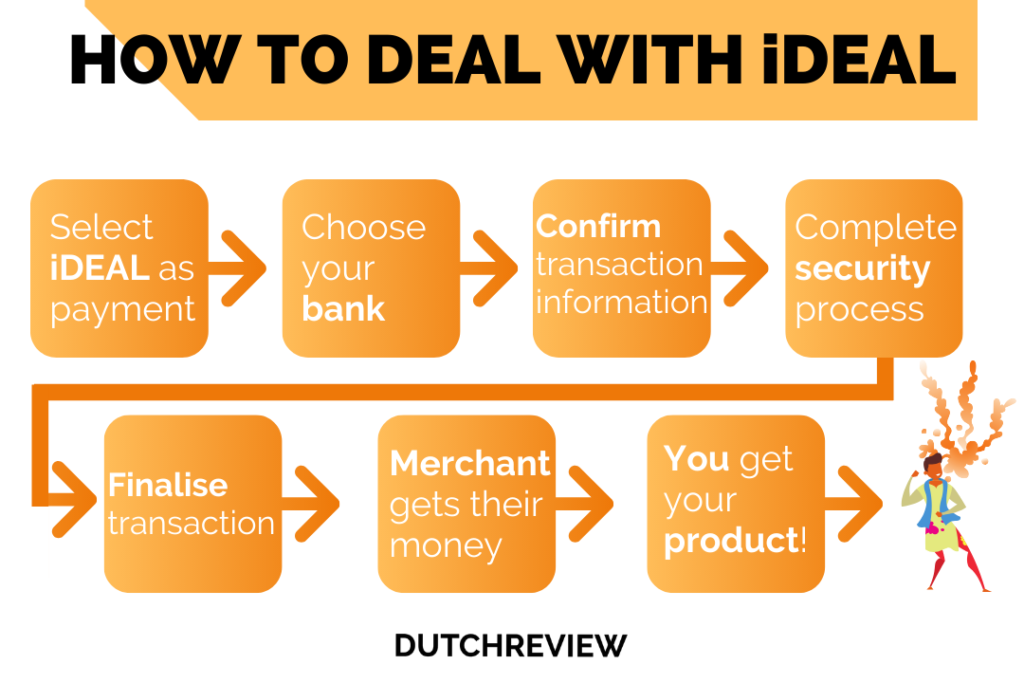
You can also set up things like two or multi-factor authentication. This will require other steps to be taken after the correct password is punched in, which makes it harder for hackers to get into your account. 

Lastly, if available, you should also add facial recognition and fingerprint access or use a password manager to help protect all of your devices to make it harder to get into them.

Online casinos and other popular entertainment sites may have the best security features there are, but as a player, your personal online security is only as strong as your own digital habits are. 

Avoid using public WiFi

Using public WiFi wherever it’s available can be a great way to save costs on data.

However, this also comes with security risks, especially if you’re using it to do online banking transactions.

The reason is that public WiFi servers aren’t as secure, and once you’re connected to them, your device is at greater risk of being intruded on or accessed by hackers.

Places like public airports are popular spaces for people to connect to public WiFi, and doing online payments while you’re waiting seems like a great way to kill time.

However, there are many types of cyber attacks that use these servers to infiltrate devices.

Things like malware distribution and network snooping can all be done over public WiFi while you’re connected to it. 

Choose wisely

While internet banking, e-wallets, online shopping, and online payments have become vastly more popular with smartphones, not every retailer or financial institution offers the same level of protection.

Your financial records and personal information will inevitably be needed when you sign up for any of these services. However, even if you’re travelling, it’s always good to research the best banks to use

To ensure that information will be stored safely and protected, it’s important to do some research on the service providers you choose.

Data breaches are usually big deals, so it shouldn’t be hard to find out if the intended provider has been hit before or is failing to provide adequate protection.

Choosing wisely in this sense usually means selecting a reputable and accredited service provider. 

Minimise your digital fingerprint

The convenience that online services provide also creates a temptation to use most of them for things we could ordinarily do in person.

Between this and things like social media, most of us unwittingly have a massive digital fingerprint left all over the internet.

Basically, every time we access a site or use an online service, app, or social media, we leave behind a digital fingerprint

To reduce our digital fingerprints and the information we put out there, we should avoid posting too much personal information on social media.

Letting people know our locations, our favourite places to go to, or taking selfies with our vehicle registration number visible are all examples of unsafe sharing.

When it comes to our financial information, since we use our banking details often, it’s tempting to have them stored digitally.

Unfortunately, in the case of data breaches, this can lead to that information being stolen and used against us. To avoid this, it’s a good idea to only use one-time options for payment, meaning you only enter the information per transaction. 

Be wary of contact with your bank

No bank or reputable financial institution will ever ask you for things like your PIN or password.

If you receive any email, text, or telephonic communication from your bank, be wary that it’s not a scammer posing as a bank representative. 

This is a common way for scammers to commit fraud, and they can be extremely convincing to people who are not aware of these methods.

The threat may come from something attractive like a money-saving offer that might seem very appealing.  

It’s also a good idea to lock your credit scores so no one can take out credit in your name and to turn on ‘failed login’ notifications so you’ll be notified if anyone tries to access your accounts. 

Are you taking the right precautions? Let us know your thoughts in the comments below!