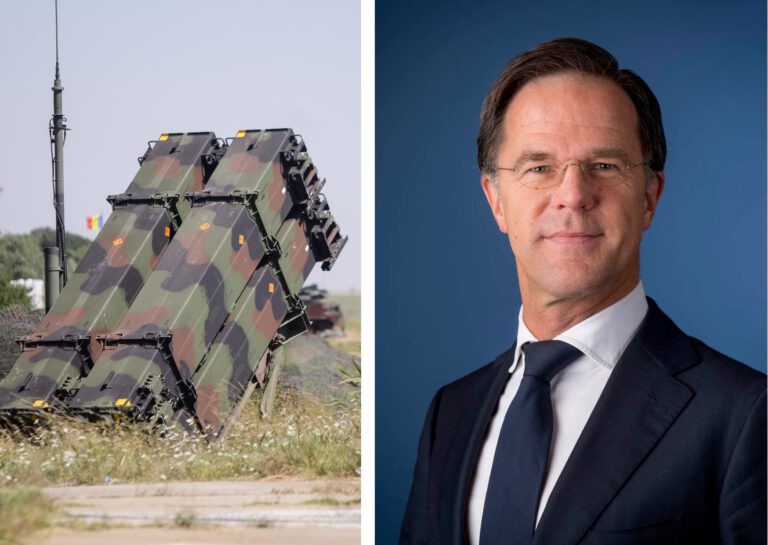
During his latest visit to the White House, Rutte agreed to deliver Patriot missiles to Ukraine.
In doing so, he will be joining forces with the US and Germany in supplying Ukraine’s war effort with an air defence system.
According to the NOS, Rutte dubbed this alliance “crucial at this stage of the war”, as Russia’s success in Ukraine would pose a major security risk to the Netherlands.
The Netherlands will aid Ukraine’s air defence
Rutte and Deputy Prime Minister Wopke Hoekstra posed supporting Ukraine with a better air defence system, in the form of Patriot missiles.
These Patriot missiles are said to have a range of 60 kilometres. They are also capable of taking down enemy helicopters and missiles up to 20 kilometres in the air.
As such, they make a powerful addition to any military’s firepower.
The US is opposed to the NL selling chip machines to China
During their talks, Biden also addressed Dutch manufacturer ASML selling chip machines to China.
The US is not keen on China having access to such high-tech machinery. During the White House talks, Biden was not at all shy about making the Netherlands aware of this fact.
However, China is one of ASML’s biggest customers and sales easily run into the billions. This leads to considerable restraint on the Dutch side about cutting ties.
Although Rutte did not go into detail about what he and Biden discussed on the subject, he dubbed it “intensive”. Despite this, he stressed that the supply of chips would not be compromised.
What do you think of the Netherlands’ decision to supply Ukraine with Patriot missiles? Tell us all about it in the comments below!
Working in the Netherlands can be great — but if you’re French or have worked in France, it can also be a bit of a culture shock. 😬
From lunch habits to workers’ rights, here are our 11 favourite differences between France and the Netherlands when it comes to all things work-related.
1. The Dutch workplace isn’t hierarchical
The office building of your Dutch job might be more vertical than horizontal (hello, weirdly skinny Amsterdam houses), but the hierarchy of Dutch workers has the same characteristics as the landscape of the Netherlands: as flat as a pancake.
The Dutch workplace is all about efficiency — no time for hierarchy. Image: Depositphotos
Unlike the formal top-down structure that dominates French office culture, the Dutch like to ditch their image of being organised and systematic. Why have a clear, hierarchical workplace ladder when you can keep things flat and chill?
Now, that doesn’t mean nobody’s in charge in the Netherlands. It just means they’re all kind of in charge. And it works wonderfully. Usually.
2. The French love to kiss-kiss to say hello
Ok, before you say anything about those weirdos in the south of the Netherlands, let’s get one thing straight: it’s not nearly as common to kiss people as a greeting here in the lowlands as it is in France.
In France, it’s a common and un-romantic gesture to greet your coworkers with a kiss or two (or three) — a mere handshake won’t cut it.
In the Netherlands, on the other hand, we dare you to try walking into your office and giving your boss a kiss. Okay, don’t — you might end up looking for a new job.
3. The Dutch don’t have a “right to disconnect” (they just do it anyway)
France is one of the few countries in the world that has codified the right to chill. The “right to disconnect” is a law in France (as well as many other European countries) that protects workers against having to receive or reply to work-related emails, calls, and messages outside of official working hours.
It’s a phenomenal system that helps employees escape the dangers of being overworked and relieves the pressure of going above and beyond what you’re supposed to do, simply because your boss tells you to.
Nice, right? Well, the Dutch have said nee bedankt (no thanks), and have not yet implemented a similar law. Thankfully, the Netherlands has a great work-life balance, so it’s not common to send or reply to work-related messages outside working hours anyways.
4. The French take lunch seriously
Look, we love broodje met kaas and a good handful of hagelslag on our krentenbollenjust as much as the next person. But for lunch? We’ve got to admit, the French just do it better.
While a worker’s lunch break in France is seen as an opportunity to sit down with a big, hot meal (and perhaps a cheeky glass of wine) to have a long, philosophical conversation with their coworkers, the Dutch workplace looks a little different.
In the Netherlands, lunch is not something you make a fuss about. Just pull out the two slices of bread you’ve kept in your backpack since you left for work, and enjoy how the cheese between them is somehow both sweaty and dry at the same time.
Bonus points if you consume your “meal” while still sitting in front of your computer. The French would never — it’s actually against the law to eat lunch at your desk in France!
5. The Dutch start work earlier
With their famous “right to disconnect”, it’s probably no surprise that the French typically start their work day ever so slightly later than the Dutch.
In France, it’s not uncommon to get to work sometime between 9 and 10 AM, while the Dutch generally tend to arrive before the clock strikes 9.
Frenchies, get ready to start work early. Image: Freepik
The late start might be because of the French rule stating that workers have the right to at least 11 consecutive hours of rest between each work day.
Considering the French habit of staying at work until after 6 PM (a Dutch dinner is already finished at this point), it’s no wonder they’re not interested in a 7 AM start.
6. The French dress formally
Ok, we’ve already established that the Dutch are (perhaps surprisingly) chill and cool™, a fact that also extends to their typical workplace attire.
We’re not talking extremes, though, so regardless of how relaxed your workplace claims it is, you’re probably best off leaving your crustiest pair of PJs at home.
Still, Dutch workers are generally not expected to wear anything overly formal to work, and sneakers and jeans are usually totally fine (depending on where you work, of course).
In France, the standards are typically a bit higher. You know, blazers, closed-toe shoes, freshly steamed button-ups. The French like to look presentable at work, while the Dutch dress more for convenience and comfort — and cycling.
Jeans are perfectly fine to wear in many Dutch offices. Image: Freepik
7. The Dutch leave work on time
If you’re just going to take one stereotype away from this article, let it be this one: Dutch people are (sometimes painfully) punctual. That means that they do their absolute best to come to work on time (of course), but it doesn’t end there.
In the Netherlands, being punctual is not the same as going above and beyond. What that means is that in addition to getting to work on time, Dutch people will do their absolute best to leave work on time too.
The Netherlands didn’t earn its title as the best country for work/life balance in the world for nothing. Five o’clock is borrel time, no matter what your hard-working, inner perfectionist says.
It’s so difficult to fire someone in France, the French have come up with an interesting solution.
It’s called “putting someone in the closet,” an arrangement where an employer strips responsibilities and tasks from their unwanted worker, making the worker feel useless and irrelevant until they quit in frustration.
It’s not easy to lose your job in the Netherlands — but it’s even harder in France. Image: Freepik
It’s not outright easy to lose your job in the Netherlands, but it’s certainly easier than in France. In NL, you can get sacked if your temporary contract expires, if you don’t pass your probation time, if you’re made redundant, or if you simply don’t have a great performance.
Your employer simply has to ask the Employee Insurance Agency (UWV) for permission, and you can be out the door before you can say werkloosheidsuitkering (unemployment benefits).
9. The Dutch hiring process is surprisingly short
The Dutch hiring process typically takes between one and two months, depending on the size of the company and the nature of the job.
So, although internationals tend to be more frustrated than happy with the Dutch hiring process, it is actually faster than that of most other countries.
The French process, for example, can take absolute ages. To be fair, since it’s so tricky to get rid of your employees in France, it’s no surprise that they like to take their sweet time when hiring new folks.
10. French meetings are philosophical and inefficient
As an international working in the Netherlands, you’ll quickly have to adapt to a new work culture and get on board with new expectations for how meetings are run.
Whereas meetings in a Dutch workplace typically are there to make democratic decisions, the purpose of a French meeting tends to be about deliberation rather than decision-making.
While French meetings have their merits, the constant back-and-forth can get tiring. Image: Freepik
As French children learn debating and philosophising in school, it’s no wonder work meetings in France tend to be long and, from a Dutch perspective, inefficient affairs.
So, if you want to get up to speed on the Dutch ways, keep in mind that efficient decision-making is a key component in respecting local business culture.
11. The Dutch love to borrel with their colleagues
Yes, the French are no strangers to a refreshing alcoholic beverage after work. No, it’s in no way as institutionalised as the Dutch borrel tradition.
You might have thought that the Dutch lifestyle was fueled by stroopwafels, biking, and the fresh air of the blossoming tulip fields. But no, the truth is that Dutch people survive on borrel beer.
The best way to curate work relationships in the Netherlands is at a borrel. Image: Depositphotos
They live and breathe borrels. In fact, there is no Dutch workplace with respect for itself that doesn’t host a weekly, or at least monthly, borrel for its employees.
It’s about relaxing, letting loose, and getting your internal beer supply topped up before it’s time to get back to work again. It’s simply crucial to the flow and productivity of the Dutch workforce. French people: take notes.
Although there are bound to be differences (both small and big) when moving to a new place, you can rest assured that the Netherlands is a great place to work as an international.
If you were thinking of taking a bus or tram to explore the flat lands on Thursday or Friday, we have bad news for you!
TheFNV trade union announced a strike in the Netherlands after failed wage negotiations, so when it comes to public transport, we will have to trust NS trains on those days. 🥲
This mainly concerns bus transport such as Arriva, Keolis, Qbuzz, and Transdev. However, urban transport will still go in the biggest cities, like Amsterdam, Rotterdam, and The Hague, according to NU.nl.
No agreement
After a collective bargaining consultation between the employees and the unions, the two sides did not reach an agreement, despite an “above-average wage offer” of 8%, according to VWOV (The Association of Public Transport Employers).
Previously, the unions had warned of a nationwide strike for these days in the regional transport. At the time they said that only if the collective bargaining agreement would fail. And well, here we are!
You guessed it: Inflation
More than 13,000 employees are working for regional transport, and many of them are members of the union.
The union wants to reduce the workload, and adjust the salaries to the rising inflation rate.
NS staff and CNV members won’t join the strike
Groups have different collective labour agreements, therefore CNV members and NS staff won’t join the strike to help reach these goals, though they share similar sentiments.
One of the main reasons is that CNV members must organise a poll before taking action, and it is quite likely that they won’t have time for that.
What are your thoughts on the regional strike? Tell us in the comments!
The OM (Openbaar Ministerie, AKA Public Prosecution Service) has reported the arrest of a 37-year-old Syrian man in Arkel, a small town in South Holland.
In a press release, they state that the man is suspected of having been involved with terrorist organisations Jabhat al-Nursa and the Islamic State.
Security chief turned asylum seeker
The arrested man is said to have been chief of security at the IS between 2015 and 2018. Prior to that, he allegedly held the same position at Jabhat al-Nusra for two years.
From his position at IS, the suspect would have been involved in war crimes committed by the organisation during the Syrian Civil War.
In 2019, the man applied for asylum in the Netherlands, and settled in Arkel in 2020.
After information about his past had come to light, the TIM (International Crimes Team) started investigating. He will now be brought before the examining magistrate in The Hague on January 20.
Not the first time
As the NOS writes, there have been previous cases of Syrians living in the Netherlands being arrested on suspicion of ties with the Islamic State or the Jabhat al-Nursa.
In 2021, a Syrian man was arrested at a centre for asylum seekers in Friesland. He had been involved in terrorist acts by the IS and other groups across Syria and Iraq.
Another case is that of Aziz A., who, in 2021, was sentenced to 15 years and nine months in prison. He had a high-ranking position within Jabhat al-Nursa from 2011 to 2014.
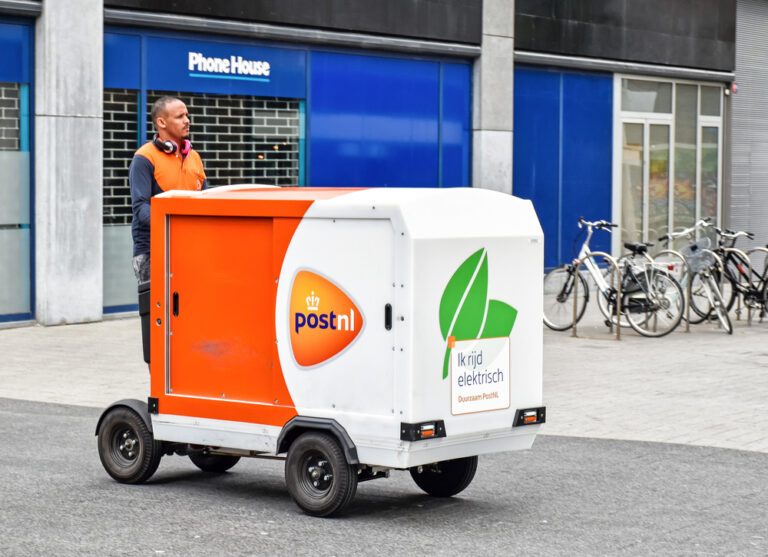
Waar is mijn pakket? Complaints skyrocket as more and more packages go missing after PostNL gets rid of its not-home notes.
The disappearance of the not-home notes has mysteriously coincided with the disappearance of packages too, reports RTL Nieuws.
“Klachtenkompas, […] received 5,049 complaints about PostNL in recent months,” the Consumers’ Association calculates.
Where do they end up?
The non-home note has been replaced by PostNL with a digital message as of 1 July. However, things now regularly go wrong with consumers who send each other a package or packages from abroad.
PostNL made this change because, in 9% of all cases, the delivery driver is confronted by a closed door in their face.
Usually, the packages can be found at a PostNL parcel point or returned to the sender. Heel irritant!
Hey @PostNL! Your driver keeps falsely reporting my package couldn’t be delivered because I wasn’t home. I launched two complaints. Nothing has changed. And now you have one of my packages in a storage facility somewhere! STILL NO ANSWER
The bad news is that you might need to get friendly with your neighbours to accept a package for you because digital messages aren’t always entirely reliable.
Your best bet is probably to choose to have your package delivered to a parcel point to avoid the risk of a missing package.
Have you had packages go missing with PostNL? Tell us in the comments below!
It’s been a hot minute since I left Amsterdam for Brussels (six years already), but something about the Dutch capital keeps pulling me back like a big orange bungee cord.
Whatever else I plan, barely a year goes by when I don’t hop over the border to visit the noorderburen.
It seems you can take the man out of Amsterdam, but you can’t take Amsterdam out of the man! Even those who move further away from Amsterdam have a habit of coming back.
You don’t know what you’ve got till it’s gone! And you don’t think how rare it is to have so much water in the city centre until you move somewhere without canals.
A pedestrianised avenue or a multi-lane motorway might be practical in their own way, but they just don’t have the same charm as the view down the Reguliersgracht.
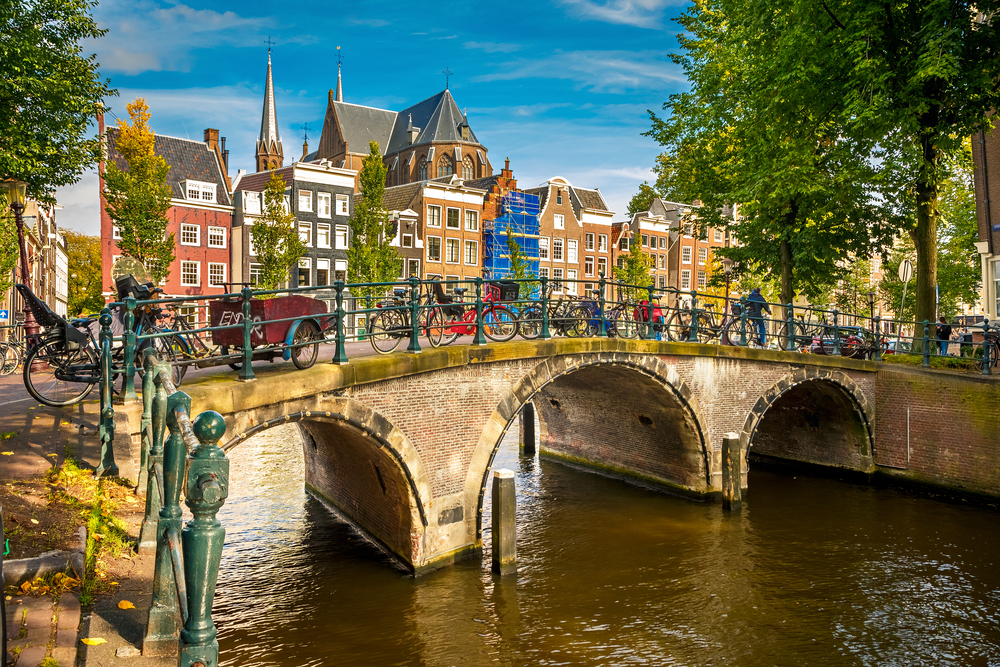
Does it get more picturesque than this? Image: Depositphotos
Who can forget the sight of those bridges lit up at night, or the autumn leaves reflected on the waters or the pure fun of renting a boat and puttering down the canals with friends on a summer’s day?
With canals like these, you just know you’re in Amsterdam, and you can’t beat them.
2. The small (but delicious) Dutch biertjes
What better way to admire the canals than with a glass or two of Amsterdam’s finest? Whether Amstel, Grolsch or Heineken, nothing beats a vaasje in one of the Dutch capital’s many pubs, bars and bruin cafés.
Crack a cold one with your closest friends. Image: Depositphotos
The one-litre Steins of Munich or the 8% goblets of Belgium are all great in their own way, but in Amsterdam just do as the Dutch do: order a series of small beers and shout proost!
And then there are the Dutch bar snacks: kroketten, bitterballen, kaas… Nothing helps a biertje slip down like a plate of cheese cubes and mustard. Hard to find elsewhere, but available just about everywhere in the Netherlands!
3. Plenty of gezellige cafés
And who could forget the cafés themselves? Amsterdam boasts some of the best spots for a casual after-work borrel, from the chic and spacious Café de Jaren on Nieuwe Doelenstraat, to the chilled and cosy Café Kale on Weteringschans, to one of Amsterdam’s oldest bars, Café Hoppe on Spui.
Hannekes Boom is also great for an after-work drink that lasts long into the evening, or there’s my own personal favourite: Café Van Zuylen on the Singel canal.
Check it out in summer when the terrace stretches out onto the bridge, or sit inside and let time lose all meaning as you sip the foam from your next beer and crunch into your next plate of piping-hot bitterballen.
4. The unique language
After six years in Belgium, your ear attunes pretty well to the soft Flemish ‘g’. But there’s something so satisfying about how the full, gravelly, guttural Dutch ‘GGG’ just clears the throat.
Still, even if you don’t speak a word of Dutch (which I didn’t back in the day), the mere sound of the language is a huge part of the city’s character, and one of the first things that welcome you back.
Call me a language nerd, but the double oo and aa and uu just look cool and exotic. Even now, hearing Dutch is one of those irresistible triggers that has me thinking ‘it’s time I went to Amsterdam again…’
5. The stunning art
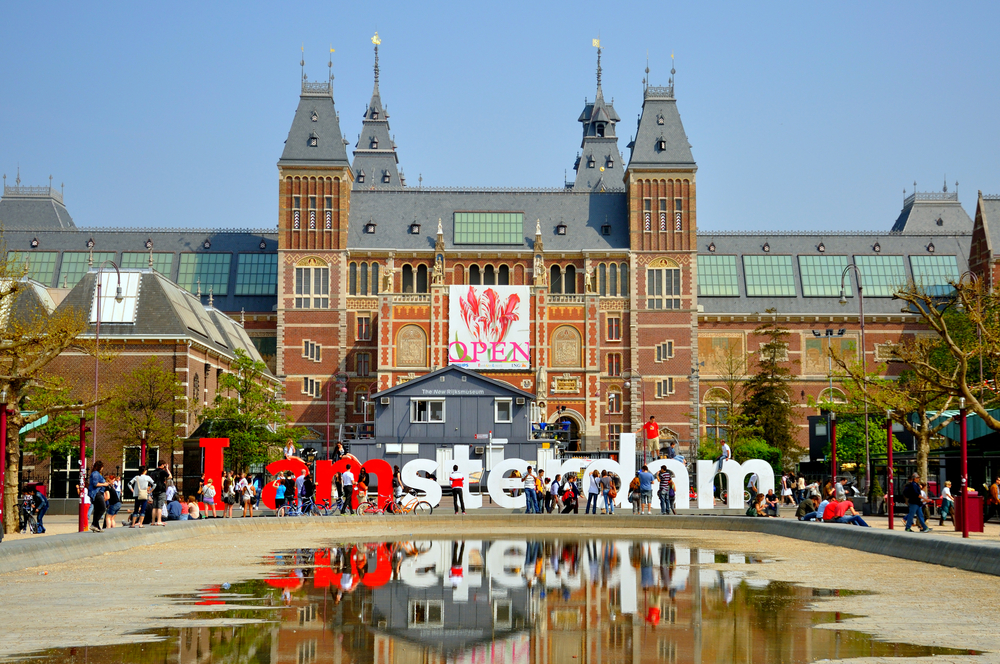
Amsterdam boasts some incredible museums and galleries. Even without going inside, the Rijksmuseum is enough to take your breath away. But enter its stately walls, and you’ll be blown away by what’s inside.
Discover who Amsterdam’s streets and squares are named after by gazing at paintings by Albert Cuyp and Jacob van Ruisdael. And of course, who could forget Rembrandt’s Night Watch, which has to be seen to be believed?
The Rijksmuseum is a culturally significant museum in Amsterdam. Image: Depositphotos
If that isn’t enough, check out the Stedelijk Museum for top modern art, or gaze in awe at Van Gogh’s sunflowers at the Van Gogh Museum.
If you prefer history, take a trip to the Museum of the Resistance or the Anne Frank House and spend an afternoon meandering through the ups and downs of Dutch history. In six years, I still haven’t visited them all!
These are five of my reasons for revisiting Amsterdam. But what are yours? In the meantime, I’m off to book my next trip…
What keeps drawing you back to the Dutch capital year after year? Share your thoughts with us in the comments below!
Dutchies over the age of 65 have made “age is just a number” their mantra as more of them take the workforce by storm. 💪
Some of them even feel too young to stop working, according to Chamber of Commerce advisor Angèle Magré.
Passing on experience is a huge motivator
Speaking to NU.nl, Magré said that some of the older generations enjoy sharing their experience and industry connections with younger people in the workforce.
This often leads them to start businesses as coaches or mentors after retirement. Over the past five years, this demographic has seen an increase of 15%.
There is also a practical aspect to delaying retirement, as some of the older generations have trouble finding worthy successors for their established businesses.
As such, they have difficulty letting go of the corporations they’ve built.
Retirement? Nah, time to flex those entrepreneurial skills
The Chamber of Commerce registered a stellar 40% increase in the number of entrepreneurs over the age of 65.
Meanwhile, in the over-75 cohort, the number of entrepreneurs is rising even more sharply than the number of Tikkies after an after-work borrel.
Think that was shocking? Nee, those in the 65 to 79 group saw an even heftier 108% increase in those taking to entrepreneurship over the past five years.
What do you think of those past retirement age rocking entrepreneurship? Tell us about it in the comments below!
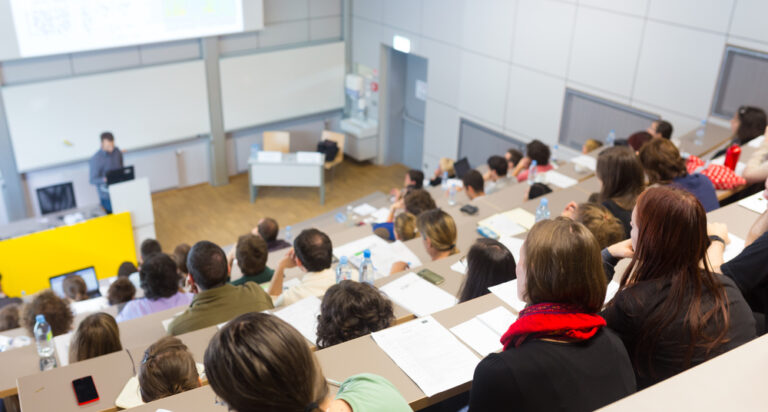
The University Rebellion student activists were determined to get their message across about climate change.
Dozens of students entered the Binnengasthuis of the University of Amsterdam, protesting for the institution to cut ties with oil giant Shell and other companies in the fossil fuel industry, reports the NOS.
From peaceful protests to many arrests
The students from the University of Amsterdam started their protests peacefully, marching from the Roeterseiland campus to the Amsterdam Academische Club, near Oudemanhuispoort.
However, their protests took a turn when the students decided to occupy the Binnengasthuis and blocked police trucks from entering the property.
Earlier in the day, the university stated that it does not promote the use of fossil fuels. Ten Dam, president of the Executive Board, tells the NOS that he was not against the protesting, “but don’t occupy.”
The arrests
At around 8:30 PM, the evacuation of the building started by order of the Police Prosecution Service.
De politie heeft vanavond een pand aan het Turfdraagsterpad in Amsterdam ontruimd op last van het Openbaar Ministerie. Hierbij zijn 30 personen aangehouden. Het pand, het Binnengasthuis, is overgedragen aan de eigenaar. pic.twitter.com/QKEiFEQzb6
The process was repeated until all students were removed from the building, some walking peacefully and smiling, while others took a more aggressive way by yelling and kicking, refusing to walk.
The police arrested thirty people by the end of the night. And, the university has since then filed a report.
What do you think about this situation? Tell us in the comments below!
First-year students of the University of Maastricht are getting a new compulsory course added to their timetable: MeToo lessons.
From this upcoming September, students will not be allowed to skip or drop out of this essential course — making the University of Maastricht the first Dutch institution to introduce mandatory attendance for a whole year group.
Lessons will cover information about sexual boundaries, sexual assault, and transgressive behaviour, reports Trouw.
The reason behind it
The decision to add this course to first years’ rosters was reached by the Executive Board of the university, which worked in collaboration with the student group, Feminists of Maastricht (FoM).
After FoM expressed strong criticism of the university for having no response to a sexual harassment complaint, the university acted. Speaking to Trouw, spokesman for Maastricht University, Koen Augustijn says, “we now think it’s time for the next step.”
Indeed. In 2021 alone, it was revealed that almost half (46.9%) of Maastricht University students have been either sexually harassed, raped, or assaulted.
Ssh! Class is starting
While it remains unknown how the lessons will be organised, the lessons will have two clear themes: how to recognise inappropriate behaviour and how to prevent it.
The lessons will revolve around the theme of social safety, concerning issues such as sexual misconduct, sexual violence, and sexual boundaries.
🟡FEM | Social Safety Team
🗣Get to know the new UM Social Safety team! Esther Goethart, Claire Essers, Marloes Rikhof and Katinka Bastin will discuss the topic of Social Safety, (un)desirable behaviour and how to act on it.
Sometimes you look at Dutch meals and think, “this is a crime.” Well, it seems one Dutchie agrees. A child took measures into his own hands and reported the unthinkable to the police… bad cooking.
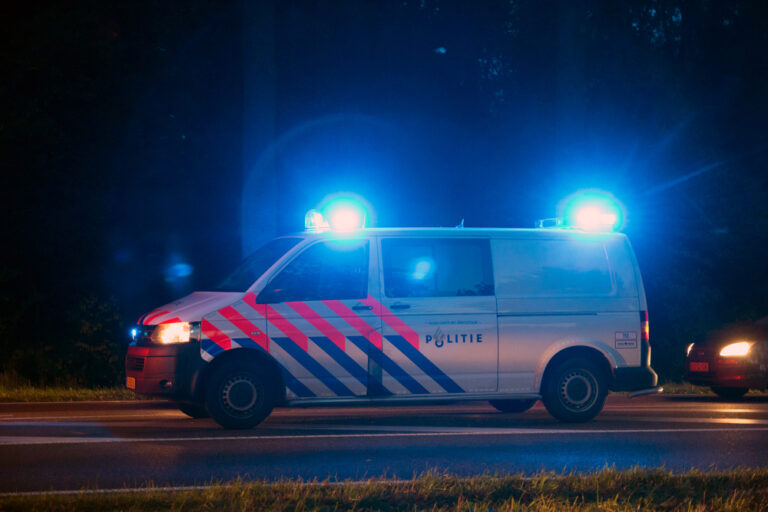
Police officers in Culemborg received an interesting phone call when a child reported he was a victim of domestic violence.
What sort of suffering had this child faced? None. It turns out he simply just didn’t like his mother’s dinner, RTL Nieuws reports.
The scene of the crime
The request for help was short and to the point. After a few questions, the responding police had doubts about the boy’s report but did not want to take any risks and drove to his location.
Upon arrival, the police officers saw no signs of domestic violence happening in the household. The only violence the boy faced was towards his taste buds.
It appeared that the boy had a case of minor autism and thought his mother’s cooking was echt niet lekker, so he decided to call the police about it — fair enough if you ask us! 🙂
it’s bugging me that the netherlands is here because we are known for having bland bad food https://t.co/2T6JVhzvzM
Making an intentionally false call to 112 can be a serious crime, resulting in a large fine or even a prison sentence. However, in this case, the officers left it with a ‘good conversation’ between the boy and his parents.