Great news if you were looking forward to a summer holiday! The European Parliament and European Commission have approved a coronavirus travel certificate.
By July 1, you could be sitting on a beach with a cocktail in hand. Travellers from EU countries will be able to provide a QR code that demonstrates whether they have been vaccinated, have tested negative for coronavirus, or have already had the disease.
Travel after one shot
But what if you haven’t been fully vaccinated yet? Don’t panic. If you want to travel but have only received one shot of a coronavirus vaccine, you can still apply for this certificate. However, it may not guarantee your entry, as each country can decide whether or not this is sufficient protection.
Not yet unconditional travel
Many EU countries still disagree over a number of issues, including if PCR testing for travel should be free. The Dutch parliament is in favour of this move.
Countries can also decide whether or not travellers must quarantine on arrival. However, they must provide evidence that the imposed quarantine is necessary to combat the spread of the virus. For example, the travellers in question are from a country with high infection rates or a new variant of the virus.
What do you think about this travel certificate? Will you be applying for it? Let us know in the comments!
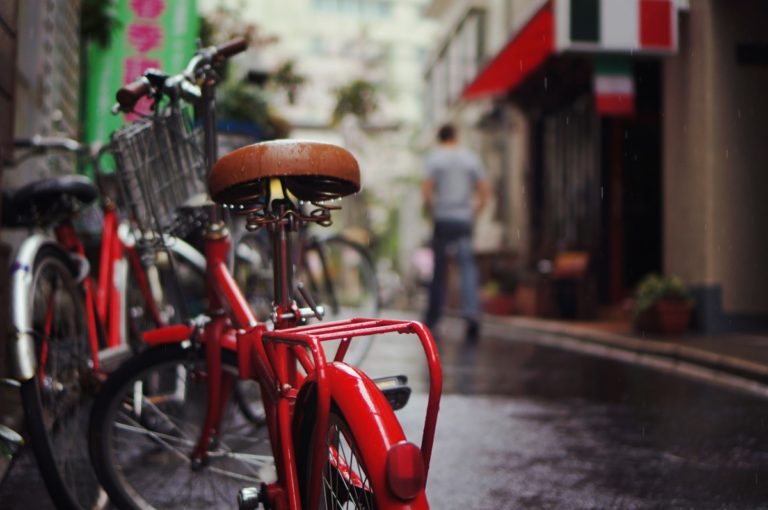
An open letter to the Dutch Subject: Cycling in the rain
To the people of the Netherlands,
Let me begin by saying how much I love living in your wonderful country. I love the beer, the friendly people, the way of life and I especially love the famous cycling culture. Having not ridden a bike since childhood, I’ve embraced the local customs and zip around town feeling all smug about how Dutch I look. However, I feel like we need to talk about the downsides of biking…
I think we can all agree that the Dutch weather sucks. The non-stop rain that hits you from every direction and seems to fall even when there are no clouds in the sky, the way it can be dry and sunny and a second later you’re in the midst of a torrential downpour…not fun! And yet we Brits are the ones with the reputation for bad weather at least our rain is a continual, grey drizzle…
Pictured: Britain
Cycling in the rain sucks
Anyway, I digress. But seriously, in a country where it rains so much it surprises me that the bike is such a popular mode of transport. I get that the flatness of the landscape makes biking an easy choice but it also means that large puddles of water gather without draining away. During a particularly heavy rainfall it can seem as though the entire country is submerged under an inch of water. And no good can come of a large puddle of water and an exposed cyclist. Whether it’s by the splashback from your own tyres or the huge spray generated by a mean-spirited motorist, you’re going to get wet.
Wetter than you already are, that is, because no matter how big you rain poncho is it will not cover you sufficiently to stop your bottom half getting wet. In fact, often coats, macs, jackets and the like contribute to the problem as the water runs off and gathers in a nice soggy pool in your lap.
Who can cycle with an umbrella anyways?
Unfortunately, not all of us have been born with the uniquely Dutch superpower of being able to cycle with an umbrella (no matter how long I live here, I will always be impressed by that) which is why I’m writing this letter. Whilst on my way to a meeting, to which I would once again be showing up soaking wet, mascara running down my cheeks and with shoes so drenched that they squeak at every step, I had an idea.
The Dutch have a long, successful track record of genius innovation to problems that other nations would deem impossible especially when it comes to controlling water. Big inland sea causing problems, fill it in. Unusable land, drain it with windmills. There’s even a Wikipedia page dedicated to all of the Dutch inventions — seriously if you have a few spare hours it’s a fascinating read. You guys came up with all sorts including the orange carrot (yes, really!), the atlas and Wi-Fi. What a list! So, why hasn’t anybody come up with a way in which to make cycling in the rain a more pleasant experience?
Winning with cycling in the rain
Here are some ideas I had for inspiration. Perhaps some sort of a giant pod that covers the whole bike or an umbrella that clips onto the frame of the bike or maybe covered cycle lanes or some sort of forcefield that repels rain… Okay maybe not, but I’m not the expert. I’m not really sure if what I’m asking for is possible but I do know that if anyone can solve this cycling in the rain problem it’ll be the Dutch.
So, people of the Netherlands, get your thinking caps on! Rise to the challenge! Let me know what you come up with and we can go halves in our new business venture (I deserve all the credit for inspiring the idea). Let’s revolutionise cycling and continue the legacy of Dutch innovation.
Sincerely,
A Brit
What’s your secret for biking through the rain? Let us know in the comments!
Feature Image: Free-Photos/Pixabay Editor’s Note: this article was originally published in November 2016, but was fully updated in May 2021 for your reading pleasure.
Tilburg is a super cool, up-and-coming city in the southern province of Noord Brabant with so much to offer. It has a burgeoning music scene, a thriving cultural sector, and beautiful nature in abundance. Exploring this Dutch town should be on everyone’s to-do list! Yet, Tilburg often appears on the list of hidden gems of the Netherlands because most tourists flock to the Randstad.
If you’re wondering what the hot spots are in this hidden gem of the Netherlands, then come off-the-beaten-track with us! Let’s explore the hidden gems of Tilburg.🕵️♀️
How to get around to discover Tilburg’s hidden gems
Tilburg is a large town by Dutch standards (which isn’t saying much, to be fair). You can explore the city either by bicycle or on foot. As soon as you hop off the train at the central station, walk out and start heading towards your first destination. If it’s your first time in Tilburg and you don’t know where to go, DutchReview has got you covered with articles on culture in Tilburg, day-tripping in Tilburg and even a focus on that burgeoning music scene.
But if you want to skip all of that and focus on the edgy, off-the-beaten-track spots in Tilburg, then this article is the perfect guide for you.
Coronavirus update🚨 : Until at least June 5 2021, museums and indoor attractions are not open to the public. For indoor and outdoor activities that are allowed, remember to maintain a 1.5 meter distance from others, wear masks in crowded areas, and regularly wash your hands.
Stepping through Tilburg
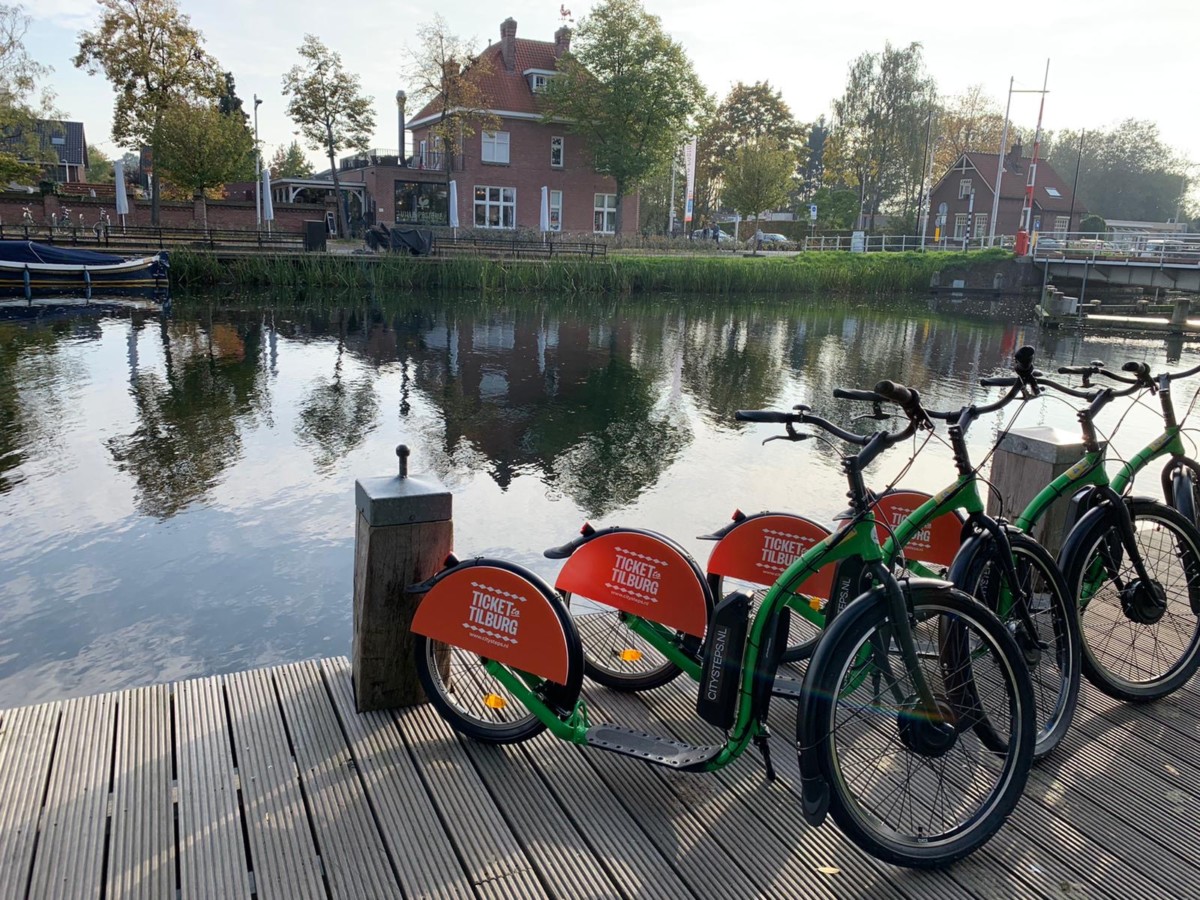
There is another way to get around Tilburg: taking a city step. A fun way to get around the city is with this e-scooter. It’s not allowed on the roads anywhere in the Netherlands, except in the southern city of Tilburg (what a wild city).
It’s a “special moped” where you have two brakes and stand upright to ride it. You can take a tour of Tilburg with these steps (see what we did there 😉 ). If you want to know what is covered in this very cool tour and how much it is, we have all the information on taking the e-steps around Tilburg. Or, head on over to our friends at Ticket to Tilburg and let them explain it to you!
Don’t you just want to step onto these steps? Image: Merk Tilburg/Supplied
Piushaven: Tilburg’s hidden gem right in the city centre
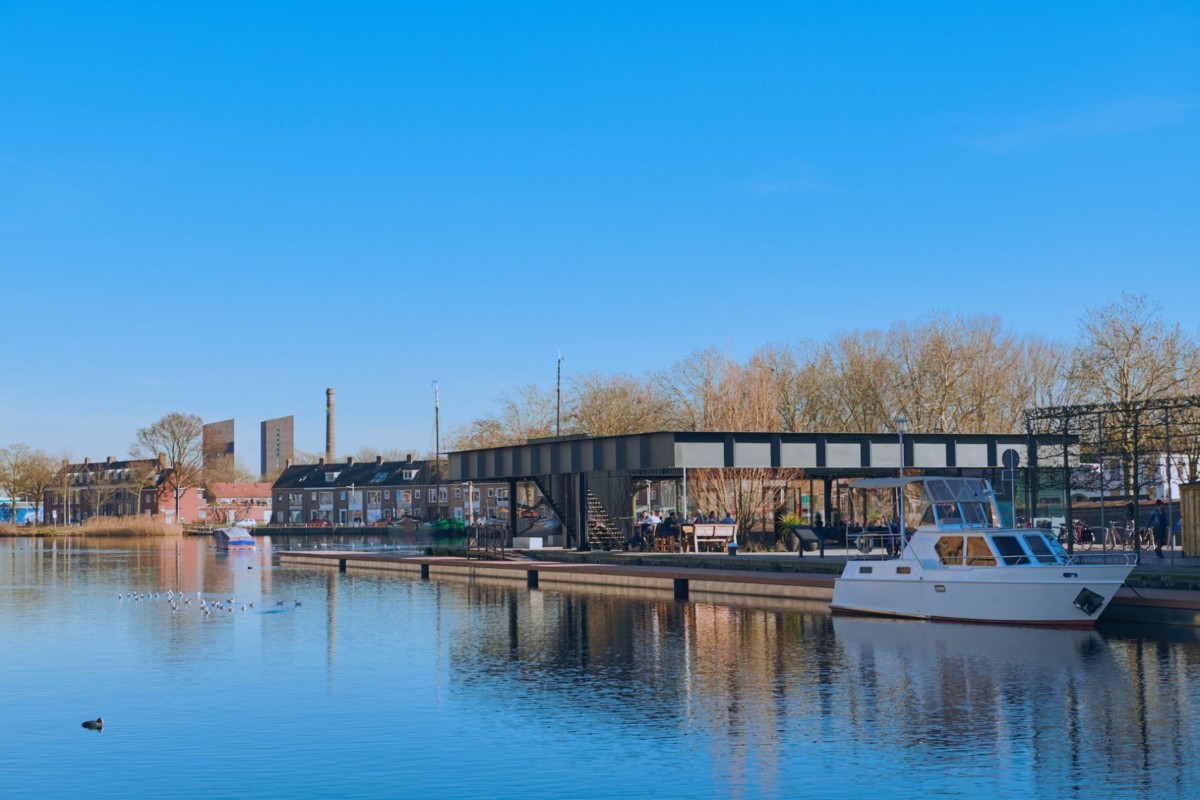
Let us continue on to Piushaven, a super cool neighbourhood in the city centre of Tilburg. It’s perfect for exploring on foot, and oh my goodness does it have some appealing restaurants. It’s particularly hard to resist the excellent RAK Restaurant there, so why bother? Just go for that waterside lunch or dinner.
As the name suggests, everything at Piushaven plays out right next to the water, and it also a “living stage” for different events for art and culture! Check out the Ticket to Tilburg section to find out what’s happening in the Piushaven and what to do there — there are always really interesting events to check out.
Spending time by the water at Piushaven is so relaxing. Image: Merk Tilburg/Supplied
Piushaven: Het Drakenboot Festival
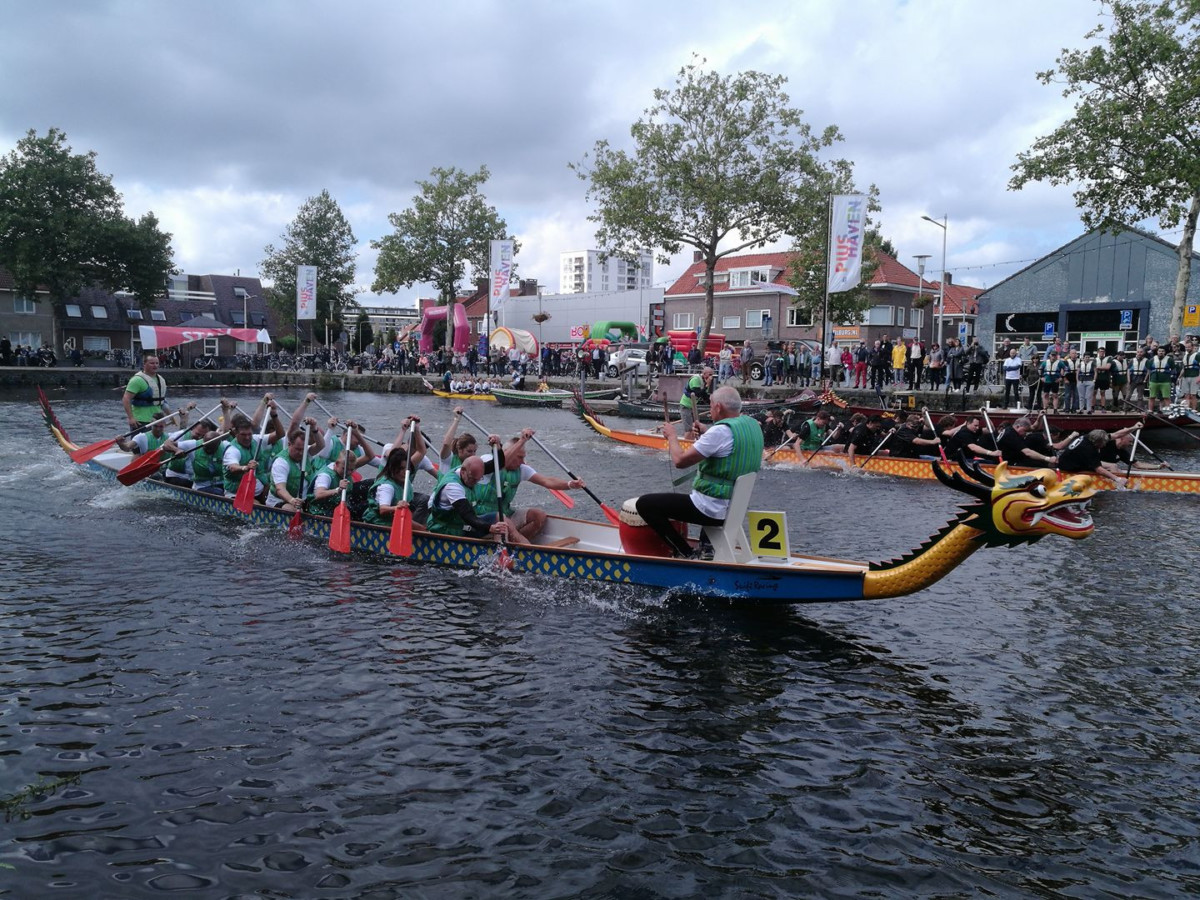
But that’s not all! Piushaven also plays host to the Drakenboot Festival. Teams compete with each other on dragon-shaped boats, and it is an absolutely awesome spectacle to observe.🐉
The dragonboat races are so exciting! Image: Merk Tilburg/Supplied
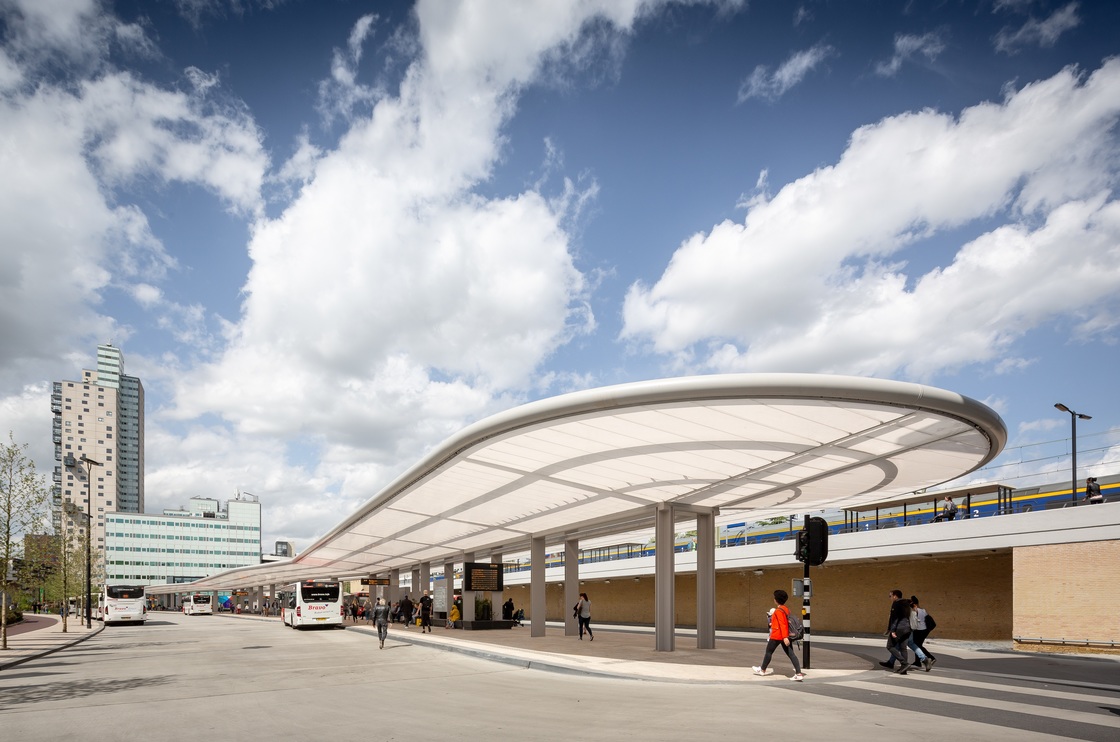
Tilburg is also home to a solar-powered bus station. and while we usually wouldn’t recommend going to a bus station in a list of city attractions, there is NO WAY you can miss this one. It is powered by solar panels that cover 250m2, and the station is very pretty to boot. It has a minimalist, triangular design- so whether you’re just going there to get the bus, or plan a full-scale day trip just to see it, it can hardly disappoint.
Source: Cepezed/By Lucas Van der Wee
Paradox: find the next big star in Tilburg
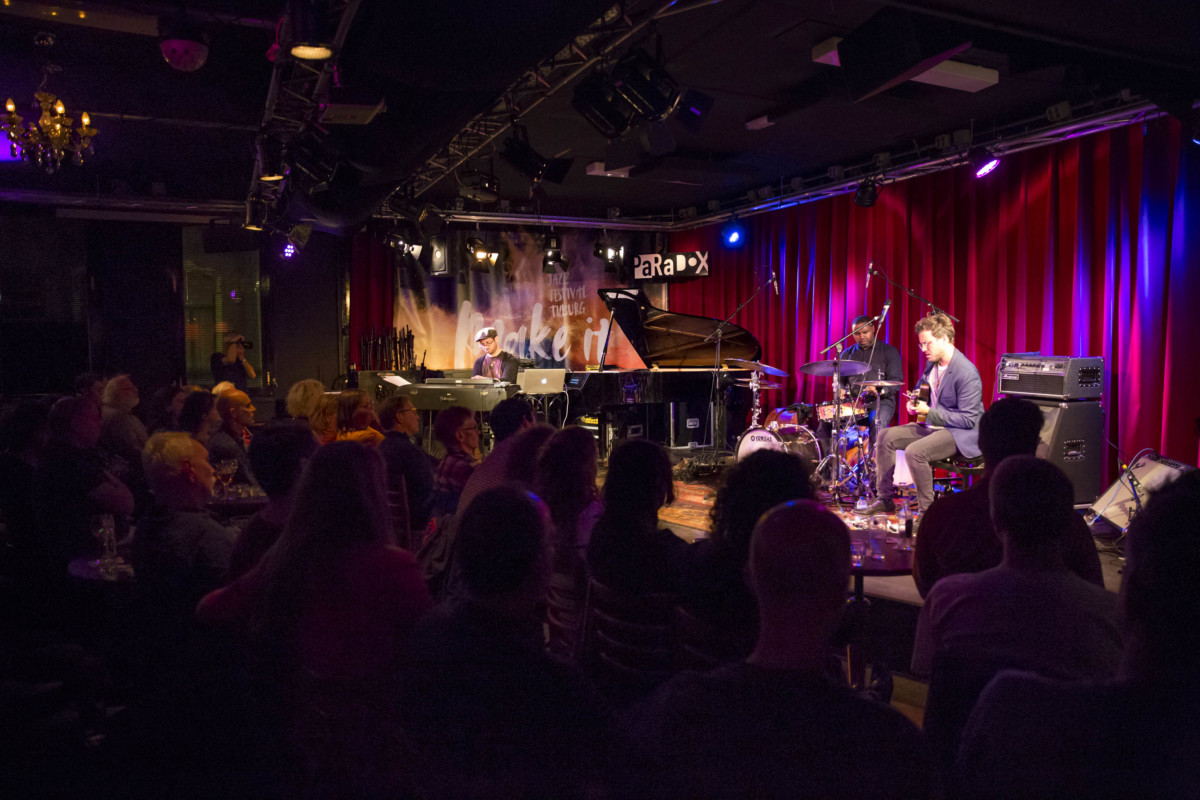
After a dragon boat race, you probably wouldn’t expect anything conventional from Tilburg, and Paradox does not disappoint in this regard. Paradox offers the unconventional, the alternative, the emerging. It is a music hotspot, created by jazz musicians from Tilburg, whose “aim was to create a stage for music that is not (or rarely) discussed in the regular circuit”. Personally, I love going to see emerging musicians play: not only do you feel like you’ve discovered the next big star before everyone else, but you also form a sense of connection with the band. That’s what Paradox is perfect for.
The atmosphere at Paradox is super cosy. Image: Merk Tilburg/Supplied
Koningshoeve Abbey: you can get a beer here, what else do you need to know?
What’s better than an old building and beer? An old building that brews its own beer. You might think that’s just us listing off our fantasies, but in fact, this very dream exists in Tilburg.
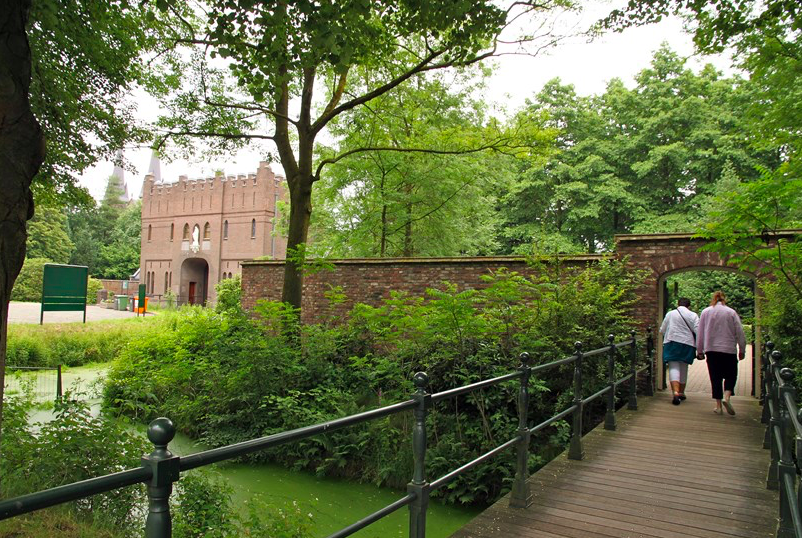
The Koningshoeve Abbey is an absolute must for any Trappist beer lover. The abbey was built in the late 19th century by Trappist monks who fled from France. The building was also the former country residence of King William II but is now home to a Trappist brewery. You might want to take a step or a bike to get to this one: this monastery is located inside of the Moerenburg – Koningshoeven Landscape Park. Get out of the city centre, breathe in the countryside, and drink some beer.
*considers becoming a monk to get beer*. Image: Merk Tilburg/Supplied
You can try out their beers in their heavenly tasting room. Have a scrumptious lunch or dinner before embarking on the brewery tour. Did you know it takes 6-7 weeks to brew the beer? You can even get insights into how the brewing process while on the tour!
Even better might be the La Trappe cycling route, which combines cycling, epic surroundings and drinking beer all in one journey that you’ll never forget (well, unless you overdo it on the beers).
Beer, great nature, and epic history – a day trip to the Koningshoeven Abbey is absolutely unmissable.
Now, get back on your bike and head to the Spoorzone (unless you have, cough, over-beered).
Spoorzone: another one of Tilburg’s hidden gem in the centre
Welcome to Tilburg’s hipster centre! This area is situated directly behind Centraal. A total rehaul of the place has resulted in multiple restaurants, cafes, boutiques, and bars. As the good folks at Ticket to Tilburg describe, they “fuse old and new, rough and refined, residing, working and living”. They are revitalising it to reflect the city’s history as well as its present.
In the Spoorzone, you have the LocHal, the Spoorpark, the Ontdekstation 013, Doloris, and so much more. Read on to see what these are!
LocHal: who doesn’t love a good repurposed library?
Although this can hardly be called a hidden gem since it was voted as World Building of the Year in 2019. Clearly, the LocHal is an amazing place to go in Tilburg, so we just couldn’t leave it off our list.
One of my favourite ways to spend time is wandering around a library. It’s one of the last few public spaces where you can spend hours on end without being expected to spend money. The LocHal in Tilburg was also named as the second-best library in the world by the IFLA Best Public Library of the World Awards, reports Brabant Dagblad.
This library has a special charm to it. It’s a repurposed old locomotive hall which is now a popular gathering place for students, young professionals, and families alike.
We loved the library so much that we made another video in collaboration with YouTube star Levi Hildebrand! It’s not just about the public library, but also how the city of Tilburg is leading the way in finding new purposes for old buildings.
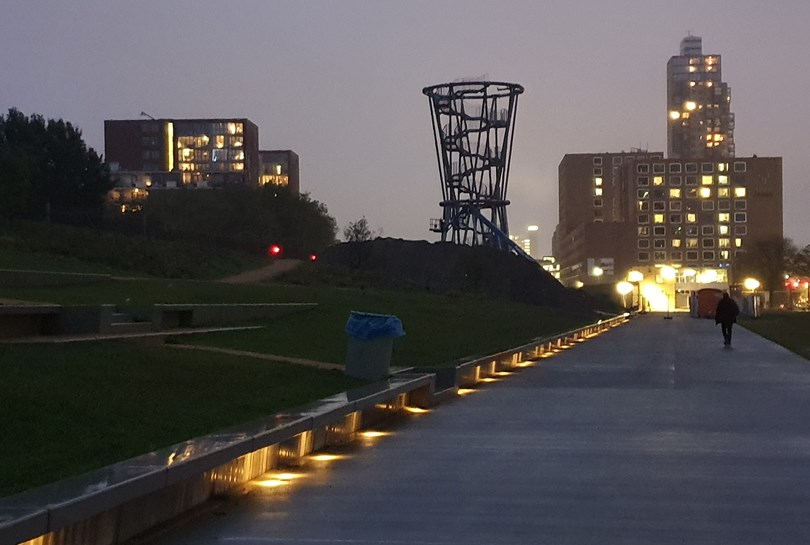
The Spoorzone is also home to the Spoorpark — the largest citizens’ initiative in the Netherlands. It was created in consultation with the citizens of Tilburg, and was constructed with the help of local volunteers. From city camping to scaling a viewing tower, it’s a fabulous example of what can happen when the locals get involved.
Spoorpark by night. Image: Merk Tilburg/Supplied
Ontdekstation 013: solve the world’s problems
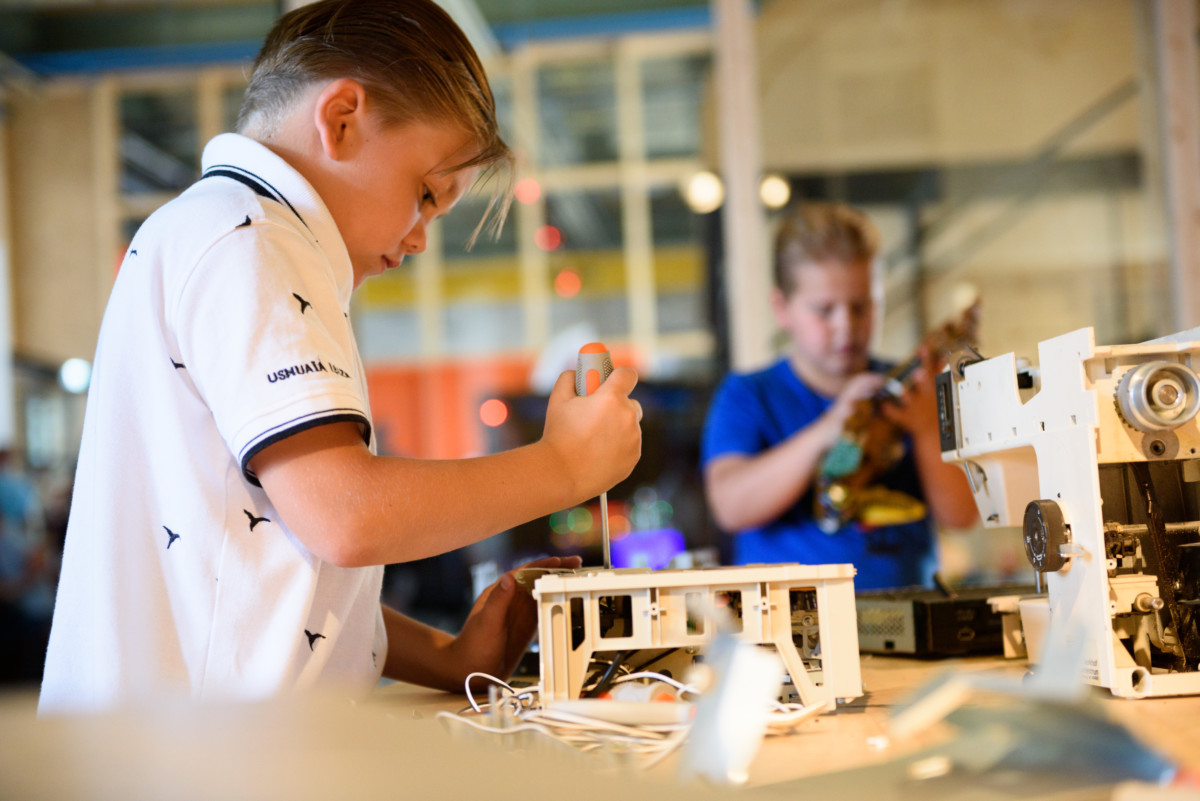
Solving all the problems. Image: Merk Tilburg/Supplied
Ontdekstation or Discoverstation 013 used to be an old factory where trains used to be repaired (see a pattern here?). Today, it has been revamped and turned into a place where children and adults from the age of four can learn about science and technology. They conduct workshops where you have to come up with creative ways to solve problems. They say their keywords are: discover, experience, learn, and create. It would be perfect as part of family outing to Tilburg. Alternatively, if you live nearby, then it would work brilliantly as a place to have a children’s party.
Doloris: 2200 square meters of art
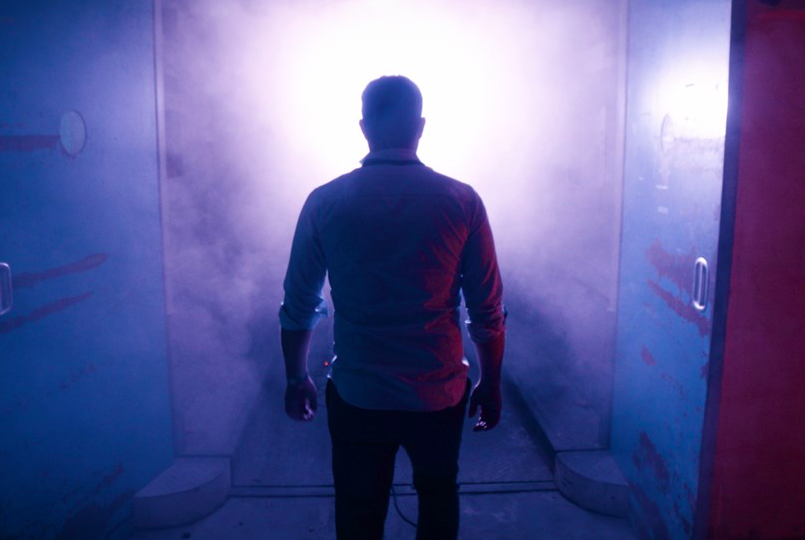
Doloris has a-maze-ing art. Image: Merk Tilburg/Supplied
The best way to describe Doloris would be to say it is an experience. What they offer you is something really special. They have 2200 square meters of art and 40 “experience” rooms which make up a maze for you to find your way through. It was originally inspired by Peristal Singum Berlin, which is now permanently closed. So this is really not something you could, in good conscience, miss, given that the original version of it is no longer in existence. Plus, given how often it rains in the Netherlands, having an indoor activity on your list of must-visit hidden gems in Tilburg is always an advantage.
Nature in Tilburg: there’s more to it than just the Spoorpark
Thought we’re done singing praises of Tilburg? As if! This Northern-Brabant city is surrounded by some gorgeous natural scenery. There are national parks, the Koningshoeve , and even sand dunes. So, what are you waiting for? Grab that bike or step again and get exploring!
Look at those colours! Image: Merk Tilburg/Supplied
Factorium
Leaving aside nature for a second, Tilburg also has a bustling creative scene epitomised by Factorium. This is the place to be for lessons in music, dance, and theatre. This company is built on four pillars: talent development (5000 students a year); education (30,000 kids in schools a year); expedition (inclusive community outreach programs); and events (with a reach of 50,000 people). It’s for culture lovers of all ages. Don’t hold back because self-expression is what makes this place.
Believe in yourself and create art. Image: Merk Tilburg/Supplied
AaBe Fabriek
Looking to do all your shopping under one roof? AaBe Fabriek to the rescue! Find a plethora of stores for you to browse through: be it household items, your next Sinterklaas gift, or even baked goods. You can find them all at the AaBe Fabriek at Tilburg. It’s perfect for a relaxing afternoon of window shopping, or you know, a tense afternoon of relaxing your purse strings.
We might’ve come to the end of our hidden gems of Tilburg article but there’s still plenty to explore in this beautiful city. There’s the culture that is dying for your presence (I personally recommend the amazing Textiel Museum), some banging music that needs some feet tapping to it, and so much more. So what are you waiting for? Go to Tilburg already!
We hope you enjoyed learning about this super cool city that deserves way more attention than it typically gets! We were really happy to have our friends at Ticket to Tilburg show us these awesome hidden gems — and we hope you enjoy them when you visit!
Are there any hidden gems of Tilburg you want to add to this list? Let us know in the comments below!
After winning the Eurovision Song Contest in 2019, Duncan Laurence could finally look forward to a celebratory performance in Rotterdam at the 2021 final this Saturday. That was until he tested positive for coronavirus.
According to an official statement from the European Broadcasting Network (EBN) earlier today, the singer-songwriter will not be performing on Saturday but “will still feature in the show in a different form.”
Before performing in Tuesday’s semi-final, Laurence did not have any symptoms and showed a negative result upon testing on Monday.
However, he began developing mild symptoms yesterday and decided to take a rapid antigen test. The positive test result was announced today.
Laurence’s management explains that he is “very disappointed” as he had “been looking forward [to performing] for two years.”
Host tests negative despite contact
One of the show’s hosts, Edsilia Rombley, was on stage with Laurence Tuesday. However, there is no contact between the hosts and artists prior to going on stage, reports RTLNieuws.
After Laurence’s test result was announced, Rombley took a coronavirus test which came out negative. She will be continuously tested during the upcoming days.
Will you be watching Eurovision on Saturday? Tell us in the comments below!
Every Dutch person should be entitled to a free coronavirus test before their summer vacation, according to a majority of the House of Representatives. Meanwhile, to make travel in the region easier, the European Union is working on a standardised digital COVID-19 certificate, reports RTL Nieuws.
In the admirably egalitarian style of the Dutch, a motion for free coronavirus tests for travel has been signed by a majority in the House of Representatives. They want to ensure that summer holidays are available for everyone — not just for people with money. D66 MP Sjoerd Sjoerdsma says that expensive coronavirus tests “create a division in society and we do not want that.”
Digital COVID-19 pass on the way
The European Union is developing a digital COVID-19 pass which will make travelling in the region easier from the summer. The goal is that from June 21 onwards, anyone who wants to travel within the EU will be able to demonstrate with a QR code that they have been vaccinated, tested negative, or have antibodies from having had coronavirus in the past.
The European Parliament is currently negotiating exactly how travel with the pass will work. There are still practical questions about whether people who have been vaccinated with Russian and Chinese vaccines will also be able to use the digital pass, as these vaccines have not yet been approved in Europe.
The EU Parliament is pushing for people who have not yet been vaccinated to be tested free of charge before travel, but it is up to the countries themselves to decide on this.
The EU Parliament is pushing that those who have not yet been vaccinated can be tested free of charge. However, this is decided on a country level.
When will the digital COVID-19 pass come into effect?
The Netherlands is on track to start using the digital pass by June 21, just in time for the summer holidays ☀️. However, other countries may still need more time to implement the measure.
Which European country will you be exploring this summer? Tell us in the comments below!
A fire erupted in a residential area in The Hague this morning.While originally thought to be contained to one house, it has quickly spread to a whole building block, including a nearby mosque.
The fire started at a single house on Schildersweg neighbourhood near Station Hollands Spoor, however, it has spread to more than seven houses in Wouwermanstraat through roof construction.
The fire department sent out a NL-alarm to residents in the nearby neighbourhoods, urging them to keep doors and windows closed due to the heavy smoke.
The smoke could be seen and smelled from buildings on the other side of the station. Photo: Jan Veltman/Supplied
Still raging
The fire is thought to have started in a house around 3 AM and was was still raging this morning. According to thelatest reports by AD, the fire continues to burn. Firefighters are hosing the flames, but they continue to emerge from the houses.
One firefighter tells AD that “this is a fire that you only experience once every twenty years.”
Extensive damage
Meanwhile, dozens of residents have been evacuated. Most had to leave their houses in the middle of the night and will likely not be returning soon, as some houses reportedly are irreparably damaged.
A nearby mosque, Moskee El-Fath, has also been damaged by the fire. According to a mosque administrator, both the building and thousands of Korans have been burned.
To assess the full scope of the fire, the firefighters are using drones in order to see the fire from above and target the most affected areas of the buildings.
Mayor reacts
To show his support, the Mayor visited the area last night and spoke to some of the residents. In a tweet stating his first reaction, he calls such a large fire in the middle of a residential area “terrible.” He also commended the fire department for its large efforts.
Follow DutchReview on Facebook for the latest news and updates.
Got some pesky symptoms or planning a trip away from the Netherlands? You’ll need a coronavirus test for that. But how and where, exactly, do we go about doing it? Are antibody tests available? And what actually happens? We’ve got answers your top 10 burning questions about getting tested for coronavirus in the Netherlands.
The National Institute for Public Health and the Environment (RIVM) has made testing cost-free and available to the public. The idea is that the more testing happens, the more the spread of the virus can be controlled and monitored. But there are still many questions about how exactly testing works left unanswered. We’ve sorted through all your corona testing queries, and found the answers you’ll want to know.
1. Just how sick do I have to be to get tested?
Testing with complaints
It’s important to get tested if you are experiencing any of the key indicating symptoms of coronavirus.
Generally, you can get tested if your complaints include:
cold-like symptoms
a stuffy nose
a runny nose
sneezing
a sore throat
a cough
fever
sudden loss of smell or taste.
Many of these symptoms may seem common, regardless of whether the virus is present. After all, people had been bothered by sore throats and sneezing long before coronavirus existed. However, it’s better to get tested and know for sure, then ignore it and risk spreading it to your friends and family. Testing appointments can be made at https://coronatest.nl/.
Testing without complaints
Since December 1, you can also get tested for coronavirus regardless of whether symptoms are present if you’ve been in close contact with someone who has tested positive.
You may realise you’ve been in close contact due to the GGD’s source and contact tracing or notification via the CoronaMelder app, for example.
According to Minister of Health Hugo de Jonge, that testing without complaints should be done five days from the time of contact. The days between should be spent in quarantine.
2. When should I get tested?
The virus usually has an incubation period of 5-6 days (that’s the amount of time it takes to start showing symptoms). Because of this, the recommendation is not to get tested too soon. If possible, get tested on the third day of symptoms for the most accurate results.
The risk of taking the test too soon is that the test result could be falsely negative. Alternately, by the fourth day of complaints, your body is already breaking down the virus, so again the accuracy rate decreases. The prevailing advice is this: if you strongly believe you have coronavirus but your test result is negative, get tested again after a few days. In the meantime, stay home.
3. Where do I go for testing?
There are over 80 drive-through testing locations in the Netherlands. When you schedule your appointment, they will assign you to a testing location. You’ll receive this information by text message or email. Be sure to wear a face mask to the testing station, and do not use public transport to get there.
4. How do I visit a drive-through without a car?
You’re a sensible person in the Netherlands who rides a bike, and it’s not always easy or affordable to borrow or rent a car. Sound familiar? Fear not. If you’re unable to access four wheels, walking or cycling is allowed at most test locations. Call first to make sure.
5. What exactly is being tested?
The GGD uses a test called a PCR. It’s a molecular mucus test that gets sent to the lab for examination. You’ve seen it — it’s the long swab they put in your throat and way up your nose, the one that makes you grimace when you see it on the news. The test takes about 10 minutes. It’s not as bad as it looks. You can handle it.
Keep in mind, the PCR only tests whether the virus is present. It doesn’t show whether you’ve had it in the past.
After your test, you’ll receive a message from the GGD as soon as it’s ready. It’s generally less than 48 hours. They will contact you as soon as possible, so don’t bother trying to reach them by phone.
If you want to confirm a negative test result with your own two eyes, you can view your results online by logging into the coronavirus test website using your DigiD. You’ll be notified when your web results are ready — it’s usually within two days.
7. Are antibody tests available?
If you suspect you may have had coronavirus in the past but were not tested for it, you’ll probably be curious whether you have antibodies. This test is called a serological test and is conducted through a blood sample.
The government currently only uses serological tests for research purposes. While it can be done in some instances, the RIVM advises not to have the test on your own, as it can provide a false sense of security. There are, however, some private providers that can conduct a serological test for a fee.
The GGD conducts a contact investigation within 24 hours for patients infected with COVID-19. The test follows the RIVM’s national guidelines to work out where you might have picked up the infection. They also want to determine who you could have unknowingly infected, and will ask you to provide a list of everyone you’ve been in contact with.
They will instruct you and the other members of your household to stay at home for 10 days, and give specific instructions on what else to do. These instructions include notifying your huisarts and employer of the test results.
You ‘close contacts’ are the people you’ve been in contact with for more than 15 minutes without maintaining a distance of 1.5 metres — people like your hairdresser or neighbour. Or people you may have been in contact with for less than 15 minutes but with a higher risk of transmission — like a person you’ve kissed. These contacts will be asked to stay home as much as possible for the next 10 days.
‘Other contacts’ include those with whom you’ve shared the same space for 15 minutes or more while maintaining a 1.5-metre distance — like a colleague or classmate. The GGD will give them advice on what to do. They’ll make sure any of your contacts can get tested quickly if they develop symptoms.
9. Will I need to get tested if I travel?
If you’re returning to the Netherlands from travel in an ‘orange risk’ area, a coronavirus test is required. You’ll also be asked to self-quarantine for 10 days, regardless of whether symptoms are present. The government has a useful quarantine check tool to understand your obligations to quarantine from specific countries.
If you develop coronavirus symptoms while on holiday abroad, the RIVM recommends contacting a local healthcare provider and getting tested if possible. If your test results are positive you will not be allowed to return to the Netherlands until you’ve been free of symptoms for 24 hours. You’ll need to remain in isolation until then.
The GGD doesn’t issue declarations confirming a person is free from COVID-19, as they only test people who are symptomatic. However, some commercial parties do offer this service for a fee.
10. Should my kids get tested?
If you suspect your child may have been infected with coronavirus, they can receive the same test as an adult. The government provides a factsheet specific to requirements for children, but essentially,
Young children (aged 0 – 6) do not need to be tested if they have COVID-19 symptoms. If your child is very sick, contact your GP, who will decide if a test is needed. If tested, keep your child at home until you’ve received the results.
Children aged 7 – 12 do not need to be tested for cold-like symptoms. However, they should be tested if they are experiencing:
a fever or shortness of breath;
develop symptoms following contact with a person who has tested positive.
Children aged 13 – 17 must stay home if they are experiencing coronavirus symptoms, and get tested. Appointments can make via coronatest.nl.
Remember to take your child’s identity document to the test.
Do you still have questions about COVID-19 testing? Leave us a comment below, and be sure to visit government.nl.
Chaos unfolded in Amsterdam North this afternoon after a shooting incident and robbery has left one suspect dead and six arrested.
The chase began after the suspects attacked an armoured money transport van on the Meeuwenlaan, shooting with an automatic weapon.
Dozens of police officers were deployed in response, at least one police helicopter took to the skies, and a car was set on fire sending plumes of smoke into the air.
The suspects led police on a dramatic chase from Amsterdam into a meadow near Broek in Waterland. The chase was caught on video by local residents where police are seen shooting at the suspects as they attempt to escape:
Heftige video gemaakt door bewoners in Broek in Waterland. Vijf verdachten rennen over een weiland, terwijl de politie op ze schiet. Alle beelden zometeen op site van @HartvNL pic.twitter.com/bESOscbXVh
The Netherlands is feeling the effects of King’s Day celebrations. The GGD has reported at least 483 new coronavirus infections that can be traced back to King’s Day parties in Amsterdam.
According to the GGD, three-quarters of the 483 positive tests were found in people aged 19-30. There were 17 infection clusters in the region, the NOS reports.
Despite the beautiful weather on King’s Day, the majority of infections have been traced back to indoor parties. However, this is also the largest outdoor contamination event so far, as many people who tested positive had also been in parks and the city center.
Unreported cases suspected
Anja Schreijer from the GGD Amsterdam tells the NOS it is possible that more people were infected on King’s Day but that not everyone who experienced symptoms had themselves tested. Day-trippers may also have been infected in Amsterdam but had their tests in different municipalities.
The GGD is currently investigating whether the Ajax victory party on May 2 contributed to these high numbers.
Are you surprised by this jump in infection numbers? Tell us in the comments below!
We’re sure you’re tired of home workouts, missing sunset drinks, and really want to see an elephant. Great news! From today, new regulations are in place against coronavirus in the Netherlands.
Eager to know what you can do with the latest coronavirus measures? Here’s the full list from today — plus, how others across the Netherlands have celebrated!
Terraces are now allowed to open from 6 AM to 8 PM. Previously, opening hours were constrained to 12 PM to 6 PM. Now you can enjoy a canal-side breakfast or a dreamy dinner.
In the town of Almeno, in Overijssel, a restaurant owner was met with much support and enthusiasm from locals who could enjoy an early breakfast for only €1 (that’s goedkoep!). Meanwhile, early risers were also determined to get the most out of the new measures and started lining up in from of their favourite terrace at 6 this morning, reports NOS.
Hit the gym or your local sport club (finally!)
Gyms and indoor swimming pools have also reopened with a maximum capacity of 30 people. Measures for outdoor sports have also been relaxed further. Now, people aged 27 and above can exercise outdoors while keeping 1.5 metres distance, whilst those under 27 can train without social distancing.
People were eager to start working on their summer bods, with some beginning as soon as gyms opened at midnight. To welcome their members, several gyms had organized special opening hours to celebrate their reopening — some even with champagne, hoera!🍾
Sing, dance, check out a zoo or ride a rollercoaster
Are you more into exercising your mind than your summer bod? With the new measures going into effect you can do both!
The cultural and entertainment sector has also benefitted from new relaxations. From today, indoor locations for artistic and cultural activities may reopen for music, dance, or theatre lessons.
Zoos and theme parks can reopen their outdoor facilities with a maximum of one person per 10 square metres, and outdoor venues for performing arts and film screening can now welcome up to 30 visitors at a time.
Have you already taken advantage of relaxed measures? Tell us in the comments below!