


Imagine telling your international friends that you test kids’ cycling skills to see if they’re ready to tackle Amsterdam’s bike frenzy for a living. Bizarre, right?
Right. But oh so Dutch. With all the quirks of the Netherlands, there are a few wacky and funny jobs unique to Dutch culture — here are some of the best.
1. Running a fish doorbell (visdeurbel) in the Dutch canals
As you may imagine, many fish (and other fascinating water creatures) migrate through the maze of Dutch canals — but with the Netherlands’ sophisticated water management system, sometimes they face a closed gate.
In Utrecht, an underwater live stream is set up in front of the water gate, allowing people to watch and alert the visdeurbel “master” when the gate needs to be opened to let the fish pass.
READ MORE | The Amsterdam canal houses: why are they so wonderfully weird?
Anyone can watch the live stream and press the “doorbell” if a fish is waiting, which takes a picture. If pictures of fish accumulate quickly, the lockkeeper knows it’s time to open the gate and let the fish pass to continue their migration.

Want this unique Dutch job? As the lockkeeper, your job is to let the fish through — but also to keep a photo album of the “leukste fish pictures.”
2. Baking oliebollen for the cold Dutch winters
Everyone living in the Netherlands will agree that Dutch winters are long. Luckily, the Dutch have already perfected a treat to get through the long winters: steaming-hot deep-fried dough dunked in icing sugar, otherwise known as oliebollen!
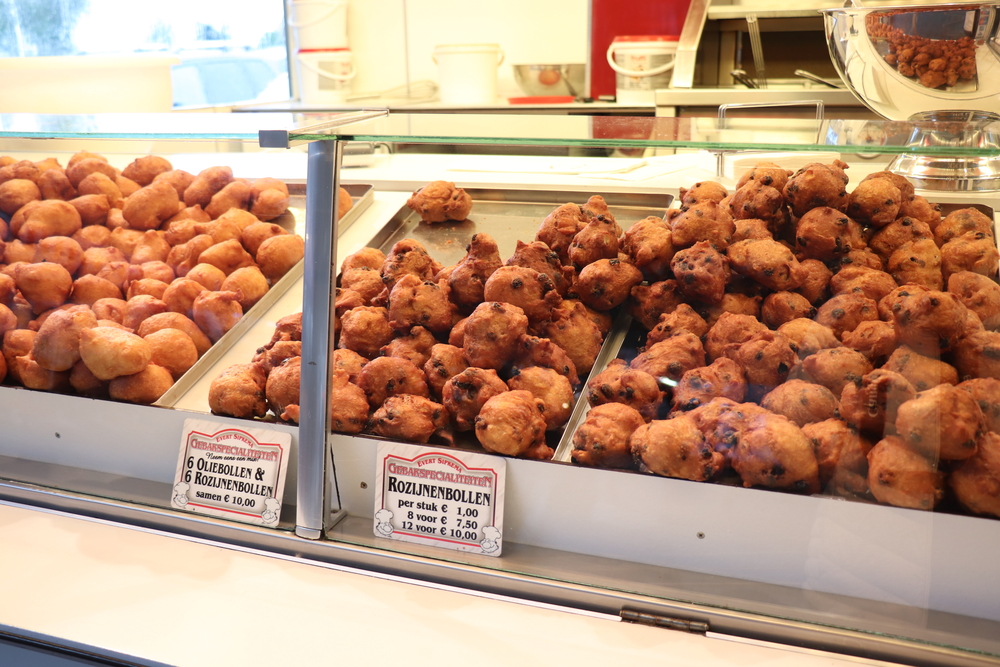
The oliebol makers bring their stands to the streets every winter to sell the popular New Year snack and warm up passersby on cold winter days.
The classic editions are plain or with raisins, but if you’re feeling more indulgent, you can get them stuffed with a warm, yummy filling like Nutella or apple jam.
4. Maintaining the monster that is the Dutch water management system
With much of the Netherlands below sea level, the Dutch have become experts at managing the water, notably with dikes, dams, and polders (reclaimed land from the sea).
The Netherlands’ unique relationship with water makes it constantly vulnerable to flooding, rising sea levels, and sinking land — hence the existence of the Dutch Rijkswaterstaat since 1798.

READ MORE | Why the Netherlands isn’t underwater (VIDEO INSIDE)
With over 10,000 employees, the Rijkswaterstaat government office is almost like its own bustling town, working to maintain and build up the country’s extensive water infrastructure.
People at Rijkswaterstaat work a wide range of jobs, from managing dams and building bridges to collecting data and developing new technologies.
3. Fishing bikes (and more) out of the canals
What are the Dutch most known for? Bikes and canals! That combination doesn’t always mix, so many bikes end up — you guessed it — in the water.
READ MORE | Dutch Quirk #45: Pee in the canals when drunk — and fall in
Someone’s got to fish the bikes out, and the Dutch have a solution! They have special boats with crane claws that retrieve around 12,000 bikes yearly (and that’s just in Amsterdam!). These fietsvissers (bike fishermen) undoubtedly have an incredibly unique Dutch job.
@velovelovelo___ How many bikes do you think they pull out of the Amsterdam canals every year?? 🤔🤔🇳🇱 Drop your guess below 👇 #bikefishingseason ♬ original sound – VELO
And it’s not only bikes that are fished out of the canals. Walking around Dutch cities, you will often see people using fishing rods with a magnet on the end looking for sunken metal treasures (or junk). Although this isn’t a job, it does get an award for the most Dutch hobby.
5. Delivering anything and everything with a bakfiets
In many countries, delivering mail and food by bike is normal, but the Dutch didn’t stop there. They deliver just about anything using a bakfiets (cargo bike).
Whether it’s your new coffee machine, internet box, or vacuum cleaner — if it fits in the bakfiets, that’s likely how it’s going to get to your door. Even daycare and preschool teachers often transport up to 10 kids on one bike when going to and from school and on excursions!
READ MORE | From omafiets, to mama fiets, and bankfiets — Dutch bikes, explained
Thankfully, the Netherlands has no mountains, and today’s cargo bikes are typically electric because bakfiets delivery riders sometimes bike 50 to 60 kilometres a day.
6. Refilling the wall of fried Dutch snacks
We’ve already established that the Dutch love their hot, fried snacks. And they’ve found a pretty genius way to sell them — in wall-to-wall automatic lockers that keep the food warm until you take them out.
The huge food lockers are full of the favourite Dutch treats: frikandellen, croquetten, and kaassoufflés.
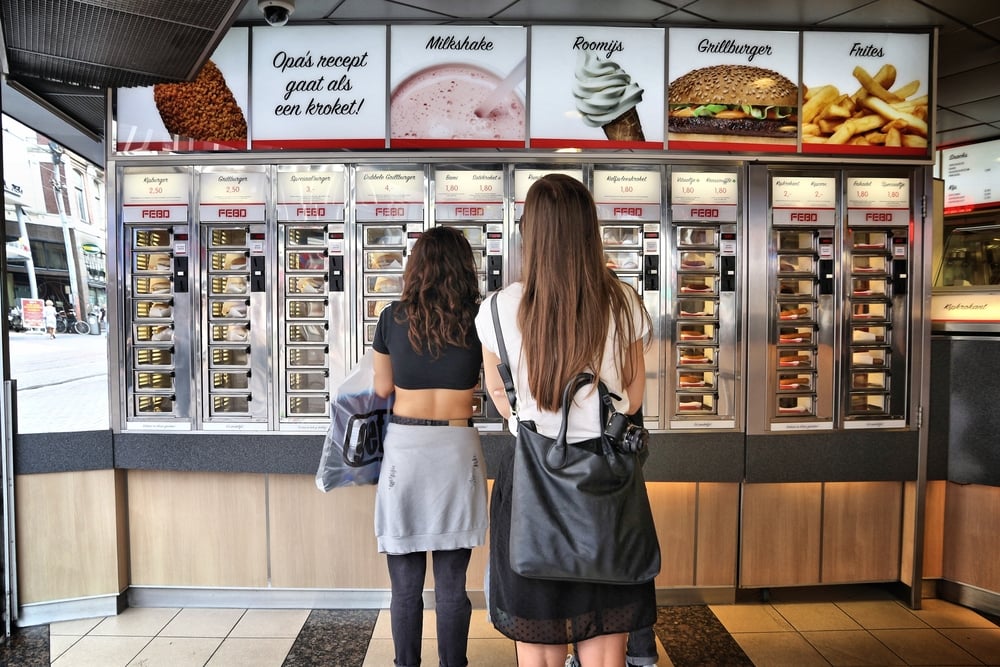
Thanks to this automated system, FEBO and Smullers workers deal with fewer hungry customers up front, but they are still responsible for restocking the delicious Dutch snack walls (without being tempted for a bite).
7. Making traditional wooden clogs (still!)
Believe it or not, there are still people in the Netherlands dedicated to making clogs (klompen). That’s because there are still a few true old-school Dutch people (and many Amsterdam tourists) who buy and wear the shoes.
READ MORE | A 54-year-old Dutchman just climbed Mt. Kilimanjaro… in CLOGS?!
Traditionally, it takes seven full days of work to carve out a pair of shoes from a block of wood. Add another four to six weeks for the shoes to dry fully before they can be hand-painted or varnished, and you have a big job!
Today, only 12 official clog makers are hanging on to traditions in the Netherlands. You can experience the daily life of these Dutch makers at Zaanse Schans or Simonehoeve.
8. Hunting for old bikes around the city
With more than 22 million bikes (for around 17 million inhabitants), bikes are often deserted or lost everywhere around the country.
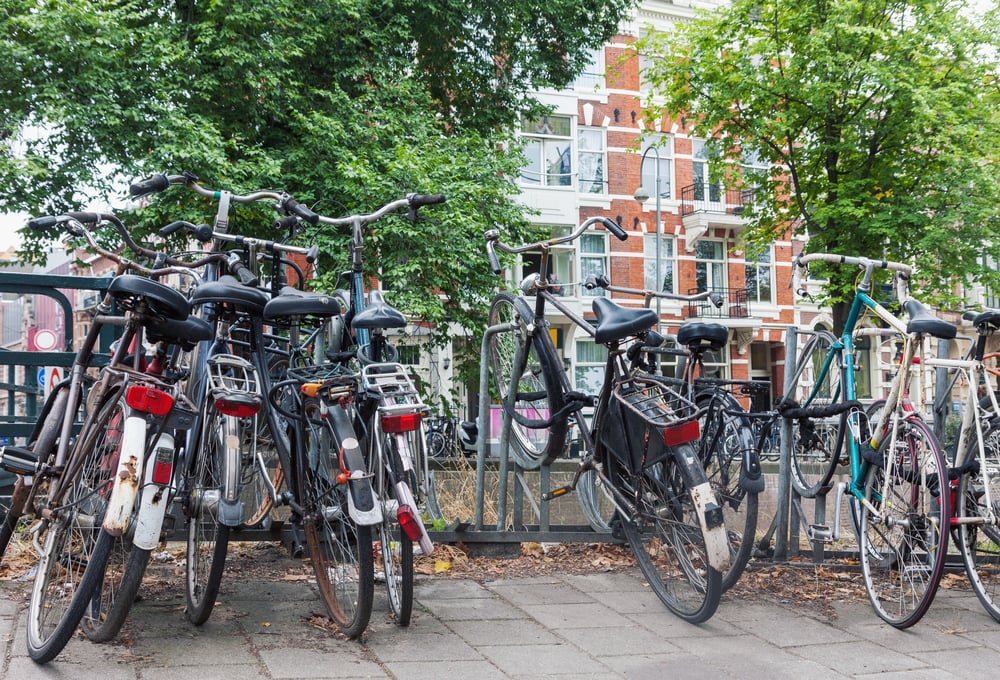
Therefore, municipalities need to hire people to go on bike hunts in their urban forests to keep the city clean, or before we know it, we’ll all be drowning in bikes.
Workers scope out the streets for old, abandoned-looking bikes or bikes parked where they aren’t allowed. They often leave a tag on the bike and, after a few days, stack all the still-tagged bikes on the back of their small trucks.
READ MORE | 7 types of cyclists found when biking in the Netherlands
In many Dutch cities, unclaimed bikes are resold at huge depot sales — a handy tip for new students looking for affordable and legal bikes.
9. Testing illegal drugs for safety
The Netherlands is known for being relatively open-minded and forward-thinking about certain topics, such as weed or the Red Light District.
Similarly, although hard drugs like ecstasy and cocaine are technically illegal, the Dutch have taken the approach of safety first. For this, they’ve created test centres in most major Dutch cities where people can anonymously hand in drugs to be informed of the risks.
READ MORE | Ecstasy in Amsterdam: Party Drugs in the Netherlands
Scientists at these centres don’t fancy lab coats and test that pink pill you bought from a stranger to check for possible risks and analyse what it’s made of.
In exchange, health institutions know what drugs are currently sold and consumed on the market and can immediately initiate campaigns about new substances with severe health risks.
10. Secretly co-piloting with the King
As if flying across the skies wasn’t a cool enough job, a few pilots have co-piloted with the Dutch King by their side.
Since King Willem-Alexander has a passion for flying, he has secretly flown commercial flights around Europe (as many as twice a month!) and the rules of flying state that every pilot needs a partner.

This job tests both your piloting skills and your spy skills to ensure the King’s identity stays hidden. This means not letting out a chuckle when the king introduces himself as “Alex” over the intercom.
11. Testing kids for their bike license
The first time you hop on a bike in the Netherlands is often a feeling of great pride — until you see the 10-year-old child in front of you who is somehow way better than you.
But don’t feel bad. Dutch children are taught from day one how to make their bike their number one way of transport — even earning a “bike license” after an official bike test (verkeersexamen).
Thought cyclists in the Netherlands didn’t follow any rules? Well, this elaborate exam suggests otherwise, involving a theoretical and practical section.
READ MORE | 7 things that will get you fined while cycling in the Netherlands
Volunteer graders carefully watch to see if students are indicating before turning, stopping at red lights, and staying on the correct side of the road.
We’re not surprised at the number of times we referred to ‘bikes’ in this list of respectable and utterly Dutch professions. 🇳🇱
What other jobs were you surprised to hear exist in the Netherlands? Tell us in the comments below!


We also have “Kraamzorg “
Maternity nurses come to your house for 6 to 8 days and take care of you and your baby and family. Learning how to take care of your baby and make sure that you have enough rest to recover from giving birth .
Maternity care nurses at home instead of staying in the hospital after birth.