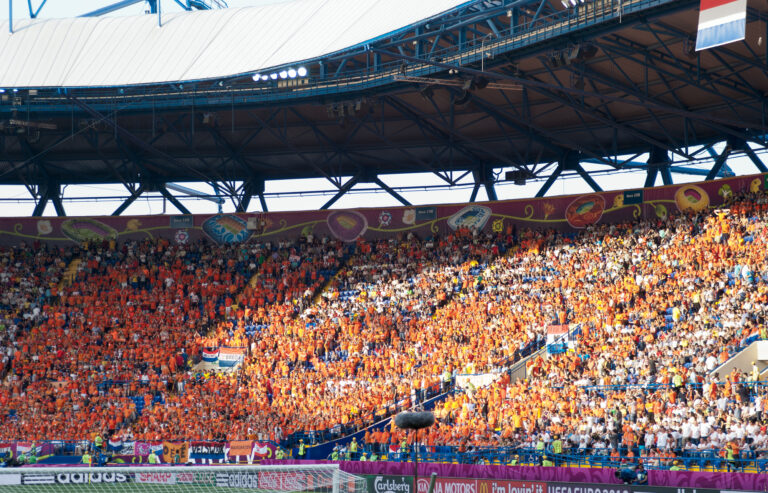
Just when you thought Oranje fans and their Links Rechts dance moves couldn’t go much more viral, their beloved team keeps giving them more to cheer for.
The Netherlands beat Romania 3 – 0 in last night’s first European Championship knockout match, meaning they are through to the quarter-finals for the first time in 16 years.
Fans go crazy, but the start is shaky
The match was played in Munich, which holds a lot of Dutch football history — from the ’88 European victory to, well, THAT World Cup final loss in 1974. 😬
Yesterday’s match was also one of ups and downs, with Romania having the brighter start.
3 – 0 isn’t exactly a scoreline to scoff at, but it didn’t come without multiple missed chances by the Dutch side.
From Reijnders and Depay having shots blocked by Nita, the Romanian goalkeeper, to Van Dijk heading one into the post, the Netherlands watched chance after chance slip away.
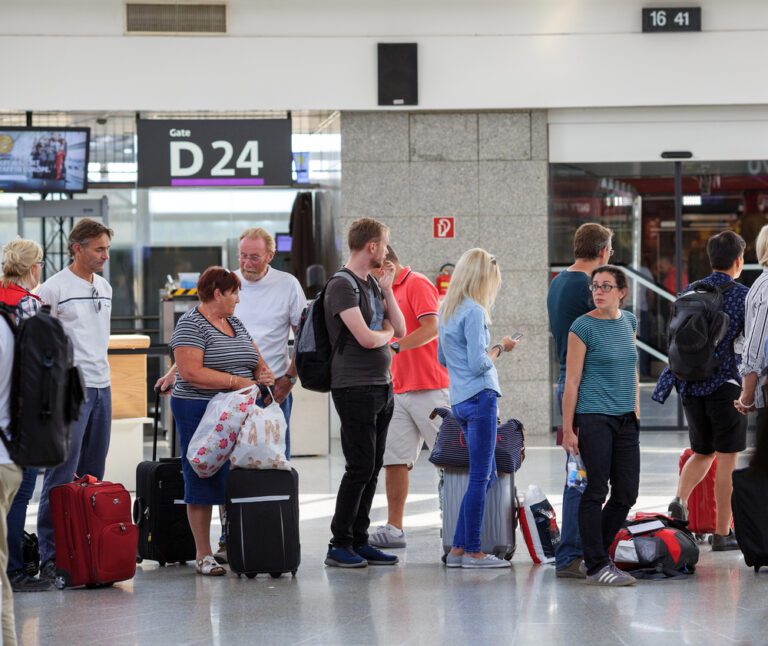
What’s the best thing to do during Dutch summer? Fleeing the country to a warmer and sunnier place! There’s just one hurdle to jump, and that’s the chaos at Schiphol Airport.
According to Schiphol, the airport expects to be busier this summer than in recent years. During the holiday period, which lasts until 1 September, the airport expects a total of 12.3 million travellers.
The result? Longer waiting times.
Waiting at check-in, security, and passport control
On average, more than 69,000 people are expected to depart from Schiphol daily, which is over 1,000 more than last year. On peak days, up to 81,500 departing travellers are expected.
If you’re one of them, you should expect longer waiting times at check-in, security check and passport control.
Just landed at @Schiphol and it’s pandemonium. I find the “non-Eu” queue at pretty much every European airport is overwhelmed. I don’t understand why everyone hasn’t moved to automatic gates yet. It’s the one redeeming quality of Heathrow that anyone with a machine-readable… pic.twitter.com/6Vji7l2QUQ
That being said, a Schiphol spokesperson tells NU.nl that Schiphol believes it can manage the summer holidays.
As passengers, there are also some things we can do to ensure that our trip gets off to a smooth start.
How can I prepare?
Schiphol has various services in place to help passengers get the best possible experience.
For example, you can monitor the expected crowds at Schiphol on the day of your flight. This handy tool lets you enter your flight number and tells you how much time you’ll need at every step of the way.
Even better, Schiphol lets you book a free time slot for your security check, ensuring you will get your turn within five minutes of arrival at the security desk.
Besides that, Schiphol recommends checking into your flight at home and getting to the airport on time. For European flights, that is two hours in advance, and for intercontinental flights, three hours.
What are your best tips for a smooth Schiphol experience? Share them in the comments!
As fish migration season comes to a close, the finned friends of the Utrecht canals have gained more than just passage through the Weerdsluis, but international stardom too.
Viewers worldwide watch live underwater footage of the migrating fish waiting at the Weerdsluis gates, pressing a digital bell to let the lock keeper know it’s time to let them swim on.
This spring, they o-fish-ally went viral. 🌍
The bell was pressed 150,000 times, and 20 million people watched the stream, compared to 8.2 million last year.
Swimming superstars
The live stream is available via visdeurbel.nl and the world has been watching — it’s got to be the most innovative and educational kind of reality viewing.
The fish were particularly popular among viewers from the United States, the United Kingdom, and Brazil. 🐟
The famous fishies are also making a splash in international media, hitting the headlines and featuring on TV in South Africa, New Zealand, and Serbia.
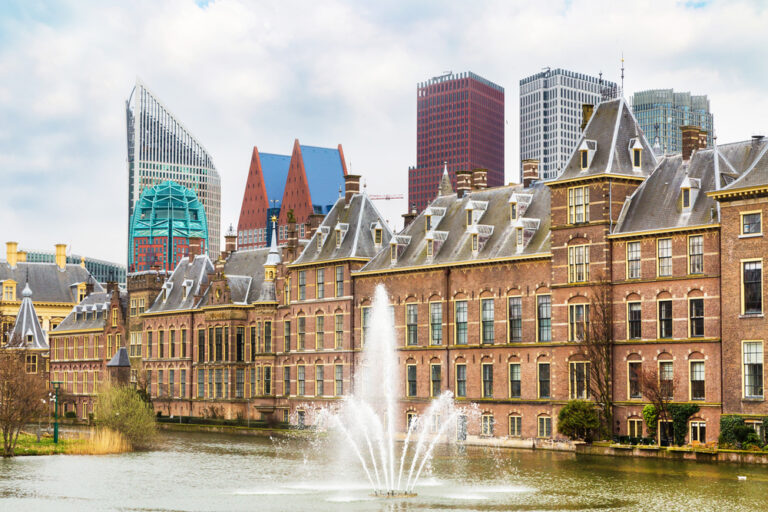
223 days after the Dutch general elections, the new team of ministers are being sworn in today in the Hague.
King Willem-Alexander is swearing in 16 ministers and 13 state secretaries in the Huis ten Bosch Palace, including the new Dutch prime minister Dick Schoof, reports the NOS.
Schoof succeeds Mark Rutte, who was prime minister of the Netherlands for 14 years.
So, who is the new prime minister and who’s in the new cabinet?
Schoof’s in
Schoof is officially taking on the mantle of Dutch prime minister, after serving as the highest official at the Dutch Ministry of Justice and Security.
He was formerly affiliated with the PvdA (Labour Party) but is serving as an independent PM from the current coalition and cabinet.
The Schoof cabinet is full of new faces, with the PVV (Geert Wilders’ party) providing five ministers, the VVD (Rutte’s party) and NSC (Pieter Omtzigt’s party) providing four ministers, and the BBB (Caroline van der Plas’ party) providing two ministers.
From 10 AM today, each minister will be sworn in by the King one by one, followed by the state secretaries in order of seniority (for example, the Foreign Affairs minister has been around longer than the Climate minister).
At around 11 AM, Prime Minister Schoof and his cabinet will pose for their official platform photo.
The Rutte IV ministers will then hand over their files and portfolios to the new ministers, and the first ministerial council is scheduled for this afternoon
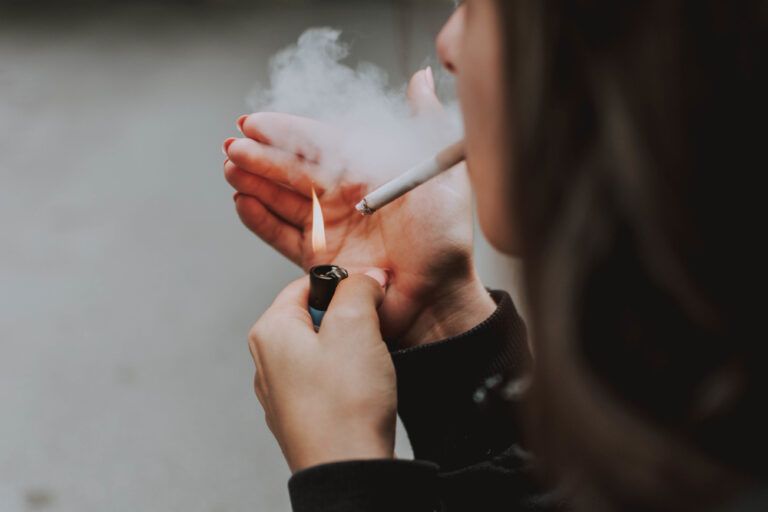
July 1 changes are here: while it’s going to be harder to pick up a pack of Camels (cigarette variety) from the supermarket, actual camels (humped variety) are one of the few pets you can still keep.
In addition to the ones hitting your wallet, here are more changes to keep an eye out for from today.
Harder to buy tobacco
If cigarettes are normally part of your weekly shop, we have some bad news for you.
Supermarkets, as well as night shops, convenience stores, and catering establishments, are no longer allowed to sell tobacco and e-cigarettes.
Hundreds of pets banned
From today, a new list of animals that you are still allowed to buy, keep, sell, and breed applies — including camels and water buffalos.
Not included are furry favourites like Russian dwarf hamsters and chinchillas. 🐹
That means you must be able to prove that any pets not on the permitted list were in the Netherlands before July 1 in order to keep it (but no more breeding).
Feather friends are also not included, but that’s because there are no lists for birds, amphibians, and reptiles yet.
Stronger sex offence laws
A new Sexual Offences Act comes into effect today, which criminalises more forms of sexually inappropriate behaviour and means victims should now be better protected by law.
The act also states that you must clearly ask for permission if you want to have sex with someone.
Additionally, reporting incidents of sexual assault and rape no longer requires proof of coercion. Having sex when it was clear the victim did not want to is a punishable offence.
Sexually explicit comments online or on the streets will also be punishable, as well as sex solicitation (the sexual approach — online or in person — of children under 16).
Social housing rent increases
It wouldn’t be a roundup of changes without mentioning rent increases.
You might already be expecting your landlord to raise your rent today, as this normally happens every six months.
The increase still depends on your income, but the monthly amount may increase by a maximum of 5.8% (between €25 to €100). 💸
Higher stamp price
If you’re sending mail anytime soon, be prepared for higher stamp prices.
PostNL recorded a whopping €8 million loss this year, so posting mail is getting more expensive. Soon, you will pay €0.05 more per stamp, at €1.14 each.
Check your household bill rates
As well as rent, your bills could start chipping away at your change.
Many internet and TV subscriptions are becoming more expensive as providers take inflation into account when charging higher rates.
Also, rate adjustments to variable energy contracts can be made more than twice a year as long as your supplier states this in their terms and conditions.
How will these July 1 changes affect you? Let us know your thoughts in the comments below.
Mark Rutte, now former Prime Minister of the Netherlands, said goodbye to the post he has held since 2010.
In a speech held at De Torentje, the longest-serving PM made his final official address to the Dutch people on Saturday.
“One of the most important things I learned as Prime Minister is that doing your best and doing everything well are two very different things.”
“Cool country”
Indeed, Rutte has caught a lot of flack for his actions as PM (and he’s certainly aware of it).
In his farewell speech, Rutte reminisced about the “good” and the “bad”, recalling the Netherlands’ economic recovery in 2012 and 2013, the coronavirus pandemic, the MH17 incident, and the toeslagenaffaire(childcare benefits scandal).
But of course, he also thanked the Dutch people for the opportunity: “The Netherlands is a cool country.[…] I was honoured to be your Prime Minister. And I did it with incredible pleasure. Thanks, thank you, thank you.”
But what is Rutte up to now? Jumping from one prestigious post to another, apparently.
Taking up the NATO mantle
Mark Rutte was nominated as the new secretary general of NATO by the North Atlantic Council, taking over from Jens Stoltenberg of Norway on October 1, 2024.
He gained early support from key NATO members, including France, Germany, the United States, and Britain, and has voiced support for Ukraine and strengthened ties with Kosovo and the Balkans more broadly.
How will you remember Rutte?
The long-time leader sure leaves behind a laidback, nonchalant legacy.
Amsterdam’s Red Light District: it’s sexy, it’s scandalous, and it’s one of the Netherlands’ most popular tourist attractions.
Whether you’re here for the obvious reasons (*wink*), to learn about the fascinating history of De Wallen, or simply passing through on your Amsterdam trip — here’s how to best see the Red Light District in Amsterdam.
Typically, when you hear people talk about Amsterdam’s Red Light District, they are referring to De Wallen, which is located right in the heart of the capital.
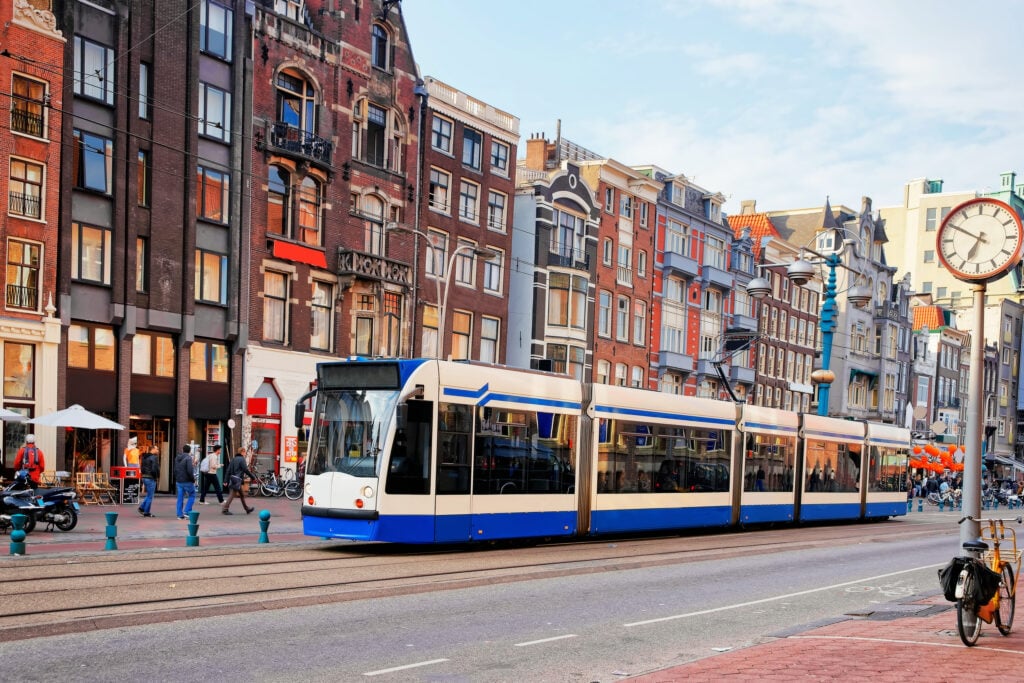
Just a 10-minute walk from the city’s main train station, De Wallen is easily accessible by foot or bike. You can also take the tram to one of the nearby stations — most are just a street away.
This part of the Red Light District in Amsterdam covers more than 17 alleys and streets and includes over 200 window brothels.
One of the most famous streets in De Wallen is the Oudezijds Achterburgwal. Image: Depositphotos
Prostitution takes place in the following streets: Barndesteeg, Bethlehemsteeg, Bloedstraat, Dollebegijnensteeg, Enge Kerksteeg, Goldbergersteeg, Gordijnensteeg, Molensteeg, Monnikenstraat, Oudekerksplein, Oudekennissteeg, Oudezijds Achterburgwal, Oudezijds Voorburgwal, Sint Annendwarsstraat, Sint Annenstraat, Stoofsteeg, and Trompettersteeg.
Want to know the best route to explore Amsterdam’s Red Light District? Keep reading!
🗺️ The best route through Amsterdam’s Red Light District
Of course, you can explore the Red Light District in any way you’d like, but the great thing about De Wallen is its central location, close to many of Amsterdam’s other famous attractions.
We suggest starting at Amsterdam Central Station and following a circular(ish) walkway that lets you see all the best spots and attractions around.
Amsterdam Red Light District walking route
Psst! Prefer a Google Map to explore Amsterdam’s Red Light District? Scroll down!
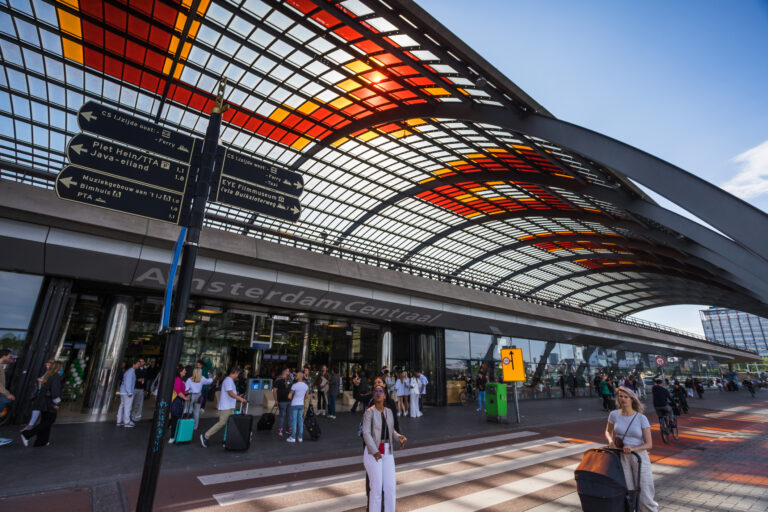
Start your walk at Amsterdam Centraal Station, the city’s main railway station, and head south on Damrak! This is a busy street lined with shops and restaurants.
At the end of Damrak, you’ll reach the famous Dam Square, a central square with historical significance and stunning architecture!
Continue walking on Damstraat until you reach Madame Tussaud’s. Turn left, and after a few minutes, you’ll enter the Red Light District.
Once arrived in De Wallen, follow the Oudezijds Voorburgwal, one of the main streets in the district. Here, you’ll find a mix of shops, cafes, historic buildings and, of course, the occasional red light window.
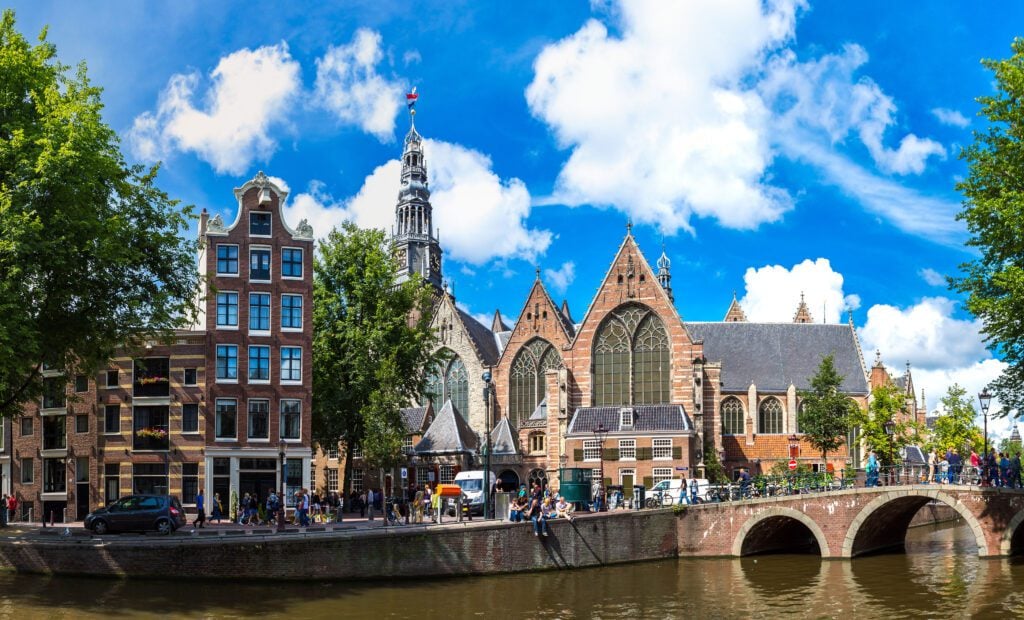
Explore the Red Light District’s many alleyways and streets. You’ll find something different at every corner, from a glorious old church (the Oude Kerk) to coffee shops, and the infamous brothels!
In the Red Light District, we recommend you check out Warmoesstraat. This street offers a range of restaurants, cafes, and shops.
You can also explore the nearby Chinatown, located around Zeedijk, by taking a short detour. From here, you can head back to Amsterdam Centraal Station.
🕜 The best time to visit Amsterdam’s Red Light District
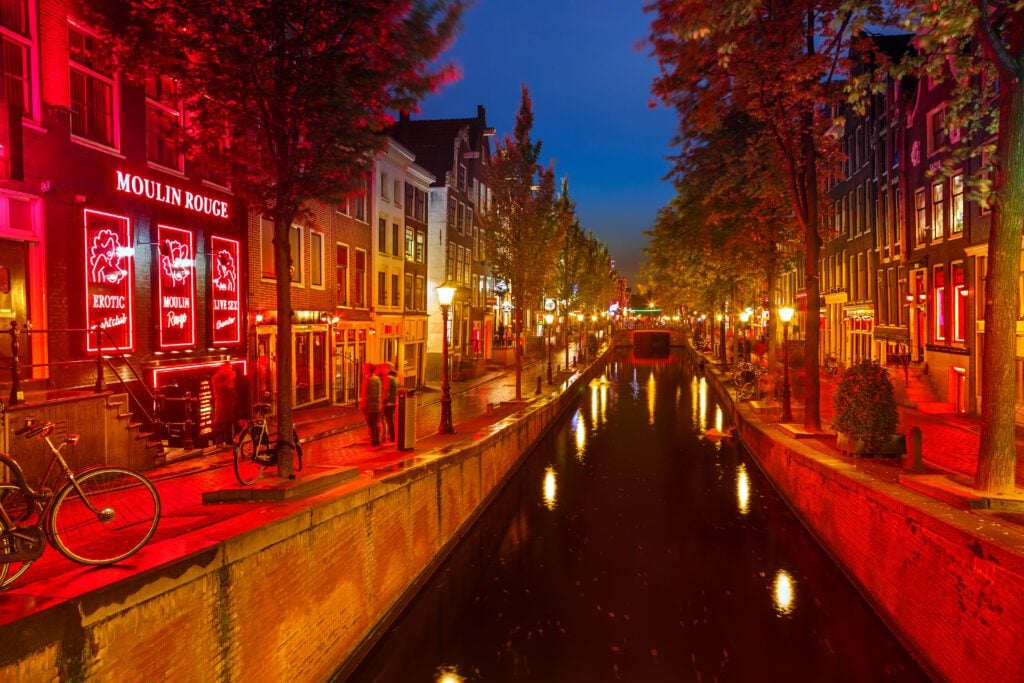
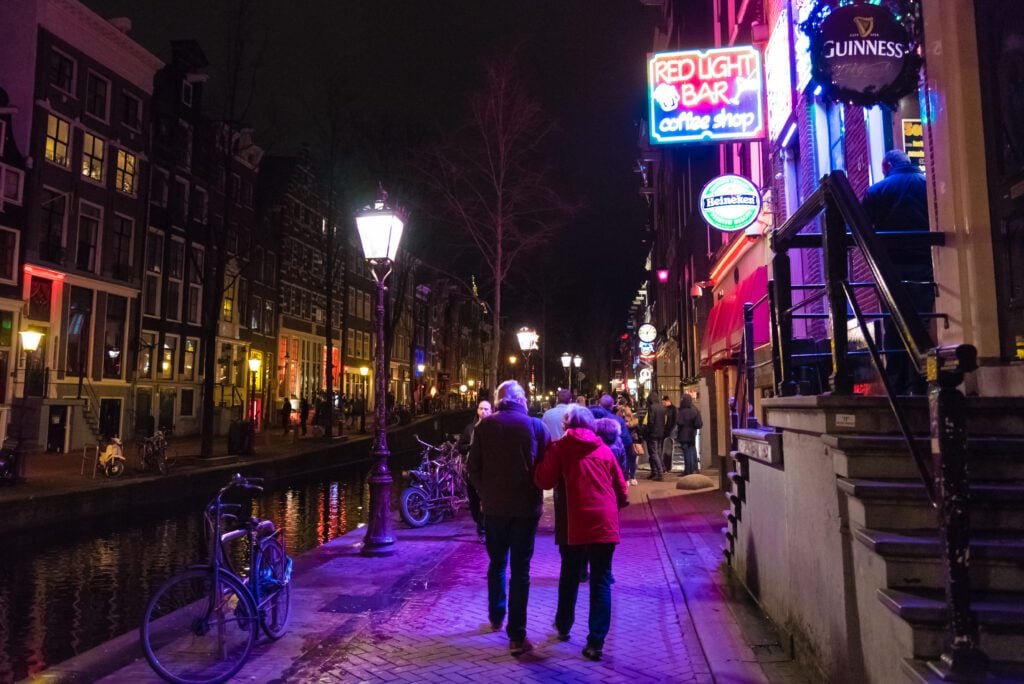
The best time to walk around the Red Light District in Amsterdam is in the evening. As you can imagine, the red lights come on once the sun goes down. 🌅
After dark, you’ll see the Red Light Districts in a whole new… light. 🤫 Image: Depositphotos
However, Amsterdam’s Red Light District can be visited at any time of year, and at (pretty much) any time of day.
The window brothels are only closed for two hours a day, between 6 AM and 8 AM. Most bars and clubs in the area close at 3 AM or 4 AM on weekends.
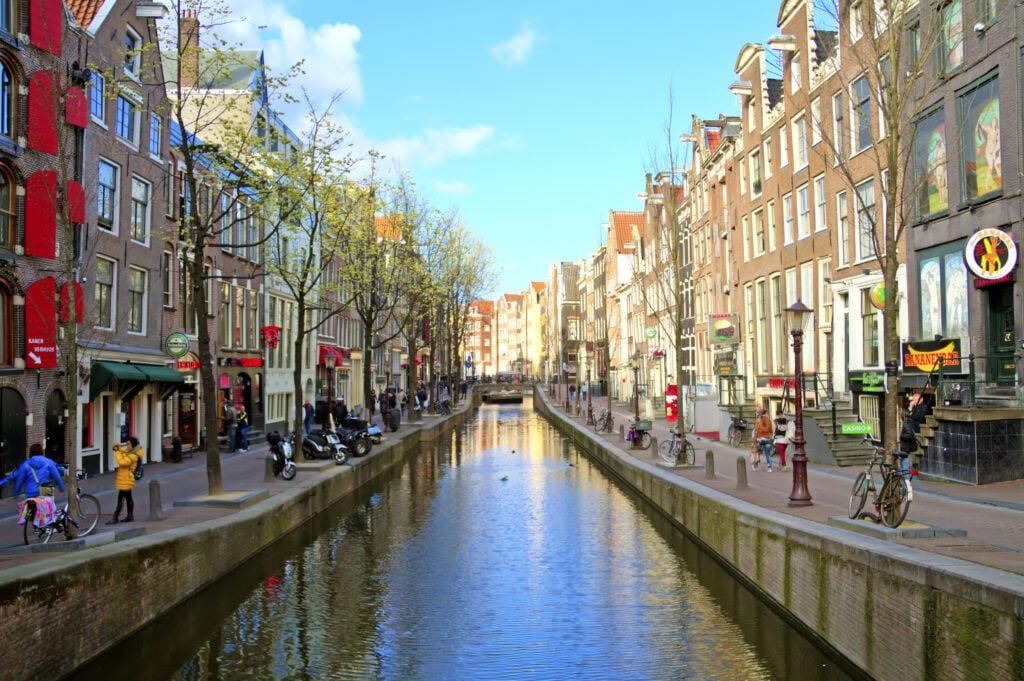
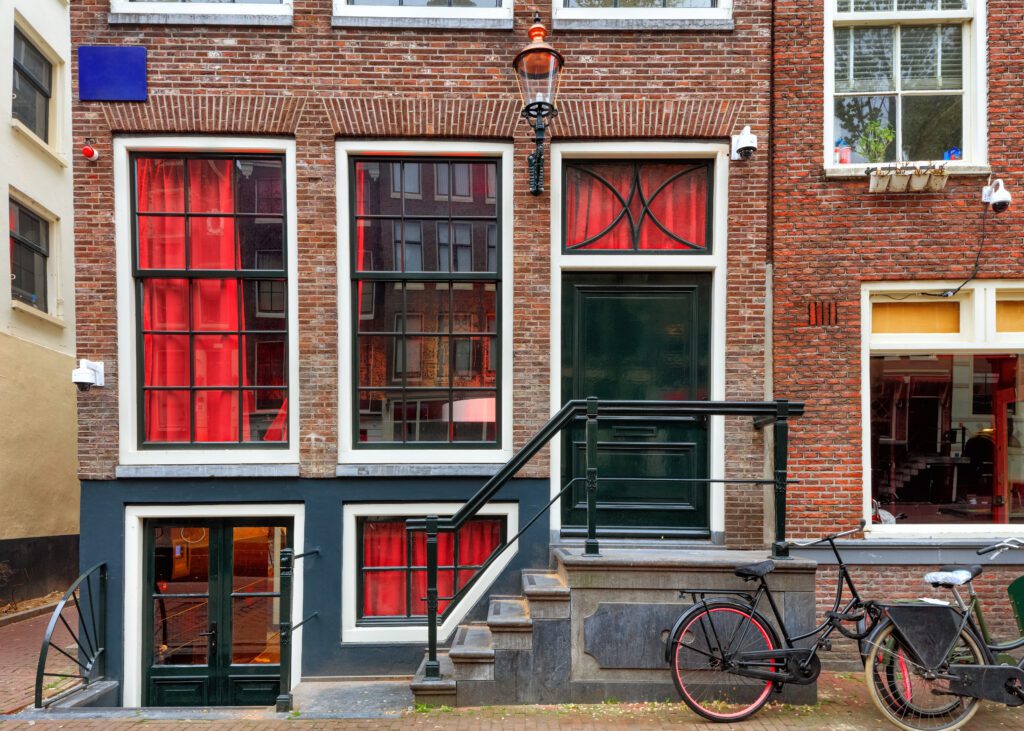
Since most of the windows tend to be empty during the day, De Wallenlooks just like any other Dutch street. So, you may find yourself walking through it without even noticing.
De Wallen tends to be quite calm from around 7 PM until 9 PM, especially from Sunday through Thursday. This is a great time for a walking tour if you’re trying to avoid the crowds.
During the day, De Wallen looks like your typical little Dutch street. Image: Depositphotos
Since De Wallen is right in the city centre of A’dam, and home to many bars, clubs, and coffeeshops, it tends to get crowded on weekends after 9 PM — so visit at your own discretion! 🗣️
How long to spend visiting the Red Light District
How long you spend visiting the Red Light District Amsterdam depends on what your plans are when you get there (if you know what we mean 👀).
If you’re happy to stroll through the area while taking in Amsterdam’s vibe, pretty canals, and also sneak a quick peek at a window, then you can see the best of the Red Light District in just 20 to 30 minutes.
If you’re looking to get down to business and want to go see a live peep show, visit a sex worker, or even just hang out at a bar while you’re there, then you may want to spare around two hours.
📘 What to know before visiting Amsterdam’s Red Light District
You know where the Red Light District in Amsterdam is, the route you’ll be taking, and you’ve put the right amount of aside time to visit — fantastic! 💪
But there are some things you may still be wondering about when it comes to this unique place. So get out that notepad, and let’s get your questions answered!
Is prostitution legal in Amsterdam?
The short answer to this question is: Ja, prostitution is indeed permitted here. Though controversial, it has been legal in the Netherlands since 1881.
The Dutch government emphasises that legal prostitution refers only to sexual acts between two consenting adults. Nonetheless, they acknowledge that “abuses like forced prostitution, underage prostitution and unsafe working conditions still occur.”
How to behave in De Wallen
Rule number one: just be a decent human being! Image: Depositphotos
When you go to the Red Light District in Amsterdam, the most important thing is to be respectful — of both the neighbourhood’s residents (yes, people live here), and of the workers.
This should be common sense, but we’ll reiterate it just to be sure: don’t litter, don’t drink in public, don’t cause a nuisance, don’t take photos of the girls, and don’t be a creep. Easy as that. 🤷♀️
Note: While prostitution has been legal in the Netherlands since the 19th century, public drinking and smoking weed is prohibited in the Red Light District and can land you a hefty fine!
Should you look at the girls?
As we said before: the general rule for visiting the Red Light District in Amsterdam is the following: don’t be a creep. Please, mensen (people).
Of course, this also (and especially) counts when looking at the girls in the windows. We get it; you’ve never seen anything like this before and are curious, so you want to see what it’s all about by glancing around. That’s okay.
What’s not okay, however, is creepily staring at the workers in their window for an extended period of time with no intention of going in.
Remember, they’re trying to do their job. Stopping at a window and staring is not just rude, and uncomfortable for the workers, but could also scare away potential customers.
✅ Dos and don’ts in the Red Light District Amsterdam
Speaking of things you shouldn’t do in De Wallen, let’s look at the proper etiquette when visiting the Amsterdam Red Light District. What are the dos and don’ts?
Here’s our handy-dandy list of tips on what to be mindful of.
DO ✅
Be open-minded
Bring cash (many banks don’t operate in the Red Light Districts)
Carry your ID
Watch out for pickpockets
DON’T ❌
Take pictures of the workers
Be disrespectful
Talk to street dealers
Drink alcohol in public
Smoke weed on the street
🚶♀️ How to get to the Red Light District in Amsterdam
Getting around in Amsterdam is easy as taart (pie), and the Red Light District can be reached easily from any side of the city.
There’s no formal entry to De Wallen, or screens that block you from seeing it or going in. Instead, Amsterdam’s Red Light District pretty much looks like any other Dutch street — except at night, when everything lights up in red. 👠
Amsterdam is a very walkable city, so if you’re staying in the city centre, chances are high that De Wallen may be easily accessible by foot. If you’re coming from the central station, simply follow the Oudezijds Voorburgwal, and you’ll be there in no time.
If you want to get around like a true Dutchie, you can also access the Red Light District Amsterdam by fiets (bike). Be warned, though, cycling in the busy centre of Amsterdam requires some serious skill! 🚲
All aboard! Image: Freepik
Lastly, Amsterdam has a great public transport system, which can also comfortably lead you to the infamous Red Light District. The best way to get there is by tram.
Depending on where you come from, the closest tram stop will likely be either Rokin, Paleisstraat, Dam, or Nieuwezijds Kolk.
The easiest way to find your route to De Wallen is by using the power of technology, of course. So, when in doubt, simply look it up on Google Maps. 🤳
⛪️ What to see in the Red Light District Amsterdam
You’ve made it to De Wallen, welkom! But what is there to see or do?
Well… a lot!
Your options rank from your average tourist attractions to the more risqué options, such as peep shows or hiring a sex worker.
Look around, or visit a sex worker
The most obvious thing to do in the Red Light District is take a little walk — but not the kind you’re used to! 🤫
Here, as you take a stroll along the Oudezijds Voorburgwal, you have the chance to admire the ladies behind the windows. If you’re up for it, you may even want to visit one of the workers.
Visit a museum
If you want to learn more about the history of sex and prostitution in the Netherlands, the Amsterdam Red Light District has two great museums for you.
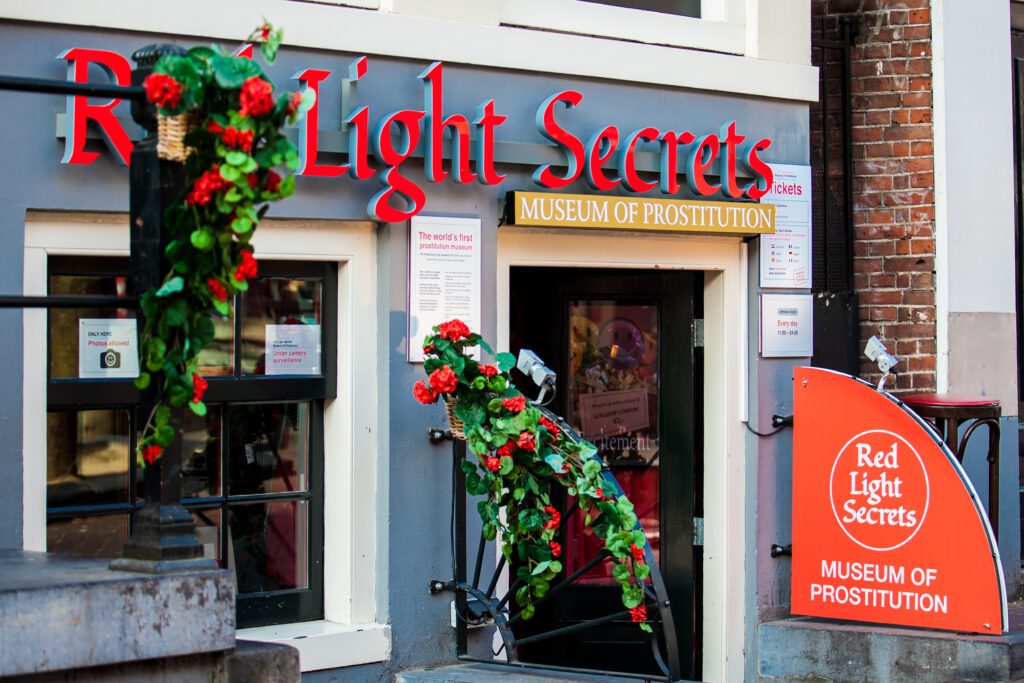
You could visit the Museum of Prostitution, for example, or the world’s biggest sex museum!
Visit a peep show
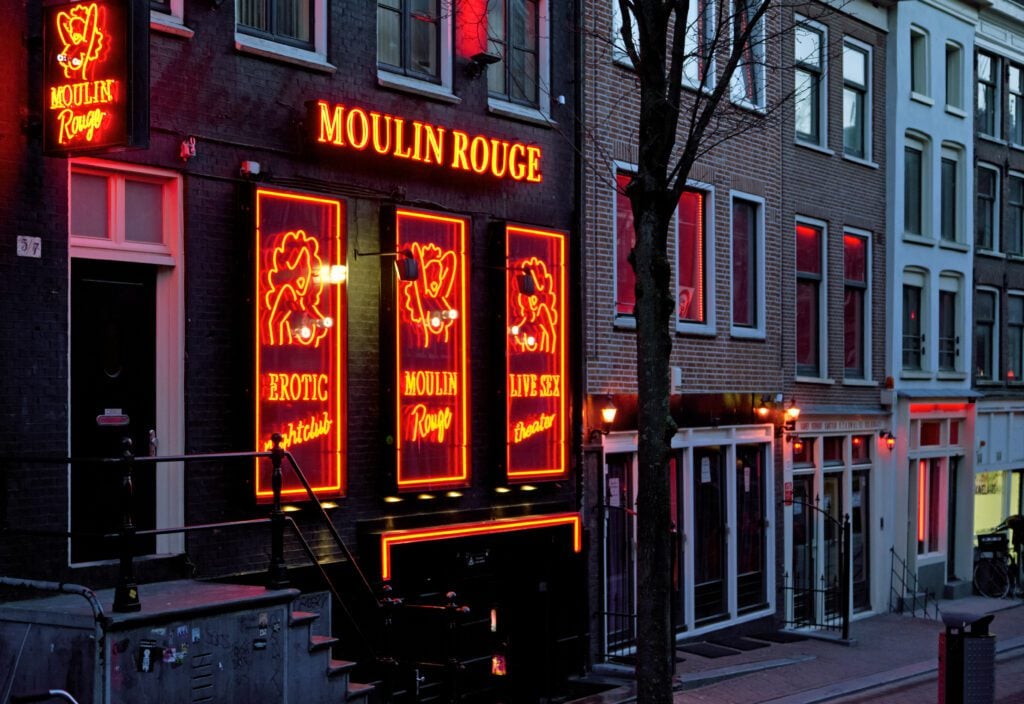
The Moulin Rouge is one of Amsterdam’s most famous sex theatres. Image: Depositphotos
If you’re feeling adventurous, check out one of the many peep shows in the area. A peep show is a live sex show — so essentially, you’ll watch people, well, do the deed.
This is not for the faint of heart (or the conservative), but they offer a unique and thrilling experience you won’t forget anytime soon. 👀
You can check out Casa Rosso, for example, where peep show prices start at a mere €2!
It’s a great way to get some fresh air and see the city in a new light (still in red, though!).
💰 Costs when visiting Amsterdam’s Red Light District
Listen, we won’t lie to y’all: Amsterdam is pricey, and the Red Light District sure as heck is no exception.
Visiting the Red Light District itself is free — it’s a great cheap tourist activity to do. Simply walk through its many streets, admire the workers, and maybe grab a drink (or a joint, if you’re up for it).
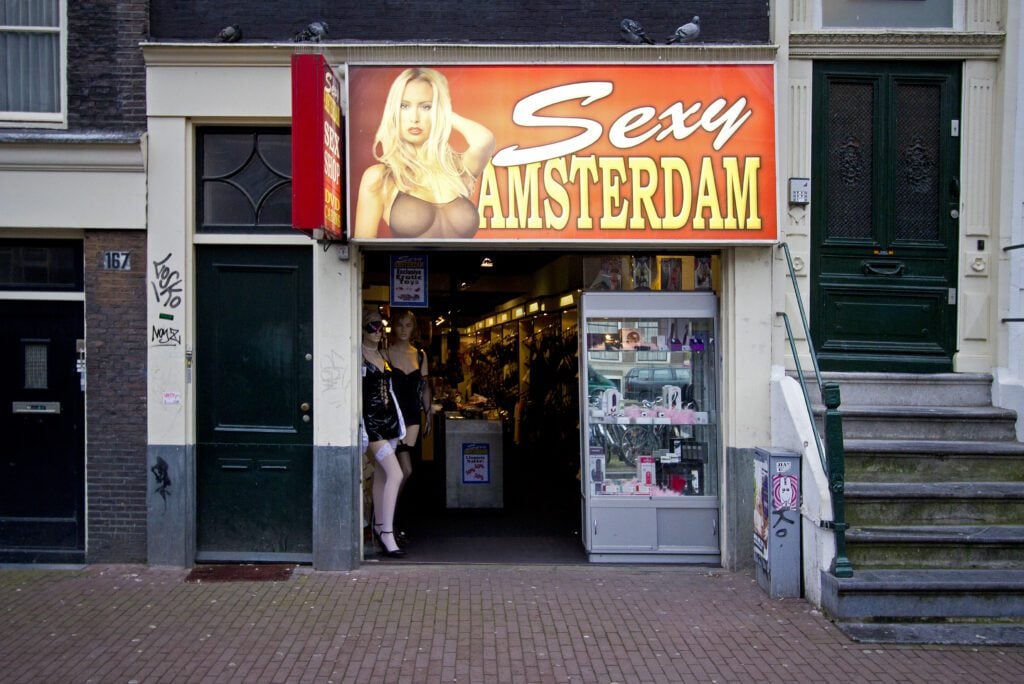
Got some money to spare? Why not bring home a little souvenir? 😉 Image: Depositphotos
When it comes to visiting a prostitute in the Amsterdam Red Light District, you can expect to pay anywhere between €50 and €100 for a visit of roughly 15-30 minutes. This, of course, also depends on the type of… service you request.
You should also know that while you can haggle at the door, offering anything less than €50 is considered rude.
Note: It’s generally advised to carry cash if you are planning on visiting a sex worker in the Red Light District. The reason for this is that many banks and transaction companies do not want to be active in the sex industries.
Other incidental costs will, again, depend on what you’re after in the Red Light District Amsterdam.
A drink (a biertje, for example) will cost you around €4, while cocktails may be up to €12. For a full dinner (meal and drinks), you can expect to pay around €25 per person.
⏳ History of Amsterdam’s Red Light District
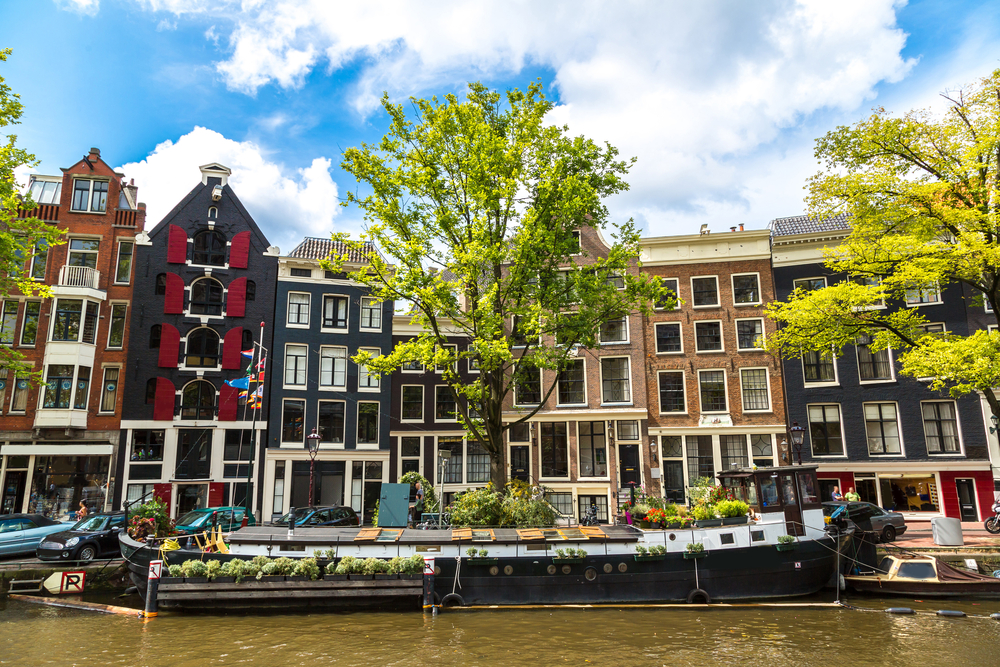
The Red Light District Amsterdam has played a significant role in the cityscape of the Dutch capital since the Middle Ages. Built around 1385, it’s the oldest district of the city — and one of the most famous districts of the world.
The neighborhood’s architecture bears witness to its long history. Just look at the stunning Oude Kerk (Old Church)! Image: Depositphotos
In the 14th century, before TikTok tourists roamed the streets, traders and sailors were the main demographic in De Wallen. They would visit the city to do business and, when bored of the bureaucracy and their long voyages, they’d be down to have a little fun. 🤪
Over time, the Red Light District grew to be associated with prostitution, sex work, and other simple pleasures, such as drugs and drinking. The neighbourhood’s tiny alleys and alleyways were dotted with brothels, sex shops, and bars for Amsterdam’s visitors.
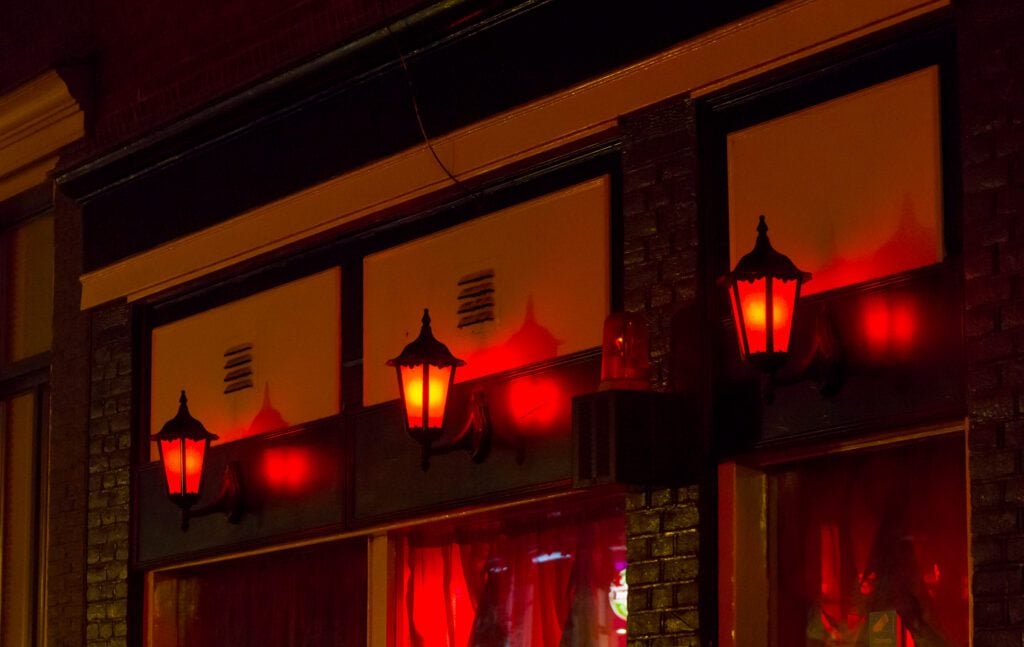
The red lights hanging outside the brothels’ windows are to blame for the district’s nickname.
According to legend, this custom originated in the 17th century, when lanterns were used to inform sailors that they had arrived at the correct port of call.
However, another theory is that, back in the days before protection, the red lights could hide sores caused by syphilis. 😬
🔮 Future of Amsterdam’s Red Light District
Though historic and undoubtedly one of Amsterdam’s main tourist attractions, the Red Light District may soon become subject to some BIG change. In fact, it may disappear completely from the city centre, and De Wallen as we all know and love it, will be no more.
Yup, as strange as it sounds to relocate a whole city district (and a huge part of Amsterdam’s history), in 2020, Femke Halsema, the Mayor of Amsterdam, proposed an “erotic department store” as an alternative to the Red Light District Amsterdam.
An architect has already designed a snazzy multi-storey building, hosting 100 rooms for sex workers, as well as bars, restaurants, entertainment spaces and a health centre.
The city has said that the preferred new location for this new erotic centre would be Europaboulevard in the south of the city, however, nothing new has been announced in 2024.
Why does move the red light district? Years of worsening nuisances, criminal activity, unmanageable crowds, and a Mayor that is dedicated to “improving the quality of inner-city life.”
Although not everyone is loving the idea, the municipality of Amsterdam continues to work on its plans.
😮 Fun facts about Amsterdam’s Red Light District
Want to impress your friends with fun facts about the Amsterdam Red Light District? Look no further!
Amsterdam’s narrowest alleyway is in the Red Light District
Although Amsterdam is far from narrow-minded, it hosts a whole bunch of other narrow things. Think houses, stairs, bridges, and also teeny tiny alleyways.
As if the streets of the Amsterdam Red Light District weren’t unique enough, the district is also home to the very narrowest of the city’s alleys: the Trompettersteeg. Despite its width of only 100 centimetres, it’s one of Amsterdam’s busiest streets, thanks to its location.
The Blue Light District
What? Blue lights? In the Red Light District? Jazeker.
Within the Amsterdam Red Light District, there is a special area where the windows are lit up in blue. This area mainly spreads over two streets: the Bloedstraat and the Gordijnensteeg.
What does it mean? A blue light indicates that the woman behind the window is transgender. Many of them have male genitalia, and use the blue light to indicate to customers they are different from the biologically-female sex workers.
Window workers rent their windows per night
Another thing that many people don’t know is that windows actually get rented out by sex workers per night. Rent is paid at the beginning of each shift, and usually ranges between €85 and €115 per night.
Oftentimes, the windows stay empty during the day. Image: Depositphotos
On a bad night, this can mean that a worker may pay more for the rent than they make, but this is a rare occasion.
Thanks to the popularity of the Red Light District Amsterdam, most sex workers make between €200 and €600 on an average evening, with up to €1000 on a good night.
👩🏫 How to find out more about De Wallen
If De Wallen’s turbulent history and these fun facts have left you wanting more, you’re in luck! There are various ways to learn more about the area and its history — and all the saucy business that happens in it.
The Sex Museum
How about a trip to the world’s FIRST Sex Museum? If any city would host such a museum, of course, it has to be Amsterdam. And it’s right in the heart of the Red Light District!
Get ready for sexy displays, ranging from ancient aphrodisiacs to mind-boggling sex toys, and take photos with a huge penis chair — because that’s exactly the kind of content your parents will want to see.
In true liberal Amsterdam fashion, the museum opened all the way back in 1985. Today, it’s one of the Netherlands’ most visited museums, with over 675,000 visitors in 2015.
Virtually awaiting you at the Museum of Prostitution is Inga from Russia — Amsterdam’s most famous lady of the night. She has been working in the Amsterdam Red Light District for over 15 years, and will tell you all you need to know about the world’s oldest profession.
In the form of a guided audio tour, Inga guides you through the museum, and gives you all the ins and outs (pun intended!) of the industry. Equal parts cheeky and educational, the museum sheds light on topics like sex workers’ rights, their challenges, and their ongoing fight for empowerment and respect.
The building, which used to be a famous Amsterdam brothel, is still in its original state, and lets you walk through real prostitution rooms. Still curious? Take a seat behind one of the district’s famous windows and feel the pedestrians look at you.
Walking tours
Another great way to explore the Amsterdam Red Light District is by a self-guided tour.
While the city of Amsterdam banned guided tours of over four people from the Red Light District area in 2012, there are other options.
Some self-guided tour routes are available online, and alternatively, you are able to participate in a guided tour, as long as you’re in a small enough group — like in this Red Light District guided tour.
🍔 Best restaurants in and near the Red Light District, Amsterdam
Time for a well-deserved break. Bitterballen, anyone? Image: Depositphotos
Did sightseeing get you hungry? Understandable. Lucky for all of us, the Red Light District offers more than just a feast for the eyes (we’re talking about the architecture, of course)!
Whether you’re on the hunt for some typical Dutch dishes, or would rather explore some budget-friendly Thai meals — you’ve got plenty of choice.
Mata Hari: Mediterranean cuisine in the heart of Amsterdam
Mata Hari, named after a famous Dutch spy, is located right in the heart of the Amsterdam Red Light District.
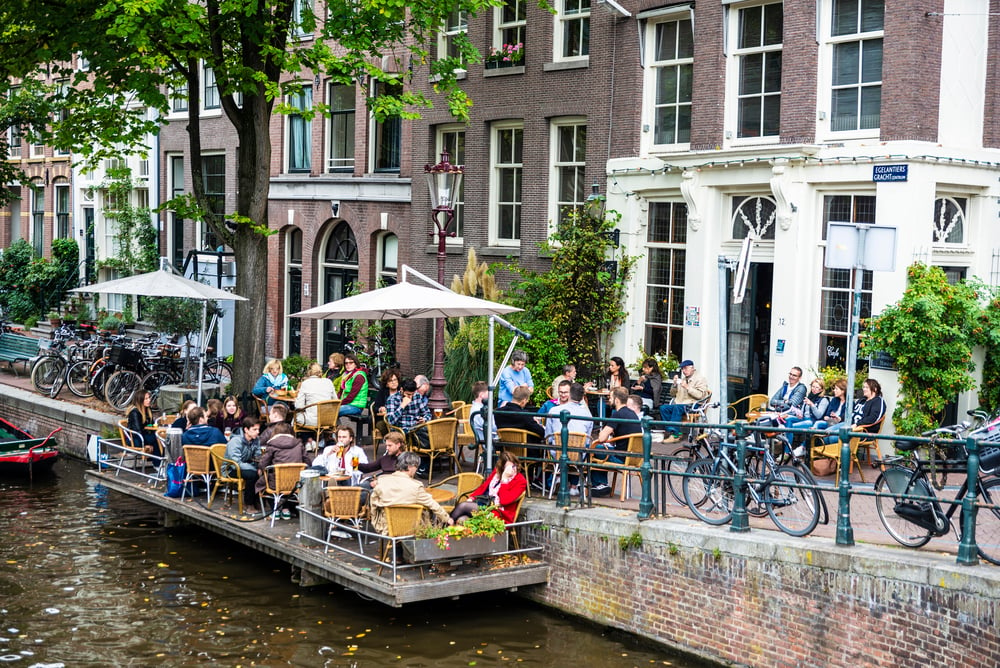
This restaurant offers a mix of Mediterranean and Middle Eastern cuisine in a cosy atmosphere and overlooks one of Amsterdam’s canals. Oh, and it’s heel lekker (very tasty)!
If you’re looking for a restaurant in a unique location, De Waag is for you! Housed in a city gate that dates back to 1488, this place serves food all day — ranging from small bites and sandwiches to elaborate seafood dishes.
Time for a drink! We’re sure you won’t be surprised that the Red Light District Amsterdam is home to many lively bars and cafés.
It gets pretty crowded here on weekends, so if you want a guaranteed table, make sure to show up early, or (where possible) reserve a table.
Red Light Bar: a Red Light District staple
You can’t go to the Red Light District and not check out the Red Light Bar! With its well-stocked selection of spirits, beers, and creative cocktails, the Red Light Bar truly caters to everyone’s taste.
With a rotation of performing DJs, pool tables, and numerous screens to stream sports events, no boring night has ever taken place at the Red Light Bar (except maybe during the pandemic).
Looking for a bar that’s iconic in every sense of the word? Head to Café ‘t Mandje (it even has its own Wikipedia page!).
A testament to Amsterdam’s progressive and liberal spirit, Café ‘t Mandje was the city’s very first gay bar. It opened in 1927, and still today is one of Amsterdam’s best gay bars. Its quirky interior, along with its impressive selection of drinks, is guaranteed to give you a great time.
At Café Hill Street Blues, you’ll find all of the above and more (think walls covered in stickers and graffiti, for example!). Oh, and if you feel like smoking some weed, that’s allowed here too!
Whether you want to sit inside or on the terrace, unwind or bop along to some DJ tunes, have a velvety cappuccino or a strong Jenever (Dutch gin) — this is the place for you.
🏨 Where to stay near Amsterdam’s Red Light District
If you prioritise good sleep, it may be worth looking for a hotel off of the main streets of De Wallen. Image: Depositphotos
Hotels, hostels, your one-night stand’s place? Decisions, decisions: there are plenty of places you could stay during your trip to Amsterdam.
One of the great things about Amsterdam is its easy accessibility. Metros, trams, and great (flat!) walking routes connect the whole city. No matter where in Amsterdam you’re staying, it won’t take you long to get into the Red Light District.
That being said, let’s talk about staying near the Amsterdam Red Light District — no matter how wild you are, you should probably have a planned roof over your head (just as a suggestion 👀).
Keep in mind that prices for hostels and hotels greatly vary between seasons and depending on how far in advance you book.
Hostels near the Red Light District Amsterdam
We won’t lie to y’all: visiting Amsterdam is expensive. If you’re balling on a budget, or prefer to spend your hard-earned cash on food and (spicy) experiences, rather than a place to stay, then hostels are your best bet.
Here are some of the most highly-rated hostels near the Red Light Districts:
The Bulldog Hotel
Hostel Warmoes
St Christopher’s at The Winston
Durty Nellys Inn
Hostel the Globe
Hotels near the Red Light District Amsterdam
Prefer a little more privacy and luxury? Then you may want to go for a hotel. Amsterdam has plenty of great ones, ranging in price, star rating, and services.
Some of the top-rated hotels near De Wallen are the following:
⭐️: Hotel Corner House
⭐️⭐️: Hotel Clemens
⭐️⭐️⭐️: A-Train Hotel
⭐️⭐️⭐️⭐️: Hotel Estheréa
⭐️⭐️⭐️⭐️⭐️: Anantara Grand Hotel Krasnapolsky Amsterdam
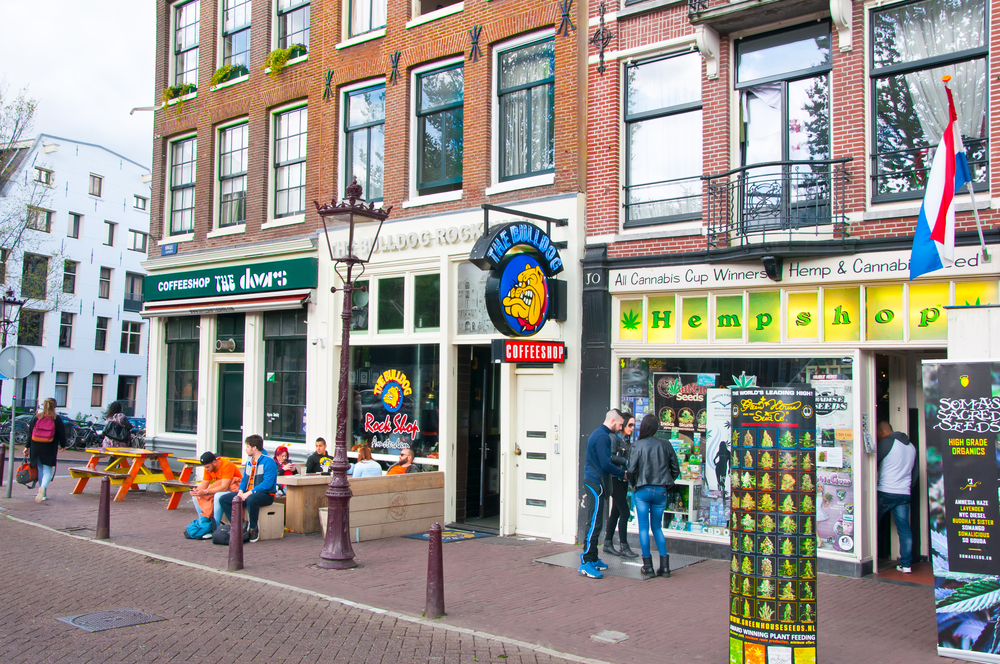
🚬 Closest coffeeshops to Amsterdam’s Red Light District
Don’t worry, there are more than enough coffeeshops for you to choose from. 💨 Image: Depositphotos
Whether you’re an experienced smoker or it’s your first time trying some herb in Amsterdam — we want you to visit only the very best coffeeshops near the Red Light District.
Coffeeshop Voyagers: for a fun ‘trip’
If you take a voyage (sorry) to the very bottom of De Wallen, east of the Damrak. Here, you’ll find Coffeeshop Voyagers right near Amsterdam’s Central Station.
They have knowledgeable staff that is happy to help you out, as well as a great selection of weed, hash, and edibles! Prices are very reasonable, but the only downside is that there are only two seats in the whole place. Takeaway it is!
If you plan on going to Amsterdam’s famous De Waag restaurant, you’ll find Jolly Joker right next to it — the perfect spot for a nice digestive joint, or an edible for dessert.
The Jolly Joker offers some top strains, and their staff can advise you on just the right thing to take to get you right where you want to be.
Coffeeshop Tweede Kamer: a piece of coffeeshop history
Tweede Kamer is not only one of the best coffeeshops in Amsterdam, but it is also housed in a beautiful venue in a historic building.
This coffeeshop represents the warm and welcoming smoker’s culture of Amsterdam, and with an extensive and high-quality menu, Tweede Kamer is a favourite among locals and tourists alike!
One thing is certain: Amsterdam’s De Wallen neighbourhood is one of the most unusual and fascinating places in the world.
Whether you’re visiting for cheeky reasons or out of sheer curiosity for the oldest profession in the world, you won’t regret your stroll through the Amsterdam Red Light District!
Have you ever been to the Red Light District in Amsterdam? Tell us about your experience in the comments!
🙋♀️ Amsterdam’s Red Light District: frequently asked questions
How much does it cost in Amsterdam Red Light District?
Of course, all the costs you may run into in the Red Light are dependent on what you’re after.
When it comes to visiting a prostitute in the Amsterdam Red Light District, you can expect to pay anywhere between €50 and €100 for a visit of roughly 15-30 minutes.
A drink (a beer, for example) will cost you around €4, while cocktails may be up to €12. For a full dinner (meal and drinks), you can expect to pay around €25 per person.
What is legal in Amsterdam’s Red Light District?
Sex, drugs, alcohol: what’s legal and what’s not?
While the super-liberal Dutchies made prostitution legal in the 19th century, public drinking and smoking weed is actually prohibited in the streets of the Red Light District.
Besides that, some common-sense laws apply, like: no urinating in the street, no littering, and no harassment. Stay out of trouble, kids! 🫡
How much is a red-light girl in Amsterdam?
Every worker in the Red Light District sets throw own prices. A girl in the Red Light District Amsterdam generally asks somewhere between €50 and €100 for a visit of 20 to 30 minutes.
Of course, prices may vary depending on the service you request.
Where is the Blue Light District?
Amsterdam’s Blue Light District mainly spreads over two streets: the Bloedstraat and the Gordijnensteeg.
The blue light indicates that the woman behind the window is transgender. Many of them have male genitalia, and use the colour of their light to indicate they are not biologically-female sex workers.
Is Amsterdam Red Light District cash only?
Although credit and debit cards are king in most of the Netherlands, many banks and transaction companies do not want to be active in the sex industries.
Therefore, cash is the most used form of payment in the Red Light District in Amsterdam. If you want to visit a prostitute in Amsterdam, make sure to bring enough cash money (in euros).
Can couples visit the Red Light District in Amsterdam?
They sure can! The Red Light District is open to anyone, no matter their gender or relationship status.
While it may not be the most romantic date, a couple that would like to visit a sex worker together while in Amsterdam may do so in agreement with the worker. While not all will agree, some will be open to it — just ask around!
What are the three red light districts in Amsterdam?
Amsterdam’s Red Light District has three major neighbourhoods – De Wallen, the largest and oldest one near Oude Kerk; Singelgebied, part of the Singel canal that runs from IJ Bay to Muntplein Square; and Ruysdaelkade, a canal in De Pijp in Amsterdam-Zuid.
What is the best red light street in Amsterdam?
While prostitution happens across many streets in the Red Light District in Amsterdam, the Oudezijds Voorburgwal and the Oudezijds Achterburgwal are the district’s two main streets.
Here, you’ll be able to not just see the workers, and take in the unique liberal vibe of the Red Light District, but you’ll also find various great sex shops, coffee shops, and cafés!
If the thought of skyrocketing rent has you sweating bullets, there’s some excellent news shooting your way: a better cap on Dutch rental prices is officially here. 🥳🏡
Dubbed the Affordable Rent Act, this new governmental policy regulates rent for properties in the mid-range sector.
In other words, housing that costs an average of €1,157.95 per month is about to become protected from overly greedy landlords.
Finally, renting is set to become more affordable
“The explosively increased rents due to the enormous shortage of rental properties are no longer affordable for many people with a normal income,” Hugo de Jonge, Minister for Housing, stressed while speaking at the senate this week.
“This law will make a huge difference for many thousands of tenants.”
Thousands of tenants in the Netherlands are set to see their rental costs fall. Image: Depositphotos
And just how huge of a difference is De Jonge’s “huge difference”? 🤔
To understand this, you need to first understand the Dutch home valuation system.
The home valuation system
From July 1, 2024, landlords will be expected to abide by a maximum rent set by the home valuation system (WWS or woningwaarderingsstelsel).
This maximum rent is determined by a points system based on several factors: the home’s energy label, its size, the kitchen and bathroom facilities, whether or not there is a garden… etc.
Once summed up, the total number of points decides how much a property can be rented out for.
Mid-range rental properties generally score between 144 to 186 points and previously carried no maximum rent — which meant landlords could charge as much as they wanted.
For now, landlords who don’t base their rent on the home valuation system will benefit from a grace period of six months.
However, from January 1, 2025, landlords who deliberately obscure how many points a property has — or willingly overcharge on rent — will receive a fine from their municipality.
But what does this (actually) mean for me?
This means that tenants in the mid-range sector can appeal to the Huurcommissie (rent assessment committee) if they feel they are being overcharged.
Put simply, if you are renting a mid-range sector property, and you think your landlord is charging you too much for too little, they will be required to lower your rent.
If your weekend plans involve travelling in or out of our beloved capital, you may want to revise them. It seems that the construction gods will doom you to a difficult commute. 😬
Not only will Amsterdam Centraal have absolutely zero train traffic on June 29 — for the first time in history — but major roadworks will also shut down a portion of the A10 and A4 for the weekend, Het Parool reports.
First, the train situation
While the entirety of Amsterdam Centraal will be out of order on June 29, you can expect further delays and timetable changes on Sunday.
Such as:
On June 30: no trains between Amsterdam Muiderpoort and Weesp
June 30 and July 1: very limited trains will run between Amsterdam Centraal and Sloterdijk, mainly affecting travellers on the Amsterdam Centraal to Schiphol/Zaandam route
From June 29 to July 1: international trains will run on an adjusted timetable and won’t stop at Amsterdam Centraal
The NS has said it will arrange bus alternatives where possible, but they also advise travellers to avoid the station.
In other words, you should probably rule out getting to or from Amsterdam by train this weekend.
A little train trouble isn’t an issue when you’ve got your driver’s licence — or some really good friends willing to be your chauffeur — right?
Well… let’s talk about the A10 and A4.
For the next eight weekends, the outer side of the A10 ring road (the A10 South) will be closed, along with the A4 (specifically, the De Nieuwe Meer interchange towards Rotterdam).
What this means is that you and your chauffeur can expect to be stuck in traffic — lots of it.
Speaking with Het Parool, project manager Ferdinand Bockhoudt of Zuidasdok doesn’t sugarcoat it.
“A journey that you normally do in ten minutes can take twenty or thirty minutes because of the work. The inconvenience will be considerable at regular intervals.”
Perhaps it’s time to move your friend group’s shenanigans to Utrecht instead… 👀
Amsterdam-dwellers, it’s time to brag to your friends back home. Amsterdam has ranked as the 19th best city to live in in 2024.
The report by the Economist Intelligence Unit measured cities’ urban quality of life based on stability, healthcare, culture and environment, education, and infrastructure.
However, don’t get too cocky. While the Dutch capital snagged 19th place among 173 competing cities, this is actually quite a downgrade.



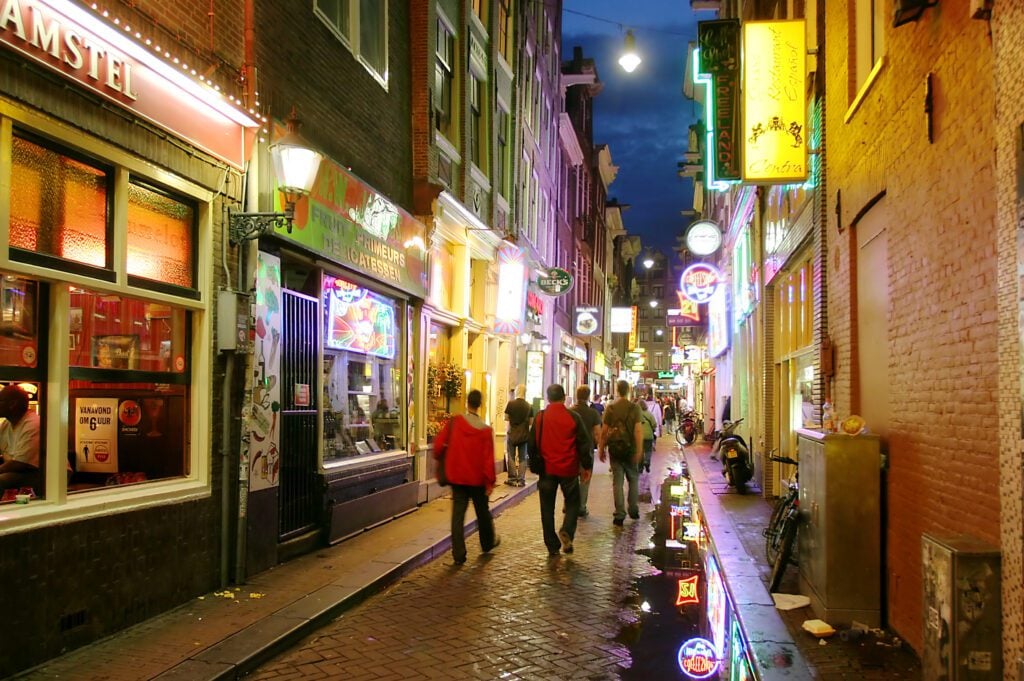
![How to see the Red Light District in Amsterdam [2026 Guide]](https://dutchreview.com/wp-content/uploads/how-to-see-the-red-light-district-amsterdam-empty-street-768x512.jpg "How to see the Red Light District in Amsterdam [2026 Guide]")