Home Blog Page 239

14 hidden gems in Rotterdam you have to visit

You’ve devoured all the Rotterdam top 20 lists and think you have seen everything the city has to offer? Well, no, no, no, dear friend โ€” I’m pretty sure I can reveal some hidden gems of this amazing city that you haven’t seen before.

Having lived in the port city my whole life, I can safely say that I have found some top spots that many other people won’t know about. And it’s your lucky day โ€” because I’m not a gatekeeper! ๐Ÿคซ

This list of 16 hidden gems in Rotterdam will take you across all corners of the city, and the best part? Most of the locations on the list are free!

This post might have affiliate links that help us write the articles you love, at no extra cost to you. Read our statement.


1. Cafรฉ De Riddert: the smallest bar in Rotterdam

Do you remember that time you were so drunk you fell over? Well, probably not.

In any case, Cafรฉ de Riddert is so small this wouldn’t even be possible! This brown cafรฉ, just around the corner from Centraal Station, offers special beers, whiskeys, and live music.
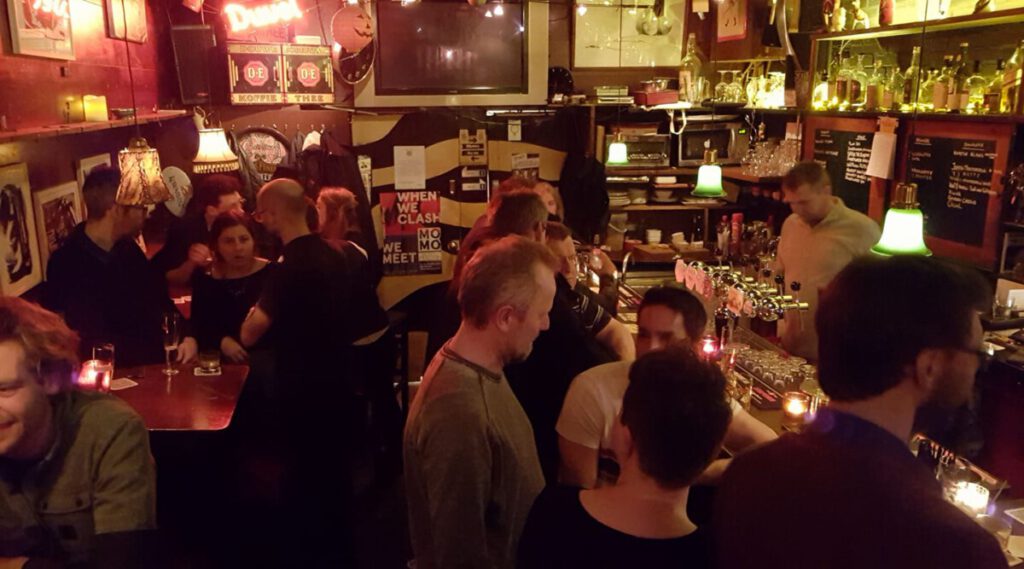
photo-of-Cafe-de-Riddert-bar-in-rotterdam
This bar takes ‘gezellig’ to a whole new level. Image: Cafe De Riddert/Supplied

The beer casks are stored underneath the floor, so it happens quite often that you have to step away from the bar to make room for the floor to open up โ€” it’s magical! For this bar, we can say three really do make a crowd.

๐Ÿ“ Where to find it: Mauritsweg 28, 3012 JS Rotterdam


2. Schoonoord gardens: for Rotterdam nature views

Rotterdam has three famous parks to the north side of the river: Vroesenpark, Kralingse Bos, and Het Park (a.k.a. the Euromast Park).

But did you know that next to Het Park, behind a little stream, some trees, and a fence, there is a little park called Schoonoord? Walk past its gates, and you’ll find yourself in a big garden dating back to 1706!
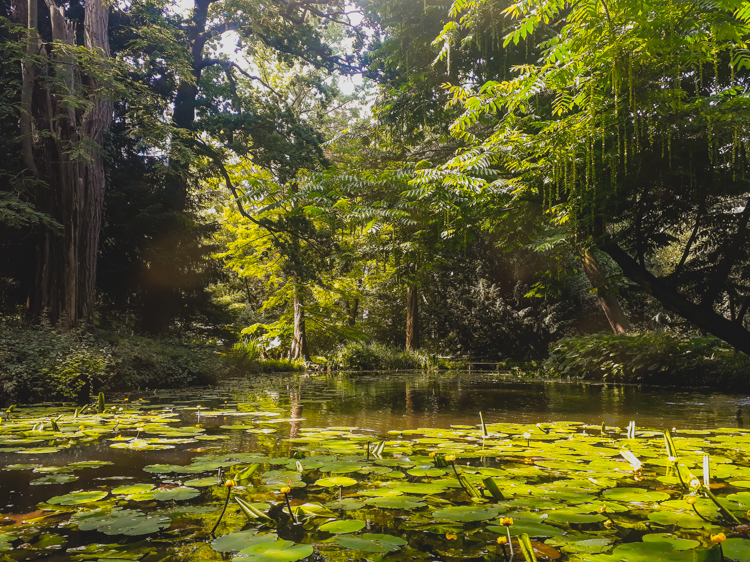
Photo-of-Schoonoord-pond-in-rotterdam
This is something straight out of Lord of The Rings. Image: Yoreh Schipper/Supplied

This place used to be someone’s backyard, but now it’s open and free to visit for everyone. The park has a beautiful pond, a botanical garden, birds, and trees over 250 years old!

READ MORE | A guide to 11 beautiful national parks in the Netherlands

This is the perfect place to take your date and have a glass of wine. Just make sure it’s a day-drinking date because the park closes at 4:30 PM. ๐Ÿ˜‰

๐Ÿ“ Where to find it: Kievitslaan 8, 3016 CG Rotterdam


3. Eiland van Brienenoord: escape to the highlands

Close to the Feyenoord football stadium, an exit leads to a tiny bridge. This bridge will take you to Brienenoord Island. An island with forest, open waters, and Scottish Highlanders.
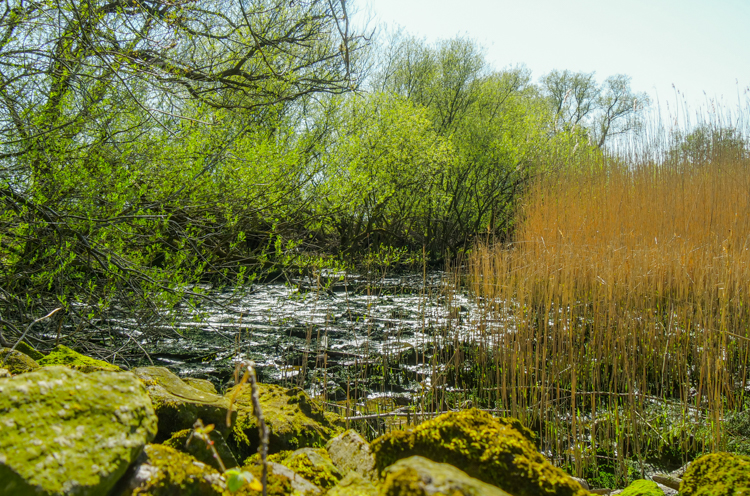
Shrubbery-in-Brienenoord-island-near-Rotterdam
So beautiful! Image: Yoreh Schipper/Supplied

Halfway through the island, you’ll find little cottages with gardens full of veggies and plants. Walking underneath the Brienenoord bridge is quite impressive and a huge contrast with the rest of the island, full of nature.

Because of the bridge and the noise of the cars, it may not be the perfect place for some quiet nature, but you do get some nice skyline views.

๐Ÿ“ Where to find it: Van Brienenoord 5, 3077 AE Rotterdam


4. Restaurant Gare Du Nord: a vegan restaurant in a train wagon

This is one of those hidden places that you’ll only find if you are vegan or have watched too many Thomas the Tank Engine episodes.

READ MORE | 15 delicious vegan restaurants in Amsterdam

You’ll find Gare Du Nord just behind the old Hofplein train station. Even though this place might sound fancy, it’s not expensive.

Just make sure you make a reservation if you are going for dinner. If you feel like a rebel and want to eat a sandwich on a train, this is for you.

๐Ÿ“ Where to find it: Anthoniestraat 2, 3032 CP Rotterdam


5. Luchtpark Hofbogen: a park on old train tracks

The old Hofplein train station is a great place to enjoy some city views. This station is built on top of the old train tracks, where you will find a little garden growing herbs, fruits, veggies, and other plants. In summer, you might even stumble upon an event or two.

If you have always wanted to walk over train tracks, this is your chance! Rotterdam plans to convert the old Hofplein train tracks into a 1.2 km-long park, just like they did in New York. The concept has been given the green light, and construction is planned to begin in 2025.

This station is connected to the famous yellow pedestrian bridge “de Luchtsingel”, which also connects to the Biergarten.

๐Ÿ“ Where to find it: Luchtsingel, Rotterdam


6. Biergarten: for late night pints

Biergarten might be the least hidden spot on this list, and if you have lived in Rotterdam for more than 10 seconds, you will probably already know this place.

READ MORE | 14 best clubs in Amsterdam according to locals [2024 guide]

Normally, this is the first location I take my international friends to, as it’s close to Centraal Station and, in summer, is a great place to grab a drink and have some food.
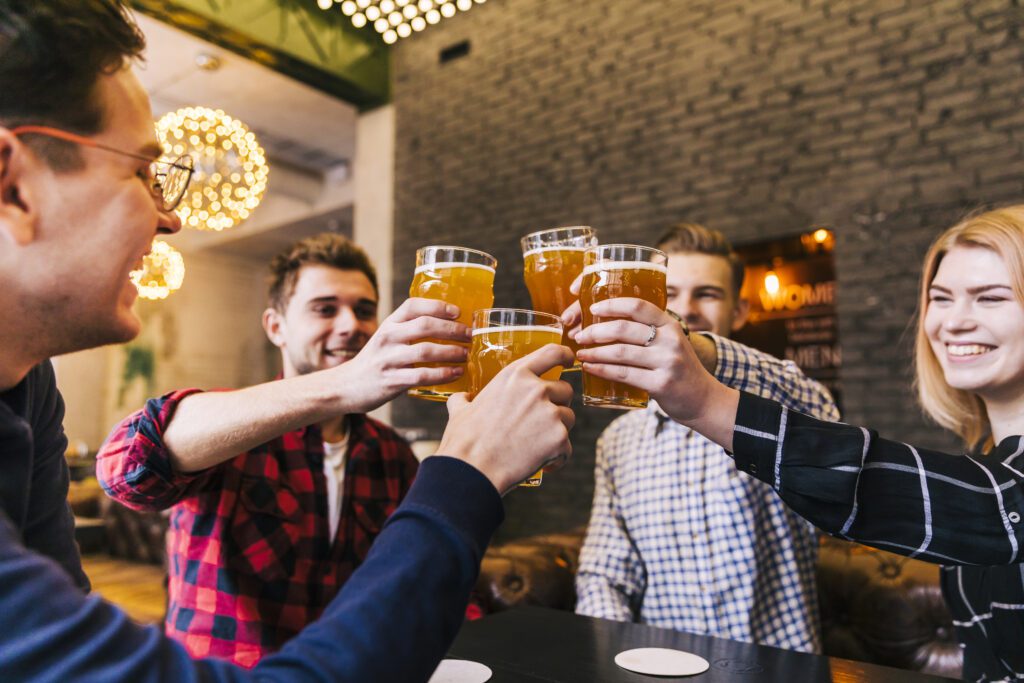
group-of-friends-drinking-beer-in-the-netherlands-at-a-bar
Every seasoned resident and traveller in Rotterdam knows about the famous Biergarten. Image: Freepik

Clubs like Annabel, which surround the garden, are closed during the day, but in the evening, everyone is mingling.

๐Ÿ“ Where to find it: Schiestraat 18, 3013 BR Rotterdam


7. Noordereiland: full of history and great views

You don’t have to go to Zeeland or the north to find islands โ€” there is one in Rotterdam! Noordereiland is floating between the north and south of Rotterdam and is connected by De Willemsbrug and Koninginnebrug.

While the island is officially part of the city’s south side and neighbourhood of Feijenoord, people keep debating whether it is the “real” south. Noordereiland, therefore, remains stuck in the middle.
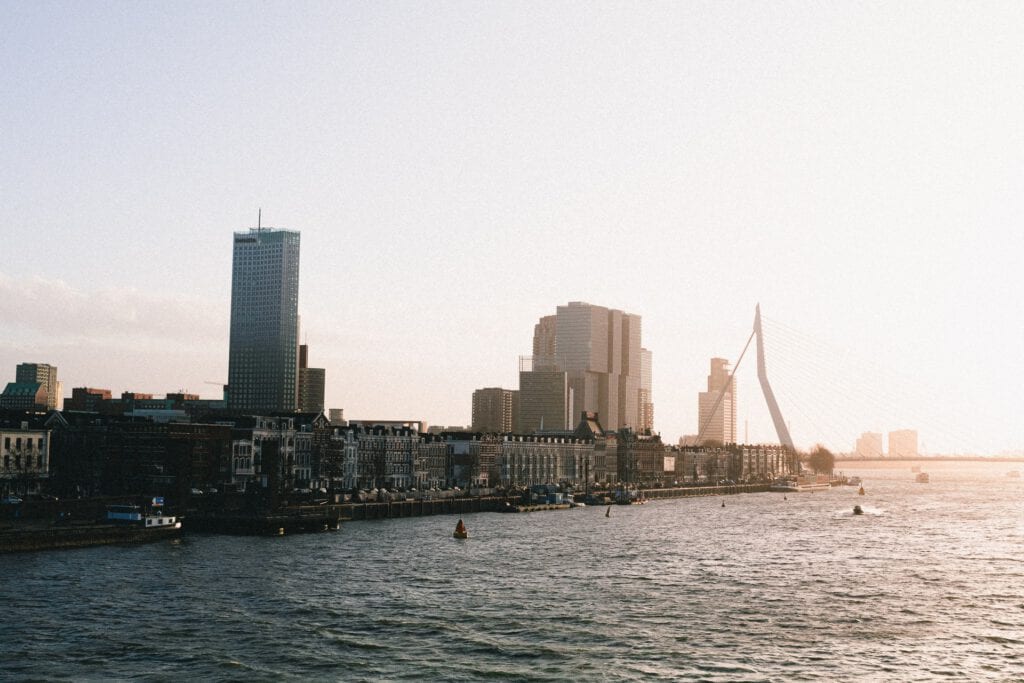
Skyline-of-rotterdam-south
Noordereiland is situated on the river Maas. Image: Dominik Mecko/Unsplash

The island played a very important role at the beginning of World War II. When the German army caught the Dutch by surprise at the old Willemsbrug on May 10, 1940, the Dutch marines and army fought straight at the south side of the bridge for four days.

Even though the Dutch army was weak, surprised, and not modernized yet, the Dutch were able to keep the German forces from taking the bridges. Of course, this changed after the city bombardment on May 14, 1940.

Next to the island’s rich history, it has great views and locations to take pictures. On the north side, you will have a great skyline view in front of the historical houses. On the west side, you’ll find a unique angle of the Maastoren and Erasmusbrug.

๐Ÿ“ Where to find it: 3071 LL Rotterdam


8. Pedestrian Maastunnel: walk under Rotterdam

The Maastunnel is the oldest “sunken” tunnel in the Netherlands, opened in 1942 during World War II. The tunnel was built on the mainland and sunk into the water after.

Next to the car tunnel, the city built a cyclist and pedestrian tunnel. If you ever feel like walking 1.2 kilometres to the other side of the city for no reason, this tunnel could be your friend!
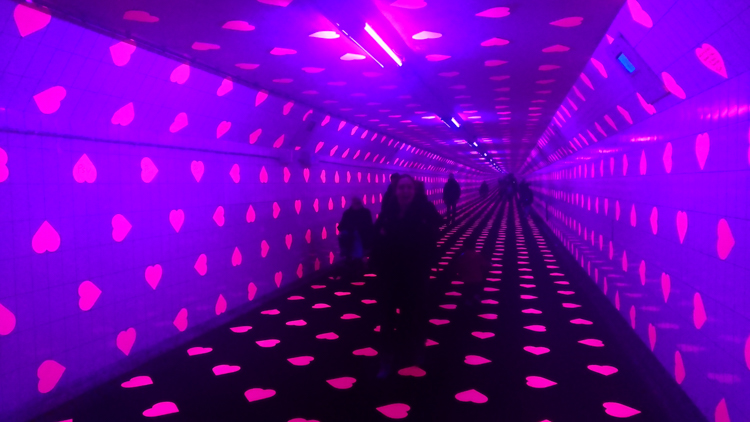
Maastunnel-on-Valentine's-Day-places-to-visit-in-rotterdam
Maastunnel on Valentine’s Day. Image: Yoreh Schipper/Supplied

๐Ÿ“ Where to find it: Charloisse Hoofd 29, 3087 CA Rotterdam


9. Ze Hielden Koers park: for historical remembrance

This is one of my favourite places to relax in summer. Next to the Merchant Memorial for the fallen sailors of WWII, the city built a little park with many colourful flowers and plants.

The park’s official name is “Ze Hielden Koers” park, meaning “they kept course.”

READ MORE | Architecture in Rotterdam: 11 buildings that prove Rotterdam is the best

The park is easy to find, right next to Erasmusbrug. It’s an amazing place to bring some drinks, friends, or dates and sit on a bench whilst watching the sunset reflecting in the buildings.
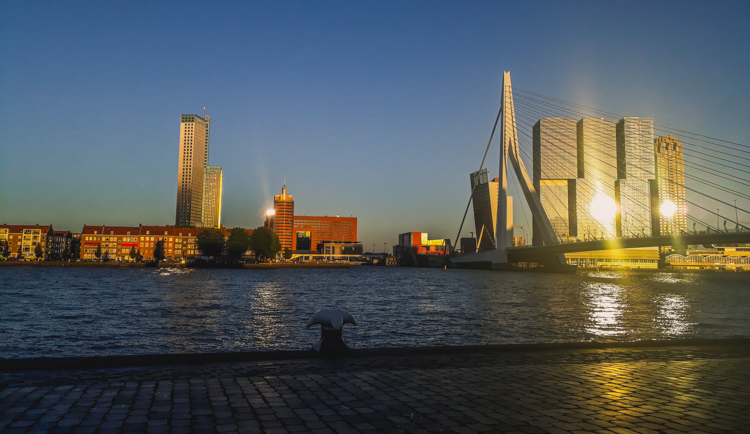
View-from-Ze-Hielden-Stand-Park
View from Ze Hielden Stand Park. Image: Yoreh Schipper/Supplied

Make sure you go to the restroom before going to the park; the nearest one is quite a walk away.

๐Ÿ“ Where to find it: Leuvehoofd 5, 3011 XT Rotterdam


10. Heemraadssingel: take a romantic stroll in Rotterdam

The Heemraadssingel is a 1.5-kilometre-long park in Delfshaven built around 1900. The stroll offers little bridges, different kinds of trees, birds, and lots of bird poo.

On both sides of the singel, you can find historic houses and artwork. If you can read Dutch, you’ll enjoy the explanation texts that were stuck on little electric houses along the water.
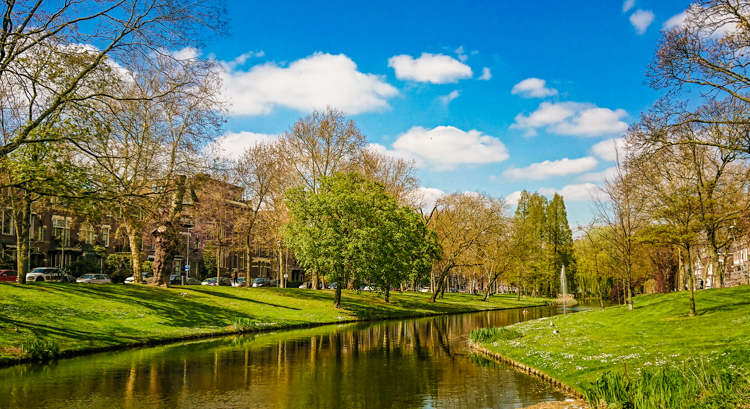
Canal-and-park-areas-in-heemraadsingel-in-rotterdam
A rare shot of sunny Rotterdam from Heemraadssingel. Image: Yoreh Schipper/Supplied

The Heemraadssingel is only one of the many singels in Rotterdam. Some other singels are Noordsingel and Provinierssingel. You can enter the walk from the south side at metro station Coolhaven or the north side at Beukelsdijk.

๐Ÿ“ Where to find it: Heemraadssingel, Rotterdam


11. Rotterdam’s town hall garden: for quiet reflection

Would we be right if we said that you probably hadn’t discovered this cosy garden yet? The town hall at Coolsingel, built between 1914 and 1920, has two entrances on both sides of the building to enter the garden.

It’s a public space and free to enter. The garden is pretty small, but hey, it is not about size. It is about the kind of sandwich you bring. Amazingly, this kind of silence is hidden right in the city’s centre.

๐Ÿ“ Where to find it: Coolsingel 40, 3011 AD Rotterdam


12. Vessel 11: dinner on the docks

Did you know that all small harbours and docks in the centre of Rotterdam are named after what they used to import and export? For example, Veerhaven (feather), Bierhaven (beer), and Wijnhaven (wine).

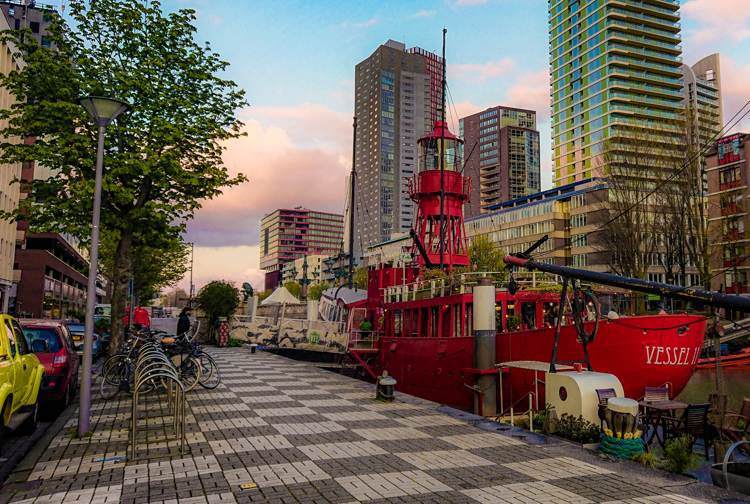
Vessel 11 is a British red lightship floating in Wijnhaven, and was turned into a bar and restaurant with English food.
A-bright-red-ship-parked-in-a-canal-in-Rotterdam
It’s very difficult to miss Vessel 11 in the canals. Image: Yoreh Schipper/Supplied

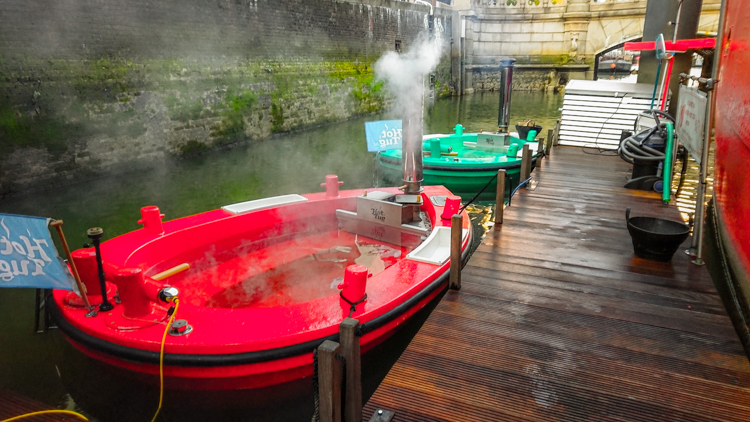
You can sit outside on the deck in summer, but if it is colder, just cosy up inside in the living room and order a home-brewed ale, lager, stout or IPA. The bar rents out little floating hot tubs, so you can float around the canals in your swimsuit whilst drinking an IPA.
Hot-tubs-for-rent-at-Vessel-11-in-rotterdam
Anyone up for a boating trip? We know we are. Image: Yoreh Schipper/Supplied

13. Dakpark: An amiable of epic tunes in Rotterdam

Last but certainly not least, we’ll take you to the western part of town. The M4H area is full of old renovated buildings that store artists, musicians, and creative and innovative concepts.

One of the bigger projects here is the roof park on top of a big shopping centre. It’s a great place to relax if you happen to be in the neighbourhood.

Bring your children because in summer they turn on the water fountains! It has a rooftop restaurant, so you can always find restrooms and grab some beers.

๐Ÿ“ Where to find it: Vierhavensstraat 91, 3029 BE Rotterdam


14. Keilecafe in Rotterdam: a pop-up that stayed

We’re still in the M4H area for this last stop. Keilecafe started as a temporary pop-up bar, but when we noticed the bar was still there in mid-winter, we knew it would stay as a sort of permanent festival.

Drink, eat, dance, talk, or yoga away at one of the smallest permanent festivals in Rotterdam.

๐Ÿ“ Where to find it: Vierhavensstraat 46, 3029 BG Rotterdam


What’s your favourite place in Rotterdam? Did you find some new spots on the list? Let us know in the comments below!

Oh neigh: illegal racehorse meat found in favourite Dutch snack food

You might have been willing to ignore what exactly is inside your favourite fried Dutch snacks on account of their deliciousness, but now that fairytale (or should we say ponytail) is over.

That’s because new research reveals that meat from discarded British and Irish racehorses is ending up illegally inside our bitterballen and kroketten, nu.nl reports.

We’re not supposed to be eating that meat (to state the obvious) because it might include traces of the horses’ medication from their racing injuries.

Our stomachs are already turning… ๐Ÿ˜ซ

Putting the ‘mare’ in nightmare

How do the racehorses end up inside your bitterballen, you ask? Well, first, they start losing, get injured, or are simply too expensive to care for.

Then, they are transported to the Netherlands and Belgium under appalling conditions so that they can receive a new identity, animal protection organisation House of Animals tells nu.nl.

READ MORE | Veganism in the Netherlands: hereโ€™s why itโ€™s achievable

Traders then give the former racehorses a new chip and fake passport before taking them to slaughterhouses (such as Kerkdriel) in the Netherlands.

So, their ‘new identity’ = bitterbal or kroket meat.

The discarded racehorse meat is processed into the crunchy, slimy, salty snacks, and it’s more common than you might think. ๐Ÿ˜ฌ

Not the first warning

Is the name Kerkdriel ringing some bells (and not just the alarm kind)? It’s not the first time their meat has been examined under a microscope.

A European food warning was previously issued in 2022 for meat coming from Kerkdriel because it should never have made it onto the snackbar shelves.

READ MORE | Dutch Quirk #32: Eat a lot of very questionable snack food

House of Animals’ founder Karen Soeters finds it “inconceivable” that the Netherlands is still “a spider in the web for animal suffering.”

Her foundation wants the slaughterhouse in Kerkdriel to be closed for good.

So next time a friend braves the bitterballen after a few drinks, make sure to warn them properly: “Careful, it’s hot… and may contain racehorses.”

Are you surprised to find out what’s inside bitterballen and kroketten? Let us know in the comments below.

It’s June, but don’t expect any terrace weather in the Netherlands just yet

As we reach the halfway point of the first month of summer, we wish the crystal ball foretold of better weather. But helaas, the Netherlands has yet more rain to come.

Oh, and some thunder too!

In fact, maybe you should forego any expectations for sunkissed skin and denim jackets for the time being.

According to this weekend’s weather forecast, ’tis the season for damp shoulders and dripping umbrellas.

Rain, winds, thunder โ€” and maybe some sun

This morning’s weather is a good indication of what we can expect the vibes to be this weekend. Overcast with a strong chance of drizzle.

As a low pressure point moves across the Netherlands, the weather looks to be especially depressing on Saturday, with plenty of rain in the morning.

READ MORE | Dutch Quirk #115: Sit on terraces year-round

While the sun may peek through the clouds on Saturday evening, it will be accompanied by heavy gusts of wind and a chance of thunderstorms โ€” so don’t be fooled into finding a seat on a terrace.

Especially if that terrace is located along the coast, which can expect a wind force of up to six or seven.

If you don’t believe us, take it from the experts: “Saturday will definitely not be dry,” Jeroen Elferink of Weerplaza tells AD.

Sunday morning offers the best chance for a dose of sun, but you have to be quick about it.

The summer feeling won’t last long as showers and thunder are expected in the afternoon and evening.

And the rest of the week?

Listen, there’s no use thinking about the future, it’s overrated!

And filled with rain.

According to Weerplaza, the chances of rain remain high throughout next week.

However, if you’re looking for a silver lining, you may dry off a bit easier, as temperatures are expected to rise to around 23 degrees.

Want the latest Dutch news to come zooming through the internet to your inbox? Dat kan! Subscribe to DutchReview’s weekly roundup ๐Ÿ“ฎ

Wereldmuseum Leiden lets you explore African culture in a whole new light

Whether youโ€™re looking to escape the rain, want to learn about African culture, or doing research for your African Studies major โ€” itโ€™s time to head over to Wereldmuseum Leiden!

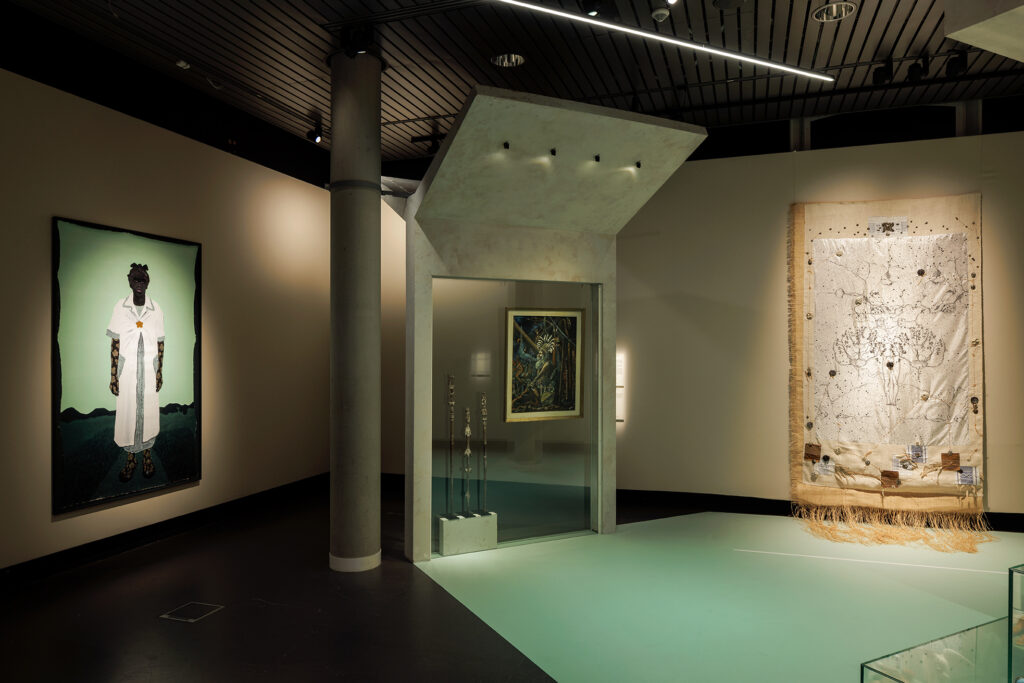
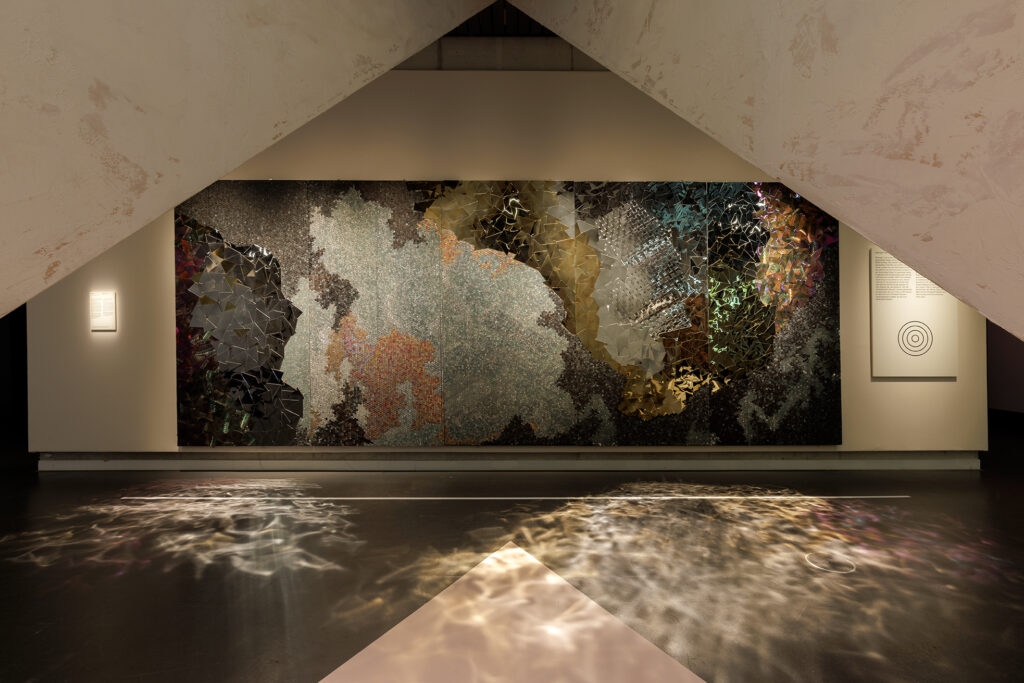
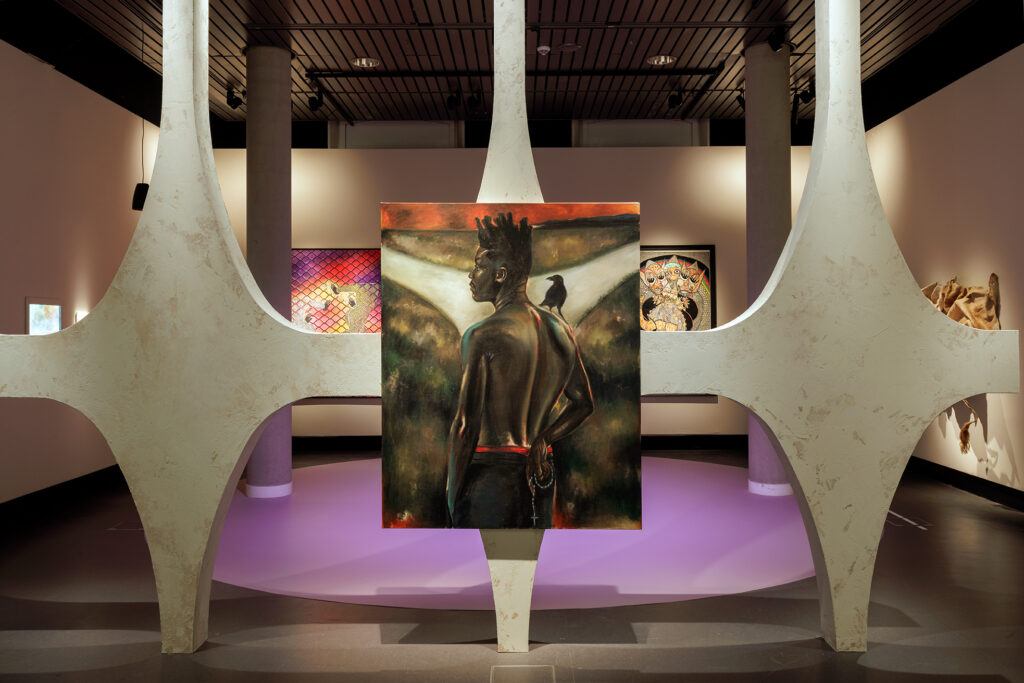
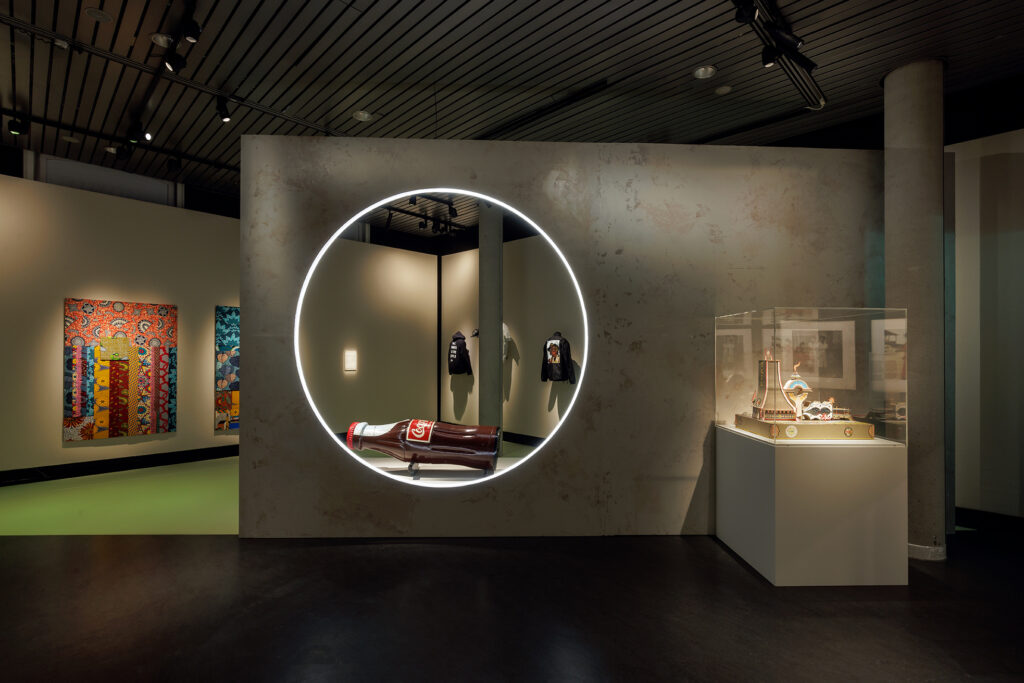
Why? The Leiden-based ethnology museum has unveiled โ€œIn Brilliant Lightโ€, a spectacular new exhibit focusing on African art, culture and history.

With โ€œIn Brilliant Lightโ€, curators have created a platform for artists from Africa and its diaspora. The space lets visitors immerse themselves in the richness of African cultures โ€” right in the heart of Leiden.

๐Ÿ‘‹ Welkom to Wereldmuseum Leiden

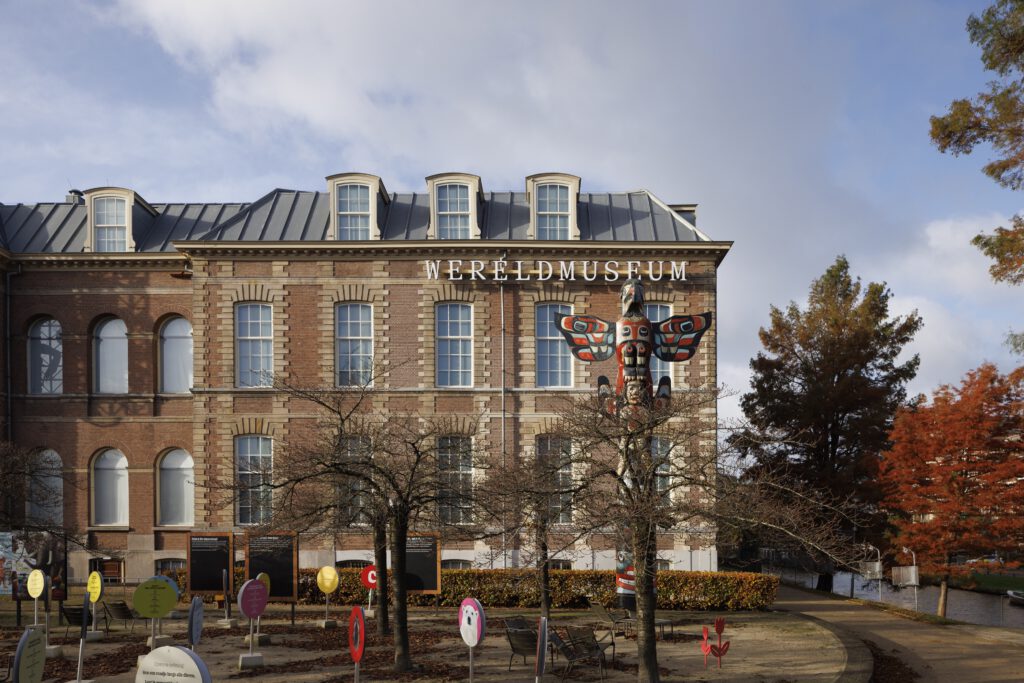
wereldmuseum-leiden-building-outside-view-during-in-brilliant-light-exhibition
Image: Jordi Huisman/Supplied

Wereldmuseum Leiden, formerly known as Museum Volkenkunde, is the place to be for all things ethnology, anthropology, and world cultures. Itโ€™s definitely a must-see when you visit the city.

As the pros in all things ethnology, you can be sure that โ€œIn Brilliant Lightโ€ will be nothing short of, well, brilliant! 

Oh, and the best part? Entrance is free for children between 0 and 5 and museum card holders, and reduced for students.

๐ŸŒ African art โ€˜in brilliant lightโ€™

So, what exactly is โ€œIn Brilliant Lightโ€ about? Just like African art, the exhibition is diverse, rich, and culturally significant. 

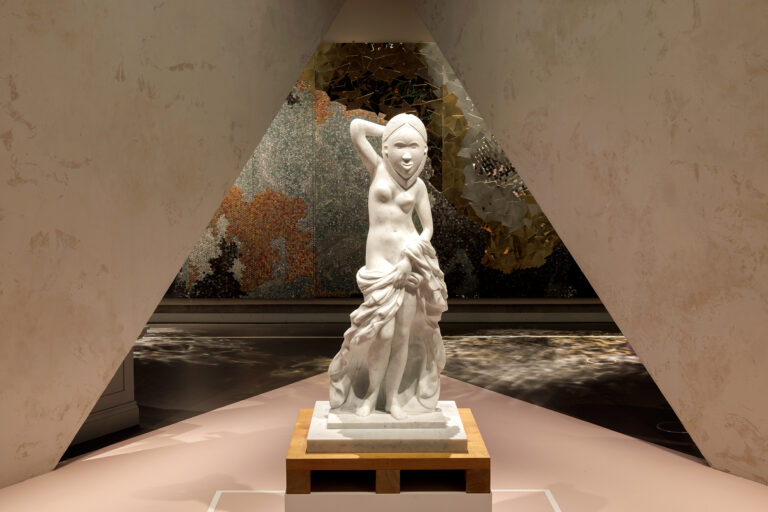
Press-photo-of-artworks-at-wereldmuseum-leiden-in-brilliant-light-exhibition
Image: Aad Hoogendoorn/Supplied

The exhibit guides you through eight different sections containing breathtaking artworks that reflect on the heritage of their artists and the world around them. 

It features not only a whopping 32 artists from Africa and its diaspora, but also does a wonderful job of shedding light on both historical and contemporary events that influence African culture and society.

Themes addressed include post-colonialism, power, globalisation, change, emancipation and spirituality.

From Africa to the diaspora

The talented artists featured in โ€œIn Brilliant Lightโ€ reflect on their African homeland and their โ€” voluntary or involuntary โ€” movement away from it.

Their art showcases the diverse cultures, histories, and traditions that are native to the African continent and its people while simultaneously illustrating what connects them with the rest of the world. 

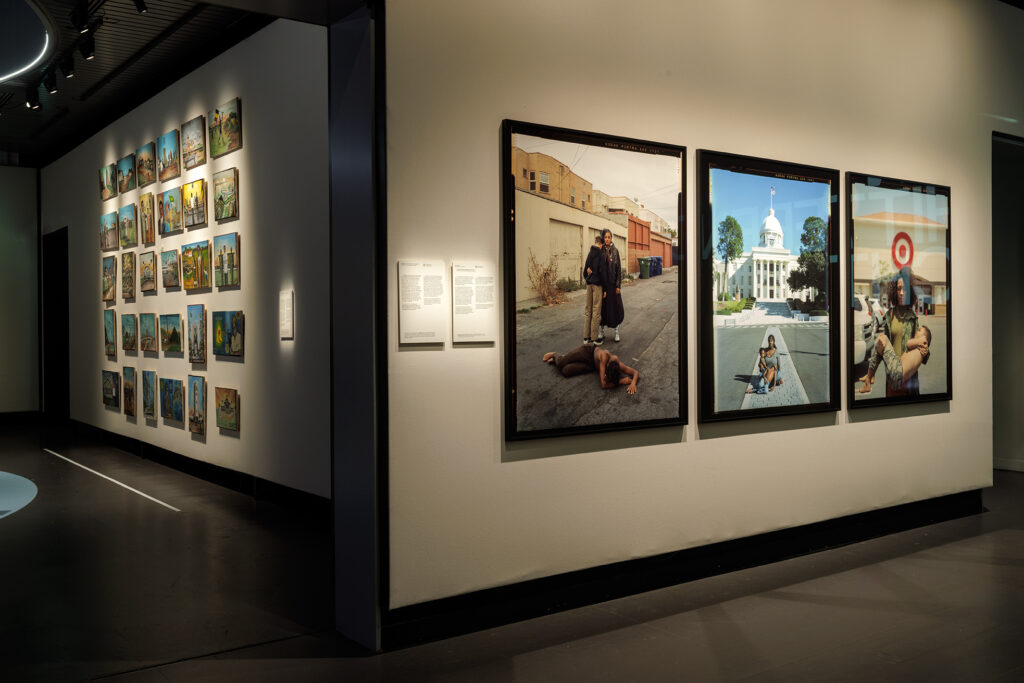
Press-photo-of-artworks-at-wereldmuseum-leiden-in-brilliant-light-exhibition
Image: Aad Hoogendoorn/Supplied

As a consequence of the African diaspora, we recognise common themes, influences, and even materials that spread across the artworks. 

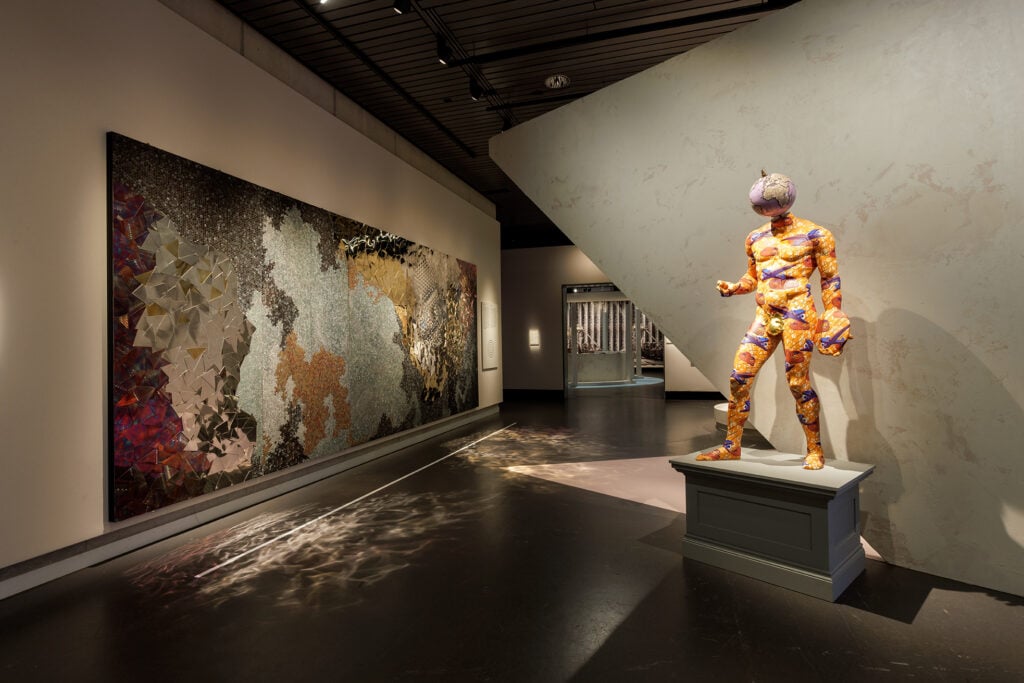
Unique forms of artistic traditions that range from tapestry weaving to woodcarving are showcased as artists draw inspiration from their countriesโ€™ history, heritage, folklore and spiritual traditions and share them with the world.

Press-photo-of-artworks-at-wereldmuseum-leiden-in-brilliant-light-exhibition
Image: Aad Hoogendoorn/Supplied

Relating to cultural history

While “In Brilliant Light” displays contemporary art, the exhibition also reflects on the rich and sometimes very complex African cultural history.

Colonialism, which undoubtedly had a very significant influence on African culture, is a theme that is omnipresent in โ€œIn Brilliant Lightโ€. 

Press-photo-of-artwork-at-wereldmuseum-leiden-in-brilliant-light-exhibition
Image: Aad Hoogendoorn/Supplied

One thing that many African people share, regardless of whether they are on the continent or not, is a sense of identity loss โ€” finding themselves stuck between their strong cultural ties and their projected future. 

This is addressed in one of the exhibitionโ€™s central artworks. 

Press-photo-of-artwork-at-wereldmuseum-leiden-in-brilliant-light-exhibition
Image: Aad Hoogendoorn/Supplied

Johnson Eziefulaโ€™s โ€œBirth of the Selfโ€ was created specifically for โ€œIn Brilliant Lightโ€ and depicts a young man standing at a crossroads, realising that, depending on the path he chooses, his life will change drastically.

Creating new perspectives 

One sign in the exhibition reads: โ€œIn the 1950s and 1960s, almost all African countries [became] independent, [and] African artists emerge[d] as important agents of change.โ€ 

Transformation is another major theme addressed in โ€œIn Brilliant Lightโ€, illustrating how artists use their craft to reshape history and claim their heritage through their artistic expression.

Press-photo-of-artworks-at-wereldmuseum-leiden-in-brilliant-light-exhibition
Image: Aad Hoogendoorn/Supplied

Inspiration is often found in the idea of new worlds and shared dreams for a new society. 

With this, art becomes a form of emancipation, allowing artists to develop a new cultural identity, new perspectives, and new visions in a post-colonial world.

๐Ÿ”Ž Want to know more?

Great! You can see โ€œIn Brilliant Lightโ€ at the Wereldmuseum in Leiden until October 31, 2024. Letโ€™s give you all the details you need:

โฐ When? Every day from 10 AM until 5 PM until October 31, 2024
๐Ÿ“ Where? Wereldmuseum Leiden, Steenstraat 1, 2312 BS Leiden
๐Ÿ”Ž How? Tickets can be bought at the counter or online

Will you check out โ€œIn Brilliant Lightโ€? Share your thoughts in the comments!

This Dutch company is giving employees Fridays off (and paying them for it)

As far as days of the week go, Friday already has a good feeling about it. Now staff at the Dutch software company AFAS can enjoy it even more, as it’s a day off โ€” fully paid.

The Netherlands is already renowned for its great work-life balance. So AFAS, based in Leusden, are raising the bar even higher with their four-day working week structure, NOS shares.

The company refers to Fridays as “development days” intended for volunteering and self-care โ€” using the time meaningfully, without work emails in sight.

Oh, and it’s paid, of course.

Productivity leads to perks

We know what you’re thinking: Surely they need to hire more people to cover on Fridays? Or do they expect their staff to work longer hours for the rest of the week?

READ MORE | Vacation, free time and working hours in the Netherlands: all you need to know

Nope, it seems there’s no catch. Even employees who need to cover customer service on Fridays can take their “development day” on Wednesday.

AFAS can afford to introduce the four-day working week in this way because they have seen a huge rise in productivity levels, which are only getting better.

Perhaps that’s why they trust their staff not to assume “development days” mean lying outside all day *developing* a tan.

“Netflixing all day, or still working hard at another company, for example, is not our preference,” the company told its employees. โ€œBut we’re not going to control what you do.โ€

More doors close on Fridays

In fact, those who do work on Friday will soon have to do it remotely. Starting next year, AFAS’ (fancy) head office in Leusden will be shut every Friday.

Other Dutch companies are doing the same: the doors of de Volksbank head office in Utrecht are also closed on Fridays, now an official work-from-home day for the bank.

“The occupancy was so low on Fridays that this was decided,” a spokesperson tells NOS. “This way, we can also reduce costs and, for example, prevent energy waste.”

If you were wondering why the Netherlands is so happy and has some of the highest well-being levels in Europe, maybe look no further than their Friday attitude.

What do you think of working a four-day week? Let us know your thoughts in the comments below.

Will MDMA be legalised in The Netherlands? The government is investigating it

The Dutch are world-renowned for their tolerant stance towards all things related to drugs. So, of course, an investigation into the positive uses of MDMA in Dutch society is on the agenda.

In fact, the Dutch government has a state MDMA commission to conduct research on the matter.

And its findings? Quite surprising.

Take MDMA! But for PTSD

According to a government press release, the job of the state commission is to “investigate the status of MDMA in the context of public health and to provide advice on the advantages and disadvantages of medicinal use.”

In particular, the commission is investigating how MDMA could be used “in medicinal use in some therapies for mental health patients.”

READ MORE | Dutch Quirk #56: Have a liberal attitude towards party drugs

Taking experts from psychology, criminology, medicine, and law, the committee looked into how MDMA could be used therapeutically in cases such as those suffering from PTSD.

And they found that, yes, this could actually be a good method to treat such patients.

In fact, they’re so confident in their findings that, according to the press release:

“The committee therefore recommends developing the medical use of MDMA for PTSD as quickly as possible and facilitating its implementation.”

You heard em’, get the drugs. ๐Ÿ’Š

Does this mean MDMA will be legalised in the Netherlands?

However, this doesn’t mean that everyone in the Netherlands will suddenly have good ol’ molly casually joining them for a night out (or a not-so-chill evening in).

While the commission does find grounds for introducing MDMA therapeutically, the Netherlands isn’t quite ready to legalise it, it says.

While the commission found that “the addiction risk and harmfulness appear to be less than expected”, we still don’t know enough about MDMA-related deaths.

On top of this, the commission says that as long as criminality surrounds the drug, we can kiss our dreams of legalising MDMA goodbye.

Want the latest Dutch news to come zooming through the internet to your inbox? Dat kan! Subscribe to DutchReview’s weekly roundup ๐Ÿ“ฎ

Train delayed? This new tool lets you request compensation in seconds

Two Utrecht students are top of the class for their school project turned super solution. Michael Hilhorst and Daan Ykema developed a site where users can apply for a refund following travel disruption by simply hitting a button.

The stress of facing train delays on your commute to work is bad enough. But gathering the details needed for a refund โ€” like the exact train and exact length of delay โ€” makes it even worse.

Students Michael and Daan agreed, so they decided to do something to make applying for compensation easier, as they explained in an interview with AD.

How does it work?

“We developed a software system that keeps track of every train on every route throughout the country. If there is a delay in a route, [our system] will save it,” the students explain.

READ MORE | There will be no trains on this NS route for three whole weeks

Users just need to provide details of their public transport card number on the site so that “we can see on which routes you were delayed and whether you are entitled to compensation”.

With this information, “trein-vertraging.nl” notifies the NS of your entitlement to compensation so they can reimburse the correct amount.

Smooth, right? It’s also completely free. ๐Ÿ™

Business savvy students

Michael and Daan aren’t just innovative creators, they also know their numbers, as they break down the current NS compensation system:

“On the high-speed line, you are entitled to compensation for a delay of just 15 minutes. This is half of the amount you paid for your trip. If you are delayed by 30 minutes or more, you will receive a full refund. For other routes, a compensation of half the amount applies for a delay of 30 minutes. And for an hour or more the entire amount.”

@dutchreview But Iโ€™m already 3 cancellations deep ๐Ÿซ  #dutchlife #thenetherlands #netherlands #dutchmemes #dutchreview #delays #travelnetherlands #amsterdam #holland #meme #memcut โ™ฌ original sound – Kevin Solomon

You currently need this information to file a claim, and the students’ site stores it all for you.

READ MORE | Public transport in the Netherlands: the complete guide

But Michael and Daan are also crunching numbers when it comes to building out their business.

They want the service to remain free for private users, but for companies, they provide a paid service that takes the public transport chip card numbers of all its employees in one go; “But that is on a “no solution, no pay” basis.โ€ ๐Ÿ‘

What do you think about the students’ innovative solution? Let us know in the comments below.

These two Dutch cities are the most sustainable in the world

The Dutch are known for being water-bending innovators and sustainability heroes. Now, a study has officially confirmed this, as not one but two major Dutch cities are the most sustainable in the world!

And they are… *drumroll please*… Amsterdam and Rotterdam. ๐Ÿ‘

The two cities come first and second in The Arcadis Sustainable Cities Index 2024, a ranking based on research conducted by engineering organisation Arcadis, measuring the sustainability efforts of 100 global cities.

What makes the Netherlands stand out?

What’s so great about Amsterdam, you ask? Well, according to the report, “One of the driving forces behind Amsterdamโ€™s success is itsย Climate Neutral 2050 Roadmap“.

The roadmap in question lays out the city’s strategy for reducing carbon emissions by 95% compared to the levels in 1990.

Things Amsterdam needs to work on include basic drinking water services and the quality of its transport infrastructure.

READ MORE | 7 innovative Dutch projects for a sustainable future

Rotterdam, in turn, excels in managing air pollution, CO2 emissions, and waste. However, there is “potential for progress” when it comes to green spaces, sustainable transport, and renewable energy production.

European cities dominate the rankings

The index’s top ten is dominated by Western European cities. Seoul is the leading non-European city in the 11th spot.

Wondering where your city is in the ranking? Let’s see. ๐Ÿ‘‡

RankCity
1Amsterdam ๐Ÿ‡ณ๐Ÿ‡ฑ
2Rotterdam ๐Ÿ‡ณ๐Ÿ‡ฑ
3Copenhagen ๐Ÿ‡ฉ๐Ÿ‡ฐ
4Frankfurt ๐Ÿ‡ฉ๐Ÿ‡ช
5Munich ๐Ÿ‡ฉ๐Ÿ‡ช
6Oslo ๐Ÿ‡ณ๐Ÿ‡ด
7Hamburg ๐Ÿ‡ฉ๐Ÿ‡ช
8Berlin ๐Ÿ‡ฉ๐Ÿ‡ช
9Warsaw ๐Ÿ‡ต๐Ÿ‡ฑ
10London ๐Ÿด๓ ง๓ ข๓ ฅ๓ ฎ๓ ง๓ ฟ

Karachi (Pakistan), Johannesburg (South Africa), Nairobi (Kenya), and Cape Town (South Africa) are at the bottom of the ranking.

“We must act now”

But it’s not all stroopwafels and rainbows, as the report clearly shows. “The results are clear,” it reads, “We must act now to forge a resilient, fair, and sustainable world.”

There are just 2,000 days left to achieve the United Nations Sustainable Development Goals by 2030, and both public and private collaboration efforts are needed to reach them.

READ MORE | 9 surprisingly unsustainable Dutch habits 

Though Amsterdam and Rotterdam are at the top of the rankings, it’s important that they keep the momentum going and continue developing for a greener, more sustainable future.

Are you surprised by the findings of the Sustainable Cities Index? Share your thoughts in the comments.

The Dutch are growing taller than ever: here’s why

Walking alongside the giants of the Netherlands can be a bewildering experience for a humble 164cm-tall international. Now, research reveals that growing like a Dutchie doesn’t require a miracle โ€” it’s mainly just milk.

Yes, the Dutch diet, lifestyle and good healthcare are among the most important developments leading to the increasing height of people in the Netherlands, the AD reports.

A head and shoulders above the rest

It’s not just the Dutch diet that is balanced, apparently.

Wealth is also more equally distributed across the Netherlands compared to other countries, which helps the average national height grow.

READ MORE | Dutch Quirk #82: Grow really, really tall

“In the US, where there is more inequality than in the Netherlands, you see that people grow shorter on average.”, explains Gert Stulp, sociologist at the University of Groningen.

That’s because higher levels of poverty mean reduced access to healthy food, so children from poorer backgrounds do not receive enough nutrients to grow tall.

Meanwhile, healthy food is more readily and evenly available across the Netherlands (no thanks to you, FEBO).

Drink your melk

We know the Dutchies love their cheese, so it’s no surprise that dairy plays a big role in their towering statures.

Milk is especially important as it’s packed with proteins that improve growth, and people in the Netherlands are guzzling it.

READ MORE | Eat your cheese: How the Dutch became ridiculously tall

Stulp explains, “Europeans have a gene that allows us to continue drinking milk throughout our lives. So we have an extra protein source in our diet for a longer period of time. Those extra proteins make you taller.”

@rashi.in.amsterdam Being tall pays off at concerts ๐Ÿ˜… #livinginthenetherlands #expatsinthenetherlands #tallgirlcheck #talltiktok #dutchtiktok #tiktoknl #tallpeople #amsterdamlife #dutchpeople โ™ฌ Funny Song – Funny Song Studio & Sounds Reel

So from now on, I have a new response for the next Dutch person to comment on my height: I’m not short, I’m just lactose intolerant. ๐Ÿฅ›

Did you know the Dutch diet helps them grow taller? Let us know your thoughts in the comments below.

Dutch students are challenging this proposed government measure โ€” hereโ€™s why

As if rental shortages, energy bills, and a tough job market weren’t challenging enough, students are now facing a potentially huge roadblock to completing their studies.

Coalition parties PVV, VVD, NSC, and BBB want students with more than a year’s study delay to pay โ‚ฌ3000 in addition to their โ‚ฌ2530 statutory tuition fee in the 2026-2027 school year, reports RTL Nieuws.

Understandably, students, study associations, and political youth groups, among other organisations, are less than happy with the so-called ‘long-term study fine’ (langstudeerboete).

The measure is set to affect 94,000 students in 2026 and 2027.

Unfair and “unacceptable”

Participating in a study association’s board, competing in university division sports teams or working a side job are just normal aspects of student life.

But balancing all of the above (plus finding time for some kind of personal life) often leads to many students in the Netherlands taking study delays.

READ MORE | The cost of student housing in the Netherlands is out of control (and itโ€™s only getting worse)

The new measure makes this harder โ€” and many students are speaking out, arguing that it will cause financial worry and stress for students who are already paying their regular tuition fees.

The measure would also negatively affect students who already have study delays of more than a year or students who would have to take delays due to illness or other personal circumstances.

Making their voice heard

Now, several groups and organisations have written a letter criticizing the langstudeerboete.

They are demanding that the government withdraw the measure and announce actions if nothing happens.

How the fine will be implemented is still unclear, but NSC leader Pieter Omtzigt has promised a “careful interpretation” of the measure.

What do you think of this long-term study fine? Tell us in the comments below!