Tired of pesky younglings zipping around on fat-wheeled bikes? So is Amsterdam! Traffic councillor Melanie van der Horst wants to pull the brakes on these unruly two-wheelers.
According to Het Parool, Van der Horst expressed the following fat-tired electric bike concerns in a letter to the municipal council:
First of all, the speeds of these thick bikes are often ramped up; secondly, the troublesome teens who ride them seldom wear helmets; and lastly, these cyclo-paths are just a pain in the rear for the rest of us.
How is the council going to combat these unstoppable whippersnappers? According to Van der Horst, by implementing a few suggested restrictions.
Move fat bikes to the road
Those chunky tires don’t necessarily need to be brought to a screeching halt — however, Van der Horst advises that they should be given a different, designated path from bikes without freakishly large wheels.
Considering the speed limit for Amsterdam’s roads will be 30 kilometres per hour starting from December, perhaps they could be resigned to the regular roads, suggests Van der Horst.
Give them an age limit
At the moment, fat bikes are a fad among the pipsqueaks sporting a pubescent moustache. But what would happen if they had to be 18+ to ride these bikes?
The government want to start categorising the vehicles as mopeds instead of bikes, which means riders would require a driver’s license, license plate, third-party liability insurance, and potentially a mandatory helmet.
More control
Out of the 50 fat bikes that were spot-checked last week, a third of them possessed an illegal throttle.
However, considering many police officers don’t have enough time on their hands to examine every fat-wheeler in traffic, a trial is being conducted in Utrecht that could allow Community Service Officers (boa’s) to enforce traffic violations as well.
Watch out, voluptuously-wheeled bikes! The end of the road is near.
Do you agree with these suggestions? Let us know in the comments below!
Storm Ciarán has officially arrived in the Netherlands.Tragically, one person has lost their life during the code orange weather warning.
The fatality occurred at around 3 PM on Thursday afternoon. A person died after being hit by a falling tree in Venray, Limburg.
Rescuers struggled to get to the scene
The victim was at the Dr. Kortmannweg when they were hit by the tree. Due to the risk of more trees falling over, rescue services struggled to get to the scene, reports the NOS.
In #Venray op de Dr Kortmannweg is een omgewaaide boom op een persoon terechtgekomen. Deze persoon is hierbij om het leven gekomen. De weg is afgesloten ivm risico op meer omvallende bomen.
Translation: In #Venray on the Dr Kortmannweg, a fallen tree fell on a person. This person died as a result. The road is closed due to the risk of more falling trees.
More incidents throughout the country
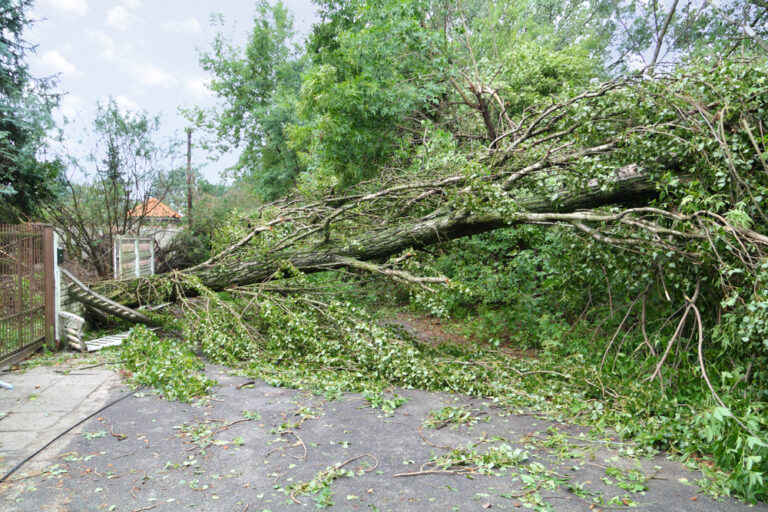
Throughout the Netherlands, there have been multiple reports of uprooted trees falling on pedestrians, cyclists and cars. Multiple people have been injured as a result.
The KNMI has advised that everyone stay home when possible.
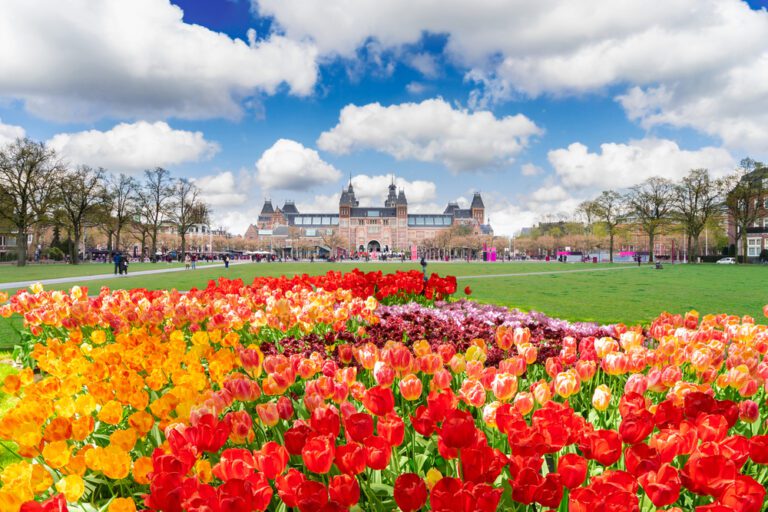
Amsterdam’s Museumplein may soon see a unique ban on its horizon, and it’s not what you might expect. The Party for the Animals (Partij voor de Dieren or PvdD) is pushing for a ban on displaying tulips on the iconic plaza.
You might wonder, what’s wrong with the cherished symbol of Dutch culture? Well, this proposal addresses a specific issue — the environmental impact of the tulip industry.
A blooming controversy
While tulips are charming and deeply entrenched in Dutch society, the PvdD labelled the display of tulips as a “publicity stunt” by an industry they perceive as environmentally damaging, reports Het Parool.
They claim that the tulip industry contributes to pollution in their use of pesticides.
Pesticides aren’t just harmful to insects and the environment. They’ve also been found to be associated with a higher number of locals developing Parkinson’s disease.
Green alternatives
While this proposal may seem like a curveball, it’s not without its merits. The PvdD suggests promoting alternative, eco-friendly displays on Museumplein.
Another important point is that pesticides are used in the open fields, where the actual bulbs are grown.
This is what the Party wants to fix: to reduce the amount of pesticides used and find other, less polluting options for Museumplein and the rest of the city.
These green alternatives would not only provide a visually pleasing experience but also align with the city’s commitment to sustainability and environmental responsibility.
What do you think about this potential tulip ban? Tell us in the comments!
Just how bad is Storm Ciarán? The Royal Netherlands Meteorological Institute (KNMI) has determined it’s code orange-worthy — that’s the second-highest warning level! 🟠
Power outages, flooding, trees being uprooted, and other nuisances — Storm Ciarán has already wreaked havoc in coastal cities of both France and Great Britain, reports the NOS.
Also, we’re next. Storm Ciarán is predicted to grace the Netherlands with similar conditions starting from this morning.
Code oranje vanwege zeer zware windstoten vanaf 11u in Zeeland en in loop van de middag in Zuid-Holland, Noord-Holland en Waddengebied. Er is inmiddels meer duidelijkheid over de koers van storm #Ciarán. In aantal andere provincies geldt code geel. https://t.co/mVXrIU9BIwpic.twitter.com/BRgo2Md1hb
Translation: “Code orange due to very heavy gusts of wind from 11 AM in Zeeland and during the afternoon in South Holland, North Holland and the Wadden area. There is now more clarity about the course of storm #Ciarán. Code yellow applies in a number of other provinces.”
Yup, wind gusts are set to crank up to 110 kilometres per hour. Also, the KNMI has issued a code orange warning for the province of Zeeland.
This means the area is considered to be a high risk for danger due to the weather. The same goes for coastal cities located in North Holland and South Holland!
Cancelled planes, trains, and ships
Maybe don’t try taking a flight from Schiphol today because KLM has cancelled all trips starting from noon onwards. Rotterdam The Hague Airport has scrapped many flights as well. 🚫 ✈️
Trains through Zeeland will also be running on an adjusted timetable, according to the NS.
Not only that, but the shipping companies that sail to Vlieland and Terschelling have put some of their trips to a halt.
Considering the wind along Dutch coastlines is already intense and is expected to reach wind force 9, nobody wants to take the risk.
Calm after the storm
Yesterday, people were advised to work from home instead of commuting through the torrential rain. Today’s rush hour is set to bring even longer traffic jams than usual.
How long is Ciarán here to stay? The KNMI assures us the wind will begin to decrease in the evening — however, it has to get worse before it gets better. First, there will be plenty of heavy gusts around in the afternoon.
In some places in the Netherlands, the northwest in particular, this storm could still be raging all through the night.
How are you staying safe during Storm Ciarán? Let us know in the comments!
So you’ve just signed a lease on a new home — congratulations! Before you crack open the Heineken, there’s the question of your rental contract and how this covers your utilities. Inclusive rent is best, right? Or is exclusive better? Let’s talk about it.
First things first, you need to understand what this means. In the Netherlands, there are two main types of rental contracts: inclusive and exclusive.
Which of these you opt for will determine what your utility bill will look like and how it is paid.
In all the excitement of moving into your new rental home, you may forget about the important differences between inclusive versus exclusive rental contracts. Image: Freepik
What’s the difference between inclusive and exclusive rent?
Inclusive and exclusive rent refers to your utilities and whether they’re included or excluded from your monthly rental costs.
Typically, the landlord or insurance broker will indicate which kind of rental contract comes with a property when it’s listed online.
What is inclusive rent in the Netherlands?
An inclusive rental contract means certain expenses are included in the monthly rent you pay to your landlord.
Once you sign off on an inclusive rent contract in the Netherlands, it should be smooth sailing from then on! Image: Depositphotos
This rent typically includes some or all of your utilities (such as gas, water, electricity, and internet) and other service costs, such as cleaning or garbage disposal costs.
What is exclusive rent in the Netherlands?
On the other hand, exclusive rental contracts mean that these costs are not included in the total monthly rent indicated in your contract.
Usually, this means it’s up to you to pull on your pants and arrange your own utility contract.
You can find the perfect contract to match your living situation. Image: Depositphotos
What about service costs? Typically, these are still included in the total monthly rent unless stated otherwise.
The pros and cons of inclusive rent in the Netherlands
Whether you’ve just signed an inclusive rental agreement or are searching for a rental property, there are a few important things to keep in mind when considering an inclusive rental contract.
The pros of inclusive rent in the Netherlands
Inclusive rent is perfect if you’re seeking predictability. With an inclusive rental agreement, you’ll be paying the same amount of money for your utilities each month. This is because it’s an amount set by your landlord and is included in your total monthly rent.
So, why should you opt for an inclusive rental contract versus an exclusive rental contract when renting in the Netherlands? Image: Freepik
Another huge pro of opting for an inclusive rental contract is that you won’t have to deal with any fluctuations in the energy market month by month.
On top of this, you won’t be tasked with the challenge of finding providers for your gas, water, electricity, or internet.
Let op! Ultimately, your landlord can raise the rent once a year if they need to cover higher utility bills.
An inclusive rental contract is a great option if you only plan to stay somewhere temporarily. It’s also the best choice if you want to move into a fully functioning apartment as soon as possible.
The cons of inclusive rent in the Netherlands
On the other hand, you’re likely paying for more than you’re actually consuming in gas, water, and electricity. This is because most landlords would rather have you overpay to cover utility costs than have it come out of their wallets.
Issues with your utility contract can be a hassle if it’s done through your landlord. Image: Freepik
Similarly, you won’t know what kind of utility situation you have, so if any issues arise, you’ll have to rely on your landlord to get them fixed (which isn’t always easy).
The pros and cons of exclusive rent in the Netherlands
Likewise, exclusive rent agreements come with their own advantages and disadvantages.
The pros of exclusive rent in the Netherlands
With exclusive rental agreements, you’ll be in control and can find the best contract for your situation.
The perfect utility contract is out there! Image: Depositphotos
On top of this, once you’ve settled on a contract, you’ll know exactly how much you’re spending on your utilities. Unlike with an inclusive rental contract, you’ll have more control over what your utility bills will look like.
In fact, a lot of the time, you can save yourself some money by being the one in charge of your utilities.
Who doesn’t want to save a little bit of cash? Image: Depositphotos
Like we said above, if a landlord wants to include a fixed monthly fee in your rent, chances are they have guesstimated that your utility usage will be on the higher side.
When you’re the one footing the utility bill separately, you may find that it costs a lot less than if a landlord were to set a fixed monthly fee.
The cons of exclusive rent in the Netherlands
On the flip side, you have to deal with the hassle of organising your own utility contract when you first move in, which can feel like a lot on top of all the other responsibilities you have when moving.
You also have less predictability when it comes to your monthly expenses if you opt for an exclusive rental contract.
Be careful when considering your next utility contract. Image: Depositphotos
Depending on what kind of energy contract you get, your utility costs may fluctuate largely per month, making it difficult to estimate how much you’ll spend on utilities each month.
What to do with your utilities when you first move in?
Once you’ve decided to rent a new place, there are a few things you should do about your utilities when you drop the boxes and move in.
Figure out if your rent is exclusive or inclusive
Rental agreements will usually indicate whether utilities are included in the monthly rent or not, but if you’re still in the process of house searching or negotiating, you should find out what the utility situation is.
Make sure to get in contact with your landlord about the utility situation as soon as possible! Image: Depositphotos
You can decide whether an exclusive or inclusive contract is the one for you and figure out what steps to take after that.
See “incl. G/W/E” next to a rental listing? This means that gas, water, and electricity prices are included in the rent shown.
Ask your landlord for a breakdown of costs
If you have an inclusive rent agreement and a breakdown of your costs isn’t included in the rental contract, you are allowed to ask your landlord for a statement clarifying the breakdown of your costs — including your utility costs.
Often, you’ll need a breakdown if you want to apply for huurtoeslag (rent allowance), but it’s also useful to know if your landlord is overcharging you for rent.
Ask your neighbours about the WiFi situation
It’s also wise to ask them about the internet situation in your building.
Have a chat with your neighbours to break the ice — and talk about your utility situation. Image: Depositphotos
For example, if you don’t have internet or WiFi included in your rent, you could ask your neighbours to ‘share’ their internet and split the costs.
Or perhaps you want to get fibre optics for your home but aren’t sure if they’re available in your neighbourhood. Asking your neighbours could give you some useful info (and give you a good reason to meet them!)
What to do with your Dutch utility contract if you’re ending your rental contract
There are also a few things you have to keep in mind when moving houses and choosing to end your rental contract — again, this depends on whether you have an inclusive or exclusive rental contract.
Ending your rental contract when you’re renting inclusively
If you’re renting inclusively, hoera!You don’t have to do anything. It’s up to your landlord to handle the utility contract — and let’s face it, they will likely just have their next tenant to pay for that contract once they move in.
Ending your rental contract when you’re renting exclusively
If you’re renting exclusively, there’s a little bit more for you to think about. There are two main options for ending your contract. You can:
Keep your current contract and ask your utility provider to have it transferred to your next house
Cancel your current contract in your old house and switch to a new contract in the new house (keeping in mind cancellation fees).
You can either transfer your contract to your new home, or cancel it entirely. Image: Depositphotos
In both cases, you should call your utility provider to make sure you tie up any loose ends before settling in a new place.
Utilities and your rental contract don’t have to be super confusing and stressful.
Understanding your rent situation and picking the best utility contracts are important steps for making your life just a little bit easier — put in a bit of work, and trust us, it’s worth it!
Do you have any tips for inclusive and exclusive renters? Share them in the comments!
If you didn’t hear already, storm Ciarán is about to start knocking on our windows and doors — and quite violently. Following a code yellow weather warning, experts are advising us to stay home tomorrow.
If you were planning on heading into the office in the morning, it’s time to ditch those plans. According to the ANWB (Royal Dutch Touring Club), everyone should remain indoors where possible.
(Read: keep those pyjamas on, make some tea, draw the curtains, and think of sunnier places). 🥲
Translation: Storm Ciarán (pronounced: Keeran) will also cause wind and rain in the Netherlands on Thursday. You can find our weather forecast here.
Brace for rough coasts and traffic jams
What exactly does this mean?
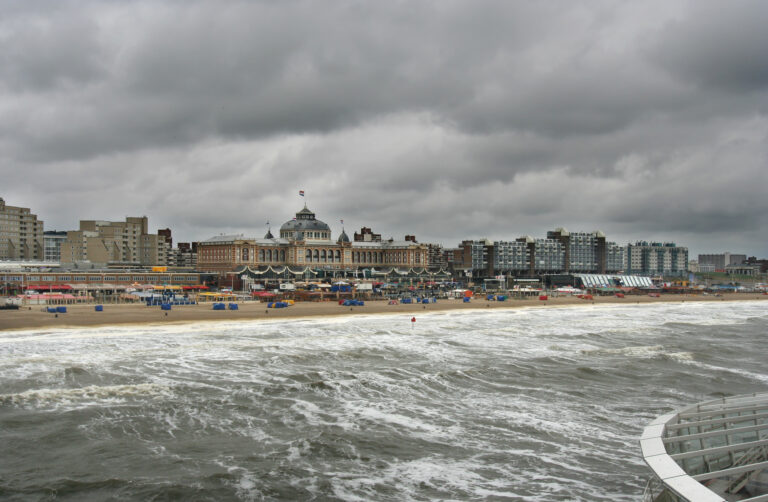
Experts warn that the country is going to be hit hard, particularly in the west and around the coastal areas — which can expect wind gusts reaching up to 75 to 100 kilometres per hour.
Living in Zeeland? You should definitely try to stay inside with the cats. You can expect wind force 9 and gusts of 100 kilometres per hour. 💨
Those who must venture outside can expect to be late for work. The adverse weather is likely going to affect those brave enough to travel by car — which means we can expect huge traffic jams.
Our advice? Tell your boss you’ll see them on Zoom tomorrow.
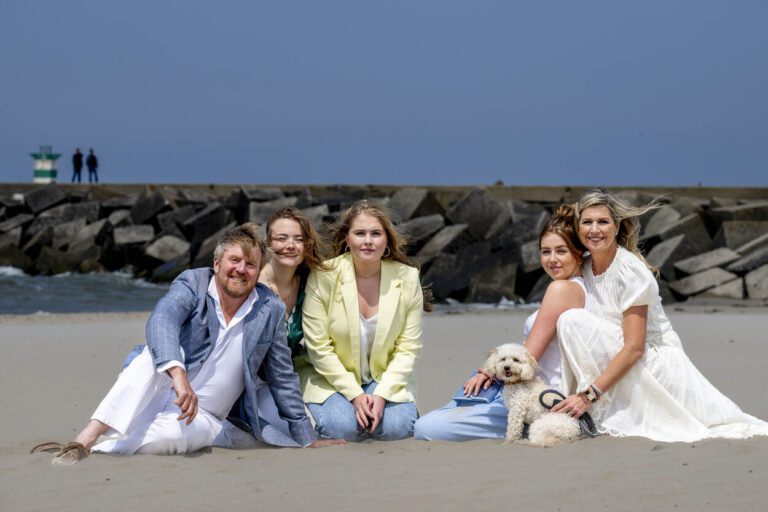
The Dutch royal family’s fortune is now an estimated €1.3 billion. That’s an upgrade from last year’s ‘measly’ €1.2 billion. How do they make their money? Investments (and, you know, massive generational wealth 👀).
In a fun twist of financial fate, the Dutch royal family, commonly known as the House of Orange, debuted on the ‘Quote 500’ list.
This annual ranking identifies the wealthiest individuals and families in the Netherlands, and guess what? The Dutch royals have landed firmly in the tenth spot.
Where is the money coming from?
Now, how did they secure this newfound financial fame? While some accumulate wealth through tech empires or inventing groundbreaking innovations, the House of Orange follows a somewhat different script.
The royal family’s wealth predominantly arises from their property holdings and investments.
But it’s not the royals themselves who handle these financial matters directly. Instead, they’ve entrusted their wealth management to a financial wizard known as the Royal Trust.
The rich are getting even richer
What the Quote 500 list also showed us is that there are now more billionaires than ever in the Netherlands.
Unsurprisingly, the richest person in the Netherlands is Heineken heiress Charlene de Carvalho-Heineken, according to Het Parool. (Hey, the Dutch love their beer, oké? 😉)
Meanwhile, 70% of the richest people in the Netherlands only made more money in the past year. Who didn’t see their wealth grow? VanMoof, who vanished from the list after their bankruptcy (some would say they went VanPoof!).
As for the rest of us normies, paying our monthly living costs is still a dreaded task…
Is this more or less money than you thought the royal family had? Tell us in the comments!
What happens if your OV chipkaart expires and you still have money on it? Do you think you get it back? Oh, nee! Translink, the company behind OV the chipkaart, keeps it all.
Technically, you can reclaim your money. But the company barely publicises this, so people don’t know they can get their money back.
Because of this, most of the 6.5 million people with an anonymous travel card don’t reclaim their money, reports AD.nl.
Not enough transparency
Of course, if Translink publically advertised the fact that we could get our leftover money back, we would do that. However, that really isn’t the case.
Where is this leftover money going? Helaas, it isn’t clear. Translink allegedly uses the money for some pretty vague IT projects.
On top of that, you can only get your money back for the past five years at the most. Any longer ago than that, and your money is gone.
Translink’s response
By the end of last year, Translink had almost €19 million in expired travel expenses from travellers. Add traveller credit to that and €36 million in expired cards, and Translink is taking home a pretty fat wad of cash.
Although the company says in their annual report that it makes an effort to return the unused money, the numbers just don’t add up. They have too much profit from the leftover cash and not enough publicity about the chance to get it back.
Translink spokesperson Gebrant Corbeen also says that it’s the traveller’s responsibility to request a refund and that it’s very hard to reach cardholders with anonymous cards.
That would all be fair if they made an effort to tell us that we could even get our money back in the first place! Well, at least now we know.
Have you ever managed to get your money back from an unused OV Chipkaart? Tell us in the comments!
A competition watchdog has sniffed out an interesting fact: as far as savings interest rates are concerned, the Netherlands is trailing behind other European countries.
That means savers in the Netherlands benefit only to a limited extent from putting their money aside.
Higher interest rates overseas
The Netherlands Authority for Consumers and Markets (ACM) notes that international providers appear, “at first glance”, to provide higher interest rates for the Dutch population than even major Dutch banks do. 💸
For example, banks from Belgium or Sweden have savings interest rates of over three percent, but in the Netherlands, the maximum savings interest rate is about 1.5%.
On top of that, platforms like Raisin make it easier for Dutch residents to open foreign savings accounts.
The ACM blames the low rates on the lack of market competition in the Netherlands, given that there are three major banks (ABN Amro, ING, and Rabobank) dominating 80% of the savings market. This means they don’t have to make much effort to attract savings.
Unanswered questions
The spokesperson of ACM refrained from answering other burning questions asked by the AD.
Is the ACM investigating whether banks privately collaborate? Will there be research into what other methods they use to keep savings interest rates that low? That remains to be seen. 👀
Wondering how you can benefit from the highest possible savings interest rates in the Netherlands? We’ve got you covered. 👇
It’s that time of the year again: the Netherlands is getting ready for rain, rain, and more rain. Oh, and wind.
Thursday will be particularly chaotic, as a storm will bring wind gusts of up to 90 km/h. And this isn’t just any storm: it’s storm Ciarán, which has been making its way towards Europe for the past few days.
According to RTL Nieuws, the storm will hit England and France the hardest, but the Netherlands might face some of it as well.
A stormy Thursday, followed by… another storm
While it’s still unsure how much Ciarán will affect us here in the Netherlands, we know that the Dutch coastal areas will face the worst of it.
It all starts in the night from Wednesday to Thursday. First, a “whole bucket of rain comes down”, Marc de Jong from Buienradar tells RTLNieuws.
Then it’s time for some intense wind. According to Weeronline, gusts of wind can reach 75 km/h throughout the Netherlands, and up to a whopping 90 km/h by the sea.
“Maybe it will come to wind force 9, that would mean a storm”, says De Jong. 💨
The best (worst) part? Right behind storm Ciarán, a new stormy area is brewing — waiting to take over the Netherlands.
Prepare for traffic troubles
October has been pretty consistent with the rain, and November is expected to be much the same. Combine that with the dark and windy times of the approaching winter, and it’s to be expected that traffic conditions are a bit less safe.