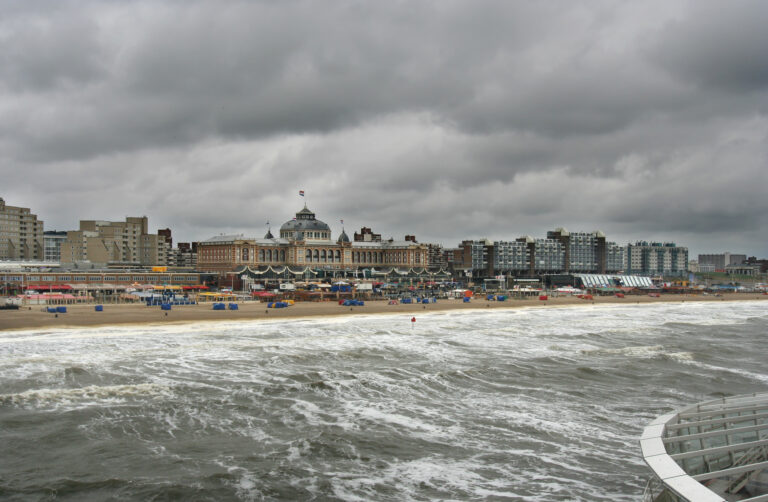
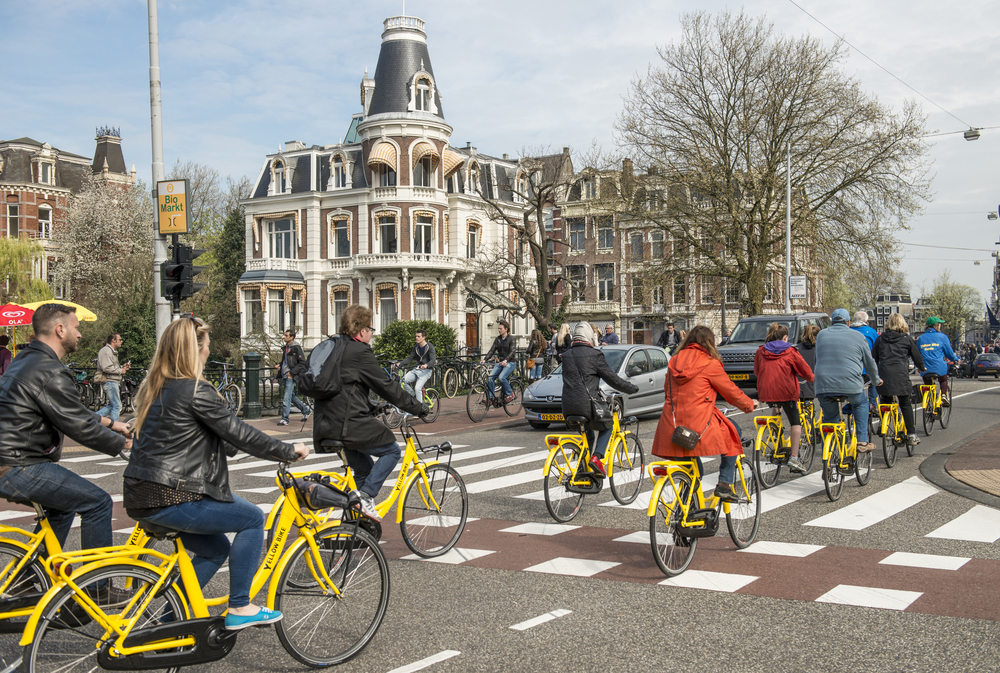
It’s that time of the year again: the Netherlands is getting ready for rain, rain, and more rain. Oh, and wind.
Thursday will be particularly chaotic, as a storm will bring wind gusts of up to 90 km/h. And this isn’t just any storm: it’s storm Ciarán, which has been making its way towards Europe for the past few days.
According to RTL Nieuws, the storm will hit England and France the hardest, but the Netherlands might face some of it as well.
A stormy Thursday, followed by… another storm
While it’s still unsure how much Ciarán will affect us here in the Netherlands, we know that the Dutch coastal areas will face the worst of it.
It all starts in the night from Wednesday to Thursday. First, a “whole bucket of rain comes down”, Marc de Jong from Buienradar tells RTLNieuws.
Then it’s time for some intense wind. According to Weeronline, gusts of wind can reach 75 km/h throughout the Netherlands, and up to a whopping 90 km/h by the sea.
“Maybe it will come to wind force 9, that would mean a storm”, says De Jong. 💨
The best (worst) part? Right behind storm Ciarán, a new stormy area is brewing — waiting to take over the Netherlands.
Prepare for traffic troubles
October has been pretty consistent with the rain, and November is expected to be much the same. Combine that with the dark and windy times of the approaching winter, and it’s to be expected that traffic conditions are a bit less safe.
So, during your interview with a Dutch company, you boasted about wanting to practice your Dutch more — and now you’ve got the job! First of all, congrats! Second of all: uh-oh… time to practise jouw Nederlands. 🇳🇱
While people don’t need to speak fluent Dutch at their job in the Netherlands, there are some words and phrases that are good to know. Not only will this help you impress your boss, but it will also enhance your Dutch social life.
But how do you navigate your day-to-day life at your Dutch job in het Nederlands? Let’s talk about it!
Vocab to get to know the workplace and the job
Before you can start your Dutch job, you should learn how to talk about it (or should we say your baan?).
So, let’s start off easy by looking at some words you should know before embarking on your “Dutch at work” journey. What does it mean if you’re working from het kantoor? And who is your baas?👇
Dutch words to know when looking for a job:
🇳🇱 De vacature 🇬🇧 The job opening
🇳🇱 Solliciteren 🇬🇧 To apply for a job
🇳🇱 De baan 🇬🇧 The job
Dutch words you should know at the workplace:
🇳🇱 De baas 🇬🇧 The boss
🇳🇱 Het bedrijf 🇬🇧 The company
🇳🇱 Het kantoor 🇬🇧 The office
🇳🇱 Het salaris 🇬🇧 The salary
Introducing yourself to your collega’s in Dutch
To start off on a good note with your new Dutch co-workers and, most importantly, your Dutch boss, it’s great to show initiative by introducing yourself in their native language.
“Leuk om je te ontmoeten” (Nice to meet you)! Image: Depositphotos
That means it’s time to socialise with your co-workers (yay!)… but in Dutch (oh jeetje)! Don’t fret, it’s not as hard as you think. You don’t have to worry about nailing the Dutch G, or about concealing your accent — it’s the effort that counts. 💪
Oh, and the best part? Since Dutchies are so great at speaking English, you can always fall back onto it as needed. Appeltje Eitje! (Easy peasy!)
Here’s how to do it like a Dutch pro:
🇳🇱 Hoi, mijn naam is ___. 🇬🇧 Hi, my name is ___.
🇳🇱 Ik kom uit ___ en woon nu in ___. 🇬🇧 I come from ___ and now live in ___.
🇳🇱 Ik ben net hier begonnen in de functie van ___. 🇬🇧 I just started here in the position of ___.
Dutch phrases to survive lunch hour
Phew, you’ve made it through the first few hours of the day. Next up? A lekker Dutch lunch, of course! 🥪
To ‘boterham’ or not to ‘boterham’ — that is the question. Image: Freepik
Whether you’re going out to grab a frikandelbroodjeat the Albert Heijn, or sharing a homemade boterham with your colleagues, let’s make sure you can find your way around.
If you’re feeling up for some cheekiness (or maybe some Dutch directness), you may even want to stir the pot a little bit. How about expressing your opinion on Dutch food, for example? 😈
Try these for size:
🇳🇱 Wil je een kopje koffie? 🇬🇧 Would you like a cup of coffee? — They’ll love you for this offer
🇳🇱 Wat heb jij vorig weekend gedaan? 🇬🇧 What did you do last weekend? — Get the conversation flowing
🇳🇱 Ik houd echt niet van boterhammen. 🇬🇧 I really don’t like sandwiches. — Time to get controversial
Time to get formal at the workplace
Now that you’ve mastered the art of introductions, lunch talk, and stirring the pot, it’s time to talk business.
After you start working for a Dutch company, it’s pretty likely you’ll start receiving emails in Dutch. But, how do you tackle emails in Dutch? How do you address a client? And when do you use formal language? So. Many. Questions.
We get it, but the answer lies in you — the formal you. Yup, in Dutch, there are two types of “you”s: jij (informal) and u (formal). To all native English speakers, this can be confusing, but it’s the easiest way to recognise formal versus informal language.
When in doubt, feel free to shoot a quick text message to your Dutch friend! Image: Freepik
The best way to gauge whether or not you should say u is based on status, and how well you know somebody. To play it safe, it’s a good idea to address people you don’t know with u — this shows that you’re polite.
That being said, Dutch workplaces are very non-hierarchal, and more often than not, your boss or co-workers will switch to jij. Once this happens, you’re safe to do the same. 🤝
Still, when you talk to clients at work, be it in an e-mail, phone call, or meeting, it’s best to open the conversation with u — since you don’t know them personally.
You could say something like:
🇳🇱 Goedemorgen meneer/mevrouw, leuk u te ontmoeten. 🇬🇧 Good morning sir/madam, nice to meet you.
🇳🇱 Laat het me weten als er iets is waarmee ik u kan helpen. 🇬🇧 Let me know if there is anything I can help you with.
Making small talk in Dutch at VrijMiBos
Yup, working in the Netherlands is heelleuk — we’re sure you’ll especially enjoy VrijMiBos (we do, too!). This is your chance to unwind and share some lekker biertjes with your team.
While we love socialising, we don’t love an awkward silence, or even worse: being left out of Dutch conversations.
Luckily for us non-natives, there’s an easy fix for this issue: learning how to make small talk in Dutch! 🗣️
Nee, small talk is not as dreadful as it sounds! In fact, it can be a great way for you to not only get to know your co-workers, but also to practise your Dutch in a more laid-back setting. Win-win.
You could ask your colleagues the following questions:
🇳🇱 Waar kom jij vandaan? 🇬🇧 Where are you from?
🇳🇱 Hoe lang werk jij al bij [company name]? 🇬🇧 How long have you been working at [company name]?
🇳🇱 Ga je iets leuks doen dit weekend? 🇬🇧 Do you have any fun plans for this weekend?
🇳🇱 Wat hebt je voorkeur? Frikandellen of bitterballen? 🇬🇧 Which do you prefer? Frikandellen of bitterballen?
While you don’t have to speak Dutch when working in the Netherlands, it will be of huge benefit — both socially and in your career.
So, are you ready to dip your toes into the art of speaking Dutch at work? Succes! We’re rooting for you. 💪
Do you speak Dutch at your job in the Netherlands? Tell us about your experience in the comments!
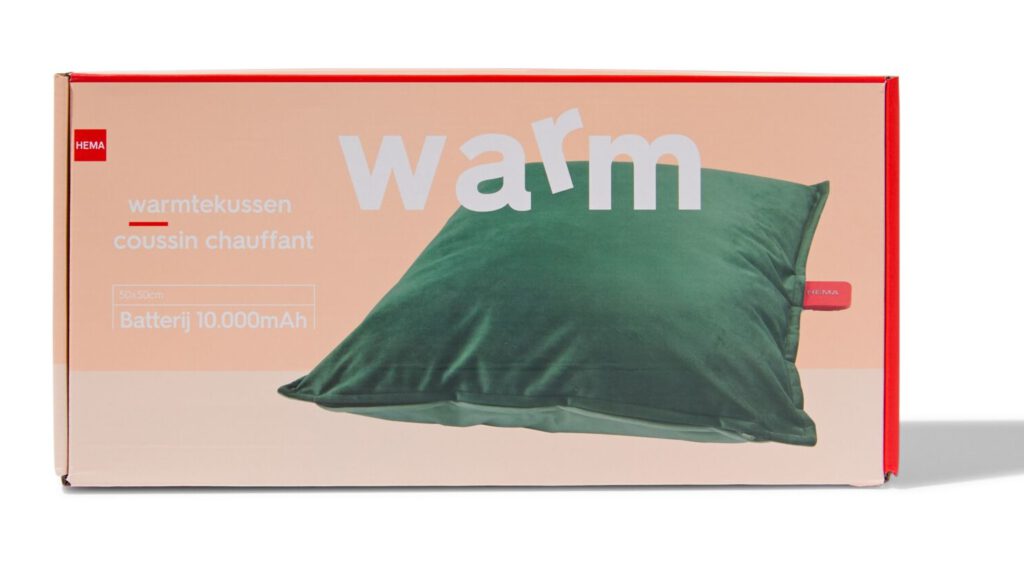
Rising energy costs aren’t really making keeping warm very easy, but here’s a solution that won’t break the bank: a heated cushion to keep you toasty! 🔥
This comes after heatable pillows blew up last year, but some were a little too expensive for us commoners. (Let’s be honest, €110 for a pillow isn’t the most accessible of prices 😬!)
This post might have affiliate links that help us write the articles you love, at no extra cost to you. Read our statement.
However, our lord and saviour, HEMA’s rechargeable heat cushion, is now offering a more affordable alternative at just €69. Want it? It can be in your house as quickly as tomorrow!
Ensuring your home is safe is an important first step to moving to the Netherlands. You may love those characteristic narrow stairs and the cosy wooden beams in the ceiling — but fire safety is an important step you shouldn’t forget.
No one thinks their home is susceptible to catching fire, but it’s better to be safe than sorry. Here’s everything you need to know about house fires and fire safety in the Netherlands.
House fires in the Netherlands
Let’s begin with the bad news: the number of house fires in the Netherlands has significantly risen in 2023.
More than 4,000 house fires were reported in the Netherlands in the first six months alone — that’s almost one house fire every hour.
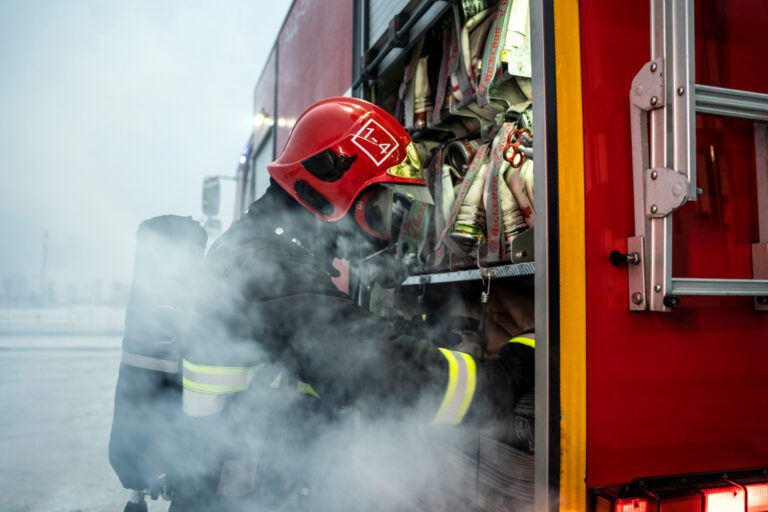
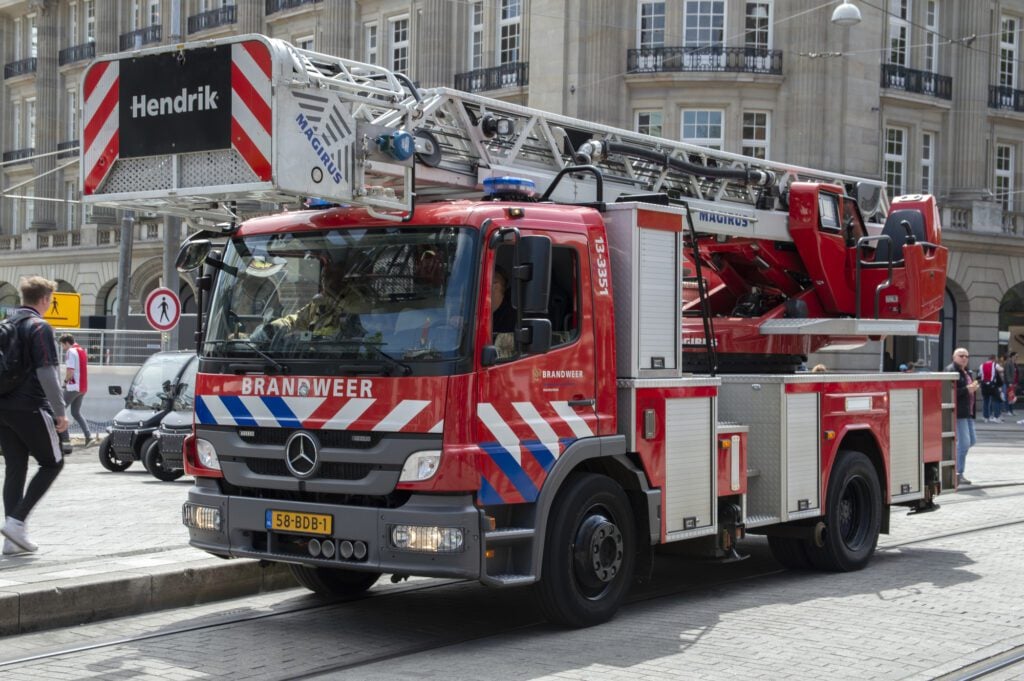
Can’t miss the bright red trucks in the Netherlands. Image: Depositphotos
And these weren’t some small cases of burnt toast either. Nearly 3,900 of these fires were large enough that the Dutch fire brigade had to respond, AD reports.
The national fire brigade organisation also noticed more chimney fires in homes, but the investigation hasn’t given more solid conclusions.
Why is there such a sudden increase in house fires in the Netherlands?
Researcher Ruud van Herpen offers AD a few possible explanations for why there have been so many house fires in the Netherlands this past year — and it mostly has to do with the Netherlands’ energy transition.
Dutchies are adapting and changing their homes to accommodate new developments in housing and energy.
And who can blame them? Skyrocketing energy prices are tempting people to warm their homes in more risky ways, such as burning wood in their chimneys or using other fuels like kerosene.
Similarly, newer homes have all kinds of efficient electrical appliances like heat pumps and solar panels — which is great — but these can catch fire more easily than central heating and radiators.
Better insulation in homes, such as fibreglass and cellulose, also increases a house’s flammability — meaning these materials make it easier for fires to spread between homes.
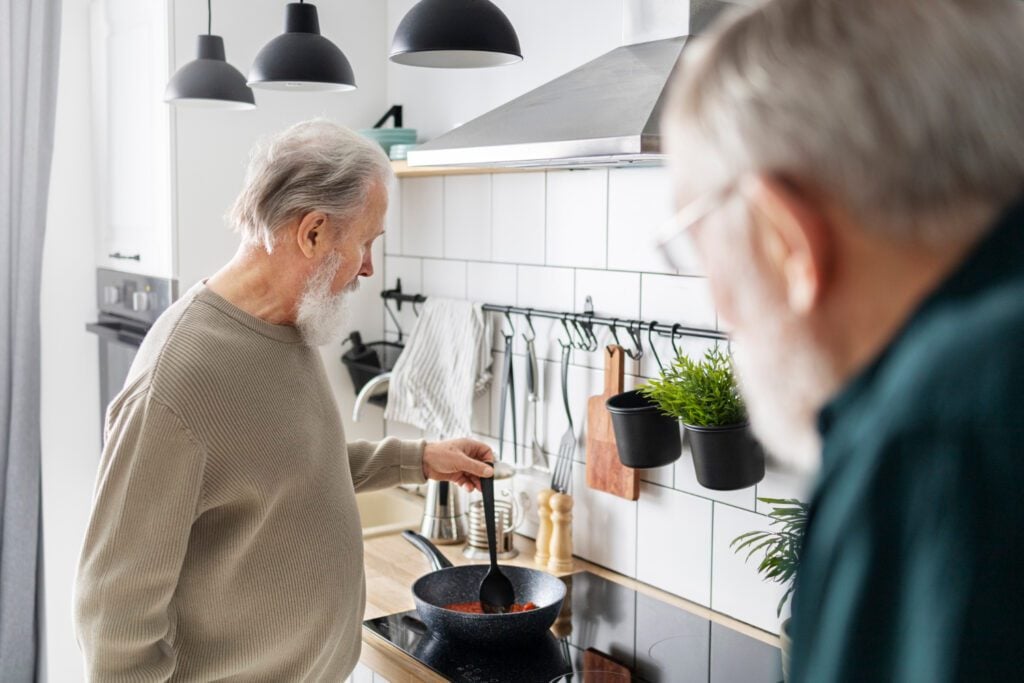
Cooking can easily become a fire hazard. Image: Freepik
And finally, there’s an ageing population in the Netherlands. Older people tend to spend more time at home and are less alert to potential fire hazards.
These are all potential causes of a house fire in the Netherlands. So, what precautions are you expected to take in the Netherlands?
What are the fire safety regulations in the Netherlands?
The good news is that there are laws and regulations that the Dutch keep in place to make sure your home is safe from fires.
You must install smoke detectors (no excuses!)
According to Dutch law, your house must have a smoke detector that fits European standards — these smoke detectors should give a good audio signal, be easy to install, and detect smoke in time.
Additionally, you need a smoke detector on every floor of your house. On top of this, any room that is part of a potential escape route to the outside should also have a smoke detector.
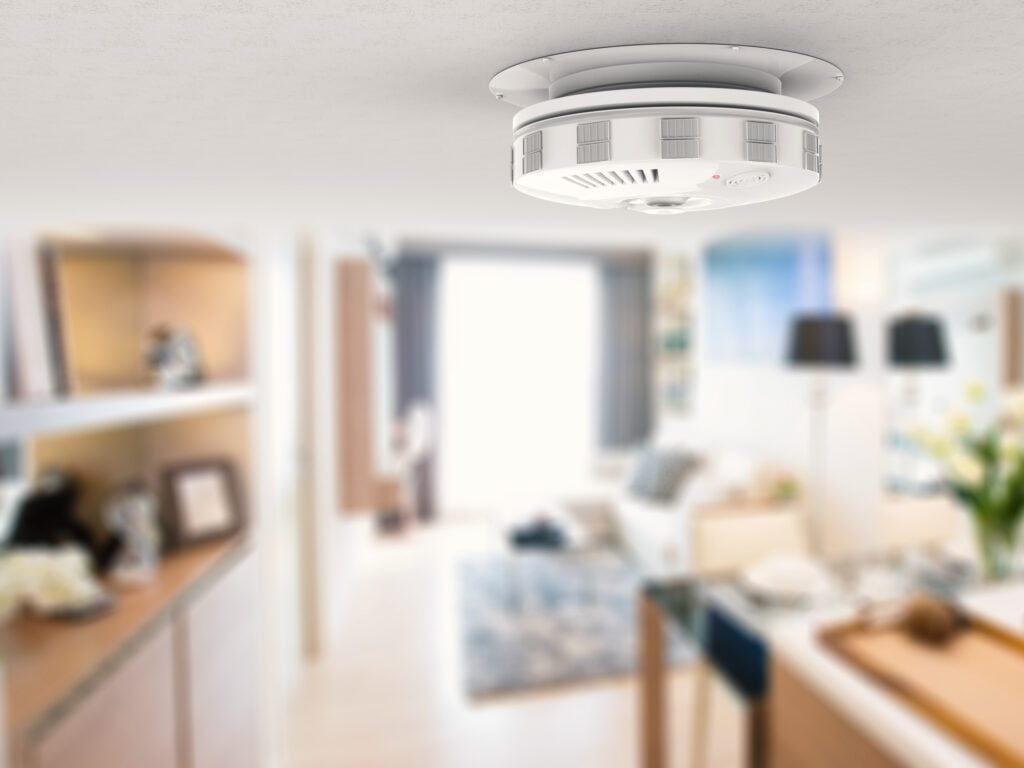
Smoke detectors should be installed on every floor at home. Image: Depositphotos
It’s most effective to mount them to your ceiling a few centimetres off the wall so that it can detect smoke sooner.
If you don’t own your home, your landlord is responsible for making sure smoke detectors are present and installed correctly.
You should always have a fire extinguisher
Fire extinguishers are a must-have at home. There are all kinds of fire extinguishers for different types of fires (electrical fires, grease and kitchen fires, fires from ordinary materials like paper and wood, etc.)
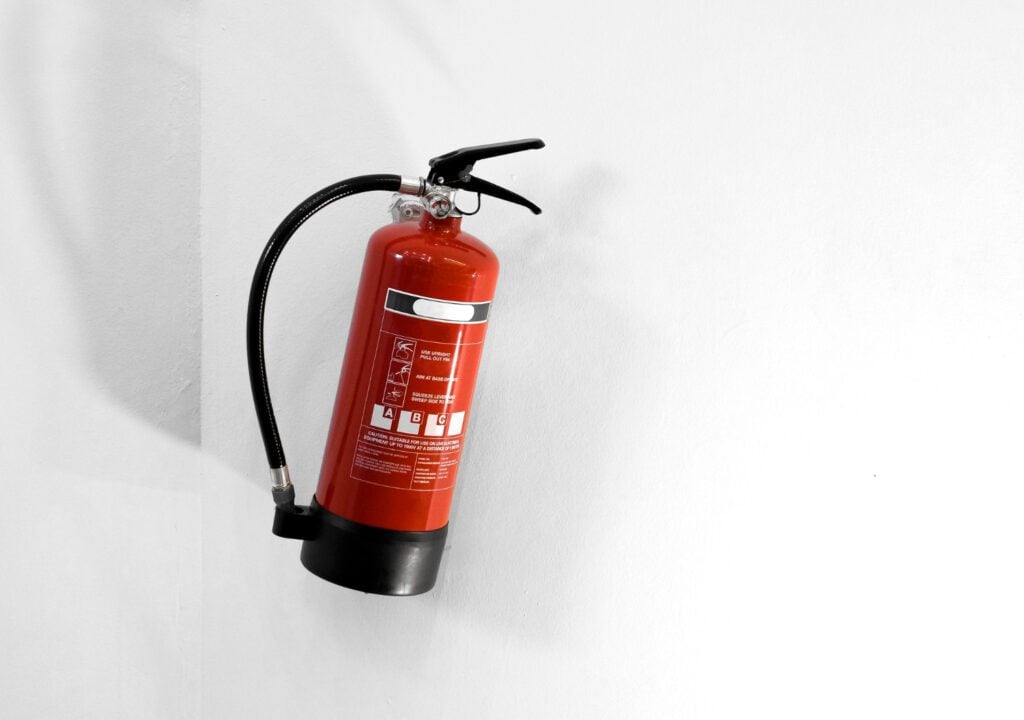
Make sure your fireplace is in a visible and easily accessible place. Image: Freepik
There are also other alternatives to fire extinguishers, like fire blankets. Fire blankets are usually enough for small fires but can’t be used for electrical or grease fires.
Let op! You need to make sure you pick the correct fire extinguisher for your living situation. Do you have an electric oven? Then, choose an extinguisher that can handle electric fires.
If you’re renting, you can ask your landlord to buy a fire extinguisher and fire blanket for your home.
You should have an evacuation plan
You (and your housemates/family, etc.) should have a plan ready in case of a fire in your home.
It’s important to sound the nearest fire alarm to warn other people about it, have an escape route and meeting point, and also make sure you call the fire department as soon as possible.
Have a plan ready, and make sure to go over it with your family. Image: Freepik
You should also decide who is responsible for caring for pets, infants, and anyone who has mobility issues in your plan.
What number do you call in case of a fire in the Netherlands?
112 is the go-to number for life-threatening emergencies and accidents in the Netherlands and the rest of Europe.
In the Netherlands, you can call 112 for the fire department, police department or professional medical services free of charge.
In the aftermath of a fire, it’s also ideal to call your insurance company (and your landlord, if you have one). You can inform your insurance of the loss and figure out the steps you should follow afterwards.
Get in touch with your insurance provider as soon as possible, should your home catch on fire. Image: Freepik
After talking to your insurance, you can also contact a restoration company to help you with any immediate concerns within the house, such as water or electrical damage.
What insurance covers house fires in the Netherlands?
Wait, insurance!? Don’t panic. Let’s talk about it.
There are two main kinds of insurance for homes and house fires: building insurance (opstalverzekering) and household contents insurance (inboedelverzekering).
Building insurance and house fires in the Netherlands
Building insurance also has two types of coverage: standard coverage that insures your home against burglary, theft, vandalism, storms, and fire, and all-risk coverage that covers damage you accidentally cause yourself.
Contents insurance and house fires in the Netherlands
Household contents insurance covers damage or loss of contents in your home, like furniture, valuable personal possessions, clothing, jewellery, electronics, etc.
To apply for household contents insurance, you’ll have to do an inventory of all important items in your home. Image: Freepik
However, it’s important to note that both types of insurance are necessary in case of a (large) house fire.
Do I have to take out fire insurance when I move to the Netherlands?
Unlike health insurance, getting fire insurance for your home is not required in the Netherlands.
However, it’s never a bad idea to take it out. If we’ve learned anything about house fires in the Netherlands, it’s that they can happen to anyone!
Double-check the different kinds of insurance you can get for your home with your insurance provider. Image: Freepik
If you’re renting, you usually don’t have to take out building insurance, as your landlord will have taken care of it before you moved in.
However, it is up to you to take out household contents insurance for everything within your rented home.
Good to know: The price of household contents insurance depends on where you live, how big your family and home are, and the insurer itself, but this kind of insurance is typically quite affordable.
If you own your home, you’re obligated to arrange your insurance — including deciding if you want to take out any in the first place.
Who is culpable when there’s a fire in your home in the Netherlands?
Depending on whether you’re the renter or homeowner, you have different responsibilities when there’s a fire in your home.
So who should foot the bill if there is a house fire in your home in the Netherlands? Image: Freepik
If you’re a renter
If your rented home catches fire, the landlord must call the insurance company about any damages to the home itself and get things repaired.
You are, however, in charge of contacting your insurance company if you took out household contents insurance and need to use it in the case of a house fire.
If you’re a homeowner
Just like arranging your insurance, in the event of a fire, you’re responsible for calling them and the restoration company.
In the meantime, you’ll also need to find a safe place to stay, arrange your renovations once you’ve called the insurance company, and make sure your home is properly assessed for fire safety.
While some unions seem thrilled about the House of Representatives’ recent decision, other organisations, universities, and companies would beg to differ.
On Thursday night, the House of Representatives voted in favour of making cuts in the expat scheme. Turns out, the Netherlands Trade Union Confederation (FNV) is in full support of this decision.
The main reason why? The FNV weren’t fond of the tax benefits it granted expats.
They also worried it would create “unfair competition” between foreign employees and Dutch nationals, the NOS reports.
Top salaries for top talent
Not every organisation is as enthusiastic about the votes, though. The Employers’ organization VNO-NCW, for example, claims that binning the 30% rule will ward off international talent.
Yup, according to the VNO-NCW, skilled foreigners are in high demand, particularly for high-tech companies and research institutions based in the Netherlands.
Not only that, but Minister Adriaansens of Economic Affairs chimed in with the VNO-NCW’s concerns, saying this new tax scheme will put a dent in how “attractive” the Netherlands is for outsiders. After all, “top talent expect top salaries”.
One company, Just Eat Takeaway, blames the fact that there isn’t enough of a labour supply in the Netherlands to fill all the available data and tech roles, leading companies to seek workers from overseas.
Several universities and colleges across the country teamed up and also jumped on the disapproving bandwagon — which is no surprise, considering 10,000 of their employees rely on this scheme.
Are you in favour of cutting the 30% ruling or not? Share your reasoning in the comments below!
Amsterdam’s football club has dropped to the bottom of the Dutch Eredivisie ladder for the first time in 59 years after yet another crushing defeat.
Alright, internationals, here’s the best way to make small talk with Dutchies this week. Just say: “Ajax, hé?”.
The former darling of the Dutch football world (read: darling = untouchable behemoth) has suffered loss after loss this season.
So what the hell happened?
Picture this: It’s May 2022, and your football team finish at the top of the ladder for the fourth consecutive year. That was Ajax. 🏆
Then, just before that last grand finish, Ajax’s football director, Marc Overmars, got caught with his pants down.
(Literally: he was sending unwanted 🍆 pics to a female employee.)
It turned out this behaviour wasn’t uncommon, so he left in February 2022, triggering a series of coach and player departures that led to Ajax’s demise.
Why is it such a big deal?
Well, Dutchies love their football. City rivalries are huge, especially those between Ajax (Amsterdam), Feyenoord (Rotterdam), and PSV (Eindhoven).
And when we say rivalries, we mean rivalries. A recent match between Amsterdam and Feyenoord was suspended mid-game after supporters began throwing flares and fireworks onto the field.
Once the game was halted, supporters turned to the streets to riot, leading to the mobilisation of anti-riot police.
For Ajax, once the Goliath of the Dutch football world, to be brought to the bottom is, quite simply, crushing for their supporters and Amsterdammers in general.
One Amsterdammer reporter blatantly said in the post-match interview after Ajax’s 5-2 loss to PSV on Sunday: “This means a lot to people. An inky black day. Also for Amsterdam.”
There are plenty of rehab clinics in the Netherlands to recover from addiction — and often, they’re covered by insurance.
The Netherlands is known for its open-minded and progressive approach to various aspects of life, including drugs. While many substances remain criminalised, drugs are often approached with a level of acceptance and normalisation that can sometimes lead to misuse.
For some people, what might start innocently can spiral into addiction. It’s a scenario that can catch anyone off guard, and when the realisation hits that they’re battling addiction, the journey to recovery begins.
Recovery is a long and challenging process, but it can be navigated with resilience and the help of professional assistance.
What is addiction?
The topic of addiction can be daunting, and we sometimes don’t even understand the full scope. The truth is that addiction is a mental and physical disease.
Addiction is a serious disease. Image: Depositphotos
Not only that, but addiction isn’t limited to substances. People can also be addicted to things such as gaming or shopping.
But the good news is that’s why many rehabilitation clinics offer support and supervision for patients. The clinics have dedicated psychological professionals to assist individuals with recovery.
So now that we have a quick rundown of the basics, what is there to know about rehab clinics in the Netherlands?
How much does rehab cost in the Netherlands?
As with any service, the price of rehab in the Netherlands can vary. Most in-house rehab clinics in the Netherlands will charge at least a few thousand euros for a short stay.
The cost of rehab can vary quite a bit. Image: Depositphotos
However, one good thing? Dutch health insurance almost always covers rehab in the Netherlands. Read on to find out more.
Does health insurance cover rehab?
In the Netherlands, rehab clinics are often at least partially covered by insurance. That being said, it depends on the individual’s insurance plan. Make sure to double-check if an insurance provider covers addiction treatment.
Make sure to check if your health insurance covers rehab. Image: Freepik
A referral from a huisarts (general practitioner) is almost always needed for a health insurance policy to cover the cost of a rehab clinic in the Netherlands.
If covered by insurance, all that needs to be paid is the eigen risico (“own risk” or “excess”).
How can someone get help for addiction in the Netherlands?
The traditional route for going to a rehab centre in the Netherlands is through a huisarts (general practitioner). They should refer the person to a professional who can provide the care needed.
There are several measures that can be taken to help addiction. Image: Depositphotos
Sometimes, unfortunately, a huisarts might not take an addiction situation as seriously as hoped. In that case, people can contact the praktijkondersteuner (practice assistant) rather than their huisarts.
The praktijkondersteuner is usually more qualified to deal with mental health issues and often falls under the same insurance as a huisarts.
It’s important to note that being admitted into an institution is almost always voluntary. Someone can be forced to be admitted to a Dutch rehab facility only if they are considered a danger to themselves or those around them.
Can sick leave from work be used to go to rehab in the Netherlands?
Yes, sick leave can be used to leave work to go to rehab in the Netherlands. Addiction is recognised as an illness in the Netherlands, so it’s treated in the same way as a physical illness.
How can I take sick leave from work without saying why? Image: Depositphotos
That being said, note that the details of the illness do not have to be disclosed to someone’s boss or HR. An addicted person can call in sick and say they would like to talk to the bedrijfsarts (company doctor).
Any conversation with the bedrijfsarts is confidential, so no one has to know exactly why they’re taking sick leave. All that the bedrijfsarts will do is help and hopefully conclude that they’re too sick to work.
Because addiction is an illness, the company has to comply with means to rehabilitate and reintegrate a person when they come back from their leave. So, by talking to their bedrijfsarts, time can be taken off, and the person can come back while keeping the safety of their job.
If a company doesn’t have a bedrijfsarts, their employees will be referred to a preferred huisarts that the company deals with. If that’s not satisfactory, of course, each patient can go to their own huisarts.
Dutch rehab clinics and privacy
The Dutch are masters of discretion, and just like the process of asking for sick leave from work, the clinics themselves don’t disclose the identity of their patients. That way, a person with addiction can stay anonymous and ensure complete privacy during recovery.
Most clinics will keep your information strictly confidential. Image: Depositphotos
Additionally, there are plenty of rehab clinics in the Netherlands. Whether a person needs a rehab clinic in Amsterdam, The Hague, Rotterdam, Groningen, or beyond, there is likely one nearby — or far away, if that’s wanted.
What types of rehab clinics are in the Netherlands?
There is a large overlap between addiction and mental illnesses. That’s why clinics have professionals fit to care not only for their patients’ physical health but also offer psychologists and psychiatrists.
Rehab clinics will have all the help you need. Image: Depositphotos
That’s why rehab centres in the Netherlands aren’t limited to substance abuse; some clinics in the Netherlands are focused specifically on mental health.
Most likely, every substance abuse clinic will tackle mental health, but the same can’t be guaranteed the other way around.
Have you had any experiences with rehab clinics in the Netherlands? Tell us in the comments!
Considering moving to the Netherlands as a skilled expat? Things are about to change for you. The House of Representatives has voted to eventually scrap the 30% ruling for expats.
The 30% ruling is meant to offer an incentive for skilled expats to move to the Netherlands. It’s a tax credit scheme that means 30% of an expat’s salary is not taxed for the first five years of their stay in the Netherlands.
However, last night, the House of Representatives voted to phase out the favourable ruling, NOS reports.
New expat tax credit scheme
As of January 2024, the 30% ruling as we know it will be no more.
Instead, the tax credit will be slowly phased out for highly-skilled expats entering the country — although current ones in the NL will not be affected.
It will be replaced by the following scheme:
For 20 months, a highly-skilled expat won’t have to pay tax on 30% of their salary.
For 20 months after that, they won’t have to pay tax on 20% of their salary.
For 20 months after that, they won’t have to pay tax on 10% of their salary.
This is all part of Peter Omtzigt’s plan (dubbed the Omtzigt amendment).
Why are they doing this?
The Dutch government has chosen to do this in order to reduce interest on Dutch student loans.
Members of the “unfortunate generation” who had to take out loans to study were also expected to be saddled with interest on their loans. This has been met with plenty of backlash.
In order to reduce this interest, the Dutch government has to get money from elsewhere — the solution? Get rid of the 30% ruling.
Have you ever been so frustrated by a politician that you just wait for them to make a public appearance and then smack them over the head with your umbrella? No? Well, Thierry Baudet has driven one man to do so.
Baudet, a controversial conservative politician in the Netherlands who once described Putin as a “wonderful guy”, was given a mighty whack to the head as he entered Ghent University (Belgium) to give a lecture.
And the entire thing was captured on video. 👀
Nederlands politicus @thierrybaudet aangevallen nav toespraak aan @ugent… Politie staat erbij en kijkt ernaar. Hoe dikwijls hebben we dit al meegemaakt? Na #IS-aanslag weeral blamage voor onze veiligheidsdiensten. Rechtse politici zijn opgejaagd wild… pic.twitter.com/6MbJaTWKj5
Translation: Dutch politician Thierry Baudet attacked following speech to @ugent … Police stand by and watch. How many times have we experienced this? After #IS attack, yet another disgrace for our security services. Right-wing politicians are hunted game…
Many Dutch politicians have taken to X, describing the attack as “unacceptable.”
What exactly happened?
As far as investigators can tell, this was no attack by a terrorist organisation, however — just a man shouting in Ukrainian, the NOS reports.
After hitting Baudet with a foldable umbrella, the man began shouting: “No to fascism, no to Putinism.” Baudet let out a pained shout but continued into the building.
While both his head (and probably his ego) were bruised, Baudet was still able to give his planned lecture.
Speaking to NPO Radio 1 after the incident, Baudet explained that he had “a significant bump” on his head but “was able to give my lecture after having a glass of water. But it is, of course, very unfortunate that this happened.”
You’ve landed, two-footed and nervous in the Netherlands, hoisted your suitcase up the narrow Dutch stairs, and now there’s just one question on your mind: “Where can I buy a bike?”
Perhaps one of the most important things you need for life in the Netherlands is a bike — or in Dutch, a fiets. It might take you a while to get used to Dutch cycling culture, but in the meantime, here’s where you can buy a bike in the Netherlands.
Wait, wait, wait! Where are you going? Before you decide where to buy a bike in the Netherlands, you’ve got to figure out what type of bike you need.
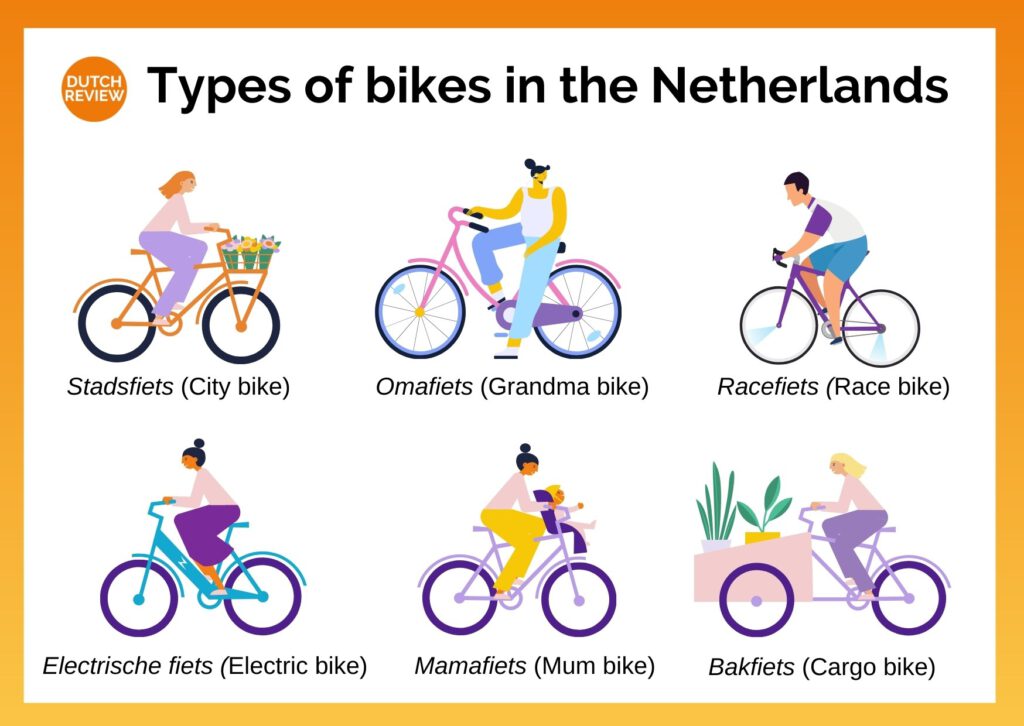
Here are the most popular contenders:
Oma-fiets (granny bike): a light-weight bike that looks like the classical ‘Dutch bike’ you might be picturing.
City bike: these are pretty typical looking and are great for just getting out and about.
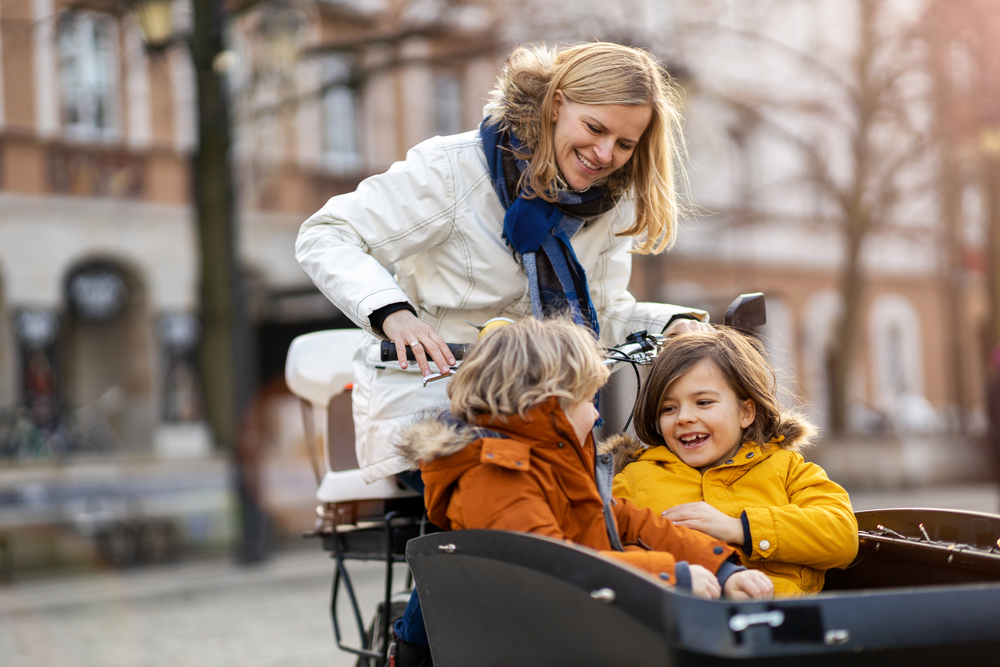
Bakfiets:these are cargo bikes; you’ll usually see parents cycling around with their children in the massive baskets at the front of these.
Mamafiets: similar to the oma-fiets, these bikes have an attachment for a child’s seat.
E-bikes: these bikes are motorised, and make for easy travel especially when fighting the Dutch wind.
Road bike: this one will take you speedily down the bike lanes!
Folding bike: if you need a bike you can take with you easily on the train, go for this one.
Mountain bike: designed for mountaineering, you might not make this kind of bike your number one choice in the Netherlands.
Hybrid bike: these bikes are combination road bike and mountain bike. Great for a bit of on- and off-roading!
Choose your weapon. Image: DutchReview
Do you know what kind of bike you might need based on these bikes?
Good! Now we can get the real work done. 👷♂️
How much does a bike in the Netherlands cost?
The thing is, there’s a bit of nuance to this question. How much you spend is dependent on the type of bike you get.
As a general guide, most people spend between €75 and €200 on their first Dutch bike. This is secondhand, and probably a little rusty, but it’s ideal to get you from A to B.
If you want to buy new and are eyeing a pretty basic oma-fiets, you can expect to drop around €200 to €500.
Specialist bikes often cost a lot more. A brand-new bakfiets, for example,could cost you up to €2,000, depending on the model. And if you want an electric one? Better get saving, because you could spend double that! 💶
The Dutch have come up with some inventive ways to bring their kids around. Image: Depositphotos
Where should I buy a bike in the Netherlands?
Just like the rest of the Netherlands, bikes aren’t part of a hierarchy. That person riding the squeaky rust-mobile? They might be a CEO.
Basically, no one’s going to judge you based on the quality of your bike.
That being said, there are a number of options when buying a bike in the Netherlands.
Buying a brand-new bike in the Netherlands
If you’re the kind of person who’s willing to take the very likely risk of having your wonderful set of wheels stolen right from under you, a first-hand bike is surely the way to go.
But there are benefits! While a first-hand bike is certainly a luxury purchase (and a dream for thieves), it can also mean no squeaky brakes or stuttering lights. But, where should you buy a brand-new bike?
Once that you’ve got the cost of the bike down, and an understanding of what you’re looking for, you’ve got to climb the final hurdle — where to get it from!
Aside from these stores, you can always get a bike in one of the many thousands of stores across the wetlands. You can go in and look for more established brands, such as Gazelle or Cortina. Plus, some bike brands have their own stores — such as Trek.
But, always check reviews first, and make sure to compare before you spend your hard-earned moolah. 💰
Buying a second-hand bike in the Netherlands
Perhaps the more popular choice, buying a second-hand bike in the Netherlands can also be a bit of a challenge.
But, once you have all the details, going out into the world to retrieve the fiets of your dreams can be an easy task.
Facebook Marketplace and buy-and-sell groups
Buying from Facebook Marketplace and other online buy-and-sell groups can be a great option when buying a bike in the Netherlands.
But, do be careful of buying a stolen bike; this is illegal and could end up leaving you in a bit of a mess.
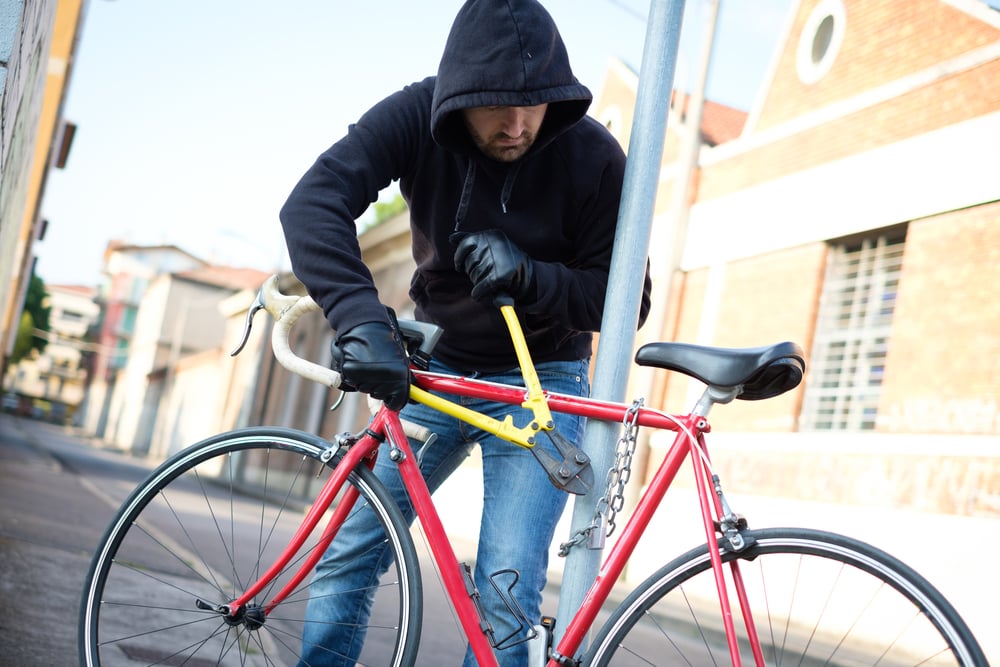
That brand-new ‘second-hand’ bike you’re looking at might actually be stolen. Image: Depositphotos
Does the bike look too good to be true? A brand-new pink beauty with a shining basket and not a speck of rust for a measly €60? Perhaps think again, for that might be some poor soul’s birthday present, snatched off the street.
A little bit of caution goes a long way — does the person seem trustworthy? Is their Facebook profile legitimate? Are they posting 20 different bikes for sale, claiming they’ve been riding them for two years? No? Then you’re likely good to go!
Marktplaats
Marktplaats, the Dutch holy ground for secondhand goods!
This is an excellent place to go if you want to buy a bike. Dust off those Dutch skills, and see if you can grab yourself a good deal.
Lots of people on Marktplaats will also sell more expensive bikes, such as e-bikes or bakfiets, so if you desire either of those at a cheaper cost, be sure to download the app and search away.
Second-hand bike store
Just as thousands of bike shops sell brand-new bikes, there are also many stores selling second-hand ones.
Many stores will sell both, so pop into a store and ask around. They’ll let you test-drive them, and they often come with a limited warranty or a buy-back guarantee.
Flea markets
Flea markets are also a great resource when buying a bike.
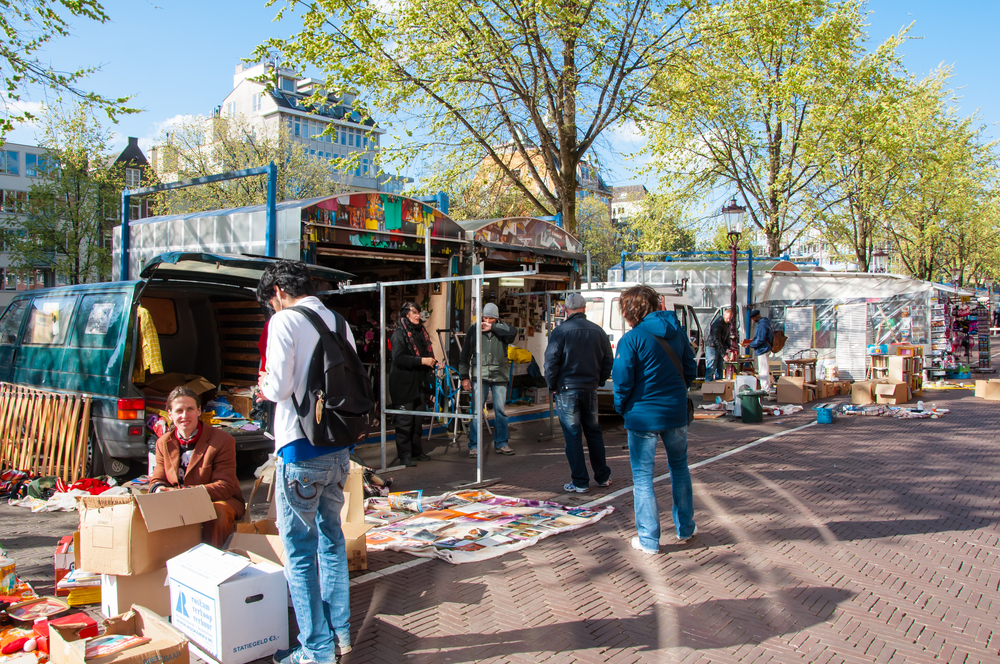
If you’re in Amsterdam, major markets such as IJ-Hallen will have a massive selection of bikes by different vendors, giving you the chance to wander around and barter before you settle on a bike.
You can even find bikes for sale at major flea markets in Dutch cities. Image: Depositphotos
The market at Waterlooplein in Amsterdam is also an excellent place to buy a bike in the Netherlands. Open Monday to Saturday from 9.30 AM to 6 PM, you’ll find lots of secondhand bikes on sale here too.
Ask your friends and co-workers
Though it might seem nerve-wracking if you’re new to the Netherlands, asking the people around you if they have a bike they’re selling on, or know of someone trying to get rid of their beloved fiets, is a good option.
You’d be surprised just how much movement one bike goes through in its lifetime in the Netherlands!
Under a bridge (just kidding!)
“Buying a bike under a bridge” refers to buying an exceptionally cheap bike, usually from a seller that looks like they’re about to bound away once the sale is done. This is often literally done under a bridge or by a railway station.
Clouded by nerves and a sense of rushing, buying a €5 bike from a person on the side of the street is never a good idea.
Although good for the wallet, the bike is most likely stolen, and the thief is trying to pass it off before they get caught.
Beware of buying a super cheap bike! It may be stolen, and you might be the person to blame if caught.
What should you check for when buying a bike in the Netherlands?
Buying a bike in the Netherlands is a serious duty. Similar to buying a car, you need to check lots of things before you buy your bike and take it home.
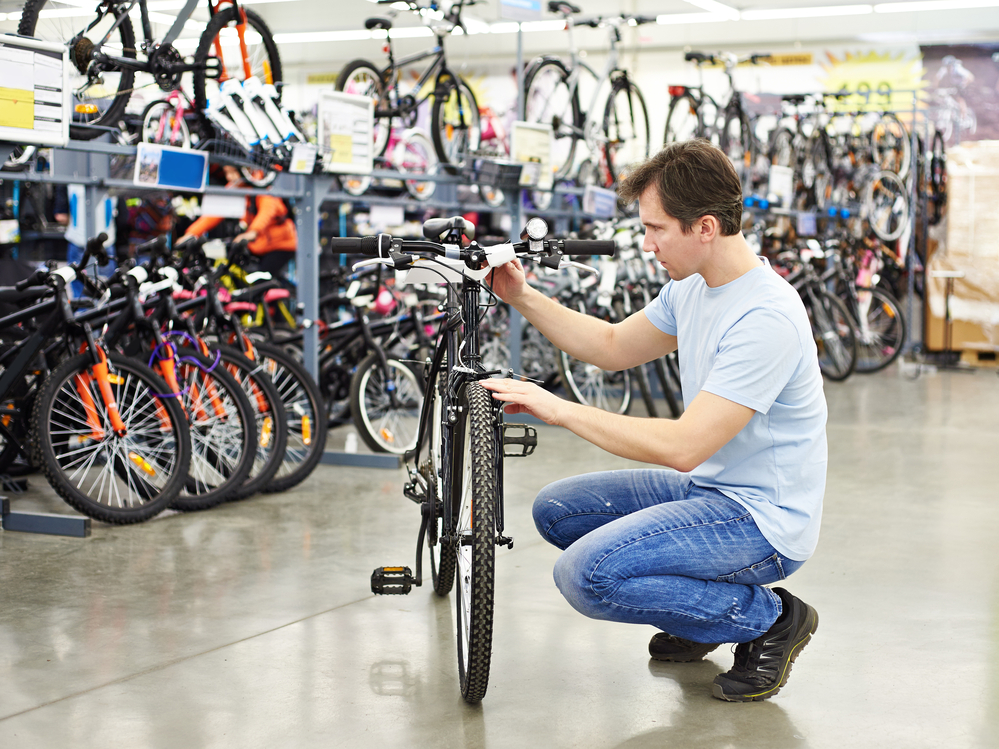
The last thing you want to have to do with a new bike is to bring it for repairs just after buying it. Image: Pexels
The major things you should check for on your new bike are;
Do both the front and back brakes work?
The type of brakes: are they back-pedal brakes or hand brakes?
Is it the right height for you to get comfortably on and off? If not, can the seat be adjusted.
Is it comfortable? Do you see yourself being able to cycle for long stretches?
There are, of course, other things to check for, but these are more to do with personal needs and wants than the plain basics. As for accessories, we’ll get to it! 😎
How to avoid scams or buying a broken or stolen bike
Just like with most secondhand purchases, there’s always an underlying fear that the item you’re buying isn’t as good as it seems.
Our best recommendation is always to always look at the bike in person. And no, we don’t mean taking it for a quick spin; we mean giving it a good, close-up inspection.
Make sure the gears work, and that both the back and front brakes are in good condition.
It might be a scam if the bike looks freshly painted, as this is a way for thieves to resell stolen bikes.
Is it a bit too good to be true? Less than €100 for a really nice blue bike with a brown leather seat with 21 gears and in perfect condition? If it’s too cheap, too pristine, or looks like it’s been done up very recently, we’d recommend approaching with caution. 🚫
Short-term bike rentals are also available. These are ideal if you’re in Amsterdam for a handful of days and you want to get the chance to cycle around the beautiful city. Or, you’re halfway along your commute home and have to choose between a 40-minute walk or a 20-minute cycle.
There are hundreds of short-term bikes to rent in the Netherlands. Image: Depositphotos
This is where short-term bike rentals come in! These bikes are usually rented on a day-to-day basis and are relatively cheap (although they can rack up costs over time).
In almost every city, however, you’re sure to find a bike rental shop. Just walk in, ask if they rent bikes, and double-check the rate. You can expect to pay around €10 for a full day. Then, you can whizz away.
Other things to consider when buying a bike in the Netherlands
Congratulations! You’ve found the Dutch bike of your dreams. But, now’s the other hard part; all those extra things you’ll need.
Before you can journey off in peace, you’ll need to consider a few things, such as:
Some popular examples of accessories when buying a bike in the Netherlands are:
Basket: perfect for internationals who aren’t ready to cycle home holding five bags of groceries, unlike the rest of the Dutchies
Pannier: a bag that can be attached to the back of your bike for easy storage and carrying.
Mobile phone holder: good for those of us who are a bit directionally challenged but don’t want to risk unnecessary fines for using our phones while cycling.
A bell: important for alerting everyone in a hundred-metre radius that you are, in fact, on the bike path and they should get out of your way.
Something to distinguish it as your bike: because if it’s a basic black bike, it’s bound to get lost amongst the hundreds of other black bikes.
Where to buy a bike in the Netherlands: frequently asked questions
Where can I buy a bike in the Netherlands?
You can buy a bike online, or at an in-person retailer. There are many bike stores in Dutch cities, but you can also go to flea markets to buy secondhand.
It’s also possible to buy second-hand from Facebook Marketplace or Dutch reselling sites such as Marktplaats; the options are endless!
How much does it cost to buy a bike in the Netherlands?
For a secondhand bike, it can cost anywhere between €50-180 on average.
For a first-hand bike, it can cost anywhere between €200-500, with the price going up for additional qualities such as e-bikes or cargo bikes.
How can I get a cheap bike in the Netherlands?
Your best bet is to buy a bike secondhand if you want to keep costs low. Asking coworkers and friends if they know anyone selling a bike on is always a good bet, alongside scouring the secondhand markets.
What is the most popular bike in the Netherlands?
The most popular bike in the Netherlands is the omafiets, or the ‘grandma bike’.
Is it better to rent or buy a bike in the Netherlands?
The answer to this depends on the person! The benefits of a rented bike mean that you are not liable to cover the cost of fixing the bike, nor do you have to pay to replace it if it’s stolen.
However, you have more freedom with a bike of your own, and if you plan on staying long-term in the Netherlands, it’s cheaper to buy a bike once off than to have to pay subscription fees over time.
So, now that you’ve got the tips, tricks and knowledge, you can go out into the world and find your perfect bike! 🚲
Did you buy a bike in the Netherlands? If so, tell us about your experience in a comment!
Editor’s note: This article was originally published in December 2022, and was fully updated in October 2023 for your reading pleasure.