Home Blog Page 462

Amsterdam is banning 167 addresses from becoming tacky tourist shops (thank god!)

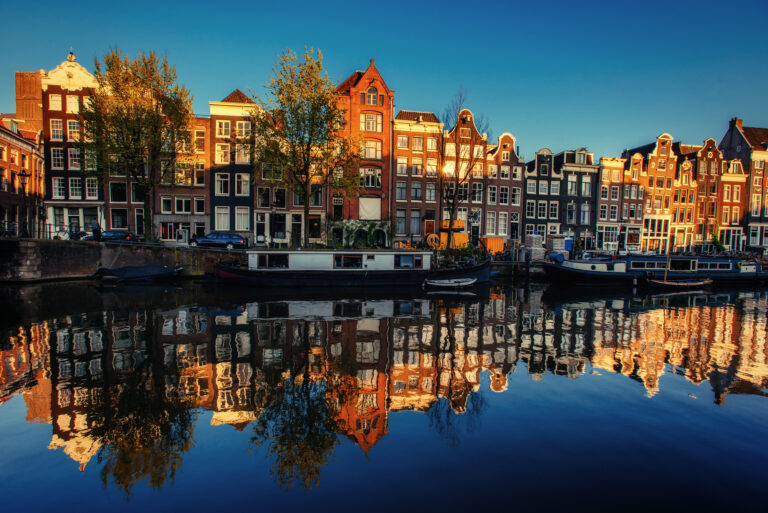
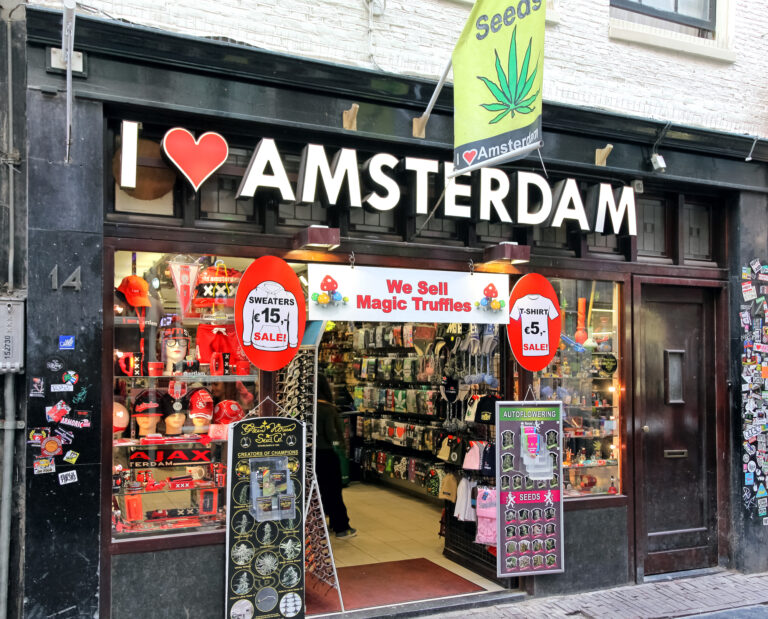
The Dutch capital has made the remarkable move to ban over 150 locations from operating as tourist shops in the city centre in a bid to combat overtourism.

Weed paraphernalia? Nee. Mass-produced clog magnets? Nup. A t-shirt that says “Good guys go to heaven, but bad boys go to Amsterdam”? No, no, no.

The owners of 167 properties in Amsterdam’s historic centre will no longer be able to transform their retail spaces into souvenir shops, sex shops, mini supermarkets, smart shops, money exchange offices, ATMs or food shops, says the city council.

Amsterdammers, pleeease return to the city

The council hopes that the decision will make the Amsterdam city center more attractive to people who live in Amsterdam.

It goes hand-in-hand with a 2017 decision to ban new tourist shops from opening in the historic centre.

Doei Felicia

However, the shops affected by the decision won’t have to suddenly close their doors.

Instead, the affected addresses are either not just a tourist shop (e.g. a souvenir shop combined with something else) or are empty. It is possible to repurpose them as shops with greater appeal to actual Amsterdammers such as bookshops or clothing stores.

(We still think there are way too many opportunities to buy crappy stroopwafels for an inflated price in the city, but okay.)

The ongoing plan to bid farewell to weed, beer, and drug tourism

Getting rid of tourist shops isn’t enough for a party destination like Amsterdam.

A complete ban on the sale of cannabis to people who don’t live in the Netherlands was already proposed this year by Amsterdam Mayor Femke Halsema.

Meanwhile, the introduction of mandatory registration for holiday rental properties means that Airbnb has already lost three-quarters of its listings in Amsterdam.

What do you think of this plan to reduce party tourists in Amsterdam? Tell us your thoughts in the comments below!

Feature Image: jarino/Depositphotos
From frosty Christmas to spring-like New Year’s Eve: Dutch weather reaches new extremes

After living in the Netherlands for a couple of years, you start to think you’ve seen it all when it comes to Dutch weather. But just when you convince yourself that no forecast can surprise you, the Dutch weather proves you wrong once again. 

The lowlands just experienced a cold and frosty Christmas, with below zero temperatures in some parts of the country. In some places, it felt as cold as -15 degrees. Is this wintery weather here to stay? Hell no. 

Over the coming days, the temps will start creeping up, reaching as high as 15 degrees above zero on New Year’s Eve, according to RTL Nieuws. Gek, hΓ©?

What’s ahead of us? 

Aside from the stark temperature differences, the Dutch weather will remain its usual ugly self. 

A drizzle with temps just above zero will still pose a problem in the north of the country today. Code orange applies this morning in the provinces of Flevoland, Friesland, Groningen, Drenthe, and Overijssel due to treacherously slippery roads, reports RTL Nieuws. 

In contrast, the weather in the south of the lowlands will be grey but mostly dry, with temperatures reaching up to nine degrees.

On Tuesday, we can expect rain and wind, as well as double-digit temperatures in some parts of the country.

Up by one degree every day 

From Tuesday onwards, the temps will creep up by about one degree a day up until New Year’s Eve when they eventually reach between 13 to 15 degrees. Get ready for Dutch people wearing tank tops already!

This is exceptionally warm. For comparison, the usual temperature around this time of the year is about six degrees.Β 

We suppose that this is what happens when you combine the already crazy Dutch weather with climate change…

To end on a positive note though, the Buienradar meteorologist William Huizinga predicts that New Year’s Eve may actually be rain-free! πŸ₯³ He also very accurately points out that β€œit’s far from Friday, so that could change” β€” but one can always have hope. 

Are you looking forward to the warmer temperatures? Let us know in the comments!  

Image: dvoevnore/Depositphotos

No booster shot abroad, advises the GGD

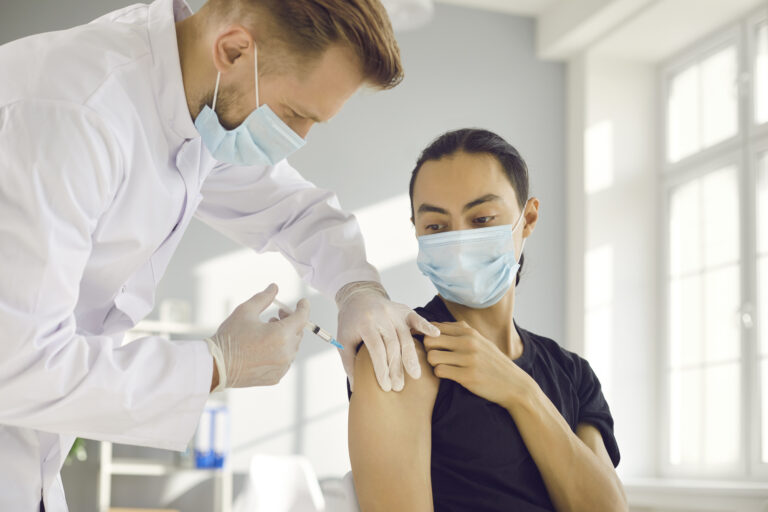
The GGD is advising its residents to not get their booster shots outside of the Netherlands. They say that doing so can cause problems with registration in the Dutch CoronaCheck app.

Some Dutch people aren’t waiting to get their booster in the lowlands. Instead, they’re going over to other countries, like the neighbouring Germany, where everyone can already receive the shot, reports RTL Nieuws.

However, according to the GGD, foreign shots do not appear with a vaccine certificate in the Dutch CoronaCheck app. Those who have gotten their booster abroad can only get a paper coronavirus entry pass after they’ve registered the jab in the Netherlands.

Travelling abroad may be difficult

Furthermore, getting your booster abroad may also spell trouble when travelling abroad. The EU Digital COVID Certificate won’t be available in the CoronaCheck app to allow people to travel. ✈️

However, this type of certificate must be issued from the EU country where the booster was received, says a spokesperson from the GGD GHOR.

So don’t worry, you’d still be able to travel β€” you just won’t be able to do it via the CoronaCheck app. πŸ™…β€β™€οΈ

READ MORE | No booster shot? You could be blocked from international travel after February

“To avoid disappointment, we advise people to have themselves pricked in the Netherlands,” says the GGD spokesperson. 😱

Currently, the Netherlands expects to have all adults vaccinated with the booster vaccine before the end of January.

What do you think about the GGD advising against getting the booster vaccine abroad?

Feature Image: lacheev/Depositphotos

Christmas with only four guests: how do Dutchies feel about it?

It’s beginning to look a lot like Christmas.πŸŽ„πŸŽΆ Or is it? Well, if you’ve decided to stay in the Netherlands this year for the holidays, it may not.

Just like last year, Dutchies have to plan their holidays around the latest coronavirus measures. At least we’re allowed to invite one more guest than last time-round.

While for some it’s surely a blessing to not have unwanted family members around (πŸ˜‰), some Dutchies find it harder to contain their untamed holiday spirit.

“Sorry, Rutte”

The Volkskrant asked customers of a butcher in Leidschendam if they were thinking of sticking to the coronavirus measures and got mixed responses.

One 81-year old interviewee says he and his family will stick to the maximum of four guests. To those who don’t, he comments “You’re taking a risk. It’s wrong.”

But even in the same age group there are differences in opinion. A 78-year old man sees it entirely differently. He will celebrate with eleven people, nine of which are guests. “I can’t just not invite my family. I’m thinking: sorry, Rutte, but toedeloe.”

A very Dutch approach

As we know, the Dutch like it practical. Sure, there a definitely signs of coronavirus fatigue. The Volkskrant says that 46% of survey respondents were tired of hearing about anything coronavirus. (We get it πŸ™‰…)

At the same time, with Omicron making the rounds, 45% of Dutchies test if they show symptoms compared to 33% in October. And, as reported by the NOS, sales of self-tests went up 40% before Christmas. Better safe than sorry!

We asked you!

Through the magic portal of instagram, we asked our readers if they stick to the four-guests-rule at Christmas β€” #nojudgement!, of course.

Out of 296 of you who replied

  • 140 said they would celebrate with less than 4 guests
  • 89 said they would celebrate with exactly 4 guests
  • 67 said they would celebrate with more than 4 guests

We also asked how many of you celebrate Christmas at home.

Out of 300 of you

  • 204 said yes, they will go home
  • 96 said no, they won’t be

Whatever the case, we just hope you have the best time and stay safe! πŸ₯³

What are you gonna do this Christmas eve? Tell us in the comments!

Feature Image: Syda_Productions/Depositphotos

Rutte admits to making mistakes with Dutch coronavirus policy

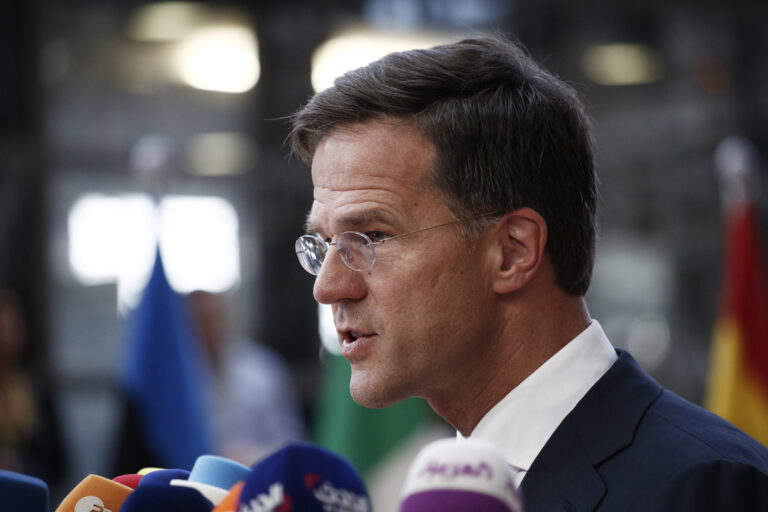
Dutch Prime Minister Mark Rutte acknowledged that the booster campaign in the Netherlands could have started earlier and the coronavirus measures taken by the cabinet in November were not enough to curb infections.

With the Netherlands in its second winter lockdown, the confidence of citizens in the Dutch government and its coronavirus policies has plummeted. 🎒

No faith from the public

In his yearly Christmas interview with De Telegraaf, Rutte reflected on why public confidence is so low β€” people are simply done living with the coronavirus limitations. But he also confesses to making mistakes in communication.

According to Rutte, he and the government have placed too much emphasis on the responsibility of the public and not enough on mandatory measures.

“I have not been able to sufficiently convince people of basic measures.” Hence why we still see people not wearing masks or properly social distancing. πŸ™„

The longest cabinet formation in history

Rutte also discusses the formation after the Dutch elections this year which took 271 days β€” too long for his liking.

And why? There are many reasons β€” but surprisingly, one was the Dutch King. Rutte tells the newspaper that he didn’t like that King Willem-Alexander was removed from the formation process.

Of course, adding a king into the mix isn’t a solution in itself but according to Rutte, it would have certainly helped speed things up. πŸ’¨

A turbulent term

From coronavirus policies, cabinet formations, and the childcare allowance scandal, Dutchies haven’t had the most certainty with Rutte’s government. So here’s to hoping things are a little less chaotic in the new year.

What do you think about Mark Rutte’s interview? Tell us about it in the comments below!

Feature Image: Ale_Mi/Depositphotos

Omicron in the Netherlands: dominant by the end of December

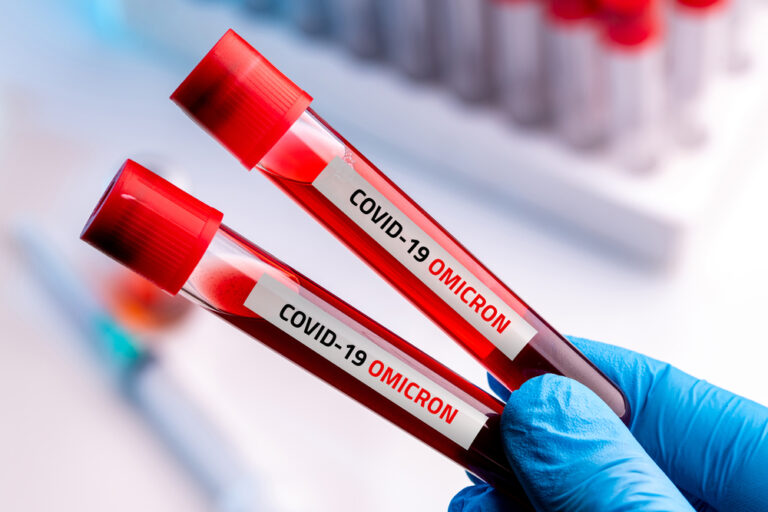
The new Omicron variant will take up half of all reported coronavirus infections in the Netherlands by next week, reports the NOS. Luckily, new studies also confirm that the variant causes milder symptoms than the Delta variant.

However, because Omicron is significantly more infectious than previous variants, hospitals still fear a rise in ICU admissions. The Dutch Health Minister, Hugo de Jonge, has therefore sped up the booster shot campaign, promising that everyone in the Netherlands would be able to book a third jab by January 7 at the latest.

What do we know thus far?

News broke that the Omicron officially arrived at Schiphol airport when 13 passengers of two KLM flights from South Africa tested positive with the new variant. Later, it turned out that Omicron had actually been in the Netherlands a week before the WHO labelled the strand as a variant of concern.

Scientists first rang alarm bells because of how quickly Omicron spread. But luckily, three separate research teams from two different continents have now confirmed that an Omicron infection leads to milder illness than Delta, according to the New York Times.

Hospital and ICU admissions in the Netherlands are still expected to increase because Omicron leads to a speedy rise in coronavirus infections. By the end of December, it will be the dominant variant in the country, says the Dutch government.

At the moment, Omicron already makes up more than half of all coronavirus infections in Amsterdam with 59%, reports De Telegraaf.

What is being done?

Another concern was uncertainty regarding the efficacy of vaccines to protect against Omicron. But there is good news here too. The NOS reports that the Netherlands has ordered 12 million doses of an adjusted Pfizer/BioNTech vaccine for 2022, which is meant to boost immunity against this variant.

Health Minister De Jonge has further amped up vaccine rollout to offer every Dutchie a booster shot by mid-January. Invitations for a first prick have also been sent out to children aged five to 11 with underlying medical conditions.

Since last week, the Netherlands has entered a hard lockdown. The closure of non-essential stores, a limit of two guests per day, and an early winter vacation for schools are some of the measures meant to curb rising infections.

Read our weekly DutchReview update for the latest numbers and news on the coronavirus in the Netherlands.

Feature Image: yalcinsonat1/Depositphotos

After a historic win, Max Verstappen becomes Dutch Sportsman of the year

As the first Dutchman to bring home the Formula 1 world champion title, Verstappen was rightfully named Sportsman of the year.

Verstappen wrote history earlier this month when he unexpectedly overtook long-standing world champion, Louis Hamilton, in the final lap of the race.

Millions of Dutchies everywhere were kept on the edge of their seats watching the 24-year old racer begin with a headstart, just to fall behind Hamilton through the majority of the race, and cut a sharp inside curve to get ahead for a last-minute victory.

BMXer Niek Kimmann and track cyclist Harrie Lavreysen were the two other nominees for sportsman of the year. But neither of them expected to win it. The NOS quotes Kimmann: “I don’t think any Dutch person can deny what he has achieved. Maybe we will have a chance for the title another year, but I don’t think it’s today.” Fair play, boys!

Second time around

At the sports gala yesterday night, Max’s father Jos Verstappen, also a former race driver, stood in for his son who didn’t attend the event because he was on vacation. “He really needs it,” says Jos when accepting his son’s price. “It was a difficult year and he is now very tired.”

This is not the first time Verstappen has been nominated as sportsman of the year. In 2016, the race driver set another record by winning the Grand Prix of Catalunya. Not only was he the first Dutchman to take home the price but he was also the youngest ever competitor to take home the victory.

Good job Max and we hope you enjoy your well-deserved vacation! Race on 🏎️🏎️

Did you watch this legendary race? Tell us in the comments!

Feature Image: ChinaImages/Depositphotos

A €2 work from home allowance in the Netherlands: is it enough?

Employers can start giving their employees a daily, tax-free €2 allowance when working from home starting January 1 β€” but some say this is a little too frugal, even for the Dutch.

This was the amount calculated by Nibud (National Institute for Budget Information) back in 2020, reports RTL Nieuws. Now, the question is whether it’s up to scratch for life in 2022.

Sparse funds

Piet Fortuin from CNV Vakmensen (Dutch labour union) is inclined to say nee. With an increase in utility costs and gas prices, €2 just isn’t going to cut it. πŸ’°

These work from home allowances need to cover costs like delicious instant coffee, electricity for your appliances, and heating.

But if you’re working from home, you also need a proper workspace with a good chair and table, food and drink during the day, and toilet paper (yes, the government did account for this).

With all these costs in mind, this daily allowance simply doesn’t cut it. πŸ˜“

A different time and place

The main issue with this current allowance is that it was calculated more than a year and a half ago β€” and as we all know, a lot has changed since then.

Member of Parliament Bart van Kent believes the Nibud should calculate a new daily allowance to estimate how much working from home costs in today’s world.

For example, Tomas Bleker, an energy specialist from Pricewise, says that gas and electricity costs in the Netherlands were at an “all-time low” in July 2020 while they are now currently at their peak. 😢

And it’s not just utilities that are becoming more expensive, grocery prices are also increasing β€” and the government compensation isn’t enough to make up for all of this.

Will you be receiving a work from home allowance? What do you think of it? Tell us your thoughts in the commentsπŸ‘‡

Featured Image: Ivan Samkov/Pexels

Bye bye OV chip card! Hello, travelling by bank card

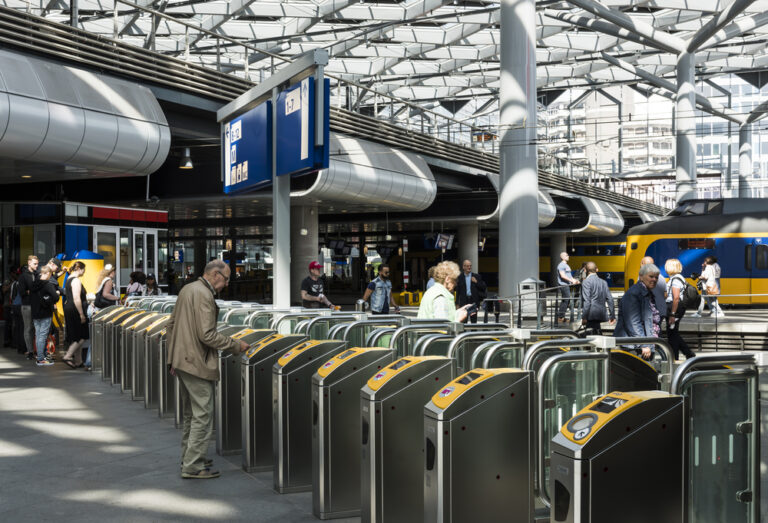
In the summer of 2022, you will be able to check into Dutch public transport in style with just a debit card, credit card, or a digital wallet on your phone. πŸ“±

Are you constantly losing your OV chip card? Or do you often worry about whether you put money on it this month? Well, you can finally rest easy β€” because your prayers have been answered! πŸ™πŸ»

Checking into public transport with just your debit card/credit card will be widely available starting next year, reports Tweakers.

OV pay baby

The Netherlands is currently testing out the new system, called OVpay, in Lelystad and Gooi en Vechtstreek.

For the time being, you can only do debit card check-ins for full-fare travel. However, this new strategy wants to eventually connect travel products (like discount subscriptions) to people’s bank accounts. Handig!

A contactless, pay-as-you-go system has already been operating in London for a few years now and Dutchies have taken notice of this. πŸ‘€

New OV chip card and app

A new OV chip card and app that doesn’t require a bank card to be linked to it will also be available.

In 2019, it was announced that the current OV chip card is expected to be phased out in 2023.

What do you think about paying for public transport by bank card? We’d love to hear your thoughts in the comments below!

Feature Image: Kloeg008/Depositphotos

Largest increase in two decades: Dutch housing prices reach a record high

This isn’t the first time you’ve heard this, nor is this phenomenon exclusive to the Netherlands β€” but the Dutch housing crisis surely is alive and well. 😱 

Dutch housing prices were 20.1% higher this November than just 12 months before that in November 2020, reports Statistics Netherlands.

Biggest increase in two decades πŸ“ˆ

Though Statistics Netherlands only started collecting data in 1995, such an increase in housing prices has not been seen since February 2000. Coincidentally, that month also saw an increase of 20.1% when compared to February 1999. 

However, back then, the average transaction price was just 160,000 euros. This November, the average price climbed up to 400,000 euros β€” ouch! πŸ€• 

Can this be fixed?

There are a number of factors driving the housing crisis, such as failures in dealing with predatory property investors β€” especially in the Randstad, a shortage of construction workers, tighter lending regulations, population growth, and low mortgage interest rates. 

While the supply of houses for sale continues to shrink considerably, effective policy and vast construction projects are in dire need. 

Sure, Rutte IV has pledged to construct hundreds of thousands of homes in the upcoming years. But as this brilliant campaign put it β€” je bent te laat (you’re too late). As the Minister for Interior and Kingdom Relations, Kasja Ollongren, reported in June 2020, 845,000 homes need to be built by 2030 in order to curb the great Dutch housing crisis. 

What has your experience of the Dutch housing market been? Let us know in the comments below!

Feature Image: myronstandret/Depositphotos