Home Blog Page 756

Goodbye to two-wheeled texting: 6 things you need to know about the smartphone ban for cyclists in the Netherlands

In a country where bikes outnumber people, there are growing safety concerns for people who cycle and scroll. But a law that stops cyclists changing their Spotify playlist on the bike might be a bit too far for some of us…

Here are 5 things you need to know about the electronic device ban in the Netherlands: 

1. The ban covers all electronic devices 

Still possess a nifty ipod? Unfortunately, this is also included within the ban as well as tablets (although anyone who can cycle and use a tablet the same time deserves a medal). Smartwatches are still allowed though!

Think you can hold your phone in your hand and subtly change the song while peddling? Simply carrying your phone in your hand meets the low threshold. You will be served a 95 euro fine if you’re caught.

Perhaps you could….

2. Get a phone holder on your bike?

You are permitted to use an electronic device if it is secured in a holder. Not the coolest fashion accessory, but hey neither were bum bags until they made an impressive comeback.

3.Cycling to meet a friend for coffee but you need to tell them you’re running late?

Unlikely given the Dutch are exceptionally punctual but the ban only applies if you are actually in motion, so you can still flick a message to your mate if you are paused at traffic lights…. We think…

BUUTTTTT, this is still a bit vague, since you’re still participating in traffic. So we’re waiting for a tweet from the police to clear this up. Because they tweet some handy stuff as the Dutch are figuring out this smartphone-cycling-ban:


4.Same same but different – motorcyclists, bus and tram drivers are included in this law too

The same rules apply for motorcyclists, bus and tram drivers but a larger fine is issued – 160 euros for motorcyclists and 240 euros for bus and tram drivers.

Horseriders and well, pedestrians, can still use a smartphone.


5. Is texting while cycling actually that dangerous?

Research shows the link between serious accidents resulting in emergency care and use of mobile phones is not particularly high. However, less serious incidents have become more frequent, particularly among young people. In 2017, one in five bike accidents involved the use of a smartphone.

Cyclists were initially exempt from the ban when it was first drafted in 2018 because of their lower speeds but after further consideration, the law was expanded to include cyclists due to accessibility of unlimited mobile data plans and increased use of social media.

Van Niewenhuizen said “whenever you’re on the road you should be paying full attention and not doing anything at all on a phone.”

6. Tweets and memes about the smartphone cycling ban because it is 2019 and we’re DutchReview

Here ya go, you might want to learn Dutch for these though:

Be safe on the fiets folks!


Heads-up big spenders, no more cash payments above 3000 euro

0

In an effort to tackle money laundering by criminals, the Netherlands are attempting to ban cash payments above 3000 euro.

The Ministers of Finance and Justice submitted a plan on the issue to parliament today, pointing out that the current rules which require declaration of payments made in cash above 10,000 euro are not stringent enough.
 

How much money is laundered in the Netherlands?

It is estimated that 16 billion euros are laundered each year in the Netherlands.

Justice Minister Grapperhaus said “Through a joint effort, we want to take the approach against money laundering to a higher level. The Netherlands must be among the international leaders in tackling money laundering.”


Who even knew there was a 500 euro note?

The Netherlands are also lobbying to ban the production of the 500-euro banknote, but require the support other European countries. This is due to the fact that organised crime gangs are thought to be some of the biggest handlers of the 500 euro note and and it accounts for over 30% of the value of all banknotes. Despite this, most people have never laid eyes on one.

The discontinuation of the note is not a solution by itself but will help to curb the problem.


Bank connectivity

Currently, a client discovered to be involved in crime can be expelled from the bank but information about this client cannot be passed on to other banks to notify and warn them of their criminality. This means the criminal can easily sign-up with another bank and start criminal endeavours all over again.

Creating an information flow between banks will lead to greater transparency and awareness in organised crime.

Feature image: Marco Verch/Flickr/CC2.0

It was the hottest June ever recorded in the Netherlands (and the rest of Europe was even warmer!)

0

I’m sure that steamy Saturday this past weekend made sure that the temperature record for June in the Netherlands was broken. However, in many countries, previous records have already been surpassed before the weekend.

Temperature records across Europe

In the Netherlands, the average temperature for June was 18.1C. The prior record was established in 1976, and matched in 2017, was 18C. A northeast wind prevented temperatures getting too hot, but in other parts of Europe, a dry south wind blew dry air from the Sahara.

Last week in Berlin, Vienna, Innsbruck and most of Southern Germany, temperatures sat around 37C. In the South of France, a record of 45.9C was measured in Montpellier.

The following picture comparing the heat in France to Edvard Munch’s The Scream was popular across social media.

Authorities across Europe implemented heatwave plans, urging people to stay indoors or under shade and drink lots of water.

Deadly heatwaves?

Heatwaves can be deadly when the temperatures dramatically increase before people have adjusted to seasonal norms, so yeah, this month was risky. In 2003, an estimated 70,000 were subject to premature deaths due to a European heatwave.

The World Meteorological Organisation reported that there is a strong link between early summer heatwaves and greater impacts on mortality.


Feat pic: Digi Khmer – DutchReview Group

Starting life as a student in the Netherlands: 7 things you need (to know)

Things you need and things to know when starting life as a student in the Netherlands

Want to study in the Netherlands? Are you wondering what the hell to do next? We’re here to help! Starting as a student in the Netherlands can be stressful, especially if you have never been here before. Also, if this is your first time away from home, then this only adds to the stress of student life. We feel ya!

To make things a little easier we’ve teamed up with Starter Kit to bring you the ultimate guide to 7 things you need to know before you start as a student in the Netherlands.

Before we begin on the essentials you need in Dutch student homes and such, don’t forget to take into consideration the cost of living in the Netherlands (it ain’t all that cheap out here).

1. You need to have an idea of where to study in the Netherlands

This is a good starting point when you’re thinking about starting your student life in the Netherlands. For a small country, there are plenty of great places to study here, so make sure that you research them all before you make your decision. We actually have an extensive guide to all the student cities in the Netherlands for this, but we’ll give you a quick lowdown of 5 of the most popular student cities.

  • Amsterdam: Of course this is a big one being the capital and all. There’s certainly a lot to do there, but it’s on the pricey side if you’re on a tight budget. You’re sure to make friends from all over the world in Amsterdam too.
  • Groningen: The student city of the north! It may be far from Amsterdam but there is plenty to do there and the prices are much cheaper than in the Holland region. The nightlife is good and so is the uni (6th in the country).
  • Leiden: [The home of DutchReview] – and the place is absolutely stunning. It’s like a mini (IMO much better) version of Amsterdam, with lots to do, a good student atmosphere and a good university.
  • Delft: A picturesque little place between Rotterdam and The Hague and very popular with students. It has a good university and also has a lot of life considering it’s such a small little place!
  • Rotterdam: The second biggest city in the Netherlands. Full of life, different nationalities, places to study and a real go-to place for young people.

2. Student Housing: You need to find somewhere to suitable to live

Now, this needs to take a MASSIVE priority when it comes to moving and studying in the Netherlands. It is incredibly densely populated here, with a large housing shortage, which makes finding a property a difficult task. Last year students were sleeping in tents and lecturers were taking students into their homes (so yeah, it’s really that bad). Plan early, plan well and set a realistic budget. Furnished student rooms or just an empty room, be happy with what you can get nowadays.

We have a guide for this, so make sure to be keyed up and aware that finding student housing here can be tough.

Finding a house be like…

Once you’ve got that out of the way, rejoice, and start thinking about what student room essentials you actually need in the Netherlands.

3. You need a lot of stuff to move in with (basically, everything)

When starting as a student in the Netherlands you’re going to need everything and I mean everything. Different clothes – if you’re not used to all that rain. 😉 All of your notebooks and pens, laptop, then the bedroom, kitchen and toilet items. I remember that day well and it was stressful as hell because there really was just that much to remember.

This is when Starter Kit came up with an excellent idea to get all this stuff done for you. You buy the starter kit and everything you need will be in it. It has all the perfect study room essentials! They even have a ‘100% ready kit‘ – which literally has every single thing you need all packed up into one box and ready for you to start using (less time for shopping and more time for drinking, am I right?)
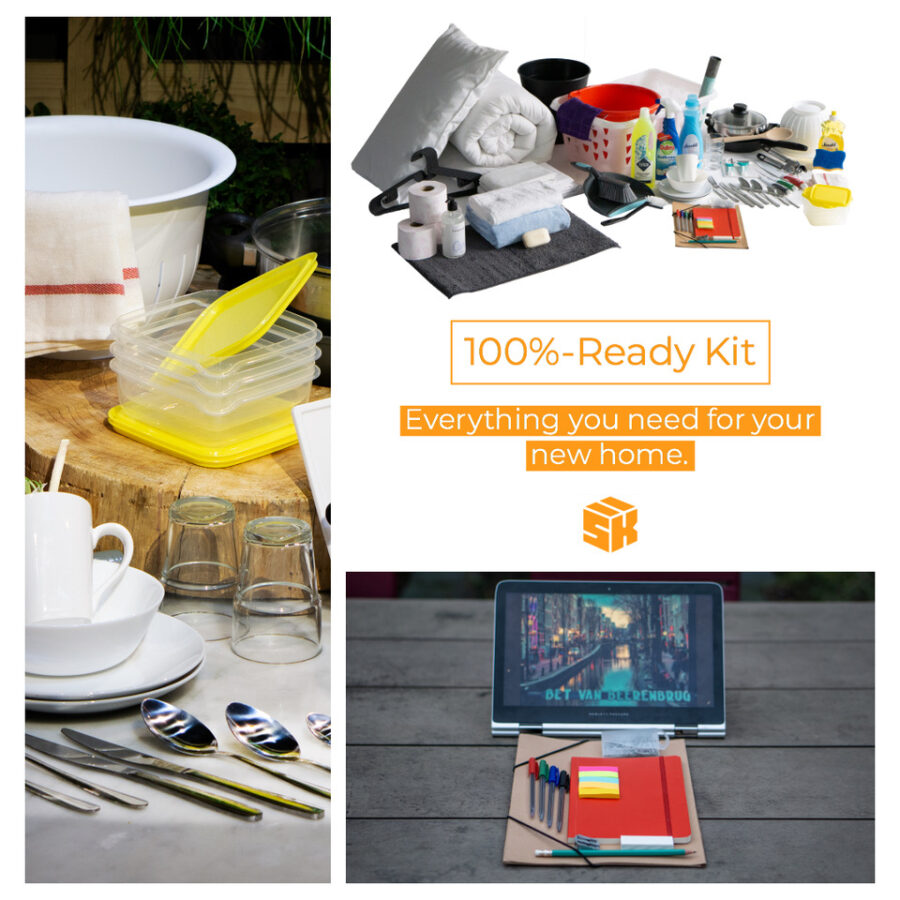
I know what you’re thinking – ‘well buying it separately is cheaper.’ That may be true in some cases, but you’ll be amazed how it all adds up. PLUS, when you’re moving to the Netherlands for the first time, you are clueless about the best places to shop (and the cheapest) and it’s a complete hassle getting everything. Especially without a car. Starter Kit was actually started BY students FOR students, so they know their stuff.

No packing stress when prepping to study in the Netherlands!

They’ve lived through the struggles of the student life in the Netherlands, so they will also schedule their sending of the starter kit at the exact day when you’re moving into your new home. There are also plenty of starter-kit options to choose from if you’re needing one thing but not the other thing.


4. You can make your money go a long way

Student discounts. Ah, the holy grail of our student existence. If you didn’t know already, as a student, you usually qualify for a lot of cheap deals. From vodka shots to mobile contracts – you’re bound to find a little bit of everything (and who doesn’t love a freebie or a korting?), so look around.

Starter Kit also has some great student deals. If you get one of their kits, you get access to their exclusive benefits such as a pre-paid mobile sim card with €10 of free credit, discount for a Dutch bike, and a personal student assistant to help you with all the questions you might have about moving to the Netherlands, student discounts and much more. Make sure you go Dutch and make the most of saving those cents! 😉


5. Get keyed up on allowances and insurances

When studying in the Netherlands, you need to take things like insurance into consideration. There are plenty of student insurances out there, that aren’t too expensive and will protect you against damage and theft.

Another really important thing to sort is your health insurance (we have all about this covered here)! You can get an allowance for this if you are not earning much. If you are working, make sure you are aware of your right to work, wages (those visas!) and other important info (sounds boring I know, but it’s necessary).

Study in Holland has great info on all of this too and also about tuition fee costs.
To sort all of this, you will need a Dutch bank – most of these incur fees, but if you get an online bank like N26, you can use it like any other bank, but without costs to you and with a great exchange rate (also handy for us students).

Just make sure you do your research and it will make your stay go a lot smoother!


6. Learn how to get around the Netherlands

You’ll be pleased to know that getting around the Netherlands is easy. It’s also not too expensive if you do it right. In the Netherlands, we have a variety of different trains, underground and overground metro’s in some cities, buses, trams, cars and rented bicycles.

Getting around is easy, as you have an OV Chipkaart that you use to pay for all of these, which sets you back 7,50 euro. Just top it up with money and you’re good to go! You can buy subscriptions to make it cheaper and if you have Dutch student finance, you’ll even get your transport completely free (yup, you heard that right).

Cycling is the transport of choice though, of course. You’ll learn that pretty early on. 😉 It is the Netherlands after all.

If it’s not your grandma’s old wardrobe on the back of someone’s bike, it’s sure to be this…

Word to the wise, Starter Kit has some excellent student discount deals which will get you on a bike or in a van and driving throughout the Netherlands for a good price.


7. Living that student life in the Netherlands: friends and partying

With student life, comes lots of new friends, experiences and parties. If you’re a party person, then you’re sorted. If you’re not, then there are plenty of other things to do and not everyone digs the partying lifestyle either, so you aren’t alone.

There are many student societies in Dutch universities, ranging from the most bizarre to the generic sports societies (trust me, there’s something for everyone). So get researching! And yes, it’s okay to request a stroopwafel society – that’s something most of us would get behind. 😉 Enjoy your new experience with new friends and a new country to go with it.

As you can see, Starter Kit takes at least some of those worries away when it comes to prepping yourself for student life in the Netherlands and preparing to study in the Netherlands. And to make things even better, we have a great offer for our readers: Free shipping using the discount code: DUTCHREVIEW2019 (minimum order purchase of €40,00). Yup, you read it right – they’ll even deliver it to your door for free.

There’s lots to think about and organise. Good luck if you’re planning on taking the plunge – and don’t forget those textbooks!

Is there anything else that you must know as a student in the Netherlands? Are you planning to study in the Netherlands? Let us know in the comments!

Starter Kit  l  Instagram  l  Facebook  

Airbnb use is down in Amsterdam due to strict rent policies

0

Airbnb use is down in Amsterdam due to strict renting policies. Research by Consultant Colliers International based on figures by AirDNA reports that after years of growth, the use of the hospitality service Airbnb fell in 2018. 

The number of nights spent in an Airbnb was reduced by 5% to 1.98 million overnight stays. The number of accommodations rented went down by 8.3% to only over 25,000. Airbnb also only took up 10.4% of the hotel and accommodation market share, a 1.2% decrease from the year before.

Source: pixabay/ TeroVesalainen

Why is this happening?

According to Colliers, the decline in Airbnb use is correlated with the strict rent policies in Amsterdam. Airbnb renters are only allowed to rent to tourists for a limit of 60 days per year. They also have to report every single night stay on a municipal website and fines are imposed if violations are broken, since 2017. These policies also apply to Rotterdam and Utrecht. In 2017, it also became mandatory to register your airbnb with the government.

60 nights seems quite low, right? Well, the research also shows that renters are not really following these rules in Amsterdam as 41% of homes were rented for longer than the allowed. In Rotterdam 43% of homes were rented for more than 60 days and in Utrecht, 23% were rented for more than 120 days.

Since January of 2019, policies have gotten even stricter as homes can only be rented for 30 days a year, instead of 60.

This caused Airbnb competitors like Homeaway to grow that has had a 61% increase in overnight stays.

Several argue Airbnb should be banned as it has has led to overcrowded streets and more importantly an overcrowded housing market (as well as booming rent prices). In 2017, the local Amsterdam-branch of the Dutch Labour Party (PvdA) made a controversial move in its election program to ban Airbnb.

Airbnb Response

According to AT5, Airbnb does not agree with Colliers research that says 41% of Airbnb homes in Amsterdam are rented for more than 60 days. Airbnb reports that only 3.2% of homes are rented for more than 60 days. They argue the data used by AirDNA was not the correct data to be analyzed.

Do you believe Airbnb or the research by Colliers? Let us know in the comments, below!

9 Events You Cannot Miss in Leiden in May 2019

0

The city of Leiden and it’s many inviting aspects! Depending on what you want to do, this is one of the best cities for you to visit if you’re looking for a Dutch city without too many tourists. It gives you a taste of Zuid-Holland life, and is nothing short of a quintessential Dutch town! So what’re you waiting for?

Here are a few things you can do in Leiden in May 2019! 

1. Boerhaave Treasure Island (April 20 – May 5)

Is your child at the age where everything is still very exciting for them? Do they find the wonderment in everything, and are always off trying to learn new things? If they’re little adventurers, then head to the Boerhaave Treasure Island, and travel back 300 years in time! Get a treasure map, and discover new things to explore. This DIY exhibition is for all of those curious minds, where you have to find your way to the treasure island. You little one will have collect stamps on the way, while they learn new things about the Golden Age. This is designed for children between the ages of 8 – 12 years, but the littlest of little ones can enjoy too!

2. Wiskunderoute (April 20 – May 5)

Is your kid a math wiz? Or do you want them to enjoy learning math, and develop their logical thinking skills? If you’re looking for a fun activity for them to do and learn something in the process, there’s another adventure they can go at the Rijksmuseum in Leiden! This is the math route, where they can also learn about the museum objects and their history. Sounds fun, doesn’t it?


3. Dropping for Coconuts (May 1)

Looking for something that isn’t really mainstream, and you wouldn’t do on a normal day? Because let’s face it, coconuts are tropical so there’s a slim chance you’ll find them growing on trees here – and the coconuts at this event are not even coconuts! They are actually tennis balls, and they will be thrown into the swimming pool at Sportfondsen Leiderdorp. Some of them will have some colour inside of them, and some won’t. If you’re lucky enough to find the one with colour in them, then you win a price!

They will take place in 3 groups, and will happen from 11:30 am to 2:30 pm, and is open to children who have a swimming diploma. Even if they don’t, make sure to get to the first group!

Image by fancycrave1 from Pixabay

4. Free market at Oegstgeest (May 5)

Oegstgeest is a separate municipality in Leiden, but is essentially a suburb of the city. They organise a free market in the suburb where the market area will be full of children selling their products everywhere! Go visit to support them! To know where it’s happening specifically look here, and plan your trip.

5. Regional market at Leiden (May 5)

Can’t make it to Oegstgeest? Fret not! Leiden has an annual regional market, and is quite a special one. It’s going to be all the local producers showing what they have been working on, all in one place!

What sets this market apart is that everything you will see and fall in love with here all from the region of Leiden. It’s going to be happening between 9 am and 5 pm where you can buy every food item you want – from dairy to fruits, this market will have it all! You can even get other things like wool products, plants, and things made of timber. It is all about sustainable living, and just making the best of what nature has to offer.

6. Museum night (May 18)

Looking for an off-the-beaten-track way of exploring Leiden? Why not visit it during the night, and do a museum crawl through the city? Sounds exciting? That’s because it is! Go to the Museum Night being organised by the Museum Night Leiden Foundation. This unique night is brought to by 13 students working in collaboration with the museums in Leiden.

The doors of the museums will open at 8 pm and they will stay open until 1 am for you to explore their permanent exhibitions, workshops, performances, guided tours, films and more Just go to their website to their program and pick what you want to experience!

7. Rrrollend Food Festival (May 24 – 26)

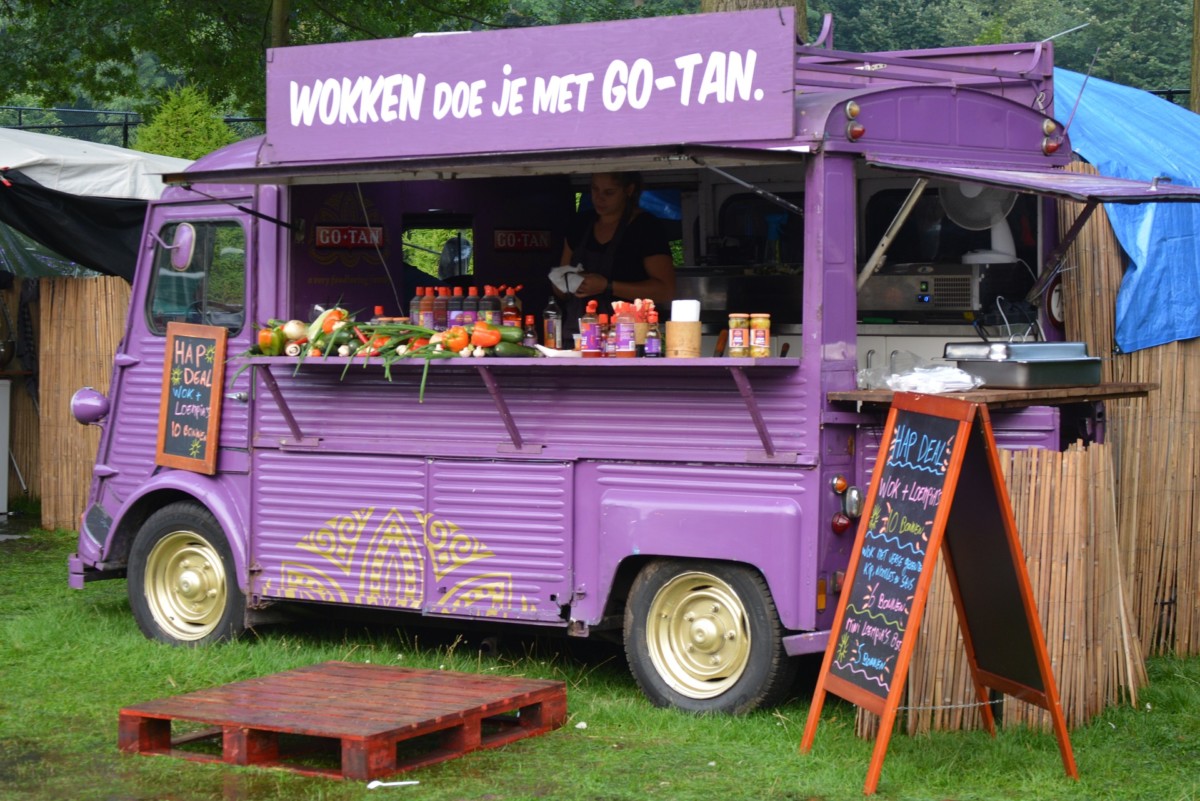
Does this food festival ring a bell in your head? No? I’m surprised! It’s one of the best free food festivals in the Netherlands, and will bring you different food trucks with all sorts of delicious foods, some smooth jazz in the morning, and some DJ’s spinning some pumping tunes in the evening. Can’t make it to Leiden? Don’t worry, it is happening in 15 different cities on different dates. Check out their website to see where you can go!

8. Visit Keukenhof

Did you know that the infamous tulip gardens of Keukenhof is just an 18 minute car ride or a 45 minute bus ride away from Leiden? You can catch the bus from Leiden Centraal and get dropped off at Lisse bus stop. You just have to walk for 3 minutes, and then you’re there at the gardens! But are you looking for other places to see the tulip fields? Don’t worry, you have a lot of options.

Have you seen our video on the tulip season in the Netherlands yet? 😉

9. Book Fair in Warmond (May 30)

This annual book fair, that happens in Warmond in the Leiden region, is one place for all the book lovers in our readership! They will have more than 35 stalls with second hand, including maybe some first publications. The books will span genres of culture, technology, travel, history and more. It will also have books on the Dune and Bulbregion where Leiden is situated, so if you’re looking to learn more about this patch of the Netherlands, it’s time to go hunting.

Did we miss out any event you wanted to go to? Or do none of these spark your fancy? Let us know in the comments!

Weather Report: cold weekend and chance of snow (!!!) for Remembrance Day

0

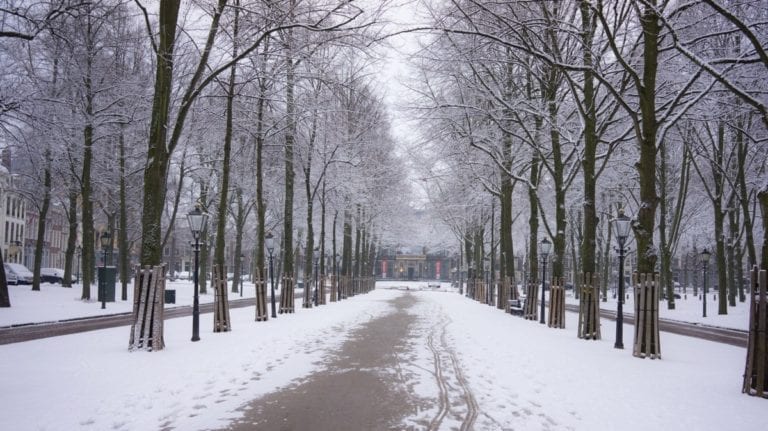
Thought King’s Day weather was a drag? You won’t be looking forward to this weekend’s cold weather then. We might even get some snow on Remembrance Day (May 4) and  Liberation Day in the Netherlands (May 5) isn’t much better. It will pretty much be a winter weekend. In the mood for hot chocolate?

The weather will start getting colder on Thursday with a maximum of 14 ° C and a 50% chance of rain. By Friday it will be around 10 ° C, with a minimum of 5 ° C, according to weerplaza.

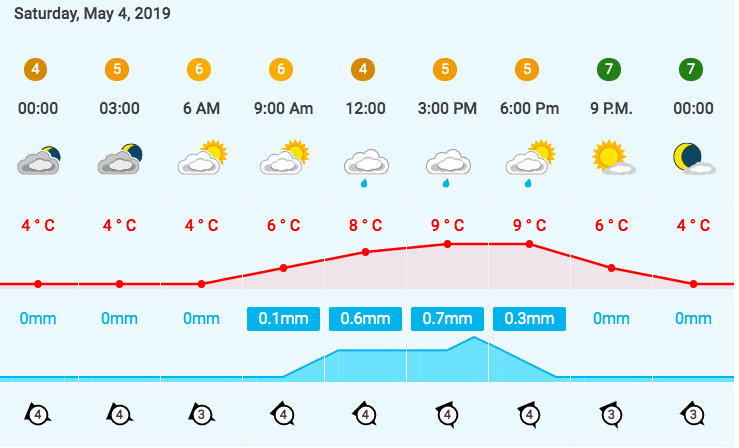
On Remembrance day, the maximum temperature will be 9 ° C and the coldest 4 ° C, similarly to Friday. However, hail and even snow are expected on Remembrance Day. Snow in May? How do climate change deniers even exist, right?

Source: weerplaza

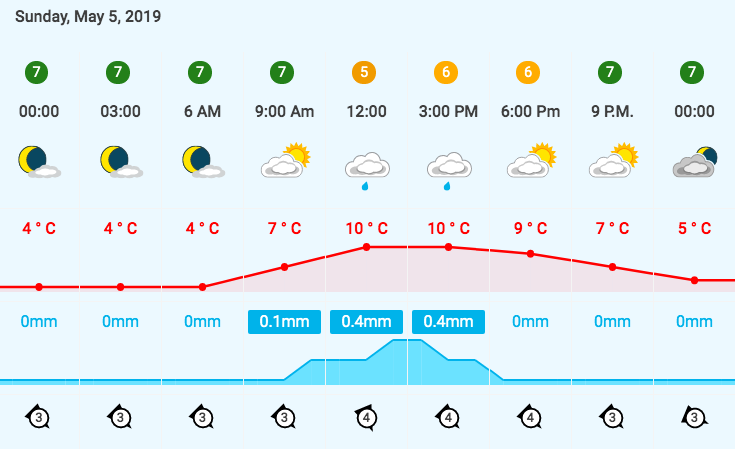
But not all is lost, there will be some sun on Liberation Day! The weather will be dryer, but temperatures will not change too much from Remembrance Day. Temperatures will only get as warm as 10 ° C and will be the coldest at night with 5 ° C.

Source: weerplaza

Feature image source: Source: pixabay/ skeeze – and don’t worry, the Netherlands isn’t going to look like that this weekend (right? anybody?)

What are your plans for this weekend? Let us know in the comments, below!

Anti – LGBT+ preacher Steven Anderson banned from the Netherlands

4

Remember our article on how anti – LGBT+ American pastor Steven Anderson should be banned from visiting Amsterdam? Well, after pressure from COC Nederland, Mark Harbers has officially banned Anderson from entering the Netherlands, reports nu.nl.  

success

The State Secretary for Justice and Security announced on Wednesday he will follow through with the ban, which several political parties have also supported. Harbers says measures will be taken to keep him from entering the country on May 23, but will not get into details about the entry ban. Anderson will also no longer be allowed entry to the rest of the Schengen area, according to NOS.

Harber says the cabinet is focused on “taking strong action against extremist speakers who, by spreading their ideas, restrict the liberties of others, or even incite them to hatred or violence.”

Anderson is known for his bigoted comments against the LGBT+ community and using social media to spread hate speech. He believes all gays should be executed in order to cure AIDS. In regards to the 2016 Orlando shooting in a gay bar, Anderson said this was “good news” since “there are fifty less pedophiles in the world”.

“He calls for hatred. He wants governments to kill LGBT people and LGBT people to shoot a bullet through their heads,” said Philip Tijsma of COC in the NOS Radio 1 Journal, last week.

Others have taken similar steps to ban the preacher from entering their country. Anderson has also already been officially banned from the UK, South Africa, Botswana, and Jamaica.

We here at the Dutch Review are happy to hear that anti – LGBT+ preacher Steven Anderson has been banned from the Netherlands! There is no room for hatred and prejudice in the Netherlands.

Featured image source: Pixabay/rihaij

Do you agree?? Let us know in the comments, below!

Ajax closer to Champions League final after 0-1 win against Tottenham

0

Will the Dutch club win the Champions League? After yesterday’s victory againt Tottenham Ajax just needs 2 wins before it’s the champion against all odds!

Before we get to all the praises from the press, let’s have a quick look at what happened in the match.

Ajax is closer to getting to the Champions League final after 1 – 0 win against Tottenham Hotspur on Tuesday evening. In the first half of the game, Ajax seized control of the ball and Tottenham barely touched it. Within the first 15 minutes of the game, Donny van de Beek scored a goal, assisted by Ziyech.

The 22-year-old midfielder had over 60 percent possession in the first half hour and most are calling him the strongest player of the first half. This is his fourth goal of this Champions League season.

The Amsterdam team will play Tottenham again next Wednesday for a second leg of the semi-final at the Arena. Prepare for a big night in Amsterdam!

What does the press say about Tottenham – Ajax?

According to RTL nieuws, following the win, Ajax remains calm and focused to tackle next week’s game and is not celebrating yet. Coach Erik ten hag says Ajax had not even shown his best game in London. He says, “There was a team and we fought like lions. On the other hand, after the break, we didn’t play as we should have. We made it unnecessarily difficult for ourselves.”

Volkskrant writes, “Thanks to a first half hour of football magic against Tottenham Hotspur, Ajax is close to the mecca of club football, the final of the Champions League”. However, it also writes that the final is not guaranteed.

The English press was also heavily impressed by Ajax, particularly the first half hour, reports RTL nieuws. The Independent says Ajax fully deserved the win and congratulates the club for succeeding with such a small budget. The Guardian says the game was a reminder of old Dutch football. The newspaper writes, “What else could you draw after that 30-minute period in the first half in which Ajax seemed determined to remind the world that they have a patent for it?”.

Did you watch the game? What are your thoughts? Let us know in the comments, below!

Featured image source: Wikimedia/ Bluejam

Tax Return in the Netherlands. 5 Things you want to know this Tax Season.

Yes, finally it’s tax-season and time to do that tax return in the Netherlands! If you’ve received the well known blue envelop from the Dutch tax offices than you’re also ‘cordially invited’ to file a tax return in the Netherlands for 2016. Are you guys all just as excited as I am? And did you all study the whole year to ace this fiscal test of adulthood?

Yeah, probably not, that’s what I thought as well. Well, there is at least some good news – despite the organizational mess the Dutch tax bureaucracy is at a higher level these last months, they did invest time and money in making the whole process a bit smoother once again. But not too much of course (it’s still tax-season, not fun-season), first things first – when’s it all due?

1. The deadline for your tax return in the Netherlands

No worries, you’ve still got ample time to get your financial act together – the ultimate date to file your (income-) tax return is the 30th of April.  Some Dutch people might be stressing that you’ve got until the 1st of April, but that’s just a lingering trauma – that date was extended a few years ago.

You do however get word and a possible refund from the tax office before the 1st of July if you did your tax return before the 1st of April.

Are you reading this somewhere in the last week of April? Don’t panic – you can get an extension of the deadline till the 1st of October. (Or better yet. Just get someone else to do it for you!)


2. Hypotheekrenteaftrek – Tax Return in the Netherlands when you bought a house

Buying a house certainly is a coming of age thing, and so it goes for the tax return that comes with the status of real estate ownership. Getting a mortgage may be fiscally more attractive than renting a house, but it certainly isn’t fiscally less complex.

First of all, let’s start with the jackpot-scrabble-winning word ‘hypotheekrenteaftrek’ (mortgage interest deduction). When you take out a mortgage loan the bank charges you the mortgage interest every month, it’s nice and low at some 1,5- 2% but still it will cost you. But the good news is that you can declare the interest you pay and this is deductible from your amount taxes you have to pay.

Obviously the ‘hypotheekrenteaftrek’ is a precious thing for many Dutchies, and it doesn’t look like a new cabinet will take it away from the home owners in any form.

There’s more!

Certain costs that you made when buying a house are also deductible from taxes, with an almost instant advance also possible. I’m talking valuation costs, the fee for the ‘NHG’ (National Mortgage Guarantee), mortgage advisor and some of the notary fee’s. It’s a big money safer when buying a house and personally I was so surprised that there was so much to be declared!

Especially if you’re living in Amsterdam you might have to deal with the ‘erfpacht‘, the groundlease, whatever it is you will be happy to hear that costs for that are also deductible! All in all it can be a complex affair, but definitely worth it financially.


3. Personal deductions for your tax return in the Netherlands

Well, it’s good to hear there’s a whole range of personal deductible items for your tax return in the Netherlands. The list changes frequently, every year the details are different, so it might be wise to consult a tax advisor if you’re not a 100% sure. 


4. 30% ruling – it’s an expat thing!

There’s a fiscal reason we Dutchies think that we’re going to outshine Britain soon once it comes to drawing in heaps of expats, it’s a tax bonus! If you’re still considering moving to the Netherlands than the 30% tax free of your gross salary might just be the thing you need. The Dutch legislative bodies in all their wisdom recognized that expats might have to make more expenses than Dutch people, thus giving them a bit more financial room. So hurray for you guys and girls that qualify for this one!

Before you go out and buy an Amsterdam apartment, better check if you actually qualify for this ruling. For instance; you have to make at least 37K per year and have a job here before you register in the Netherlands. 

Once again it’s a bit complex, which leads me to the following:

5. Have someone else do it for you and better

This picture says it all:

tax return in the Netherlands

Filing a good and quality tax return can certainly help you out a lot. But it’s already troublesome for a Dutchie, so if you’re a home-buying expat it can be quite a daunting prospect. So it makes sense to have a professional party help you out with this one. Blue Umbrella can help you out with your tax return in the Netherlands, already making life easier for certain DutchReviewers. Added bonus is that they’re specialized in expat-affairs so checking up on all this 30% business or making sure you get the info you need in English is exactly their cup of tea. 

Not only are some of the tax rulings in the Netherlands quite complex and bureaucratic, they can also be time-consuming. Registering with Blue Umbrella’s service of ‘Blue Tax’ can thus not only safe you money in the long run, but also safe you precious time which would otherwise go into ‘fiscal matters’. 

Oh, and they can also totally extend that tax deadline for you.

Goodluck this tax season!