


So, you’re planning on dying in the Netherlands. Well, not so much planning as… you know, planning the unplannable.
Death plays a significant role in many world cultures, and like with cultures, there are certain differences you’ll notice.
Let’s just say reaching your final destination in the land of cheese, krentenbol, and toilet calendars has its own quirks.
1. You can rent a grave
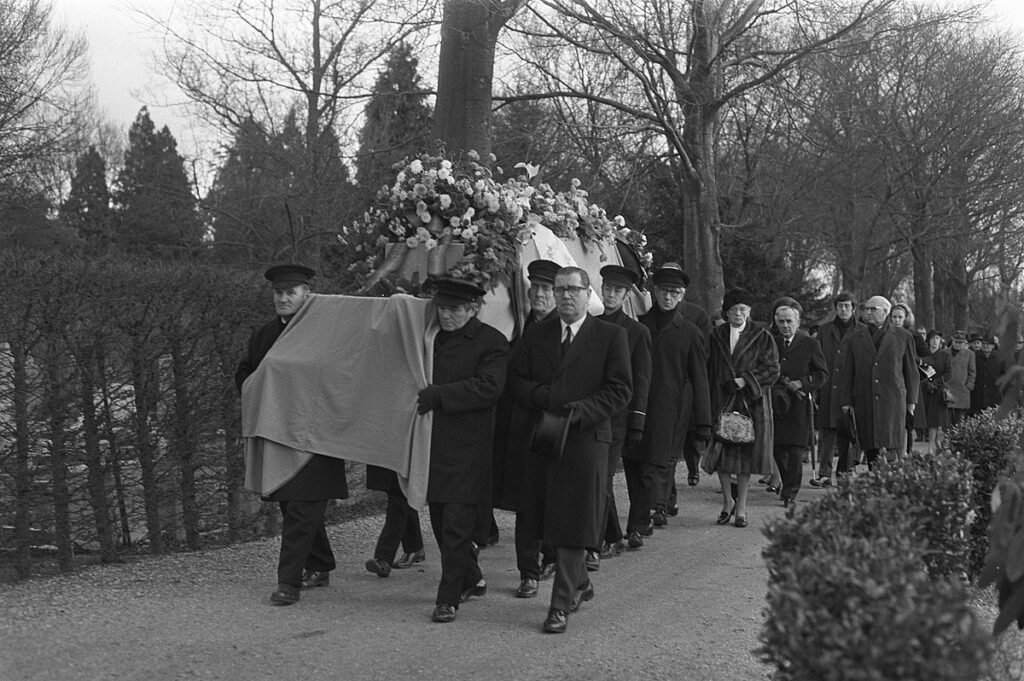
Rather than buying a grave, in the Netherlands, it’s common to rent a grave space for up to 20 years, and then have the remains relocated to a communal grave.
This is mostly due to a lack of grave space. The estimated number of occupied graves currently sits at 2 million, with each grave containing two or three bodies.
With such high demand for grave space, it’s common for families to have general graves in which up to three coffins are buried on top of each other.

This allows for them to keep their loved ones together in death, without taking up that much space.
However, even though families can choose to rent a grave rather than purchase a plot, the price of this can still be steep.
For example: The most expensive lease for a grave for up to 30 years is in Esserveld cemetery, which will cost you an eye-watering €7,000. 😲
You can still go budget-friendly, though! The cheapest grave rental rests at about €700 in Losser.
2. You can apply for assisted suicide
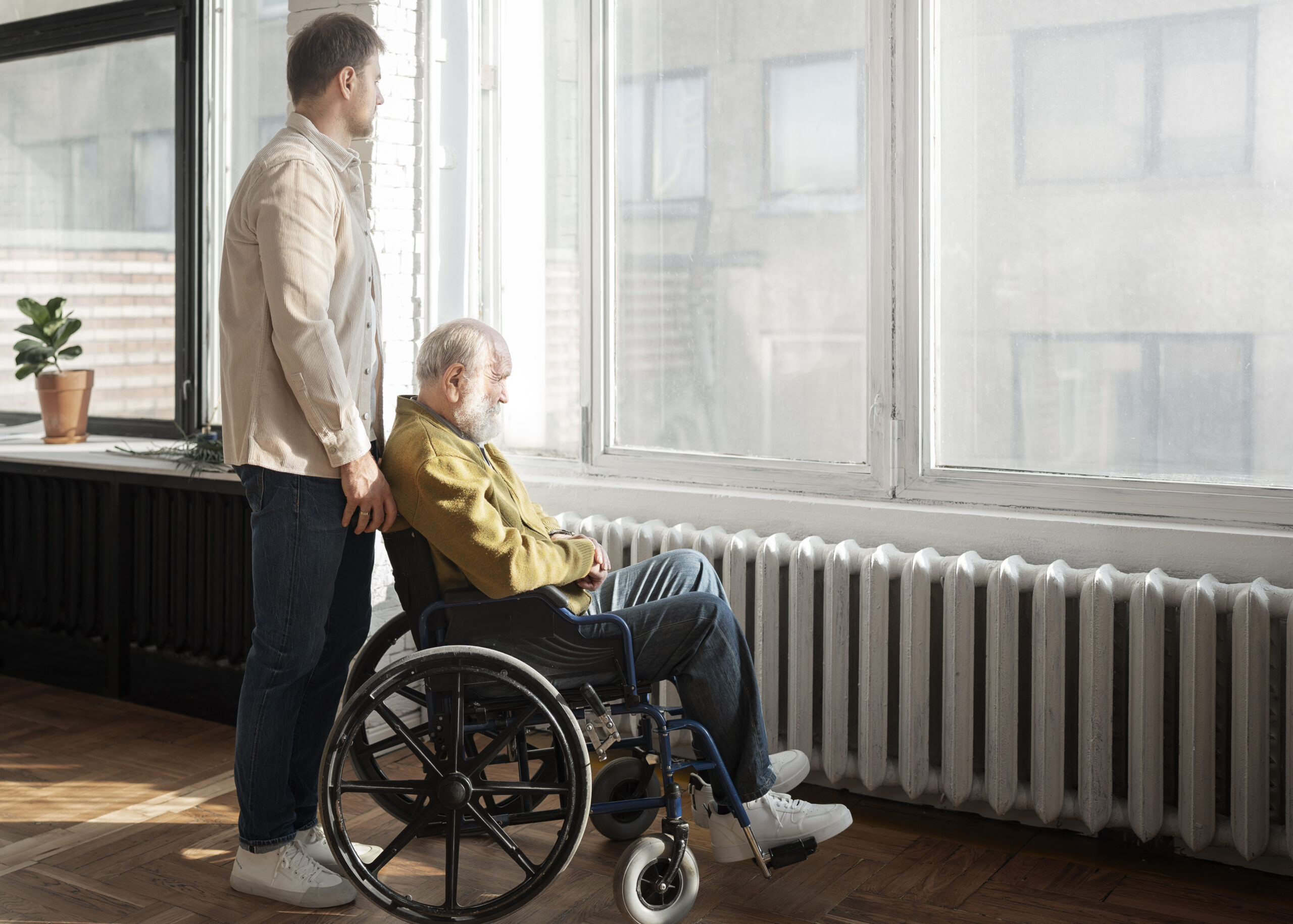
In the Netherlands, patients suffering from chronic health issues can request to be euthanised if they feel that it is the only solution to end their pain and low standard of living.
While a sad solution, it does offer patients and their families some peace of mind.

Children under the age of 16 can also request to be euthanised, but need their parents’ approval.
READ MORE | Children under 12 could qualify for euthanasia in the Netherlands
The act of euthanasia has been legal since 2002, when the Netherlands became the first country to pass such a bill.
Note: While euthanasia is legalised, patients have no absolute right to euthanasia and doctors have no absolute duty to perform it.
3. You can opt for a compostable coffin
A Dutch start-up has created a biodegradable 'living coffin' which aims to provide source for life after death https://t.co/g6vhVU1DJr pic.twitter.com/EGMNitAjJS
— Reuters (@Reuters) September 24, 2020
The compostable coffin, also known as a “living coffin”, was designed by a Dutch start-up and now offers a more sustainable alternative for those who are buried in the Netherlands.
READ MORE | A woman has been buried in the Netherlands’ first “living coffin”
The coffin, made out of fungus, biodegrades. This boosts the natural process of the breakdown of the body, helping to integrate the body back into the environment and soil.
Fun fact: When using a normal wooden coffin, it can take the body up to 20 years to decompose, but when buried in a biodegradable coffin, the decomposition of the body can take only three years.
4. You can choose to have a natural burial
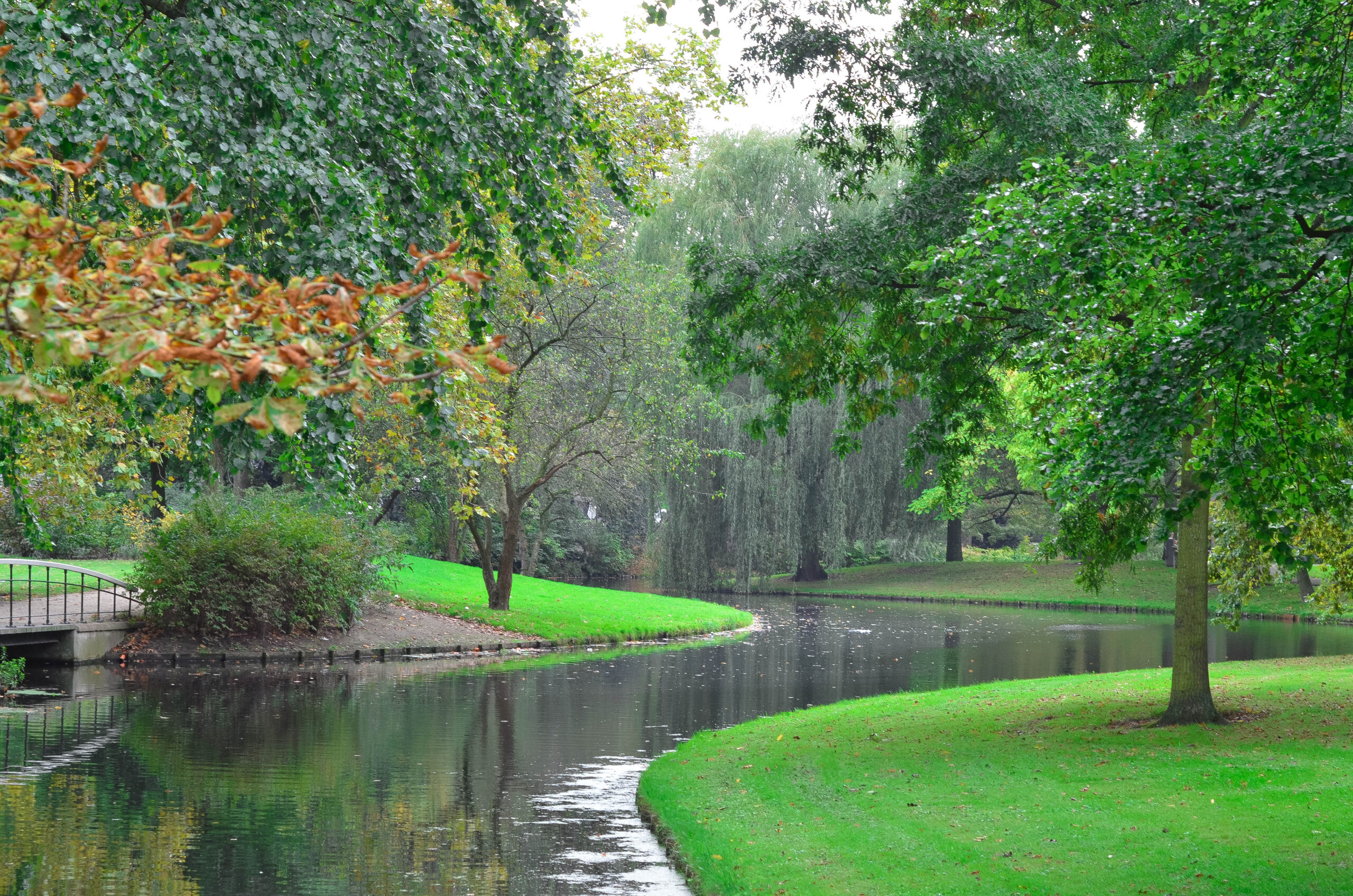
While we stay on the topic of burials that benefit the environment, in the Netherlands, you can choose to have a natural burial, such as in a forest.
People who choose to do this are laid to rest without a coffin.
Instead, they are wrapped in a shroud, and the body is left to biodegrade into the soil, once again becoming part of the earth and the natural cycle of life.
However, those who choose to do so can’t have a gravestone to mark their resting place. In place of this, they can choose to plant a tree over the grave or to have a simple inscription as a marker.
Seems like a sweet and simple way to be laid to rest and return to the soil. 🌼
5. There’s a service that writes poems for those who died alone
Overwhelming in its beauty, sadness, generosity, grace and crusty Dutch/Belgian humour. The Lonely Funeral Project is just wonderful pic.twitter.com/jZbAh8dVDX
— Tom Morton (@thebeatcroft) March 7, 2021
This one’s a sad but uber kind one; there’s a service that writes poetry to remember the people who had no friends or family to attend their funerals.
Established in 2002, the Lonely Funeral Foundation was created to respect the dead and remember their lives.
According to their website, the main goal of the foundation is to “offer the unclaimed lonely dead a dignified and respectful valediction.”
READ MORE | Calvinism in the Netherlands: why are the Dutch so Calvinist in nature?
Though we wouldn’t like to think that we’d have no friends or family to remember us after we passed, it’s a comforting thought to know that someone, somewhere, will be thinking of us.
Plus, the poetry is just beautiful! 😍
6. Most people choose to be cremated in the Netherlands
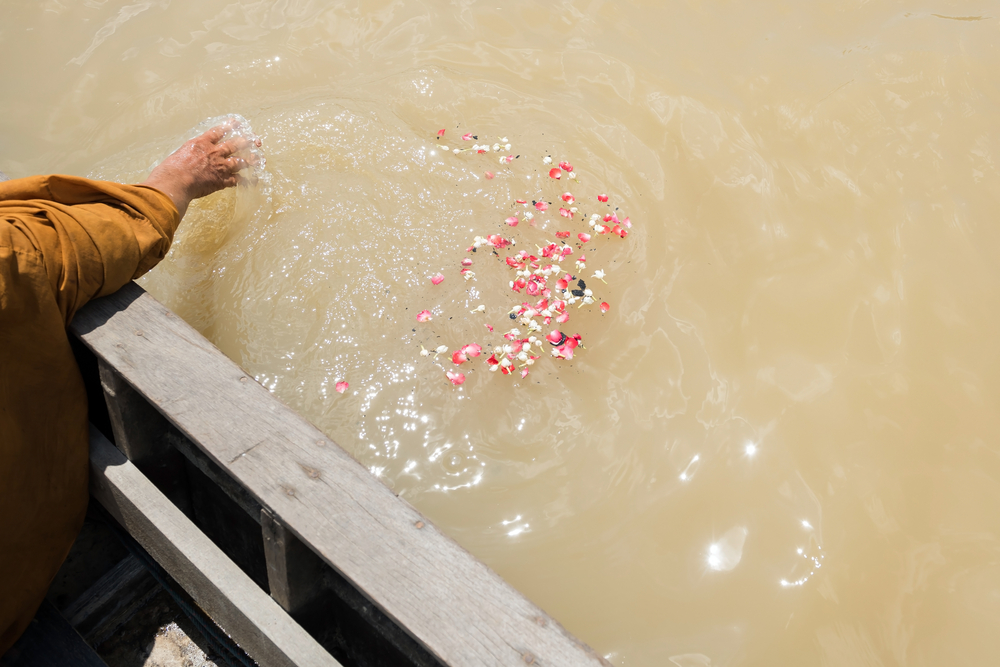
In 2019 alone, 66.95% of the people who died in the Netherlands were cremated.
Cremations can also be a sentimental choice for many families.
While you’re not bound to the space of a grave for mourning purposes, scattering a loved one’s ashes in their favourite spot can be a cathartic and loving way of saying vaarwel.
This option is also quite a bit cheaper than burial, costing between €725 and €1,000.
7. Organ donation in the Netherlands works slightly differently

In most countries, people can choose whether or not their organs will be donated to those in need after their passing.
For the Dutch, however, it’s slightly different. They receive a letter on their 18th birthday giving them the option to opt out of organ donation.
If they fail to respond to this letter, after death, their choice will be marked as having “no objection to organ donation.”
This means that, in the Netherlands, unless you explicitly state that you don’t wish to donate your organs after death, it’s taken as a given that your (presumably) healthy kidneys are up for grabs!
While it may sound a bit morbid, we can find solace in the knowledge that we are contributing to the prolonged life of another human. That’s something to celebrate, anyway!
8. You are buried no more than six days after death
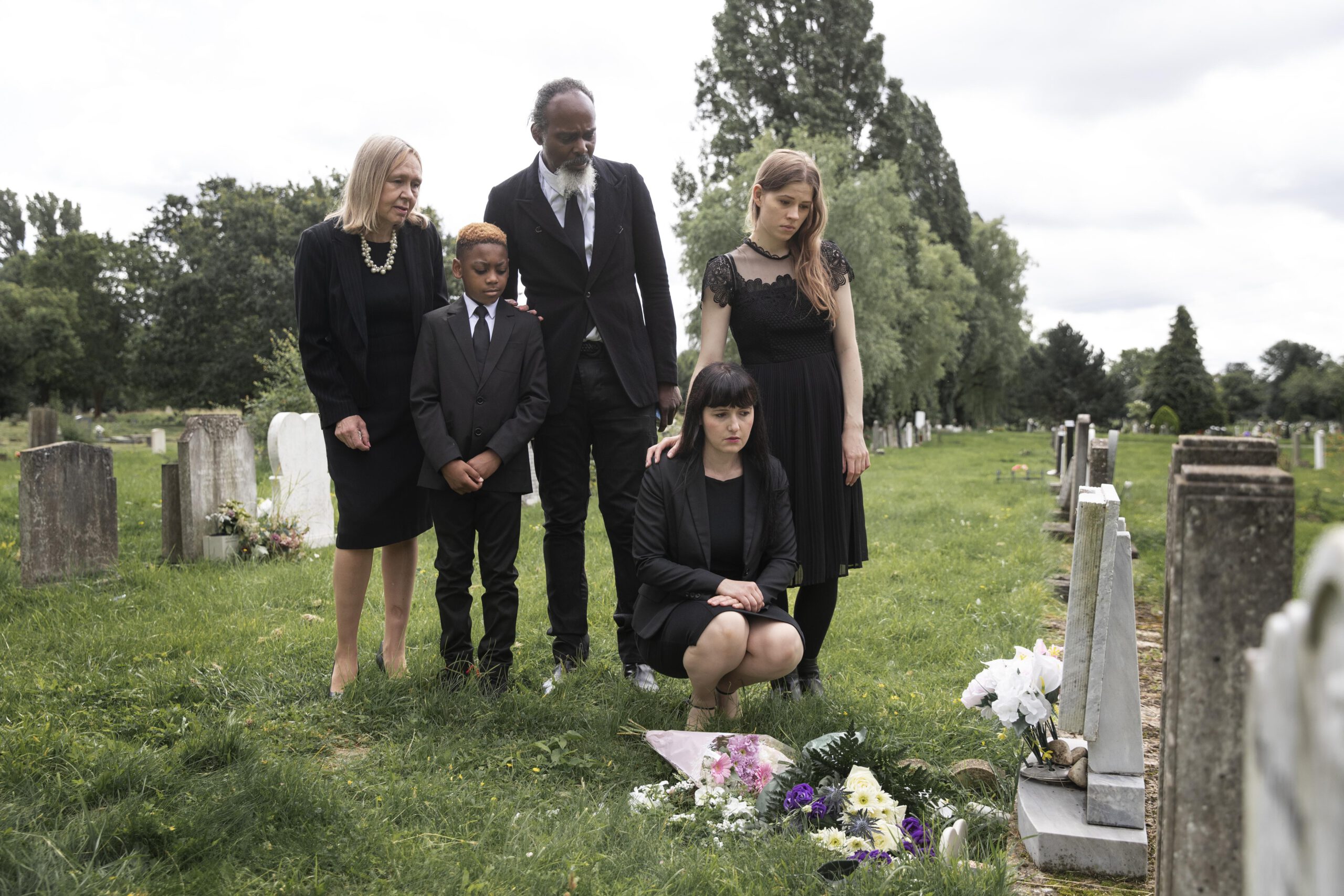
Well, either buried or cremated. The Dutch like to organise funerals quite soon after the death of their loved ones, offering time to gather together and mourn their loss.
With Dutch funerals, a wake is usually organised, and is very much a family affair.
Held most commonly in the home of someone close to the deceased, the wake offers a moment to somberly reflect on the life of the person who has passed.
However, it is actually a law in the Netherlands that a person’s cremation or burial occurs no more than six working days after their death.
A quick turnaround, but at least once all the chaos of planning is over, the family can grieve in peace.
Hopefully, we’ve given you some clarity on what to expect if you or a loved one ever passes away in the land of the Dutch — or perhaps even just a bit of niche cultural insight.
What do you think is the weirdest thing about dying in the Netherlands? Tell us your thoughts in a comment below!

Yes, In country with slavery culture it’s good option to apply for assisted suicide because health issues is something offen if your surname is not van Boer
hey Henk, sorry you’re not liking the Nl. move to Amsterdam
In Ireland you are buried after two days. Maybe three, if there is a postmortem.
I’m amused at renting a grave! My mummy passed recently and she was cremated in the cheapest coffin. We found staples in her ashes.
Most of the things you have written, are in some ways true, but you left out a lot. So this gives the wrong idea. For instance. Organ donation. Yes it’s true that if you don’t have any objections, you are donating your organs, BUT, the family is always the last one to say, yes or no!!! In living you can also say, I only want my eyes/kidneys etc to be donated. Also with euthanasia. This is a very long process. It’s not like you or your loved ones can decide. It can’t be done with children. So that are 2 things that are not right!!!! And there are more things that aren’t right. So before you write anything down. Get your facts straight!!! Read” de wet op de lijkbezorging” for instance.
yes it IS right! only .. they didnt explain the details
I think the Dutch have it right in burial. After all we are here only a short while anyway. When one dies, have a fast, cheap ending and that’s it.
My brother -in-law opted for euthanasia when his condition was finally listed as ‘out of options for treatment’ and he would have to live in such pain that he wouldn’t be able to interact with his family or so doped up that he wouldn’t even know they were there. But the family was not only consulted, they had to attend 3 psychological sessions and waive objections. Also, he was the only one who could request it. So many here in the US when they hear about it immediately jump to thinking it’s just a way to get rid of sick family members.
You forgot the cake and coffee ritual. I dont agree with the wake comment.
In some provinces they do have a sort of wake still, but most of the people have not.
Laid out on kitchen table for three days, buried and mourners dance on the grave
The law has changed.
You must be burried within 12 days after death.
Hi Rina,
We’re currently looking into this. Could you please provide us with a source that mentions the law change? 😊
It’s actually 6 working days, not 6 days. Weekends and national holidays don’t count. The earliest somebody can be buried or cremated is 36 hours.
Source (government website):
https://www.rijksoverheid.nl/onderwerpen/overlijden/vraag-en-antwoord/welke-regels-gelden-er-bij-begraven-en-cremeren#:~:text=U%20mag%20een%20overledene%20niet,de%20overledene%201%20maand%20bewaren.
Hi Josephine,
Thank you for reaching out to us. We’ve adjusted the date accordingly.:)
You can also have a wake in a pub.. I know off 2 people who laid in their coffin on the pool table while the guest drank amd eat.. music etc.. so.. death is death.. sad but inevitable..
Like my brother Vince, we chose a cafe for the ceremony because the funeral home just didn’t suit our brother—a cafe that smells of beer upon entering. We filled his coffin with fragrant herbs like thyme, rosemary, sage, garlic, and so on, so that it would smell wonderful around him during the cremation.
Undertaker here. People do get buried in coffins on these natural graveyards. The coffin should be made of only natural products, so without any plastics or metal on or in the coffin.
Also, a burial or cremation has to take place within 6 workingdays after the day of someone’s death. National holidays and weekends don’t count.
You can prolong for some time when immediate family has to come from abroad and needs time to travel. When my mother died, her sister wanted to come, but she had to come out of the GDR and had to apply for a visum first, then the train would take her another day. We got an extra 5 days, and she made it.
My Dad died unexpect at the age of 52 in the year 1963. Mother rented a plot for 3. Mother died in 2000 and after a few years the time was up.
My sisters and I decided not to renew it, because we all lived far away . Me in U.S.A. never would go to Groningen to their grave. Family told me a few years ago that is was still there…….They don’t dig it up right away after time is up. Just wondering sometime what happen to the marble graf stones……