So, you’re walking down the street when you see some tall Dutch teenagers in their Adidas shoes and Nike puffer jackets. Suddenly, you see one of them open their mouth to utter the words, “Ja, het is kankerweer, man!” (Yeah, it’s cancer weather, man.)
You shudder out of fear and/or disgust and return to your Instagram feed, hoping the jongens have moved on.
You ask yourself, “What the heck was that?” and try to get on with your day. 😩
We know that the Dutch are normally direct, straightforward, and not trying to stand out. However, their violent swear words don’t really correspond with their doe normaalattitude.
So, why do the Dutch use diseases as swear words? Let’s get into it.
What is it?
In many languages, swear words tend to revolve around sex, parents, and/or even animals.
However, the Dutch, not wanting to be like everybody else, have their own unique way of swearing: they use diseases to insult people.
In Dutch, the most common swear word is kanker (cancer), which is used not as a noun but as an adjective.
You can literally throw it in front of anything, and it kind of translates as “shitty, bad, uncomfortable, etc.”
Some common (awful) disease insults include:
Kanker (Cancerous)
Krijg de tyfus/klere/pest! (Get typhus/cholera/plague)
Optyfussen (Typhus off)
Klerelijer (Cholera-sufferer)
You can even use a nonsensical combination of diseases together, like, “Krijg de kankertyfus (Get cancer-typhus).” No, it doesn’t make sense, but it sure is creative.
Why do they do it?
According to an article in Atlas Obscura, Dutch swear words revolve around illness because it’s one of the Dutch’s biggest fears.
We know that the Dutch are pretty known for their cleanliness and hygiene, so it makes sense that they would be scared of illnesses and germs.
However, the pandemic showed us that Dutch people aren’t ALL that afraid of deadly viruses, so it’s quite hard to say that’s the reason why definitively. 🤔
Why is it quirky?
Well, it’s just a fascinating habit of swearing that few other languages share. It will definitely get someone’s attention if used. 👊
Should you join in?
This one’s a toughie! Especially with the kanker swear, it may still be quite frowned upon in Dutch society.
Just to be safe, maybe try to avoid using them in general or opt for the tons of other swear words which aren’t related to a serious illness.
Or, ask your Dutch friends about how the swears are used. 🤷
What do you think of this Dutch quirk? Have you experienced it? Tell us in the comments below!
France and the Netherlands may share a love of bread, the same three colours on their flags, and a weirdly extensive knowledge of types of cheese — but that’s where the similarities stop.
In fact, there’s a stack of differences between those Dutchies and Frenchies — here are just 19 of them.
1. Dutchies love a simple lunch
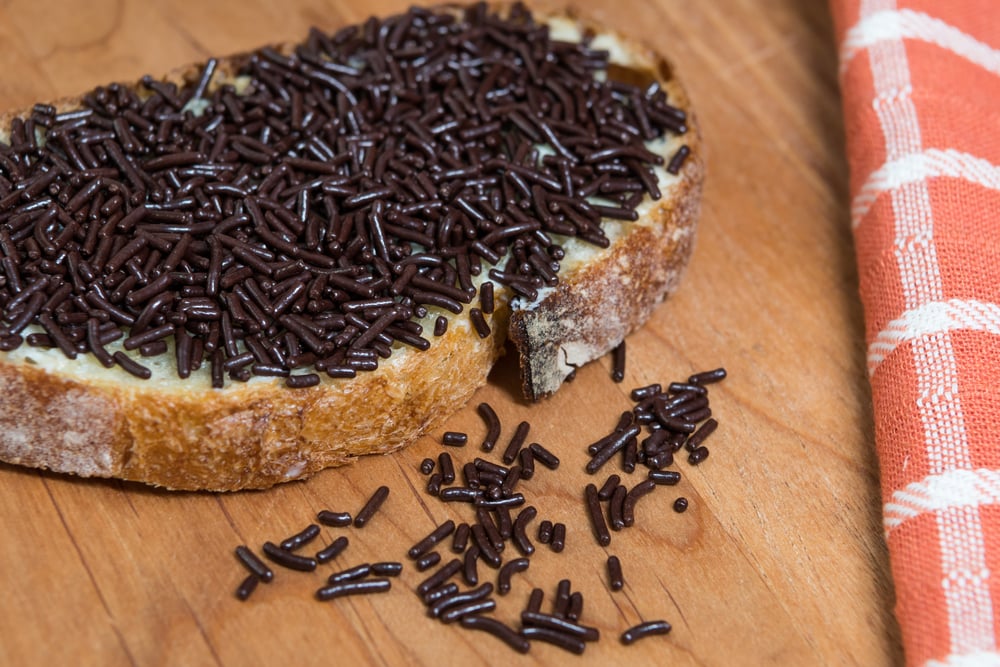
“Lekker broodje, he?” (delicious sandwich, right?), the Dutchie says, eyes closed and savouring their €0.60 white roll with a single slice of cheese. Yep, in the Netherlands, lunch is for sustenance and a quick break only.
You can pry Dutchies’ broodje hagelslag out of their cold, dead hands. Image: Depositphotos
But the French? Oh boy, the French do this right. Long, leisurely lunches, with a starter and a main, even on work days.
In fact, a two-hour lunch break isn’t unheard of in France — conversation and digestion reign supreme.
Don’t even get us started on those miniature, single-serving wine bottles.
2. French people don’t get fired
Alright, obviously, if you choose to dance naked on the boardroom table while singing about how you embezzled thousands of euros, you might get a one-way ticket to unemploymentville.
However, in general, terminating employment in France is hard: there’s a strict procedure, a need to see just cause, and even a notice period before the employee can finish up.
How do the French get around it? A sneaky concept called mise au placard (put in the closet). It’s a practice of giving unwanted employees the worst possible tasks to force them into quitting. 😳
Problematic employee? It might be a while before they’re out of your hair. Image: Pexels
In the Netherlands, on the other hand, while it’s not easy to fire someone, it’s certainly more possible.
Because the Netherlands takes job contracts seriously, the employer might just wait for someone’s contract to finish.
However, if they’re in a rush, they can also choose to immediately dismiss someone for serious issues, or even go to civil court for permission to fire someone.
Fired by a court ruling? Yikes!
3. Dutchies love to speak English
Yes, yes, it’s not a secret that the Dutch speak some of the best non-native English in the world.
That’s great — until you try to learn Dutch to integrate into society. Every time you gargle your words out, the Dutch shopkeeper immediately switches to perfect English. Hmmph!
While this can be frustrating, it also means that you don’t necessarily have to learn Dutch to become a functioning member of Dutch society.
You’ll have no issues ordering drinks or buying groceries in English when you’re in the Netherlands. Image: Depositphotos
In fact, the Dutchies came in first place for non-native English in the EFI rankings. In contrast, France is ranked 31st, below Lithuania, Estonia, and Serbia.
Why? The French feel a deep sense of pride in their language, linking it closely with their French identity. For internationals living in France, learning French is vital to be accepted as part of the ‘peuple français’ (‘French people’).
4. The French believe in hierarchy
In France, what your boss says goes.
That doesn’t mean you can’t voice any concerns or have a polite debate with your manager, but the French have a strong sense of authority — and, unlike the Dutch, they actually respect it.
The French love their hierarchies! Image: Freepik
Most companies in France operate with a top-down management structure, meaning you better get used to a hierarchical division of labour. Teamwork? Well, safe to say it isn’t always on the agenda.
Contrastingly, the Dutch have a knack for disrespecting authority.
Now, we don’t recommend being rude to the higher-ups — but when working in the Netherlands, there’s more room for friendly banter with the boss.
5. Dutchies are all about negotiation
The Dutch have long lived in a society where conference, dialogue, and arbitration are king. In fact, they’re famous for polderen, a method of policy-making that targets a win-win for both parties.
Quick history lesson: polderen is thought to come from the Dutch polders, parts of lands protected by dikes. Since the Middle Ages, Dutchies have had to band together to pump water out of the polders and maintain the dykes — a.k.a. cooperation!
Meanwhile, French people love the sentence J’ai le droit (I have the right). This flows into all aspects of French society: the right to smoke, the right to be upfront, the right to protest, or the right to the last glass of wine from the bottle. Speaking of wine…
6. The Dutch are happiest with a beer in hand
Proost! It’s Friday in Holland, 5 PM, and high time to lift a glass (or more likely a bottle) to your colleagues.
In the Netherlands, the workweek usually culminates in a borrel: an informal get-together where you share a pint and some gossip with your co-workers before heading home to your families.
Proost! Borrels are the best part about going to work in the Netherlands. 😉 Image: Freepik
Soooo, santé? In France, while beer consumption might be on the rise, wine is still the preferred poison of the French. In fact, the Netherlands ranks 31 places higher than France when it comes to beer consumption per capita.
However, we’ll give the French this: drinking wine on a lunch break? That’s a cultural phenomenon we can get on board with. 🍷
7. French people value education
France is known to produce highly educated and — here we go — cultured people.
However, in recent years French educational institutions have gotten a bit of a bad rep due to their rigorous curriculums, a lack of focus on student wellbeing, and too much pressure being put on students to graduate from the country’s top universities.
Some students might find themselves struggling a little more with rigorous academics and career paths. Image: Depositphotos
While Dutchies like education and a diploma or two certainly won’t hurt your chances of landing a well-paying job, experience is the name of the game in this low-lying country.
Most Dutch educational institutions also pride themselves on their hands-on approach to education and seek to bridge theory and practice.
8. The Dutch hold on to their money
There it is: the stereotypical Dutch stinginess. It’s no secret that Dutchies like to hold on to their cash — in fact, being frugal is deeply rooted in Dutch history.
Dutchies are constantly pinching pennies. Image: Depositphotos
The French, however, have a more laissez-faire attitude to life, and if the wine costs a little more than expected, well, c’est la vie. 🤷♀️
In general, the French are what Dutchies would call bourgondisch, meaning they have an indulgent lifestyle. While not every French person lives off red wine and mussels, they do have a very high average level of consumption. Bon appétit!
9. It’s illegal to eat lunch at your desk in France
Now, forget the boring boterham you were planning to chew down while sitting in front of your work computer — the French are onto something. ✋
In fact, since the 1890s, labour laws in France have forbidden workers to eat lunch behind their desks.
Originally, it had to do with the factories of the nineteenth century being, um, unhygienic — but today, the French lunch break is ingrained in office culture. And what’s not to like about leisurely luncheons at a cute bistro?
A restaurant lunch in the middle of your work day doesn’t sound so shabby at all. Image: Depositphotos
Now, don’t get us wrong: Dutchies have a great work-life balance! However, the odd lunch behind the desk doesn’t kill them (or risk a performance management session by their boss).
10. The Dutch work together for the common good
Dutch directness can be quite a culture shock when you first touch down in the lowlands. However, there are many scenarios where the Dutch say-it-as-it-is attitude comes in handy — one of the most obvious being teamwork.
That’s not to say the French workplace is as competitive as you are made to believe in ‘Emily in Paris’, but perhaps don’t list “teamwork” as the number one quality on your resume if applying for a job in France.
11. French people speak more formally
Remember when we said that France maintains quite a hierarchical structure in their companies and organisations?
Well, this goes for their language too.
While a singular tu (informal ‘you’) is good enough for your friends and close family, it’s expected that you respect the hierarchical distance that separates you from your boss or elders by using vous (formal ‘you).
Work meetings, getting to know your in-laws…it’s a whole lot more formal than you’d think. Image: Freepik
Meanwhile, while there is a formal way to address someone in Dutch, it’s rarely used.
You might use the formal u if speaking to a nice elderly lady that you meet on the street — but otherwise, it’s considered a bit of an archaic structure nowadays. 🤷 In most situations, you’re better off using je instead.
So, whether you’re at school, at the office, or out on the town, you likely won’t see Dutchies in anything more formal than a nice summer dress or a button-up.
Contrastingly, the French love to rock up to work, or even their Sunday stroll, looking like the fashionistas they’re reputed to be.
Dress for function and comfort, not style and impressions. Image: Depositphotos
To the French, dressing up, however, doesn’t mean a face full of make-up or extravagant jewellery. Instead, French women in particular, are known for their casual chic style and barely-there makeup.
13. The French pride themselves on intellectualism
Sitting at a delightful French bistro, smoking a cigarette, and debating Foucault and Chomsky’s views on the innateness of human nature — le mieux de monde!
The French love to be viewed as intellectuals, with schools often focusing on theatre, music, art appreciation, and philosophy.
Fancy a chess match and artisanal cold-brew coffee? Image: Depositphotos
Meanwhile, the Dutchies are clever, but view intellectualism as overly pompous. A spirited debate? Zeker! Bragging about your deep understanding of Plato? Doeg!
14. The Dutch use meetings to make decisions
We’ll give this to the Dutchies: they are efficient! A Dutch meeting typically has a clear goal — to walk out of there with the next steps clearly laid out.
Meanwhile, the French love a debate (see above) and will happily deliberate on an issue over multiple meetings. Long lunch, anyone?
15. The French love fish with eyes
Why anyone would want a fish that looks at them while it’s being eaten, we don’t know. However, in France, serving a fish with a face proves that it’s fresh from the sea. A quick eye inspection and bon appétit!
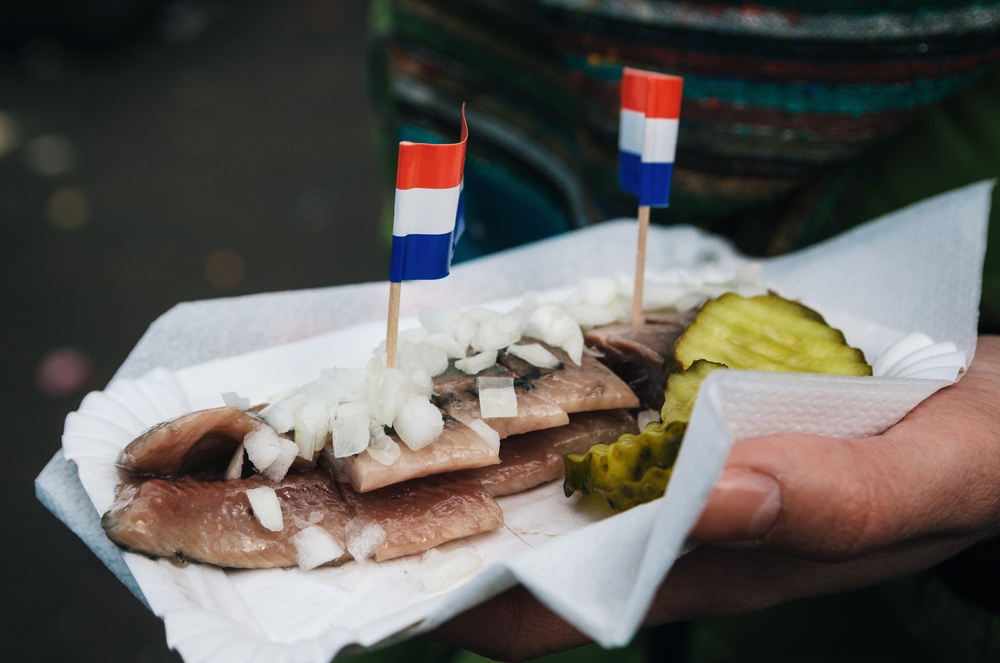
This is one battle where there is no clear winner: after all, the Dutch eat haring, a raw fish covered in raw onion that slithers down your throat. Echt vies (really gross).
Nothing screams Dutch fish quite like haring does. Image: Depositphotos
16. The Netherlands is open on Sundays
Woke up on a Sunday morning craving some fresh sinaasappelsap (OJ)? You’re in luck!
While technically, Dutch stores should be closed on Sundays as a default, most municipalities have started giving special permission to open stores anyway — in big cities, almost all are.
That’s less than we can say for France. Outside of the main tourist areas, Sundays are a ghost town. Luckily, a boulangerie (bakery) may just be open — merci dieu!
17. Greetings in France are a big deal
Pucker up baby and prime your chapstick: the French take their greetings seriously.
Let’s take office culture as an example: when you or someone else arrives, everyone stands up and greets them — often including cheek kisses.
Someone arrives at a party? Kiss. Celebrating New Year’s? Kiss. Meeting your friends for lunch? Kiss. Image: Depositphotos
Now let’s not forget that the Dutch are fond of a few cheek kisses themselves. Luckily, in an office environment a handshake (or even a fist bump) will suffice.
18. Dutch people get hired faster
When looking for a job, Dutch people are pragmatic: they expect an average of 2.4 job interviews before succeeding or being turned away. Any more than that and it’s just not efficient enough for them!
The French, on the other hand? It’s not abnormal to go through three to four rounds of interviews over multiple months — and some people even claim six to 10.
Well, if it’s going to be so hard to fire someone, we guess you want to be sure before hiring them.
19. The French smoke like chimneys
Alright, maybe not chimneys — but smoking is generally more accepted in France than in the lowlands.
Taking a cigarette break sounds tempting! Image: Depositphotos
In fact, 34% of people smoke in France, according to 2023 statistics. That’s the seventh-highest number in Europe! Socially acceptable? More like socially expected.
Of course, the Dutch are no angels when it comes to smoking (especially after a few biertjes).
However, thanks to more bans on smoking areas and huge tax rates on cigarettes, only around 23% of Dutchies can be found puffing away — the second lowest for the union. Leuk!
What other differences have you seen between France and the Netherlands? Tell us in the comments below!
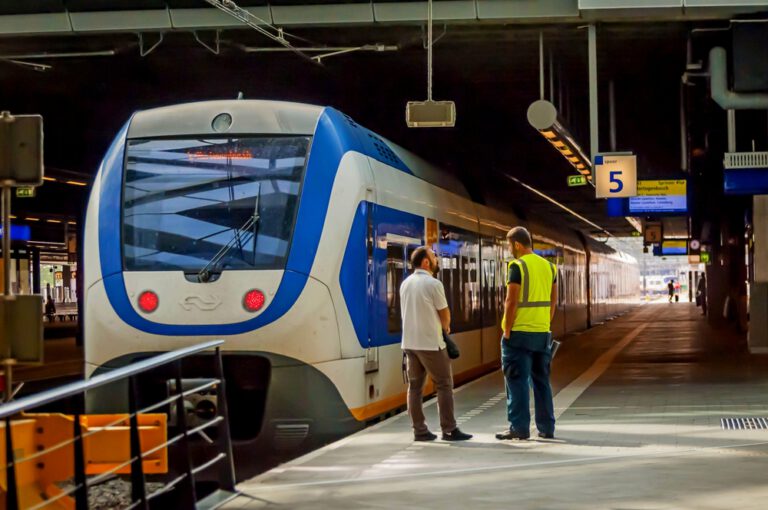
Heads up, train travellers! 🚨 A major strike is on track (pun intended) for Friday, June 6, and it’s bringing all Dutch trains to a screeching halt.
According to the NS website, train conductors and drivers across the Netherlands are planning several region-wide strikes over the coming days.
Here’s what we know. 👇
Which routes will be affected?
From a news bulletin by the FNV (the Federation of Dutch Trade Unions), the first strike is locked in for this Friday, June 6.
First on the agenda is a strike in Utrecht, one of the country’s busiest and most important stations. This shutdown will likely ripple outwards to other parts of the country, making the impact especially severe for commuters.
Here’s an overview of the planned demonstrations so far:
6 June: Central Netherlands (Utrecht)
10 June: West Netherlands
12 June: Northwest and East Netherlands
16 June: North and South Netherlands
17 June: Potential national strike 🚨
So if you’re planning to ride the rails on Friday, you’d better start brushing up on your remote working skills. 💻 Stay tuned and stay flexible!
Let op: According to AD, the NS will be unable to organise alternative methods of transport during the strike.
This means that no alternative bus or metro routes will be available, which the NS might otherwise have used to replace your rail journey.
If you’re travelling internationally, on the other hand, your journey will likely proceed as normal.
Why is there a strike?
After months of talking, negotiations between the NS and various trade unions broke down on May 8. The NS offered a paltry 2.75% wage increase, citing that they “simply cannot bear” additional wage hikes, but the unions just weren’t having it.
But, it’s not just about pay — the unions are also pushing for better working conditions, like no night shifts after age 50. The NS says maybe… but only for employees over 63 years of age, and not before 2027. 🙄
“That means we are definitely going on strike,” FNV director Henri Janssen tells AD.
Speaking on behalf of the VVMC (Trade Union for Machinists and Conductors), director Wim Eilert adds: “We don’t like doing this, it’s super annoying for travellers. But NS leaves us no other choice.”
Is there some hope on the horizon? Yes, as an NS spokesperson reveals to AD: “We expect that the restart of train traffic on Saturday will not cause any problems and that it will run normally.”
Fibre optics offer lightning-fast internet speeds and a stable, ultra-reliable connection, whether you’re in Amsterdam’s bustling city centre or deeper in the suburbs. ⚡
Whilst the Dutch may have embraced fibre optic connectivity, you might still be wondering how it works, where it’s available, and which providers offer you the best deal.
If so, this guide will help you navigate the world of fibre optics in the Netherlands.
These allow information to travel at lightning-fast speeds with barely any signal loss, making them the preferred choice for communication technology.
When it comes to getting a speedy and reliable internet package, fibre optic connections are your best bet. Image: Dreamstime
And just how fast is ‘fast’? Well, with several fibre optic providers in the Netherlands reaching speeds of 8 Gbit/s, they happily outcompete the comparatively slower cable and DSL connections.
How widespread is fibre optic connectivity in the Netherlands?
Whilst a fibre optic connection isn’t the most widespread choice among the Dutch just yet, it’s growing in popularity.
According to the ACM (Dutch Authority for Consumers and Markets) almost 7.4 million people in the Netherlands had access to a fibre optic network in the first quarter of 2024 alone.
With that number only set to grow in the future, you might be wondering why fibre optics aren’t available all over the Netherlands yet. 🤔
Although it’s generally easier to get a fibre optic connectivity to your home or business if you live in a larger, metropolitan area, its rollout is currently lagging in parts of the provinces of Groningen, Noord Holland, Zuid Holland, Zeeland, and Limburg.
The best fibre optic providers in the Netherlands
If you’re looking for a speedy and reliable connection, the Netherlands is home to a number of excellent fibre optic providers. 💪
In addition to quick download speeds of up to 1 Gbit/s, Ziggo’s clever blend of fibre optics and cable provides even greater stability than that of a standard fibre optic connection.
Even better? Their SmartWifi system automatically adjusts to the best frequency and location, ensuring that you always get a perfect connection.
Living up to their name, Budget Thuis is one of the most affordable fibre optic providers on the Dutch market.
In addition to offering customers a range of plans from 50 Mb/s all the way up to 1 Gbit/s, Budget Thuis also provides ‘combi’ discounts for a combined internet, energy, and mobile data package.
As one of the Netherlands’ fastest fibre optic providers, Delta’s Unlimited plan boasts speeds of up to 8 Gbit/s, with plans to increase that speed to a blazing 10 Gbit/s.
Whilst their prices tend to be on the high side, they offer excellent add-ons, such as a free 12-month TV subscription with 50+ channels.
How much does fibre optic internet cost in the Netherlands?
In general, the cost of a fibre optic connection will largely depend on internet speed.
Most basic packages start at 100 Mbit/s, for which you can expect to pay around €35 to €45 per month.
Meanwhile, a 1Gbit/s connection will generally cost you upwards of €50 monthly, with some major providers like KPN and Odido charging €52.50 and €60 respectively.
The speediest of fibre optic connections will likely set you back by upwards of €80! 💸 Image: Freepik
If those prices seem a little steep, however, there’s a great tip for getting a discount on your internet package: opting for a utility bundle.
This entails getting a combination deal on gas, electricity, and internet (or electricity, TV, and internet! 📺), if you buy all three from the same provider.
Note: Unless blazing fast speed is an absolute requirement, a DSL or cable connection can also be a solid option. These are more widely available than fibre and often much cheaper, though you will have to compromise with some stability if you opt for DSL.
Another expense to factor in the process of getting a fibre optic connection is the cost of installation. Depending on your provider, this can amount to a one-time payment of €25.
So whether you’re looking to stream the latest season of your favourite show or just pop online every now and then, there’s likely a fibre optic package that’s perfect for your needs.
Do you have a fibre optic connection installed at home? Tell us about your experience in the comments!
Fibre optic internet in the Netherlands: Frequently asked questions
What is fibre optic internet?
A fibre optic connection relies on transmitting light signals via thin, flexible glass fibres. It is most often used for communication technology (like internet), as it provides a much faster and more reliable connection than standard DSL.
Which providers offer a fibre optic connection in the Netherlands?
Many Dutch internet providers offer fibre optic connections — the most popular of which are Ziggo, KPN, Odido, Delta, and Budget Thuis.
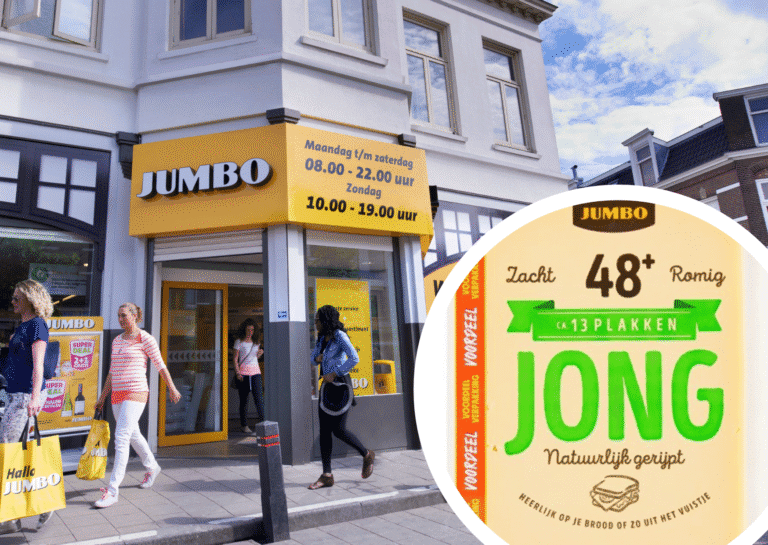
If a few kaas tostis (cheese toasties/grilled cheese sandwiches) are an integral part of your daily Dutch lunch, you might want to give them a miss, especially if you bought them from Jumbo. 🧀
Jumbo has just released an important safety warning, notifying customers that certain cheese slices may contain tiny pieces of hard plastic.
As these are hazardous to your health, the Dutch supermarket has now started recalling these products.
Which cheese should you be worried about?
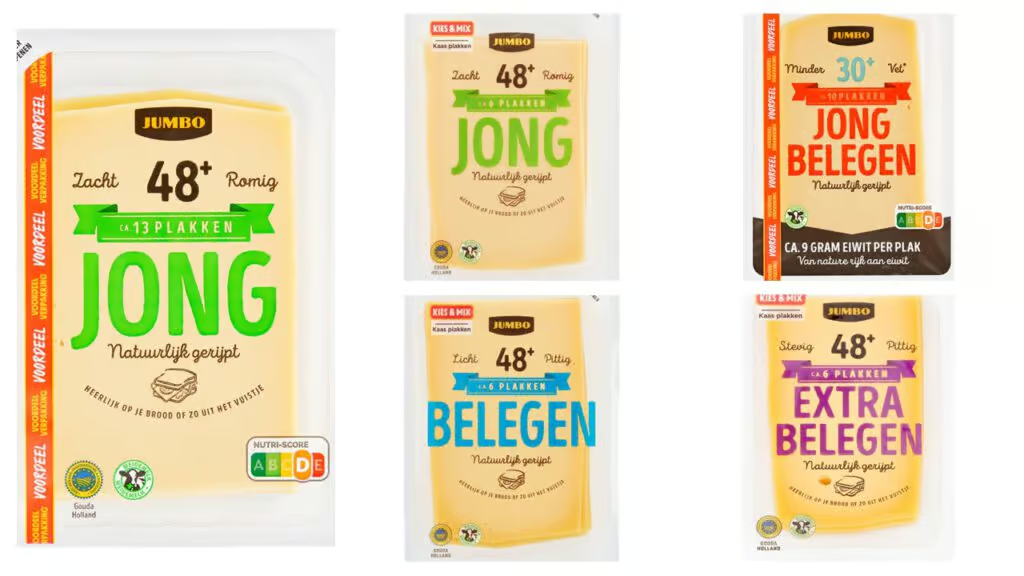
The warning currently applies to a range of cheese slices, pictured below. 👇
Jumbo extra belegen kaas (extra matured cheese) 48+ 190g EAN/Product code: 8718452708994 Expiry date: 23-09-2025 and 26-09-2025
What should I do if I’ve bought these cheese slices?
Whether you’ve bought these slices at a physical store or online, you can return them at your nearest Jumbo outlet and get your money back.
If you’ve lost your receipt in the depths of your shopping bag, geen stress: there’s no receipt required.
Took a bite or two? If you’re worried about adverse effects after eating any of these slices, you can contact Jumbo’s customer hotline at 0800 – 0220 161, or get in touch with your GP.
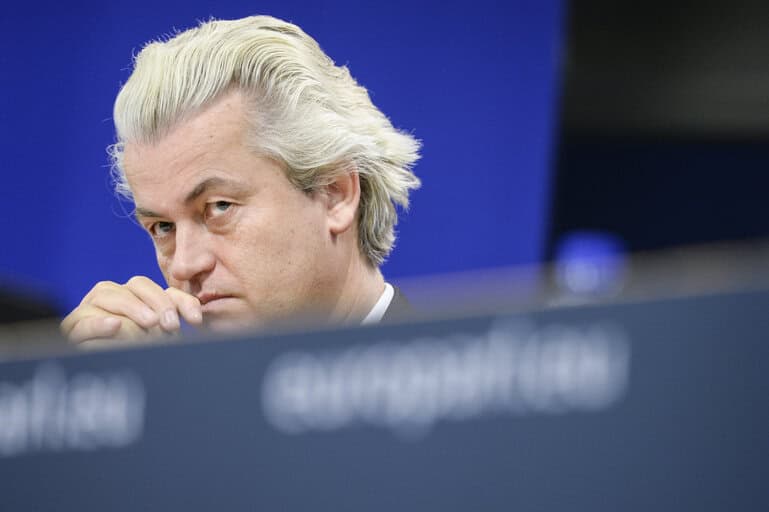
The Dutch government has collapsed after just 11 months in office, with far-right leader Geert Wilders pulling his Party for Freedom (PVV) out of the coalition on Tuesday, June 3. But there’s more to it of course.
Here’s what you need to know about the crisis that’s sent shockwaves through The Hague.
What happened?
Geert Wilders torpedoed his own government after coalition partners VVD, NSC, and BBB refused to sign off on his radical 10-point migration plan he presented last week.
The PVV leader had demanded a complete stop to asylum applications, military deployment at Dutch borders, immediate deportation of Syrian refugees, the closure of asylum centres, and revocation of Dutch citizenship for dual nationals convicted of violent crimes.
And his coalition partners weren’t having it.
Why did the coalition say no?
Many of Wilders’ demands directly conflict with EU human rights laws and the UN Refugee Convention.
Case in point, the German government was called out only yesterday by their judges. They argue that it isn’t allowed to just flat out close the border for asylum seekers.
Other Dutch party leaders pointed out that existing coalition agreements already covered similar policies and accused Wilders of threatening to “blow things up” rather than work within the established framework.
They offered him a clear path to implement current migration policies through his own minister, Marjolein Faber, but Wilders demanded they renegotiate the entire coalition agreement and “sign at the line.”
Speaking with the press, VVD leader Dilan Yeşilgöz-Zegerius summed up the frustration: “If your goal is to blow things up, just say so.”
The timing couldn’t be worse — the Netherlands is scheduled to host a NATO summit in The Hague in just three weeks, creating diplomatic complications asit’s time for the Dutch to shine on the international political stage.
What happens to the Dutch government now?
The current cabinet will continue as a caretaker government with severely limited powers until a new administration can be formed, a so-called demissionary cabinet.
Prime Minister Dick Schoof, the non-party figure who was appointed when it was agreed that Wilders should not take the role, will oversee this transitional period.
The parliament’s speaker will now consult with party leaders about possible paths forward, but the options look grim.
Will there be new elections in the Netherlands?
The remaining three coalition parties lack a parliamentary majority, making it nearly impossible to form a stable alternative government. This leaves early elections as the most likely outcome.
In fact, according to NOS reporter Marlees de Rooy, “New elections are now imminent.”
The process isn’t automatic, though. Parliament must formally dissolve the government, and there’s always a chance, a slim one though, that creative coalition-building could produce an alternative.
🇳🇱 The Dutch government has collapsed after Geert Wilders' far-right PVV withdrew from the coalition over asylum policy disagreements. Prime Minister Dick Schoof now faces political turmoil, with calls for immediate elections. Polls suggest PVV may lose seats but remain the… pic.twitter.com/ubu0vSQQNP
In theory, the PvdA-GreenLeft combination might just take the PVV’s spot and then the Dutch would have another government without elections, but we wouldn’t put money on this happening.
The Dutch electoral system’s complexity means forming governments can take months, adding to the uncertainty for the coming months.
Could Wilders benefit politically from this crisis?
He could. Wilders has spent his entire career building political capital as an outsider fighting “the establishment,” and this collapse fits perfectly into that narrative.
He can now campaign on the idea that his coalition partners “betrayed” Dutch voters who backed his anti-immigration agenda.
However, there’s a risk. Some voters might see him as an unstable coalition partner who can’t actually deliver when given real power.
The PVV and Geert Wilders also participated in the ‘Rutte 1’ cabinet and then dropped support, causing it to collapse in 2012. This shows for the second time that if the political kitchen gets hot, Wilders can’t stand the heat and beats it.
It’s also not a pretty sight for the PVV that their minister for immigration, Marjolein Faber, could not deliver while in charge.
She was widely perceived as incompetent, and that’s a theme now among the ministers who have participated in the cabinet on behalf of the PVV.
What are the polls doing now?
While comprehensive post-collapse polling isn’t yet available, pre-crisis surveys showed that the PVV from Wilders, centre-right VVD , Rutte’s former party) and PvdA-GreenLeft (a combination of Labour and the Greens) are virtually tied if there would be elections now.
It looks like the BBB (Farmers party, now at 10 seats) and NSC (a new party left to its own devices by its popular founder Pieter Omtzigt) could be left with only a few seats while the former political giant CDA makes a comeback, basically replacing the NSC.
Several small left-leaning parties are also making marginal gains, but it remains to be seen if those hold up when elections actually come to pass.
Why did Wilders really leave the government?
Immigration wasn’t dominating headlines like before. Instead, Dutch voters were focused on Trump’s anti-European rhetoric (which Wilders supports), Russia’s growing threats (Wilders visited Moscow as recently as 2018), and Israel’s actions in Gaza.
These are all positions that put Wilders on the wrong side of the majority of Dutch public opinion.
On top of this, asylum numbers were actually going down. This was mostly due to fewer Syrians coming to the Netherlands this year and not because of the actions of minister Faber.
In the end, the PVV ministers developed an image, bolstered by critique from the VVD, that they were incompetent.
Beyond the official migration disputes, this collapse reveals deeper truths about Wilders’ political strategy.The PVV leader has built his career on opposition; it’s much easier to promise radical change than to deliver it within democratic constraints.
Governing requires compromise, legal compliance, and working with partners who don’t share your worldview. For a politician whose brand is built on uncompromising opposition to immigration and Islam, the messy realities of coalition government were always going to be problematic.
Either way, Dutch politics just got a lot more interesting.
What are your thoughts on these political developments? Share them in the comments!
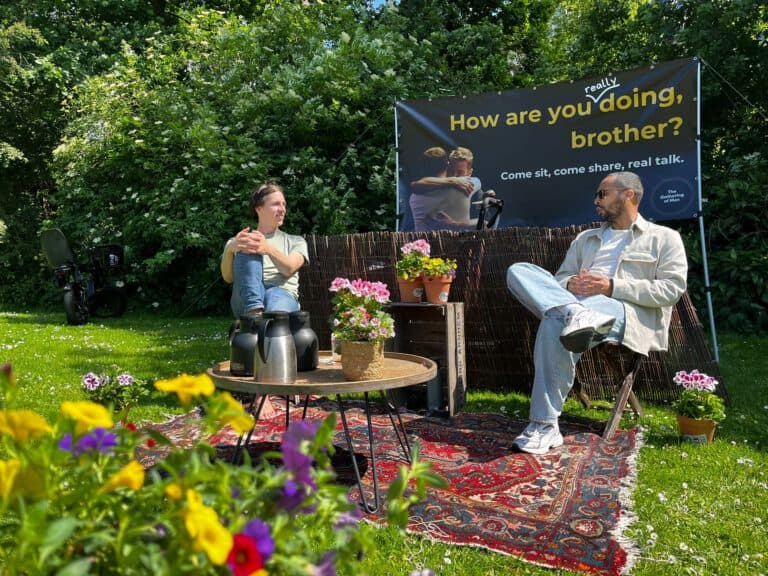
A cosy and heartfelt initiative is offering a pop-up living room right in the iconic Vondelpark.
The space gives men the opportunity to drop in, chat, and connect as part of Mental Health Week — and it’s all about good vibes, open hearts, and meaningful conversations.
The initiative will run from June 2 to 7 and will take place between 2 PM and 8 PM.
Less small talk, more real talk
Founded by Oscar Alonso Delgado, The Gathering of Men creates a safe, welcoming space where men are encouraged to ditch the emotional armour and check in with themselves — and each other.
In addition to the cosy pop-up in Vondelpark, The Gathering of Men is also hosting a series of events at their HQ in Amsterdam throughout Mental Health Week.
From workshops and talks to shared meals and movement sessions, there’s something for everyone looking to connect a little deeper.
Whether you’re curious, committed, or somewhere in between, everyone’s welcome. Signing up is easy: just create an account, grab your Mental Health Week pass, and choose the sessions that suit you.
You can register for more sessions anytime through their online portal and even browse the full programme. However you’re doing, there’s a spot on the sofa waiting for you.
What do you think about initiatives like this? Would you stop by the pop-up? Let us know in the comments.
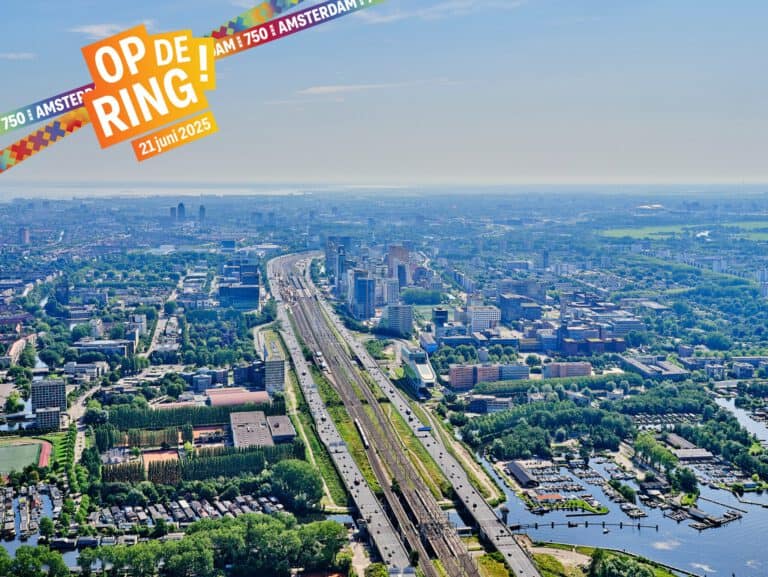
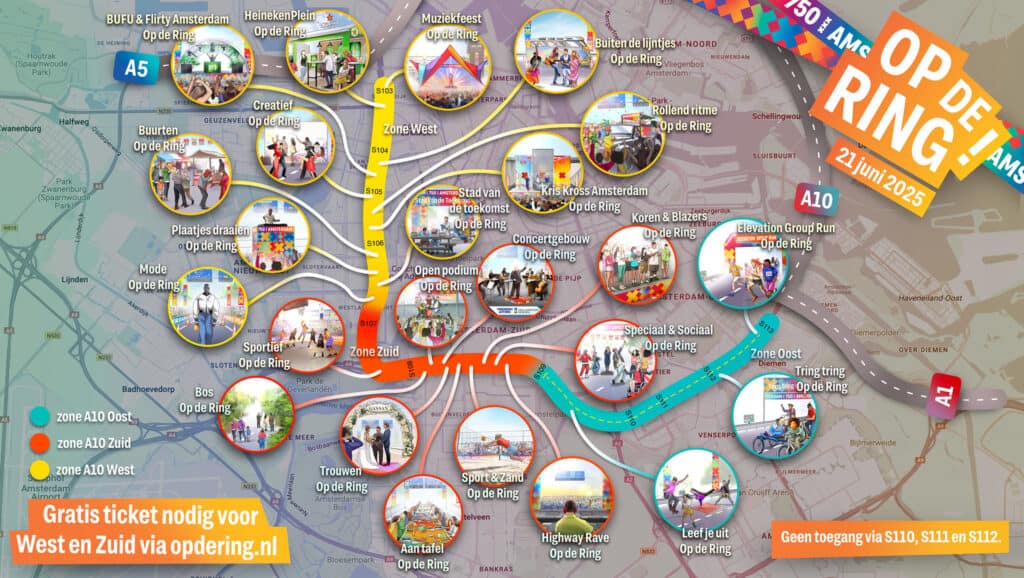
On June 21 — the longest day of the year — Amsterdam will celebrate its 750th birthday by shutting down a 15-kilometre stretch of the A10 ring road for a spectacular festivalcalled “On the Ring.”
This party blends culture, music, movement and meaning — right on the asphalt that ironically divides the city. 🛣️
A car-free day worth celebrating
For the weekend of June 21 to June 22, a large part of the A10 highway will be completely closed off for cars, transforming the road into a pedestrian party ground.
Organisers are urging everyone to ditch the cars at home and arrive by bike, foot, or scooter. You’ll also have to expect traffic congestion and delays that may potentially exceed an hour.
But hey, if you had prior engagements, ditch them too and join in on the fun! 🙈
What’s on the program?
This isn’t just an average block party with an amateur DJ.
It’s a full-on production that dozens of cultural institutions and creative organisations from across Amsterdam have come together in order to deliver a spectacle that reflects the city’s vibrant spirit.
What an iconic way to celebrate. Image: Amsterdam750/Pers
Here’s a few things on the program:
The day kicks off with a 7.5 kilometre run along the Ring, energized by DJs providing live music along the way.
As the day unfolds, the A10 becomes a moving festival with even more DJs you can dance to on floats and dance crews parading between the s106 to s105. Expect a mix of different musical genres, from punk techno to Caribbean beats.
Prefer something a bit more chilled? Various choirs will be performing throughout the day at different locations on the ring.
For those who prefer the visual arts, there will be a fashion show titled “Past, Present, Future.” If a catwalk on a highway doesn’t grab your attention, we’re not sure what will.
And yes, it does get crazier than that. Nearly 400 couples are registered to get married on the ring. Talk about a memorable backdrop for tying the knot!
Why “On the Ring” matters
In Amsterdam, the A10 Ring isn’t just infrastructure, but a symbol, often used to describe the social and spatial divide between the city’s inner and outer areas.
This event shifts the narrative by transforming the ring into a place that brings people together, regardless of postcodes.
Will you be joining in on the fun? Let us know in the comments below.
If you’re looking for a place to work or study in Leiden, the gorgeous university town that’s home to the leafy beauty of the Hortus Botanicus, you’ve certainly come to the right place. 😉
Once you’ve enjoyed the hustle and bustle of all these things to see, do, and experience in the city, you might think it’s time to find a restful work or study environment.
We’ve been there, so we’ve compiled something to help: a list of 9 energising places to work or study in Leiden! ✨
Nestled snugly in the heart of the city lies Barista Cafe, a warm and welcoming nook for those with productivity on their mind.
Busy bees looking to work or study in Leiden can get away from the hustle and bustle of the nearby Breestraat and take in the scenic beauty of canal De Rijn at this cosy café.
Barista Café’s dedicated attic workplace is a great option if you love the invigorating smell of coffee, but also want focus time to blast off some assignments.
🏢 Type: Café
💰 Price: Prices start at €3.35 for coffee and €4.75 for bites
⏰ Opening hours: 9:30 AM to 5 PM every Sunday to Friday, and 9 AM to 5 PM on Saturdays
Experiencing a dip in energy during the afternoon? That’s nothing a cup of coffee won’t fix! Image: Freepik
A short hop and skip from the hustle and bustle of Leiden Centraal is Lebkov & Sons, a cheery family-owned chain of cafés.
One of many Lebkov & Sons throughout the Randstad, this Leiden location is perfect for remote workers or freelancers who’d like a change of scenery from their home work desk.
Complete with steaming cups of well-roasted coffee and baristas who aren’t waiting for you to move along, this Leiden cafe will help keep you focused. ☕️
🏢 Type: Café
💰 Price: Prices start at €3.50 for coffee and €2.75 for bites
⏰ Opening hours: 6 AM to 7 PM every Monday to Friday, and 7 AM to 6 PM every Saturday and Sunday
This social hub opens its doors to all students, freelancers, and remote workers who are looking for a place to work or study in Leiden.
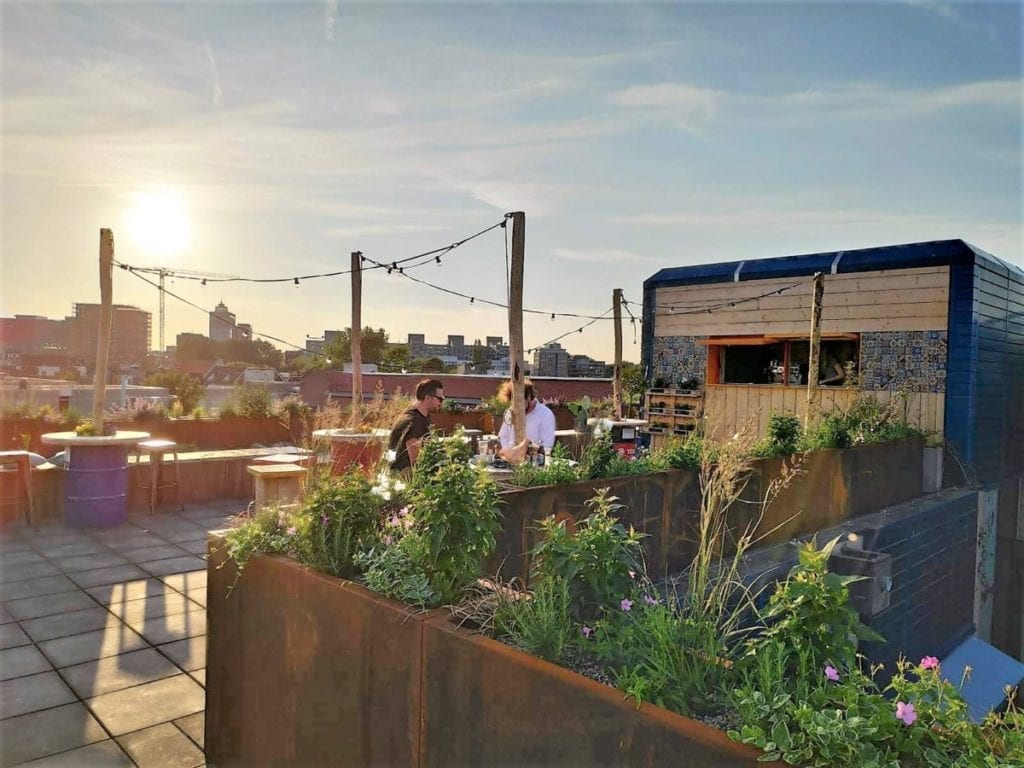
With many productive nooks for serious focus time and a charming café and rooftop garden for quick work/study breaks, PLNT is perfect for those looking to power through some deadlines.
🏢 Type: Business centre
💰 Price: As much as a cup of joe at the café
⏰ Opening hours: 8:30 AM to 5 PM every Monday to Friday (closed on weekends)
Dying for some cuddle therapy, but don’t own any pets? Maak je geen zorgen (don’t worry), because Sophie Kattencafé waits for you on Leiden’s Haarlemmerstraat. 🐈
This quiet little café is the purrrfect place to chill out with some furry friends whilst you work or study in Leiden.
Let op! You usually have to book ahead to ensure there’s a seat available.
🏢 Type: Café
💰 Price: Prices start at €2.70 for a coffee and €3.70 for bites
If you fancy sitting back and sipping a coffee whilst listening to the gentle lapping of water in canals, then 30ml is the place for you.
This cosy café offers canal-side tranquillity for those looking for a relaxing place to do a bit of work or study in one of the Netherlands’ most beautiful student cities.
If the views are too distracting, no worries. The cafe also offers a little quiet room down the back where many a hard worker may retreat for some peace and productivity.
🏢 Type: Café
💰 Price: Prices start at €2.90 for a coffee and €3 for bites
⏰ Opening hours: 10 AM to 5 PM every Monday, 9 AM to 5 PM from Tuesday to Saturday, and 10 AM to 5 PM every Sunday
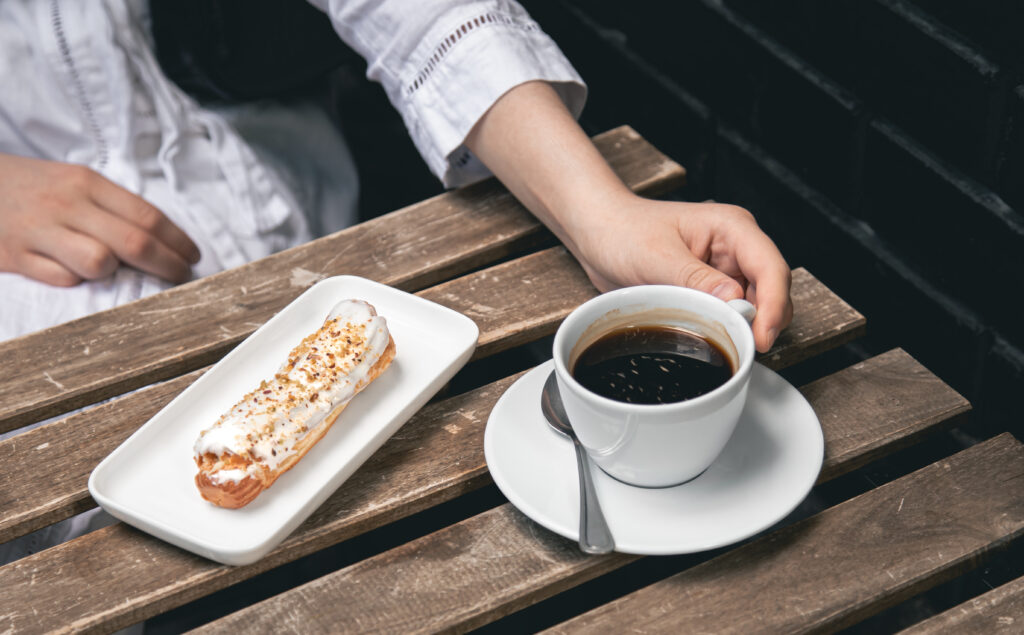
Sometimes you deserve something sugary at the end of a productive day. Image: Freepik
Are work or university deadlines freaking you out? A sweet treat at Anne&Max may not be able to get your assignments done for you, but it’ll definitely help calm you down!
This quaint café is just a stroll away from Leiden’s picturesque Nieuwe Rijn and offers the perfect environment for some much-needed focus time.
Let op! If you’re going to be using your laptop between 11 AM and 3 PM, you need to sit at one of the designated work tables.
🏢 Type: Café
💰 Price: Prices start at €3.20 for a coffee and €3 for bites
⏰ Opening hours: 8 AM to 6 PM every Monday to Saturday, and 9 AM to 6 PM every Sunday
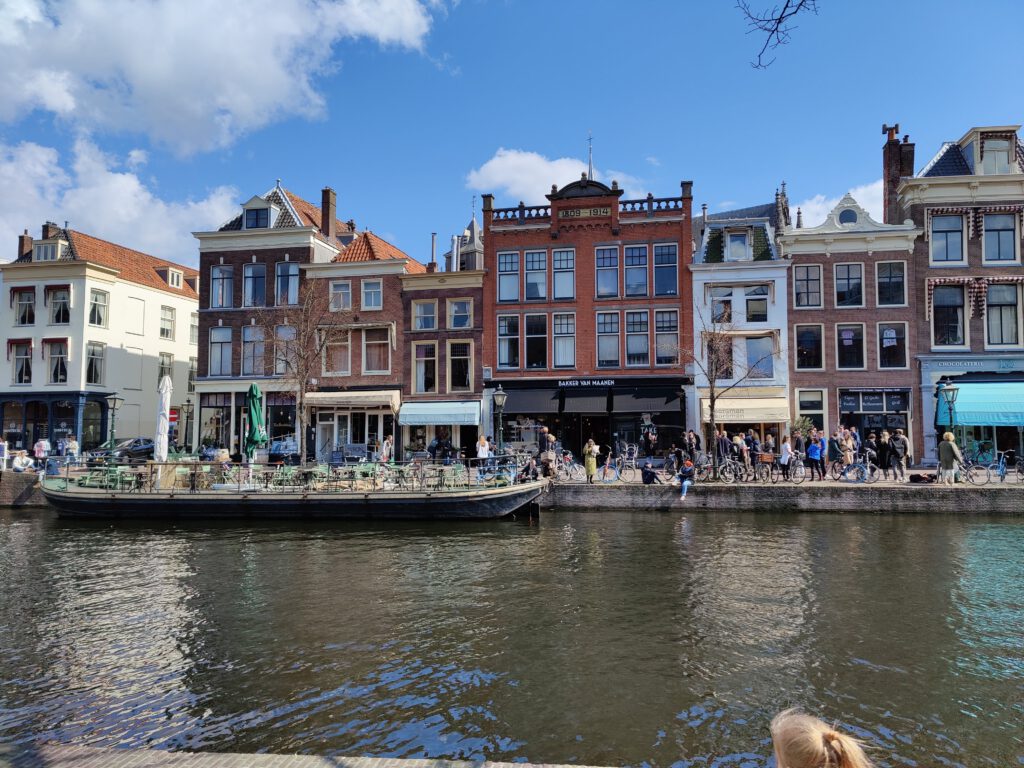
There’s nothing quite like the calming view of the Nieuwe Rijn! ☺️ Image: Abuzer van Leeuwen/Supplied
D’you love the sights and sounds of Leiden’s gorgeous old town, but want a few hours of silence to get some assignments done?
We hear you! Vooraf en Toe is a cosy little café by Leiden’s Nieuwe Rijn that offers visitors an idyllic spot to make a dent in their work or study assignments.
This location is perfect for any night owls out there, as the cafe is also a restaurant that stays open until late at night.
🏢 Type: Café
💰 Price: Prices start at €3 for a coffee and €3.50 for bites
⏰ Opening hours: 8 AM to 5 PM every Monday to Wednesday, 8 AM to 6 PM every Thursday to Sunday
9. I Scream Coffee Leiden: for delicious snacks and coffee
Attention dipping through the day? Time for a coffee! Image: Depositphotos
Perhaps, like us, you like to munch on something whilst you work. (No judgement here, munch away! 😉)
Well, I Scream Coffee is one quirky café that deserves to be on your radar, as its snacks and coffee are about as lekker as its relaxing work and study environment.
Feeling like a distraction? That’s ok, it happens.
What if we told you that you don’t even have to leave the premises? Simply turn the corner at the end of the cafe, and you’ll find a quirky shop with many independently owned businesses and their exotic items.
🏢 Type: Café
💰 Price: Prices not publicly listed
⏰ Opening hours: 10 AM to 5 PM every Monday to Sunday
Whether you’re plagued by noisy neighbours, want a change of scenery, or are just looking for an excuse to have a delicious slice of apple pie whilst you work, these 9 places to work or study in Leiden are sure to help you stay productive! 💪
Which of these places is destined to be your next favourite work or study spot? Tell us all about it in the comments below!
Following last week’s impossible demands, Geert Wilders has announced he is leaving the Dutch coalition, taking the coalition’s largest party with him.
Last Monday, Wilders announced a series of bizarre demands: the Netherlands must close its borders to asylum seekers, reception centres must be shut down, and all Syrians currently living in the Netherlands must go back to Syria.
If these demands weren’t met? He would walk.
Today, Wilders has done just that.
Announced on X
Like most modern-day politicians, Wilders made his big announcement on X, writing “No signature for our asylum plans. No adjustment of the Outline Agreement. PVV leaves the coalition.”
With 37 representatives, Wilder’s PVV party holds the largest number of seats in the Dutch parliament. The exit of the party will be catastrophic for the current coalition, setting it up for collapse.
Other party leaders are angered by Wilder’s decision. VVD party leader Dilan Yesilgöz tells the NOS that “He is choosing his own ego and his own interests, I am astonished. He is throwing away the chance of a right-wing policy. This is super irresponsible.”
Meanwhile, Nicolien van Vroonhoven of NSC describes the exit as “really incomprehensible.”