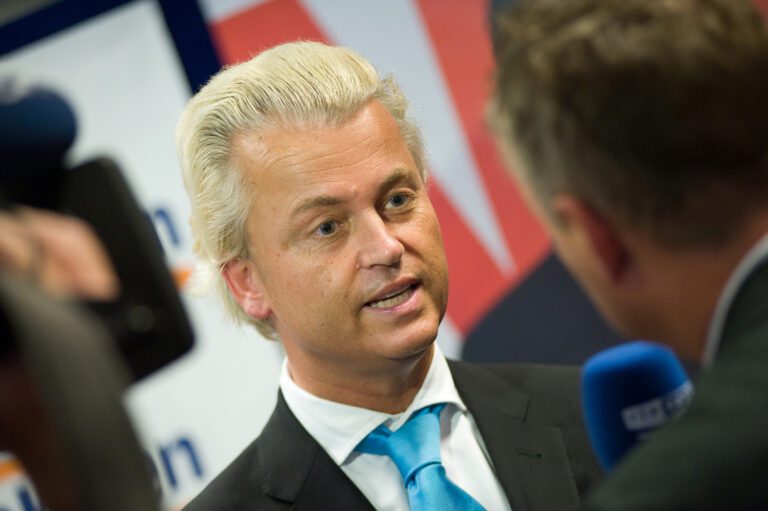
In a political plot twist that many saw coming, VVD leader Dilan Yesilgöz has just ruled out joining forces with Geert Wilders’ PVV party.
Calling Wilders “an incredibly unreliable partner” in an interview with De Telegraaf, Yesilgöz basically said: “Thanks, but no thanks.”
Door shut, Wilders out
In addition to calling Wilders reckless and irresponsible, AD reports that Yesilgöz also blames him for helping bring down the last cabinet. (Not exactly the résumé you want in a coalition buddy. 👀)
Translation: A vote for the VVD is therefore a vote for the PvdA and you get GroenLinks for free. What a betrayal by Yesilgöz to the right-wing voter and to the Netherlands. I stood firm for on asylum, but she runs to the left for more asylum. Only a big #PVV can save the Netherlands!
Coalition: still looking for “just right”
Meanwhile, a poll by I&O Research shows that while most VVD voters are not keen on Wilders, 34% wouldn’t exclude his party from negotiations.
At the same time, many in the VVD are also nervous about jumping into bed with the left, fearing higher taxes and an open-door policy on migration.
It’s a bit of a coalition Goldilocks situation: too far right? Too far left? Nothing seems just right.
Marleen de Rooy, a political editor for the NOS, says, “It was Yesilgöz herself who opened the door to the PVV just before the last election. Today she closes that door again, and she blames Wilders.”
And here’s the political punchline: according to current polls, the next government might need both the VVD and GroenLinks-PvdA to form a majority.
What do you think about these recent developments? Tell us in the comments.
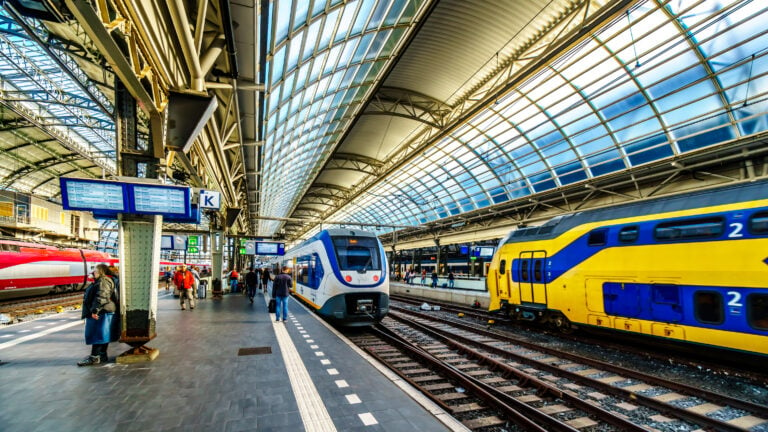
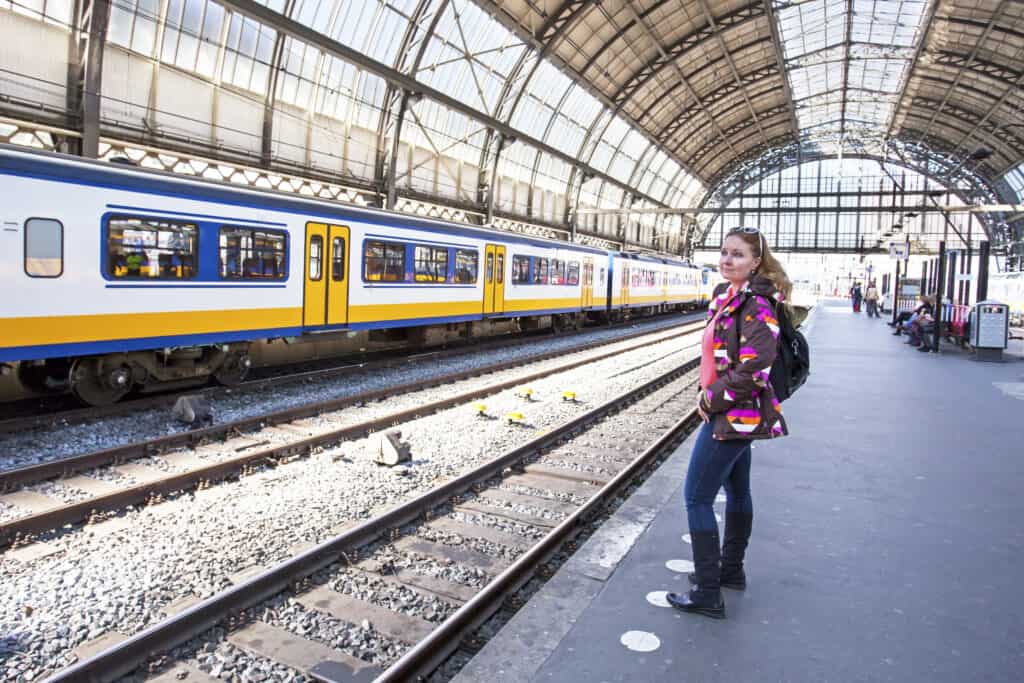
Right, so remember last Friday when virtually no NS trains ran across the Netherlands? Well, buckle up buttercup, because it’s happening again this Tuesday — and this time, there’s literally nowhere to run (or ride).
The Dutch railway operator NS has announced that essentially no trains will run anywhere in the country on Tuesday, June 10, following an expanded strike from railway unions.
What started as a regional strike affecting South Holland, Zeeland, and parts of West Brabant has now ballooned into a nationwide shutdown after the VVMC (railworkers’ trade union) extended the action to also cover the entire Randstad.
Why NS train workers are striking again
For internationals new to the joys of Dutch labour relations, this is all about money and working conditions — the classic strike combo.
The railway unions are fed up with the wage increases being offered in collective bargaining negotiations (known as CAO talks). They’re also pushing for better working conditions.
The VVMC wasn’t impressed with the results of Friday’s massive strike, which saw virtually no NS trains running nationwide (except for a few sprinters between Amsterdam and Schiphol — because heaven forbid we inconvenience the airport).
Since that action “delivered nothing,” according to the union, they felt “compelled to down tools again.”
What the NS train strike means for commuters
If you’re relying on NS trains for your Tuesday commute, it’s going to be a work-from-home day!
Dutch public transport system will essentially grind to a halt, affecting millions of commuters who depend on the railway network.
However, there is one silver lining: trains between Amsterdam and Schiphol will continue running during the strike.
So if you’ve got a flight to catch or need to get to the airport from Amsterdam, you’re sorted — it’s literally the only NS service that’ll be operating.
The second strike
This is the second major railway strike in just a few days, highlighting growing tensions between railway management and workers.
For a country that prides itself on efficient public transport and where many people don’t own cars, these strikes have massive knock-on effects.
Internationals coming from countries where strikes are less common might find this level of industrial action surprising, but welcome to the Netherlands, where workers’ rights are taken seriously, even if it means your Tuesday commute goes completely tits up.
Alternatives to NS trains during the strike
With the entire NS network down, you’ll need to get creative and consider other modes of transport. Consider:
Regional buses (good luck with that during rush hour)
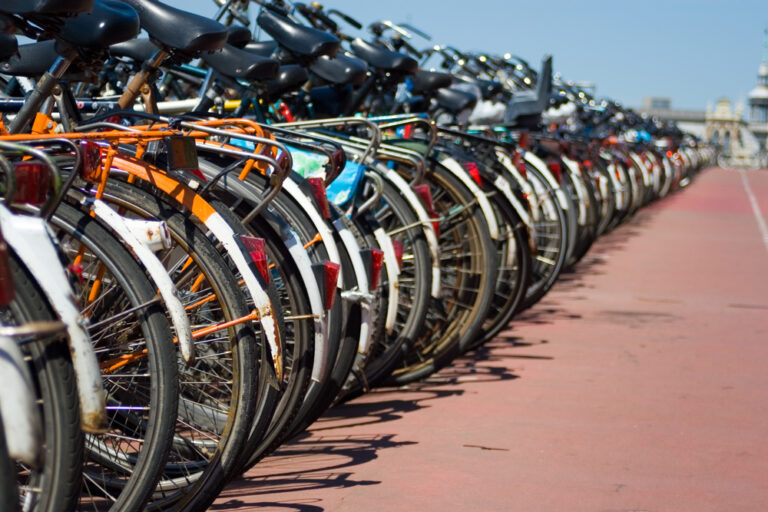
Cycling!
Carpooling with colleagues (time to make friends)
The strike underscores just how central the railway system is to Dutch daily life — and how quickly everything can fall apart when the trains stop running.
With wage negotiations clearly at a standstill and unions willing to bring the entire network to a halt, don’t be surprised if this becomes a regular Tuesday occurrence until someone blinks first.
Time to dust off that bike and remember why everyone here cycles everywhere anyway.
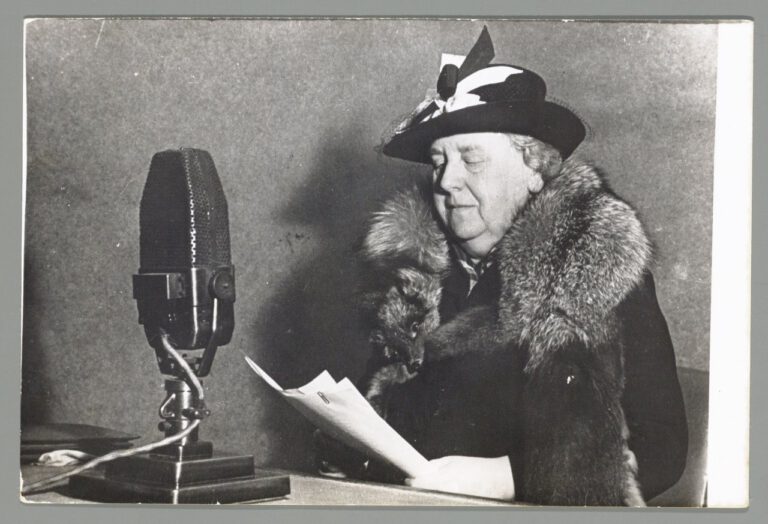
Every evening at 9 PM sharp, families across Nazi-occupied Netherlands would gather around hidden radios, hearts pounding, as they waited for those magical opening notes of Merck toch hoe sterck.
What followed were fifteen precious minutes that connected them to hope, home, and their beloved Queen Wilhelmina speaking from London. This was Radio Oranje, and for five dark years, it became the heartbeat of Dutch resistance.
🇳🇱 The birth of a lifeline
When the Germans invaded the Netherlands on May 10, 1940, they didn’t just occupy the country, they silenced its voice.
Dutch radio stations fell under Nazi control, newspapers became propaganda tools, and suddenly, the truth became a dangerous commodity.
But the Dutch government-in-exile in London had other plans.
On July 28, 1940, something remarkable happened. The BBC European Service aired the first broadcast of what would become Radio Oranje — named as a tribute to the Dutch monarchy’s House of Orange-Nassau.
Queen Wilhelmina’s voice crackled through the airwaves, followed by the stirring notes of Merck toch hoe sterck, a 16th-century Dutch resistance song.
It was the beginning of a daily lifeline that would sustain Dutch morale for the entire war.
🎭 More than just news
What made Radio Oranje special wasn’t just the news. It was the uniquely Dutch blend of information and entertainment that kept families huddled around their wireless sets.
The programme’s fifteen-minute format was packed with coded messages for the resistance, updates from the Free Dutch Forces, and, most importantly, reminders that they weren’t alone.
The show featured everything from political speeches to radio plays about Dutch history. But the real crowd-pleaser was De Watergeus — a weekly cabaret show that started in February 1941.
Named after the 16th-century Dutch rebels who fought the Spanish Empire, these sketches used familiar tunes with new lyrics that brilliantly mocked Nazi officials and occupation policies.
👑 The Queen’s voice, a secret weapon
Queen Wilhelmina became Radio Oranje’s secret weapon. Over the course of the war, she spoke on Radio Oranje 34 times, and her words carried weight that went far beyond protocol.
Her speeches weren’t flowery royal addresses; they were direct, passionate calls to her people.
On May 10, 1943, three years since the invasion, Wilhelmina didn’t mince words about “the treacherous attack, committed by the krauts against our fatherland.”
Her unfiltered emotion resonated with listeners who felt the same rage and determination.
For many Dutch families, hearing their Queen share their feelings was profoundly moving. She wasn’t distant royalty, she was a fellow Dutch person in exile, fighting the same fight.
🕵️ The underground network
By 1943, listening to Radio Oranje had become so dangerous that nearly all radios had to be turned over to German authorities.
But the Dutch, with their legendary stubbornness, weren’t so easily silenced. Hidden radios were tucked away in attics, basements, and secret rooms across the country.
Families developed elaborate rituals around these clandestine listening sessions. Children learned to recognise the opening melody and knew to stay silent during broadcasts.
The fifteen minutes became sacred time, a time when hope could slip through the Nazi radio jamming that tried desperately to block the signal.
The programme also broadcast coded messages for resistance fighters. These were seemingly innocent personal messages that actually contained vital information for underground operations.
A recipe for hutspot, for example, might actually contain instructions for a sabotage mission, while a birthday greeting could signal the arrival of Allied agents.
And to think that nowadays the modern Dutchman will just spend an evening Netflix kijken (watching Netflix).
🎙 Voices that shaped a nation
The impact of Radio Oranje extended far beyond its wartime broadcasts.
It created a template for how media could maintain national identity and morale during the occupation.
The programme’s blend of official communication, cultural content, and subtle resistance messaging showed that propaganda didn’t have to be heavy-handed to be effective — sometimes, simply reminding people of who they were was enough.
After the war, Dutch monitoring reports revealed how sophisticated the operation had been.
The exile government in London maintained detailed analyses of Nazi radio broadcasts, using this intelligence to craft Radio Oranje content that directly countered German propaganda.
It was psychological warfare at its finest. A war fought not only with weapons, but with words, music, and the unbreakable spirit of a small nation that refused to be silenced.
Today, when we think about media resistance and the power of independent voices, Radio Oranje stands as a reminder that sometimes the most powerful weapon against oppression is simply the truth delivered with courage, wrapped in the familiar melodies of home.
For five years, fifteen minutes at a time, it proved that you can occupy a country, but you can’t occupy its soul. 🇳🇱
So, your offer on a Dutch house has just been accepted, congrats! Now, you must wait for your mortgage to be approved.
And how long does that usually take? A number of factors will determine that answer.
How long before my Dutch mortgage is approved?
In the Netherlands, you usually have to wait between two and eight weeks for your mortgage application to be approved.
Where you fall in this range depends on several factors, such as which mortgage advisor you use.
In the Netherlands, it’s common for mortgage advisors and providers to establish a relationship with each other. Choosing an advisor who already has a good rapport with a provider can significantly reduce your waiting time.
A timeline of the Dutch mortgage application process
The best way to understand how long your mortgage application will take is to understand the various steps involved.👇
1. Meet with a mortgage advisor
Once your offer is accepted, it’s time to arrange a meeting with your mortgage advisor to discuss the details. This includes how much you need to borrow, which provider you want to use, and the mortgage type you would like to opt for.
Your mortgage advisor will let you know the next steps and what documents you need to gather for your mortgage application. Image: Dreamstime
They will also tell you which documents you need to gather. Depending on the advisor, it can take anywhere between one to a few days to get an appointment.
2. Request an interest rate offer from your chosen bank
Next, you must request an interest offer from your chosen mortgage provider. This usually takes between one and three working days.
3. Sourcing and submitting the necessary documents
In the meantime, you should start sourcing the necessary documents, such as:
A payslip,
a copy of your ID,
bank statements,
a valuation report of the property,
your residence permit (if you’re a non-EU international),
and an employer’s declaration
When it comes to getting your valuation report (taxatierapport) and employer statement, you want to get the ball rolling as soon as possible. How long this step takes depends on how responsive people are.
4. Receive and sign your interest offer
Once you have received your interest offer, it’s time to sign it and submit this, along with your documents, to your mortgage advisor.
They will then send your complete file to the bank.
5. Wait for the bank to double-check everything
Next, the bank will conduct two separate checks on your application to make sure all the details are correct.
This can take anywhere between a couple of days to three weeks, depending on whether you need to supply extra information.
6. Book a notary appointment
Once the bank approves your application, a final mortgage offer (hypotheekofferte) will be sent to your advisor, who will carry out a final check before discussing it with you. Once you are happy that you understand it, you will sign it.
The signed offer will then be sent back to the bank, which will set up an appointment for you with your notary. During this meeting, the deal is sealed. It can take anywhere between five and twenty days to get this appointment.
As you can see, how long it takes to get your Dutch mortgage approved depends on various factors — but it’s worth the wait.
How long did it take for your mortgage to be approved? Tell us in the comments below!
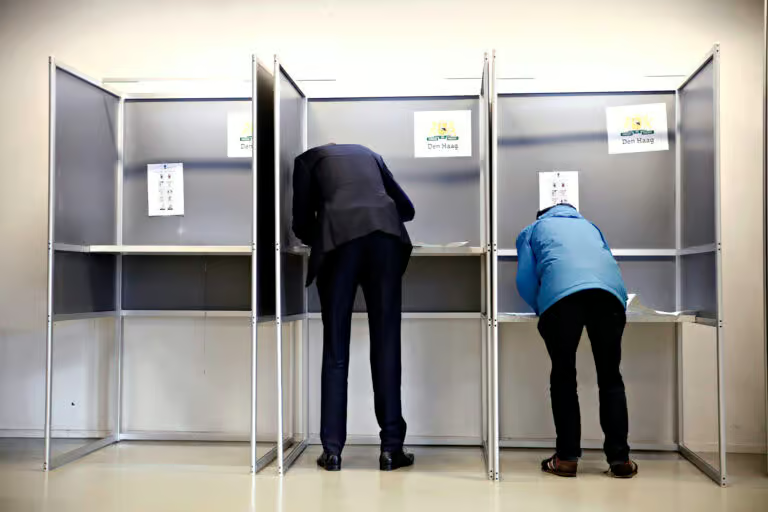
It’s official — the Netherlands will be heading to the polls on Wednesday, October 29, 2025, for the next general election.
The caretaker cabinet has confirmed the date, following the recommendation of the Dutch Electoral Council (Kiesraad), reports the NOS.
The snap election was triggered after far-right leader Geert Wilders and his Partij voor de Vrijheid(PVV) pulled the plug on the fragile ruling coalition, in true Dutch political fashion, over a disagreement on immigration policy.
Why not sooner?
You might think, “October? That’s ages away!” And yes, it is — but there’s a reason for that.
According to outgoing Minister of the Interior, Femke Uitermark, the Netherlands simply needs the time. “In other countries, things can move a lot faster,” she said. “But you can’t compare those systems to ours.”
She continued to explain that, unlike some countries, the Netherlands places a strong emphasis on making sure that voters abroad can take part — and that new political parties get a fair shot at registering and running.
Will Wilders return?
That’s the big question.
Wilders shook up Dutch politics when his PVV party won the most seats — 37 out of 150 — in the November 2023 elections, stunning the political establishment and sending a very loud message on immigration and national identity.
After months of negotiations, he managed to cobble together a coalition with the centre-right VVD, the BoerBurgerBeweging (BBB), and the centrist NSC party. But there was a catch: in exchange for coalition support, Wilders agreed to give up his ambition of becoming prime minister.
Fast forward to now, and that coalition is history. Wilders bailed, frustrated by what he saw as foot-dragging on implementing “the strictest-ever” immigration policy. Critics, however, accused him of torpedoing the government over a made-up crisis.
Still, don’t count him out just yet. While polls suggest the PVV will lose a few seats compared to 2023 (estimated down to 28 or 30), Wilders remains a force to be reckoned with.
The election is shaping up to be a three-way race, with Frans Timmermans’ Left/Green alliance and the VVD close behind.
So what needs to happen before October?
Quite a lot, actually. For starters:
Around 13.5 million voting passes need to be printed and posted.
Municipalities have to recruit and train election volunteers.
Suitable polling stations must be found and booked.
Dutch voters living abroad need time to register and receive their absentee ballots.
Oh, and don’t forget the autumn holidays, which fall smack in the middle of possible prep time.
Parties need prep time, too
Political parties aren’t just sitting around until the big day. They’ve got manifestos to write, candidates to choose, and party congresses to organise — all of which take weeks of internal debate and back-and-forth.
The Electoral Council considered all of these moving parts before settling on the late-October date. And while technically the Dutch parliament could still object, the chances of that happening are basically zero.
What do you think will happen in this election? Tell us in the comments below!
You might’ve noticed how flat the Netherlands is — and for that, you’d be very right! Though the reason for that actually has a lot to do with water and how the Dutch have mastered it. 🌊
The Dutch don’t bat an eye when you remind them that they’re all living below sea level because they’ve been managing and engineering their neighbouring waters for years!
We guess you could say that they’re quite AQUA-inted with it. 😉
What is it?
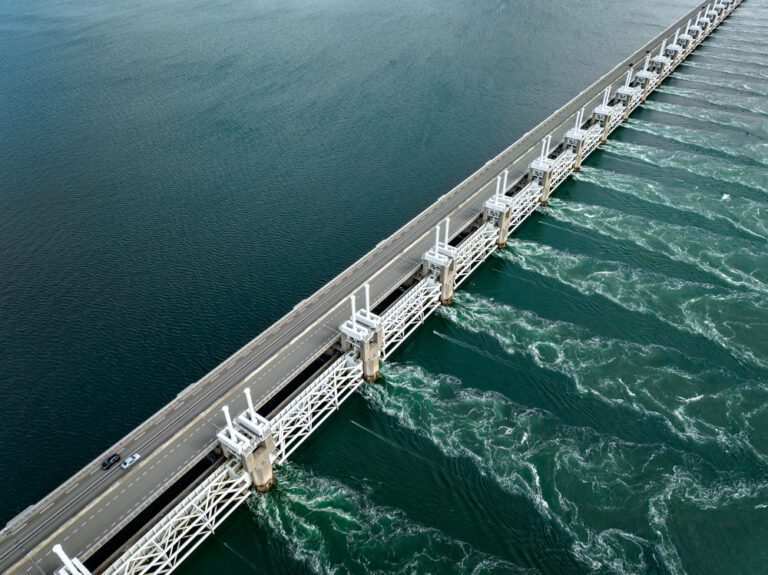
The Dutch have a long history with water — they’ve literally built their country from the water up by reclaiming land surface from the sea!
By building dams, canals, dikes, and delta works, the Dutch have made themselves sea-proof (not waterproof, though, as you can tell by the many rainy days in the Netherlands 🙄).
This is quite impressive, knowing that 17% of the Netherlands used to be completely underwater.
They first did this by building dikes to separate land that was underwater to prevent it from flooding even more — these areas of land are called polders.
Then, by pumping the water out using windmills, they found themselves with new strips of flat land!
Of course, the Dutch had other tricks up their sleeves when controlling the water. They also built canals to manage the water flows and prevent them from seeping into their newly reclaimed land.
Pretty soon, many Dutch cities started forming around these canals, which made the Dutch close neighbours with their water.
Thanks to their naturally flat geographic location and their genius aquatic engineering, the Dutch don’t care about the fact that they live below sea level since they know that their brilliant engineering skills have always had their backs. 👌🏻
Why is it quirky?
Generally, most European countries find themselves above sea level, except for some areas such as Lammefjord in Denmark and Kristianstad in Sweden.
Absolutely! The Dutch have mastered the water through countless methods and mechanisms.
They’ve always known how to work with it, so you shouldn’t really care that the Netherlands lies below sea level either, because, well, they’ve already got it covered. 😉
What do you think of this Dutch quirk? Have you experienced it? Tell us in the comments below!
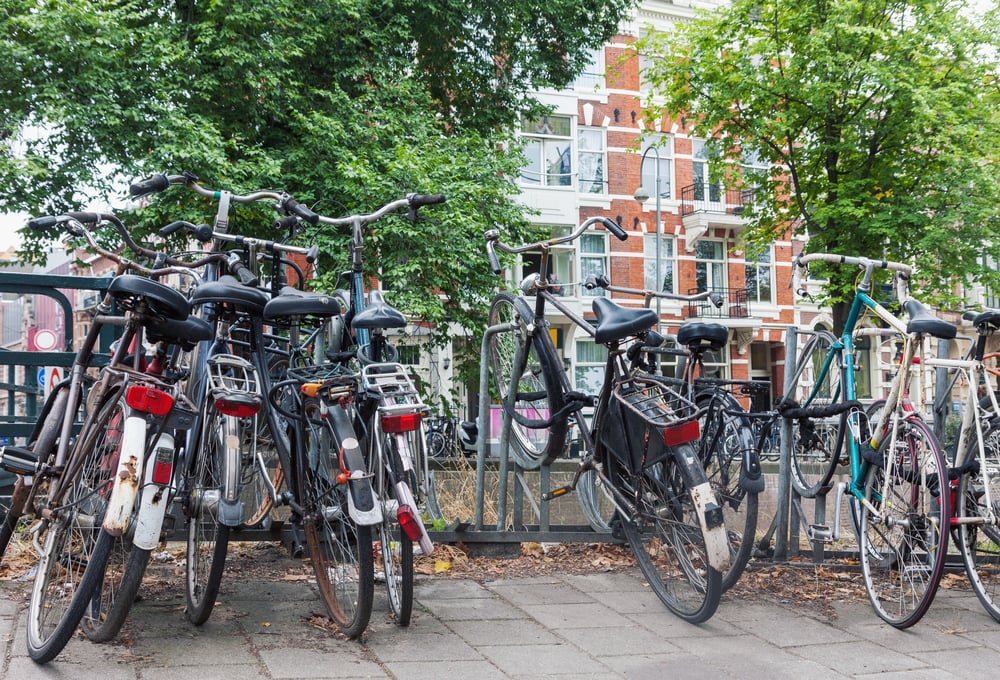
Apparently, it’s not uncommon for the following thoughts to cross the mind of any inebriated drunkard roaming the streets of a Dutch city: “Bikes. Canals. Let’s throw ’em in. Fun.”
Picture this: you’re standing at a bus stop in Amsterdam when a stranger turns to you and sighs, “Wat een weer, hè?” (What weather, right?).
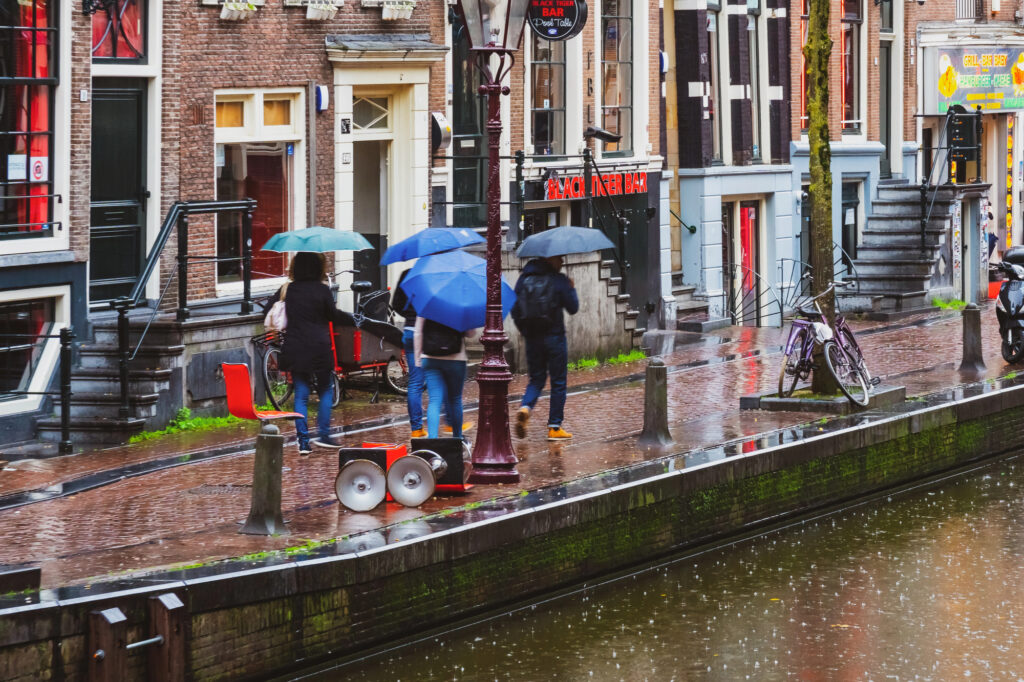
Within seconds, you’re both deep in conversation about the disappointing lack of sunshine, yesterday’s unexpected downpour, and tomorrow’s equally grim forecast.
Welcome to the Netherlands; where complaining isn’t just conversation, it’s the national love language.
The Dutch have turned griping into an art form that brings people together. From weather woes to transport troubles, complaining serves as social glue that bonds strangers, colleagues, and neighbours across the country.
Weather complaints fuel daily connections
Dutch weather complaints are legendary, and for good reason, they happen roughly 17 times per day.
Rain, wind, freezing temperatures, or the occasional heatwave all provide perfect fodder for instant social bonding between complete strangers.
Want to bond with a Dutchie? Just complain about the weather! Image: Depositphotos
The beauty of weather complaints lies in their universal accessibility. Whether you’re a banker in Rotterdam or a student in Groningen, everyone’s experiencing the same meteorological disappointment.
“It’s supposed to be summer!” becomes a rallying cry that unites the nation every June when temperatures dare to drop below 18 degrees.
What makes this particularly Dutch is the passionate intensity devoted to discussing a relatively mild, temperate climate.
The Netherlands doesn’t face hurricanes, tornadoes, or extreme weather events — yet locals discuss a light drizzle with the same urgency others reserve for natural disasters.
Weather apps have only amplified this cultural phenomenon. Armed with hourly forecasts and precipitation percentages, the Dutch can now plan their complaints in advance.
“It’s going to rain at three o’clock” becomes a shared piece of intelligence that sparks conversations from office kitchens to grocery store queues.
These daily weather check-ins serve a deeper purpose than meteorological analysis. They create micro-moments of connection in an increasingly digital world, proving that sometimes the most mundane topics make the best conversation starters.
The paradox of patriotic self-criticism
Perhaps no phrase captures Dutch complaint culture better than “Nederland is een kutland” (The Netherlands is a crap country).
Remarkably, this isn’t said with hatred or a genuine desire to leave. It’s just twisted patriotism disguised as criticism.
This meta-complaint culture confuses outsiders who hear Dutch people constantly criticising their own country while simultaneously getting defensive when foreigners join in.
Another way to bond, criticise yourself — but perhaps not the Dutch. Image: Freepik
The Dutch have mastered the art of pre-emptive self-deprecation, criticising themselves before anyone else can.
“Everything’s too expensive, the weather’s terrible, and don’t get me started on housing prices,” a typical Dutch complaint session might begin.
Yet scratch beneath the surface and you’ll find fierce pride in Dutch achievements: excellent infrastructure, progressive social policies, and a high quality of life.
This self-critical stance acts as cultural armour. By acknowledging problems first, the Dutch maintain control of the narrative while demonstrating their famously direct communication style.
It’s a way of saying, “We know our flaws, we’re working on them, and we don’t need outsiders pointing them out.”
The phenomenon reveals something profound about Dutch national character: impossibly high standards combined with genuine affection for their country — expressed through constructive criticism rather than blind patriotism.
The NS, also known as the beloved punching bag
Nothing unites the Dutch quite like complaining about the NS (Dutch Railways). Despite operating one of the world’s most efficient train networks, the NS receives more daily criticism than a reality TV contestant.
The complaints are wonderfully specific: “The 17:23 to Utrecht is always two minutes late,” or “Why do they always announce delays just as I reach the platform?”
These grievances create instant camaraderie among commuters who nod knowingly at shared frustrations.
Social media has transformed NS complaints into performance art. Twitter feeds overflow with creative rants about delayed trains, overpriced coffee, and the eternal mystery of why announcements are always incomprehensible during actual delays.
The complaints become entertainment — a shared cultural experience that’s almost more enjoyable than punctual service.
The irony isn’t lost on frequent travellers. International visitors consistently praise Dutch public transport efficiency, while locals maintain detailed mental catalogues of every minor inconvenience.
Another safe topic: train delays. Image: Depositphotos
It’s like complaining about a five-star restaurant because the bread arrived 5 minutes late.
This pattern reveals the Dutch perfectionist streak. When your train system runs on time 92% of the time, that remaining 8% becomes intensely frustrating.
These complaints aren’t really about transportation though, they’re about impossibly high standards for a country that generally delivers them.
The warmth beneath the grumbling
Understanding Dutch complaint culture means recognising its true function: creating connection through shared frustrations.
These daily grumbling rituals serve as social maintenance. Weather complaints acknowledge shared frustrations, self-criticism demonstrates cultural awareness, and moans about transport reinforce expectations for excellence.
For internationals learning to navigate Dutch social culture, mastering the art of complaining opens doors to authentic connections.
After all, in a country where complaining is caring, a good grumble might just be the most gezellig thing you can share.
Have you mastered the art of complaining yet? Tell us about your experience in the comments below.
Erasmus University in Rotterdam has hit the brakes on its academic ties with three Israeli universities: Bar-Ilan near Tel Aviv, the Hebrew University of Jerusalem, and the University of Haifa.
The reason? A report by the Advisory Committee on Sensitive Partnerships has flagged the three Israeli universities for working closely with the IDF and conducting research in the occupied Palestinian territory.
Not exactly the kind of research Erasmus wants its name attached to. 👀)
“The risk that we are now indirectly involved in human rights violations is too high,” the university tells the NOS.
Unfortunately, it’s not a full breakup
Although exchange programmes are currently frozen, it’s not a complete academic break-up.
Joint work by independent researchers in the Netherlands and Israel can still go ahead, so there is still room for cooperation, just not on an institutional level.
The university plans to send an official “it’s not you, it’s your policies” letter within two weeks. And if those Israeli institutions want to get back together? They’ll need to clearly show they’re distancing themselves from any involvement in human rights violations.
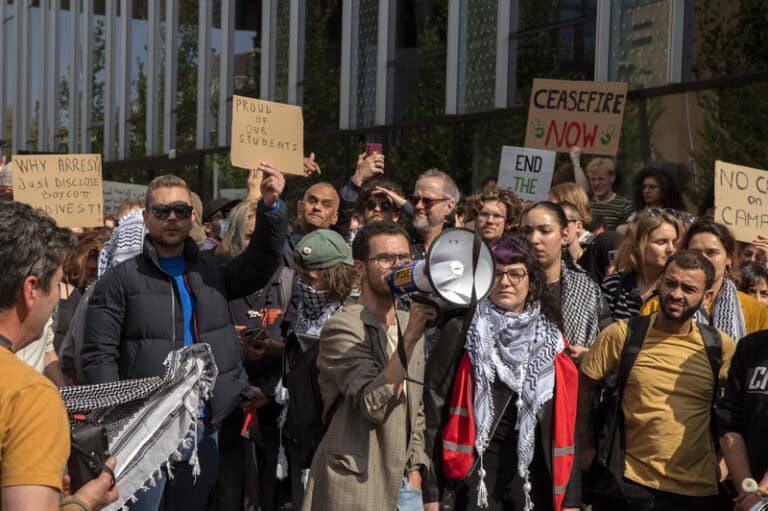
Protests against academic ties with Israel have been popping up in Rotterdam and at other universities across the Netherlands since the war in Gaza began.
Erasmus is now joining universities in Tilburg, Nijmegen, and Utrecht, which have already pulled back from similar collaborations.
The IDF might be using Dutch research
According to the investigative journalism platform Follow the Money, Israel has received over €3 billion from Horizon Europe, the EU’s funding programme for civilian science.
Some of this funding has been used to research “dual-use” technologies, which have both civilian and military applications. Worryingly, this means that some of the tech may end up in the hands of the IDF. 👇
At present, nine universities in the Netherlands are working on 28 Dutch-Israeli projects that have military importance. One of the universities named (TU Delft) is currently collaborating with Israel Aerospace Industries, which wants to use the results “as soon as possible”.
Brave students at @tudelft are disrupting the career day at the university, which allows military companies who supply weapons to Israel, and therefore to genocide, to be present. Dutch universities must end ties to genocide now, and TU Delft is top of the complicity list. pic.twitter.com/oo9qhGD0T0
But TU Delft isn’t the only well-known name on the list.
The other universities involved include TU Eindhoven, the University of Groningen, the University of Amsterdam, VU Amsterdam, Radboud University, Wageningen University, the University of Twente, Leiden University, and the research institute TNO.
Walking away isn’t easy. Dropping out of a project could lead to major financial penalties, so some scientists are stuck conducting work they no longer support.
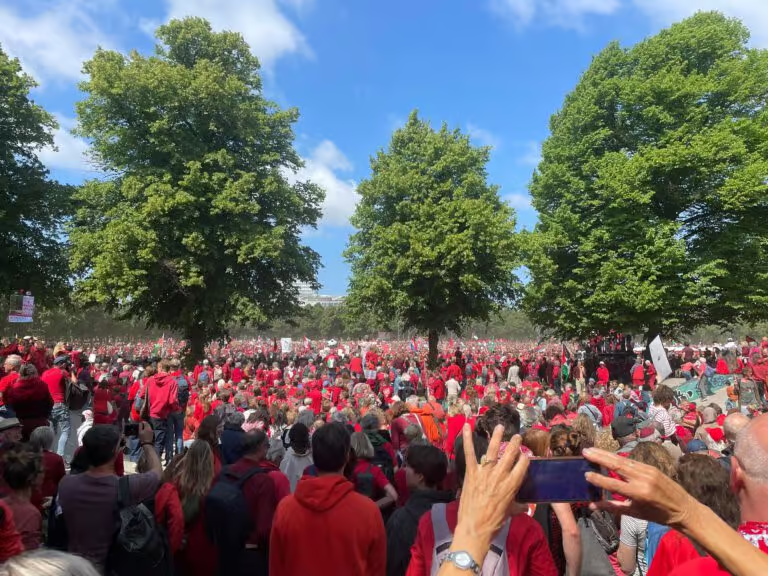
Last month, on May 18, over 100,000 people gathered in The Hague to protest against the Dutch government’s stance towards Israel. Now, it’s time for another demonstration. 💪
During what became the largest demonstration the Netherlands had seen in 20 years, protestors came together wearing red to “draw a red line.” On June 15, people are invited to draw it again.
The red line represents the line that the government itself failed to draw when it came to condemning Israel’s attack on Palestine.
Failed to comply with demands
According to Amnesty International, following the previous protest, the government has refused to take concrete action against the genocide.
Regardless of the recent collapse of the coalition, organisations want to see steps taken: “Resignation or not — we demand concrete action now.”
Aid and humanitarian organisations Oxfam Novib, PAX, Amnesty International, Save the Children and Doctors Without Borders have invited outgoing prime minister, Dick Schoof, to attend the demonstration and address everyone from the Malieveld.
Whether he will actually show up, however, is yet to be seen.
Something has to change
Amnesty International writes that “The time for one more investigation is over.”
Everyone who joins the next demonstration on June 15 will be there to demand a fundamental change to the course of action currently taken by the Dutch and European governments in general.
The Netherlands is not alone in this protest. On and around June 15, a red line will also be drawn in Brussels, Quebec, London and Geneva. 🇵🇸