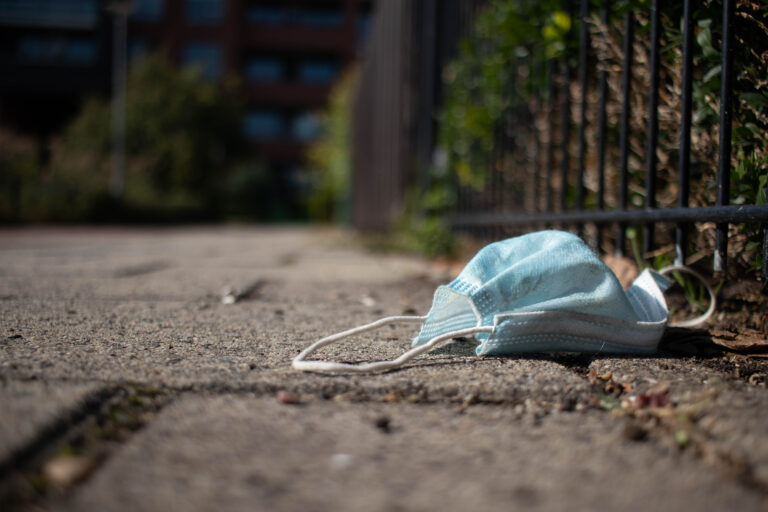
In the last few weeks, there has been much international talk surrounding the spread of a respiratory virus called HMPV in Northern China. If this is giving you major flashbacks, you’re not the only one. 👀
To find out whether this is something we should be worried about in the Netherlands, Hans Kluge from the World Health Organization (WHO) and Dutch virologist Marion Koopmans have weighed in on the matter.
What is the HMPV virus?
As the NOS writes,HMPV stands for human metapneumovirus. This respiratory virus usually causes mild symptoms similar to those from a cold or the flu and spreads in the same ways as common diseases.
In some cases, however, HMPV can lead to more serious complications, including pneumonia. This is especially true for children, elderly people, and people with weakened immune systems.
Known by the scientific community since 2001, the virus has been circulating for years, including in the Netherlands. Currently, there is no vaccine against it.
Is it true that China’s cases are worryingly high?
Since late 2024, videos of crowded Chinese hospitals and waiting rooms have been circulating online, spreading concern that China is facing a worryingly high number of HMPV cases.
While the footage cannot be verified, on December 27, 2024, Chinese authorities did confirm that HMPV infections among children were increasing.
However, a Chinese Foreign Ministry spokesperson has stated that the total number of HMPV cases in 2024 was lower than in 2023, and that the recent rise in infections is in line with the typical winter peak exhibited by respiratory viruses.
According to WHO Europe Regional Director Hans Kluge, the World Health Organization is working closely with Chinese authorities, exchanging information and offering support in monitoring the situation.
Amid reports of rising wintertime respiratory infections in China – including human metapneumovirus #HMPV – and the impact on the health system there, 🇨🇳 health authorities say the scale and intensity remain lower than around this time a year ago.@WHO’s China Country Office and…
According to Dutch virologist Marion Koopmans, while the lack of reliable information complicates assessing the situation in China, the Netherlands is definitely not facing an unusual or worrying situation.
“Here, GPs register the viruses that their patients are infected with. HMPV is also monitored. So far, we have not seen anything remarkable. These are diseases that we have known about for quite some time,” she tells the NOS.
She further explains that HMPV, along with more common respiratory infections such as the flu and COVID, appears every winter.
Have you seen a cute baby in the streets of your Dutch city recently? Chances are they were called Noah or Emma.
How do we know? The Dutch SVB (Social Insurance Bank) has just released its list of the most popular Dutch baby names in 2024.
Girls’ names have a new queen
According to RTL, one girl’s name has been climbing the ranks this past year.
From her humble beginnings in fourth place in 2023, Emma is now the most popular name for Dutch baby girls. In 2024, 657 babies were given the name.
Right behind her are Olivia, Nora, Julia, Sophie, Mila, Noor, Yara, Sara, and Zoë. Among these, Nora is also a fast climber — it was in sixth place in 2023 and third in 2024.
The Royal Dutch Meteorological Institute (KNMI) has issued a Code Yellow warning for heavy gusts of wind for the Netherlands today (Monday, January 6th).
Dutch weather once again proves to us that the only thing consistent about it is its inconsistency. 🙏🏼
Here’s what we know
From 12 PM onwards, the provinces of South Holland, Zeeland and Limburg will bear the brunt of the storm.
As the day progresses, the wind will travel east, striking Friesland and Groningen until around 8 PM.
We can expect heavy gusts of wind, with speeds reaching up to 90 kilometres per hour inland and 100 kilometres per hour by the sea. 💨
The result? According to the KNMI, this could cause chaos on the roads, especially for cyclists, trucks and cars with trailers. There is also a chance of accidents due to tree branches breaking off trees.
Today’s temperatures will reach a comforting 13 or 14 degrees Celsius in the southeast but drop in the west.
We can also expect cloudy skies and rain (of course), which will turn harsher and less forgiving by the afternoon.
And the rest of the week?
We hate to say it, but the bad news (and weather) continues…
Grey skies, cold temperatures and no sign of sunshine continue their reign for the rest of the week, giving us no choice but to cosy up with a warme chocomel and those fuzzy socks we got for Christmas. 🧦
What are your plans during this Dutch winter weather? Let us know in the comments below.
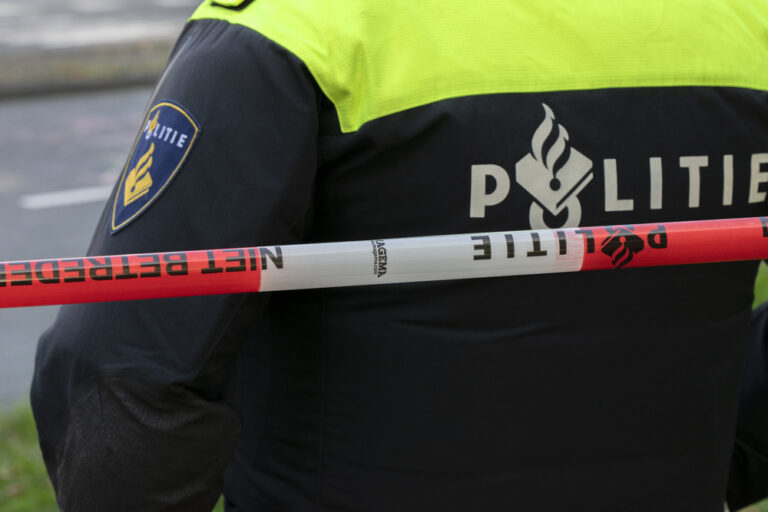
Rotterdam police have now arrested a suspect in connection to the three fatal shootings that took place in the IJsselmonde district.
According to the NOS, the suspect is a 24-year-old man without a fixed address. He is currently in custody and can only speak to his lawyer.
He was arrested after a third shooting
The suspect was arrested yesterday (January 2) at around 11:15 PM in Emelissedijk, a bit south of where the three shootings took place.
The police also found a firearm, but it’s unclear whether it was the same weapon that was used in the killings.
This is the second suspect arrested in connection to the case. The first was a 20-year-old Amsterdammer who turned out not to have been involved in any way and has now been released.
The arrest of the 24-year-old followed shortly after the police had released a clearer image of the suspect, captured on the same day as the third shooting.
The police also cautioned IJsselmonde residents to be extra careful and avoid going out alone in the hours following the attack, but that warning has been lifted now that the suspect is in custody.
Not a settling of scores
The first shooting took place on December 21, when a 63-year-old man was found seriously injured on a bike path in Reyerdijk and would later die of his injuries.
One week later, on December 28, a second victim was found. A 58-year-old man from the same city was found dead in a similar fashion: on a bicycle path in the adjacent district of Beverwaard.
The last shooting took place yesterday morning (January 2), when an 81-year-old man was shot and ultimately succumbed to his injuries on the way to the hospital.
According to NU.nl, the victims don’t appear to have been connected to organised crime.
The police are unaware of any obvious motives and, as a result, they aren’t ruling out that the victims were chosen at random.
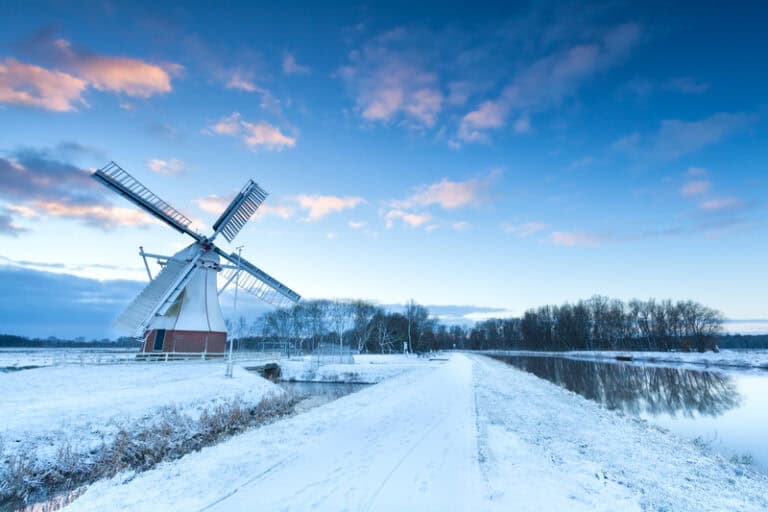
With a high chance of frost in the night between Saturday and Sunday, snow is likely to fall and stick around in the first hours of Sunday.
However, it won’t last long: in Zeeland, rain will start falling as early as 7 AM on Sunday, and it is expected to reach the northeast of the country by the afternoon.
The morning snow might melt away then, resulting in some dangerous icy roads, meteorologists tell NU.nl.
“Winter precipitation” incoming
The rest of the Netherlands, too, should brace for a weekend of “winter precipitation,” warn meteorologists.
Research carried out on 3,000 healthcare workers has led to worrying results. Hundreds of them report having colleagues with false qualifications.
The consequences? An inability to respond correctly in urgent situations and the need to look up YouTube videos about how to perform basic medical procedures.
False papers in circulation
The research, carried out by RTL Nieuws, follows Dutch police’s concerns that violent criminals are working in the healthcare sector with falsified papers.
Curious to see if this was the case and understand the scale of the issue, RTL Nieuws employed the help of healthcare trade unions to distribute a questionnaire to almost 3,000 workers.
The results at least partially confirm the police’s suspicions.
A concerning 643 respondents expressed certainty that some colleagues have false papers, and a further 607 respondents said they suspect this is the case.
False papers, in this case, mean anything from false diplomas to false competencies or conduct certificates.
Unable to carry out basic procedures
As you can imagine, the consequences are worrying. Unqualified workers often don’t know how to perform even the most basic medical procedures, causing patients to experience unnecessary discomfort.
In the report, a nursing home worker describes seeing their colleague inserting a catheter: “The patient was in a lot of pain, I just saw blood from below.”
The colleague in question was found to lack the right qualifications.
Unskilled workers rely on YouTube videos to teach them medical skills. Image: Dreamstime
Money is the driving factor
What would cause someone to put someone’s well-being on the line like that? Money, of course.
The research found that respondents encountered many problems when self-employed workers were hired as extra help during night shifts or other gaps in hospital schedules.
As independent workers, they can earn a higher hourly wage, meaning they often make between €10,000 and €12,000 per month.
Since, for some, money is their main motivator and responsibility is not their main concern, these workers also often work dangerously long hours.
Some healthcare employees report their colleagues working a day and night shift in succession but simply falling asleep at night and completely ignoring their pagers.
Stricter checks
The circulation of false papers in the healthcare sector not only takes advantage of vulnerable people but also leaves qualified workers in uncomfortable situations where they have to clean up someone else’s mess.
Trade unions are therefore making an appeal to employers to tackle this issue urgently.
Despite the fact that the number of self-employed healthcare workers is rapidly increasing, their qualifications need to be properly checked first thing, they warn employers.
ActiZ, the trade association for approximately 400 health organisations, is also urging the Ministry of Health to introduce stricter criteria for determining who can become a healthcare worker.
From ancient treasures to modern charms, Eindhoven is not only the design capital of the Netherlands — but it’s packed with exciting things to do!
This city expertly walks the line between the cosiness of a small town and the bustling vibes of a metropolis. Eindhoven is industrious, innovative, and famous for its creative inventions in modern design and technology.
Located off the beaten track and in the south of Holland, there is a myriad of fascinating things to do in Eindhoven, from green parks to energetic hotspots — this is one Dutch city that is truly worth a visit!
Short on time? Jump to an activity that catches your eye!
1. Marvel at the brilliant architecture of St. Catherine’s Church
Striking yet elegant, this is an attraction that’s hard to miss in Eindhoven. Image: Depositphotos
There’s no denying that churches bring an aesthetic draw to each and every city. Well, a stunning addition to Eindhoven’s lively centre is St. Catherine’s Church! ⛪
Having been built in the mid-1800s, this Roman Catholic chapel is a true spectacle that combines light, orchestral music, and grandiose architecture in a unique three-act experience.
Even though the exterior of the church is striking, make sure you visit the inside as well, where dozens of classical, choral, and pop concerts occur every year.
💰 Price: You can tour the church for free. For concerts, the entrance fee is €12 for adults, €5 for students ⏰ Opening hours: 10 AM until 4:30 PM, Tuesday to Saturday (unless there’s a concert), 11 AM until 4:30 PM, Sunday 📍 Location: Catharinaplein 1, 5611 DE Eindhoven
2. Step into the future of design at Evoluon
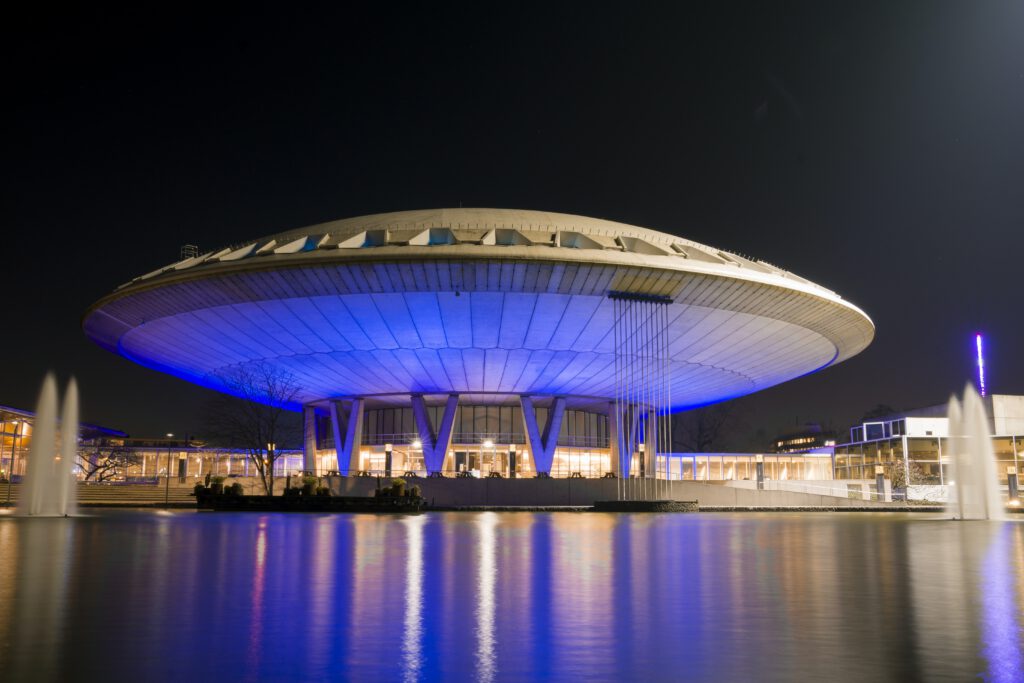
The architecture of this place is truly out of this world. Image: Unsplash
An iconic attraction and an essential stop in your Eindhoven journey, Evoluon is a science museum that any architectural brainiac will appreciate.
With its futuristic design resembling a UFO, this fantastic sight can be found in the Brainport region of Eindhoven — known as the breeding ground for technology and innovation.
Fun fact: Evoluon used to be the main office for the famous electronics company Philips — but later became a landmark that hosts tons of exhibitions, events, and conferences for you to attend.
💰 Price: A regular ticket costs €16, and €8 for students. ⏰ Opening hours: Wednesday to Sunday from 11 AM until 5 PM. 📍 Location: Noord Brabantlaan 1A, 5652 LA Eindhoven
3. Stuff your face with delicious food at Downtown Gourmet Market
A cosy atmosphere, energetic vibes, and some sweet, juicy burgers, the Downtown Gourmet Market in Eindhoven is a paradise for any foodaholic. 🍔
This eclectic market has gathered 19 unique eateries from around the world under one roof, and each gives you its own little cultural twist on some top-quality cuisine to chow down.
With dynamic vibes and a trendy interior, you’ll find yourself in the company of diverse and free-spirited people, with a central location that allows you to be surrounded by the buzz of the city.
💰 Price: Expect to pay anywhere from €10 to €15 for a burger, a plate of pasta, or a pizza. ⏰ Opening hours: 12 PM until 12 AM, Friday and Saturday, 12 PM to 11 PM, Sunday to Thursday, closed Mondays 📍 Location: Smalle Haven 2-14, 5611 EJ Eindhoven
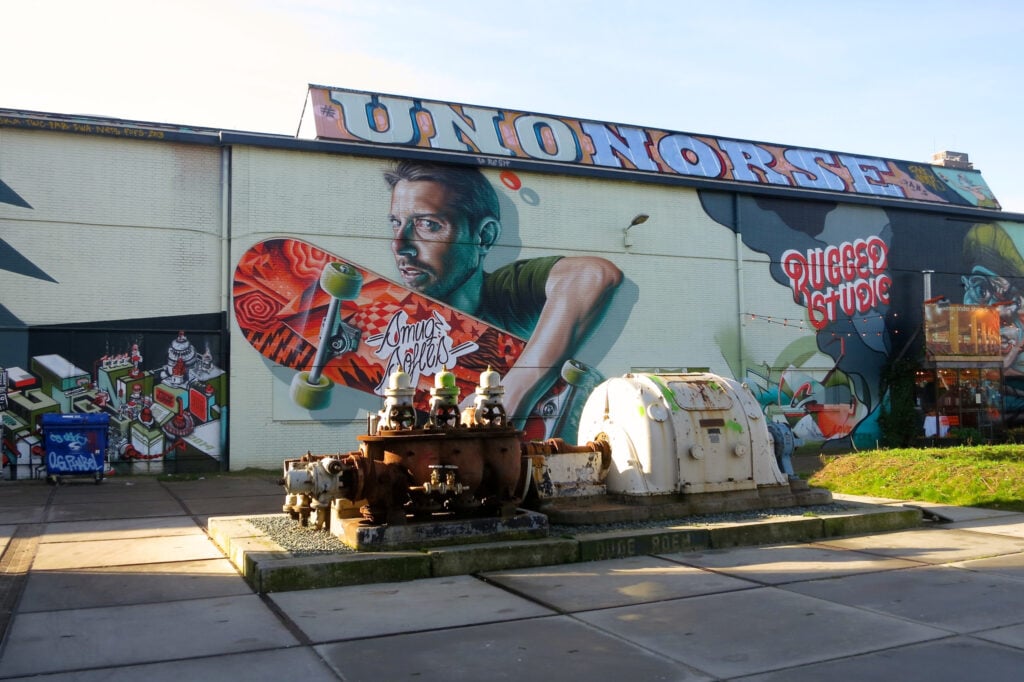
4. Explore the vibrant Strijp-S District
Walk amid creative murals and sculptures like this one at the Strijp-S. Image: FaceMePLS/ WikimediaCommons/CC2.0
An industrial area where trendy meets cool, Strijp-S District is just another reason Eindhoven is hipster heaven.
It used to be a forbidden space loaded with old factory buildings from Philips — but has now been revamped into innovative restaurants, creative workplaces, and chic stores by the locals that live here.
With walls covered in beautiful art and interesting sculptures found on many street corners, a quick jaunt through the neighbourhood will allow you to discover what all the hype is really about.
💰 Price: Entrance is free of charge (more money for shopping! 🛍️) ⏰ Opening hours: Stores and restaurants usually open from 9 AM until 5:30 PM every day 📍 Location: Strijp-S District, Eindhoven
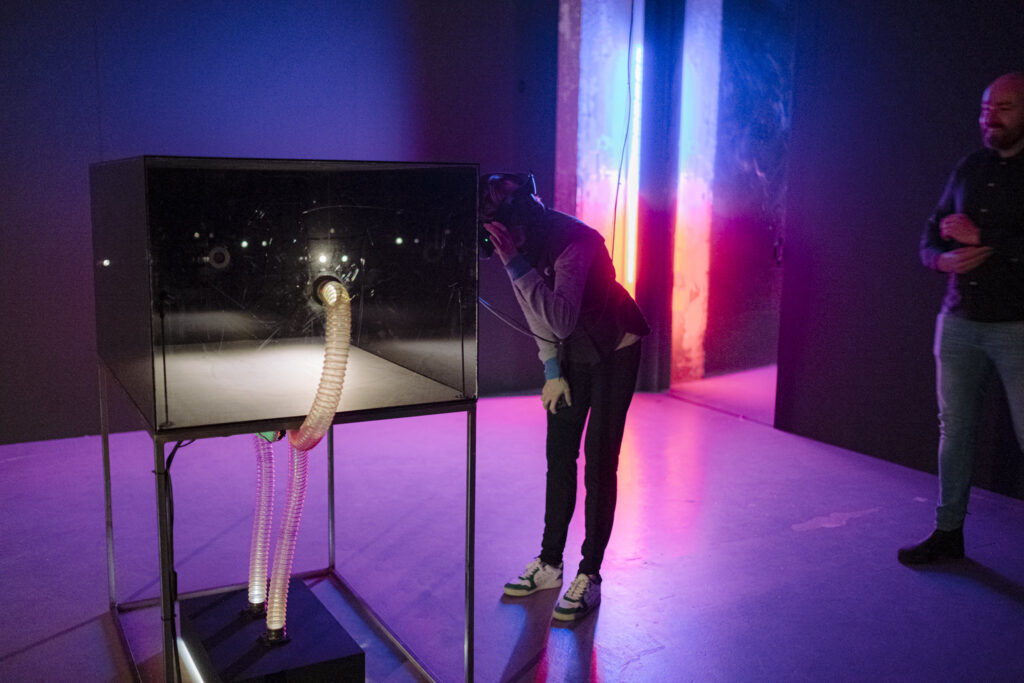
5. Get hooked by enthralling art at MU Hybrid Art House
A different way to experience art. Image: Max Kneefel/MU Hybrid Art House (Supplied)
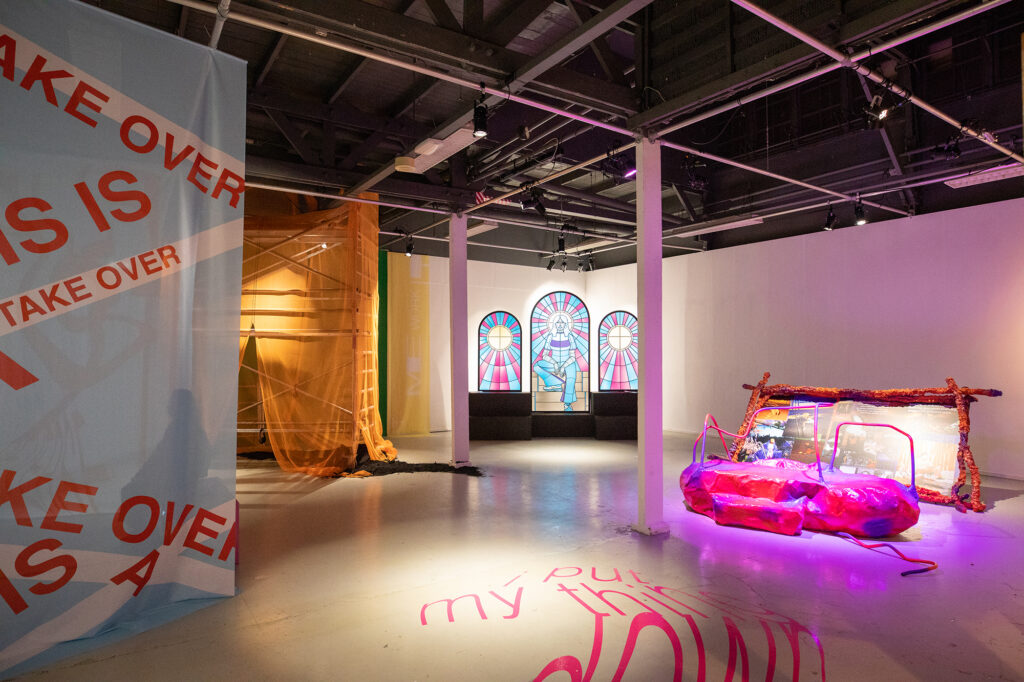
While you’re out exploring the Strijp-S district, make sure to visit the MU Hybrid Art House — a contemporary gallery that goes beyond boundaries by showing the future of art.
Together with young artists from across the world, this place is filled with one-of-a-kind sculptures and other pieces of work that’ll make your jaw drop as soon as you step through their doors.
MU Hybrid Art House transforms five to six times a year, so if this is your second time visiting, rest assured that there will be brand-new art pieces for you to feast your eyes upon!
💰 Price: €6 for a regular ticket, €4.25 for students, and free for those aged 18 or younger. ⏰ Opening hours: 10 AM until 6 PM, Monday to Friday, 12 PM until 6 PM, Saturday, 12 PM until 5 PM, Sunday 📍 Location: Torenallee 40-06, 5617 BD Eindhoven
6. Journey through the Silly Walks Tunnel
Ever felt the urge to let your inner child flourish? Time to visit the Silly Walks Tunnel! As the name suggests, it’s a tunnel that you walk through in a silly manner. 🕺
Just under the train lines at Eindhoven Centraal Station, you’ll find painted tunnel walls that pay homage to the Monty Python classic, “Ministry of Silly Walks”. Any diehard John Cleese fans here? 🙋
Giant pictures of John Cleese, the star character in the comedy sketch, doing his iconic silly walk can be seen — and well… all the fun is in mimicking his movements as you walk across the tunnel!
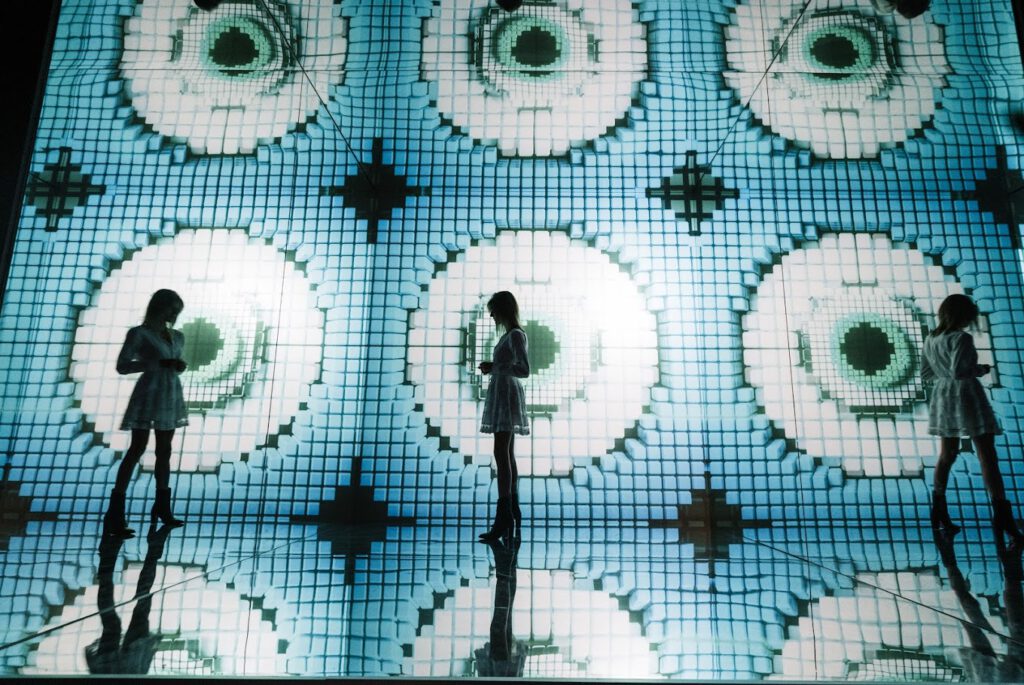
7. Let yourself be amazed at the Motion Experience
Enter a room filled with optical illusions. Truly hypnotising! Image: Motion Experience
Anyone looking to have an out-of-the-ordinary experience must add visiting the Motion Experience to their list of things to do in Eindhoven.
Picture this: you’re walking into a room, and all the walls and floors are immersed in creative digital artwork, giving you the illusion that you’re in an entirely new world.
By creating a light show through art and technology, this place truly entrances you, leaving you open-mouthed (and probably disoriented) by the time you’re finished… Like, “Where even am I?” 😵
💰 Price: €15 for a regular ticket, €10 for children aged 4 to 12. ⏰ Opening hours: 10 AM until 7 PM, Wednesday to Sunday, usually open every day during school vacations 📍 Location: Piazza 64, 2e verdieping, 5611 AE Eindhoven
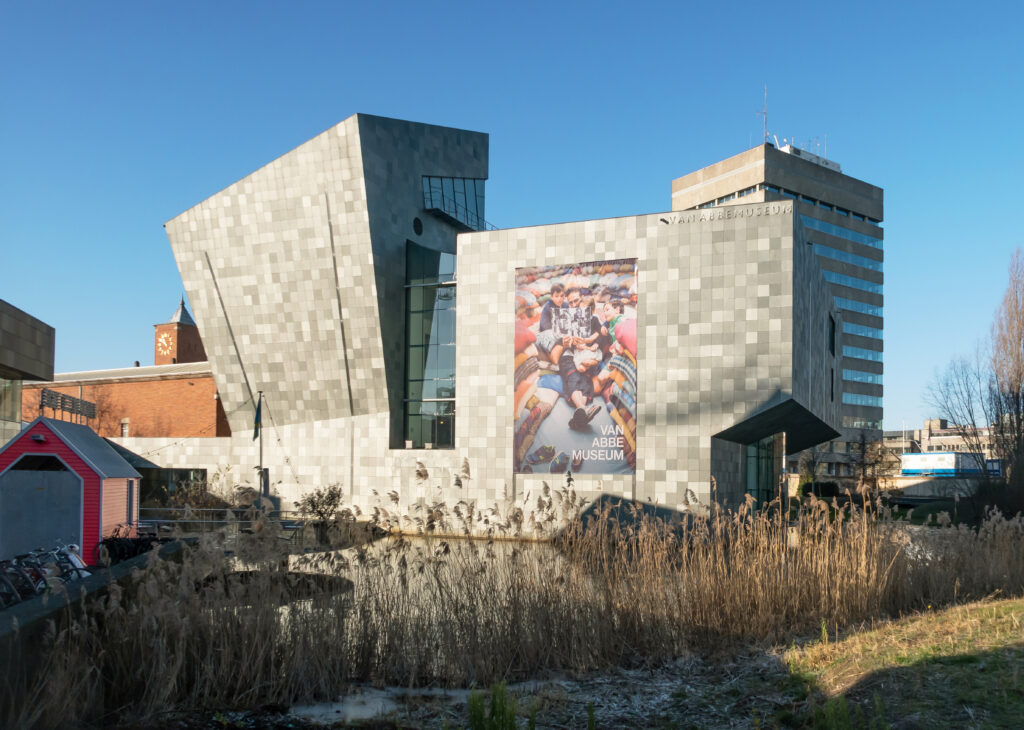
8. Appreciate unique, modern art at the Van Abbemuseum
Are you an art fanatic? Then a visit to the Van Abbemuseum is a must. Image: Michielverbeek/Wikimedia Commons/CC4.0
Big into modern or contemporary art? The Van Abbemuseum in Eindhoven is for you.
Plan your next exhilarating cultural day out to this museum and discover a collection of iconic masterpieces by Picasso, Kandinsky, Lissitzy, and Rodin.
In most cases, museums tend to amaze people not just with their world-famous sculptures, paintings, and objects — but also with the building in itself. The design of the Van Abbemuseum is just as impressive as its vast art collection.
💰 Price: €16 for adults, €8 for students ⏰ Opening hours: 11 AM until 5 PM, Tuesday to Sunday 📍 Location: Stratumsedijk 2, 5611 ND Eindhoven
9. Catch the spectacular GLOW festival and see Eindhoven light up
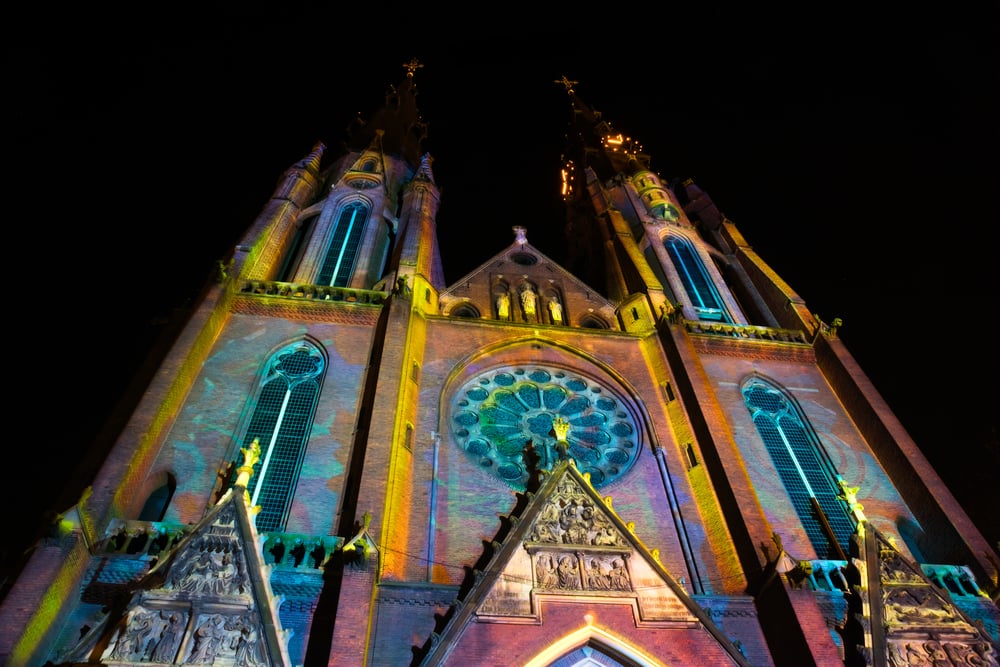
St. Catherine’s church during the GLOW festival is a sight for sore eyes! Image: Depositphotos
If you find yourself in Eindhoven during November, you’ll be given the special chance to experience the week-long GLOW festival, where the whole city beams in colour.
Dozens of artists from around the world come together to show off their talents by projecting their inspiring designs onto the city’s walls, pavements, and buildings.
The best part? It’s free! The festival takes place on public grounds, making it a perfect thing to do in Eindhoven. So, you can spend your days walking through a city that’s illuminated in a way you’ve never seen before.
💰 Price: Gratis! ⏰ Opening hours: Every night for a week in November 📍 Location: All around Eindhoven! 😉
10. Devour delicious pastries at the Pastry Club
Yet another attraction that makes Eindhoven a fascinating place to explore. Image: Pastry Club
The delicate dough, the fresh fruit, and the rich cream… no trip is complete without eating a good dose of pastries!
The Pastry Club in Eindhoven is a hidden treasure that offers a wide variety of organic, fresh, and beautifully designed tasty treats.
It’s stationed in what used to be the engine room of Philips, so be ready to enjoy some sweet treats in a creative, industrial space that’s just too cool for school.
💰 Price: The cost for pastries varies, and workshops start at €50 ⏰ Opening hours: 9 AM until 5:30 PM, Tuesday to Saturday 📍 Location: Ketelhuisplein 7-9, 5617 AE Eindhoven
11. Try skateboarding at Area 51 Skate Park
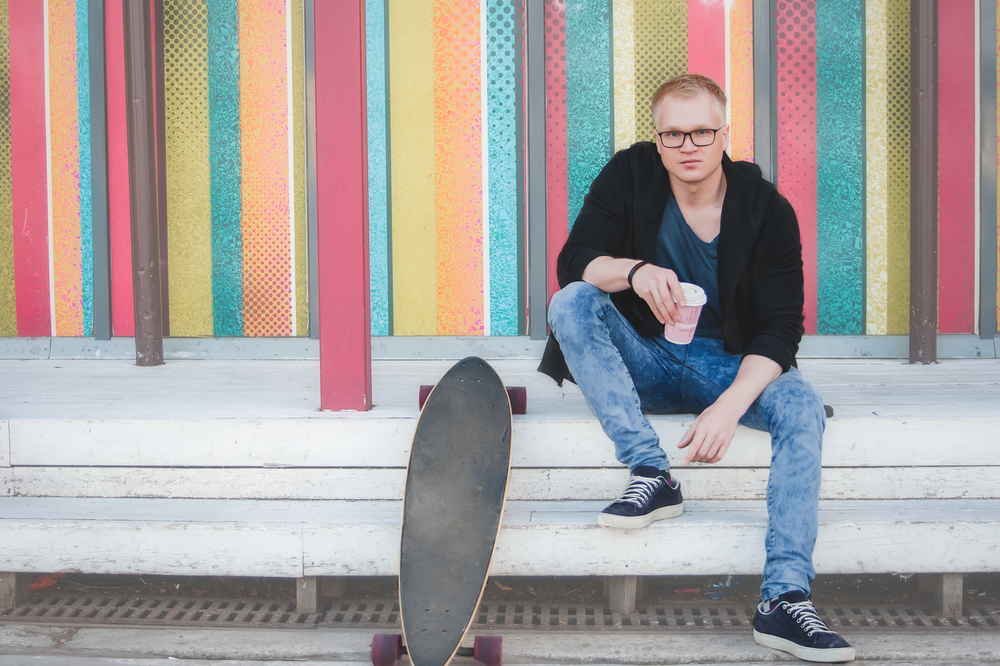
Get ready to grind those ledges and mingle with some rad skateboarders. Image: Depositphotos
Ah… eating all those pastries has probably left you feeling like you want to exercise! But who wants to exercise while on vacation, amirite?
Well, a great way to sneak in a bit of physical activity on your next fun adventure in Eindhoven is to go skateboarding at the Area 51 Skate Park!
Located in the Strijp-S district, this skatepark offers a huge skate and BMX area, perfect for grabbing your deck and trying out a few skating tricks. Plus, the bar and lounge in this place definitely add to its cool, hippy vibe.
💰 Price: €7.50 for three hours (online price, it costs €8.50 if you buy in person), €13.50 for a day ticket (only available online) ⏰ Opening hours: 3 PM until 10 PM, Tuesday, Wednesday and Friday, 3 PM until 11 PM on Thursday, 11:30 PM until 10 PM on Saturday, 11:30 PM until 6 PM on Sunday 📍 Location: Ketelhuisplein, 5617 AB Eindhoven
12. Travel back in time at Prehistorisch Dorp
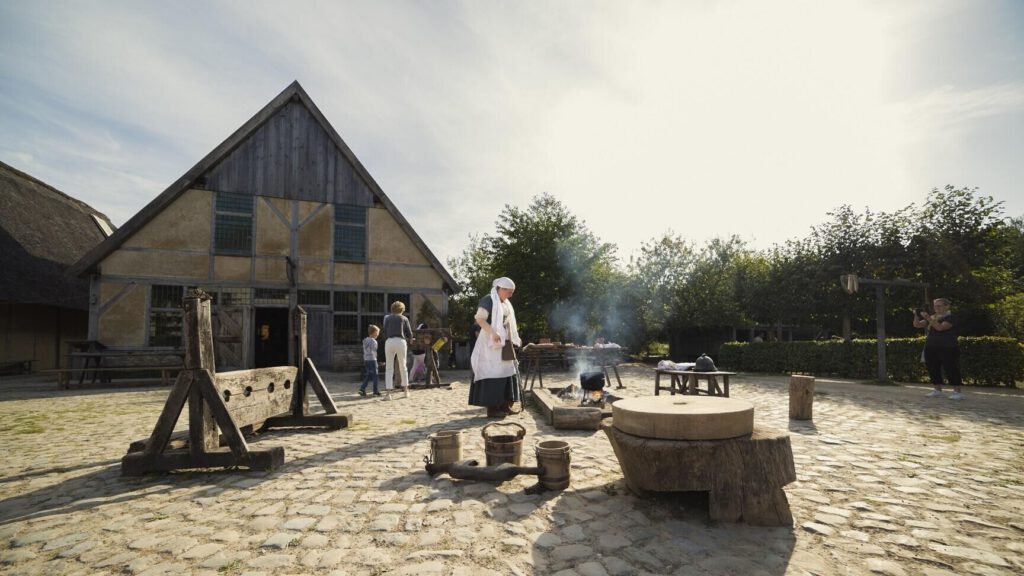
Imagine getting to live a day as one of your ancestors. Image: Prehistorisch Dorp
Our history books have told us plenty about those who lived in the past — but imagine actually getting to put yourself in their shoes for a day!
Prehistorisch Dorp is the only open-air museum in Eindhoven, where you can become a medieval fellow in every sense, from the straw in your hair to the mud beneath your shoes.
Get a taste of how your ancestors lived through hundreds of stories and ancient crafts, like shooting longbows, throwing javelins, baking bread, sailing in a dugout canoe, and so much more.
💰 Price: To be confirmed upon reopening ⏰ Opening hours: March 29 – November 2, 10 AM until 5 PM, Tuesday to Sunday 📍 Location: Boutenslaan 161B, 5644 TV Eindhoven
13. Go for an evening stroll at Stadswandelpark
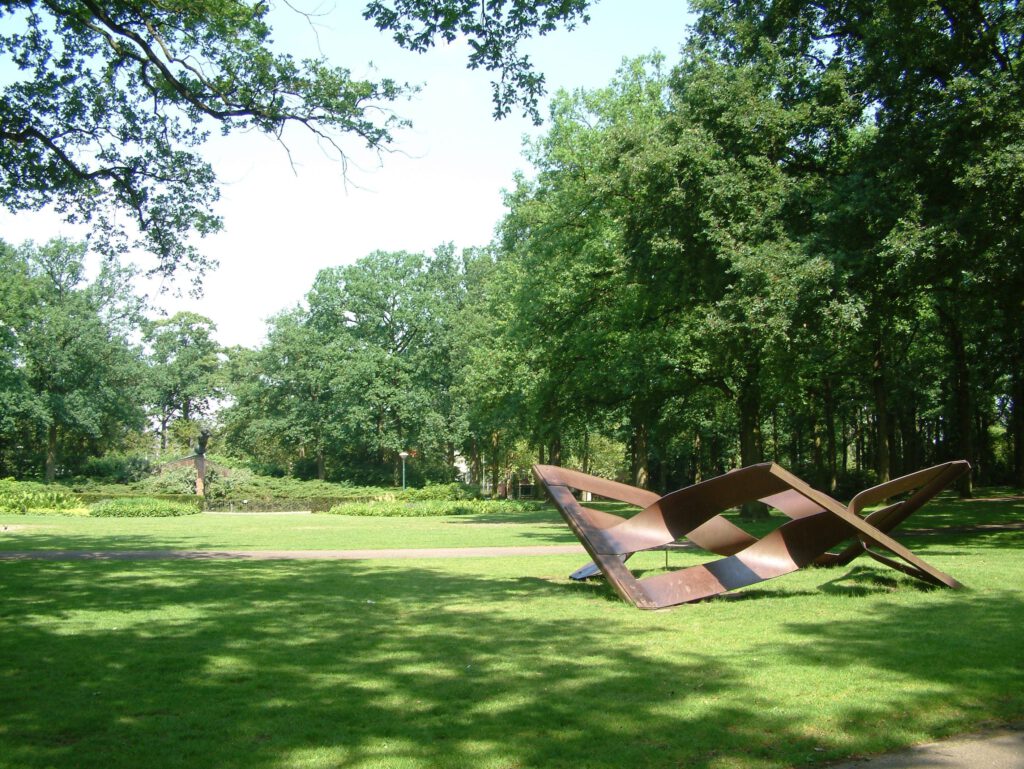
Spot the many unique sculptures that take place in this park. Image: Lempkesfabriek/Wikimedia Commons/Public Domain
Now, you’ve heard all about the bustling part of Eindhoven, but the city also has a tranquil side filled with lots of high trees, green grass, and ducks! 🦆
The Stadswandelpark is perfect for anyone looking to escape the rowdy city centre and embark on a peaceful walk in the fresh air, where the birds are chirping, the wind is blowing, and the sun is (hopefully) shining.
It’s definitely one of the city’s best parks. Plus, it’s kid and dog-friendly, and to add a bit of excitement, it boasts a number of contemporary art sculptures for you to scout out on your walk.
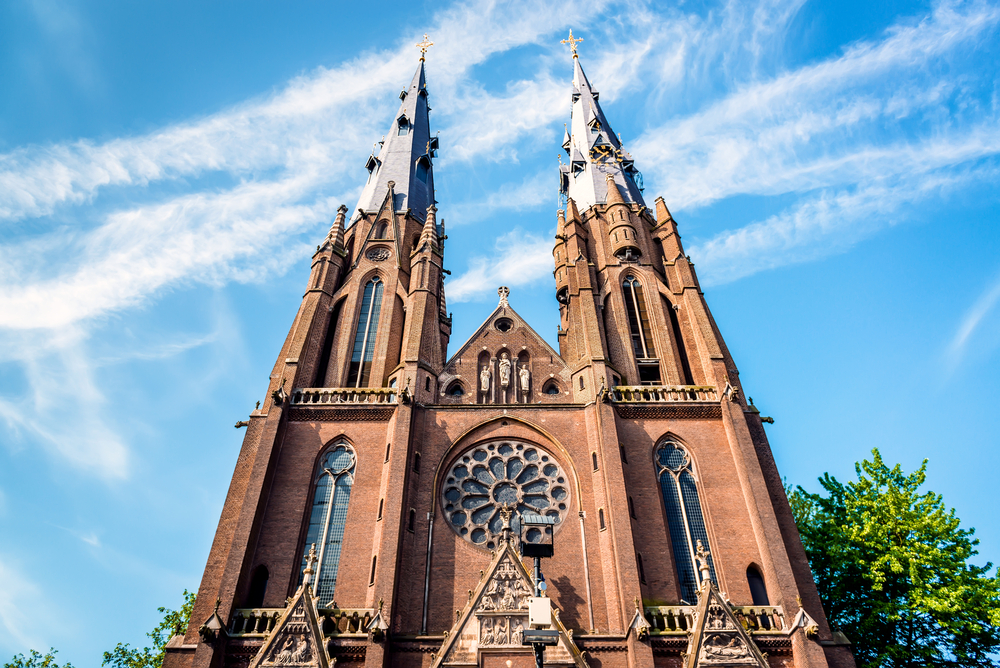
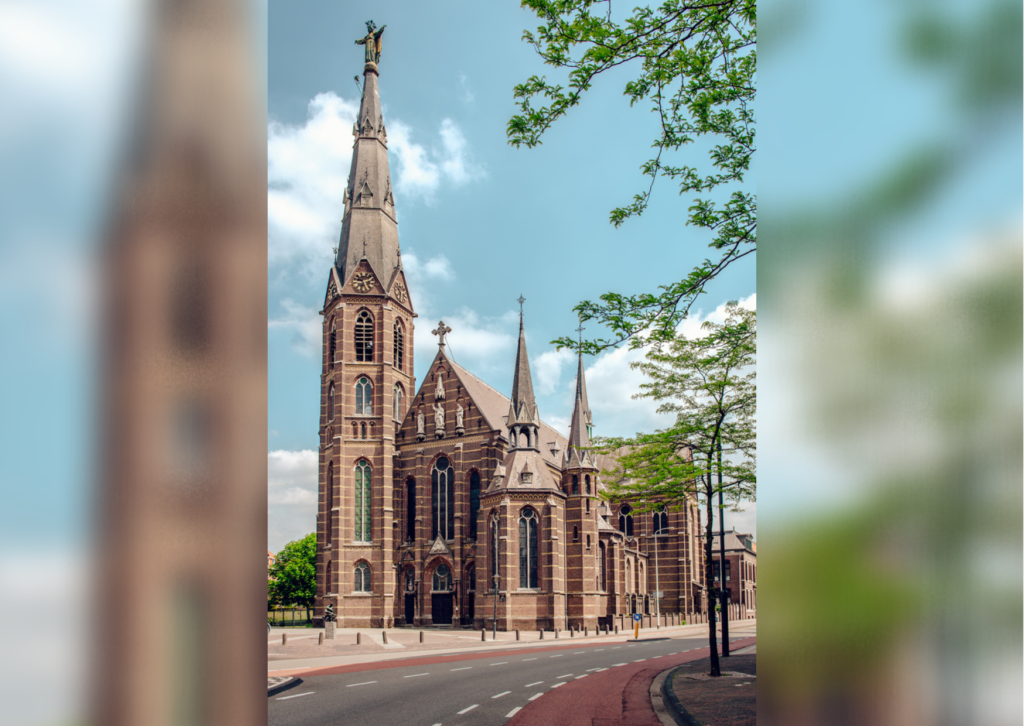
A truly impressive temple, with not one but three stunning pinnacles! Image: Depositphotos
The Temple des Augustins in Eindhoven is as large as it is awe-inspiring, and it’s a thing to do in Eindhoven that’s hard to miss (literally).
This glittering treasure is a three-aisled church with a stunning neo-Gothic architectural style — but what makes it truly grand is the fact that it reaches about 66 metres high into the sky.
Make sure to admire it from afar so you can capture the entire thing on camera (considering its height), but you can also tour the interior to learn about its history!
15. See the entire truck collection at The DAF Museum
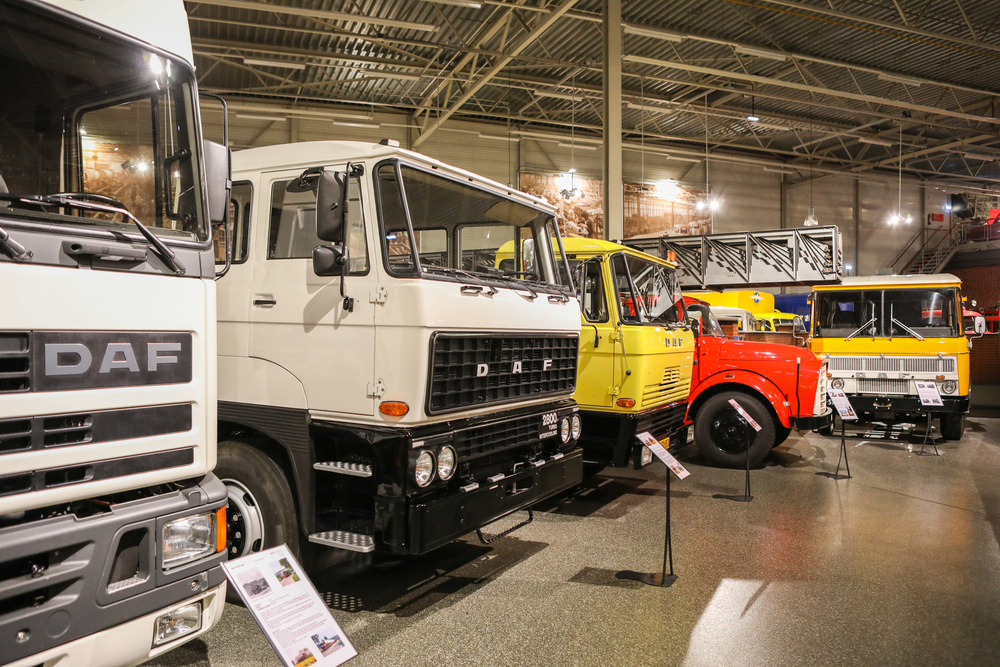
Needless to say, this Dutch-born company has a truckload of vehicles to show off! Image: Depositphotos
Any petrol heads visiting Eindhoven should pick up their car keys and head to the DAF Museum — where an incredibly large collection of DAF trucks and cars are on display.
Considering that DAF was invented in Eindhoven, it’s only fitting the city has a place to honour its success! With trucks dating back as early as the 1930s, any car fanatic will have a blast exploring this museum.
You can learn about DAF and how the company came to be, but the best part lies in being able to actually sit in some of the vehicles! Okay, car guys… stop drooling. 🤤
16. Go on a trip down memory lane at the Philips Museum
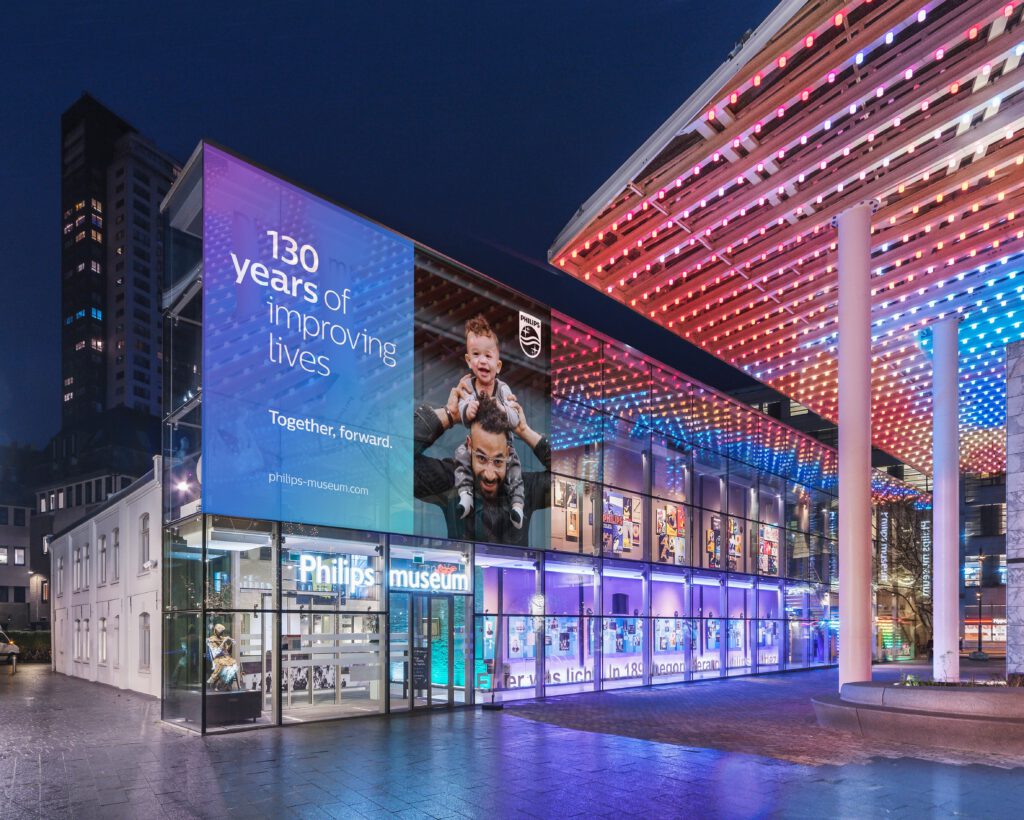
Eindhoven wouldn’t be what it is today without Philips. Image: Philips Museum
Truth be told, Eindhoven was not always the vibrant and fascinating city it is today. Before Philips, it was nothing but a small, mediocre town.
When the tech conglomerate was founded here in 1891, the city was transformed into a major technology hub, attracting those with an affinity for technology from all over the world.
At the Philips Museum, you can see how the company and its products, from its very first light bulb to some of its latest creations, have changed Eindhoven and continue to do so to this day!
💰 Price: €12.50 for adults, €6 for students, free on Tuesdays from 3:30 PM (except during school vacations) ⏰ Opening hours: 11 AM until 5 PM, Tuesday to Sunday, also open on Mondays during school vacations 📍 Location: Emmasingel 31, 5611 AZ Eindhoven
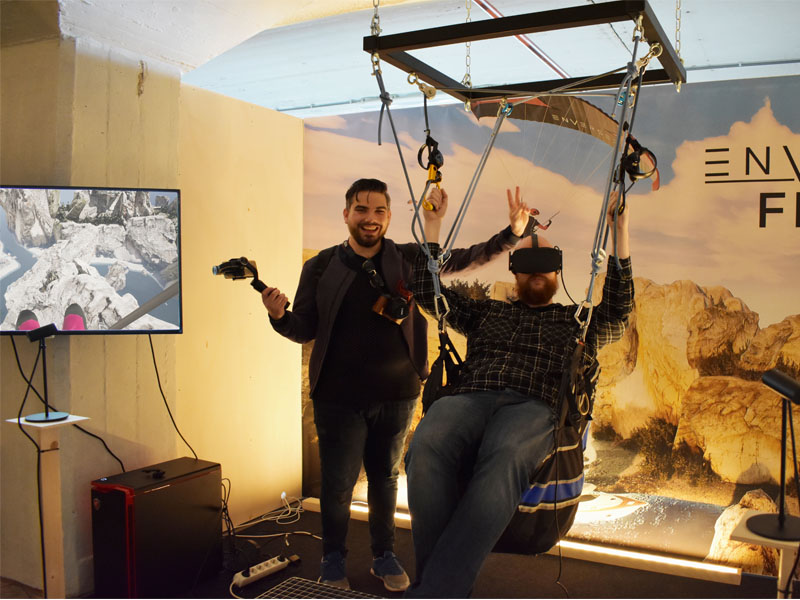
17. Play virtual reality with friends at Enversed VR Centre
Get your head in the game (literally). Image: DutchReview
If you’re looking to get your fingers on the pulse of the latest technology, then the only logical thing to do is visit a VR gaming centre!
Enversed VR in Eindhoven allows you to envision yourself in exhilarating situations through virtual simulations.
All you need to do is put on a headset, and you’ll find yourself in an entirely new world, experiencing things you otherwise couldn’t. Zombie hunting, anybody? 🧟
💰 Price: Ticket prices start at €29.50 per person ⏰ Opening hours: 2 PM to 7 PM, Wednesday and Thursday, 1 PM to 7 PM on Friday, 11 AM to 7 PM on Saturday, 11 AM to 6 PM on Sunday 📍 Location: Torenallee 100-02, 5617 BE Eindhoven
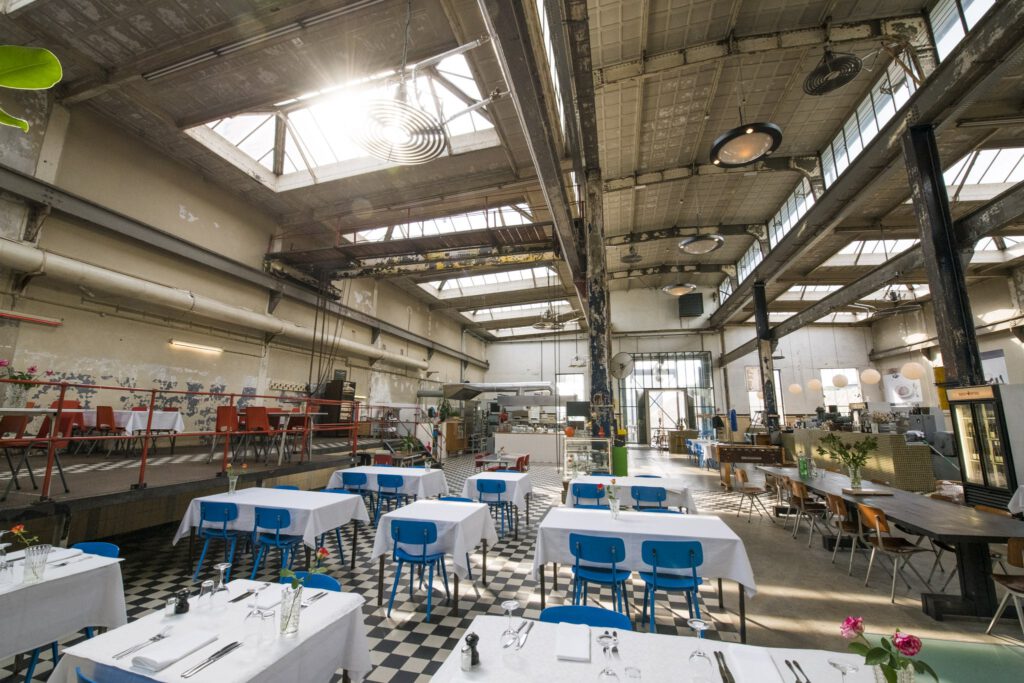
18. Grab a bite to eat at Radio Royaal
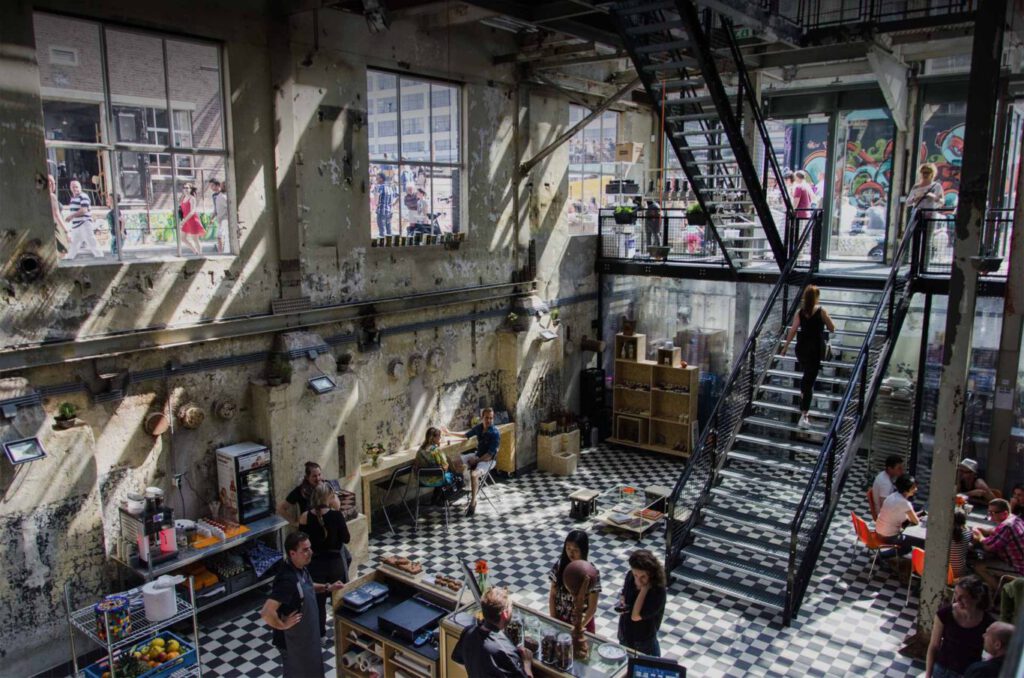
Ever had dinner in an old factory space? Image: Max Kneefel/This is Eindhoven
While excellent food is paramount to any dining-out experience, the ambience is another major factor — and Radio Royaal ticks both boxes, bringing you a unique atmosphere like no other.
One of Philips’s former factories, this place doesn’t just offer delicious food, which resembles pieces of art, but an incredibly industrial and rustic vibe too.
You can enjoy some French and German-style cuisine, all the while playing games and sports like air hockey, foosball, and badminton. A candlelit dinner with a side of fun? Sign us up! 🙋
💰 Price: €39 for a 3-course menu. €12 for appetizers. €23.50 for main courses €9.50 for desserts ⏰ Opening hours: 5 PM until 10 PM, Tuesday to Saturday 📍 Location: Ketelhuisplein 10, 5617 AE Eindhoven
19. Read a book on the grass at Genneper Park
Grab your latest book and teleport to this park. It’s calling your name. Image: Freepik
If you’re on the hunt for a park that offers more than just vast greenery, then consider visiting Genneper Park!
While its natural beauty surely doesn’t disappoint, its main speciality lies in the activities it holds, from museums to a swimming pool, as well as an ice skating rink, mini golf, and a restaurant.
You can indulge in a tasty meal, or enjoy various recreational pursuits, amid a beautiful landscape. All in all, Genneper Park promises you a good time in nature!
💰 Price: Prices vary per activity ⏰ Opening hours: 11 AM until 10 PM, Tuesday to Friday, 10 AM until 10 PM, Saturday and Sunday 📍 Location: Bayeuxlaan, 5644 RX Eindhoven
20. Browse the many stalls at Centre Market
Tuesdays are reserved to go eat kibbeling with a side of frietjes at Eindhoven’s centre market. Image: Depositphotos
Are you out of things to do in Eindhoven? Have no fear. The centre market is here!
Every Tuesday, locals make their way to a big square in the middle of the city and sell all sorts of food delicacies and vintage items. From fresh vegetables to Turkish delights, the choices are endless!
You can browse the many booths at this market and see what’s in store for you. Once you’re done shopping, don’t forget to treat yourself to a bowl of kibbeling or some delicious haring at the fresh fish stall. 🐟
💰 Price: Depends on how much you’re willing to splurge. 💸 ⏰ Opening hours: 9 AM until 4 PM, every Tuesday 📍 Location: Markt, 5611 EC Eindhoven
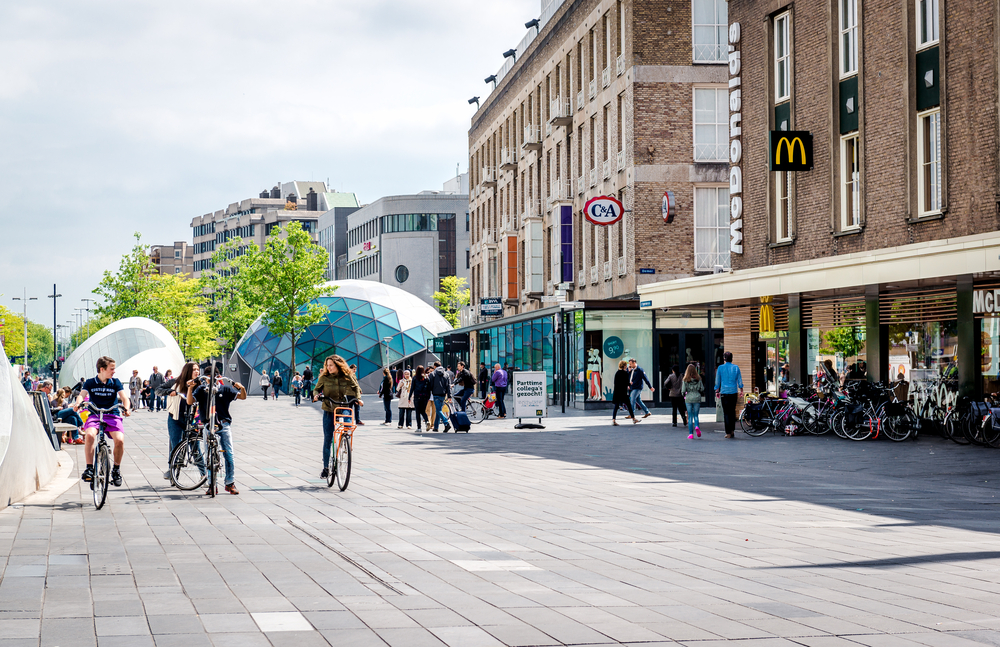
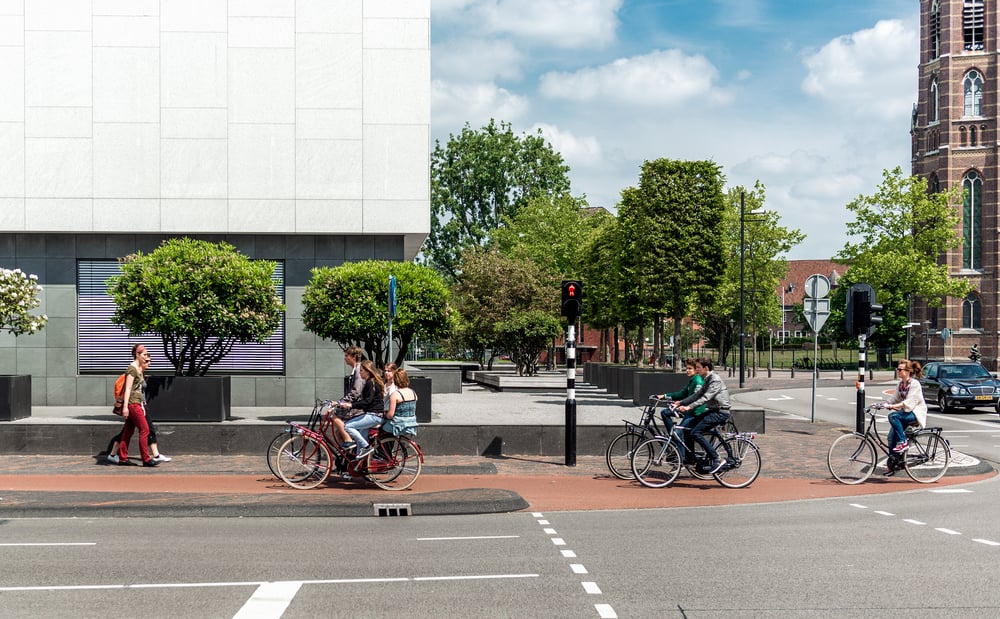
21. Do a gezellige bike tour around Eindhoven
There’s no better way to see Eindhoven’s sights all in one day than through a bike tour! Image: Depositphotos
Taking advantage of the Netherlands’ accessible bike paths is essential for any guest visiting the land of tulips.
And a great way to explore Eindhoven without the time constraints of having to catch public transport or exhausting your feet is through a bike tour!
There are many options to choose from when it comes to bike tours, but a good place to start is checking out the Tourist Information Office.
From beautiful landscapes to extraordinary landmarks, you can see so much of the city in a single day, all the while enjoying a breath of fresh air by yourself or with some good company.
💰 Price: Prices vary depending on which bike tour you choose ⏰ Opening hours: Opening hours differ per tour 📍 Location: The starting and finishing point of each tour varies
22. Mingle with talented artists at TAC (Temporary Art Centre)
A unique and out-of-the-ordinary take on creative artwork. Image: TAC (Temporary Art Centre)/ Almichael Fraay
Cosy, chic, and fun — the Temporary Art Centre in Eindhoven is not your typical art gallery. It’s a place where like-minded people with a real passion for art can mingle.
With over 80 studios regularly rented by professional artists, this place also holds exhibitions, lectures, and workshops that each focus on allowing culture makers to show off their creativity.
It’s truly a refreshing experience, and since it’s located in the centre of Eindhoven, it’s super easy to get to!
💰 Price: Depends on the current exhibition ⏰ Opening hours: Depends on the current exhibition 📍 Location: TAC will open up exhibitions in various locations across Eindhoven, but their main office is at Vonderweg 1, 5611 BK Eindhoven
23. Taste unique ice cream flavours at INTELLIGENTIA Taste Rooms
The sweetest addition to your stay in Eindhoven. Image: INTELLIGENTIA Taste Rooms
I scream, you scream, we all scream for…? That’s right, ice cream! It’s true that ice cream concepts are getting more creative. A plain vanilla cone will simply not do anymore.
One place that adds an interesting twist to gelato is the INTELLIGENTIA Taste Rooms in Eindhoven. This parlour offers all sorts of exotic ice cream combinations for you to try, from rosemary and raspberry to strawberry and elderflower.
Located in the Strijp-S district, it’s a building that’s hard to miss, with walls coloured in bright pink and flashy decor. Prepare to eat your delicious ijsjes in a cotton candy wonderland. 🍨
💰 Price: You can expect to pay anywhere from €2 to €10, depending on the flavour and amount of scoops ⏰ Opening hours: 12 PM until 5 PM, Friday to Sunday 📍 Location: Leidingstraat 27, 5617 AJ Eindhoven
24. Enjoy dinner amid breathtaking murals at Thomas
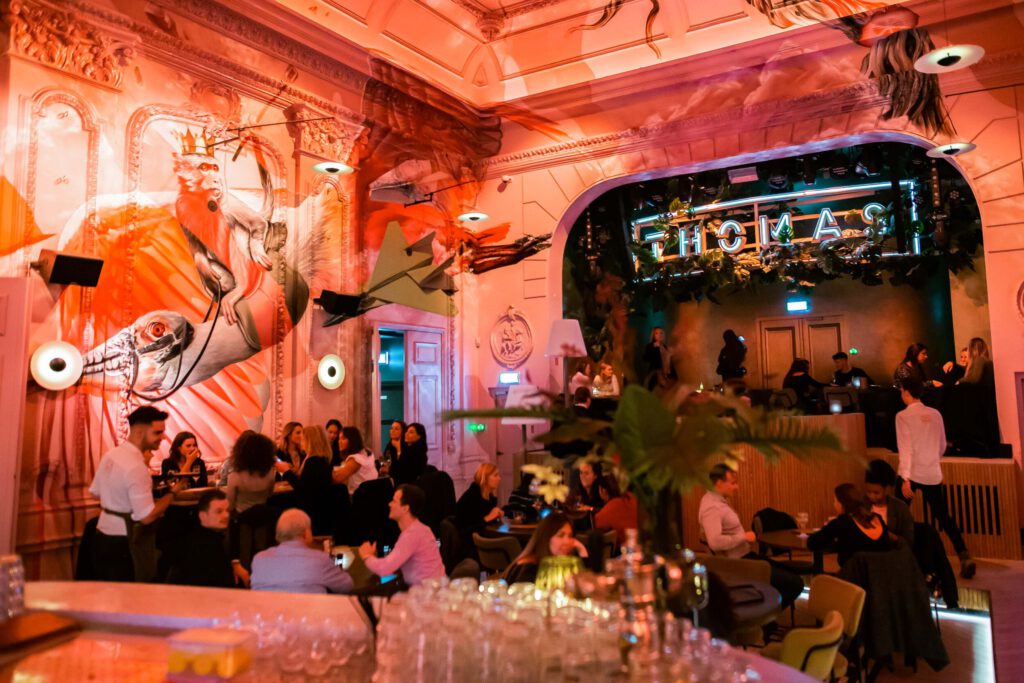
Let’s just say that you’re sure never to get bored at this place. There’s always something to look at. Image: Thomas
Ever had dinner in a place that’s full of surrealistic murals projected onto the walls and ceilings? No? Now’s your chance.
Thomas is a gorgeous restaurant and nightclub in Eindhoven, where you can indulge in a delicious meal surrounded by magnificent artwork.
Take your partner out on a date, your friends for a fabulous time, or just your good ol’ self, and have a phenomenal experience at this place.
The best part? If you’re out of things to talk about, just look up at the ceiling, and you’ll find all the entertainment you need.
💰 Price: Meal prices typically range from €8 to €40 ⏰ Opening hours: 4 PM until 2 AM, Monday to Thursday, 4 PM until 4 AM, Friday, 12 PM until 4 AM, Saturday, 12 PM until 2 AM, Sunday 📍 Location: Stratumseind 23, 5611 EN Eindhoven
All too often, cities that aren’t Amsterdam get glossed over by visitors coming to the lowlands. But little do they know that the Netherlands’ fifth-largest city holds a thrilling surprise.
With modern architecture, great hotspots, cool neighbourhoods, and tons of fascinating things to do, Eindhoven is truly a city that shines. ✨
Have you visited any of these attractions in Eindhoven? If so, what was your favourite? Tell us in the comments below! 👇
The death toll from this year’s New Year’s celebrations in the Netherlands has just risen to two: Another person has lost their life due to a NYE fireworks accident.
The victim is a 46-year-old man from Buren, in the Gelderland province, reports the NOS.
A fatal accident
On New Year’s Eve, emergency responders rushed the victim to hospital in Tiel using a trauma helicopter.
However, his injuries were too severe, and he passed away on Wednesday night.
The exact circumstances around his death remain unclear, but the authorities speak of a “fatal accident” involving fireworks.
This is the second fatal fireworks accident resulting from this year’s New Year’s Eve celebrations, following the tragic death of a 14-year-old boy from Rotterdam on the 31st.
A restless night
Dutch emergency services described this New Year’s Eve as a “restless night,” writes the NOS.
Police are claiming they carried out over 200 arrests in one night, fire brigades are reporting being attacked by drunk partygoers, and hospitals admitted above-average numbers of children and teens with alcohol poisoning.
The night definitely matched its infamous reputation as a chaotic time for the Netherlands.
A young boy has lost his life in Rotterdam during yesterday’s New Year’s Eve celebrations. According to eyewitnesses, he was fatally injured when he was setting off fireworks.
The incident took place at around 8:30 PM on Rotterdam’s Spanjaardstraat.
Emergency services attempted to resuscitate the 14-year-old, but his life could not be saved, NOS reports.
Illegal fireworks
Speaking to a reporter from Rijnmond, eyewitnesses claim that the boy was setting off a Cobra (an illegal firework) when it exploded prematurely.
Mayor of Rotterdam, Carola Schouten, has responded to the tragic incident, calling for a nationwide fireworks ban, NOS reports.
Other serious injuries
Indeed, New Year’s Eve in the Netherlands saw many injuries from fireworks.
A 13-year-old boy in Zeeland was also left seriously injured yesterday after setting off a Cobra 6 firecracker. It is likely that he lost his hand as a result of the explosion, Omroep Zeeland reports.
The eye hospital in Rotterdam has reported 17 eye injuries as of this morning. According to the NOS, at least one person is now blind in one eye, and the youngest victim is just nine years old.
According to the hospital, at least 60% of these eye injuries were caused by legal fireworks, specifically, fireworks that were blown off course by the strong winds.
Disappointed with your current health insurance coverage? The good news is, you have until the end of today (December 31) to cancel your existing insurance plan, if you intend to switch to a new provider in 2025.
According to the Dutch Ministry of Health, cancelling your present insurance before January 1, 2025, is mandatory for all making the switch.
This post might have affiliate links that help us write the articles you love, at no extra cost to you. Read our statement.
Switching providers can be a big decision
If you aren’t 100% sure which provider to switch to, rest assured that you aren’t alone.
Speaking to the NOS, Bas Knopperts of comparison website Independer said, “Every year we see that people wait until the very last moment. Last year, for example, we received changes at one minute to twelve.”
Thankfully, the Ministry of Health notes that you have until February 1, 2025, to pick a new insurer — so you still have time to do your research. 💪
Experts stress the importance of additional health insurance
In addition to a mandatory basic health insurance package (or basisverzekering), residents in the Netherlands can also choose to opt for additional health insurance (or aanvullende verzekering).
Advanced dental care usually isn’t included in basic health insurance packages. Image: Freepik
The latter covers services that a basic health package doesn’t — such as comprehensive dental care, alternative medical treatments, eye care, and more.
Koen Kuijper, of health insurance comparison website Zorgwiijzer, laments to the NOS that additional health insurance is “often overlooked”.
“For example,” he continues, “the chance that you fall and break your tooth is usually small, but if you are not insured for this, the costs can add up considerably, while the insurance only costs you a few euros per month.”
Good to know: Many providers in the Netherlands offer additional health insurance packages tailored to specific health requirements, so you only pay for the coverage you actually want.
Providers with excellent dental care, emergency care, and alternative treatment coverage include Anderzorg and Univé.