New findings from the Comprehensive Care Center of the Netherlands (IKNL) show that the chances of surviving cancer are increasing in recent years. 🥳
Thanks to modern treatments and faster diagnoses, 66% of cancer patients remained alive in the first five years after diagnosis between 2011 and 2022.
In comparison to the years 2001 and 2010, survival rates of Dutch cancer patients five years after being diagnosed were stagnating at 58%.
However, this is only just the beginning! Dutch experts expect that the survival rate will keep increasing, AD reports.
To what do we owe the good news?
In a nutshell, cutting-edge techniques and modern-day medicine! 👩⚕️
Today, there are better surgeries for certain cancer treatments and higher accessibility to pre- and post-treatments with radiation or chemotherapy.
What do we want? A world where cancer is completely curable. Image: Depositphotos
Unfortunately, the number of people falling at the hands of cancer is also on the rise. For instance, more than 123,000 Dutch people were diagnosed with the disease last year.
Differences among cancer types
As we all know, the survival rates differ depending on the cancer type a patient has.
For example, more than 90% of patients with skin cancer were still alive after five years, while the prognosis for people with pancreatic cancer is just 5%.
However, with better treatments available and earlier diagnoses, the IKNL expects the survival rate to soar in the upcoming years.
It may be small, but it means that we are one step closer to winning the fight against cancer. 👊
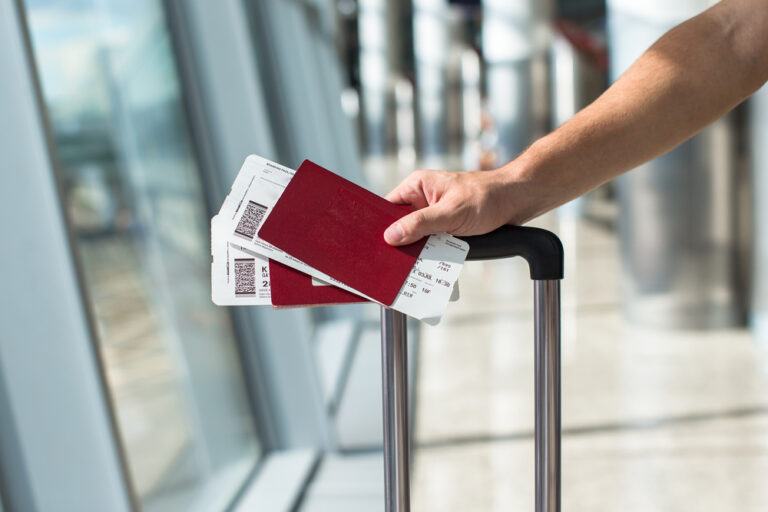
From next winter, we’ll be seeing sky-high fares for flights in and outside of Europe. So, fasten your seatbelts and your wallets, it’s going to be a costly ride! 🛫
Unless you’re considering renting a camper van for your upcoming trip to Italy, transportation is going to cost you an arm and a leg.
This isn’t to say that travelling on a budget is a thing of the past. However, it’s not hard to wonder why all these flights are becoming so much more expensive.
More expensive? Why?!
According to De Telegraaf, it all boils down to the sharp increase in airport charges, the flight tax, a soaring price tag on kerosene, and a plummeting euro exchange rate.
The airport charges at Schiphol rose by 37% — which brings the flight tax up from €8 to €24.
The exchange rate of the dollar, which has steeply risen against the euro, doesn’t do airfares any good either. If the euro continues to tumble, it’ll affect fuel costs, and airlines will have no choice but to bring out the big bucks. 💸
Kerosene plays the ultimate role in soaring airfares
While this certainly did a number on flight prices, it’s the cost of kerosene that will leave those charges surging — which rose by a whopping 50% since the beginning of the year. 😲
Air France-KLM holds out hope that the cost of kerosene won’t lead to more expensive tickets, but society deems otherwise and foresees it almost doubling in the next year.
Was going to say that I left lots of things unfinished today, but at least I booked my flight. And then I remembered I just compared the prices and didn’t book any flights. 🙂
At least it’ll do good by one thing (and one thing only): more expensive plane fuel means less desire for air flight, meaning less damage to the environment. 🌳
“Because the price for alternative kerosene is linked to that of regular kerosene. It is a pity that the government does not allow the flight tax to flow back into a contribution for cleaner aviation,” CEO of Transavia, Marcel de Nooijer, tells De Telegraaf.
Ticket prices for dirt-cheap airlines also given an extra boost
The CEO of Ryanair, Michael O’Leary, expects the average ticket price for chintzy flights to rise from €40 to €50 in the coming winter.
With that being said, it might be worthwhile to save your wallet from impending doom and travel more affordably.
However, if you opt to stomach the higher costs in an effort to fly overseas, we wish you luck in searching for those ultra-rare flight deals. 😬
What do you think about the upcoming increase in flight tickets? Tell us in the comments below! 👇
The Dutch weather is keeping us on our toes with a couple of surprise showers this week, but make no mistake: the summer season is not over yet. ☀️
Yesterday, the week started on a pretty sunny note, while today’s skies will see a few clouds in the morning.
We just woke up to 14 to 17 degrees and some local showers here in the Netherlands, but we can expect a warm and dry afternoon, with up to 31 degrees and little wind.
Grab the sunscreen (again…)
From Wednesday, you’ll have to start preparing for hot-hot-hot and dry weather, according to Weerplaza.
The sun will be bright, the wind will be calm, and the temperatures will stay in the high twenties to low thirties almost everywhere in the country.
Thursday will be the hottest day of the week, with tropical conditions in some areas, so don’t forget the sunscreen! 🧴
After the sun comes… uncertainty
Friday is still an uncertain case, but chances are that it’ll stay quite hot. However, as we’ve seen before, several warm and dry days in a row means that some thunderstorms might be on the horizon.
Unfortunately, if you think a shower on Friday will get us out of the depressing drought we’ve been in for the past few weeks, you’re mistaken.
The rain might not even bless us with its presence, and if it does, it’ll probably just be small, local falls.
Will the summer end soon?
The weekend is (also) uncertain, but at least the weather will be much cooler than the rest of the week — at least on the coast. We can hope for some rain — though a thunderstorm or two is also not unlikely.
However, most rain showers will probably fall in our neighbouring countries before the clouds reach us here in the Netherlands. We’ll simply have to wait and see, and accept the uncertain weather conditions like the good Dutchies that we are!
What are your plans for this week? As uncertain as the Dutch weather? Tell us in the comments below!
As we all know by now, the NS is about to roll out regional strikes throughout the next two weeks. However, some of us were probably thinking: but I’m good to travel when it’s not in my region, right?
Wrong. According to the Dutch travel organisation, Rover, those of us hoping to catch a train on any of the strike days should pack up our dreams and stay home, De Telegraaf reports.
If one region stops, they all struggle
According to the director of Rover, Freek Bos, we all need to look at the bigger picture. If one region stops working, this means chaos for the rest of them — and headaches for travellers.
Speaking with De Telegraaf, Bos explains that “in principle, this concerns personnel north of the Lelystad-Zwolle line. But if, for example, there are trains at a shunting yard in Lelystad that should actually run in Brabant, they won’t make it there either. The whole thing can go wrong.”
Either stay home or risk getting stranded
Look, ultimately, the choice is yours. Technically, no, there will not be strikes affecting the Randstad tomorrow.
That being said, the experts expect that more than a few optimistic travellers will find themselves stranded on a random platform that they had no intention of ending up on.
The best option is to leave your slippers on, get your milk frother and your strongest pot of coffee ready, and tell your boss you won’t be making it to the office.
“Otherwise, you run the risk of getting stuck somewhere. To be on the safe side, and to prevent that you will end up on a platform somewhere and have no way out, stay home.” Ok, Bos.
So, when should I expect to stay home?
So far, the planned strikes will look a little something like this:
The North Region — August 24
The West Region — August 26
The North-West Region — August 29
The Middle Region — August 30
The East and South Regions — August 31
Looks like we’re in for a bumpy ride — or should we say no rides at all. Sorry.
As a result of high energy prices in the Netherlands, many customers are unable to pay the total of their monthly energy bills. Now, these numbers are racking up.
Dutch energy companies are worried about the substantial fee customers will face when paying their final energy bill.
And this concern is certainly justified. For example, at Vattenfall, a multinational power company, about 10% of customers are €200 short when paying their monthly energy bills, writes RTL Nieuws.
Who’s to blame?
While some may point fingers at the rise in energy prices, the companies believe that customers must take better responsibility.
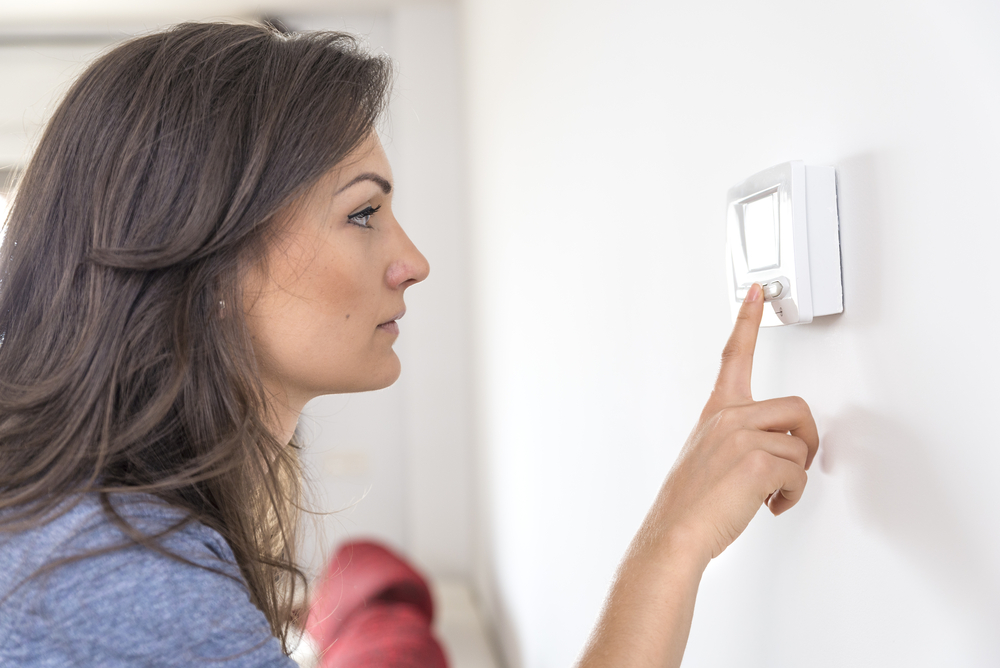
Make sure to turn off your home’s energy to avoid waste! Image: Depositphotos
They see that many residents don’t always adjust their monthly advance — and, eventually dig up their own hole by the end of the year because of paying too little.
According to the Dutch Association for Debt Assistance (NVVK), an estimated 800,000 households pay too little when it comes to monthly energy bills.
With the combination of rising prices and average-income households, customers must either reap the costs or pay more attention to their consumption as well as their monthly advance.
Would you agree with the Dutch energy companies? Tell us in the comments below!
The Dutch housing market is in a depressing state, with 99% of all houses being out of reach to single people living on an average salary. 😬
The situation has gotten worse with the recent increase in mortgage interest, writes De Hypotheker, making it even harder than usual to borrow cash.
A steep fall since last year
If you were a single, average-income person just one year ago, you would’ve been 70% luckier, since a baffling (not really 🙄) 3.3% of houses were available for you back then.
If this news instantly makes you (a single, average income-earning person) hate every couple on earth, you can simmer down since it’s not much easier for them to snatch a house in the lowlands either.
Nowadays, only 20% of houses are on the menu for couples in the Netherlands, a decline of 44% in just one year.
I'm just gonna wait until the inevitable catastrophic collapse of the Dutch housing market before I move out. Shouldn't be much more than a year or two away now!
It seems like the only option left is to live in the middle of nowhere in the Dutch countryside. No wonder people are running away from the Randstad region like never before.
Have your Dutch house dreams been crushed yet? Tell us about it in the comments below!
The humble bike has been any environmentalist’s best friend for decades. That’s why everyone should start acting more Dutch and jump on a bike whenever possible.
Even better — it’s 100% official. Research recently published in the Communications Earth & Environment journal confirms what we’ve known forever: biking is better.
The study found that if everyone biked as much as the Dutch, we could cut the CO2 emissions from car usage by about 20%. That’s a huge help in the fight against the climate emergency.
The study compiled data from 1962 to 2015, putting together the first-ever global overview of bike use and ownership.
Transport is a key part of most societies across the world, be it in the shape of a horse, a scooter, a bike, a bus, or an electric car — people need to move.
That’s also why the transport sector contributes to about a quarter of the world’s greenhouse gas emissions. Half of this comes from cars, which have been a fan favourite for commuting for ages.
The Dutch manage to bike an average of 2.6 kilometres a day — quite a bit more than most developed nations, which still rely mostly on car driving.
However, encouraging everyone to bike as much as the Dutch is easier said than done. The Netherlands’ landscape is famously as flat as its pancakes and, despite the rain, Dutch temperatures are relatively comfortable all year long.
Other countries struggle more with normalising biking due to difficult terrain, uncomfortable or unreliable temperatures, and social stigma.
The best of both worlds
Difficulties nevertheless, the report claims there is enormous potential for increasing global biking habits, so if you’re planning on heading back to your home country, there’s no need to give up on biking culture just yet.
And if the climate crisis isn’t enough to get people going (or biking), it might be worth remembering the health benefits of swapping out the car with some physical activity.
"The Netherlands has spent fifty years building tens of thousands of kilometers of segregated cycle tracks and traffic-calmed streets.
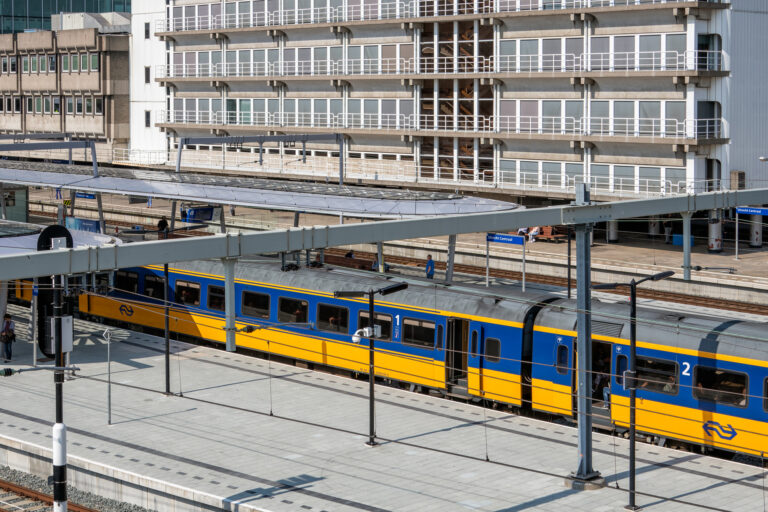
On Wednesday, 24 August, NS workers will begin a week-long strike against the Dutch railway company, which will affect train schedules in certain areas.
That means: disruptions, cancelled plans, and a really good excuse to not visit your in-laws.
While the exact consequences of the strike aren’t crystal clear yet, here’s a forecast about what you can expect to happen within the next two weeks, according to Treinreiziger.nl:
Wednesday 24: The strike will mainly affect trains in the Northern region of the Netherlands (Zwolle, Groningen, Lelystad and Leeuwarden) with limited nuisance in the rest of the country.
Friday 26: Train passengers in the west can expect to face train traffic in Rotterdam and there will be little to no available trains in The Hague and Dordrecht.
Monday 29: Major disruptions will touch the northwest region of the Netherlands. Train traffic throughout North Holland (including Amsterdam) is expected to come to a standstill, also affecting international trains.
Tuesday 30: workers in the Central region will strike, which is expected to cause train disruptions in Utrecht and Amersfoort.
Wednesday 31: The last day of the scheduled strike will most likely cause a nuisance in the east of the Netherlands (Zutphen, Hengelo, Enschede, Arnhem and Nijmegen) and the south (Zeeland, North Brabant and Limburg).
Forecast not guaranteed
In the Netherlands, if unions plan to go on strike, they must announce it at least 48 hours in advance. Since NS workers want to work up as much surprise as they can muster, they’re not eager to share much information with the public yet.
Trying to find alternative transport to Cologne in case my train doesn't go because Dutch train personnel is going on strike on Wednesday So far everything requires some sort of train ride pic.twitter.com/jRdvq93UFV
Train disruptions and cancellations are expected. But, there’s a good chance that it could play out a little differently than the forecast above — so take the information with a grain of salt.
However, Treinreiziger.nl anticipates a NS workers will have a high willingness to take action because the railway company has been playing it safe during strikes over the last couple of years.
Hold on to your hats, internationals: it’s going to be a bumpy ride.
How do you feel about the upcoming strike by NS workers? Tell us in the comments below!
Scotland has recently proven that fighting menstrual poverty does not have to be hard. But we can’t help but wonder: will the Netherlands ever wake up and make period products free too?
At pharmacies and local community centres all over Scotland, pads, tampons, and menstrual cups are now available gratis, for whoever needs them.
This breakthrough makes Scotland the first country in the world to offer period products to everyone, writes RTL Nieuws.
Fighting period poverty, one app at a time
We’ve all heard the saying that modern problems require modern solutions. But what about old problems? Well, Scotland has chosen a new, technical route to solve the problem of period poverty: an app, of course!
The app is as simple as it is genius: it shows where you can pick up your free period stash. This makes menstrual products easily accessible to everyone, no matter where you live.
You’d think one of the many hip, young, Dutch entrepreneurs would’ve come up with this already, but alas — we’ll probably have to wait a bit longer over here.
The world is moving, will the Netherlands wake up?
The Scottish law ensuring free period products for all was (unanimously) approved all the way back in 2020 (we know, feels like a lifetime ago).
That means the Netherlands better wake up and create a Period Product Act ourselves soon if we want to avoid being menstrual-freedom-latecomers — and, you know, offer dignity to all women?
After all, Dutch women and girls are not so well off that they wouldn’t benefit from free period products. In 2019, the “Blood-serious” study by Plan International showed that as many as 10% of females in the Netherlands struggle to afford pads and tampons once a month.
Although the train to become the first country in the world to offer free period products has left the station, there might still be hope for the Netherlands.
Not all is perfect in Scotland
Scotland has made the misstep of appointing a man (oh God) as the country’s first-ever period-dignity officer. The decision has created a massive backlash in Scotland, with some calling it “institutionalised mansplaining.”
Jason, Scotland’s 1st period dignity officer (he’s bloke in the blood red polo shirt) mansplaining menstruation to a couple of woman. Wonder if he’s ever experienced the horror of a blood stained dress in public, or the gut-wrenching fear of a missed period? No, didn’t think so. pic.twitter.com/HX7aZ4DBoZ
Perhaps the Netherlands could/should become the first country in the world to offer free period products for all, AND have a female period-dignity officer? We can only dream.
What do you think: should the Netherlands make period products free for all? Tell us in the comments below!
Flowers are a must-see for any tourist (and local) in the Netherlands, but did you know you don’t have to wait until next spring to experience the beautiful Dutch landscape?
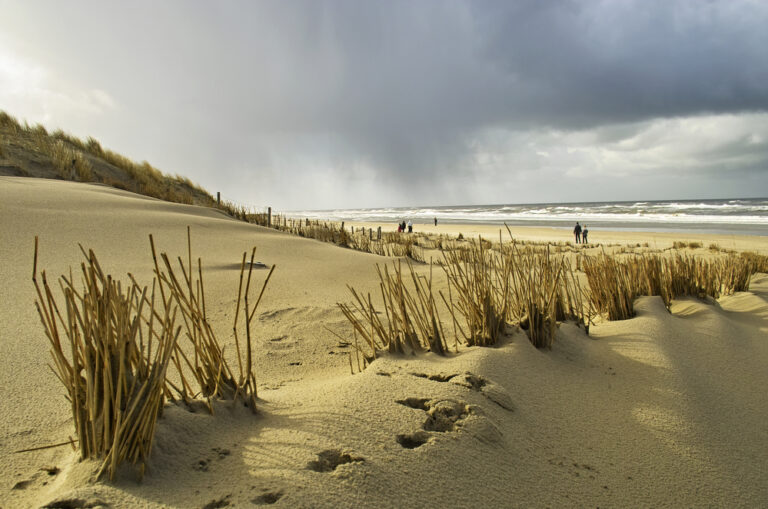
Most places you can spot flowers in the Netherlands are also conveniently located close to the mesmerizing dune landscape of the Dutch coast, and they’re the perfect addition to a trip away from bustling city life.
Now, you can experience both the flowers and the grand Dutch dunes in one go — in quite a special way, may we add.
Experience the Dutch landscape like never before with Renzy
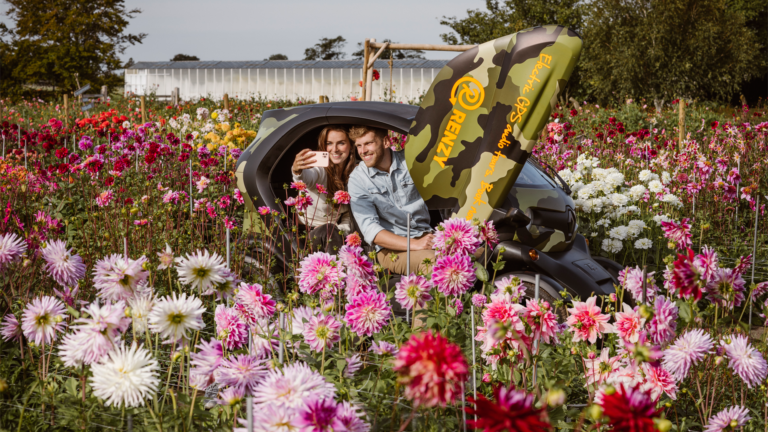
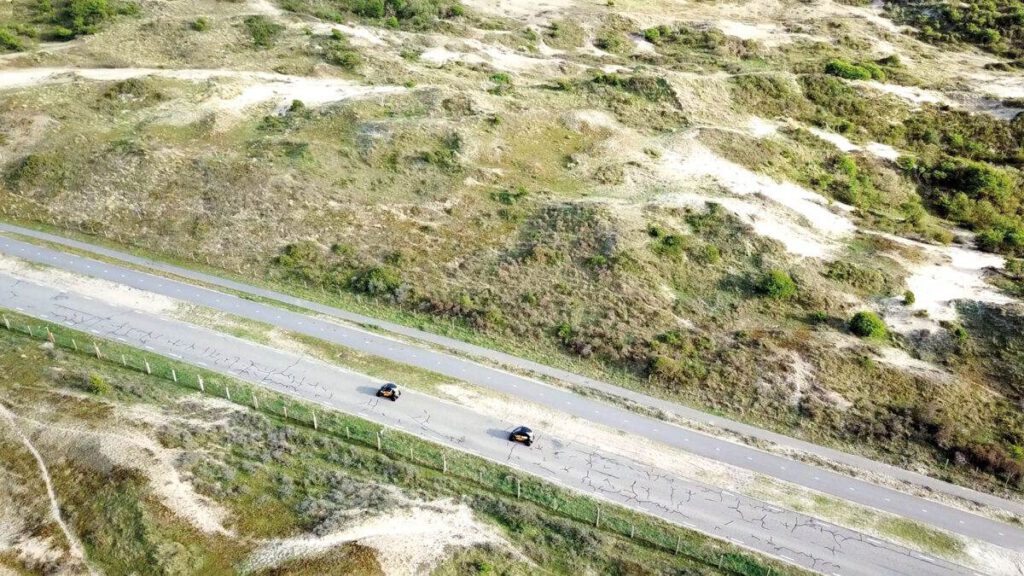
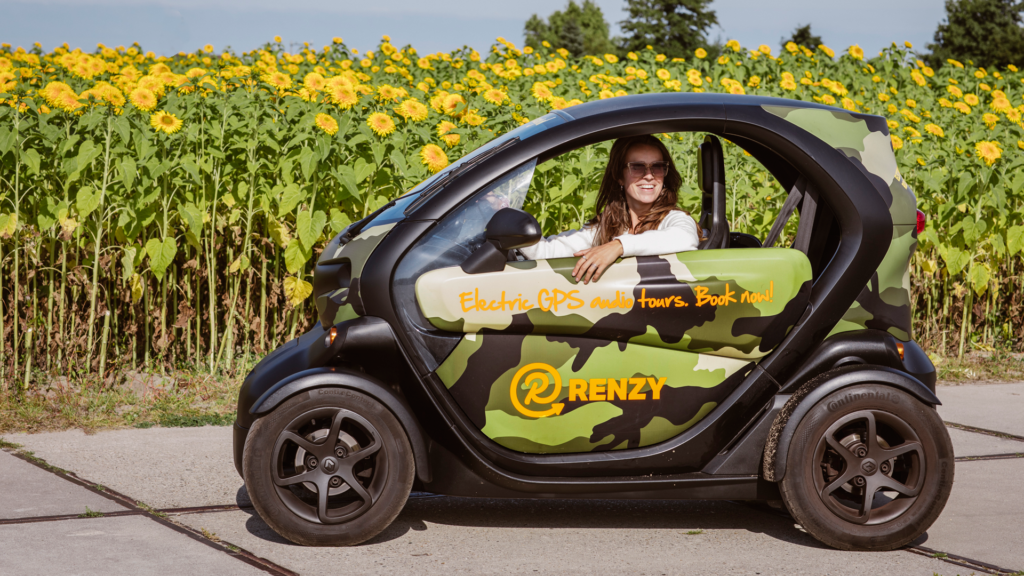
So, what makes this experience so unique? Renzy will take you on a self-guided tour of all the main sights and nature areas of South Holland — all while driving in 100% electric Renault Twizy (2-seated) vehicles.
Equipped with both a GPS and an audio guide, you can easily spend hours cruising around, covering vast areas of the stunning Dutch countryside.
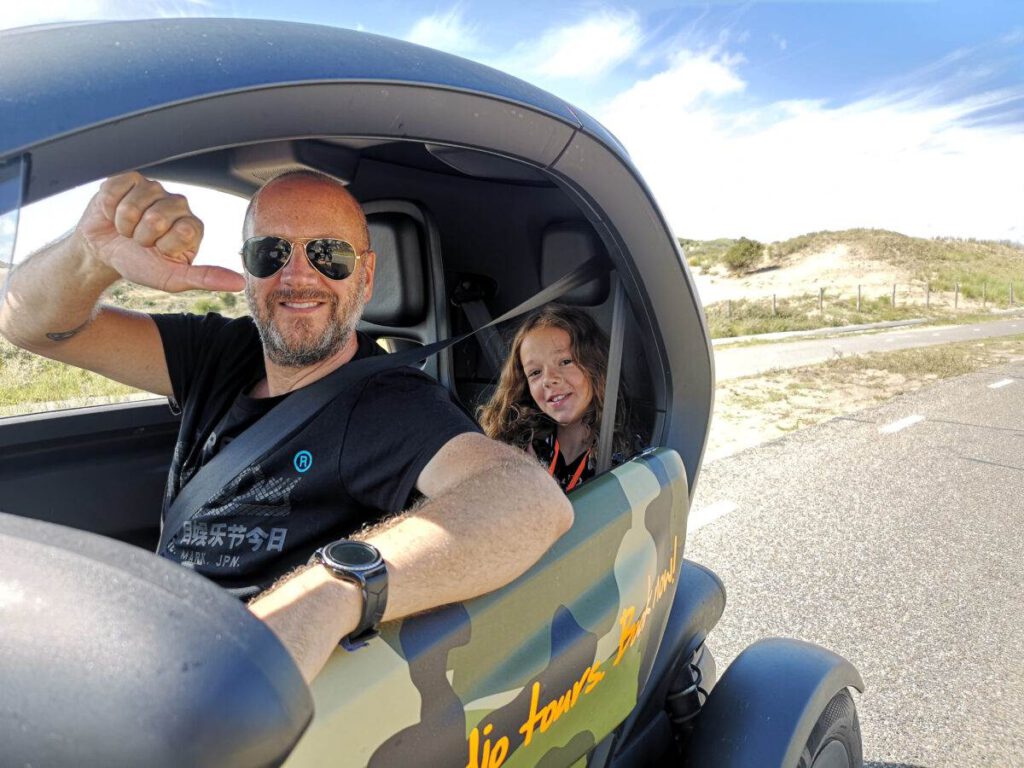
Zoom around the Dutch countryside like never before! Image: Renzy/Supplied
The fully electric nature of the vehicles means that the tour is as silent as a library, so you can enjoy nature without any disturbance to yourself, other people, or the environment around you.
In other words, Renzy offers probably one of the most comfortable ways you can explore Dutch nature.
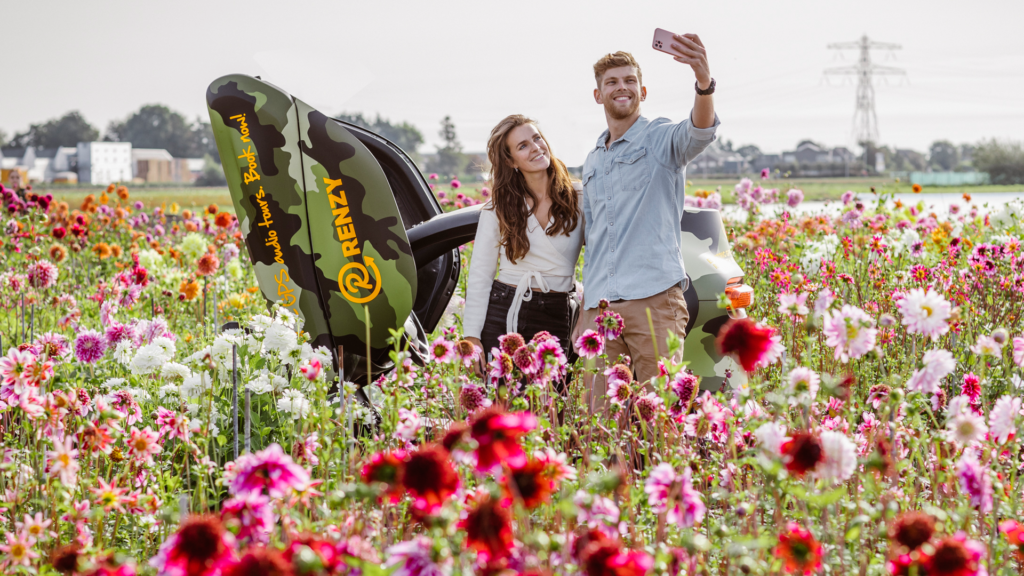
The perfect spot for an Insta shooting. 😉 Image: Renzy/Supplied
Sure, the Dutchies might prefer to bike wherever they go, but cycling is not always the best option.
For those of us with tons of stuff to carry (hello, families with children), or those who want to see EVERYTHING in one day (hello, ambitious tourists), a little vroomer might just be the key to a successful sightseeing tour. 🚗
Colourful flower fields? Magical dunes? Here’s the lowdown
Tulip season might be over, but the Dutch countryside is still full of blossoming flowers. And, of course, the dunes are as beautiful as ever. So, why not beat the crowds and explore the Dutch landscape on your own accord, in your own time?
The humble summer flowers are less known than the classic tulip, but just as beautiful! Image: Renzy/Supplied
If you missed out on the tulip season this year, or if you’re simply down for some flower and dune action, a Renzy tour is perfect for your bucket list.
Renzy’s Dune & Summer Flower Tour will take you (and one other person) through the most quintessentially Dutch three hours of your life, for only €85.
Hey! Know someone who would love a Renzy tour? Whether you want to surprise an adventurous friend, your partner or a parent, a Renzy gift card is the way to do it! 🎁
What will these three hours consist of?
As the name suggests, you’ll cruise around the most beautiful flowers the Dutch summer has to offer and explore miles of mighty dunes along the way.
The core of Dutch nature is in the Bulb- and Dune region. Image: Renzy/Supplied
And, of course, you can easily stop your Twizy for a break, a picnic, or a photo sesh — no nature sightseeing would be complete without it.
It certainly helps that our backdrop will be gorgeous. The tour takes place in the so-called Duin- en Bollenstreek (“Dune- and Bulb Region”). You’ll find this region in the very heart of Holland, and you simply cannot miss it if you wish to experience real Dutch nature.
The most common summer flower in the Bulb- and Dune region is (perhaps surprisingly) not the tulip but the dahlia flower.
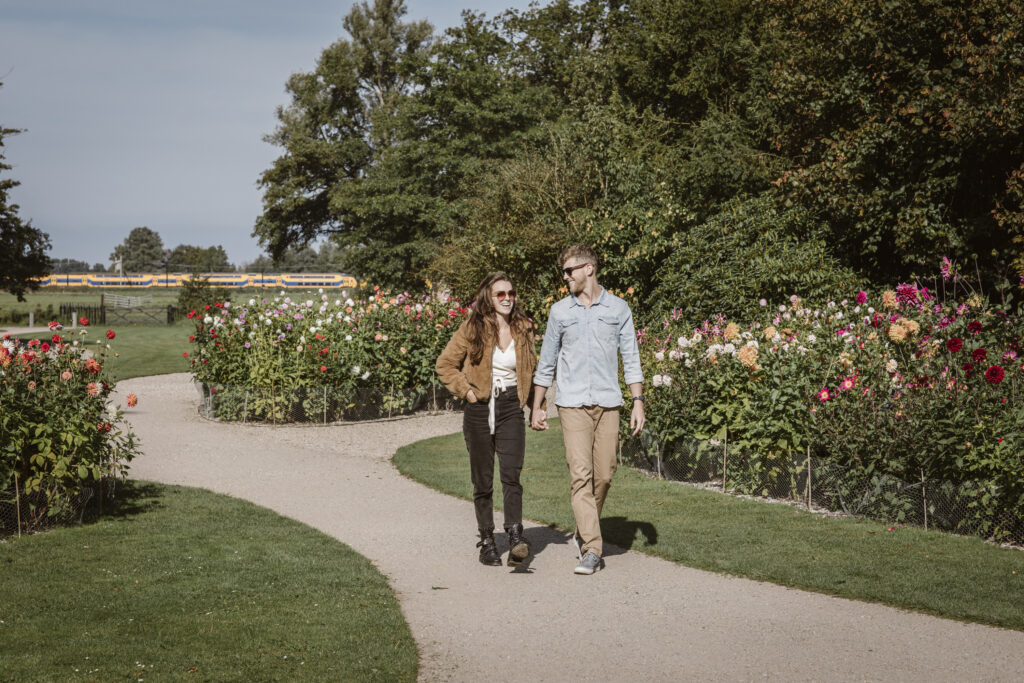
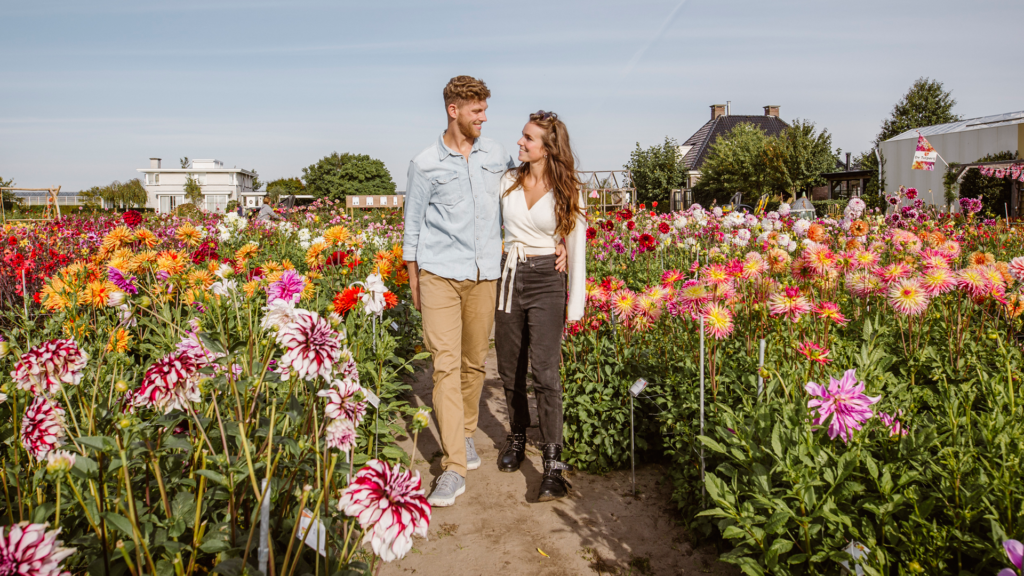
The summer flowers and dahlias come in numerous varieties, colours, and expressions, and the wonderful show gardens are rapidly becoming one of the most popular attractions for late summer tourists.
Park your Renzy for a lovely stroll around the show gardens! Image: Renzy/Supplied
The summer flowers are also present for a (surprisingly) long time, meaning you can enjoy their beauty all the way into October. Forget the pumpkin patches!
All you need to know about Renzy’s flower cruiser
“How and where and when can I book it!?” we hear you scream, and fear not, here’s everything you need to know about the Dune & Summer Flower Tour.
You can either book a timeslot in the morning or in the afternoon, and the tour is available every day of the week — except for Mondays.
Where will it take me?
All around the Dune and Bulb Region, of course! More specifically, the tour is a fixed route, with set stops, including a stop at the summer flower and Dahlia Bulb Farm, and the gorgeous flower show garden at Castle Keukenhof.
The perfect date idea! Image: Renzy/Supplied
You’ll be lucky enough to see one of the largest summer flower and Dahlia show gardens in Europe, with more than half an acre and 150 different varieties to show off, as August-October is the perfect time for a visit.
How much does it cost?
One vehicle can carry two adults (or one adult and one child), and the three-hour tour costs €85 (excluding a €150 deposit) in total.
The €85 will get you everything you’ll need for the self-guided tour (okay, except snacks):
a fully charged vehicle for two persons,
a GPS, so you don’t get lost in the wild,
and an audio guide with the option of Dutch, English, or German language
With all this, you’ll be able to enter the beautiful summer flower gardens, and cruise around the dunes!
What’s important to know before booking?
Now there are a few important things to consider before you hop on and book your Renzy tour.
First of all, you need to be at least 21 years old, and you need to have had your driver’s licence for at least three years.
Also, check if you need to have an international driver’s licence — some people do.
If you’ve got that sorted, you’re set to go ahead (yay!), unless you’re pregnant, a wheelchair user, or have back and/or heart problems. This is for your own health and safety.
You might also want to note that alcohol is prohibited, so save your borrel biertje for after the tour!
Will you be exploring the Dutch dunes and summer flowers? Tell us about your plans in the comments below!