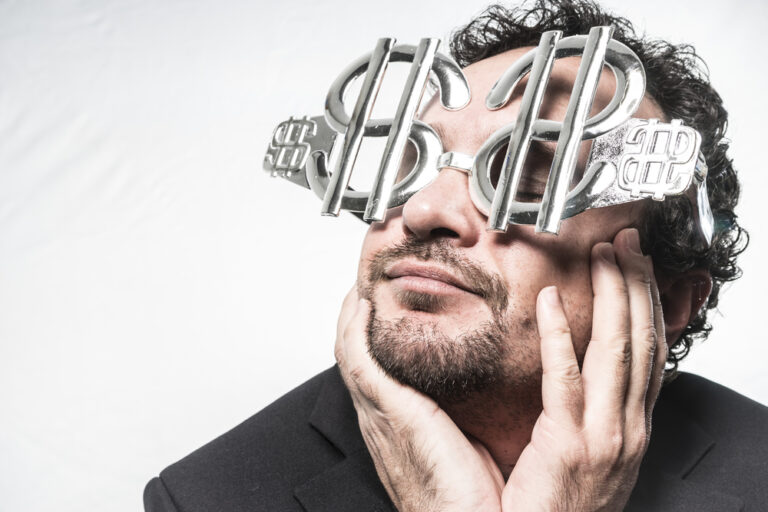
For the sixth year in a row, the number of millionaires in the Netherland increased in 2020 — hitting 24,000 millionaires compared to a year before.
Maybe it’s those downright stingy habits or heaps of Tikkie requests, but whatever it is Dutchies are doing, it seems to be working. Statistics Netherlands recorded yet another increase in the number of households with a capital of at least one million euros in the Netherlands. 🤑
To put things into a richer perspective, there are currently 100,000 more millionaires in the Netherlands compared to 2008 — a rise that the NOS attributes to economic growth, a thriving business market, growing stock prices, and rising house prices.
Wealth could be also contagious, 🤧 because there seems to be a pattern. Municipalities like Bloemendaal and Laren have a higher number of millionaires (one in four households) whereas Groningen, Flevoland, and Limburg have the lowest number.
Calculations
Although their bank accounts will definitely look comfortable, according to Nu.nl, this does not mean that this group of people have a million euros in their bank account ready for an as-seen-on-MTV splurge.
This data is based on their capital worth estimate, meaning that the data accounted for other forms of wealth such as the value of their home and owned shares in businesses and assets, in addition to deducting any debts such as mortgages.
Even the millionaires can’t escape inflation, however. Despite this group’s consistent growth since 2014, 2020 millionaires have had less purchasing power over the years compared to individuals who were equally wealthy 12 years ago. 🧐
What do you think of the latest millionaires data from the Netherlands? Let us know in the comments!
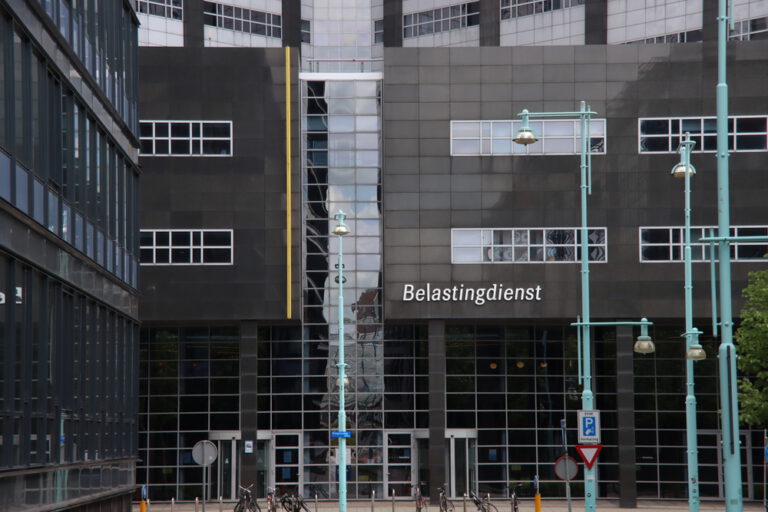
Oh boy — the Tax and Customs Administration is in hot water (again) after they revealed that they’ve been discriminately checking low-income people for evidence of fraud when applying for childcare allowances.
According to RTL Nieuws, those with lower incomes were more likely to be singled out than those with higher incomes by the “Risk Classification Model (RCM) of Benefits.”
Last July, the RCM was stopped due to a report by the consultancy firm KPMG.
Low income = higher risk (apparently)
In March of this year, the Tax and Customs Administration conducted an internal investigation which found that their model may have been “illegitimate” and “discriminatory.”
Further, the tax authorities admitted to RTL that people with lower incomes were more likely to receive a “high risk” score and be subject to further checks than people with middle or high incomes. 😶
Out of the 1000 highest risk scores, 82.3% had a household income of less than €20,000.
If that isn’t shocking enough for you, 90% of single parents were selected for extra scrutiny — what??
The childcare allowance scandal
Between 2013 and 2019, the tax authorities accused more than 20,000 parents of fraud surrounding childcare benefits. As a result, the parents were expected to pay back thousands of euros to the tax office.
However, the fraud allegations were not legitimate and the parents were actually entitled to their allowances. People with dual-nationality were also unfairly targeted by the tax office.
This scandal led to the dissolution of the Dutch cabinet (however they’re still pretty much around and haven’t negotiated on a new cabinet yet 🙄).
What do you think about the tax office targeting low-income individuals for fraud checks? Tell us in the comments below!
You know poep is hitting the fan when the team tasked with advising the Dutch government on how to handle coronavirus starts using all caps. 🤦
According to the Dutch Outbreak Management Team (OMT), ‘THE ONLY WAY’ (their emphasis) to avoid a holiday season lockdown with strict measures is to comply with the current measures in place.
Many no longer following advice and measures
According to the NOS, the OMT is feeling a bit let down by current efforts to follow measures in the Netherlands.
To begin, the Dutch cabinet, while taking on some of the team’s advice, did not take on all of it. For example, the OMT had also advised that the catering industry close at 6 PM and not 8 PM.
Meanwhile, the cabinet has since asked the OMT whether it would be possible to only prevent the entry of new customers after 8 PM and allow catering to remain open later. As the all caps suggest, this doesn’t fly with the OMT. 🙅
According to the OMT, “the risk of contamination does not only depend on the number and change of different visitors, but also on the contact time between the visitors and the intensity of the contact.”
It’s not just the cabinet that the OMT is speaking to however, it’s also the public. According to the team, people are only complying with social distancing, testing, and wearing a face mask half of the time.
No new measures suggested yet
That being said, the OMT has not advised any specific new measures as of yet. Instead, they just want people to do better with the measures that are already in place. Or as the advice states:
“In the opinion of the OMT, improved compliance with existing measures currently has the potential to have a better effect on the decrease in the number of contacts than opting for the adjustment and extension of restrictive measures within a week.”
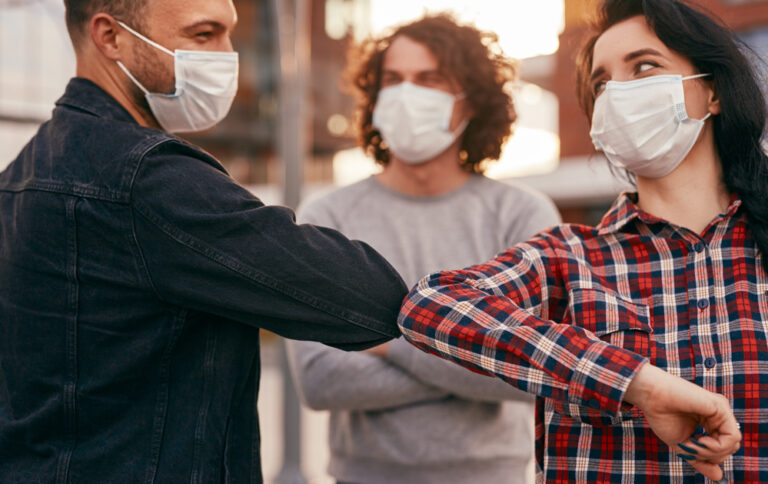
To summarise: keep sneezing into your elbow, pull that facemask up over your nose (yes OVER the nose), and give your loved ones some air hugs for the time being. That way, the Netherlands may be able to avoid a holiday lockdown. 🤞
Follow DutchReview on Facebook for the latest coronavirus news in the Netherlands.
Positive tests for coronavirus infections continue to climb at a shocking rate. As of 10:00 this morning, 23,066new cases were reported to the RIVM in the past 24 hours.
This is the second-highest number in the Netherlands since the pandemic first broke out — reports the NOS.
The average number of positive tests is increasing drastically. In just the past week, an average of 21,599 positive infections per day was recorded — a 49% increase from two weeks ago. 🙃
ICU admissions and deaths
2,430 patients have been admitted to the hospital, 470 of whom are in the ICU. The number of deaths has also seen an increase.
In the past 24 hours, 29 patients were reported to the RIVM to have died from coronavirus complications.
Extra measures likely
The outgoing cabinet is advising people to adhere to the measures to reduce the high infection rate. On December 3, the government will decide whether extra measures will be introduced.
Depending on whether people adhere to the measures or not, it’s possible that these extra measures could be brought into effect before December 3.
“A change is needed,” said Dutch Prime Minister Mark Rutte.
Follow DutchReview on Facebook for the latest coronavirus news and updates in the Netherlands.
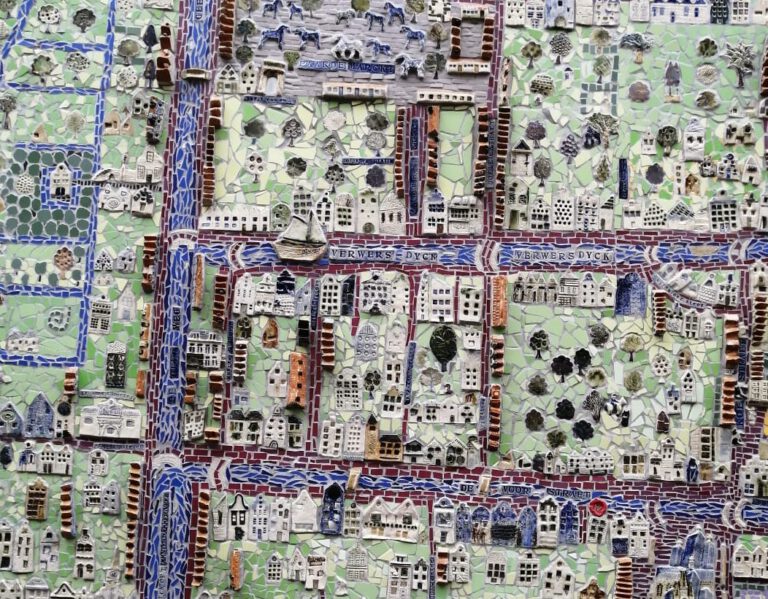
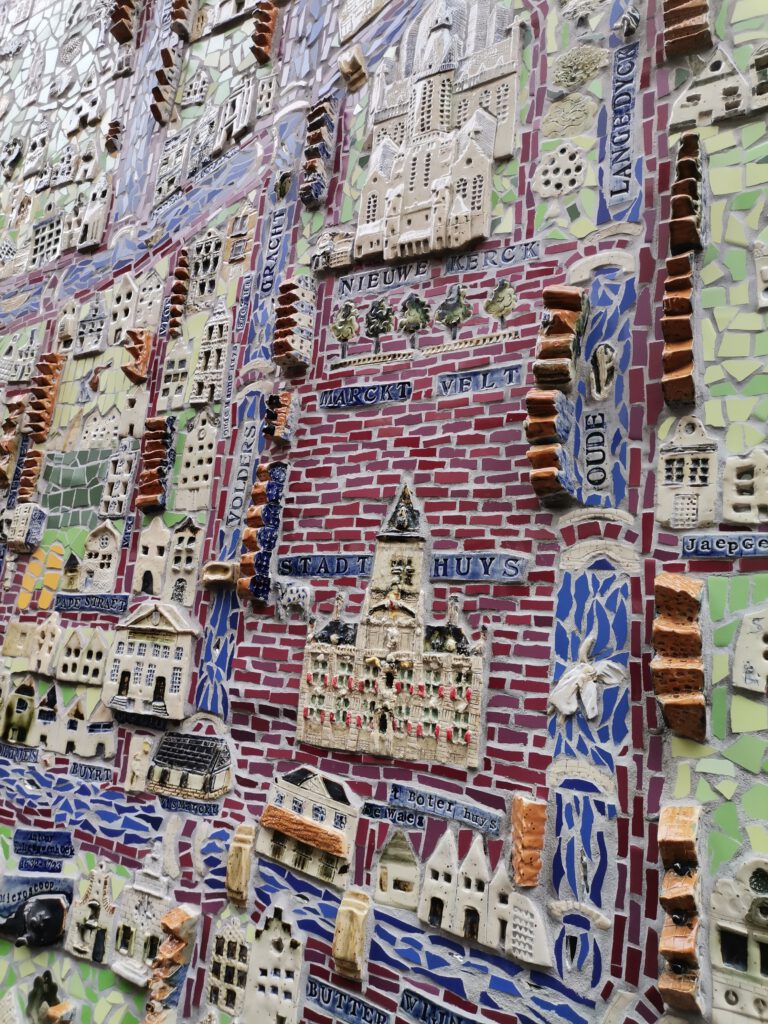
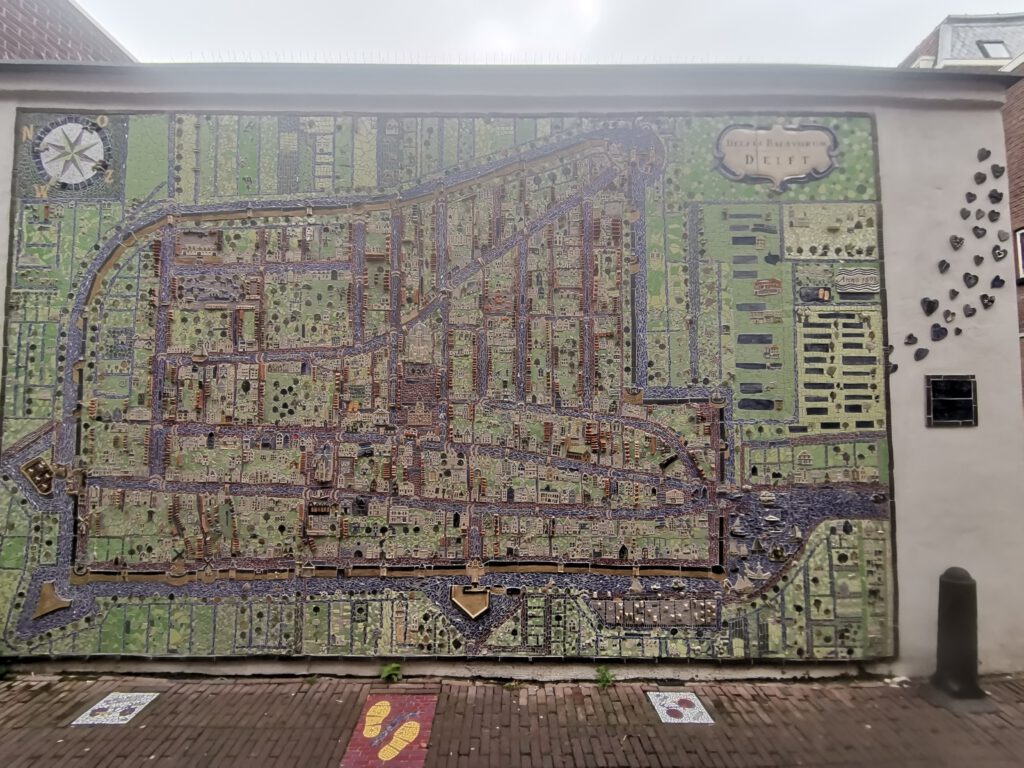
When one thinks of street art, graffiti images on walls or random sculptures along walkways most readily come to mind. Rarely does this concept bring to mind mosaics, mini-sculptures or intricate ceramics. The ‘Ceramic Map of Delft’ (‘Keramieken Kaart van Delft’), however, can wholeheartedly be classified as emblematic of urban beautification.
Even more exhilarating than seeking out this artwork (which every Delft visitor should do!) is perhaps stumbling upon it by chance.
A Golden Age map
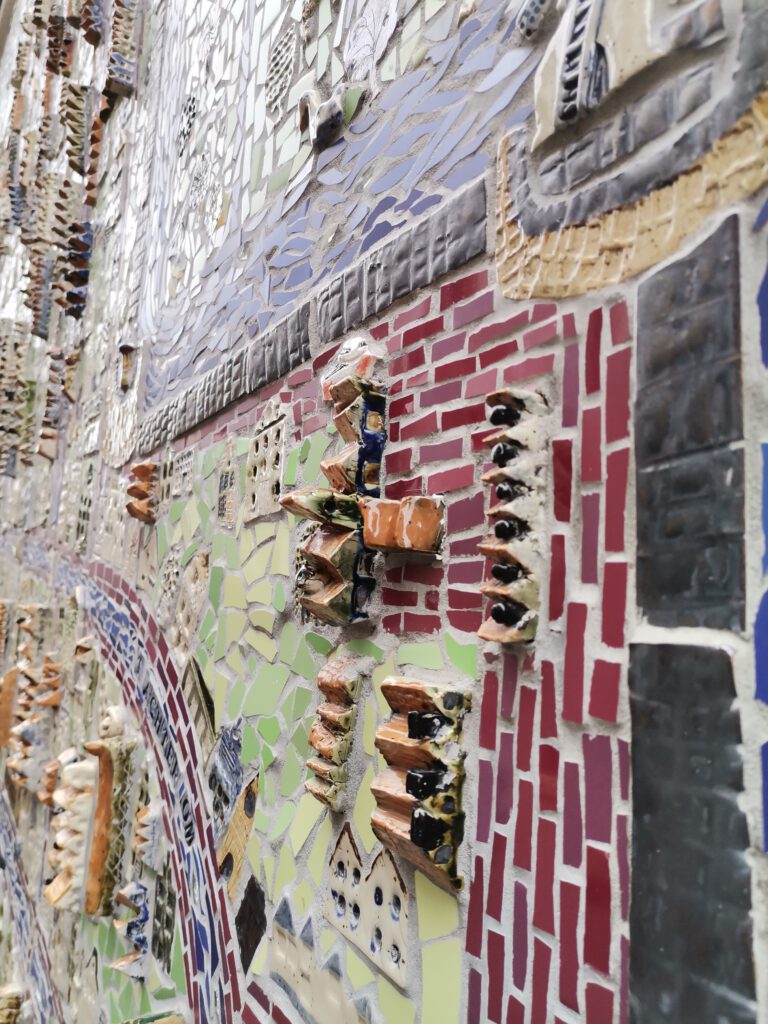
Crafted by volunteers and skilled artisans, the artwork covers a 18m2 wall on which a map has been made of ceramic houses, trees, bridges, mills, street names and buildings. The mosaic finish and 3D effect are both informative and interactive.
Adding to the attraction of this 3-D map is the fact that it was completed during the worldwide pandemic. This observation is yet another testament to the ability of art to inspire awe during uncertainty and turbulence.
Awards and unveilings
The Ceramic Map of Delft was officially and festively unveiled on June 26, 2020, by Delft mayor Marja van Bijsterveld. The map is a replica of one from around 1700 and imitates those by Johan Blaeu and Janssonius (circa 1649). In May 2021, it was announced that the ‘Keramieken Kaart van Delft’ had won the Le Comte Prize 2020 from Delfia Batavorum.
The mosaic consists of teeny tiny buildings. Image: Kathryn van den Berg/Supplied
Although formal awards and recognition are justly deserved and recognise the beauty of this project, standing in front of the map stirs up the type of excitement and admiration that reflects the artwork’s magic more than any award could.
A community undertaking
Celebrated as a vibrant mosaic artist who has decorated Delft since 2008, Nan Deardorff-McClain is best known for breathing colour onto ordinary Delft walls. Artist Colja de Roo and Deardorff-McClain are the architects of this mosaic on Papenstraat in Delft.
Although both artists guided the process, the ‘Keramieken Kaart van Delft’ was an ambitious community project undertaken by the people of Delft in various workshops throughout the area. It is fitting that this depiction of Delft’s history was crafted by a community of devoted Delft volunteers.
Accuracy and challenges
Even though the making, firing and glazing of the ceramics, inlay and grouting was a lengthy process, it was made with enthusiasm by Delft’s people. What was possibly most challenging to achieve was that every house, tree and part had to be glued separately according to the street plan and in the right place. The result is a combination of scale effect and recognisability of specific buildings and neighbourhoods.
Check out these tiny roofs. Image: Kathryn van den Berg/Supplied
How the piece was constructed
The steps involved in making the map of Delft included sampling ceramic houses, doing weather resistance tests and glaze tests for the right colour palette. A map prototype was also made by Nan Deardorff McClain and Colja de Roo, which was 1m2.
Besides the physical labour going into this project, Public Relations had to be managed during the COVID-19 lockdowns. Subsidiary applications and financial planning were also undertaken to make this idea a reality. Workshops had to be organised and offered to make clay houses along with the glazing and baking process.
Sponsors and participants
The project’s crowdfunding campaign was successful thanks to independent donors from Delft and beyond, along with aid from The Samen Delft Foundation. These participants’ financial help reflects the wealth of character and community that Delft residents have been known for throughout history.
And breathe in the piece in all its glory! Image: Kathryn van den Berg/Supplied.
An interactive artwork
Stories, symbols and clues can be discovered on every small part of the artwork. In addition to creating art that one can look at and explore for hours, the artists also came up with activities to engage people who perhaps have not seen the map up close (or for those who have and just can’t get enough of it!).
Every week, The Facebook Page ‘Keramieken Kaart van Delft’ posts stories and clues about one of the hidden gems on the map.
Have you seen this majestic piece of work? Tell us about your experience in the comments below!
Several Dutch cities have seen anger and violence from rioters riled up by the current coronavirus measures, including the latest ban on NYE fireworks.
The situation in those cities was described as “restless” for the third night in a row according to the NOS. Major destruction was caused, resulting in an emergency order to be placed in many cities — which gives the police more flexibility to take immediate action.
Rotterdam
The most intense action happened in Rotterdam last Friday. So far, 49 arrests have been made so far, and these suspects are being held in police custody on the basis of open violence, vandalism, and hindering or attacking aid workers.
Max Daniel of the National Police says that they’re shocked by the number of minors among the rioters arrested in Rotterdam from all over the country — half of those detained yesterday are reported to be underaged.
Police and protestors clashed
The clashes between rioters and police resulted in a large number of police officers suffering from minor injuries and hearing damage due to attacks with stones and fireworks.
Further, the total number of people suffering from gunshot wounds by police bullets is four according to RTL Nieuws.
There are currently 20 detectives deployed in a Large-Scale Investigation Team (TGO) crackdown to arrest as many rioters as quickly as possible.
Witnesses of the rampage and people of Rotterdam took down to Twitter to react in anger and disappointment over the violence witnessed by the city.
Hulpdiensten aanvallen, de stad molesteren. Een klap in het gezicht van iedereen die dag in dag uit keihard werkt om het beste voor Rotterdam en Rotterdammers te bewerkstelligen. Ambtenaren, hulpdiensten, welzijnswerkers, you name it. Het rellend tuig moet zich kapot schamen
The disturbance in Leeuwarden took another form. ⚽ Where the Eredivisie game between SC Cambuur and FC Utrecht had to be paused twice by the referee, with both teams remaining on standby, due to fireworks being thrown towards the field and intruders barging into the Cambuur stadium.
The ongoing football season has already gone through a number of riots and disturbances. Currently, the Minister of Justice and Security Ferd Grapperhaus is looking into solutions to combat these disruptions.
The northern city sadly witnessed the use of heavy fireworks and arrests last night, all of which prompted Groningen city mayor Koen Schuiling to issue an emergency order for the city’s centre and its surroundings.
A police bus shelter was destroyed along with several shop windows in the centre. Additionally, bus operations were halted on and around Grote Markt for the remainder of the evening.
Enschede, Roosendaal, and Limburg
Enschede also had an emergency order in place as of 8:30 PM last night, but arrests were reported over incitement and public violence. A group of five young people was placed in custody after gathering in the city centre in response to a call on social media to riot.
In Limburg, after a night of heavy fireworks attacks, the police arrested five people over possession of narcotics, failure to show identification, and assault.
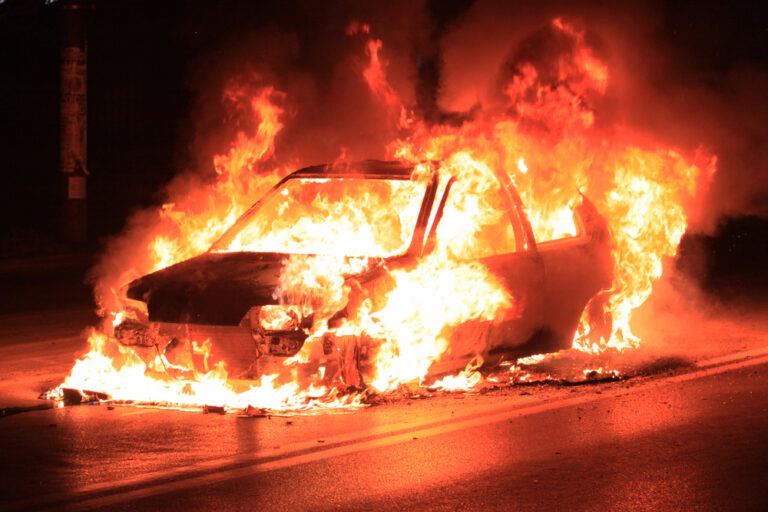
Things were not much calmer in Roosendaal yesterday. The police reported several incidents including arson in a primary school, the use of heavy fireworks, setting a car on fire.
15 people were arrested in Roosendaal and the Langdonk district was temporarily closed to prevent more people from joining rioters.
Follow DutchReview on Facebook and Instagram for the latest news from the Netherlands!
If any international in the Netherlands has experienced a (rare and fleeting) feeling of inferiority while here, it’s likely because they heard a Dutch person speaking English.
To clarify, they heard a Dutch person speaking English so well that they could be mistaken for a native speaker who also just arrived in the country.
And you’d be right in feeling this strange mix of awe and self-doubt (no offence). Why? Because according to the 2021 EF English Proficiency Index (EF EPI), the Dutch are the best non-native English speakers in the world — and for the third year in a row! 🇳🇱
The best of 112 countries
We’re not just talking about a small survey consisting of 10 non-native English speakers, one of which being a Dutch person with the very appealing bribe of a warm and gooey stroopwaffel.
Nee, this survey measured the English language skills of two million people across a whopping 112 countries! 🌏
Using a points system to calculate the English skills of the different countries, the EF EPI awarded the Netherlands with 663 points (11 points higher than last year), placing them in the number one position with a level of “very high proficiency.”
Amsterdam ranked as having the best non-native English speakers
The Netherlands has won the crown for not only being the best non-native English-speaking country but also for having the best non-native English-speaking city in the world. 💪
Yep, Amsterdam has been ranked the best non-native English-speaking city — and are we really surprised given how much of a hub it is for internationals?
What other countries are great at speaking English?
Of course, while we at DutchReview are delighted to hear that the Dutch have won this round once again, some of you may be curious to know what other countries ranked highly.
Let’s lay out the results! The following countries were ranked as having “very high proficiency” in speaking English as a non-native language:
EF EPI 2021 Ranking
Country
01
Netherlands
02
Austria
03
Denmark
04
Singapore
05
Norway
06
Belgium
07
Portugal
08
Sweden
09
Finland
10
Croatia
11
Germany
12
South Africa
13
Luxembourg
Did your country rank on the list? Tell us your thoughts on these findings in the comments below!
Yep, you read that right. Some Nederlanders are getting COVID-19 on purpose by attending “contamination parties” which uh…we don’t really get. 😐
According to the NOS, certain groups of people are intentionally getting themselves sick to receive a recovery certificate which will allow them entry into public venues for a year.
Meaning that some people would much rather go to the trouble of actually getting COVID-19 than getting the free vaccine. 🤦
Contamination parties
“Contamination parties” were being hosted on websites like jaikwilcorona.com, where people could meet each other to get infected with the virus.
The site was taken down by the host company (thank God) and — in a power-move by the Dutch government — if you type in the link you get re-directed to the Dutch government’s page for making a vaccination appointment.
However, this isn’t the only tactic people are resorting to. Others will simply meet up with someone they know who has the virus in order to kiss them or drink out of their glass — ew! 🤢
According to Bas van den Putte, Professor of Health Communication at the University of Amsterdam, people aren’t always going to agree with what the government wants and will look for “shortcuts.”
“A slap in the face”
“It is a slap in the face for everyone who has been committed to fighting the pandemic for more than a year and a half,” said Inspector General Marina Eckenhausen of the Health and Youth Inspectorate.
Health Minister Hugo de Jonge also disapproves of the intentional infections and says that the Inspectorate is considering what actions to take against this.
“We will use every opportunity and legal means to do something about this,” said de Jonge.
What do you think of people in the Netherlands giving themselves COVID-19 on purpose? Tell us your thoughts in the comments!
A violent protest against the proposed coronavirus 2G measures last night in Rotterdam resulting in police officers firing shots at protestors.
The unauthorised protest took place at the Coolsingel, with scooters, cars, and even a police vehicle being set on fire. Heavy fireworks were also set off and protestors were throwing items at the police, reports the NOS.
This protest comes in light of the government proposing that people who are unvaccinated (not including those for medical reasons) would not be allowed to obtain a valid QR code to enter public venues and spaces.
Op vrijdagavond zijn er in #Rotterdam rellen uitgebroken na een demonstratie tegen de coronamaatregelen. Vooral op de Coolsingel was het erg onrustig. Er vielen gewonden en de politie verrichte meerdere arrestaties. 🧐😷☠️
At least seven people are known to be injured, both on the side of the protestors and the police. A journalist was also known to have been injured by protestors.
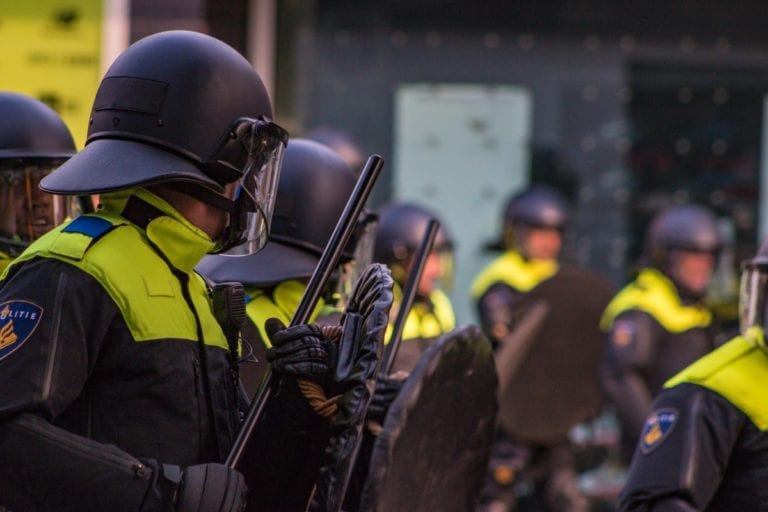
Eight platoons of riot squads and 400 police officers were called in for the protest.
At least 20 people were arrested, with more expecting to also be put away. “Good images have been made of many suspects,” said the Mayor of Rotterdam, Ahmed Aboutaleb.
The mayor also referred to the unauthorized protest as “an orgy of violence.”
Will there be more riots?
Planned demonstrations will take place in Amsterdam and Breda today — but they’re organised and approved by the municipality. The march in Amsterdam is expected to have thousands of participants attending.
Following in last year’s footsteps, municipalities and the mayors formally request a countrywide ban on the sale and use of fireworks from the Dutch government for this year.Today it’s clear that the outgoing Dutch cabinet is also on board with a fireworks ban.
Citing the current pressure on hospitals due to the skyrocketing coronavirus cases, the Association of Dutch Municipalities and the mayors of the Security Council believe that any fireworks injuries will only add to this existing messy situation.
The NOS reports that even with last year’s ban, the number of total injuries rose to 108 recorded by hospitals in addition to 275 injuries reported by general practitioners. The national average number of injuries from other years exceeded a thousand. 🤯
Several Dutch cities already had a local fireworks ban in place, such as Amsterdam, and other Dutch cities such as Rotterdam were cancelling their organized fireworks shows in order not to promote people huddling up, enjoying the show and coughing carelessly at each other at midnight.
Above and beyond
Looking at last year’s history, the ban may not be as effective as the government hopes for it to be as people went above and beyond in acquiring, using, and even storing illegal fireworks — like when the police seized 13,145 kilos of illegal fireworks in one dark 2020.
What do you think of this latest ban on fireworks across the Netherlands? Let us know in the comments below!