You may have heard of a few Dutch delicacies before coming to the Netherlands — perhaps it was the delicious rendition of Dutch fries, crispy fried codfish, or maybe Europe’s most underrated sausage delicacy, the frikandel.
Regardless of what you’ve tried, there’s also a pretty decent chance your Dutch friends have attempted to feed you their version of liquorice. 🤔
What is it?
That’s right — life in the Netherlands isn’t just about unhealthy, fried snack food. They’ve also got the sweet treat (or terror) known as drop. 🍬
Drop is essentially the Dutch version of black liquorice, but it’s so much more than that.
If a Dutch person ever offers you candy be very, very careful. It might be Dutch liquorice drop. It’s not all bad but some of them contain so much salt that your taste buds will go into shock. pic.twitter.com/H1QKUMFjrd
There are so many types of drop, it’s hard to keep track! And yes, some of the flavour profiles of these types of drop are less than ideal (looking at you, hard, salty drop).
Why do they do it?
Of course, you might have an unfit palate for this type of candy.
That doesn’t mean it would stop Dutchies from trying to find the perfect type of liquorice for you.
They just want you to experience the same bliss they live in whenever they eat their questionable candy choices. 🤔
Some may consider Dutchies stingy by nature, so you can’t help but feel a little special when they want to share something of theirs with you.
Why is it quirky?
Lots of foreigners (if not the majority) are confused as to why the Dutch want you to try their candy so badly — it’s not every day they’re sharing their culture and food with other people so enthusiastically.
But of all things, why did it have to be drop? It’s just so far out of most people’s comfort zone, and some of it tastes very… interesting (or gross).
It’s quite fascinating that the Dutch are so willing to share this part of their treats, and we’re just not sure if this is the treat that we wish they would share with us. 😬
Should you join in?
Drop is definitely worth trying if you’ve never had it before, but don’t be surprised if it doesn’t taste sweet like your typical black liquorice.
If you like it, that’s great! And if you don’t, don’t worry.
There are plenty of Dutchies who will just eat your share of drop for you. 😉
What do you think of this Dutch quirk? Have you experienced it? Tell us in the comments below!
bunq is now offering a limited-time term deposit with 2.51% annual interest, timed perfectly to make the most of your vakantiegeld(holiday allowance).
Each May, Dutch employers pay out vakantiegeld, which typically amounts to around 8% of your annual gross salary. For many, it can be difficult to decide what to do with the lump sum that’s just boosted your bank account.
Putting your funds in a term deposit is one money-savvy option — and Dutch neobank bunq is currently running a limited-time promotion rate to make saving even more attractive.
So, what exactly is bunq offering?
Between May 22 and June 14, 2026, bunq is offering a fixed annual interest rate of 2.51% on six-month term deposits.
If you’re sick of changeable Dutch interest rates, the good news is that bunq’s fixed annual rates really mean fixed. Whatever happens to their interest rates while your money is locked away, your return stays exactly as agreed upon on day one.
What is a term deposit?
A term deposit, also known as a termijndeposito or spaardeposito in Dutch, is a straightforward alternative to regular savings accounts.
You deposit a fixed amount for a set period and receive a guaranteed interest rate for the duration. As the rate for term deposits is typically locked in from day one, it won’t drop if your bank adjusts its rates mid-term.
Fixed-term savings are a great “set it and forget it” way of earning high interest on your funds. Image: Magnific
You just lock in your money, leave it alone for six months, and collect your deposit (plus interest!) when the term ends, paid directly to your main bunq account.
Sure, it’s not life-changing money, but it’s cash that most of us would prefer not to leave on the table.
Here’s how to get your 2.51%
The offer is open to any personal bunq account holder aged 18 or over, on any plan — even if you’re on their free tier. (Helaas, business accounts aren’t eligible.)
You just:
Create a bunq account (or log into your app if you’re already a bunq customer),
Open a bunq Term Deposit between May 22 and June 14, 2026, and
Make your deposit.
Don’t have a lot of cash to spare? As you can deposit anywhere between a minimum of €1,000 and a maximum of €10,000, there’s plenty of wiggle room available.
Is bunq’s new promo right for me?
While the offer is pitched around the vakantiegeld season, this promotion applies to anyone sitting on a lump sum they won’t need for six months. (Right in time for the Christmas season!)
With a minimum deposit of €1,000, you can still head off on that dream vacation this summer — while boosting your savings. Image: Magnific
That might be holiday allowance you’d rather not spend impulsively, savings earning nothing in a current account, or money set aside for something specific (such as a house deposit) that’s still a few months off.
However, if there’s any chance you’ll need the money before December, a term deposit probably isn’t the right fit. Early withdrawals come with penalties, and you can’t access the funds mid-term.
Good to know: If term deposits aren’t for you, bunq also has regular savings accounts, offering you interest up to 2.01%. That’s much higher than traditional Dutch banks, with the option to withdraw your cash whenever you please.
For the rest of us, bunq’s new offer is a handy way of giving your savings a much-needed boost. Learn more.
Are you planning to do something deliberate with your vakantiegeldthis year, or does it always seem to spend itself? Let us know in the comments.
Disclaimer: bunq B.V. is licensed by the Dutch Central Bank (DNB) and the Authority for the Financial Markets (AFM). Not investment advice. 2.51% fixed annual interest rate for 6 months. Minimum deposit €1,000 and maximum deposit is €10,000. Interest paid at maturity. Early withdrawal penalties may apply. Promotional period is from May 22, 2026, to June 14, 2026. Subject to availability. T&Cs apply.
The European Central Bank just raised interest rates for the first time since 2023; here’s what that means for your mortgage, savings account, and overall cost of living in the Netherlands.
The ECB’s Governing Council voted on June 11 to hike its deposit facility rate by 0.25 percentage points, bringing it to… *drumroll please* 2.25%. The change will take effect from June 17.
What does this mean for my mortgage?
If you have a fixed-rate hypotheek (mortgage), your monthly payments won’t change yet. Fixed-rate mortgages are locked in until your current term ends, so you’re protected for now.
However, if you’re on a variable rate, it’s a different story entirely. Variable-rate products track ECB policy directly, which means your repayments could rise from June 17 onwards.
If you’re currently shopping for a mortgage, you’ll want to act sooner rather than later. Before the rate increase, 10-year fixed rates in the Netherlands were sitting between 3.5% and 4.5%. Lenders are likely to adjust upward in the coming weeks.
Will the 2.25% hike boost my savings?
In theory, any increase in the ECB’s deposit facility rate is good news for savers.
Unfortunately, in the Netherlands, bigger banks tend to drag their heels when it comes to implementing rate increases.
That said, some neobanks and savings platforms do pass ECB changes on more quickly. If your savings are sitting in a standard Dutch account and earning a pittance, now’s a good time to consider banks with higher rates.
Why did the ECB raise rates?
According to the press release, inflation is running well above the ECB’s 2% target, with energy costs (driven by the US-Iran war that began in late February) being the main culprit.
As CBS highlights, prices in the Netherlands were 3.5% higher in May 2026 than a year earlier — up from 2.8% in April. Meanwhile, energy and motor fuel costs jumped nearly 10% year on year.
A car struck a group of primary school children cycling on a bike path in Zeeuws-Vlaanderen on Thursday afternoon, killing four people, including three children.
The group — 14 children and two adult supervisors from a primary school on a school camp — was cycling along the N29 when a motorist lost control on a bend and veered onto the bike path, according to NOS.
Two children and one adult supervisor died at the scene. Four other children were taken to nearby hospitals; one later died from their injuries.
A suspect has been arrested
Police have arrested a 19-year-old man from Hulst in connection with the crash. However, authorities have not yet confirmed whether he was the driver of the vehicle involved.
The municipality of Terneuzen has launched both a police and criminal investigation into the incident, reports NOS.
Messages of grief
The primary school that organised the camp has opened its doors to bereaved parents and staff.
Prime Minister Rob Jetten and other officials have responded with condolences. Jetten wrote on X that the “horrific news from Zeeland overshadows everything.”
Have you been following the incident in Zeeland? Let us know your thoughts in the comments.
A powerful explosion tore through a fitness studio in Amsterdam’s Osdorp neighbourhood last night, triggering a massive fire and partially collapsing the building.
Emergency services were called to Remijden Street in Amsterdam Nieuw-West shortly after midnight on June 12.
The blast, which residents reported hearing as far away as the city centre, blew out the gym’s façade on multiple sides and caused part of the structure to collapse. A large fire followed immediately, taking around 4 and a half hours to bring under control.
Local news organisation AT5 reports that at least seven people were injured, one of them seriously. The municipality has confirmed that the number of casualties could still rise.
What happened?
Unfortunately, the gym in question sits beneath a nine-storey residential flat. In addition to injuries sustained in the blast, around 400 residents of adjacent flats were evacuated as a precaution.
After the explosion, fire services quickly declared the incident a zeer grote brand (major fire). They coordinated a large-scale emergency response, bringing in multiple specialist teams, including the Urban Search and Rescue Team (USAR) and a Mobile Medical Team.
By the time first responders arrived, smoke had spread into the apartments. Emergency services were unable to rule out that the explosion had compromised the building’s structural integrity.
Search teams worked through the night, looking for additional survivors in the wreckage.
What caused the explosion?
For now, the cause of the explosion is still unknown.
NOS reports that investigators are assessing all possible scenarios, including criminal ones. The Explosives Disposal Service was called to the scene as a precautionary measure, but it’s unclear if explosives were actually involved.
Meanwhile, the gym’s owner posted on Instagram that the explosion appeared to have originated from below the floor, where pipes, a transformer room, and residents’ storage spaces are located. He stressed that those storage areas do not belong to the gym.
“Right now, nobody knows exactly what happened, and the investigation is ongoing,” he writes, asking people not to speculate.
By around 7 AM, police and the municipality expanded the safety cordon around the site. Firefighters were also set to carry out measurements inside the flat to check for smoke contamination.
The municipality has set up a contact line for family members who are concerned about a loved one and can’t reach them: 088 0908 000 (or +31 88 0908 000 from outside the Netherlands).
Were you affected by last night’s explosion, or do you know someone who was? Let us know how you’re doing in the comments below.
EDIT: In an earlier version of this article, it was stated that there were seven deceased, there were seven wounded. This has been edited.
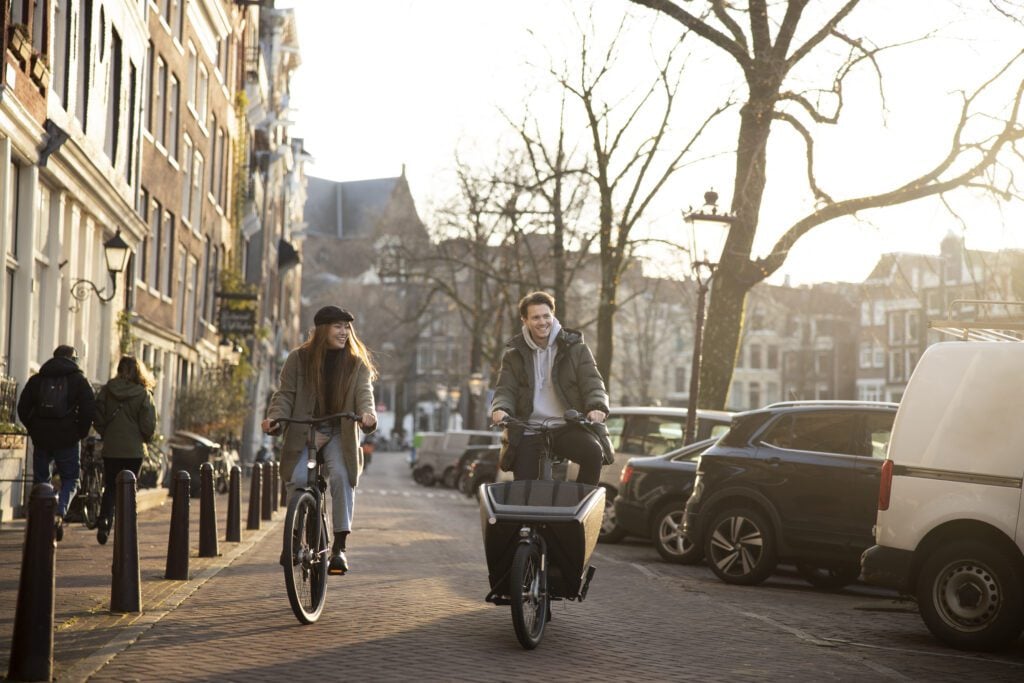
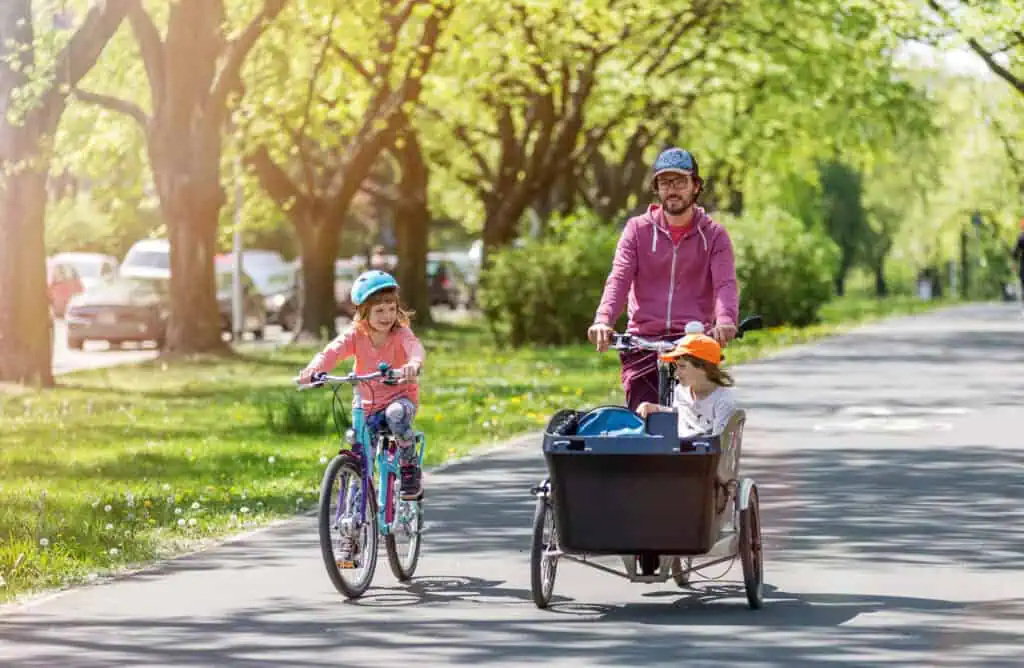
Do you need bike insurance in the Netherlands? Legally, no — but if your fiets gets stolen (and Dutch bike theft is practically a national sport), you’ll wish you had it.
But how does bike insurance even work? What does it cover? And, very importantly, how much does it cost?
There’s a lot to know about bike insurance in the Netherlands, and our ultimate guide will answer all your burning questions.
Got a specific question in mind? Pedal to a section below. 🚴♀️
This post might have affiliate links that help us write the articles you love, at no extra cost to you. Read our statement.
Do I have to take out bike insurance in the Netherlands?
The short answer to this question is no. Unlike car insurance, bicycle insurance in the Netherlands is not legally mandatory.
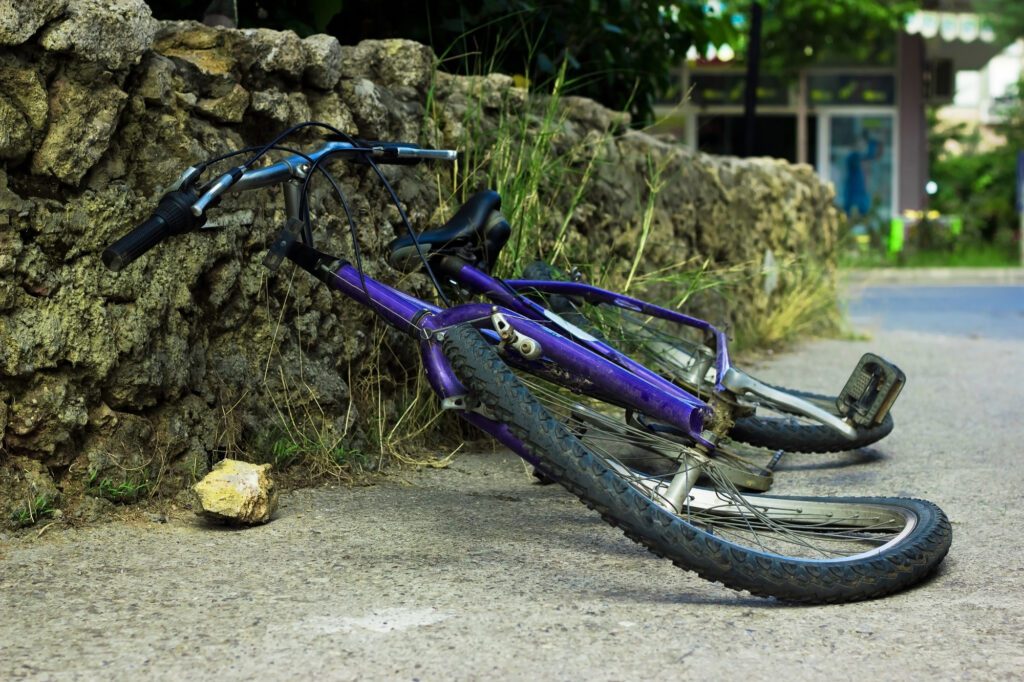
This means that whether you should get insurance for your fiets is entirely up to your own discretion. That being said, certain types of bikes have a theft rate of up to 90%, so for those, it’s certainly worth considering.
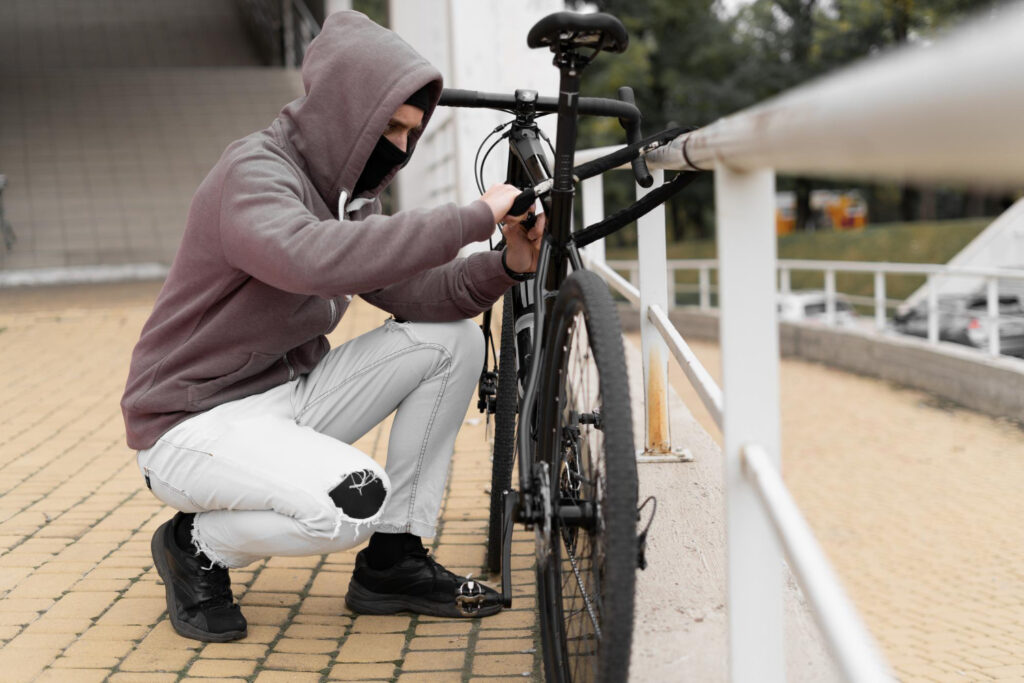
Pas op! Especially e-bikes are heavily targeted by bike thieves. Image: Freepik
So, while you don’t have to take out bike insurance, you should still consider whether or not you need it. This is especially true if you:
Tend to park your bike in “risky” areas (we’re looking at you, people who leave their unlocked bike near random canals on nights out).
Often leave your bike unattended for long periods (at the train station, for example).
Have an expensive bike or a (much-desired) e-bike.
Insuring your bike in the Netherlands can have many advantages. Is your bike damaged? Insurance has it covered. Was it stolen from a public place? You’ll get your money back in no time!
Oh, and it’s much cheaper than you may think. 👀
The best bike insurance providers in the Netherlands
Whether you’re after the cheapest monthly premium, worldwide cover, or a flexible pay-as-you-claim model, there’s an option for every type of cyclist.
Here are the best bike insurance providers available in the Netherlands right now.
Univé was voted the best bike insurer by the Consumentenbond, and covers everything from regular stadsfietsen to e-bikes and cargo bikes.
All-risk cover for a €3,000 e-bike comes in at around €9.90/month, making it one of the cheapest providers on the market. You’ll need at least an ART-2 lock, stepping up to ART-3 for bikes over €3,000.
Rather than a fixed premium, Laka calculates your monthly contribution based on the collective’s actual claims (capped at a maximum). Fewer claims across the group means you pay less. You can also pause, upgrade, or cancel at any time.
Laka covers crashes, battery theft, and roadside assistance, and has partnered with brands like Gazelle to offer cover directly at the point of purchase.
Allianz is one of the few providers offering theft and damage cover worldwide — perfect if you’re taking your trusty fiets on vacation with you to France, Italy, or beyond.
You also get a three-year new-for-old replacement guarantee, and the policy is cancellable monthly after the first year.
How much does it cost to insure my bike in the Netherlands?
Now for the information you’ve all been waiting for: how much does bike insurance cost in the Netherlands?
Though prices vary depending on factors such as your postal code, the type of bike you ride, and your age, there’s bike insurance out there that’ll cost you a mere few euros per month.
Prices for basic theft cover can start from as little as €1.31 per month for a standard stadsfiets. Meanwhile, e-bike insurance varies more; you can expect to pay somewhere in the €5–15 per month range, depending on your bike’s value and where you live.
Generally speaking, you’ll find bike insurance in the following price ranges:
Traditional bikes: €3-€10 per month
E-Bikes: €8–€16 per month
Fat Bikes: €7–€20 per month
Wanna get even more bang for your buck? Dat kan! Many insurance companies offer package deals which let you combine your bike insurance with, for example, your car or liability insurance.
Bike insurance is much more affordable than you’d think. Image: Depositphotos
What types of bike insurance can you get in the Netherlands?
Here’s where we get into the nitty-gritty. As with any type of insurance, there are many options to consider when insuring your bike.
Expiring bike insurance (Aflopende fietsverzekering)
Expiring (e-)bike insurance is a type of insurance that automatically ends after a period of three or five years. The premium is paid in one go at the beginning of the cycle.
For a standard stadsfiets bought for €300, expiring theft-and-damage cover might cost you an approximate lump sum of around €80–100 for three years. For an e-bike at €1,200, you could expect to pay somewhere in the region of €200–300 for the same three-year period.
Continuous bike insurance (Doorlopende fietsverzekering)
If you get continuous bike insurance, your insurance takes the form of a “subscription”. Your premium is paid monthly (or biannually), and after a year, it can be cancelled monthly.
In terms of pricing, a continuous policy is often slightly more expensive than an expiring one.
For a standard stadsfiets, continuous theft-and-damage cover typically costs around €3–5 per month. Meanwhile, for an e-bike worth €1,200, you’re more realistically looking at €6–9 per month for theft-only cover.
All-risk coverage
All-risk coverage means you’re covered against — surprise — all risks. This includes theft, but also damage to your (e-)bike and e-bike charger, for example, in the case of an accident, fire, or fall.
With all risk insurance, you can cycle with true peace of mind. Image: Depositphotos
With some insurance companies, you might have to cover a deductible of up to €35 for the damage (this is called eigen risico, or own risk).
Theft coverage only
With theft coverage, your bike is insured only in the case of theft. This includes theft of things that are “attached” to your bicycle, such as a children’s seat or a basket.
Theft coverage usually does not apply to “loose” accessories like GPS equipment. However, these can be insured separately as part of your policy.
Naturally, this option is cheaper than all-risk coverage.
Are there any requirements I need to fulfil to get Dutch bike insurance?
Understandably, the main requirement for bike insurance in the Netherlands is having a good lock on your bike. This lock will have to be approved by your insurance company. ✅
Most insurers require that you use an ART-certified lock, and they’ll want proof of that if your bike is stolen (so hold onto that receipt!). ART is a Dutch certification that tests locks for toughness against theft. If your lock doesn’t meet the insurer’s standards, your insurance claim could be denied.
On top of that, when you sign up for bike insurance, you will also need to provide basic information such as your bicycle’s frame number and the number of spare keys you have.
Let op! Recently, more and more insurance companies have made it increasingly difficult to insure specific kinds of bicycles, or have opted out of it completely. This mostly concerns so-called fatbikes and e-bakfietsen by the company Urban Arrow.
The reason? These bikes are extremely popular among sneaky bike thieves and have a very high percentage of reported thefts. According to recent statistics, 90% of allfat bikes are reported stolen, writes de Volkskrant. 😳
What’s not covered by bike insurance?
While bike insurance in the Netherlands offers great protection, some common exclusions could leave you out of luck if you’re not careful.
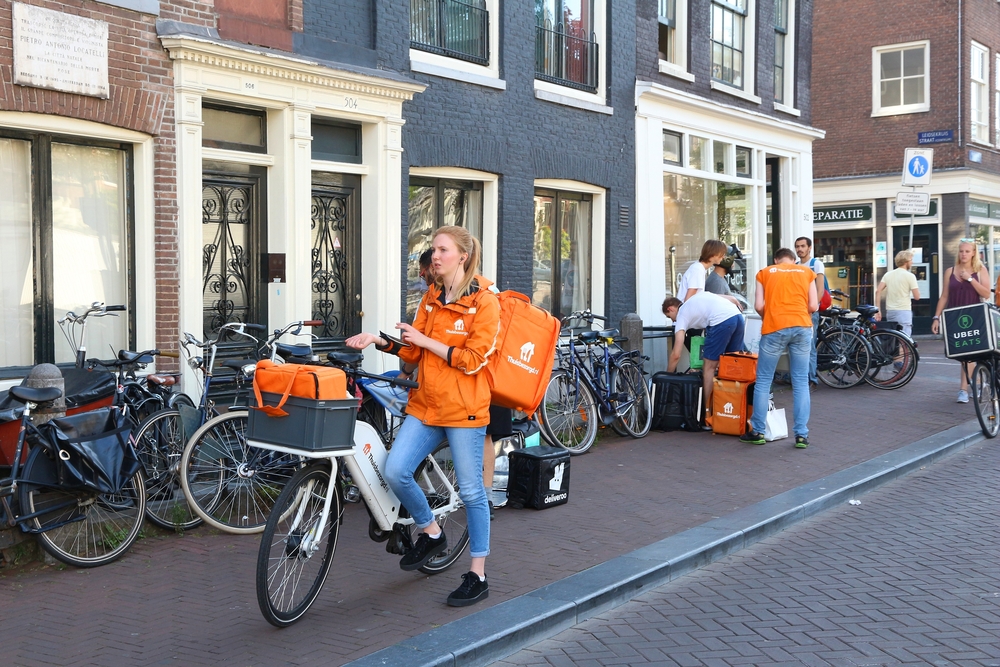
For example, most insurers won’t cover damage if you’re using your bike for commercial purposes, such as food delivery or courier work.
Delivery biker? Make sure to check with your insurance if your bike is covered. Image: Depositphotos
You’ll also need to prove ownership (usually with a receipt), or you might not get reimbursed if your bike is stolen. Accessories like baskets or phone holders generally aren’t covered unless your whole bike is damaged in the same incident.
And if your bike gets pinched but wasn’t secured with an approved lock? That’s usually a no-go for claims. So, make sure to check the fine print and stay within the lines of your policy to avoid surprises.
How do I choose the right bike insurance for me?
Choosing the right bicycle insurance is an important task. After all, you want your beloved fiets to be insured as best as possible — while (ideally) paying as little as possible. 😉
That being said, the best bike insurance for you might not be the best for the next person, and it’s all highly dependent on everyone’s individual situation.
You can easily compare prices and policies online. Image: Freepik
The best thing you can do is compare different insurance providers’ prices and policies. Other than that, it might be worth checking if your current insurance company offers any special deals for bike insurance.
What do I do if my bike gets stolen/damaged?
Uh-oh, something happened to your bike! Well, aren’t you glad you have insurance? 😉
Here’s what to do next:
If your bike is stolen in the Netherlands
If your bike is stolen in the Netherlands, first of all, we’re sorry. There is some good news, though: your insurance can help you out!
Before you contact your insurer, you should first contact the police. No, this isn’t because you’re a drama queen — you need a police report to file a claim.
Once that’s done, you can file a claim with your insurer. This can usually be done online, and all you’ll need is your frame number and police report.
Thousands of bikes get stolen in Amsterdam each year! Image: Freepik
It’s worth noting that where your bike was stolen plays a role in what you should do next:
If your bicycle was stolen from a locked-up space inside your house, you can go to either your bicycle insurance or your household contents insurance.
If it was stolen outside your home, yourfietsvezekering (bike insurance) should cover it.
Tip: Before you report your bike as stolen, make sure to check your local fietsdepot first! Here, the municipality will drop off bikes that were wrongly parked. You can normally get your bike back by paying a fine of around €30 (depending on your municipality).
If your bike gets damaged in the Netherlands
A damaged bike is no fun — especially if it’s broken to the point where you can’t ride it anymore.
But you can rest assured — if you’re insured, your bike insurance will cover the cost of your repair. All you have to do is file a claim. Most often, this can be done online.
It’s important to note that your insurance will not cover damage that has occurred from regular wear and tear, insufficient maintenance and meteorological influences. This means the only type of damage that is covered by insurance is that which is the result of an accident.
Filing and submitting your bike insurance claim
Before starting the claims process, make sure you have all the necessary documents ready. You’ll typically need:
A copy of your police report
Proof of ownership (like a purchase receipt)
Lock certificate or proof of ART-approved lock
Photos of the bike (if you have them)
Your insurance policy number
Once your documents are in order, you can fill out the claim form with information about the incident — where it happened, when, and any relevant circumstances. Upload your supporting documents and submit your claim.
Next up, your insurer will begin their assessment. If the claim is approved, you’ll either receive a payout to replace your bike or, in some cases, get a new one through a partner bike shop. The process can take anywhere from a few days to a couple of weeks, depending on the insurer and the complexity of the claim, but it’s well worth it to get your money back.
Bicycles are integral to Dutch life — so why not take care of them accordingly? With bike insurance, you can pedal with peace of mind and fully enjoy the ease of getting around on your beloved fiets.
Do you have bicycle insurance in the Netherlands? Tell us your thoughts in the comments below!
Bike insurance in the Netherlands: Frequently asked questions
How much is bike insurance in the Netherlands?
You can insure your bike in the Netherlands for just a few euros per month! For a normal bike, you’ll be looking at a cost of around €2.50 to €5 per month, while e-bike insurance might cost you a little over €10 per month.
Do I have to get bike insurance in the Netherlands?
No, you don’t have to get bicycle insurance in the Netherlands — and it’s not mandatory by law. If you have an expensive bike, however, it’s definitely something worth considering.
Is bike insurance a thing in the Netherlands?
In the country that’s most famous for biking, bicycle insurance is almost as big a thing as car insurance. After all, people here rely on their bikes daily.
Does everyone have bike insurance in the Netherlands?
While not everyone in the Netherlands has bike insurance, many do. Especially people who have expensive e-bikes or bakfietsen tend to insure them.
Does contents insurance in the Netherlands cover my bike?
To some degree, contents insurance in the Netherlands does cover your bike in case of theft or damage. That is only the case, however, if the theft or damage occurs inyour home.
The 2026 FIFA World Cup is nearly here, and whether you’re cheering for the Netherlands or your home country, there’s a handy way to watch every match live (wherever the broadcast rights happen to land!).
For foreign football fans in the Netherlands, World Cup season tends to come with a familiar frustration: the broadcaster showing your national team’s games isn’t available where you live.
You plonk down on the couch, fire up your streaming service… and get a politely worded error message instead of the kick-off.
Thankfully, there’s a fairly simple workaround. Here’s everything you need to know about watching the 2026 World Cup from the Netherlands, including how a VPN can ensure you don’t miss a single goal.
Can I watch the 2026 World Cup for free?
The good news is that plenty of well-known broadcasters will be streaming the 2026 World Cup for free.
In the Netherlands, NOS (also known as the Dutch Broadcasting Foundation) has broadcast rights and will stream matches at no cost on its website and app. If you’re primarily supporting the Dutch squad, you’re sorted.
However, if your loyalties lie elsewhere — such as the UK, Argentina, Germany, Brazil, or further afield — you’ll have to look into alternative viewing options.
If you’re cheering for the Netherlands, you can access all the matches on NOS. Image: Magnific
If you want reliable, buffer-free access to your preferred World Cup broadcaster from the Netherlands, ExpressVPN is our top pick.
Speeds are strong enough for HD and 4K streaming, and it works across all major devices, including smart TVs, so you can watch the matches on whatever screen suits you.
Currently, these are some of the providers with broadcasting rights for the World Cup:
Australia: SBS and SBS on Demand
Austria: Österreichischer Rundfunk and ServusTV On
Belgium: Auvio, Sporza, Tipik, VRT Max, and VRTCanvas
Brazil: Cazé TV
Canada: RDS and TSN1
New Zealand: TVNZ 1, TVNZ+, and TVNZ Pay Pass
Spain: PLAY
UK: ITVX
USA: FOX, Peacock, Telemundo App, Telemundo Network, and Universo
For the full list, please check out the official FIFA website.
That’s some pretty solid global coverage, but there’s one major catch: most of these services are region-locked. Try to access ITV from Amsterdam, and you’re likely to be redirected before you’ve had a chance to hear the opening whistle.
You might have a perfectly valid account (or access to a free, public broadcaster), but the platform won’t let you in because your IP address says you’re in the wrong country.
How can a VPN help me catch the matches?
A VPN (or Virtual Private Network) is a service that establishes a secure connection between your device and the internet by encrypting your data and rerouting it through a remote server.
This way, it ensures that your IP address stays hidden, and to streaming platforms, it looks like you’re browsing from wherever your server of choice is located.
How does that work in practice? Well, let’s say you want to catch a streaming broadcast from the UK. You simply connect to a UK server and open ITV; the platform sees a UK visitor and lets you in. The same principle applies to any other broadcaster across the globe.
VPNs are also a particularly useful tool if you want to follow your home country’s coverage, commentary, and pre-match analysis, not just the match feed.
With the 2026 World Cup running from June 11 to July 19, 2026, there’s plenty of content to consume if you want to stay in the loop.
Meanwhile, the group stage runs through late June, with the round of 16 and quarter-finals taking place in early July, with the semi-finals on July 14 and 15, and the final on July 19 in New York’s MetLife Stadium.
In other words, you’ve got dozens of matches to look forward to, so it’s worth setting things up properly before the tournament begins.
Is it legal to use a VPN in the Netherlands?
If you’re worried about landing a steep fine, lay those worries to rest, because VPNs are entirely legal in the Netherlands.
In addition to there being no law against using one, many Dutch people opt for a VPN for privacy and security purposes.
Often, the legal question around VPNs tends to come from the terms of service of individual streaming platforms, rather than Dutch law. Some services prohibit VPN use in their terms, but this is a contractual matter between you and the platform, not a criminal one.
VPNs are common and used by streaming fans across the globe, with no issues. Image: Magnific
The vast majority of users stream with no issues, and enforcement is rare (and frequently avoided through obfuscated servers).
So, if you’re using a VPN to access content you’d be entitled to watch at home (such as a public broadcaster in your home country), the ethical case is about as clean as it gets.
Step-by-step: how to watch the FIFA World Cup with a VPN
Oké, you’ve got your beer, popcorn, and team pride, but how exactly can you kick back and watch the kick off?
1. Choose a reputable VPN
To avoid buffering and a dropped feed, you want a service with fast, stable servers in the countries whose broadcasts you’re trying to access.
Other “nice-to-haves” include a service with solid privacy credentials and a track record of working reliably with major streaming platforms.
In general, you’ll want to steer clear of free VPNs, as they tend to have slow speeds, data caps, and inconsistent access to streaming platforms.
Speed and reliability are vital for live sports broadcasts, and ExpressVPN delivers on both. With over 3,000 servers across 105 countries, its streaming performance is consistently strong even during high-traffic events like the World Cup.
2. Download and install the app on your device
Most reliable VPN providers offer apps for every major platform (such as Windows, Mac, iOS, Android), and often have smart TV and browser extensions, too.
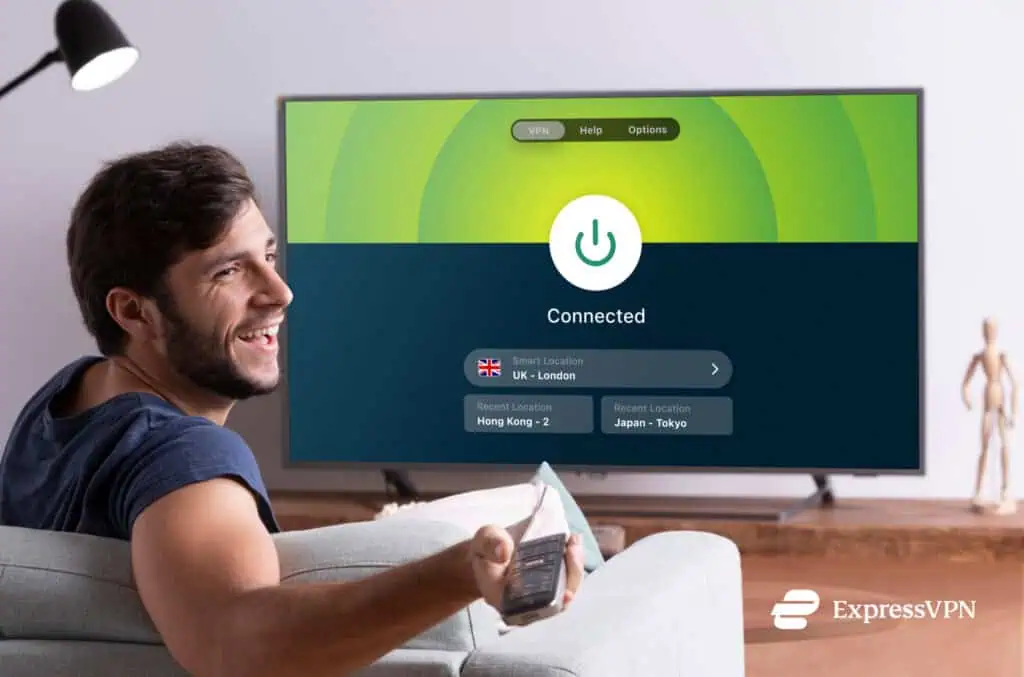
Always check if your smart TV app allows you to connect a VPN. Image: ExpressVPN
Simply download your VPN of choice to your mobile device, create an account, and log in to your other device.
If you’re planning to watch on your TV, always check whether your VPN supports router-level installation or a smart TV app.
3. Connect to a server in your target country
Just open your VPN app and select a server in the country whose broadcast you want to access. If you’re aiming for ITV, connect to a UK server. For FOX or Peacock, pick a US server.
Some VPNs have servers optimised specifically for streaming, so always check if your provider offers these.
4. Open your preferred streaming service
With your VPN connected, head to the broadcaster’s website or app as normal. Log in if required, and navigate to the World Cup coverage.
The platform should now recognise your connection as coming from the right region, but you can always try switching to a different server in the same country if you run into any issues.
5. Enjoy the match
Done and dusted — it’s time to watch some footy!
It’s helpful to test your setup long before match day. Image: Magnific
Tips for smooth World Cup streaming with a VPN
If you want the most stress-free viewing experience, there are a few things worth knowing before the tournament kicks off:
Test your setup before match day to ensure everything’s working smoothly.
Use a wired connection if possible. Ethernet can be more stable than Wi-Fi and reduces the risk of buffering during crucial moments.
Check for a kill switch feature. If your VPN connection drops mid-match, a kill switch can prevent your real IP from being exposed to your streaming platform.
So set it up in advance, pick your matches, and settle in. It’s going to be a long and glorious summer of football, and you don’t want to miss it.
Setting up ExpressVPN takes less than five minutes, and once you’re connected, switching between servers is seamless — handy if you want to hop between broadcasters across different countries. One subscription covers up to eight devices, so the whole household can catch the action simultaneously.
Are you planning to follow your home country’s coverage, or go full Oranje boven? Let us know in the comments below.
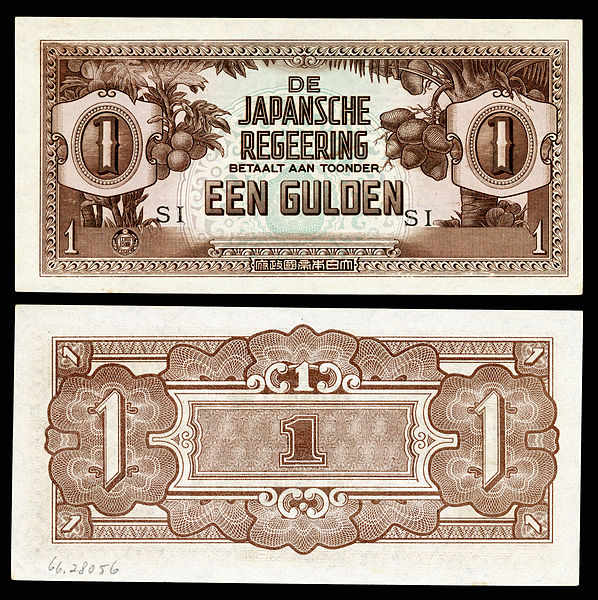
Dutch-Japanese relations have a long and interesting history determined by commerce, trade, and war. Here’s a glimpse into the 400 years the Netherlands and Japan share.
For much of its history, Japan was a relatively isolated country. Whoever dared to invade had to put up with a civilisation that would not give in easily (we’re looking at you, Mongolians).
Yet one day, the Japanese made contact with Europe through none other than the seafaring, spice-stealing, brood-eating Dutch.
Well, technically, the Portuguese were the first to make contact with Japan, but their relationship with the Dutch proved to be the enduring one.
First contact
The first ship to come to Japan from the Netherlands set sail from Rotterdam in 1598. Sailing alongside four other ships (which were all sunk on the way), it arrived in Japan on April 19, 1600. 🚢
The ship — affectionately called Liefde (love) — dropped anchor where the modern city of Usuki, in Ōita Prefecture, now stands. Its strange appearance attracted the attention of the Japanese, especially their military leader (referred to as Shogun), Tokugawa Ieyasu.
And what was there not to love? The ship had big cannons, fire arrows, and many rifles — just ripe for the taking! And lo and behold, everything was taken, including the Englishman William Adams and Dutchie Jan Joosten van Lodensteyn.
The two men were interrogated with the help of a Portuguese translator. Yet, their witty remarks quickly won them popularity with the Shogun, and he eventually invited them to the court to teach various skills from cartography to war and shipbuilding.
A model of the original Liefde ship in Japan. Image: Nissy-KITAQ/Wikimedia Commons/CC4.0
The popularity of the two outsiders grew further. They were given land and titles and settled down with local women. This laid down the foundation of today’s Dutch-Japanese relations.
The Shogun disliked the Portuguese, who came not only with trade but also with pesky missionaries who went around spreading the gospel of Jesus — a move that turned out to be very unpopular with the Shogun.
As such, the Dutch, with their rational Protestant values, wanting nothing more than some good ol’ trading, proved to be a much more appropriate option as long-term trading partners. 👯
Dutch-Japanese: a match made in the seas
The Shogun bestowed on the Dutch a trading permit — great news, as the Dutch had just founded the infamous Dutch East India Company (VOC). This gave the newly founded company a new foreign trading partner to conduct commerce with.
The VOC (founded in 1602) managed to obtain a permit to trade with all the shipping ports of Japan and opened the first trading post in Hirado in 1609.
This early trade period was not very profitable for the Dutch, as they didn’t yet have the many VOC trading posts they would establish later. Competition with the Portuguese also meant that conflict was on the horizon.
The Shogun was unhappy with the fighting between these two foreign powers and gradually restricted access and trade.
But the biggest issue that the military leader had was Christianity.
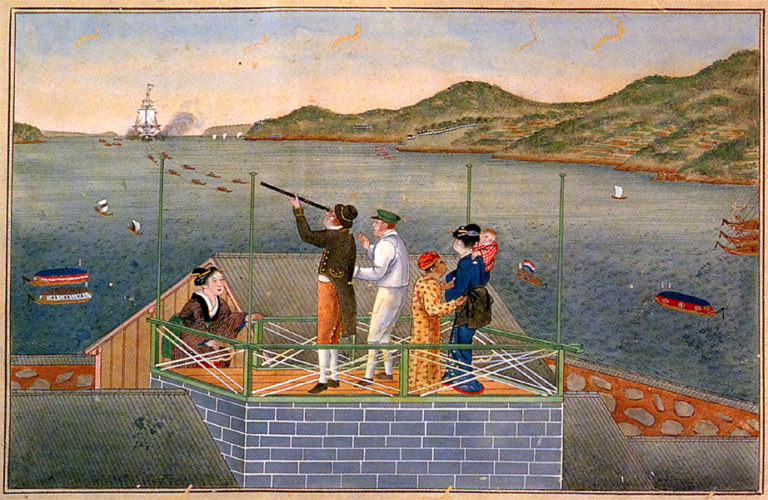
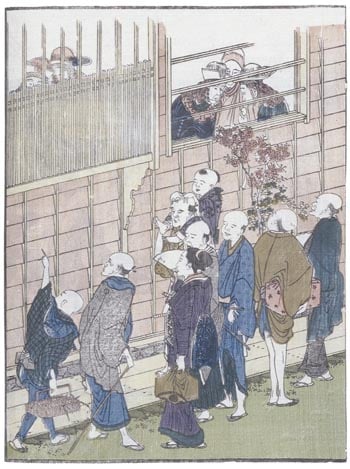
Curious Japanese peeking at the Dutchies in Dejima. Image: Volkenkunde/Wikimedia Commons/Public domain
The Japanese decided to build an island called Dejima for the Portuguese to limit their access to the country. The island is still standing today in the prefecture of Nagasaki.
However, the Portuguese didn’t last very long and were completely kicked out of the country because they suspected they supported Christian rebels during the Shimabara rebellion.
The Dutch were then moved to Dejima after committing an honest mistake: they built a stone warehouse and inscribed the date of its foundation as “Anno 1640”.
As it was established that Christianity was not really popular with the Japanese, writing about the year since the birth of Jesus turned out to cause quite some anger with the Shogun.
After this incident, the Dutch were restricted to trading only from Dejima, starting a new chapter in their trading history.
Western knowledge in Japan
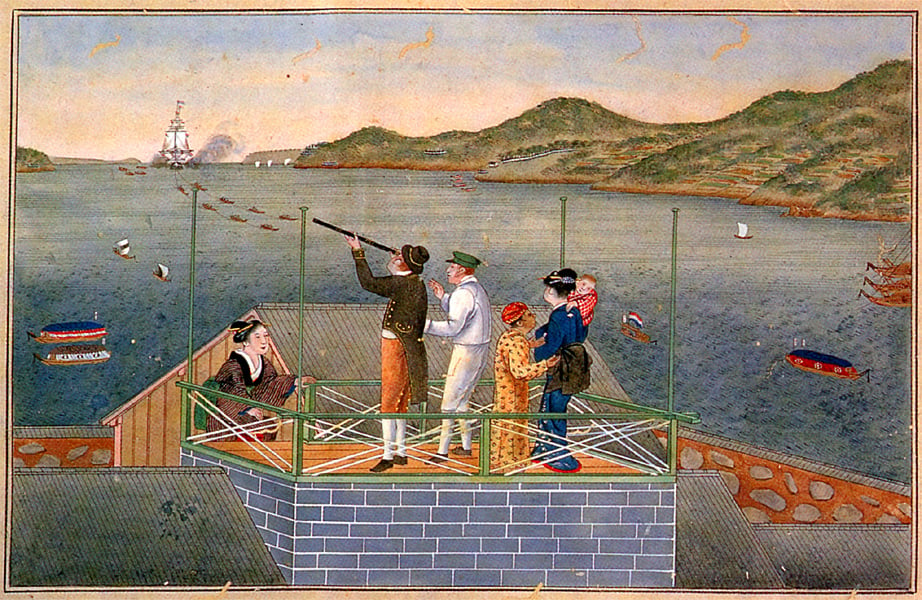
For the subsequent 200 years, between 1641 and 1853, the Dutch were the only Western nation allowed to trade with Japan, becoming the gate to the outside world for the Japanese — especially through the VOC.
Western science spread to Japan through the port in Dejima, with the Japanese term rangaku(Dutch learning) being used to describe this phenomenon.
In its early stages, the process developed quite slowly. Every year, the Dutch would visit the Shogun, bringing with them news from the world and different kinds of novelties as gifts.
Eventually, the Dutch were allowed to conduct private trade in Dejima, leading to a flourishing market, which highly benefited employees of the VOC.
After opening a surgeon’s post on the island, high-ranking Japanese officials would come for treatment when their local doctors failed.
A well-known foreign doctor at the time was the German-born Caspar Schamberger, who brought with him knowledge of treatments, medicine, and medical books.
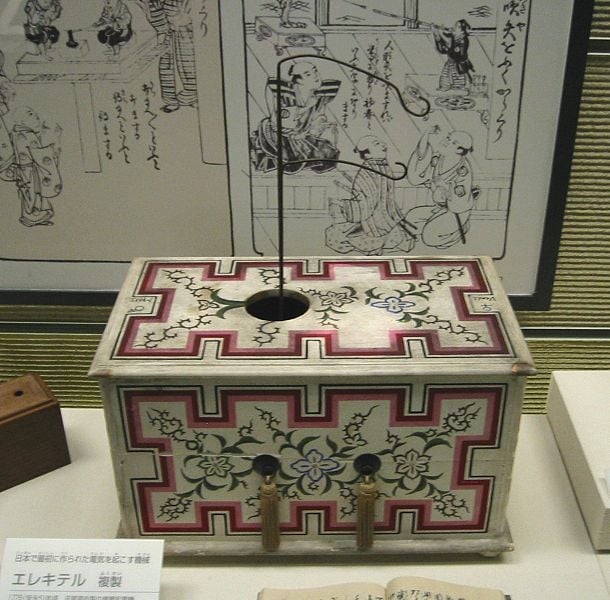
The Japanese elite sought not only treatment but ordered all sorts of novelties through the Dutch, ranging from microscopes, oil paintings, telescopes, maps and even animals, such as donkeys and birds.
Through the VOC, the Dutch brought many more academics to Dejima, another famous figure being the physician Philipp Franz von Siebold. He opened a medical school near Nagasaki and further developed medical knowledge and treatments in the area.
He also had a child with a Japanese woman and, in true European fashion, stole tea plants from Japan and smuggled them to Batavia, the then capital of the Dutch East Indies.
Siebold also sent shipments of Japanese cultural and botanical artefacts back to Europe. On a visit to the Shogun, he illegally received maps of Japan from a court member.
Seibold was caught and exiled from Japan — leaving his lover and daughter behind. He eventually settled in Leiden, and today, you can find his entire collection of artefacts brought from Japan in the Sieboldhuis on Rapenburg.
Knock knock, it’s the United States (and modernity)
Compared to most of its nearby neighbours, Japan had successfully managed to navigate upholding its culture and traditions while maintaining some contact with the outside world through the Dutch and the VOC.
However, this all changed on one fateful day in July 1853.
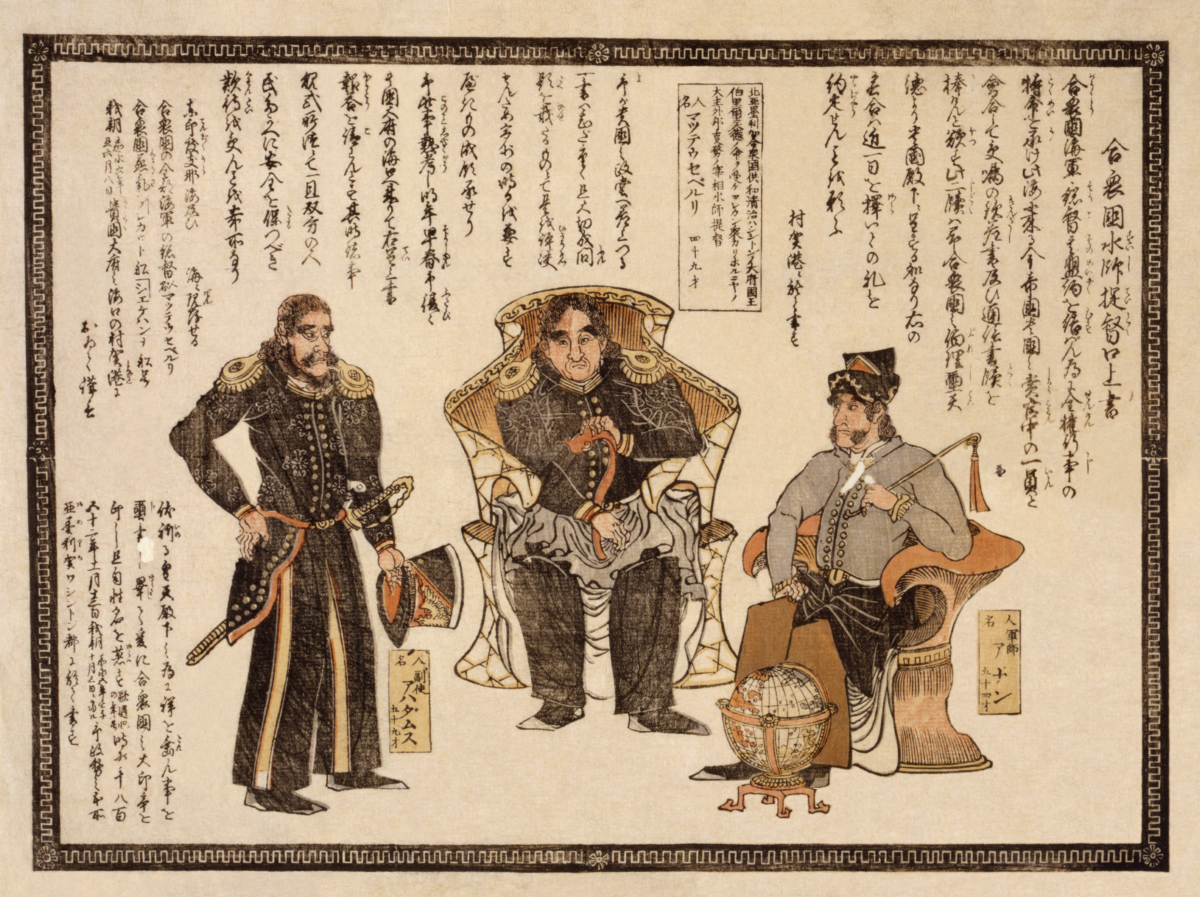
Why? Ah yes, the United States arrived (we’ve heard this story many times before 😬). Surprisingly, they were not looking for oil, just for some trade deals. Aggressive ones at that, but still trade deals.
Arriving with battleships in Tokyo Bay, the Americans forced Japan to open up the ports and allow foreign trade with multiple countries.
This was bad news for the Dutch, as they lost their exclusive friendship with Japan.
But just like two old childhood friends who get separated by adulthood and responsibilities, the Dutch-Japanese relations managed to survive somehow, probably thanks to the telegraph. ✉️
A Japanese print depicting the pesky Americans who forced the country to open. Image: Library of Congress/Wikimedia Commons/Public domain
Over the next 50 years, Japan rapidly modernised, transforming itself from a feudal society to a full-fledged 19th-century Western democracy.
What we mean by that is that it had an appetite to conquer everything around it, like true Europeans (more on that later). The Japanese invited the Dutch to do some classic Dutch engineering, helping construct floodgates in areas prone to flooding.
Honourable mentions of Dutch engineers go to G.A Escher, the father of the famous Dutch artist M.C Escher, and Johannis de Rijke, who did such a darn good job that he became Vice-minister of Japan.
The Japanese also sent some of their scholars to the Netherlands in exchange and finally formalised their long friendship by opening a Dutch consulate in Yokohama in 1859. 🤗
A nasty divorce of Dutch-Japanese relations: World War II
As mentioned before, Japan was inspired by Western ideas of conquest and wanted to try it out.
Japan was trying to conquer the entire Far East, and guess what country happened to be in the area? Yes — it was Indonesia, which also happened to be a Dutch colony.
Not one to forego ambitions over friends, the Japanese invaded Indonesia in 1942 and maintained control over the region until WWII ended in 1945.
Initially, the Dutch elite ruling the country expected to be allowed to maintain their positions of power. To their surprise, they were sent to detention camps while the Japanese Army started to train local Indonesians, inspiring nationalist ideas.
This proved crucial in the Indonesian independence process, as it upset the established colonial order.
By 1949, the Dutch had no choice but to accept Indonesian sovereignty (not before a bitter conflict that lasted almost five years). Not surprisingly, WWII proved to be the biggest break in Dutch-Japanese relations, and it took some time for them to reach a level of normality.
Post-war relations
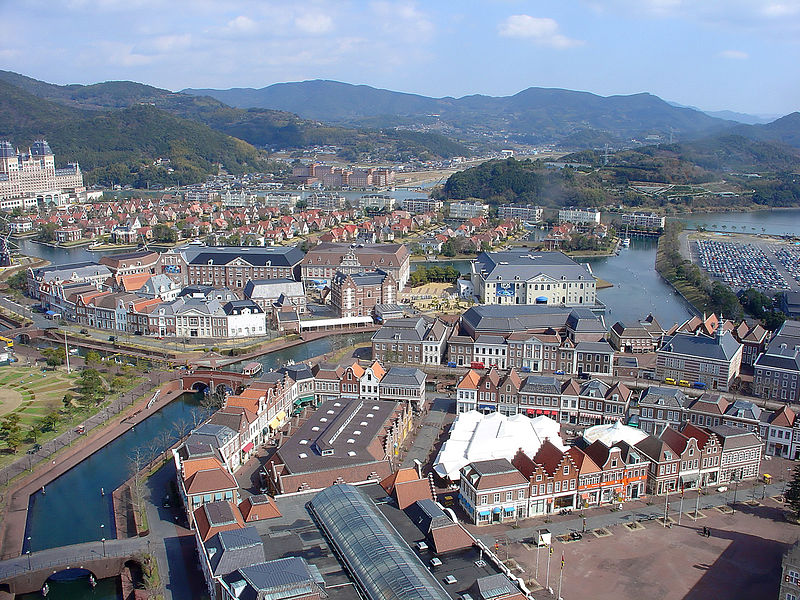
The Dutch no longer had a special place in Japan, and the war worsened things. Yet, in the decades following the war, the countries slowly found their way back to each other. One of the most notable events was the opening of the “Holland Village” in 1983, close to Nagasaki.
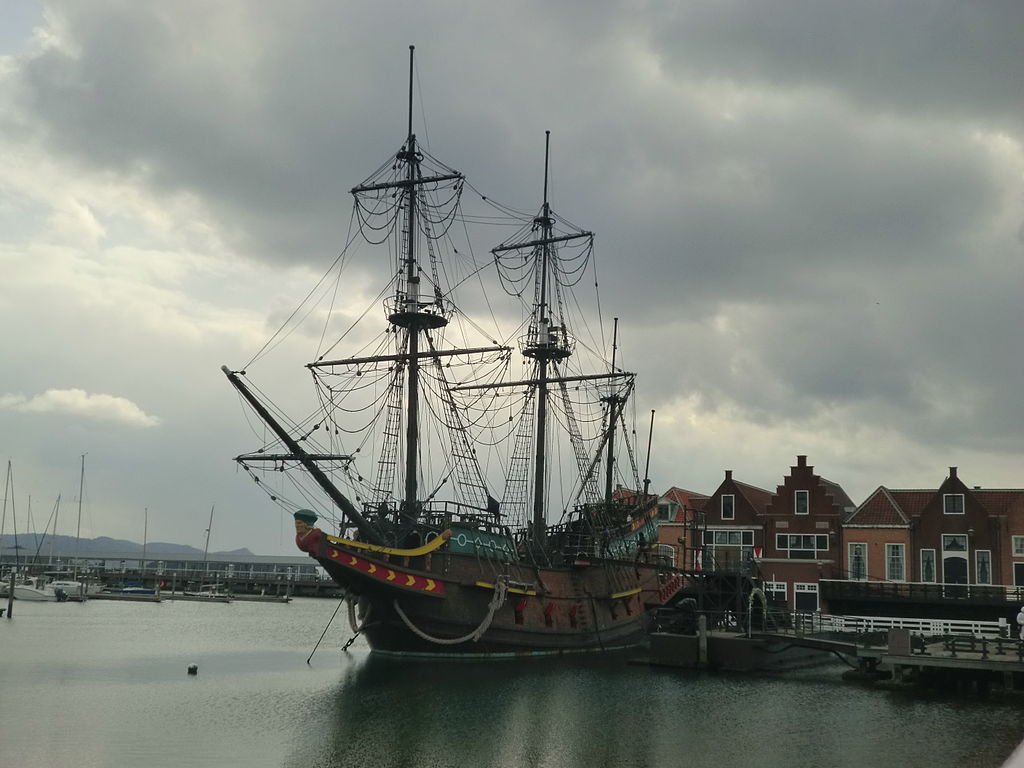
A view of Huis Ten Bosch! You’d be fooled that this is the Netherlands until you notice the mountains in the back. Image: JKT-c/Wikimedia Commons/CC4.0
A recreation of an actual Dutch village, the project was such a success that it was extended to “Huis ten Bosch“, which opened in 1993.
There’s everything you’d expect in a Dutch village — windmills, wooden clogs, and Gouda cheese. There’s even a recreation of the Liefde ship, the first to arrive in Japan 400 years ago. And so, the relationship between these two countries has reached a full circle. 🤝
Dutch-Japanese relations at the Sieboldhuis
You can also glimpse the 400-year-long Dutch-Japanese relations at the Sieboldhuis in Leiden — a museum hosting the entire collection of Philipp Franz von Siebold.
It contains a lot of artefacts from the day-to-day life of the Japanese at the time, and while the collection obviously has some Western colonial quirks, it’s still worthwhile to get a glimpse of Japanese society at the time and its relationship with the country of the lowlands.
Have you ever been to Japan, and if so, did you feel the mark of the relationship between these two countries? Let us know in the comments!
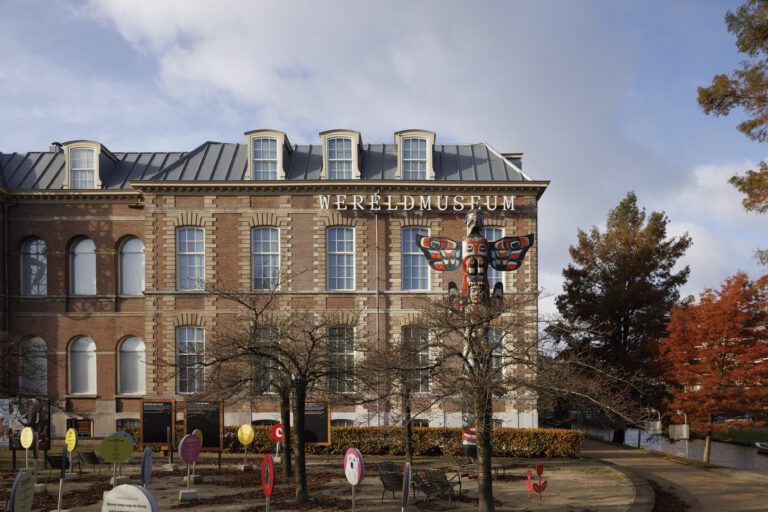
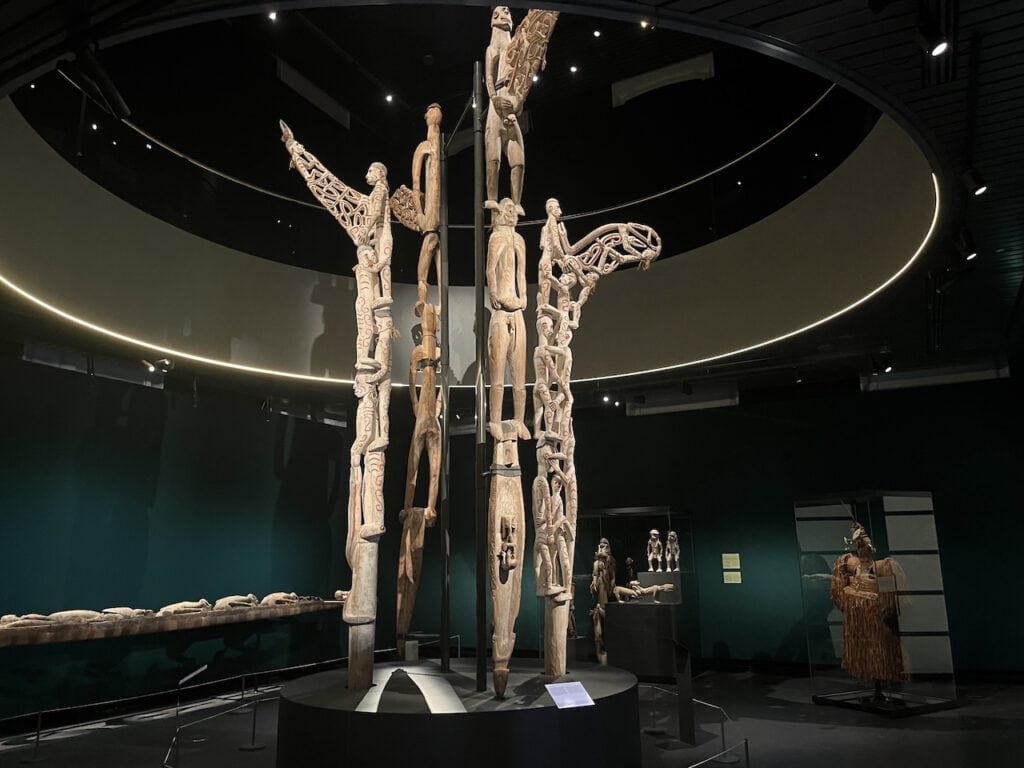
From Papua to Korea, ancient Japan to the African diaspora, Wereldmuseum Leiden is one of the most quietly brilliant museums in the Netherlands. No doubt, it deserves a spot on your weekend list.
This historical hotspot is tucked into a grand former hospital building in the heart of Leiden, and if you haven’t been yet, you’re missing out.
Wereldmuseum Leiden is one of the oldest scientific ethnographic museums in the world, dedicated to the study of world cultures. That is, their history, artefacts, stories, and ongoing relevance today.
Think textiles, ceremonial objects, sculptures, and contemporary art from every continent.
This stunning museum has no shortage of culture. Image: Wereldmuseum Leiden/Supplied
The museum’s history stretches back to 1837, when it was founded by Philipp Franz von Siebold, a German physician. While stationed at a Dutch trading post near Nagasaki, Siebold expanded his collection and deepened his fascination with Japanese objects.
The museum originally opened under the name Rijks Japansch Museum Von Siebold, where the public could come view Siebold’s impressive collection.
For most of its history, the Wereldmuseum was actually known as Museum Volkenkunde (the Museum of Ethnology), before merging with sister institutions and rebranding as Wereldmuseum in 2023.
The museum now operates across four locations in Leiden, Amsterdam, Rotterdam, and Nijmegen.
Significantly, Wereldmuseum Leiden doesn’t pretend its collection arrived without baggage. The museum is upfront about its colonial collecting history and actively wrestles with what that means.
Exhibitions don’t just display beautiful objects. They offer context, perspective, and sometimes deeply uncomfortable truths.
What’s on this year?
There are plenty of events to choose from this year, and the agenda is always updating. Be sure to check regularly for more event info!
Museumnacht — June 6 | An incredible night of Eastern culture, music, dance and more during Leiden’s iconic Museumnacht!
Here’s a sneak-peak of the Numori performance! Image: Supplied/Wereldmuseum
Time for Papua— Starting April 19 | An immersive exhibition on West Papua through film, conversation, and culture.
The ‘Time for Papua’ exhibition is truly something special to see. Image: DutchReview
Keti Koti— Every Sunday in June | A month of programming building towards a festival on July 4. Additionally, there is a memorial on June 30.
Keti-Koti is a significant and colourful event worth attending! Image: Supplied/Wereldmuseum
Pasar Leiden— August 29 to 30 | The beloved Indonesian-inspired market festival returns, bigger than ever. Two days of food, music, and culture.
Pasar is a market festival that will make your tummy rumble! Image: Supplied/Wereldmuseum
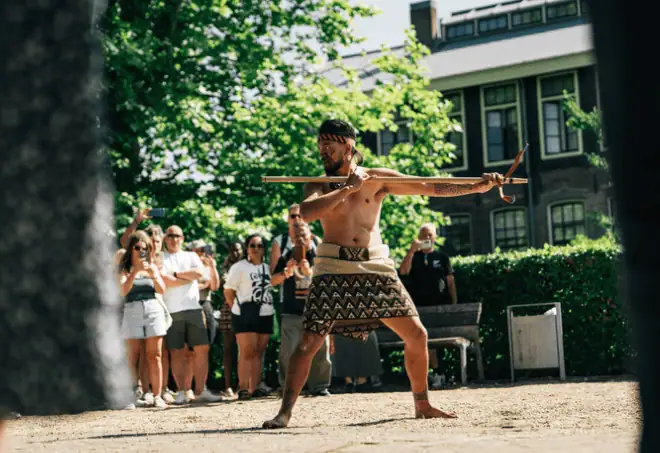
Maori/Matariki— July 12 | A magical celebration of the Maori New Year (on July 12 this year) with a weekend full of workshops, lectures, and activities.
The festival of Matariki is a true display of Maori culture. Image: Supplied/Wereldmuseum
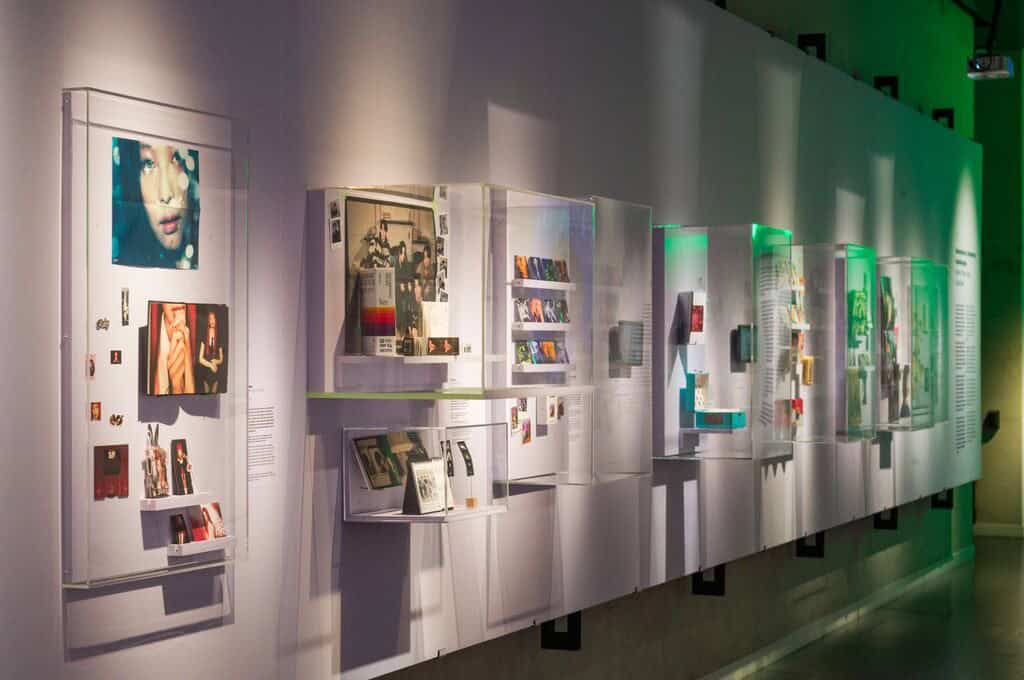
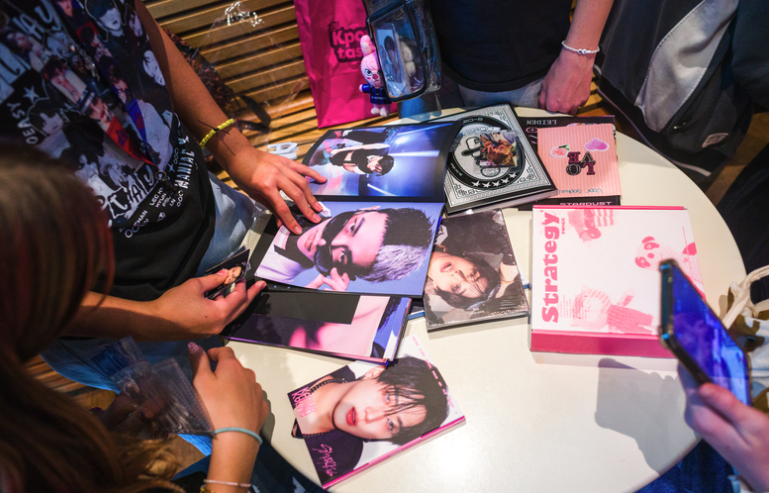
K-pop: A Snapshot— Ongoing| How Korean pop grew from a niche genre into a billion-dollar global industry. Music, fashion, photography — all under one roof, with a festival planned for October 10 (check the site for updates!)
The K-pop festival planned in October is sure to bring crowds! Image: Supplied/Wereldmuseum
Wereldmuseum also runs a beloved Feest op zondag (Festival on Sunday) series, celebrating cultural festivities from around the world every single Sunday.
Currently, 93% of the museum’s outdoor area is paved over. That’s about to change. The museum is transforming its grounds into a Wereldtuin (World Garden), designed by LOLA Landscape Architects in collaboration with the Hortus botanicus Leiden.
Work begins in 2026, with completion expected by 2029 or 2030. You can see the renovation plans in more detail on the Wereldmuseum website.
Support the museum
Donations are welcome via the donations page. Worth noting: as a Cultural ANBI (Algemeen Nut Beogende Instelling, roughly “public benefit organisation”), contributions may be tax-deductible.
Regular donations are always amazing, but right now, the most exciting way to contribute is through the crowdfunding campaign for the new Wereldtuin. Check the Wereldtuin page for updates.
Plan your visit
Address: Steenstraat 1, 2312 BS Leiden — a short walk from Leiden Centraal. Get directions here.
Hours: Tuesday to Sunday, 10 AM to 5 PM. Open Mondays during national school holidays.
Tickets: Free for children 0–5 and Museum Card holders; reduced for students.
What else can I do in Leiden? Check our Leiden city guide for more ideas on what to see and do.
Have you visited Wereldmuseum Leiden before? Let us know in the comments!
Dutch citizens are increasingly worried about the breakdown of the international legal order and have little confidence in the country’s ability to weather what’s coming.
These are the findings of the latest report from the Clingendael research institute, which polled over 4,000 Dutch citizens on potentially threatening and hopeful international developments.
The threat of the “erosion of the international legal order” rose from 21st to 3rd place compared to previous years, sitting just behind cyber attacks and physical destruction of vital infrastructure, reports NOS.
Why the sudden change?
Over the course of the last five years, the international legal order has taken hit after hit — from Russia’s 2022 invasion of Ukraine to the ongoing conflicts in Gaza and Iran. And yet, belief in the global order largely persisted.
What’s changed now, according to lead researcher Christopher Houtkamp, is the positioning of the US on the global stage.
Washington has, in his view, made power politics a part of the international modus operandi, writes NOS.
In a conversation with NOS, Houtkamp says that major powers are “taking everything they can,” which is driving public perception of them as a threat — pointing to examples like US President Trump’s threat to annex Greenland.
International law professor Larissa van den Herik echoes this, telling NOS that the “US is withdrawing more and more, while the country has always been the sponsor of the international legal order.”
Where does the Netherlands stand?
Despite the Dutch constitution containing a provision explicitly tied to the development of the international legal order, citizens remain deeply uncertain about the country’s resilience.
Hybrid threats spanning cyber and physical sabotage continue to rank high on the list of concerns, alongside the threat posed by Russia.
Dutch confidence in a short-term recovery of the rule of law is minimal — 63% of respondents expect the deterioration to continue.
Room for hope
It’s not all doom and gloom, though. Dutch citizens point to further European integration, digital sovereignty, and greater resilience against cyber and hybrid threats as reasons for cautious optimism.
The Netherlands has already taken some steps in this direction in the recent fight over the digital platform DigiD.
Professor Van den Herik’s opinion mirrors what the Canadian Prime Minister Mark Carney argued in his viral speech at Davos: that so-called “middle powers” need to step up.
@cbsnews "If we're not at the table, we're on the menu." Canadian Prime Minister Mark Carney accused President Trump of rupturing the world order through economic coercion, and warned that the world is in the midst of a “rupture, not a transition,” as great powers increasingly use economic integration as “weapons,” and cautioned that middle powers must act together or risk negotiating “from weakness.” #canada#usa#trump#europe#greenland♬ original sound – cbsnews
“We need to cooperate much more strongly internationally and also bring in partners outside the EU,” she tells NOS. “Think of Canada, the United Kingdom, and Ukraine.”
The priority, she says, is clear: strengthening the European Union as a power bloc.
Where do you stand in this conversation on right vs might? Let us know in the comments.






![Everything you need to know about bike insurance in the Netherlands [2026 guide]](https://dutchreview.com/wp-content/uploads/two-dutch-people-riding-their-bikes-on-boardwalk-near-the-dutch-coast-768x512.jpg "Everything you need to know about bike insurance in the Netherlands [2026 guide]")