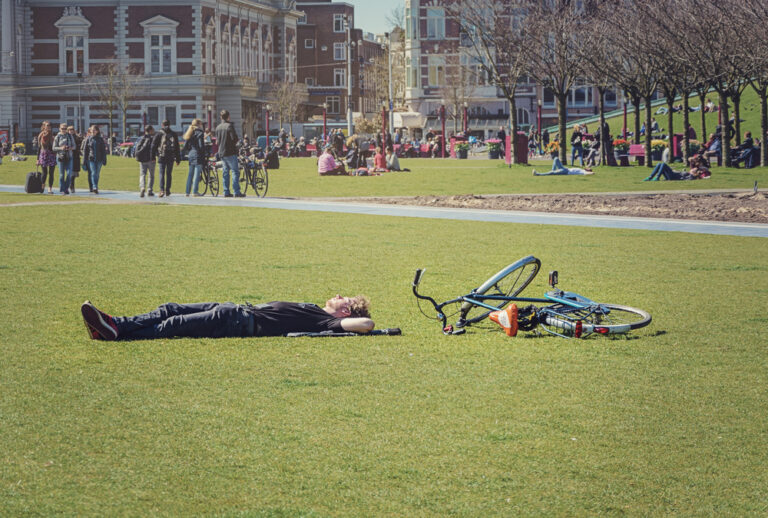
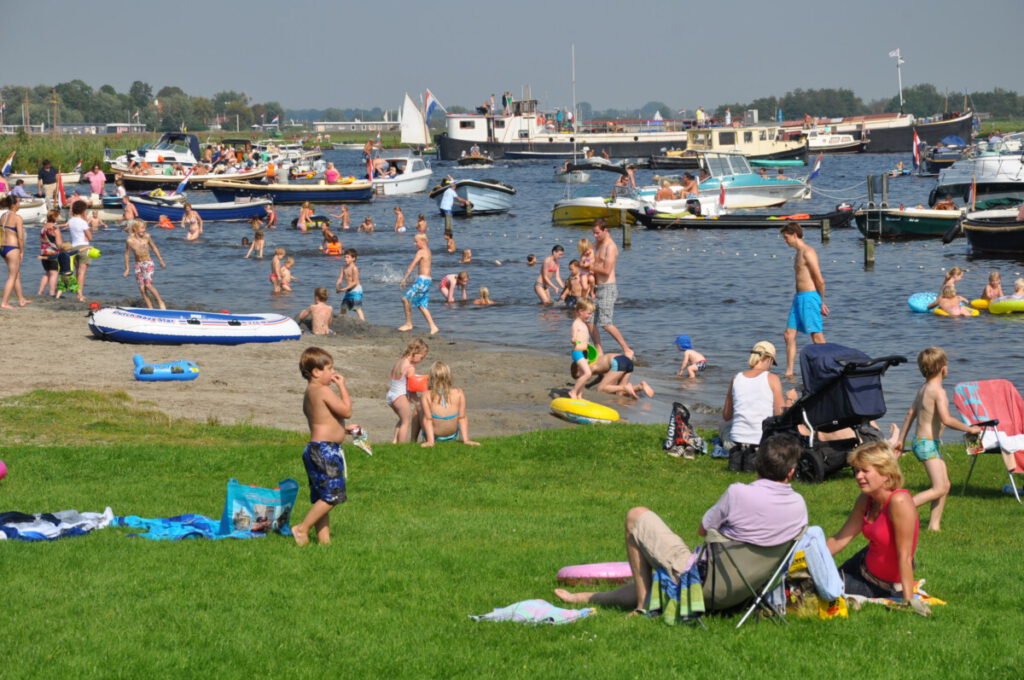
The Netherlands is in for a warm Tuesday before the heat really cranks up later in the week.
How hot are we talking? Friday and the weekend are set to bring sweltering, tropical temperatures of up to 34 degrees Celsius.
Conditions will build steadily through the midweek before tipping into full summer mode by Friday. A brief burst of northern rain on Wednesday is the only thing standing between us and a balmy weekend on the terrasje.
Before the heat hits
First, we need to make it through the work week.
Today will be largely sunny and dry, with temperatures climbing to around 15 degrees in the north. Lucky ducks in Limburg, however, will be enjoying 25 degrees by mid-afternoon.
Wednesday will be more unsettled, with the north seeing some rain while central and southern regions stay mostly dry.
Still, the weather will be pleasant enough, with sunny spells set to push through by the afternoon. Temperatures will see highs of around 25 degrees in the southeast and 19 degrees near the Wadden Islands.
Friday and the weekend: we’re back in summer mode
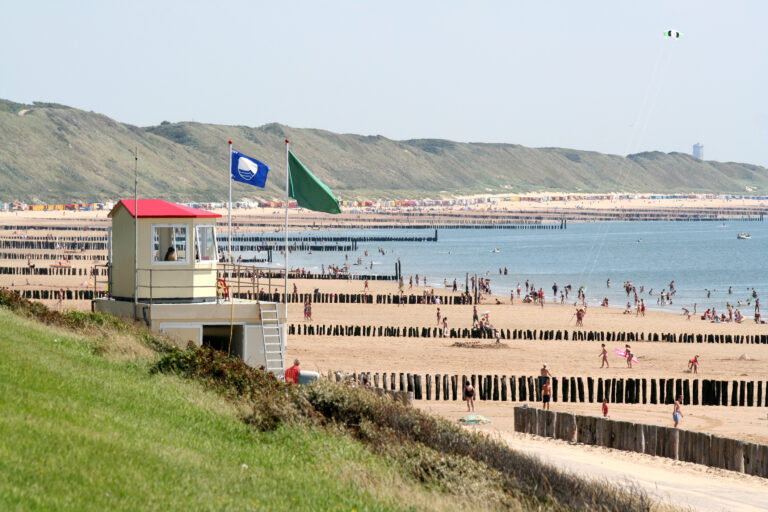
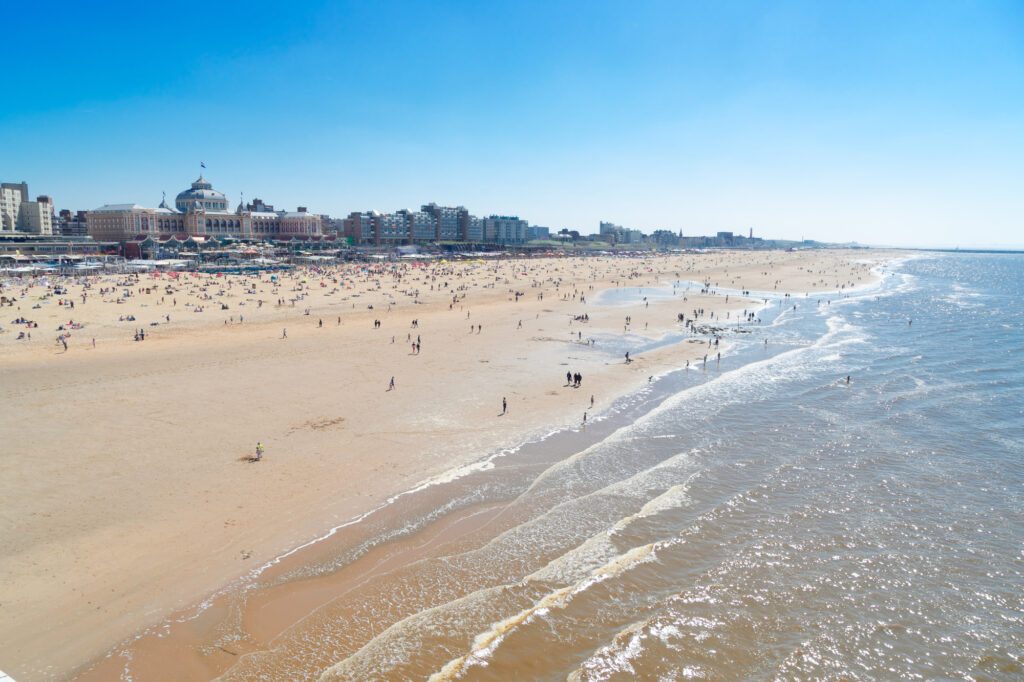
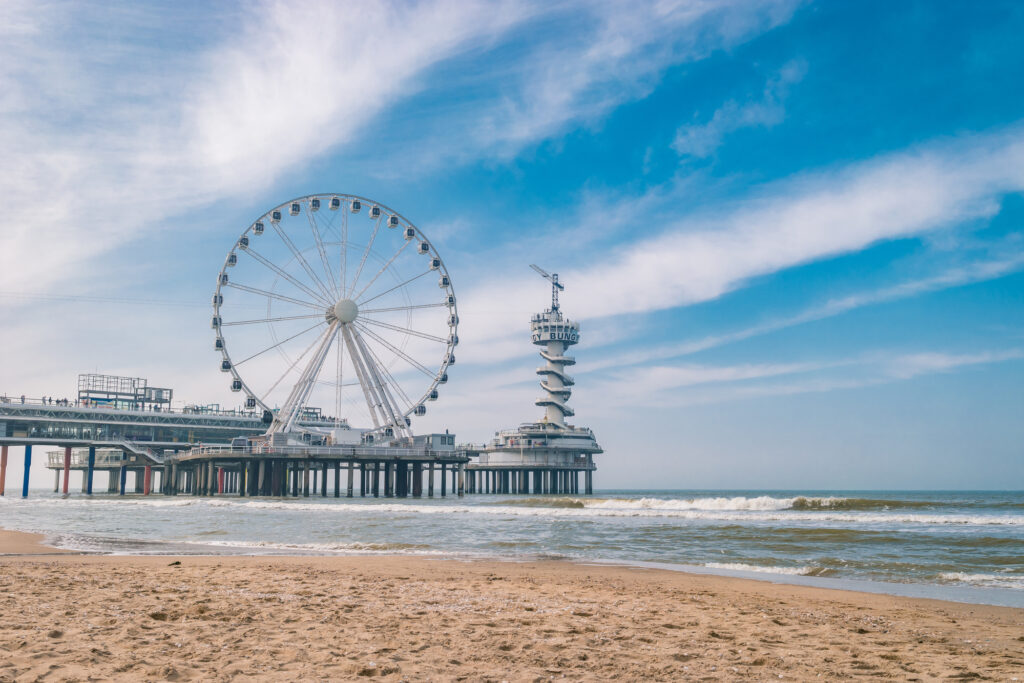
Friday is when you should call in sick and head to the beach.
Tropical highs of 30 to 34 degrees are on the cards across most of the country, with Limburg likely seeing the highest temperatures.
However, it’s not all sunburn and Aperol Spritzes. Heavy thunderstorms are possible from Friday afternoon and could cause localised disruption (perhaps just stay away from roof terraces).
That heat rolls straight into the weekend, with readings anywhere from 24 degrees near the Wadden Islands to 32 degrees in the southeast.
High humidity will make the heat feel even more oppressive than those numbers suggest, so you’d better head to HEMA before those fans are sold out.
Will you be seeking out shade and cold drinks, or making the most of the sunshine? Let us know in the comments below!
Landing a job in the Netherlands might feel a bit like cracking a code. The culture is international, companies hire from all over the world, and many workplaces operate in English — but not every application turns into a job offer.
That’s where local insight makes all the difference. Recruiters at Undutchables, the specialists in matching internationals with Dutch companies, shared their most effective strategies for job seekers with DutchReview.
Get ready to amp up your job search — here are their top tips.
The Dutch job market right now: good, but competitive
Before diving in, it helps to know what you’re stepping into.
The Netherlands continues to have relatively low unemployment compared with other EU countries — around 4% in late 2025, which is only slightly above earlier levels.
Undutchables notes that internationals continue to be in demand, especially when they bring language skills, customer-facing experience, or strong digital abilities. So yes, opportunities are out there — but you still need to stand out.
Treat your application like a first impression
Your CV and cover letter are often your first handshake with a company.
According to Undutchables recruiters, tailored applications almost always outperform generic ones. They see hundreds of CVs every week, and the candidates who succeed are the ones who prepare their CV to clearly match their skills to the role.
If a job requires teamwork, share a real example. If the role needs analytical thinking, highlight a problem you solved and what the result was.
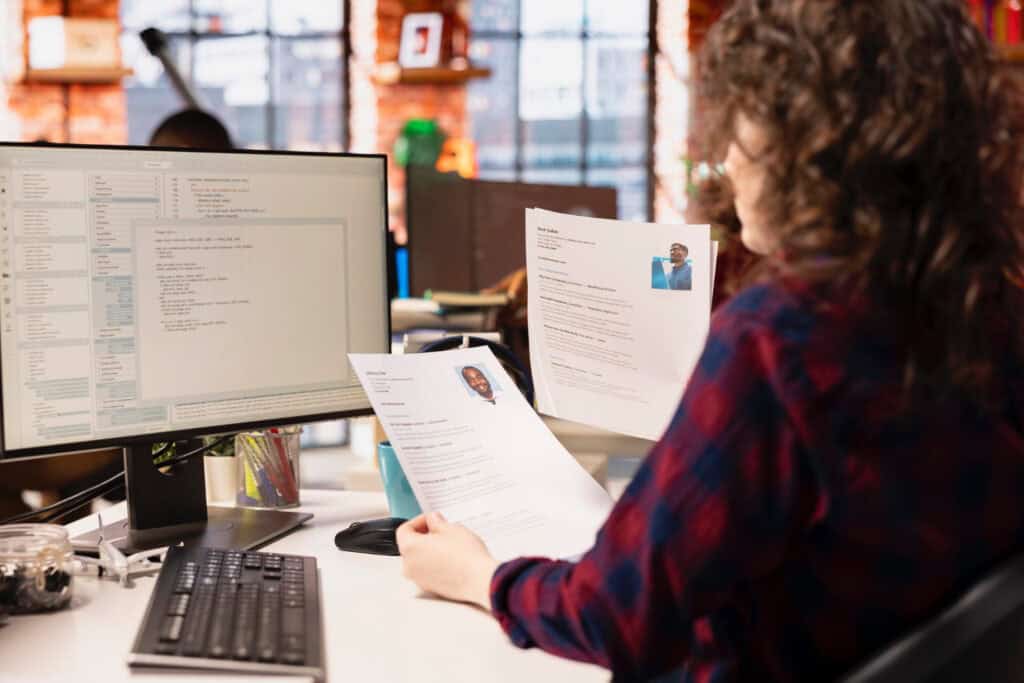
Your resume and cover letter could be your only chance to make an impression. Image: Freepik
Keep in mind that your resume probably won’t go to a human first, but instead an applicant tracking system (ATS). To get to the next stage, use the keywords from the job description to frame your work achievements.
And yes, keep your CV clean and concise: two pages max, structured clearly, and consistent with your LinkedIn.
Finally, Undutchables recruiters told us that your cover letter should offer real value, not just repeat your CV. Write your cover letter to be personal, show your motivation, explain how your transferable skills will help, and give a brief example.
These steps alone can dramatically increase response rates.
Do your homework before the interview
Recruiters at Undutchables often see a clear difference between candidates who prepare and candidates who “wing it”.
A quick skim of the company website is good, but going deeper is better. Learn what the organisation actually cares about. Understand their values, competitors, and recent developments. The more context you bring into the interview room, the more confident you’ll feel.
Prepared candidates also ask better questions. Dutch interviewers love curiosity, and recruitment consultants told us that thoughtful questions often tip the balance in a candidate’s favour.
Show results, not just responsibilities
Show how you work, not just what you achieved
If there’s one thing recruiters at Undutchables consistently emphasise, it’s this: Dutch employers want to understand how you work, not just what you delivered at the end.
Of course, results matter, but a CV filled only with percentages and revenue figures can feel bulky and impersonal.
Especially in the Netherlands, employers are often more interested in your soft skills and how you apply them in practice. Think communication, collaboration, problem-solving, adaptability, and ownership.
Soft skills like leadership and communication matter to Dutch employers. Image: Freepik
That doesn’t mean you should avoid numbers altogether. Instead, use them to support a clear story. Pair results with context so employers can see your potential in action.
For example:
Instead of: “Managed a sales pipeline worth €1.2 million.”
Try: “Managed a €1.2 million sales pipeline while working closely with cross-functional teams and adapting sales strategies to different client needs.”
This approach shows what you achieved and how you achieved it — which is exactly what many Dutch hiring managers look for.
In short: show your impact, but don’t forget to show the person behind it.
LinkedIn is part of the process, not an afterthought
LinkedIn matters more here than in many countries.
Consultants at Undutchables regularly find candidates directly through the platform, so keeping your profile up-to-date is essential. A short personal summary, a professional photo, and a clear headline go a long way.
Networking also opens doors. Comment on posts, join industry groups, and connect with people working in the companies you’re interested in.
Undutchables often hear from candidates who were contacted by employers simply because they were visible and active online.
Polished communication makes a strong impression
In the Netherlands, how you communicate during the hiring process counts almost as much as what’s on your CV.
Experts at Undutchables emphasise the importance of being responsive, punctual, and professional. Quick replies, clear writing, and reliable timing all stand out — especially when companies are screening multiple candidates at once.
Being clear and communicative are huge pros for Dutch employers. Image: Freepik
A short thank-you note after an interview also helps. It doesn’t need to be formal or long; just a line or two about something you enjoyed discussing.
Be open (but strategic) about your situation
Many job seekers worry about raising topics like visa sponsorship, relocation timelines, or salary expectations. The advice from Undutchables? Be direct.
The Dutch hiring process works best when expectations are clear. If you need a permit, are interviewing elsewhere, or have a required start date, sharing that information early helps recruiters advocate for you and match you to roles that actually fit.
At the same time, avoid ruling yourself out too quickly. You don’t need to meet 100% of the job requirements to apply. Around 70% is often enough if you’re genuinely excited about the role.
Keep learning, including Dutch if you can
Many international roles placed by Undutchables are in English, especially in tech, logistics, customer support, and finance.
But speaking Dutch expands your long-term options. Statistics Netherlands reports that migrants with stronger Dutch language skills have higher labour market participation.
You don’t need to be fluent yet for this to be an asset, because even conversational skills can help you connect with local teams and show your willingness to grow.
Target sectors where internationals are valued
Undutchables recruiters work closely with companies across the Netherlands, and they see consistent demand for internationals in:
Tech and IT
Logistics and supply chain
Finance and fintech
Customer support
Creative and digital roles
If you focus your search on industries that regularly hire international profiles, you’re already a step ahead.
Don’t do it alone
A job search can be exhausting, especially if you’re navigating Dutch work culture for the first time.
This is where Undutchables is especially helpful. Their team supports internationals through every stage of the process, from CV feedback to interview prep to matching candidates with companies who value global talent.
Getting a job in the Netherlands is absolutely achievable. The market remains strong, vacancy levels are high, and employers value international perspectives.
With guidance from Undutchables recruiters, from tailoring your CV to asking sharper interview questions and showing your real impact, you’ll be better positioned to stand out.
Take a deep breath, refresh that application, and make your move. Your Dutch job is just around the corner!
What helped you find your job in the Netherlands? Share your tips in the comments below!
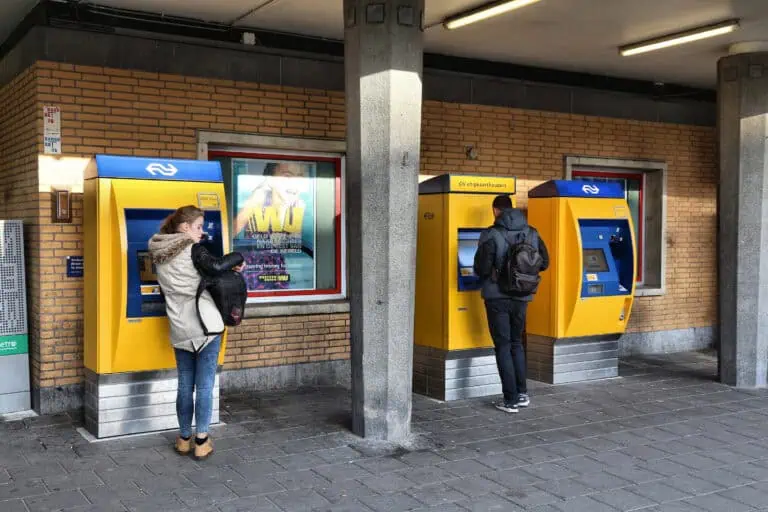
The NS website is experiencing traffic and crashes as enthusiastic Dutch travellers rush to sign up for the €49 per month summer subscription, reports AD. The offer is only available until the budget runs dry.
With fuel prices rising amid the conflict in Iran, the Dutch government has stepped in to fund a discounted NS subscription.
Travellers can now purchase Nederland Dal Vrij for €49 per month, granting unlimited travel during off-peak hours, weekends, and public holidays.
High demand, limited budget
The offer went live Monday, June 15, with reports of the NS website crashing almost immediately after midnight.
Given the combination of Dutch frugality and the country’s notoriously high train fares, the surge in demand comes as little surprise. By late morning, 20,000 subscriptions had already been sold.
With budget airlines no longer living up to their name this summer — thanks to the ongoing jet fuel crisis — the Nederland Dal Vrij subscription is an attractive option for anyone looking to explore the Netherlands without breaking the bank.
Where do you recommend travelling to in the Netherlands? Let us know in the comments.
Perhaps you thought the Dutch were one-of-a-kind? Let me tell you about four ways in which the Dutch and Swedes are the same, yet also different.
1. 👨👩👧👦 Population
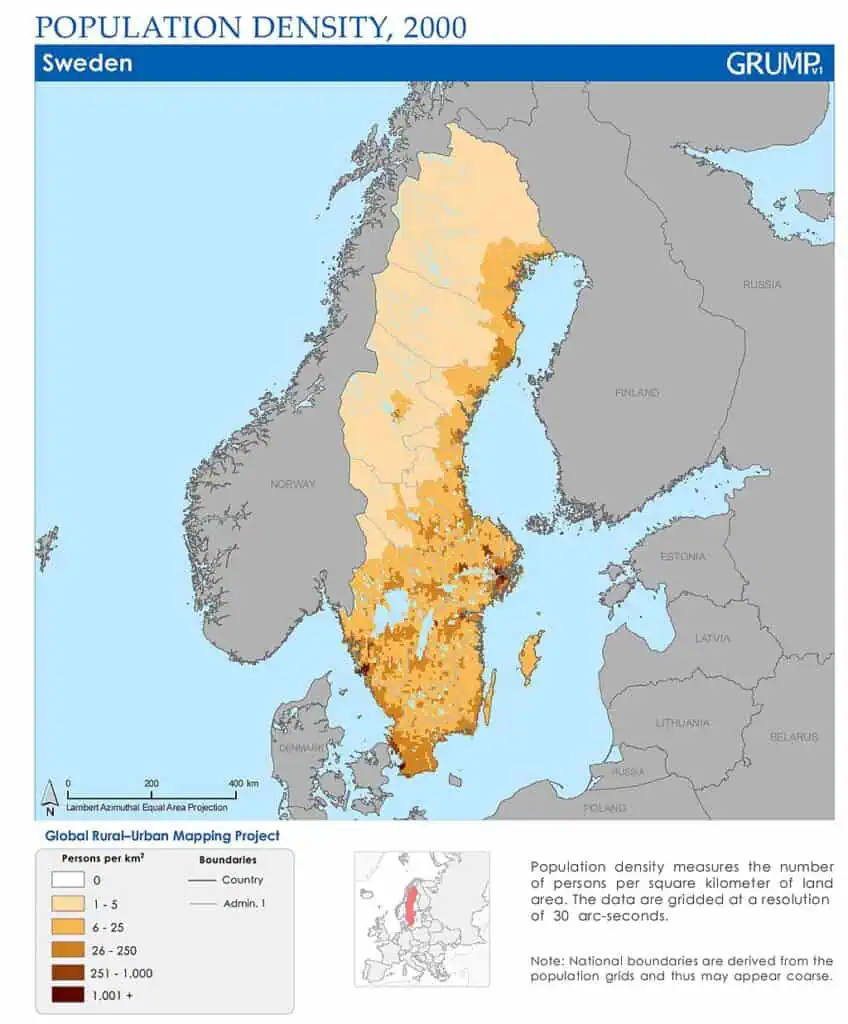
For starters, the size of the population in both countries is quite different.
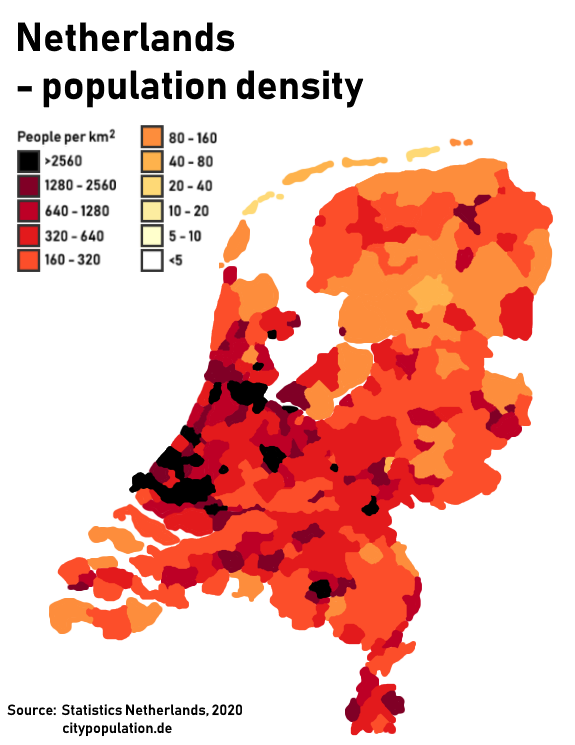
The Netherlands has 18.4 million inhabitants in an area of 41,526 km². This means that around 443 people live within 1 km². This fact makes the Netherlands one of the most densely populated countries in Europe.
And although we live in countries where it almost always rains, we love life.🌦️
2. 🐟 Herring
Did you think that only Dutch people love eating herring? Think again! There are absolutely more herring lovers in the world, including the Swedes.
Swedes love to eat pickled herring with herbs. They eat herring for Christmas, Easter, Midsummer and, of course, all months in between. 😋
The herring is eaten with a dark crispbread called knäckebröd, typically enjoyed with family or friends at home. It is very rare to see a Swedish person eating herring in public areas.
The Dutch prefer eating herring fresh and raw. The rawer, the better. Right? Since the Netherlands has a bigger population, they have more herring-eaters than Sweden.
The Dutch grab the raw herring by the tail, slurring it through chopped onions. The next step is to hold it upside down over their mouth and chew it all in 2-3 bites.
For whatever reason, Dutchies also seem to prefer eating herring in public places, such as crowded markets.
3. 🚲 Biking
Both the Dutch and the Swedes love to bike. However, we tend to have different biking routes and use different biking methods.
Remember, the Netherlands is a small country with a big population. This, of course, means that there is less space for cyclists.
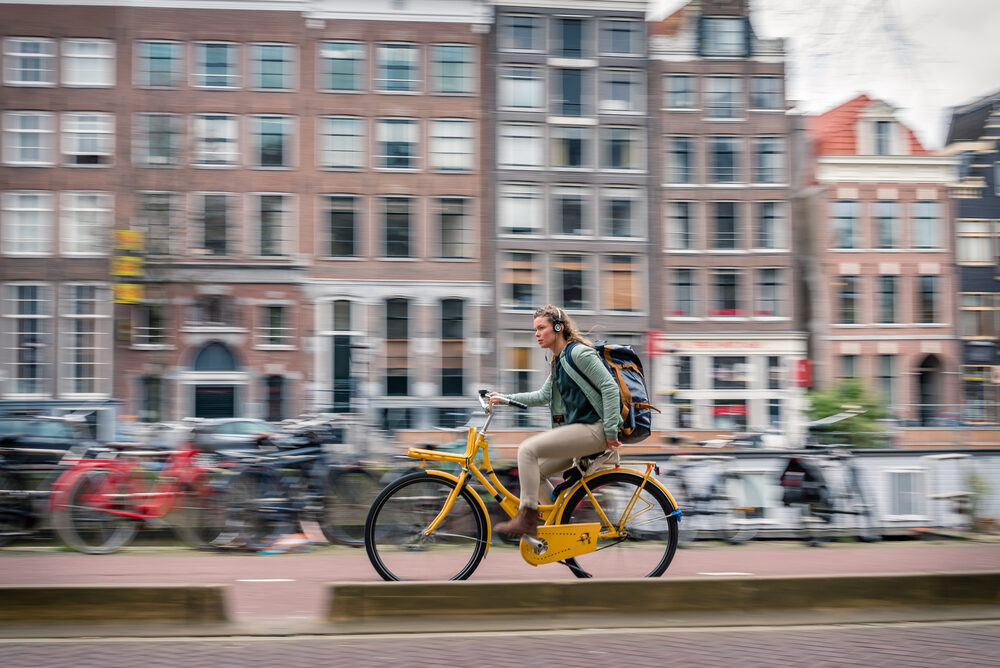
The Dutch often bike on the same road as cars, in a space roughly one metre wide. Sure, there are fietspaden, but often, you’re on the same road as cars.
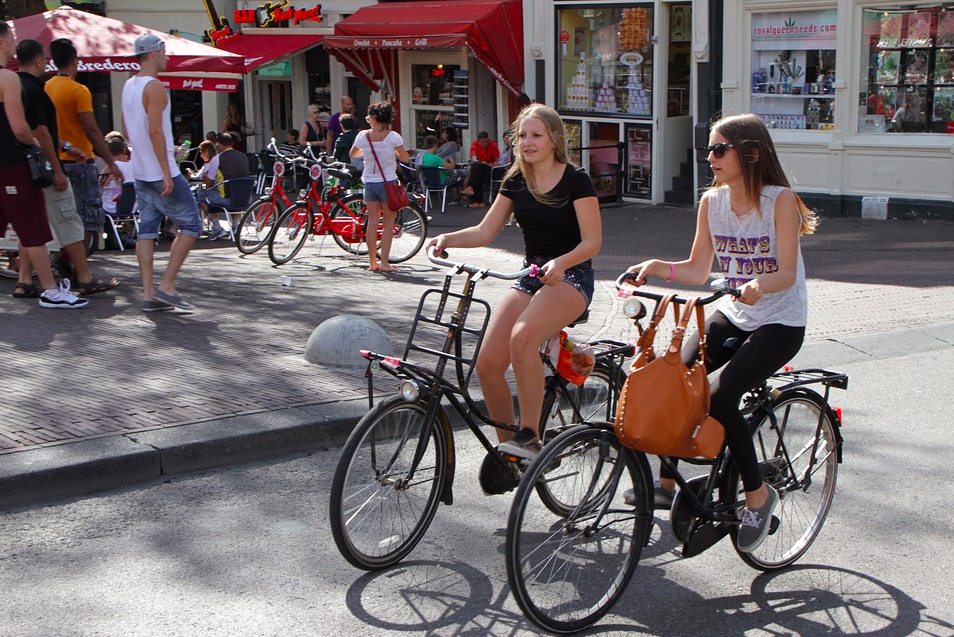
For us, the Netherlands will always be the true bike capital! Image: Depositphotos
Meanwhile, Sweden has special roads just for cyclists. These roads are separated from the car roads and can be up to two or three meters wide.
Compared to the Swedes, the Dutch like to bike wildly — at a really high speed and often ignoring red lights.
Sometimes, Dutch cyclists have more rights than actual cars. And it is considered normal to bike with kids in the bike basket.
On the other hand, Swedes are much safer, and the majority of them prefer biking with helmets.
4. ⚽️ Zlatan Ibrahimović
Last but not least, the Dutch and the Swedes share the almighty football player Zlatan Ibrahimović. In 1999, he made his debut for the football club Malmö FF, and from then on, he became an icon in Sweden.
Swedes love him both for his skills and personality. Zlatan is a self-confident fighter on the field. Some Swedes want his face to be printed on Swedish bills.
After Zlatan’s debut in Malmö FF, he signed to play for AFC Ajax in the Netherlands. Score! Ibrahimović was a very popular football player in the Netherlands, and the Dutch still love him. (Who doesn’t?!).
So there you have it — population size, salty fish, biking and football fans, the same but also not the same.
What Dutch habits are similar or different to where you come from? Let us know in the comments below!
With Dutch summers heating up, it looks like we are all going to be running for the beach, lakes, or canals at some point.
However, before we douse ourselves in sunscreen and break out the inflatable flamingos, it’s important to consider the hazards that come with swimming in the Netherlands.
The Netherlands might not seem like a wild and dangerous location, but many have been caught in dangerous waters in recent years.
From thousands of rescues to the deaths of teenagers, fathers, and even experienced lifeguards — the North Sea has proven unexpectedly dangerous again and again.
Of course, this shouldn’t stop you from cooling off and jumping in — but take note of the hazards below, follow the directions of officials, and know what all those weird flags mean.
Here, we’ve rounded up the hazards you need to know about when swimming in the Netherlands.
Hazards at the beach in Holland
If you decide that a Dutch beach is the place to be on a hot day, it’s often difficult to keep those pesky hazards in mind when you’ve got your toes in the sand and the sun on your back.
In the heat of summer, Dutch beaches can be great, just be safe. Image: Depositphotos
Not only do you have to be mindful of murky waters and boats, but there are further hidden dangers.
Riptides in the Netherlands
Riptides are to blame for many of the water-related deaths and accidents that have occurred along the Dutch coastline.
A riptide is a powerful current of water that can drag you out to sea — even worse, they are often invisible to the unseasoned beachgoers.
Riptides often occur between sandbars, which are bountiful along the Dutch coastline.
Help! I’m stuck in a riptide. What should I do?
The key to avoiding a fatal encounter with a riptide is to go with the flow. If you should find yourself being pulled in one direction, then it is best to swim with the current rather than against it.
While this may feel like the wrong thing to do, it is best to reserve your energy (even if that means moving in the opposite direction of where you want to go).
Float with the current, then try to swim parallel to the shoreline.
Dangerous sea foam in Holland
Danger is probably the last thing you think of when you look at the word foam. However, in spite of its bubbly nature, sea foam has proven to be fatal in the Netherlands.
In May 2020, five surfers tragically lost their lives in Scheveningen.
Many were shocked that five experienced surfers (some of whom were also internationally trained lifeguards) could drown in the same area on the same day.
It’s believed that a thick layer of sea foam in Holland at the time presented a hazard for them while swimming.
How to swim safely on Dutch beaches
Whilst the dangers are real, this doesn’t mean that you shouldn’t enjoy a bit of water during this heatwave. Here are some tips for safe swimming.
Scheveningen is one of the most popular beaches in the Netherlands. Image: Depositphotos
Follow the flags on the Dutch coastline
In life, we are always on the lookout for red flags, and this is a philosophy that should also be carried to the beach.
Lifeguards in the Netherlands will usually alert beachgoers to swimming hazards and conditions through the use of colour-coded flags, so keep your eyes peeled!
Red flags
We don’t mean the dating kind. A red flag along a shoreline means that you should not enter the water unless you want to face the embarrassment of having the Coast Guard escort you back out.
It’s entirely prohibited to swim when red flags are raised.
Yellow flags
Yellow flags indicate that you are allowed to swim, but the conditions have been deemed dangerous due to strong winds or currents.
Orange windsock
An orange windsock (not an actual sock) indicates that any inflatable unicorns, crocodiles, flamingos, or just plain old air mattresses must stay onshore.
This is because wind levels are considered too high, and as a result, anyone who takes a little nap on their inflatable, beverage in hand, is in danger of drifting out to sea.
Half-red/Half-yellow flags
Finally, half-red, half-yellow flags mark out the areas within which a rescue brigade will be on the watch.
You can consider it safe to swim here, but stay between the flags and within sight of the lifeguards.
Perhaps you and your friends have decided it will be easier to simply hop into a nearby canal or lake? That, you can do — but a few warnings first.
TIP: Use the website or app Zwemwater to find nearby alternative swimming spots.
Hazards when swimming in canals in Holland
You may be wondering if it’s possible to skip the beach and just hop in your nearest canal. Technically, yes — but it’s not that simple.
Firstly, don’t dive into canals
God only knows what’s hidden in those murky waters. Perhaps there are only a few feet between you and the river/canal bed!
You can take a dip in some Dutch canals, but not all. Image: Depositphotos
Furthermore, any seasoned resident of the Netherlands knows that the bottom of the canal often serves a dual purpose: it is both a waterway and a graveyard for poor, unfortunate bikes.
The last thing you want is to resurface with a rusty wheel spoke through your hand (and yes, it happens).
Be wary of the canal water quality
Historically, canals were a dumping ground for rubbish and sewerage — yuck!
Generally, it’s not recommended to swim in Amsterdam’s canals, but the rules vary by city and time of year.
Swimming in canals can have risks — E. coli and enterococcus can be present. Always check the water quality where you’re going on the Zwemwater website or app.
Check if it’s legal first
In many cities, it is not necessarily illegal to swim in canals and rivers, but it might be strongly discouraged by both the police and the Rijkswaterstaat for safety reasons.
For example, swimming is not permitted in many of Amsterdam’s canals due to their classification as boating ways (vaarwegen).
Certain boats, and particularly barges, will struggle to see a person swimming in the water if they’re too close.
While you won’t end up in a prison cell if you decide to take a dip in the nearest canal, it’s worth noting the unseen hazards when swimming in canals in the Netherlands.
Before swimming in lakes in the Netherlands, you need to check the water quality. Image: Vincent van Zeijst/Wikimedia Commons/CC4.0
Dutch lake swimming hazards
The Netherlands has some great lakes around that are perfect for cooling off, but always double-check water quality first.
Blue-green algae are a problem in the Netherlands and can make you seriously sick! Lakes are also not often populated by lifeguards, so make sure you’re with a friend if you take a dip.
Whether it be in the canals or in the ocean, the dangers of swimming are ever-present. However, that doesn’t mean that we should let ourselves bake inside our air-conditioning-less houses.
Finding housing in the Netherlands as an American is just plain hard. The market is brutal, the rules are unfamiliar, and you’re starting from scratch without a Dutch credit history, a BSN, or a local salary.
As a student, I remember some American peers staying in hostels for months before they found something.
We’ll be honest: finding housing in the Netherlands as an American (or any international) is hard work, but it is entirely possible. Here’s everything you need to know!
Why finding housing in the Netherlands is so hard
Before you start your search, it helps to understand what you’re walking into.
The Netherlands has a housing shortage of around 400,000 homes, and the pressure sits heaviest in the Randstad (Amsterdam, Utrecht, Rotterdam, and The Hague).
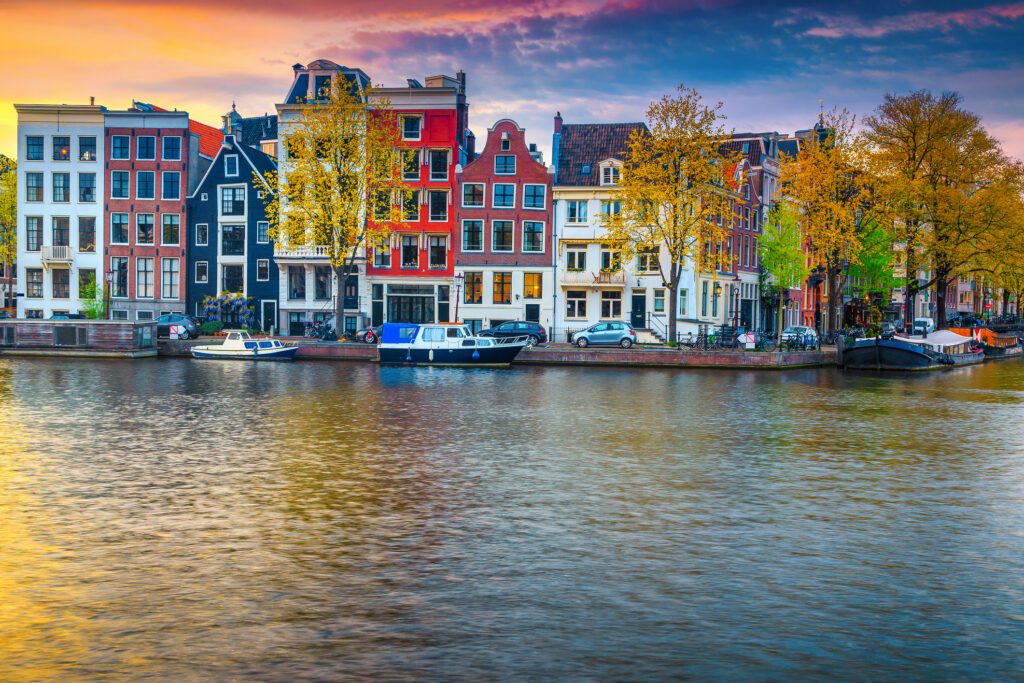
We all start off with that Amsterdam canal-house dream…Image: Dreamstime
What makes it harder, specifically as an American? You have no Dutch credit history, your income documentation looks unfamiliar to landlords, and — if you’re arriving via the DAFT visa — your visa status is unfamiliar to most landlords.
Now, don’t panic. None of this is insurmountable, especially if you’ve familiarised yourself with the market!
Renting in the Netherlands as an American
Despite a bit of an adjustment period and some differences in what landlords are looking for, it’s fairly straightforward. Don’t freak out.
How the Dutch rental process works
In the Netherlands, the rental market moves fast. Listings go live, viewings are scheduled within 24–48 hours, and landlords make a decision shortly after. The whole process, from listing to signed contract, can be over in just a few days.
The basic sequence is:
You find a listing,
You attend an in-person viewing,
You submit your pre-prepared application dossier on the spot or immediately after.
The landlord then selects the candidate they consider the lowest risk. This is important: they’re not just going for the highest bidder. That shapes how you should approach the process as a whole (more on that later).
If you’re not chosen, you typically hear nothing at all.
This process means that you typically need to be physically in the Netherlands to have a realistic shot. Most landlords won’t consider applications from people who haven’t attended an in-person viewing.
January to March and July to August tend to offer the most availability. If you have any flexibility over when you arrive, plan around that.
How to make yourself an attractive rental candidate in the Netherlands
There’s more to it than just a wad of cash. Who knew?
Meeting the financial requirements for renting in the Netherlands
Dutch landlords typically apply a 3-to-4x-gross-monthly-income rule. For example, for a €1,500/month apartment, you need to show gross monthly income of €4,500-€6,000.
This is non-negotiable, and applications that fall short are rejected automatically, regardless of how much you have in savings.
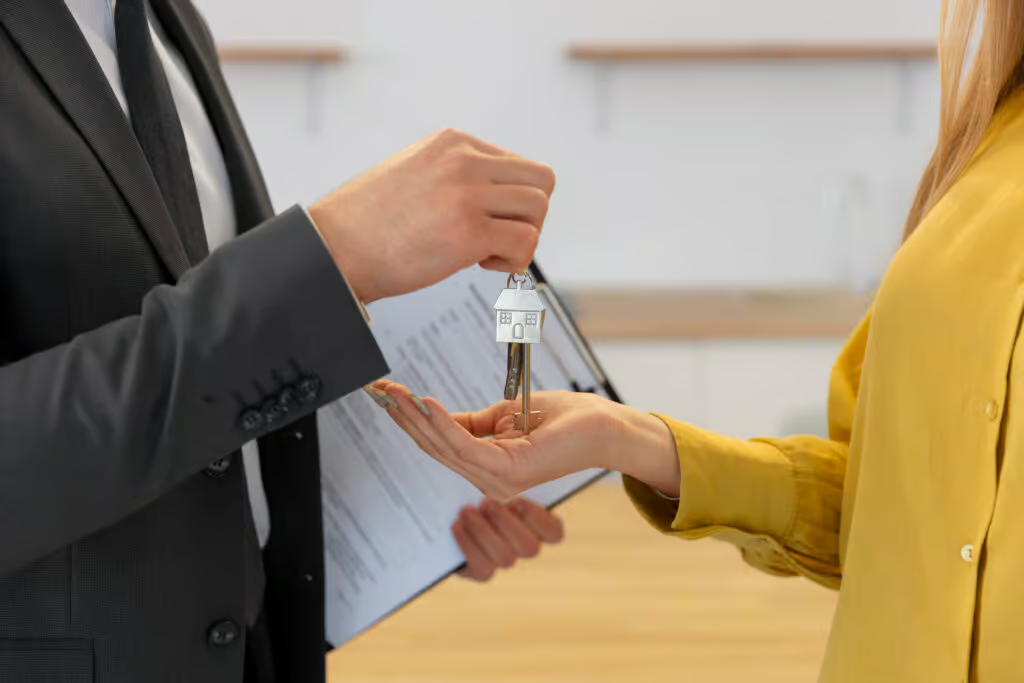
Make sure your papers are in order BEFORE you start, or things can get sticky. Image: Magnific
Permanent employment contracts are also strongly preferred. If you’re on work probation, many landlords will decline your application outright.
If you’re self-employed, you’ll be asked for a lot of paperwork. Expect to provide the following:
two to three years of tax returns,
a CPA-certified profit and loss statement, and
bank statements from both your Dutch and US accounts.
Upfront costs are also worth knowing before you start. At signing, most landlords will ask for one to two months’ deposit plus the first month’s rent.
Putting together a strong rental application dossier
Think of your application dossier as a job application. It needs to be complete and ready before you find a place you want.
Reference letters from previous landlords, if you have them.
For DAFT applicants: Even though nearly 700 Americans used the DAFT visa to move to the Netherlands in 2025 alone, most Dutch landlords are unfamiliar with this visa status. Include a brief, plain-English explanation of your visa alongside your KvK (Kamer van Koophandel, Chamber of Commerce) registration and income projections.
What not to say: The most important thing is to present stability. That means, don’t bring up your probationary period at work, say you’re only planning to stay for a year or two, or that you’re “still figuring things out.”
Your Dutch visa route and what it signals to landlords
Your visa type shapes how landlords see you before the conversation even starts.
HSM (Highly Skilled Migrant) visa: This is the strongest rental profile you can have, and landlords recognise it. You’re employer-sponsored, income verified, and your documentation is straightforward.
DAFT visa: As someone under the self-employed American entrepreneur route, landlords might be wary of you. The income is less predictable, and the visa is unfamiliar, so you’ll face more scrutiny.
Student and family reunification visas: For these statuses, income documentation varies. If you can’t independently meet the income threshold, a guarantor letter from a parent or employer can sometimes make the difference, especially for students, though.
Where to find rental housing in the Netherlands as an American
Start with the main platforms: Funda and Pararius have the broadest selections and are used by locals.
Set up alert tools before you start actively looking. Signaal, Stekkies, and RentSlam all monitor Dutch rental listings and push notifications the moment something matching your criteria appears, but these are typically paid services.
Joining online groups has been successful for lots of people! Here’s what they look like when it works. Image: Magnific
Facebook groups are more useful than most people expect. “Amsterdam Housing,” “Americans in the Netherlands,” and city-specific expat groups regularly surface listings that otherwise never reach the big platforms.
And finally, don’t forget about good old word of mouth. Some Dutch landlords don’t advertise publicly at all; they fill properties through their own networks. That means, the more people who know you’re looking, the better.
Things to watch out for when renting in the Netherlands as an American
What “unfurnished” actually means in the Netherlands
In the Netherlands, it’s important to understand what factors go into your rent. In the US, unfurnished means no furniture. Here, the word covers a spectrum, and where your rental falls on it significantly affects your setup costs.
A kale woning (bare rental) is exactly that: four walls. No flooring, no light fittings, no curtains. You’re starting from scratch, which means full creative freedom but also serious upfront investment — budget €2,000 to 5,000 before you’ve bought a single piece of furniture.
A fully-furnished apartment is a bit of a luxury! Image: Pexels
A gestoffeerde woning (semi-furnished) is a step up: it includes flooring, curtains, and painted walls, but no furniture. You can move your own belongings straight in without laying a floor first.
A gemeubileerde woning (fully furnished) includes almost everything. It’s the most expensive option, but the easiest if you’re arriving with just your suitcases.
Most long-term rentals in the Netherlands are either bare or semi-furnished. Fully furnished properties tend to be short-stay or aimed at corporate relocations, and the rent reflects it.
Whichever type you rent, don’t assume utilities are included. Gas, electricity, water, and internet are almost always separate and need to be arranged independently.
Dutch municipal registration and the BSN
You must register (inschrijven) at your rental address with the local municipality within 5 days of moving in.
Some landlords prohibit this. Walk away from any property where that’s the case. It’s often a sign of an illegal sublet, and it will block you from getting a BSN.
Without a BSN, you cannot receive a Dutch salary, open a Dutch bank account, get health insurance, or register with a GP. It is the single most important administrative step you’ll take upon arrival, and skipping it isn’t an option.
Dutch rental contracts: what to check before signing
Contracts in the Netherlands are either fixed-term or indefinite.
Fixed-term contracts typically run 12–24 months. Before you sign, check for diplomatic clauses (a provision that allows a landlord to terminate your tenancy early if your employment situation changes), annual rent indexation clauses (your rent will increase each year), and notice periods (usually one to two months for the tenant).
Contracts are also often in Dutch. Get yours translated before signing, or ask the landlord for an English version.
Make sure you look through your contract thoroughly. Image: Magnific
One thing that surprises many Americans: certain agency fees are illegal in the Netherlands. Charges disguised as “key release fees” or “takeover fees” cannot legally be passed to tenants. If you’re asked to pay one, you can decline or see if you can get free legal advice from !Woon or Juridisch Loket.
Another vitally important thing to do is photograph the property thoroughly at the handover. Disputes over deposit deductions are common, and those photos will be your evidence later. Protect yourself!
Rental scams in the Netherlands
The housing shortage has made the Netherlands a target-rich environment for scammers, and Americans under time pressure are frequently targeted.
Photos that look too spacious or not quite Dutch (do a reverse image search)
Prices well below market rate
Listings that include a suspiciously long list of appliances.
Bottom line? If something feels off, it probably is.
Buying a house in the Netherlands as an American
Renting vs. buying: which makes sense for you?
If you’re planning to stay for three years or more, buying is worth looking into seriously.
Most Americans rent first and reassess after a year or two, which is usually the right call. After all, you need time to understand the market, establish an income history, and work out where you actually want to live.
That said, the economics of buying can surprise you. In Amsterdam, monthly mortgage repayments are often lower than the equivalent rent for a comparable property.
Not to mention, Dutch house prices fell in Q1 2026, and supply is at its highest since 2016. That means, for once, buyers have time to think.
Can Americans buy property in the Netherlands?
Yes, with the same legal rights as Dutch nationals. There are no nationality-based restrictions.
One thing worth knowing before you get attached to an Amsterdam canal house, though: there’s a difference between a freehold land (volle eigendom) and leasehold land (erfpacht).
Estimates commonly put around 80% of Amsterdam properties on leasehold land, meaning you own the building but lease the ground from the municipality and pay annual ground rent.
That affects your long-term costs and your mortgage terms. Outside Amsterdam, though, most properties are freehold.
Getting a Dutch mortgage as an American
There’s no separate “expat mortgage” product. Americans apply for the same mortgages as Dutch nationals. What is different, though, is that your process comes with more documentation requirements and, in some cases, more resistance from lenders.
The specific complication for Americans is FATCA (the Foreign Account Tax Compliance Act), which requires Dutch banks to report information on US-person accounts to the IRS.
Some banks find this burdensome and are quietly less willing to lend to American borrowers. Working with an expat-specialist mortgage adviser who knows which lenders are American-friendly is therefore worth the cost.
Don’t worry: as an American, you can borrow and buy in the Netherlands with relative ease! Image: Magnific
To qualify using US income, you’ll typically need two to three years of US tax returns, an employer verification letter, and recent payslips or CPA-certified accounts if self-employed.
You can borrow up to 100% of a property’s market value in the Netherlands, but buying costs — typically 4–6% of the purchase price — must come from your own funds. If you hold the 30% ruling, flag it to your mortgage adviser immediately. It affects your declared income and can significantly change your borrowing capacity.
Dutch home-buying costs: what to budget for
Transfer tax (overdrachtsbelasting) is the highest upfront cost. In 2026, first-time buyers aged 18–35 who purchase a property priced under €555,000 pay 0%. Owner-occupied purchases outside that bracket pay 2%. Investment or second properties are taxed at 8%.
Additional costs include notary fees (approximately €1,000–2,500), a mandatory property valuation (€400–700), and a buyer’s agent (aankoopmakelaar) fee if you use one, typically around 1% of the purchase price.
Using a buyer’s agent in the Netherlands is strongly advisable if you’re unfamiliar with the market. Good to know: unlike in the US, you pay for your own representation separately.
The buying process step by step
The Dutch home-buying process is more structured than the American one, but once you understand the sequence, it’s straightforward enough.
First, get a mortgage eligibility check before you view anything. It gives you a realistic budget and signals to sellers that you’re serious. Then comes the property search — most buyers use Funda, often alongside a buyer’s agent (aankoopmakelaar) who can move quickly when something comes up and knows how to price offers competitively.
You’ll be an owner in no time! Image: Magnific
Once you’ve agreed on a price, both parties sign a preliminary purchase agreement (koopovereenkomst). You then have three days to change your mind — a legal cooling-off period that exists for the buyer‘s protection.
After that, everything moves to the notary (notaris), a legally appointed official who handles the title check, drafts the deed of transfer, and registers the transaction with the Kadaster (Dutch land registry). This is not something you arrange yourself. Once registered, the property is legally yours.
From accepted offer to keys in hand, expect around six to eight weeks.
US tax implications of owning property in the Netherlands
Owning Dutch property directly in your own name does not trigger a specific IRS asset-reporting requirement under Form 8938. The property itself is not the issue.
Instead, the Dutch bank accounts you open to manage the purchase are. If the combined balance of your foreign financial accounts exceeds $10,000 at any point during the year, you must file FinCEN Form 114 — the FBAR — with the US Treasury. Missing this carries serious penalties.
The US-Netherlands income tax treaty helps address double taxation. The Foreign Tax Credit (Form 1116) lets you offset Dutch taxes against your US liability on any rental income or capital gains from the property.
If you’re living in the property yourself, expect to encounter the eigenwoningforfait. This is a notional rental income figure that gets added to your Dutch tax return each year, even though you’re not renting anything out. It is as strange as it sounds, and it is real.
One thing to seriously consider before you buy anything: speak to a dual-qualified US/NL tax adviser. Not an American accountant with a vague awareness of the Netherlands: you need someone who works across both systems every day.
That about does it! Keep in mind that, as arduous and tedious as the process can be, finding a place to live in the Netherlands is worth it in the end. Just keep visualising yourself on your terrasje. ☀️
Have you tried finding housing in the Netherlands as an American? Tell us what worked — and what absolutely didn’t — in the comments below.
Finding a house in the Netherlands as an American: Frequently asked questions
Can Americans buy property in the Netherlands without a residence permit?
Yes, Americans can buy property in the Netherlands without a residence permit — buying and obtaining residency are two entirely separate processes. Purchasing a property also doesn’t grant you a visa.
The practical difficulty is that most lenders expect you to be living and working in the Netherlands, so financing from abroad is harder, though not impossible, with the right mortgage adviser.
How long does it typically take to find a rental in the Netherlands as an American?
Finding a rental in the Netherlands as an American typically takes anywhere from a few weeks to a few months. It depends on your budget, how flexible you are on location, and how strong your application dossier is.
Americans with employer-sponsored contracts and complete documentation tend to move faster. DAFT applicants and those with less conventional income often take longer. Searching from within the Netherlands — rather than from abroad — makes a significant difference.
Do Dutch landlords accept US income as proof of earnings?
Sometimes. Dutch landlords do sometimes accept US income as proof of earnings, but it varies by landlord and agent.
You’ll need to present it clearly — two to three years of US tax returns, recent payslips, and ideally a CPA-certified income statement if you’re self-employed. Your US credit score is irrelevant here. What matters is documented income that meets the 3–4x monthly rent rule.
Does owning a home in the Netherlands trigger any IRS reporting requirements?
Not directly. Owning a home in the Netherlands doesn’t trigger IRS reporting requirements by itself — the property is not the issue.
The Dutch bank accounts you open to manage it will almost certainly be closed, however, if their combined balance exceeds $10,000 at any point in the year. Rental income from the property must also be reported on your US tax return. A US expat tax specialist is non-negotiable before you buy.
Is the DAFT visa a good option if I want to move to the Netherlands and work remotely for a US company?
It depends: the DAFT visa can be a good option for moving to the Netherlands to work remotely for a US company, but the detail matters. The visa requires you to run an active Dutch business — not simply live here.
Invoicing a US employer as a freelancer through a Dutch entity typically qualifies. Being a regular employee of a US company working remotely, with no Dutch business structure, typically doesn’t. The IND (Dutch immigration service) takes this distinction seriously.
What happens if my Dutch landlord won’t let me register at the address?
If your Dutch landlord won’t let you register at your address, walk away. That’s a serious red flag. A landlord who prohibits registration is often running an illegal sublet.
Without registration, you cannot get a BSN, and without a BSN, virtually every essential Dutch system — banking, healthcare, payroll — is out of reach. It is not a bureaucratic inconvenience. It is a dealbreaker.
Can I use my US credit score when applying for a rental or mortgage in the Netherlands?
No, a US credit score cannot be used when applying for a rental or mortgage in the Netherlands — Dutch landlords and lenders don’t access or recognise them. They check the Dutch BKR (Bureau Krediet Registratie) for local debt obligations.
As a new arrival, you’ll have no Dutch credit history, which is neutral rather than negative. They’re assessing income stability and whether you meet the income threshold.
How does the Dutch housing search work if I haven’t moved to the Netherlands yet?
It’s harder to find Dutch housing if you haven’t moved to the Netherlands, but it’s not impossible. Some platforms offer virtual viewings, and landlords with experience renting to internationals will sometimes conduct video calls. That said, most Dutch landlords want to meet tenants in person before committing.
The practical answer: arrange temporary accommodation for your first few weeks, arrive, and search from within the Netherlands. It’s not what people want to hear, but it’s what actually works.
I landed in Amsterdam Schiphol glittery-eyed and raring for a new start in a beautiful new city. Since then, the Netherlands has hugely bettered England on a few fronts —here are five of the most significant.
Of course, I miss pints being the standard unit of beer measurement, and as a West Country girl, I miss vintage-matured cheddar cheese and ice-cold cider. But that’s about it.
And so: flip the UK the finger, side-saddle the back of my fifty euro bike, and let me pedal you furiously through just some of the pros, advantages, and utter gifts that come with the Dutch lifestyle.
1. Bikes, bikes and more bikes
Cycling is at the top of most lists when it comes to the advantages of living in the Netherlands.
I used to have a bike in Liverpool (a hideously heavy thing I had to hunch over like Gollum to ride), which sat neglected and unused for a full year.
Why? Because cycling in UK cities is like a hellish nightmare on wheels.
If you’re not risking death by car bonnet, you’re tackling heinously steep hills which bully you into getting off and pushing, the ultimate walk of shame.
You also arrive at your destination dripping with sweat and looking like you’ve just jumped out of a plane.
Cycling is second nature here. Image: Pixabay
But not here. In Amsterdam, you swan around in your work attire, never breaking a sweat unless you cycle over a bridge. Perhaps you even sneakily catch up with a friend on WhatsApp as you traverse a busy crossroad. You own that road.
Cars and pedestrians are second-class citizens, mere peasants to you. You’re in charge, and you get drunk on that pedal power.
2. Liberal drug laws
Now, we’re getting a bit stereotypical here, but it’s worth acknowledging!
The Netherlands is known for its liberal attitude towards drugs. Image: Abuzer Van Leeuwen/DutchReview.
Despite marijuana being sold in a regulated environment via coffee shops, there are no 13-year-old kids huffing weed and whizzing around delivering to customers on their Halfords mountain bikes. This scene is certainly prevalent in the UK.
People in the lowlands are given an inch and — generally — don’t take too much. Nor do they drink too much — the British “lad’s holidays” are probably more responsible for any significant alcohol consumption in the Dutch capital.
Forget scampy fries and pork scratchings, or the packet of salt and vinegar crisps torn open on the table for all to share: Holland wins this one.
How? Bitterballen. In case you’re unfamiliar, I’d describe bitterballen as scotch eggs, minus the egg, with whizzed-up stew in its place.
Sure, it sounds slightly foul, but that’s part of their lore. As well as inevitably burning your mouth with the first bite.
Check out a demonstration of the enigma of this fried favourite. 👇
4. Refreshing Dutch honesty
The British are renowned for their, ahem, “politeness”.
What this really means is inwardly seething when someone pushes in front of them in a queue but resolving to audibly tut and sigh instead of telling you straight-up how they feel about it.
A busy and rude commuter could barge them at 100 km/h, but they’ll be the ones to cry wildly, “Oh, I’m so sorry!”, despite being the innocent victim of a businessman-rhino attack.
However endearing I might find this painfully polite aspect of British culture, nothing beats Dutch directness. They say what they feel, and they feel what they say! And what a breath of fresh air it is!
Of course, this is one Brit’s recount of the best improvements expat life in the Netherlands has to offer. This list probably looks different depending on your experiences and your taste for salty fried snacks or straight-talking Dutchies. 😉
What did we miss? What are your favourite things about the Netherlands? Tell us in the comments below!
Life in the Netherlands is busy, and if you’re anything like me, ✨ girl dinner ✨ has become less of a trend and more of a lifestyle. So when the chance came to try HelloFresh for a week, I didn’t think twice.
Between the office job, the pilates classes, and the ever-present anxiety about the state of the world, cooking a proper meal every single night just isn’t always happening.
I’ve become a true Nederlander who has to check their calendar before making any plans, which leaves precious little bandwidth for wondering what’s for dinner.
HelloFresh promised to take that question off my plate entirely. Here’s how it went.
Setting up was surprisingly painless
I hopped online, made an account, and within 15 minutes had chosen my package and picked my recipes.
The interface lets you filter by dietary preference, cooking time, and even preferences such as whether you want recipes low in salt or calories.
As a single person, I opted for three meals across the week, each with two servings. However, whether you’re cooking for one or for a household, the options scale accordingly.
Interested in giving HelloFresh a try? Well, good news for you: we have a discount code. DutchReview readers can enjoy up to a €90 korting. Just use code DREVIEW90 at checkout and tuck in to some delicious curated meals.
Delivery that actually worked (in the Netherlands, no less)
Anyone who’s lived in the Netherlands for longer than five minutes knows the particular horror of Dutch staircases and missed deliveries. Even if you don’t have a treacherous flight of steps to clamber down, you can be sitting two metres from your front door and still miss the postman.
HelloFresh handled this well. I could choose to have my box left with a neighbour if I missed the 10-second window.
Image: HelloFresh/Supplied
And as it turned out, my driver simply called me when he arrived, rather than engaging in some Kafkaesque doorbell-ringing guessing game — which I very much appreciated.
The platform also sent regular tracking updates so I could follow my box in real time. That kind of communication soothes my anxious soul. However, if you’re less worried about these things, you might find it to be overkill.
What I actually cooked
The box arrived with ingredients for each recipe packed in separate, labelled paper bags, ready to go straight into the fridge.
It also included a personalised recipe pamphlet with my actual name on it, which was a charming touch. As a recipe hoarder, my favourite feature was that I could tear out the recipe cards and reuse them later.
The one challenge I faced, however, was that a couple of recipes required ingredients you’re expected to already have at home, like white wine vinegar. Whether that says more about HelloFresh or my cupboard is unclear.
Here’s what I made:
Speedy udon noodles with minced meat and teriyaki mascarpone sauce — the lekker snel (“nice and quick”) option, and my favourite. It took 15 minutes, perfect for a Sunday evening after a day spent drinking wine in Amsterdam. Would make again immediately.
Creamy courgette lasagne — the vegetarian option. I was sceptical when I saw the ingredients, but HelloFresh’s use of herbs and spices won me over completely. I devoured the whole thing.
Sticky salmon with noodles, peanuts, and lime — the fit & bewust (“fit and conscious”) meal. I went in braced for flavourless health food and came out pleasantly surprised. And while it was technically two portions, I ate it all in one sitting anyway.
Does this girl have time to replace her chipped kitchenware? Nee. So imagine my delight when I could save time on cooking. Image: Sarah O’Leary/Supplied
So, was it actually worth it?
For me? Yes.
The appeal wasn’t just convenience. It was that after a full day at work, I didn’t have to swing by the supermarket, wander the aisles without a plan, and end up buying things I didn’t need. My fridge was stocked. Dinner was decided. I just had to cook it.
The lekker snel recipe took exactly the 15 minutes it promised. The vegetarian option was filling and delicious. And the healthy meal didn’t ask me to sacrifice flavour for the sake of wellness.
I think what often makes people take pause when considering something like HelloFresh is the price. At first glance, the weekly cost can feel steep.
But here’s how I thought about it: I do my big shop at the Dirk, but I still find myself dashing to the Albert Heijn every other night for top-ups that somehow add up to €25. With a HelloFresh box in the fridge, those panic-buying runs didn’t happen. The maths is more favourable than it first appears.
And what makes it even more favourable? A korting. Use code DREVIEW90 to give HelloFresh a go, and you can enjoy up to a €90 discount.
Have you tried HelloFresh in the Netherlands? Did it change your dinner routine, or do you prefer doing your own thing in the kitchen? Let us know in the comments below!
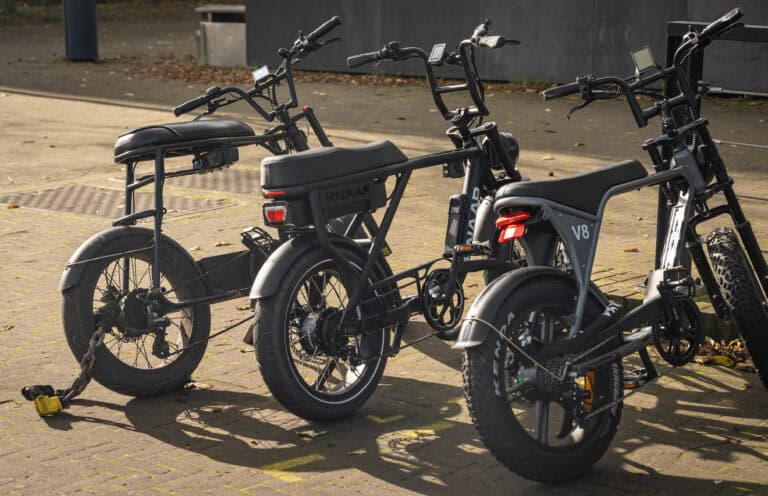
A man was caught doing 100 km/h on his fatbike on Sunday afternoon — four times the legal limit of 25 km/h. The driver has since been fined, and his fatbike seized.
NU.nl reported the incident after police in the Boxtel, Vught, and Sint-Michielsgestel area shared details on Instagram.
Officers confirmed on Instagram that the fatbike has been confiscated, with its fate now in the hands of the public prosecutor.
A wider problem
While a standard fatbike tops out at around 25 km/h, performance-modified models have become increasingly common in recent years, capable of reaching far higher speeds.
The Netherlands kicked off their 2026 World Cup campaign with a 2-2 draw against Japan at Dallas Stadium in Arlington on Sunday.
For thousands of Dutch fans who made the trip to Texas, though, the party had started long before kick-off.
Hours before the match, the Oranje Legioen (Orange Army) had gathered in Arlington. They sang Dutch songs and danced to electronic music in the rain, five hours before kick-off, behind two orange double-decker buses shipped from the Netherlands.
Fans held up tifos reading “Dallas Has Cowboys, We Have Koeman” as the march snaked towards the stadium, according to the Dallas Morning News.
Orange took over Arlington
The fanwalk drew a mix of Dutch supporters and curious locals, with fan Bart van der Knijff telling KERA News he had never seen so many non-Dutch fans join the march.
“The Americans have been so welcoming, so friendly,” he said.
Speaking with NBCDFW, Marianne van Leeuwen, director of professional football at the KNVB (the Dutch football association), describes it as “the moment when the Orange experience truly comes to life.”
Inside the stadium, the atmosphere matched the pre-match energy. It was the first World Cup match hosted in North Texas, and the stands were a sea of orange.
On the pitch, a late equaliser spoiled it
For much of the game, Oranje were the dominant side, controlling possession and keeping Japan largely pinned back.
Crysencio Summerville put the Netherlands 2-1 ahead in the 64th minute, and a win looked well within reach.
But Koeman’s defensive substitutions shifted the balance, and Japan’s late equaliser punished a team that had stopped pressing and dropped too deep.
The late equaliser meant Oranje finished with a draw, marking the first time since 1998 that the Netherlands have started a World Cup without a win, according to NOS.
A debate about coach Ronald Koeman’s choices started almost as soon as the final whistle blew.
Meanwhile, Curaçao made history and took a beating
Elsewhere in Texas, there was a bittersweet milestone for another team from the Dutch Kingdom. Curaçao made their World Cup debut on Saturday, losing 7-1 to Germany in Houston.
Their 78-year-old coach Dick Advocaat became the oldest national team coach ever to take charge at a World Cup.
He took the heavy scoreline in his stride. “The boys got to experience what this level is. That’s only a good thing. We knew it would be hard,” he tells NOS.
Captain Leandro Bacuna was proud of the team’s resilience, noting that Curaçao pulled a goal back before half-time.
“We can score against Germany, so why not against Ecuador and Ivory Coast?” Curaçao’s next match is against Ecuador on June 21 in Kansas City.
Are you watching the World Cup from the Netherlands, or did you make it to Texas? Let us know in the comments.