Love shopping at Shein, Temu, or AliExpress? Starting in January, these packages from China will cost you an average of €6 more, thanks to a new “handling fee” the Dutch government is slapping on every parcel from outside the EU.
About one million packages arrive from outside the EU every day, with an overwhelming majority coming from the not-so-holy trinity of Chinese webshops: AliExpress, Temu, and Shein.
The result? The Dutch customs office is drowning in so many parcels that they can’t properly do job anymore — a.k.a. checking for safety issues and collecting import duties.
Now, the Netherlands is introducing what it’s officially calling a “handling fee” (though let’s be honest, it’s a tax) on packages from outside the EU, hoping that people will think twice before ordering that €2 hair clip.
How the new fee works
This new Dutch tax will slap an extra €2 fee per product on every order you place from outside the EU. Since the average package contains three different items, NOS reports that most orders will cost an extra €6.
The fee applies to packages worth up to €150, which are currently exempt from customs charges. At the current volume of deliveries, this could generate a whopping €2 billion per year.
The real hope is that people will order less from Chinese shops, giving not only customs workers room to breathe, but also protecting Dutch retailers and online shops, who’ve been struggling to compete with ultra-cheap competitors.
Why the Netherlands can’t wait for Europe
The EU is working on a similar fee, but it won’t kick in until November 2026 at the earliest, possibly not until 2028. France, Belgium, and Luxembourg also think that’s far too long to wait and plan to introduce their own €2-per-product charge as early as next month.
If the Netherlands does nothing, this could create an interesting problem, since the Netherlands is already Europe’s main gateway for packages from outside the EU.
Rotterdam’s port is already overflowing with Chinese goods. Image: Depositphotos
If neighbouring countries start charging fees whilst we don’t, logistics companies will simply reroute everything through Dutch entry points. The government estimates this could triple the current volume to over three million packages per day.
The draft legislation warns this would create “a tsunami of e-commerce shipments” that could paralyse Rotterdam’s port and bring Schiphol’s cargo operations to a standstill.
It’s the bureaucratic equivalent of “if you think it’s bad now, just wait” — and the reason why the Dutch government is coordinating with its neighbours to launch the fee simultaneously.
Who actually pays?
Officially, shipping companies like PostNL, DHL, and FedEx will pay the handling fee. But let’s not kid ourselves: they’ll pass those costs straight to consumers. The courier companies have already complained about having too little time to prepare if the fee launches in January.
The draft law is currently with the Council of State for review. Once approved, it will go to the cabinet for final sign-off, where insiders expect little resistance.
The Tweede Kamer already passed a motion last week from the ChristenUnie calling for the fee to be introduced as quickly as possible.
Will this change your online shopping habits, or are you already bracing for higher costs? Let us know in the comments below.
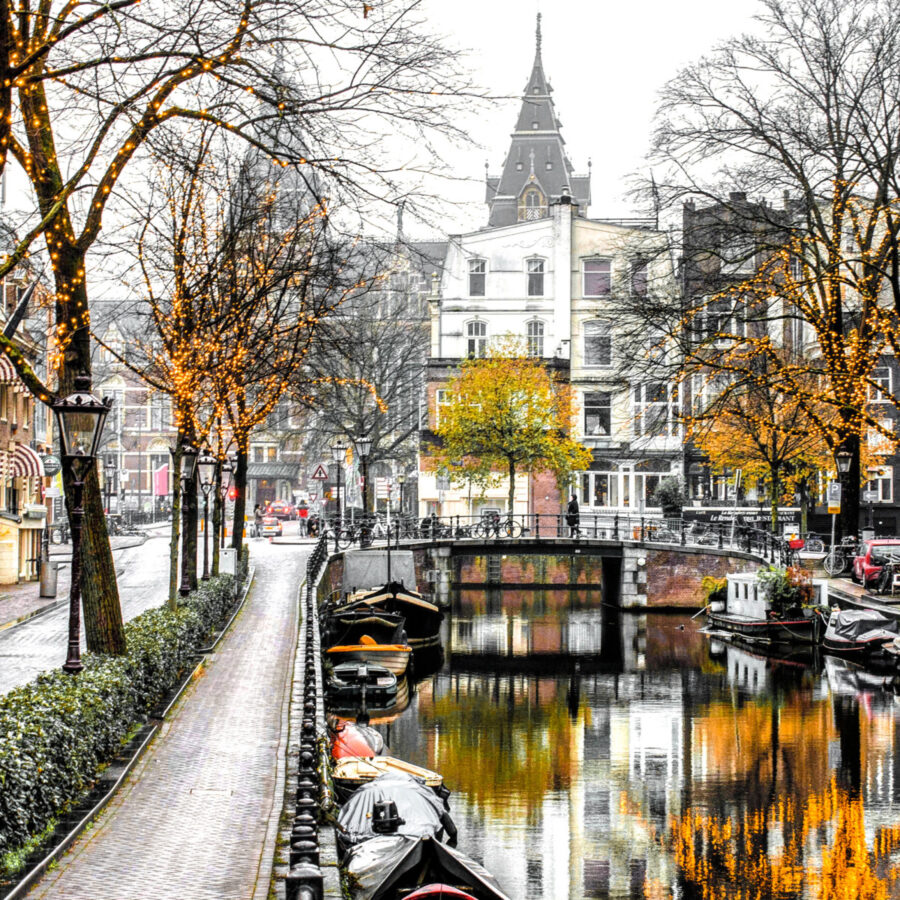
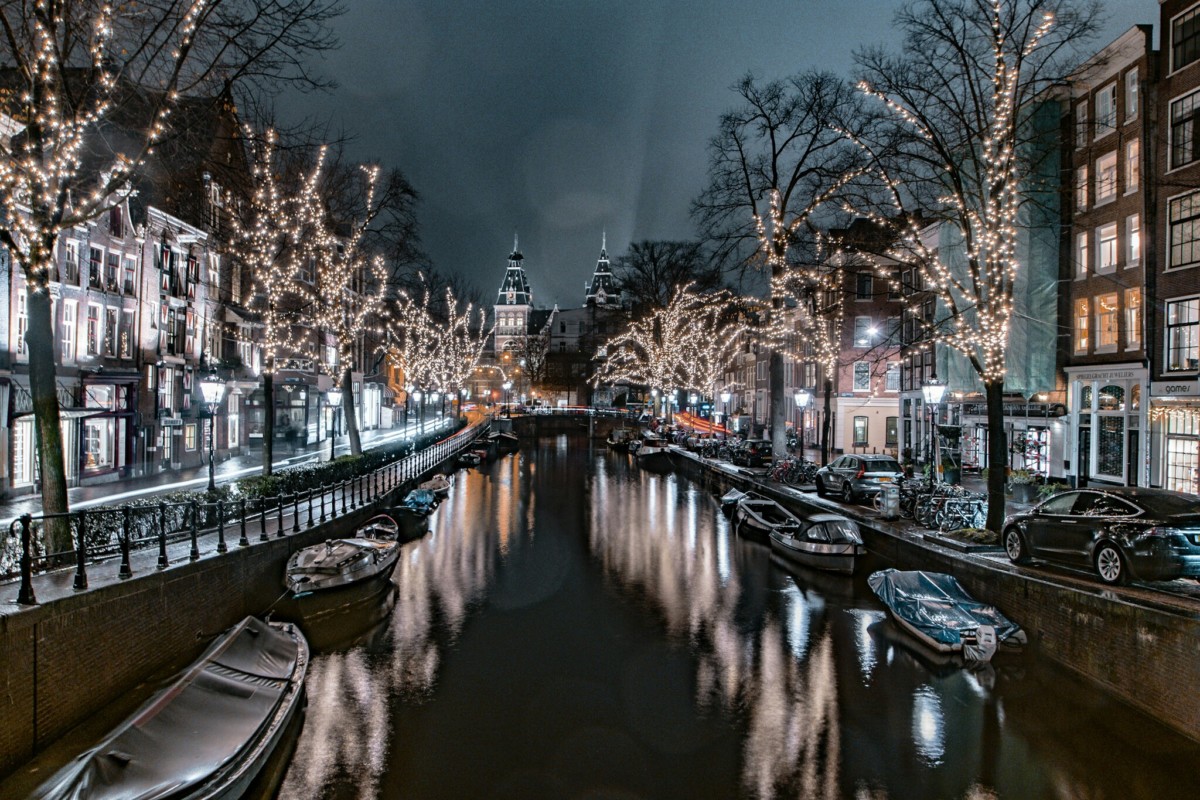
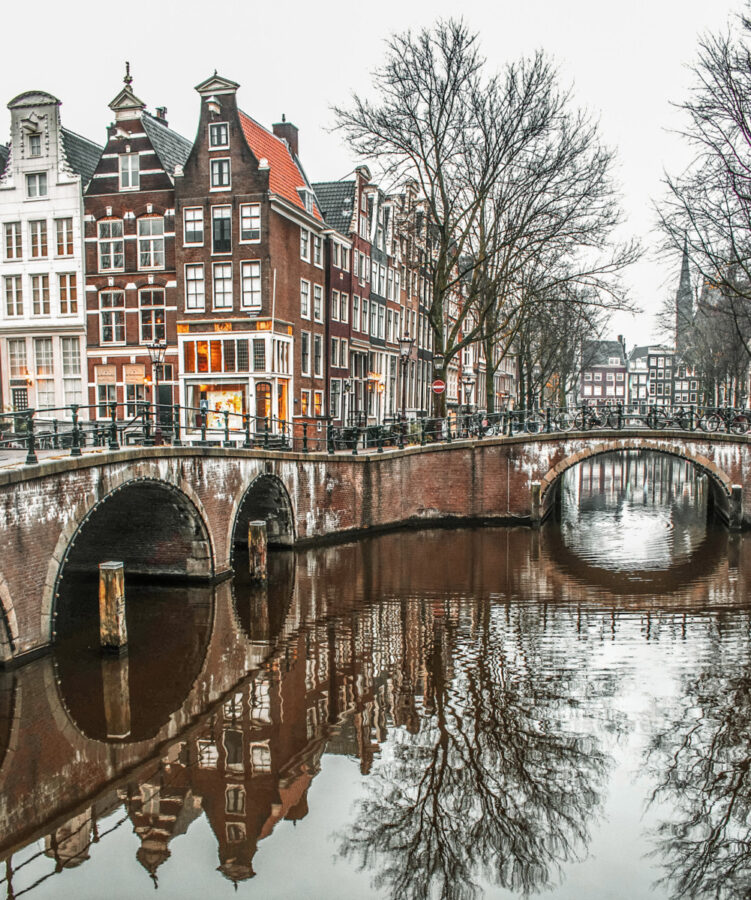
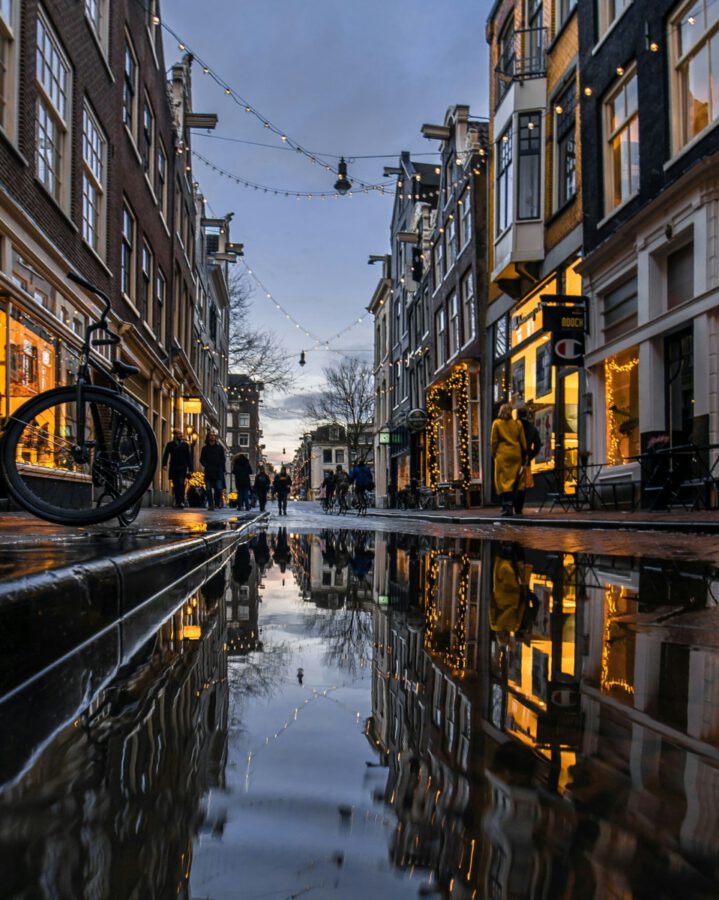
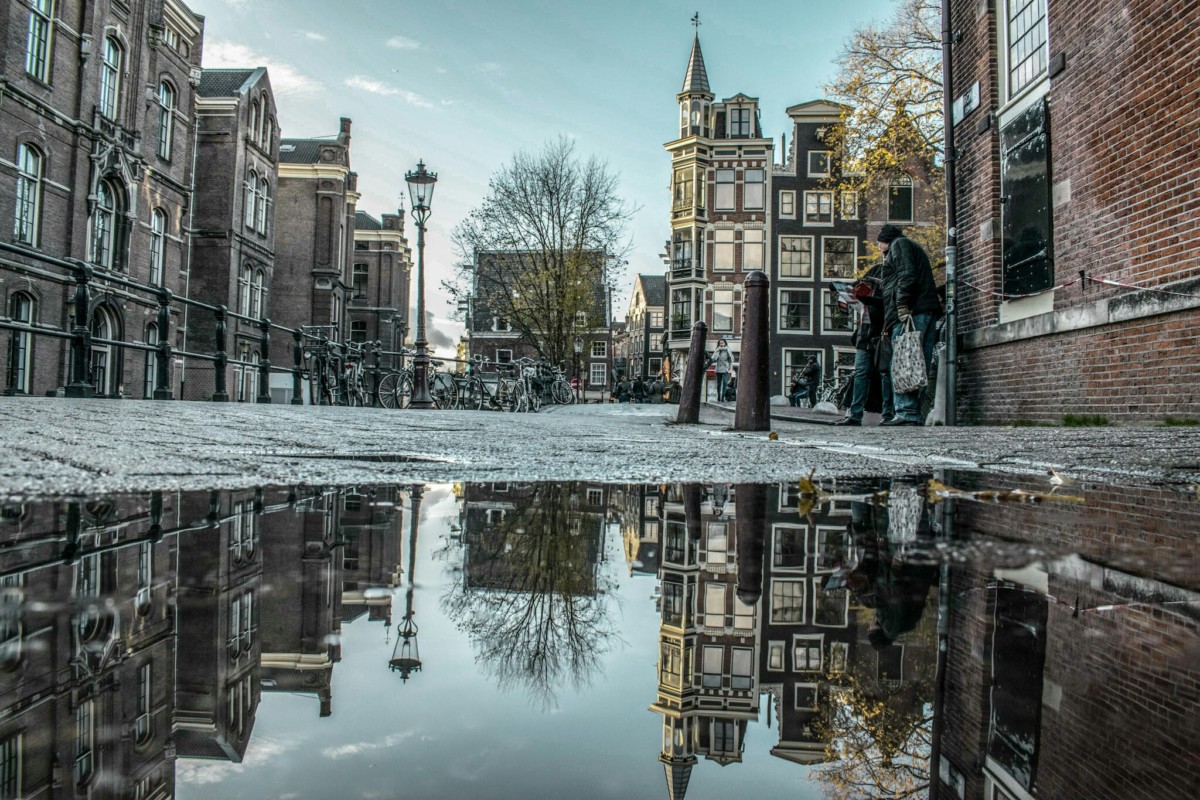
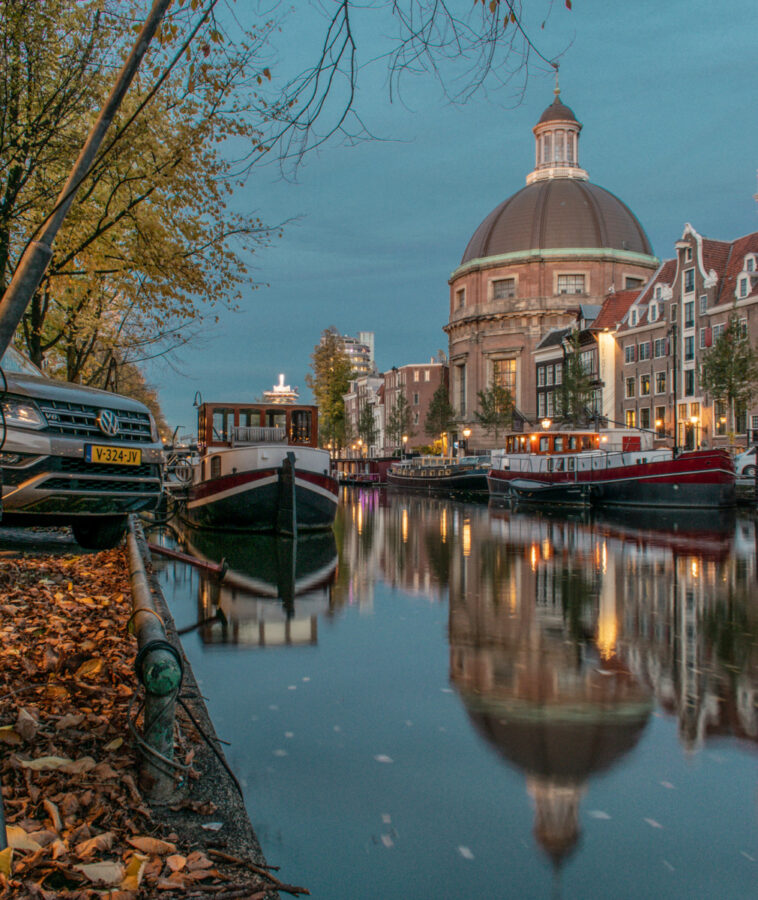
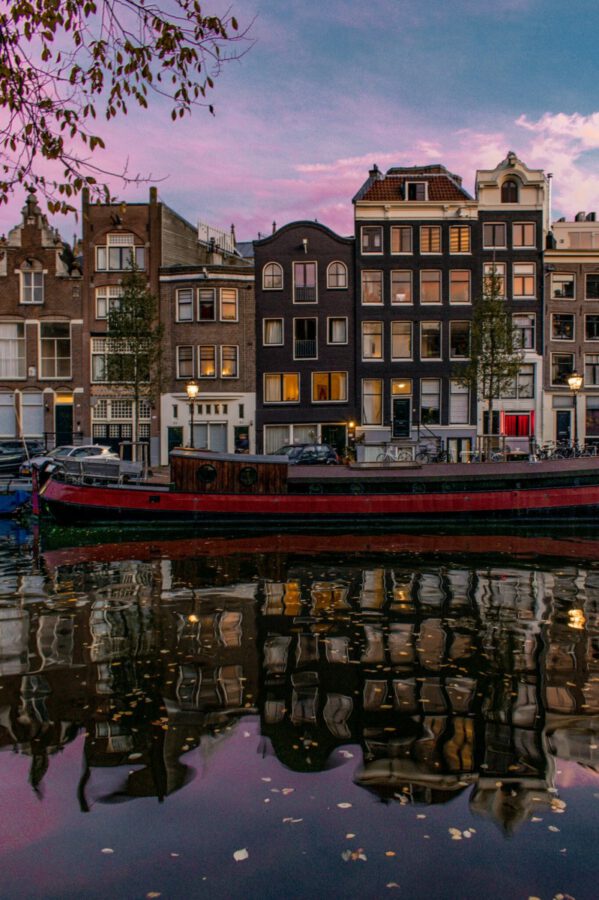
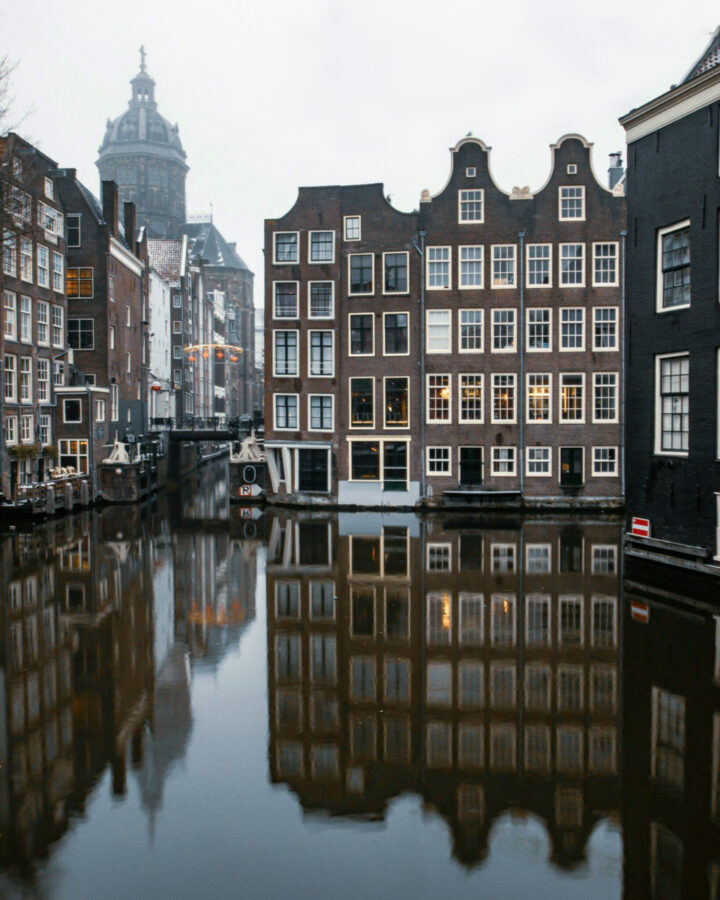
Have you been loving our previous photo reports? If the Dutch weather has left you feeling a little blue lately, we have some beautiful photos to brighten up your day.
Here at DutchReview, we’re self-confessed Instagram addicts, and we love to showcase the familiar faces we always see on our feeds, so you can enjoy them too.
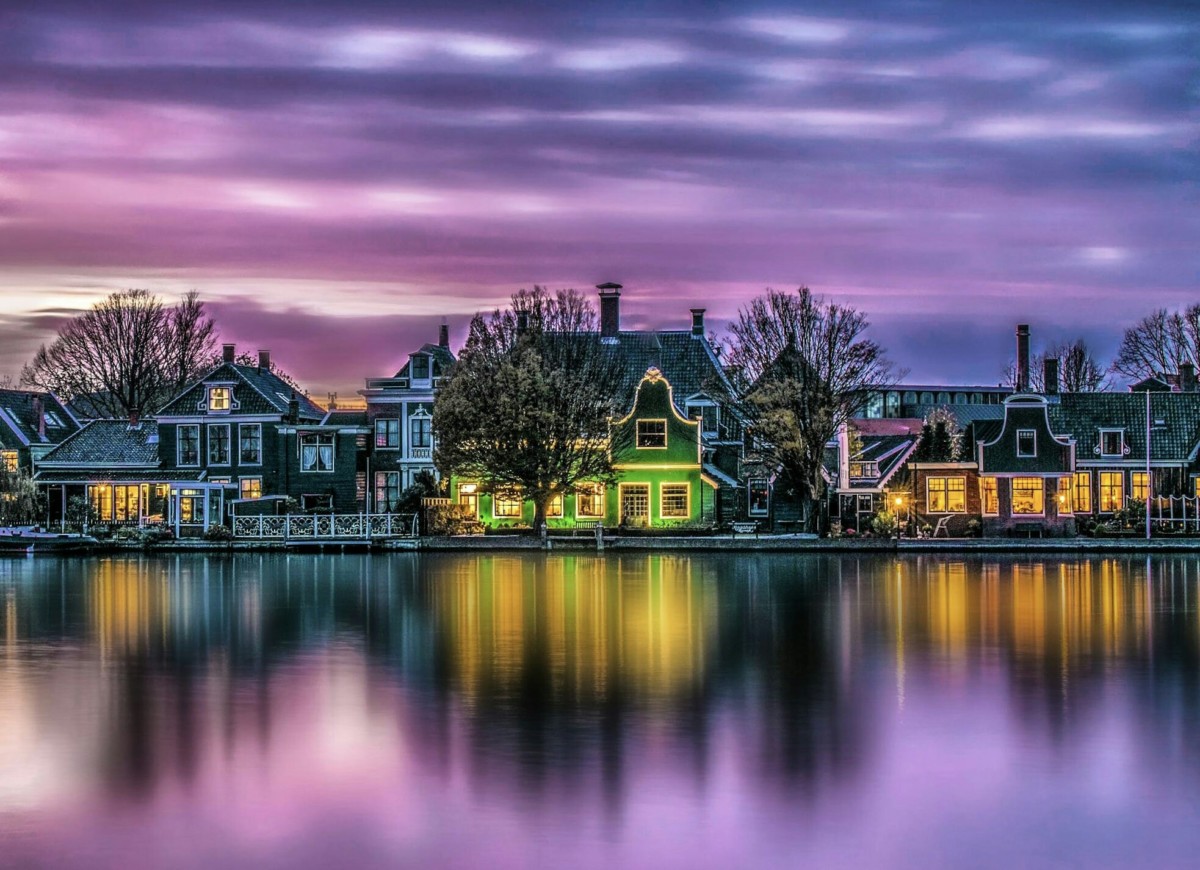
This time, we’ve teamed up with Nora Maria to bring you some fantastic photographs of the Netherlands.
Warning: These photos will for sure make you fall in love with the Netherlands all over again. 😉
Image: @noramaria.nl/Instagram
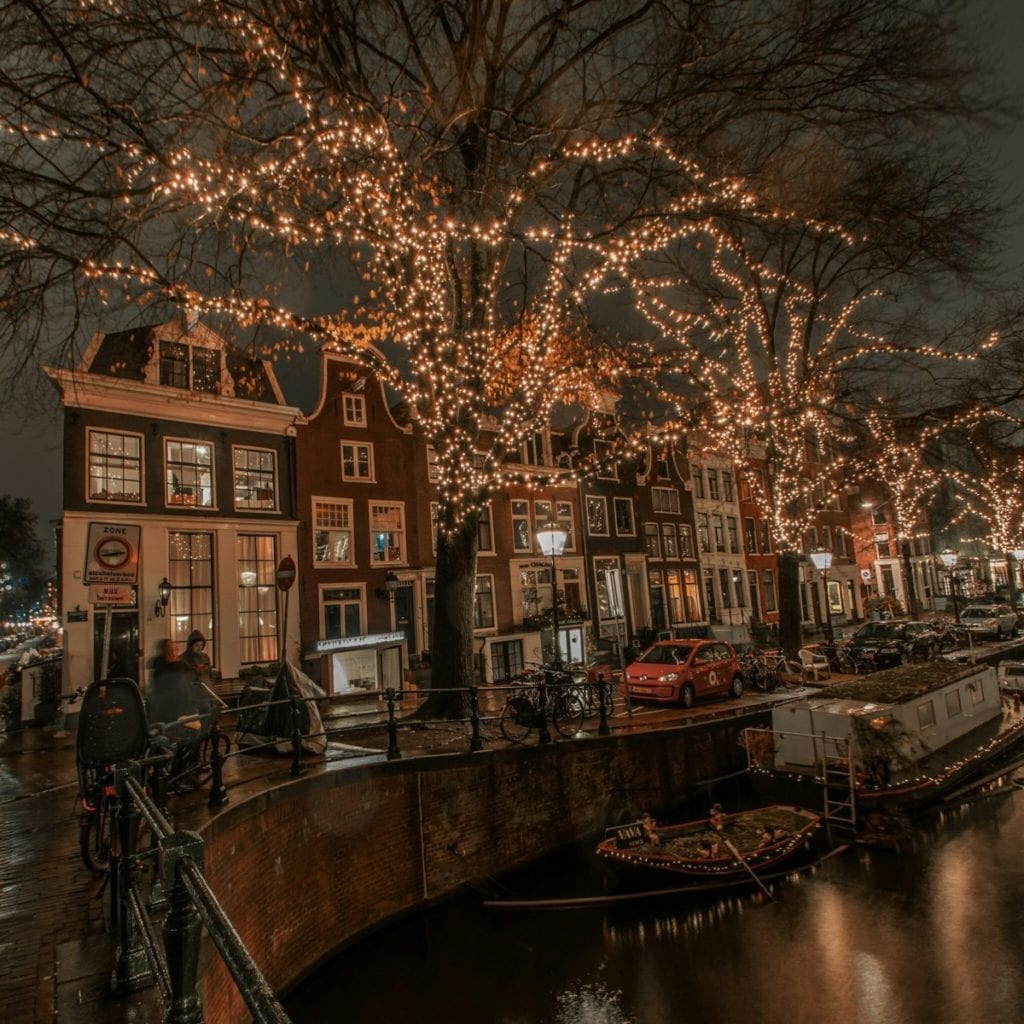
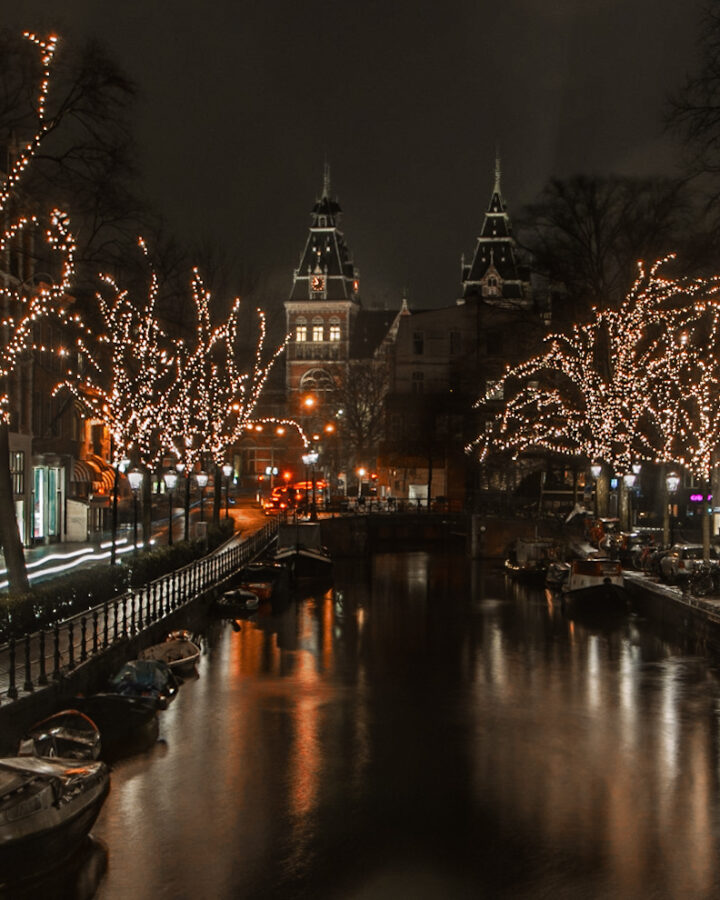
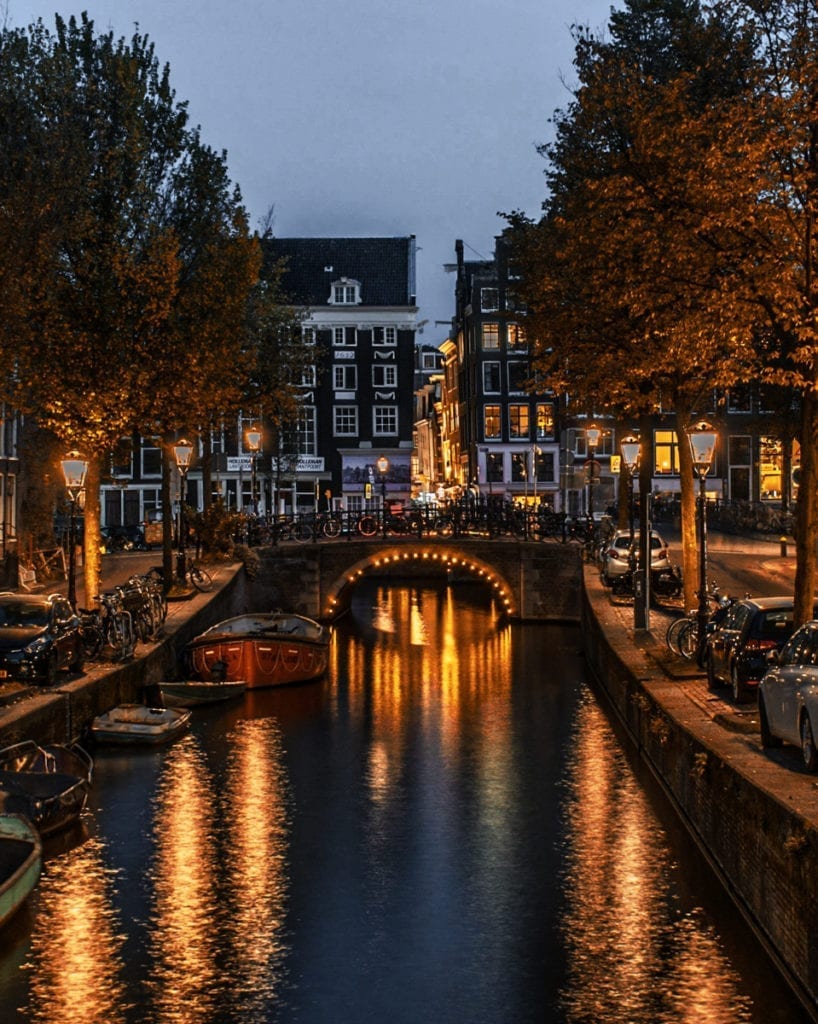
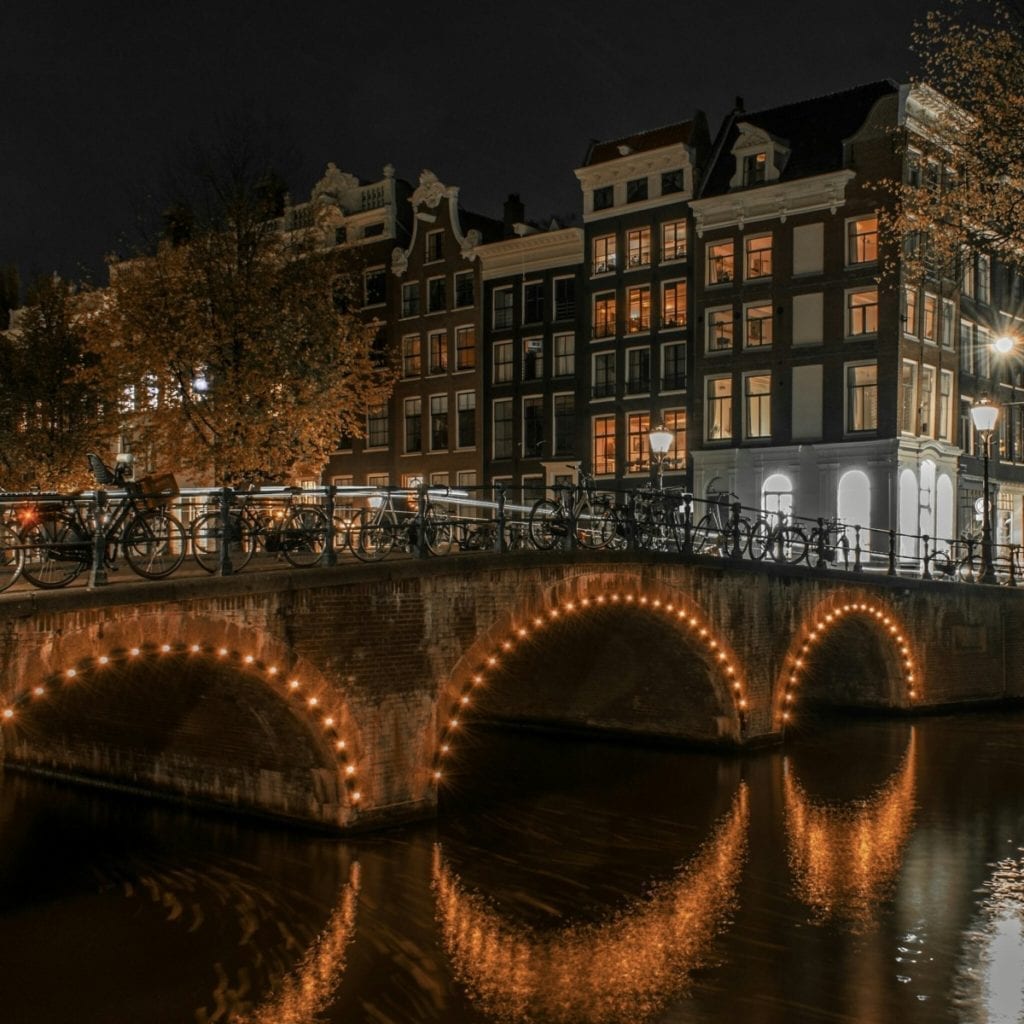
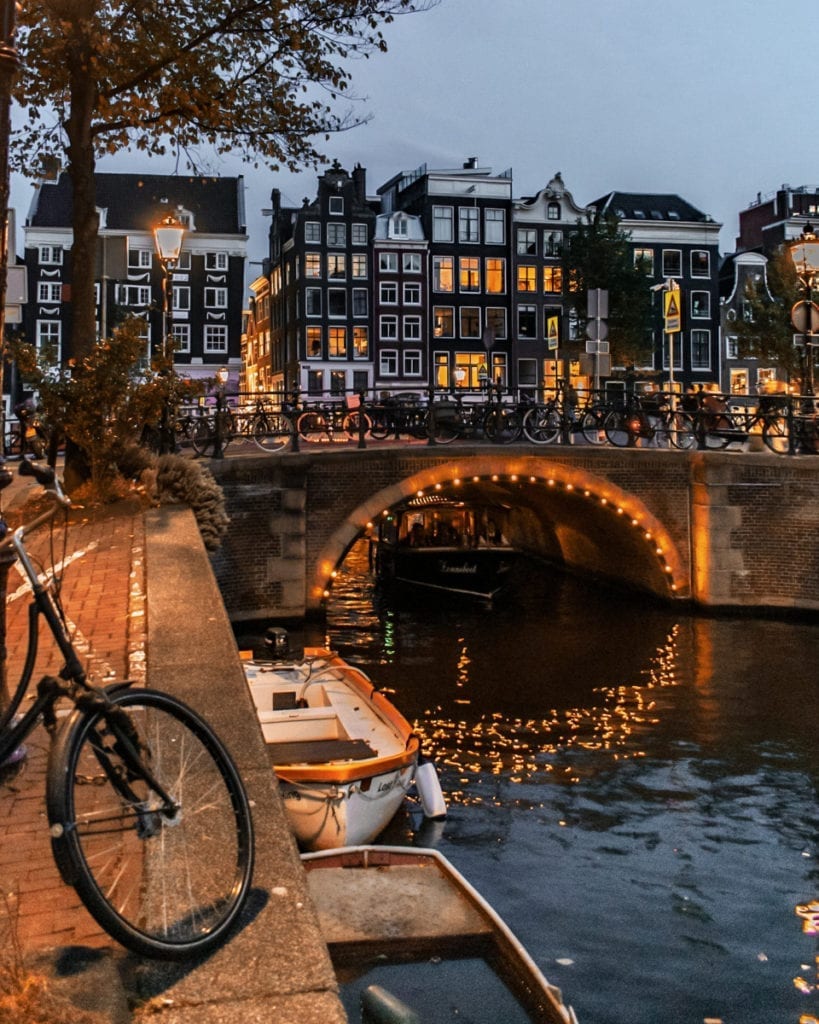
It may feel gloomy in the winter, but the Netherlands still looks beautiful! Head to the canals and enjoy the reflections of fairy lights in the water. ✨
Image: @noramaria.nl/Instagram
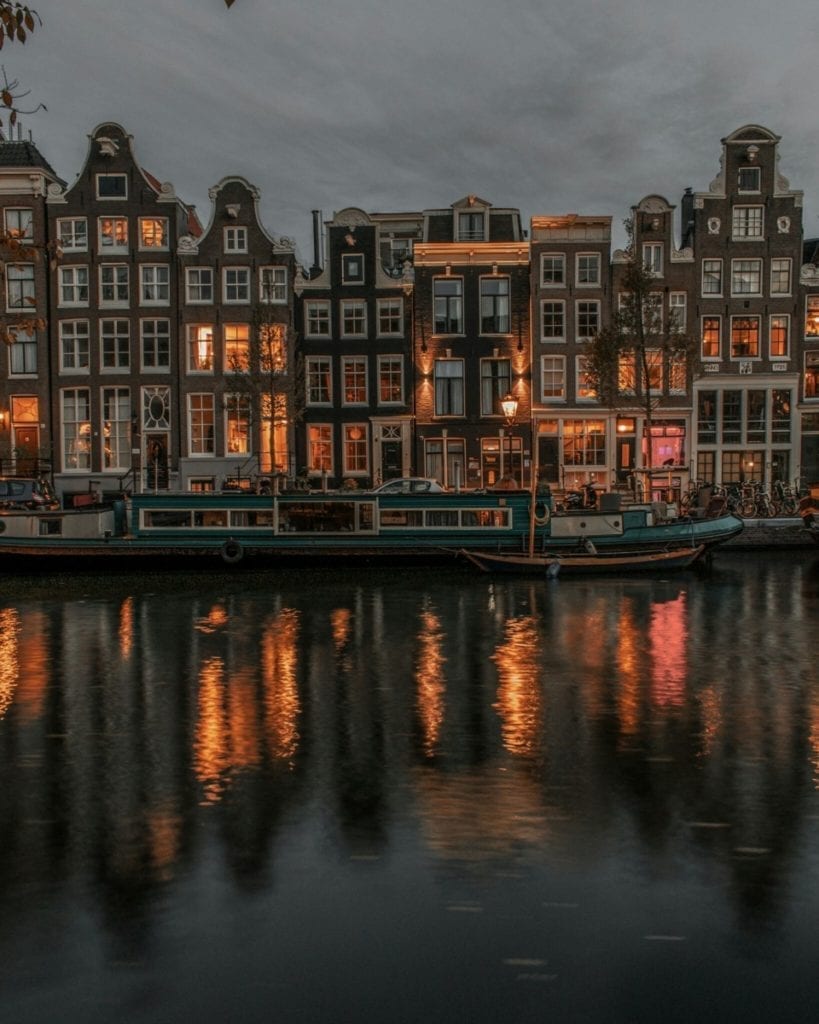
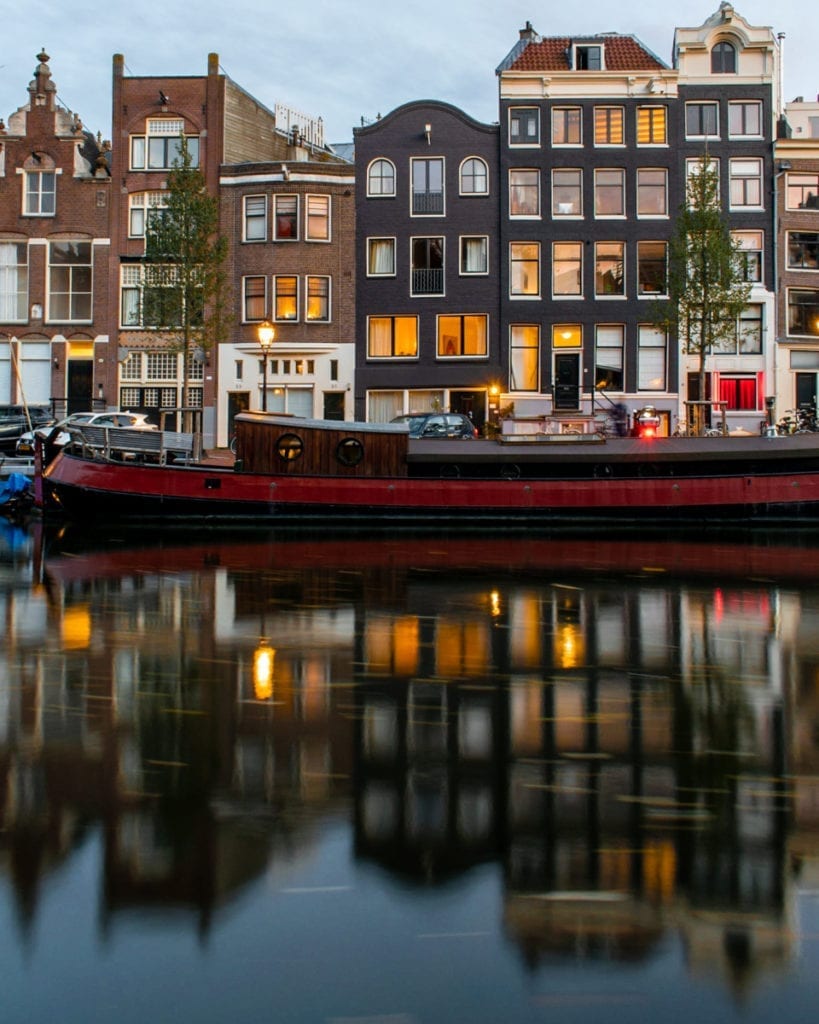
Seriously, Amsterdam never fails to impress!
Image: @noramaria.nl/Instagram
Although it’s tempting to stay inside, sometimes braving the rain can be worth it — just look at this!
Image: @noramaria.nl/Instagram
Image: @noramaria.nl/Instagram
Image: @noramaria.nl/Instagram
And after the rain comes the sun. Or at least beautiful skies!
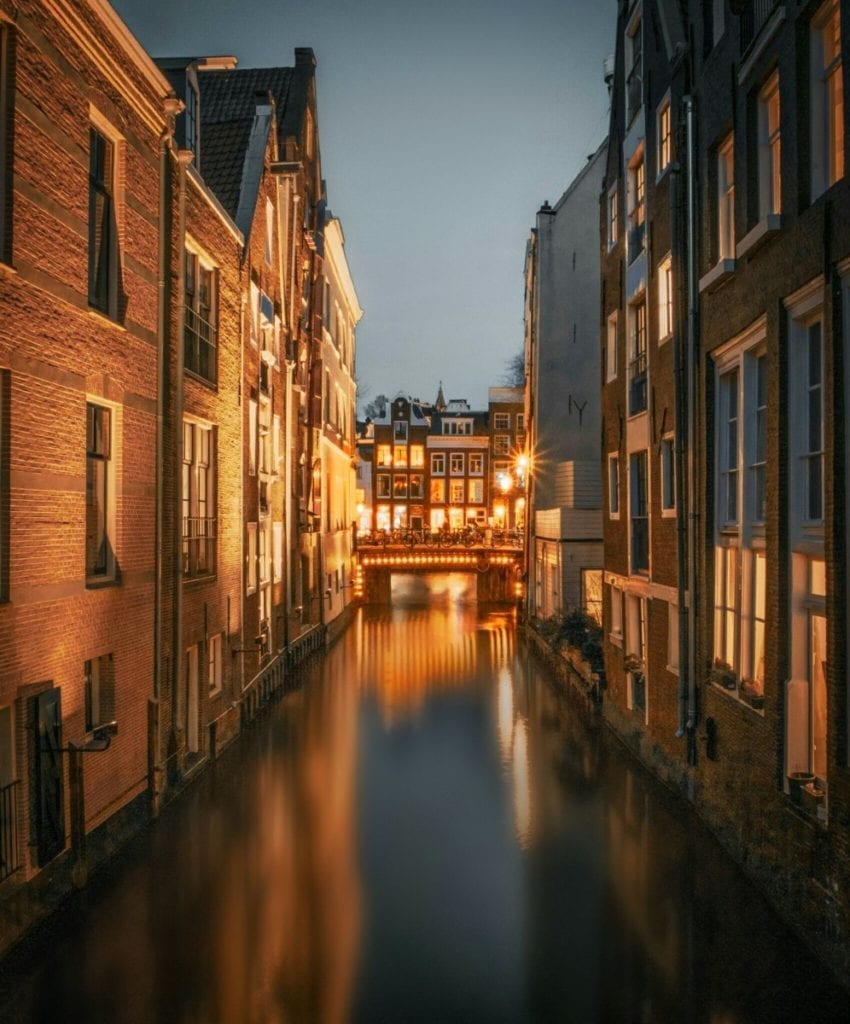
One of the things Nora Maria does best is capturing that warm, fuzzy feeling you get when walking through the streets of Amsterdam and seeing all those canal houses light up. Just look at these beauties:
Image: @noramaria.nl/Instagram
Image: @noramaria.nl/Instagram
Image: @noramaria.nl/Instagram
Image: @noramaria.nl/Instagram
Image: @noramaria.nl/Instagram
Image: @noramaria.nl/Instagram
Image: @noramaria.nl/Instagram
Image: @noramaria.nl/Instagram
Image: @noramaria.nl/Instagram
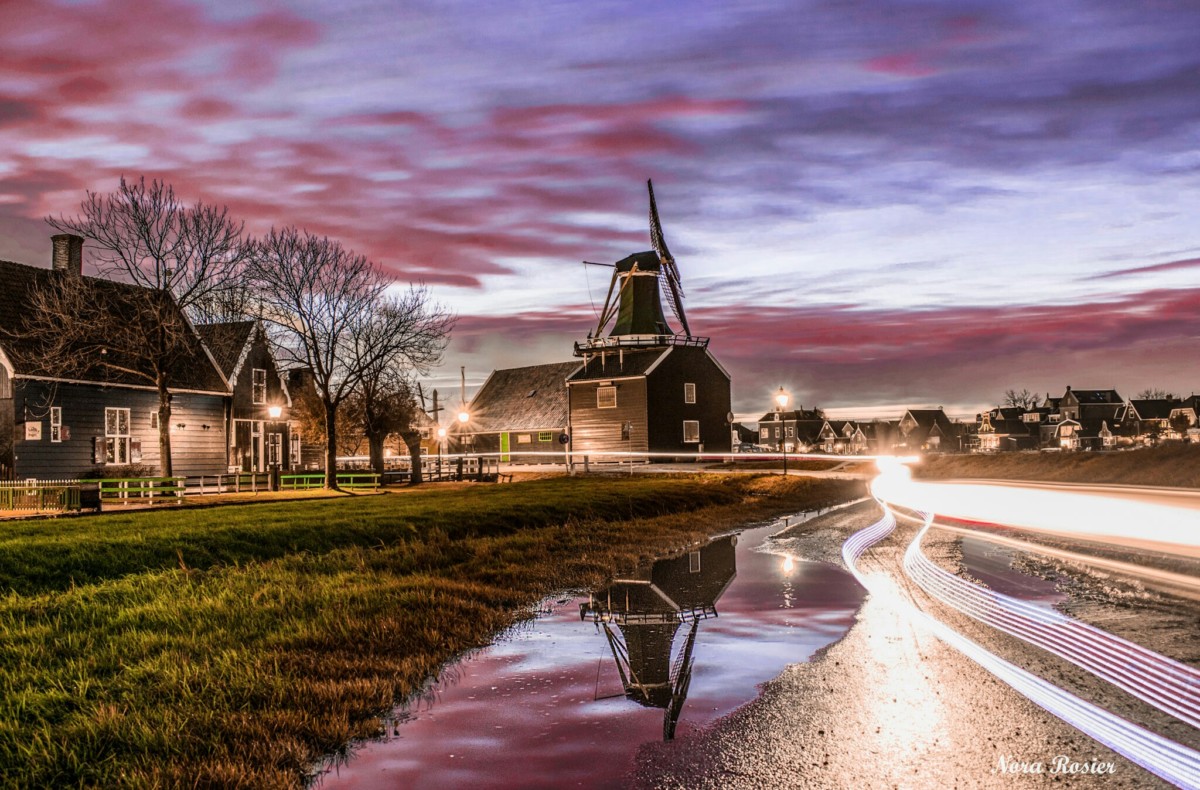
It’s not just all canals, though. Check out this incredible windmill shot!
Image: @noramaria.nl/Instagram
Beautiful pictures, huh? And there’s plenty more where that came from! If you haven’t already, check out Nora Maria on her Instagram.
We’re there too, sharing all kinds of great pictures that you’ve taken, so be sure to take a nose at our Instagram as well. 😉
Which one of these photos do you love the most? Tell us in the comments below!
There is no Dutch tradition as cherished as the Sinterklaas poem (well, except perhaps Zwarte Piet). But, what is this mysterious sinterklaasgedicht — and how do you write one?
If it’s your first Sinterklaas in the Netherlands, you may be stressing about joining in on this creative activity. But rest assured, it’s supposed to be a fun and informal bonding moment, so relax and get ready to roast your friend.
What is a Sinterklaas poem?
A Sinterklaas poem is a piece of writing given to a designated person. It’s normally accompanied by an inexpensive gift (often in elaborate packaging called a surprise).
You don’t need to be Robert Frost for this poem, though, and you probably won’t need to pull a thesaurus off a shelf.
Instead, this poem is supposed to be a chance for you to poke some fun at your friend: their habits, a silly thing that happened to them this year, or the time they fell into a canal drunk. Your choice!
An iconic part of Dutch Christmas is the swapping of Sinterklaas poems. Image: Unsplash
There’s a catch: the poem is always written from the perspective of Sinterklaas and Zwarte Piet. So instead of “When we went to the airport, and you forgot your passport”, it should be “Sint & Piet heard you went to the airport and forgot your passport.”
Who gives Sinterklaas poems?
While the Sinterklaasgedicht is normally a tradition for children, adults often join in the fun. It’s not uncommon to do a poem exchange in a sports club, association, class at university, or group of friends.
When do I give the poem — and how?
On pakjesavond, on December 5 each year, your group will generally gather together.
If you come for dinner, you may get to enjoy the tradition of gourmetten (which is less gourmet than it sounds), drink some mulled wine, and exchange poems.
If you’re also exchanging surprises you normally integrate your poem into the packaging.
For example, if the subject of your poem loves dogs, you may make them a surprise that looks like a dog and then roll up the poem to sit inside the dog’s mouth like a bone.
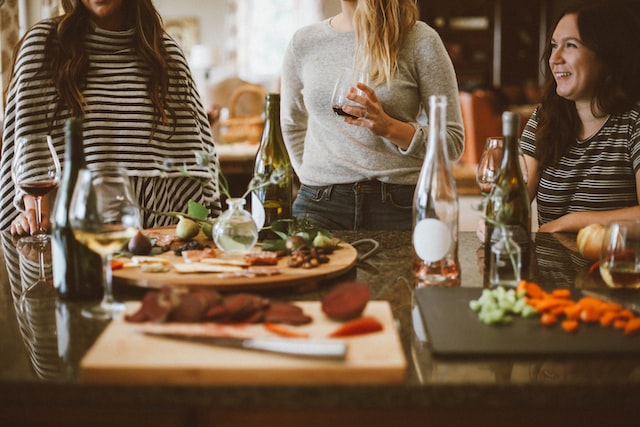
Exchange your poem over dinner, and wash it all down with a glass of wine. Image: Unsplash
The poem is typically typed or handwritten on a normal piece of paper — no decoration is necessary, but go crazy if the mood strikes you.
When the time comes, each person will receive the poem written about them individually. You’ll receive your poem and read it aloud to the room (with plenty of laugh breaks, of course).
How long should a Sinterklaas poem be?
There’s no real length of a Sinterklaas poem — but if you’re like me, that’s not what you want to hear.
So, as a general rule, make sure your poem is a minimum of eight lines long. Some even argue it should be at least one page.
Again, there are no rules. My partner once received a poem that was four or five pages long (she did a lot of dumb stuff that year).
What should my poem be about?
If you’re giving a surprise and a gift with your poem, it’s common for your poem to reference the gift itself for at least part of it. For the other part, or if you’re not giving a gift, your poem shouldn’t be afraid to have some fun.
Laughing is genuinely the intent of the poem, so save your sappy stuff about being best friends forever. You can take it easy and talk about fun things, like their favourite football team or a dish they’re good at making.
Alternatively, you can start roasting the recipient (all in good fun, of course).
If you’re struggling with ideas, write out anything you think of when thinking about your friend. Write down any possible options, then work from that.
Is your friend always late? Chews with their mouth open? Quite often forgets to scan a few items at the supermarket self-checkout? Do they wear the same sweater every day? Can’t drive? Is forever losing their wallet or phone? Has a new boyfriend/girlfriend every week?
All of these things are prime fodder for your Sinterklaas poem.
How should my poem be written?
Your poem should definitely rhyme, but you shouldn’t stress too much about making it perfect. Most people prefer to write four-line verses in an AABB rhyming scheme. For example:
Sint and Piet heard something that made them cry, Mary, why do your plants always die? Maybe you should give them water now and then, Instead of being obsessed with sexy Tinder men.
Alternatively, you could write your poem in ABCB rhyming style to make it even easier. For example:
Sint and Piet quickly checked their records “Why, Piet,” said Sinterklaas, “Mary’s doing something incorrect” Piet nodded in agreement, She still hasn’t learned Dutch yet!
If you’re struggling to start your poem, you can always start it with a cliche:
Sint en Piet zaten te denken, // Sint and Piet were thinking Wat ze jou zouden schenken // What they should give you
And, if you really are struggling with rhymes, don’t be afraid to use your trusty friend Google. There are stacks of rhyme generators out there to give you a hand. 😉
Should I write my Sinterklaas poem in English or Dutch?
That is completely up to you and your friends.
If you feel like taking a swing in Dutch, go ahead! But remember, the Dutch are pretty damn good at English, so if you want to make it easy (or if there will be other non-Dutch speakers present), let your friends know you’ll write in English.
Have you written a Sinterklaas poem before? Got any top tips? Tell us in the comments below!
Nearly three years after a little girl, Firdaous, was killed in a shooting in Antwerp, investigators are turning to the Netherlands for help.
Police are now searching for two Dutch men known only by the nicknames “Libby” and “Kleine Pagel,” who may have crucial information about what unfolded on January 9, 2023.
Calling upon the public
On Opsporing Verzocht (a Dutch television programme where police ask civilians to identify suspects), police spokesperson Nabil Ou-Aissa said new information about the case had surfaced in Amsterdam.
He urged civilians to report anything they know about Libby or Kleine Pagel, either anonymously or in strict confidence.
Here’s the security camera footage from the shooting in Antwerp, which shows two suspects on an electric scooter and an old, repaired Peugeot hatchback.
The two Dutchmen haven’t been confirmed as perpetrators but are believed to hold key information about the shooting. The priority now is to speak to them.
A tragedy that shook the country
The 11-year-old girl was killed when gunmen opened fire on the family home in Nieuwdreef, Antwerp.
Bullets tore through the garage and into the kitchen, where Firdaous, her father, and her sisters were eating. She died instantly.
Her body was sent to Morocco for burial.
A drug war?
Then-mayor of Antwerp, Bart De Wever, called the incident a turning point in the city’s struggle against drug-related violence.
And much of this violence is linked to the transit of cocaine through the port of Antwerp. Last year alone, 110 tonnes of cocaine were intercepted at the port.
According to RTL Nieuws, the victim had two uncles known for cocaine trafficking: Othman EB, who was extradited from Dubai to Belgium last summer, and another uncle who had been convicted of drug offences.
Now, police urge anyone with information about Libby and Kleine Pagel in Amsterdam, or about the suspects captured on CCTV footage, to come forward.
No matter how small the detail, your information could help bring closure for Firdaous’ family and the community still seeking answers.
You can contact the police tip line at 0800-6070, the anonymous hotline at 0800-7000, or submit an online tip via the police tip form.
Ugh, wintertime. It makes everyone want to escape their current lives, whether by trying to be a better person or by physically travelling away from their usual abodes. 🏃🏼♀️
Well, you can do both! Travel by train to minimise your impact on the planet and explore some gorgeous European cities. We have chosen seven winter escapes from the Netherlands by train that you can enjoy. 🚄
You could also purchase an Interrail pass if you’re planning on travelling for an extended period of time.
As a more flexible but more expensive option, you can also buy tickets as you go. The prices listed are based on your booking a month in advance, so they’ll be more expensive if you book for tomorrow, for example.
1. Gent
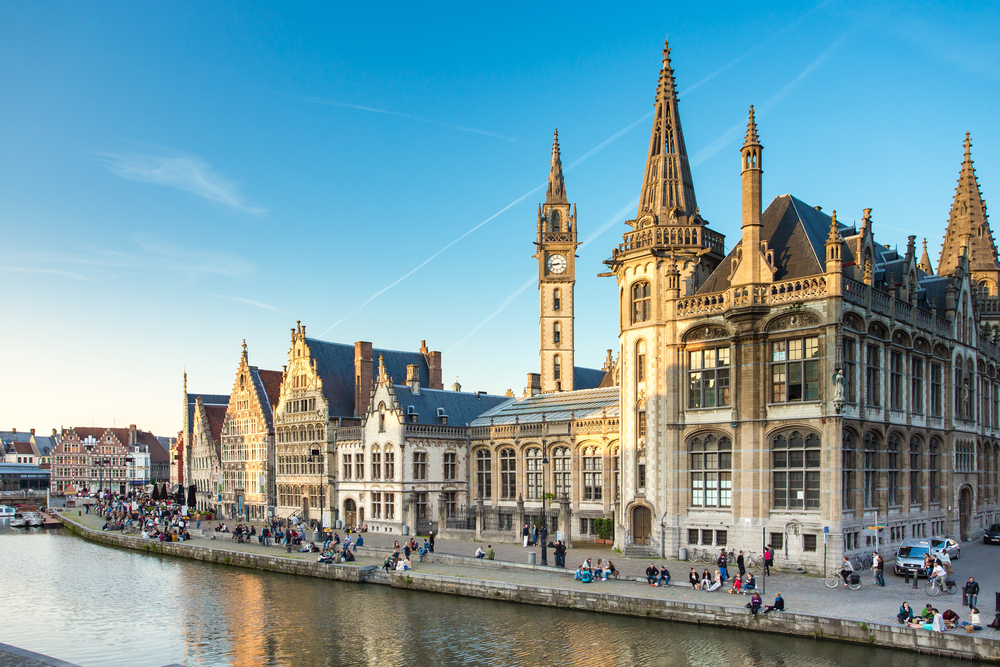
Our team recently visited the beautiful city of Gent, and we were blown away. One of our writers describes Gent as a more relaxed and accessible Bruges, with a stunning mix of old and new architecture dotting the city centre.
Gent is the perfect winter escape from the Netherlands. Image: Depositphotos
And honestly, with that short of a travel time from Amsterdam, how could you not take the trip? Short trips like this one are pretty inexcusable to take by plane — in fact, flying to Gent would probably take you longer than taking the train. 😋
⏳Time from Amsterdam: 2.5 hours 💲One-way ticket price: €30 to €40 one way
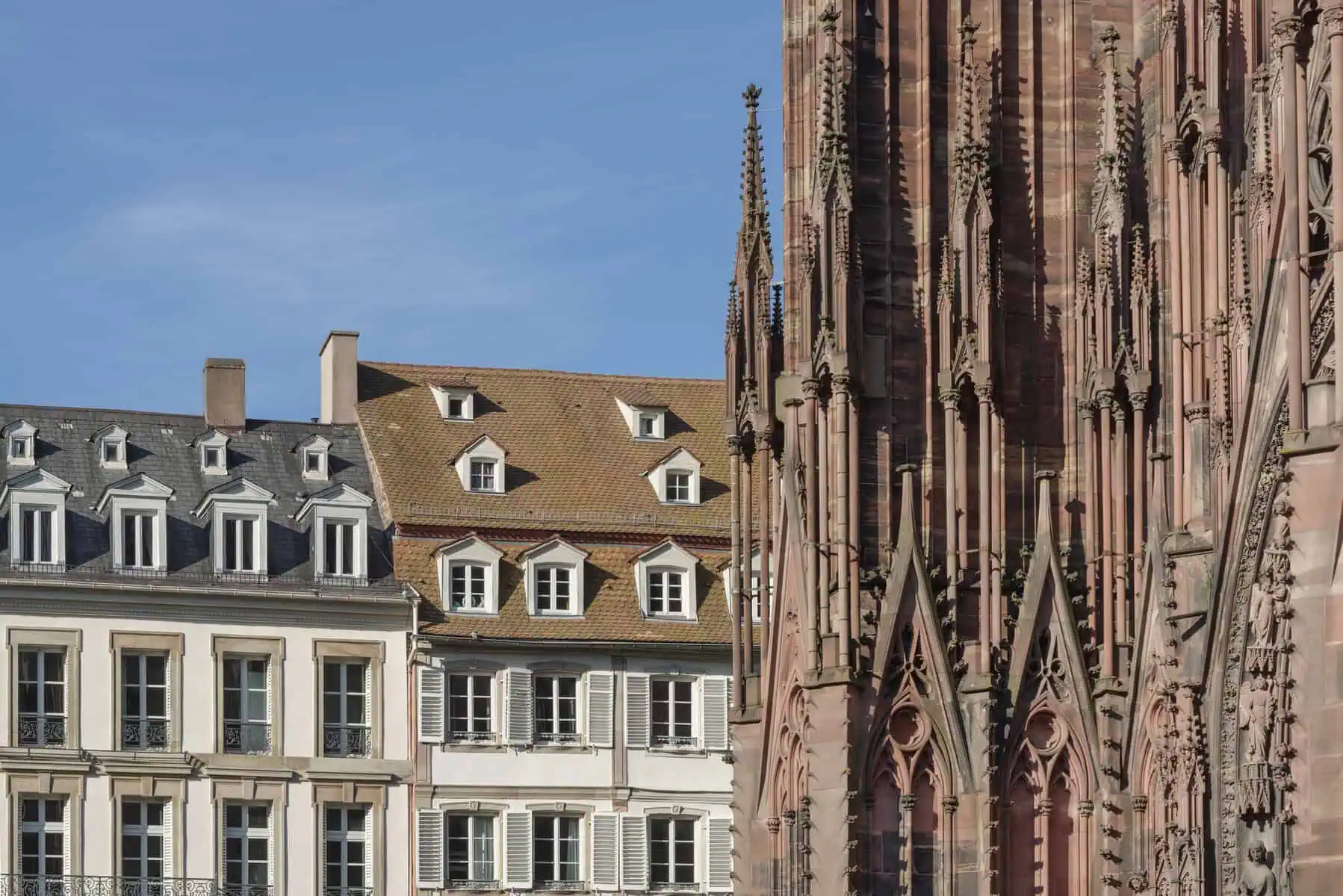
Home of the European Parliament, you can get your fill of politics here no problem. But Strasbourg is also a really beautiful city: it has two UNESCO World Heritage sites, the Cathedral of Notre-Dame (not the Parisian one) and the Imperial, or German Quarter.
The stunning old town of Strasbourg. Image: Depositphotos
There are lots of beautiful parks to enjoy as well, and the French-German cultural blend remains evident to this day.
The train trip will take you through Paris, so although it is a short trip, it could be worth breaking up with a day of exploring the French capital. 🥐
It’s the perfect option if you want to go somewhere just for the weekend.
⏳Time from Amsterdam: 6 hours 💲One-way ticket price: From €40 to €80 one way
3. Luxembourg
If you want to get the essence of Western Europe, then you cannot miss Luxembourg. The country has a deep sense of culture and history and lies in the middle of the continent (they speak English, Luxembourgish, French, AND German!)
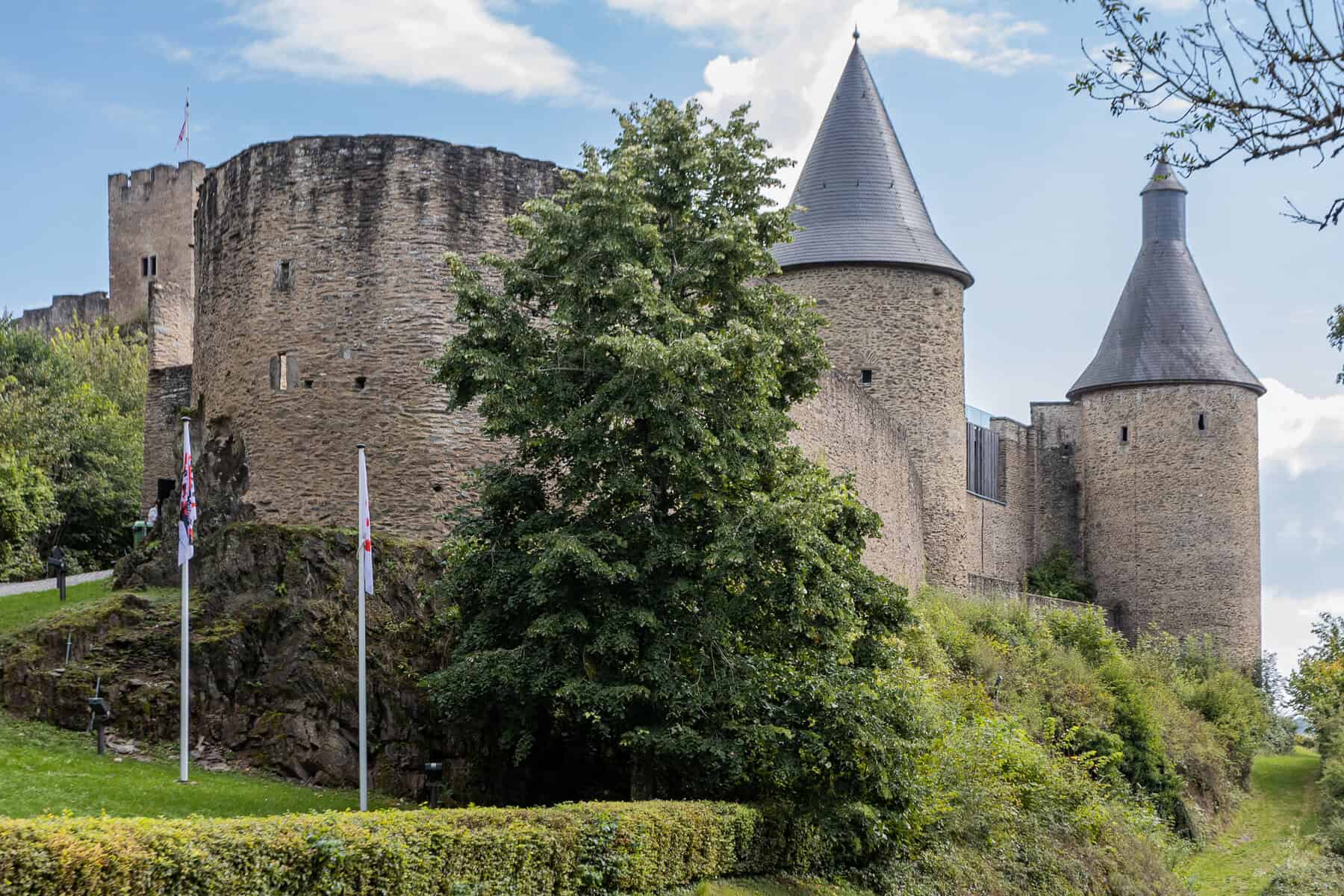
The Fortress of Luxembourg is a must-see: it was known as the Gibraltar of the North until it was rendered unfit for military use in 1867.
Feel the wonder at the Fortress of Luxemburg. Image: Depositphotos
Luxembourg has a great wine-and-dine scene, which is perfect for those winter months when you want to take the chill out of your bones with a delicious meal.
The trip has one change at Bruxelles-Midi. If you leave early enough, you could be in Luxembourg by mid-afternoon.
⏳Time from Amsterdam: 6 hours 💲One-way ticket price: From €33 to €50 one way
4. Zurich
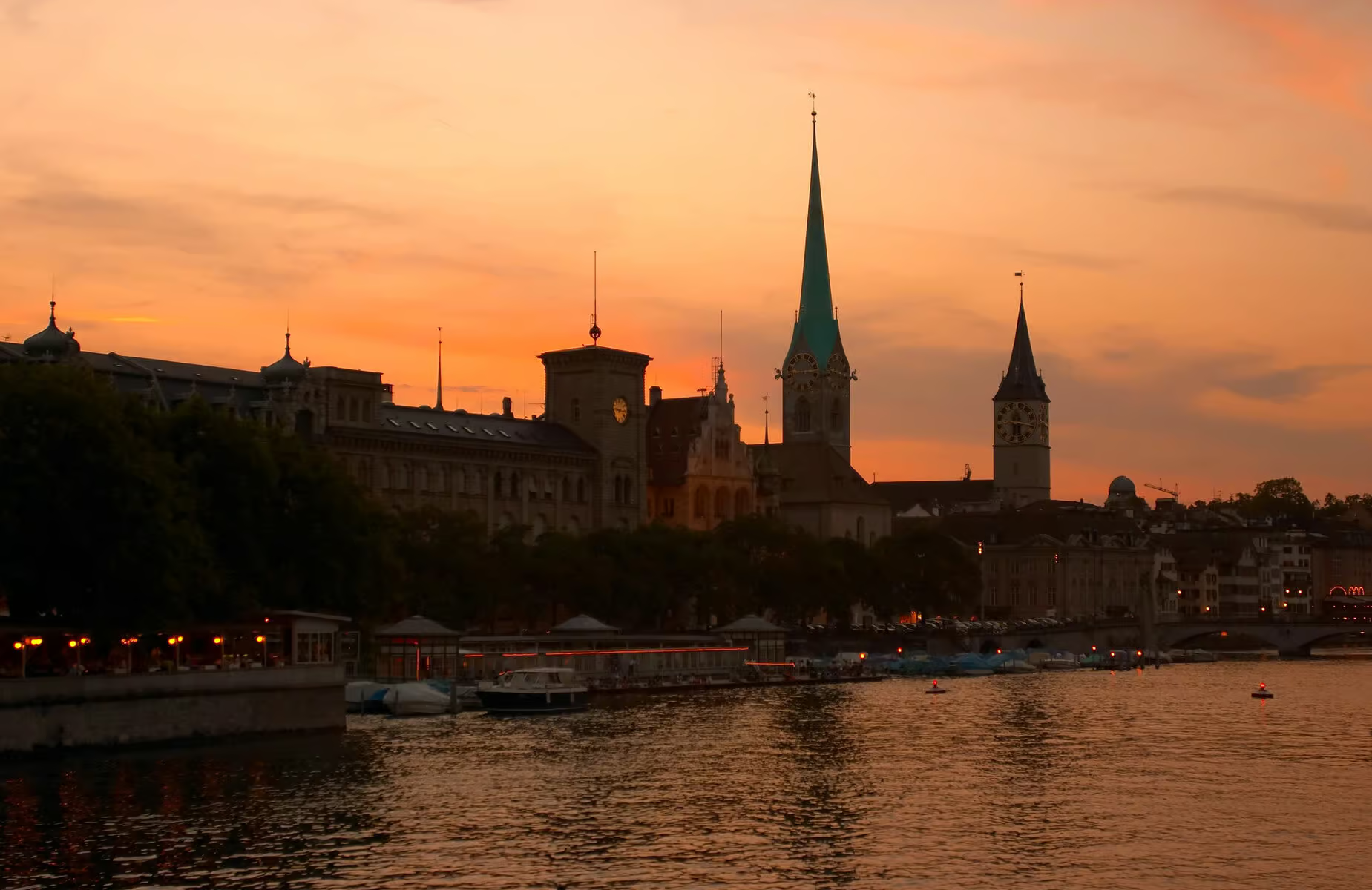
There’s a lot more to Zurich than just an expensive financial centre, which is why we’re recommending it as one of our top winter destinations by train.
You simply cannot escape the beautiful nature in Switzerland. Zurich is a lakeside city with the beautiful River Limmat running through the Old City.
There are some gorgeous hiking trails up each of the small mountains that surround the city, so bundle up and get out there. And in winter, you can never go wrong with a museum (which Zurich has plenty of!).
The train journey is a neat eight hours and usually includes two changes: one in Frankfurt and one in Basel, Switzerland.
Eight hours is short enough that you shouldn’t need to split the journey, but if you do want to, then Frankfurt is a great spot to take a break.
⏳Time: 8 hours 💲Price one-way: From €45 to €68 one way
5. Vienna
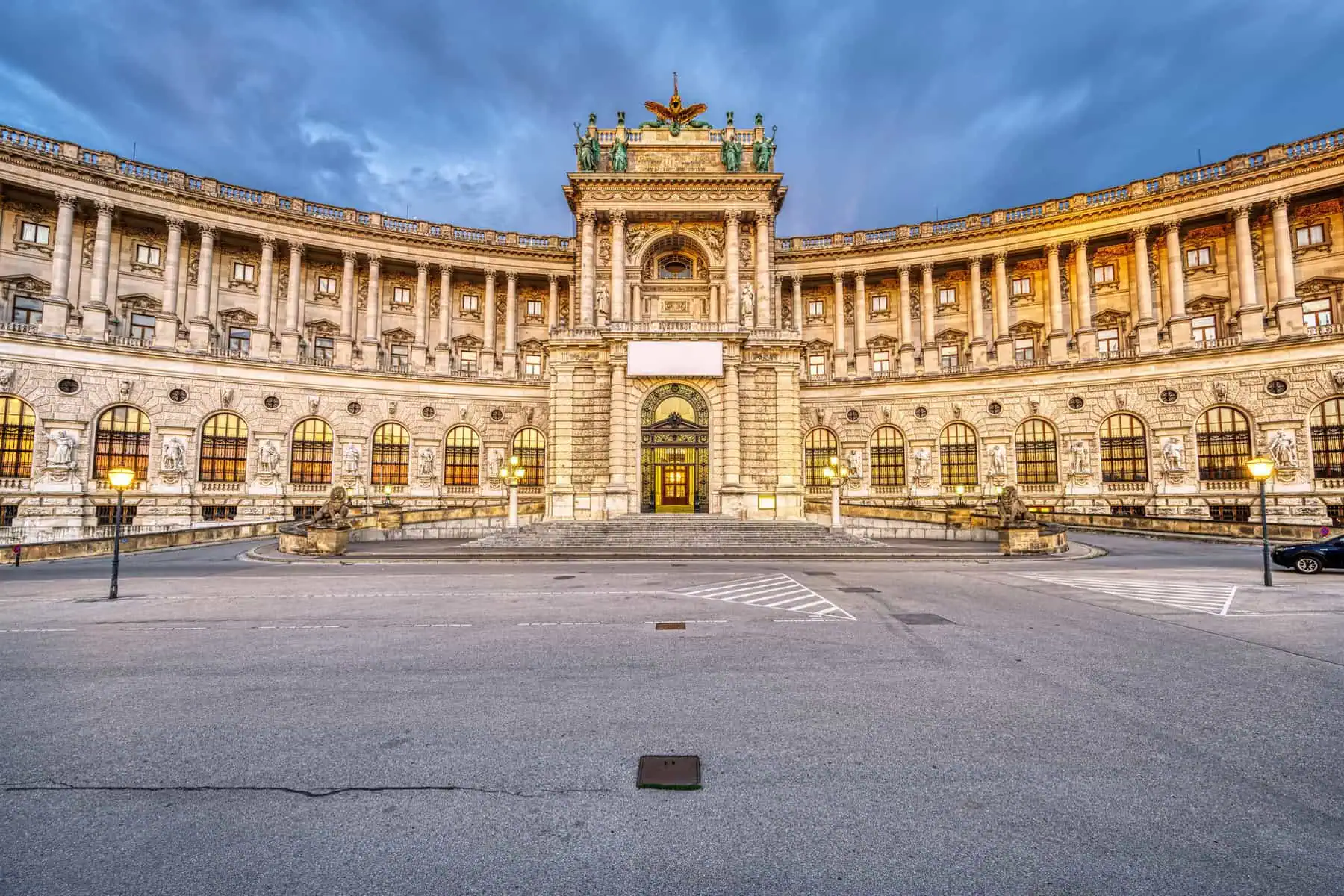
If you’re craving some high-quality architecture, Vienna is the place to go. You can’t come here and not gobble up the Schönbrunn or Hofburg Palace, where new architectural styles were added on as each new ruler tried to show off.
And then there’s the coffeehouse culture: eat some delicious cake and sip some coffee as you watch the world go by. ☕
The train trip sometimes only has one stop, at Frankfurt, but others have multiple stops in Munich or Salzburg, for example. Depending on whether you want to split the journey, either option is a great idea.
⏳Time from Amsterdam: 11 hours 💲One-way ticket price: From €30 with the NightJet, from €50 with ICE international one way
6. Copenhagen
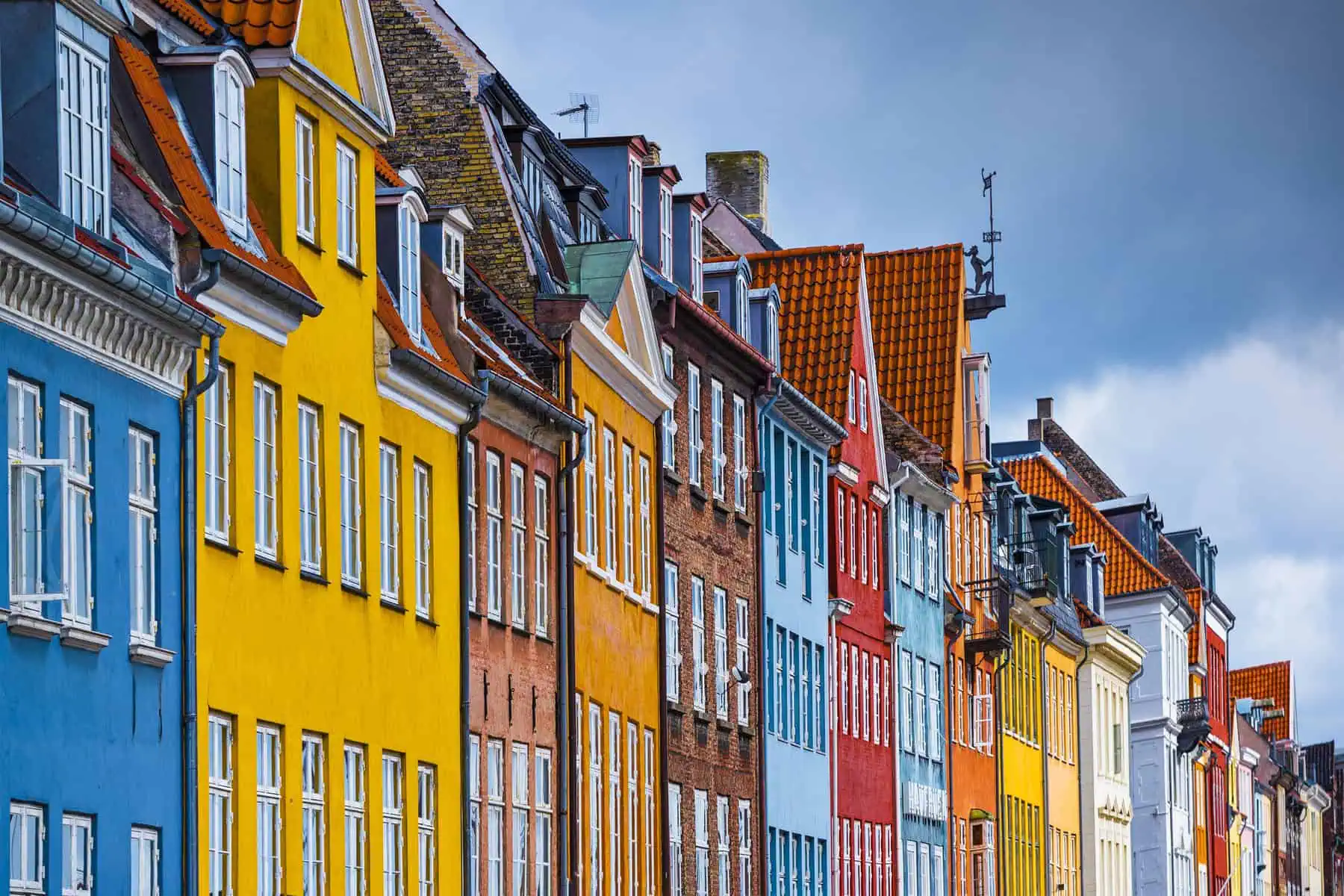
Copenhagen is one of my favourite cities (outside the Netherlands, of course), and the train journey takes you through some beautiful countryside and cityscapes.
What can you do in Copenhagen? The first thing I recommend is the Royal Library. Not just for the books but for the architecture too.
So what does the 11-hour train journey to Copenhagen look like? You’ll have either two or three changes — one for sure in Osnabrück and one in Hamburg. Hamburg would be the perfect place to split the journey, as it’s about halfway through the journey, but the trip is totally doable in a day.
⏳Time from Amsterdam: 11 hours 💲One-way ticket price: From €38 one way
7. Prague
Prague is well-known for cheap beer and attracting revellers from far and wide each year.
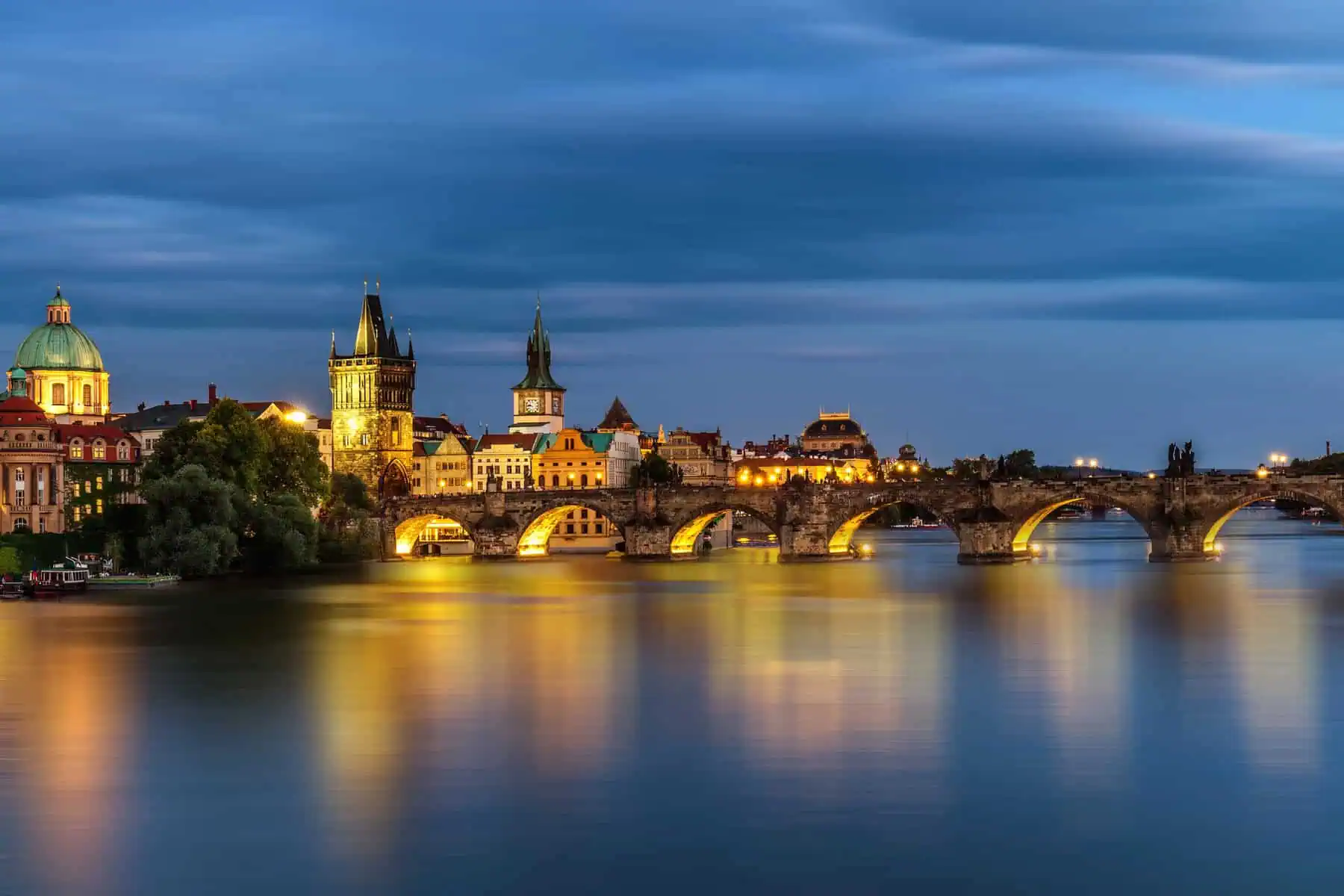
The Old Town Hall was one of my favourite features. It is adorned with an astronomical clock on its gothic church tower, constructed in 1338. On the ground and second floors, you can find art exhibitions as well as the tourist office. We also loved Charles Bridge.
Built in 1390, the bridge is a major tourist draw, so don’t expect much peace and quiet here. It is lined with local artists and a fair few hawkers, but that’s all part of the experience. 🤷🏼♀️
The train journey to Prague from Amsterdam will take you an entire day, but you’ll pass through some beautiful areas. You’ll stop in Nuremberg (so if you want to break up the journey into two days, this would be the perfect place to stay).
A final interchange at Schwandorf, and you’ll be over the German border into the Czech Republic. It sounds like a long journey, but bring a couple of good books or a friend, and it’ll fly by. ✨
Don’t feel like travelling during the day? European Sleeper now runs a route to Prague (just expect to pay more than you would for a trip during the day.)
⏳Time from Amsterdam: 12 hours 💲One-way ticket price: From €40 to €120 one way, depending on whether you opt for a sleeper route.
From luxury fortresses, beautiful architecture, and so much culture, there’s almost too much to choose from when it comes to winter destinations. And, with just how easy it is to hop on a train, you could fill up every weekend of the cold and dreary months with a luxury trip. ⛄
Will you be heading off to any European cities by train soon? Let us know your favourite destinations!
There are so many places to eat in Amsterdam that it’s enough to make you feel paralysed by choice. But geen probleem, we’ve narrowed the list down to 9 places you absolutely have to try.
These are some of Amsterdam’s most chill and hip restaurants that offer delicious food and amazing cocktails!
Also, know that different DutchReviewers went to different trendy places, so we got all our brains together to find the best places. Enjoy!
Looking for somewhere central yet tucked away from the chaos? Then time to enter “The Lobby Nesplein” into Google Maps.
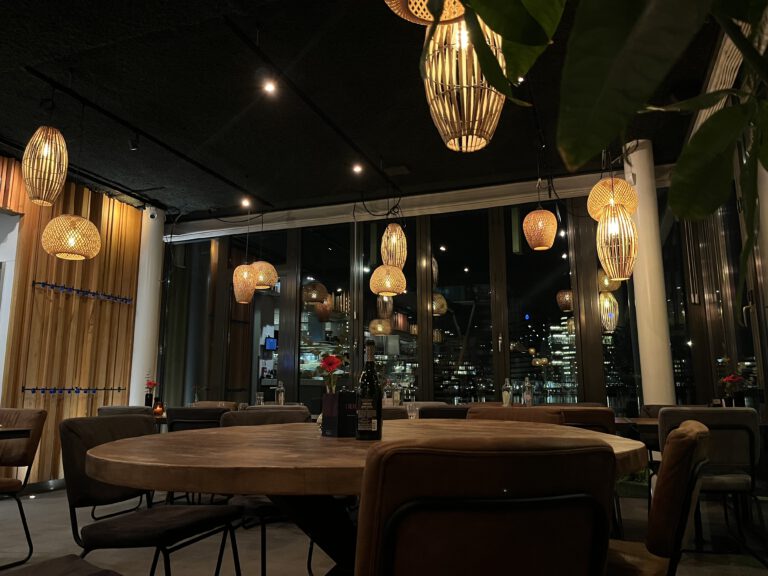
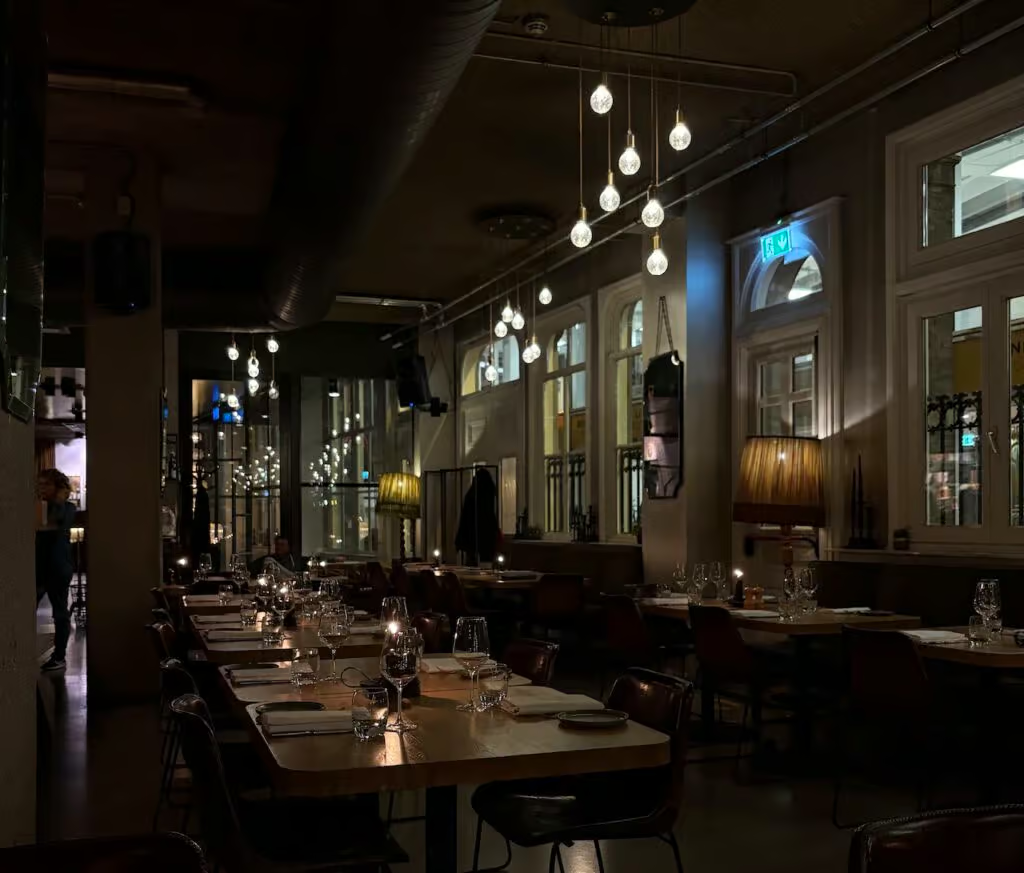
Nestled down a surprisingly calm and spacious side street, we felt like we had stumbled across a hidden gem when we opened the doors to The Lobby Nesplein. Its cosily lit interior offered us an immediate reprieve from the hustle and bustle of the city centre.
We arrived just as the staff were gearing up for dinner, allowing us the chance to get some shots of the setup before the tables filled. Image: DutchReview/Supplied
First step: drinks. We were ready for something special, and that’s exactly what we got.
I ordered the “Pear Pressure” while my friend went for the “Lobby’s Paloma.” We had every intention of trying out a variety of cocktails during the night, but we both enjoyed our initial orders so much that we couldn’t help but order the same again.
Another shoutout? The staff! They were so welcoming and helpful, offering their personal recommendations and making sure we were never left waiting for food or drinks.
Speaking of the food, we have to give it a 10/10. Not just for its execution but also for its inventiveness.
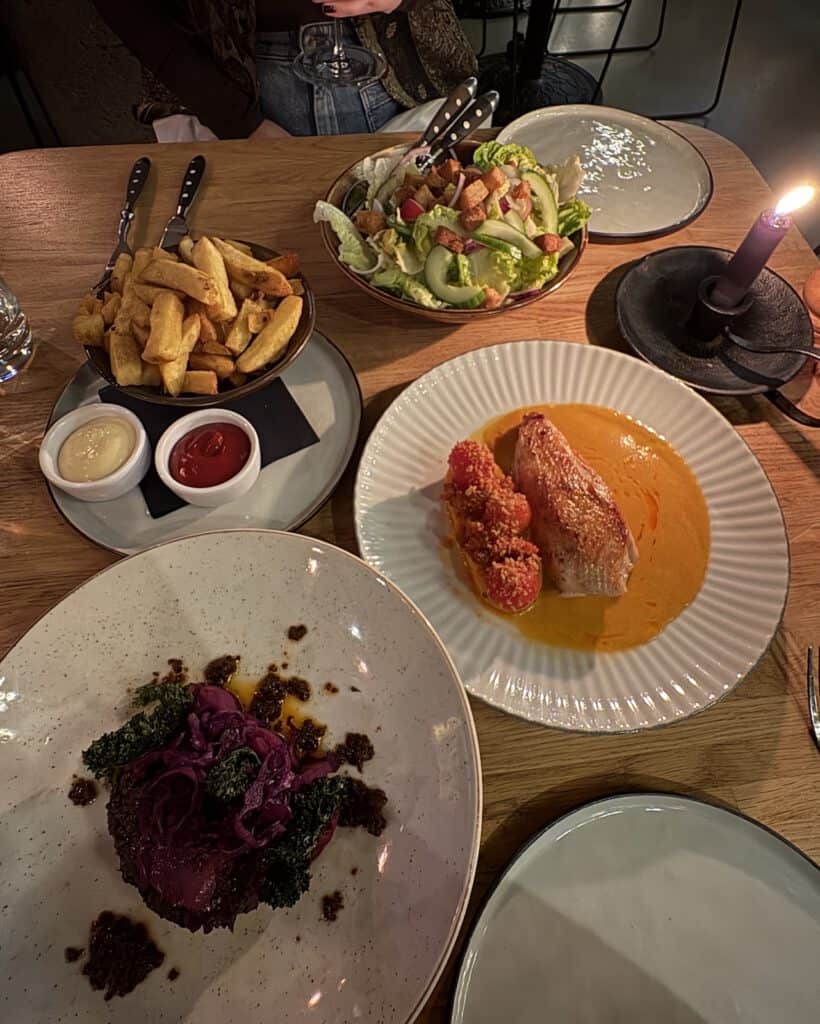
I dream of the sauce on that chicken. Image: DutchReview/Supplied
We started with the celeriac and pork belly, then moved on to the farm chicken with polenta and the red cabbage with sweet potatoes for the mains.
Good to know: The restaurant has its own sommelier who will suggest wines to you based on your preferences and which dishes you opt for.
Believe it or not, I had the balls to invite my chef friend along for this meal. So I expected a rough breakdown of what could have been done better after each dish, but instead, it was only praise, a lot of “mmmms”, and a chef’s stamp of approval.
📍 Address: Nes 49, 1012 KD Amsterdam 🍽 Recommendations: The farm chicken with polenta, bell pepper, ‘nduja and cherry tomatoes 👍 Socials:Instagram
2. Ode aan de Amstel
The name “Ode aan de Amstel” translates to “ode to the Amstel” — it’s an homage to the river that flows into Amsterdam’s iconic canal ring and helps shape the city.
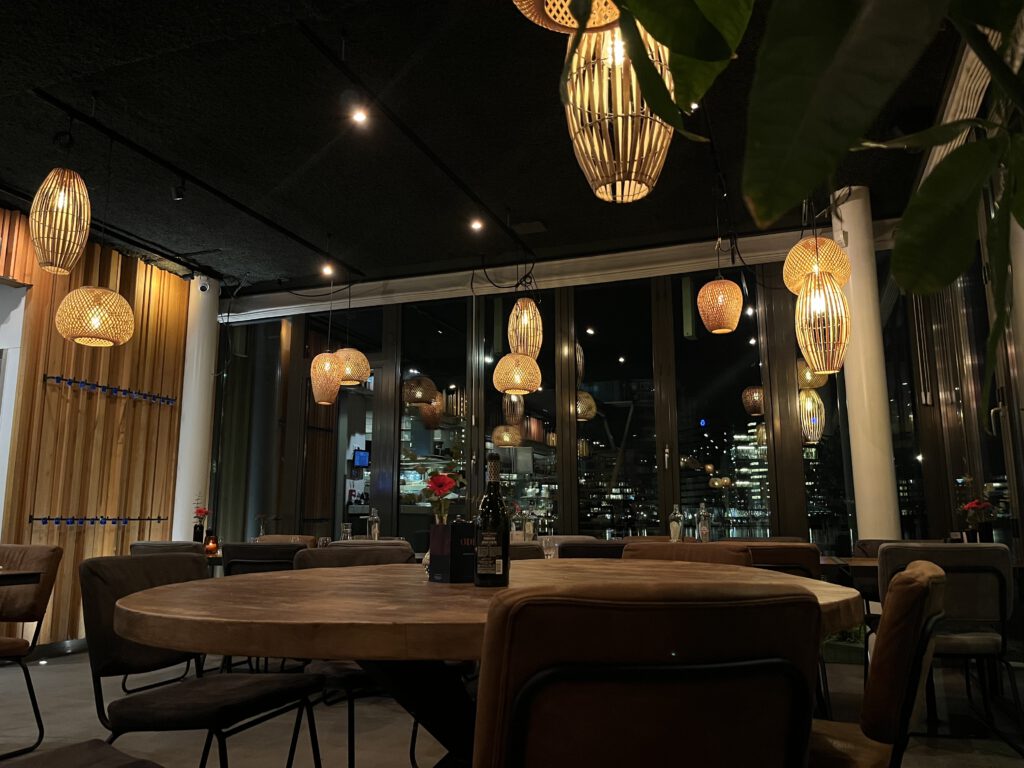
Both the terrace and the ground floor of this restaurant are located on the Amstel river (you can even dock your boat on the terrace!), letting you enjoy the peaceful sounds of the rippling water and a stunning view.
If it weren’t so dark in this photo, you’d see how the restaurant is surrounded by water. Image: Lyna Meyrer/Supplied
Tucked away from the hustle and bustle of the city, Ode aan de Amstel is all about providing guests with a peaceful dining experience. The intimate interior is complimented by an open kitchen and, of course, a menu that will leave your mouth watering.
If every single item on the menu sounds good to you (we feel you), we suggest going with the three, four, or five-course chef’s selection menu. This is a daily-changing menu with the chef’s most tasty, innovative and original dishes.
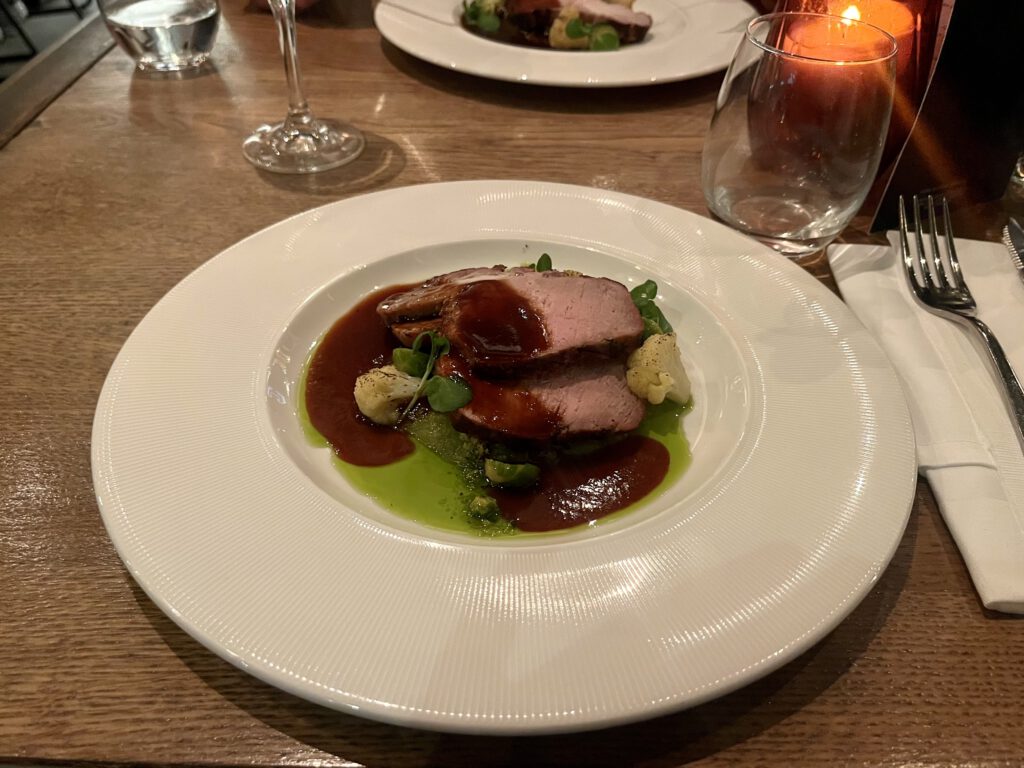
With only the best cuts of meat and the freshest seafood, this place truly left us wanting more.
A medley of flavours! Image: Lyna Meyrer/Supplied
📍 Address: Amstelboulevard 1, 1096 HH Amsterdam 🍽 Recommendations: Any of the seafood dishes! 👍 Socials:Instagram
3. Taiko Cuisine
Dinner at Taiko isn’t just a meal — it’s a performance. Housed in the elegant Conservatorium Hotel, this high-end Asian-inspired restaurant kicks things off with a literal drumroll. Yes, someone actually bangs a drum to announce your arrival — and yes, it’s amazing.
The interior is just as striking: floor-to-ceiling windows, soft lighting, a lit cherry blossom tree, and bamboo details. It’s cosy and refined, like a luxurious Japanese library.
The interior was very hip. Image: DutchReview/Supplied
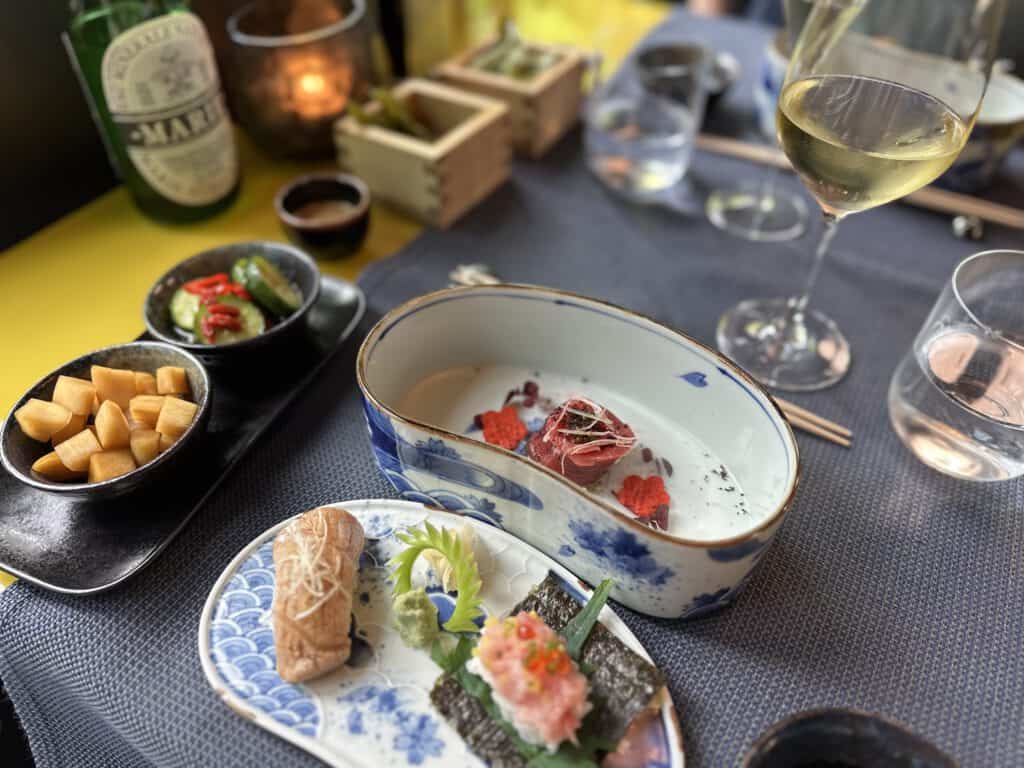
We tried the five-course tasting menu with wine pairing, and every dish was a standout. From the buttery Balfegó tuna sushi served in a porcelain bento box, to the rich lobster dim sum, melt-in-your-mouth miso cod, and crispy teriyaki duck — each course built perfectly to complement the last.
Check out that presentation. Image: DutchReview/Supplied
Dessert was a breathtaking, an intricate but delicate cherry blossom that finished the night with a fresh flavour.
The staff were warm, knowledgeable, and guided us through each dish and pairing with ease. Bonus: halfway through the night, a drummer returned for a floor-shaking performance right in the middle of dinner.
Refined, theatrical, and deeply delicious, Taiko is a must for anyone wanting to dine with a bit of drama.
📍 Address: Paulus Potterstraat 50, 1071 DB Amsterdam 🍽 Recommendations: The teriyaki duck 👍 Socials:Instagram
4. Midtown Grill
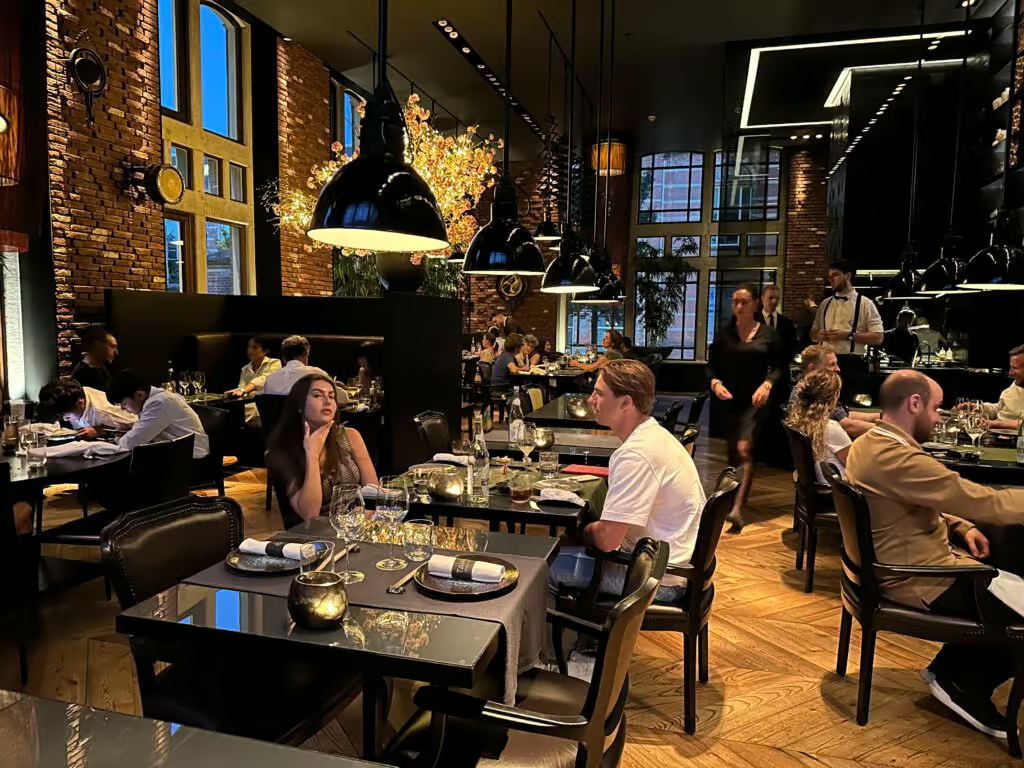
An eclectic and excellent eating experience! Honestly, the prospect of eating at a steakhouse near Amsterdam’s Leidseplein wasn’t too exciting initially. But we were wrong!
When you walk into Midtown Grill, you immediately feel it won’t be your usual steakhouse experience. Its interior is showered in class, luxury, and eclectic wallpaper. (How often do you appreciate that in a place?)
The staff is courteous and never makes you think you’re eating out in Amsterdam — which is a compliment — and the menu is limited. Not 627 options, but what they did, they did well. (It had proper veggie options like any place should have nowadays.)
Get in there! Image: DutchReview/Supplied
The steak we had was a proper beast. The staff shows you the cuts beforehand and advises on how you should want it prepped (a thick cut should be a bit medium, or else you’re just eating raw meat).
They also prepared a custom whisky sour, and we have to recommend the ‘mixed plankje and the lobster bitterballs’ (how can we not?)
📍 Address: Stadhouderskade 12, Amsterdam, NH 1054 ES 🍽 Recommendations: Lobster Bitterballen and a steak, obviously 👍 Socials:Instagram,Facebook
5. NOMADS
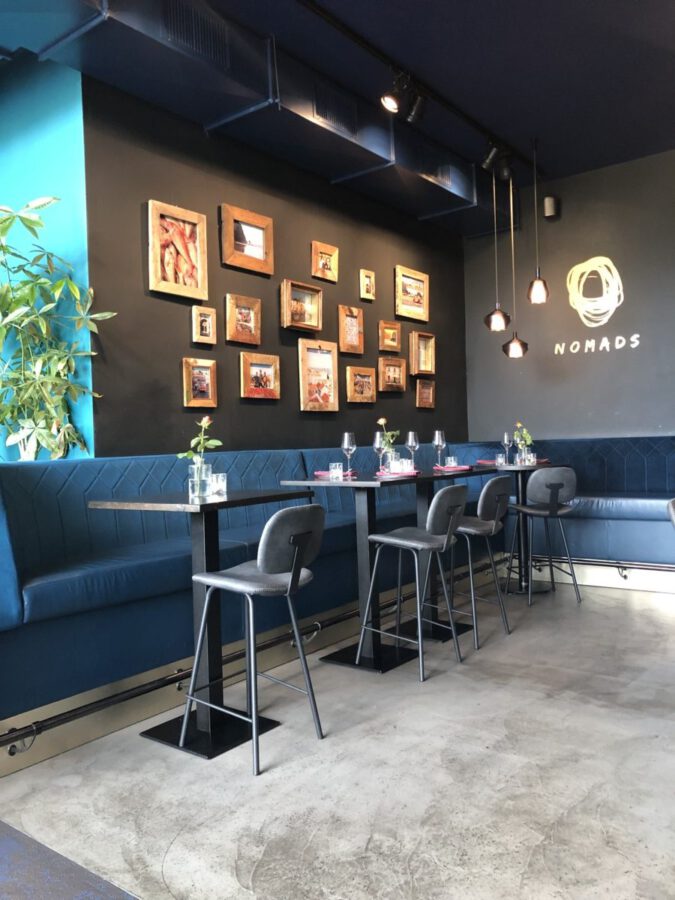
Look at that gorgeous colour scheme! Image: DutchReview/Supplied
Twice a year, NOMADS “travels” to a different location. Not only does the menu change to the country’s food but the interior design of the restaurant.
We visited when it was adorned with photographs of the streets of Alfama and typical blue tile murals in the bathroom — you guessed it, Portuguese cuisine.
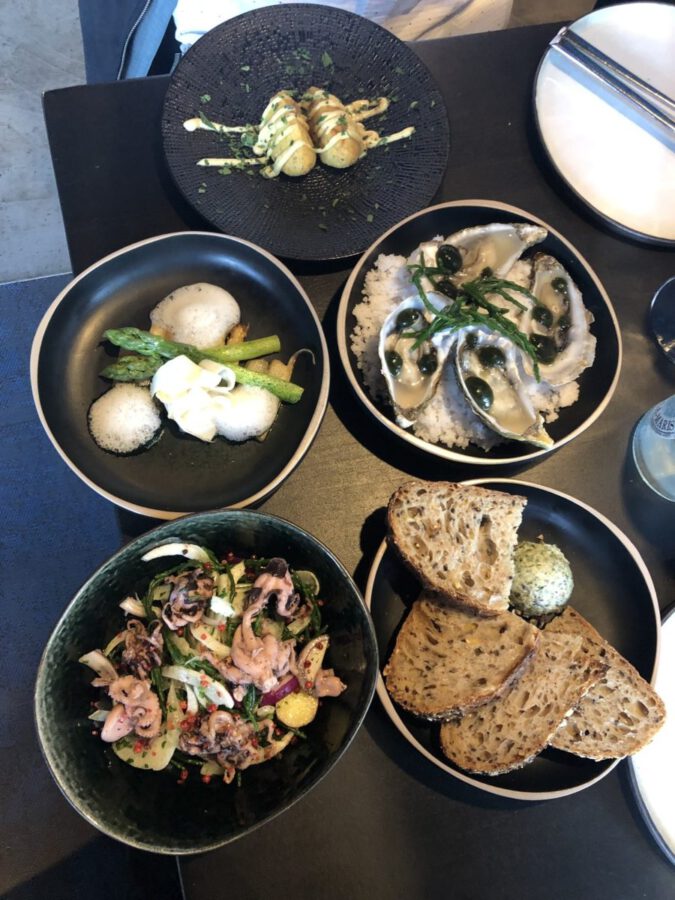
We had a four-course meal, accompanied by a bottle of white Serras de Azeitão from Setúbal. Everything was great, particularly the octopus salad and the pastéis de bacalhau (or codfish pastries).
These are staple dishes in Portuguese culture, and we are glad they haven’t been forgotten. The oysters were the best part of the meal; they literally tasted like the sea.
Can it get much better than this? Image: DutchReview/Supplied
For dessert, we got a true Portuguese treat. THE pastel de nata that is so hard to replicate was by far the most authentic we’ve eaten outside of Portugal.
It couldn’t beat the original “Pastéis de Belém” as it follows an ancient recipe from the Jerónimos Monastery, but it would surely beat a lot of well-established bakeries in Portugal.
We also had a “rice pudding”, a take on the classic “arroz doce”. The pudding’s consistency and taste were perfect, which is hard to do with just milk and rice.
It’s usually topped with cinnamon, but the chefs at NOMADS innovated by adding raspberries, blackberries, and blueberries, as well as a fruit-infused foam.
It was a great experience. NOMADS made us feel like we were back in a mother’s kitchen in Lisbon.
📍 Address: Oranje Vrijstaatkade 55 1093 KS Amsterdam 🍽 Recommendations: Oysters, pastéis de bacalhau, and pastel de nata 👍 Socials:Instagram, Facebook
6. In de Waag
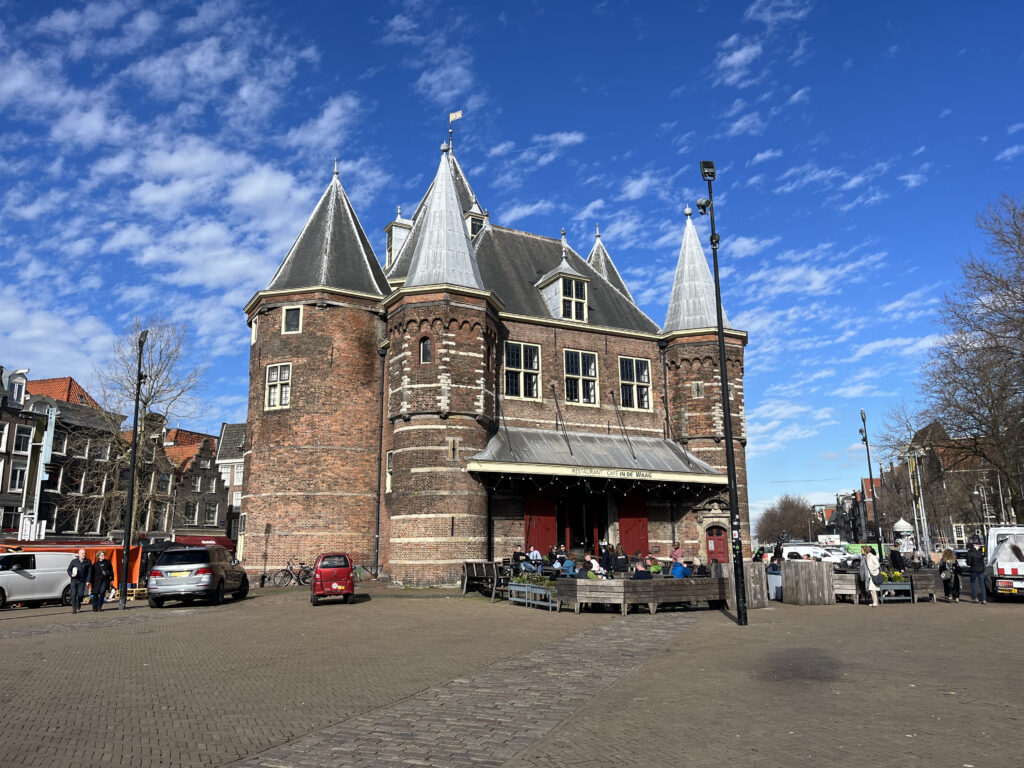
When in Amsterdam, you truly can’t miss out on a meal at one of the city’s most iconic restaurants: In de Waag.
Located in an old city gate in the centre of the lively “Nieuwmarkt”, this place is a historic monument that was built between 1425 and 1488.
What a glorious exterior! Image: Lyna Meyrer/Supplied
What used to be a city gate eventually became a “weighing house” (Dutch: Waag, hence the name ⚖️), and finally one of Amsterdam’s trendiest restaurants. 🙌
The rustic interior at the Waag is lit by more than 300 real candles, creating a romantic vibe that compliments the interesting history of this building. But besides the stunning interior, the Waag also sports one of Amsterdam’s sunniest terraces — perfect to enjoy during the warmer months of the year.
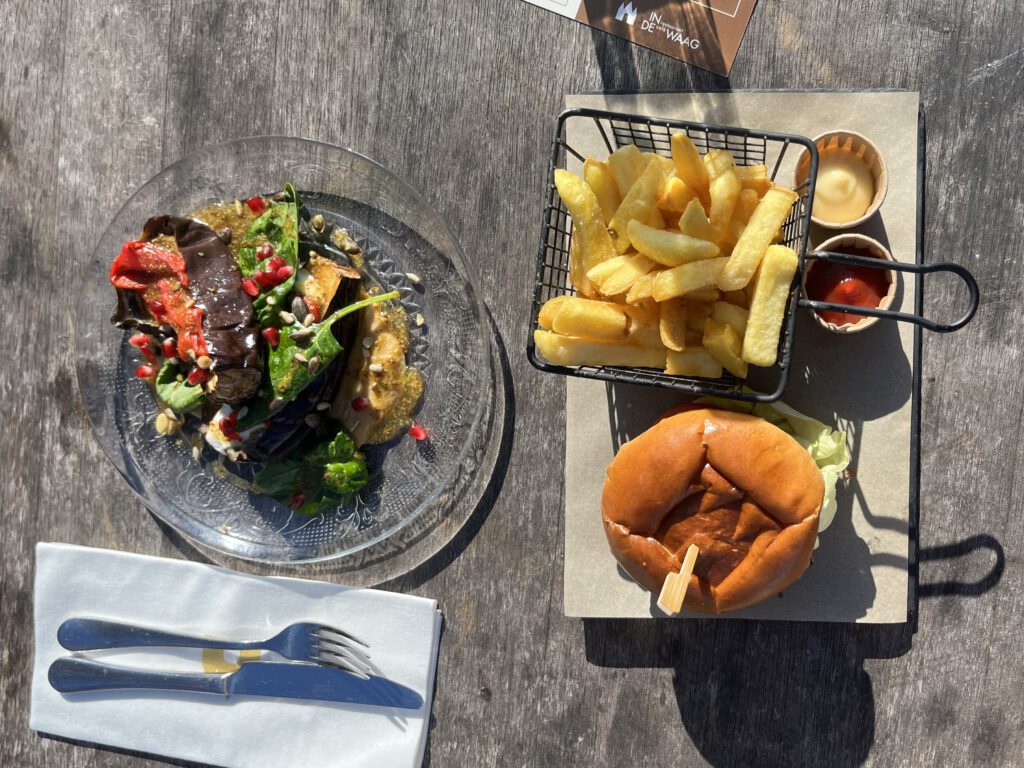
We stopped by Waag for lunch, and went for the famous Waag burger and the puffed aubergine. Both were fresh, full of flavour, and of course, heel lekker!
We don’t know about you, but we’re getting hungry just looking at this! Image: Lyna Meyrer/Supplied
For dessert, we were served the “Apple tarte tatin”, a small apple pie with cinnamon ice cream and vanilla custard.
Whether you come here for a mid-day snack or for a nice dinner, the selection of bites, main courses, desserts, and drinks won’t disappoint — and the lovely staff will make you feel right at home.
A sharing menu including the best falafel in town? Sign us up. We took a trip to NENI Amsterdam to try their new Balagan menu — and we weren’t disappointed.
Right next to the Olympic stadium in Amsterdam-Zuid, NENI‘s location might not be the first choice for tourists. However, it is worth the short journey outside of the centre.
As you enter, you’re greeted by the smell of fresh bread baking in the deli (well, only on the weekends). Here you can purchase freshly baked Mediterranean goods, including sourdough, babka, and challah. 🥐
Yes it is, NENI, yes it is. Image: DutchReview/Supplied
The concept at NENI is that sharing is caring. There is a wide range of plant-based, fish, and meat dishes, ideal for when you are as indecisive as we are.
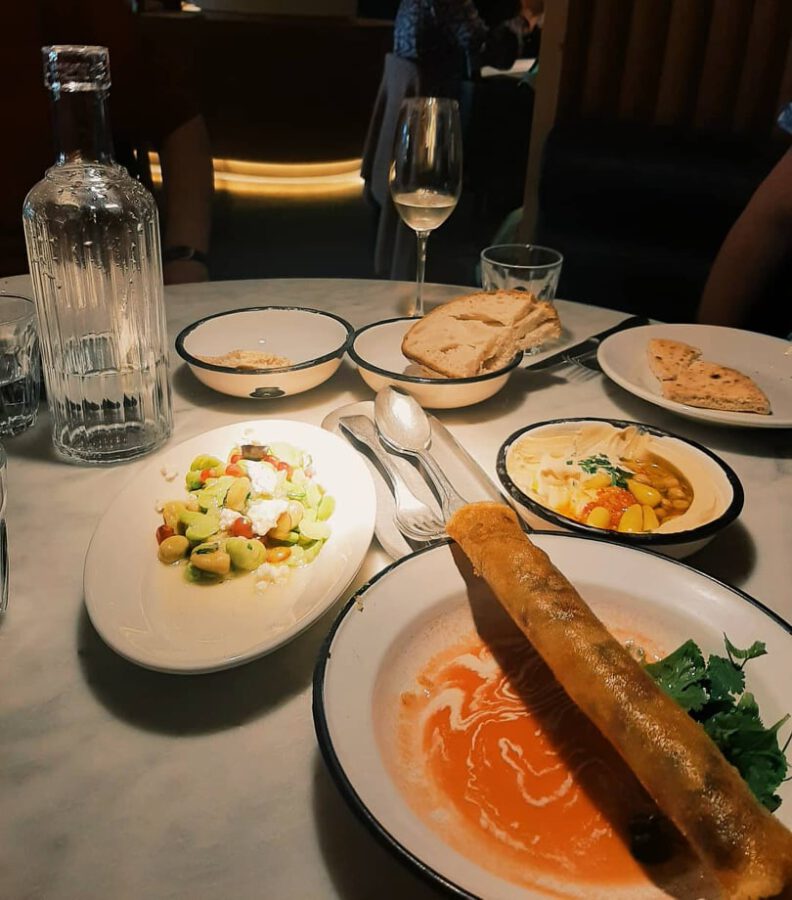
We had the Balagan menu, which offers a variety of their top dishes. The more people you have, the more dishes they add. You can ask for just vegetarian dishes.
Here you can see the fava bean salad, hummus, and the shrimp cigar. And lots of bread. Image: DutchReview/Supplied
It’s not the cheapest, coming in at €40 per person, but you get a lot of bang for your buck. For four people, we were completely stuffed — and happy about it.
All of the food was fresh and had a perfect balance of salt and spice. Our highlights were the caramelised aubergine and possibly the best falafel we’ve ever had. But there wasn’t a dud dish on the menu.
NENI has a great concept and food that’s packed with flavour in every bite. The sharing menu was a little on the pricey side, but you get a lot of food for the price you pay. Perfect for a special occasion or a stop-by for a deli lunch.
📍 Address: Stadionplein 8, 1076 CM, Amsterdam 🍽 Recommendations: Carmalised aubergine and falafel from heaven 👍 Socials:Instagram, Facebook
8. Kanarie Club
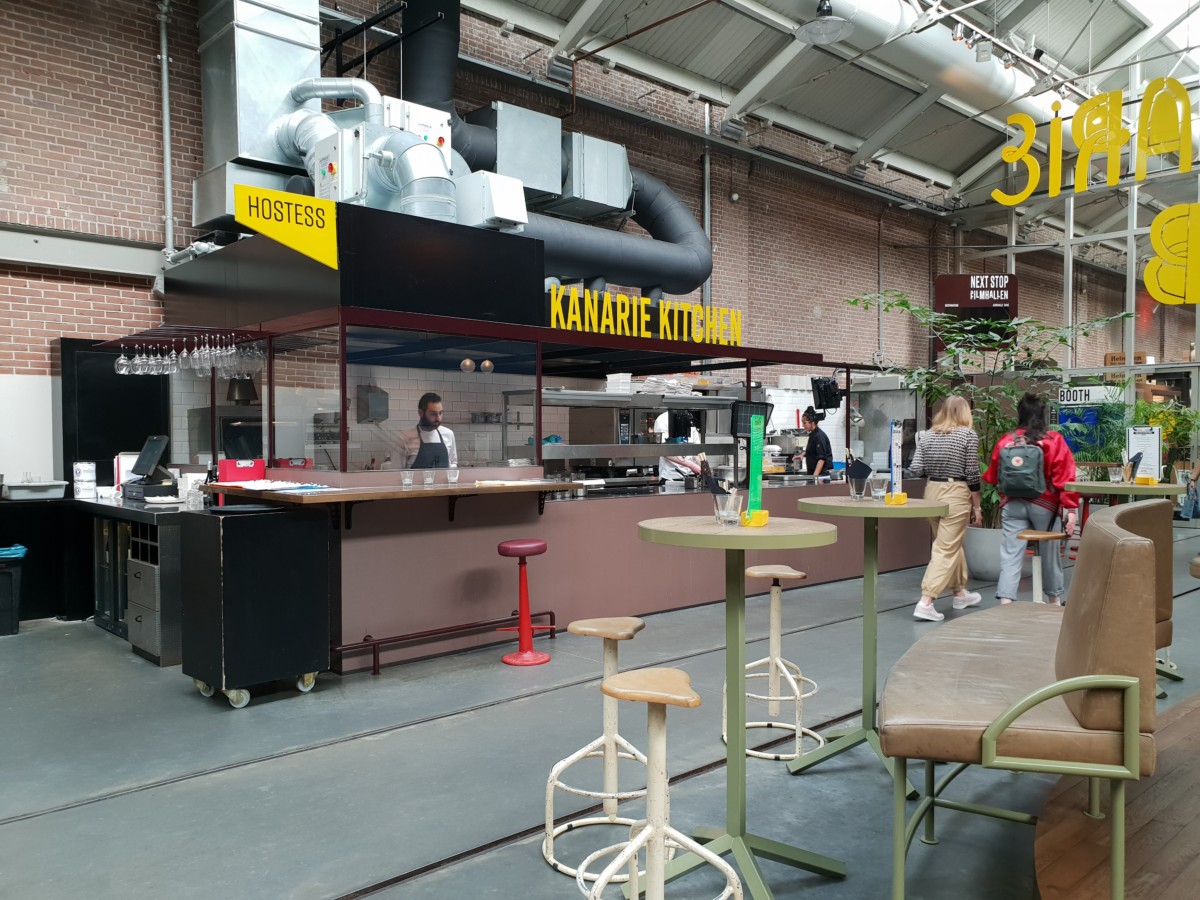
With plenty of seating in Food Hallen, you can bring as many friends to Kanarie Club as you like! Image: DutchReview/Supplied
The former tram depot in Amsterdam, known as “Food Hallen”, is where you’ll find one of Amsterdam’s most stylish hotspots.
The interior of the Kanarie Club’s design is made up of materials and colours inspired by the different industries housed in the hall. From woodwork and metalwork to painting.
It’s split up into different zones: a café where you can work, a cosy restaurant, and a beautiful cocktail bar. With film and food halls in the Kanarie Club’s backyard, this old tram depot in Oud-West is rightly one of Amsterdam’s most popular working spots.
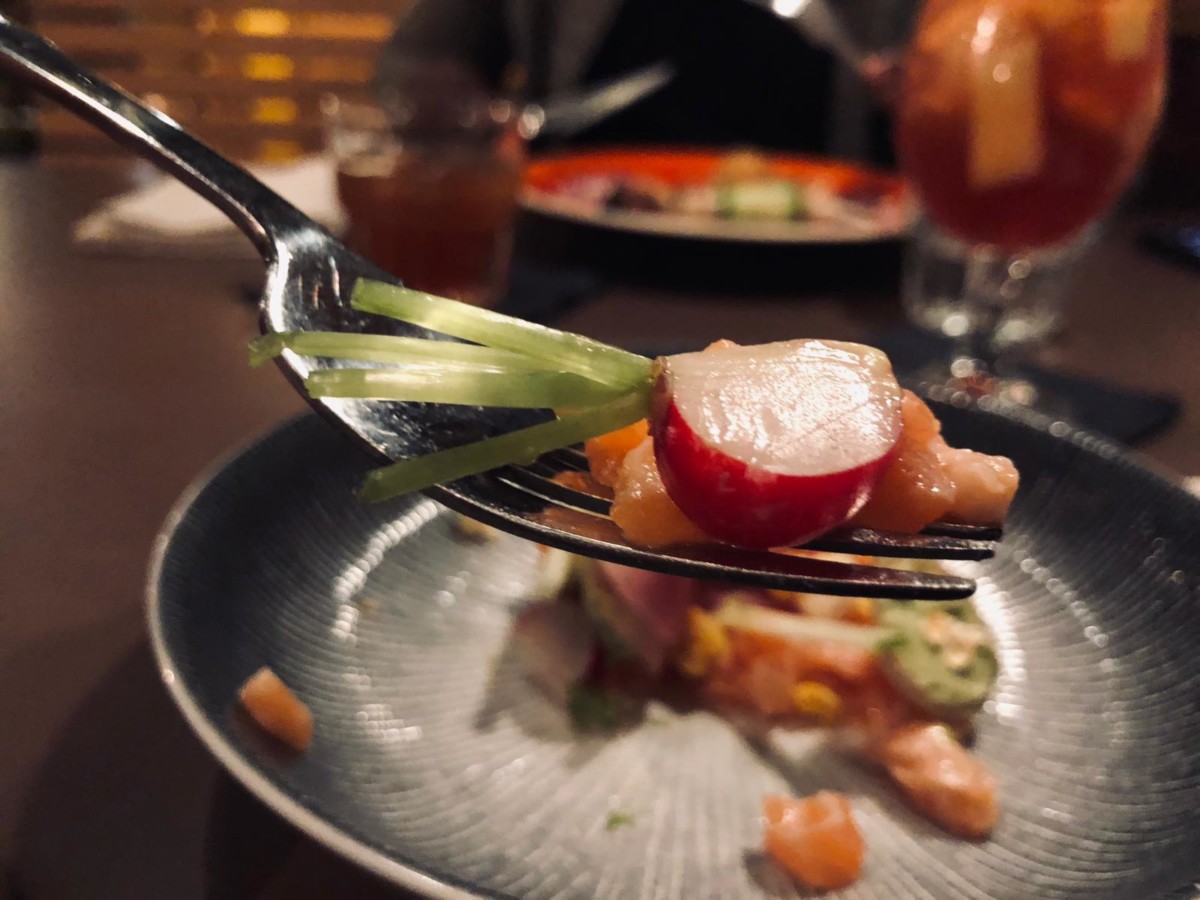
We never thought we could enjoy a radish this much. Image: DutchReview/Supplied
The Kanarie Club isn’t just an ideal work spot for students, freelancers and those looking for a place to enjoy some quiet time or chill with friends and family.
The menu is extraordinary, the atmosphere is nice, the staff are cheerful, and the setting is as beautiful as expected.
Whether you’re there for breakfast, for flexible working, lunch, dinner, or just to drink cocktails: Kanarie Club remains one of Amsterdam’s best hotspots.
If you’ve ever thought, “I want to eat the best burger in Amsterdam,” then say no more and get those feet moving to one of Ter Marsch & Co’s two Amsterdam locations.
This iconic Amsterdam burger joint will have you drooling over their menu. The pièce de résistance is the ‘La Fiest De Carne’, a juicy cut of Spanish Black Angus Beef, fennel, Manchego cheese custard, Andaluz créme, dried tomato, and Serrano ham — and boy can we recommend it.
Your stomachs will be full and your plates will be empty. Image: Julia Scott
A meal isn’t complete without their loaded fries (we particularly loved the ‘My Umai’) and a Ter Marsch & Co. home-brewed IPA or gin.
Need more convincing? The accolades are endless: Winner best hamburger Netherlands 2020 and 2024, Winner best hamburger Benelux 2020, and Winner best fries Netherlands 2020. We love it!
📍 Address: Vijzelstraat 4, 1017 BK Amsterdam and Kalverstraat 96, 1012 PJ Amsterdam 🍽 Recommendations: My Umai loaded fries 👍 Socials:Instagram
So there you have it! These are some of the best places to eat in Amsterdam in 2026. Have you been to any of these amazing restaurants? Let us know in the comments below!
As we inch closer to the holidays, spending time with loved ones is everyone’s top priority. However, if you’re an international in the Netherlands who isn’t going home for the holidays, this season can be excruciatingly lonely.
So how can internationals in the Netherlands find their holiday cheer this year?
If you’re one of the many internationalsspending the holidays in the Netherlands, we feel you — because we are you! Here are 23 things you can do to beat loneliness and help boost your holiday spirits this year. 👇
1. See the city lights
Dutch cities come alive at Christmas time, and strolling through fairy lights is sure to add a sparkle to your step.
Even better? Many cities host fabulous light festivals, which are all but guaranteed to dispel some of those winter blues.
2. Get in the festive spirit
Turn on some of your favourite festive tunes, decorate your flat or house, and have some hot Chocomel while you do.
3. Have an ‘orphan’ Christmas
Know any other internationals in the same boat? Invite them over for a small and intimate holiday gathering!
Even if you can’t spend time with your family, you can always invite your friends. Image: Pexels
4. Have some oliebollen
Stop by a street cart and get some warm oliebollen to-go. This delicious Dutch doughnut is a seasonal speciality.
Take a trip down memory lane with some of your favourite traditions back home.
From the US? Maybe string popcorn. Danish? Go for a solo dance around the Christmas tree! From Japan? Go ahead and order some KFC.
6. Have a gourmetten party
Indulge in enough meat, sauce, and wine to hold you over till next year. (Warning: not for the faint of heart.)
7. Embark on a baking adventure
Are there any traditional Dutch recipes you’ve been itching to try out? Perhaps, an appelflap or two?
You stay busy and get a delicious treat. Win-win! Image: Depositphotos
There’s no better time than the winter holidays to try out some seasonal recipes. As a bonus, your whole house might end up smelling of speculaas. Lekker!
8. Get crafty
Can’t find the perfect seasonal decor at your local HEMA? Go for DIY Christmas trees and ornaments this year, instead.
You can even rope your friends and flatmates in for some hands-on merry-making.
9. Host a virtual secret Santa
If you can’t be there in person to celebrate with your nearest and dearest, you can organise a secret Santa with a Zoom reveal party. Order gifts online in the recipient’s country if you’re running out of time.
PS: If you’re planning a virtual Secret Santa gift exchange, online generators are great at randomising lists of names.
10. Practice your Dutch poetry
Coin your firstgedicht (even if Sinterklaas has already passed). Impress your Dutch friends by writing one of these unique holiday poems and take part in an important Dutch tradition!
Decorate your Christmas tree with some traditional kerstkransjes (circular cookies) — or just eat them straight out of the pack.
Alternatively, who needs family when you have pepernoten, right?
15. Give
Time, money, coats, blankets — if you have some to spare, give them to those in need.
Your local ‘kringloopwinkel’ will be happy. Image: Depositphotos
16. Look ridiculous
Challenge your colleagues or friends to an ugly sweater competition.
17. Design a family photo
Use Photoshop and some recent individual portraits to make your most awkward family photo yet.
18. Make glühwein
Mull your own wine, because it’s honestly easier than it sounds. Geen stress if you’re a glühwein newbie, because Albert Heijn has a quick and easy recipe you can follow.
Just the thing to warm you up on a cold winter’s day! Image: Freepik
But don’t just stop there; the Dutch sometimes boil down the glühwein into a syrup for poached pears.
Yes, please!
19. Hold a pub quiz
Get competitive by taking part in an online pub quiz with friends and family from afar!
For those who can’t meet in person, online platforms like Discord are great for hosting video calls with large groups.
20. Festive cocktails with friends
Introduce your favourite holiday drink to some friends, either in person or online, and get those bartender skills rolling!
Watch a Christmas movie from your childhood. Or, try out a classic Dutch film this year. While they might not be very festive, they’re a great way to get to know Dutch culture.
Not into films? You can also sign up for a video streaming site, and get all your seasonal goodness in a longer format.
22. Do it twice
Don’t forget about the second Christmas! On December 26, you can do it all over again… just like the Dutch do!
Put together a package with your favourite Dutch treats and send it back home to your dear ones.
There’s no way around it — the holidays are tough when you can’t go home and celebrate with your loved ones. But remember, you’re not alone; we’re all here to beat loneliness this holiday. Proost!
We want to hear from you! How do you plan to spend the holidays this year? Have any hot tips to add to the list?
Two centre parties, D66 and CDA, have finally revealed their “positive agenda” for forming a new Dutch government, and it’s a mixed bag for internationals: tougher asylum policies paired with sweeteners for highly skilled workers.
After weeks of closed-door negotiations, D66 leader Rob Jetten and CDA leader Henri Bontenbal have dropped their much-anticipated formation document. Presented today by informateur (government formation mediator) Sybrand Buma, it tackles five major policy areas: migration, housing, nitrogen, defence, and the economy.
The result? A delicate balancing act that might please no one but could be the only path to a functioning government. But remember: this is just a proposal, not a done deal.
Asylum outside Europe’s borders
The document takes a notably hard line on asylum policy. D66 and CDA propose “modernising” the refugee treaty to allow asylum applications to be processed entirely outside Europe, reports RTL.
They also want to maintain the contentious spreidingswet (distribution law), which forces municipalities to accept asylum seekers, and create 41,000 permanent asylum reception places plus 29,000 flexible spots.
This represents a significant shift for D66, traditionally one of the more progressive parties on immigration. It’s a clear attempt to find middle ground after recent political turmoil brought down the previous government over asylum disputes.
For internationals watching Dutch politics unfold, it’s worth noting: these proposals target asylum seekers and refugees, not skilled migrants or students. The parties are drawing a sharp line between the two.
Universities and the 30% ruling: a lifeline for international talent
Here’s where things get interesting for internationals and international students. D66 and CDA want to enable research institutions “to attract and retain top researchers and top talent from abroad.” Universities would be given renewed freedom to recruit world-class scientific talent, whilst honouring existing agreements on international student numbers.
The centrepiece? Restoring the expatregeling, better known as the 30% ruling. This tax benefit, which allows certain skilled international workers to receive 30% of their salary tax-free, has been repeatedly watered down in recent years.
Note: The parliamentary document simply talks about “restoring” the expat ruling. What exactly this means or will entail is unclear as of now. In any case, it signals that the new cabinet wants international-friendly plans.
The parties also propose improving the kenniswerkersregeling (highly skilled migrant scheme) and connecting with the EU talent pool. It’s a comprehensive package aimed at making the Netherlands more attractive for researchers, scientists, and other highly skilled workers.
The message is clear: whilst borders tighten for asylum seekers, the welcome mat stays out for those with sought-after skills and qualifications.
Mortgage perks and road pricing on the table
The document doesn’t stop at immigration. D66 and CDA also propose gradually phasing out the hypotheekrenteaftrek, or mortgage interest deduction, which allows homeowners to deduct mortgage interest from their taxable income.
Both parties promise to offset this with lower income taxes, but it’s still likely to ruffle feathers amongst Dutch homeowners who’ve built their financial planning around this sacred tax break.
They also want to introduce some form of rekeningrijden, or road pricing, though the exact details remain vague.
The political puzzle ahead
Here’s where it gets tricky. D66 and CDA together hold nowhere near the 76 seats needed for a majority in the Tweede Kamer (House of Representatives). They need other parties to join them, and this document might make that difficult.
GroenLinks-PvdA, the left-wing alliance, is unlikely to embrace the hard-line asylum proposals, while the VVD won’t be thrilled about scrapping the mortgage tax break or introducing road pricing.
In other words, D66 and CDA have crafted a document that could alienate potential coalition partners on both the left and right. Whether this “positive agenda” can actually produce a functioning government coalition remains an open question.
Nothing is set in stone
It’s crucial to remember: this is a starting point for negotiations, not a finished government programme. Other parties will weigh in, proposals will be watered down or scrapped entirely, and compromises will be made.
The actual coalition agreement, if one emerges at all, could look quite different from what D66 and CDA have presented today.
This document will now be taken to other party leaders to gauge interest. A final report is due next Tuesday, 9 December. Given the Netherlands’ track record with coalition negotiations, we could be in for a long wait before there’s actually a functioning government.
What do you think of the proposals? Would restoring the 30% ruling make up for stricter immigration policies overall? Share your thoughts in the comments below!
Where do all the Christmas trees in the Netherlands go after the holidays? Unfortunately, it’s not to a better place.
Quite a few internationals have asked us how to get rid of their Christmas trees in the Netherlands. They thought that a neatly organised country had a decent system in place.
Indeed, in some municipalities, there’s a pick-up scheme for Christmas trees right after New Year’s Day.
But there’s, of course, a traditional way of getting rid of the old tree in the Netherlands that warms my heart, figuratively and literally.
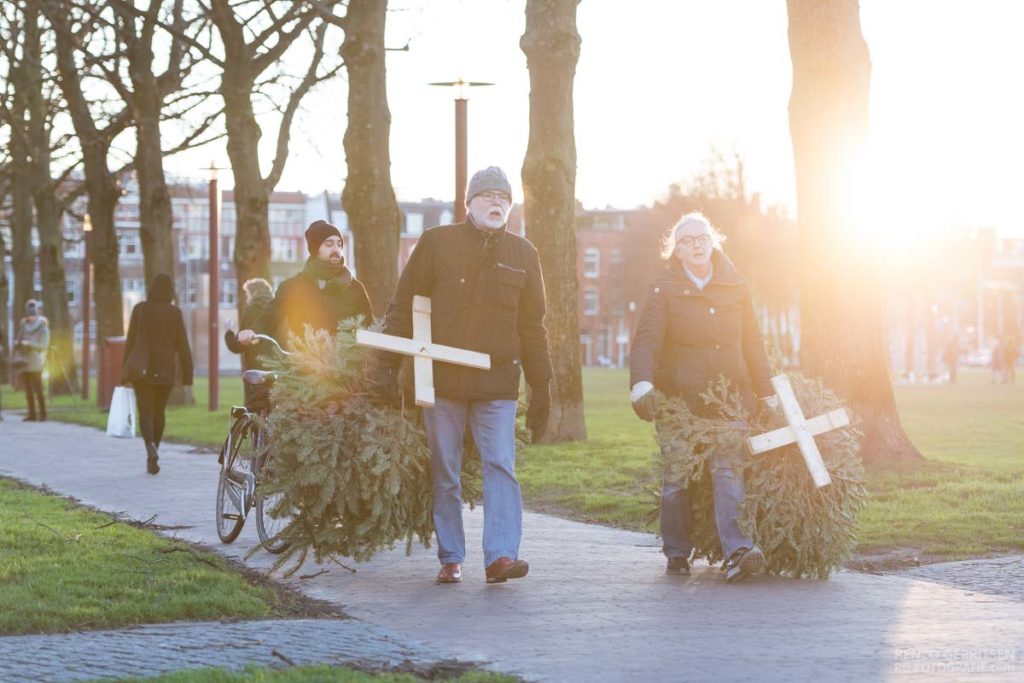
Travelling by bike to dump your Christmas tree? No problem! Images: Renzo Gerritsen/Supplied
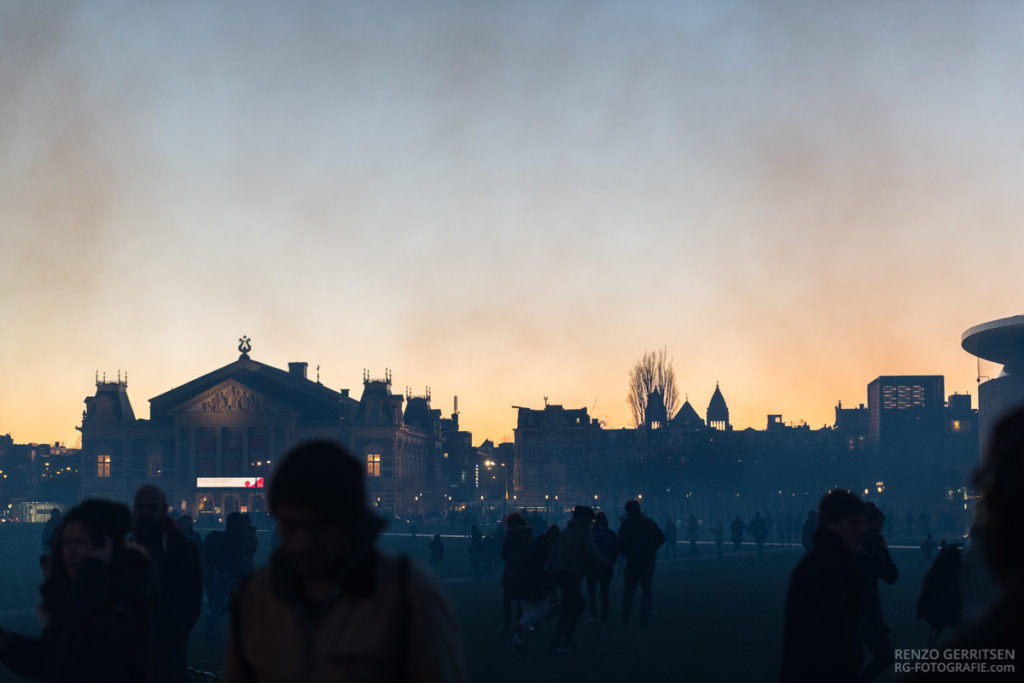
Lots of people are making their way to get rid of Christmas trees in a bonfire. Images: Renzo Gerritsen/Supplied
Burning the old Christmas tree
As a kid, I grew up with the tradition of burning Christmas trees every year in the Netherlands — the more trees burned, the better!
It brings back the primal being in you, and, well, big fires are awesome!
So, at DutchReview, we totally dig this photo report by Renzo Gerritsen on a good-old-burn-your-tree gathering in Amsterdam: it’s seriously lit!
Even though many people dislike Mariah Carey’s ‘All I want for Christmas is You’, every year on December 1 at 8 AM sharp, every radio station in the UK plays it. And when there’s no escape, the festive cheer overtakes you. 🎉
But, move over, Mariah! Bore off, Bing Crosby! Sayonara, Shakin’ Stevens! Here‘s the ultimate playlist for your Dutch Christmas dreams. 🎄🎶
So crack out the advocaat (thick Dutch eggnog), hang up your kerstkransjes (Christmas wreaths), and let’s get this party started! 🥳
‘Kling Klokje Klingelingeling‘
A children’s song that is as catchy as it is angelic. ‘Kling Klokje Klingelingeling’, translating roughly to “bell ringing” in English, is a song about a clock counting down to Christmas.
Loved by the masses and sung by five-year-olds everywhere, ‘Kling Klokje Klingelingeling’is a Dutch Christmas classic.
Marco Borsato — ‘Kerstmis’
There is magic, there is fake snow, and there is Marco Borsato. Such a powerfully festive recipe right there.
It’s a feel-good movie song, and they basically shout Christmas at nearly every other line — and we are totally fine with that.
De Jeugd van Tegenwoordig & Katja — ‘Ho Ho Ho‘
Get that groove on and feel hip this festive season. Think “The Fresh Prince” — it’s 90’s Hip Hop style, and who doesn’t love a bit of rap every now and then?!
Get those shoulders bouncing and be a Kerst-baller with the rest of us!
Nick & Simon — ‘Vrolijk Kerstfeest‘
They are sickly-sweet and devilishly handsome: Nick en Simon!
Their countrified Christmas tune will have your feet tapping and hips swaying from the first second. Be it the bells or just the tune, ‘Vrolijk Kerstfeest’ has got us right in the mood!
De Toppers —‘Een Heel Gelukkig Kerstfeest!‘
This tune never leaves us throughout the Christmas period, and the video to this one from De Toppers is like the most cliché Christmas party ever.
We hope your attempt at hosting family this Christmas plays out just like this! That’s why ‘Een Heel Gelukkig Kerstfeest’ has to be our number one!
To sing us out, we’ll leave you with the Helemaal Hollands’ ‘Kerstmedley’, which has ALL of your favourite tacky Christmas songs (in Dutch!) to get you in the spirit of Christmas and have you dancing around like a buffoon in a festive sweater.
What’s your favourite Dutch Christmas song? Tell us in the comments below!