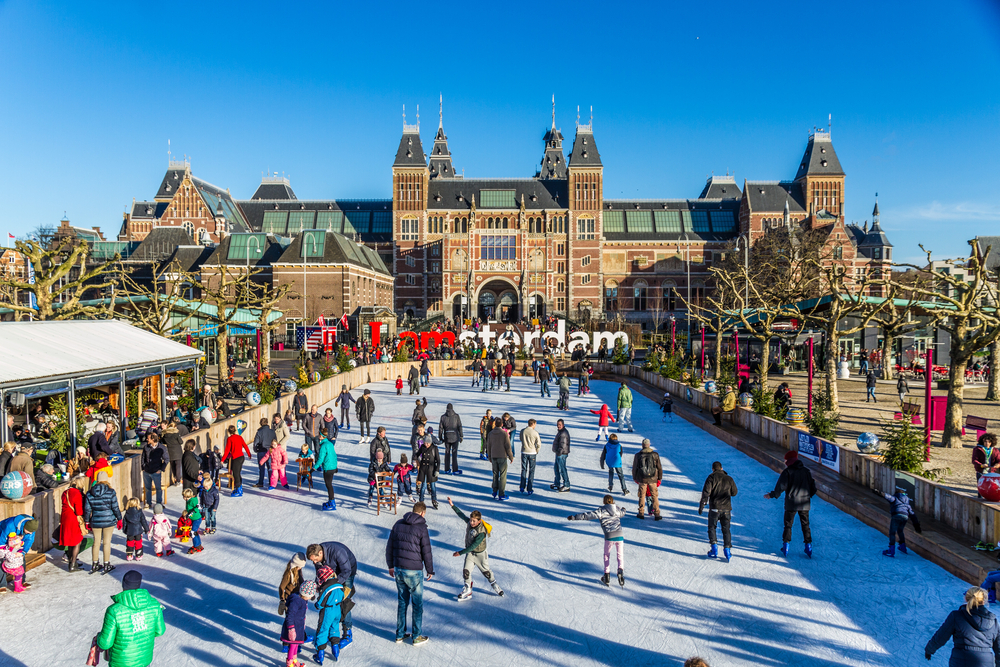
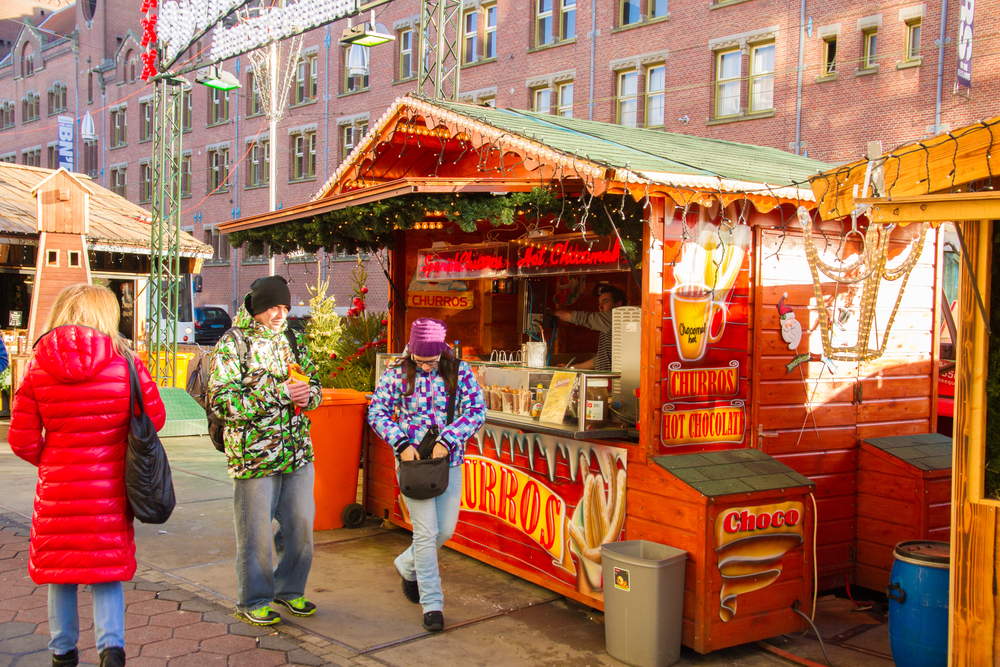
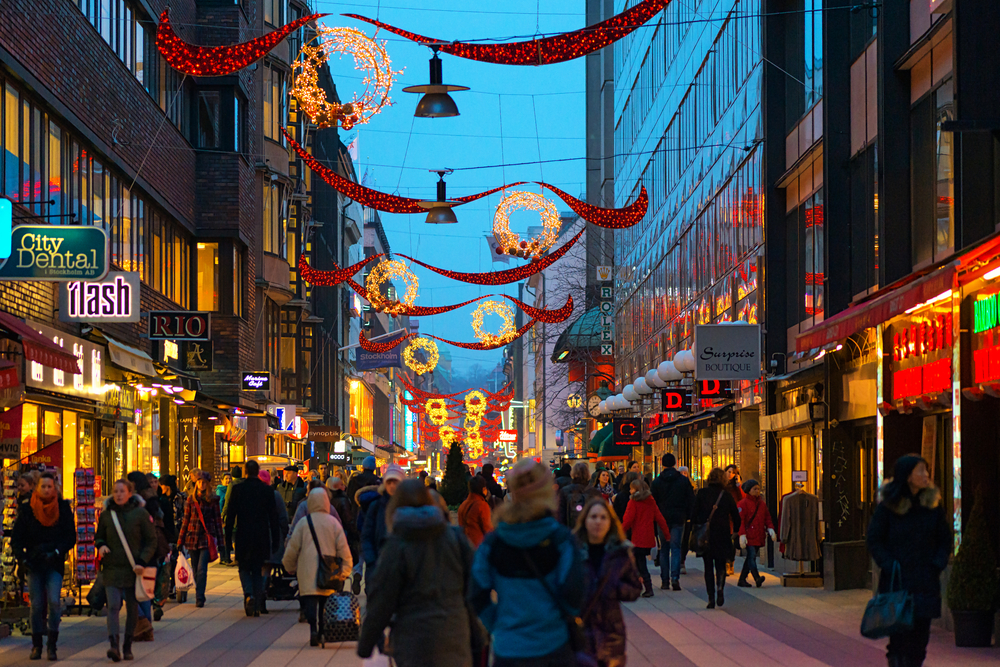
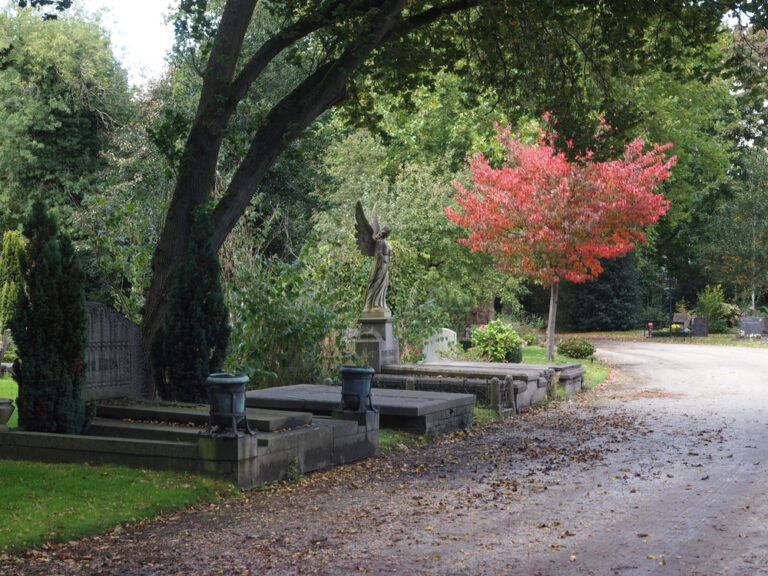
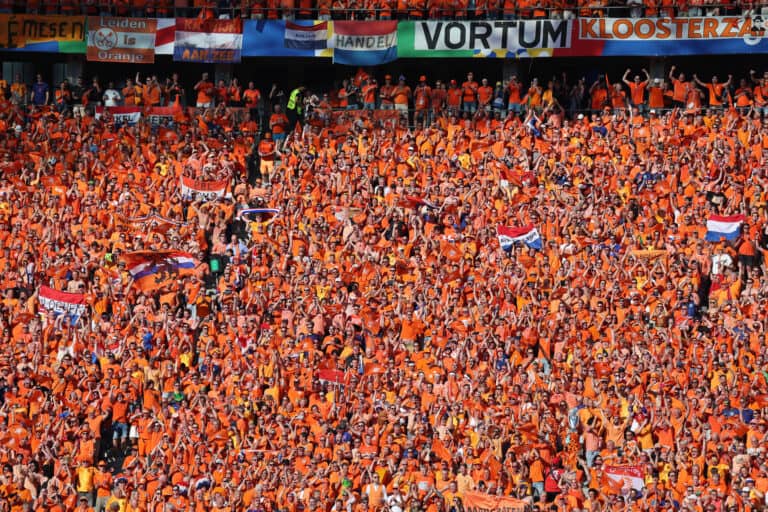
Hoera! Amsterdam has just secured its spot among the world’s best cities, edging out Barcelona to claim seventh place.
Compiled by data analytics company Euromonitor International, the report evaluates cities on tourism infrastructure, sustainability, economic performance, and health and safety.
Europe takes the crown
But Amsterdam isn’t the only European city cracking the top ten.
Paris snatched the crown for the fifth time in a row, ranking #1 for its tourist-friendly policies and excellent infrastructure. Hot on its chic French heels is Madrid at #2, followed by the Italian tourist hubs Rome and Milan at #4 and #5, respectively.
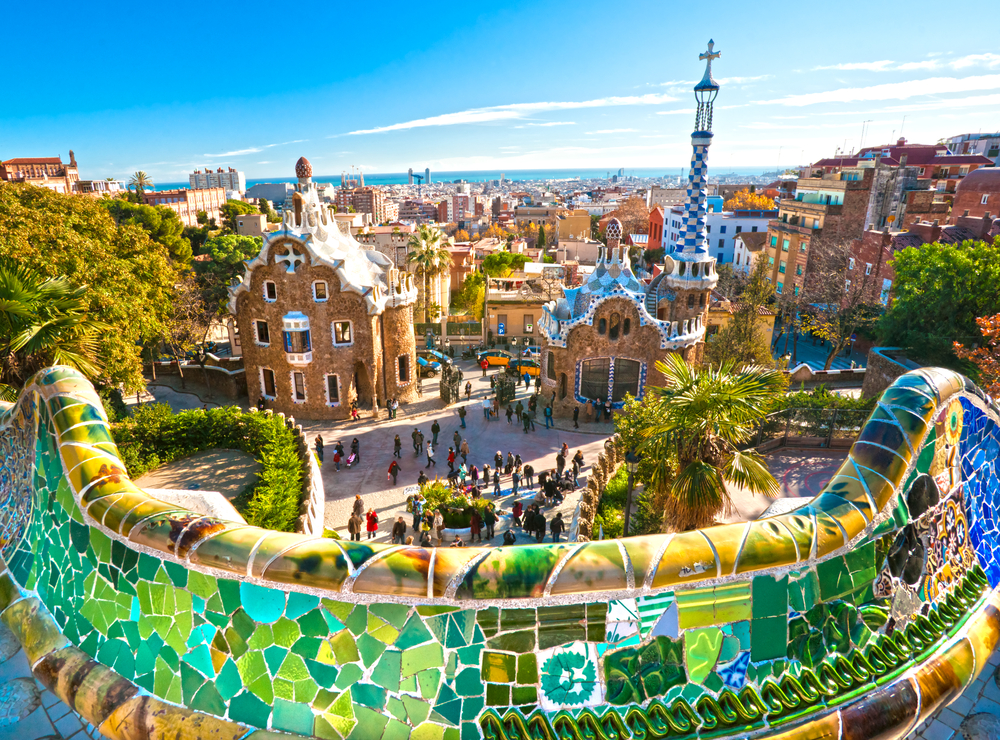
Anyone for a winter trip to Barcelona? Image: Depositphotos
Meanwhile, Barcelona rounds out Europe’s domination of the charts by climbing two places to #8.
The Asia-Pacific region is also popular among tourists, with Tokyo winning #3 thanks to big investments in its tourism infrastructure.
It’s joined by two more regional heavyweights: Singapore at #9 and Seoul at #10.
These were the top city destinations in 2025
Are you keen to get cracking on your summer vacation plans? These are the world’s top city destinations, as compiled by Euromonitor International:
Rank
Country
#1
Paris
#2
Madrid
#3
Tokyo
#4
Rome
#5
Milan
#6
New York
#7
Amsterdam
#8
Barcelona
#9
Singapore
#10
Seoul
Did your city make the cut? Share your thoughts in the comments below!
Looking for the best ice-skating rinks in the Netherlands? One of the most festive ways to enjoy the winter season has got to be hopping out onto the ice, pretending you have all the grace of a seasoned ballet dancer. 🩰
Yes, yes, we know: the reality is you’re clinging to the fence, desperately trying to keep your balance.
Whether you’re an ice-skating master or the kind to prefer to be pushed around on a penguin chair intended for a small child, we’ve got the ultimate list of ice-skating rinks in the Netherlands, from Amsterdam to Eindhoven.
Looking at a specific city? Get to the good part! ⛸️
TIP: Many ice-skating rinks in the Netherlands require you to bring your own gloves and winter gear to stay warm — and safe!
Amsterdam ice-skating rinks
Amsterdam is home to some of the best ice rinks in the Netherlands.
From ice skating on the iconic Museumplein to indoor rinks that protect you (somewhat) from the cold, Amsterdam’s ice-skating rinks have so much to offer! ⛸
Jaap Eden
The Jaap Eden ice-skating rink in the Netherlands is open year-round, but that doesn’t make the visit any less exciting during the winter season.
Here you can get some ice-skating lessons and brush up on your skills on the rink. Or, if you’re less into ice skating and more into ice hockey, this is the place to join an association and make your epic breakthrough into the world of winter sports. 🏒
📍 Location: Radioweg 64, 1098 NJ Amsterdam 💰 Price: €10.30 for adults, €6.30 for children aged 4 to 15, and free for kids under 4 ⏰ Opening hours: Varying open hours over the Christmas holidays, but open on weekdays from 8 AM
Rembrandtplein
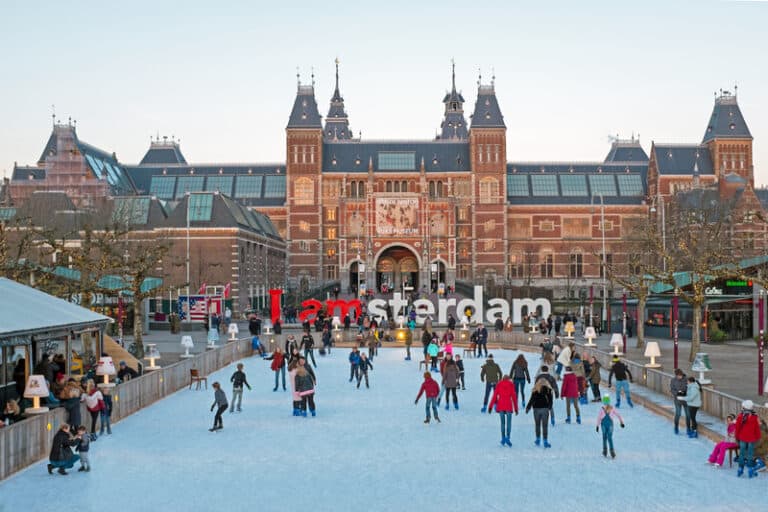
Another pop-up ice-skating rink in the Netherlands, you’ll find the Ijsbaan in the centre of Amsterdam city on the iconic Rembrandtplein.
— Frans Stuy Evenementenorganisatie (@StuyKermisplaza) February 26, 2022
With a winter wonderland backdrop and even mulled wine on sale (because that’s going to help you with your balance on the ice!), skating at Rembrandtplein is a memorable way to spend the season.
Psssst! A local to Amsterdam? If you live and work in the Dutch capital, you can get a discount on your skating ticket.
📍 Location: Rembrandtplein, 1017 CT Amsterdam 💰 Price: €20.50 (includes skates and a mug of glühwein or warm Chocomel) ⏰ Opening hours: Monday to Sunday, 10 AM to 11 PM during the winter months
With a merry-go-round, a Ferris wheel, and even cross-country skiing, the Winter Paradise at the RAI, Amsterdam’s largest conference and events centre, is sure to fill you full of Christmas-time glee! 🎅
📍 Location: Europaplein 24, 1078 GZ Amsterdam 💰 Price: Tickets start at €24.50, but can depend on the time of your visit ⏰ Opening hours: Monday to Sunday, 9 AM to 6 PM
Rotterdam ice-skating rinks
Rotterdam is home to a fun winter-time ice-skating rink of its own — add some adorable Christmas markets, and Rotterdam has so much festive fun to offer!
Schaatsbaan Rotterdam
At this fabulous pop-up Schaatsbaan ice-skating rink, you can hop on the 400-metre ice track and race your friends (or play a bit of chase, like the good ol’ days!).
Or, if winter sports are your thing, try your hand at a spot of curling.
📍 Location: Toepad 95, 3063 NJ Rotterdam 💰 Price: €8.5 to €9.5, depending on the day ⏰ Opening hours: Monday to Sunday, 8 AM to 11 PM
The Hague ice-skating rinks
Though The Hague has just one major ice rink, with a skating track and an open rink for a little bit of nonsense skating, you’re sure to find something to do on the ice!
De Uithof
The De Uitof ice-skating rink in the Netherlands has been around for a grand 50 years, so it’s surely the place to go for an enjoyable evening out!
With both a 400-metre ice-skating track and a ‘FunRink’ if you’re the type who enjoys a leisurely skate on the ice, there’s something to offer every visitor — seasoned professional or amateur skater. 😎
Also on offer at De Uithof are curling, skiing, snowboarding, and even go-karting. None of these piques your interest? Why not try a couple of rounds of laser tag while the rest of your party tries to stay upright? 😉
📍 Location: Jaap Edenweg 10, 2544 NL Den Haag 💰 Price: €12.50 for an entry ticket at the desk (€11.50 if bought online) ⏰ Opening hours: Monday to Sunday, hours depend on the day, but usually open 9 AM to 9 PM
Utrecht ice-skating rinks
Are you living in the wonderful city of Utrecht, home to some stunning canals, churches, and gardens? Well, rest assured — you can still get out onto the ice in Utrecht!
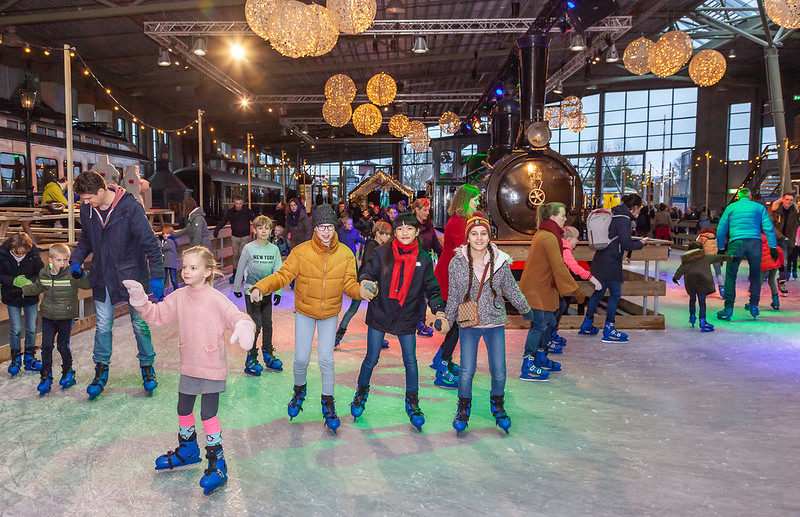
There are food stalls on the side, as well as a vintage merry-go-round converted into agezelligbar.
Check out this epic ice-skating rink at the Railway Museum in Utrecht! Image: Spoorwegmuseum/Supplied
If you plan to entertain kids, then this is the place. The museum alone is nothing short of amazing and warrants a visit, ice rink or not. It was established in 1927 and moved to the former Utrecht Maliebaanstation, a national monument, in 1954.
There is daily live music and children’s activities. And, as one would expect, lovely Christmas lights and decorations everywhere.
Leiden, the Netherlands’ secret gem, is also a wonderful city for some festive activities! The Christmas season is alive and well with both a floating ice rink and a professional rink to get those ice-skating lessons in. 🎅
Floating Ice Rink in Leiden
At the Floating Ice Rink in Leiden, you can get the festivities started. Bring along your date, and show off your epic ice-skating skills. What? No, I didn’t fall. It was a planned trick, I swear. 😎
The ice rink floats on the Nieuwe Rijn in Leiden, but it isn’t just for skating — it also hosts lots of events. Every Saturday and Sunday morning during the festive period, Elsa and Anna from Frozen make an appearance!
Plus, a portion of the profits made by the sale of deposit cups (cups that you pay extra for and can use during the event — and then usually return for some €€) will be donated to aid the Willem-Alexander Children’s Hospital.
📍 Location: Nieuwe Rijn, Leiden 💰 Price: €9.50 including rental skates ⏰ Opening hours: Varies depending on the day, but they are usually open from Monday to Sunday, 10 AM to 5:30 PM during the winter months
IJshal De Vliet
IJshal de Vliet in Leiden is home to an all-year ice-skating rink, which teaches ice skating and offers the chance to play Bavarian curling, ice hockey, and other winter sports.
The rink also runs a special Christmas programme, featuring drop-in lessons for children up to 12 years of age every day from 9:15 to 10:15 AM.
📍 Location: Marie Diebenplaats 104, 2324 NG Leiden 💰 Price: €9 for a ticket, and €7.50 for students and children between the ages of 2 and 11. ⏰ Opening hours: Monday to Sunday, hours dependent on the day
Check out the many museums, but don’t forget to pack your heavy coat (as we said, lots of these rinks ask you to bring good winter gear!). We’re going skating, schat!
IJsbaan Haarlem
The IJsbaan in Haarlem has so much to offer. A year-round skating rink, it opens for the skating season from October to March.
📍 Location: IJsbaanlaan 2, 2024 AV Haarlem 💰 Price: €9.40 for those 16 and over, €5.50 for children up to the age of 15 ⏰ Opening hours: Monday to Sunday, opening hours vary, usually 8 AM to 4.30 PM and 9 PM to 11 PM on certain evenings.
Groningen ice-skating rinks
Groningen is a Dutch city that can really light up during the festive season. Keep an eye out for updates, as the weather in Groningen can impact the number of ice rinks. 🧊
Sportcentrum Kardinge
The roller skating rink at Kardinge, Groningen, transforms each year into a whimsical ice-skating rink. With an ice hockey hall on-site, be sure to pack your kneepads.
Before you go, check their updates, as the outdoor roller skating rink only transforms into an ice rink once the winter cold hits and the rink ices over.
📍 Location: Kardingerplein 1, 9735 AA Groningen 💰 Price: €8.50 for adults, €6.50 for kids ⏰ Opening hours: Monday to Sunday, but ice rink opening days vary day to day
Eindhoven ice-skating rinks
Disco ice-skating, you say? Well, Eindhoven is the place for that! Or a Dutch winter wonderland? Head to the Markt!
Is disco ice skating more your vibe? Or perhaps you’re looking for somewhere to host a memorable kids’ party?
Well, you can do both and more at the IJssportcentrum in Eindhoven! This IJssportcentrum skating rink in the Netherlands is open year-round, so if you’re itching for a skate in mid-July, you can escape that summer heat and cool off on the ice.
📍 Location: Antoon Coolenlaan 3, 5644 RX Eindhoven 💰 Price: €9.80 for those aged 4 to 64, and €8.40 for those 65 and over ⏰ Opening hours: Monday to Sunday, 10 AM to 5:30 PM
Ice-skating rinks in other Dutch cities
Gouda
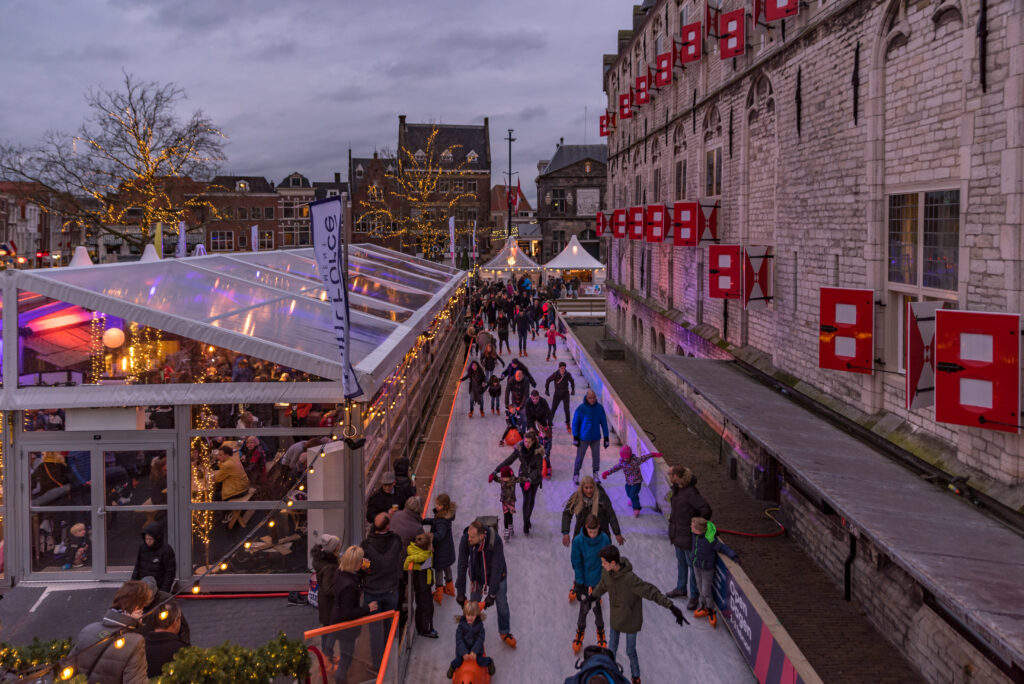
Who wouldn’t want to hop on the ice rink in Gouda? Just look at those glitzy lights! Image: Grand Canyon Events/Supplied
Gouda’s splendid Stadhuis (City Hall) building is a national monument, one of the most impressive examples of secular Gothic architecture in the Netherlands.
The beautiful ice rink De Goudse Ijsbaan follows a track around the Stadhuis building. Rather than having a common rectangular ice rink, you can skate around on a long stretch of ice, like a skateway.
📍 Location: Markt 35, 2801 JK Gouda 💰 Price: €8.50 for entrance, €2.50 for rental skates ⏰ Opening hours: Varies depending on the day, but they are usually open from Monday to Sunday, 9 AM to 11 PM
Tilburg
The Christmas IJsbaan is back in Tilburg, and this time it’s accompanied by a horde of events to keep you feeling festive and cheerful this winter. This ice-skating rink in the Netherlands is open all winter long, and the events in Tilburg don’t end there.
Hop onto the vintage carousel for a throwback to childhood days, or grab a cup of mulled wine at the BBQ & Christmas market on December 11.
Not enough to keep you entertained? Well, Tilburg isn’t done with you yet. Check out the Festival of Lights at the Sint-Jozefkerk, or even visit the live nativity scene! 🐏
📍 Location: Heuvel, 5038 CP Tilburg 💰 Price: €7.50 for entrance, €5.50 to rent skates ⏰ Opening hours: Monday to Sunday, 11 AM to 11 PM
Ice skating on the canals and lakes of Dutch cities
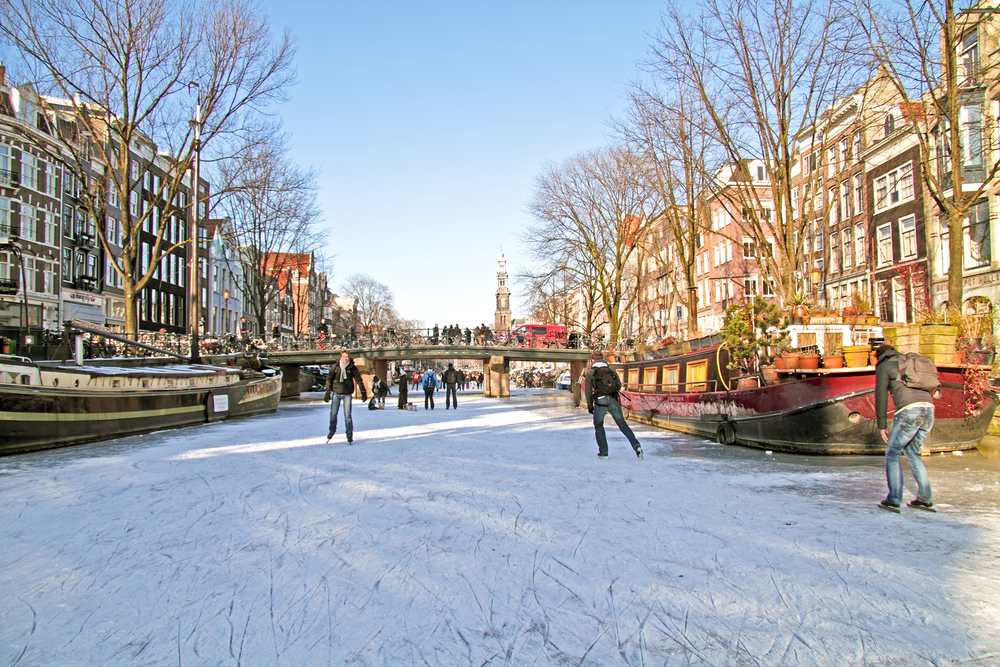
Ice skating on the canals in the Netherlands is an iconic way to celebrate the cold months. Image: Depositphotos
Of course, an option for ice skating in the Netherlands, especially during the cold, icy months, is to skate on the canals and lakes.
In winter, these bodies of water can freeze over, so if you’ve got your own pair of skates, make sure to dig them out and enjoy the frozen canals.
This depends on the weather conditions every year, so make sure to stay up to date, and if you’re local to the city, you’re sure to see swarms of Dutchies hitting the ice once it’s safe to do so.
Ice skating in the Netherlands is one of the most enjoyable ways to warm up during the winter months. Though a bit daunting, once you’re steady on your feet, you can skate the day away.
Perhaps grab your own pair of skates and get discounts at many of these rinks for bringing your own. And, of course, never forget your gloves!
Are you going to hit the ice this winter? Tell us in the comments below!
Dutch public broadcaster AVROTROS has announced it will not participate in the next Eurovision Song Contest, due to political interference and Israel’s involvement in the competition.
AVROTROS states that continued participation in the song festival would be “incompatible with the values we stand for.”
But the broadcaster isn’t taking the decision to withdraw lightly. 👇
Here’s why the Netherlands is stepping back
The broadcaster’s withdrawal centres around various events from the 2025 edition of the song contest.
In particular, AVROTROS highlighted “the infringement of universal values such as humanity, press freedom, but also the political interference that occurred during the previous edition.”
They also draw attention to “the severe humanitarian suffering in Gaza” and the General Assembly’s decision to allow Israel to continue participating in the song festival.
Despite the European Broadcasting Union (EBU) acknowledging that political interference occurred and announcing preventative measures, AVROTROS wasn’t ready to let things slide.
Firing back, the broadcaster announced that it is “simply too early to speak of a substantial, stable improvement that would allow us to participate in the Eurovision Song Contest in a way that aligns with our values.”
What does this mean for Dutch Eurovision fans?
While AVROTROS won’t participate in or broadcast the 2026 contest, the Dutch broadcaster NPO has confirmed that Eurovision will remain accessible to Dutch viewers next year.
And the Dutch aren’t alone in walking out, either.
If you’re a fan of Spain, Ireland, or Slovenia, you’re unlikely to see any of them participating in Eurovision 2026. According to Euronews, the three have confirmed their boycott of the festival, with Iceland still threatening to give the song contest a miss if Israel is allowed to participate.
During your time in the Netherlands, you’ve probably heard the word gezellig being used. Dutchies are very loud and proud of this concept, solet’s explore its meaning together!
This word also happens to be not so gezellig to pronounce, and it can’t be directly translated into other languages, yet it is a concept we can all understand and appreciate.
Gezellig can best be described as a state of cosiness and togetherness — a shared sense of joy in spending time together with friends, or drinking at a terrace by the canal after work.
The word can be used in many contexts, so read on for our guide to this magical and very specific Dutch word!
Word origin
The word’s origin is derived from the term gezel, meaning “friend” or “companion”.
Back in the old days, gezel was also used to classify a “journeyman.” This was used in the Dutch guild system as a group that forms around master craftsmen, which is where the word also got its connotation of belonging.
What makes something gezellig?
A search on how the word is used reveals that, like many similar abstract concepts, gezellig is really in the eye of the beholder. 💎
Spending time with close friends is always gezellig! Image: Freepik
Therefore, what qualifies as gezellig depends on the person, as things are not equally gezellig for everyone.
It gets even more complicated because gezellig can be used to describe different things: events, places, and people.
Does this remind you of another Dutch word used pretty much everywhere? Ah yes, lekker man!
Lekker and gezellig are comparable in the way since they’re both used to describe almost every feel-good, cool thing in the Netherlands.
But is everything that is lekker also gezellig? 🤔 We do not know, and scientists have been trying to figure out the answer to this very important cultural question for years — but feel free to weigh in on the matter in the comments.
What we can perhaps agree on is that some things are completely gezellig, no matter your preferences, such as the following 100% gezellig scenarios:
Basking in the glow of fairy lights in a room, while drinking wine with your friends and listening to music on a vinyl player. (Definitely gezellig 🍷)
Arriving home after a long day at work and getting greeted by your adorable cat. (Super gezellig 🐈)
Eating brood met kaas (bread with cheese) on a rainy day. (Surely gezellig, but the sandwich is pretty lekker too 🥪)
Feeling the warmth of the sun after the abyss of Dutch winter. (50% gezellig, 50% the sun is always lekker 🌞)
Discovering you have been exempt from paying taxes in the Netherlands forever through the grace of the King himself. (Wholesomely gezellig and a lekker story to tell to your friends ✨)
As you can see, gezellig can be used in different ways as long as it includes the following elements: a state of cosiness that is shared with other people/pets in a spirit of togetherness and belonging. 📃
Gezellig to Dutchies vs. internationals
The Dutch have many things they see as gezellig, but that might not apply to internationals.
Take, for example, borrelen: where Dutchies gather around for drinks and bitterballen, and do their fair share of networking.
An international, however, may not feel welcome at these kinds of events, as Dutchies might not speak English or include the internationals in the conversation.
Back at my university, there used to be a board that organised borrels in different locations on our campus. Attendees were mostly Dutchies in suits, and, surprisingly, not a lot of internationals showed up and felt welcome.
The closest English equivalents to gezellig might be “cosiness” or “togetherness”; it’s not a direct translation, as gezellig is really an assortment of different concepts in one. 🍱
There is, however, a word in Danish and Norwegian that comes closer to the original meaning of gezellig, namely hygge.
The Germans also have a word that is similar: Gemütlichkeit. It denotes a state of friendliness and warmth, belonging and peace of mind. But to be precise, the Dutch have their own version of this gemoedelijkheid.
In general, it seems that Germanic and Nordic countries have words that partially resemble the meaning of gezellig, if only their climates were gezellig. 🥶
Ongezellig: the flipside
Now that we have an understanding of gezellig, it’s time to learn about its evil twin: enter ongezellig. 😈
If gezellig is warmth and cosiness, then ongezellig is the coldest, most desolate place, where everything and everyone is uninviting, rude, and definitely not lekker.
It’s like a corporate office meeting where nobody knows what they’re talking about, and office politics takes the forefront — that can be described as ongezellig.
This cat perfectly embodies how you look in an ongezellig setting. Image: Freepik
Other ongezellig things include:
Having to pay high taxes when you’ve already spent your money.
Having to meet up with that one acquaintance of yours who always talks about themselves and never asks you anything.
Going to a busy cafe to discover there are no more charging plugs for your laptop.
Picture it: you’re rushing to catch the tram, coffee in one hand, phone in the other. Then, disaster strikes. Your phone slips from your grip, hits the ground, and you’re left staring at a screen that looks like a spider’s web.
Your first thought? “Please tell me my insurance covers this.”
So does your insurance actually cover it? Well, grab that coffee (carefully this time), because the answer is a bit more complicated than a simple yes or no.
It depends on what insurance you have
Many of us probably have contents insurance (inboedelverzekering), as landlords in the Netherlands often request that you take this out when you rent from them.
But here’s the thing about standard Dutch contents insurance: it’s brilliant for protecting your stuff against fires, floods, and thieves who break into your home. But that butter-fingered moment when your phone slips out of your hand? Not so much.
According to major Dutch insurers, a basic contents insurance policy typically covers your phone for damage from fire, water leaks, or theft inside your home, but not for accidental damage like dropping it or for damage that happens outside your home.
Univé makes it possible to cover electronics such as your phone when you take out contents insurance. With their Mobile Electronics add-on to contents insurance, you’re protected against accidents like dropping your phone — both inside and outside your home.
What insurance options actually cover phone screens?
Right, so you want protection for that inevitable screen crack. Here’s what will actually help you:
Specific electronics insurance
Most major Dutch insurers now offer a separate “Mobile Electronics” add-on (sometimes called mobiele elektronicaverzekering or smartphone- en tabletverzekering) that you can attach to your contents insurance.
These policies typically cover accidental damage like dropping your phone or spilling water on it, plus theft — both inside your home and outside of it, depending on the insurer and conditions.
The downside? Some insurers charge a separate excess (own risk) for mobile electronics (often around €100).
All-risk contents insurance
Some Dutch insurers include mobile electronics coverage in their all-risk contents policies, though this varies by provider.
However, several years ago, many insurers changed their policies because of rising claims for mobile electronics damage, and some now only cover phones if you add a separate mobile electronics module.
Some insurances do not cover your phone screen, some do. Image: Freepik
Manufacturer plans
If you’re an Apple devotee, AppleCare+ covers screen repairs for a service fee of $29 (around €27), though you’re limited to two incidents of accidental damage coverage within the plan period.
Similar plans exist from other manufacturers.
What about liability insurance?
Your aansprakelijkheidsverzekering voor particulieren (AVP) only covers damage you cause to other people’s belongings. If you damage someone else’s phone, your AVP will cover it, but it won’t help with your own cracked screen.
How much does it cost?
Electronics insurance add-ons vary in price depending on the insurer and your coverage level. You’re generally looking at somewhere between €3 and €10+ per month for mobile electronics coverage.
Compare that to the alternative: phone screen repairs in the Netherlands typically cost anywhere from around €120 to €150 or more, depending on your phone model and where you get it fixed.
Have you ever had to navigate the wonderful world of Dutch phone insurance? Drop your experiences in the comments below.
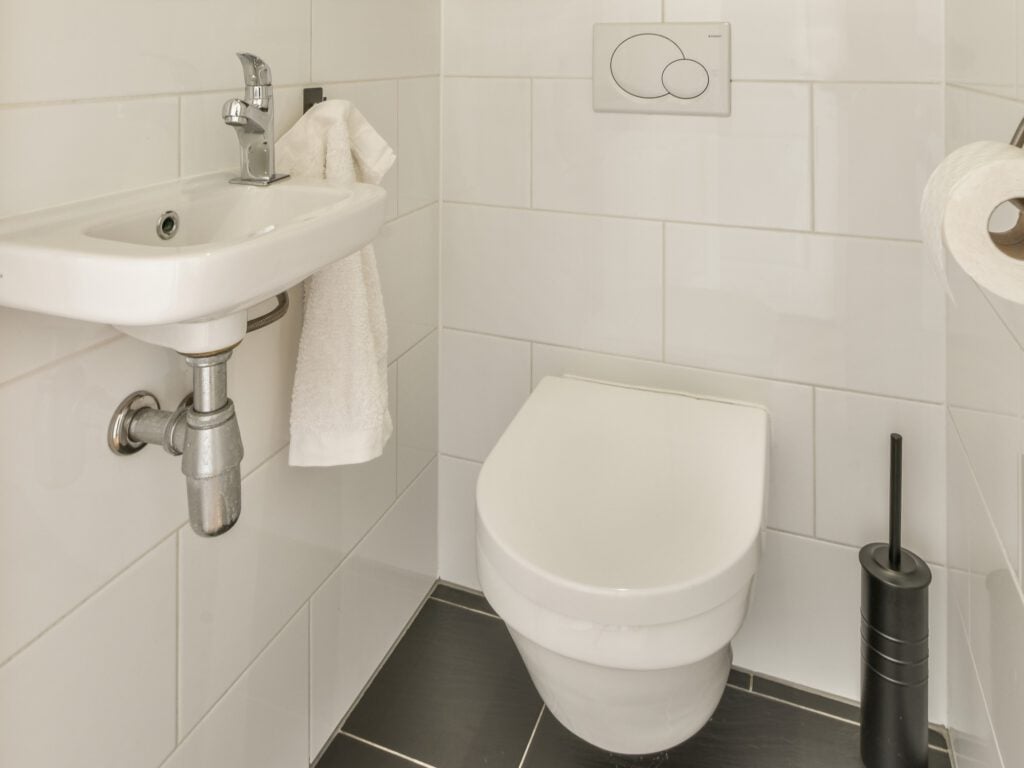
It’s a rainy Dutch winter day, you’re all bundled up, and you have to… well, use the bathroom. While you’re doing your business, fear grips you as you see the tiny toilet sink.
The tiny toilet sink only means one thing. You’re already cold, and you’re about to get colder, courtesy of the icy water from that godforsaken sink. 🥶
What is it?
We’re sure you’ve all dealt with this one: the freezing cold water that Dutch houses have in their toilet sinks — unless you’re admitting to not washing your hands after using the bathroom, that is. 🤨
Ice-cold water may be ideal for those who prefer their tap water nice and cold, or as a source of refreshment on a (rare) hot summer day.
But washing your hands with it, especially on a rainy day, is just icy Dutch torture.
Why do they do it?
Now, you may think it’s simply a question of old plumbing facilities in the beautiful, ancient canal houses.
BUT IT’S NOT! You are just as likely to find the “tiny-sink-and-freezing-water” combination in a newly built apartment complex in Amsterdam Zuid.
Maybe we’re supposed to wash one hand at a time? 🧐 Image: Dreamstime
So, you may wonder: Why, dear Dutchies, can you only find cold water in your bathroom sinks?
How hard can it be to install plumbing that allows for a nice, lukewarm hand-washing experience?
And to be honest, we’re not entirely sure.
It could be ascribed to Dutch frugality, although we would like to believe (or hope, at least) that even Dutchies would not be so cheap as to worry about the few cents that could provide them with warm water.
Three people died and one was seriously injured early on Wednesday morning after a car crashed and caught fire during a police chase in The Hague’s Mariahoeve neighbourhood.
The incident occurred around 4:40 AM at a junction in the Mariahoeve neighbourhood, when a vehicle fleeing from police lost control, flipped over, and struck a tree.
All casualties were occupants of the pursued vehicle, the Public Prosecutor’s Office confirmed.
What happened?
Police had attempted to stop the vehicle due to suspicious driving behaviour. Instead of pulling over, the driver accelerated away at high speed, according to NOS.
The car overturned before crashing into a tree and bursting into flames. Emergency services, including the fire brigade, multiple ambulances, and a trauma helicopter, rushed to the scene.
One person was pulled from the burning wreckage and is currently hospitalised with undisclosed injuries. The remaining three could not be saved.
Investigation underway
The Bezuidenhoutseweg remains closed as investigators examine the scene.
The Rijksrecherche (the national police investigation unit that handles incidents involving law enforcement) is leading the inquiry into the circumstances surrounding the crash.
The vehicle was completely destroyed by fire, complicating the broader investigation.
It’s the most wonderful time of the year, especially if you’re celebrating Christmas in Amsterdam!
Amsterdam, as one of the most festive European cities, has so much to offer during the Christmas period.Gezelligelights, ice rinks galore, and steaming cups of hot glühwein … what more could you want? ☕
The city of ruthless bike lanes and endless head shops also hosts some of the cosiest, Christmassy events. Here are eight ultra-gezellige things to do during Christmas in Amsterdam!
1. Take a walk and experience the Amsterdam Light Festival
The Amsterdam Light Festival is an annual light-art festival that transforms the city centre into a glowing masterpiece!
Running from November 27 to January 18, 2026, it’s an engaging way to brighten up the holiday season. We all know how scenic the canals of Amsterdam are, so why not see them in a different light this Christmas?
The light art installations are illuminated daily from 4:30 PM until 11 PM from Wednesday to Saturday, or 10 PM from Sunday to Tuesday.
If you’re not much of a walker, you can also enjoy the festival by boat! 🚤
⏰ Opening times: November 28 to January 19, 5 PM to 11 PM daily 💰 Price: €26.50 for a boat cruise ticket, €7.99 for the map of the artwork
2. Catch a Christmas concert
What could be more festive than a wonderful Christmas concert? If you want to hear the Christmas classics from the comfortable seats of a concert hall, an evening spent in the plush seats of Amsterdam’s National Opera and Ballet is surely the way to go.
If you’re not quite in the Christmas spirit yet, our best advice is to sit back and indulge in the wonder of ‘Silent Night’ played by the Netherlands’ most talented musicians.
Most churches in Amsterdam will also host their own choir and Christmas Carol performances.
The Nieuwe Kerk on Dam Square is hosting a wonderful night of Christmas carols by candlelight on Christmas Day. We can’t think of a more beautiful way to celebrate the season! 🕯
3. Skate the day away at Amsterdam’s ice rinks
Sipping warme chocolade melk wrapped in your fuzziest sweater and enjoying the Christmas spirit; it doesn’t get more festive than that.
But wait, what if you add ice skating into the mix?
Going ice skating is just one thing to do in Amsterdam during Christmas. Image: Depositphotos
In Amsterdam, you can spend your Christmas ice skating, building ice sculptures and even curling in the many ice rinks. Grab your warmest clothing and ice skates for a day filled with fun!
Or hit the canals if they’re frozen over (at your own risk!)
4. Grab a candy cane at the Christmas markets
What could be a better Christmas activity in Amsterdam than visiting some of the many wonderful Christmas markets? Amsterdam has a selection of cosy Christmas markets to choose from, including:
Grab some one-of-a-kind gifts at the market, or treat yourself to something sweet. Image: Depositphotos
Amsterdam Winter Paradise at RAI: At Amsterdam’s huge convention centre, you’ll find a winter paradise with live music, a skating rink, and even a festive Ferris wheel. You’ll be able to spend a whole day there while you shop the stalls.
Ice*Village Amsterdam: Located on the famous Museumplein, the Ice*Village is right beside the rink, where you can shop at the stalls and get some warm mulled wine to keep your hands warm.
5. Watch the professionals skate the ice
Not a huge fan of ice skating? Instead of putting your poor limbs through the cold, you can catch a showing of Holiday on Ice. ⛸
At this wonderful Christmas-time event at RAI Amsterdam, you can see the performance of their new show, ‘A New Day’.
With a blizzard and fireworks incorporated into this fairy-tale of a love story, as well as artists suspended in the air and on the ice below, you’re sure to be on the edge of your seat. 🎇
If you’re in Amsterdam during the winter season, there is one thing you absolutely must do: eat some good Dutch food!
Oh, go on then, I’ll have just one. And one more. And one more. And… Image: Pixabay
Come on, one of the best things to do in Amsterdam during Christmas is stuffing your face with delicious, warm oliebollen.
A doughy delicacy sure to leave you full and your fingers covered in a healthy amount of grease and powdered sugar, you can grab a serving of oliebollen from street stalls.
Is this Dutch dish not enough for you? Then, treat yourself to some pepernoten before the season is up, or serve up a gourmetten dinner while you enjoy your stay in Amsterdam!
Good to know: You can find oliebollen from street stalls and restaurants in Amsterdam, while you can buy a bag of pepernoten from most grocery stores. As for gourmetten… perhaps you’ll need to make some Dutch friends ASAP.
7. Shop Amsterdam’s iconic streets
Hold on, did you think we weren’t going to mention shopping in Amsterdam?
During Christmas, the streets are covered in gezellige lights, and the atmosphere is just jumping with excited tourists and Dutchies roaming the streets.
You can’t miss the lights of Amsterdam’s shopping streets at Christmas time. Image: Depositphotos
With Christmas-themed decorations filling shop fronts and a weekly koopavond every Thursday, where shops open that extra bit later until 9 PM, shopping the streets will fill you with festive glee. 🎄
Make your way through Kalverstraat, PC Hooftstraat, and even migrate through to Rokin. Along the way, you’ll see many of your favourite major stores and a few special to Amsterdam. Need a snack? Visit Van Wonderen, where you can get some freshly made stroopwafels.
📍 Location: Start at Nieuwendijk and work your way down! 💰 Price: Gratis, but shopping will cost you ⏰ Opening hours: Depends on the store, but most shops are open from Monday to Sunday, 10 AM to 5 PM
8. Stick around for the epic New Year’s Fireworks
One thing the Netherlands has surely got down to a T: New Year’s Eve fireworks! Trust us, you’re sure to be blown away by the fireworks on this holiday.
Normally, everyone is allowed to set off fireworks, which is incredibly chaotic. As of 2026, Amsterdam has put a stop to it, with a municipal ban on the lighting of fireworks by regular citizens.
Instead, head on over to Museumplein for the ‘Amsterdam counts down to 2026’ fireworks and light show! 🎇
📍 Location:Museumplein, 1079 RA Amsterdam 💰 Price: Gratis ⏰ Open from: Fireworks will start on December 31, though some events might start the firework onslaught a little earlier
Spending the festive season here in the Netherlands means there are so many things to do during Christmas in Amsterdam. 🎄
After you’ve tired yourself out shopping the streets and burning off the oliebollen by ice skating, make sure to try a glass of Dutch beer in a cosy pub, and then, like a true Dutch person, give out about the state of the NS on your way home.
Will you be visiting Amsterdam this Christmas? Tell us your plans in a comment below! 👇
For years, something deeply disturbing was happening behind the closed gates of Essenhof cemetery in Dordrecht.
Coffins were secretly opened, and the bodies were experimented on without telling the families or obtaining the proper permits, reports AD.
Why? All to speed up decomposition.
Clandestine tests on deceased bodies
According to an investigation commissioned by the municipality of Dordrecht, the first cellar grave was opened 12 years ago, on suspicion that the bodies inside were not decomposing due to poor ventilation in the burial vaults.
This was done with the knowledge of Bert van de Burgt, an important member of the municipal council at the time.
After opening the coffins twice more, three cellar graves were selected for experimentation. Each of these graves held four bodies.
One group of bodies was treated with a “microbiological” liquid or powder, another group received improved ventilation, and the third was a control group.
All graves were opened four times between 2015 and 2016 to compare results.
The families remained clueless.
A letter in a safe
Following growing concern about why bodies weren’t decomposing, city council member Marco Stam began asking questions. Old records were searched.
The discreet ongoings of Essenhof only came to light last year, when a secret memo from 2015 was found in a safe.
In that memo, the then-director of Essenhof described the experiments in detail and claimed they had been legally checked. Investigators at TwynstraGudde found no proof of that.
The excavations were deliberately carried out while the cemetery was closed “to avoid attention,” and those involved were told to remain silent, the memo reads.
All this while, Van de Burgt saw no reason to report this to the municipal executive board, as it would cause “unnecessary unrest,” he tells AD.
“This should never have happened”
1 jaar gevangenisstraf of € 7400 boete. Per persoon die betrokken is bij deze walgelijke grafschennis. Nog weinig straf, trouwens.
Translation: 1 year prison sentence or €7400 fine. Per person involved in this disgusting grave desecration. Still a light punishment, by the way. Imagine it’s your father or mother. What possesses these people??
A city council press release reads, “Although the intention was to resolve a problem, insufficient consideration was given to the consequences for the people who buried their loved ones here.”
The board has formally apologised to relatives and assured them that no further tests will take place. The municipality is seeking national support, as stalled decomposition is a problem that exists at other cemeteries, too.
What do you think the board of Essenhof should have done? Tell us in the comments.
This Friday (December 5), the World Cup 2026 draw will take place, and the result could mean a wave of Dutch fans will be heading to the US next summer. But human rights experts have a warning for them.
Watch out for those Tweets you shared back in 2021. In fact, watch out for what’s on your phones in general.
As Clayton Weimers of Reporters Without Borders tells AD, “They don’t care if you’re a journalist, an academic, or just a random tourist. I’m not saying you should delete social media… But you do have to be very careful with these things.”
Speaking at a press conference in New York, he also warned that incoming tourists’ entries will depend “very much on the whims of an individual officer.”
This point was backed up by Daniel Noroña of Amnesty International, who tells AD that “You’re at the mercy of a customs officer who might be having a bad day. You never know.”
Human rights organisations are very critical
You’d think that after the 2022 World Cup in Qatar, FIFA would have learned its lesson.
However, yet again, human rights organisations are very concerned by the choice to use the US as one of the host countries.
A simple glance at the current state of the US will tell us why. However, the organisations are also critical of FIFA President Gianni Infantino’s seemingly close relationship with Trump.
They also don’t understand why the US president is very likely to receive the FIFA Peace Prize, which will be presented during the draw in Washington, DC, on Friday.
People seem surprised that the FIFA 'Peace' Prize could be given to Donald Trump – yet the 2026 World Cup Task Force looks like this.
He is the Chair and his Vice President is Vice Chair.










![8 ultra-gezellige ways to spend Christmas in Amsterdam [2026 guide]](https://dutchreview.com/wp-content/uploads/Christmas-Tree-in-Dam-Sqaure-768x512.jpg "8 ultra-gezellige ways to spend Christmas in Amsterdam [2026 guide]")