Welfare recipients in the Netherlands can find themselves in a tricky financial situation if they want to work more. Sounds counterproductive? It is!
That’s why the municipality of Utrecht has started a crowdfunding campaign to help relieve some of that financial stress for its residents.
The goal? To raise €100,000 for 100 residents receiving welfare.
Quick maths
First, let’s break down why this campaign is necessary.
Welfare recipients who also work part-time can earn between €170 and €273 extra per month on top of their welfare benefit, depending on their situation.
If they earn more, this extra amount will be cut from their benefit the following month.
Adding to the financial stress, this money can also be cut from the benefit they receive the month after, even if they work less than the month before and have no extra income. This can leave people struggling to make ends meet.
Something to offset this difference
Sounds confusing? Alderman for work and income, Linda Voortman thinks so too. That’s why the municipality has started crowdfunding with the help of citizen’s initiative Collectief Kapitaal (Capital Collective).
“We want people to have financial security and peace of mind,” Voortman tells the NOS, so the aim is to raise €100,000 to cover the possible benefit cuts the current welfare system allows for.
With this money, 100 residents will receive up to €1,000 for the year. This money will be used as a “buffer budget”, which can offset the difference in income that some welfare recipients struggle with.
In doing this, Voortman wants to encourage welfare recipients to reenter the labour market, instead of being dissuaded by the insecurity and confusion caused by the current system.
The law needs some revising
But why crowdfunding, you may ask? After all, this is a municipality, not an indie film director.
Well, according to the current law, it would be illegal to fund such a project with municipal money.
Voortman hopes the crowdfunding initiative will encourage the Lower House to change the current welfare system and has sent a “buffer budget” proposal for their consideration.
Regardless of what the Lower House thinks, it seems like Utrecht residents support Voortman’s idea — they’ve already raised €30,000 in one day of the crowdfunding campaign.
What do you think of initiatives like this to help with welfare confusion? Let us know in the comments!
The savings platform Raisin has been active for a couple of years now in the Netherlands — but what is Raisin? And what can it do for your savings?
We’ve answered some of your top questions about using Raisin from the Netherlands. 👇
This post might have affiliate links that help us write the articles you love, at no extra cost to you. Read our statement.
1. Why should I opt for Raisin over a Dutch bank?
For the most part, life in the Netherlands is good. The country has great infrastructure, plenty of bustling cities, and a liberal lifestyle.
However, one thing it really doesn’t offer is good interest rates on savings accounts.
Even the largest banks in the Netherlands offer low interest rates when compared to their international counterparts.
Raisin offers access to multiple international banks, all through one account. Image: Freepik
That’s where Raisin steps in. Raisin offers residents of the Netherlands access to international banks with savings accounts that offer much higher interest rates.
Just how much higher are we talking? For example, ABN AMRO, one of the Netherlands’ biggest banks, offers just 1.5% interest on its savings accounts. By comparison, you can access savings accounts with interest rates as high as 2.83% on a flexible savings account and up to 2.95% on a term deposit through Raisin.
By opening an account through Raisin, you will have access to a savings account that will allow your savings to grow in value and tackle inflation.
What’s more, Raisin offers you access to 40+ banks, all through one login, meaning you will never need another savings account outside of the Raisin platform.
Once you open your central Raisin account, you can choose from as many flexible savings accounts and term deposits as you want.
2. What are the best interest rates that Raisin is offering right now?
The best fixed-term and variable interest rates in August 2024 that you can enjoy with Raisin are below.
Fixed-term savings accounts
Savings accounts with a fixed term are not freely withdrawable. This means you must keep the money you deposit in the account for a fixed period of time.
While you can’t freely withdraw money whenever you want, you do benefit from fixed high interest rates. Here are some of the most popular fixed-term interest rates offered by Raisin.
Bank
Duration
Fixed-term interest rates on savings accounts
smeBank
1 year
2.95%
ProCredit Bank
1 year
2.86%
a&g
1 year
2.85% p.a
Freely withdrawable savings accounts
If you need more flexibility with your savings and want to be able to withdraw money whenever you like, then you can opt for a freely withdrawable savings account with a variable interest rate.
This means the interest rate is not fixed, but it’s still strong — and you can take out money from the account as you see fit.
Raisin works exclusively with banks that fall under national deposit guarantee schemes.
This means that any money you save using the bank accounts offered through Raisin is guaranteed up to €100,000 (or an equivalent in the local currency).
Thanks to the Deposit Guarantee Scheme, you can rest easy knowing your money is safe with Raisin. Image: Freepik
As of January 1, 2024, in the case where a Deposit Scheme refund takes place, the payback is completed within seven working days.
4. Can I transfer money between my Raisin account and my Dutch account?
Yes! When you set up an account with Raisin, you will be asked to choose one external bank account to link to Raisin.
Through this external account, you will make withdrawals and deposits to your savings accounts.
What does this mean? For example, If you link your ABN AMRO account to your Raisin account, you will be able to transfer money from your Dutch account to your savings account at the French bank Distingo — all through Raisin’s platform.
Once you transfer money to or from your international savings account, it will take one to three days for funds to appear in your other account.
5. Does Raisin charge a fee?
Nope, Raisin doesn’t charge any fees to its customers!
6. Why is Raisin free?
Instead of charging customers a fee, Raisin earns money by receiving a fee from banks and credit unions for marketing its products.
Raisin makes its money by accepting fees from banks and credit unions. Image: Freepik
And you know what’s better than the average Joe’s money? A bank’s money. 💶
7. What do I need to sign up for Raisin?
The requirements for signing up for Raisin are pretty simple. Once you fill out their registration form, you will be asked to:
Supply your personal details (including your full name, address, and BSN)
Upload proof of your address
Verify your identity online
Supply details of the external bank account you would like to link to
Raisin offers one way for internationals based in the Netherlands to avoid low savings interest rates, all while your money is protected by the Deposit Guarantee Scheme — and for that, we say dankjewel. 💪
Have you used Raisin before? Tell us about your experience in the comments below!
* Residents of the United States of America (USA), so-called Permanent Residents, as well as holders of a Green Card (anyone who is considered a “US person”) are not entitled to access the offers due to extensive regulations regarding the transfer of data under FATCA regulation. * The interest rates mentioned in the article represent interest rates from 16.08.2024 and are subject to change, check out the Raisin website for the current offers.
The Dutch are known for their engineering feats, especially with anything relating to the water, but did they really have to build stairs that felt like climbing Everest?
What is it?
Most people learn how to climb and descend stairs by the time they’re four or five years old but seeing these bad boys will make you rethink anything you’ve ever known about stair safety.
These stairs are steep and narrow enough to get fully grown people to cling to the bannister in fear.
Why do they do it?
These notorious stairs have their history in the 16th, 17th and 18th centuries. Most residential areas in the Netherlands are built upon softer soil and need very strong foundational structures to keep the buildings upright. 🏘
On top of that (literally) was the fact that the Dutch authorities started taxing people for the width of their home’s facade! The result? Very narrow houses.
the only thing I will not miss about The Netherlands is carrying three people’s luggage up these steep ass narrow ass beautiful ass stairs pic.twitter.com/sfM20xUBBB
This didn’t just come down to taxes either. There also wasn’t much space for residential areas, a lot of the land being reclaimed from the sea and all.
So, if Dutchies couldn’t build out, they would build up.
Combine these two things together, and you have narrow and somewhat crooked houses overall and even more narrow and crooked stairs inside.
Why is it quirky?
Most people don’t realise it until they move into one of these houses, but there are actually quite a few drawbacks to this Dutch architectural phenomenon.
It’s practically impossible to bring any big pieces of furniture up or down the stairs unless they’re flat-packed IKEA furniture. Otherwise, almost every Dutch house has a hoisting hook:
In a simpler version, many moving companies use machines to deliver large pieces of furniture to the upper floors.
These hooks seem equally as dangerous as trying to bring furniture up the stairs. 😬
But, speaking of dangerous, steep stairs are the enemy of a big night out — they’re likely to have you tumbling down to the first floor if you don’t watch your step.
Should you join in?
We suggest you at least get the chance to experience climbing up such a set of stairs, just to see how quickly you can get the chills. We don’t recommend attempting to climb while intoxicated if it is your first time, however.
trying to find a cheap apartment in the netherlands means every single option includes very steep stairs so once i move i’m going to either have really strong legs or broken bones and a concussion
If you’re moving to the Netherlands, you might not really have a chance to choose what kind of stairs you get, but you’ll get the hang of it eventually. 😁
What do you think of this Dutch quirk? Have you experienced it? Tell us in the comments below!
An invisible enemy has forced the KNMI to announce a Code Yellow for parts of the country — yep, the Netherlands is once again wrapped in a thick blanket of fog.
The weather alert will remain active at least until 12 PM today and concerns the middle and south of the country, writes the NOS.
Foggy Friday ahead
Dense fog will persist in the affected areas this morning, reducing local visibility to 200 metres.
The South-East will be most disrupted, with South Limburg experiencing the lowest visibility and slippery roads.
However, after 12 PM the fog is expected to gradually disappear, making way for an ordinary grey winter day. Temperatures will hover between 0 and 5 degrees.
It is not clear yet whether air traffic will also be affected to the degree that it was on Wednesday, when Schiphol had to cancel or delay hundreds of flights.
If you think of people flocking to a Dutch seaside town to see a sports competition, the Formula 1 crowds in Zandvoort might immediately jump to mind.
But the Noord-Holland village of Wijk aan Zee is currently crowded with people waiting to see a very different event.
It’s a prestigious sports tournament, all about precision and calculation, but it definitely has nothing to do with speed.
Is it a game? Is it a sport? It’s… chess
The super prestigious world-class event in question? Well, the Tata Steel Chess Tournament 2025, of course! Its 87th edition is taking place from January 17 until February 2, 2025.
If you feel deceived by the labelling of a chess competition as a sports event… take it up with the International Olympic Committee, not us. 🤷♀️
For those interested in chess, the tournament needs no introduction. It has a reputation for launching players to the top, and this year, the competition will be as strong as ever.
A dozen players will perform in the masters division, among which is also the current (and youngest ever) world champion, Gukesh Dommaraju.
Winners come and go, but sponsors are forever
For those not interested in chess, you might be wondering why the hell anyone cares enough about it to travel all the way to a small Dutch village.
The glamour of Wijk aan Zee aside, it could be the fact that the prize money for first place (although not publicly disclosed) tends to exceed €10,000. Or maybe it’s the desire to go to the beach in January, who knows. 🤔
Although this kind of money isn’t even that high for a chess prize fund, it still isn’t easy to come by.
This is where the infamous Dutch company Tata Steel steps in as the main sponsor of the event — hence the name of the tournament.
You may also know the company from the major court case against their CEO for environmental pollution in 2023 — so it’s probably in their best interest that chess comes up when you google their name.
They might be destroying the environment, but they know how to throw a good tournament. Tata Steel has been sponsoring the event for the past 87 years, making it one of the longest-lasting sports sponsorships in the world.
Tata Steel proves to us that anything is possible — if they can call their business practices sustainable, we can call a tournament where a bunch of people sit at a table for four hours a sports event!
Did you know this competition was taking place in the lowlands? Let us know in the comments!
Although the number of reported infections from the contaminated blueberries now sits at 12, RIVM (Dutch Ministry of Health) specialists warn RTL Nieuws that the actual number might be in the hundreds.
Most symptoms tend to be mild
“The majority of people do not become seriously ill,” the RIVM’s principal investigator of infectious diseases, Eelco Franz, tells RTL Nieuws. “Some will even carry the virus without noticing it.”
What is Hepatitis A?
According to the WHO, Hepatitis A is an inflammation of the liver caused by the Hepatitis virus (HAV).
Unlike Hepatitis variants B and C, however, it is a less severe form of the virus and generally does not require hospitalisation.
Symptoms of the virus include fatigue, jaundice, and a low-grade fever and can also be accompanied by nausea and pain in the upper abdomen.
Whilst most infections tend to be mild, people with low immunity may be at significant risk from the virus, reports the NOS.
The RIVM urges anyone showing symptoms of Hepatitis A to contact their GP.
Which blueberries do I avoid?
The warning only applies to 1kg bags of frozen blueberries, with an expiration date of 14-4-2026. 👇
The blueberries in question. Image: Albert Heijn
Albert Heijn notes that the cardboard boxes of frozen blueberries and bags of mixed fruit are infection-free, as they come from another supplier.
Customers with questions can read through the FAQ page set up for the blueberry crisis or fill out a customer service form.
Showing symptoms of the virus? There’s an email address set up to deal with serious reports and claims for damages (terugroepactie@ah.nl).
How do you donate clothes, furniture, and other stuff around your house in the Netherlands? Can you give all these things to charity shops or second-hand stores? And what on earth is a kringloop?
We’ve all been there: hit by an irresistible urge to spring clean (possibly to procrastinate something more important) that results in an immense pile of clothes, furniture and general bits-and-bobs that we suddenly realise we don’t want anymore.
But even though it’s easily done, throwing these possessions away always feels like a bit of a waste — either you’ve spent lots of money on them, or they’re still usable.
Many of us have become more mindful of where our stuff actually goes when we throw it out: if we donate it, it gets a second life.
Donating is probably the first thing that comes to mind for a lot of us in this situation — but what can you donate in the Netherlands? And where? And how?
Never fear; we’re here to answer all your burning questions about donating your loved goods in the Netherlands.
Donating furniture in the Netherlands
Get your old stuff out there and on sale at the flea market. Image: Depositphotos
Furniture is probably the thing you’ll want to throw away the least because it’s so expensive to buy in the first place. 🙄
But, there comes a time in every couch, table, and bed frame’s life when it just doesn’t work in your home anymore.
Your sofa might be looking a bit worse for wear after years of you flopping down onto it after a long day; or maybe that lime green dining table you bought as a student isn’t really fitting with the mid-twenties professional style you’re trying to cultivate. 🛋
So, where can you donate furniture in the Netherlands?
The Kringloop
Find your local Kringloop, of course! Kringloop is the Dutch word for a second-hand store, and depending on their size and what they specialise in selling, they’ll probably be interested in your old furniture if it’s still useable.
If your furniture is truly beyond its sell-by date, you can try Facebook! There are lots of groups for buying and selling goods in each city.
You can list your furniture for free and someone will snap it up in minutes — often, they’ll be willing to pick it up themselves as well. If it’s really nice furniture, someone might even be willing to pay quite a bit of money for it.
Finally, if you’re a thousand per cent sure that nobody, not even the most desperate of students, would want your furniture, you can request that the municipality come and pick it up.
The best part? That’s also totally free. 🤑
Where can I donate clothes in the Netherlands?
Secondhand donation gives your items a second chance at life! Image: Depositphotos
The amount of time we wear a piece of clothing has halved in the past twenty years. So donating your clothes after you’re done with them is a really good way to help the environment. 🌳
You also have the added peace of mind that someone else is enjoying something you once loved. 😍
The best thing to do with clothes is to bring them to specific second-hand clothes shops. There will be several in each major city, usually associated with one charity or another. Try googling “doneer tweedehands kleding [your city]” and lots should pop up.
Otherwise, there should be a textile recycling bin nearby. They’re often placed alongside the paper, glass and plastic recycling bins provided by the municipality.
Where to donate other items in the Netherlands
Often, it’s this category that’s hardest to figure out. Does anyone really want the weird oversized pink glass bottle that you unwillingly have in your possession? And what about your kids’ toys? Usually, the answer is a surprising yes!
It’s generally random objects like these that make up the majority of the goods a kringloop has, and I can tell you as a frequent kringloop visitor myself, these are the most fun to look through (the amount of plant pots I’ve found this way is frankly staggering).
Hopefully, you can find a new home for all those random bits and bobs. Image: Unsplash
The best way to donate these is to fill up a box and bring it to your local kringloop. They might choose not to accept some things, especially if they already have plenty of them in stock.
Have you had any experiences with second-hand stores in the Netherlands? Let us know in the comments below!
💸 Paying for public transport in the Netherlands: OV cards (OV Chipkaarten) or OVpay
While public transport is considerably cheaper than owning a car in the Netherlands, it’s not free (unless you’re an eligible Dutch student).
If you plan on living in the Netherlands long-term, investing in an OV card (OV chipkaart) will likely save you some money and provide convenience when travelling around the country.
There are two types of OV cards: anonymous and personal.
Image: Samantha Dixon
Anonymous OV Card (Anonieme OV-chipkaart)
If you’re on a short-term holiday, only travel by public transport on occasion or don’t want to share your personal details, a blue anonymous OV card might be the one for you.
With an anonymous OV card, you can share the card with other people (just not on the same trip), so they’re perfect to keep on hand for visitors. You can purchase one at stations, various supermarkets, and OV shops.
Every time you run out of money, you’ll have to manually top up your anonymous OV card. You can refill it by:
using ticket machines or at an OV service shop in most train and metro stations, inside trams and buses.
topping up at an OV point inside bigger supermarket branches using your ATM card.
This helpful machine lets you add extra money to your OV card at convenient locations! Image: Depositphotos
However, beware: regardless of where you top up your card, you may need to use a Maestro card, credit cards often don’t work in the Netherlands! ❌
Since this card type is anonymous, you can’t apply any discounts, and if you lose the card, you can’t get a credit refund on the money you lose. Helaas! (What a shame!)
Personal OV Card (Persoonlijke OV-chipkaart)
If you think you’ll be travelling with public transport in the Netherlands more frequently, a yellow personal OV card is the way to go.
A personal OV card is one of the most valuable things you can have if you live in the Netherlands. Image: Depositphotos
Having a personal OV card has some great perks, including adding special discounts or travel deals, automatic reloading when you run out of money, and the card can be blocked and reissued if lost or stolen.
Tip: You can get a 40% discount on your travel costs or pay for unlimited daily or monthly travel during off-peak hours using a personal OV card — it’s even possible to share your discount with travellers who use an anonymous OV card. That’s too much korting (savings) to pass up!
It costs €7.50 to order the card via ovchipkaart.nl, but you’ll quickly see that money pays for itself in no time when you use those sweet discounts. 😍
Here’s a quick breakdown of the different types of public transport cards in the Netherlands. Image: DutchReview
This is particularly appealing for short-term visitors, as you’ll only need your phone to travel nationwide by train, tram or metro! 📳
📱 Apps for public transport in the Netherlands
There are apps for everything nowadays, and public transport in the Netherlands isn’t an exception. There are a few options if you want a little help travelling around the country.
9292
The essential travel app helps you plan your journey via public transport anywhere in the Netherlands, at any time, using all modes of transport you want.
The app lets you pick individual addresses and postcodes, and you can input any station or stops you want to travel through. 9292 also offers accessible travel options like adding extra transfer times and planning journeys for wheelchair users. 🦽
9292 is probably one of the most important apps you’ll need if you want to travel hassle-free in the Netherlands. Image: DutchReview
But that’s not all! You can store e-tickets via the 9292 mobile apps and save particular travel routes for future reference. They have a section for expected and unexpected interruptions and services everywhere.
NS
With the same name as the Dutch Railway system company, the NS app is similar to 9292’s services — but only covers train journeys. 🚄
The NS app is stocked with comprehensive train schedules and a train journey planner. The app also provides live updates on train delays, disruptions, and planned maintenance so travellers can check what’s working and what isn’t.
NS is essential if you want to take the trains around the Netherlands. Image: DutchReview
Like 9292, you can also easily store e-tickets and plan your train journeys. Leuk!
Google Maps
A staple app for most people, Google Maps has an option to check travel routes via public transport.📍
Google Maps isn’t as comprehensive as 9292 or NS, but if you’re only planning on travelling around the Netherlands for a short time, Google Maps will do the job just fine.
🚀 The main types of public transport in the Netherlands
Ah yes, the part you’re probably here for (and we hope you’re not standing on a cold train platform while you read this). Public transport in the Netherlands has many forms but can have huge differences.
Bigger train stations have sections for different types of public transport — often you’ll find the train platforms, bus stops, metro lines, and tram rails in one area. Image: Depositphotos
Here’s how to best navigate the trains, trams, metros, buses, and ferries in the Netherlands. 🗺
Travelling by train in the Netherlands
Travelling by train is a basic form of public transport in the Netherlands, especially if you plan to take day trips to other Dutch cities.
There are a couple of things to know if you’re going to hop on and off one of these metal tubes. 💨
First- and second-class cars
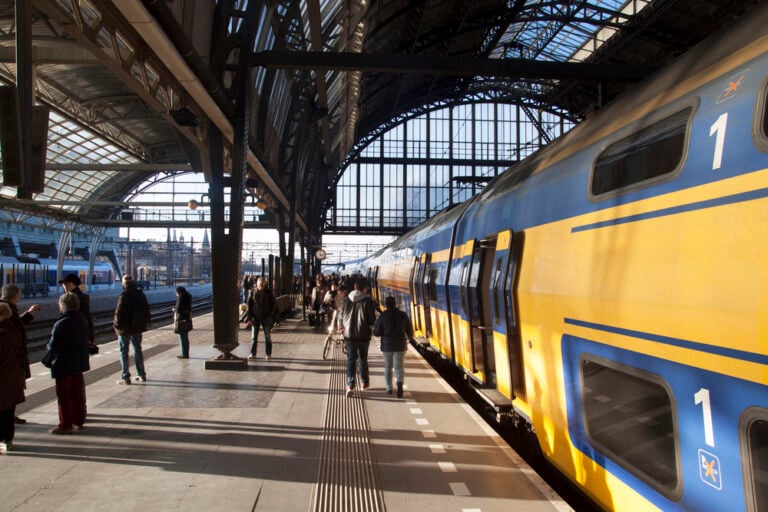
All trains are divided into first- and second-class cars, which you can see by which number is plastered on the outside of the car or the small plaques inside. 🥇🥈
Dutch trains have huge numbers plastered on the outside (and inside) of their trains, so it’s easy to see which class you’re standing in. Image: Depositphotos
The difference? First-class seats and cars are generally cleaner, more expensive, and more spacious than second-class cars. First-class seating areas also have extra luxuries like comfier chairs and footrests. 💺
These chairs make you feel like a business-class passenger. Image: NS
Although the cleanliness levels may vary, you’re not really missing out on anything if you’re travelling in the second-class car of a train.
You’ll be able to choose whether you want to sit in first or second-class and compare prices when you’re purchasing your ticket. If you’re using an OV card, you can automatically travel in the second-class cars of any NS train and can upgrade via the app if you want to move into first class.
Warning: Thinking about investing in first-class train travel? It’s possible to change which train class you’re paying for through the NS website, but you can only add personal discounts or travel plans to a personal OV card!
Types of trains in the Netherlands
There are three main types of trains in the Netherlands:
Sprinters
Intercities
Intercity Direct
Sprinter trains
Don’t let the name fool you: the Sprinter is the slowest type of Dutch train (extremely misleading, if you ask us.)
Sprinters are smaller and slower trains. They usually connect big cities together but also travel through and stop at all the smaller towns and villages. 🐌
Sprinter trains pass small villages and beautiful parts of the countryside — just marvel at these tulip fields! Image: Depositphotos
Sprinter trains tend to have frequent stops and relatively short travel times between stations, with travel times between stations ranging from three minutes up to 11 minutes.
A Sprinter train is a good choice if you need to get to a smaller village, for example, if you are travelling from Amsterdam Central Station to Woerden or The Hague Holland Spoor to Schiedam.
Generally, sprinter trains don’t have WiFi or toilets since they’re made for shorter train journeys. However, newer sprinter models will have toilets in them (good news if you have a small bladder). 😅
Smaller towns and villages are easily accessible with reliable sprinters. Image: Depositphotos
You can check whether you’re taking an Intercity or Sprinter train and if there is a toilet at your station using the Reisplanner Xtra app.
Intercity trains
Intercity trains travel between the larger cities in the Netherlands. They are bigger, faster, and tend to make fewer stops.
Intercity trains are hard to miss — they’re always painted in the iconic yellow and blue colour scheme! Image: NS
Intercities also have longer routes and travel times between stations, ranging from five minutes to 18 minutes between stops. 🚅
Intercity Direct trains
Intercity Direct trains are similar to the regular ‘ol Intercity trains — the main difference is in the routes they take. 🚄
These trains only travel directly between Amsterdam Centraal, Rotterdam Centraal, Schiphol Airport, and Breda.
It might not look very different on the outside, but these trains travel to their destinations much faster than regular intercities! Image: NS
They save a lot of time because they don’t stop at other stations and travel very fast on the tracks. 🏃🏻
Take a look at these train travel times:
Non-Intercity Direct journey from Schipol Airport to Breda: 1 hour and 21 minutes
Non-Intercity Direct journey from Amsterdam to Rotterdam: 1 hour and 6 minutes
In comparison to:
Intercity Direct journey from Schiphol Airport to Breda: 39 minutes
Intercity Direct journey from Amsterdam to Rotterdam: 25 minutes.
Be warned! You have to pay a small surcharge to use this train, about €3 each way. You can pay this extra fee by scanning your OV card on a red and grey supplement machine on the platforms where you take an Intercity direct train.
Types of train tickets
If you have an OV card, personal or not, just tap your card on the readers on the platform barriers, which serves as your “train ticket”. 🎫
Major train and metro stations in the Netherlands will have barriers like these ones. Image: NS
You need to have at least €20 to be let in through platform barriers at any train station, but if your OV card has under €20 and the automatic reload option, you will be let through (yet another reason a personal OV card is the way to go).
If you don’t have an OV card, you’ll need to buy a ticket. Yet, figuring out which train ticket to buy can be overwhelming.
These ticket types are for one-off train travels or if you need to do a big trip with other people, your dog, or your bicycle.
You’ll need to buy a special ticket if you want to take your bike on the train. Image: NS
You can expect train tickets to cost a few euros for a short round trip and up to around €20 one way to go across the country. It really depends on which stations and which city you plan your journey from.
Season tickets
Season tickets are more like a train subscription than single tickets. If you’re looking for longer-term travel tickets with hefty discounts travel tickets, season tickets might be what you’re looking for!
For example, if you have to commute to your job in a different city, discounted train travel is a must-have in the Netherlands.
Having seasonal tickets gives you great discounts, and they’re essential for coping with any rush hour. Image: NS
There are different types of season tickets for different needs, such as free train travel on the weekend, discounts during off-peak and peak hours, and the possibility of discounted travel with other people travelling with you.
Tip: In general, you’ll find that train tickets cost less money if you buy them online and travel during off-peak hours (before 6:30 AM, between 9 AM and 4 PM, and after 6:30 PM).
If you need to travel during peak hours (between 6:30 AM and 9 AM and between 4 PM and 6:30 PM), you can only get discounts with select season tickets.
How to buy train tickets in the Netherlands
So you know how trains work and which train ticket you want to buy — but how do you buy a ticket, say, for trains to Amsterdam? There are three main ways:
Purchasing tickets online
Purchasing tickets via the NS app
Purchasing tickets at a train station or at an OV shop
If you feel more laid back and want to see where the road (or tracks) take you, you can buy tickets at most train stations, either at a ticket machine or at one of the OV service shops.
Grab a ticket at one of these ticket machines — they have the exact same colour palette as the trains! Image: Depositphotos
If you’re the kind of person who has everything planned in an itinerary down to the minute and the hour, you can also buy your train tickets in advance via the NS website.
Plus, if you log in to the website, you can immediately save your tickets on your phone via the NS app. It definitely makes travel planning easier!
Good to know: While you don’t necessarily have to buy your tickets months in advance for your train journey, you must have a valid ticket the moment you step on the train. That is to say, you can’t buy a train ticket while you’re on the train already.
How to check Dutch train schedules
Types of trains? ✅ Types of tickets? ✅ Where to buy tickets? ✅. Knowing where to see that trusty train schedule? Well, that’s important too!
You can board the train from inside the main station hall. Trains to Amsterdam and other cities like Rotterdam and The Hague run really frequently, usually around every 10 to 15 minutes.
You can check what time each train is arriving at the station, what type of train it is, and which platform it’s leaving from. Handy! Image: Depositphotos
There are a few main ways to check the train schedules:
If you’re a seasoned passenger on public transport in the Netherlands, it’s common to just show up at the station and find out what the next train is by looking at one of the info boards.
You can use public transport apps like NS, 9292, and Google Maps.
You can check the full table of train routes and schedules on the train platform itself. These tables show you every stop the train takes and what time it departs from the station you’re standing in every hour for every day of the week. Handig! (Handy!)
The train timetables are usually available in Dutch and English, so it’s easy for non-native Dutch speakers to navigate their way around the rails.
Travelling by metro in the Netherlands
Only Amsterdam, Rotterdam, and parts of The Hague have metro lines. 🚉
Amsterdam and Rotterdam have metro lines that run through the cities and surrounding areas. Rotterdam also has a direct metro that runs to The Hague Central Station.
You can see and hear metros whooshing by their platforms in the big cities. Image: Depositphotos
To board a Dutch metro is really easy: just scan your OV card or ticket at the platform barriers and walk on through! Remember to scan out at the end.
Types of metro tickets
There are two main types of metro tickets: one-hour tickets and day tickets. These tickets let you travel anywhere, regardless of distance. Your ticket becomes validated when you first check-in for a one-hour ticket or 24 hours for a day ticket. ⏱
Amsterdam offers a one-hour ticket and tickets for up to seven days of travelling using the GVB (Municipal Transport Company). The company operates metros, trams, buses, and ferries in the metropolitan area of Amsterdam.
Rotterdam is slightly different — the RET (Rotterdam Electric Tram) company only offers a two-hour ticket or a day ticket for one day.
The great part about travelling with an hourly ticket or a day ticket is that you can use them to travel on any public transport (trams, metros, buses) within Amsterdam or Rotterdam.
Keep in mind: You cannot use these hour or day tickets to travel on the trains. They are only available with trams, metros, and buses within the respective city.
How to buy metro tickets in the Netherlands
You can get your metro tickets in a few ways:
Check into the barriers using your OV card or OVpay
Buy metro tickets using the ticket machines or at the OV service shop within the metro and train stations. Just remember to switch the language to English first! 🇬🇧
You’ll see these booths on many platforms, usually the larger stations that trains pass through. Image: Depositphotos
How to check Dutch metro schedules
Similar to buying tickets online, you can check the metro schedules using the apps or websites of 9292, RET, and GVB.
You can also use Google Maps, especially if you want to plan around specific locations, but this app isn’t the most accurate if you’re just going to use the metro to get back and forth places.
Google Maps allows you to look at several travel options, potentially using different forms of public transport. You can also save travel routes you might use frequently. 🗺
A lot of the time, metro stations will overlap with different routes — it’s extra easy to check which metro is going where with the schedule boards. Image: RET
Travelling by bus in the Netherlands
Bus travel is probably the most common type of public transport within and around cities, towns, and villages. 🚌
Buses often travel within the city centre and outer parts of the city, but also on the highways to smaller towns and villages, especially those inaccessible by train, metro, or tram.
Buses in the Netherlands may have different prints, but they’re always long and box-shaped. Image: Depositphotos
Many Dutch towns only have buses available for public transport because the towns are too small for metro and tram rails.
Types of bus tickets
In big cities like The Hague, Rotterdam, and Amsterdam, which have several types of public transport, you can often use one-hour tickets or day tickets to travel on buses as well as trams and metros. There are a few common types of tickets:
Hour tickets (these can be for just an hour of travel to up to three hours of travel)
Day tickets
Checking in with your OV card or OVpay
Day tickets in Amsterdam have are like small, paper OV cards — and they make for cute souvenirs afterwards! Image: Depositphotos
How to buy bus tickets in the Netherlands
Like metro tickets, there are a few ways to buy tickets for the bus:
Check in and out of a bus using your OV card or OVpay.
Order your tickets online via the public transport websites for The Hague, Rotterdam, and Amsterdam. You can also buy tickets via the 9292 app.
Purchase a one-hour or day ticket for a bus at ticket machines or an OV service shop in major train stations and bus hubs in the Netherlands.
It’s often possible to reload your card if you’re a few euros short too. Just ask the bus driver, and you can pay using the previous methods.
Keep in mind: Although a sort of unspoken rule, passengers need to enter at the front-most door of the bus and scan their OV card at the reader next to the bus driver unless they’re travelling with a baby stroller.
However, if you’re getting off the bus, you can only scan and leave through one of the rear exits of the bus (because passengers are presumably entering through the front). If you need to transfer buses, just tap your card to step off and tap it again on your next bus.
A similar rule applies to trams. Just make sure to pay attention to the stickers on the doors, or simply follow the locals!
How to check Dutch bus schedules
If you’re going with the flow and don’t have schedules in mind, bus stops have information about when the bus arrives and leaves at that given stop. 🚏
Bus stops around the country have a handy board where you can check which bus is coming next and when. Image: RET
If you’re travelling specifically in one of those big cities, you can check bus schedules via Google Maps, the RET app (Rotterdam), the GVB app (Amsterdam), and the HTM app (The Hague).
In smaller cities, towns, and villages, it’s easiest to use 9292 since that includes travel routes for the whole country (which is also useful if you need to make transfers).
Tip: If you’re waiting at a bus stop, make sure to raise your hand clearly to signal the driver that you want the bus to stop. Otherwise, the driver might not realize you want to board and could drive past.
When you’re on the bus and approaching your stop, press one of the red “stop” buttons inside the bus. These buttons are located throughout the bus. This lets the driver know you want to get off at the next stop.
Travelling by tram in the Netherlands
These tubes on wheels are the slower, inner-city counterparts of metros that help everyone get around the city. Trams are generally found in bigger Dutch cities with street space to accommodate them.
It’s hard to miss these blue and white bad boys in the streets of Amsterdam. Image: Depositphotos
Types of tram tickets
The two main types of tram tickets in the cities are hourly tickets or day tickets — similar to buses and metros; you can use these hour or day tickets across all types of public transport within that city. 🚋
For example, an hourly ticket in Rotterdam will let you make unlimited rides on the bus, metro, and tram within that hour.
How to buy tram tickets in the Netherlands
There are a few ways to buy a tram ticket in the Netherlands. You can:
Tap your OV card or OVpay on the card readers when your board and disembark each tram.
Purchase at a ticket machine or an OV service shop at a station or stop.
Pay inside the tram from a ticket machine (The Hague), the tram conductor or the tourist booth (Rotterdam and Amsterdam).
Purchase on the city’s public transport website. The Hague, Rotterdam, Amsterdam, and Utrecht have individual ticket-purchasing websites.
Ticket booths are easily accessible for tourists in the Netherlands! Image: Depositphotos
How to check Dutch tram schedules
If you’re travelling within a city, you can use their public transport apps to check when certain trams depart and arrive from their stops. This includes HTM (The Hague), RET (Rotterdam), and GVB (Amsterdam).
Spot these gorgeous beige and red trams in The Hague! Image: Depositphotos
You can also check the schedules using 9292 or Google Maps, although Google Maps isn’t the most accurate. However, it’s useful to help you get directly to your destination once you’ve stepped off the tram.
Travelling by ferry in the Netherlands
Probably one of the rarer forms of public transport in the Netherlands, it’s also possible to travel by ferry in and around certain cities, towns, and villages. ⛴
This mode of Dutch public transport isn’t available everywhere. Ferries are mostly available in areas surrounded by a lot of water (cough, Amsterdam and Rotterdam, cough). 🏙
Ferries will give you a beautiful view of the city from the water. Image: Depositphotos
Many people like to visit the industrial area NDSM or the EYE Museum in Amsterdam or take the water taxi in Rotterdam to Kinderdijk’s famous windmills. Or even just to cruise across the water for fun!
Types of ferry tickets
For those lucky travellers in Amsterdam, you can travel on any of the ferries within the city for free! You don’t have to buy a ticket beforehand, and you can just step right on board before it leaves.
The GVB offers 10 different ferry lines within the city — so if you’re not in the mood for biking or walking across a bridge, you can take your bikes on the ferry! Just make sure to jump off and walk it on first.
As for Rotterdam, the Waterbus (that’s what the ferries are called) has four main types of tickets:
OV card
E-ticket
Onboard ticket
Waterbus day card
OV card
Like all forms of public transport in the Netherlands, you can pay for a ferry trip using your best friend, the OV card. Simply scan your card on the ferry’s OV readers, and you’re good to go!
E-ticket
If you’re into planning your journeys ahead, e-tickets are the way to go. Waterbus sells single, return, and day tickets. Perfect for any occasion!
Single and return tickets cost as low as €2, and day tickets start at €14.50. Ticket prices depend on your starting destination and point of departure, but you can check exactly how much tickets cost for your desired journey.
Onboard tickets
You can buy the same types of tickets as the e-ticket onboard the ferry itself. You can ask the ferry steward for information about which ticket suits your journey and easily pay using your ATM card (They usually don’t take cash or credit cards).
Waterbus day card
Waterbus day cards let you travel on all ferry lines for a whole day, as many times as you want!
You can buy one of these bad boys online, on the ferry, and in several retailers around the city (check out some of the tourist centres!)
The day cards cost €14.50 to buy online — a pretty good deal if you ask us!
How to check Dutch ferry schedules
Both Waterbus (for Rotterdam) and the GVB ferries have schedules that run at the same time each day. For certain holidays, you’ll have to check which days they run and which days they don’t.
You’ll see these ferries cruising around the Maas river in Rotterdam all day! Image: W. Bulach/Wikimedia Commons/CC4.0
You can also check for GVB ferry schedules on 9292. Waterbus is a private company, so they don’t have their schedules integrated with 9292.
🚲 Other types of transport in the Netherlands
In addition to the public transport options above, people in the Netherlands are also very keen on shared mobility — as part of sustainability initiatives and efforts, plenty of Dutch cities offer stylish, green ways to travel around. 🛵
Typically, Dutch residents will have their own bicycles (and even a second or third one, if they’re busy bikers), but there are plenty of places to rent bicycles for a few hours up to a few days. 🚲
You can tell someone is using a bike rental if they’re a bright colour and seen in flocks. Image: Depositphotos
Given that it’s the tourism centre of the country, Amsterdam has PLENTY of bike rental places. You could check Google Maps, the Amsterdam municipal website, or even just walk around the city searching for a bike rental place.
Most major cities have a good variety of bike rental places. Most shops that sell bikes will offer repairs and bicycle rentals, so you won’t run into any trouble finding a place to rent!
Bike rental costs vary from place to place, but the average price falls between €15 and €20 per day. 💶
If you have a personal OV card, you can also rent an OV bicycle — a shared bike network. You can pick these up at most major train stations and select OV bike points. One perk about these OV bikes is that they only cost €4.65 to rent per 24-hour period.
Even the bicycles match the NS train colours. Image: Depositphotos
When you’re finished, you can just drop them off at the train station! You can even rent up to two bikes using one OV personal card.
There are also private bike sharing systems like Donkey Republic that you can make use of.
Taxis in the Netherlands
Taxis are not a particularly common form of transport in the Netherlands (especially if you compare it to London or New York). 🚕
Nonetheless, you can still take taxis here, like if you need to get to the airport at odd hours or if you don’t have a car and it’s faster to drive to your destination.
The taxis in the Netherlands aren’t nearly as obvious as the ones in other countries. Image: Depositphotos
Instead of hailing a taxi while you’re in the street, you’ll often have to book a taxi in advance through the company’s website.
Warning: Don’t expect taxi services to be cheap. For example, a 20-minute taxi ride can easily run above €50 in a major city. Even booking a taxi in advance costs a lot. A taxi from the Hague to Schiphol airport easily costs €60 for a one-way journey.
You also won’t necessarily see brightly coloured vehicles with a sign that says “taxi” on them — many taxi services have plain, black cars, but others will lean into the stereotypical taxi colour palettes (think bright yellow and orange).
If you’re looking into using a taxi service, you can easily search for your city or destination online and find a taxi company that can take you there!
Likewise, ridesharing is an uncommon form of transport in the Netherlands, but companies like Uber offer services in bigger cities.
Similar to taxis, they’re not Dutchies’ first choice of public transport in the Netherlands. They’re more expensive to ride than public transport, and they’re not available in all cities.
Travel tickets and passes for the Netherlands
If you’re only in the Netherlands for a short while, you have plenty of options for buying handy tickets and passes for your travels.
We’ve listed some of the most popular options for when you travel to the Netherlands — but most major Dutch cities will have their own types too.
Holland Travel Ticket
Starting at €70, the Holland Travel Ticket lets you travel on the train, bus, tram, and metro all over the country for one day.
If you travel during off-peak hours (before 6:30 AM, between 9 AM and 4 PM, and after 6:30 PM), the price is reduced to €48!
This ticket is similar to the Amsterdam Travel Ticket — there’s an option for one, two, or three days, but you can travel in the region around Amsterdam, including Haarlem, Zaandam, Hoofddorp, and Almere.
❓ Public transport in the Netherlands: frequently asked questions
Does the Netherlands run public transport at night?
There are multiple public transport options in the Netherlands that run at night. Several night trains and night buses run in urban areas of the country, so you might be in luck if you miss the last train after a night of drinking and partying!
Public transport in the Netherlands doesn’t run everywhere at night, so it’s important to check with the NS and see which trains are available in your area. For example, some night trains only run on certain days of the week.
Night buses run differently depending on the city you live in, but they only tend to run in big cities with very select stops.
A rule of thumb for these buses and trains is that they usually only run once an hour, but it’s best to check your travel planner to see the exact times and how often they go.
If you’re stuck in an area without night public transport in the Netherlands, helaas! You’ll have to wait until the next morning for the first public transport to run again.
Can you travel internationally on trains in the Netherlands?
If you’re interested in taking one of the international trains, it’s best to look up your desired destination and departure location to see what’s closest, when the trains come and go, and, of course, how much it costs.
How can I plan to ride public transport in the Netherlands?
You can use the 9292 website or app on your phone to plan a journey anywhere using public transport in the Netherlands.
If you just want to travel within a city, you can download the app for that respective city. For example, if you’re planning on using public transport in Amsterdam, you can use the GVB app. Likewise, public transport in Rotterdam is connected to the RET app and The Hague to HTM.
You can also plan train journeys using the NS app (you have no idea how times this app has saved us from disaster!)
Are there timetables for Dutch public transport?
Yes, there are! Typically, public transport in the Netherlands runs from 6 AM until 1 AM. You can access these timetables through a travelling planning app like 9292, NS, or GVB, but you can also check them on the platform/stops themselves.
These displays show you the hourly schedule of the bus/tram/metro that stops there every day of the week!
What time does public transport run in the Netherlands?
In general, public transport in the Netherlands starts running from 6 AM until around 1 AM the next day. For example, you can take the last bus after 12 AM and arrive at your destination before 1 AM.
There are also a few night bus and night train options around larger cities in the Netherlands. To be extra safe, check your public transport apps to see exactly the latest possible time you can leave without missing your train or tram and if there are any night buses or trains you can take.
How can I get discounted public transport tickets in the Netherlands?
Generally, you can get discounted tickets if you travel with a season ticket or during the off-peak hours for public transport in the Netherlands. Off-peak hours are from 9 AM and 4 PM, before 6:30 AM. and after 6:30 PM. On weekends and holidays, off-peak hours apply all day.
Once you’ve read this guide, you’re ready to use public transport in the Netherlands! No delay, transfer, or rush can stop you now.
Do you have any useful Dutch public transport tips? Share them with us in the comments below!
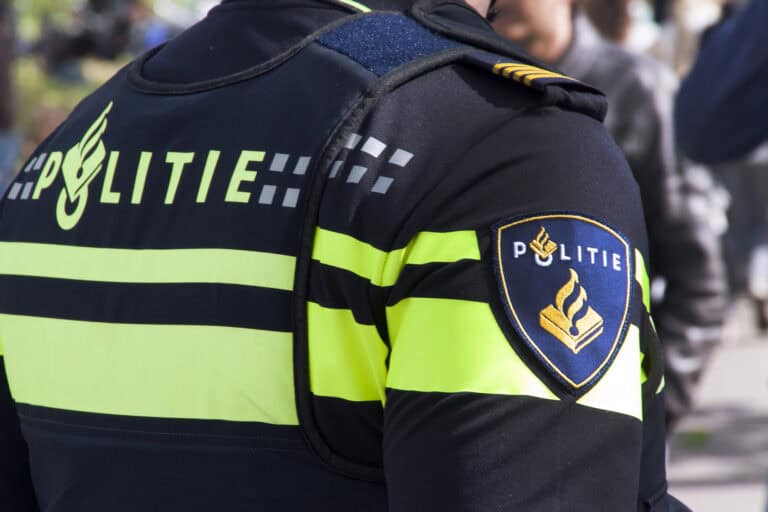
After standing up for a same-sex couple that was being insulted, a gay man became the victim of a hate crime himself.
Amsterdam police are now looking for the suspected attacker and potential witnesses to the crime. 👇
Beaten up for his sexuality
On December 22, at 4:15 AM, the victim and his friend were waiting for a taxi at the intersection of Vijzelstraat and Herengracht in Amsterdam.
According to the NOS, they heard how a gay couple was being insulted by two men because of their sexual orientation a bit further away.
Afterwards, one of the men approached the victim to ask for a cigarette. The victim told him he wasn’t being nice to the couple, to which the man reacted violently.
In an attempt to calm things down, the victim said that he was also gay, but this had the opposite effect; the suspect pushed him and hit him in the head.
The punching continued, and more people gathered around them — not to help the victim but to assist the perpetrator.
When the victim tried to get away, he was knocked to the ground by the group and received kicks to his head, shoulders, and neck.
Eventually, the group left in the direction of Koningsplein. It hasn’t been disclosed exactly how serious the victim’s injuries were, but he wasn’t taken to hospital.
The police have now released a description of the suspect and are asking witnesses to come forward. The investigation may also yield more suspects.
The man they’re looking for is in his mid-twenties, approximately 180 centimetres tall, with a light skin tone and short black hair.
At the time of the assault, he wore a multi-coloured jacket with black sleeves and light trousers.
Tackling discrimination
The police emphasise that “in the Netherlands, you can be who you are and love who you want.” That is why they claim to take matters of discrimination seriously.
Unfortunately, Dutch LGBTQ+ people experience bullying and harassment more often than their straight counterparts, reports RTL Nieuws.
If you belong to the community and are being threatened or harassed, or if you know someone in your environment who is in that situation, the police encourage you to contact them.
You can call them at 088-1691234 or email roze-in-blauw.ad@politie.nl.
A code yellow warning is in effect for most of the Netherlands today (Monday, January 15) until 11 AM, thanks to grey clouds and dense fog.
According to NU.nl, visibility in some areas might decrease to a blurry 200 metres.
But what happens after 11 AM?
Helaas — the weather won’t miraculously clear up after that.
The clouds intend to overstay their welcome, so don’t expect a cameo appearance by the sun anytime soon.
In the afternoon, temperatures will range from 3 to 6 degrees Celcius in the southeast, while the north and west can expect relatively ‘warmer’ temperatures of 6 to 8 degrees Celcius. 🫠
But, honestly, we can’t complain; a couple of extra degrees feel like winning the weather lottery.
Road users, stay alert
The KNMI advises drivers to slow down, keep a greater distance between vehicles on the road, and switch on their fog lights if visibility drops below 200 metres
Tip: For those extra intense moments with less than 50 metres of visibility, you can turn on your rear fog lights. Just remember to turn them off once the coast is clear!
Whether you’re cautiously navigating the roads or cosying up inside to continue your knitting project, it looks like we’re all channelling our inner grandmas today. 👵
How will you be spending this foggy day? Let us know in the comments below.