![34 best things to do in Amsterdam in 2026 [UPDATED]](https://dutchreview.com/wp-content/uploads/things-to-do-in-amsterdam-in-2022-768x575.jpg "34 best things to do in Amsterdam in 2026 [UPDATED]")
The biggest problem with going to the Dutch capital is that there are so many things to do in Amsterdam — sometimes you don’t know where to start!
From Dutch classics like Van Gogh and canal houses, to unexpected surprises like skating and human body exhibitions — Amsterdam has something for everyone and anyone, and it’s truly a city you’ll never forget.
So without further ado, fasten your seatbelts, and delve into our hand-picked and carefully curated top 33 things to do in Amsterdam in 2026.
- 1. Stop to smell the flower market
- 2. Tick the highlights off your bucket list with a walking tour
- 3. Swing over the best view of Amsterdam at A’DAM Lookout
- 4. Immerse yourself in the Highlights of Holland
- 5. Discover more Dutch delicacies at Foodhallen
- 6. Get artsy in the Jordaan quarter
- 7. Take it easy at a coffeeshop
- 8. Eat the infamous herring
- 9. Get lost in the classics at a museum
- 10. Go modern at a contemporary museum
- 11. Enjoy real Dutch beer by the biggest wooden windmill in the Netherlands
- 12. Get freaked out at the Body Worlds exhibition
- 13. Experience something new at the Red Light District
- 14. Say hi to four-legged friends at Amsterdam Zoo
- 15. Discover your inner scientist at the NEMO museum
- 16. Dive into the famous Amsterdam nightlife
- 17. Work your way out of an escape room
- 18. Live out your royal dream and visit a castle
- 19. Experience the new Amsterdam at Hembrugterrein
- 20. Uncover the best second-hand finds at IJ-Hallen
- 21. Walk the hallways of Anne Frank’s house
- 22. Get a nature boost in one of Amsterdam’s many parks
- 23. Meet all your favourite celebrities at Madame Tussauds
- 24. Have a photoshoot at the tulip fields
- 25. Blend in with the locals and go for a bike ride
- 26. Explore the city of canals with a romantic boat tour
- 27. Hear unforgettable stories at the Mezrab cultural centre
- 28. Take an active break at the Skate Café
- 29. Keep rollin’ at the Roller Dreams experience
- 30. Embrace your inner hipster at Westergas
- 31. Go back in time at the Begijnhof
- 32. Taste Dutch pride at the Heineken experience
- 33. Have a laugh at the Boom Chicago Improv show
- 34. Visit the artsy Rembrandt House
1. Stop to smell the flower market

The flower market is a truly unique thing to do in Amsterdam, dating back all the way to 1862, with the impressive title of being the only floating flower market in the world. 🌷
It’s said to be floating, because a large part of the market is located on houseboats, in true Amsterdam style.
READ MORE | 5 places to visit in the Netherlands for flower lovers
Whether you’re interested in bulbs for your garden at home, fresh flowers for your special someone, classic Nederlands cheese, or just fun-but-a-little-touristy souvenirs — this is a must-see among the many markets in the Dutch capital.
💰 Price: €0
⏰ Opening hours: 9 AM until 5:30 PM Monday to Saturday, 11 AM until 5:30 PM Sunday.
📍 Location: Singel, 1012 DH Amsterdam
2. Tick the highlights off your bucket list with a walking tour
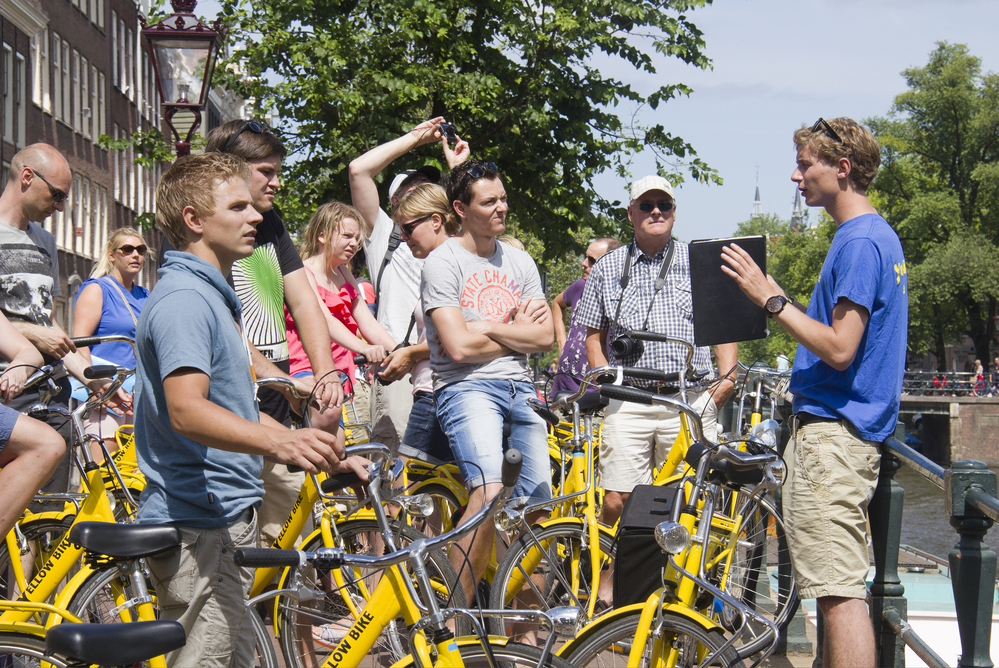
Any experienced budget traveller will already have plotted this into their agenda, but in case you forgot: a walking tour is the best way to discover a city you just arrived in.
READ MORE | Hiking in Amsterdam: top 7 places for wandelen near the city
Interested in the alternative history of the city, the culinary scene, or just the basic highlights? With millions of tourists coming to the Dutch capital every year, there are naturally heaps of different tours to choose from.
It’s also not uncommon to have the same tour in multiple languages, so if you’re not 100% confident with your English (or, God forbid, Dutch), you’ll be just fine.
💰 Price: €2 in taxes and fees, the rest is up to you.
⏰ Opening hours: daily, specifics depend on the tours
📍 Location: Spuistraat 68 F, 1012 TW Amsterdam
3. Swing over the best view of Amsterdam at A’DAM Lookout
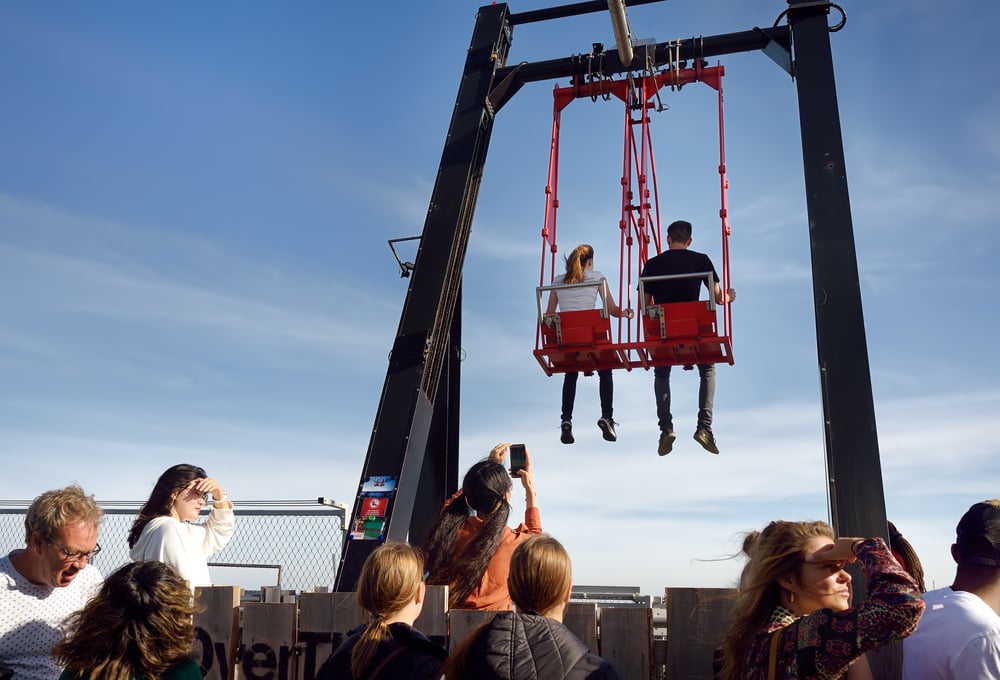
If you’re an adrenaline junkie looking to get high in Amsterdam, the A’DAM Lookout will hit the spot.
Located at the highest lookout point in Amsterdam, you’ll find the highest swing in Europe, suspended over the city in a nerve-wracking experience that’s not for the faint-hearted. 😵
Dangle your feet 100 metres above the vast cityscape, or check out the observation deck’s virtual rollercoaster through the city — what more can a thrill-seeker want when looking for things to do in Amsterdam? Oh yeah, there’s a bar with incredible views too. Life complete!
💰 Price: €16.50 for adults, €10.50 for children when bought online
⏰ Opening hours: 10 AM until 10 PM Monday to Sunday
📍 Location: Overhoeksplein 5, 1031 KS Amsterdam
4. Immerse yourself in the Highlights of Holland
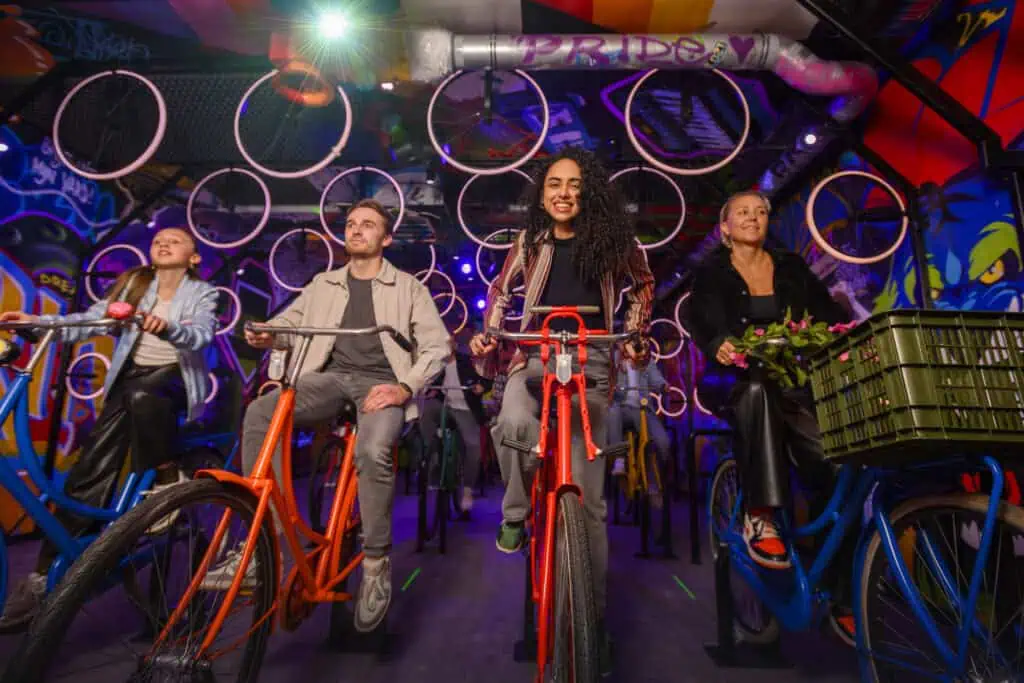
If you’re short on time, the interactive Highlights of Holland experience lets you take in the very best of the Netherlands in around an hour, using visuals, sound, and hands-on elements to bring it all together.
Inside, you’ll move through themed rooms that each spotlight a different side of the Dutch culture. There’s a space devoted to the Netherlands’ centuries-long battle with water, complete with a virtual canal boat, a cycling room, and an art room that drops you straight into the Golden Age, with famous masterpieces springing to life — plus plenty more along the way.
Tours begin every 10 minutes, and the entire experience is indoors, making it an easy addition to a day already filled with city-centre wandering, eating your way around town, and dodging the ever-present threat of rain.
💰 Price: €19 for children up to 10 years, €25 for adults
⏰ Opening hours: Daily from 10 AM to 7 PM
📍 Location: Spaarndammerstraat 460C, 1013 SZ Amsterdam
5. Discover more Dutch delicacies at Foodhallen

If your herring experience got you hungry for some more familiar food, or just any Dutch food other than the traditional raw fish, you might want to check out Foodhallen.
This old tram depot was turned into a venue to give local delicacies an international platform. The product? A cool 17 different food stalls that all have lekker (delicious) food experiences to offer. 🤤
READ MORE | How international cuisine is changing Dutch tastebuds
The venue also frequently hosts music events, so keep an eye on the “what’s on” page of their website.
💰 Price: €0
⏰ Opening hours: 12 PM until 12 AM Sunday to Thursday, 12 PM until 1 AM Friday & Saturday.
📍 Location: Bellamyplein 51, 1053 AT Amsterdam
6. Get artsy in the Jordaan quarter
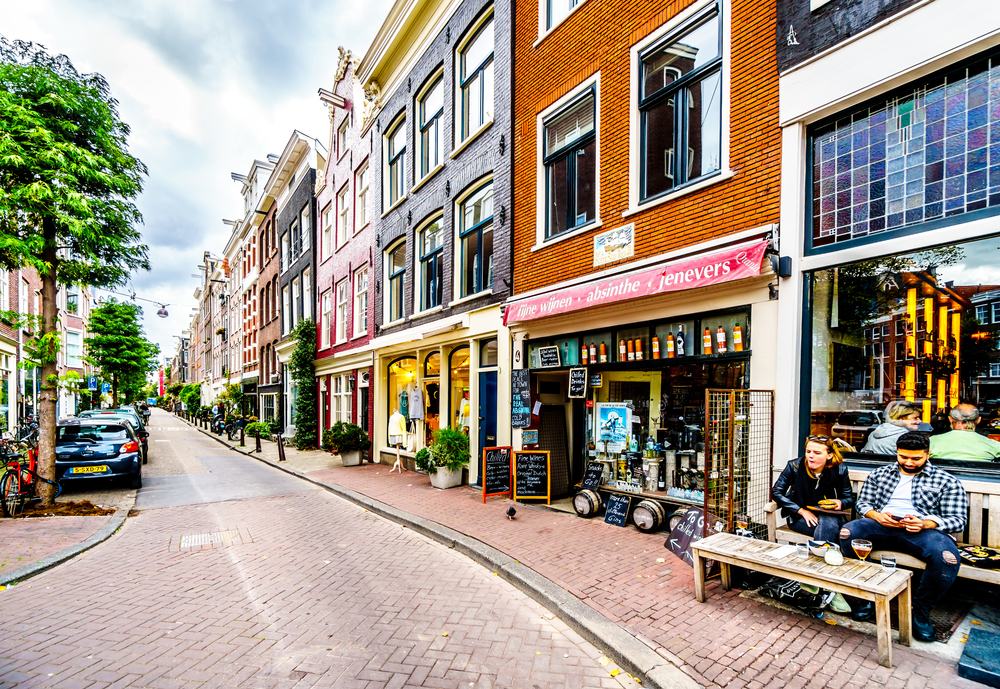
This trendy, cosy, and absolutely beautiful area of Amsterdam was once a traditional working-class neighbourhood full of craftsmen and artists. Now, it’s one of the most popular spots in the city. 🤩
Tons of independent shops, classical Dutch canals, and gezellige cafés can be spotted wherever you look. In other words, it’s the perfect area for a chill (shopping) stroll and an iconic thing to do in Amsterdam.
Although they are not technically located in the Jordaan area, the widely famous Negen straatjes (the Nine Little Streets) are usually considered an unofficial part of Jordaan, with their picturesque sights and amazing shopping opportunities.
💰 Price: €0
⏰ Opening hours: varies between establishments
📍 Location: Bloemstraat 64ST, 1016 LE Amsterdam
7. Take it easy at a coffeeshop
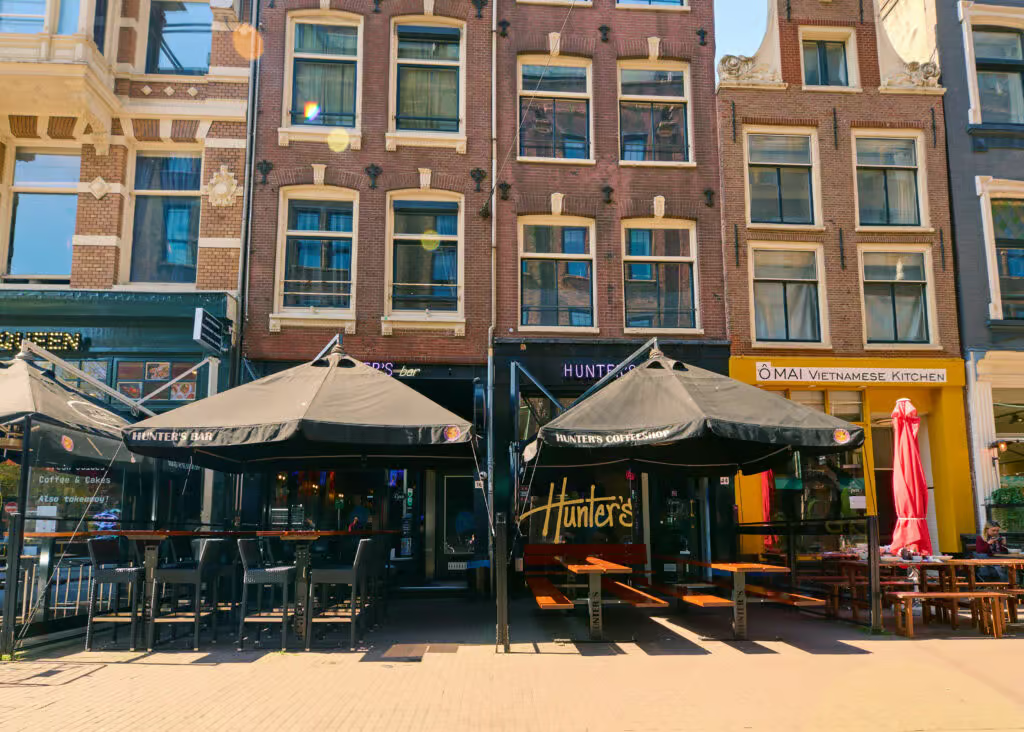
It might not be for everyone, but there’s no getting around the fact that the Dutch capital is (in)famous for its liberal marijuana policy. Visiting a so-called coffee shop (note: not only a place you can get coffee) is, therefore, a popular tourist thing to do in Amsterdam. 🚬🌿
Hunter’s Coffeeshop, for example, puts care and quality at the heart of everything they do. Next to their relaxed, classic coffeeshop, you will find the stylish Hunter’s Smoker Friendly Bar — a rare experience unique to Amsterdam.
READ MORE | Smoking weed in Amsterdam: the ultimate guide [Updated 2025]
If you’re a newbie in the cannabis world, make sure to ask any and all of your questions to the budtenders before shopping. That’s the easiest way of avoiding a bad first experience, and they’re usually more than happy to help.
💰 Price: varies
⏰ Opening hours: vary between establishments
📍 Location: Utrechtsestraat 14 & 16, 1017 VN Amsterdam
8. Eat the infamous herring
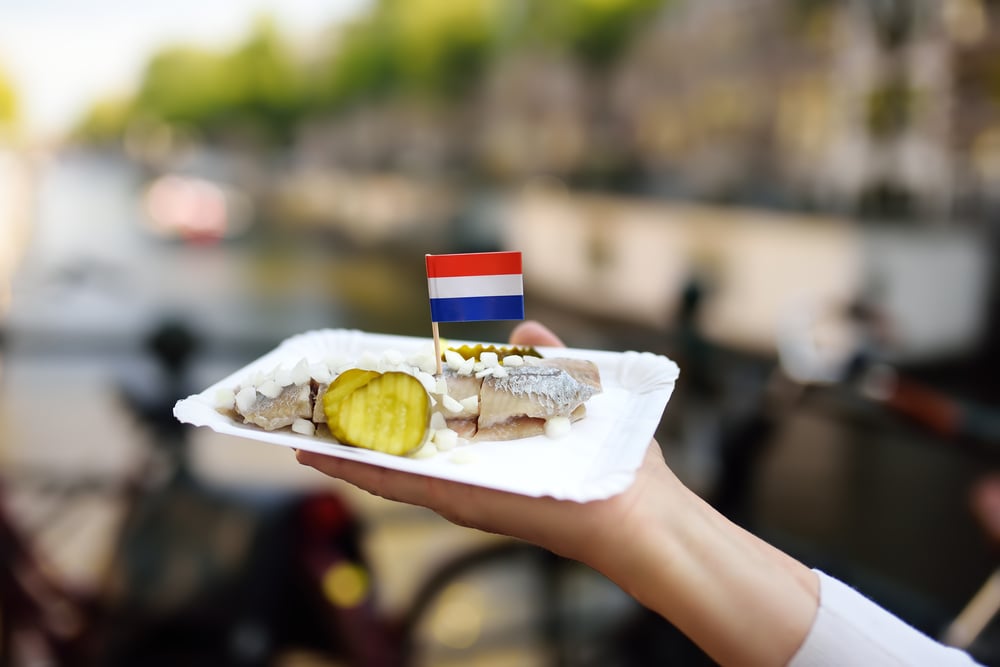
If you’ve ever googled “Dutch cuisine”, you’ve probably come across the traditional, slimy, herring dish. Well, “dish” might be a bit of an exaggeration — the Dutch usually just eat the raw fish on its own, or at most in a bun of white bread with some pickles and raw onion (yummy). 🐟
It’s an acquired taste, for sure, and few foreigners end up loving it. Still, it’s probably one of the most Dutch things you can eat, so it might be worth doing in Amsterdam — for the memories, the pics, or just for the sake of tasting something slightly gross.
A hot tip for any first-time herring eater is to keep a napkin and a real strong Dutch beer in close proximity. 🤢
💰 Price: Between €3 and €6, depending on the vendor
⏰ Opening hours: varies between establishments
📍 Location: Nieuwezijds Voorburgwal 200, 1012 RR Amsterdam
9. Get lost in the classics at a museum
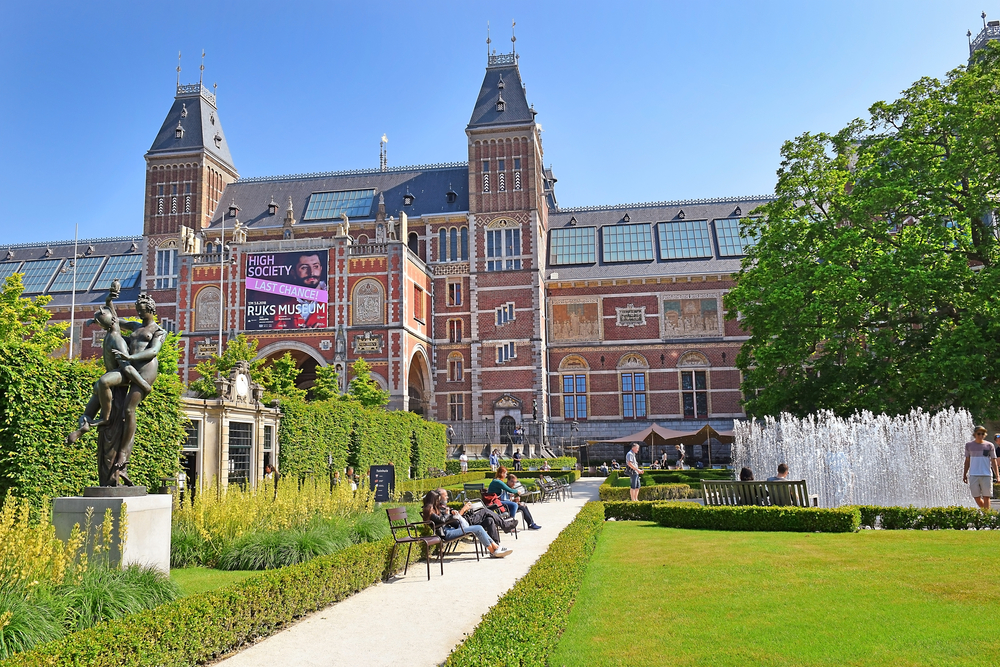
Sure, you might go to Amsterdam for the weed, beer, canals, and stroopwafels. But you simply cannot take the trip to the Dutch capital without visiting at least one museum too.
The Rijksmuseum is an obvious candidate if you want to get a general introduction to the Dutch masters, and you’re looking to spend quite a few hours surrounded by paintings.
If you prefer taking a deep dive into one of the single best painters to come out of the Netherlands, the Van Gogh Museum is a fan favourite among the many things you can do in Amsterdam. With a slightly more manageable amount of art to digest, this museum doesn’t require more than a few hours.
If you came to the Netherlands to explore the country’s rich seafarer history, you should not miss the National Maritime Museum. With one of the largest collections of its kind in the world, this impressive building is full of ship models, sea maps, and maritime paintings. ⚓
💰 Price: between €17.50 and €25 for adults, and between €0 and €8.50 for children (depending on the specific museum)
⏰ Opening hours: Between 9 AM and 6 PM Monday to Sunday (depending on the specific museum)
📍 Location: Museumstraat 1, 1071 XX Amsterdam
10. Go modern at a contemporary museum

If Van Gogh and the Dutch “Golden Age” don’t quite grab your attention for things to do in Amsterdam, you might want to check out some of the many modern and contemporary art museums on offer.
Moco Museum attracts young people with its famous Banksy pieces, but people stay for the museum’s uniquely immersive and accessible art experiences. 👩🏽🎨
If you wish to delve more into the crazy world of psychedelic art, NXT Museum’s groundbreaking new media art installations might be more your style.
If you’re looking for the Rijksmuseum equivalent of modern art, however, you should look no further than to Stedelijk Museum. It has the best collection of world-renowned artists from the 20th century, as well as heaps of contemporary Dutch talent on display.
💰 Price: between €20 and €25 for adults, and between €0 and €16.95 for children (depending on specific museum)
⏰ Opening hours: Between 9 AM and 10:30 PM Monday to Sunday (depending on the specific museum)
📍 Location: Museumplein 10, 1071 DJ Amsterdam
11. Enjoy real Dutch beer by the biggest wooden windmill in the Netherlands
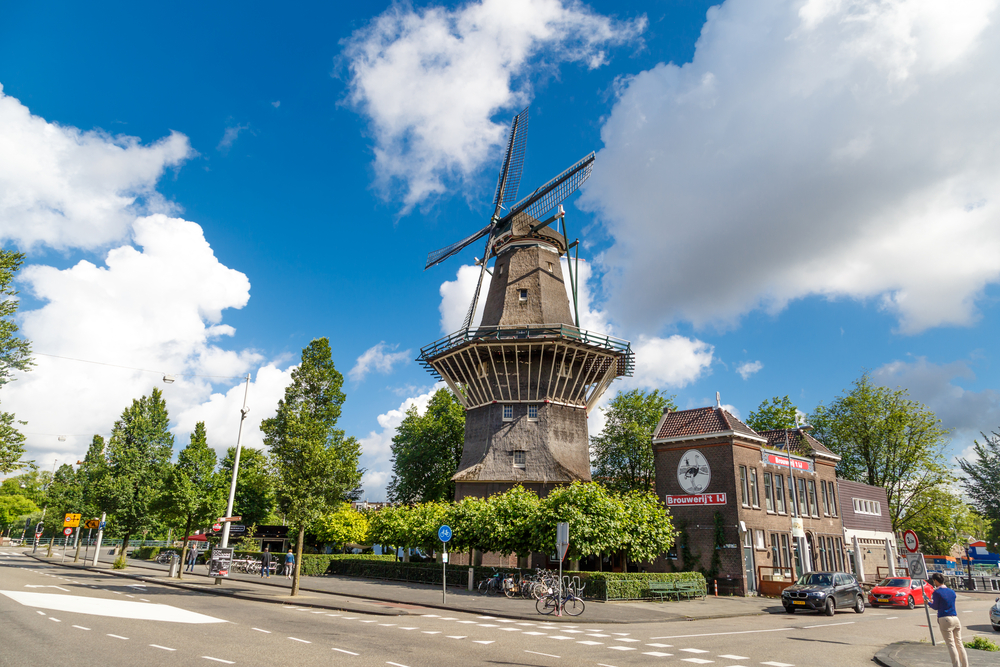
Yep, sometimes you really can get the best of both worlds. Bruwerij t’ IJ is located right next to the largest wooden windmill in the country. The brewery has a wide selection of beer on tap, which can be enjoyed on a lovely outdoor terrace. 🍻
READ MORE | 7 great windmills to visit in the Netherlands
And best of all: the terrace has a gorgeous view of the old windmill, so you can get your Dutch beer fix and fill up on windmill sights at the same time. Win-win if you ask us!
The brewery also offers 20-minute tours of the establishment, for free (or, well, it’s tip-based, so you decide the price).
💰 Price: Free entrance; €2.50 for a guided tour
⏰ Opening hours: 2 PM until 10 PM daily, organised tours on Fridays, Saturdays, and Sundays at 3 PM and 4 PM
📍 Location: Funenkade 7, 1018 AL Amsterdam
12. Get freaked out at the Body Worlds exhibition
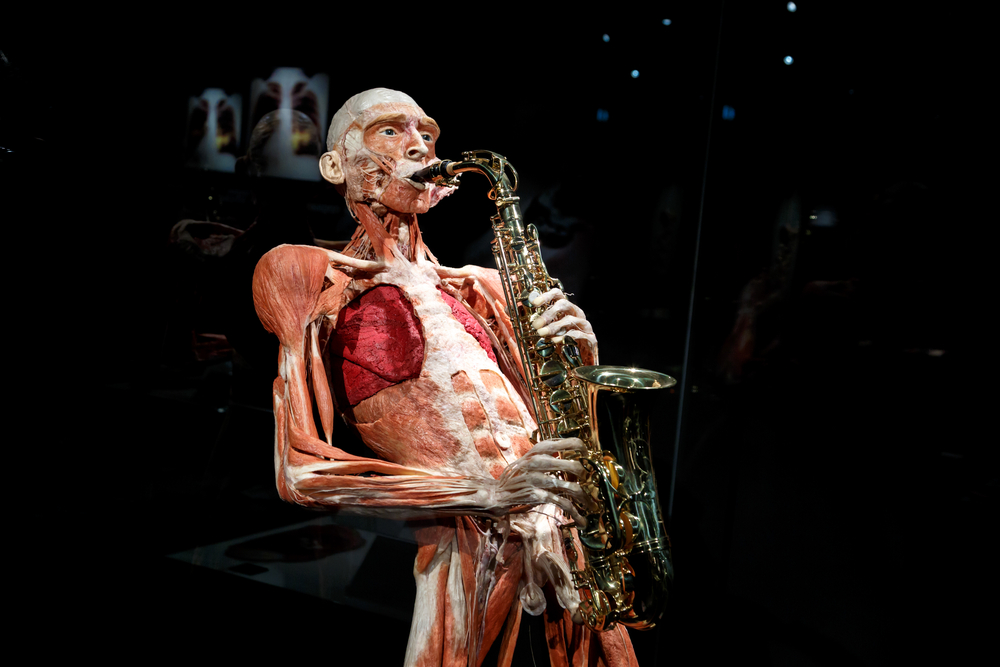
Brace yourself, because this is a wild thing to do in Amsterdam (or anywhere). The Body Worlds exhibition in Amsterdam consists of real (!) human bodies, that have been plastinated to show you what’s really going on under your skin. 😬
READ MORE | The 21 weirdest things Dutchies don’t realise are only Dutch
The Amsterdam edition of this controversial construction is titled “The Happiness Project”, and aims to shed light on how “everyday choices impact your happiness and health”.
It can be a touch freaky, but the exhibition has also received great acclaim, and is definitely worth a visit. Oh, and surprisingly, the exhibition even claims to be suitable for children.
💰 Price: €22.50 for adults, €13.50 for children
⏰ Opening hours: 10 AM until 10 PM Monday to Sunday
📍 Location: Damrak 66, 1012 LM Amsterdam
13. Experience something new at the Red Light District
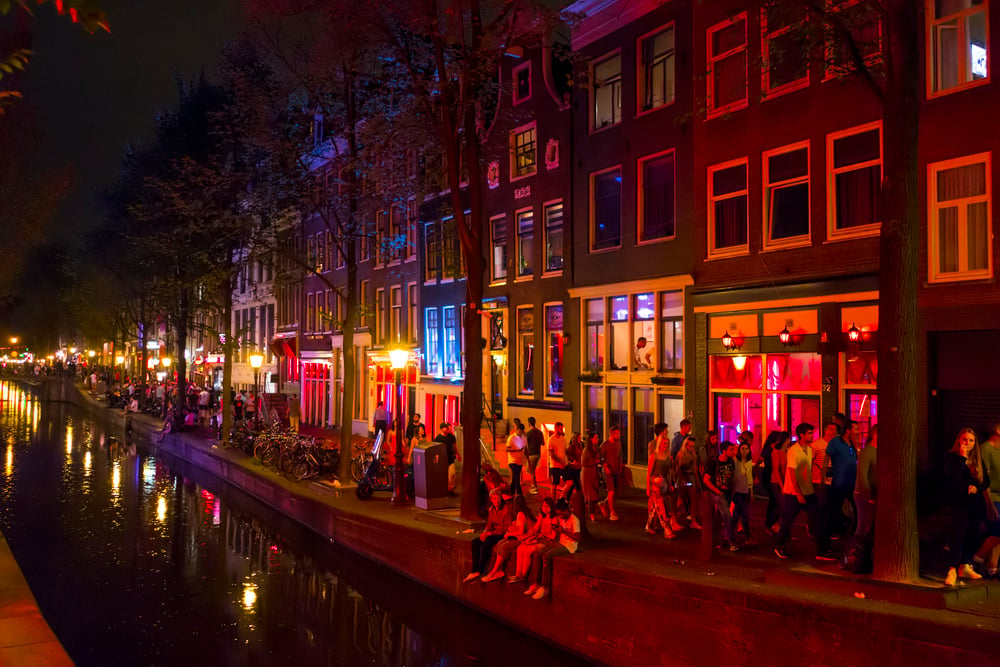
For centuries, the Red Light District in Amsterdam has been a sexy hotspot for tourists and locals, looking for things to do in Amsterdam.
Due to the liberal sex worker laws in the Netherlands, it is not illegal or sketchy to stroll through these streets. In fact, it’s quite the tourist trap! 💸
If you’re interested in sprinkling some culture and history into your Red Light meandering, you can check out the Museum of Prostitution, or the Hash Marihuana and Hemp Museum.
If you’re there for a different type of good time, however, you’ll easily be entertained for hours by the many sex shops and other ✨spicy✨ activities going on in the district.
💰 Price: €0
⏰ Opening hours: N/A
📍 Location: Oudezijds Achterburgwal, 1012 DA Amsterdam
14. Say hi to four-legged friends at Amsterdam Zoo
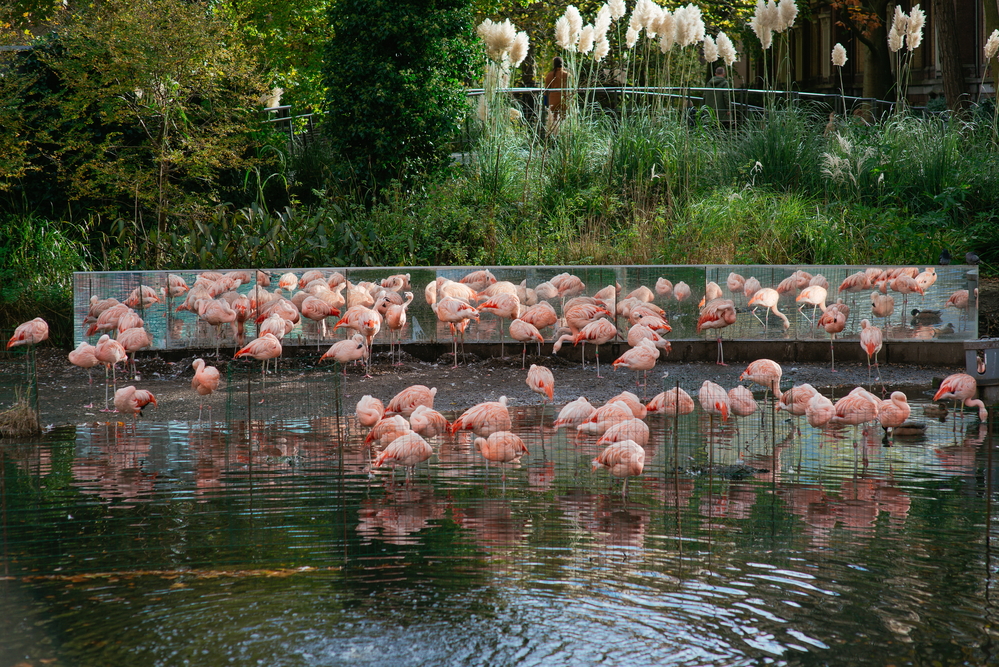
The Royal Artis in Amsterdam is not your average zoo, but rather a beautiful, old, oasis for humans and animals alike.
Since 1838, the zoo has welcomed visitors to meet rare (and not-so-rare) animals, and in 2020 the park was extended to include a beautiful botanical garden as well. 🐒
READ MORE | Dierentuinen: 10 best zoos in the Netherlands
Say hi to the 700 different species living here, admire the gorgeous historic buildings making up the grounds, and take a fun break from the busy city centre. Perfect for families looking for things to do in the Dutch capital, or anyone who’s into cute animals and pretty parks, really.
💰 Price: €26.50 for adults, €22.50 for children
⏰ Opening hours: 9 AM until 5 PM Monday to Sunday
📍 Location: Plantage Kerklaan 38-40, 1018 CZ Amsterdam
15. Discover your inner scientist at the NEMO museum
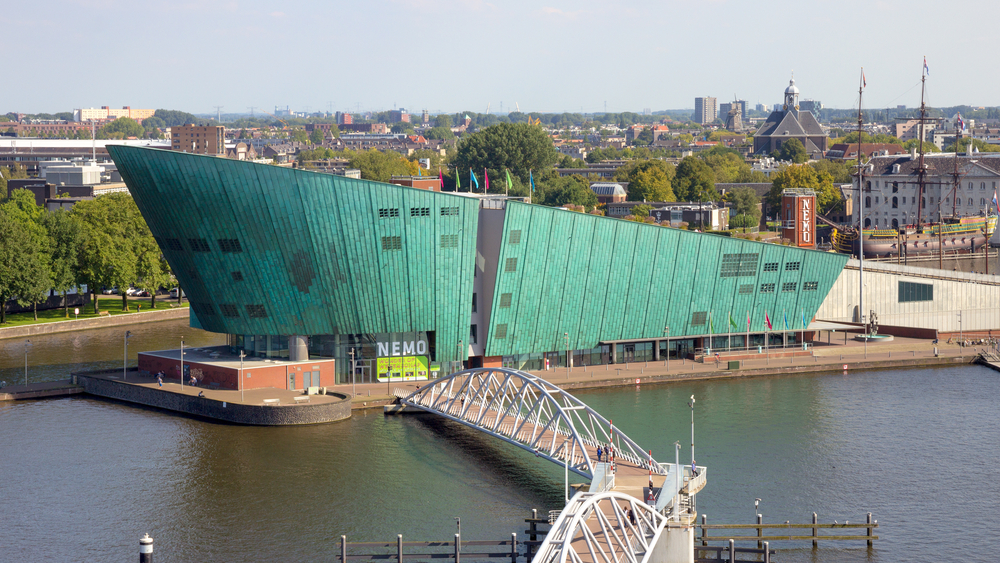
Want to create a giant arm, save humanity from its fossil fuel dependency, or just discover something new about the world? The NEMO Science Museum is the largest of its kind in the Netherlands, and will keep you occupied for hours!
READ MORE | Time for SCIENCE! Visiting NEMO Science Museum in Amsterdam
Check out the many workshops that take place in this iconic building, like the Hands-on Chemistry lab or the Maker Space activity — it’s fun for people of all ages.
Explore your creative side and conjure up a chemistry experiment with regular household ingredients, or get intrigued by the interactive science exhibitions. The NEMO Science Museum is an unmissable thing to do in Amsterdam!
💰 Price: €21.50 for all visitors over 4 y/o, €0 for children under 4 y/o
⏰ Opening hours: 10 AM until 5:30 PM Tuesday to Sunday
📍 Location: Oosterdok 2, 1011 VX Amsterdam
16. Dive into the famous Amsterdam nightlife
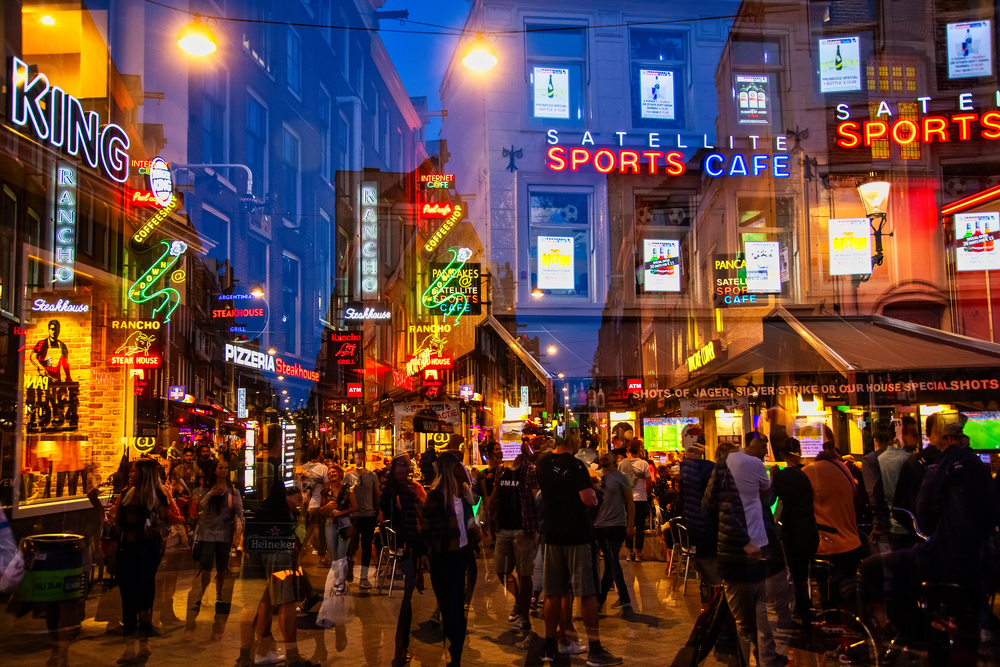
Amsterdam is famous for its bustling nightlife, and a trip to the Dutch capital is not complete without a barbarian evening out. 🍾
With bars, clubs, festivals and events to cater to any taste, you’re bound to have a great time if you dive into Amsterdam’s nightlife. Take a sweep of the Red Light District to get the full tourist experience, or head to Leidseplein for a more local vibe.
READ MORE | 12 best clubs in Amsterdam
No matter where you end up, though, make sure to get your hands on some delicious Dutch snacks, like bitterballen or frikandel. They go perfectly with your locally brewed Dutch beer, and they’re a borrel staple!
💰 Price: €0
⏰ Opening hours: N/A
📍 Location: Leidseplein, 1017 PT Amsterdam
17. Work your way out of an escape room

Want to get to know your travel companions on a deeper level? Try making your way out of an escape room together!
An escape room is typically Dutch without being too touristy, and it’s bound to spice up your afternoon with adrenaline, creativity, and quick thinking.
READ MORE | We plotted a heist! This Amsterdam escape room took our breath away (literally)
And more importantly, it’s the perfect thing to do when it’s raining in Amsterdam, and your romantic canal cruise plans fall through.
💰 Price: Typically between €15 and €30 per person, depending on the escape room
⏰ Opening hours: Varies, depending on the escape room
📍 Location: Damrak 247, 1012 ZJ Amsterdam
18. Live out your royal dream and visit a castle
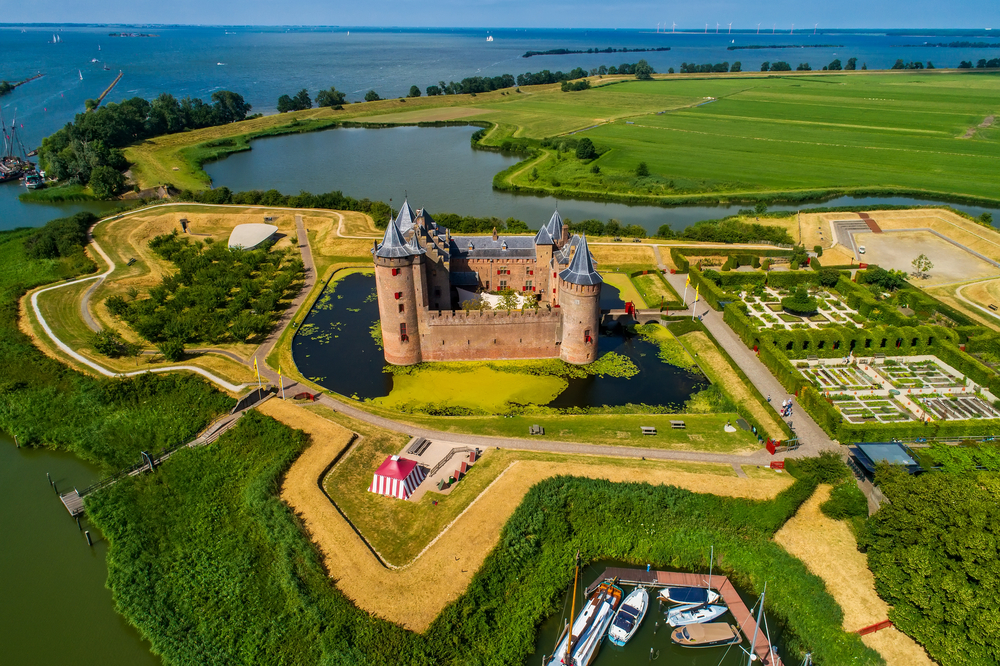
If the palace on Dam Square is not enough for you, the countryside around Amsterdam is full of beautiful old castles. There’s no shortage of day-trip options if you’re looking to add castles to your list of things to do in Amsterdam!
A short hour by train from the Dutch capital, you’ll find both the beautiful 14th-century Muiderslot, the breathtaking 16th-century Zuylen castle, and the impressive 18th-century Groenveld castle.
READ MORE | A guide to 11 breathtaking castles and palaces in the Netherlands
If you’re down for a real day trip, you can also take the two-hour train journey to the fairytale-like Kasteel De Haar in Utrecht. 🏰
💰 Price: €17.50 (Muiderslot)
⏰ Opening hours: 10 AM to 5 PM Tuesday to Sunday
📍 Location: Herengracht 1, 1398 AA Muiden
19. Experience the new Amsterdam at Hembrugterrein
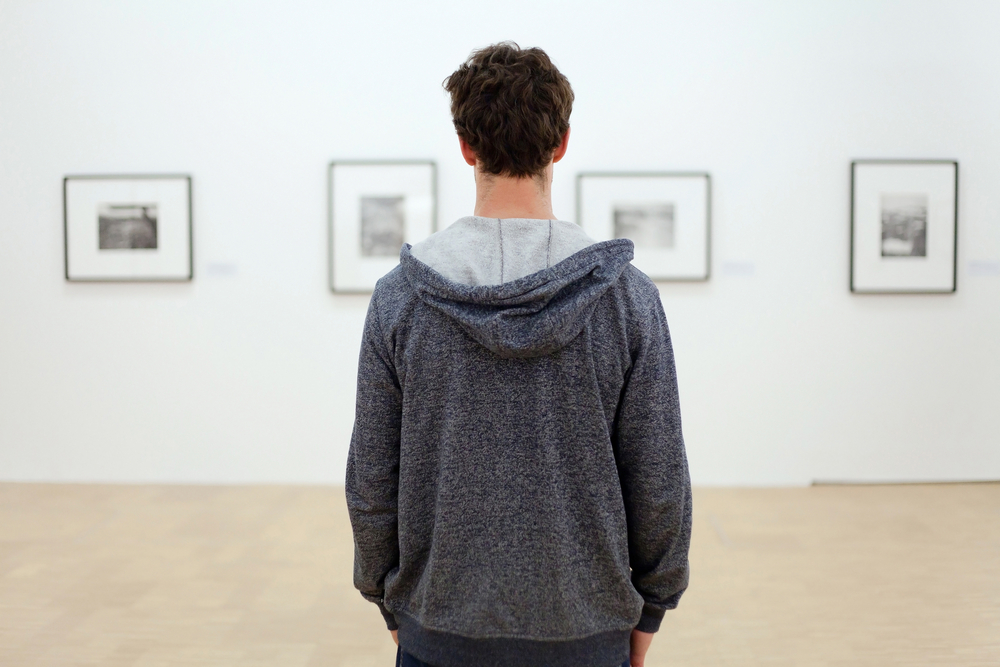
The north of Amsterdam was not always a hipster hot spot, but as is often the case with old, abandoned factory areas, Hembrugterrein is now bustling with artsy culture.
READ MORE | Amsterdam(n) ranks among top 10 most liveable cities in the world!
This area used to be an artillery and ammunition hub but now gives off anything but a strict military vibe. Brimming with museums, galleries, restaurants, and event venues, you’ll easily find that Hembrugterrein can keep you occupied for a whole day.
Our best tip is to check out the international food court, once you’re done with all the culture, art, shopping, and other things you can do in Amsterdam’s best hipster spot.
💰 Price: €0
⏰ Opening hours: Varies, depending on establishments
📍 Location: Hemkade 18, 1506 PR Zaandam
20. Uncover the best second-hand finds at IJ-Hallen
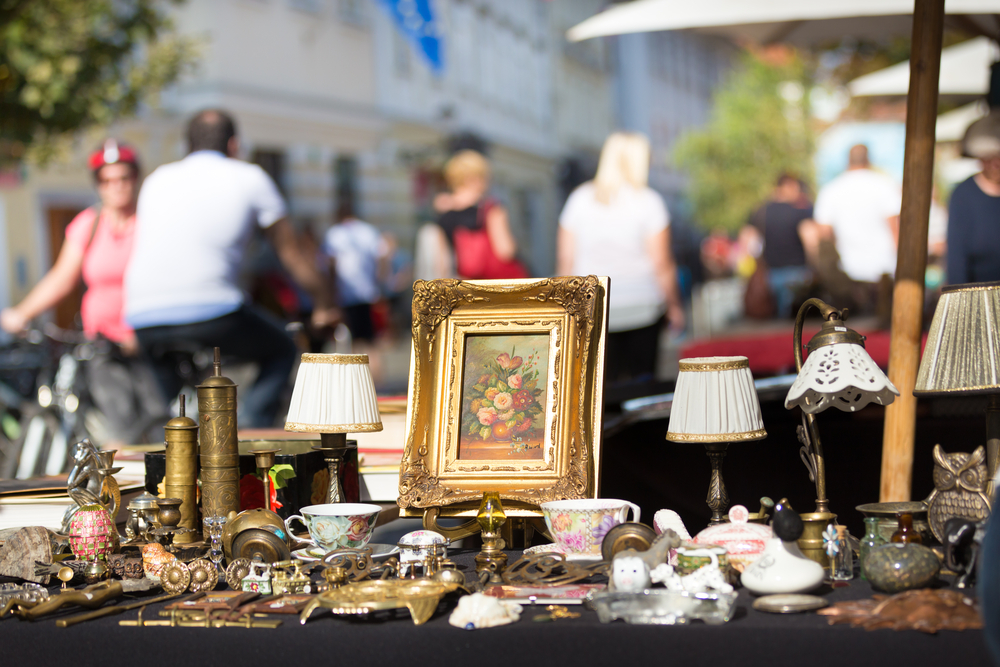
The largest flea market in Europe is located in Amsterdam and offers an unimaginable array of second-hand products. There are few better places to go thrift shopping in the Netherlands (or, for that matter, in Europe), so if that’s your jam, you’re in luck. ☘🧣
READ MORE | The 18 best street markets in Amsterdam: the ultimate guide
An impressive 750 stalls make up the massive market, which takes place once a month. Here, you can find anything from furniture and antiquities to clothing and accessories — everything you need for your new Amsterdam hipster style.
Just remember, you can’t simply wander into the coolest flea market on earth, so make sure to book your entry ticket in advance (on-site purchase is also possible, but you’ll have to wait in line — ew). Oh, and if “waking up insanely early” is on your bucket list of things to do in Amsterdam, you can pay extra to get access to the market before the crowds arrive (at 6 AM!).
💰 Price: €6 for adults, €2.50 for children
⏰ Opening hours: 9 AM until 4:30 PM one weekend a month
📍 Location: NDSM-Plein 1, 1033 WC, Amsterdam
21. Walk the hallways of Anne Frank’s house
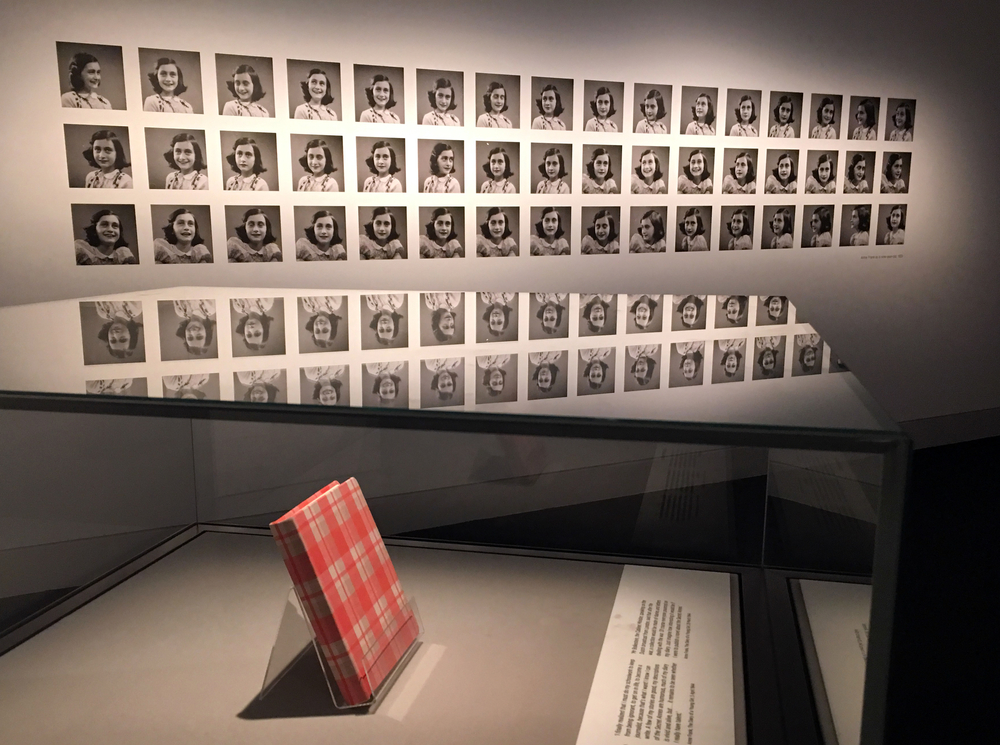
Even if you haven’t read the heartbreaking story of young Anne Frank, who came of age behind closed doors while hiding from the Nazis during World War II, you have most likely heard about her.
READ MORE | On this day 75 years ago Anne Frank was sent to Auschwitz
The Anne Frank house in Amsterdam provides an in-depth exploration of the story of the Frank family, in the very house they hid in, from 1942 to 1945.
The extensive museum is a popular thing to do in Amsterdam, which also makes it necessary to book tickets weeks, and sometimes months in advance.
💰 Price: €16 for adults, €7 for children aged 10 to 17, €1 for children under 10
⏰ Opening hours: 9 AM until 10 PM Monday to Sunday
📍 Location: Westermarkt 20, 1016 GV Amsterdam
22. Get a nature boost in one of Amsterdam’s many parks
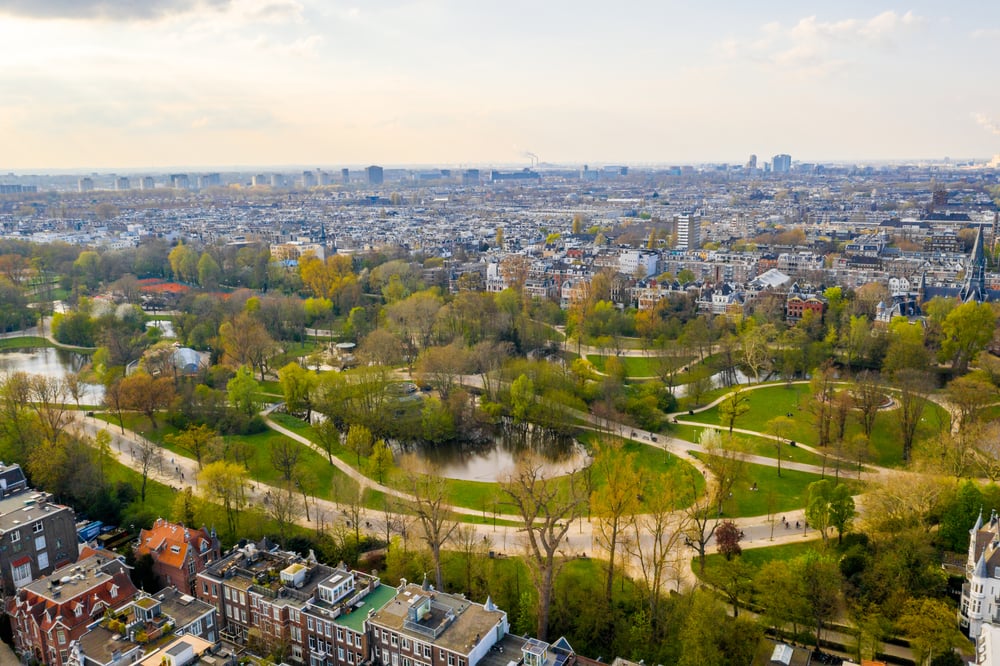
No big city trip is complete without a chill stroll in a beautiful park. While Vondelpark is the most popular thanks to its convenient location, there are many others to pick from. 🌳
Oosterpark is known for being a multicultural hub, located in the most ethnically diverse part of Amsterdam. It features the National Monument of Slavery, in an area dominated by ethnic impulses from a wide array of cultures.
READ MORE | Living in Amsterdam: the ultimate guide to Amsterdam life
Westerpark is known for being a creative hotspot, due to its proximity to the hip Westergas complex. With bronze sculptures, a cinema, and several event stages scattered around the grounds, Westerpark is buzzing with creative energy.
If you crave closeness to nature, you should explore the forest vibe of the Amsterdamse Bos, while if petting zoos are more your thing, you should pay Amstelpark or Rembrandtpark a visit. 🐮
💰 Price: €0
⏰ Opening hours: generally 24/7, with some exceptions.
📍 Location: Vondelpark 1, 1071 AA Amsterdam
23. Meet all your favourite celebrities at Madame Tussauds
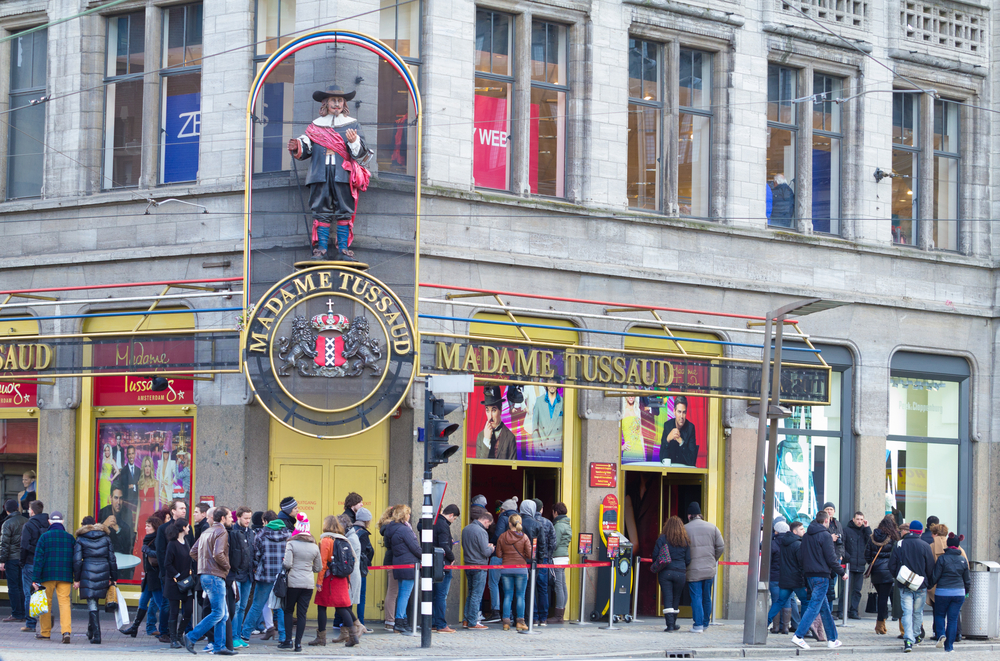
Looking for an easy way to pimp up your Insta grid? Look no further, just go to Madame Tussauds and make everyone believe you met Beyonce, the Hulk, and Barack Obama in one day. 😎🥇
Have you always dreamt of squeezing Robert Pattinson’s biceps, staring into Zayn Malik’s deep brown eyes, or shaking the hand of King Willem-Alexander? Viewing these hyper-realistic wax figures is a staple among things tourists get up to in Amsterdam, and will get anyone into fangirl mode.
💰 Price: €23.50
⏰ Opening hours: 10 AM until 8 PM Monday to Sunday
📍 Location: Dam 20, 1012 NP Amsterdam
24. Have a photoshoot at the tulip fields
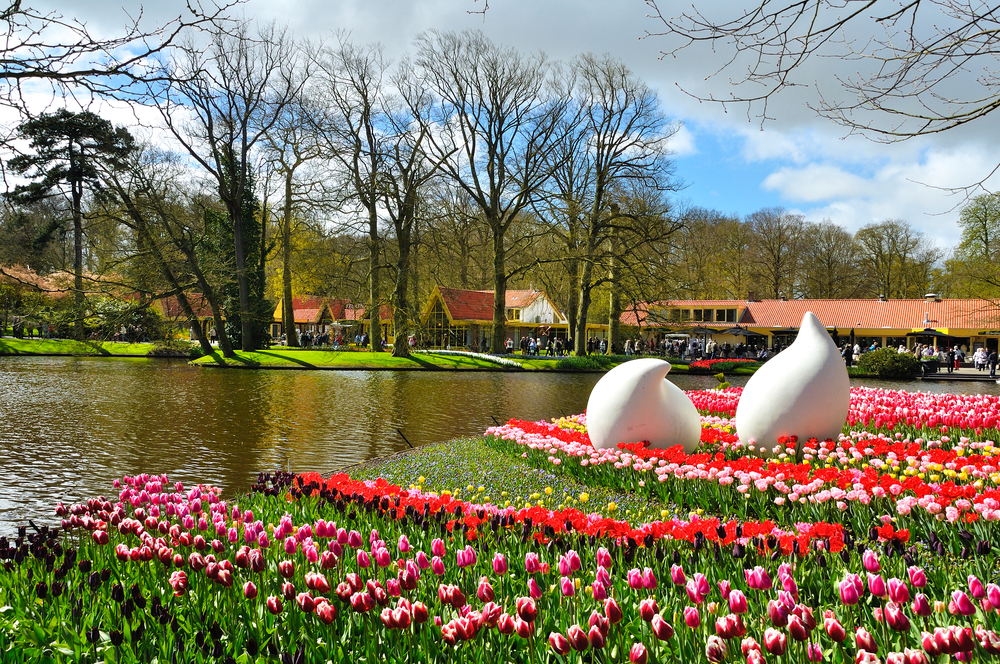
Certain things are simply non-negotiable on any Amsterdam itinerary, and visiting the famous Dutch tulip fields is one of them. Just a 40-minute drive from Amsterdam lies stunning Keukenhof — the most famous tulip fields and show gardens in the Netherlands. 💐
READ MORE | The Dutch and tulips: how did tulips in the Netherlands become a thing?
Tulips have been a core piece of Dutch identity for centuries, and visiting the vast flower fields is certainly one of the most memorable things you can do on your trip to Amsterdam.
If you visit the Dutch capital in the spring (mid-March until mid-May), you’ll be lucky enough to enjoy the one-of-a-kind sights.
💰 Price: €20 for adults, €9 for children
⏰ Opening hours: March 20 to May 11, 2025
📍 Location: Stationsweg 166A, 2161 AM Lisse
25. Blend in with the locals and go for a bike ride
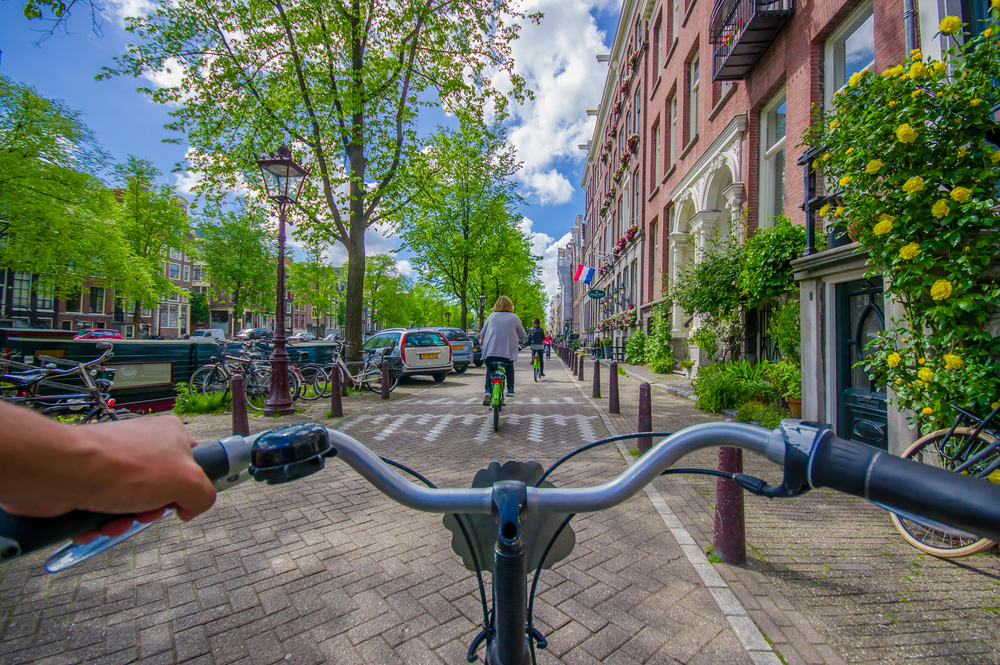
Two things will forever be true about the Dutch: they love biking, and they hate it when tourists disturb their biking. So, what better way to experience real, Dutch culture than to explore the Dutch capital on two wheels? 🚲
READ MORE | How Amsterdam became a bicycle paradise (video inside!)
There are tons of places to rent bikes in Amsterdam, and there really is no faster way to get from A to B in those narrow, crooked streets.
Just make sure you read up on the Dutch traffic rules before embarking on your biking adventures, and try sticking to the quiet streets — the Dutch take biking very seriously.
Just started to learn how to bike? Head to Amsterdamse Bos for deliciously wide, long, and straight bike paths — perfect for a beginner!
Oh, and make sure you don’t end up in a canal, that has happened to many a drunken Dutchie before you.
💰 Price: between €10 and €30 a day, depending on establishment
⏰ Opening hours: varies, depending on establishment
📍 Location: varying establishments
26. Explore the city of canals with a romantic boat tour
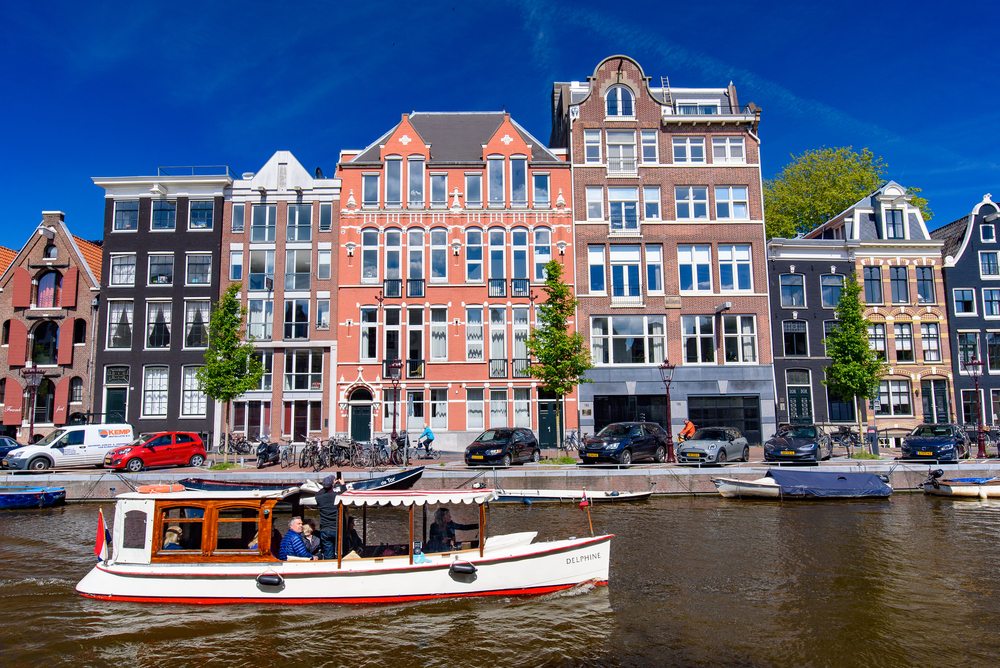
There are plenty of themed boat tours in Amsterdam — but if you want something special, romantic, and personal, then you can’t go wrong with Rocco’s romantic boat tour. ⛵
In a private boat with just you, your special someone, and a captain, you’ll get to sail around in the sunset hours, discovering all of Amsterdam’s most amorous spots. 💕
READ MORE | Cruising Amsterdam’s canals is officially the top tourist experience (in the world!)
The 50-90 minute tour includes lovely treats like a glass of bubbles, romantic anecdotes, and music that will have you falling in love with both your partner and the city, all over again.
💰 Price: from €205
⏰ Opening hours: varies, upon request
📍 Location: Herengracht 124, 1015 BT Amsterdam
27. Hear unforgettable stories at the Mezrab cultural centre

If you’re a sucker for a good story (and let’s face it, who isn’t?), you should definitely add a visit to the Mezrab centre to your list of things to do in Amsterdam.
With storytelling events every Wednesday and Friday, and music gigs and comedy nights basically all the time, Mezrab is the perfect place for a cultural night out. 🎤
READ MORE | 6 popular poetry and spoken word hangouts in Amsterdam
All events are in English (unless specified otherwise), and many shows are totally free of charge (although donations are warmly welcome). Grab a drink, and immerse yourself in some casual, cool, Amsterdam performances.
💰 Price: between €0 and €12.50, depending on the event
⏰ Opening hours: weekly Wednesday to Saturday, sporadically also other days
📍 Location: Veemkade 576, 1019 BL Amsterdam
28. Take an active break at the Skate Café

If you need a break from your tourist duties, but don’t want to miss out on any Amsterdam things to do, you should take your dinner pit stop at the Skate Café.
READ MORE | Skateparks in the Netherlands: Amsterdam and beyond
With both a café, a restaurant, a shop, and a half pipe for skating (because what else would you use to decorate your restaurant?), this place will give you a dinner to remember. 🛹
If you can, try reserving a table — you’re not the only one interested in this cool experience.
💰 Price: main dishes around €20
⏰ Opening hours: 3 PM until 1 AM Thursdays, 3 PM until 3 AM Saturday and Sunday.
📍 Location: Gedempt Hamerkanaal 42, 1021 KM Amsterdam
29. Keep rollin’ at the Roller Dreams experience
Dance, music, good drinks and good vibes. What else can you ask for? Roller skates, of course! Roller Dreams is a new, colourful and glitter-filled pop-up experience, for anyone looking for something active to do in the north of Amsterdam.
Rent a pair of old-school roller skates, and immerse yourself in this time machine to the 80’s for 90 minutes. It’s the perfect place to snap unique Insta shots, so don’t forget to finesse your colourful 80’s outfit before coming. 😉
Disclaimer: Roller Dreams is a pop-up establishment, but the closing date is currently unknown.
💰 Price: €19.50
⏰ Opening hours: 12 PM until 7 PM on Wednesdays, Thursdays, and Sundays, 12 PM until 10 PM on Fridays and Saturdays
📍 Location: Meeuwenlaan 88-B, 1021 JK Amsterdam
30. Embrace your inner hipster at Westergas
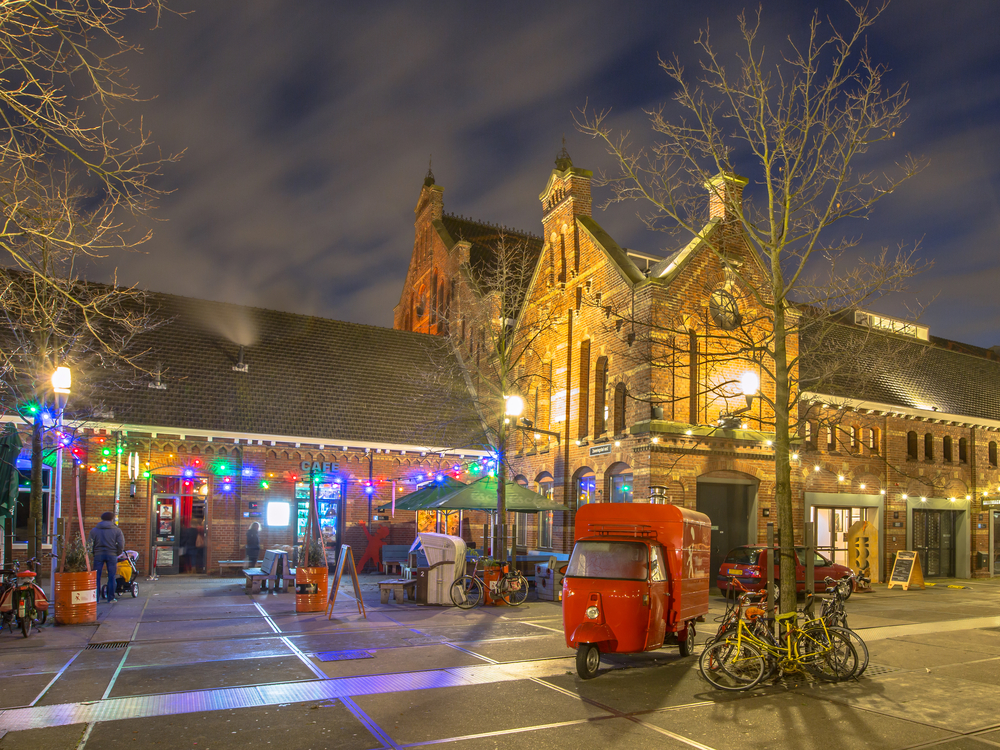
Okay, you ticked off “taste Dutch beer” and “view Dutch art” from your bucket list, so what’s next? Embracing your inner Amsterdam cool kid, of course! 😎
READ MORE | 5 cool industrial venues in Amsterdam
The 19th-century industrial complex Westergas has been transformed into a bustling “cultural village” of trendy restaurants, cool galleries, bars, and cute shops.
Check out the event calendar, there are always tons of things to do in this interesting part of Amsterdam.
💰 Price: €0
⏰ Opening hours: varies between establishments
📍 Location: Van Bleiswijkstraat 8, 1014 DA Amsterdam
31. Go back in time at the Begijnhof
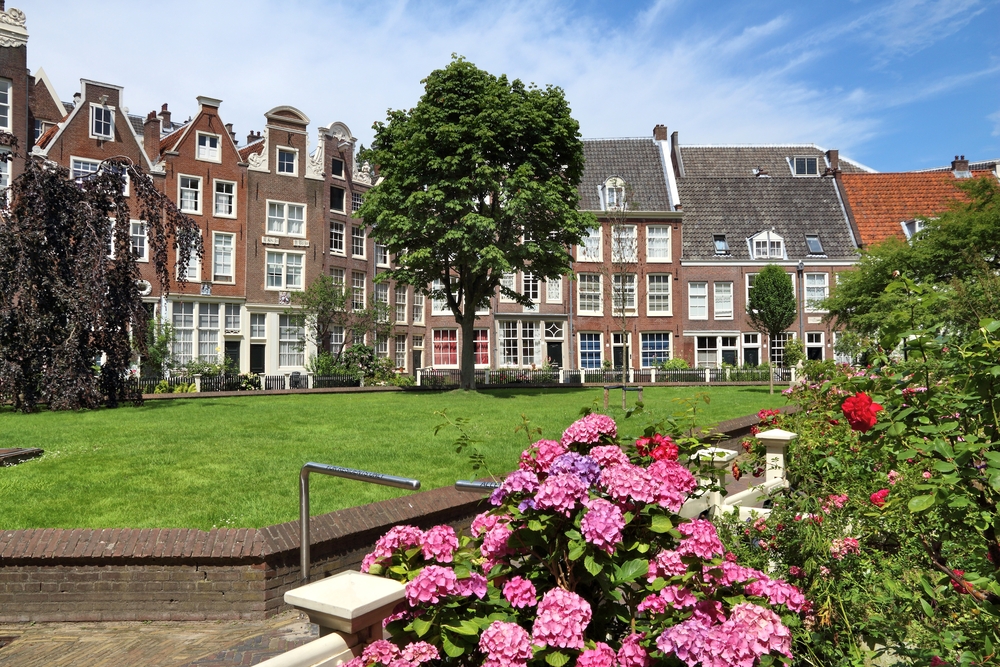
Once the courtyard of an all-female Catholic religious community called the Beguines, this little pearl in the middle of Amsterdam is perfect for a quiet break in the day. 😴🌳
READ MORE | Begijnhof: Amsterdam’s worst-kept secret
The 14th-century yard is surrounded by some of the oldest houses in the city, and includes a hidden church open to visitors. Keep in mind, though, that the houses are currently private residences, so stick to the visitors’ walking paths, and refrain from taking pictures.
💰 Price: €0
⏰ Opening hours: 9:30 AM until 6 PM Monday to Sunday
📍 Location: Begijnhof 1, 1012 WS Amsterdam
32. Taste Dutch pride at the Heineken experience
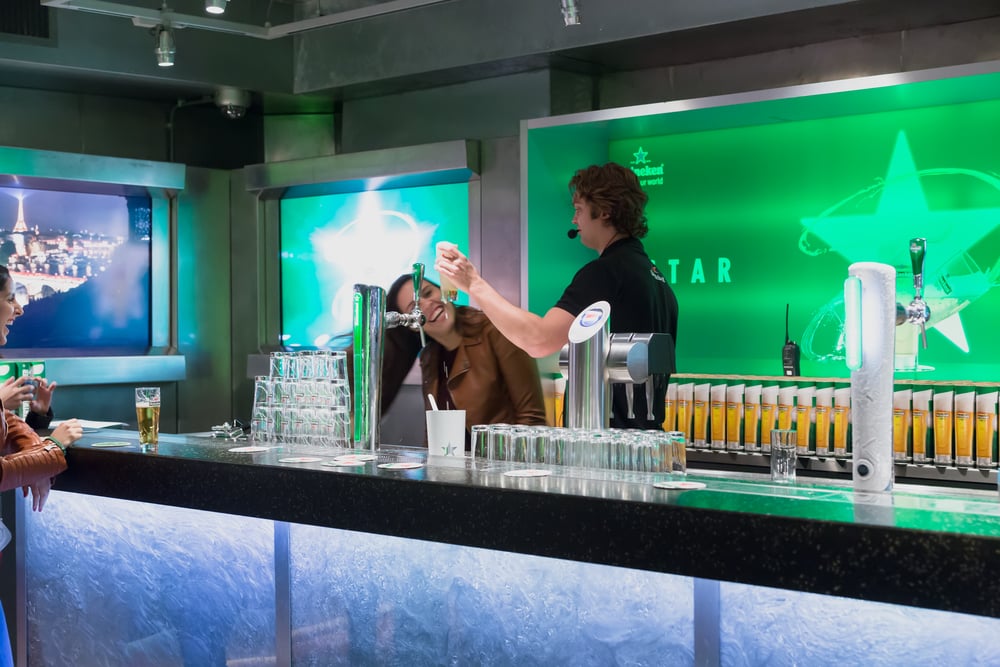
Of course, no trip to the Netherlands is complete without extraordinary amounts of Dutch beer. And what better way to get your fix than to go full-out at the Heineken experience? 🍻
READ MORE | Is Dutch beer the best in Europe? The Netherlands is the top exporter, once again
Heineken was established in Amsterdam, so a tasty tour of the old brewery (now a museum) is a highly fitting thing to do in the Dutch capital. Take your time at the exquisite tasting bar, and enjoy the interactive multi-media exhibition with a beer… or three.
Only people over 18 are allowed on the tours, though, so if you need an excuse to leave the kids with a babysitter, this is it.
💰 Price: €24.95 for the standard tour
⏰ Opening hours: 10:30 AM until 7:30 PM Sunday to Thursday, 10:30 AM until 9 PM Friday and Saturday.
📍 Location: Stadhouderskade 78, 1072 AE Amsterdam
33. Have a laugh at the Boom Chicago Improv show

Unscripted, hilarious, creative fun, anyone? Boom Chicago is an improv and comedy club, and it’s one of the best things you can do in Amsterdam.
You can rest assured you’ll have a memorable evening if you add a Boom Chicago show to your itinerary, and before you ask: yes, they’re all in English.
If you’re planning on staying in A’dam for a while (which, you definitely should), you can also get out of your comfort zone and attend an improv class — you’re guaranteed to create memories for life. 😋
💰 Price: Generally between €10 and €25, depending on the show
⏰ Opening hours: 6 PM until 12 AM Wednesday, Thursday and Sunday, 6 PM until 1 AM Friday, 4 PM until 1 AM Saturday,
📍 Location: Rozengracht 117, 1016 LV Amsterdam
34. Visit the artsy Rembrandt House
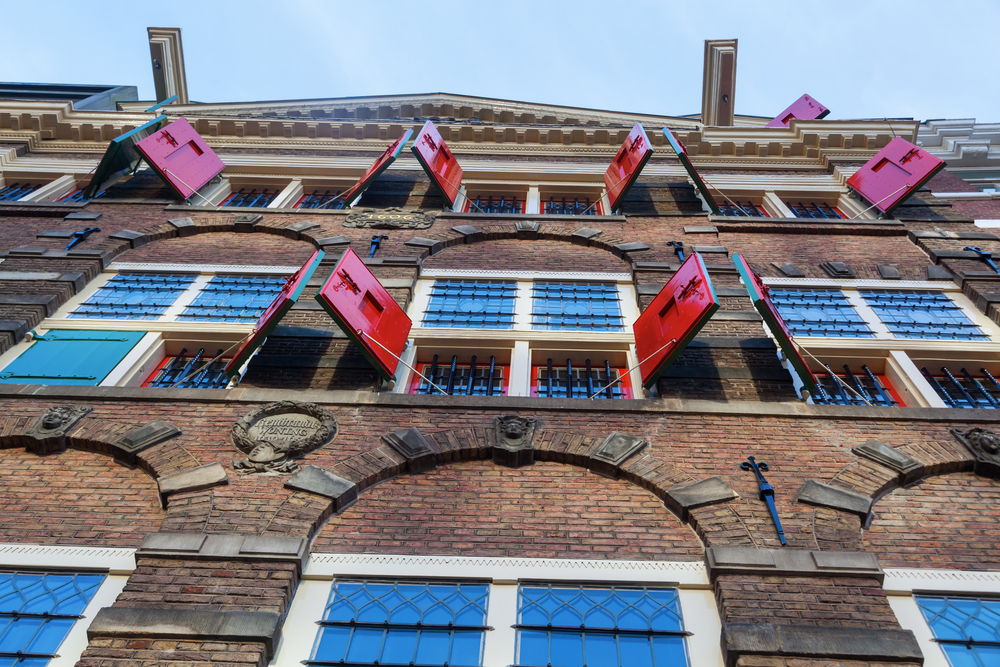
Rembrandt might technically have been from Leiden, not Amsterdam, but the capital happens to have a whole house dedicated to the world-renowned painter. 🎨
READ MORE | Why the Night Watch is Rembrandt’s masterpiece
Admire the beautiful exhibition at the Rembrandt House, attend an artsy lecture, or test your painting skills at one of the many events that take place here throughout the year.
The house often has activities for the youngest members of the family, too, if you’d like to expose your kids to the world of art while searching for things to do in Amsterdam.
💰 Price: €21.50 for adults, €15 for people aged 18 to 25, €8 for children aged 6 to 17, free for children under 6
⏰ Opening hours: 10 AM until 5 PM, daily
📍 Location: Jodenbreestraat 4, 1011 NK Amsterdam
There are enough things to do in Amsterdam to fill weeks, if not years, of activities. No matter if you’re staying a day, a week, or a month, you can rest assured you’ll easily find things to pack your itinerary with.
Looking for a small town break from the hustle and bustle of Amsterdam? Head to Leiden, Delft or Gouda for some peace and quiet. If you’d like to go even further away from anything resembling a city, you can also take the trip to the beautiful island of Texel, and enjoy some real, Dutch nature and wildlife.
Do you think we should add anything to this list? Tell us what we missed in the comments below!