Sigrid Kaag, leader of political party D66, was faced with several dozen protestors carrying flames and sirens when she arrived at a political talk show in Diepenheim.
Kaag was campaigning in the eastern part of the Netherlands for the upcoming Provincial Council elections when she arrived in Diepenheim, Overijssel, RTL Nieuws reports.
A toasty treat
Previously, the demonstrators, AKA “Strijders Twente”, distributed leaflets urging Diepenheim residents to give a “warm welcome” to the Dutch politician.
Nederland anno 2023. Wat een kansloos gebeuren dit. Dieptriest. 🤦🏼♂️
Translation: “The Netherlands in 2023. What a hopeless event this is. Very sad. 🤦🏼♂️”
Upon arrival, Kaag was met by a group of people with tractors who shouted at her: “You are not for the Netherlands!”
Despite the sirens going off, Kaag spoke with the protesters for a while, although it was difficult, as reported by her campaign manager and MP, Hanneke van der Werf.
After about ten minutes, the meeting between the demonstrators and Kaag ended. When she left at around 8 PM, the protesters were no longer present.
Not the first time
Kaag has been threatened multiple times, including an incident last year where Max van den B., was convicted on appeal for threatening her at her home.
Kaag has been under security for some time due to serious threats. The party would not modify its election campaign due to the Sunday event.
What do you think of the fired-up demonstrators? Tell us in the comments below!
Rats, pigeons, and seagulls will be happy; trash cans are about to overflow in Amsterdam.
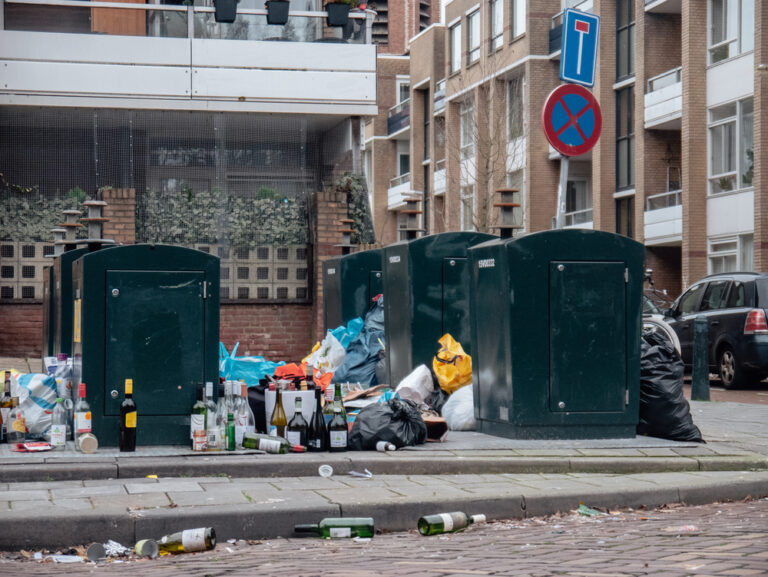
The strike is on as city cleaning staff, including garbage collectors, will stop working for seven days from today morning in Amsterdam, reports NU.nl.
Garbage collectors are on strike all week to enforce a 12% wage increase over a period of one year.
Due to rising costs and inflation, the trade union, FNV, also demands inflation compensation in next year’s collective labour agreement.
What’s to come
The municipality warns of the mess ahead of us. No household waste, such as residual and organic waste, glass, paper/cardboard, or textiles, will be collected. 🫣
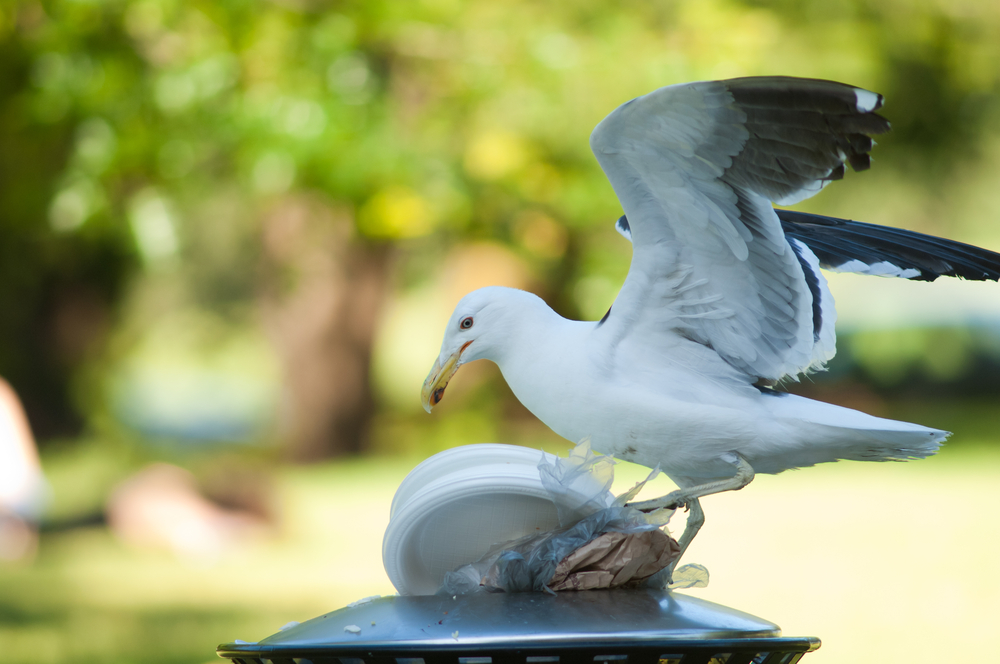
Watch out for trash-stealing seagulls! 🐦 Image: Depositphotos
In addition, the streets will also not get swept. Other cities in the Netherlands, including Utrecht, Rotterdam, and The Hague, gave us a preview of the garbage-swarming streets with their one-week strike last week.
Be prepared
The municipality in Amsterdam calls on citizens to keep their waste indoors as much as possible during the strike and to not put garbage bags or containers out on the road.
The municipality made a statement to Het Parool, saying that this “ensures that the streets remain free, that it does not become unsafe and that we do not suffer from vermin.”
On the other hand, daily markets will be cleaned at the end of the day. During the strike, supervision and enforcement employees will be on the street, but will not issue tickets to offenders.
Coming up next: municipal officials in Maastricht and Den Bosch will strike on from Wednesday, which could cause serious problems with the mess made after Carnival.
What do you think about this strike? Tell us in the comments below!
We can’t say we are too surprised with this one. Schipol suffered a massive loss last year due to many problems at the airport. In fact, it’s been a historic fail of a year.
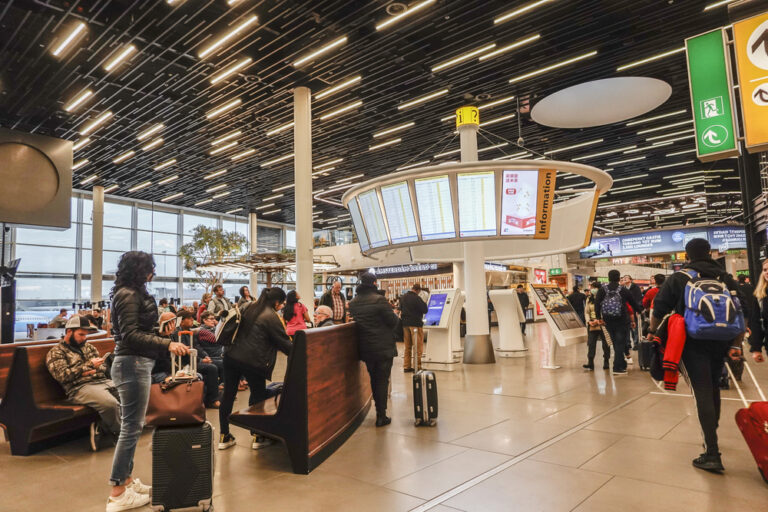
Schipol Airport confirms that this year has just not been it. The airport had a rough time in 2022 — suffering a huge loss of €77 million, reports NOS.
With staff shortages, long queues to get to the airport, and airlines having to cancel many flights, it has left many travellers disappointed — and some money haemorrhaging too.
Travellers have been let down, so profits are down
While Schipol Airport did see a strong recovery in passenger numbers, with the number of travellers doubling in 2022 compared to 2021, that number could have been higher without the covid restrictions still in place.
Coronavirus was then followed by a shortage of security workers and Schipol asking airlines to reduce their departing passengers during summer. As a result, many travellers missed their flights due to cancellations or long lines at the airport, which is echt niet leuk.
Ruud Sondag, CEO of Schipol, acknowledges this when speaking with the NOS, “Never before in the history of Schipol have we disappointed so many travellers and airlines as in 2022.”
He goes on to say that “the commitment and hard work of everyone at Schipol have not led to the necessary improvements in the system. As a result, we have not been able to provide the service we wanted. 2022 will go down in our history books as a bad chapter.” Yikes!
I used to hate flying because I was scared of being on planes. Now being at airports makes me anxious. Waiting in long lines and wondering if you’re going to catch your flight is massively distressing #schipholchaos#schipol
While Schipol is not yet sure how changes will continue this year, Sondag states that “in 2022, we will start implementing structural changes. Because we have to do better. And I am convinced that we can.”
In an attempt to solve problems, Schipol wants to limit the number of departing passengers again. This is expected to last up to May due to shortages at baggage handlers.
This means that only about 70,000 passengers can be processed daily, 5% fewer than previously thought.
In addition, the government will reduce the maximum number of flights at Schipol. In the long term, Schipol will be allowed to handle a maximum of 440,000 flights per year. However, it’s not yet known when that exactly will be.
What do you think about these changes at Schipol? Tell us in the comments below!
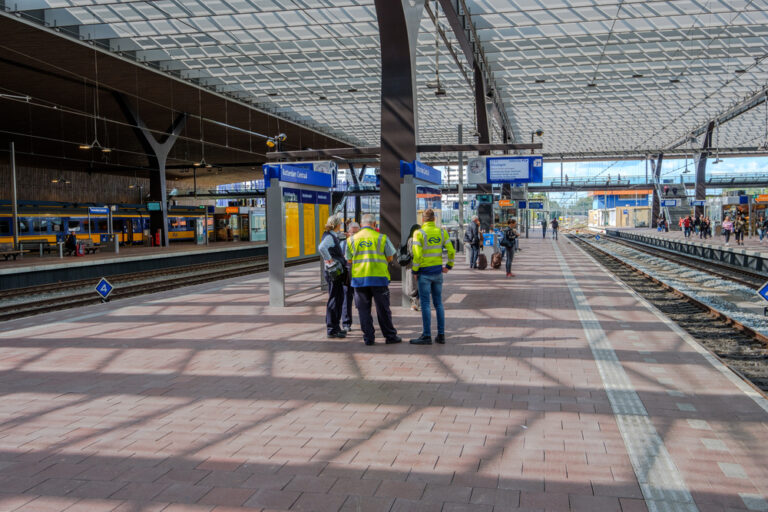
Not again. The number of reports from NS employees concerning aggression towards them increased by 30% last year, with nearly a thousand incidents reported.
NS personnel have had to deal with verbal and physical violence, which ranged from being threatened, mistreated, and even to being spat on, reports NOS.
CEO of NS, Wouter Koolmees, makes one clear statement: “l call on everyone: leave my colleagues alone.”
Unacceptable train travellers
Koolmees, says he is “shocked” by the behaviour of some travellers.
Believe it or not, the reports of incidents increased after the removal of the coronavirus restrictions — a common reason to pick fights with personnel during the pandemic. This is believed to be because more passengers are able to travel again.
Translation: Sometimes, I understand the aggression towards NS personnel.
The reason for passenger violence has had to do with travellers not addressing train rules and checking their tickets. In some cases, “people who did not have a ticket, resorted to violence,” the spokesperson added.
What is there to be done?
Last year, the NS already took measures to prevent such incidents by providing live camera images of trains on routes. This allowed the NS control room to assist a colleague when needed.
Security guards with dogs have also been deployed at stations in Amsterdam and Rotterdam.
While the right to ask for identity verification was already requested by the NS last year, Koolmees calls on the government again. This would allow NS security staff to check the identity of perpetrators of violence and people that cause commotion in public transport.
By having access to the driving license register, NS could quickly determine the identity of someone who does not have any papers with them. This way, “the sooner you know who you’re dealing with, the less quickly a situation can get out of hand,” Koolmees states.
For this to happen, the police need to get involved. We can only hope that times (and people) improve for NS staff.
What do you think about these incidents? Tell us in the comments below!
Despite making over €700 million in profit last year, KLM CEO Marjan Rintel has announced that the times of cheap flights with the Dutch airline are over.
The decision is due to the financial insecurity caused by the war in Ukraine, high inflation, a possible recession, and rising fuel prices, reports RTL Nieuws.
“We will have to pay the price together,” says Marjan Rintel to RTL. And together we shall be — as we all pay a higher price for our airline tickets.
'It's too much.' Residents of Netherlands hit out at rising cost of living as inflation soars. pic.twitter.com/UxokUuXwFF
— Ignorance, the root and stem of all evil (@ivan_8848) September 4, 2022
After enduring a series of flight cancellations, baggage mishandling, and long queues, it’s no wonder KLM customers gave the airline a low score of 37 out of 100 points.
That’s not all they did, though. Many of KLMs customers requested compensation for cancelled flights and damaged baggage, which cost KLM a casual €70 million.
Wat jammer! At least they still have hundreds of millions in profits to their name. 😉
Higher prices mean better service, right??
All we can do is hope. Many of the problems that arose last year were due to staff shortages at Schipol.
To avoid following last year’s flight trajectory, KLM has already hired over 500 personnel for the summer.
Whether you’re a student or professional, finding the perfect place to work or study in Rotterdam is sometimes the key to unlocking productivity. 🧠
No matter if you want to dive into the bustle of the city or find a quiet place to hustle on your own, there are stacks of unique work and study spaces in Rotterdam. Here are 18 of them!
cafe @Home is your home away from home, coming in with a casual atmosphere and plenty of space to sit down, plug your laptop in, and get cracking on that work.
This café has highly-rated coffee and smoothie options to get those creative juices flowing, plus free WiFi to get your workflows flowing. 😉
cafe @Home is located in the centre of Rotterdam near Oostplein, so it’s easy to get there via bike or public transport.
You’ll find a lot of people working here throughout the day, so you can expect a chill, but motivated atmosphere!
🏢 Type: Café 💰 Price: Free but be sure to buy a coffee or two — you won’t regret it! ⏰ Opening hours: Mondays to Fridays from 7:30 AM to 6 PM, Saturdays and Sundays from 9 AM to 6 PM 📍 Location: Goudsesingel 52, 3011 KD Rotterdam
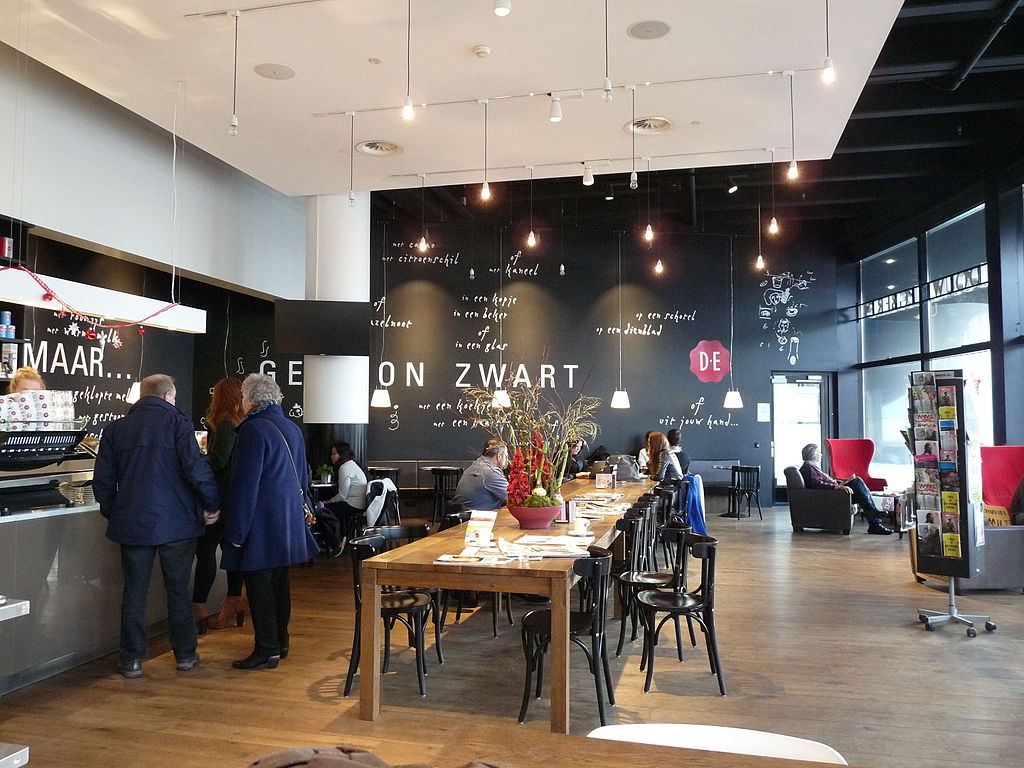
2. NN Douwe Egberts Café: the go-to for busy travellers
Have your meetings and get some studying done alongside your coffee break. Image: Smiley.toerist/Wikimedia Commons/CC4.0
NN Douwe Egberts Café is perfect for anyone who wants to get some work/study time in before their commute. Located right next door to Rotterdam Central Station, you can travel from any part of the city by public transport or bike.
This cosy spot has free WiFi, and tables with plugs, and is wheelchair accessible. Generally, most people buy at least one snack or drink while working or studying there, with prices ranging between €5 and €10.
Good to know: since it is a café, it can get a little noisy. The café also has a free meeting room (handig!), but you have to book it in advance.
🏢 Type: Café 💰 Price: Free but it’s generally expected to buy a coffee or snack ⏰ Opening hours: Mondays to Fridays from 7:30 AM until 5:30 PM, Saturdays and Sundays from 8:30 AM to 5 PM 📍 Location:Stationsplein 25, 3013 AJ Rotterdam
3. The Rotterdam Collective: the workplace for creative minds
You’ll love The Rotterdam Collective if you’re looking for a like-minded hub of creative and innovative individuals!
While the membership is a little pricey, you’ll have access to desk spaces, free WiFi, a kitchen, a meeting room, and lots of coffee.
However, let op! This cosy co-working space only has space for 30 people, and you can only book a spot by the month — so make sure you have a game plan for your upcoming work schedule.
🏢 Type: Co-working space 💰 Price: €165 per month for one person, incl. desk and excl. VAT ⏰ Opening hours: N/A 📍 Location: Schiekade 189, 3013 BR Rotterdam
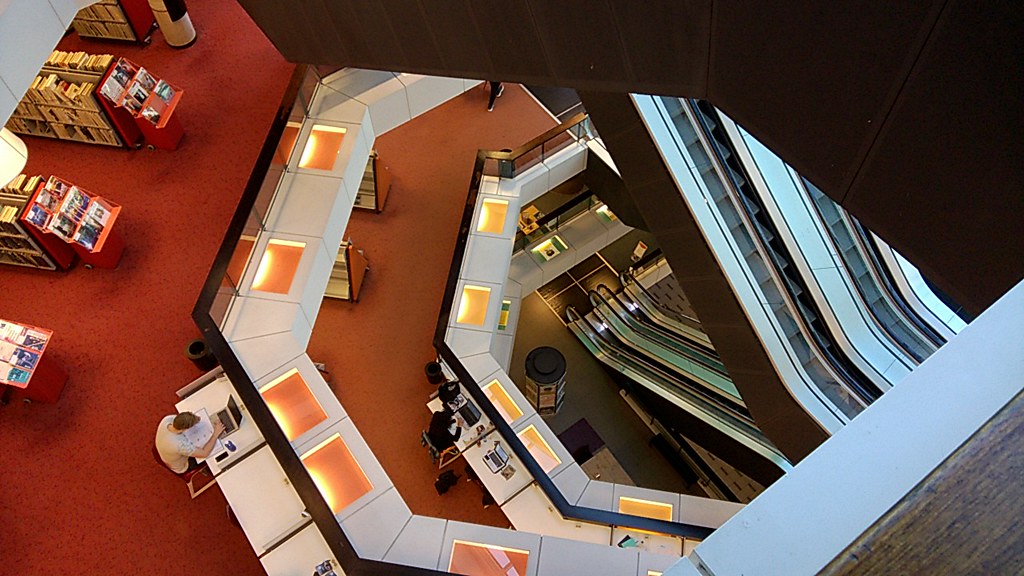
4. Centrale Bibliotheek Rotterdam: there’s no place like the library
There are floors and floors of study space at the Central Library in Rotterdam. Image: Raymond Snijders/Flickr/CC BY-NC2.0
Return back to the student roots or try out something that isn’t the university library — either way, the Centrale Bibliotheek Rotterdam is an ideal place to work or study in Rotterdam.
Rotterdam’s central library has got it all: WiFi, lots of space and plug availability, books upon books (natuurlijk!) and an accessible location in the city centre.
There’s no better place to work or study in Rotterdam than somewhere that takes its coffee seriously — so Man Met Bril Koffie is just the perfect spot!
The café is set up with large chairs and tables so your delicious snacks and drinks won’t get in the way of your laptop when working.
Naturally, it is a café, so the noise levels might be slightly higher than expected for a study space.
🏢 Type: Café 💰 Price: Free, but likewise, it’s nice to buy a drink or snack while you work/study. ⏰ Opening hours: Mondays to Fridays from 7 AM to 5 PM, Saturdays and Sundays from 8 AM to 6 PM 📍 Location: Vijverhofstraat 70, 3032 SN Rotterdam
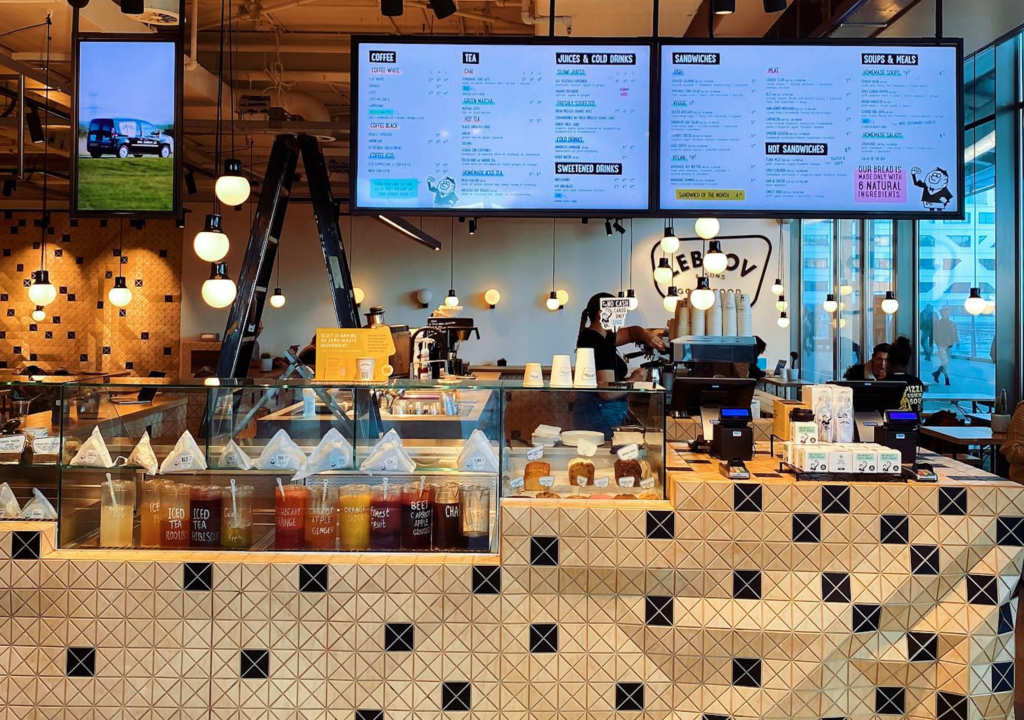
6. Lebkov & Sons: for early mornings and late nights
Spend your mornings and evenings studying or working at this café! Image: Lebkov & Sons
Lebkov & Sons is open for longer hours than your average café — ideal for early risers and anyone who likes to study in the evening.
The café has free WiFi and is also located next to Rotterdam Central Station, which is convenient for anyone who needs to travel to and from the city.
While there isn’t a lot of seating, you’ll find lots of people working, a great ambience, and all kinds of food and drink options. Eet smakelijk!
🏢 Type: Café 💰 Price: Free, but grab a midday snack or drink as you please. ⏰ Opening hours: Mondays to Fridays from 6 AM to 8 PM, Saturdays and Sundays from 7 AM to 6 PM 📍 Location:Stationsplein 50, 3013 AK Rotterdam
7. Spaces: the stylish coworking space
Brightly-lit, colourful, and organised workspaces — what’s not to love? Image: Spaces
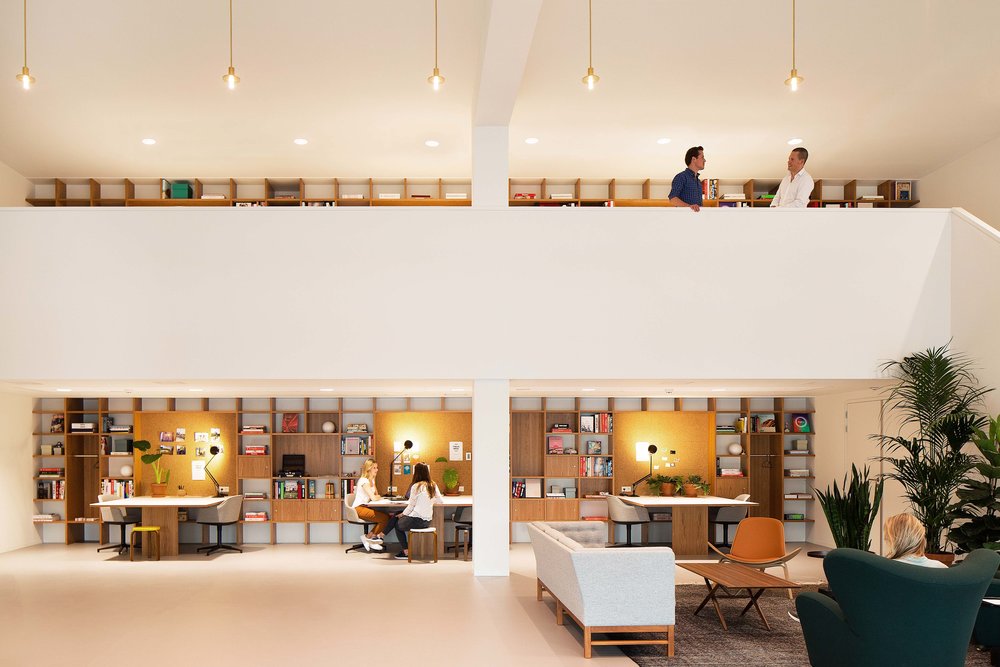
If you’re looking for a sleek and modern office, look no further than Spaces.
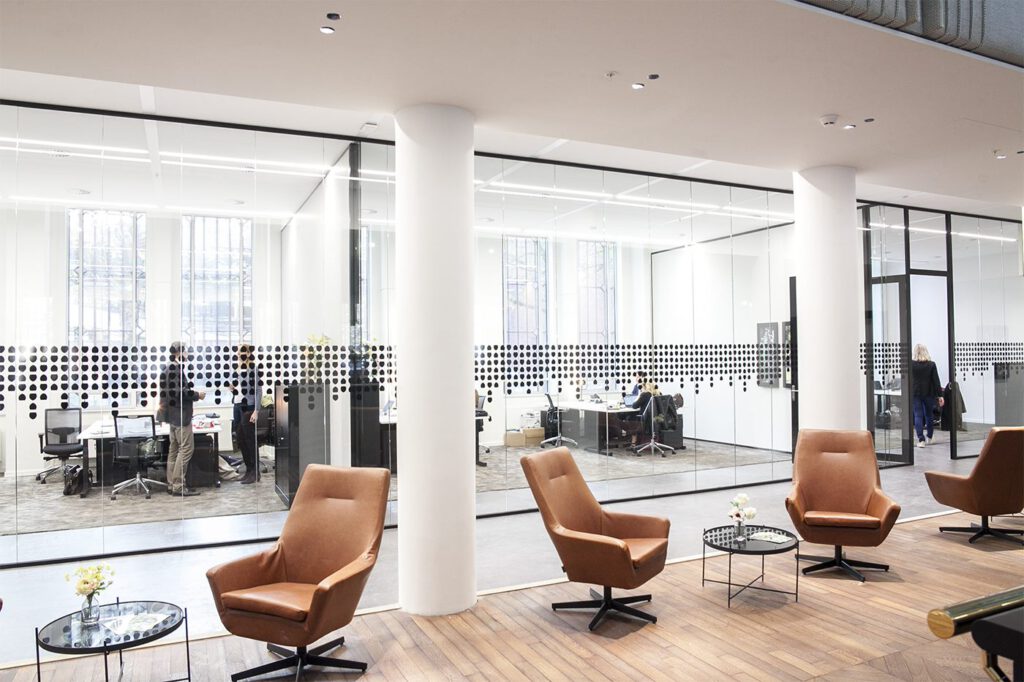
Located in one of Rotterdam’s first high-rise buildings, Spaces has all kinds of office rentals with utilities and cleaning included, on-site parking, and breakout areas.
And as the cherry on top, the offices have huge windows and natural light and an incredible view of the city — what’s not to love?
🏢 Type: Co-working space 💰 Price: Dedicated desk for one person costs €129 per month. ⏰ Opening hours: 24/7 — all day, every day. 📍 Location:Hofplein 20, 3032 AC Rotterdam
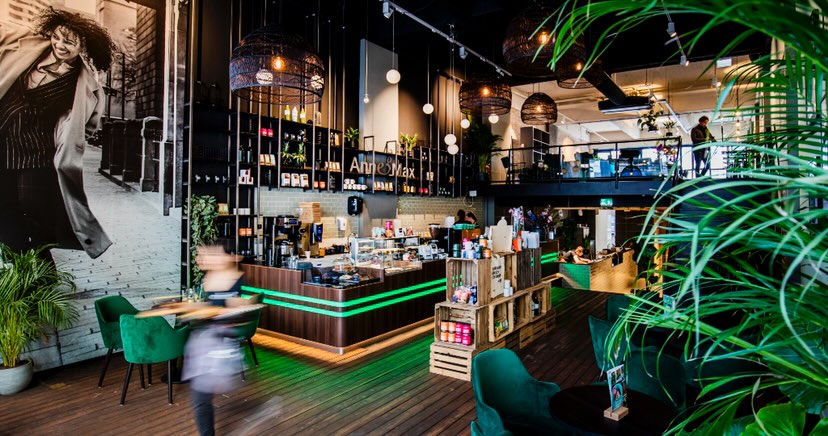
8. Anne & Max: a coffeehouse to remember
This cosy environment will definitely get you in the work mood. Image: Anne & Max
While it’s traditionally a café, Anne & Max has a welcoming atmosphere, making it a comfortable place to work or study in Rotterdam.
The café is located in the city centre but doesn’t get too busy — perfect for those study focus sessions. Anne & Max has free WiFi and comfortable seating (albeit some smaller tables).
Since it’s located right in the city centre, you’ll get a nice view of the city, but that means it can get a little busy at times.
🏢 Type: Café 💰 Price: Free but costs between €4 and €24 depending on the food and/or drinks you buy ⏰ Opening hours: 8 AM to 6 PM from Mondays to Saturdays, 9 AM to 6 PM on Sundays 📍 Location:Korte Hoogstraat 20, 3011 GL
9. Erasmus University Library: study at the ‘ol reliable campus
If there’s any place any student should try working or studying in Rotterdam, it’s the Erasmus University Library.
Let op: you’re typically only allowed to study on campus as an Erasmus University student and if you’ve booked a study space in advance.
The university library is a great spot to study — easily accessible before and after classes, good WiFi, and with plenty of outlets and study space (unless it’s in the middle of finals week).
🏢 Type: Library 💰 Price: Free but you have to be an Erasmus University student ⏰ Opening hours: Mondays to Fridays from 8 AM to 12 AM, Saturdays and Sundays from 10 AM to 9 PM 📍 Location:Institutenlaan, 3062 PA Rotterdam
10. Coffeecompany: the staple café spot
Focus up at your local cafés. Image: Coffeecompany/Supplied
Coffeecompany is a homey café chain, ideal for customers who love a good cup of coffee and want to get into the flow.
The chain has three cafés all located within Rotterdam city centre, making it easily accessible. All the branches are laptop-friendly with free WiFi and lots of outlets to charge your laptop.
Coffeecompany has a cosy atmosphere, but it’s not always quiet, and some branches are dimly lit — this spot might be better off for a short work or study day in Rotterdam.
🏢 Type: Café 💰 Price: Free but most order at least one snack or drink while working ⏰ Opening hours: Varies depending on location 📍 Location: Various locations
11. 42workspace: a hustling, bustling place to work
Get yourself familiar with some bright minds in the Dutch tech scene.Image: 42workspace/Supplied
42workspace is the place for anyone working in tech, from freelancers to start-ups and scale-ups.
Ergonomic chairs? Check. Exclusive events for members? Check. A knowledgeable tech community? Check!
Located in the hustle and bustle of Rotterdam, a day pass or subscription for 42workspace lets you order drinks, chat with the community, and explore their incredible building — rooftop party, anyone?
🏢 Type: Co-working space 💰 Price: €20 for a day pass, €245 per desk per month for a premium desk ⏰ Opening hours: 8 AM to 6 PM (unlimited access on a monthly pass) 📍 Location:Schiedamse Vest 154, 3011 BH Rotterdam
12. Baker & Moore: food to keep you motivated
Perfect for your Instagram study days! Image: Baker & Moore
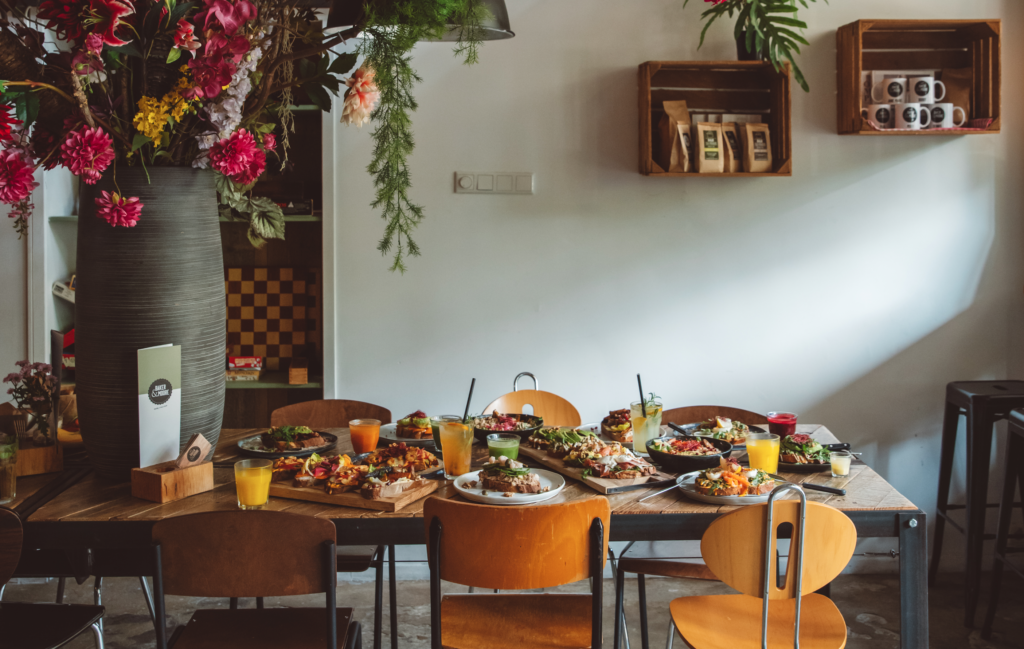
Reserve a table for delicious food and a comfy study space at Baker & Moore. This café has free WiFi and plenty of seating and table space, so you can easily set up your laptop to work or study.
Why work at Baker & Moore in Rotterdam? Let’s put it this way: a dedicated laptop area upstairs, delicious carrot cake, and even outdoor seating for Rotterdam’s summer days. 😉
🏢 Type: Café 💰 Price: Food typically costs between €10 and €20 ⏰ Opening hours: Mondays to Fridays from 7:30 AM to 5 PM, Saturdays and Sundays from 9 AM to 5 PM 📍 Location:Westblaak 147, 3012 KJ Rotterdam
13. StationsHuiskamer: a little piece of home
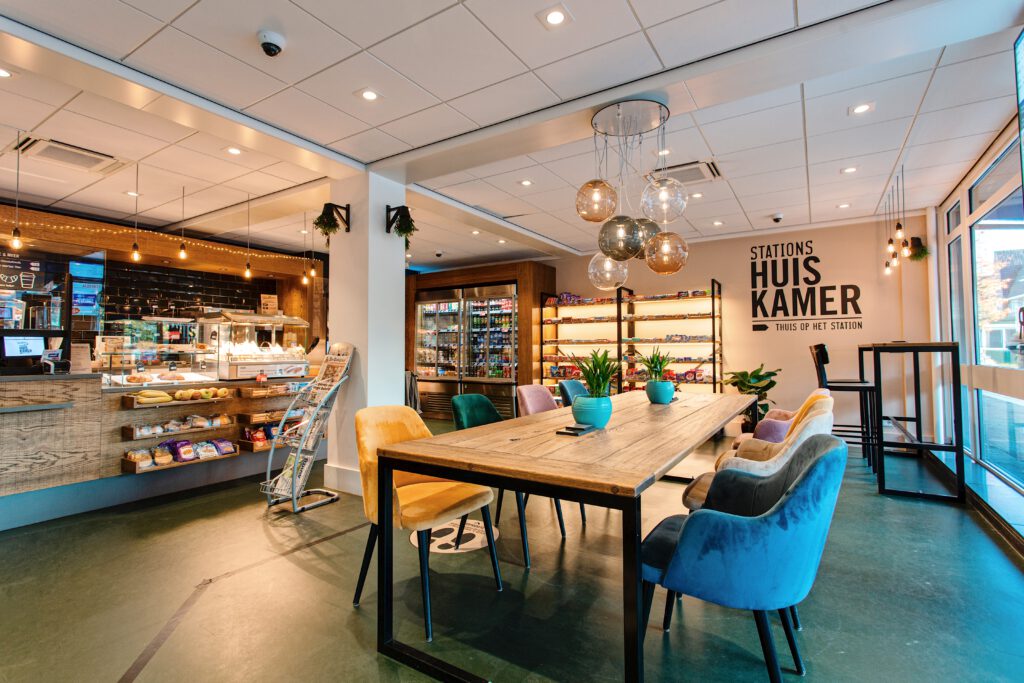
Doesn’t this look like the comfiest train station café ever?! Image: Stations Huiskamer Rotterdam
StationsHuiskamer is the ultimate place for on-the-go working or studying in Rotterdam. This café is located right inside Rotterdam Central Station and is the perfect mix of a home office and a cosy hangout.
Many people describe StationsHuiskamer as a living room — perfect for meeting a friend but has all the facilities for working and studying, including free WiFi, power outlets, and space to sit.
And because it’s located inside the train station, it’s extremely convenient for anyone who is coming to or from Rotterdam!
🏢 Type: Café 💰 Price: Free ⏰ Opening hours: Mondays to Fridays from 7:30 AM to 8 PM, Saturdays and Sundays from 10 AM to 5 PM 📍 Location: Stationsplein 1, 3013 AJ Rotterdam
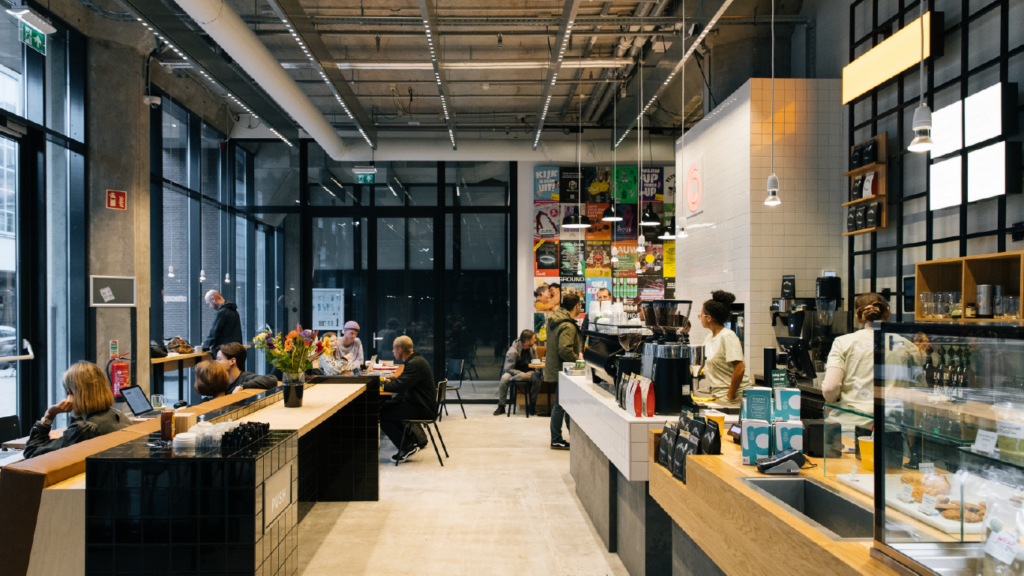
Another café-turned-study corner, Hopper Coffee is another chill place if you’re looking for a lowkey study session with friends.
This chill atmosphere is great for those laid-back work or study days with bright lighting, comfy seating, and the smell of fresh coffee brewing.
While they have free WiFi and outlets perfect for laptops, Hopper isn’t the largest coffee house, and you may find it a little busy for working or studying in Rotterdam.
🏢 Type: Café 💰 Price: Free to sit but it’s common to buy at least a cup of coffee while at the café ⏰ Opening hours: 8:45 AM to 5 PM on Tuesdays to Fridays, 10 AM to 5 PM on Saturdays and Sundays, closed on Mondays 📍 Location: Schiedamse Vest 146, 3011 BG Rotterdam
15. Het Nieuwe Kantoor Rotterdam: the flexible co-working space
Who doesn’t want to spend their workday in a bright space? Image: Freepik
Het Nieuwe Kantoor goes the extra mile as a co-working space. The building has large, open spaces, bright lighting, and gorgeous views — definitely an inspiring place to work. 😌
The workspaces are comfortable, clean, and accessible, and you can make use of plenty of facilities, including meeting rooms, the kitchen, and a refreshments bar.
This coworking space has two locations in Rotterdam, both with fast WiFi, meeting rooms, and ergonomic work desks and screens.
Grab a delicious snack on the side while you study. Image: Freepik
Bagels & Beans is another laptop-friendly café chain with five branches in Rotterdam, three of which are in the city centre.
This bagel and coffee heaven is home to a cosy atmosphere, free WiFi and power outlets, excellent for a study day with your friends or to grab a snack on the side.
The noise levels may be slightly higher for a study space, especially if it’s busy, but the chill music and friendly staff make for a pleasant atmosphere to study.
🏢 Type: Café/restaurant 💰 Price: Free but snacks and drinks cost between €10 and €20 on average ⏰ Opening hours: 9 AM to 5 PM from Mondays to Saturdays, 10 AM to 5 PM on Sundays 📍 Location: Various Locations
17. The New Café: the hangout for architecture lovers
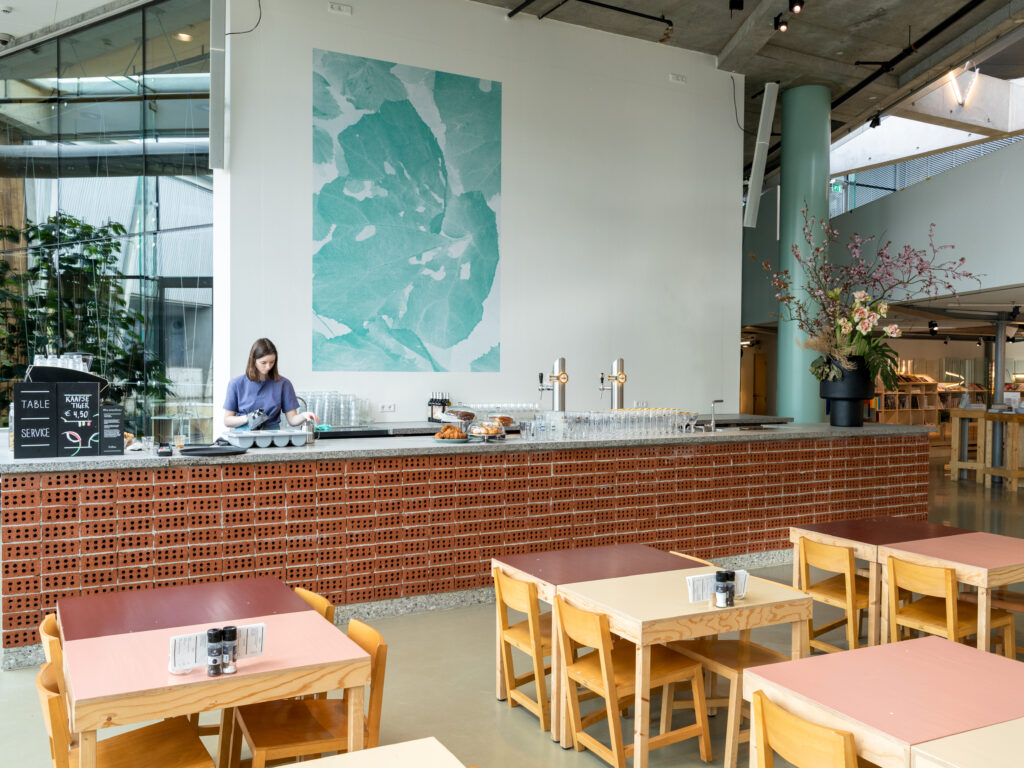
Who wouldn’t want to work in an architectural space like this? Image: The New Cafe/Johannes Schwartz
The New Café is an extension of the architecture, design and culture museum Het Nieuwe Instituut in Rotterdam.
This chic, modern café makes for a lovely study space for anyone who wants to enjoy the museum or the rest of the Museumpark.
The café is wheelchair accessible, has indoor and outdoor seating, and offers free WiFi, making it a perfect spot to grab your laptop and get to work.
🏢 Type: Café 💰 Price: Prices typically range from €10 to €25 per person, depending on how much food and drinks you order ⏰ Opening hours: Open 10 AM to 5 PM from Tuesdays to Sundays, 10 AM to 9 PM on Thursdays, and closed on Mondays 📍 Location: Museumpark 25, 3015 CB Rotterdam
18. Tribes: the place for digital nomads
Clean, fresh, and just for working: Tribes Rotterdam is a new take on coworking and office space. Image: Tribes
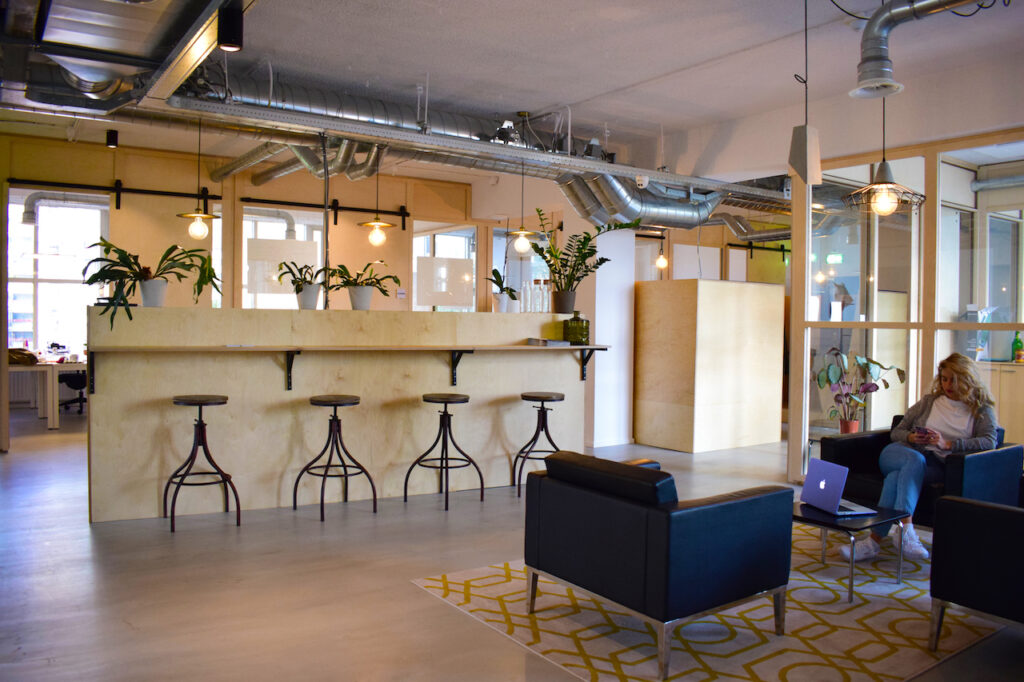
Tribes is our final location for places to work or study in Rotterdam, offering a perfect mix of flexibility, accommodations, and professionalism.
Living up to its brand, this office space offers all kinds of coworking plans and memberships at its two main locations in Rotterdam.
Tribes has the hippest offices with nearby public transport, catering services, and facilities for meeting rooms and conferences.
🏢 Type: Co-working space 💰 Price: €29 for a coworking day pass, but options are available for long-term coworking. ⏰ Opening hours: Mondays to Fridays from 8 AM to 6:30 PM in Blaak, 8 AM to 5:30 PM in Coolsingel, closed on Saturdays and Sundays 📍 Location: Blaak 34, 3011 TA Rotterdam (Blaak) and Coolsingel 6, 3011 AD Rotterdam (Coolsingel)
Productivity will no longer be a mystery with these most energising places to work or study in Rotterdam.
Do you have a favourite place to work or study in Rotterdam? Share your recommendations in the comments!
Starting on Monday, February 20, the garbage won’t be collected in the Dutch capital for a whole week due to the labour union’s strike.
The Association of Dutch Municipalities (VNG) wanted to discuss a new collective agreement of wages again, so the unions surprised the nation and Amsterdammers in particular by announcing a week-long strike, according to RTL Nieuws.
Alongside Amsterdam, Den Bosch and Maastricht will also go without urban cleaning for the coming week. 🗑️
A 12% increase
It’s easy to take clean streets for granted, but in fact, 187,000 employees are working every day.
This is probably one of the main reasons why the VNG didn’t want to increase salaries up to 12% over a year.
“I understand that 5% is too little, but 12% is over-questioning,” said Ton Heerts, Dutch politician. “We’ll come up with a new offer in a few weeks.”
The unions have no mercy
The CNV‘s (Christian National Union) trade union is not moved by the VNG’s budget difficulties. In fact, according to them, the question is how many more people will quit their job.
The Netherlands found itself in hot water yesterday, as it was named one of the four EU member states the European Commission will take to the Court Justice.
According to a press release by the European Commission, this action is due to these member states’ failure to turn certain EU rules into national laws.
National measures have not yet been communicated
The European Commission reported that the Netherlands and three other member states failed to transform EU regulations on both open data and the re-use of public sector data into national laws.
The deadline for communicating information on national measures expired on July 17 2021 and letters of formal notice were sent to each member state in September 2021 by the European Commission.
Despite this, none of the member states were transparent about whether or not EU regulations had been applied on a national level.
A total of four member states are named
Belgium, Latvia, and Bulgaria join the Netherlands as the EU member states named in the press release.
They will now be referred to the EU Court of Justice for their failure to comply with EU laws.
The Netherlands is no stranger to botched transparency
The childcare allowance scandal, in which a number of low-income and immigrant families were falsely accused of fraud and had to repay tens of thousands of euros, is perhaps the most glaring example of this.
Although resulting in State Secretary Snel’s resignation, an evaluation report from 2015 indicated that Snel and others were aware of the incorrect information, but chose to ignore it.
In addition to this, Mark Rutte’s infamous texting scandal was also noted to have violated the Archives Act.
Despite Rutte’s claim that he deleted messages in order to unclutter his old Nokia, the Inspectorate concluded that this decision did not align with official laws on the deletion and storage of information. Whoops! 👀
What do you think of the European Commission’s decision? Tell us all about it in the comments below!
The Netherlands isn’t all cheese and wine, it’s also home to some great places for the adrenaline junkies among us.
Are you one of them? Nice! Here are some things you can do in the Netherlands to keep your heart rate at the BPM of most drum n bass anthems (170 BPM).
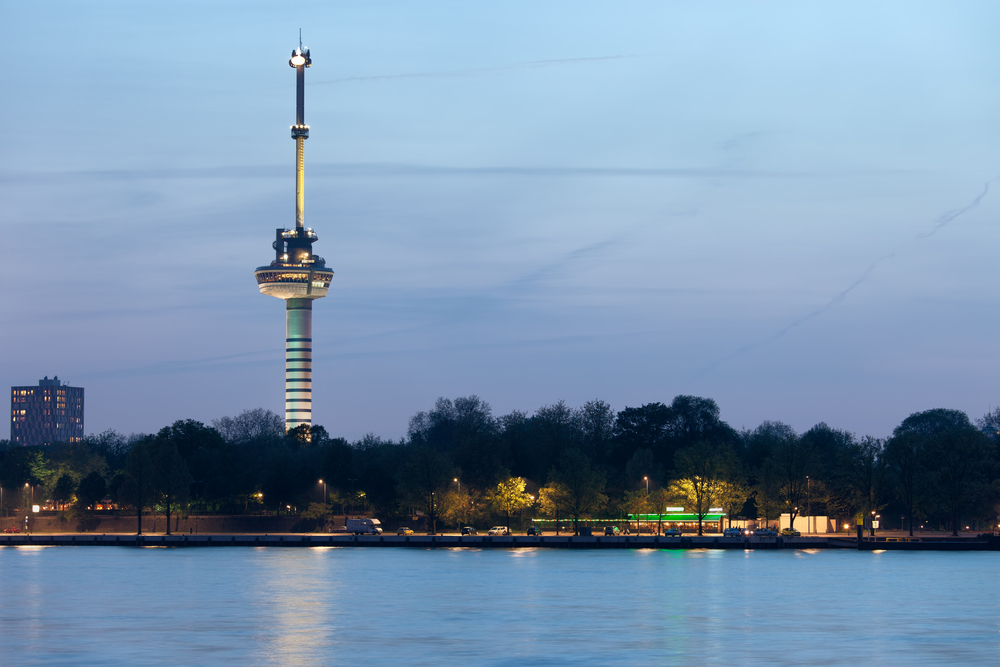
This one will cost you €62.50 per person because it’s a daring endeavour. If you don’t know what abseiling is (think mission impossible), you can find out in Rotterdam at the Euromast tower.
It’s basically walking down an absolutely enormous tower (backwards) until you reach the bottom. You control a single rope that holds your entire body weight, and you navigate steadily towards the ground.
If you’re afraid of heights (who are we kidding, you’re not afraid of anything!) go ahead and make a reservation.
Note: It’s only possible to abseil down the Euromast between the months of May and September. It’s possible to make a reservation from March onwards.
2. Head to a theme park in the Netherlands
This place will make you feel like you’re in a beautiful fever dream. Image: Depositphotos
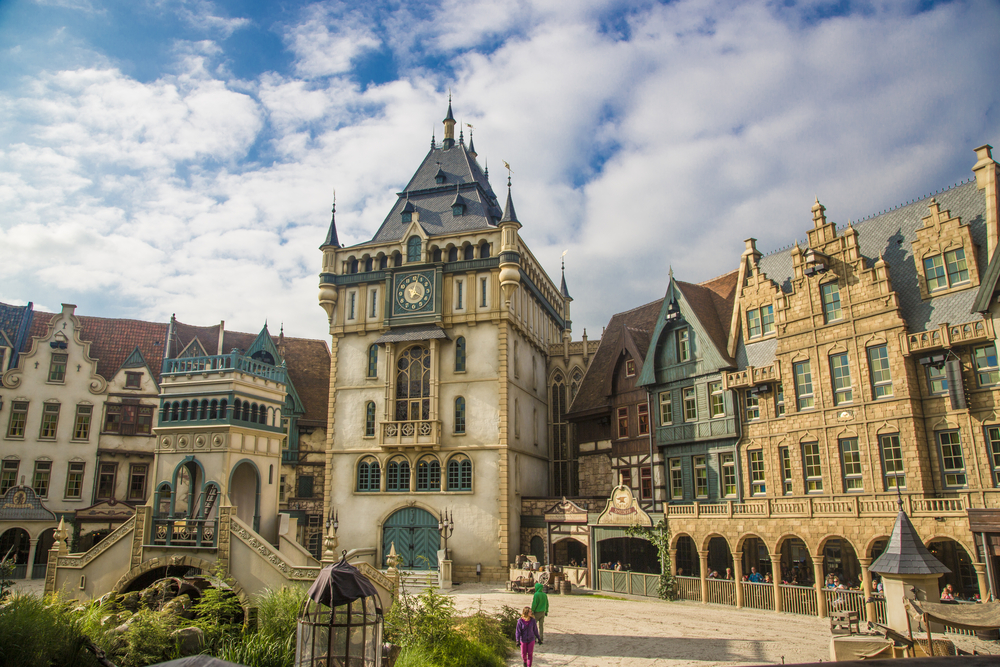
Just to keep the eight-year-old inside you alive, The Netherlands has a bunch of theme parks. You can stuff your face full of cotton candy, eat too many bitterballen, drink an overpriced beer and ride so many rides you throw up on someone else’s child.
One great example is the Efteling, which is adored all over Europe. It’s open seven days a week, all year round. Theme parks are mostly for kids (but hey, rollercoasters are for everyone).
You can find tickets for groups, and children younger than three get in free! Although I would urge you never to put an infant on a rollercoaster.
3. Jump out of a plane and sky-dive over the Netherlands
For sky-diving in the Netherlands, you have a bunch of options. There’s a jump site on Texel Island and there’s another near Rotterdam.
Whichever jump site, whichever package you choose, you’ll be throttling at intense speeds, and when you land safely on the ground, you’ll be craving round two.
Prices can be as high as €344.00 for two people and a video recording of the experience. Places must be booked in advance, so if you’re treating your thrill-seeking partner to a sky-dive in the Netherlands, book in advance of their special day!
The Rotterdam experience is run by a group called “The Flying Dutchman” club. Book a sky-dive with them and remember to arrive 45 minutes before your scheduled jump.
4. Hop on the rollercoasters at Walibi – Biddinghuizen
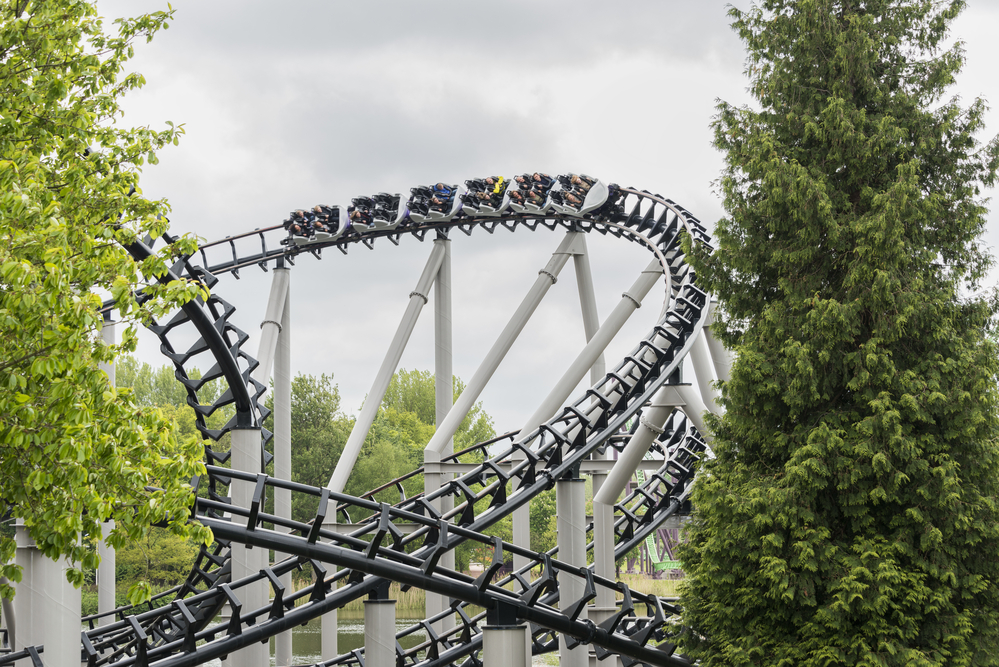
Loop de loop your way to adrenaline. Image: Depositphotos
You’re not a kid anymore if you don’t like rollercoasters. We get it, you have an iffy stomach and you don’t want to test your limits. For those of us that do want to test our limits and have loved the rise and fall of rollercoasters since our very first ride… This one is not to be missed.
Walibi used to be a six-flags then it was converted into something way better. Walibi, the rollercoaster goes from 0 to 90km in just three seconds, three seconds! Tickets are pretty cheap, it’s a great place to go with a group, and after a whole day, it will leave you with goosebumps and great memories.
5. Lock yourself in some escape rooms in the Netherlands
As the clock ticks, your heart beats. Image: Depositphotos
So, no doubt you’ve heard all about these “escape rooms” popping up all over the world. It’s a mix of physical problem-solving and racing against the clock to secure your freedom.
Whether you’re trying to get a high score or you want to challenge yourself physically, escape rooms have it all. Some doors can be opened to a rock climbing challenge, others to a basketball contest, you never know what you’ll find.
There is a “Zombie Escape Room“, another one called “Sherlocked” and another called “Mysterium” (in Utrecht), just to name a few. These escape rooms are great for the whole family, and they’re everywhere. You’ll have no trouble finding one to escape to. Prices can range from €30 to €130 depending on how many people there are in your escape team.
6. Sit atop the A’dam lookout
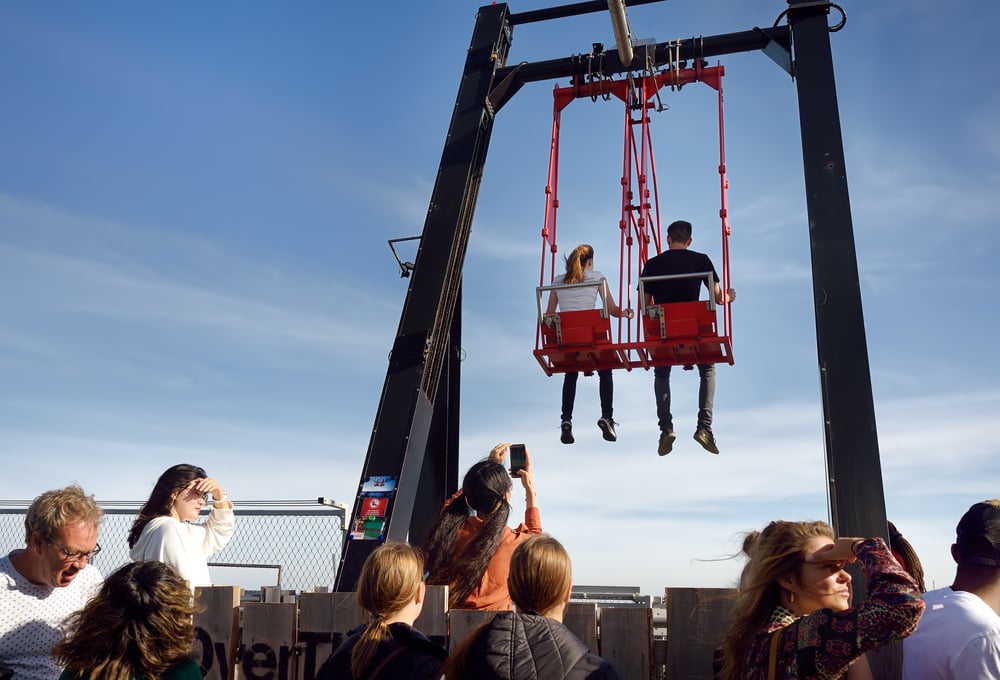
Dangling over Amsterdam? That’ll get your heart pumping! Image: Depositphotos
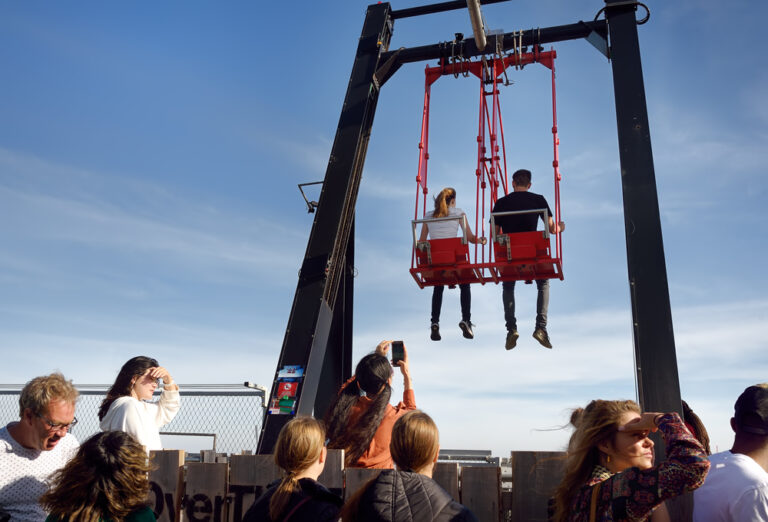
This one will have you on the very edge of your seat, it will also have you on the edge of a skyscraper in northern Amsterdam. The A’dam lookout is essentially a giant swing, unlike giant swings that are elevated between two poles, this one sits atop a skyscraper.
An adult ticket is €16,50 and kids are €10.50, with a view to kill for if you should book right now!
7. Duck and dive during a game of paintball
Duck, hide and shoot. Image: Freepik
So here’s one you might have had on your mind for a while, paintball. If you’re one of those people that prefers to shoot with lasers because it stings less, there are laser-tag venues available.
f you don’t like shooting altogether, there’s always Prison Island in Zoetermeer. Anyway, let’s assume you’re a complete badass, and you’re going paintballing.
It’s a popular option for groups, bachelor parties or if you want to fire off some pellets at a friend that’s been getting on your nerves. is the only paintball facility in North Holland in possession of a safety certificate (safety is assured). Nearby to Amsterdam and Haarlem, this paintball experience is purely for thrill seekers and adrenaline junkies.
Any of these particular activities make your palms sweaty? Good! Let us know your thoughts in the comments.