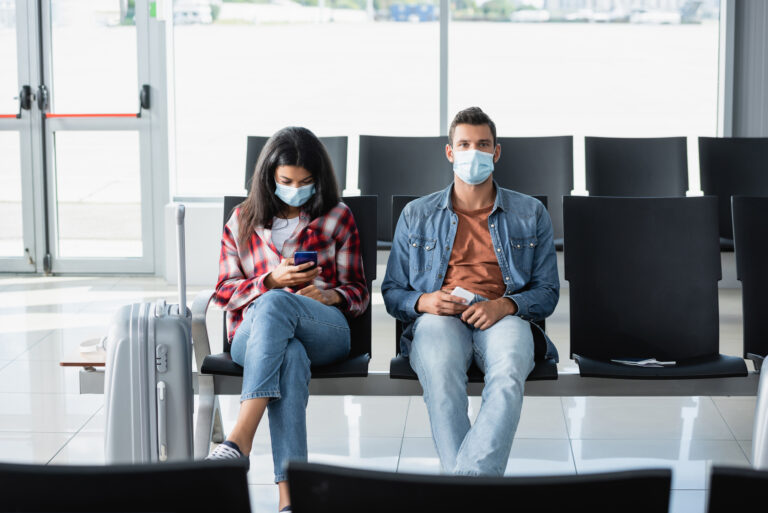
Pack your bags and grab your passports! Starting March 23, the Netherlands will relax travel restrictions for people travelling from within the EU/Schengen area. 🇪🇺
This means it’ll no longer be mandatory to have a negative coronavirus test, proof of recovery, or proof of vaccination to travel to the Netherlands, according to the Dutch government.
Measures for EU and non-EU citizens
But before you start planning your trip, there are a few different measures to keep in mind. 👀
After March 23, EU citizens can easily travel to the Netherlands from within the EU/Schengen area but they must travel with a health declaration form.
Non-EU citizens still cannot travel to the Netherlands, save for some exceptions such as travelling from a safe country or for urgent travel reasons. But the testing obligation also expires for them. ❌
Proof of recovery certificates
To make matters a little easier, the Netherlands will also accept recovery certificates based on positive antigen tests. ✅
Until March 23, the Netherlands only accepts proof of recovery statements based on positive PCR tests.
After that, anyone who tests positive on an antigen test can use that in their proof of recovery certificate (yay for saving money!). 💸
The Dutch government still advises travellers to self-test on arrival in the Netherlands and on day five after arrival.
Will you be travelling around the Netherlands any time soon? Tell us in the comments!
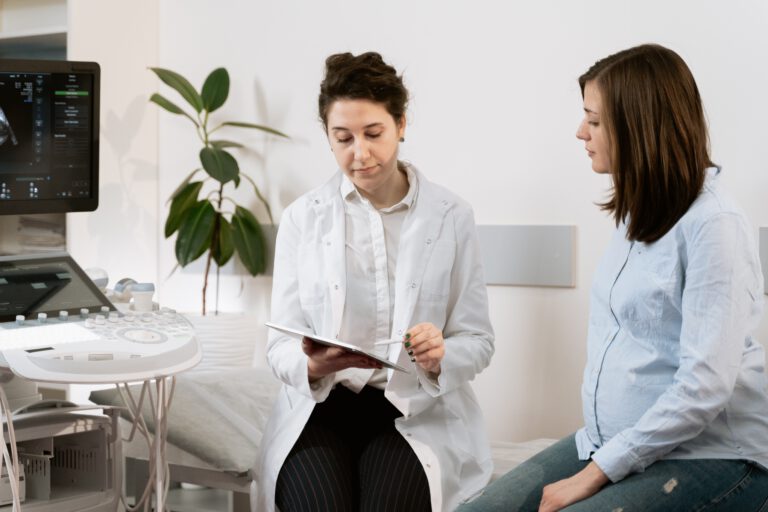
The Dutch parliament passed a law that enables women to receive the abortion pill through their general practitioner (GP).
The NOS reports that 104 members of parliament (MPs) voted in favour of passing the law, while only 24 MPs voted against it.
Why the GP?
The idea behind this new law is to strengthen the freedom of choice for women.
Prior to this decision, women in the Netherlands wishing to undergo an abortion were referred to so-called ‘abortion clinics’ (abortusklinieken). These institutions specialise in helping women through the process by providing expert consultation and medical assistance.
Making the pill available at the GP removes the added hurdle of attending the clinic and makes the process more easily accessible.
Abortion in the Netherlands
This is the second ruling of the Dutch parliament in a relatively short amount of time. Just last month, another law was passed that scrapped the previously mandatory ‘reflection time’ women had to wait out until going through with the abortion.
What do you think of this new Dutch law? Tell us in the comments!
The RIVM has reported its weekly coronavirus figures from March 8 to March 15. The number of hospitalisations increased alongside the number of deaths.
Over the past week, the RIVM has reported 429,252 new infections in the Netherlands. This represents a slight decrease compared to last week’s report of 439,775 infections.
The percentage of positive tests also decreased with 66.2% of people testing positive compared to 70.0% from the week before.
Deaths
The number of patients who have died from coronavirus-related complications has almost doubled compared to the past week. This week, 104 people passed away as opposed to 56 people the previous week.
Hospitalisations
The number of admissions to the nursing ward and the number of admissions in the ICU slightly increased. The past week saw 1,454 new admissions to the nursing ward and 91 new patients in the ICU.
The previous week, there were1,270 patients and 86 patients respectively.
This means no more 1G rule for entering indoor events, working from the office instead of from home, and no more PCR tests for vaccinated travellers. Pre-pandemic life, is that you? 😮
Advice for face masks and isolation
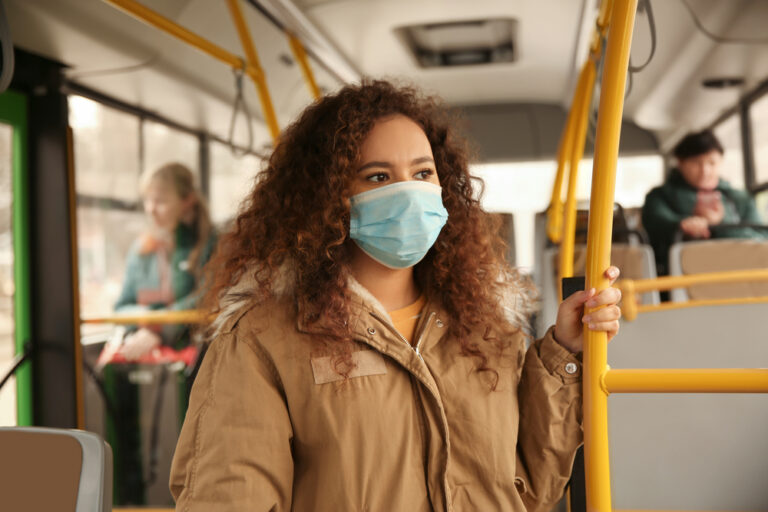
The only thing that remains is advice. The Outbreak Management Team (OMT) asks people to keep wearing masks on public transport to protect vulnerable individuals.
The same goes for the advice to isolate after a positive test result or if you have coronavirus symptoms.
The global climate is changing, in fact, it’s really heating up over here. 🥵 Melting ice caps, natural disasters and rising sea levels — what does all of this mean for the Netherlands?
But what other effects will climate change have on the low-lying Netherlands? Here are just some of them.
Temperature rise in the Netherlands 🌡
Did you notice how very little snow there was this year? And how warm March was this year? These are the first felt effects of global warming on the Netherlands.
According to the official Dutch government website, temperatures have risen by 0.8 degrees Celcius worldwide since 1900, but that rise is estimated at 1.7 degrees in the Netherlands. That is twice as fast as the world’s average temperature rise.
Okay, that sounds scary but there’s good news too! While the heatwave may have been very devastating in some other parts of the world, the Netherlands is well prepared. The Dutch National Institute for Public Health and the Environment (RIVM) has prepared a so-called National Heat Plans.
The National Heat Plans are called into action when it gets unusually warm in some areas of the Netherlands. They warn people to stay hydrated, wear thin clothing, try as much as possible to stay in the shade and apply sunscreen regularly.
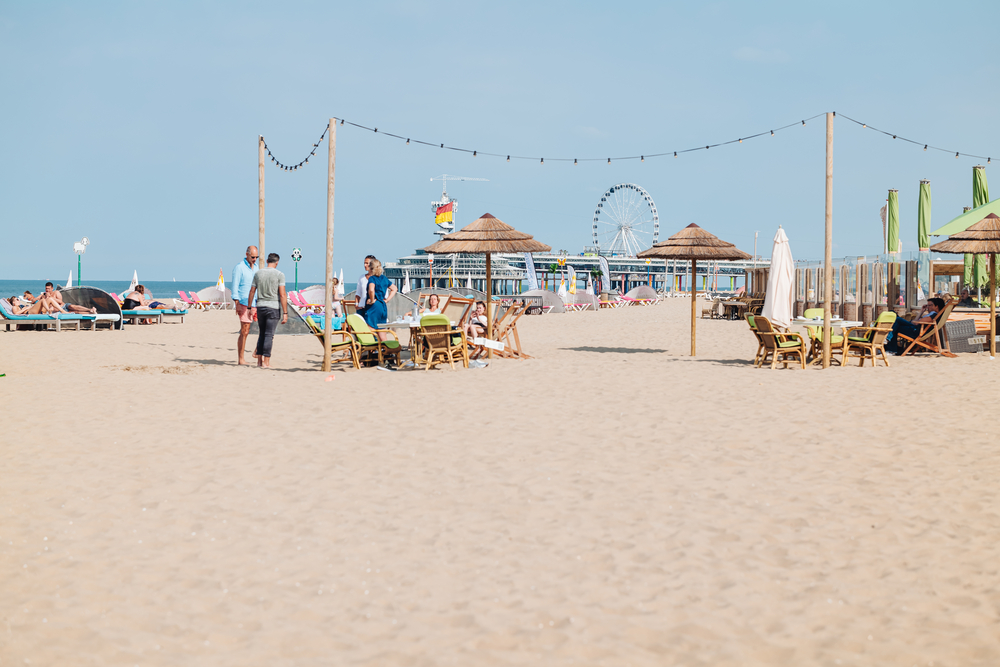
Nope, this is not Saint-Tropez but a beach in Scheveningen, the Netherlands. Image: Depositphotos
Rainfall in the Netherlands 💧
It rains a lot in the Netherlands, that’s not just a stereotype. According to Statistica, it rained a total of 139 days in 2019. Which is more than one-third of the time.
However, overall, rainfall has (unbelievably) been decreasing since the 2000s. Instead, rain showers come down harder with greater intensity.
And why does that matter for the Netherlands? Well, for one, it puts Dutch cities at a greater risk of flooding if there is a lot of rain coming down at once. We’ve seen that, especially last year when the southern region of Limburg experienced terrible damage after heavy rainfall.
It also makes the Dutch coast erode quicker, and causes the many Dutch canals and waterways to overflow.
Sea level rise in the Netherlands 🌊
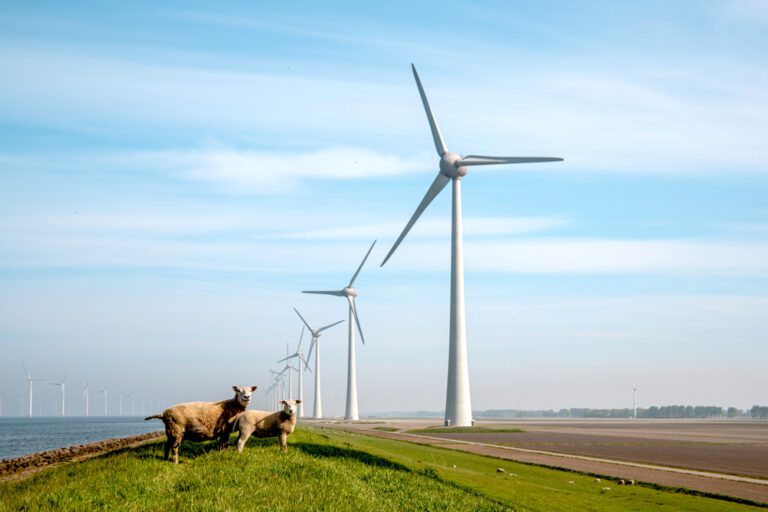
For a country situated below sea level, the Netherlands does a pretty good job of keeping the sea at bay. The Dutch are experts at water management — building dams, sand motors and redirecting water flows so the Netherlands stays afloat despite the ever-rising sea.
According to the Netherlands Environmental Assessment Agency, 29% of the Netherlands is at risk of river flooding. In total, 55% of the country is at risk of being submerged underwater at one point in the future.
The report concludes that overall, the Netherlands should be considered sensitive to flooding because of climate change. However, on the upside, the country is equipped to handle approximately two or three metres of rising sea levels for the time being.
Water pumps, dykes and expert water management strategies combined with the relative wealth of the Netherlands give reason to relax just a little. At least for now.
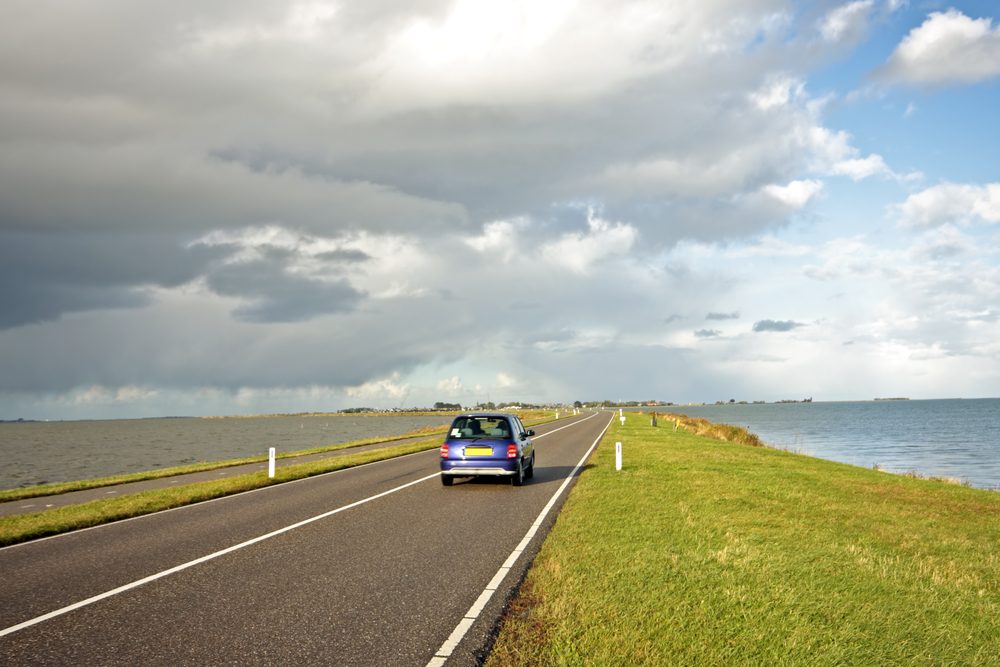
The Netherlands protects its low-lying coastlines with elevated dykes! Image: Depositphotos
Health Issues 😷
Climate change also affects public health. According to the RIVM, persistent hot weather brings health risks to vulnerable groups like the elderly, people in care institutions and children. Here are just some of these risks:
Poorer air quality can lead to respiratory diseases.
Certain infectious diseases such as Lyme disease or West Nile Fever are more likely to spread.
Increased exposure to UV rays increases skin cancer risks.
Are there risks? ⚠️
Actually, you could say that the weather in the Netherlands has become more extreme, and there are no signs of things getting better in the future. With temperatures increasing in the Netherlands, there will be more heavy showers and extended heat waves in the summer.
In general, the weather will become more extreme. Already now in 2022, we’ve seen several severe storms sweeping across the lowlands. Remember the terrible-triple — Corrie, Dudley and Eunice? Oh, and Franklin. 🌪
Some effects of the flooding and storms over these past few months were truly devastating. Loss of biodiversity, the costs of rebuilding infrastructure and some people even lost their lives.
So, yes. There are indeed risks.
Are you feeling the effect of climate change in the Netherlands? Let us know in the comments!
Editor’s Note: This article was originally published in August 2018, and was fully updated in March 2022 for your reading pleasure.
Dutch Health Minister Kuipers announced the removal of mandatory coronavirus measuresstarting next Wednesday.
Advice such as washing your hands frequently and isolating when infected with coronavirus will remain, says the NOS. 🧼
Face masks and 1G policies
Despite the OMT’s advice, it will not be mandatory to wear a face mask in public transport — but it is still advised! 😷
Plans are also to scrap the 1G policy, meaning guests don’t have to test negative to participate in large indoor events. Makes concert-going much easier. 🤗
Working from home and quarantine
The cabinet also removed the advice to partially work from home, starting today.
People are also asked to test in case of coronavirus symptoms and stay at home in the case of a positive test result. Again, this falls under advice rather than obligation.
Although coronavirus cases have increased in the Netherlands over the past few weeks, the healthcare system is not overly burdened. However, the OMT expects hospital admissions to increase over the next few weeks.
What do you think about these leaks on coronavirus measures in the Netherlands? Tell us in the comments.
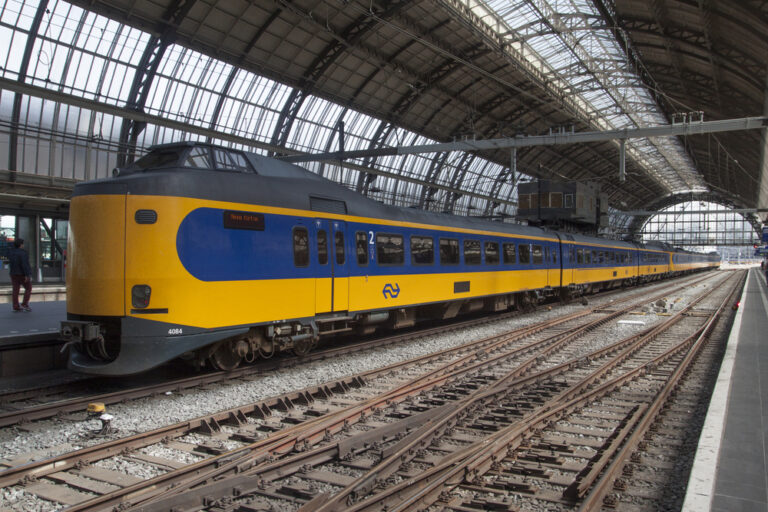
Looking to read your book in peace on the train? 📖 Or, do you simply enjoy traveling at a lower price? Look no further! The NS (Dutch railway service) is trialing a discount for travelers on journeys during quiet hours. 🚈
And just how much of a discount you may be wondering? A whopping 60%!
So what’s the catch?
According to the NOS, if the trial proves to be a success, it will be possible to get the 60% discount on train rides after 8 PM.
For now, these lower prices can be enjoyed by anyone who takes the Hague-Eindhoven route until the beginning of July 2022.
Let op! If you want to benefit from this discount, it’s important that you buy your ticket at least one day in advance.
No more crowded trains please!
The main goal of this initiative is to lessen the busy-ness of the trains during rush hour and spread the number of commuters throughout the day.
So, if you’re someone who’s not too keen on the crowded air during peak hours, you could actually be rewarded with a cheaper fare! Lekker toch? ✨
Travellers on the designated route can find this discount on the NS travel planner and make use of it at least until the month of July!
Trains after the pandemic
The Netherlands is seeing more and more people coming back to the country and filling up the trains once more! However, the number of travellers in Dutch trains is still fewer than the number of riders before COVID-19 hit.
The NS reported that only two-thirds of the usual amount of travellers are present on the trains nowadays. But let’s be honest, crowded trains aren’t exactly something that people have missed — hopefully, this trial period proves to be a success!
Will you be making use of this korting? Tell us your thoughts in the comments below!
Remember all the sunny weather we’ve been talking about? Well, turns out some of it will be accompanied by a huge cloud of dust right from the Saharan desert.
But don’t worry, it’s not actually all that serious. If it rains on Wednesday or Thursday you might notice dirty splatters on your car windows — but that’s about it, reports NU.nl.
What can we expect?
The cloud of Saharan dust accompanied by warm air is on its will probably reach its highest concentration on Wednesday and Thursday.
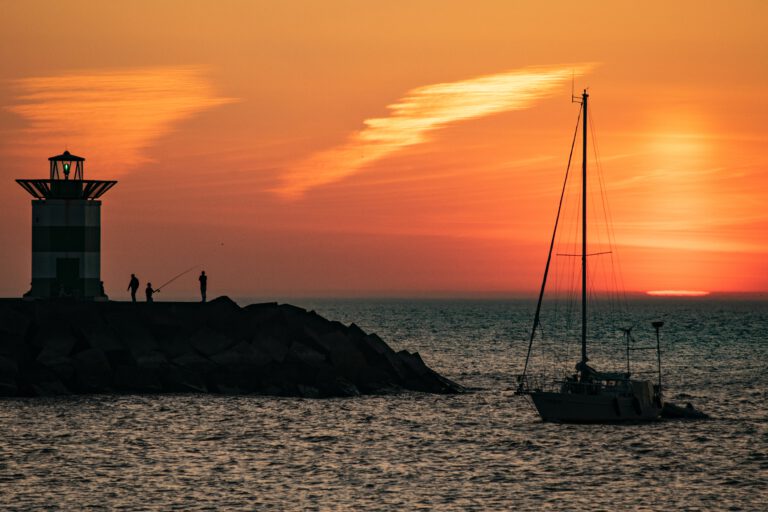
During this time, you might notice that the sunrise and sunset have stronger orange tones — a result of the high dust concentration in the atmosphere. 🌆
Because there is expected rainfall, it might happen that some of the dust comes down with the rain. This will most likely dirty your car or windows, so schedule some time for a cleaning session during the weekend!
Should we worry about the Sahara dust?
Nope! It’s not the same as sand, says Raymond Klassen from Weerplaza.nl. “Sand particles are too big to cover such long distances because they are simply too heavy. “
Desert dust, on the other hand, is really really fine and floats far above surface level. So you also don’t have to be afraid of breathing in any harmful particles.
(If your eyes water anyway, it’s probably just a pollen allergy. 🤧)
How are you going to protect your car from the nasty Saharan dust? Tell us in the comments.
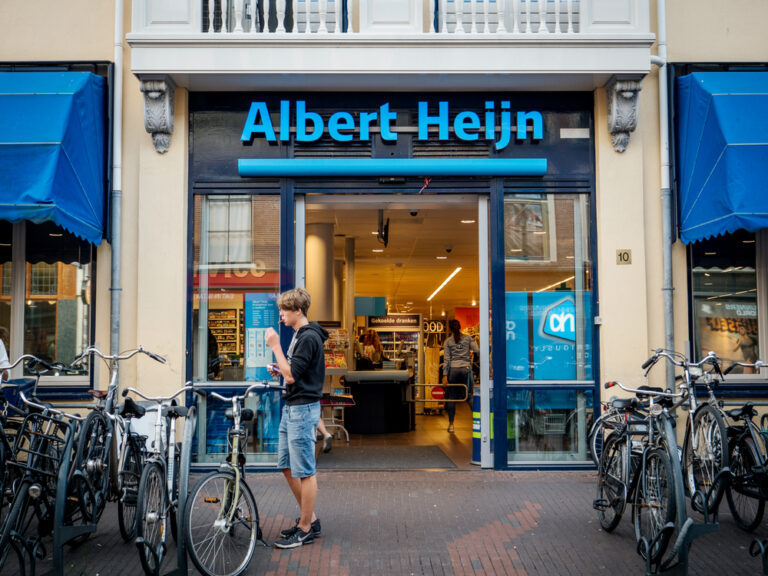
Dutch supermarket Albert Heijn introduced 150 new vegan products to support the movement that calls on consumers to get 60% of their protein from plant-based sources. 🌱
By now, the Dutch supermarket giant stocks over 1,000 plant-based products and there are 150 more to come!
To really make plant-based eating as accessible as possible, Albert Heijn has also doubled their Prijsfavorieten (low-priced products) in the mock-meat aisle. Yay for innovation! 🎊
What’s to come?
Among the 150 new products is a bean burger made from Dutch veldbonen (field beans) that is the first of its kind to be sold in all of Europe! 🍔
And there are even more savoury innovations coming our way: a vegan salmon burger, vegan caviar and mushroom shoarma. How exciting!
Albert Heijn’s vegan dessert range is also seeing a number of sweet (and very welcome) additions to the team. There will be a new vegan chocolate cake with raspberry and dates (yum!), a vegan pavlova with elderflower syrup (say, what??) and a vegan crème brûléé (show-stopping). 🍮
Wow, remember the days when all our veggies out there could get a falafel wrap and maybe some hummus? Us neither!
Why eat 60% plant-based protein?
Oh, we hear you veggie-sceptics mumble dismissively under your breath! Why should you eat vegan salmon burgers or a plant-based crème brûléé if the real thing tastes even better?
And it’s good for you too. The majority of Albert Heijn’s plant-based meats has an A or B on the nutri-score scale. So, you’ll get your protein and nutrition either way. 😉
Have you tried any of these new plant-based Albert Heijn products already? Tell us in the comments!
Most of us here in the Netherlands seem to have blissfully forgotten about the pandemic. 😅 And after several weeks of relaxed coronavirus measures, who wouldn’t?
But with the upcoming press conference tonight, the Outbreak Management Team (OMT) still recommends that the cabinet keeps a few measures in place, says RTL Nieuws.
Here’s what to expect. 👇🏻
Face masks on public transport
The OMT recommends keeping face masks mandatory in public transport. This is especially to protect vulnerable people and allow them to travel safely when infections run high.
This group of people often travel by train or bus because they don’t have a car — so the OMT advises the cabinet to keep that measure.
Testing and 1G measures
The OMT also suggests removing 1G measures from large indoor events. This means that you won’t have to show a negative test result before visiting an indoor event with 500+ people like a concert or party.
Another piece of advice is that students no longer have to self-test twice before attending their classes or lectures.
Quarantine and working from home
If you enjoyed working from home, we have some good news. The OMT recommends working half the time from home and the other half in the office.
So, if you’ve gotten used to no travel times and working in your pyjamas, you’re in for some luck. 🍀
The OMT also wants to keep the current quarantine advice. That means if you test positive for the coronavirus, you need to quarantine for at least five days and you can leave if you’re symptom-free for 24 hours. Hoera! (hooray!) 🎉
Upcoming press conference
Since the measures were relaxed, the number of infections increased again — but it hasn’t led to many hospitalisations.
The Dutch cabinet will confirm the new changes to the coronavirus measures in a press conference but some leaks suggest they will scrap most measures before the end of March.
What do you think thenew coronavirus measures will be? Tell us in the comments!
If you’ve been enjoying the weather like us, you’re in for some great news. The spring-like weather will continue over the next few days!
In fact, at some points, it may even start to feel a bit like summer. ☀️
According to RTL Nieuws, Meteorologist Thomas Vermeulen from Buienradar has forecasted that temperatures in the southern provinces could reach as high as 20 degrees Celsius on Wednesday. 🌡
In the air tonight
Between now and Tuesday, warm air currents will come in from North Africa, making the average temperature 17 degrees Celsius on Wednesday. 👀
The warm air gives an especially nice glow during the sunrise and sunset, so it’ll be ready for the ‘gram. 😉
Cooler later in the week
Following this mid-week peak, temperatures will cool down slightly again to around 14 or 15 degrees Celsius on average.
Hang onto that sunscreen, however. Whilst temperatures will be more spring-like, it will still stay dry and sunny throughout the Netherlands. 😎
How are you spending the next couple of sunny days? Tell us in the comments below!