Home Blog Page 176

How to get to and from Amsterdam’s airport: the easy guide

Before stepping foot in the land of windmills, canals, and fun-filled activities, you’ll likely have to get from Schiphol Airport to Amsterdam’s city centre — and here’s how!

Not feeling brave enough to roll your suitcase while cycling to the airport? Don’t worry, we get it. 

Between public transport, renting a car, or car-sharing, there are plenty of affordable and easy options to get from Amsterdam’s airport to your next stop.

TIP: Want the quick answer? Our favourite mode of transport is the train from Schiphol Airport to Amsterdam Centraal. It’s fast, convenient, and affordable, thanks to the train station at the airport.


🚝 How to get to and from Amsterdam’s airport by train

The most common way to get from Schiphol Airport to Amsterdam (and vice-versa) is by train — it’s fast, easy, and direct. 

Once you exit the baggage carousel area, follow the signs which will lead you straight to the train station. You don’t even need to exit the airport, as the train station is integrated into the airport building.
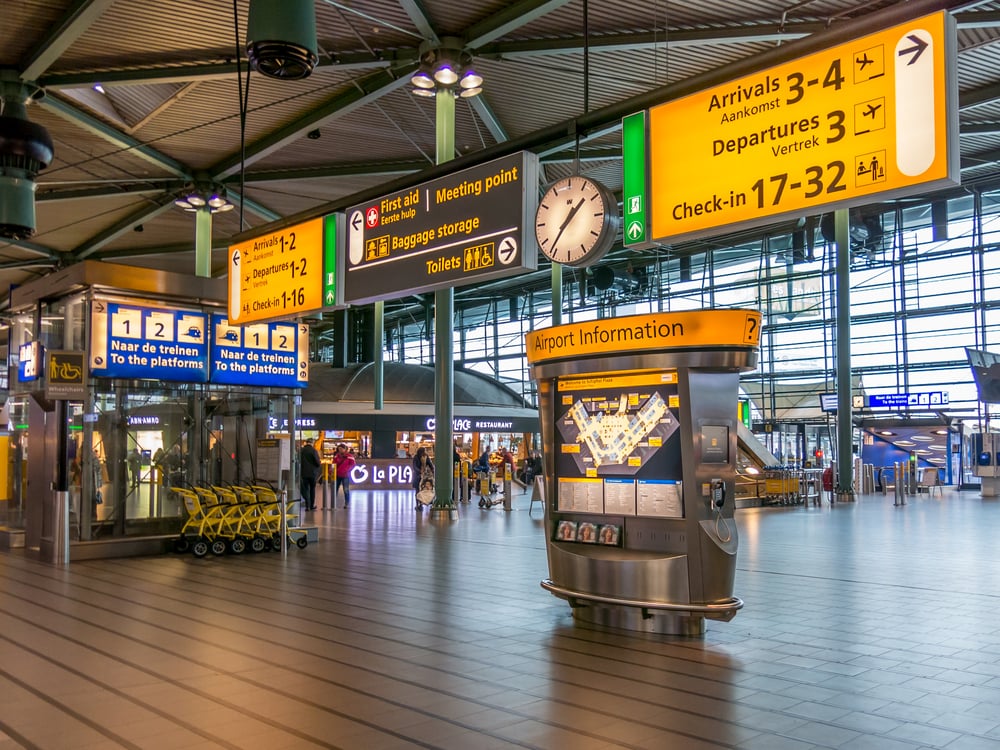
photo-of-schiphol-airport-train-terminal-where-you-can-boarda-train-to-go-to-Amsterdam
Follow the signs to this area to take the train from Schiphol Airport. Image: Depositphotos

From there, hop on a direct train to your destination: Amsterdam Centraal. You can see what time trains leave (and from which platform) on the big screens with the train timetable or by asking at the information desk. 

Trains run every 5 to 15 minutes during the day and take around 15 minutes to arrive at Amsterdam Centraal. 

From Amsterdam Centraal, the most popular areas of Amsterdam, such as Dam Square, are just a 10-minute walk.

READ MORE | Train etiquette on Dutch trains: 8 things you’ll always see

If you have a very late (or very early) flight, don’t panic. Between 1 AM and 5 AM, there are night trains running every hour between Amsterdam and Schiphol Airport.

How to buy train tickets from Schiphol Airport to Amsterdam

To take the train between Amsterdam’s city centre and Schiphol Airport, you can either: 

  • tap in and out with your bank card, or 
  • buy a ticket online or in the NS app, 
  • buy a ticket at the station,
  • top-up your Dutch public transport card, if you have one (OV-chipkaart). 

As a tourist, the easiest and quickest way is to tap in and out of the train station using your contactless debit or credit card. It’s as easy as that.

If you would rather plan in advance, you can buy a train ticket online. The ticket is valid the whole day, so there’s no stress if you’re running late packing your last-minute snacks or if your flight is delayed. 

BUDGET TIP: A train ticket bought online or using a Dutch public transport card or bank card is €1 cheaper than a ticket bought at a station machine.

Another option is to buy a ticket directly at the train station. Spot the big yellow ticket machines, choose the language you prefer, and purchase a ticket to Amsterdam Centraal.
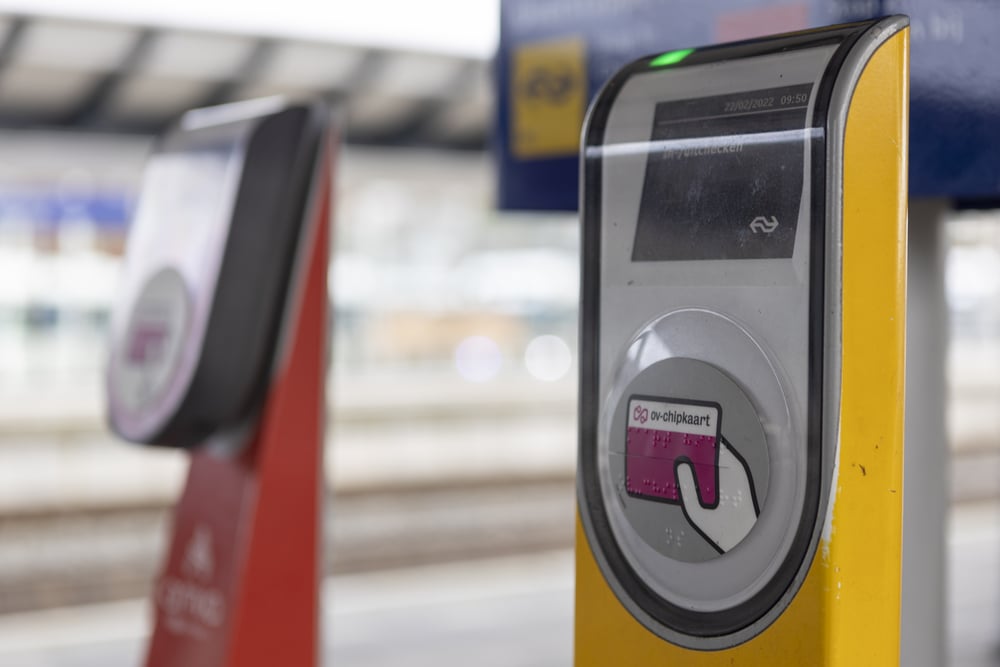
Electronic-pole-to-pay-for-train-travel-in-the-Netherlands
Simply tap your bank card or OV-chipkaart on these poles to pay for the train in the Netherlands. Image: Depositphotos

Finally, a great option for regular public transport travellers in the Netherlands is to buy and top-up a Dutch public transport card, the OV-Chipkaart. 

These cards can be purchased and topped up at the yellow ticket machines in the station. However, you need a minimum €20 balance to travel by train.

⏰ Day schedule: Every 15 minutes between 5:30 AM and 1 AM
💰 Price: €5.20
⏳ Duration: Approximately 15 minutes


🚌 How to get to and from Schiphol Airport by bus

Another great way to travel from Amsterdam Airport to the city centre is by bus. Walk outside the main airport hall (Schiphol Plaza), and you will be right at the bus depot.

How to buy bus tickets from Schiphol Airport to Amsterdam

To buy a bus ticket for the Amsterdam Airport Express buses between Schiphol Airport and the city centre, you can:

  • buy a ticket from the bus driver,
  • buy a ticket from the office outside Schiphol Plaza,
  • buy a ticket online and in advance,
  • tap in and out with your bank card, or
  • tap in and out using your Dutch public transport card (OV-chipkaart)
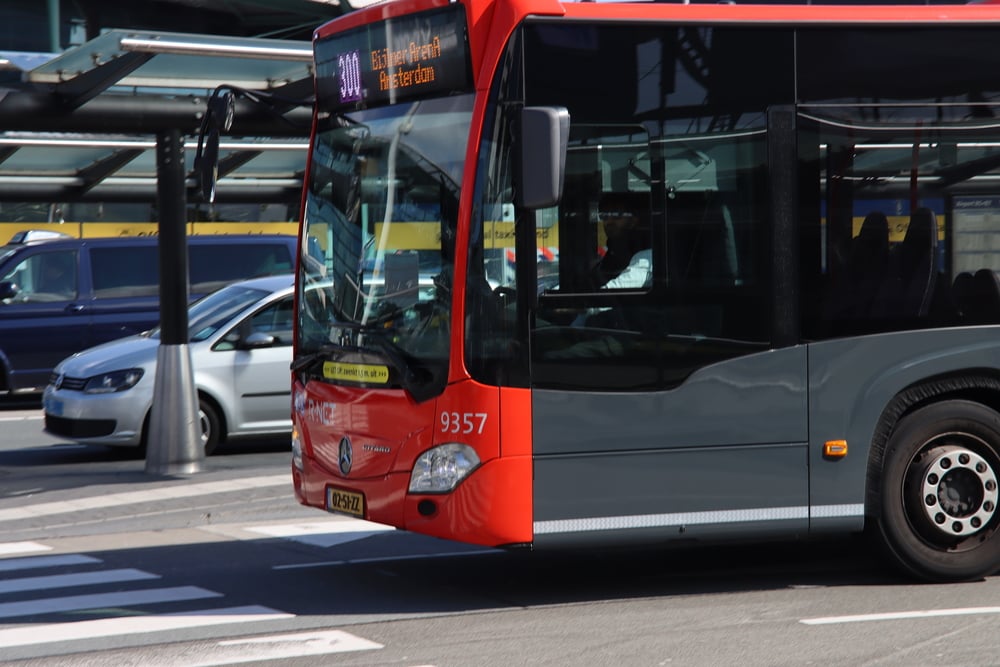
Red-bus-on-road-from-Schiphol-Airport-to-Amsterdam-city-centre
Hop in the red buses to travel between Schiphol Airport and Amsterdam. Image: Depositphotos

Single-use bus tickets can be bought with a bank card either directly from the bus driver (they don’t take cash), at the ticket office outside Schiphol Plaza (between 9 AM to 6 PM), or online in advance.

It’s also possible to simply tap in and out of the bus using your contactless debit or credit card.

If you already have a Dutch public transport card, the OV-Chipkaart, you can also use it to tap in and out of the bus.

Which bus do I take?

Buses run regularly between Schiphol Airport and Amsterdam. The Amsterdam Airport Express route runs two buses, covering you 24/7. 

From bus stop B17 of the airport, hop onto the red bus 397 during the day (5 AM to 12:30 AM) or bus N97 overnight.

These buses will take you straight into the core of the bustling centre of Amsterdam, including Museumplein, Rijksmuseum, or Leidseplein.

⏰ Schedule: Every 10 minutes (daytime), every hour (at night)
💰 Price: Approximately €5.50
⏳ Duration: 30 minutes


🚕 How to get to and from Amsterdam’s airport by taxi

Rather travel alone and woosh directly from your hotel straight to the airport? Or don’t feel like lugging three huge suitcases on the train or bus? Relax, and hop into a taxi from Amsterdam to Schiphol Airport!
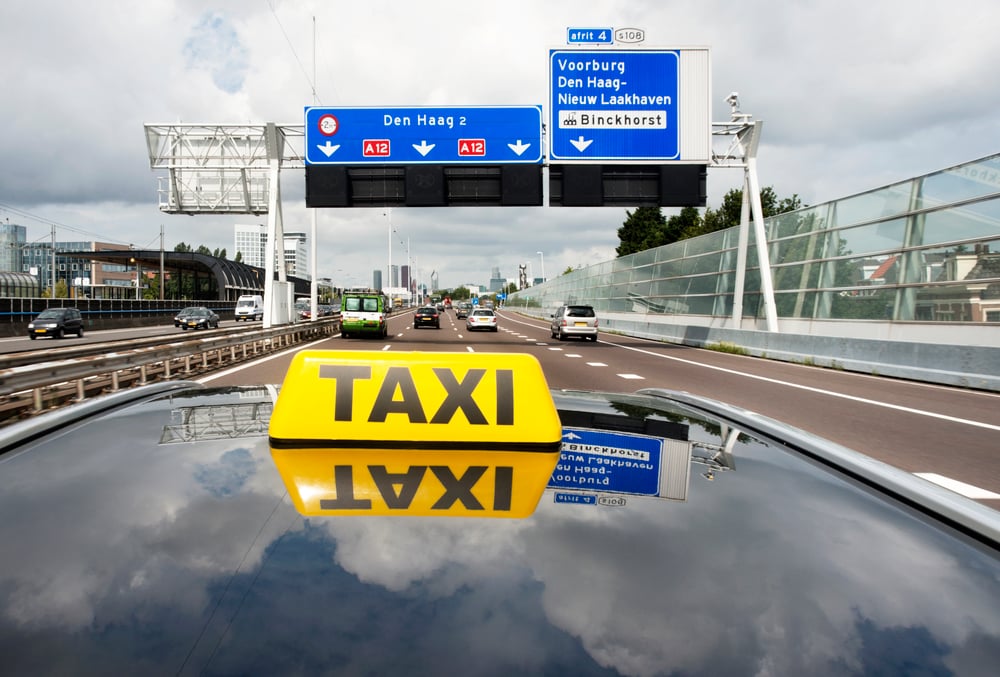
picture-of-roof-of-taxi-cab-driving-on-dutch-highway-taking-a-passenger-from-Schiphol-airport-to-Amsterdam
Taxis in the Netherlands aren’t cheap, but they’re a reliable way to travel. Image: Depositphotos

Depending on the space you need, you can choose between a regular taxi, a luxury Schiphol Business Taxi, or a Schiphol Travel Taxi minibus.

How to get a taxi from Schiphol Airport to Amsterdam

If you’re taking a taxi from Schiphol Airport, follow the ‘Taxi’ signs to the official pick-up taxi spot. 

Beware! Don’t be lured by any individual people away from the queue — these are usually for unlicensed (and scammy) cabs. 

Regular taxis will be lining up for you outside the airport, so there’s no need to make a reservation.

READ MORE | 11 things to know before taking a taxi in Amsterdam

If you want to travel with a luxury business taxi or a taxi minibus, you will have to reserve one in advance online.

Want to go from Amsterdam’s centre to the airport? No worries, you can easily hail a taxi on the street (just check the signs that it’s an official one), book a taxi online, or call 020 777 77 77.

💰 Price: €50 to €60
⏳ Duration: 30 minutes


📱 How to get to and from Schiphol Airport using rideshare apps

Want a more affordable option than a taxi to travel from Schiphol Airport to Amsterdam? 

Ridesharing companies Uber and Bolt, where drivers with privately-owned cars bring you to your desired destination, are easily accessible in the Netherlands.
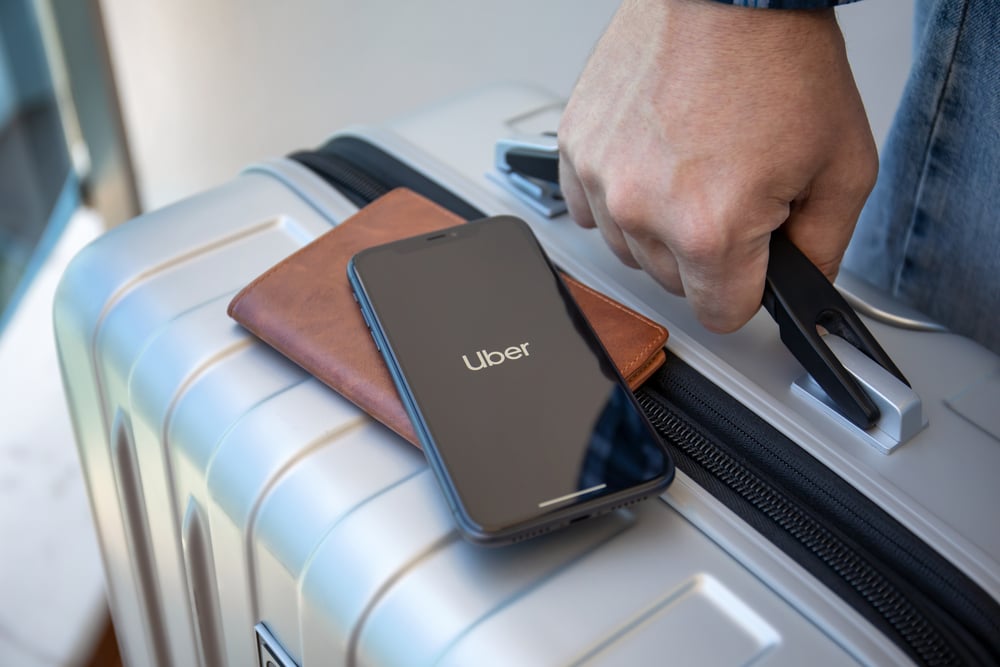
Uber-phone-on-wallet-and-suitcase-to-travel-from-Amsterdam-airport
Want a cheaper alternative than a taxi? Book an Uber or Bolt. Image: Depositphotos

Like a taxi, options like Uber and Bolt are great for getting door-to-door with relatively little waiting time. However, keep in mind that the rates are likely to hike up during peak times, but you can check the price on the apps before booking. 

How to book a rideshare

You can book a ride with Uber and Bolt through their apps. 

Make sure to book only when you’ve already almost made it outside the airport. Schiphol Airport’s quite large, and it often takes over 20 minutes to get from your plane to the pickup spot.

Once you’ve got a confirmed ride, head to the airport’s exit B on the arrivals level, cross the street, and you should see the glass shelter on your right with a sign that says “App pick-up point”.

💰 Price: €30 to €80
⏳ Duration: Approximately 30 minutes


🚗 How to get to and from Amsterdam’s airport by car

Finally, you can, of course, use the classic method of a car to get to and from Schiphol Airport and Amsterdam’s centre.

If you’re taking your own car, there are plenty of parking spots at Schiphol Airport, from affordable places to valet parking. 

How to rent a car at Schiphol Airport

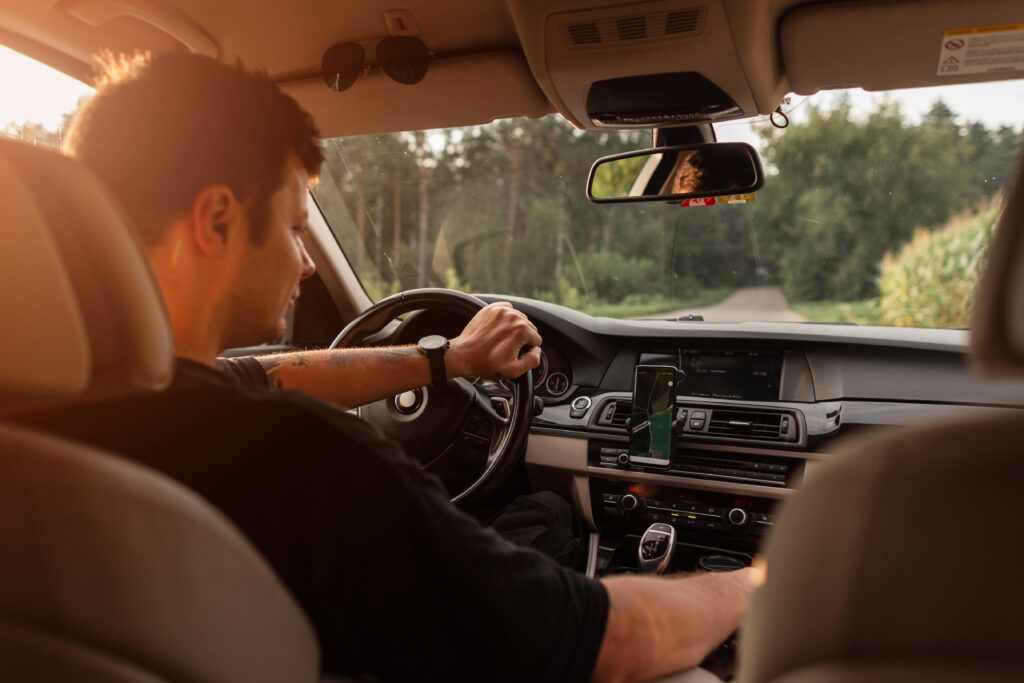
Don’t have a car but want to travel freely around on your own schedule? Rent a car directly at the airport. 
photograph-of-a-man-driving-his-car-through-the-woods-to-get-to-Schiphol-airport
Feel good to take on the Dutch roads? Rent a car at Schiphol Airport. Image: Freepik

Simply find the Car Rental and Service Desk in Schiphol Plaza by following the ‘Car Rental’ signs. 

You can pop by the offices at the airport on the day or, for a better chance for more options, pre-book in advance online, or give them a phone call. 

💰 Price: €50 to €200 a day
⏳ Duration: Approximately 30 minutes

How to book a car-share

Want the practicality of a car and boot for your luggage but don’t want to pay €50 for a taxi? Consider using a car-sharing service to travel from Schiphol Airport to Amsterdam’s centre. 

Amsterdam’s airport has several reserved parking spots at the World Trade Center (floor -2), a short five-minute walk from the terminal.

Once you’ve arrived at your destination and are ready to clink some beers to start your holiday, park the car at the many designated spots around Amsterdam (and in other Dutch cities).
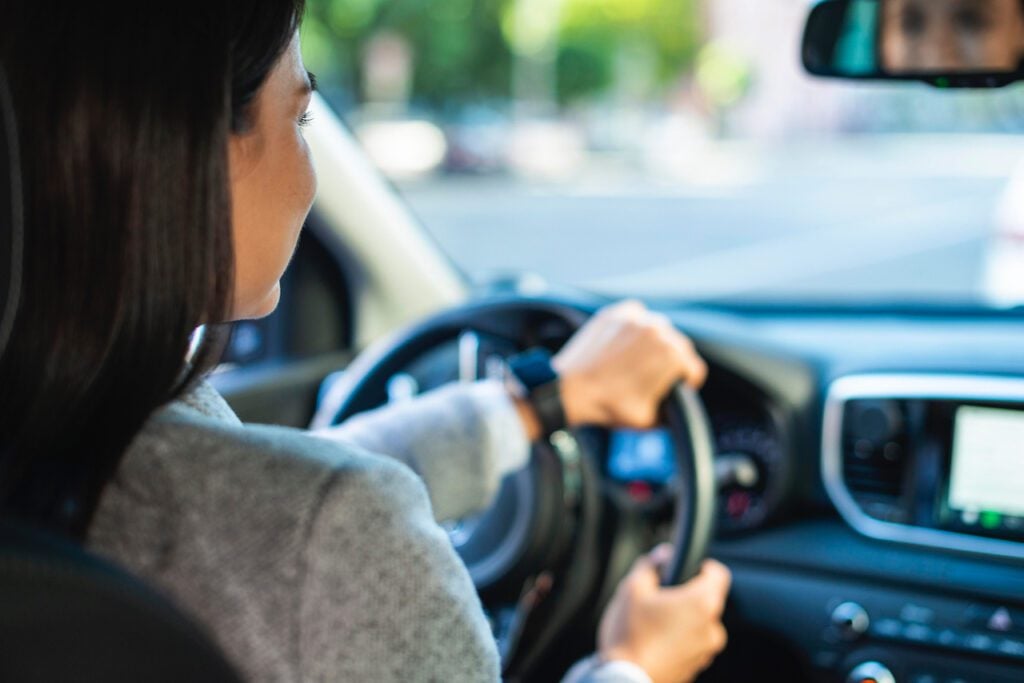
photo-of-woman-driving-a-car-from-amsterdam-airport-to-city-centre
Driving in Amsterdam is challenging but possible. Image: Freepik

There are two main car-sharing services between Amsterdam and the airport: SIXT share and SHARE NOW. 

You can pick up or drop off the SIXT share cars at various spots in Amsterdam’s centre, Schiphol Airport, Rotterdam, The Hague, and even at some further away SIXT locations such as Utrecht and Eindhoven. 

READ MORE | 17 places you can get to by TRAIN from the Netherlands

SHARE NOW cars are also perfect for travelling just between Amsterdam and Schiphol Airport (they can only be parked at these two locations). 

Both car-sharing services are super easy to use. There’s no need to book in advance, the cars can simply be used through the companies’ respective apps.

💰 Price: €15
⏳ Duration: 30 minutes


Once you’ve made it to Amsterdam, you can be a true Dutchie and rent a bike, or use the trams, buses, or metros to explore the city. 

What’s your preferred way to travel from Schiphol Airport to Amsterdam? Tell us in the comments below!


🙋‍♂️ Frequently Asked Questions: How to get to and from Amsterdam’s airport

How do I get from Amsterdam to Schiphol Airport?

How much does it cost to get to and from Amsterdam’s airport?

Can you get a metro or tram to and from Schiphol Airport? 

How do I buy a train or bus ticket at Amsterdam’s airport?

Is there a bus from Schiphol Airport to the city?

Do you need a permanent contract to be eligible for a Dutch mortgage?

One massive misconception in the Netherlands is that you need to have a permanent work contract in order to be eligible for a Dutch mortgage. 

However, this simply isn’t true — let’s get into it.👇

Do I need a permanent contract to get a mortgage in the Netherlands?

While a permanent contract can certainly help when you want to apply for a Dutch mortgage, it is not a necessity. 

In fact, there are many scenarios in which you can still be eligible for a mortgage, even if you don’t have a permanent contract. 

I have a temporary contract, can I get a Dutch mortgage? 

In the Netherlands, it’s quite common for people to first receive a temporary contract from their employers before being offered a permanent one. 

As a result, mortgage providers won’t be horrified if you apply using your temporary work contract — they see it all the time. 

Instead, mortgage applicants with a temporary contract will be asked to submit extra information to guarantee to the bank that they will be able to pay their mortgage. 

This extra information can consist of: 

  • A letter of intent from your employer saying that they intend to keep employing you, or
  • Your income from the last three years (if you don’t have a letter of intent) 

I have a flexible contract, can I get a Dutch mortgage? 

Perhaps you have a flexible contract. This means your work varies in certain ways, for example, you may work on an on-call basis, or your hours may vary from week to week. 

Good news: it’s still possible to get a mortgage in the Netherlands. In this case, when you apply for a mortgage, you must provide a perspectiefverklaring (perspective statement). 

You can get this through your employment agency, and it will outline your future possibilities of earning an income. 

photo-of-man-and-woman-sitting-on-floor-looking-at-work-contracts-to-see-if-they-are-eligible-for-Dutch-mortgage-without-permanent-contract
You will have to gather some extra paperwork, but it is possible to get a Dutch mortgage without having a permanent work contract. Image: Freepik

I have a zero-hour contract, can I get a Dutch mortgage?

One type of flexible contract is a zero-hour work contract. In this case, the mortgage provider will consider your income for the last three years when determining your eligibility for a Dutch mortgage. 

I’m a freelancer, can I get a Dutch mortgage?

While applying for a mortgage as a freelancer (ZZP’er) in the Netherlands can involve more paperwork, you can still be eligible for a Dutch mortgage. 

However, you will be asked to provide additional information, such as:

  • Your earnings over the last three years,
  • A copy of your last three income tax returns, and
  • Your most recent correspondence from the KvK

As a freelancer, your annual earnings tend to vary. The banks will use your average income over the past three years to help determine your maximum borrowing power.

However, it’s worth noting that your last year of income will be the most important when determining your mortgage, as this amount will be considered your maximum income. 

A ZZP’er for less than three years? That’s ok! Instead, you can have an accountant forecast what they expect you to earn in the coming years. 


Moral of the story? While having a permanent contract can make the mortgage application process easier, you don’t need one to successfully obtain a Dutch mortgage.

Have you gone through the Dutch mortgage application process? Tell us about your experience in the comments below! 

Watch out: Tourists are tricked into paying over €400 in this UK travel permit scam

Planning a cheeky London weekend or a Highland escape? If you’re travelling from the Netherlands to the UK, there’s a new rule: you’ll need an ETA — and scammers are already cashing in. 

Apply through the wrong site, and you might just end up paying hundreds for something that should only cost €12. Here’s how to protect your wallet. 💪

What is an ETA? As of April 2025, travellers from the Netherlands (and other EU countries) must apply for an Electronic Travel Authorisation (ETA) before entering the United Kingdom. It costs £10 (€12) and can be applied for here. 

That’s one pricey click

So what exactly do these scams look like? 

Het Belang Van Limburg reports that one unlucky Belgian traveller and her husband thought they were playing by the rules. She searched for the ETA form, clicked the top result on Google, filled everything in, and paid up.

Everything looked legit — until an email from Skylinetravelexpress.com confirmed they’d been charged €437 instead €24. 😩

Realising the scam, she blocked her card immediately. Her reaction? “[It’s] expensive tuition”, she tells the newspaper, and honestly, she’s got a point.

Dutchies are getting scammed too

Before you crack a joke about Belgians, the Dutch are also falling for these scams en masse. 

According to the NOS, the Dutch Fraud Helpdesk (Fraudehelpdesk), has been flooded with similar reports since the introduction of the ETA. 

In fact, there have been so many reports that they’ve opened a whole case file just for ETA scams.

These fake “travel services” look official; even worse, they often top Google search results when people look up the ETAs.

The police warn that if you’re not paying close attention, it’s alarmingly easy to fall for one.

They’ve seen this tactic before. Now it’s just rocking a British accent. 🕵️‍♂️

Have you encountered a fake ETA site or even fallen for one yourself? Drop your thoughts and experiences in the comments! 👇

Your Dutch energy provider might owe you money: Here’s what you should know

Energy costs have been a burden for many people in the Netherlands over the past few years, but due to a ruling by the Amsterdam Court of Appeals, some financial relief is in sight.

If you have a variable energy contract, you might have been overpaying for years — the Consumer’s Association says you can claim that money back.

Confusing terms and conditions

A variable energy contract means your energy prices are set twice a year by your provider, with the possibility of interim rate changes in exceptional circumstances. This is where the problem lies.

What counts as “exceptional” is explained in an amendment clause in the energy contract’s terms and conditions — but who understands those anyway?

A win for one becomes a win for all

One Vattenfall customer filed a case against the energy company. The result? The court found that the amendment clause (the basis on which customers saw their energy prices increase) was unfair and, therefore, invalid.

The energy sector isn’t exactly creative, meaning most energy companies use the same conditions in their variable contracts.

This means the ruling has important consequences for anyone with a variable contract.

How to get your money back

Because of this ruling, energy companies must adjust their rates and compensate customers who have been overpaying for years.

If you currently have a variable contract, or have had one in the past five years, you can register with the Consumer’s Association’s reporting point.

With this, the association wants to gain insights into how many customers were affected, which will help them negotiate how to compensate them fairly.

“Our goal is to reach an agreement,” explains the Consumer Association’s director, Sandra Molenaar, “legal proceedings are a last resort.”

Do you think you’ll be seeing some money returned soon? Let us know in the comments!

How long does it take to get a driver’s licence in the Netherlands?

So, you’re in the Netherlands and thinking about hitting the road. But how long will it really take to get that shiny Dutch driver’s licence in your wallet?

Whether you’re swapping your foreign licence or starting from scratch with lessons and exams, the Dutch system isn’t exactly a speedway — but it doesn’t have to feel like peak hour traffic either.

Let’s look at how much time you’ll need to get your driver’s licence in the Netherlands, from the first lesson to hitting the road.


How long does it take for internationals to get a Dutch driver’s licence?

If you need to go through the full Dutch licensing process — that’s theory exam, driving lessons, and a practical exam — it usually takes three to six months.

Your timeline will depend on how often you can take lessons, waiting times at the Central Office for Driving Licenses (CBR)​​, and whether you pass everything on the first try.

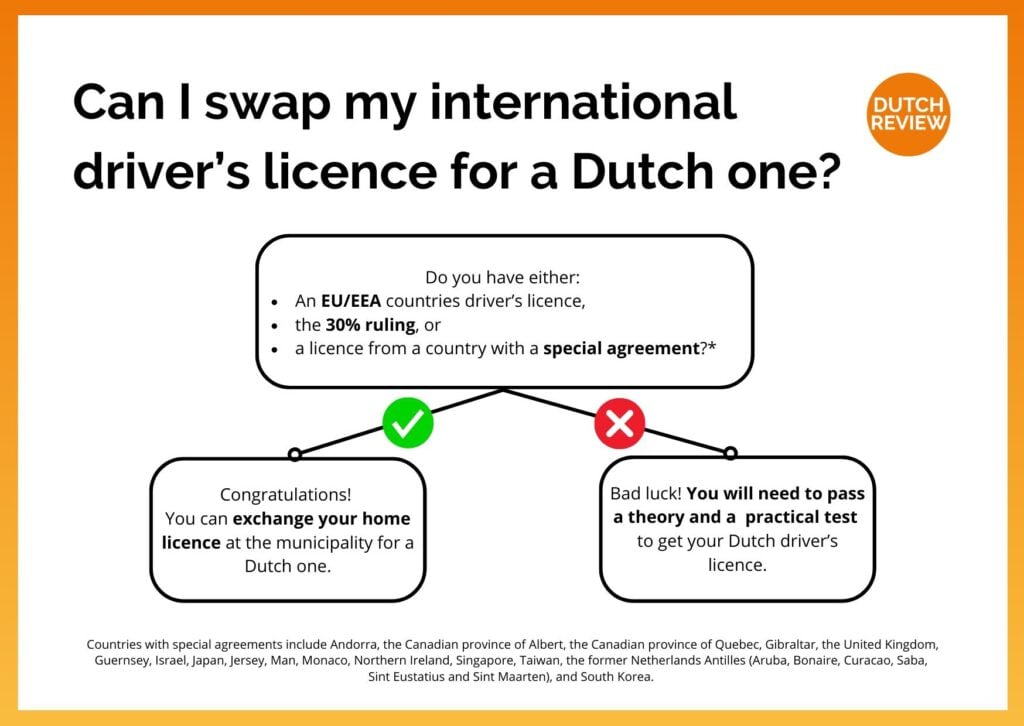
If you’re lucky enough to be eligible for a licence exchange (say, you’re from an EU/EEA country or fall under the 30% ruling), you could be holding your Dutch licence in as little as three to four weeks. That includes processing time by the RDW and your local municipality.

infographic-showing-who-can-switch-their-home-country-drivers-licence-for-a-dutch-licence
A licence-swap is the fastest way to get your Dutch driving licence. Image: DutchReview

The steps to getting a Dutch driver’s licence

If you’re not eligible to swap a licence from another country, here’s what you’ll need to do:

  1. Study for the theory exam: You’ll need to understand Dutch traffic laws, signs, and safe driving practices. You can use books, apps, or take a course to study.
  2. Book and pass the theory exam: This is done via the CBR website. You’ll take a computer-based test, and you’ll need to pass all sections to move forward.
  3. Take driving lessons: Most learners need between 39 and 43 hours, but experienced drivers might need fewer.
  4. Book and pass the practical driving exam: Also through the CBR. You’ll need to demonstrate safe and confident driving under exam conditions.
  5. Apply for your licence at the municipality: Once you’ve passed, head to your local gemeente to apply for your Dutch licence. It takes five working days to be ready.

In a hurry? Some schools offer crash courses or fast-track options. They’re intense, but if you’re ready for it, they can save you weeks or months.


The Dutch driving theory exam: How long does it take to pass?

The theory exam is your first real hurdle — and it sets the pace for everything that comes after. 

Whether you’re someone who studies best last-minute or needs a few weeks to absorb information, the theory exam is a good challenge. 

Preparing for the theory exam

First, you’ll need to wrap your head around Dutch road rules. Think traffic signs, right-of-way (yes, bikes win), and handling tricky weather conditions.

You can study on your own with official books and apps, or take a theory course. Some courses promise to get you ready in a day, but I highly recommend you do some self-study before this.

Personally, I took a day course, read the pre-materials, and spent a long time on mock exams. 

Speaking of, online mock exams are your best friend. They help you get used to the format and identify where to brush up. I took about eight mock exams before my theory test and still failed (by one question) on my first attempt.

Booking the theory exam

You’ll book your theory exam through the CBR website, or your driving school might do it for you. In general, waiting times range from a few days to a few weeks, but if you’re in a big city like Amsterdam or Rotterdam, it might take longer.

Keep checking the CBR website, though; cancellations do pop up! 

Taking the theory exam

The exam itself is computer-based and split into hazard perception, traffic rules, and knowledge of driving behaviour. You’ll need to score high enough in all three to pass. 

If you fail, though, no biggie. In fact, only 48.6% of people pass on the first go. You can rebook immediately, although you may need to wait a few weeks to actually take it again.


How many lessons do you need before taking the driving test?

According to the CBR, most learners in the Netherlands take around 39 to 43 hours of driving lessons before taking their test. That’s a hefty investment — both in time and euros.

Luckily, internationals with previous driving experience often need fewer hours. If you’ve driven for years abroad, you might get away with 10 to 20 hours to adjust to the Dutch driving style and rules.

How often to take lessons

You can choose weekly lessons (standard), or intensive courses where you drive daily for a week or two. If you want to speed things up, go intensive — but you’ll need to block off serious time.

Weekly lessons might stretch your timeline to several months, assuming no long breaks or scheduling conflicts.

Can you speed up the process?

Some driving schools offer crash courses (not literally, we hope). These are intense, fast, and often designed for people with driving experience (like internationals!). 


Booking and passing the practical driving exam

Now comes the real challenge: booking the driving test. There’s often a backlog — in some areas, waiting times can stretch to two or even three months.

Some driving schools hold booking slots with CBR, so ask around before you sign up. This can get you into a test in a week, instead of a month!

What if you fail?

It happens! If you don’t pass, you can book a retest — but you’ll likely have to wait several weeks again, especially in busy cities.

Most people pass on their second or third go. The key? Stay calm, be predictable, and remember: shoulder checks are sacred here.


How long does it take to receive your Dutch driver’s licence?

Once you pass, you’ll head to your local gemeente to apply for your licence. Bring your ID, a passport photo, and proof from the CBR.

From there, the municipality needs five working days to produce your licence. You’ll get a pick-up date and need to grab it within three months.

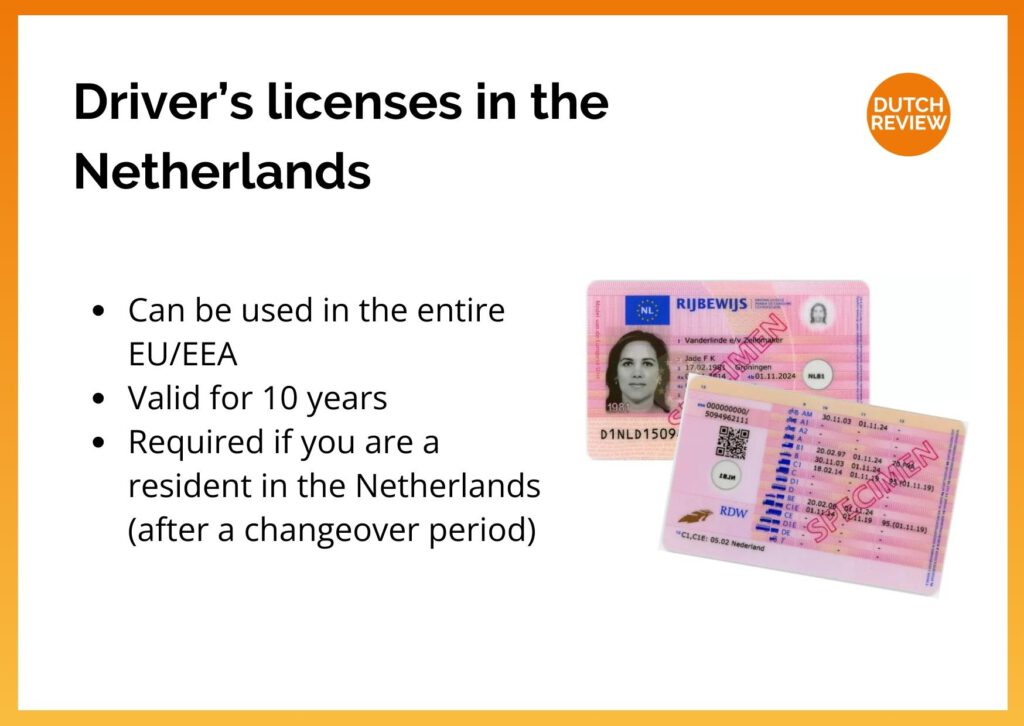
infographic-showing-information-about-dutch-drivers-licences-and-a-picture-of-a-dutch-drivers-licence
Dutch licence in the bag? It’ll be valid for 10 years. Image: DutchReview

For me, it took exactly five days. No drama. Just arrived, showed my ID, and walked out as a licensed driver. 

TIP: How to get your licence faster

Need it faster? Some municipalities offer an express service. You’ll pay extra — sometimes around €35 more — but your licence could be ready in just one or two days.

Not every gemeente offers this, so call ahead to check.


Can expats exchange their foreign driver’s licence?

Good news: not everyone needs to go through the full Dutch driving process.

If you have a licence from an EU/EEA country, or a country with a recognised agreement (like South Korea, Japan, or the UK), you can often exchange it directly. People with the 30% ruling can also benefit.

How long does the exchange process take?

First, you apply through your municipality. Then, the RDW (Dutch vehicle authority) will review your documents.

The process takes around 10 to 15 working days. After processing, you’ll get a note saying your licence is approved — and it’ll be waiting for pickup at your municipality five working days later.


How long does it really take to get a Dutch driver’s licence? Time breakdown

If you’re exchanging a licence, it could all be done in about three to four weeks, including RDW approval and municipality processing.

If you’re a new driver, the full process might take anywhere from three to six months, depending on:

  • CBR availability
  • How often you take lessons
  • Whether you pass exams on the first try
  • Your own schedule and confidence level

Here’s a rough timeline for new drivers:

StepAverage time
Studying for theory1–2 weeks
Booking & taking theory1–2 weeks
Driving lessons1–4 months
Booking & taking practical1–2 months
Licence processing5 working days

Have you learned to drive in the Netherlands? How long did it take? Share your story in the comments below!


How long does it take to get a Dutch driver’s licence: Frequently asked questions

Can you get a Dutch driver’s licence in a few weeks?

What’s the fastest way to pass the driving test in the Netherlands?

Do you have to wait long between failing and retaking the Dutch driving test?

Can you learn to drive in English in the Netherlands?

Is it worth doing a Dutch driving crash course?

Is it easy to get a driving licence in the Netherlands?

While AI lent a hand, this article was thoroughly researched, fact-checked, and brought to life by humans with real experience.

Legal cannabis is now available in these ten Dutch cities (but there’s a catch)

Starting April 9, coffee shops in ten cities are finally saying doei to shady supply chains and lighting up with legally grown, government-approved cannabis.

That’s right: after decades of tolerated but illegal supply, your joint can finally puff its chest out with a government seal of approval. 🌬️

From backdoor to official front desk

The cities jumping on the legal weed bandwagon are Almere, Arnhem, Breda, Groningen, Heerlen, Hellevoetsluis, Maastricht, Nijmegen, Tilburg, and Zaanstad.

About 80 coffeeshops in these spots are now only allowed to stock up from ten state-approved growers. Bye-bye mystery growers, hello legal green. 🌱

READ MORE: We tried out the Netherlands’ new LEGAL weed in Almere: Here’s what we thought 

As the NOS reveals, this is part of the Dutch government’s weed experiment — a trial to see what happens when you regulate not just weed sales but the entire supply chain.

The mission? Better quality, less crime, and fewer health risks..

Shortages already?

Sounds smooth, right? Well, don’t light that celebratory joint just yet, because only five of the ten legal shops are fully up and running. 😬

That means popular strains are MIA, hash is scarce, and coffee shop owners are sweating over supply.

In a last-minute twist, the government is letting shops keep (illegal) Moroccan hash on shelves just a little longer to avoid customers wandering back to street dealers.

Legal weed’s on a roll, but growers say patience

Rick Bakker of Hollandse Hoogtes, a legal grower scaling up from 15 to 140 employees, says they’re currently producing 200 kilos a week. Not bad, but nowhere near enough.

“We sometimes have to say no,” Bakker admits.

Still, there’s a glimmer of hope on the horizon, as shops can tap into other legal growers.

Once all ten approved growers are running at full speed, you expect shelves stacked with every strain your heart desires. 

So, for now, maybe ration that rolling paper — we’re in for a slightly bumpy, but promising ride.😎

Are you in one of the test cities? Tried the legal stuff? Light up the comments — we want to know what you think!  💬

Heads up, Dutch commuters: This route in The Hague will be inaccessible for four months

From April 14, The Hague’s Johan de Wittlaan will be closed in both directions between Eisenhowerlaan and President Kennedylaan — and it’s staying that way until early August. 🚫

The reason? Preparing for a two-day NATO Summit in June, states The Hague’s website.

Expect detours and a few delays

As the NATO summit requires certain security measures, such as shorter walking distances between locations, the road will be inaccessible until construction is complete.

A full road closure will naturally lead to detours, potential delays, and some inevitable headaches, but the municipality has some diversion routes available to ease the heaviest traffic.

Translation: The misery for The Hague is already starting. This morning, one lane of the Johan de Wittlaan was already closed due to the removal of the well-known flagpoles. A median strip is also already being dug up. #denhaag #navotop #worldforum

Motorists can use the Scheveningseweg, Frankenslag, and Statenlaan to access the surrounding shopping area and neighbourhoods.

Public transport users

Some changes for public transport are expected, but you can stay informed through the 9292 website to ensure they won’t sneak up on you. 

In general, it’s worth planning ahead and staying up-to-date by checking travel information, traffic measures, the roads, navigation apps, and the municipality’s website.

However, in true Dutch fashion, biking everywhere would be our best advice. 😉

Dig what you’re reading? Get more of it! Join our WhatsApp channel or Instagram broadcast to get the latest news straight to your pocket.

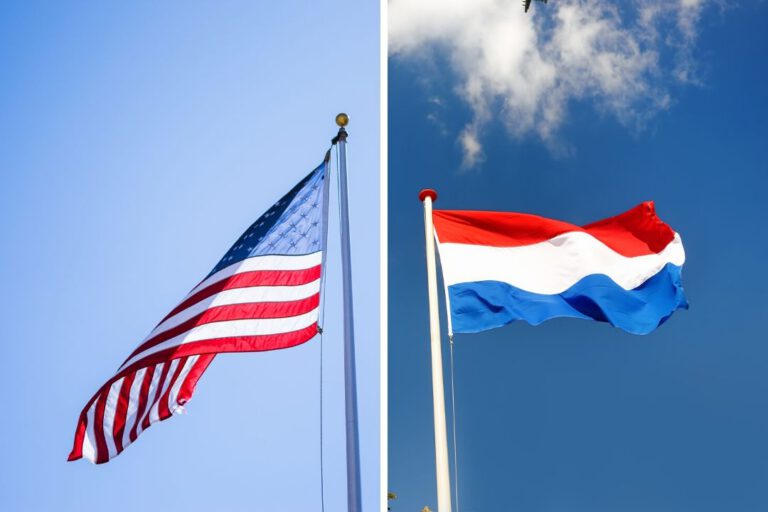
Life in the Netherlands and the US: what stands out?

The Netherlands offers a fleeting sense of comfort, worldliness, absolutely zero stress and at times, dull predictability — everything opposite to the America I’ve known for years.

Moving to Amsterdam after a decade in New York City and Los Angeles has been more than just a change of scenery.

The language barrier is minimal; everyone speaks English. Learning Dutch, however, takes a “Please speak Dutch to me!” badge and relentless persistence.

READ MORE | 7 reasons why living in the Netherlands will change your life

But I’ll take it. Immigrating to the US took seven years of ESL, while my peers grumbled over their “burden” of choosing between Spanish, French, Mandarin, or Japanese — hardly a hardship.

School and early development

Academics have always been a point of departure between American and Dutch culture.

In the States, the average high school graduating class (ninth through twelfth grade) has consisted of over 700 students since the 1999 academic year — a number so staggering, most European students couldn’t, and shouldn’t, relate. 😳

READ MORE | The Dutch school system for dummies: a guide from one parent to another

American schools are farms, with elite colleges operating like corporations, boasting satellite offices in every major city — and London, of course.

New York University has campuses far beyond New York; the University of Southern California stretches well past Los Angeles; and the Ivy Leagues are more than their historically young campuses — though even those are “young” by European standards.

@lucierausch

comment which of the two is more your vibe 💌📚!!

♬ son original – justanunknownstar

I once saw a commemorative staircase in America, deemed a national monument due to its erection around the 1890s.

Hardly a triumph for a country that hadn’t seen war on its soil for a century before this majestic hill-climber was installed — for reasons still unknown to me. 🕵️

Close-knit schooling

Growing up, I knew all 25 of my classmates, their siblings, parents, and after-school activities.

I knew what their parents did (or didn’t do), who was sick, and what family dynamics were at play. I could talk about them like they were first cousins, and you’d walk away thinking we were lifelong friends.

In a way, we are. I’d drop everything if I saw one of them. A new car was shared news, as were vacation plans, and weekend antics became Monday’s entertainment. We didn’t have social media (what a time).

I recall only knowing people who could construct full sentences. We maintained planners and kept our plans, even without four calls and a bible verse of text exchanges.

Later in life comes a stronger sense of self. Kids here ride bikes to school with friends, learning independence long before adulthood. 🚲

READ MORE | 4 reasons why Dutch kids are happier than American kids

It’s also a time when the average crowd includes early-twenties guys fishing in shallow ponds and women who introduced you to rejection, toughening you up in the process. 💪

Where does that toughness come from? Maybe from early exposure to lives and realities different from your own.

The land of the free

America is all about achievement and working harder than the rest, often mistaking activity for accomplishment. In contrast, the Dutch seek to find a balance between quality of life and quality of work.

If you succeed, you’ll make more money in America, but work more and have less intangible value. 💸

In the Netherlands, you’ll live smaller, have less material wealth, but a full work week supposedly won’t surpass 40 hours, and the idea of a second job is far from normal.

At this point in my life, the only people I know who have a single job make more than 150K a year and have very little to talk about outside their income or what happened in the 10 hours they were at the office today — with a few exceptions, as there always are.

Consequently, their place of employment becomes the halls of their high school, and the friends who don’t work there become memories to glorify between beers.

Connection to place

The United States has a lot to offer, most of which was there before anyone set sail, and some remains untouched. The American friends I have and keep, who forgive my massive European bias, all have very specific relationships with the places they love.

READ MORE | Translation problems: things Americans new in the Netherlands may not understand

One, from Montana, absolutely loves where she’s from, and I must admit I’ve always been smitten by it, as my mild nationalism sings a similar tune.

Another loves the service he provides to a nation that has ultimately given him a purpose in a capacity he’d never felt. A third finds tremendous freedom in the idea of freedom and its daily struggles.

Some balance, perhaps

I’ve always seen Europe as the place where you grow up and raise your family, but America is the football pitch where you go to play the economic game of life.

A place where you get tackled, rise to prove yourself, and work tirelessly until you’re high enough to look down. Then you sub out, head home, and hope your impact is remembered.

To most who drank the elixir of the rat race, the field feels like a never-ending track that has fixed outcomes, and horses on steroids are only sold to some.

A-woman-with-a-book-trying-to-have-some-balance
In the end, it’s all balance! ⚖️ Image: Depositphotos

But it makes you feel alive and active in a way no other can, but you must always be at your best, and on your A-game.

Testing yourself against these stratospheric standards truly leaves one wanting when faced with a more relaxed Dutch narrative. One with an hour of work before the first coffee break, a question about price before quality, and less risk-taking.

Both worlds have their charm in contrast, but neither shines without the other to highlight its blessings. We need both. After all, a vacation only feels like one if there’s a job to return to — otherwise, you’re simply floating, which might just be the good life.

What is your experience with these two countries? Let us know in the comments! 💬

Your sky-high rent might break the law, but Dutch landlords still charge it anyway

Despite the Affordable Housing Act coming into effect last July, the housing market in the Netherlands remains unaffordable and inaccessible to many.

Painfully high rent in the Netherlands isn’t exactly breaking news, but that’s the point: the new law was supposed to change things.

Ignoring the points

The Affordable Housing Act introduced a maximum rent for many properties, using a points system based on examining the properties’ characteristics.

If the total points are less than 187, the highest rent the landlord can charge is €1185.

READ MORE | Housing & rental scams in the Netherlands: the ultimate red flag guide

But a new RTL investigation reveals that landlords are regularly overcharging for properties listed on Funda.

Apartments that are too expensive BY LAW continue to be listed, and rented. Because what choice do we have?

Vulnerable and weak

Breaking the law shouldn’t be this easy, but “as long as there is such a large shortage, landlords are just trying to ask for more, and there are always house seekers who are prepared to pay that”, explains a spokesperson for the Woonbond.

This makes it increasingly more difficult for young people to move out and puts tenants in a vulnerable position.

Tenants: take action

Since the law stipulates that landlords must disclose how many points their property has when entering into a contract, you should check that before you sign.

And if you suspect your 30 m2, €1400 per month apartment in Haarlem does not reach 187 points, some protections are in place. 👇

READ MORE | Cheap housing in the Netherlands: 5 top tips for finding your Dutch home

You can ask the Rent Assessment Committee for a ruling on the maximum rent. Since last year’s housing act was introduced, RTL found over 50 cases ruled in favour of the tenants.

But Dutch landlords are like cyclists, they see the obstacles they want to see. And most of them get ignored along the way.

Have you encountered similar issues when finding a home in the Netherlands? How was your experience?

King’s Day will have way fewer celebrations this year: here’s why

The most cherished (and orange) day in the Netherlands is coming up. But this year’s Koningsdag celebrations could look slightly… depleted. In some cities, major parties are being cancelled altogether. 

On both King’s Day and King’s Night, many entrepreneurs who have previously hosted massive parties are calling it quits this year. 😔

“Not profitable”

Rising costs and stricter regulations are hitting King’s Day festivities hard, a survey from RTL Nieuws reveals.

Organisers are feeling the financial pressure to step up security measures, deck out expensive stages, plus book quality entertainment acts.

READ MORE | King’s Day in Amsterdam: all you need to know for 2025

“We used to be able to do it with eight security guards, but now we need 26,” explains Kai Bertelmans, co-organiser of a large party on Almere’s Grote Markt.

Cancellations coming

It’s not just free events struggling — even those with an entrance fee are pulling the plug this year.

That’s the case for festivals in Rotterdam and Amsterdam, and you can expect downsized or cancelled events in cities like Den Bosch, Roermond and Hoorn too.

READ MORE | 8 things you should know about King’s Day in the Netherlands

“It is not profitable. We have to pay extra, so we are stopping”, entrepreneur Otto van den Groenendaal admits.

Not all doom and gloom

Don’t throw away the orange outfit you’ve been planning the entire year just yet!

Plenty of parties are going ahead thanks to sponsors, volunteer teams and local enthusiasm. Some municipalities are even considering providing subsidies to help keep all parties alive.

And let’s be honest: this is King’s Day, after all. Even with fewer events, the chances of finding a wild, beer-fueled corner on the street is very likely. 🤪

What are your plans for King’s Day? Let us know in the comments below!