An abortion pill that can be ordered online, regardless of US state laws: this is the lifeline for many American women following the controversial overturning of Roe vs Wade last Friday.
Dutch physician Rebecca Gomperts created her Aid Access website four years ago. The website offers an option for women living in various countries where abortion is not available.
Since Roe vs Wade was overturned, demand for pills on the website has increased by 600%.
“We used to receive about six hundred emails a day, now there are four thousand,” Gomperts tells NU.nl.
“Fortunately, we are with a large team, so we can handle this perfectly,” she continues.
How does Aid Access work?
Need an abortion and living in the US? Here’s how Aid Access works.
First, you’ll fill out an online consultation form. From there, if eligible, you’ll be referred to a provider.
If you’re lucky enough that your state allows abortion you can fill a prescription for the abortion pill at a US-based provider who sends the pill via mail.
If you live in one of the 31 US states that Aid Access believes have tighter abortion restrictions, there are options for that too. (After all, women’s healthcare is a fundamental human right. 💪)
In this case, Gomperts sends the prescription to a pharmacist in India. The pills are then popped into an envelope and directly mailed to the patient in the US.
Need another bonus? While abortion in the United States costs around $600 USD (€573), a pill through the non-profit costs just one-sixth of the price.
Wait, wait; that’s legal?
Through some savvy legal loopholes, Gomperts operates in a grey area that makes it legal to supply the pills. Gomperts lives in the Netherlands and her company is registered in Austria. In Austria, abortion is 100% legal.
While technically importing drugs from other countries is against US law, according to Vox, the Food and Drug Administration has said it doesn’t typically chase individuals who are importing medicines for personal use.
For many of us book lovers, there is no better way to get to know a culture than by exploring its literature.
If you’ve been a book addict for some time now, and have taken part in the occasional high school history class, you’ve probably already heard of Harry Mulisch and, obviously, Anne Frank.
Both are rock-solid pillars of Dutch culture and two of the first impressions the NL leave on internationals.
But if you’ve taken more than two steps on Dutch streets in the last few years, you’d know that this, in fact, does not feel like re-entering World War II or partaking in the Marxist struggle for the abolishment of the class system.
So, whether you’re a native veteran-dutchie with an Albert Heijn bonuscaard and a collection of K3 CDs, or an NL newbie looking to get to know the culture: these are five Dutch authors that you might not have heard of yet and that slap equally as much in English as they do in Dutch.
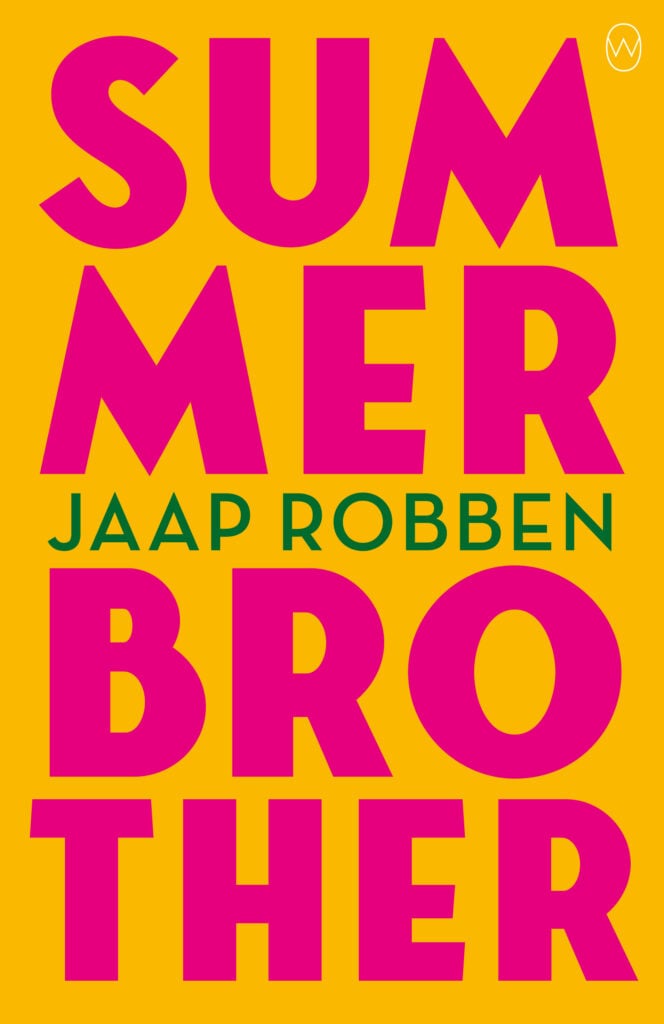
1. Jaap Robben, Summer Brother
The first thought that came to mind when I was gifted Summer Brother was: this book will make me very sad and starting my summer with it was probably not my brightest moment. But lo and behold, I only have bright moments, because Summer Brother is grandiose.
A heavy read for sure. Image: Goodreads
The plot — heavy but heartfelt
Robben tells the story of thirteen-year-old Brian, who lives in a dilapidated caravan in the middle of nowhere with his feckless divorcee father, Maurice.
Brian is left to look after his older brother, Lucien, who is physically and mentally disabled and, if not currently smashing bottles around, masturbates to relieve stress. We feel sympathy for all of the characters, especially when following Brian’s attempts to teach Lucien how to walk or change his diapers.
Robben is a playwright and it shows. His characterisations are fleshed out to a tea, his characters flashy (linguists, would you please look at this beautiful alliteration I just created), and his descriptions nuanced.
To name an example, Maurice’s hair smells of “threadbare carpets”, apparently. Go figure.
Why you should read it
Summer Brother was longlisted for the International Booker Prize in 2021. David Dorothy does an excellent job with the English translation, which lacks none of the warm, shrewd, tragic and insanely funny tropes Robben uses to celebrate empathy within the limitations of a dysfunctional family.
Summer Brother is an easy and accessible read, perfect to begin your summer with.
Peter Buwalda, Bonita Avenue
Bonita Avenue is a “hip family melodrama” and my absolute favourite on this list. Probably because I’m a GenZer born into a family of nine, but that’s beside the point.
For a hip thriller. Image: Goodreads
Buwalda’s storytelling is unlike anything I’ve ever read before. His very artful yet clear way of writing fends off any boredom that would usually come up within the first 100 pages of scene-setting.
The plot — a hip thriller set in a quaint Dutch setting
The novel is set in Enschede because that’s where crime happens. Just kidding, Enschede is a sweet, cosy municipality on the German border, worth a visit if you’re into modern cottagecore.
It did get mistaken for a German city during World War 2 and bombed though. Oh, and some fireworks destroyed half the city in the 2000s. So basically thriller material, and perfect for Buwalda’s story about the downfall of Siem Sigerius, a professor and politician with a love for the finer things in life.
He has two step-daughters, a successful son in law, and a perfectly crafted life. Or so it would seem.
Why you should read it
Bonita Avenue is a thriller through the pen of a virtuoso, with the smoothest ever translation by Jonathan Reeder.
If you want a summer read with a little bit of everything, or if you’re into any of the following niche interests, I’m talking blackmail, pornography, judo, explosions, jazz and jail (not necessarily in that order), Buwalda might be perfect for you.
It’s a hefty 500-pager though, so maybe don’t haul it to the beach.
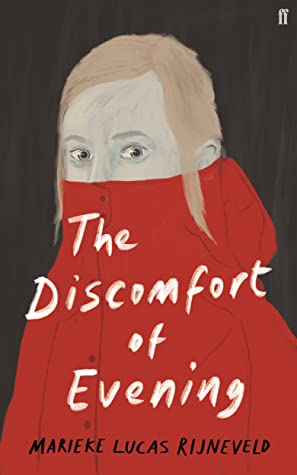
Discomfort is the biggest understatement with regards to a title I have come across in a long time. Let’s paint a more accurate picture and call it “Pain, misery and distress throughout multiple everlasting and torturous evenings.”
The first book to win the International Booker Prize. Image: Goodreads
Of course, people love getting their feelings hurt by a book, meaning that you know this is a good one. In fact, the rest of the world knows this is a good one too becauseThe Discomfort of Evening is the first Dutch book to receive the International Booker Prize, in 2020.
The plot — discomforting and brutally honest
Jas is a young girl growing up in an exceptionally strict Christian household. In a moment of childish rage, she wishes that her brother, who was allowed to go ice skating without her, would take her rabbit’s place.
Jas’ dairy-farming father has had his eye on the pet for dinner. To none of the readers’ surprise, said brother does not return from said skating trip.
Through the eyes of the little girl, we witness the family in mourning. The unique thing about Rijneveld’s writing (preserved through Michele Hutchinson’s apt translation) is the complete lack of euphemism and embellishment.
Why you should read it
If you were looking to be pushed really, really far out of your comfort zone anytime soon, and by that I mean uncomfortably close into obsessive erotic games, bizarre ritual attempts to invoke the dead, animal torture, or fantasies about God and redemption, you’ve come to the right place.
Rijneveld places the most private and gruesome parts of humanity under a magnifying glass for us. The result? It’s so shockingly honest that I’ve never been the same since reading the book.
And while this may sound like a journey you would never want to embark on, I promise, you will want to do it all over again by the end of the book.
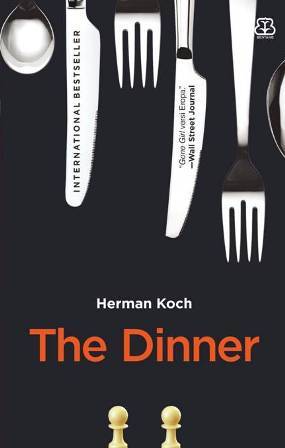
Herman Koch, The Dinner
Now, Koch is a little more on the Dutch-literature-veteran side of things. He does have a few newer novels to explore once you get into him, but this obsession can only really happen once you’ve read The Dinner.
For twists and turns. Image: Goodreads
Let’s just say, it’s no wonder Koch became famous for it.
The plot — bougie Amsterdam meets hidden horrors
Let me give you a rundown: Two brothers and their wives meet in one of Amsterdam’s bougie restaurants on a summer evening. Both of them have 15-year-old sons, which is a dream and absolute cousin goals if you ask me — but those two teens are not as much of a dream.
They’ve committed a horrible crime and, with their blurry images broadcast nationwide on TV, the police investigation is bound to uncover their identities.
Throughout the course of the evening, the couples beat around the bush until the poor bush cannot be beaten any further.
The small talk is everlasting and, quite frankly, a little frustrating, until it reaches a climax revealing just how far each couple is willing to go for their child.
Why you should read it
The novel is easy to fall into and a real gem to add to your literary collection. Still, if you’re not that much of a reader (at which point I would question your continued presence in this corner of the internet), fear not, there is a movie.
You can drool over Richard Gere in his silver fox era, starring in the role of Stan, one of the fathers. 😉
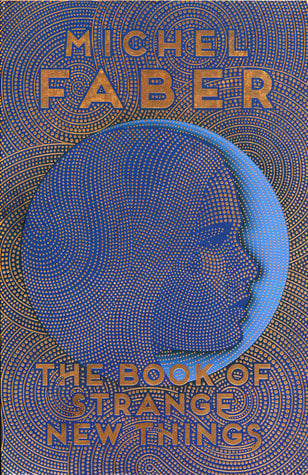
Michel Faber, Book of Strange New Things
This last one is for the rebels and dreamers among you — as well as those who believe themselves to be too serious to be captivated by made-up realities, and that literature of enchantment only exists in children’s books.
Like Koch, Michel Faber has made quite the name for himself within Dutch literature, especially through his 2002 novel The Crimson Petal and the White. It’s a historical fiction novel to rival any Balkan soap opera.
Strange and amazing. Image: Goodreads
The stuff works like a drug, I’m serious, don’t turn the first page unless you fully intend to turn the last one twenty-four hours later, unfed and parched, sitting or standing in the exact same spot.
The Book of Strange New Things addresses two themes, namely: Religion and space tourism. Had to do a double-take there, didn’t you?
Well, if you thought that the pairing of these two concepts was out of this world (horrendous pun fully intended, forgive me), think again because once more, Faber is being defiantly unclassifiable.
The plot — humourous and galactic
The book tells the story of Peter Leigh, an intergalactic missionary sent to an outpost on the planet of Oasis, a place with an almost religious sense of order and serenity. His plan: to deliver the word of God to every corner of his galaxy.
The Oasians are more than happy to welcome him, in exchange for drugs and the Bible. Charming, I know. The bible has been coined “book of strange new things”, hence the title.
Faber’s hilariously crude way of describing the Oasians’ childlike simplicity will absolutely slap you in the face on multiple occasions, my favourite being the moment Peter whips out a photo of his cat.
I don’t know what I was expecting, but the Oasians go on to ask if the cat is a Christian. They then proceed to condemn it to death for not following the preachings of Jesus. Sounds like an intergalactic cult, if you ask me. Would I join? Absolutely.
Why you should read it
As I said, Faber is not the place to be taking yourself too seriously. You’ll hate loving it and you’ll hate putting it down even more.
I’d suggest you give in and enjoy the ridiculous ride, because one thing is clear: the fabulous Mr Faber is, respectfully, a man of sickeningly great literary talent.
Of course, there are many more great Dutch reads out there, but we hope you enjoy this handsome little introduction to contemporary Dutch literature. Happy reading!
Do you have any Dutch book recommendations? Tell us in the comments below!
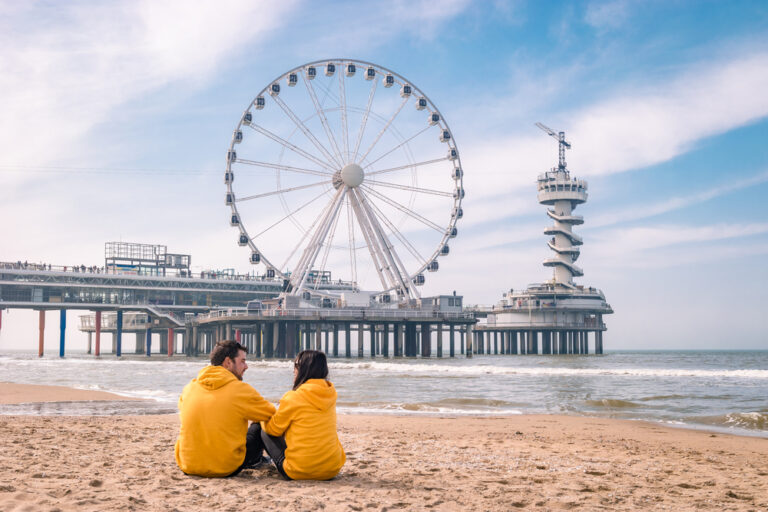
Geweldig! To end the perfect summer evening right, Pathé has opened an outdoor cinema set in the lush surrounds of Scheveningen beach!
A nice walk, a breath of fresh air, and a fun time with family and friends at the beach. What could make an already perfect day even better for Nederlanders? How about an outdoor movie theatre! 😍
After an afternoon in the summer sun, Pathé has made it possible for folks to end their days on the beach by watching some of their favourite classic films on a gigantic screen.
Now, what films are we talking about here? 🤔
Throwback classics and new faves
On the first movie night, which will take place on August 5, everyone’s favourite Hollywood flick featuring loads and loads of dinosaurs will grab a starring role in the outdoor cinema. It’s ‘Jurassic Park’! 🦖
On the second movie night, taking place on August 6, the iconic and incredibly nostalgic musical film starring everyone’s favourite summer lovin’ duo, Sandy and Danny, ‘Grease’ will grace the silver screen! 🎵
On the last movie night, on August 7, a shocking true story of the family behind the Italian fashion empire, Gucci, starring a whole bunch of legends (but just to name a few…Al Pacino, Lady Gaga, Jared Leto, and Salma Hayek) will take to the cinema screen. It’s ‘House of Gucci’!
We may need to wait for 2023
Unfortunately (but not surprising), the outdoor cinema has already been sold out with eager Nederlanders ready to spend a night of entertainment on the beach. (Plus, it’s freeee! That’s Dutchies’ favourite price).
Although you might’ve missed your chance to experience this year’s fantastic outdoor cinema at Scheveningen beach, it’s a good thing to know in case Pathé decides to host another one next summer! 🥳
Would you have attended this beach cinema? Tell us in the comments below! 👇
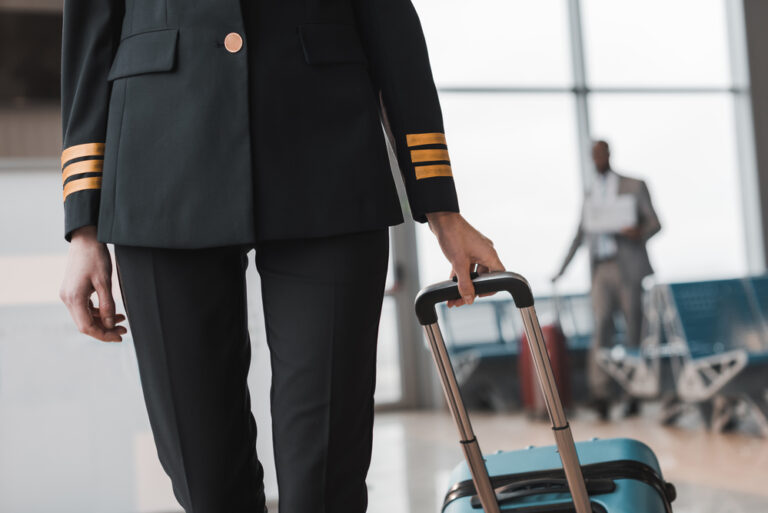
We’ve all been watching the chaos at Schiphol Airport with dismay — including Dutch pilots. Luckily, they’ve decided to do something about it.
The Pilots Union (VNV) has announced that pilots are offering up their services to help with security at the airport. 👏
We know what you’re thinking: pilots at security — could this mean King Willy may be pushing my bag through the security belt??
Unfortunately, while we’re sure he sympathises with the situation, we imagine he won’t take it that far. But other, less royal pilots? Yes!
Why do they want to help?
It’s not only holiday goers who are affected by Schiphol’s decision to cancel a large number of flights this summer — while we’re missing out on some sand between our toes, pilots are missing out on work.
By jumping into security, pilots may be able to make sure that more of their flights actually leave. “If we can ensure that one extra plane can take off, that is already a gain,” a spokesperson for the VNV tells NU.nl.
It’s not yet known just how many Dutch pilots are willing to help, but the spokesperson is certainly optimistic. “Our pilots are very involved. I expect a lot of them are willing to do this.”
The VNV is quick to point out that the pilots stand with the strikes, “We stand on the ground for our colleagues and support them in good and fair agreements with their employers.”
Easily integrated
While it’s not so easy for the average person to join the ranks and become part of Schiphol’s security department, as part of their role, pilots can already do this.
However, they won’t be the ones to pat you down or tell you for the fifth time to REMOVE YOUR KEYS FROM YOUR POCKET as this requires extra training. However, they would be able to fill some other “security functions.”
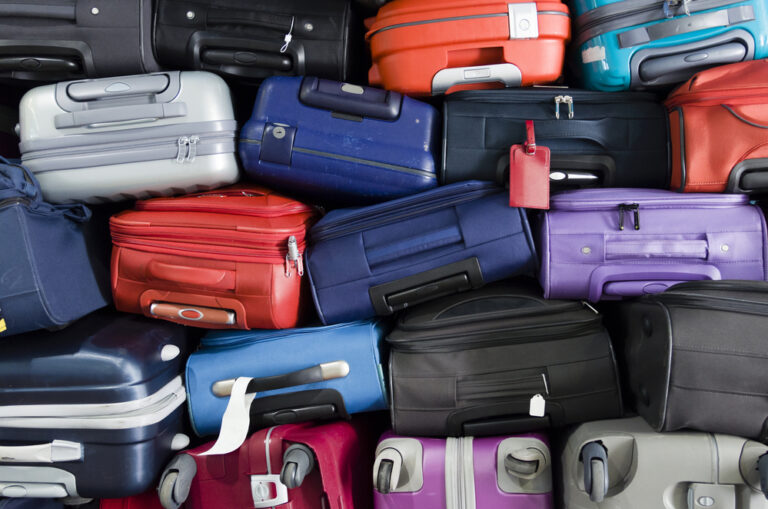
In recent weeks, Schiphol’s baggage hall has been filling up with unattended suitcases due to several flight cancellations and baggage system malfunctions.
Speaking with the NOS, an airport staff union spokesperson explains that the problem began a week ago as a result of a flight disruption over the weekend.
They add: “There will soon be a lot of suitcases in the baggage hall, but I can’t give exact numbers. Ultimately, the handlers have to ensure that luggage gets back to the travellers.”
As many passengers began to notice the unusual amount of leftover suitcases on the ground, they took the issue onto Twitter.
Gistermiddag aangekomen op Schiphol. Wist niet wat ik zag allemaal koffers die nog niet opgehaald waren. Je kon bijna niet bij de bagageband komen. pic.twitter.com/tDydPyKeUQ
— Astrid van Westerop (@AstridYolanda) June 27, 2022
Translation: “Arrived at Schiphol yesterday afternoon. Didn’t know what I saw was all the suitcases that hadn’t been picked up yet. You could hardly get to the baggage claim.”
#hoeandersnu In het verleden applaudisseren passagiers bij het landen v/h vliegtuig. Merkte vandaag dat men applaudisseert en zelfs vreugdedansjes maakt als reizigers hun koffer van de band zien rollen. Er staat namelijk een beste lading aan achtergebleven koffers op Schiphol pic.twitter.com/CM2jSjrcBM
Translation: “In the past, passengers applauded when the plane landed. Noticed today that people applaud and even make happy dances when travellers see their suitcases roll off the belt. There is a good load of leftover suitcases at Schiphol”
From security to baggage personnel
The airport staff union (FNV Schiphol) aren’t surprised that baggage personnel are unable to get to the suitcases in time.
Previously, the organisational problems began with security personnel. Now, they’re spreading to baggage personnel as a result of flight reorganisation and delays.
The Chairman of the Trade Association of Dutch Airlines Barin, Marnix Fruitema, explains that piled up suitcases are a problem for many airlines at several European airports.
Flight disruptions and system errors aren’t the only ones to blame. Schiphol’s staff shortage is also making it increasingly difficult to manage the airport during the busy summer season.
How do you feel about the piles of unattended suitcases at Schiphol? Tell us in the comments below!
The sun is shining, the temperature is warm — but none of that matters because the Netherlands is getting its very own Real Housewives spinoff. 📺
Um, like, obviously we are all super intelligent and would never be caught dead trudging our eyeballs through the sludge that is reality TV.
Buuut just in case you’ll be joining me your finger slips on the remote and it accidentally streams to your TV these are the ultra-important details you’ll need for, um, context.
Seven (seven!) cashed-up Amsterdam vrouwen will be let loose on our screens. We don’t know exactly what to expect, but we can expect heaps of money, dazzling Dutch real estate, and (hopefully) loads of drama.
This will be nice to see because on a writer’s salary this might just be the only way I’ll ever experience luxury Amsterdam life. *cries into ramen noodles* 🍜
Our new dramatic besties
The series will feature Cherry-Ann Person, Djamila Celina, Hella Huizinga, Kimmylien Nguyen, Maria Tailor, Sheila Bergeik, and Susanna Klibansky as the housewives.
Don’t worry if those names mean nothing to you because I’m sure they’ll feel like old friends (or enemies) in your lounge room very soon.
Unfortunately, it is sounding like the series will be in Dutch — so let’s pray to the streaming gods for some subtitles. We need the tea. ☕️
Every year, changes in laws and policies often take effect on July 1— many of which have a big impact on our lives.
While some of these changes involve finances or public safety, there are other changes being made that aren’t necessarily forgiving to the wallet, according to Het Parool.
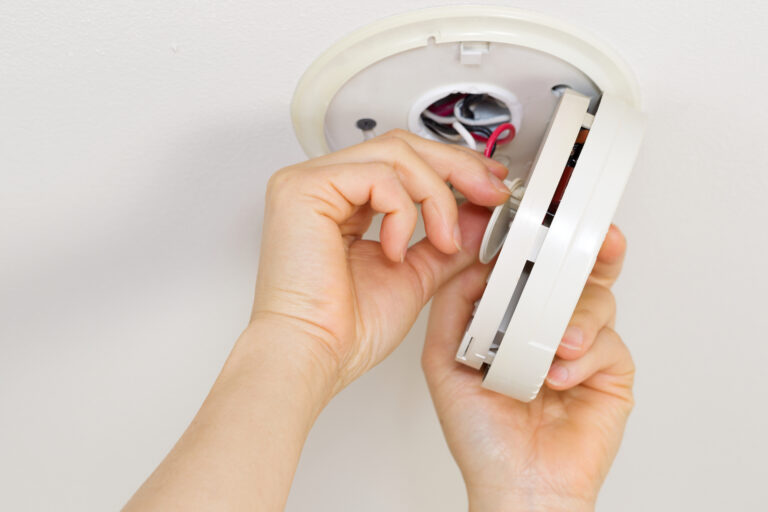
1. Smoke detectors are mandatory in every house
Starting this Friday, every floor of a house with a bedroom or living room must have a smoke detector installed on the ceiling.
Previously, you were allowed to decide if you wanted to install a smoke detector. Homes built after 2003 were already obligated to have smoke detectors, but this will apply to all homes in the Netherlands.
2. Influencers follow stricter Dutch media laws
Influencers and vloggers must make it clear when they’re advertising products for money. They’re also not allowed to extensively promote toys in videos aimed at children.
The new rules will apply to creators with more than 500,000 followers on platforms such as YouTube, Instagram, and TikTok. A slight win for parents. 💪
3. Energy prices are STILL rising
Energy suppliers are going to raise the energy rates even more starting July 1. Depending on your provider, in the coming months, you might see an increase of between €20 to €90 in the price of your bill.
Landlords in the social housing sector can increase rent by a maximum of 2.3% — but there’s no telling how much exactly rents will actually rise.
Housing associations can increase rent by €50 to €100 for people with higher incomes, as long as it falls within the maximum rent limit of the house.
5. Fines for people who drive unregistered agricultural vehicles
Drivers of unregistered agricultural and construction vehicles such as tractors can be fined €400. Until now, these vehicles could hit the road without a license plate.
The Dutch government installed a registration obligation on January 1, 2022 but added a leniency period of six months.
Farmers during this week’s protest could use the leniency period but chose to remove their license plates from their tractors as part of the protest.
Bonus: free library membership for those under 18
Anyone under the age of 18 can become a member of the library for free! Parents won’t have to worry about paying extra costs and kids get a place to work or study.
While we covered this in a previous article, it’s just so dang cool!
What do you think of the new changes coming on July 1? Tell us in the comments!
On Tuesday evening, a group of rioting farmers broke through a police barricade and headed towards the Dutch Nitrogen and Nature Minister’shome.
The farmers pushed down a police car that was supposed to block the way towards minister Van der Wall’s house so that they could drive their tractors down the street.
A group of rioters also set off fireworks at the house, according to the NOS. At the time, the minister wasn’t present at home, but her family had to deal with the violent circumstances.
On Twitter, the Gelderland Police responded to farmers’ aggressive actions and that they “clearly crossed boundaries”, reports NU.nl.
They continue to say: “A police car was destroyed and a slurry tank was emptied. The situation was threatening and unacceptable, also towards emergency personnel.”
Prime Minister Mark Rutte also issued a statement on the situation in which he stated that the aggressive actions of the rioters were “unacceptable”.
Why are the farmers so angry?
The Dutch cabinet has made plans to cut total nitrogen emissions in the Netherlands by 50% by 2030.
As farmers play a major role in Nitrogen production, the government’s goals will force many Dutch farmers out of business.
A Farmers Defense Force (FDF) spokesperson explained that the demonstrations were “desperation in its purest form,” as well as a result of government policy.
A Maastricht art fair has been targeted by four robbers who used a sledgehammer to smash a display case. Bystanders say that one of the men also had a gun.
Yes, that seems very serious — but did we mention the robbers were dressed as characters from Peaky Blinders?
We have to admit, Cillian Murphy looks better in the outfit than these guys.
Check out the video below:
The robbery happened around noon today in a corner of the fair that had old masters. However, traders say that the robbers were unsuccessful. Two of the men were arrested.
Children under 12 who are subjected to unbearable living conditions could be allowed euthanasia under a new proposal from Dutch Minister for Health Ernst Kuipers.
The children in question can choose to be euthanised if there is zero possibility of recovery and are expected to “die in the foreseeable future”, reports RTL Nieuws.
The doctor must consult with another independent doctor and discuss the full diagnosis and prognosis of the child.
The children’s parents must both agree to go along with the lethal process. However, parental consent is not enough if the child doesn’t want to end his life.
Minister Kuipers also explains that: “In a legal sense, the child does not have to agree to the termination of life. However, the doctor must make an effort to contact the child in a way that suits the child’s comprehension level.”
Political sensitivity
Euthanasia is a sensitive topic in politics since it deals with heavy matters regarding life or death scenarios.
With no legal protocols for children aged between 1 and 12, parents are faced with two options: wait for their child to pass on or keep relieving their pain with palliative sedation.
The current Euthanasia Act only applies to children aged 12 and older since they are considered old enough to fully understand the matter of their situation, says de Volkskrant.
Euthanasia in the Netherlands
Euthanasia of people over 12 years old has been decriminalised in the Netherlands since 2002. The Termination of Life on Request and Assisted Suicide Act states that physicians cannot be punished for euthanasia and physician-assisted suicide provided due care is taken.
Due care includes the patient’s request, the level of suffering, the information provided to the patient, the absence of reasonable alternatives, consultation by another physician, and more. Each case also must go through a separate review committee.
In 2016 there were 6,091 cases of euthanasia in the Netherlands.
Next steps
For now, children under 12 are considered as lacking the ability to completely oversee and reason with their situation.
Minister Kuipers submitted a draft scheme about the sensitive proposition to the House of Representatives to gather advice about the matter from other relevant parties.
Kuipers must wait until October to further inform the House of Representatives about the proposition and determine if or when the regulation will come into effect.